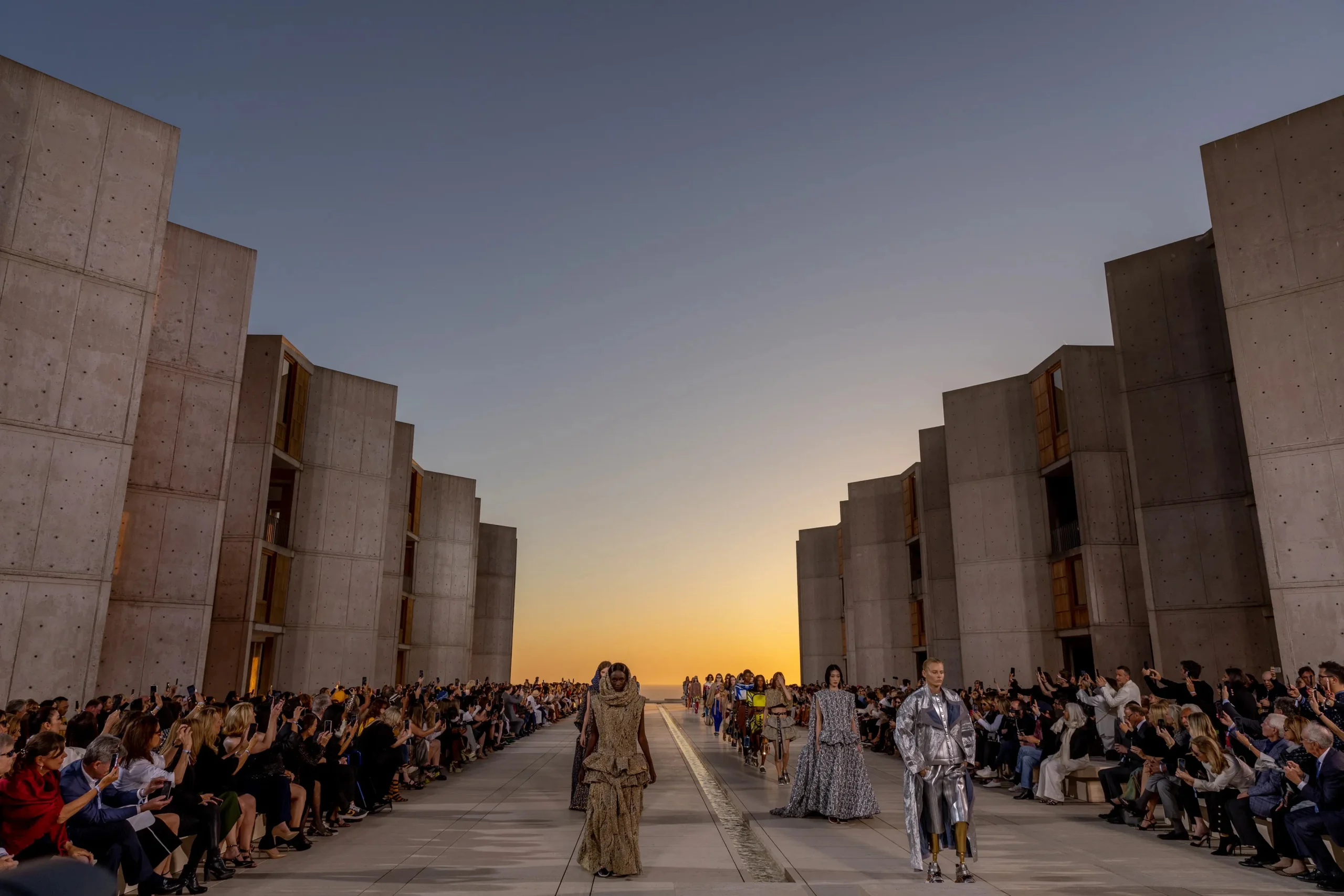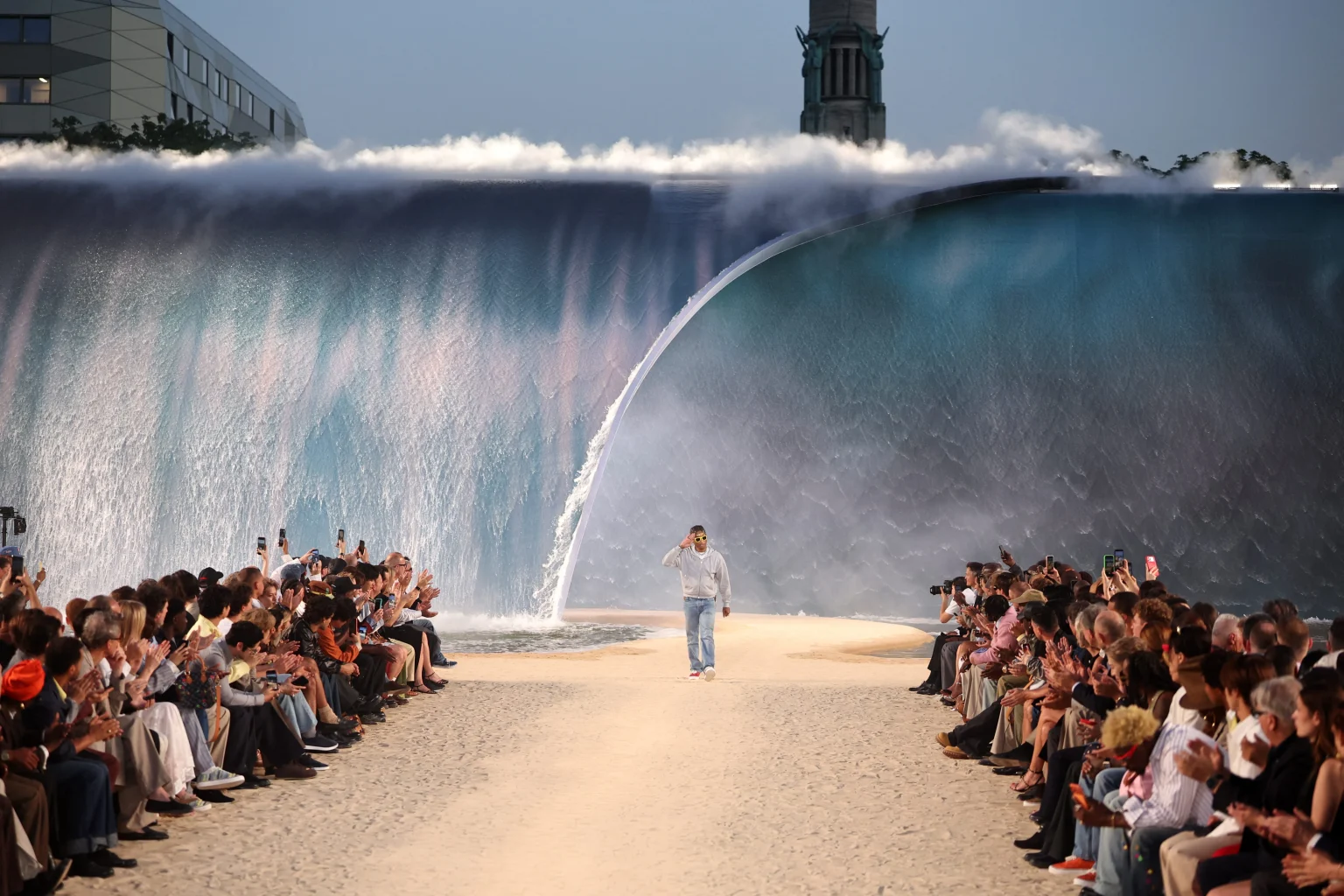
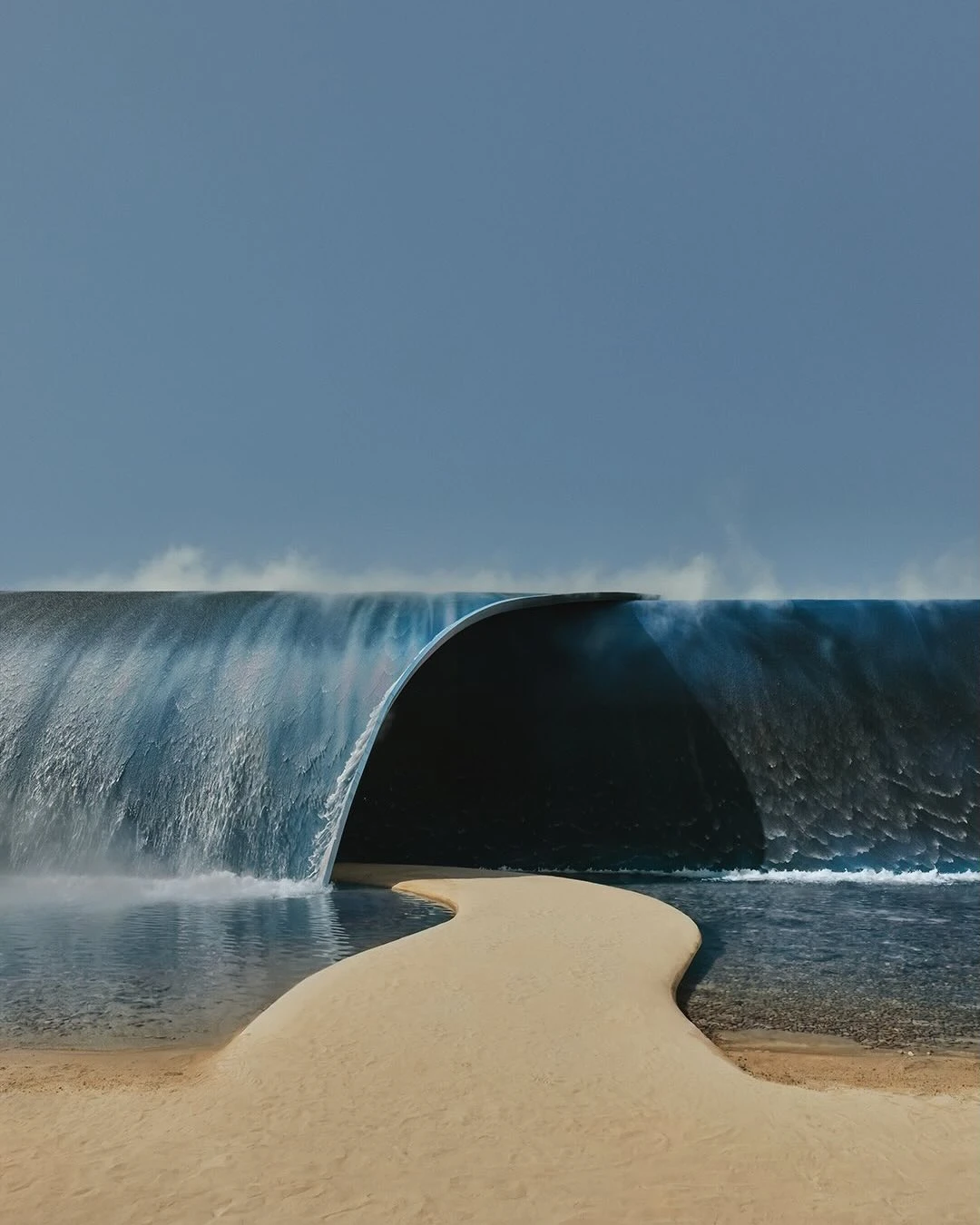
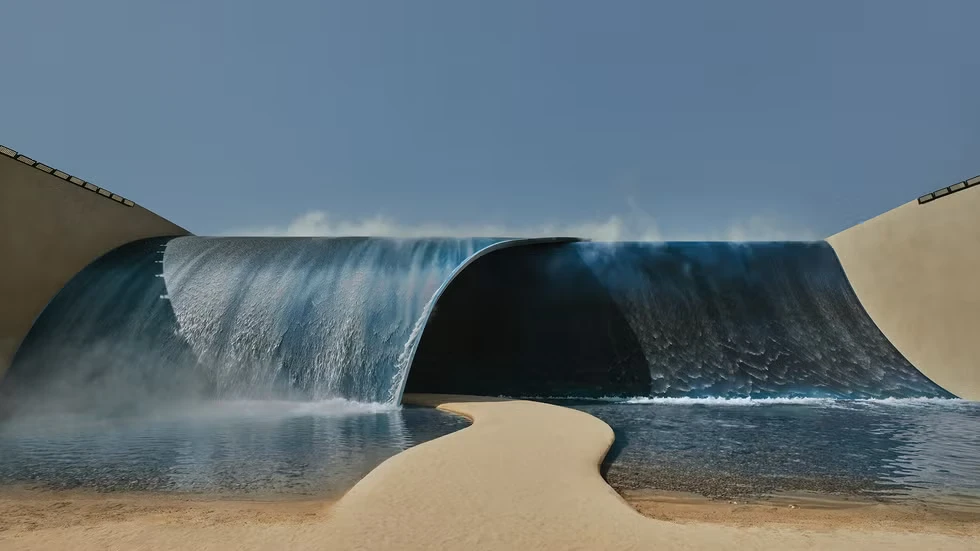
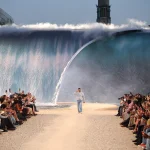

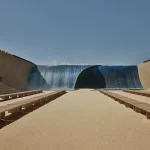
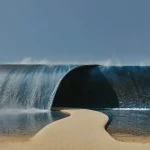

Fashion runways shape experiences beyond the clothing they frame. They have become immersive environments, temporary architectures that frame how collections are experienced and remembered. For Louis Vuitton’s Spring–Summer 2027 menswear presentation in Paris, Pharrell Williams pushed this idea further by converting the runway into a constructed coastline dominated by a monumental wave rising above a sandy landscape. The installation positioned space itself as part of the collection’s narrative.
Louis Vuitton Brings the Shoreline to Paris
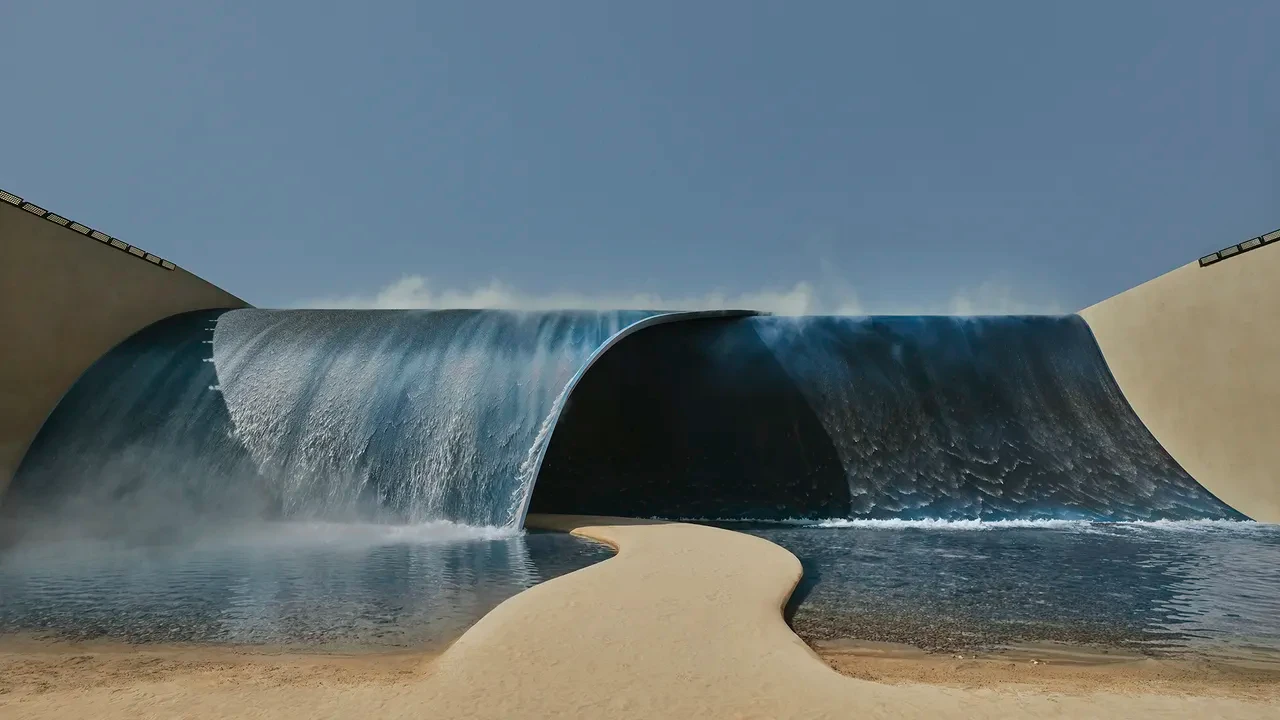
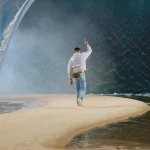
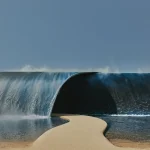
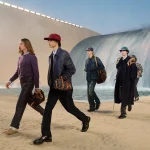
Presented during Paris Fashion Week amid unusually high summer temperatures, the show immersed guests in an environment of sand, water, sound, and movement. Models crossed a terrain that evoked the edge between land and sea, while the towering wave introduced a sense of motion frozen in time. The scenography drew from surf culture, a recurring influence throughout the collection, but its significance extended beyond visual references to California beaches.
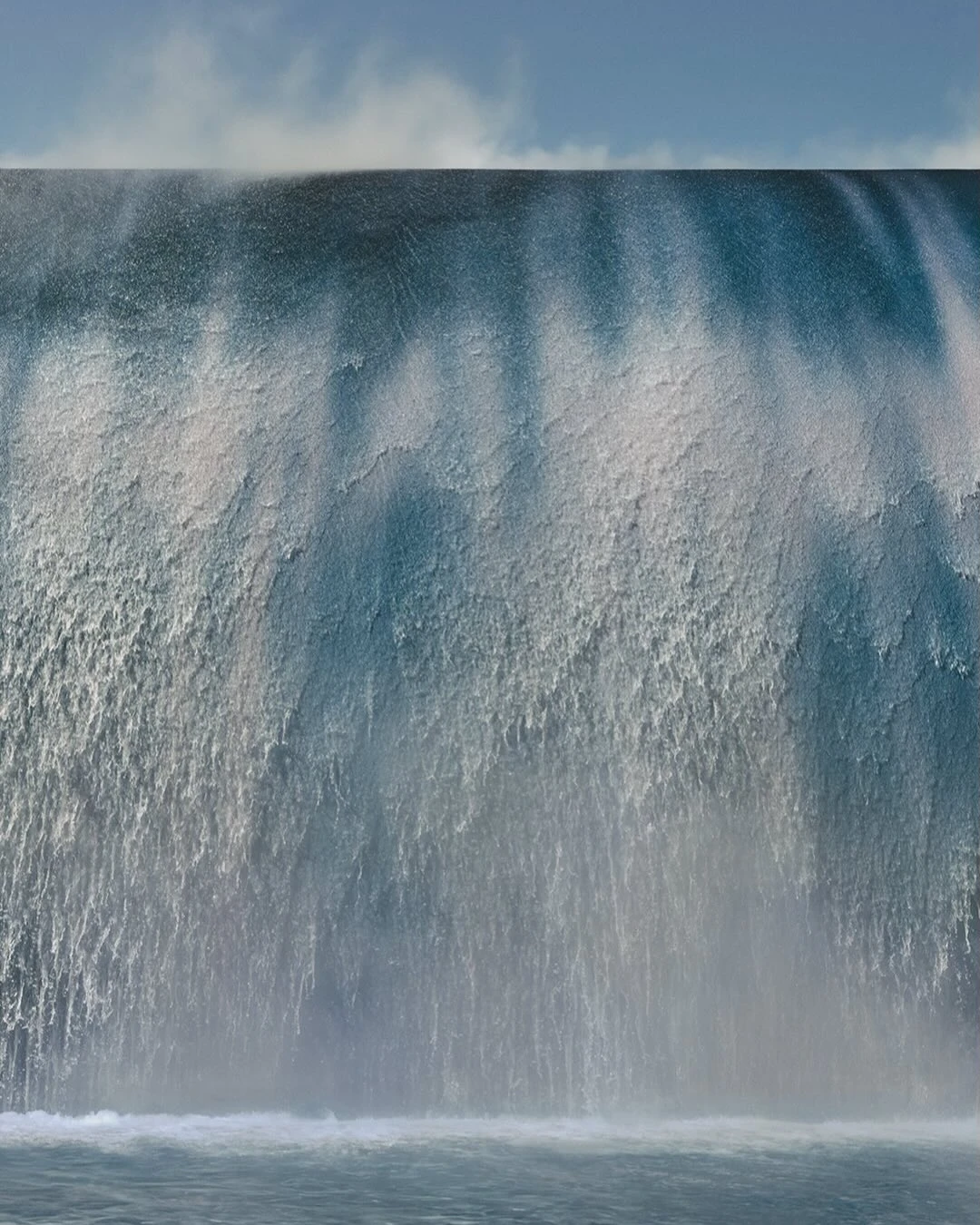
What makes the project stand out is how it uses landscape-like elements to reshape the runway experience. Fashion shows create linear routes that direct attention toward garments. Here, the environment became equally important. The wave established a horizon, the sand altered perceptions of movement, and the coastal setting generated an atmosphere that connected every look to a larger spatial story. Instead of presenting fashion against architecture, Louis Vuitton used architecture-like interventions to create an entirely new setting for fashion.
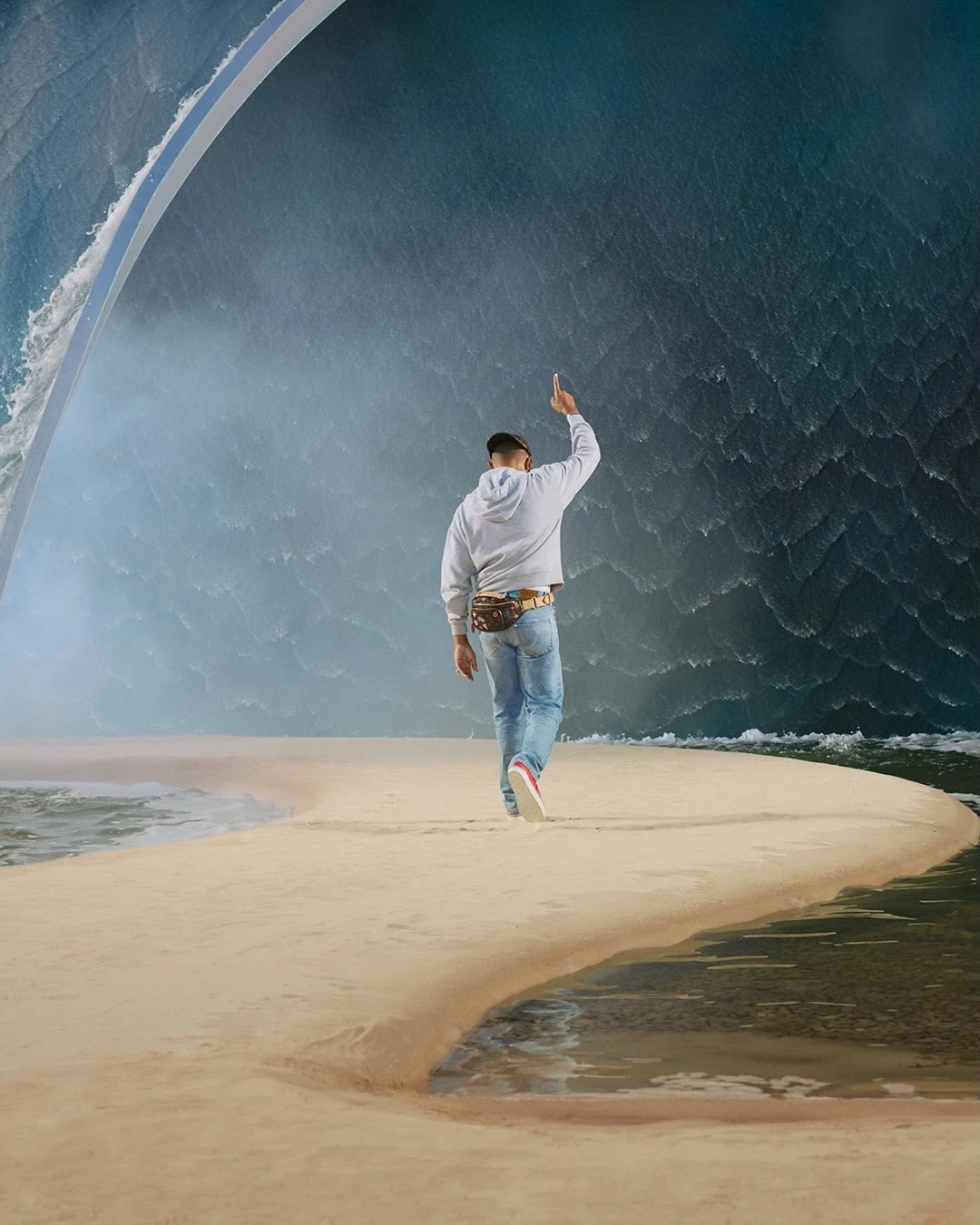
The installation also reflects a broader shift occurring across luxury fashion. Over the past decade, brands have increasingly invested in environments that function as cultural events. The most memorable shows today are often remembered for the silhouettes or accessories that they construct. In that context, Pharrell Williams’s coastline can be understood as part of a growing movement where spatial design becomes a strategic storytelling tool.
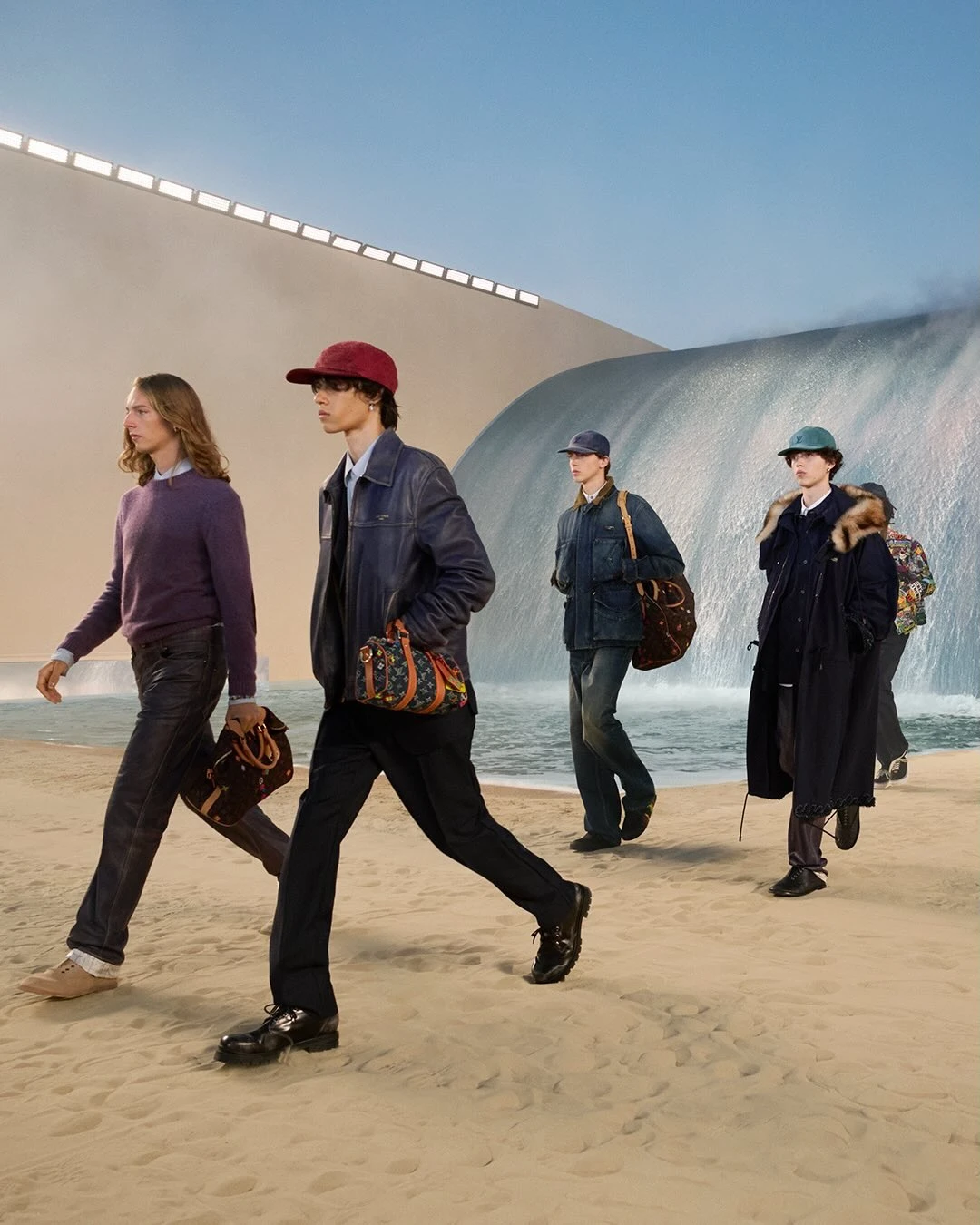
Yet the wave carried symbolism beyond spectacle. Surfing has long been associated with freedom, adaptability, and a continuous negotiation with natural forces. By placing this imagery at the center of the presentation, the runway suggested an alternative vision of luxury, one connected to movement, exploration, and outdoor culture. The collection’s dialogue between surfwear, tailoring, and Louis Vuitton’s heritage echoed this idea throughout the show.
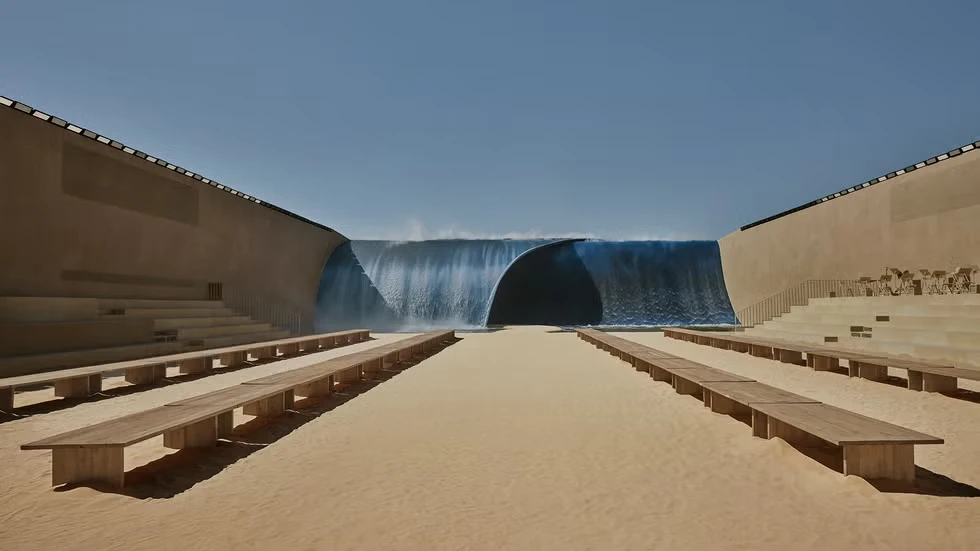
The project also introduced an environmental dimension. According to Louis Vuitton, the water used for the installation was sourced and recycled through Paris’s water network, while the sand and materials were planned for reuse after the event. The show also coincided with the maison’s partnership with Coral Gardeners, which supports coral restoration efforts in French Polynesia. While luxury fashion continues to face questions about sustainability, these measures positioned the runway as part of a larger conversation about environmental responsibility.
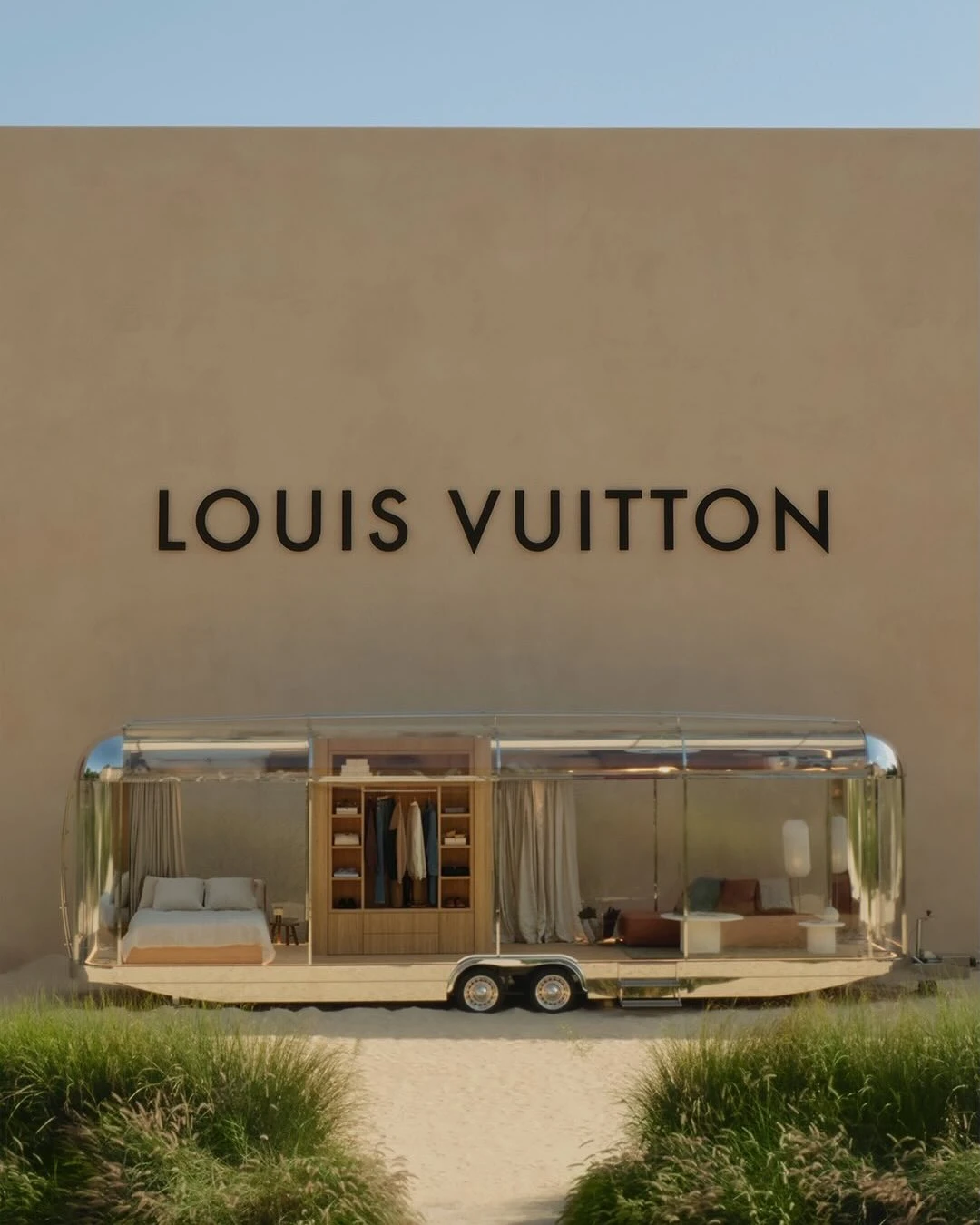
Perhaps the most interesting aspect of the installation is that it blurred distinctions between set design, architecture, and landscape. The wave was not infrastructure, yet it organized movement. It was not a sculpture alone, yet it became the defining architectural element of the event. In doing so, it demonstrated how temporary environments can have a cultural impact comparable to permanent structures.
As luxury brands continue to compete for attention in an increasingly visual world, the Louis Vuitton presentation offers a glimpse into the future of runway design. The most influential fashion stages may no longer resemble stages at all. Instead, they may become immersive landscapes, places where architecture, storytelling, and fashion converge to create experiences that extend far beyond the clothes themselves.
Image credit: Louis Vuitton