

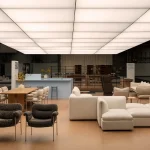
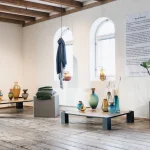
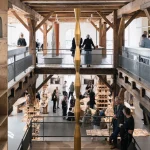
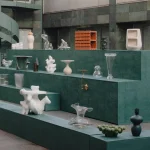
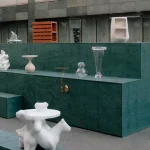
The annual 3daysofdesign festival in Copenhagen, which ran from June 10 to 12, 2026, has solidified its status as the most significant design event in Scandinavia and Northern Europe. What began in 2013 as a small-scale initiative by four Danish brands operating in a former warehouse in Copenhagen’s Nordhavn district has evolved into an expansive, city-wide cultural phenomenon.
The 2026 edition operated under the overarching theme “Make This Moment Matter.” Curated under the leadership of Signe Byrdal Terenziani, CEO and Managing Director, the theme served as a collective call to move from more to meaningful, urging designers and consumers to slow down, observe, and choose design with an intentional reason for being. This thematic framework acted as an industry-wide mandate to examine the long-term ecological and social implications of present-day design decisions.
The visual identity, developed by the Copenhagen-based collective On Display, featured a collage of a black lily in a vase juxtaposed with a superimposed paper Origami Teller, symbolizing the transitional space between historical legacy and future speculation.
Masterclasses in Color and Material Innovation
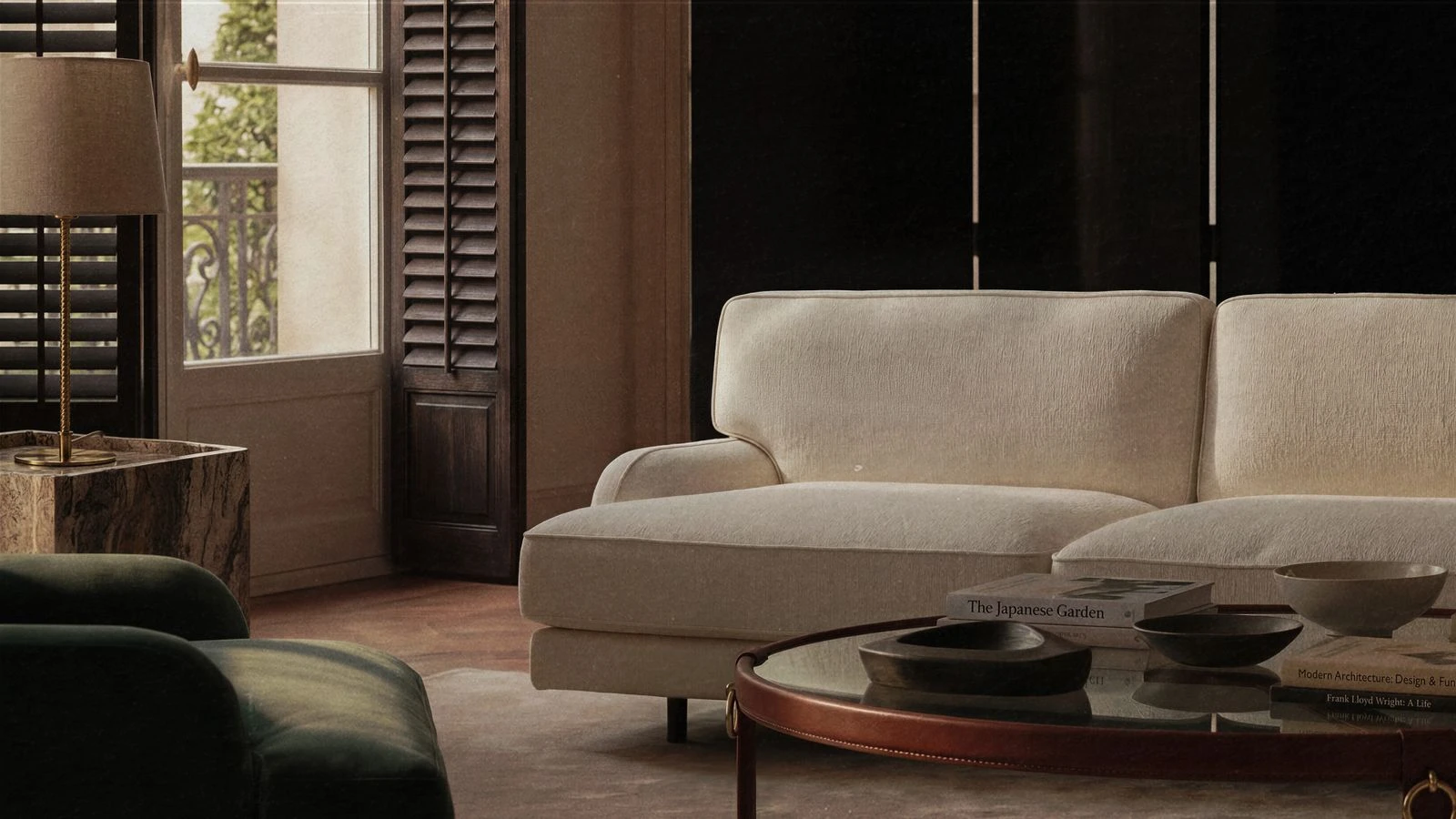
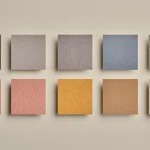
A defining aesthetic shift of 3daysofdesign 2026 was the rejection of neutral, understated greige palettes in favor of saturated, expressive color schemes. Bold tones such as burgundy, plum, lilac, orange, and moss green dominated the interiors, often paired with polished or brushed chrome surfaces. Color emerged as a primary tool for individual expression, aligning with the festival’s focus on presence and sensory stimulation.
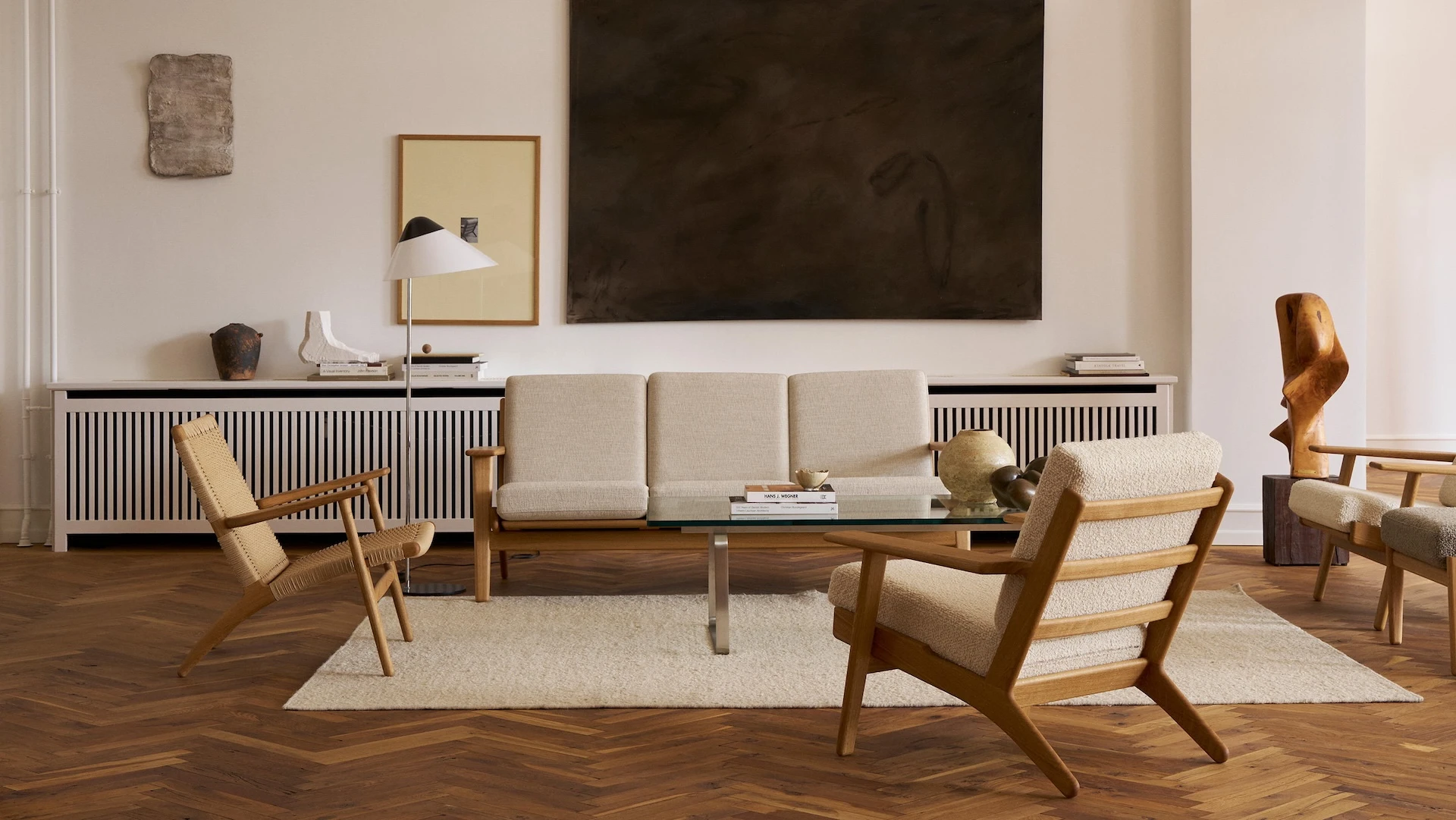
Hay embraced this trend by presenting the new Chisel Bar Stool and Chisel Dining Chair in a rich Burgundy finish, emphasizing color as a structural element. Montana Furniture followed a similar approach, releasing its modular shelving unit in a limited edition featuring three historic special colors. These bold, chromatic introductions were balanced by classic, material-focused re-editions.
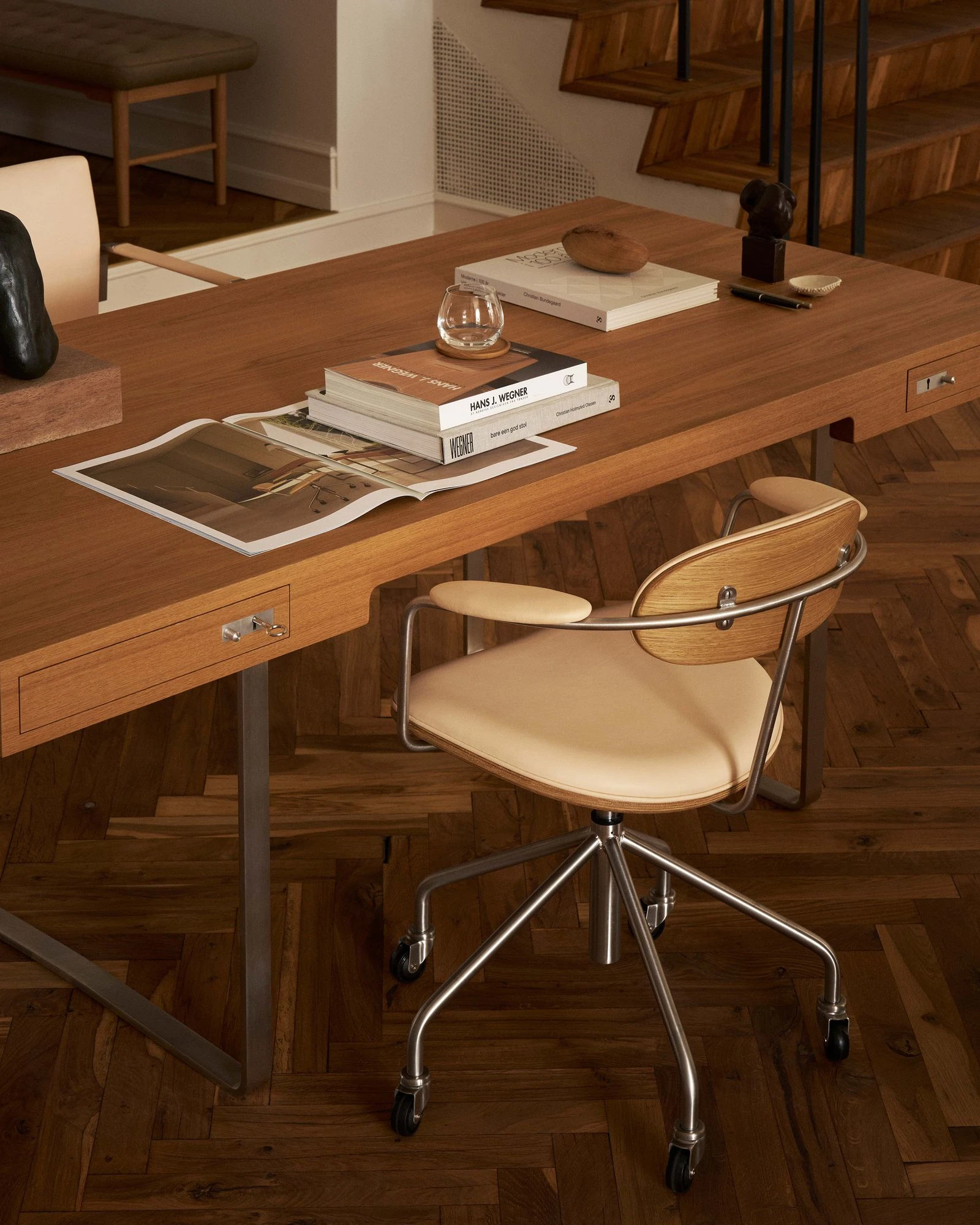
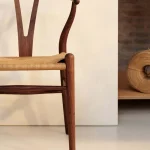
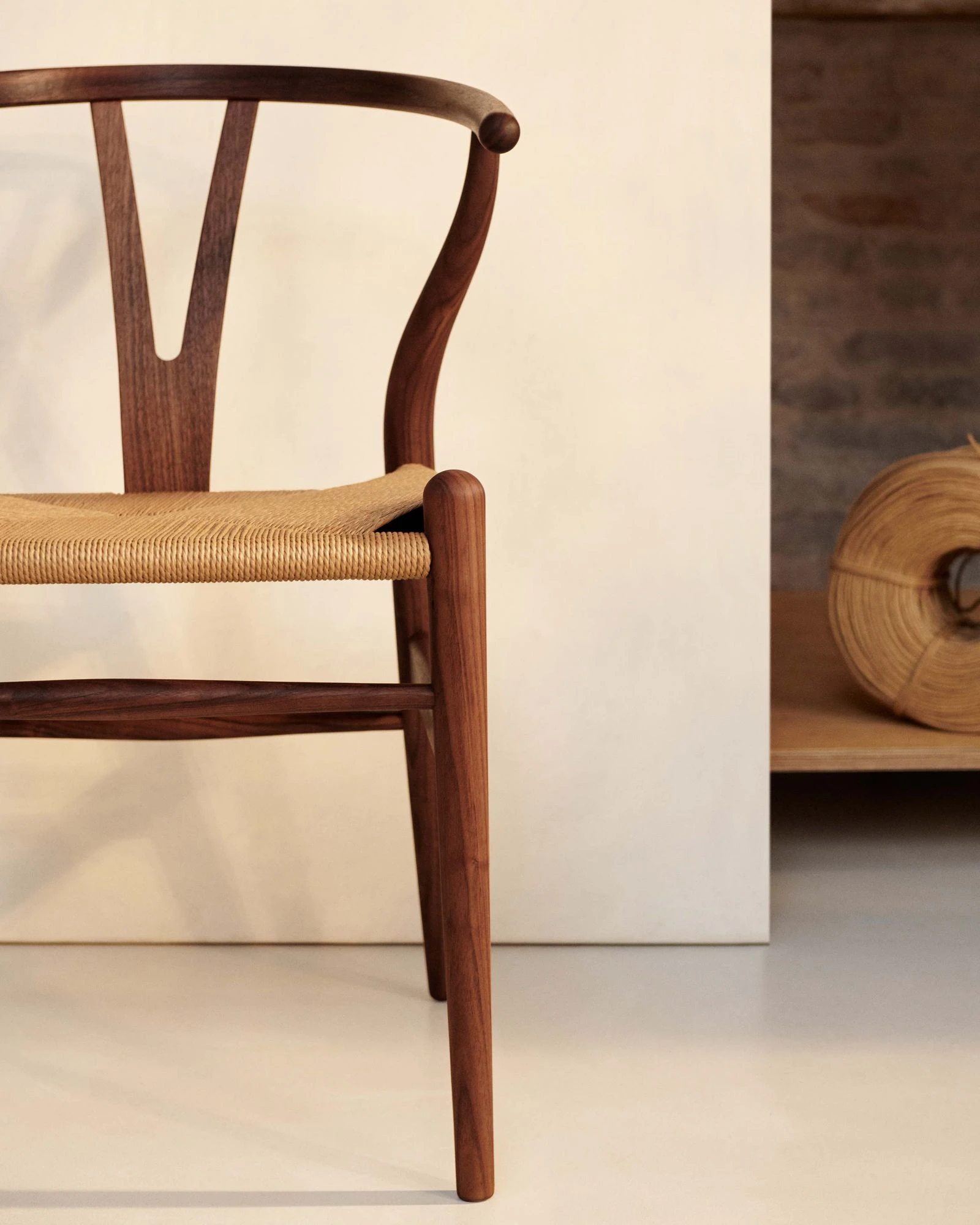
Carl Hansen & Søn redesigned the classic CH24 Wishbone Chair with a double-sided leather seat, shifting the iconic design toward a more tactile, understated aesthetic. Fritz Hansen updated its heritage collection by introducing a graphic, striped fabric cover that added a fashion-inspired, visual pattern to its mid-century designs.
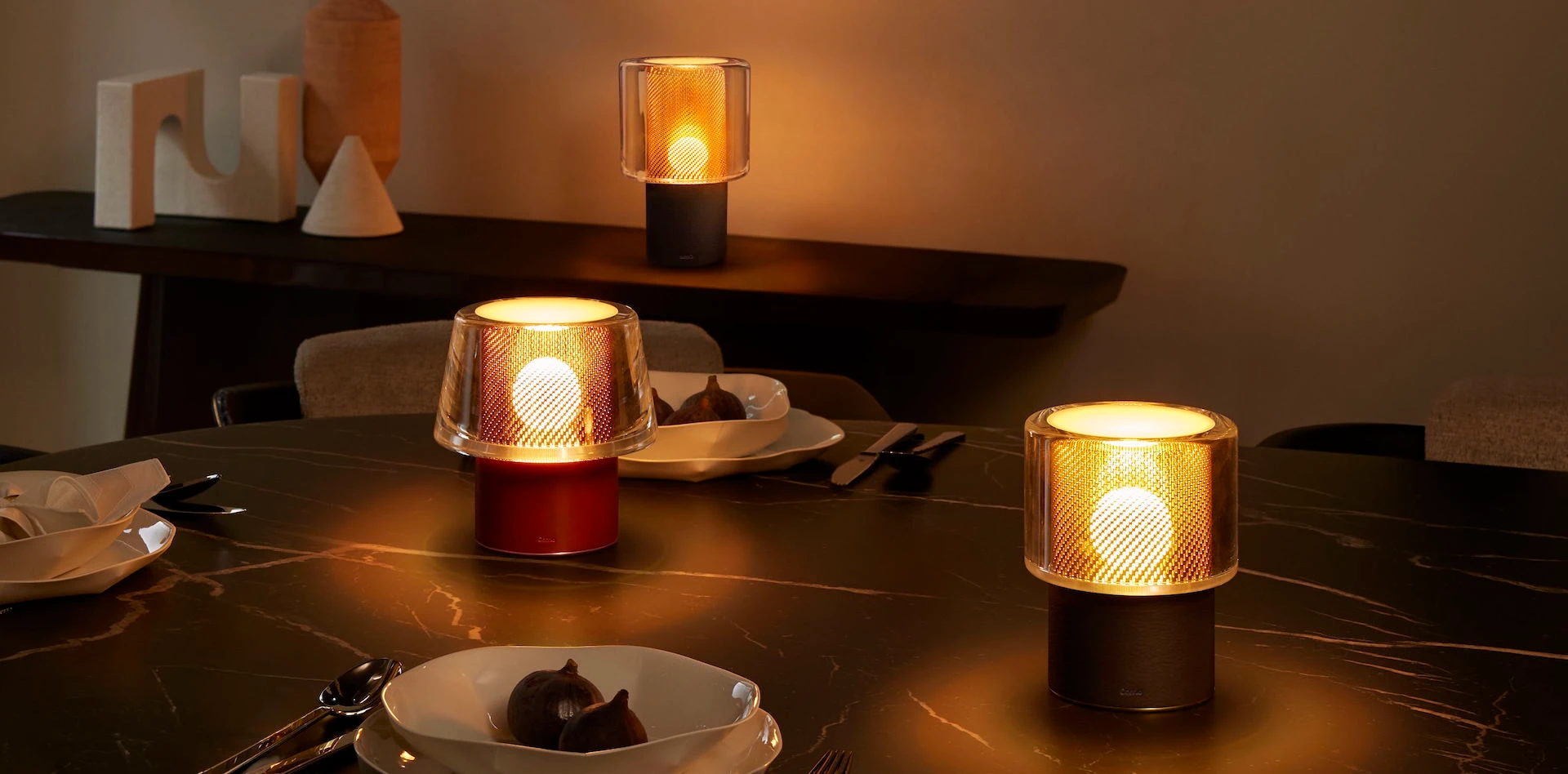
The German lighting brand Occhio presented “colors by Occhio,” a bold installation highlighting the emotional power of light and color. The showcase featured the brand’s iconic io, Sento, and Gioia luminaire series in rich shades of blue, green, red, and purple (blu, verde, rosso, viola).
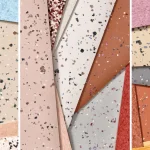
Material reuse also drove new product typologies. Swedish designer Monica Förster, in collaboration with Fogia, introduced the Kern coffee and side table series. The tables were manufactured using “Outt,” an innovative mineral composite developed to reclaim waste from marble quarries in northern Italy. Outt utilized fine marble dust as a binder, creating a dense, stone-like material.
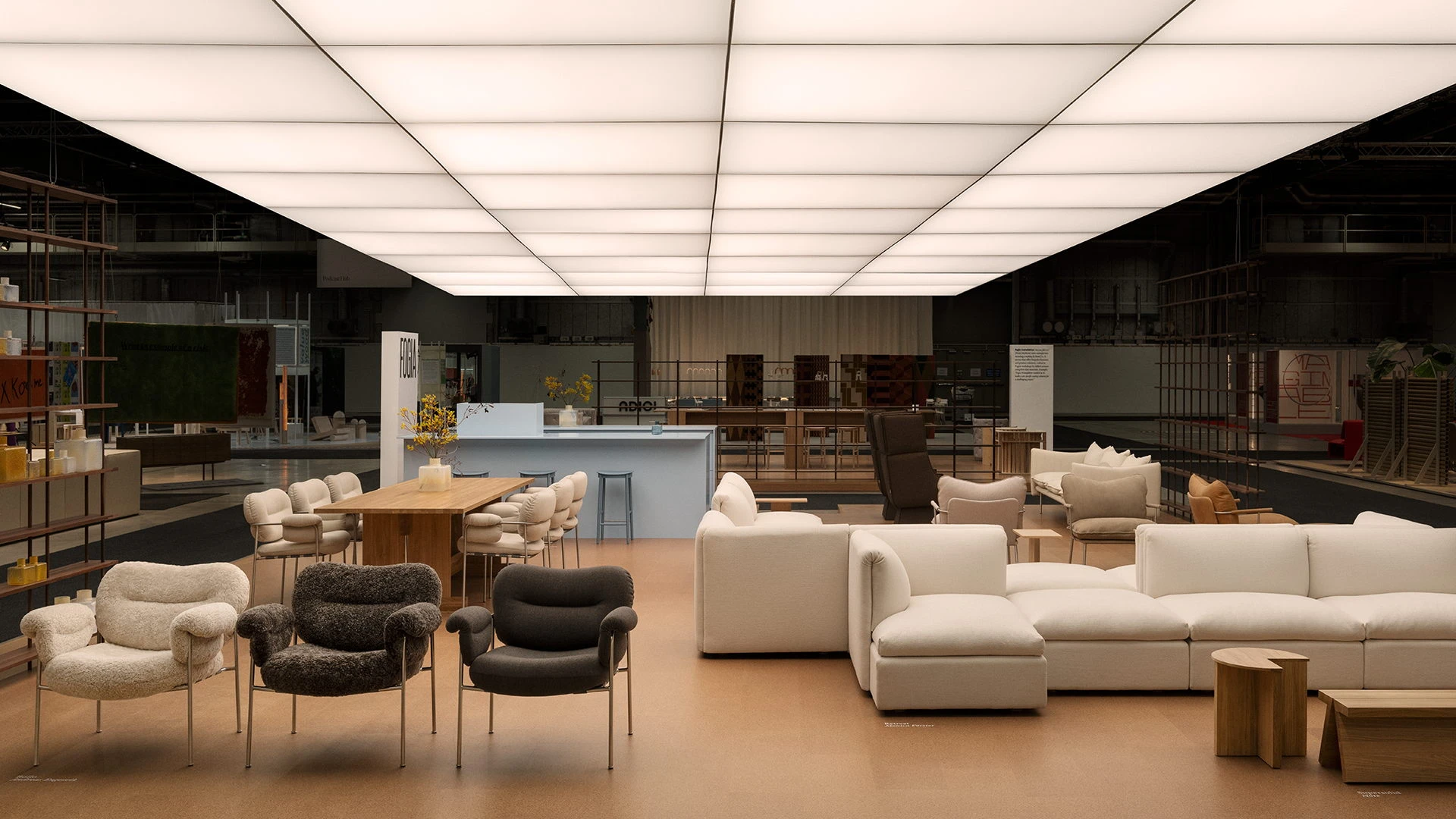
The surface of the Kern tables was brushed as opposed to polished to retain the natural, irregular qualities of the raw stone.
Vitra: The Bascule Lounge Chair and Modular Seating Systems
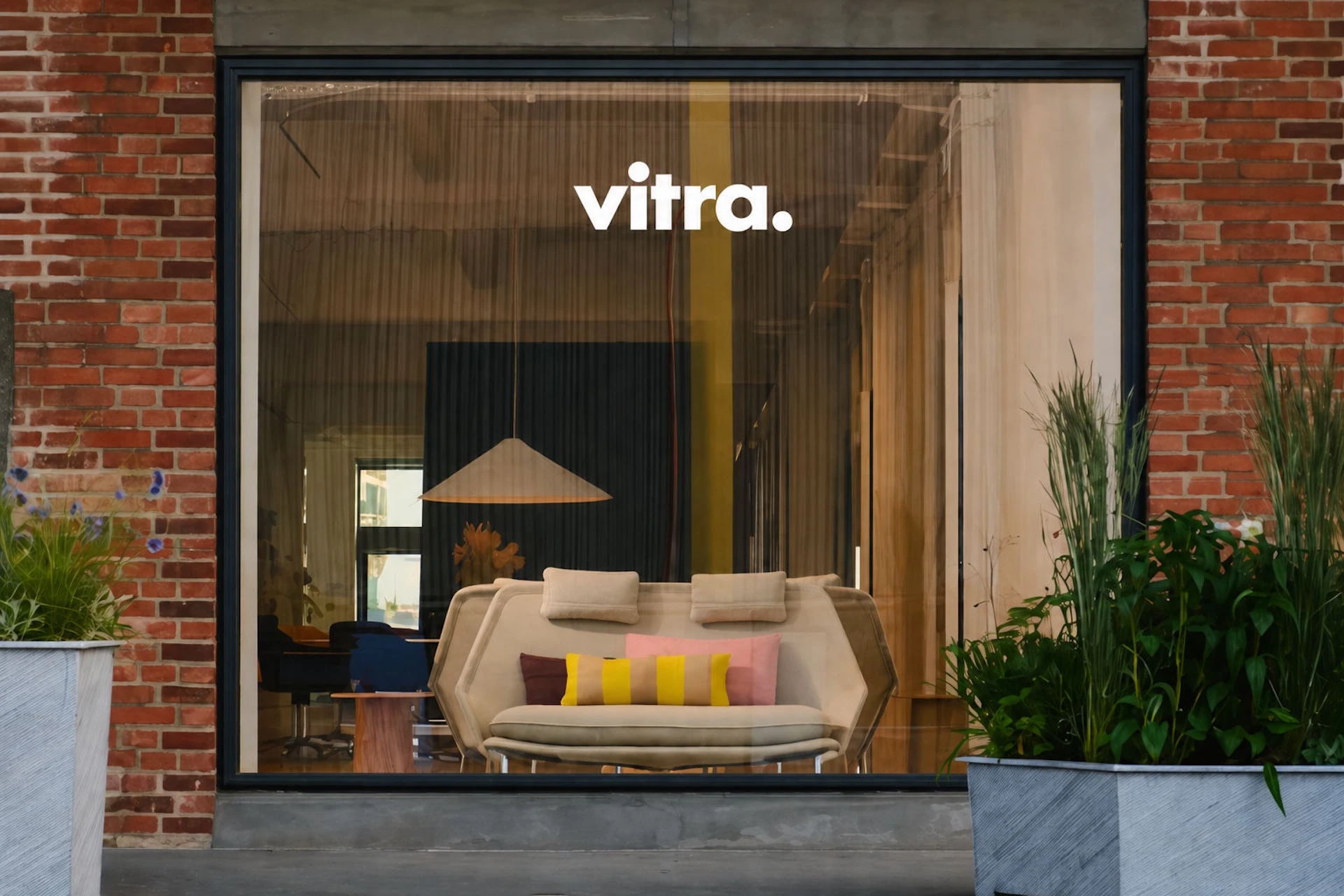
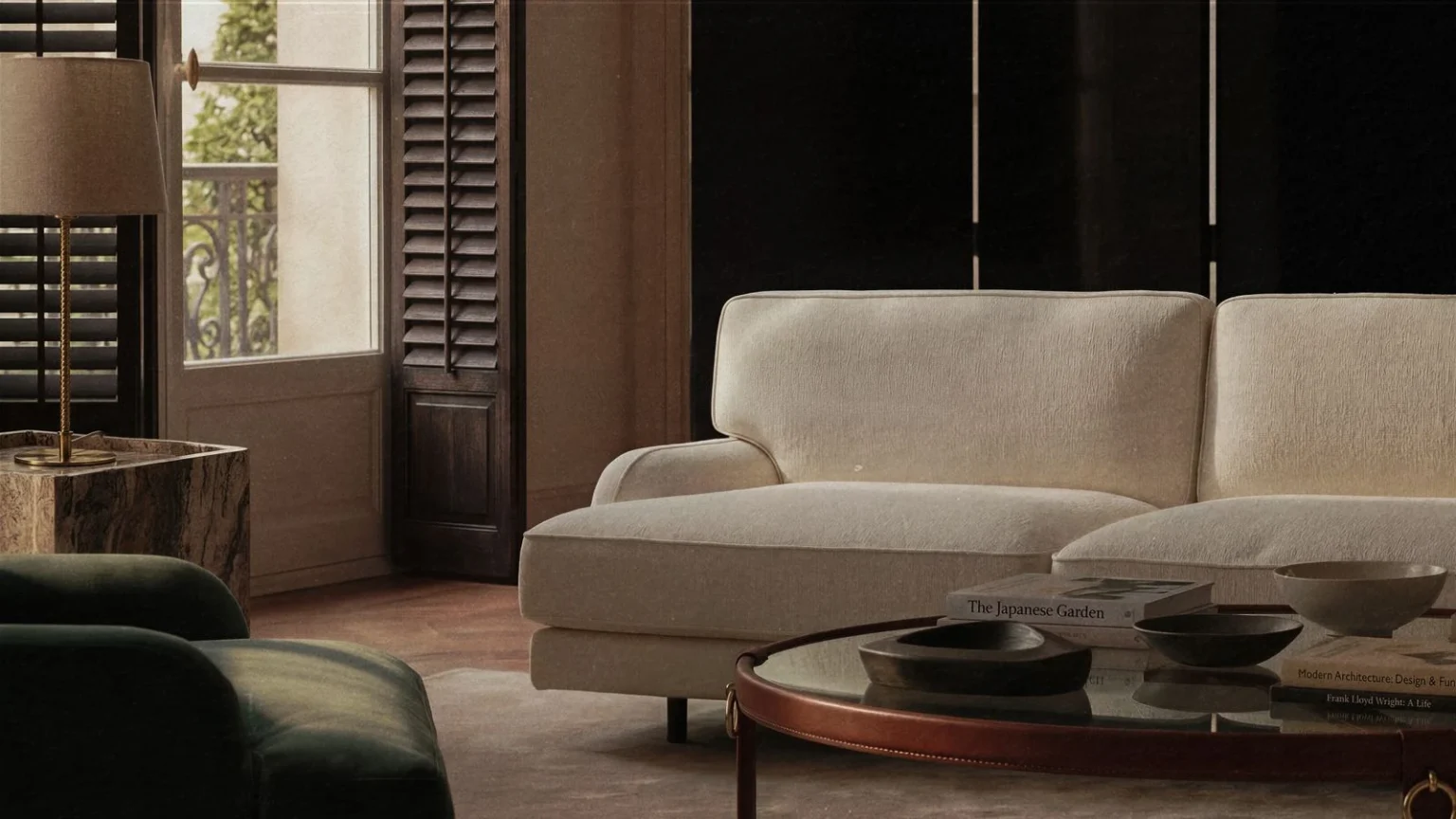
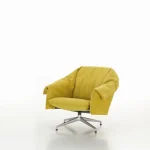
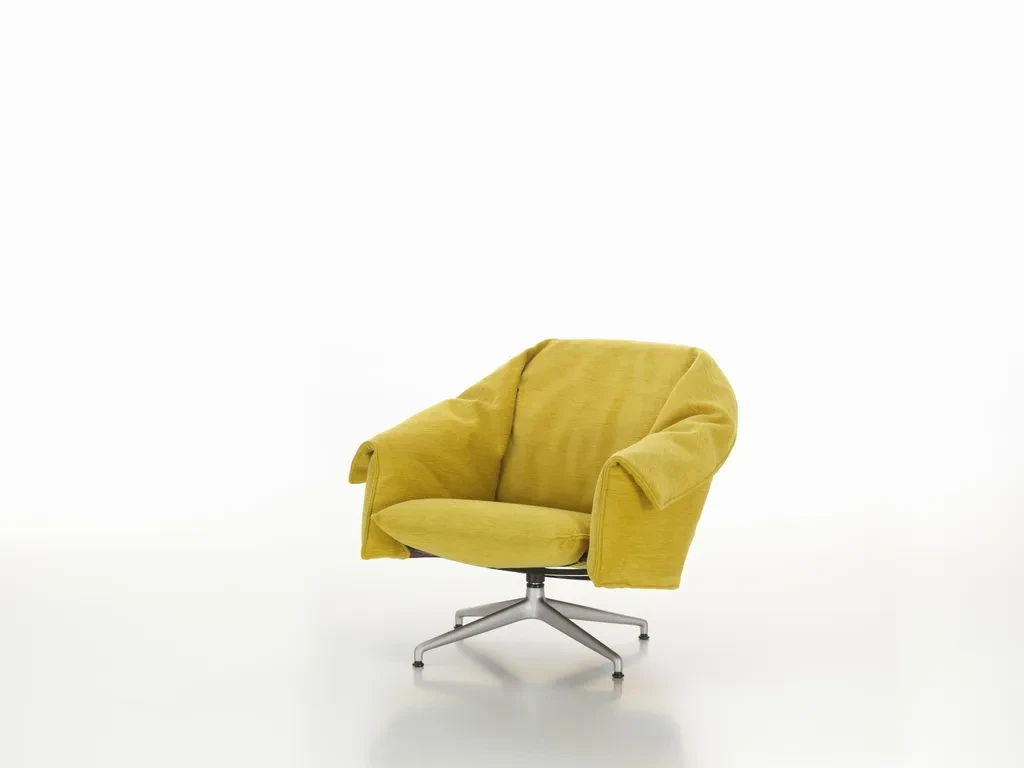
Vitra, in collaboration with the Berlin-based design studio Œ, founded by Anne-Sophie Oberkrome and Lisa Ertel, introduced the Bascule Lounge Chair. The design pairs a loose-fitting fabric cover with an innovative, patented internal seat mechanism developed by Vitra’s engineering team. The mechanism automatically adjusts resistance according to the user’s weight, allowing a fluid transition from an upright sitting posture to a deeply reclined, nearly horizontal position.
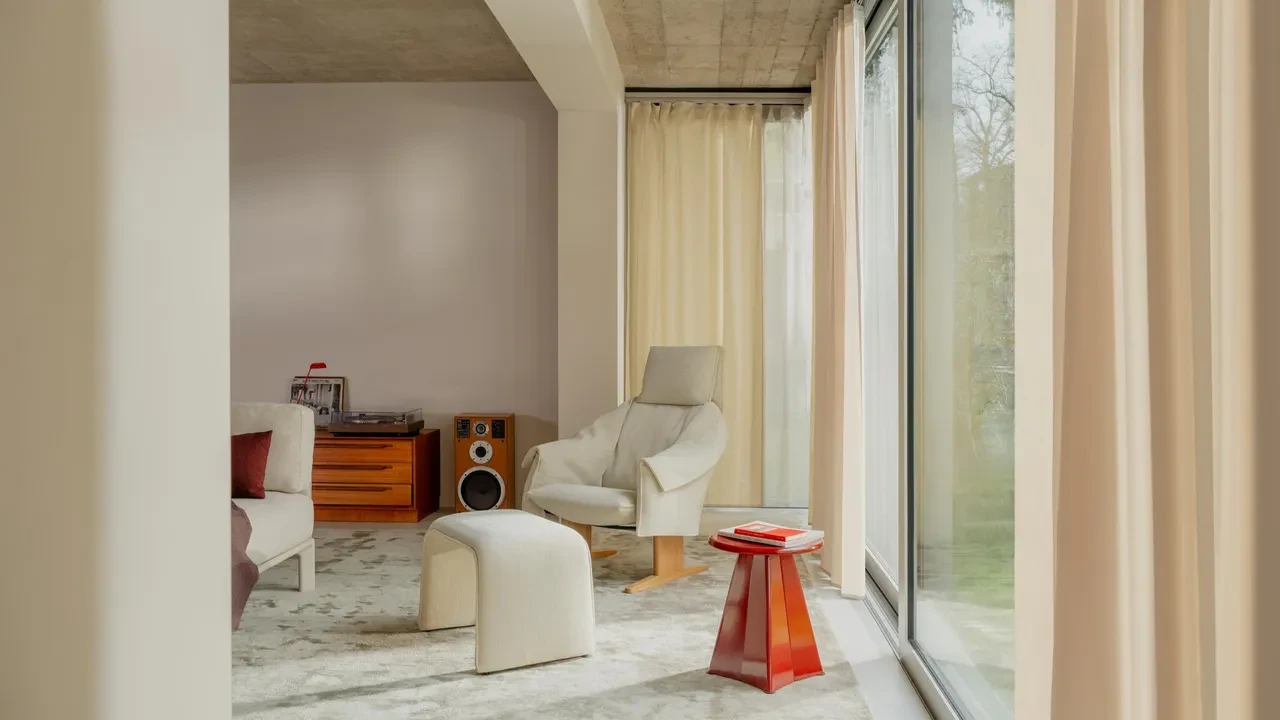
The visual character of the chair is defined by its plush, slightly frumpy upholstery, which is draped over the frame like a loose jacket. Translating fashion tailoring techniques into furniture design, this construction allows the entire fabric cover to be easily removed and replaced. This design-for-disassembly approach simplifies professional maintenance, recycling, and refurbishing while allowing the owner to adapt the chair to changing interior aesthetics over time.
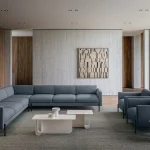
The Bascule chair was presented alongside other Vitra releases, including Erwan Bouroullec’s height-adjustable Mynt High and Mynt Soft swivel chairs, Edward Barber & Jay Osgerby’s Mikado High and Mikado Low seating, and Panter&Tourron’s Anagram Club, a modular sofa platform that can be reconfigured on all four sides with attachable backs and tables.
Iittala & Hydro: Structural Aluminum and the Aalto Silhouette
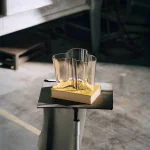
To mark the 90th anniversary of the iconic Aalto vase, Finnish heritage glassware brand Iittala collaborated with Norwegian sustainable metal company Hydro to build a 22-foot-high, walk-in pavilion at Ofelia Plads. The structural installation translated the organic, free-flowing silhouette of Alvar Aalto’s classic glass vase into a large-scale, inhabitable architectural space crafted from recycled, low-carbon aluminum.
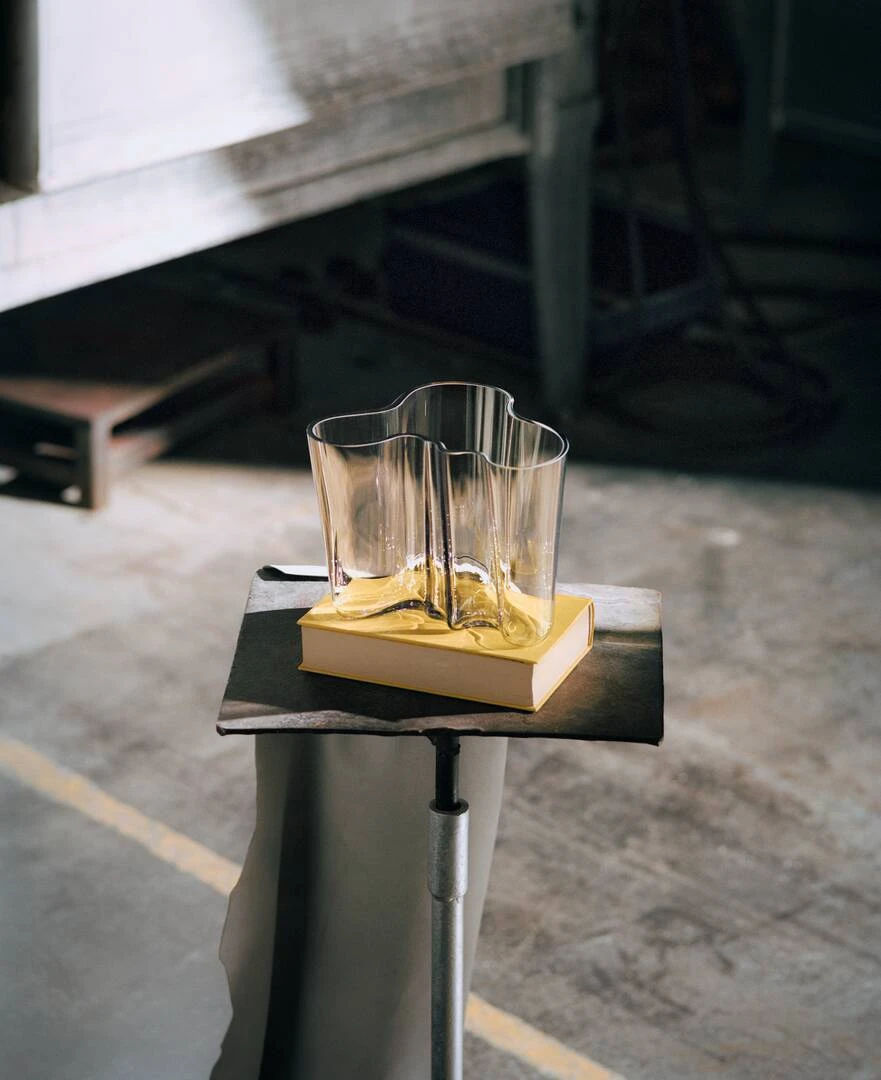
The pavilion allowed visitors to step inside and walk through the physical contours of the vase, creating a spatial dialogue between product design, architecture, and sustainable metallurgy. The sensory experience inside the pavilion was elevated by a curated soundscape and the display of the Aalto City Vases.
Vipp x Mesura: Monochromatic Playscapes
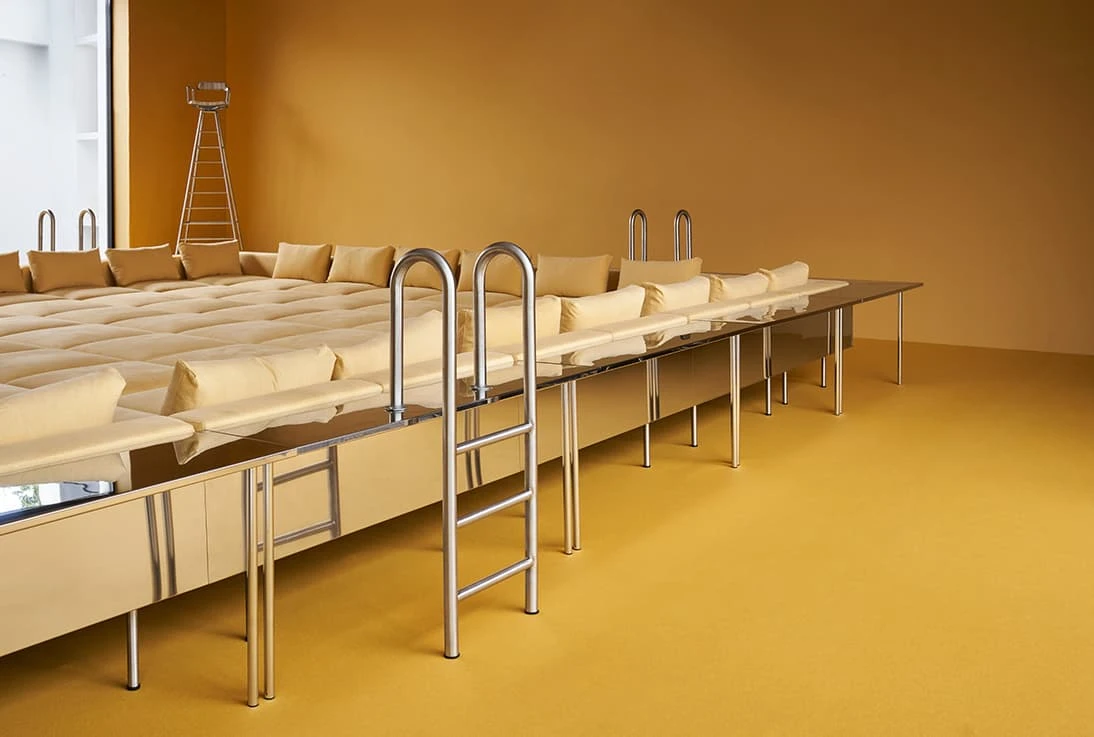
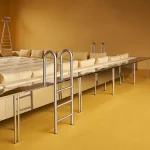
Fourth-generation Danish kitchen and hardware manufacturer Vipp collaborated with Barcelona-based architecture firm Mesura to create a monochromatic, yellow-toned playscape at Snorresgade. Inspired by Danish midsummer traditions and hospitality, the temporary pavilion functioned as an interactive social space, featuring a massive conversation pit, a custom seesaw, and elevated lifeguard chairs.
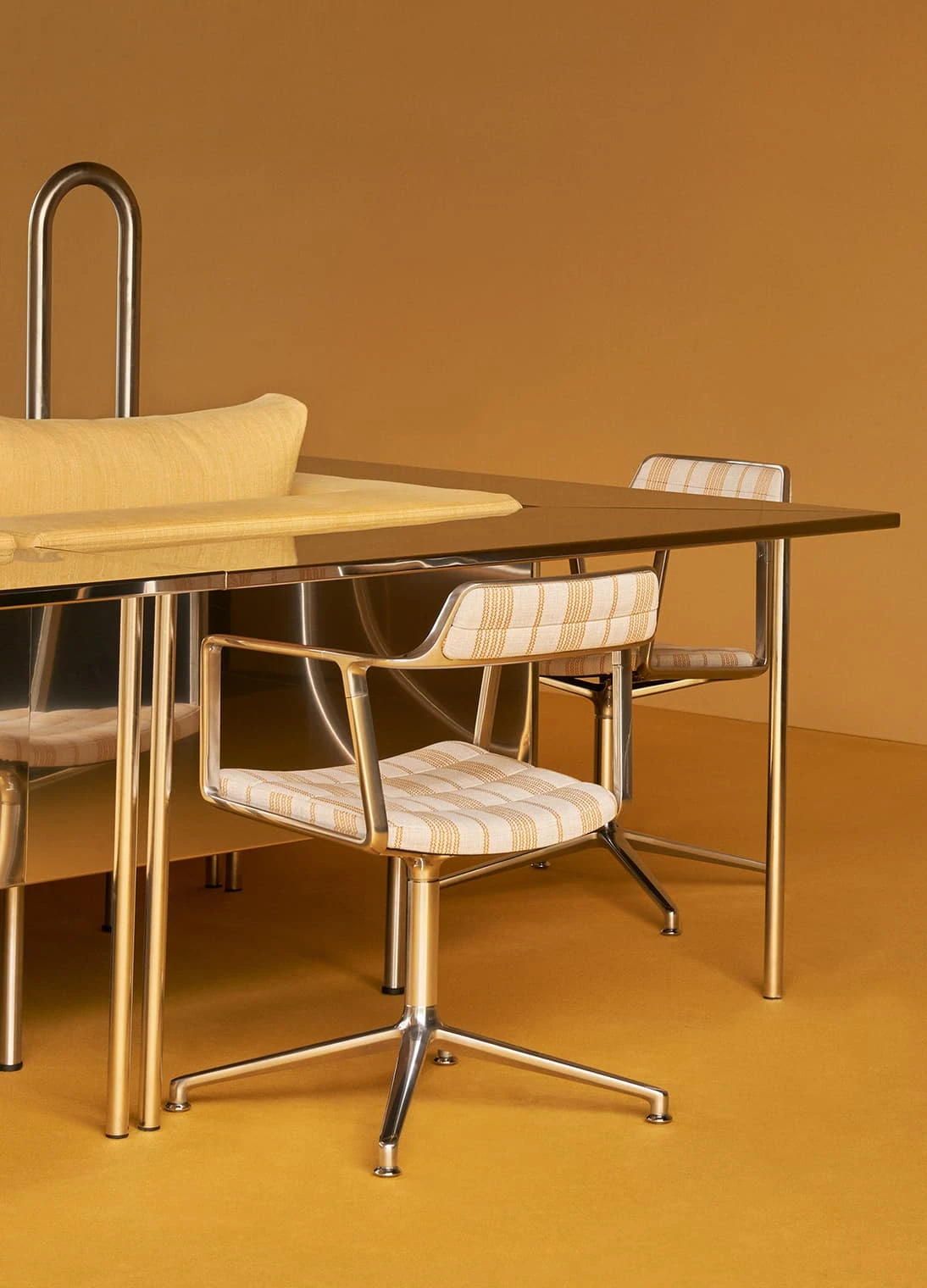
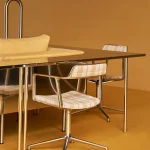
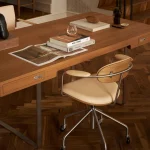
The installation showcased the versatile application of Vipp’s core catalog, specifically highlighting the Vipp455 and 455+ Swivel chairs. Following circular construction principles, the entire setup, including the structural timber, wallcoverings, and custom carpets, was designed for clean disassembly and subsequent reuse across Vipp’s portfolio of global guest houses.
Tarkett: Elevated Vinyl and Draped Linoleum
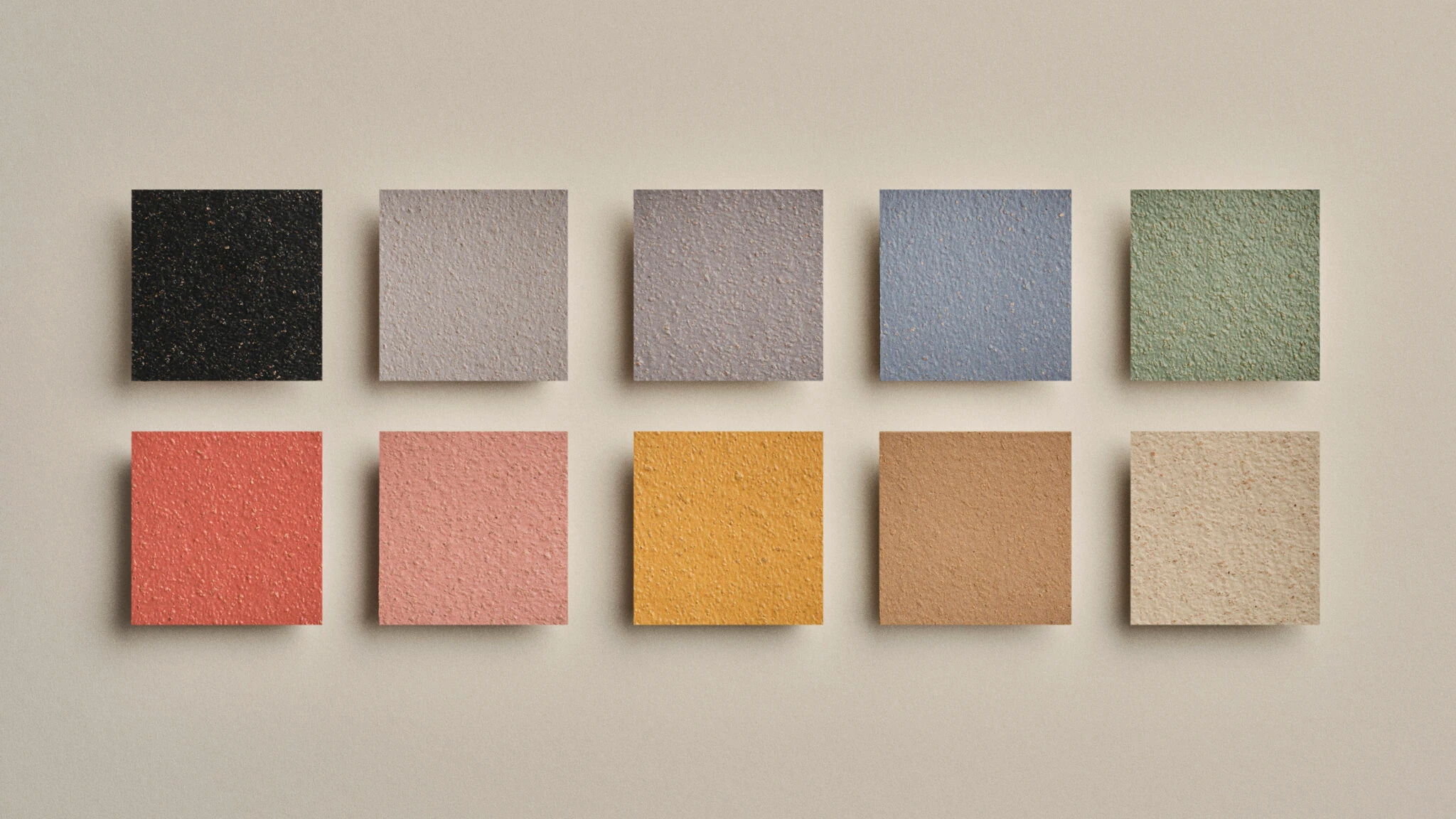
French circular flooring manufacturer Tarkett collaborated with independent design talents Laurids Gallée and Christian+Jade to explore alternative applications for industrial flooring materials. Laurids Gallée investigated the decorative potential of post-use vinyl, transforming a highly utilitarian and often discarded material into fine marquetry.
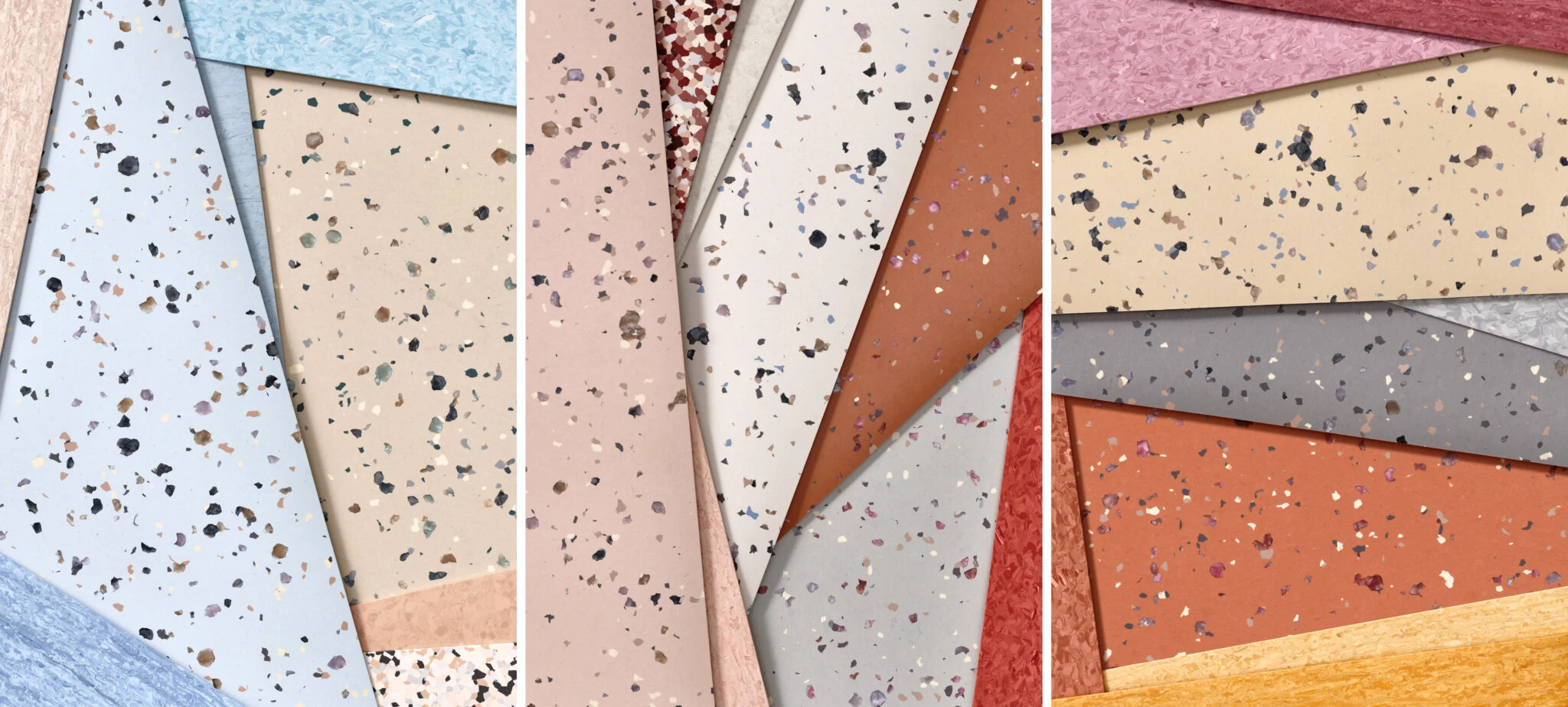
Christian+Jade experimented with the physical limitations of linoleum. Shunning the conventional application of the natural material strictly as flat, hard flooring, the studio treated it as a pliable fabric, draping it over a furniture armature to function as continuous upholstery that extended directly from the sofa frame to form an integrated floor rug.
La Cividina: The Debut of Lisse and Agetti
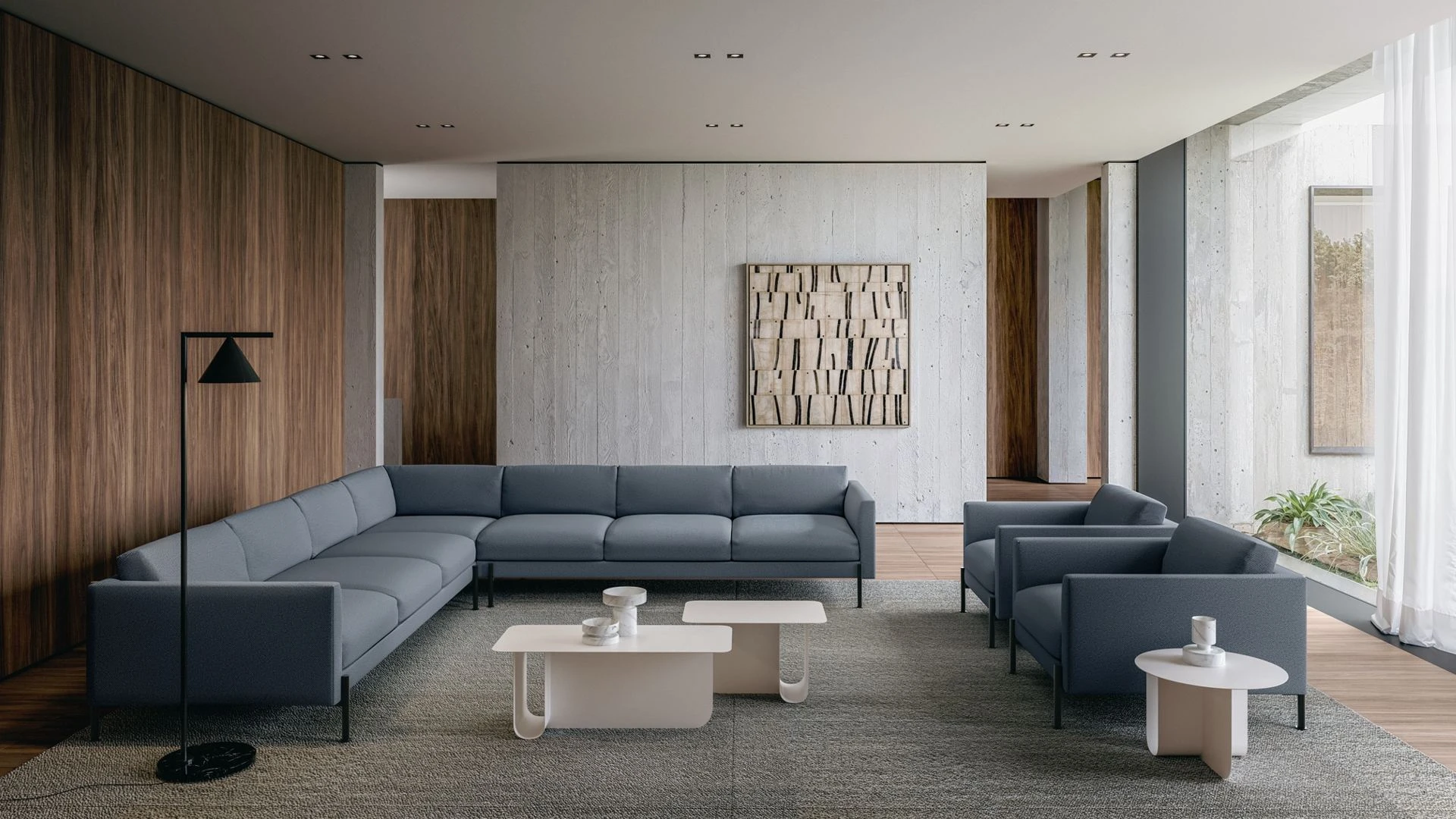
Making its debut, Italian manufacturer laCividina presented its new collections at The Jewellery Room on Bredgade. The brand highlighted its commitment to high-end craftsmanship and structural durability through two key launches. The first was Lisse, a seating collection designed by Sabine Marcelis characterized by its smooth, sculptural geometry and precise contours. This was shown alongside Agetti, a seating system designed by Garcia Cumini that combines refined, structural metal frames with plush and tailored cushions.
‘This is Not a Forest’
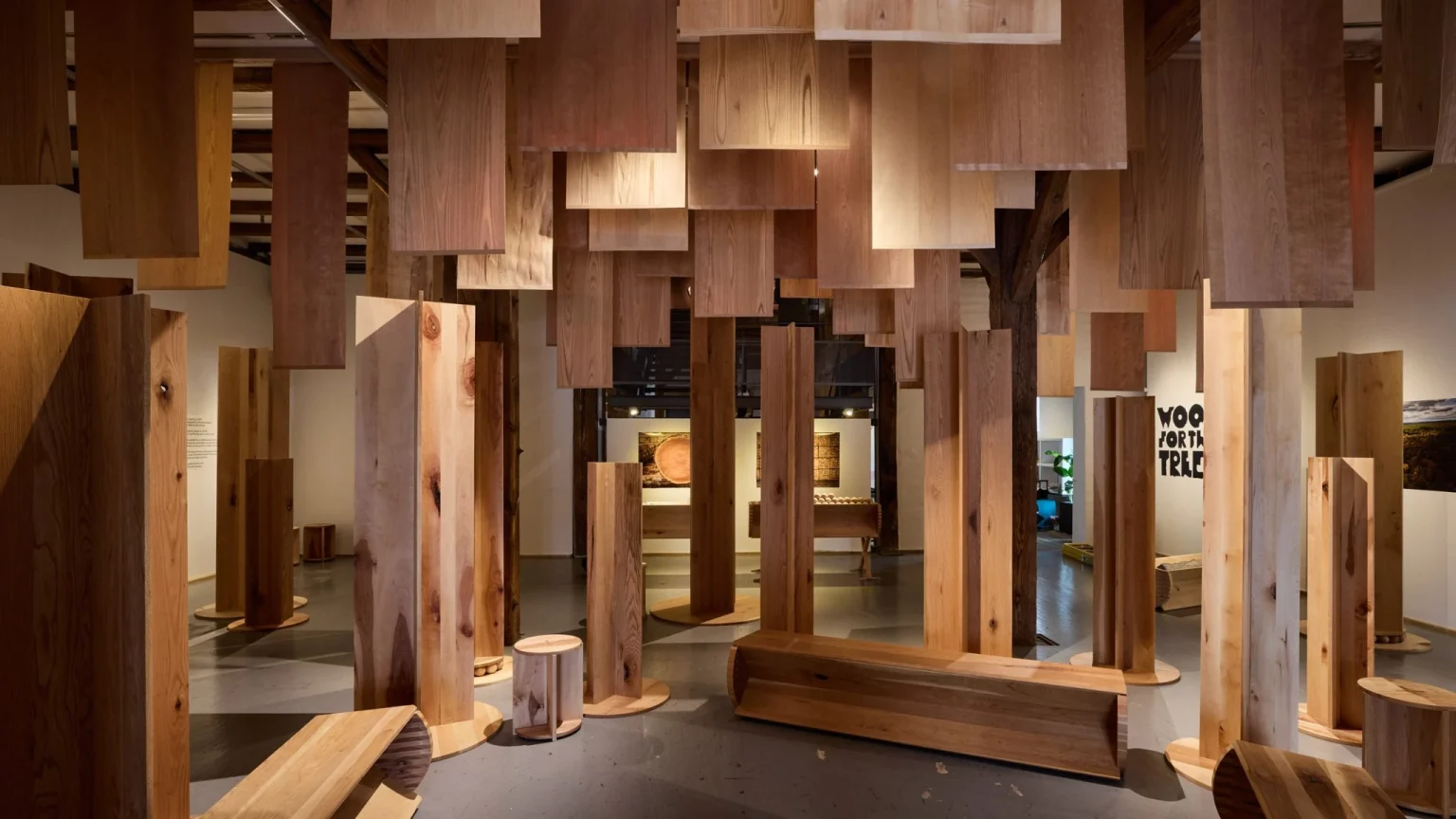
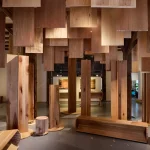
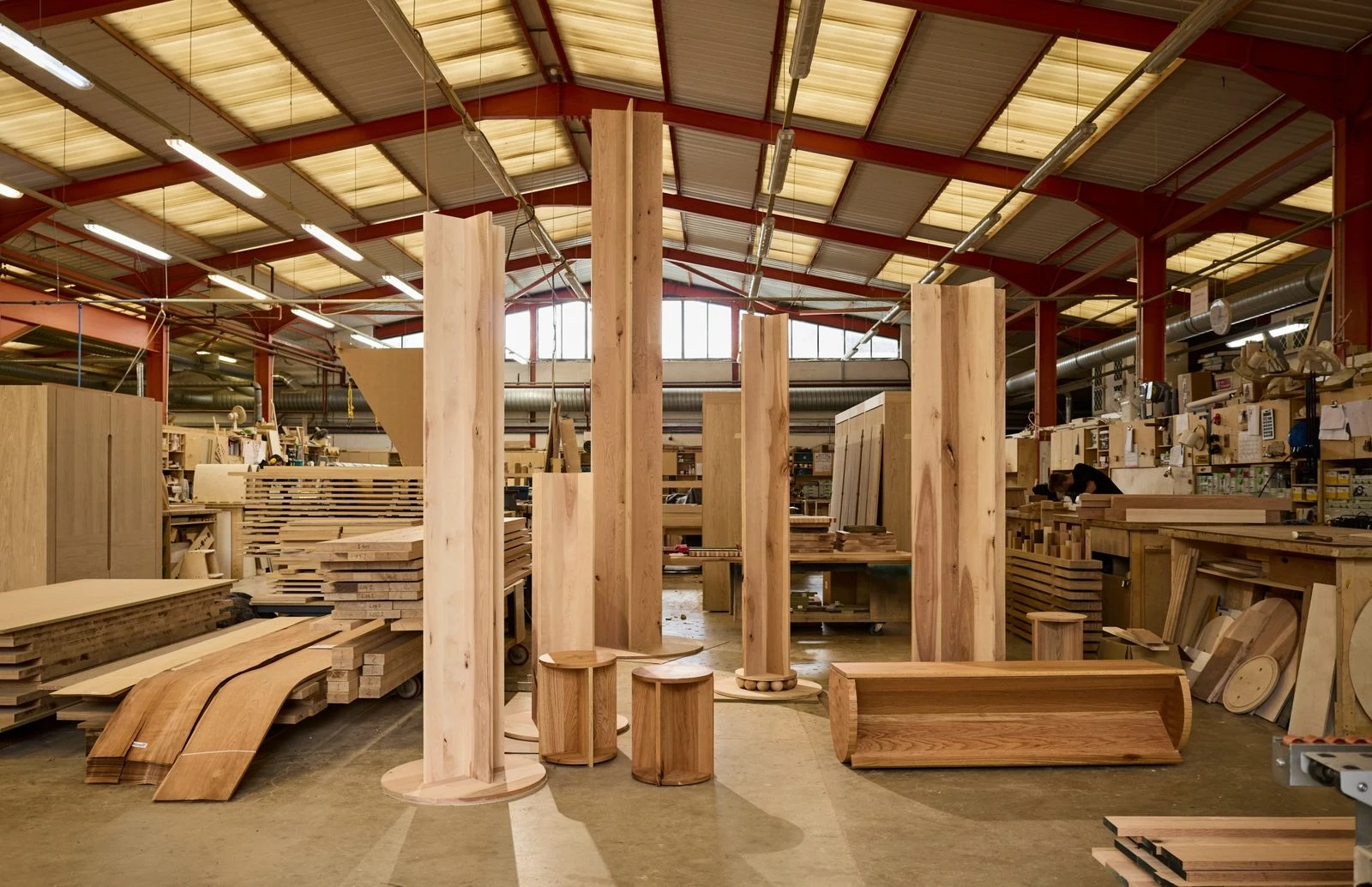
At the Danish Architecture Center (DAC) in the BLOX building, the sensory exhibition “This is Not a Forest” analyzed the material journey of wood from a living ecosystem to a finished architectural commodity. Developed by the Copenhagen-based design practice Archival in collaboration with Dinesen Lab and Studio Pneuma, the installation challenged traditional ideas of industrial value.
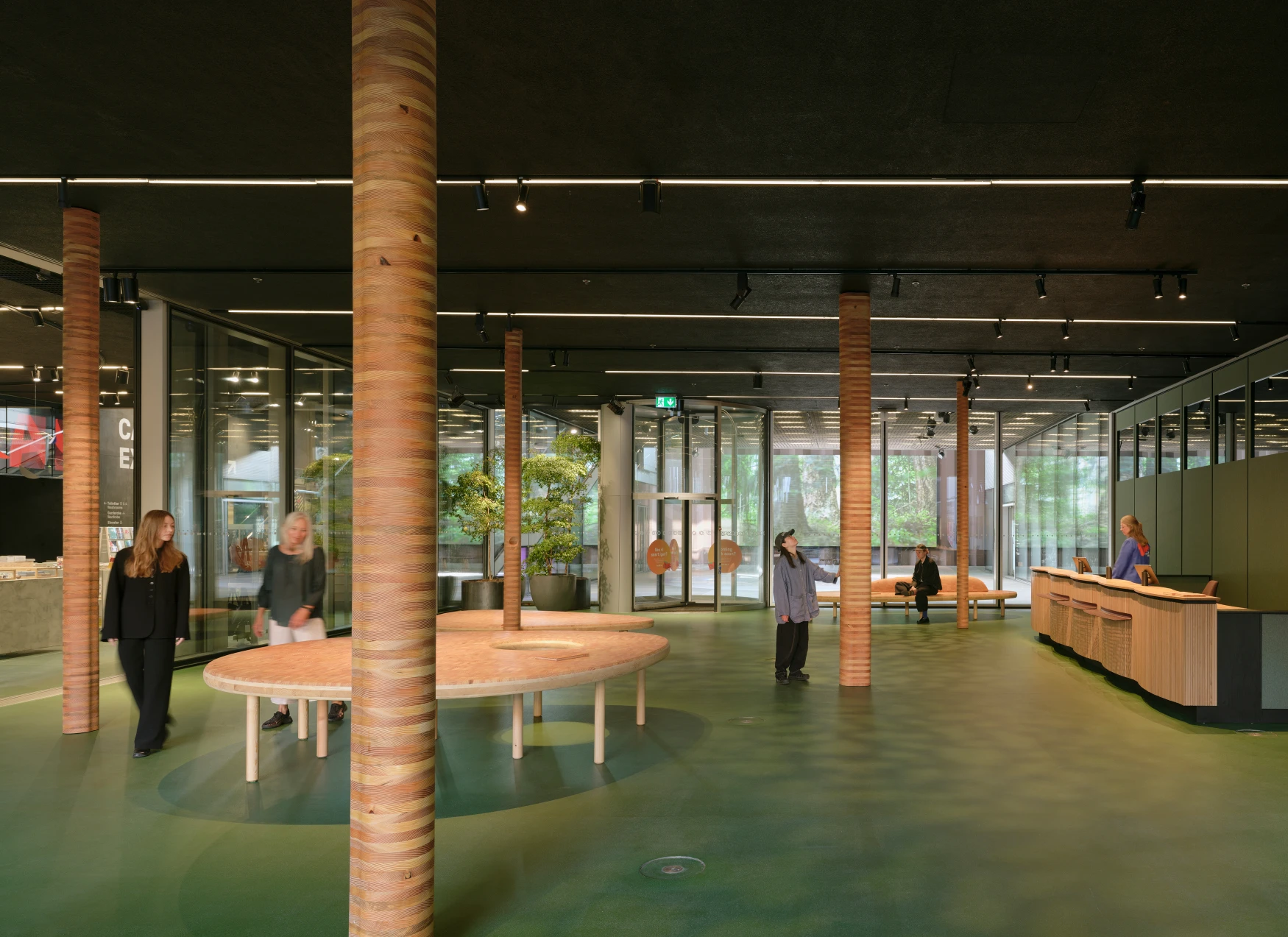
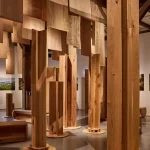
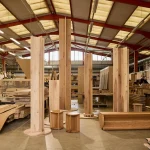
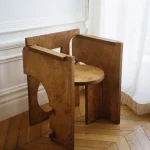
The exterior of the venue featured a raw, 20-meter-long felled Douglas Fir on Bryghuspladsen. Inside, visitors moved through a forest constructed of six four-meter-tall columns made from raw, air-dried scrap wood. Four custom seats designed by Archival were clad in end-grain mosaic wood tiles made from production off-cuts of Dinesen’s plank flooring, keeping the tree rings and natural irregularities visible as intentional design features.
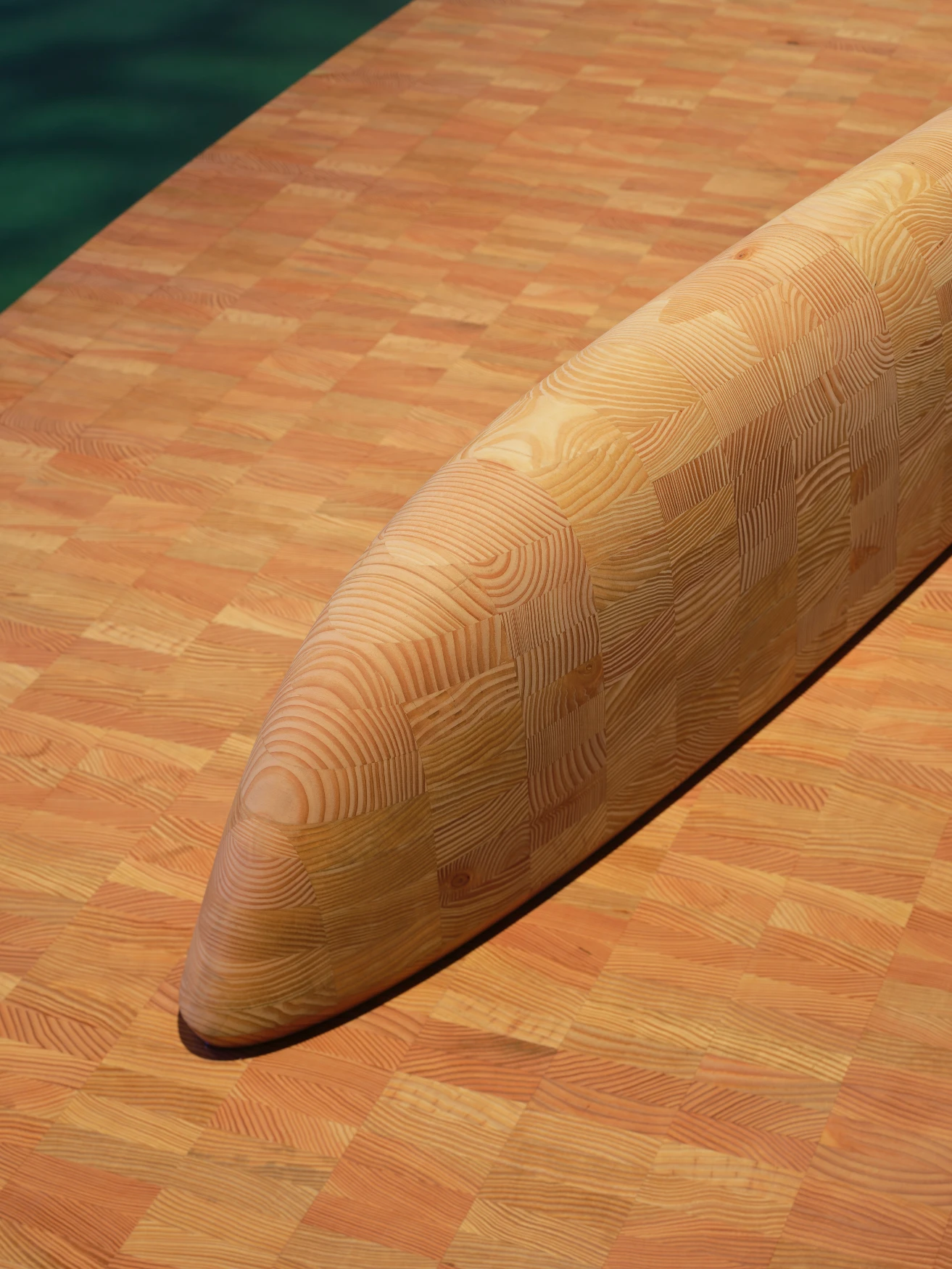
To enrich the sensory experience, Studio Pneuma collaborated with Norwegian artist and scent researcher Sissel Tolaas to analyze airborne molecules of Dinesen Douglas fir. This research resulted in “DD-2,” an abstract interior fragrance that captured the molecular complexity of raw and processed timber.
Bio-Synthetic and Circular Materials
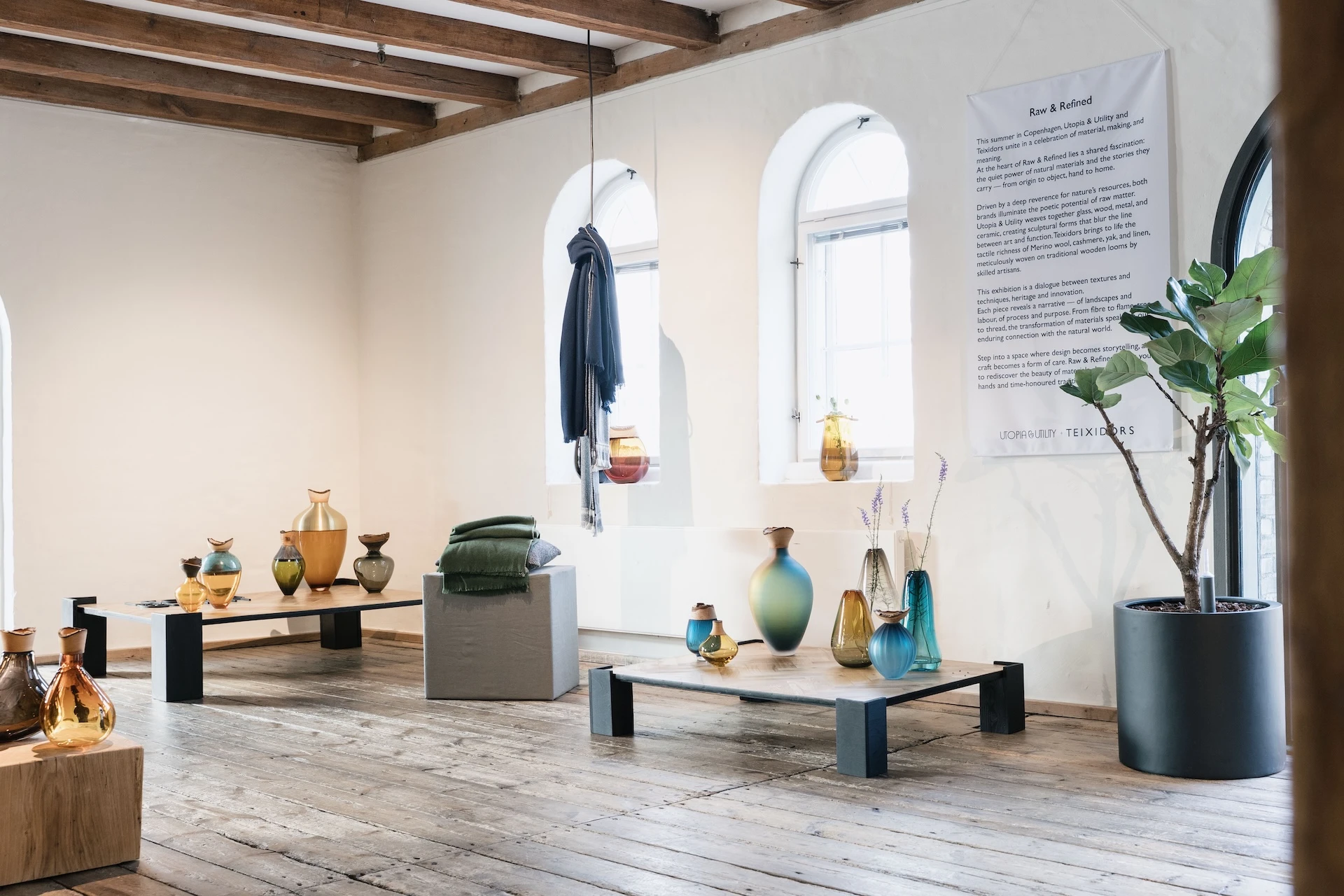
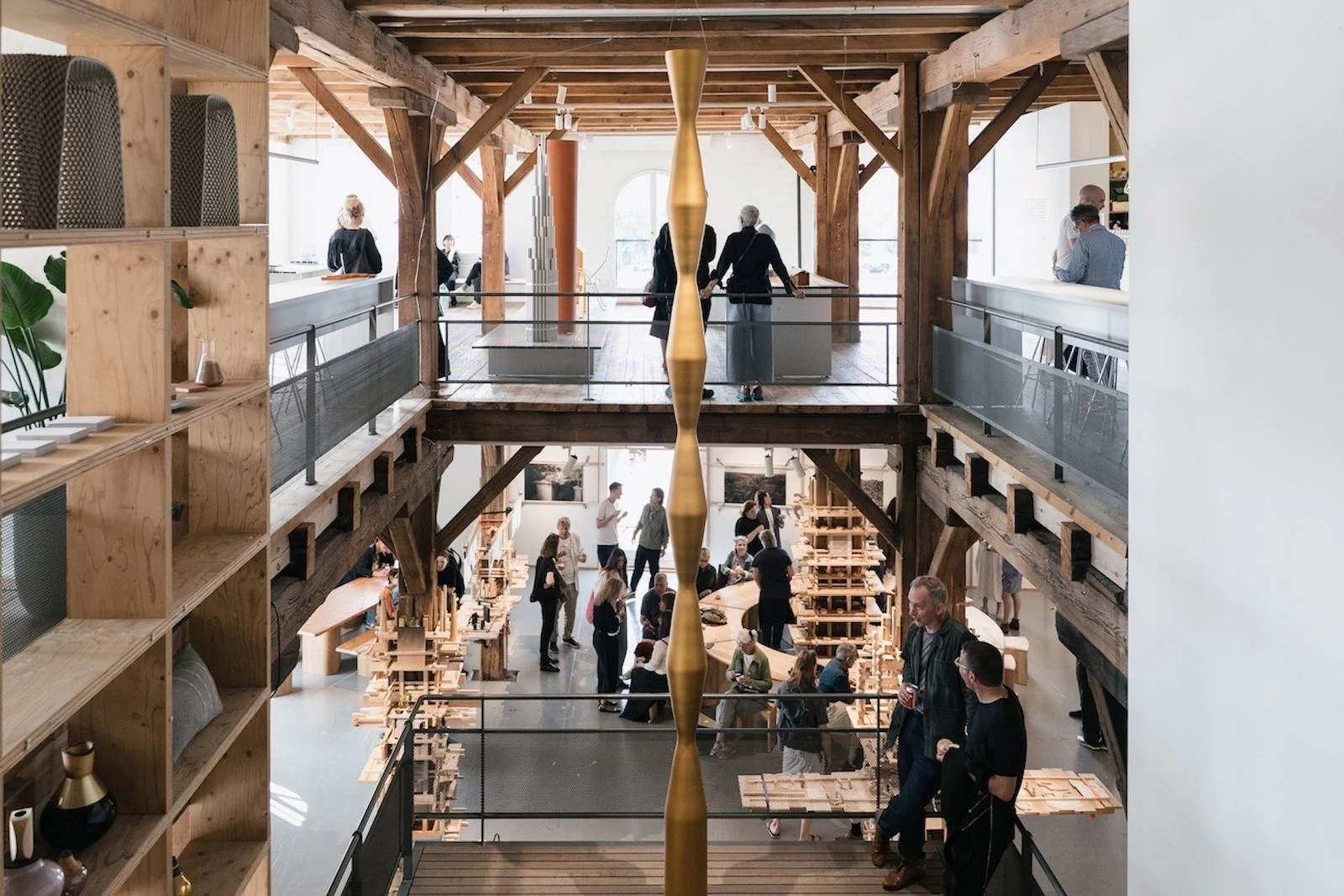
Hosted at the Gammel Dok (Ukraine House), the second edition of “Material Matters Copenhagen” brought together 19 international exhibitors, start-ups, and student researchers focusing on material circularity. The showcase focused on alternative material streams, including agricultural by-products, mycelium, bacterial cellulose, and construction waste.
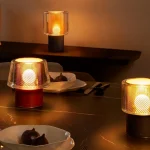
The Italian brand Aifunghi, in collaboration with designer Elisa Uberti, showcased a series of organic lighting and seating objects grown from fungal mycelium on agricultural waste substrates. The collection included the Porcini Table Lamp, the Campinio Pendant Lamp, and the Bovista Stool in Savian White.
Use of Circular Sawdust and E-Waste Composites
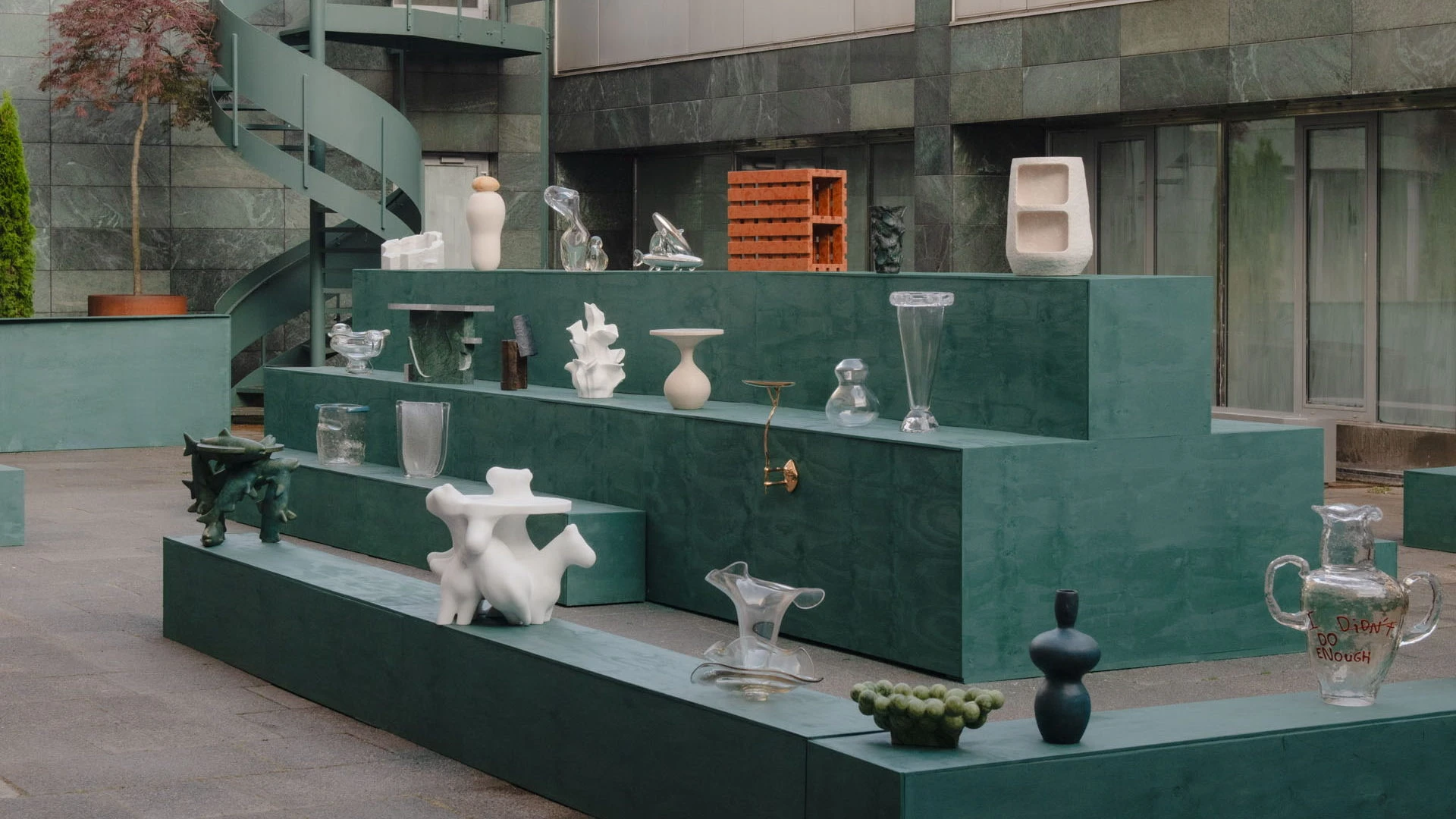
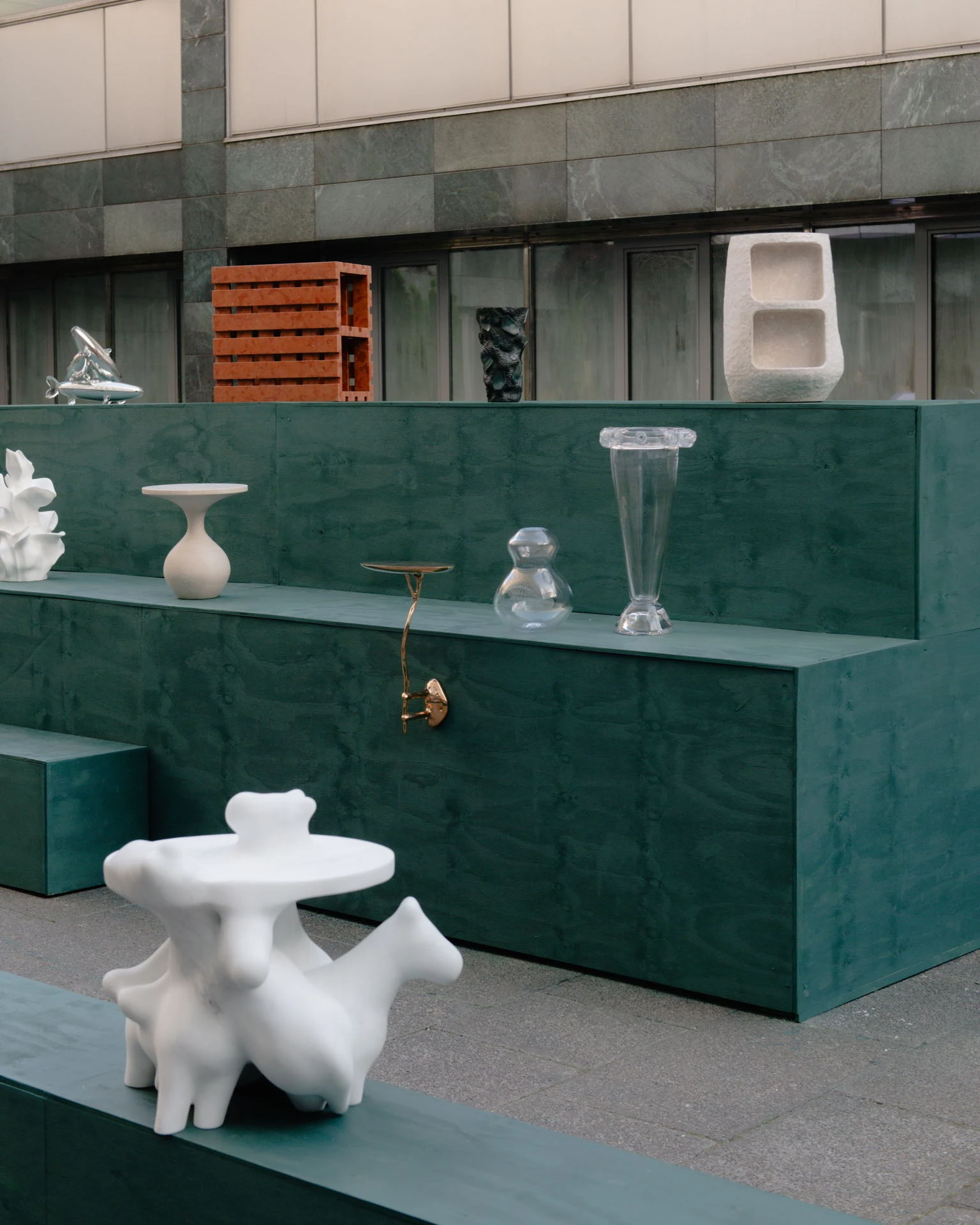
Copenhagen-based material brand Mater collaborated with exhibition platform Materia, design practice TABLEAU, and limited-edition producer Studio Solenne on a special project highlighting circular composite boards made from recycled industrial sawdust and e-waste. Internationally recognized designers, including Sophie Dries and Lea Colombo, used the circular boards to build experimental furniture and showcase the product’s structural strength, aesthetic variety, and scalability.
Dutch designer Willem Van Hooff created a classic filing cabinet using the composite board. In a playful nod to production transparency, Van Hooff hand-inscribed the cabinet’s outer surfaces with graffiti-like diagrams detailing the chemical formulas and mechanical steps of its fabrication process
Knife, Fork, Spoon 3.0
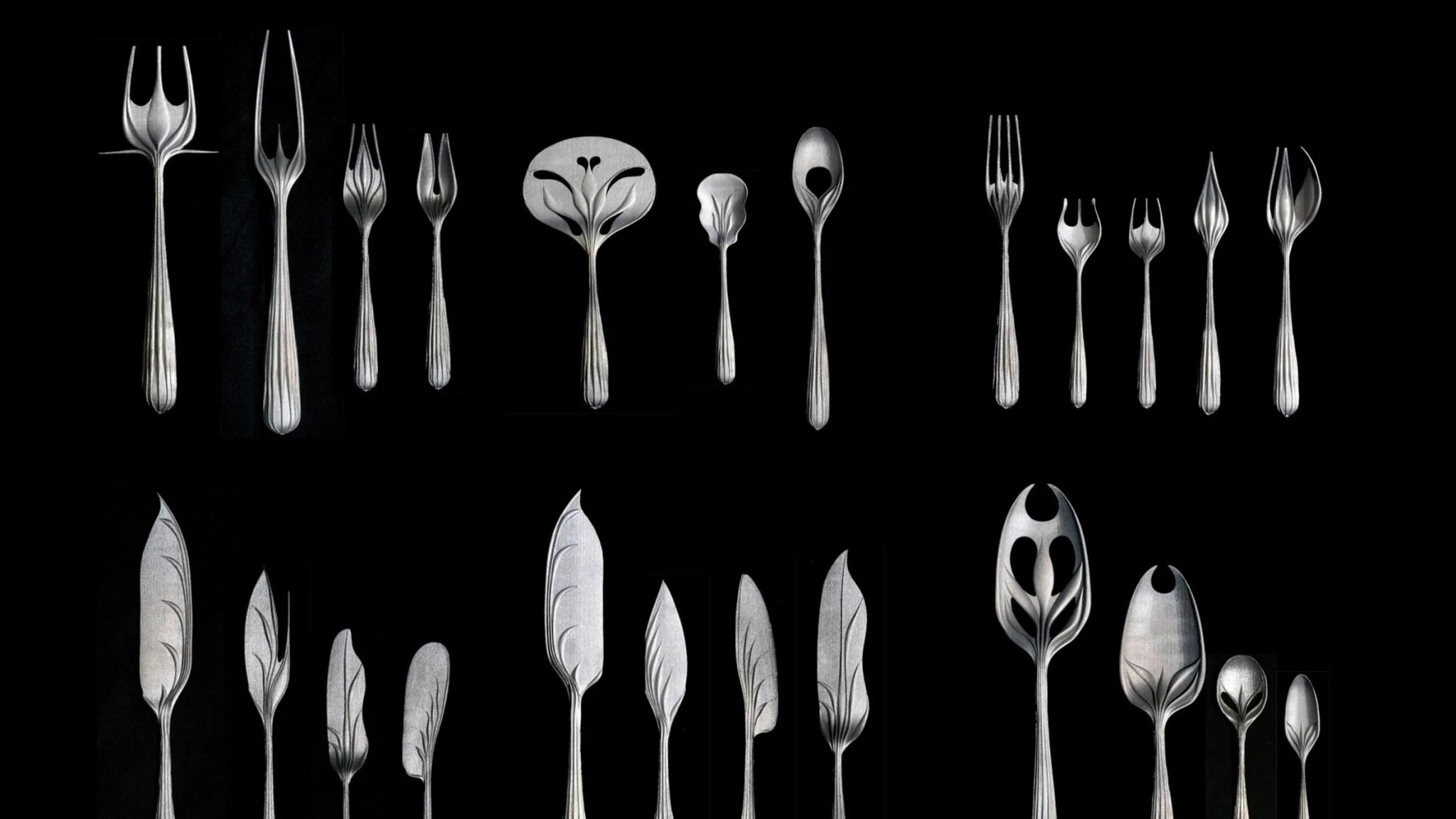
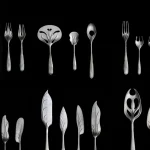
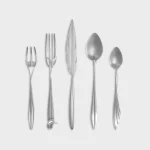
Curated by New York-based design editor Dung Ngo alongside the Los Angeles gallery Marta, “Knife, Fork, Spoon 3.0” was presented at the Den Frie Centre for Contemporary Art as part of Ark Journal’s Design/Dialogue program. The exhibition featured flatware collections commissioned from 12 international artists, architects, and designers, including Greg Lynn, SO-IL, Marcin Rusak, Rafael de Cárdenas, and Minjae Kim.
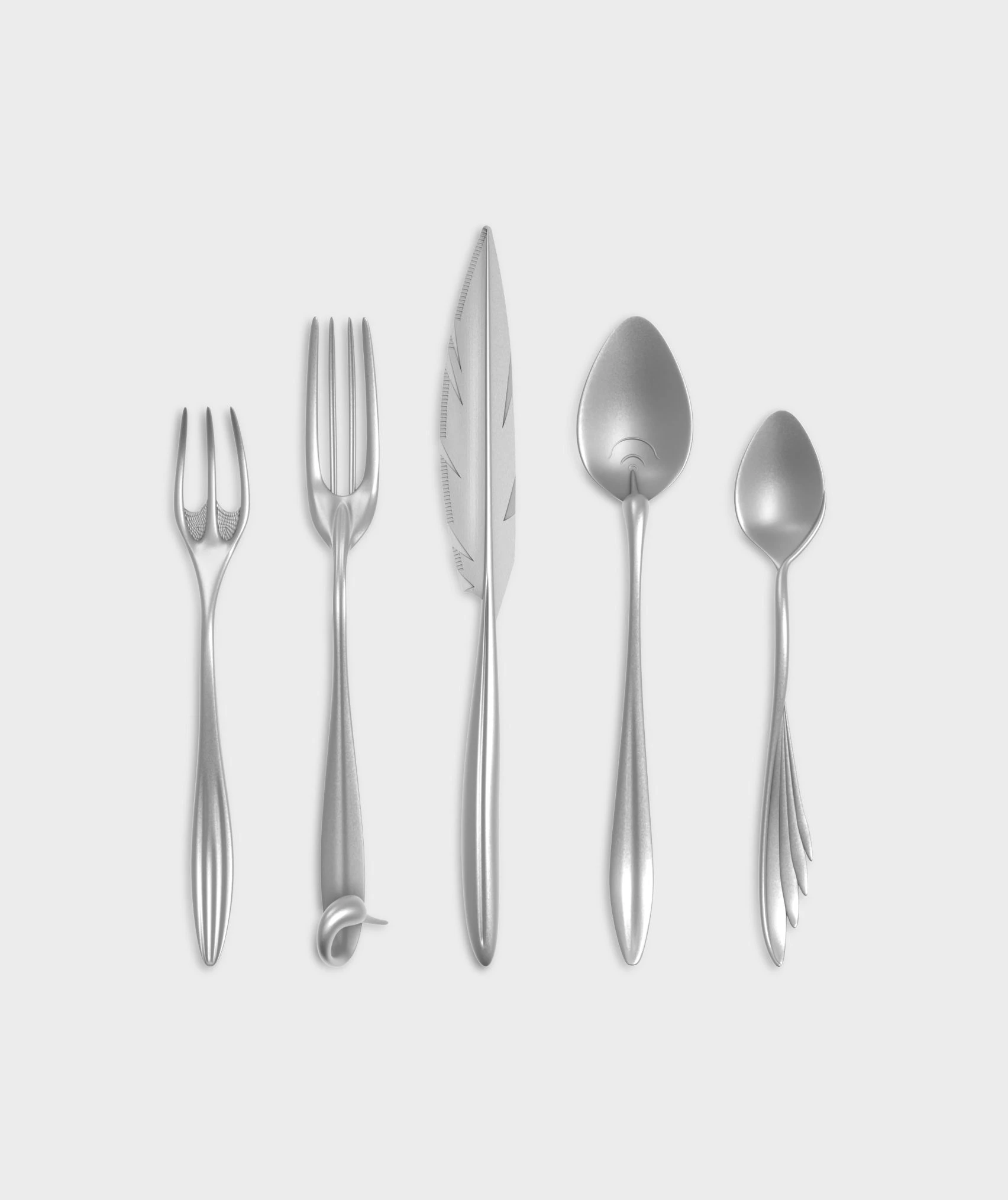
All flatware designs were manufactured using stainless steel 3D printing. The “3.0” nomenclature signifies a shift from historical handcrafting (1.0) and industrial mass standardization (2.0) toward a digital era of additive manufacturing, characterized by decentralized, highly customized production.
Lise Vester’s “Design on Prescription”
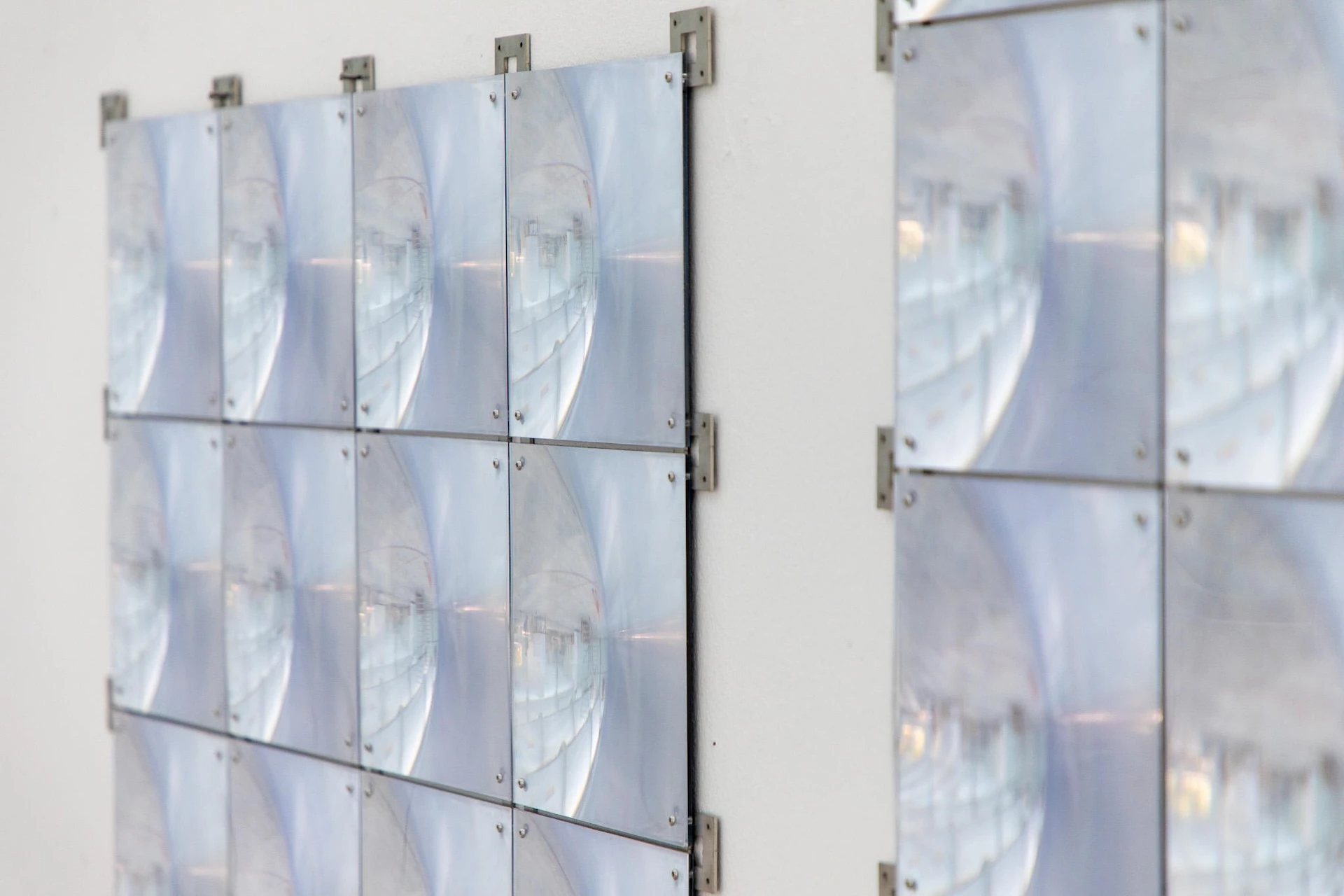
At Officineta, a historic building that once served as a pharmacy in Copenhagen’s Bredgade district, Copenhagen-based designer Lise Vester presented “Design on Prescription.” Rooted in the principles of healing architecture and neuroaesthetics, Vester converted the gallery into a sensory “design pharmacy.”
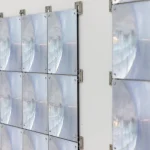
The exhibition showed how light reflection, optical glass, and physical touch can lower stress levels and support mental well-being. Visitors interacted with sculptural lighting elements, reflective glass objects, and textured materials designed to encourage sensory grounding.
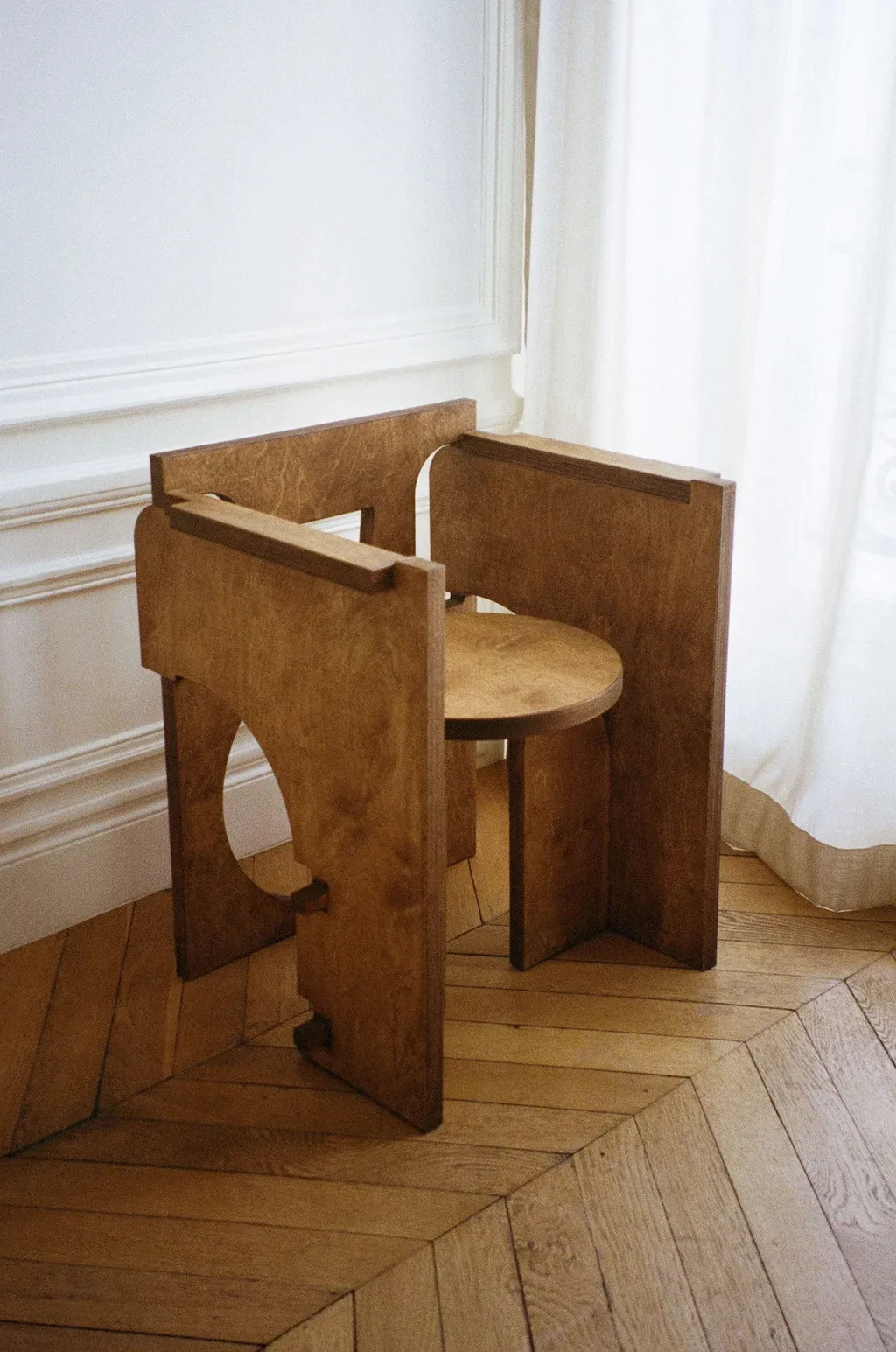
The 14th edition of 3daysofdesign in Copenhagen centered the entire program around “Make This Moment Matter.” The festival challenged the industry’s historical reliance on continuous mass production and superficial aesthetic changes.
Image Credit: 3daysofdesign