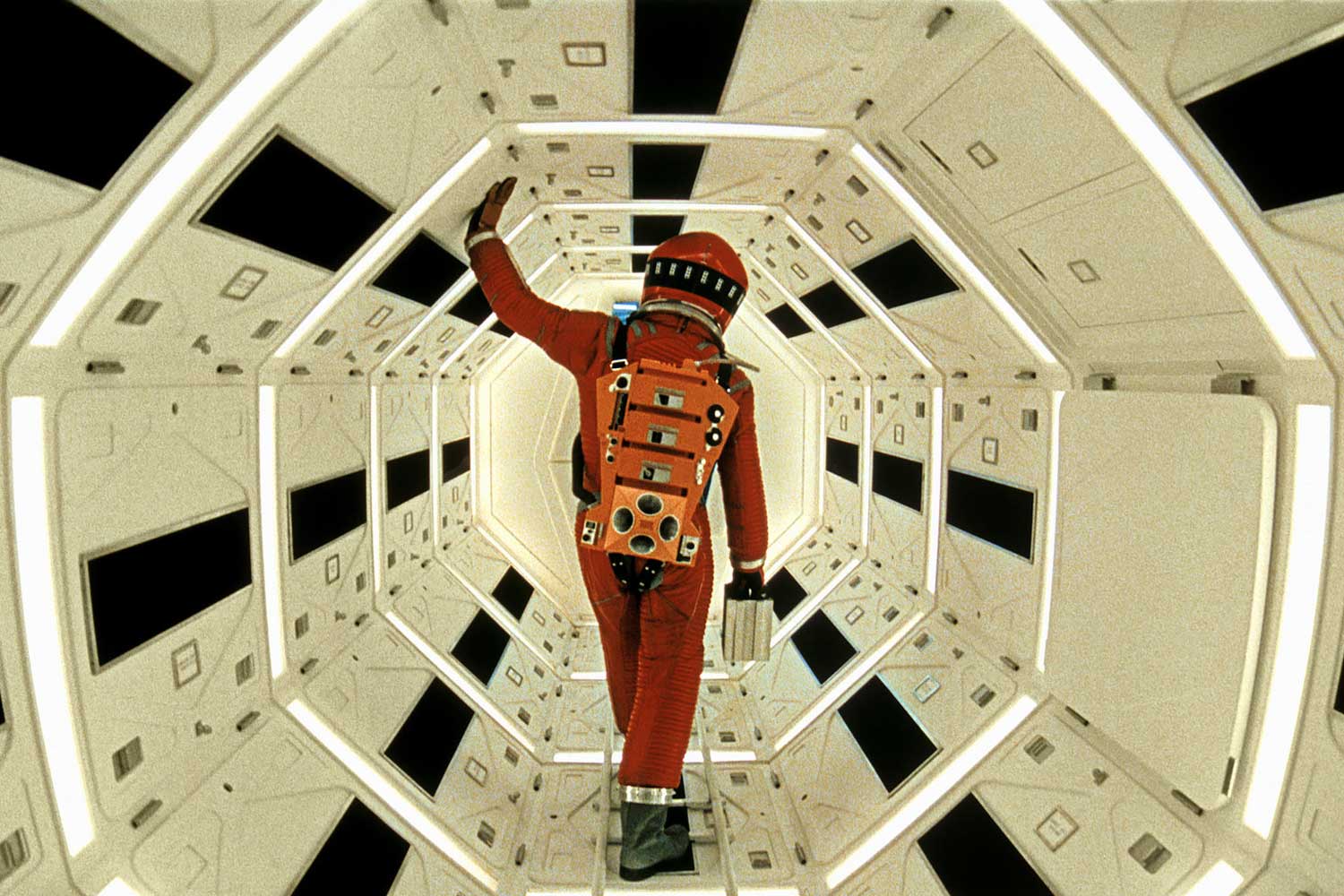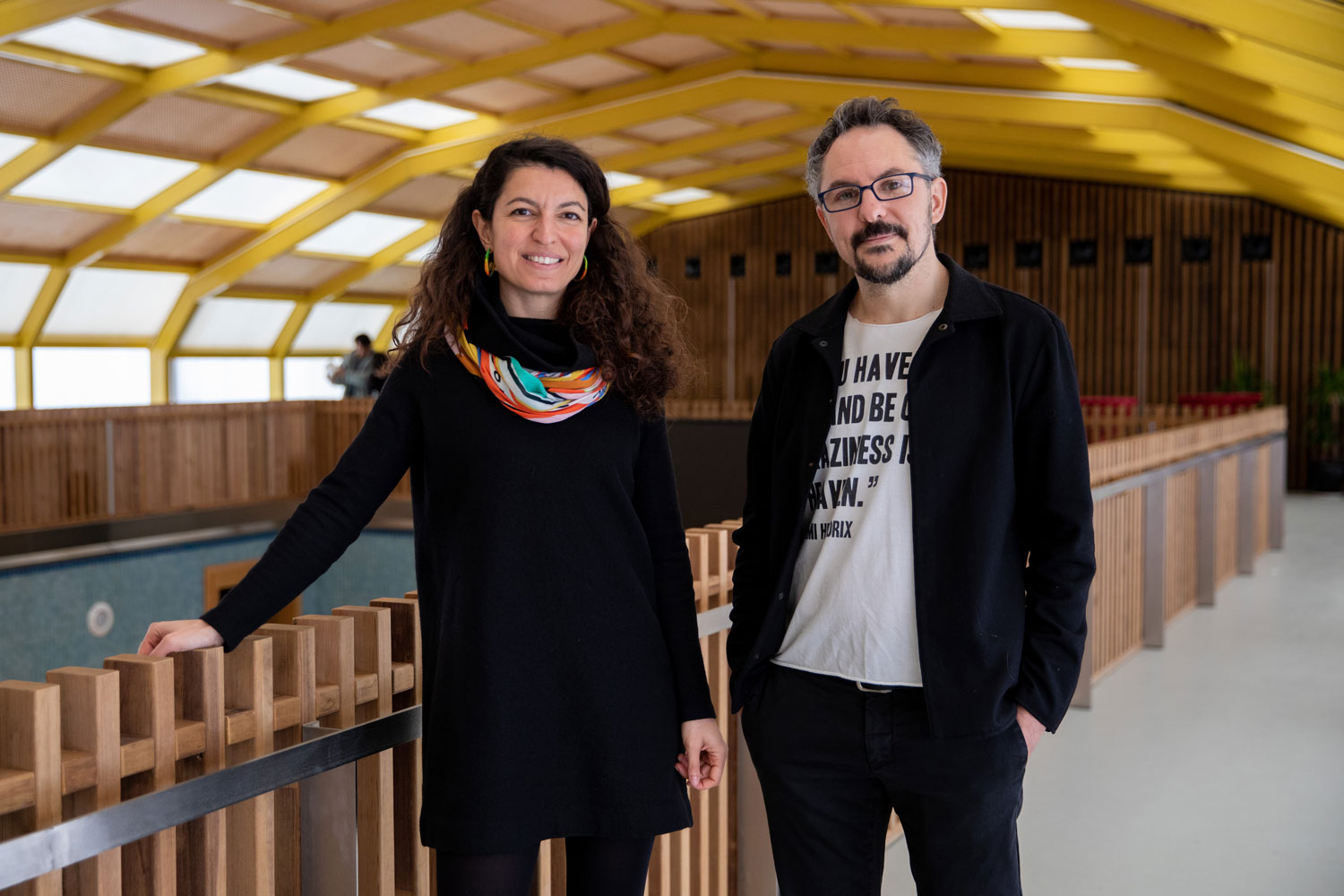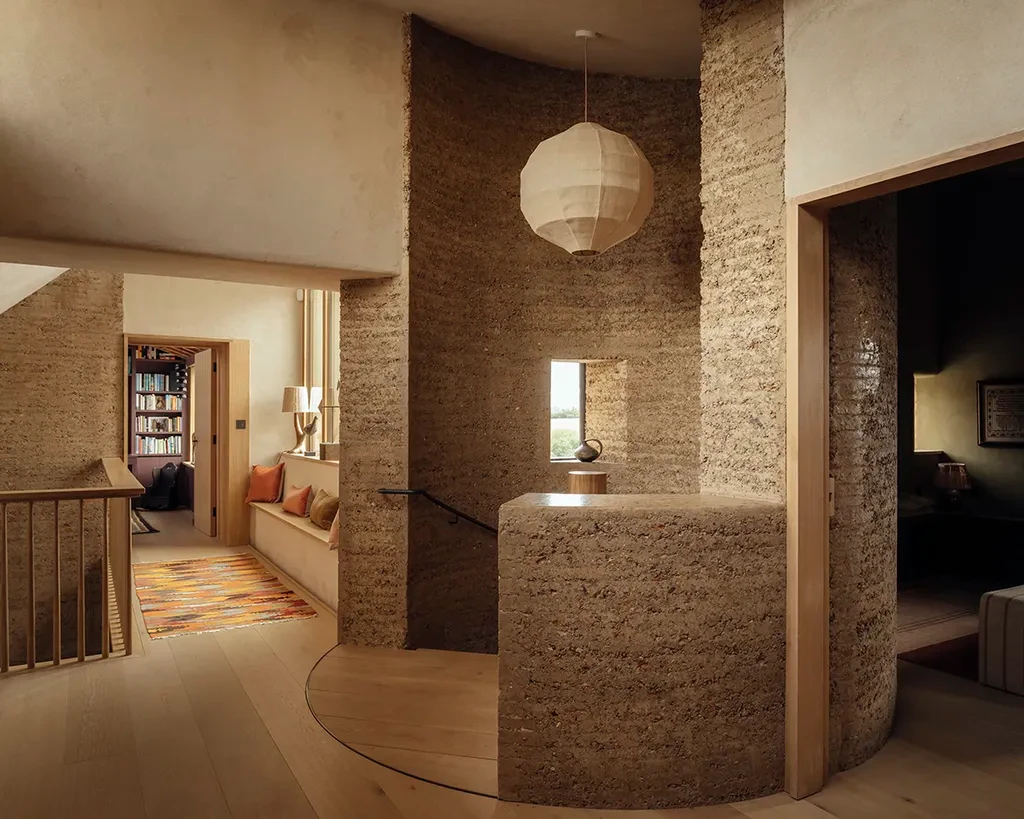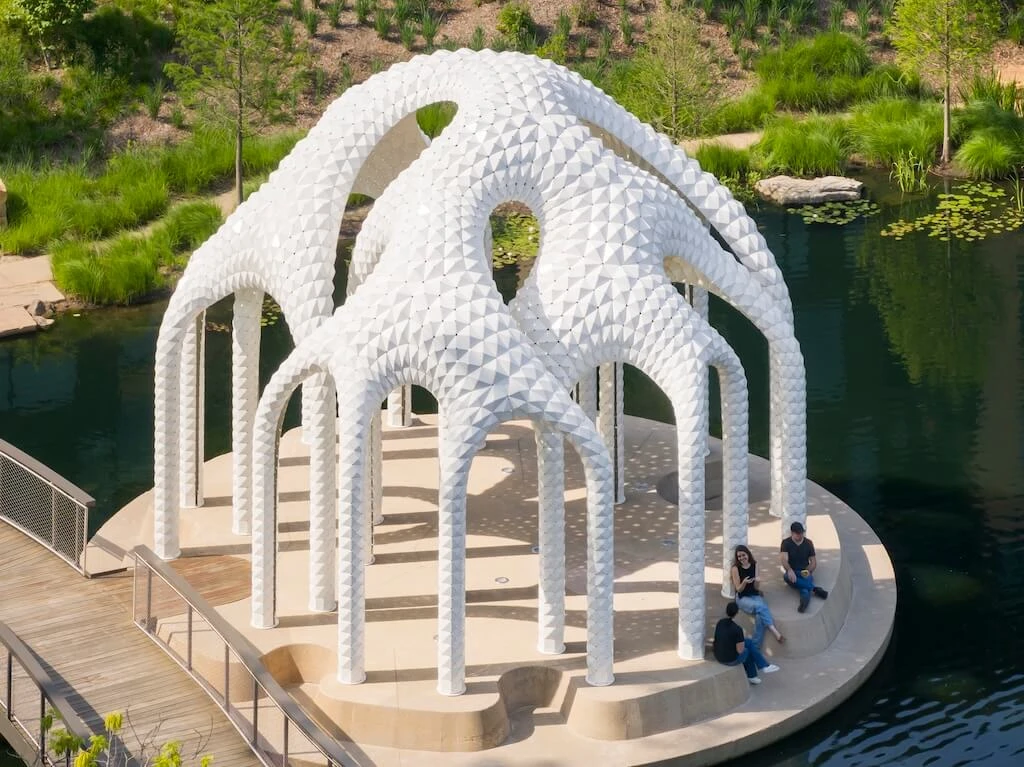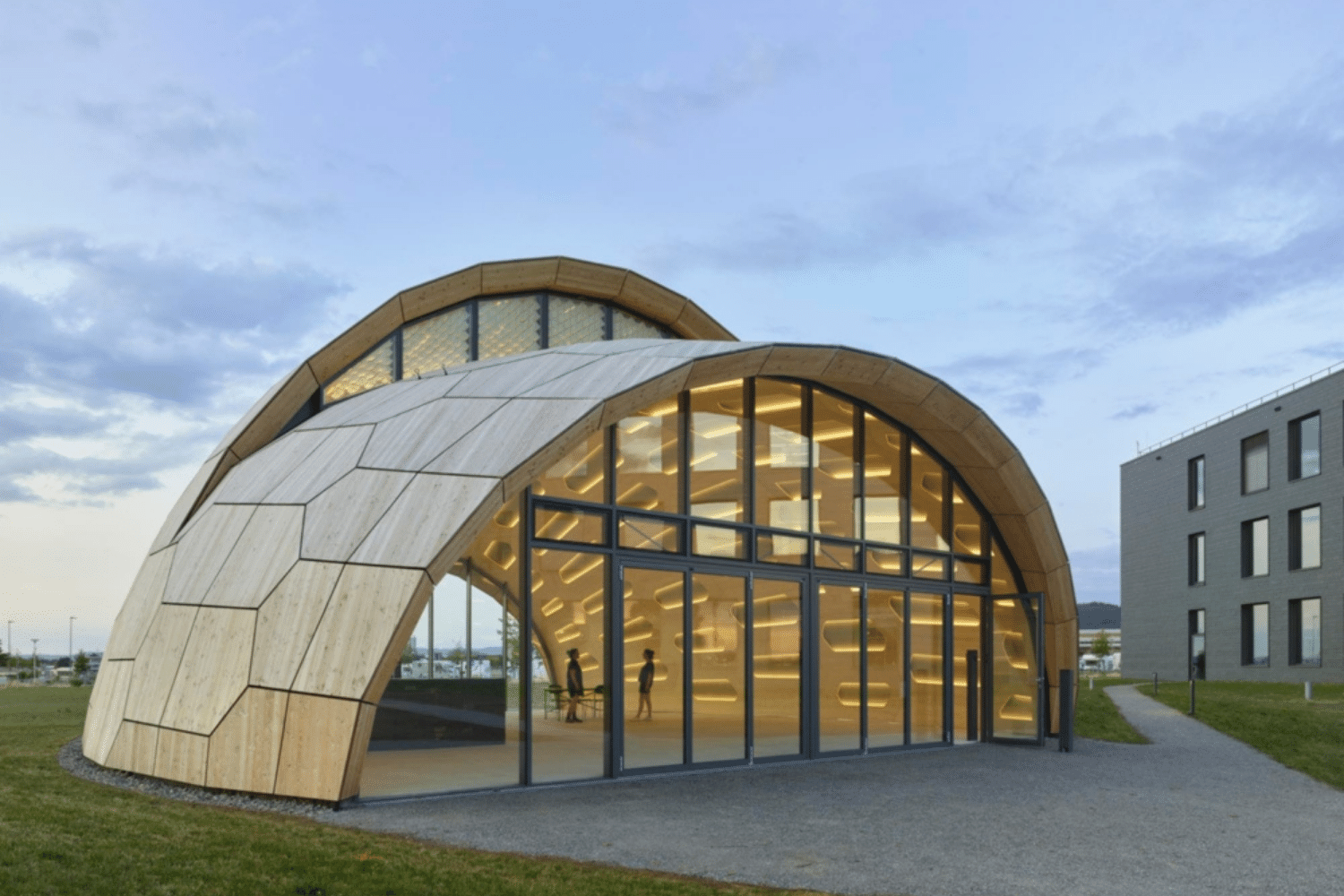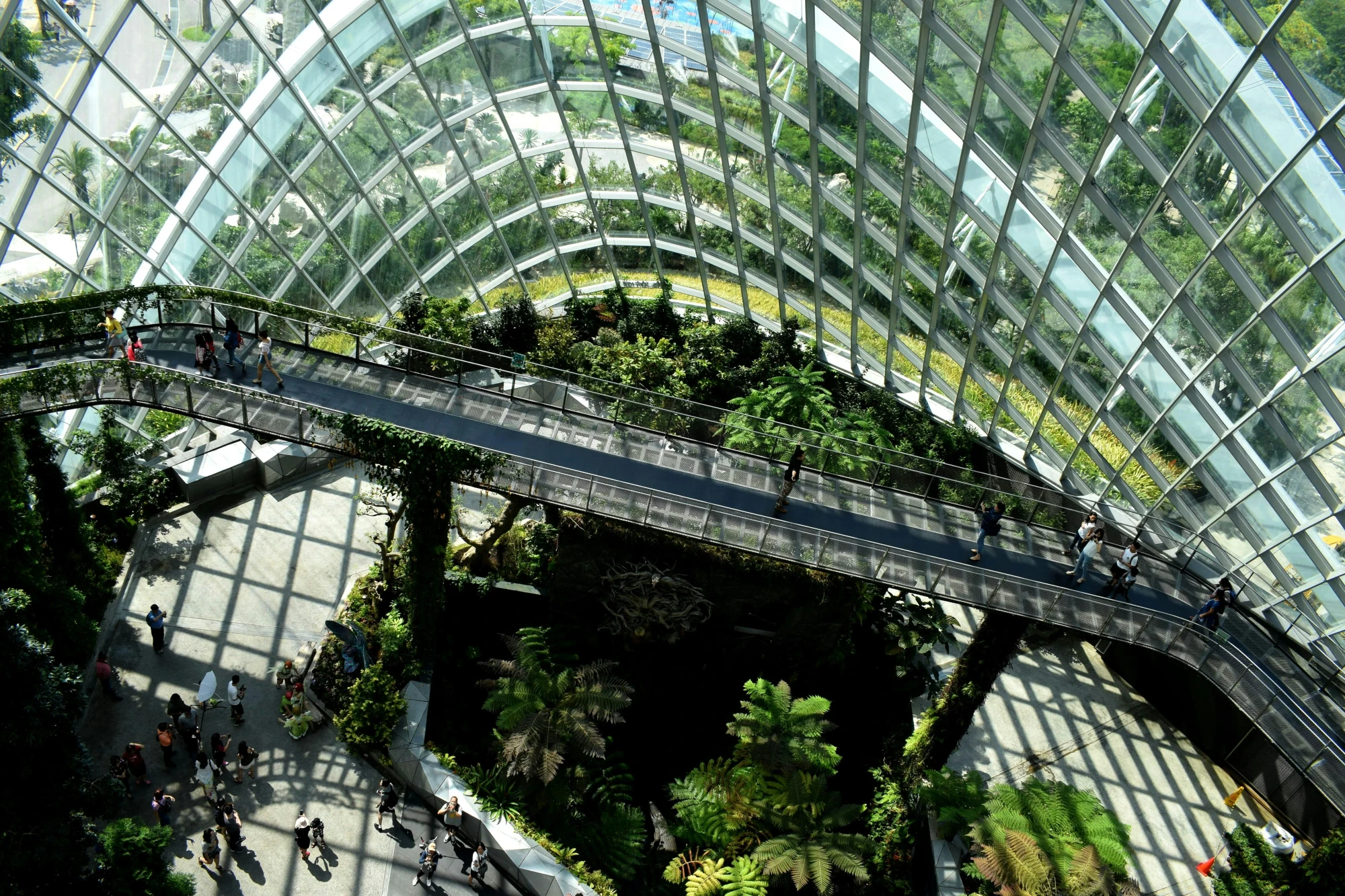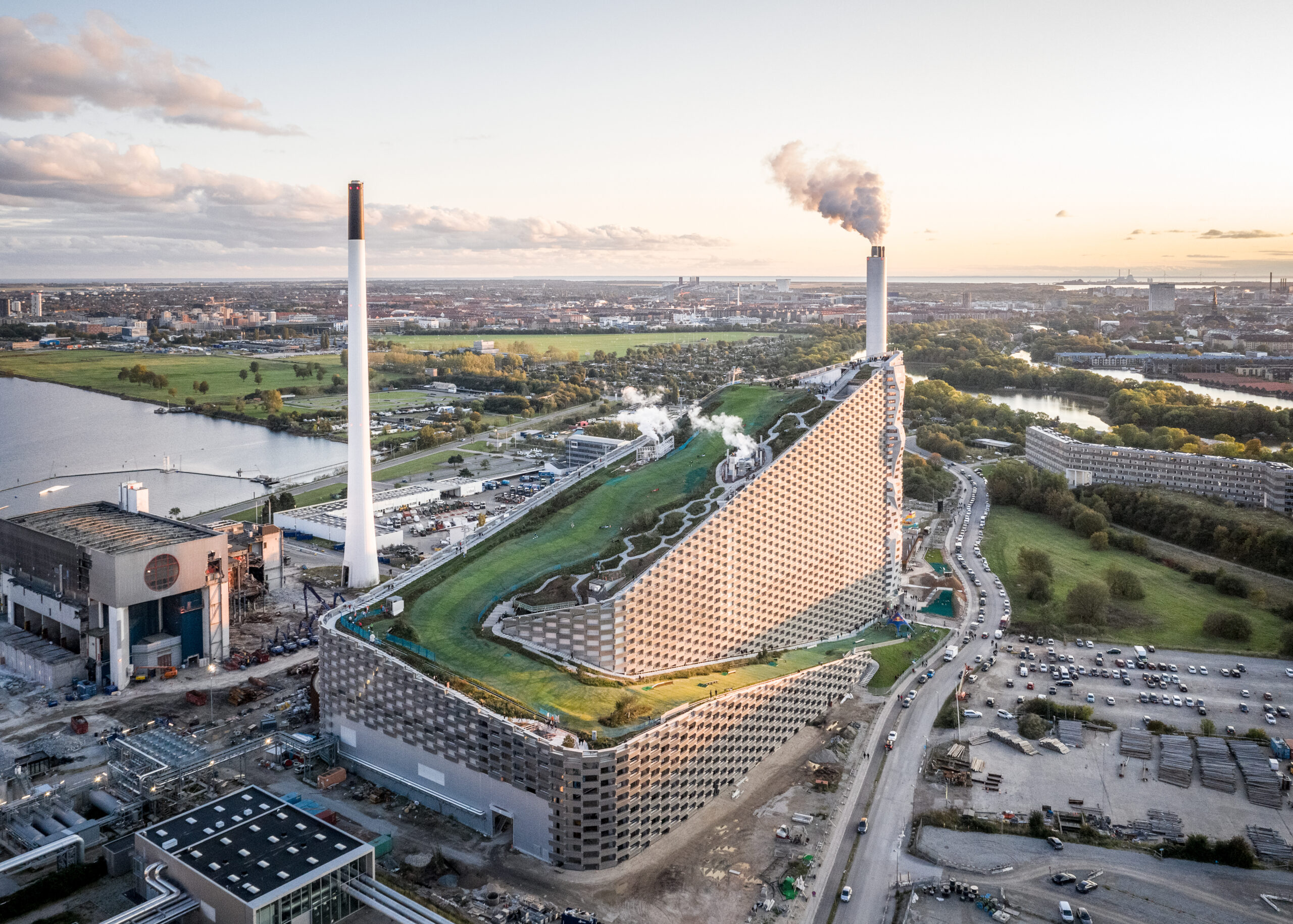

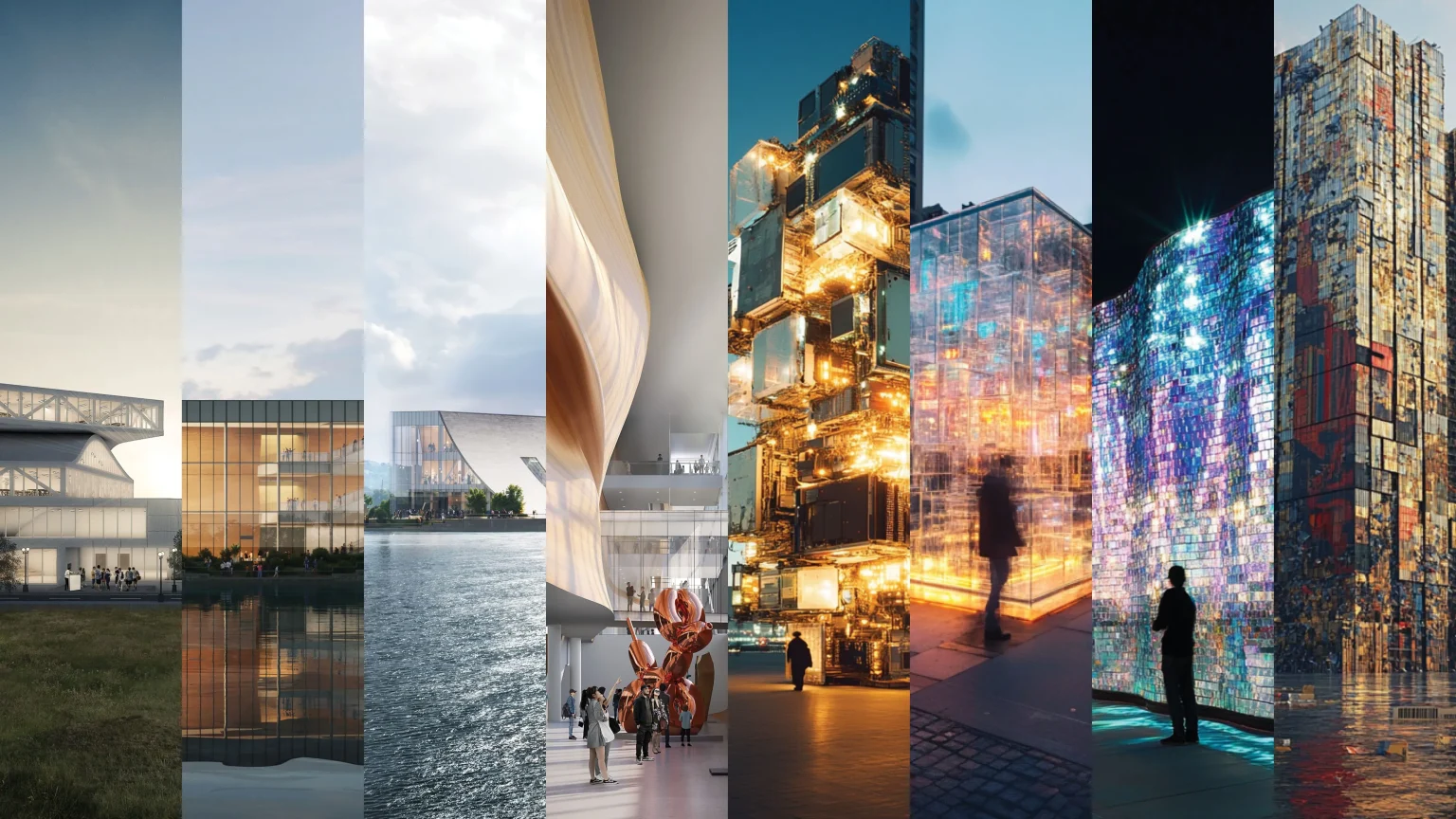

LYT-X Studio hosts After the End, an immersive architectural exhibition at 4C Gallery in Los Angeles, California, from July 24–30, 2025. Drawing from advanced design logics, performance-based systems, and emerging digital workflows, the exhibition speculates on how contemporary architecture can evolve in response to shifting material, environmental, and cultural parameters. It positions architecture as an intelligent, adaptive medium, capable of transformation, reinvention, and expanded lifespans through integrated design thinking.
Focused on innovative materials, adaptive reuse strategies, and cutting-edge AI-driven parametric design, the exhibition investigates a transformative approach to sustainability, one that considers architecture not as a linear process ending in obsolescence, but as an evolving continuum driven by creativity and technological ingenuity.
As a timely response to the urgent challenges facing the built environment, After the End positions itself as more than just an exhibition; it is a provocation, a research platform, and a visionary manifesto. Designed as a spatial dialogue, it examines how technology, ecology, and culture converge to shape a post-linear architectural future. The works on display are not static proposals but dynamic systems that provoke new modes of thinking about sustainability, reuse, and resilience.
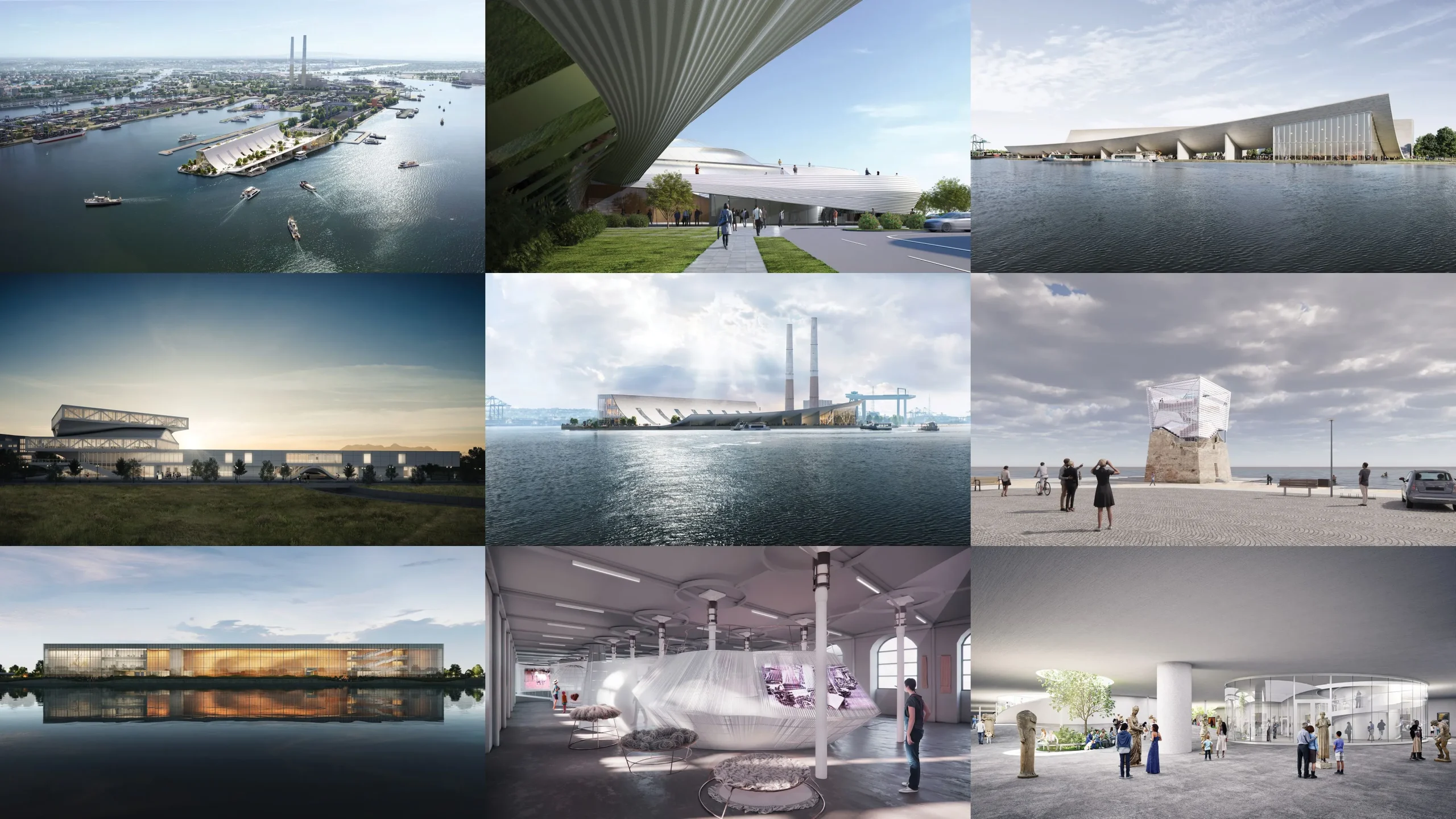
Structured in two distinctive sections, After the End challenges traditional design boundaries. The first explores organic forms, adaptive interventions, and performative façades, creating emotional resonance through breathing surfaces and fluid spaces. Addressing critical issues of urban regeneration and climate resilience, these works present architecture as culturally embedded and ecologically attuned spatial narratives.
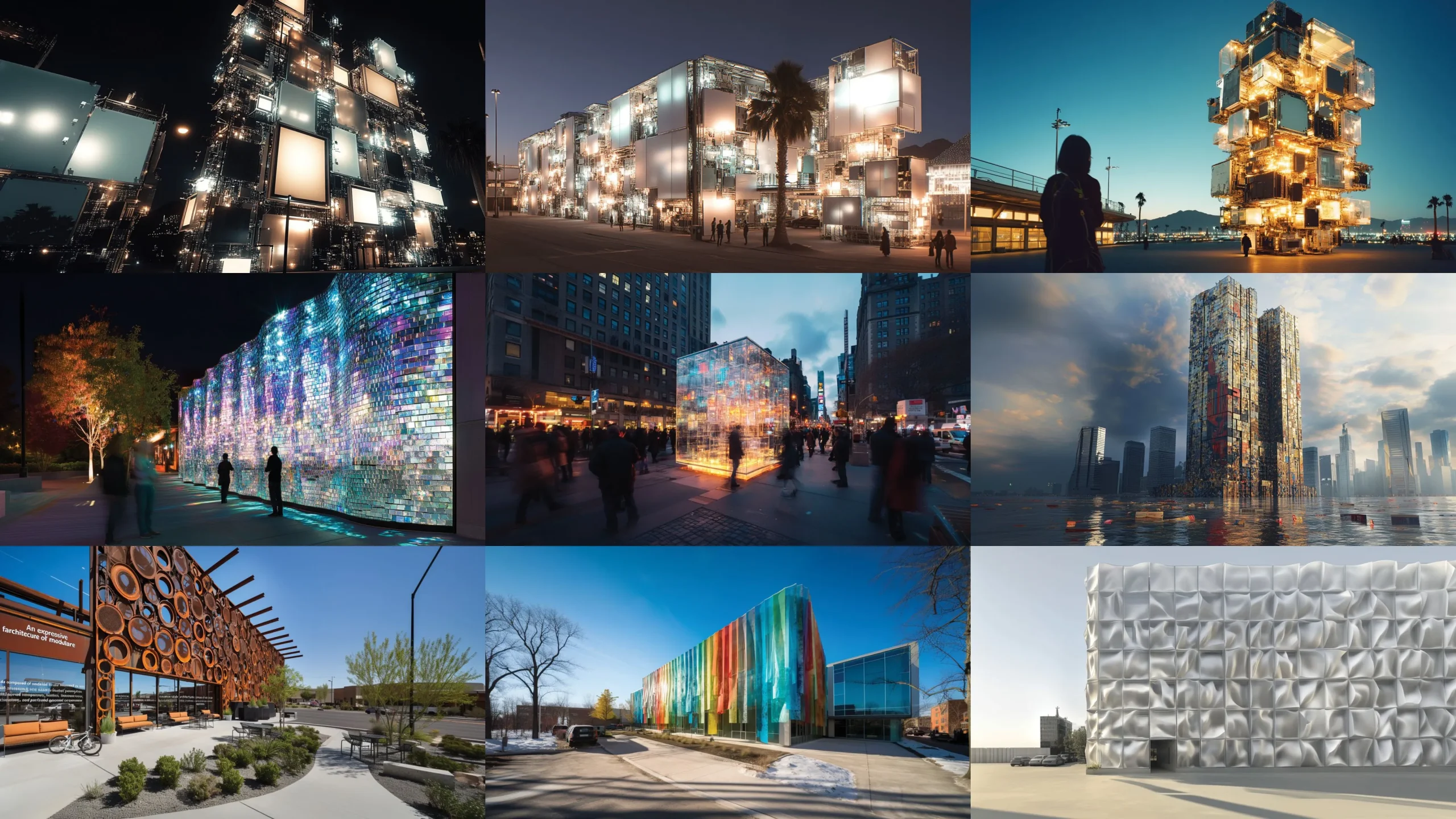
The second section leverages advanced AI and parametric methodologies, questioning conventional architectural life cycles. AI technology serves as both an analytical and creative tool, enabling the reimagining and repurposing of buildings and materials traditionally seen as obsolete. This innovative approach redefines perceived limitations, presenting architecture as an adaptive, evolving entity.
About the Exhibiting Designers
Dingdong Tang is the founder of LYT-X Studio and an award-winning architectural designer with a Master of Architecture from the University of Southern California. His work explores the intersection of parametric design, computational thinking, and AI, advancing architecture as a responsive, inclusive, and visionary system. Rooted in contextual sensitivity, his philosophy emphasizes place-specific narratives that blend technology with cultural, environmental, and emotional depth.
With extensive experience in global projects, including heritage revitalization, urban regeneration, and public architecture, he has led multiple award-winning works recognized by the Red Dot Award, IDA Design of the Year, AIA Design Awards, and Architizer A+ Awards. His projects have been widely exhibited internationally, including at NYCxDesign, and reflect a commitment to pushing design boundaries while promoting sustainability, innovation, and community relevance.
Haisheng Xu is an award-winning architectural designer and co-founder of LYT-X Studio. His practice centers on the innovative application of parametric and information-based tools in design and construction, with a commitment to advancing the artistic potential of architectural language within the context of sustainability.
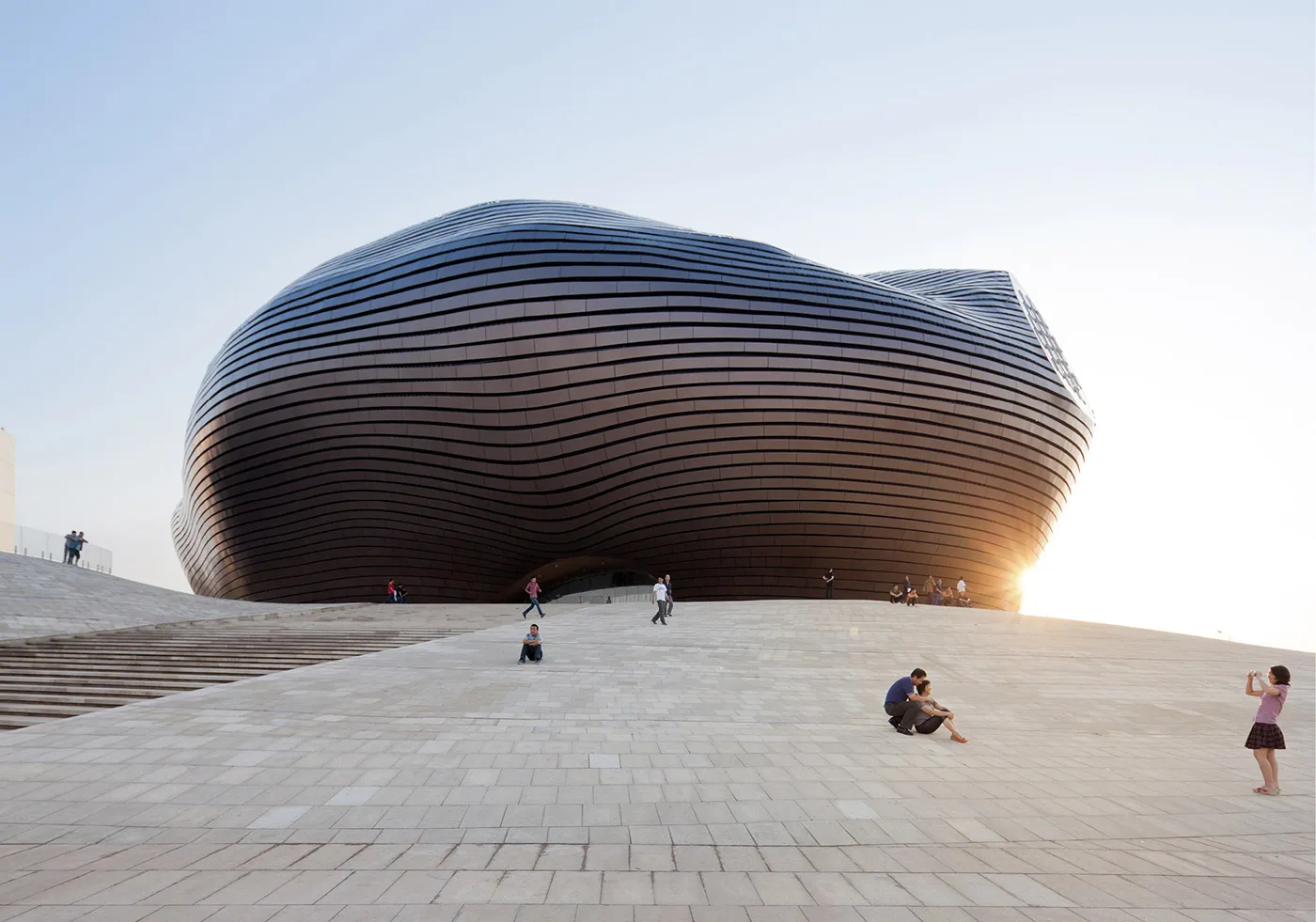
Spanning office, academic, and healthcare projects, his portfolio includes signature works such as the Brise-Vent Havre Harbor Museum and the FITT Future Headquarters, which exemplify his exploration of the intersection between technology and architectural expression. His work has received international recognition, including the IDA Architecture Design of the Year and the Architizer A+ Award.
Zehui Li is a Los Angeles–based architectural designer whose work navigates the intersection of historical continuity, digital aesthetics, and ecological intent. By layering geometry, programming, and cultural narratives, he creates spatial experiences that bridge past and future, fostering new expressions of public architecture.
Through a context-sensitive design methodology, Zehui synthesizes heritage and emerging technologies to shape spaces that are environmentally attuned and experientially rich. His work redefines typologies through a design language that integrates form, function, and sustainability into a cohesive architectural vision.
Yangqi Yang is a multidisciplinary architectural designer merging cultural placemaking with computational innovation. His journey from OMA’s conceptual rigor to Xkool’s technological forefront grounds his design methodology in systemic thinking and strategic inquiry.
Specializing in generative design and AI-integrated workflows, he leverages computational craft to reimagine the architectural interface, exploring both adaptive envelopes and interactive interiors. His work on projects from museums to campuses advances architecture at the intersection of sustainability and spatial narrative.
Join us at After the End to experience how architectural intelligence, grounded in computation, craft, and cultural agency, is redefining sustainability and shaping a new design paradigm. The exhibition takes place at 4C Gallery, 160 W Valley Blvd, 2nd Floor, San Gabriel, CA 91776, from July 24–30, 2025. For more details, please visit our Exhibition Page.