



As Qatar continues to position itself as a global cultural destination, Al Maha Island in Lusail is emerging as one of the country’s architectural and artistic territories. The latest announcement that Art Basel Qatar will establish a permanent Herzog & de Meuron-designed home on the island signals a new chapter in the relationship between architecture, cultural infrastructure, and international art exchange.
The project is envisioned as part of a larger cultural ecosystem that has been taking shape on Al Maha Island for over a decade. At the center of this vision stands the future Lusail Museum, one of Herzog & de Meuron’s most significant cultural commissions in the Gulf.
Al Maha Island: A Cultural Territory in the Making
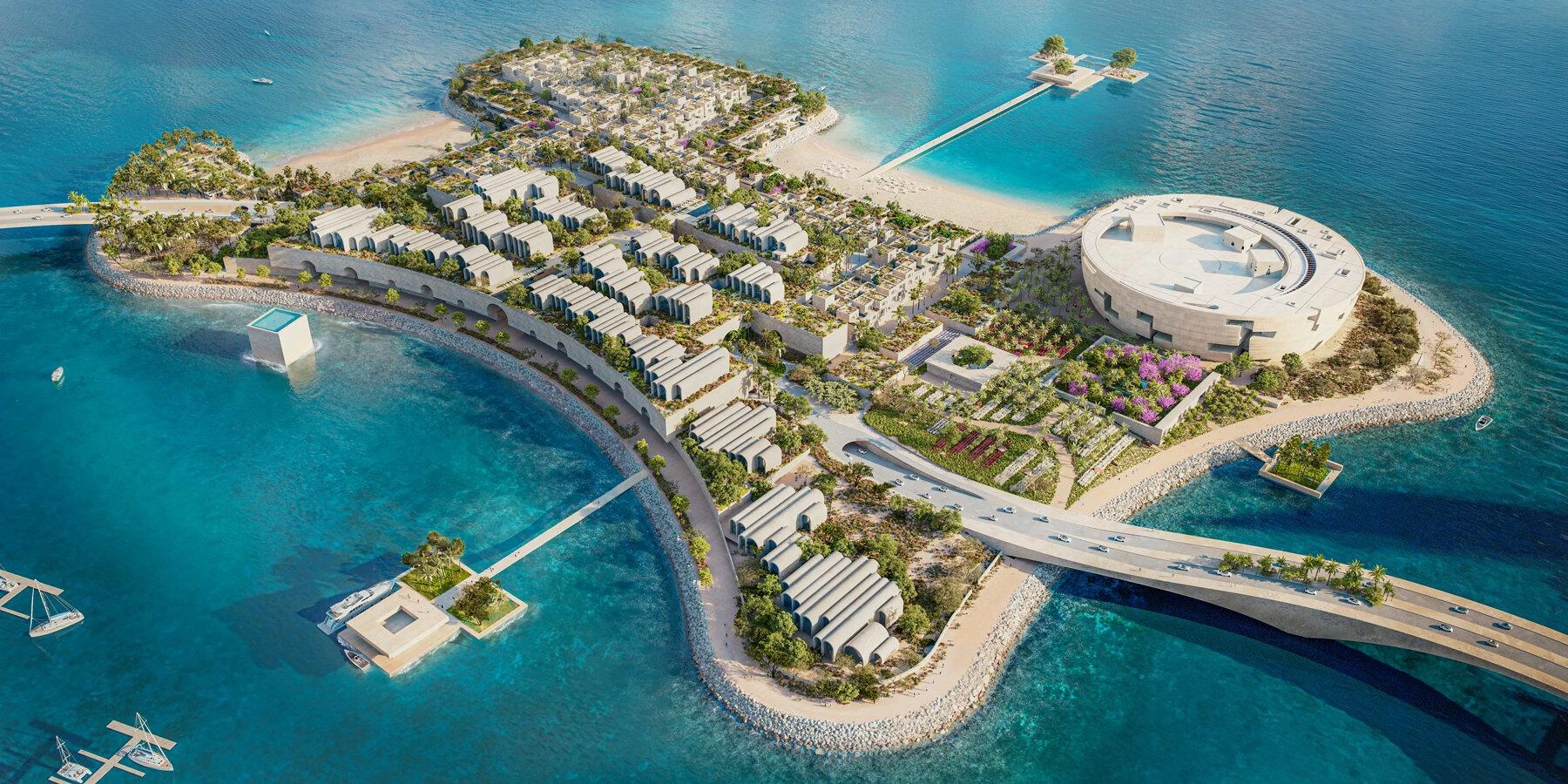
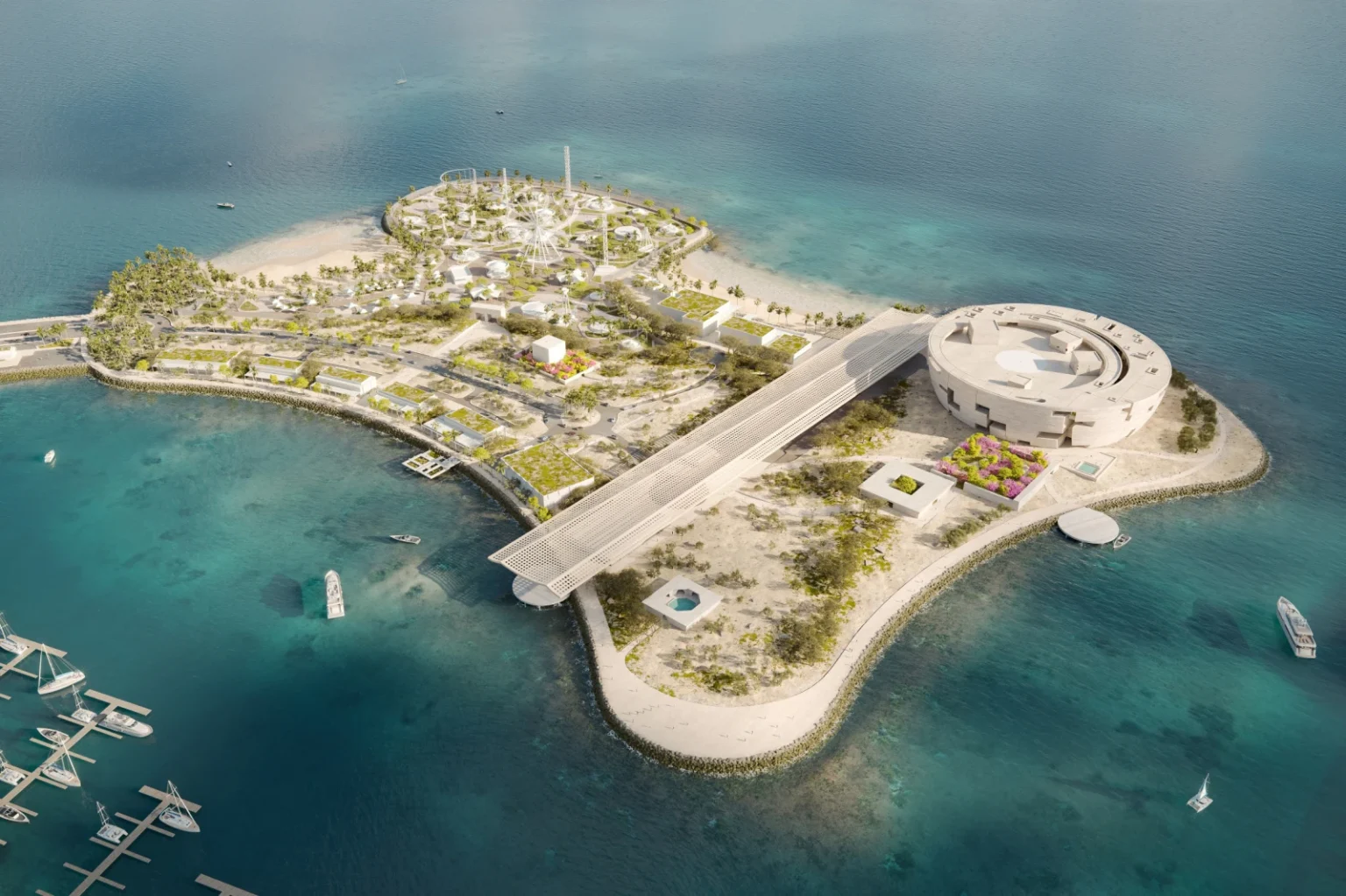
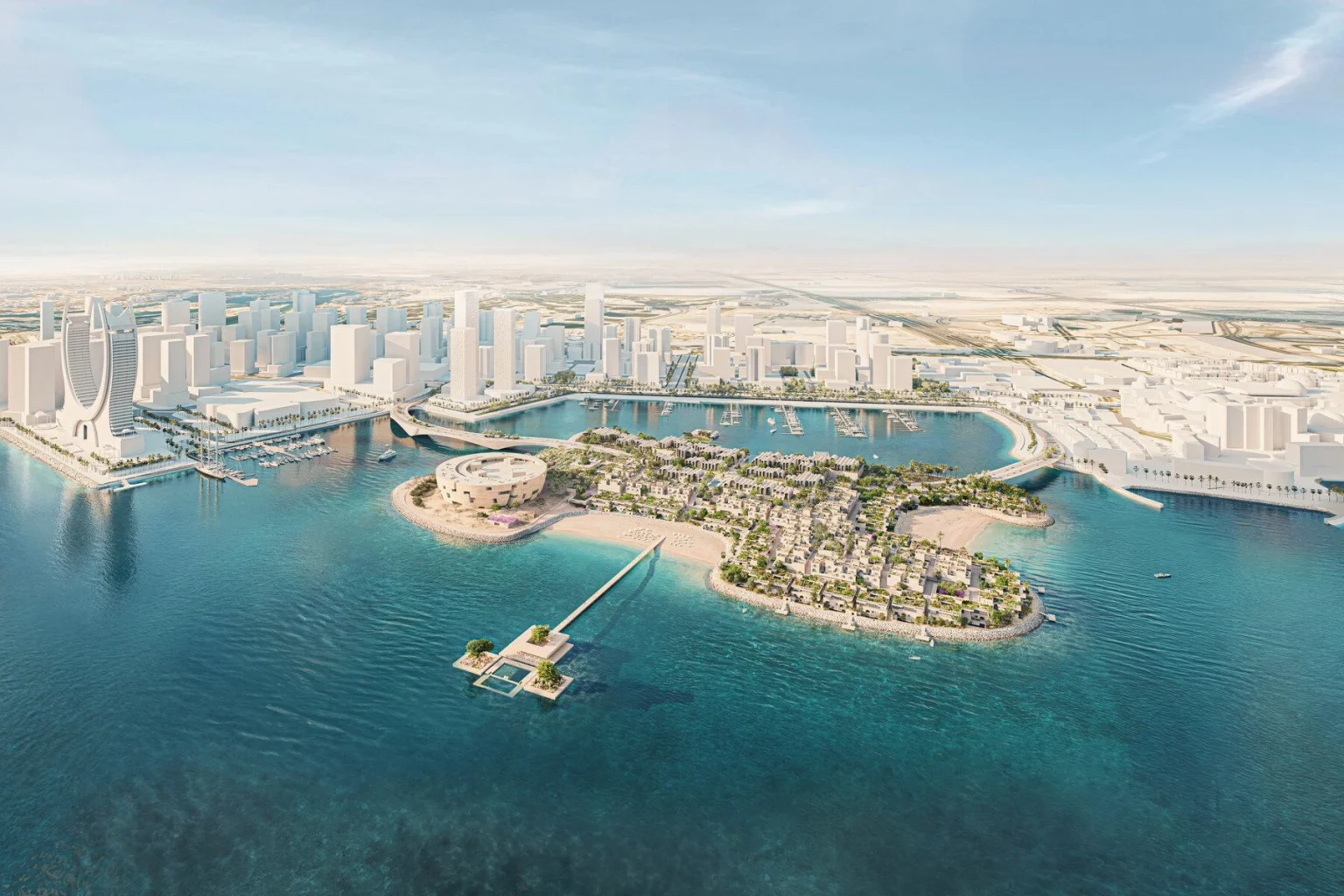
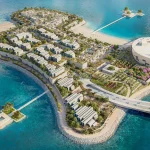
Located off the coast of Lusail City, Al Maha Island occupies a symbolic position within Qatar’s cultural landscape. The island is associated with Sheikh Jassim bin Mohammed bin Thani, the founder of modern Qatar, and has been planned as a destination where museums, public landscapes, cultural institutions, and events coexist within a carefully designed environment.
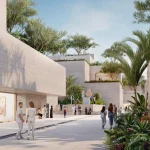
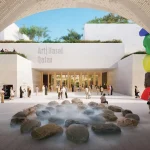
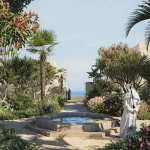
Herzog & de Meuron developed a master plan that organizes the island as a living cultural framework. The architects describe the strategy as an “ecosystem” capable of evolving, bringing together diverse programs through topography, gardens, pedestrian routes, and public gathering spaces.
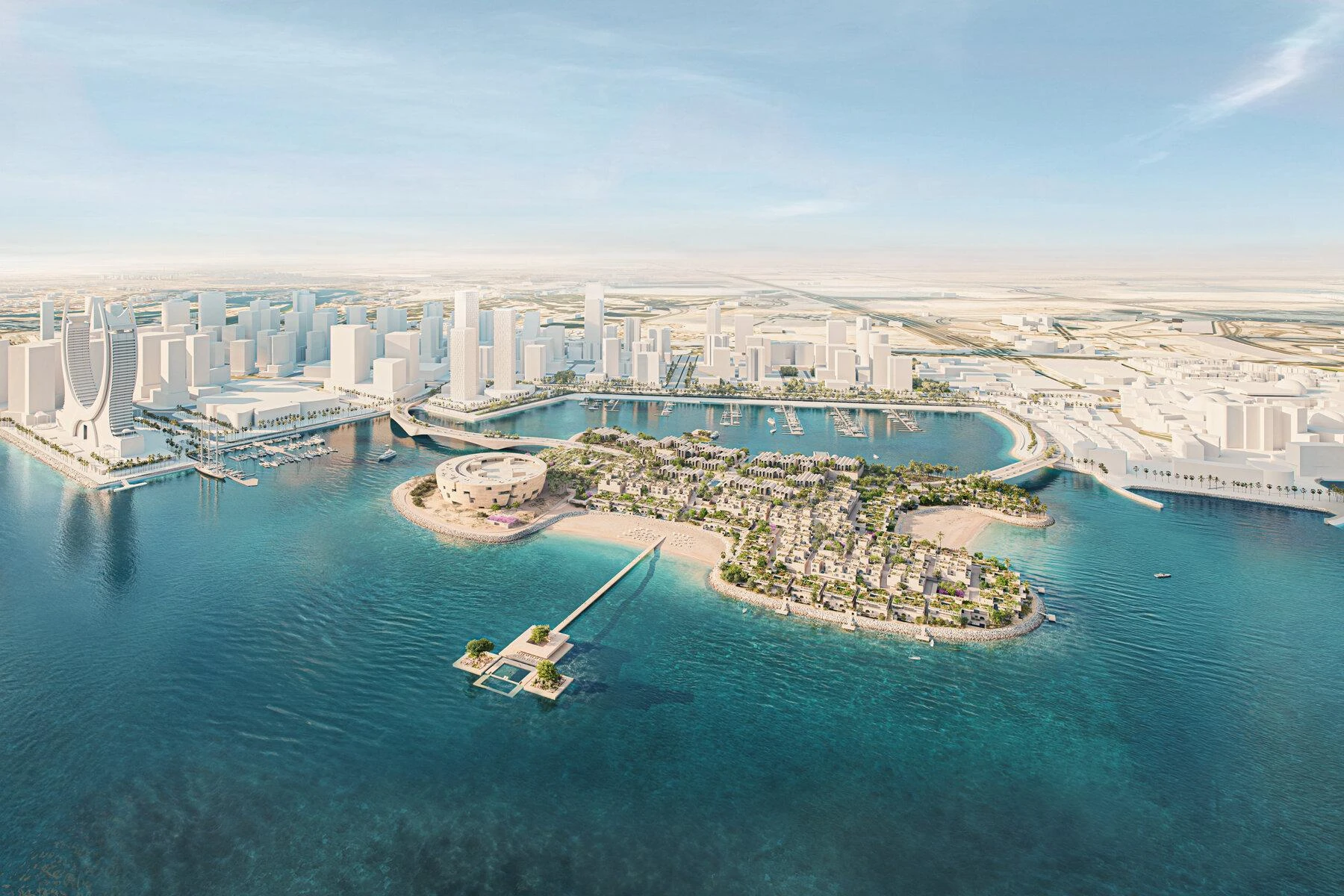
This long-term planning approach allows future additions, including the forthcoming Art Basel Qatar venue, to become part of a larger narrative.
The Lusail Museum as an Architectural Anchor
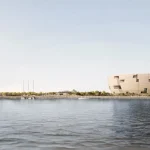
At the southern edge of Al Maha Island, the future Lusail Museum acts as the master plan’s defining landmark. Conceived as both a world-class art museum and a global think tank, the institution aims to foster dialogue between cultures through exhibitions, research, education, and public programming.
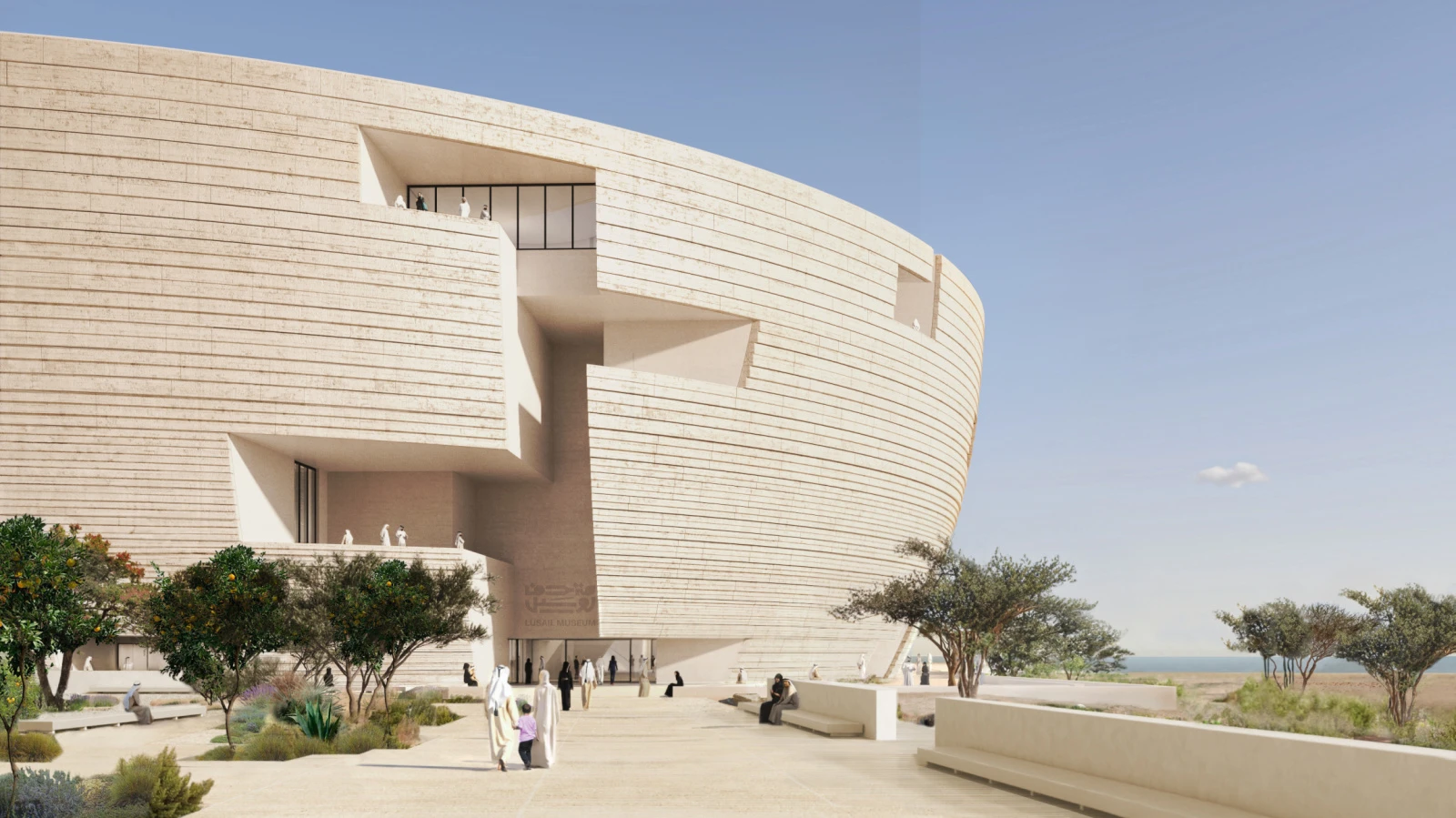
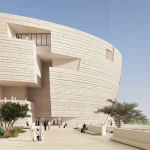
The building appears as a partially buried geometric form emerging from the landscape. Herzog & de Meuron describe it as a truncated sphere whose rough, mineral-like exterior responds to the coastal environment and evokes the textures of sand and earth. The museum derives its presence from mass, materiality, and its relationship with the surrounding terrain.
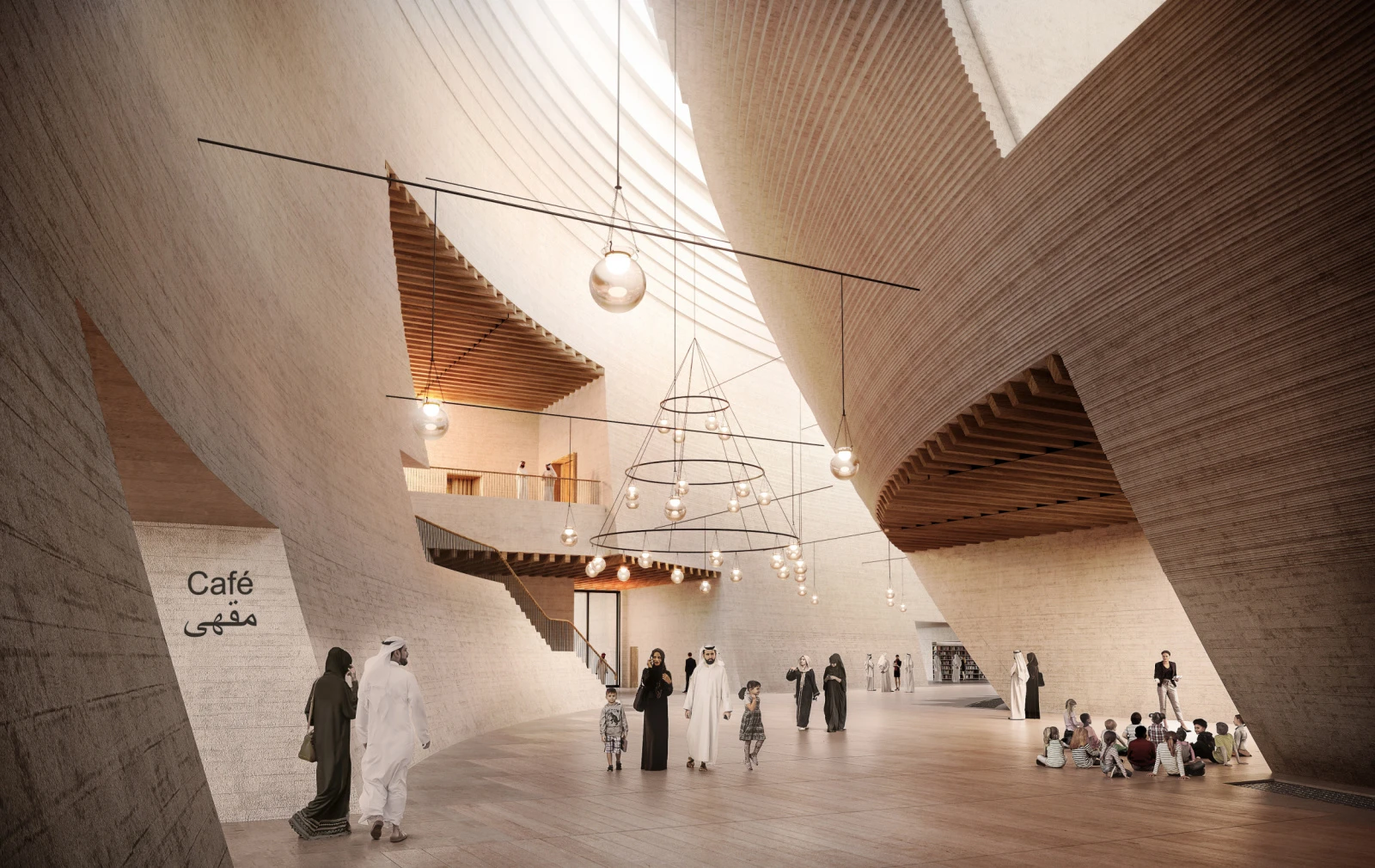
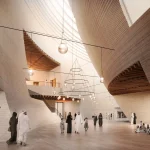
Its architectural composition is generated through the intersection of three spherical geometries. These forms carve out a sequence of interior spaces, including a crescent-shaped public street illuminated from above. This internal circulation spine links entrances, galleries, educational spaces, a library, an auditorium, a café, prayer facilities, and public amenities, creating what the architects describe as a miniature city contained within a single structure.
Responding to Qatar’s Landscape and Heritage
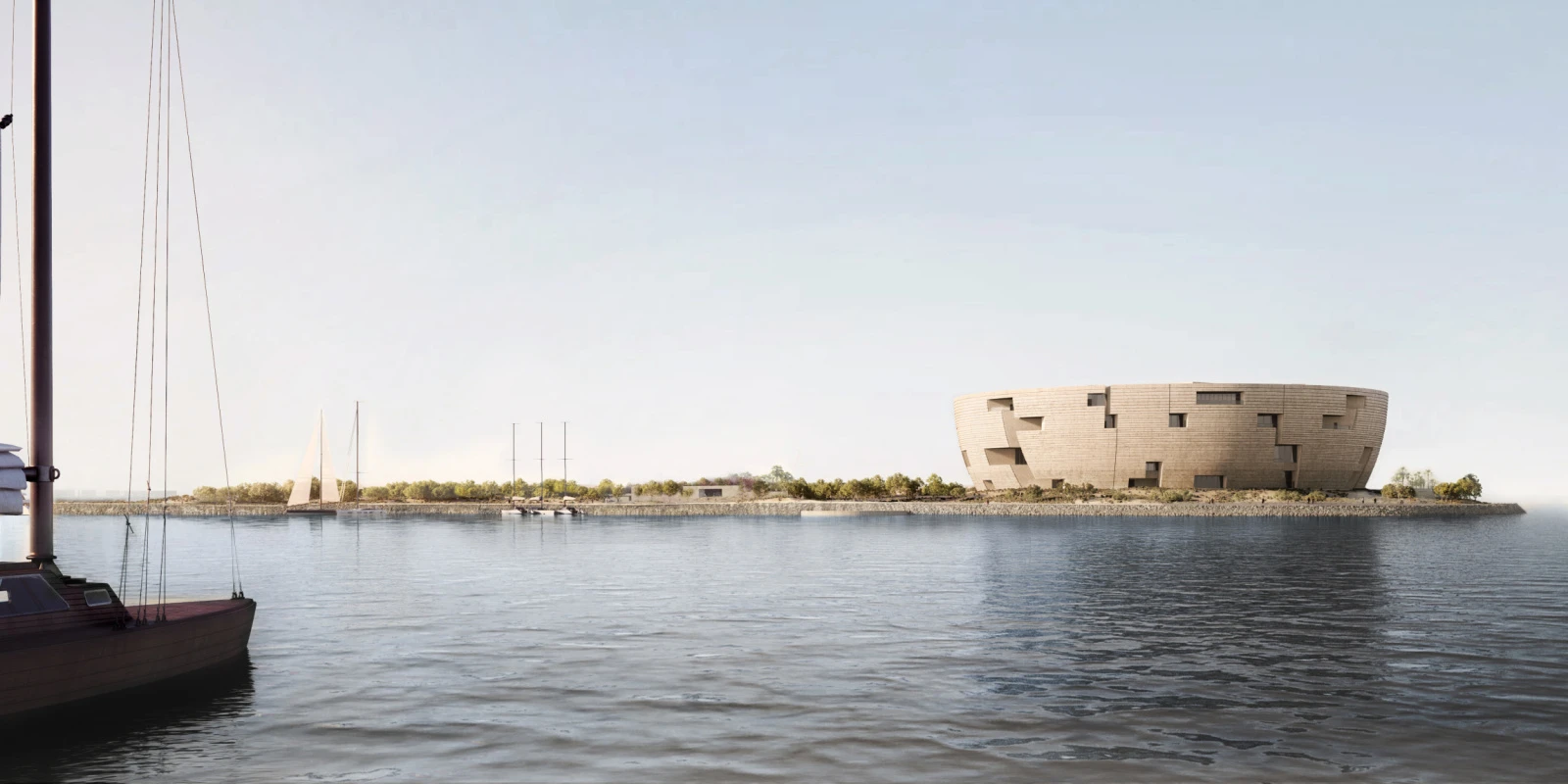
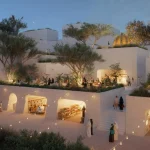
One of the defining qualities of the Lusail Museum is its balance between universal geometry and local references. Deeply recessed openings shield interiors from harsh desert sunlight while maintaining views toward the sea and Lusail’s evolving skyline. Outdoor terraces carved into the building mass provide landscaped gathering areas and exhibition opportunities.
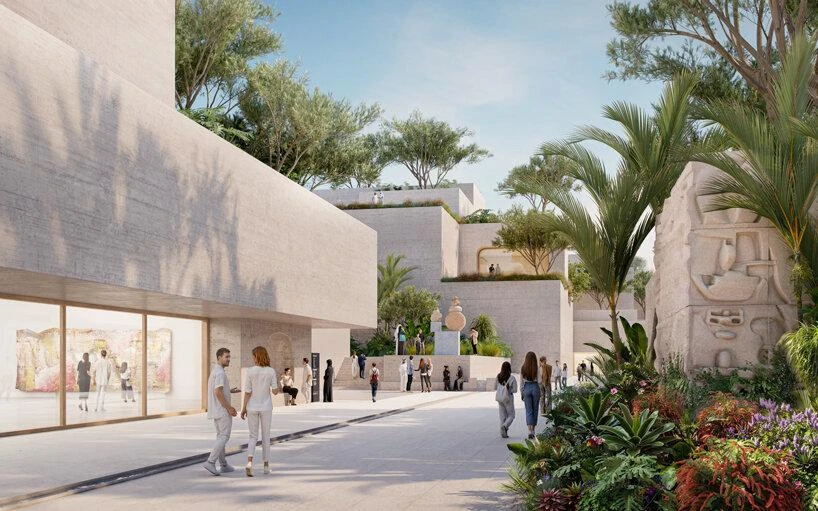
Inside, the museum introduces a diverse palette of materials and atmospheres. Polished plaster staircases, timber-lined libraries, reflective prayer spaces, ceramic finishes, and textile-clad niches create a sequence of tactile experiences. The project also incorporates collaborations with regional artisans and craftspeople, reinforcing the connection between contemporary architecture and local traditions.
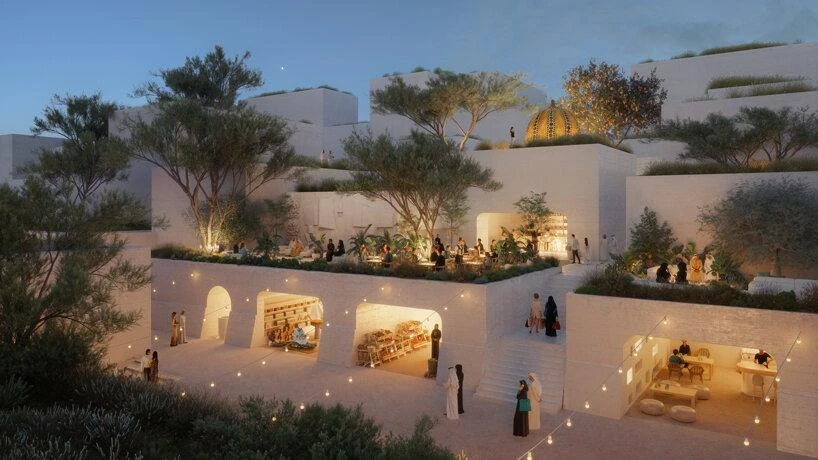
Historical architectural references further enrich the design. Four gallery spaces reinterpret important domed structures from across the Islamic world, including precedents from Cairo, Istanbul, Natanz, and Zaragoza. These spatial insertions serve as educational anchors while highlighting centuries of cultural exchange across regions.
Art Basel Qatar Finds a Permanent Home
The arrival of Art Basel Qatar marks a significant expansion of Qatar’s cultural ambitions. Following the launch of the fair in Doha, plans now indicate that a dedicated Herzog & de Meuron-designed venue will eventually become part of Al Maha Island’s broader cultural framework.
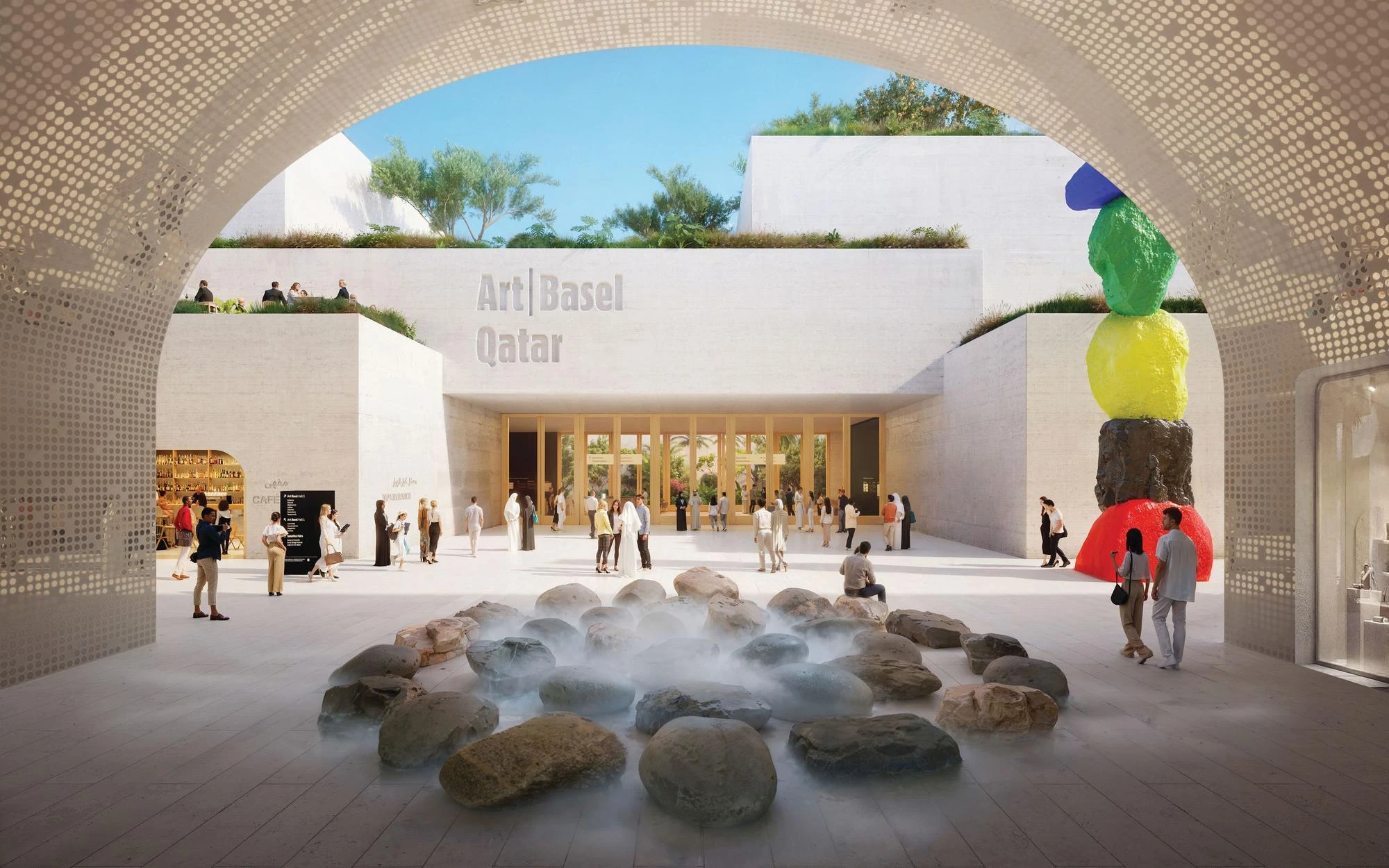
The decision reflects a growing convergence between architecture and contemporary art in the Gulf region. Qatar is investing in permanent cultural destinations designed to support long-term artistic engagement, international collaboration, and public participation.
Within this context, Al Maha Island is increasingly positioned as a cultural district where museums, exhibitions, public landscapes, and major art events operate as interconnected components of a single urban vision.
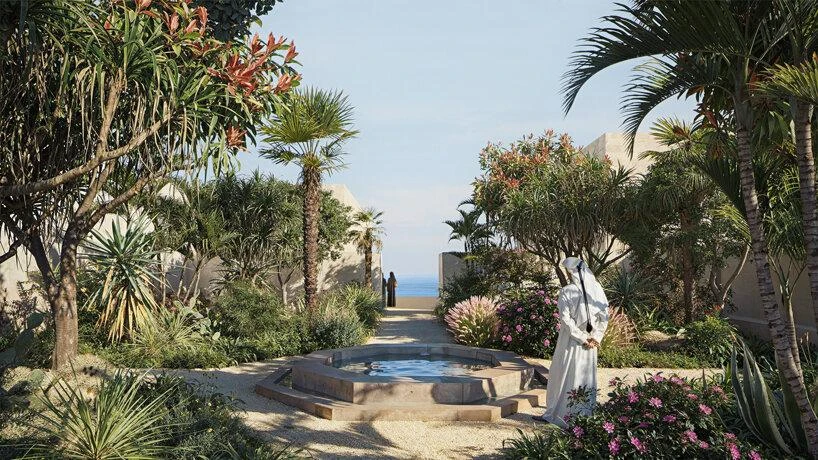
Herzog & de Meuron’s work on Al Maha Island demonstrates a shift away from isolated icon-making toward the creation of integrated cultural environments.
As the Lusail Museum advances and Art Basel Qatar prepares for its future presence on the island, Al Maha Island is evolving into one of the most significant cultural developments in the Middle East. Through landscape, architecture, and programming, the project illustrates how contemporary cultural institutions can shape urban identity while creating spaces for dialogue, learning, and global exchange.
Image credit: Herzog & de Meuron