

“Things fall apart; the centre cannot hold
Mere anarchy is loosed upon the world…”
W.B. Yeats, “The Second Coming”
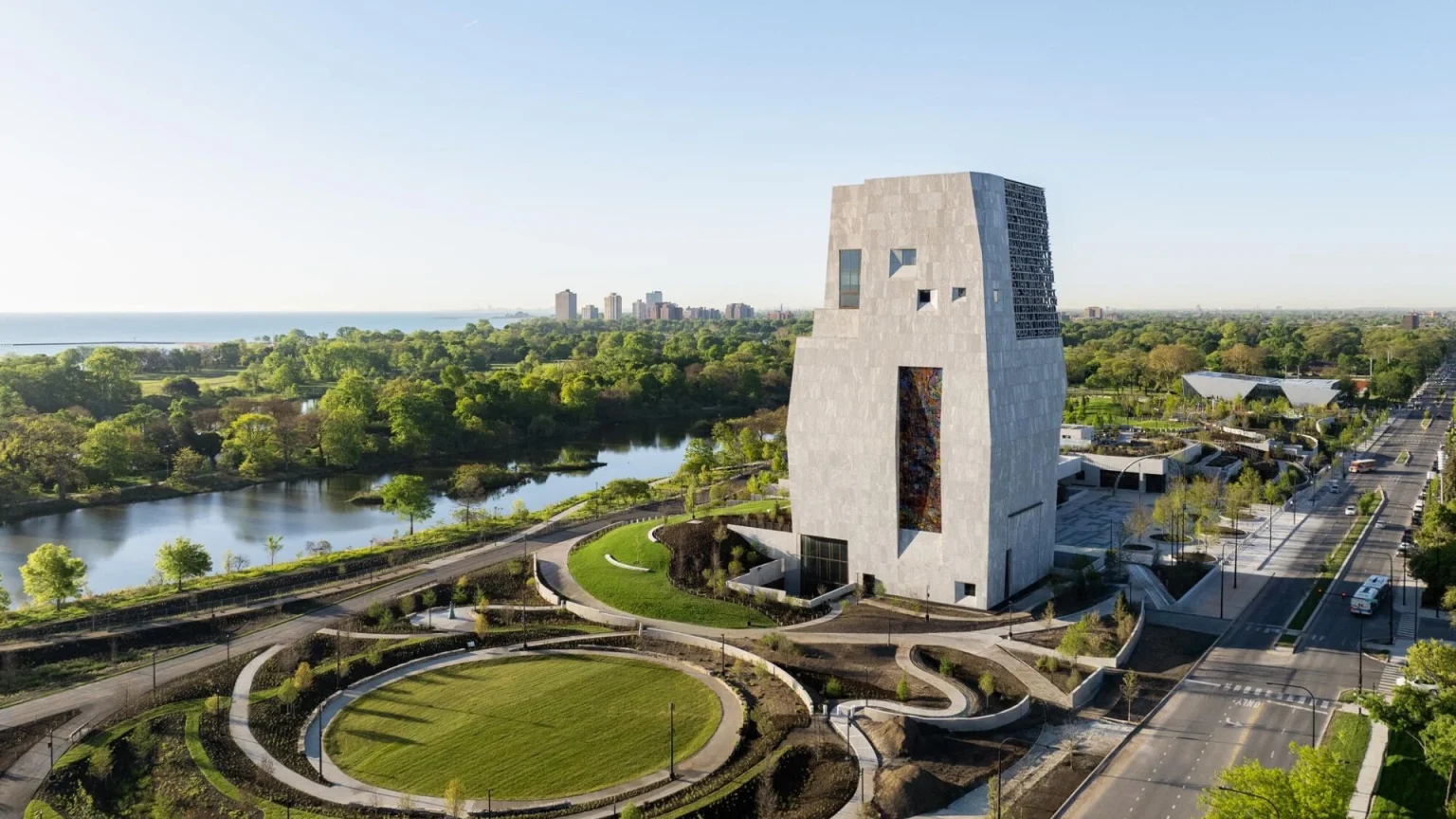
Picture this scene: You’re standing in front of a huge slab of dark, charcoal-colored stone. It’s so black it seems to swallow the Chicago sky. Rain runs down it, but there’s no glossy shine—just this deep, endless darkness where you might expect a presidential portrait or some bold symbol. Then you step back, and you see the whole thing: a tall, striking form rising against the flat Midwest horizon. It doesn’t feel like a victory monument. It feels more like a quiet, slightly mysterious question mark planted in the landscape.
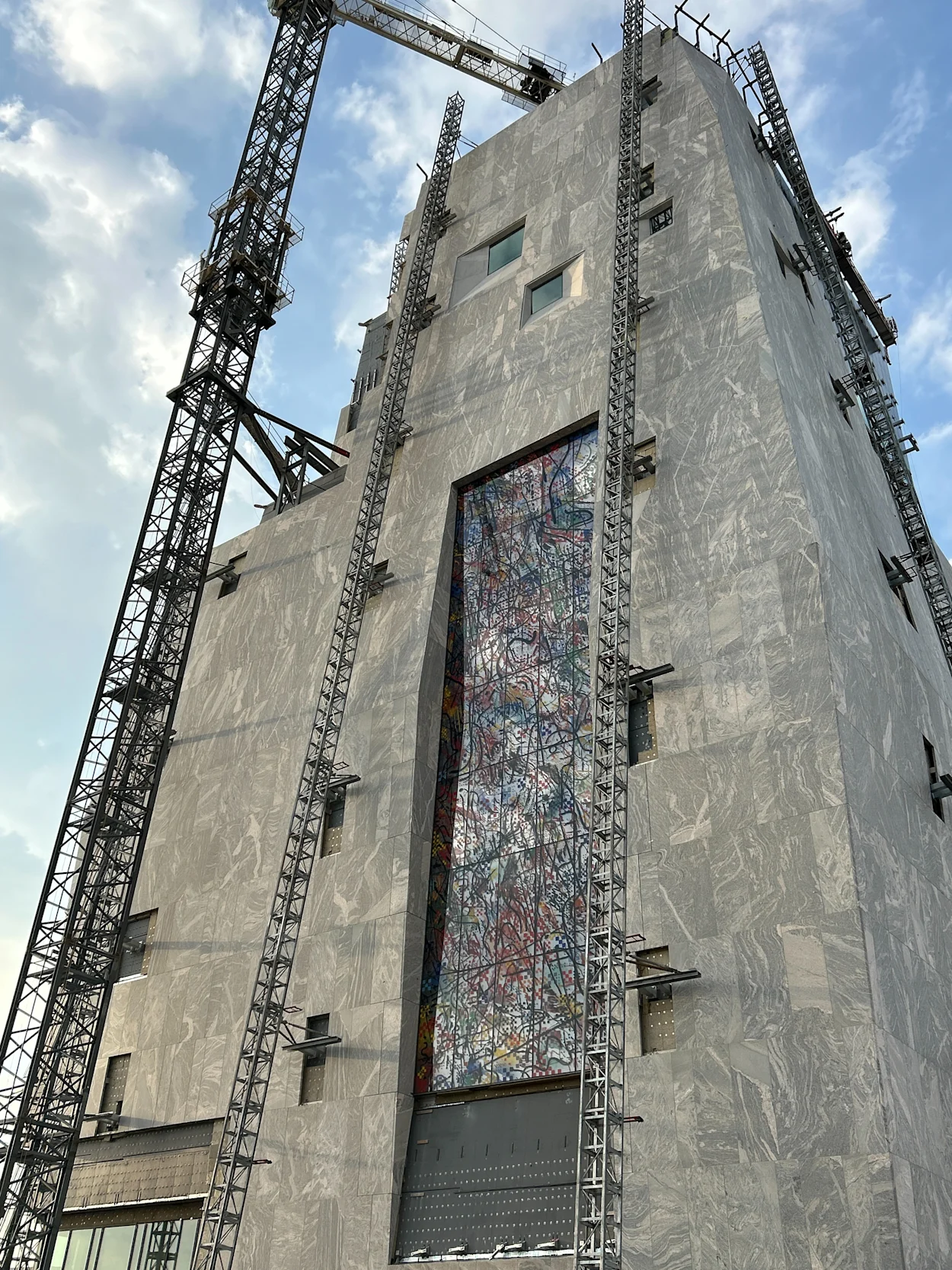
This isn’t just a building. It’s a statement- one that asks, not “Look what we achieved,” but “What exactly did we set in motion?”
For a long time, American presidential libraries followed a familiar script: big columns, perfect symmetry, classical grandeur. The message was always the same: “We’re carrying on the great tradition of the Founding Fathers.” Safe. Familiar. Respectable.
But what happens when the president himself is seen as a break from all that? When people on both sides viewed him as something genuinely new—even disruptive? Do you give him the same old temple anyway? Or does someone who broke the mold deserve an architecture that actually reflects that?
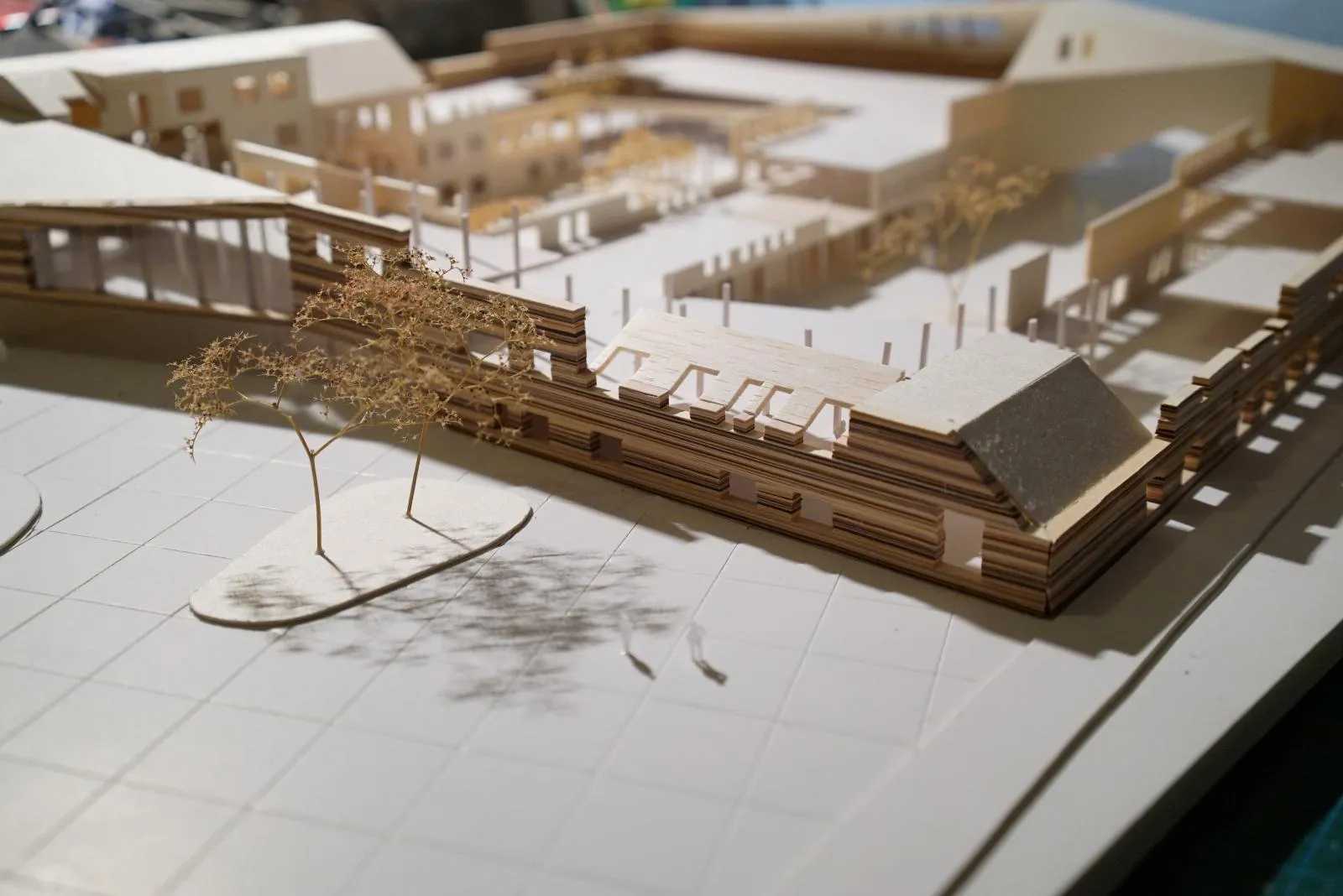
The Obama Presidential Center—sometimes nicknamed the “Obamalisque” by critic Oliver Wainwright—answers that with real confidence. It steps away from heavy classical styles and slick modernism. Instead, it feels personal, thoughtful, and intentionally different. It’s like architecture trying to capture an era that wanted to move past the imperial image of the presidency and find something more nuanced.
Choosing Architects Who Listen and Architecture of Quiet Power
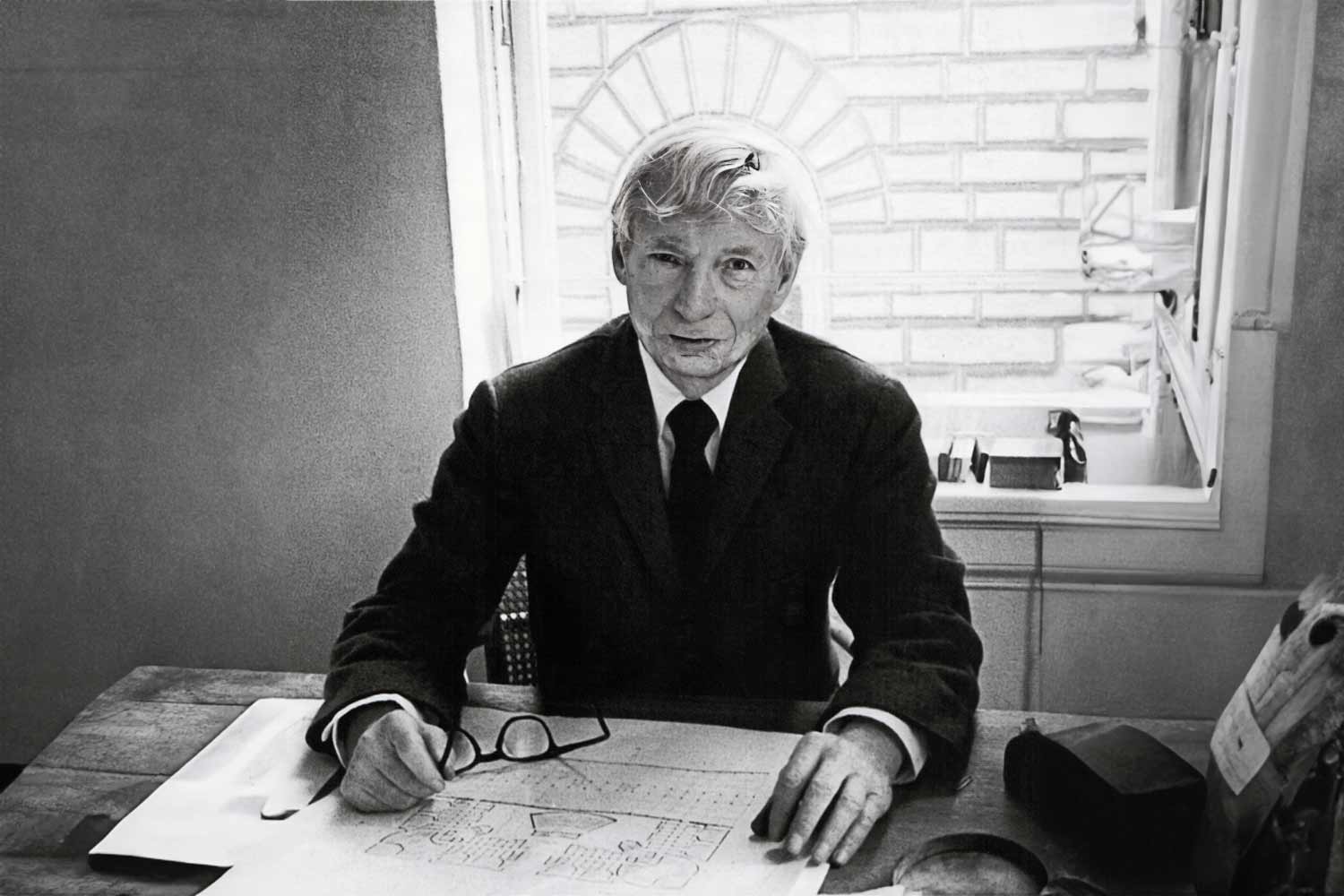
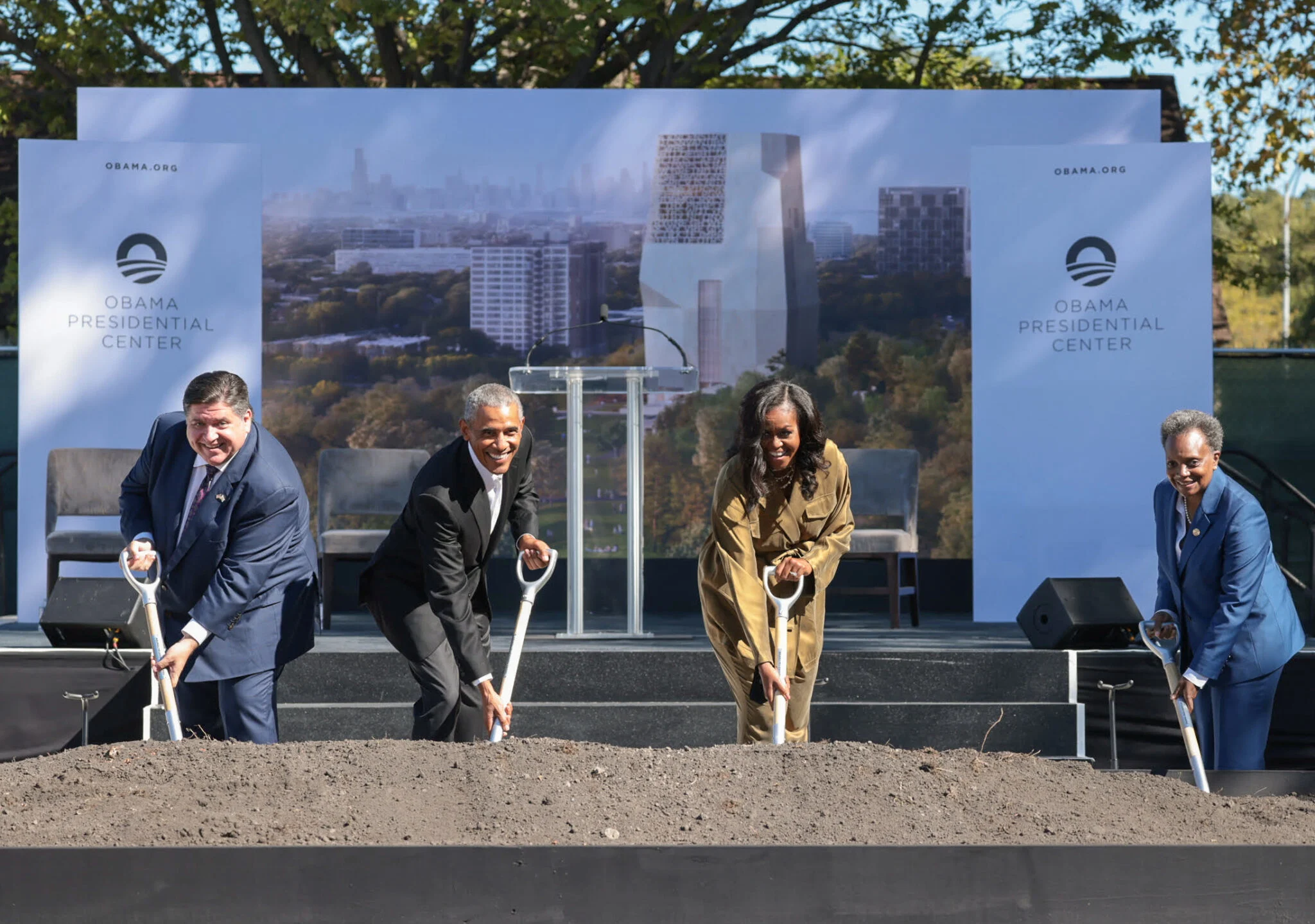
Picking Tod Williams and Billie Tsien was a meaningful decision in itself. This husband-and-wife team has spent over forty years creating buildings that don’t shout or demand attention. Their work is quieter, more inviting. You want to touch the stone. The light feels alive as it moves across the surfaces. They’re masters of tension and release—a modest entry that suddenly opens into something surprisingly moving.
By choosing them, the Obamas were signaling something important: the real break from tradition isn’t about spectacle. It’s about changing how power feels. Less throne room, more sanctuary. Less palace, more place for reflection.
Not a Glass House, But a Keep
Most traditional presidential libraries go for that bright, glassy, transparent look—lots of open space and light, basically screaming, “See how open we are?”
The Obama Center does something different. Its dark stone and earthy tones feel more mysterious, even a bit guarded. It doesn’t throw the doors wide open right away. It holds back a little. It invites you to come closer, let your eyes adjust, and really engage.
That’s no accident. Williams and Tsien have always understood that a bit of mystery isn’t anti-democratic—it’s actually part of it. They did this gently with light at the Barnes Foundation in Philadelphia. In Chicago, they’ve scaled that idea up for a whole city. The building suggests that Obama’s story isn’t a simple, shiny triumph you can take in at a glance. It’s complex. It’s still unfolding. It asks for your time and attention.
A Question Mark in Stone
In the end, the Obama Presidential Center doesn’t just bend the rules of presidential architecture—it quietly rewrites them.
It walks away from both borrowed classical grandeur and cold glass-box transparency. What it offers instead feels more human: weight, shadow, texture, and meaning that reveals itself slowly as you move through it.
It’s not a monument to a man or a polished brand. It’s more like a living question mark -a space that says history isn’t finished or settled. It’s still being interpreted, felt, and debated by ordinary people walking through its rooms.
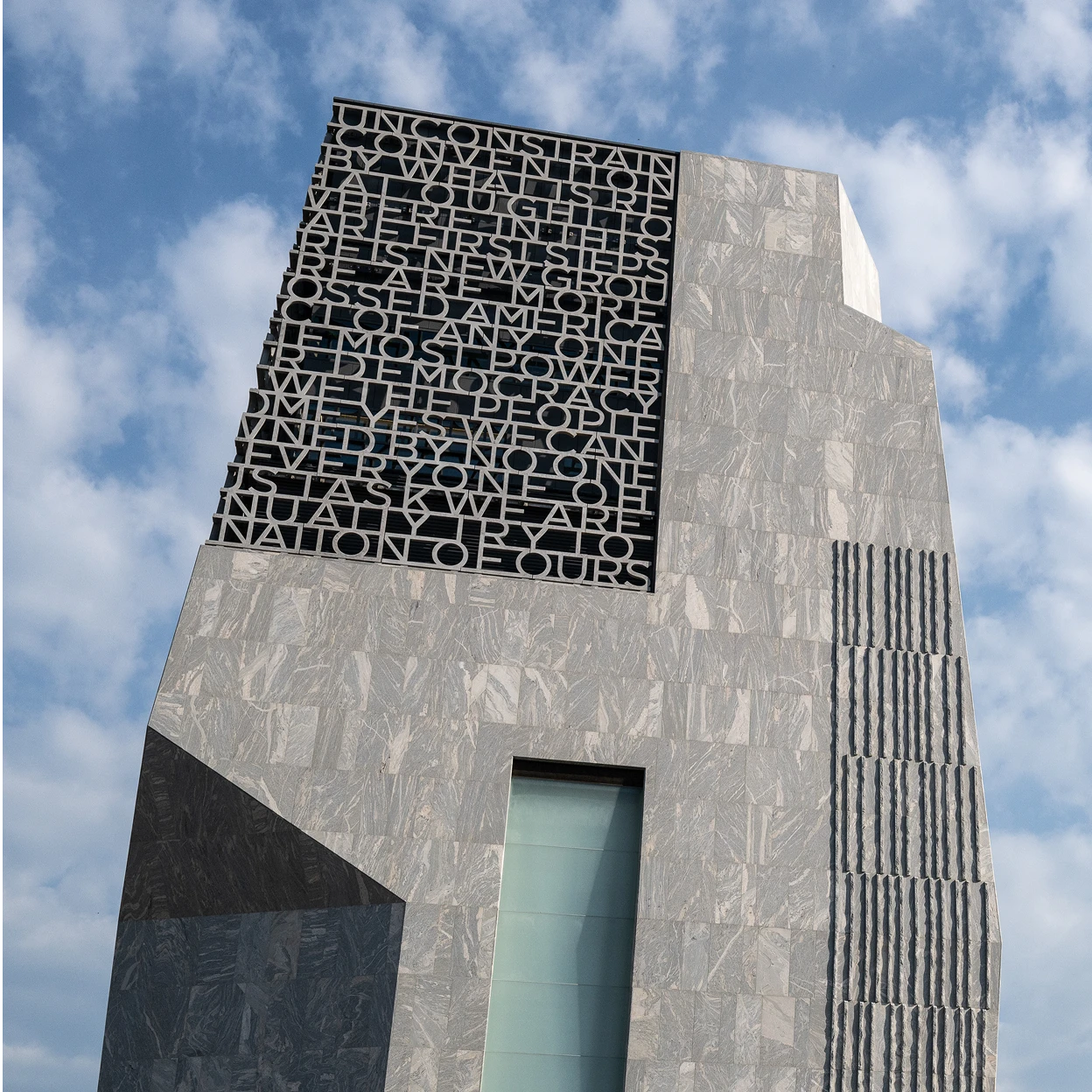
For a president who was so often called “exceptional,” this feels honest. Not a fixed heroic statue, but a place where the meaning is still being made—one thoughtful visitor at a time.
Will this subtle approach hold up against all the loud, polarized myths that surround Obama? That’s still an open question. But maybe that uncertainty is exactly the point.
In a world full of buildings shouting certainties, a structure that whispers, holds back, and trusts people to lean in closer… that might be its own quiet kind of strength. A monument not just to a presidency, but to the unfinished work it left behind.
Image credit: Obama Foundation