


Some of the most important lessons in architecture and design are not found in studios, classrooms, or construction sites. They are found in the stories behind the projects, the people who shaped them, and the ideas that changed the way we think about buildings, cities, and objects.
This list brings together 15 documentaries and series that examine architecture, urbanism, product design, typography, and creative practice. Featuring influential figures such as Louis Kahn, Norman Foster, Frank Gehry, Charles and Ray Eames, Jane Jacobs, Jan Gehl, and Bjarke Ingels, these films provide insight into the people, projects, ideas, and the built environment.
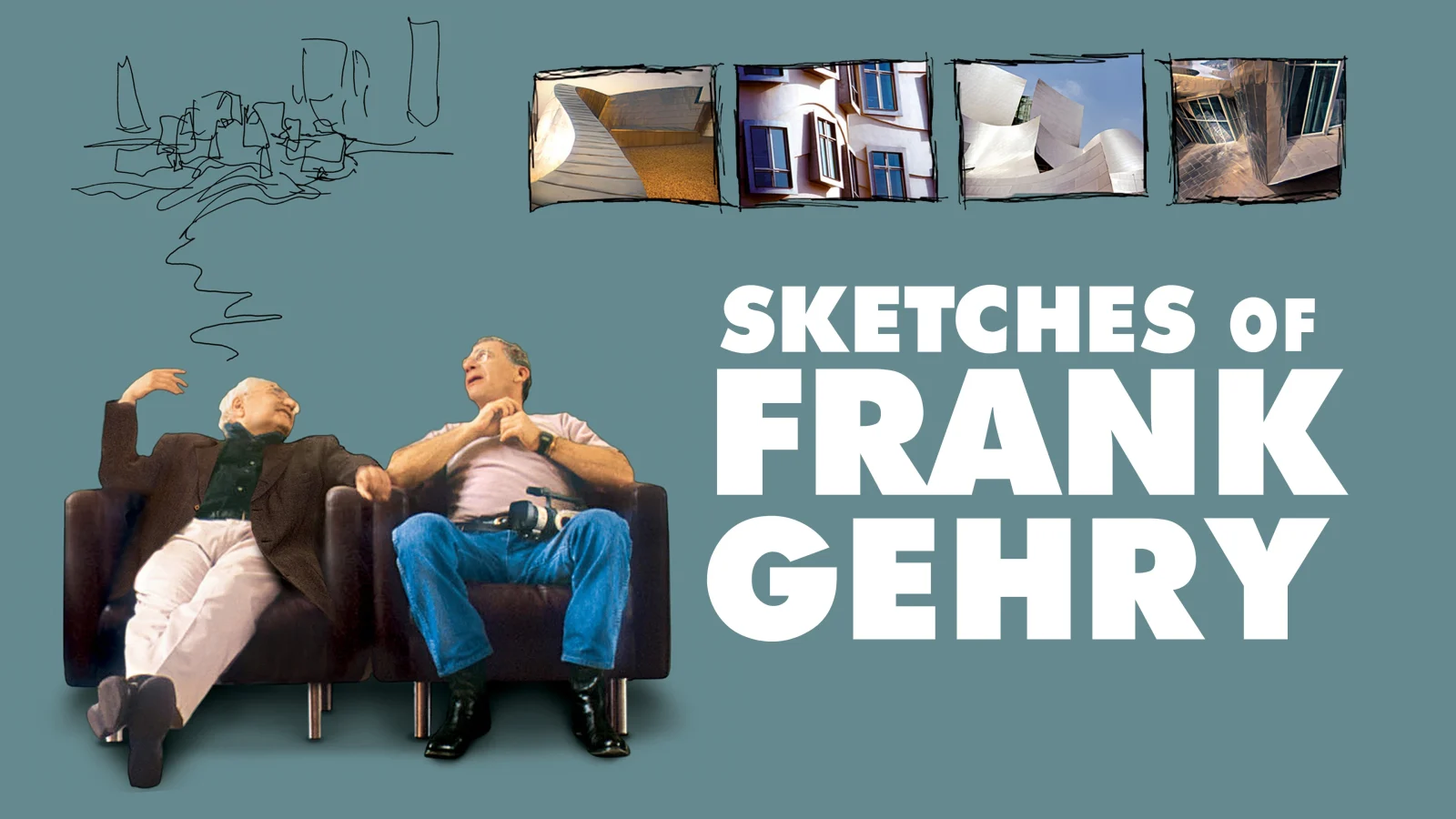
1. Sketches of Frank Gehry (2005)
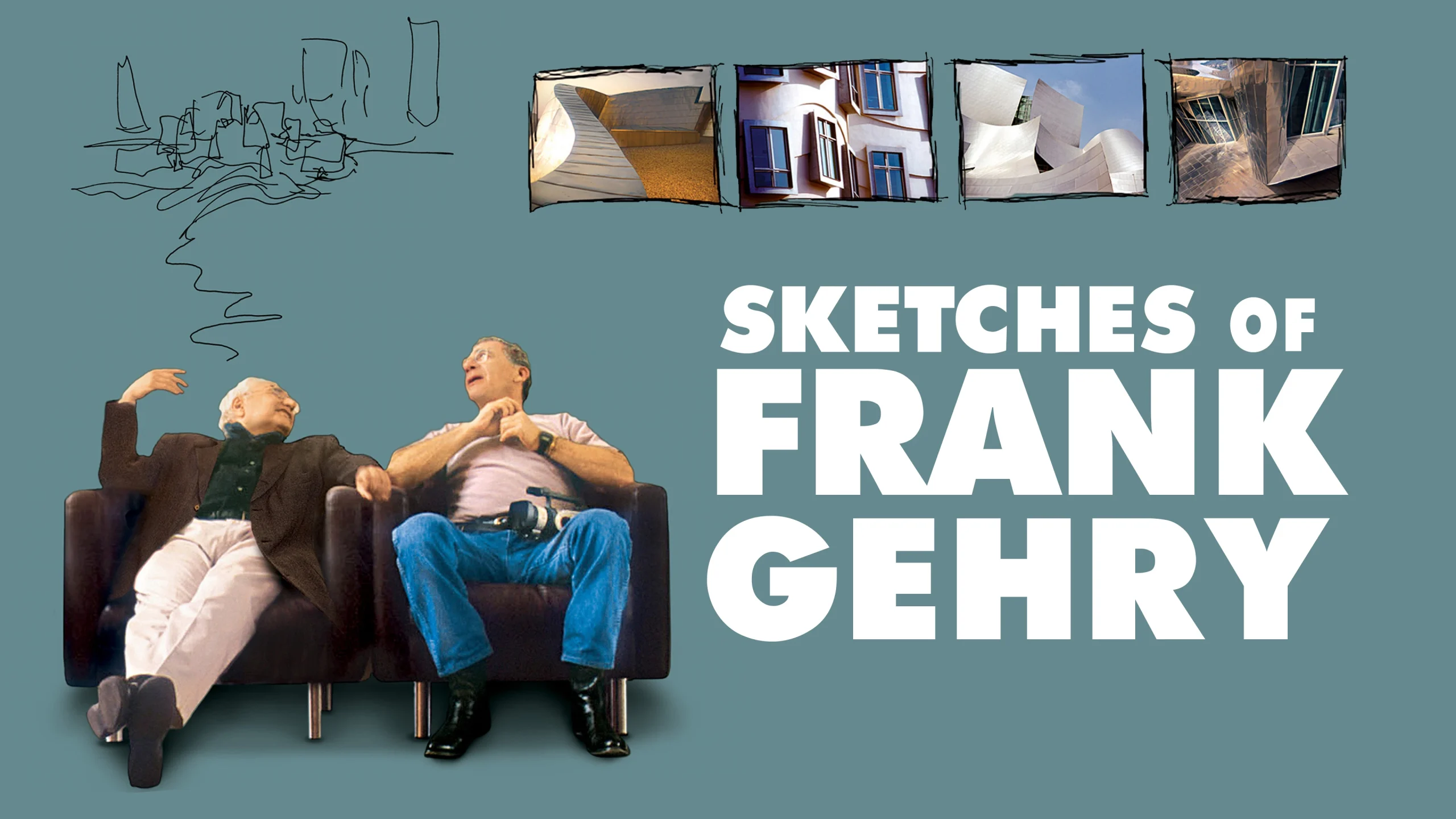
Directed by filmmaker Sydney Pollack, Sketches of Frank Gehry offers an intimate look at one of the most influential architects of the contemporary era. The documentary explores Gehry’s creative process, from early sketches and physical models to the realization of projects such as the Guggenheim Museum Bilbao, Walt Disney Concert Hall, and the Dancing House in Prague. The film reveals how Gehry gives vision to sculptural forms through conversations with artists, clients, and Gehry himself.
Viewers can gain insight into the experimentation and collaboration behind his work. The documentary also captures a pivotal moment in architectural practice, when digital tools such as CATIA began transforming the way architects designed and realized complex forms.
2. My Architect (2003)
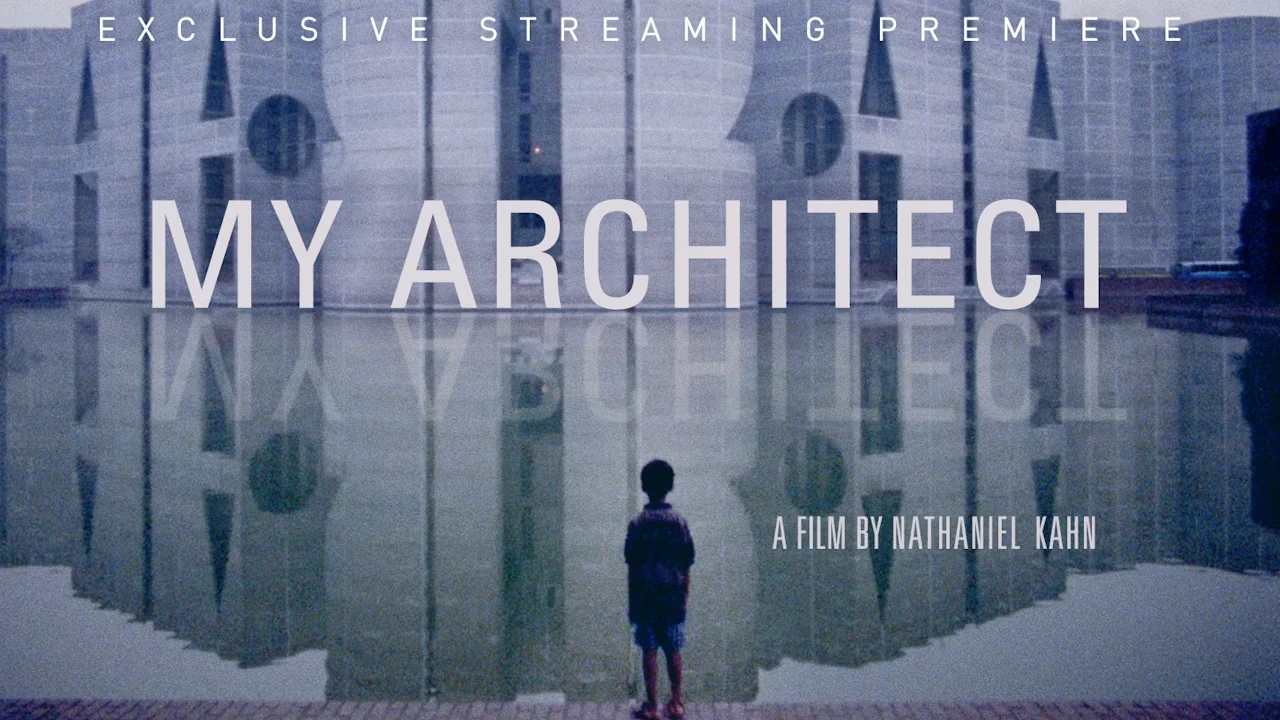
Louis Kahn is widely regarded as one of the most influential architects of the twentieth century, and My Architect approaches his legacy through a personal lens. Directed by his son, Nathaniel Kahn, the documentary traces the architect’s life, career, and relationships while revisiting many of his most celebrated works. The film features projects such as the Salk Institute in California, the Kimbell Art Museum in Texas, and the National Assembly Building in Dhaka, Bangladesh.
Through interviews with family members, colleagues, clients, and architectural historians, it examines Kahn’s design philosophy, his mastery of light and materiality, and the lasting impact of his work on modern architecture.
3. The Human Scale (2012)
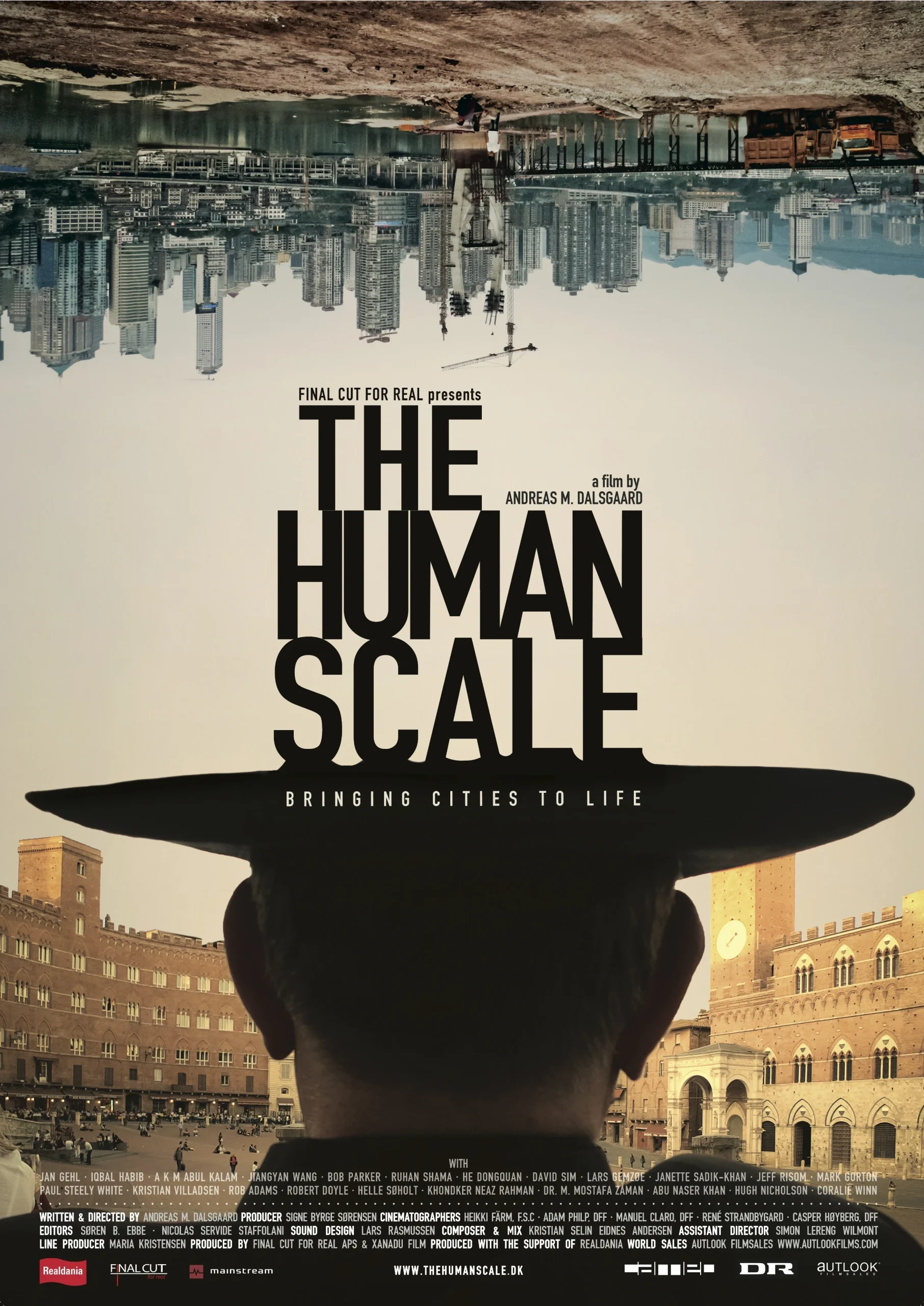
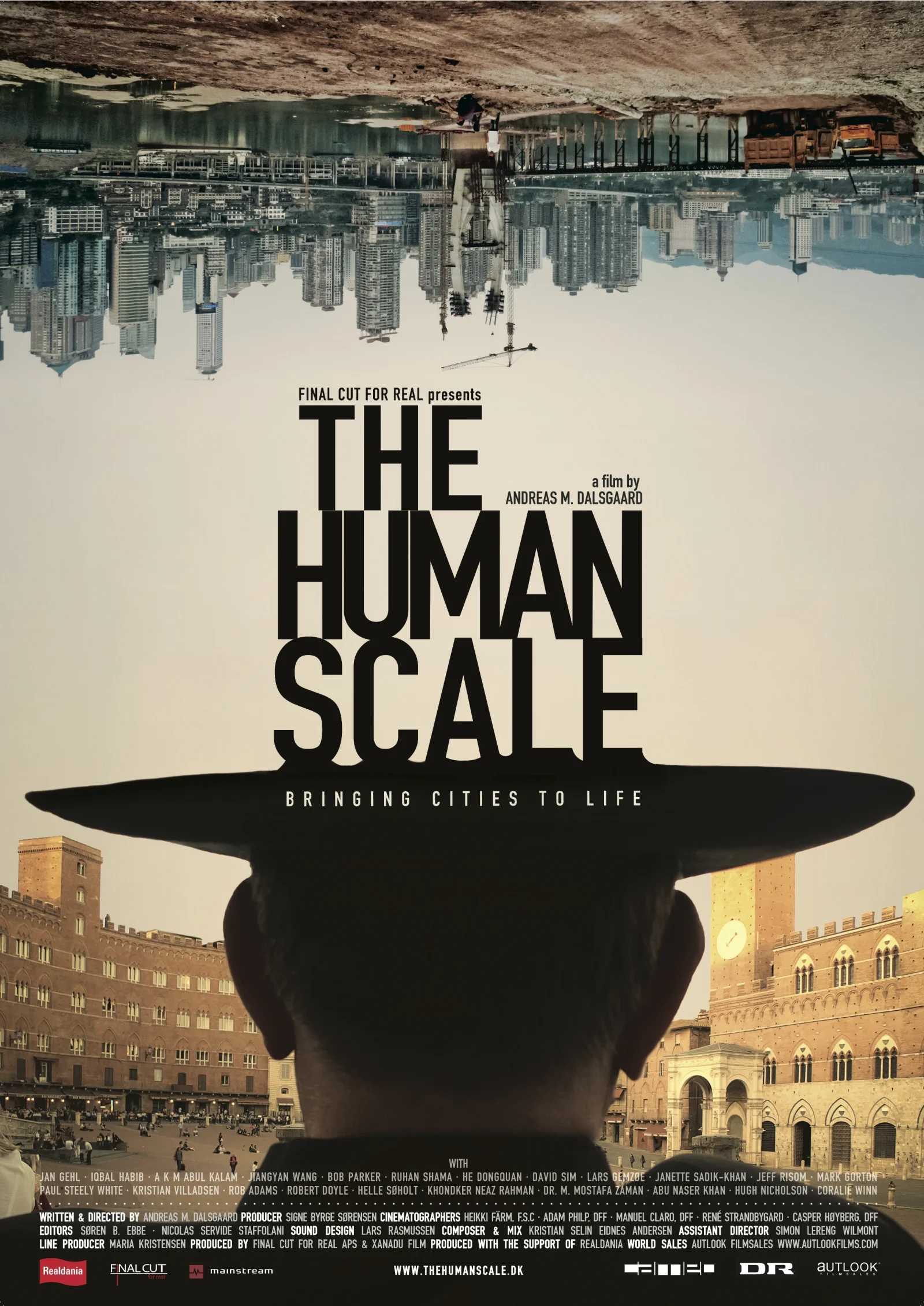
The Human Scale, directed by Andreas Dalsgaard, examines how cities can be designed around people instead of automobiles. The documentary follows Danish architect and urban designer Jan Gehl, whose research on public life has influenced urban planning projects across Copenhagen, New York, Melbourne, and other cities worldwide. The film focuses on walkability, public spaces, cycling infrastructure, and the role of design in improving everyday urban life.
Through case studies and on-site observations, it highlights how city planning decisions affect social interaction, mobility, health, and the overall quality of urban environments.
4. Helvetica (2007)
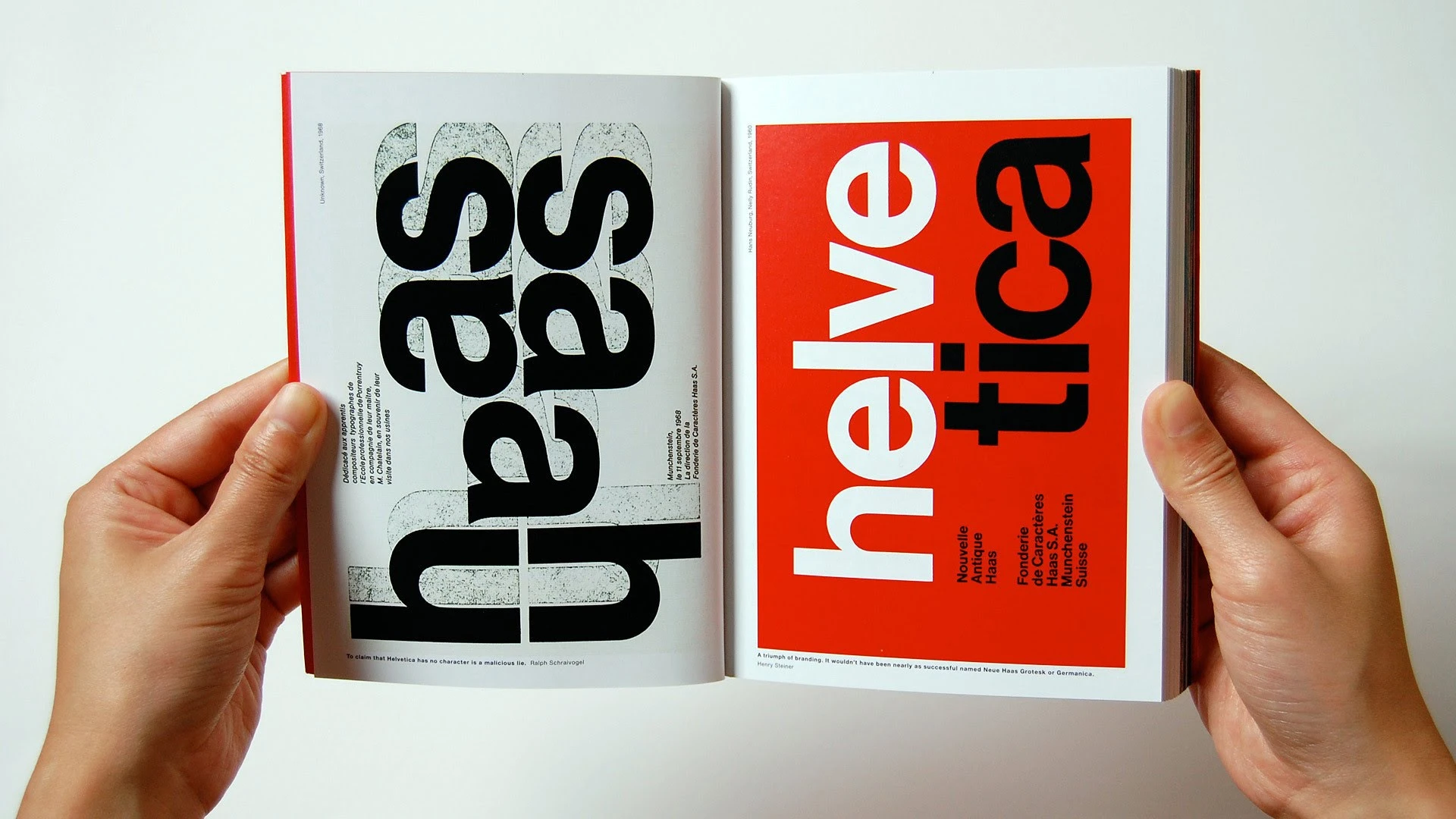
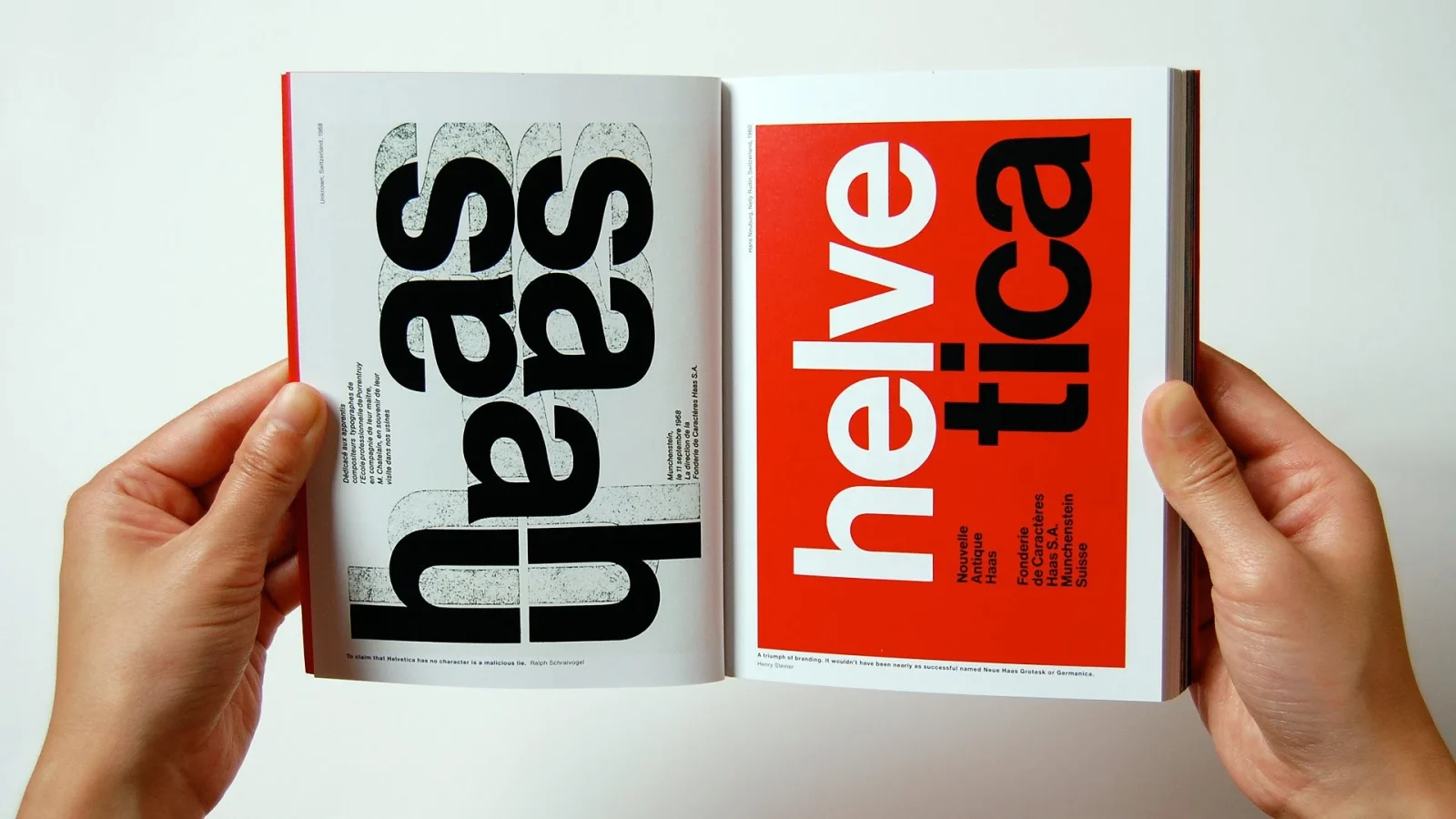
Released to mark the fiftieth anniversary of the Helvetica typeface, the documentary shows its influence on graphic design, branding, architecture, and visual communication. The documentary features interviews with leading designers, typographers, and critics who discuss the role of typography in shaping how people experience information and the built environment. The film explores the rise of Helvetica alongside the development of modernist design, highlighting why its simplicity, clarity, and neutrality made it a dominant visual language across signage, transportation systems, corporate identities, and public spaces.
It also presents differing opinions on the typeface, turning a discussion about fonts into a broader conversation about design philosophy and aesthetics.
5. The World’s Most Extraordinary Homes (2017–2018)
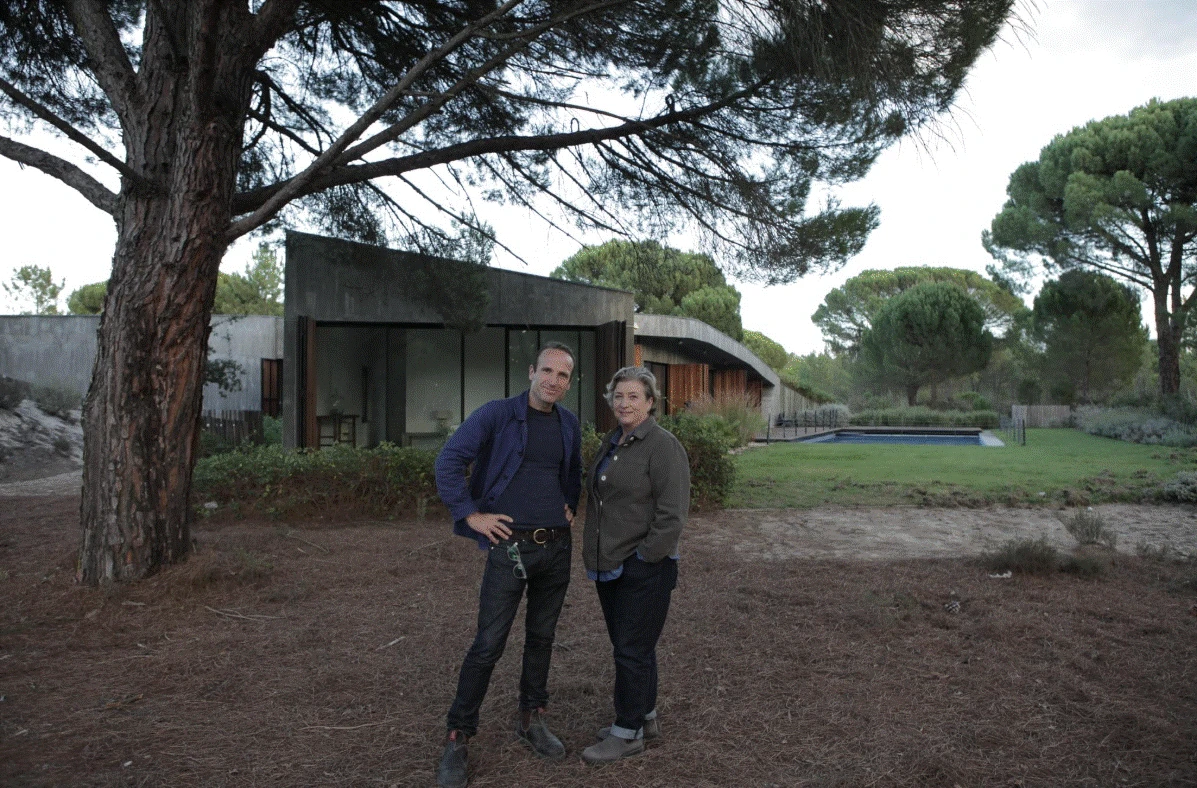
Presented by architect Piers Taylor and actress-property enthusiast Caroline Quentin, The World’s Most Extraordinary Homes showcases architect-designed residences in some of the world’s most challenging locations. Across its episodes, the series visits homes built on mountainsides, coastlines, in forests, and underground, examining how architecture responds to context, climate, topography, and views. Unlike typical home-design programs, the series places strong emphasis on architectural intent, material choices, structural solutions, and site-specific design strategies.
Featured projects range from minimalist retreats and concrete pavilions to highly engineered residences that integrate with their surroundings. For architects and designers, the series serves as a global survey of contemporary residential architecture.
6. LEGO House: Home of the Brick (2018)
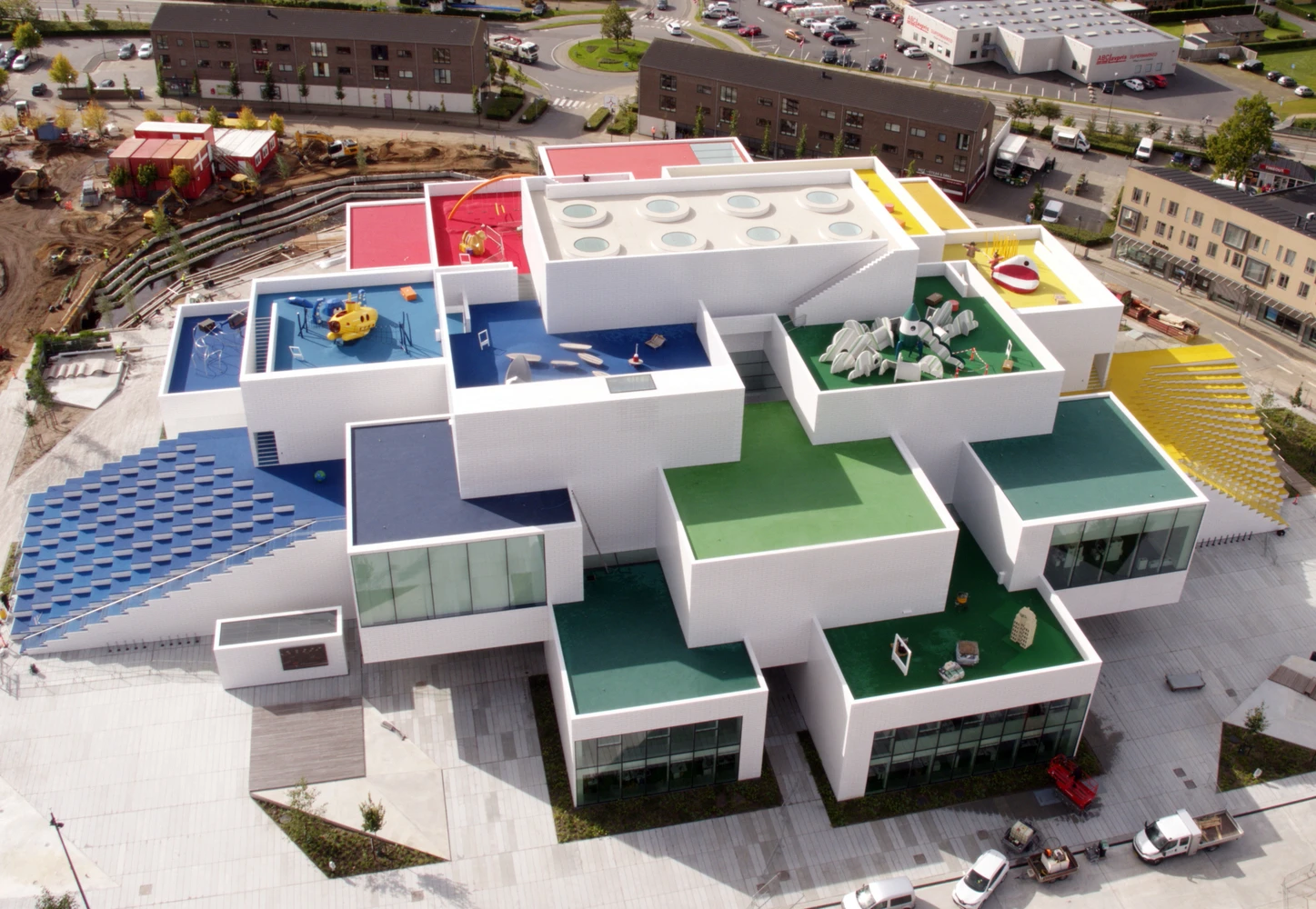
Located in Billund, Denmark, LEGO House is designed by Bjarke Ingels Group (BIG). LEGO House: Home of the Brick follows the conception, design, and construction of the 12,000-square-meter experience center, which was created to embody the creativity and playfulness associated with the LEGO brand. The documentary examines how BIG translated the idea of stacked LEGO bricks into architecture, resulting in a building composed of interlocking volumes, terraces, public spaces, and exhibition areas.
It also highlights the technical and design challenges involved in transforming a globally recognized toy into a functional architectural landmark.
7. How Much Does Your Building Weigh, Mr Foster? (2010)
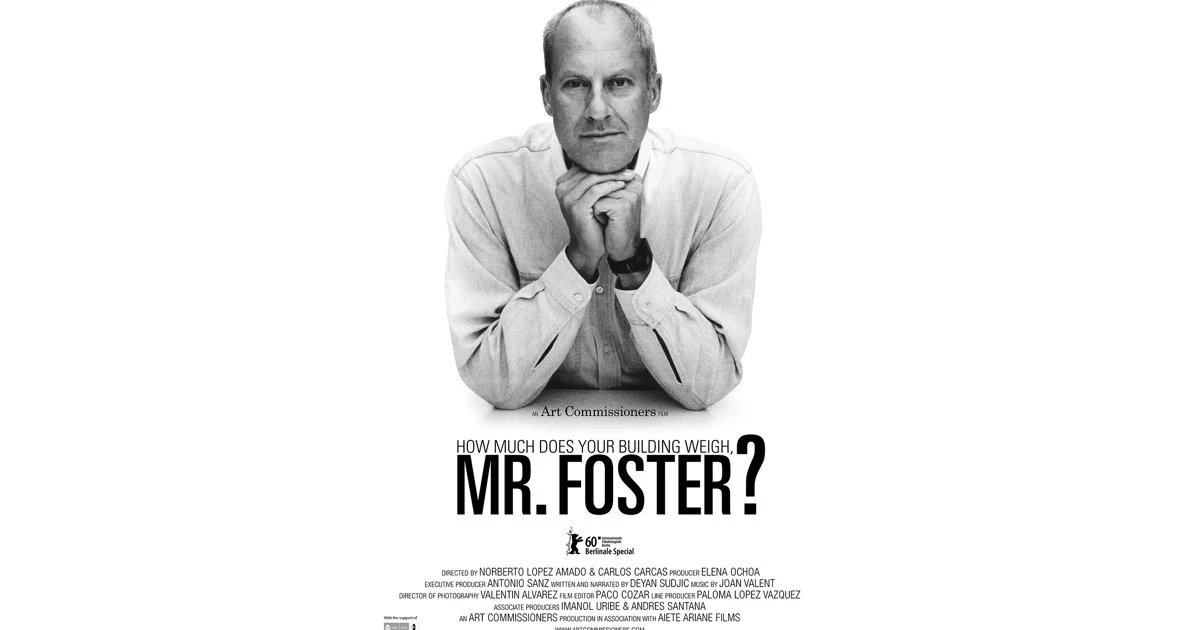
Directed by Norberto López Amado and Carlos Carcas, How Much Does Your Building Weigh, Mr Foster? follows the life and work of British architect Norman Foster, founder of Foster + Partners. The documentary traces his journey from a working-class upbringing in Manchester to becoming an influential architect of the modern era. The film features several of Foster’s landmark projects, including the Reichstag Dome in Berlin, the Millau Viaduct in France, Hearst Tower in New York, and Hong Kong International Airport.
It examines his approach to technology, engineering, sustainability, and lightweight construction, highlighting how these principles have shaped his architecture.
8. Minimalism: A Documentary About the Important Things (2015)
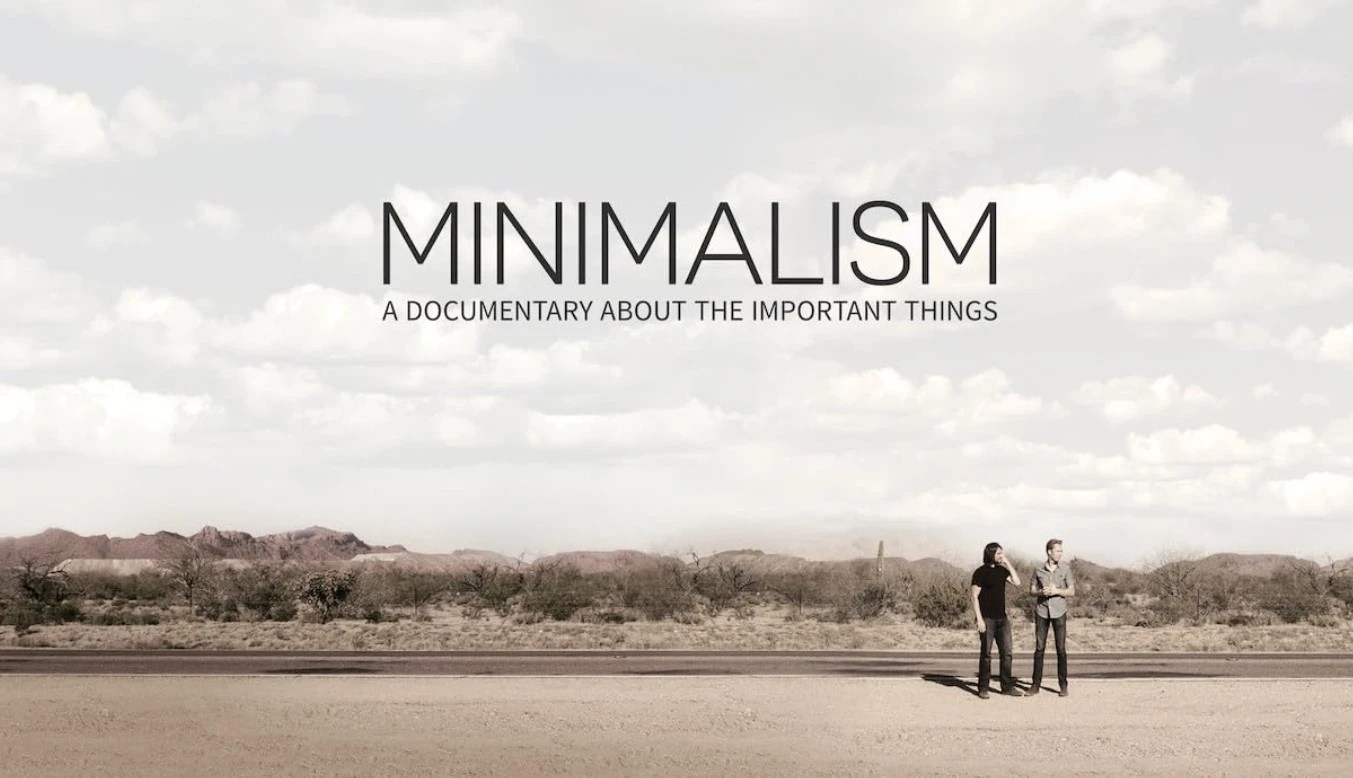
Minimalism: A Documentary About the Important Things showcases the growing movement toward living with less in a culture driven by consumption. Through interviews with designers, architects, entrepreneurs, and writers, the film explores how excess possessions can influence lifestyles, spaces, and decision-making. Directed by Matt D’Avella, its themes are closely tied to contemporary design.
The film discusses functionality, intentional living, and the idea that good design often comes from removing the unnecessary instead of adding more. These principles are a reflection of minimalist architecture.
9. Citizen Jane: Battle for the City (2016)
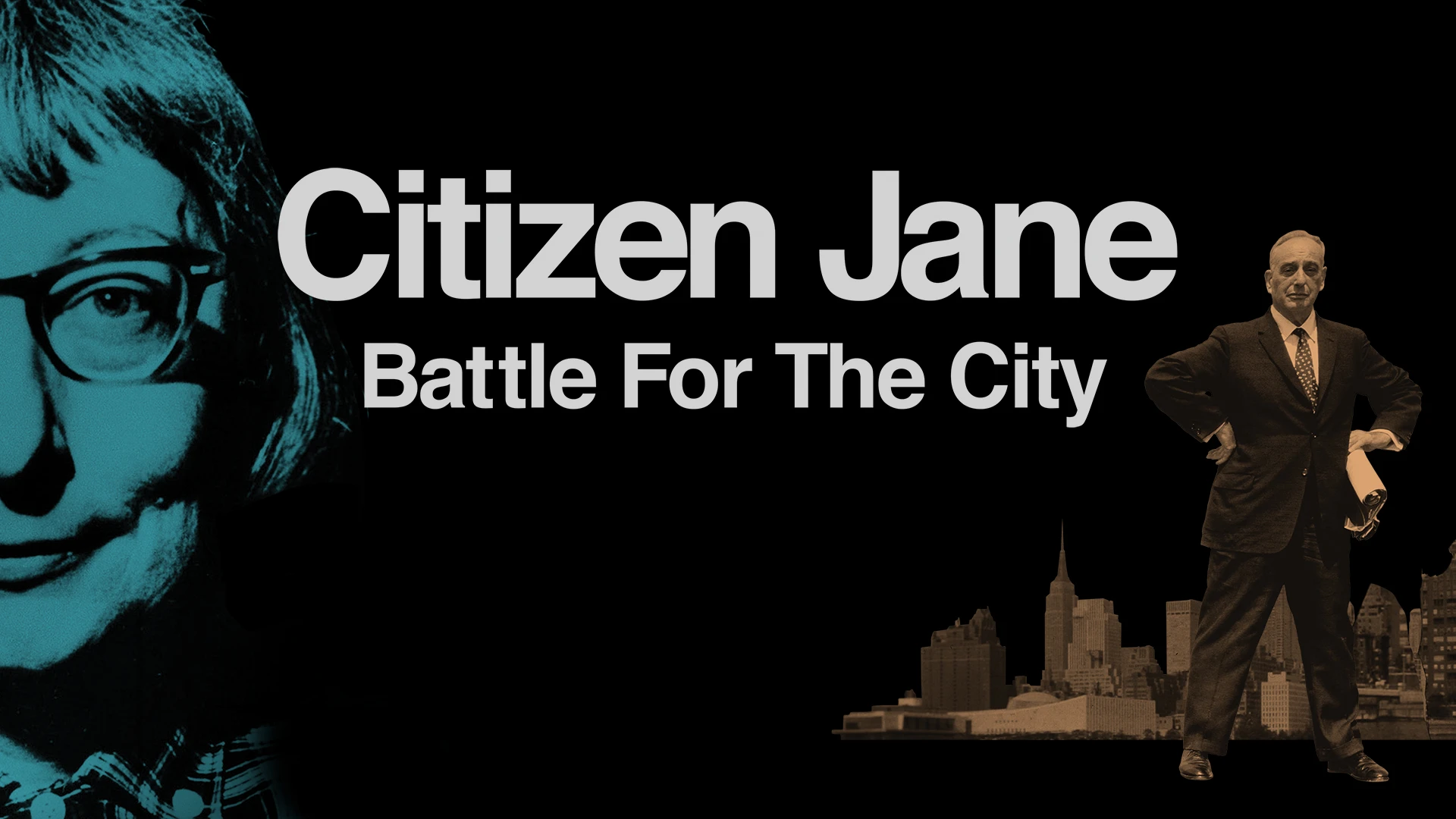
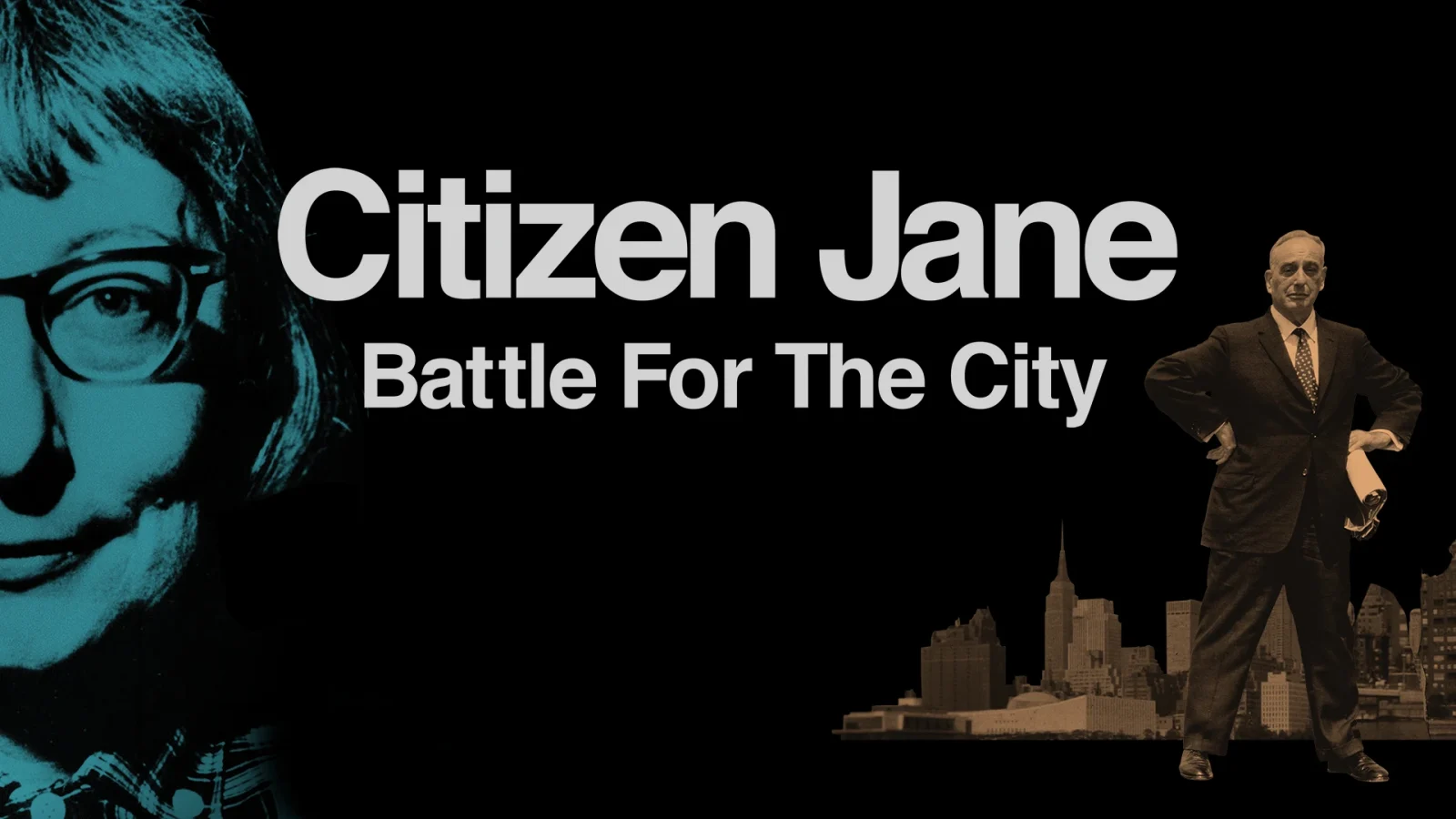
Few figures have influenced modern urban planning as profoundly as Jane Jacobs. Citizen Jane: Battle for the City examines her opposition to Robert Moses, the powerful planner whose highway and urban renewal proposals threatened several New York neighborhoods during the 1950s and 1960s. The documentary centers on a pivotal moment in urban history, when competing visions for the city collided. On one side was Moses’ large-scale, infrastructure-driven approach; on the other was Jacobs’ belief in walkable streets, mixed-use neighborhoods, local businesses, and vibrant public life.
Through archival footage and interviews, the film traces how these debates shaped the future of New York and influenced planning practices around the world.
10. Abstract: The Art of Design (2017–2019)
Abstract: The Art of Design is a Netflix documentary series that profiles influential creative professionals working across architecture, product design, illustration, automotive design, stage design, photography, and more. Each episode focuses on a different designer, examining their process, philosophy, and approach to solving problems through design. Of particular interest to architects is the episode featuring Bjarke Ingels, founder of BIG, which follows the development of major projects while exploring concepts such as sustainability, experimentation, and form-making.
Other episodes spotlight designers including Tinker Hatfield, Paula Scher, and Jonathan Hoefler, demonstrating how design thinking operates across disciplines. The series reveals the research, sketches, prototypes, and decision-making behind creative work.
11. Urbanized (2011)
As more than half of the world’s population now lives in cities, Urbanized examines the challenges and opportunities shaping urban development in the twenty-first century. Directed by Gary Hustwit, the documentary brings together architects, planners, policymakers, and designers to discuss housing, transportation, public space, informal settlements, infrastructure, and urban growth. The film travels across cities, including New York, Bogotá, Mumbai, São Paulo, and Copenhagen, highlighting how different urban challenges require different design responses.
Featuring voices such as Jan Gehl, Norman Foster, and Rem Koolhaas, Urbanized provides a comprehensive introduction to contemporary urbanism and the role of design in shaping more livable, inclusive, and resilient cities.
12. Eames: The Architect and the Painter (2011)
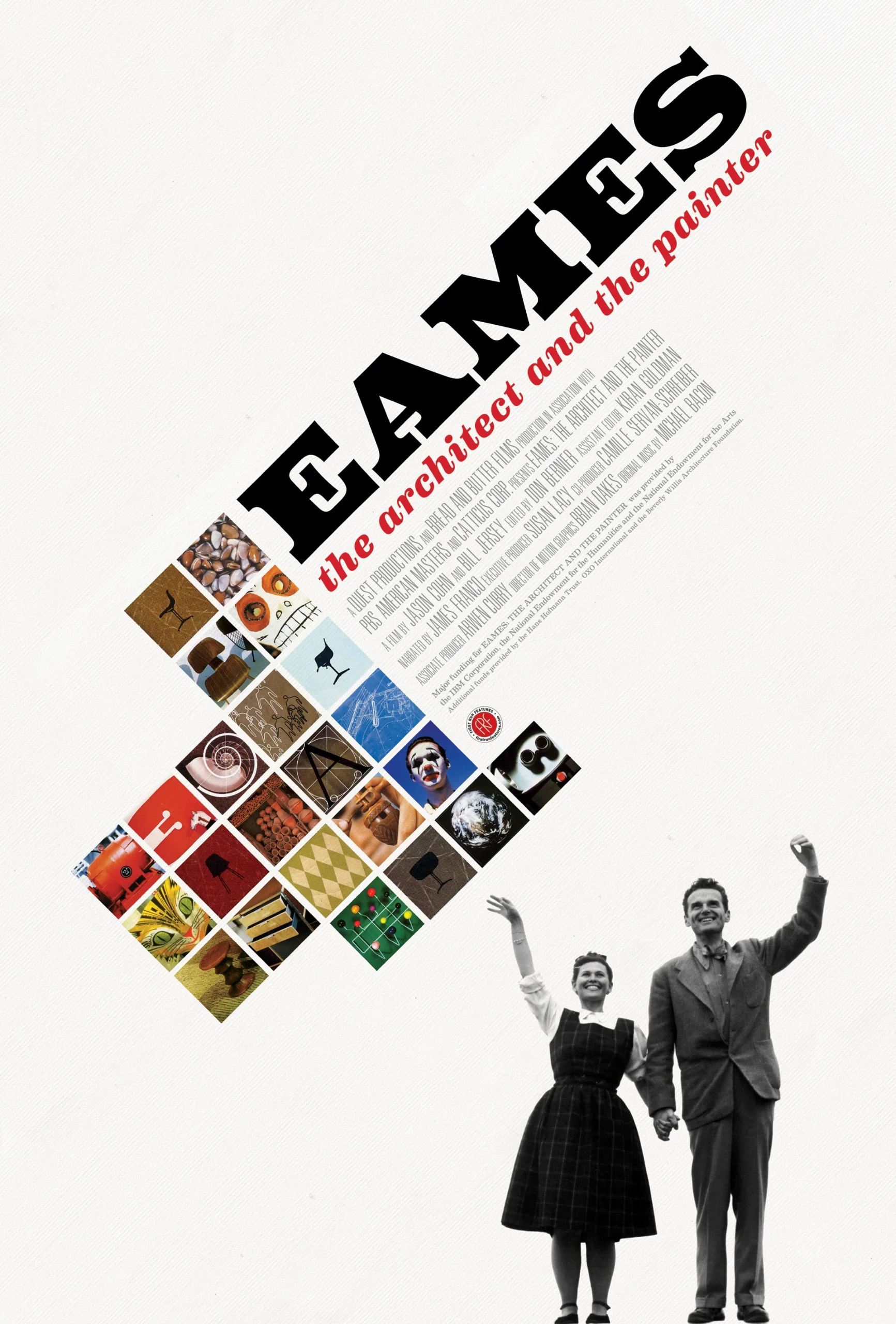
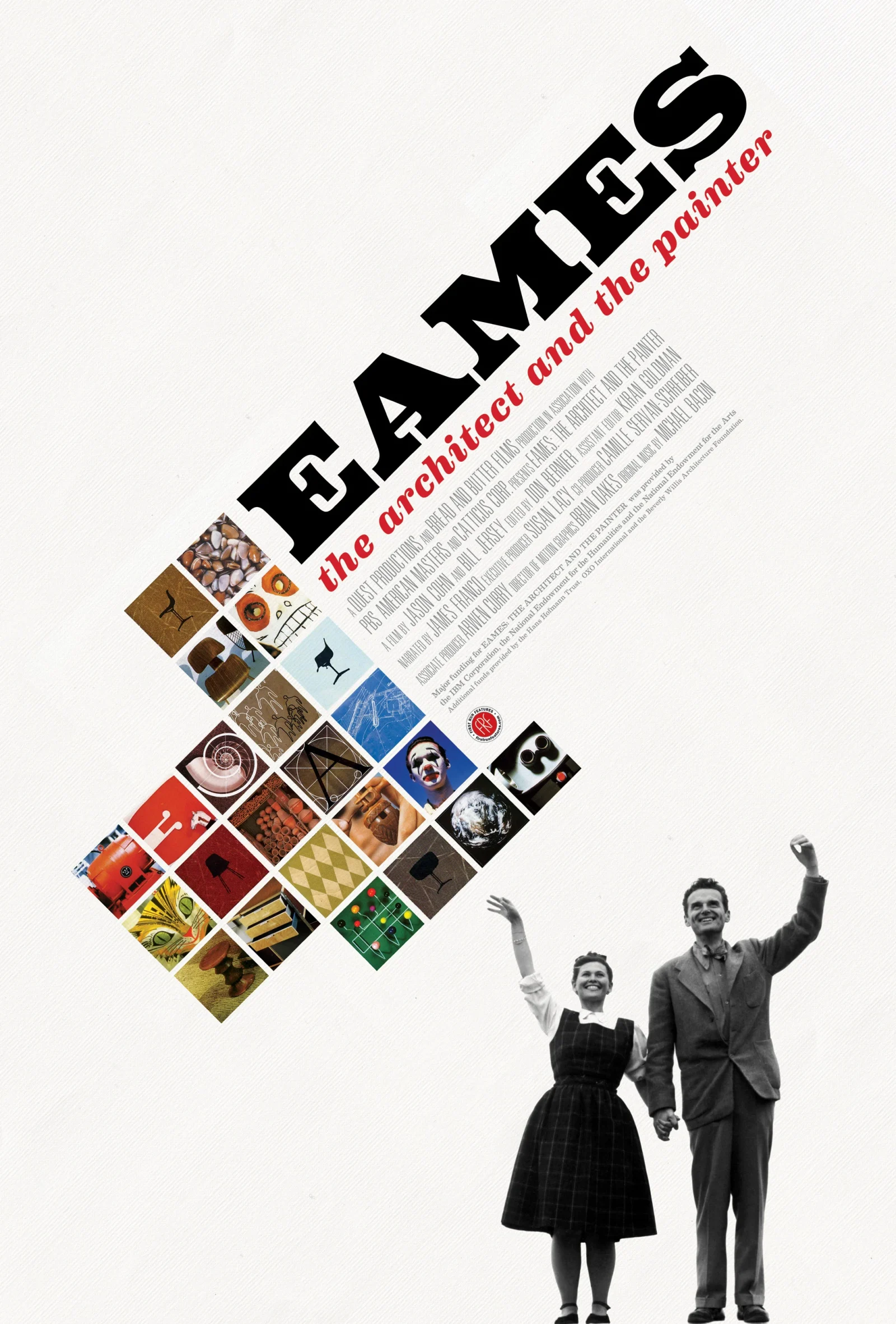
Directed by Jason Cohn and Bill Jersey, Eames: The Architect and the Painter examines the work of Charles and Ray Eames, whose influence extended across architecture, furniture, exhibition design, film, and visual communication. The documentary highlights key projects such as the Eames House in Los Angeles and the furniture designs that helped define mid-century modernism. Using archival footage, photographs, and interviews, the film explores how the Eameses approached design as a process of research, experimentation, and problem-solving.
It also sheds light on their contributions to material innovation, prefabrication, and human-centered design. The documentary offers insight into the twentieth century’s influential creative partnerships.
13. Big Time (2017)
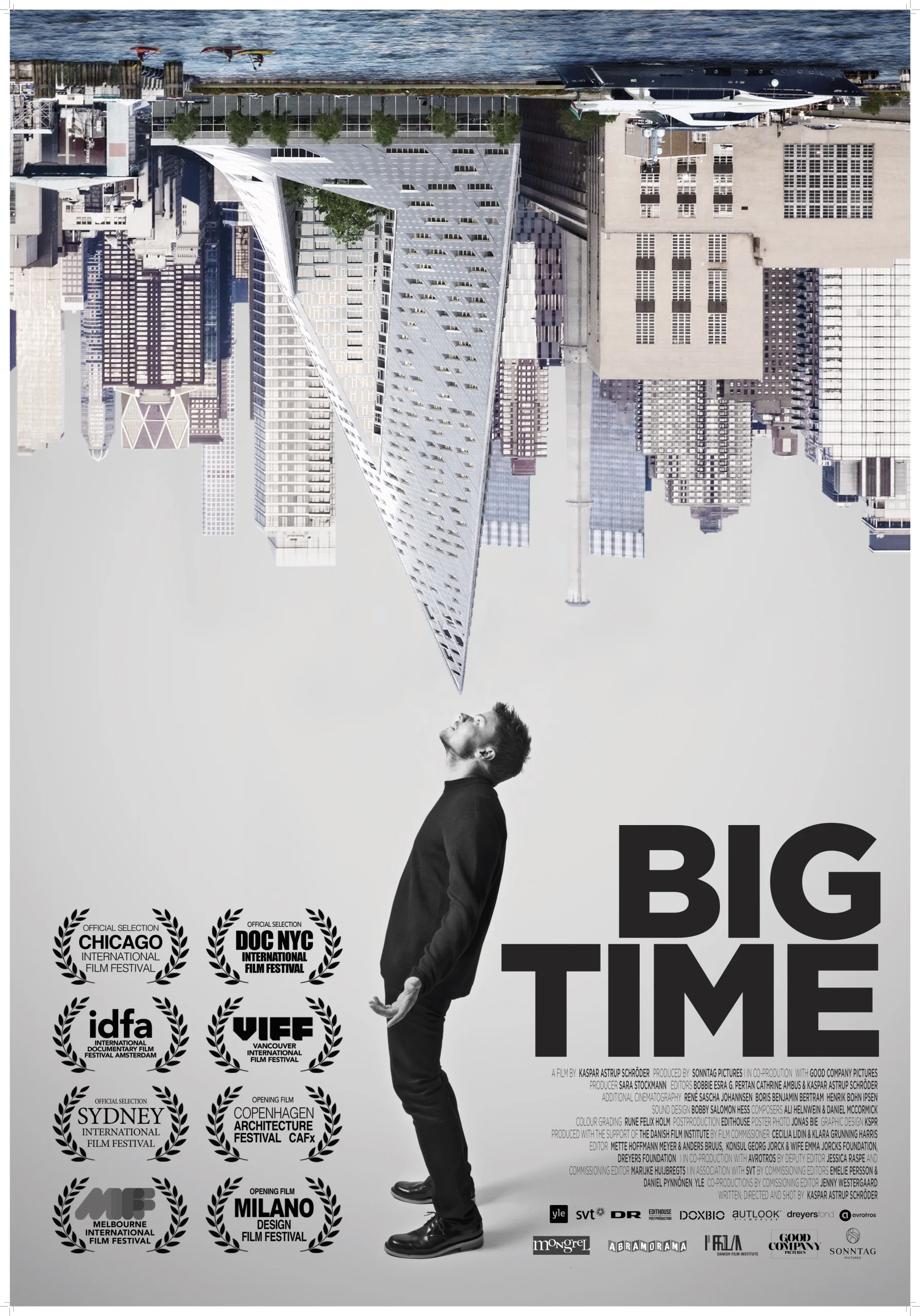
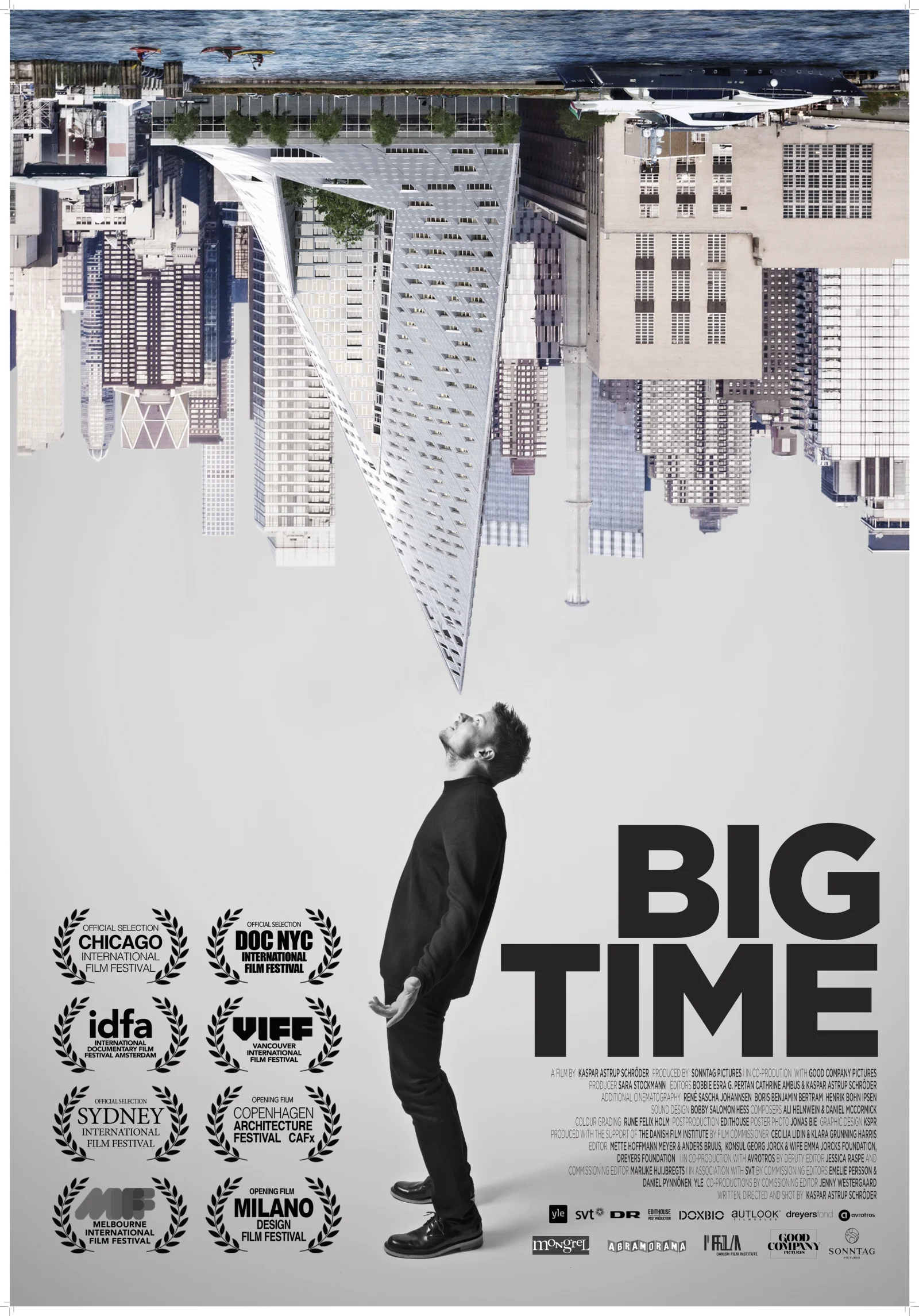
Big Time follows Danish architect Bjarke Ingels during a defining period in his career as his studio, BIG (Bjarke Ingels Group), takes on some of its most ambitious projects. Filmed over seven years, the documentary captures the pressures, setbacks, and decision-making involved in leading a globally recognized architecture practice. The film features major projects, including the 8 House and VIA 57 West, while also documenting the development of large-scale proposals that helped establish BIG’s reputation for combining unconventional forms with practical urban solutions.
It provides insight into client presentations, design reviews, project challenges, and the realities of managing complex projects at an international scale.
14. The Pruitt-Igoe Myth (2011)
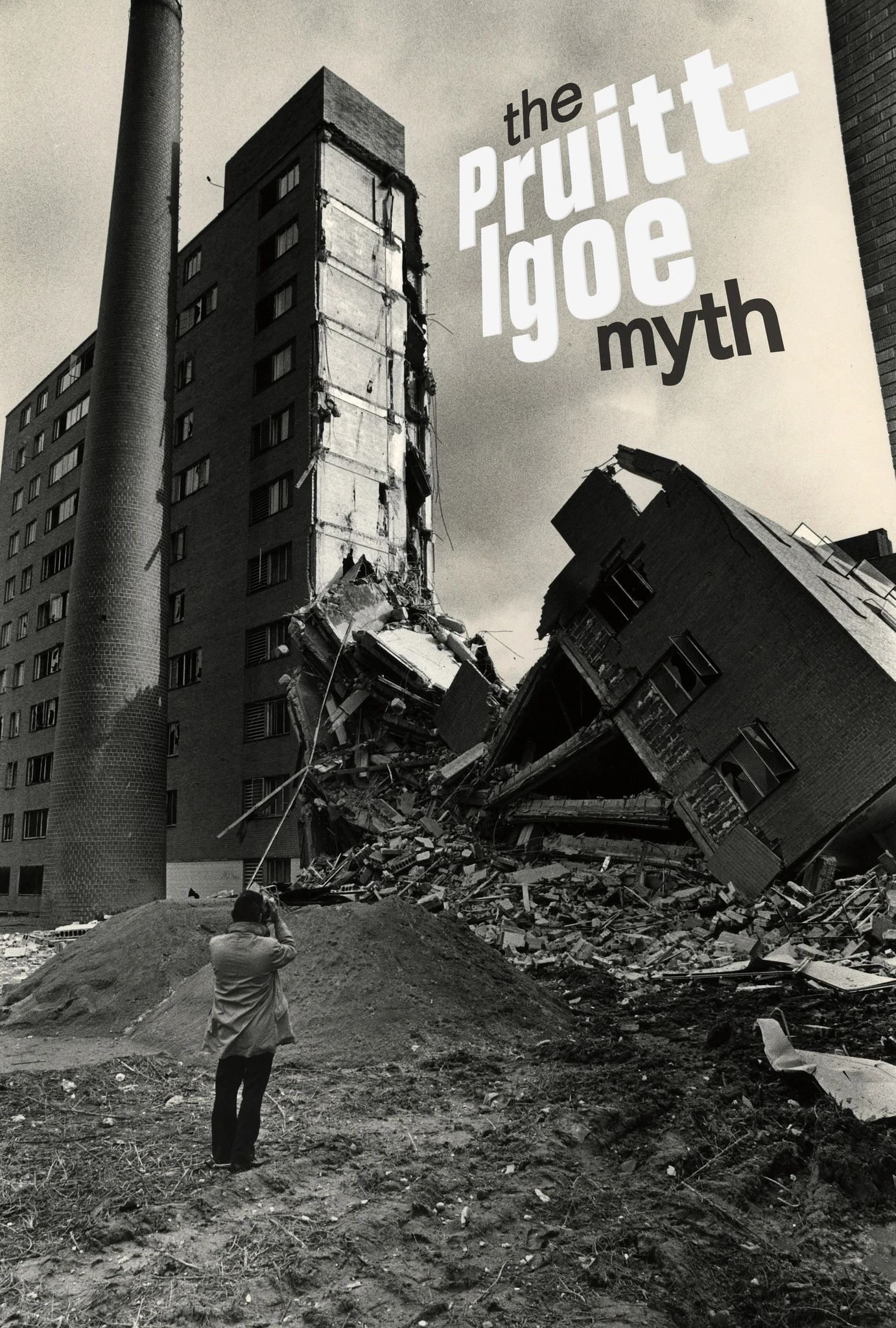
Pruitt-Igoe is a large public housing complex built in St. Louis, Missouri, in the 1950s and demolished less than two decades later. The Pruitt-Igoe Myth revisits the project and challenges the common narrative that its failure was solely the result of modernist architecture. Through archival footage, interviews, and historical analysis, the documentary examines the broader social, economic, and political factors that contributed to the complex’s decline, including segregation, disinvestment, population loss, and public policy decisions. For architects and urban designers, the film provides context on public housing and urban renewal.
15. Objectified (2009)
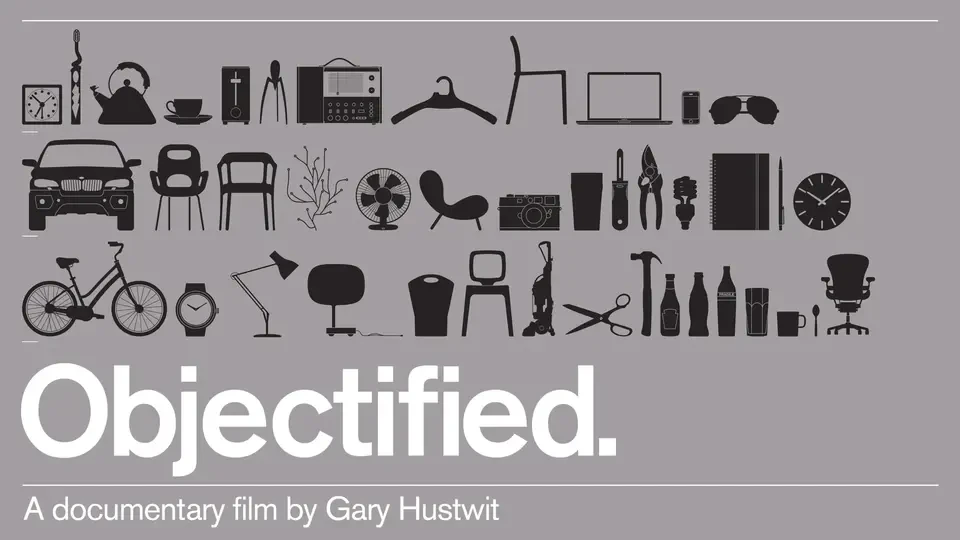
Every day, people interact with hundreds of designed objects without noticing the decisions behind them. From smartphones and furniture to kitchen tools and transportation systems, Objectified shows the design of everyday objects and the thinking behind them. Directed by Gary Hustwit, the documentary features leading designers including Jonathan Ive, Dieter Rams, Naoto Fukasawa, and Marc Newson, offering insight into how products are conceived, developed, and refined.
The film explores usability, materials, manufacturing processes, sustainability, and the relationship between people and the objects they use daily. Through interviews and behind-the-scenes footage, it highlights the decisions that shape products long before they reach consumers.
Together, these films provide a broader understanding of architecture beyond drawings and construction. Whether you’re an architect, designer, student, or simply curious about how design influences everyday life, these documentaries are well worth adding to your watchlist. Most of these are available on platforms such as Netflix, Amazon Prime Video, Apple TV, YouTube, or other digital rental services, though availability may vary by region and over time.
.jpg "Fran Silvestre - Rethinking Architecture")


.jpg2.jpg "Carlo Ratti - Rethinking Architecture")