


The Valkhof Museum in Nijmegen has reopened following an extensive renovation led by Dutch architecture practice UNS. Originally designed by the firm in 1995 and completed in 1998, the museum has undergone a careful transformation that updates the building for contemporary use while preserving the defining characteristics of the original design.
Opening to the public on 6 June 2026, the renewed museum aims to function as a destination for archaeology, cultural history, and contemporary art, and as an active civic space within the city. The project represents a rare architectural undertaking in which the original designers were tasked with revisiting and adapting their own work nearly three decades after its completion.
Preserving and Renewing Valkhof Museum
UNS approached the renovation as an exercise in refinement. The project focused on identifying the architectural qualities that defined the building and strengthening them for future generations.
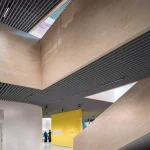
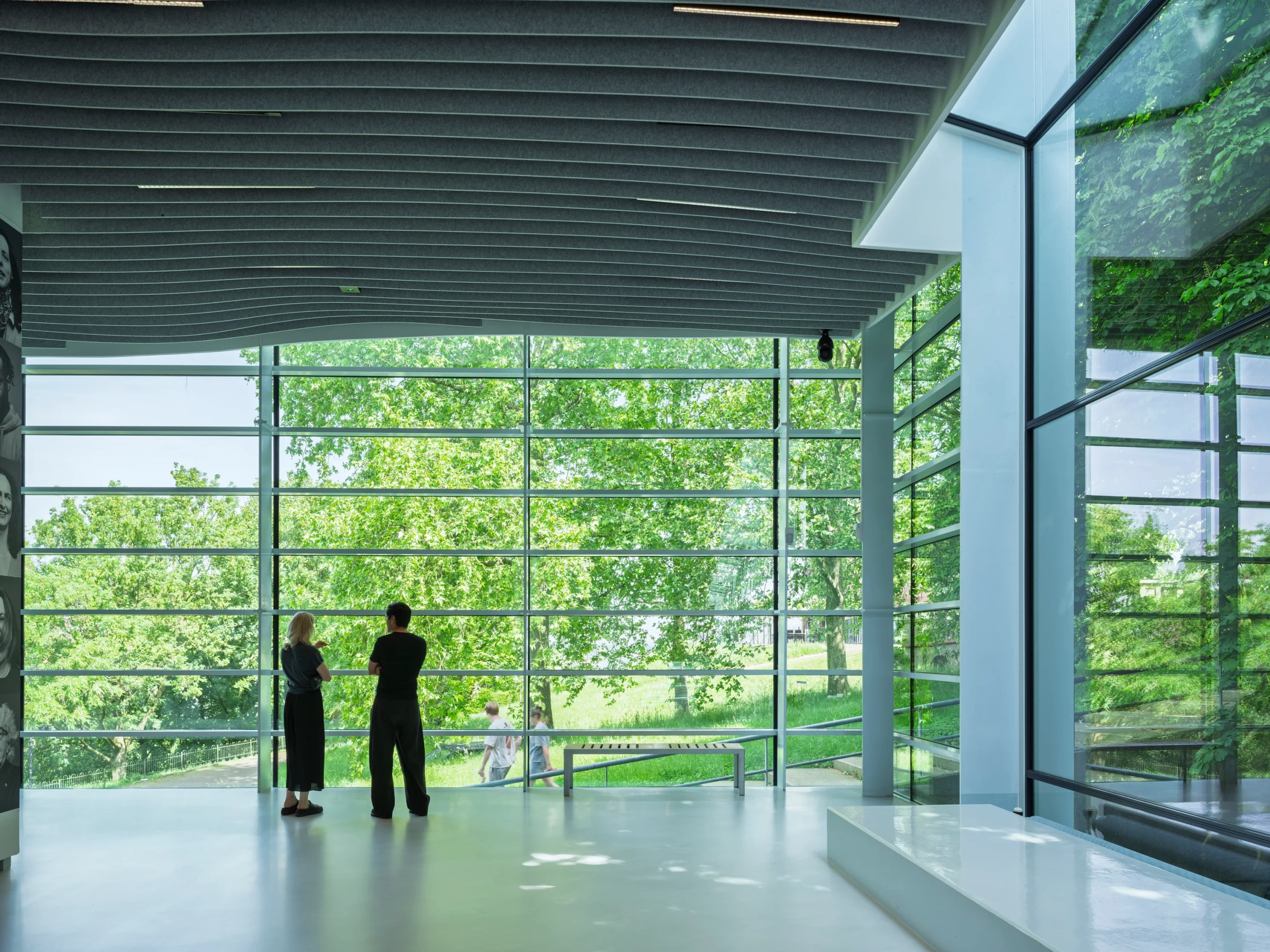
Central elements of the original design, including the sweeping staircase, the undulating ceiling, and the concept of 88 interconnected routes through the galleries, were retained and carefully updated. The renovation sought to improve spatial clarity, visitor circulation, exhibition flexibility, and environmental performance while preserving the museum’s established identity.
Reflecting on the project, Ben van Berkel, Founder and Principal Architect of UNS, stated, “Returning to a building you designed 30 years ago is an incredible experience for an architect. You have to be honest about what worked, decisive about what needs to be updated, and disciplined enough not to simply replace the familiar with the new. The renovation of the Valkhof Museum gave us the rare opportunity to rethink what we started — and to design with the next 30 years, and beyond, firmly in mind.”
The Staircase as the Museum’s Organising Element
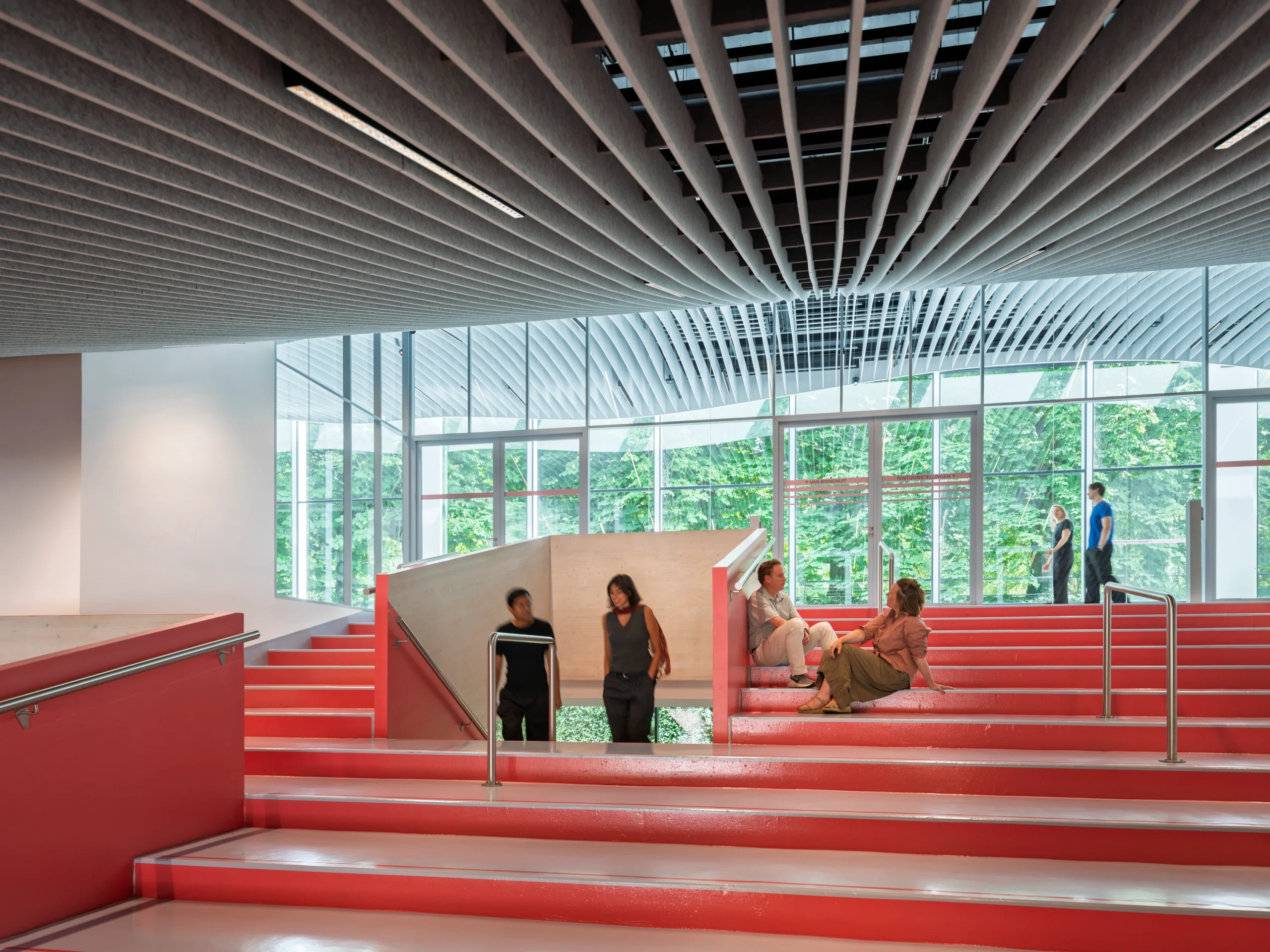
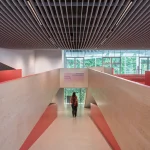
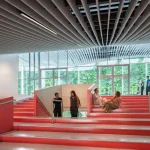
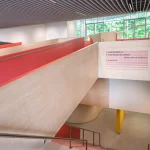
One of the most visible interventions is the renewal of the museum’s central staircase, long considered the building’s spatial anchor. While the structure itself remains intact, colorful risers and refreshed balustrades now transform it into a more prominent architectural feature.
Beyond its visual impact, the intervention improves accessibility by enhancing visibility and ease of movement throughout the building.
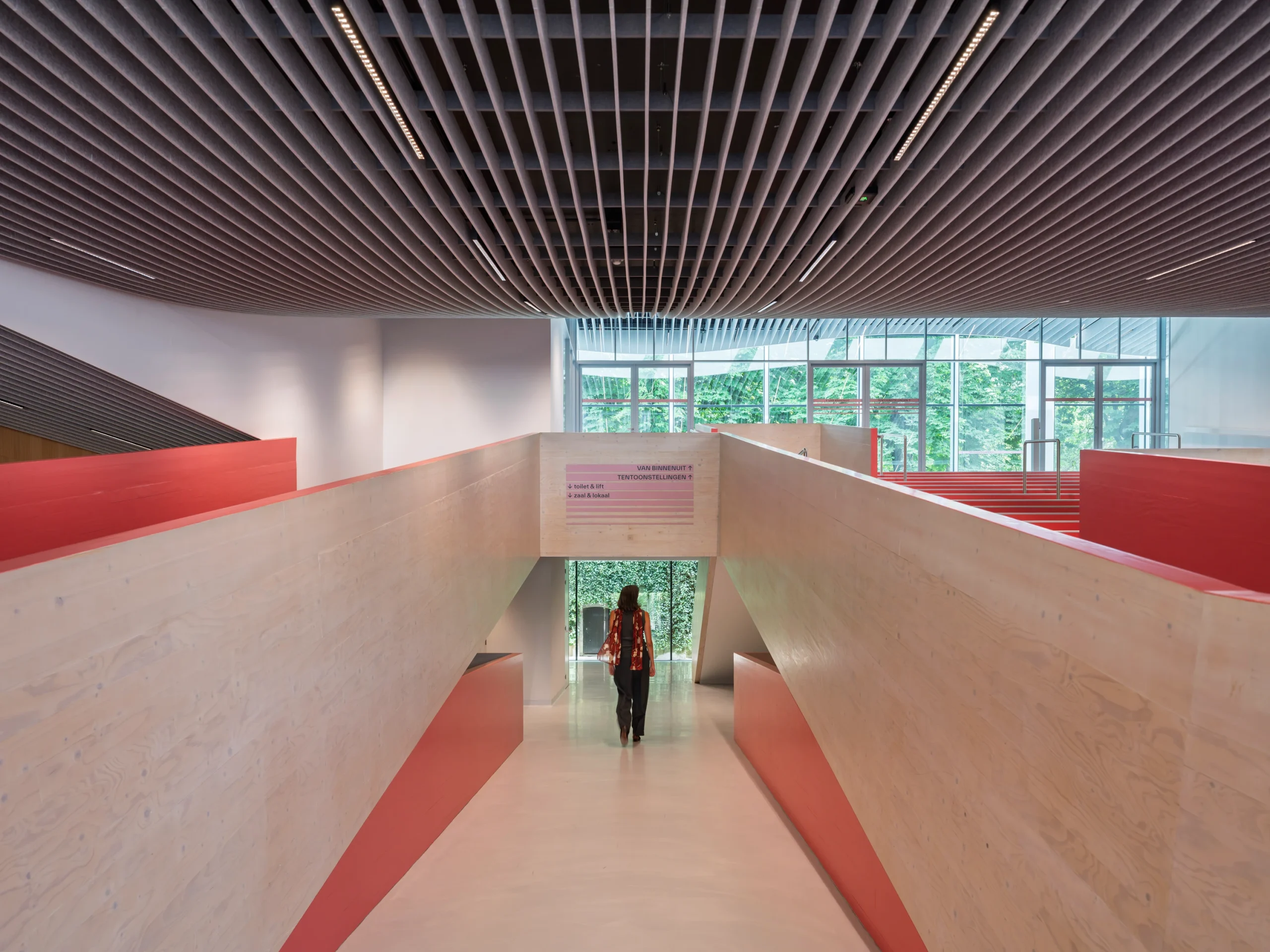
The museum entrance has also been reconfigured. The removal of the original airlock and the introduction of a revolving door have created a brighter and more generous arrival experience, improving the relationship between the building and the surrounding public space.
Reorganising the Museum Experience
The renovation introduces a clearer organizational strategy across the museum’s three levels.
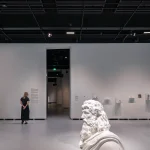
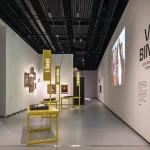
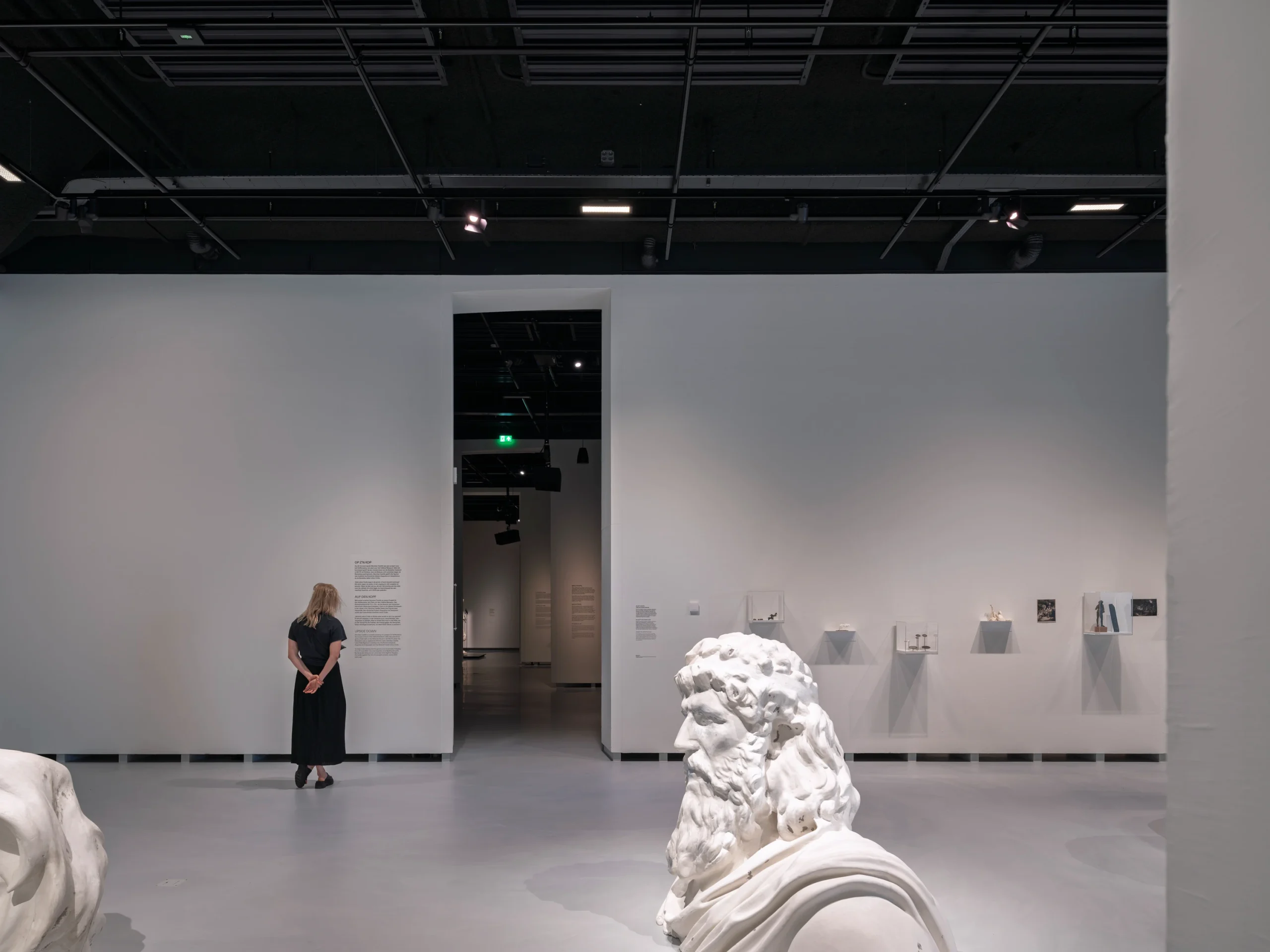
The permanent collection now occupies the basement, while temporary exhibitions are housed on the upper floor. This arrangement enables visitors to move through the institution in a continuous loop and creates opportunities to view parts of the museum’s collection storage facilities along the route.
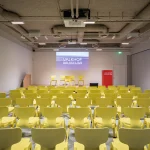
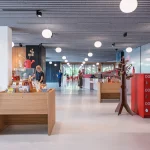
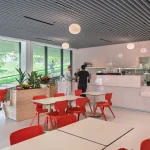
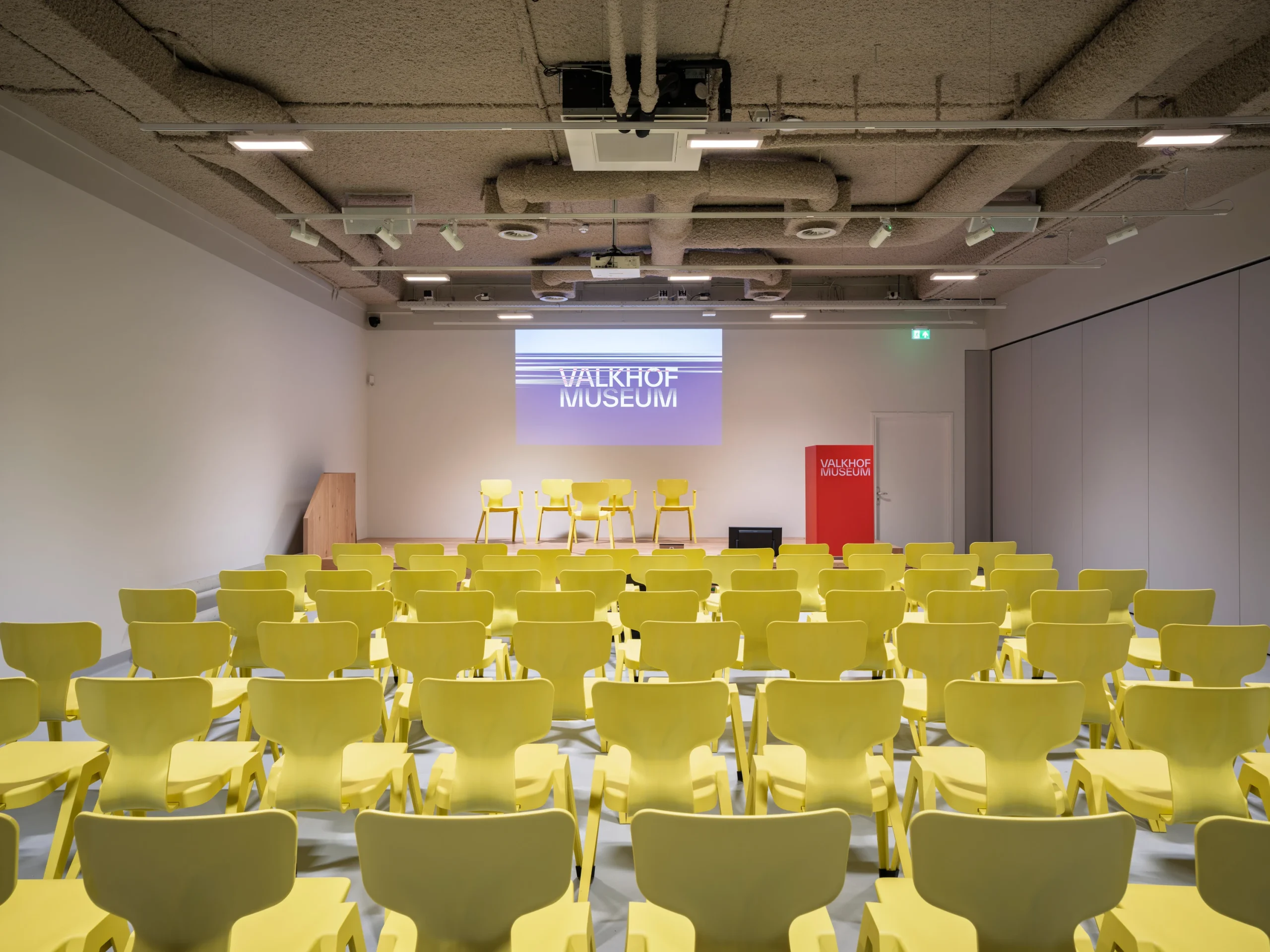
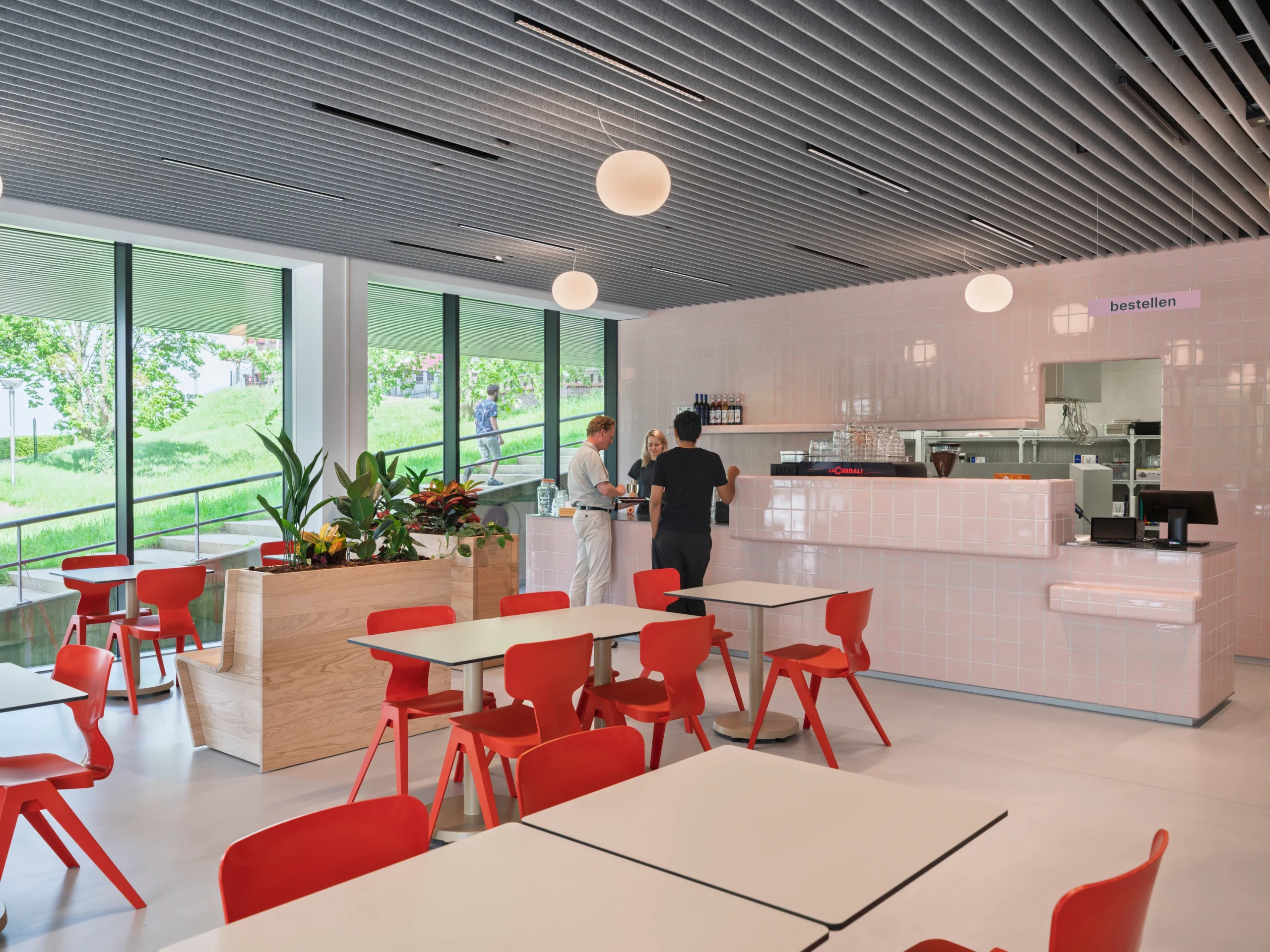
The ground floor has been significantly reconfigured to strengthen public engagement. The café, previously located toward the rear of the building, has been relocated to the front, where it connects directly with the public square and a new outdoor terrace. Educational facilities and a newly created auditorium occupy the rear section of the museum, with flexible spaces allowing multiple functions to operate simultaneously.
Together, these interventions reinforce the museum’s role as a social and cultural gathering place within Nijmegen.
Creating Greater Openness and Transparency
Two strategic openings have been introduced to improve visibility and spatial connections throughout the building.
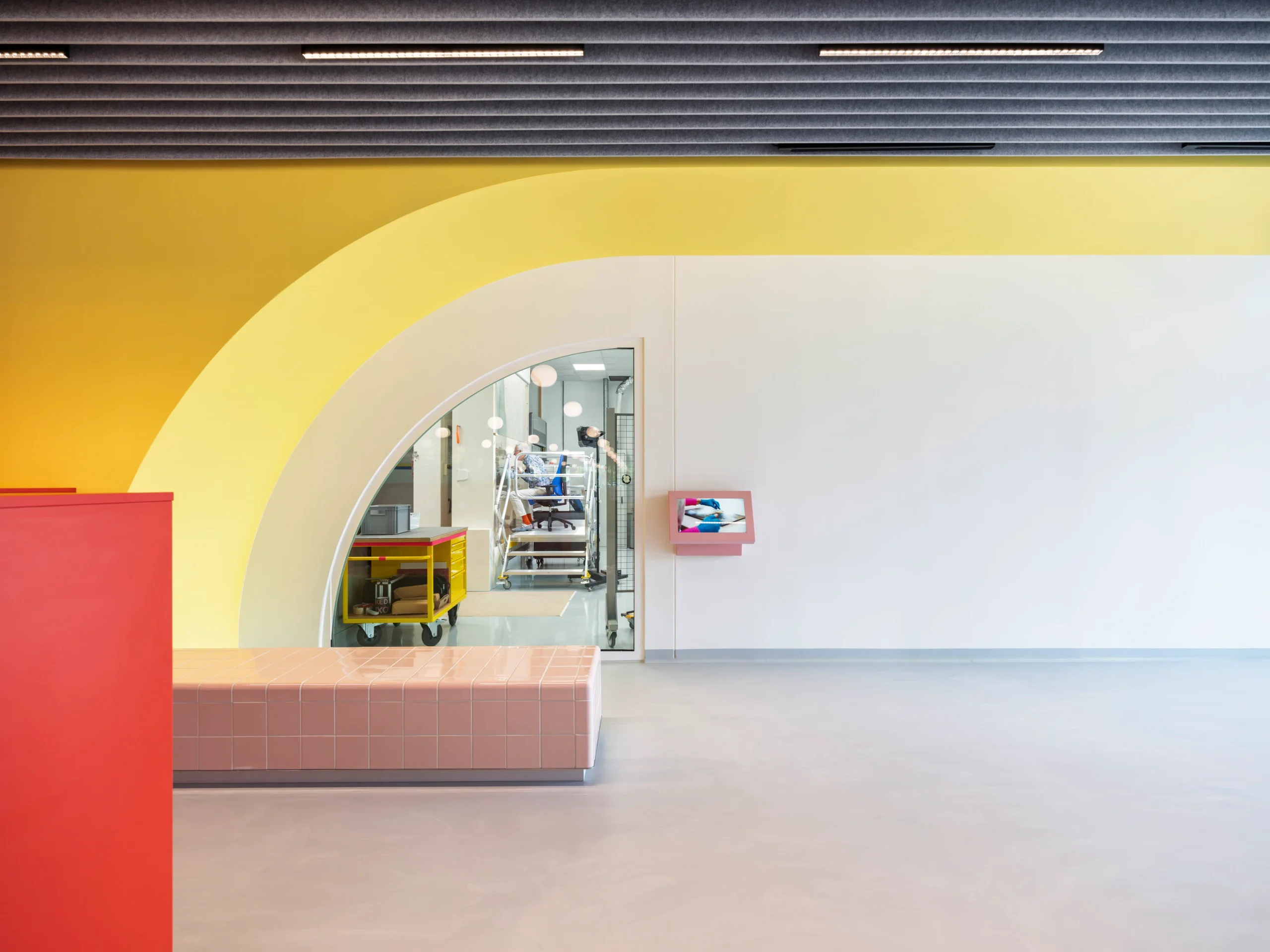
At the rear of the museum, a new opening links the ground floor and basement, bringing natural daylight into the lower-level galleries. Another opening between the restoration workshop and museum shop allows visitors to observe conservation and restoration activities, offering insight into processes that traditionally remain behind the scenes.
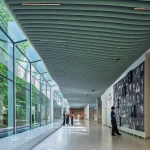
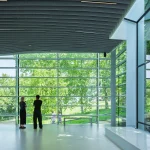
Transparency has also informed changes to the building envelope. Previously partially closed sections of the façade have been replaced with full glazing, increasing daylight penetration and strengthening visual connections between the museum’s interior and the public square outside.
According to Hedwig Saam, Director of the Valkhof Museum, “The museum has not only been physically renewed; we have also redefined what a museum can be today. It is a place where you see connections you don’t expect, and where history speaks to the present.”
Sustainability Through Retention and Adaptation
Sustainability formed a key aspect of the renovation strategy. The project prioritized retaining and upgrading existing building elements wherever possible.
The original façade was carefully dismantled, allowing insulation to be replaced with higher-performing materials while preserving and reinstalling the existing glass panels. This approach reduced material waste while improving the building’s thermal performance.
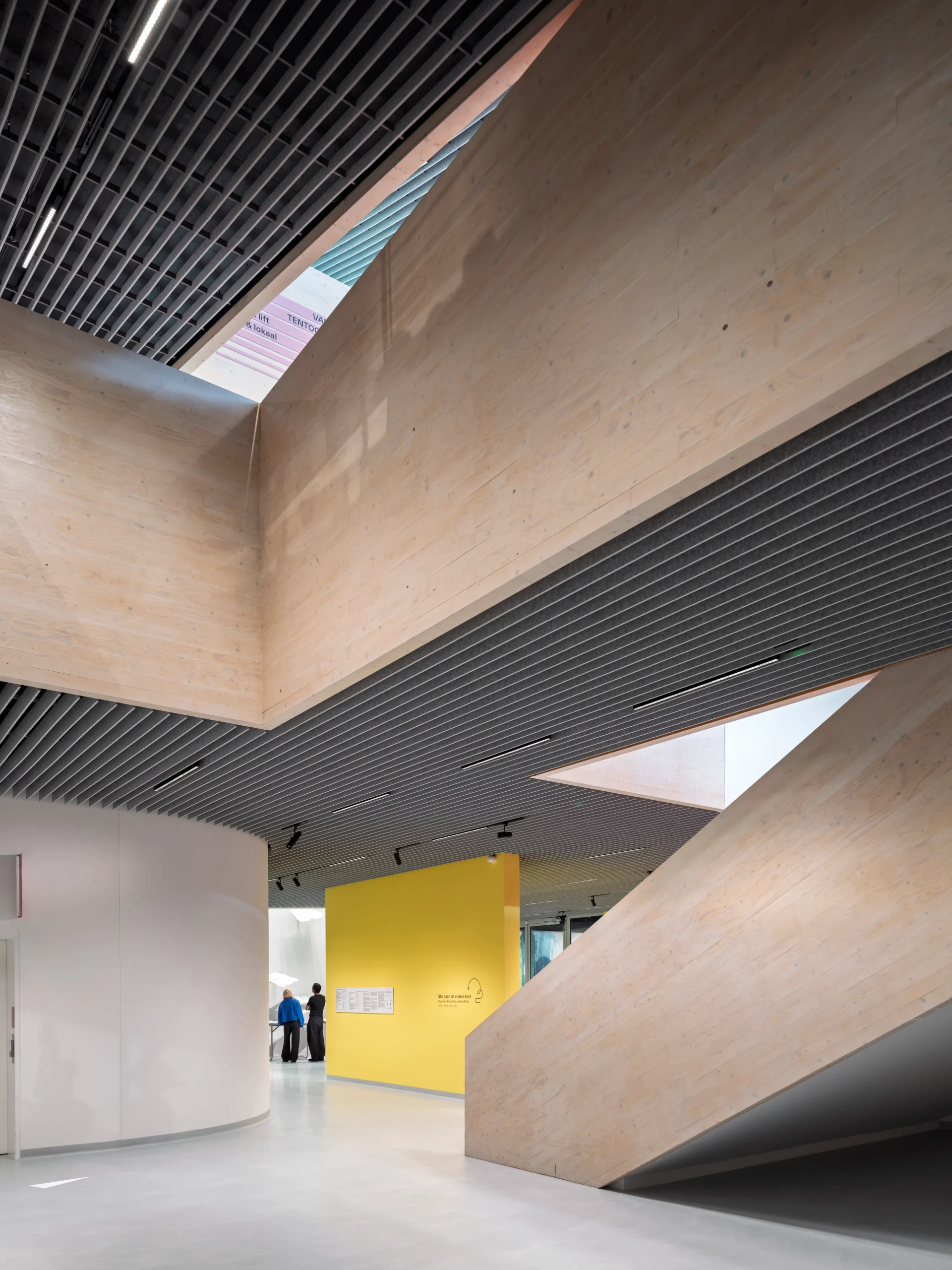
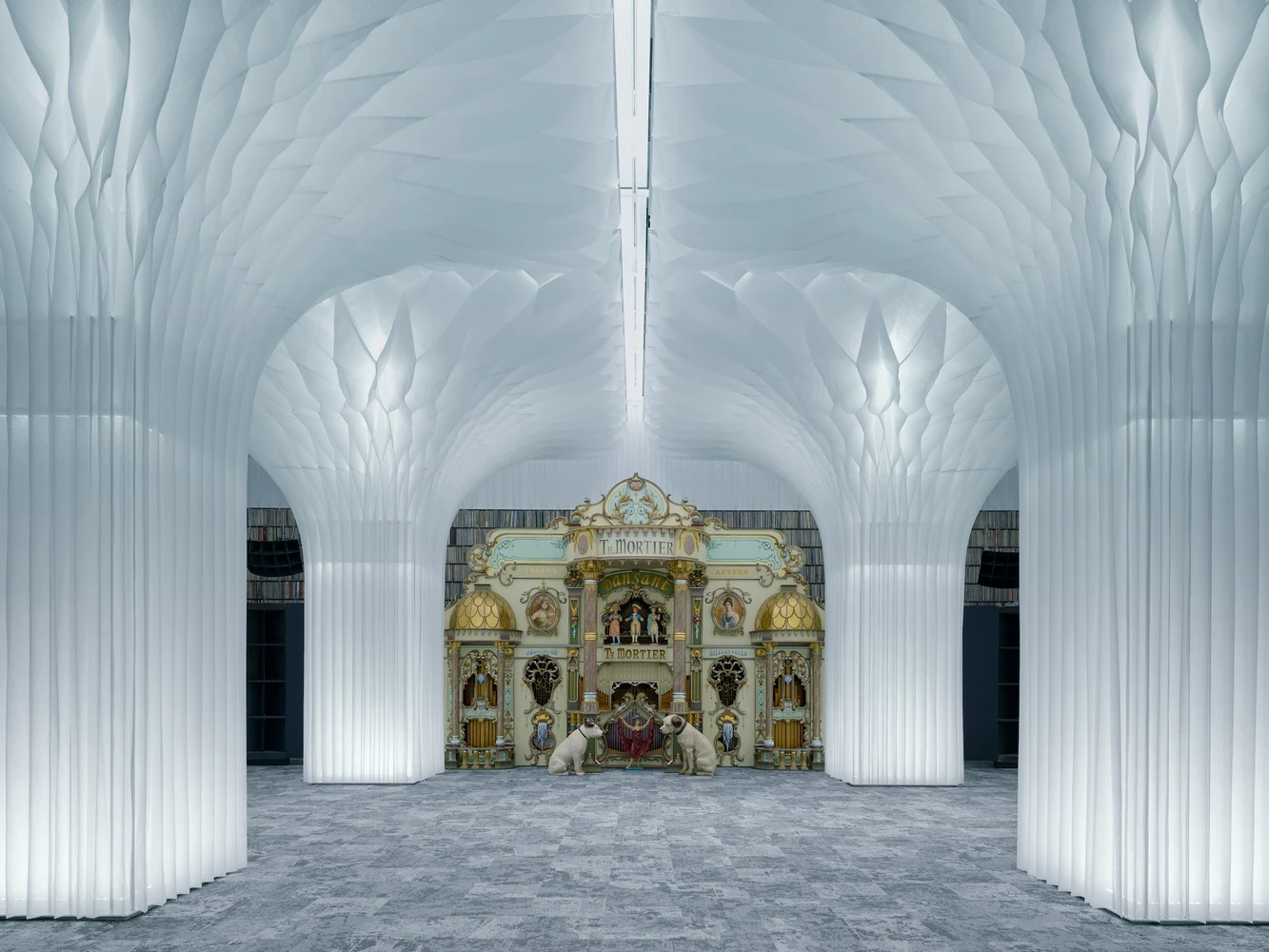
Inside, the museum’s distinctive rippling suspended ceiling has been reinterpreted using PET felt lamellas, enhancing acoustic comfort and simplifying future maintenance. In several exhibition spaces, suspended ceilings were removed entirely, creating more generous gallery volumes while reducing material consumption.
The project demonstrates how architectural renewal can be achieved through targeted interventions rather than wholesale reconstruction.
A Collaborative Approach to Renewal
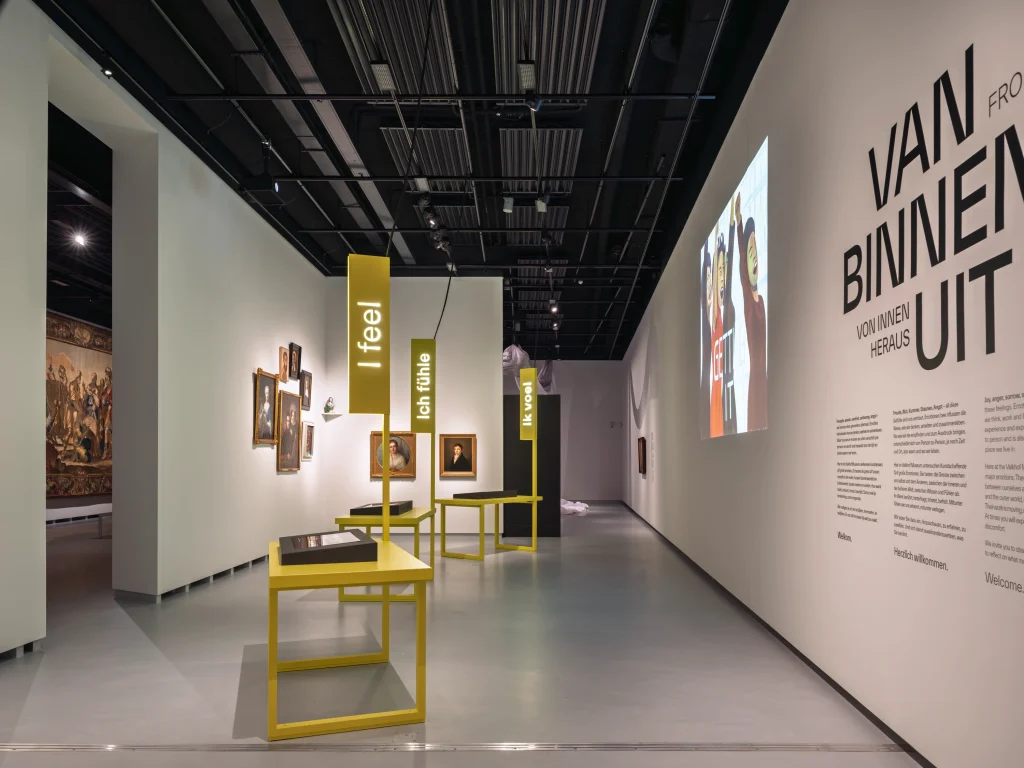
The renovation extended beyond architecture to include a coordinated redesign of the museum’s interiors, exhibition environments, graphics, and public identity.
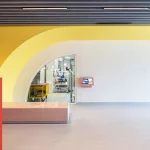
UNS established a design framework centered on a vibrant color palette and the introduction of circular forms as a recurring geometric language. This framework informed contributions from a multidisciplinary team working across different aspects of the project.
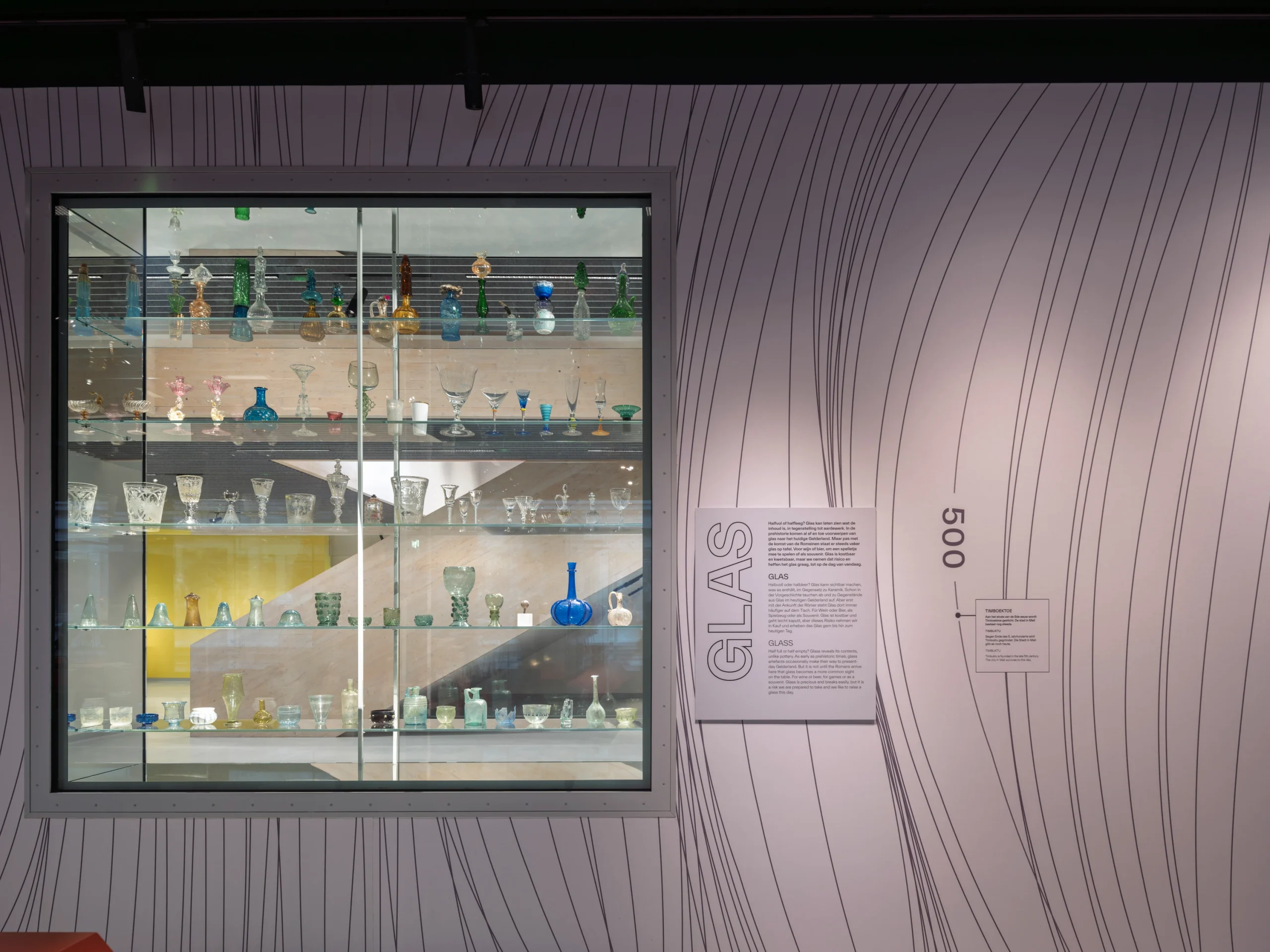
Interior designer Ineke Hans developed the café and shop interiors, while graphic design studio Thonik created a new visual identity inspired by the building itself. References to the museum’s façade and staircase can be found throughout the branding system, establishing continuity between architecture and graphic communication.
The resulting transformation presents a unified experience in which architecture, interiors, exhibitions, and visual identity operate as interconnected components.
New Exhibitions Mark the Reopening
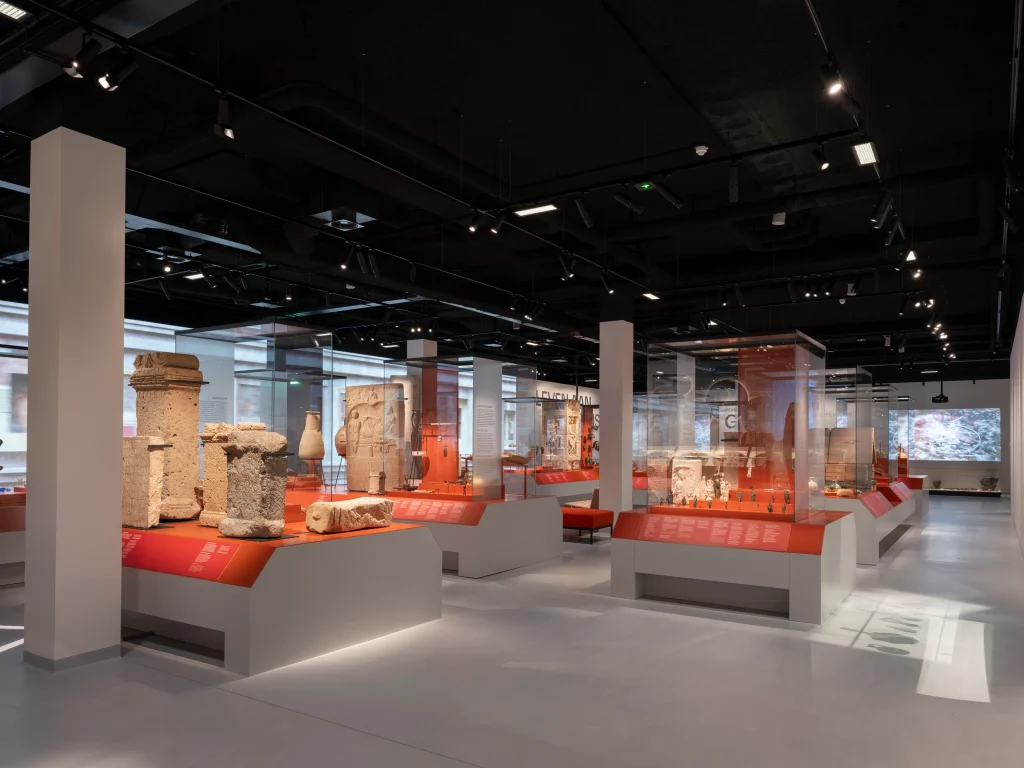
The museum’s reopening program introduces a renewed permanent collection titled Mens op de grens (People on the Border), which explores stories from prehistory to the present day through Nijmegen’s historical position along the northern frontier of the Roman Empire.
The reopening also features the exhibitions Making a Museum, Museum in de klas (Museum in the Classroom), and Power of the People. Artist Fernando Sánchez Castillo, whose work is featured in Power of the People, has also created site-specific artworks for the adjacent Kelfkensbos public square.
The official reopening was marked on 4 June 2026 by Queen Máxima, who met with the architects, designers, and artists involved in the museum’s transformation.
Today, the Valkhof Museum continues its mission of bringing together archaeology, cultural history, and contemporary art while creating new connections between historical narratives and present-day society.
Valkhof Museum Project Details
Project: Renovation of The Valkhof Museum
Location: Nijmegen, Netherlands
Architect: UNS
Original Design: 1995
Original Completion: 1998
Renovation Completion: 2026
Public Reopening: 6 June 2026
Client: Municipality of Nijmegen
Building Type: Museum and Cultural Institution
Lead Architect: Ben van Berkel
Structure, Fire Safety, and Acoustics: ABT
Programme Coordination: Atelier Alkema
Climate and Installation Advisor: Nelissen
Contractor Building Team: Berghege
Interior and Furniture Design: Ineke Hans
Exhibition Design: Opera
Branding and Graphic Design: Thonik
Wayfinding: Mijksenaar
Lighting Design: Studio Warmerdam
Photography: © Ossip van Duivenbode