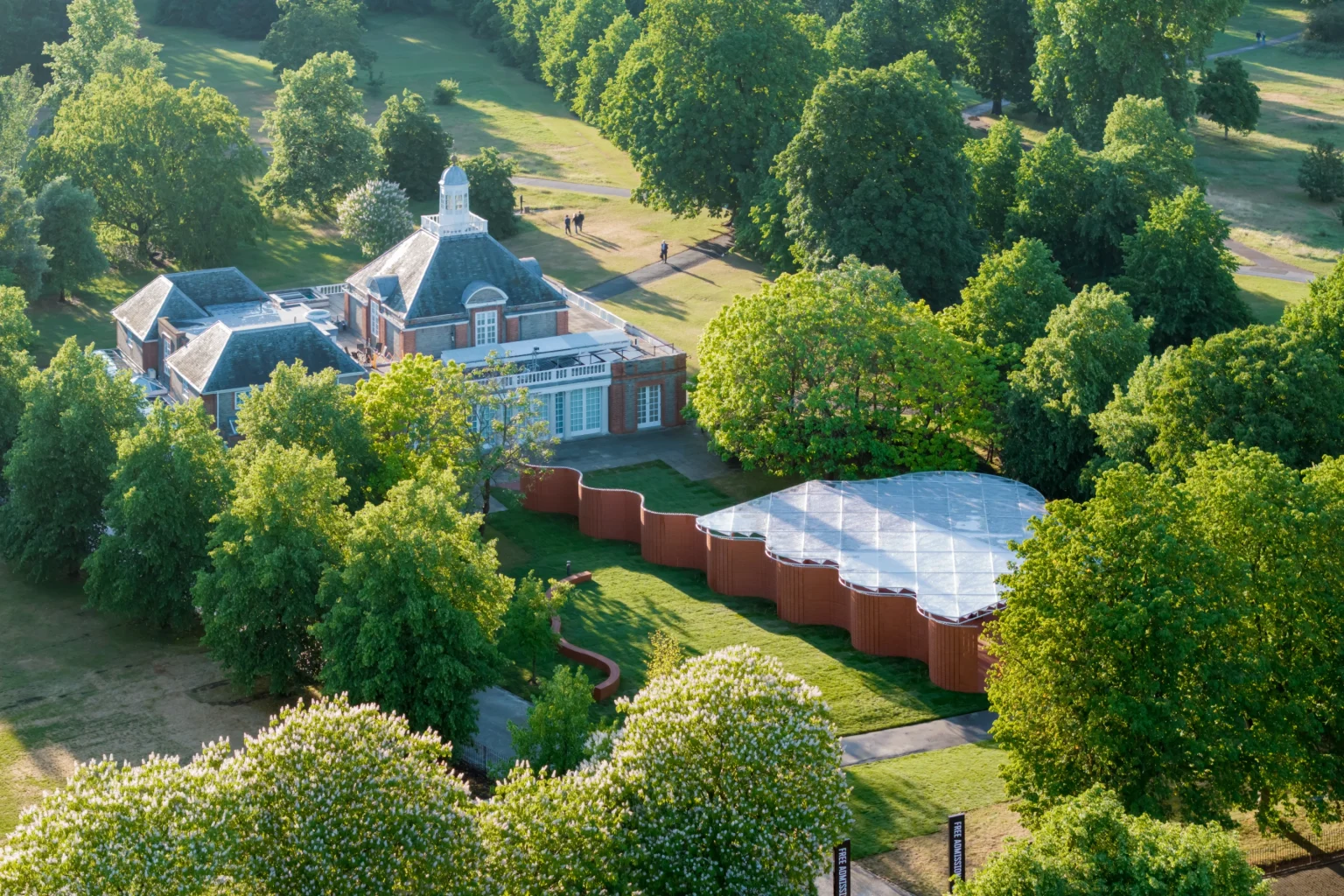


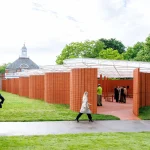
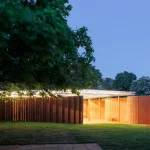


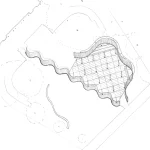
The 25th edition of the Serpentine Pavilion has opened in London’s Kensington Gardens, marking a milestone year for one of the world’s most influential architectural commissions. Designed by Mexican architecture practice LANZA atelier, the pavilion, titled a serpentine, will be open to the public from 6 June to 25 October 2026 at Serpentine South.
Founded by architects Isabel Abascal and Alessandro Arienzo, the Mexico City-based studio was selected to design this year’s commission, becoming only the second Mexican practice to receive the appointment following Frida Escobedo in 2018. The pavilion also coincides with the 25th anniversary of the Serpentine Pavilion programme, which began with Zaha Hadid in 2000.
Pavilion Inspired by the Serpentine Wall
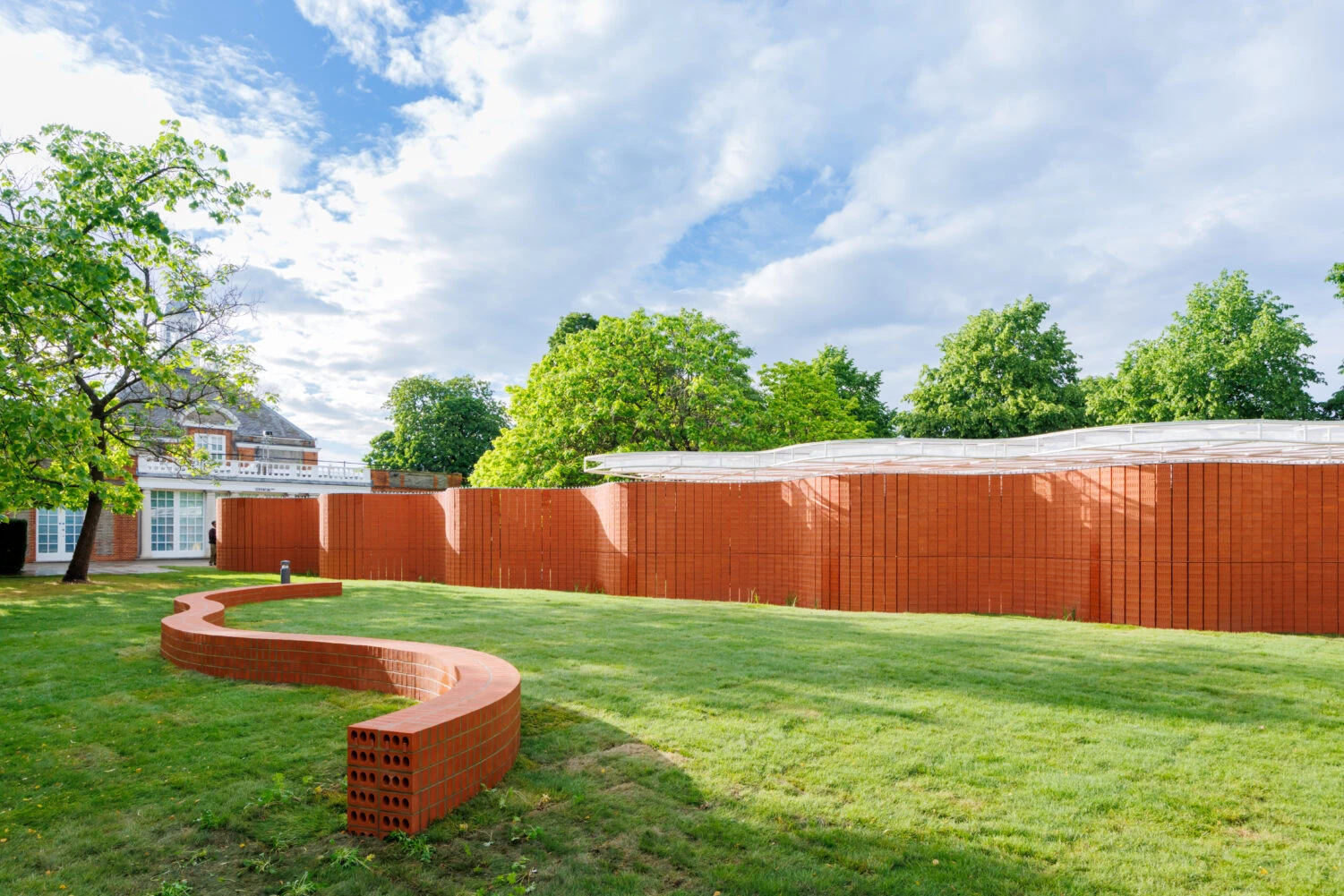
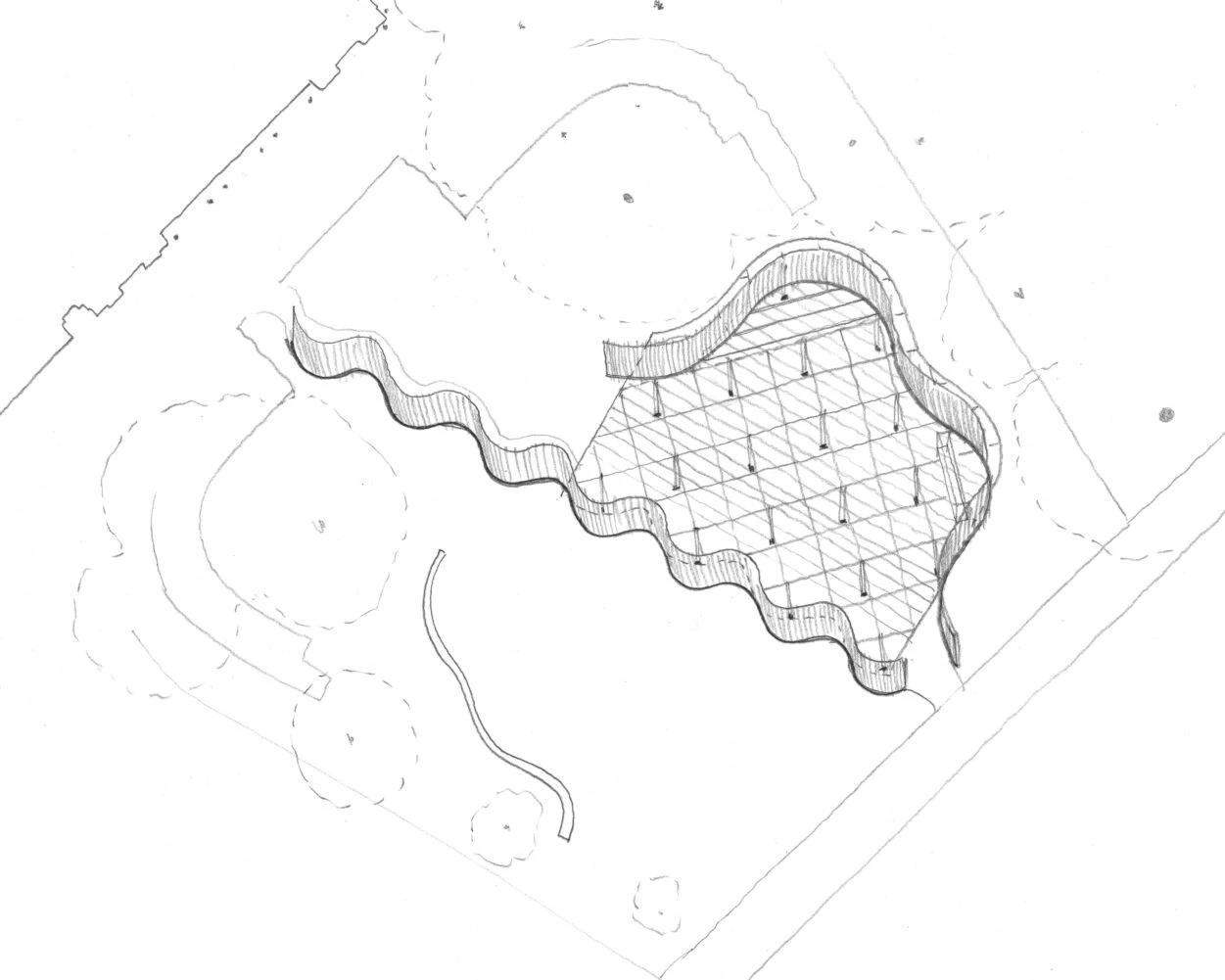
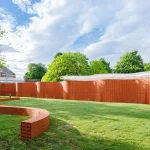
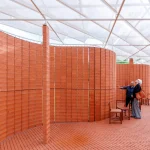
The design takes its name and conceptual foundation from the “serpentine” or “crinkle-crankle” wall, a distinctive brick construction characterized by alternating curves. Commonly found in Suffolk, England, the wall type traces its origins to ancient Egypt before being introduced to England by Dutch engineers. Its undulating geometry provides structural stability while requiring fewer bricks than a straight wall of comparable length.
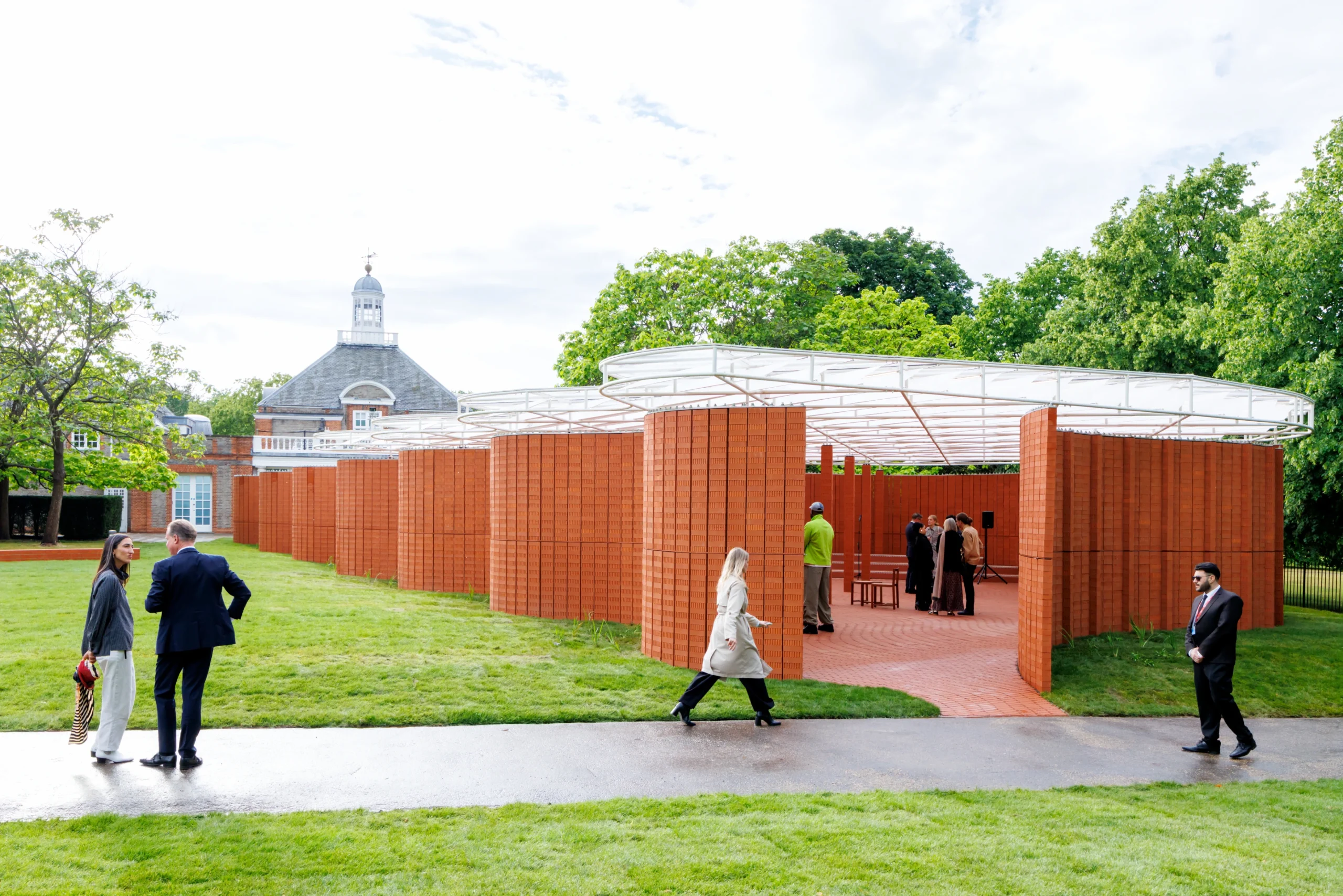
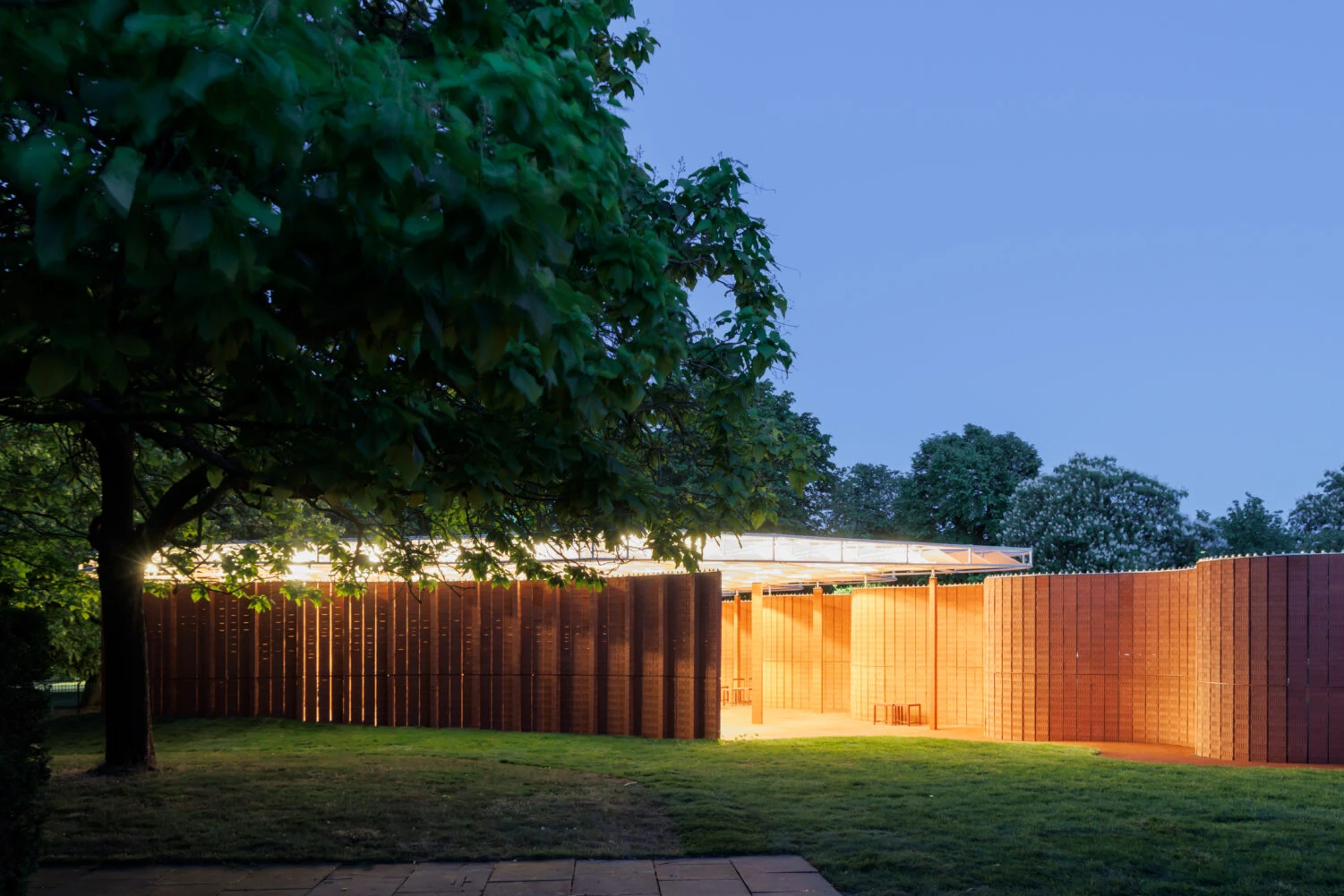
For LANZA atelier, the serpentine wall became both a formal and symbolic device. One curved brick wall defines the pavilion’s edge, while a second wall responds to the surrounding landscape and tree canopy. Together, they create a sequence of spaces that encourage movement, pause, and interaction throughout the site.
Brick as a Material of Connection
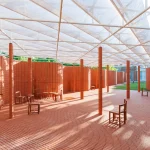
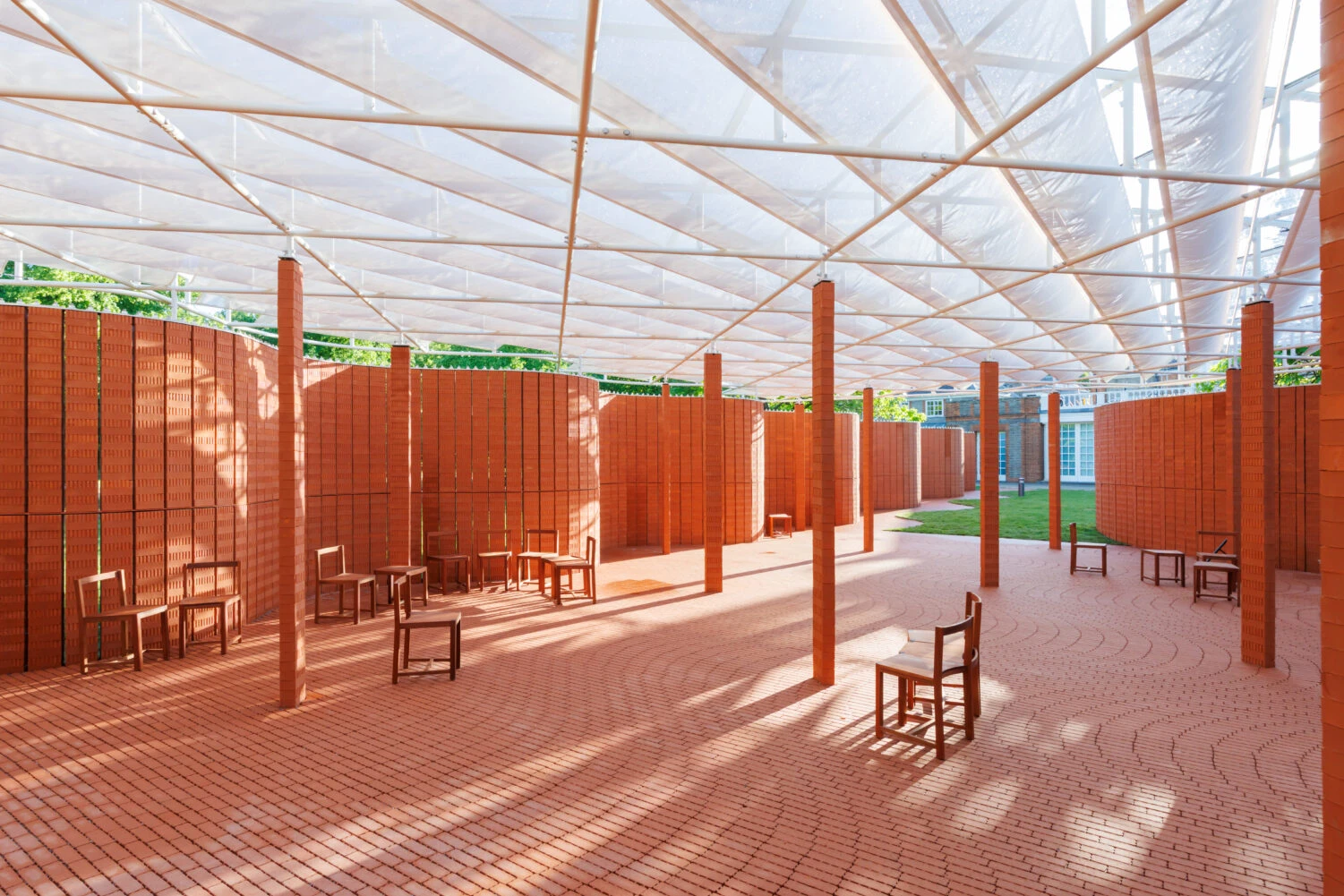
Brick serves as the pavilion’s primary construction material, chosen to establish a dialogue with the historic brick façade of Serpentine South Gallery while referencing the traditions of English garden architecture. The pavilion’s walls are composed of rhythmic brick columns that transition between solid and porous conditions, allowing visitors to see through the structure and engage with the surrounding parkland.
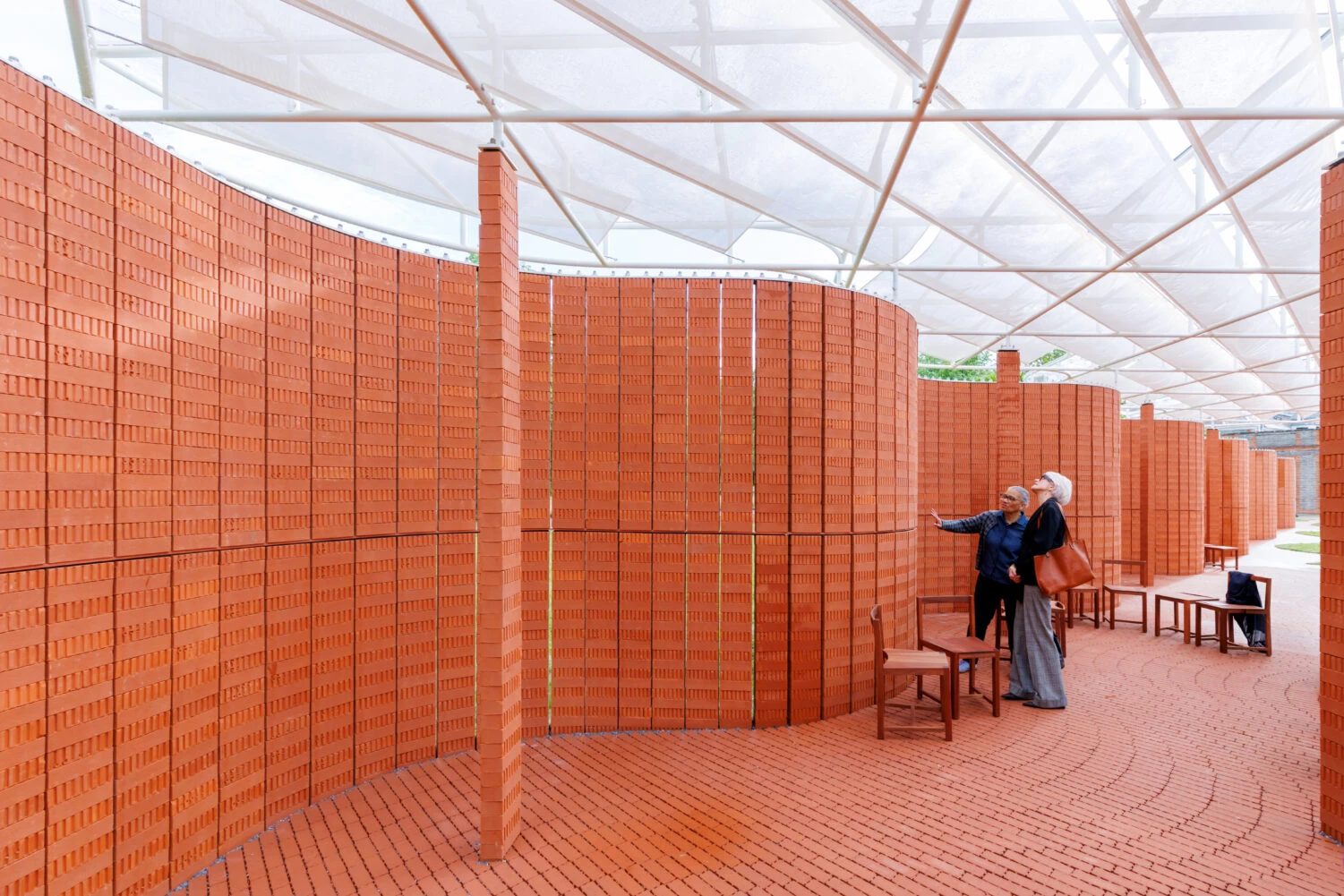
The pavilion is sheltered by a translucent roof supported by brick columns arranged like a grove of trees. This lightweight canopy allows natural light and air to permeate the space, softening distinctions between interior and exterior and creating an environment that changes throughout the day.
According to the architects, the project draws inspiration from both the serpent as a protective figure and England’s historic fruit walls, structures designed to regulate microclimates and support growth. The resulting architecture employs simple clay brick to foreground craftsmanship while emphasizing architecture’s capacity to bring people together.
Architecture and Furniture Designed as One
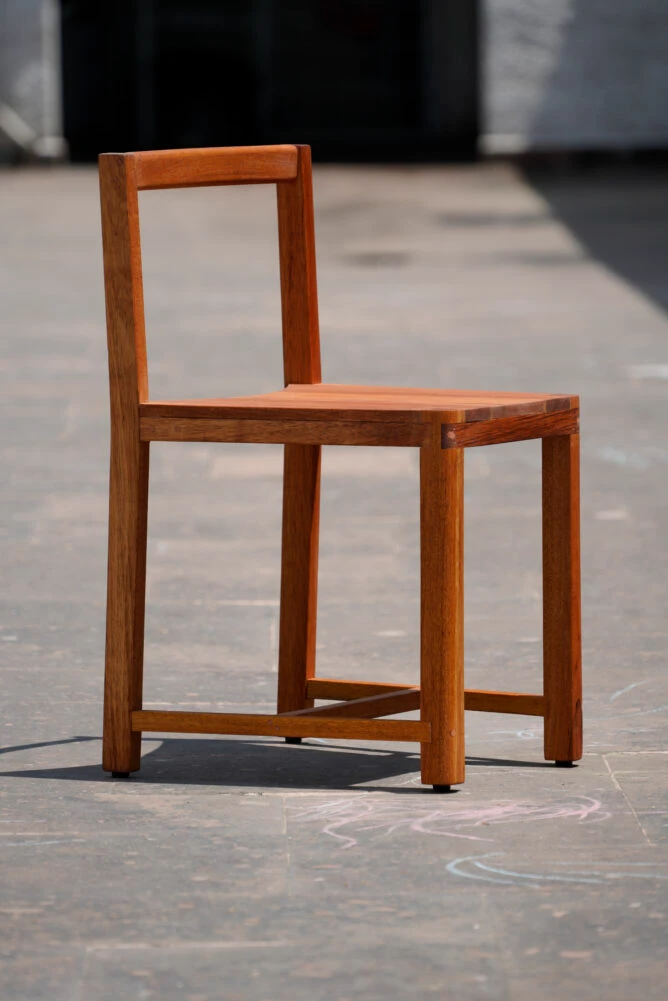
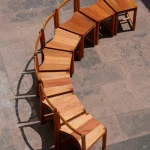
Continuing the studio’s interdisciplinary approach, LANZA atelier also designed the pavilion’s furniture. Chairs and stools crafted from locally sourced sapele hardwood were conceived as extensions of the architectural concept, reflecting the studio’s belief that furniture and buildings are interconnected scales of the same design process.
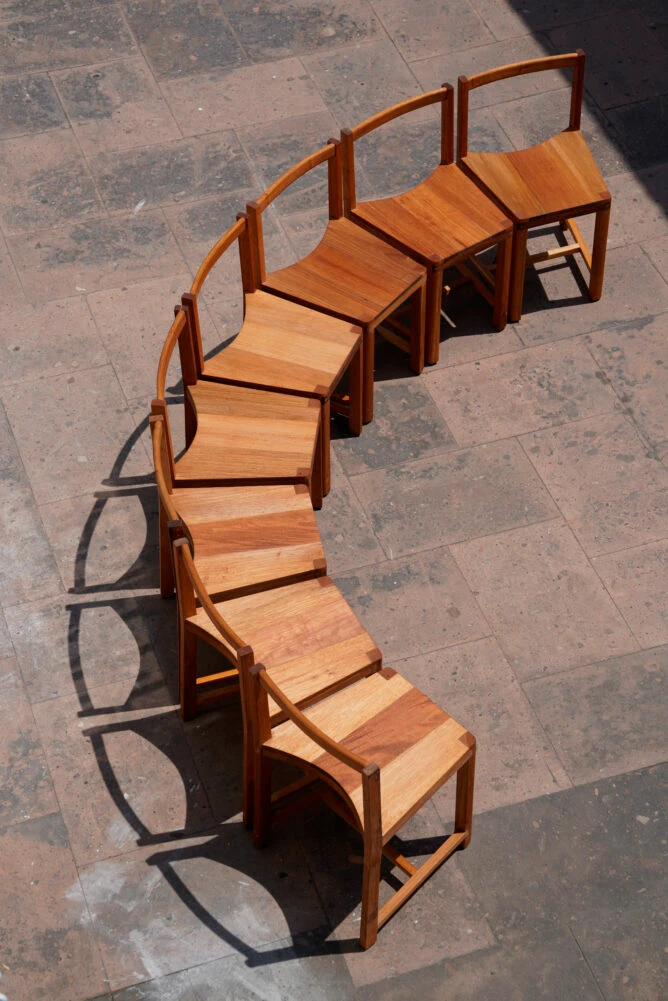
A special limited-edition stool inspired by the curves of the Coco de Mer seed has also been produced. The object explores themes of natural form, materiality, and artisanal fabrication that recur throughout the pavilion design.
Celebrating 25 Years of the Serpentine Pavilion
The 2026 commission marks a significant anniversary for the Serpentine Pavilion programme. Since its inception in 2000, the annual commission has provided a platform for internationally renowned architects and emerging practices to realize experimental structures in London.
Past participants include Sou Fujimoto, Diébédo Francis Kéré, Bjarke Ingels, Lina Ghotmeh, Minsuk Cho, and Marina Tabassum. The programme has increasingly focused on introducing emerging voices to international audiences and fostering architectural experimentation.
To commemorate the anniversary, Serpentine will collaborate with the Zaha Hadid Foundation and the Architectural Association on a two-day symposium reflecting on Hadid’s legacy and the future of architecture. The programme will bring together architects, scholars, and cultural practitioners to discuss contemporary architectural challenges and opportunities.
A Cultural Platform Beyond Architecture
As in previous years, the pavilion will function as a venue for Serpentine’s public programme throughout the summer. The structure will host talks, performances, film screenings, family events, workshops, and the annual Park Nights series, transforming the architectural installation into an active cultural platform.
Among the opening events, LANZA atelier will participate in a public conversation with Serpentine Artistic Director Hans Ulrich Obrist to discuss the ideas behind the project. Guided tours and family-focused programming will continue throughout the pavilion’s four-month run.
LANZA atelier’s Growing International Presence
Established in Mexico City in 2015, LANZA atelier has developed a practice that spans architecture, furniture, exhibitions, and research. The studio has received recognition through the Emerging Voices Award from the Architectural League of New York and nominations for the Mies Crown Hall Americas Prize and the Brick Award. Their work has been exhibited internationally, including at the San Francisco Museum of Modern Art, the Lisbon Architecture Triennale, and the São Paulo Architecture Biennale.

With a serpentine, the studio brings its interest in material experimentation, craft traditions, and collective experience to one of architecture’s most visible annual commissions, offering a pavilion that reinterprets a historic construction technique as a contemporary public space.
Credit: Serpentine