



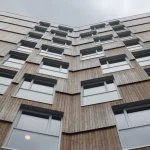
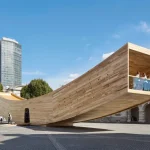
The global construction industry is at a turning point, balancing rapid urban growth with the urgent need to reduce carbon emissions. At the center of this shift is the emergence of mass timber: a family of engineered wood products, Cross-Laminated Timber (CLT), Glue-Laminated Timber (Glulam), and Laminated Veneer Lumber (LVL), that is steadily moving from a boutique architectural trend to a foundational component of long-term urban infrastructure.
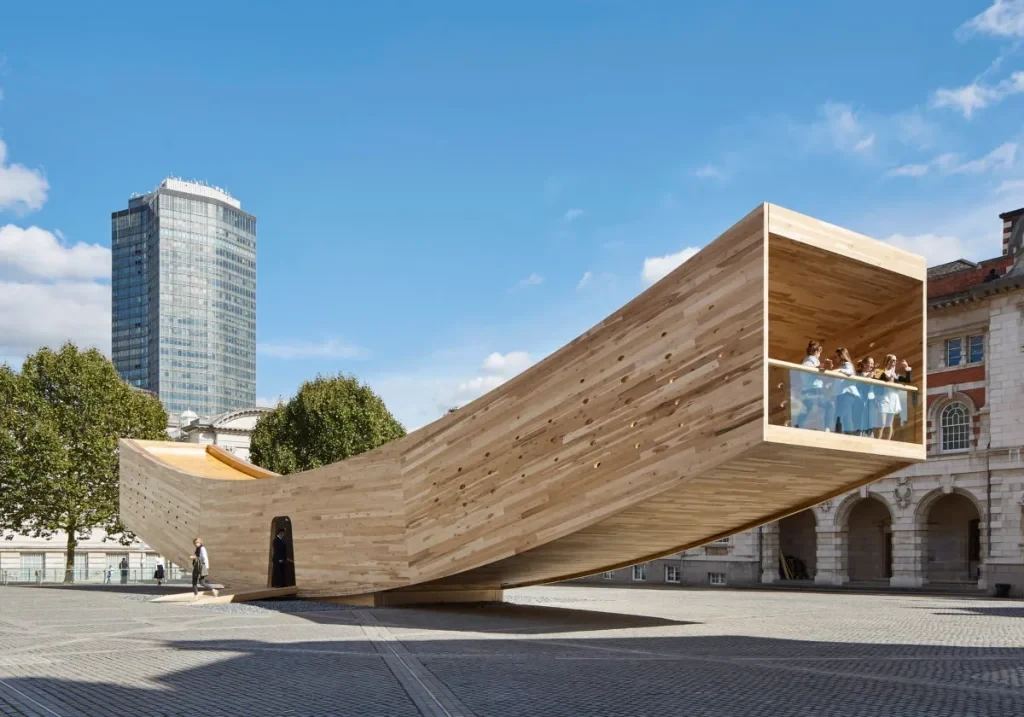
This transition is not driven by aesthetics alone. It is propelled by a convergence of technical advancements, regulatory shifts, and a more nuanced understanding of the lifecycle performance of wood, positioning it as a structural alternative to the carbon-intensive legacies of steel and concrete.
The Material Science and Product Typologies of Mass Timber
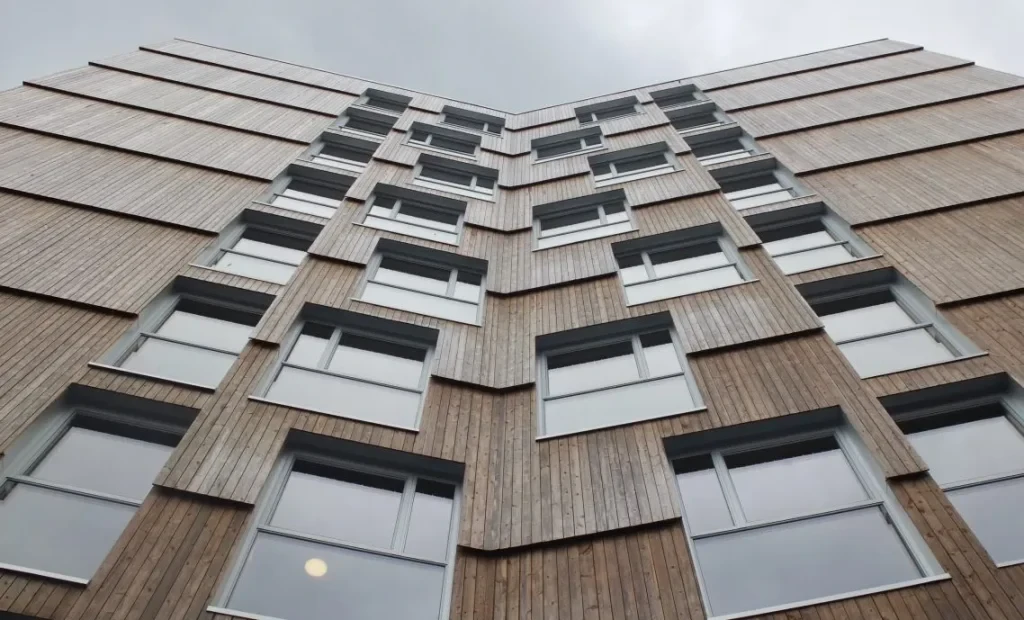
The long-term relevance of timber in the urban context is predicated on the material science of engineered wood, which allows it to perform in ways that traditional light-frame lumber cannot. Mass timber products achieve their structural integrity through the strategic configuration of wood fibers, utilizing high-performance adhesives or mechanical fasteners to create elements with strength-to-weight ratios that often exceed those of reinforced concrete.
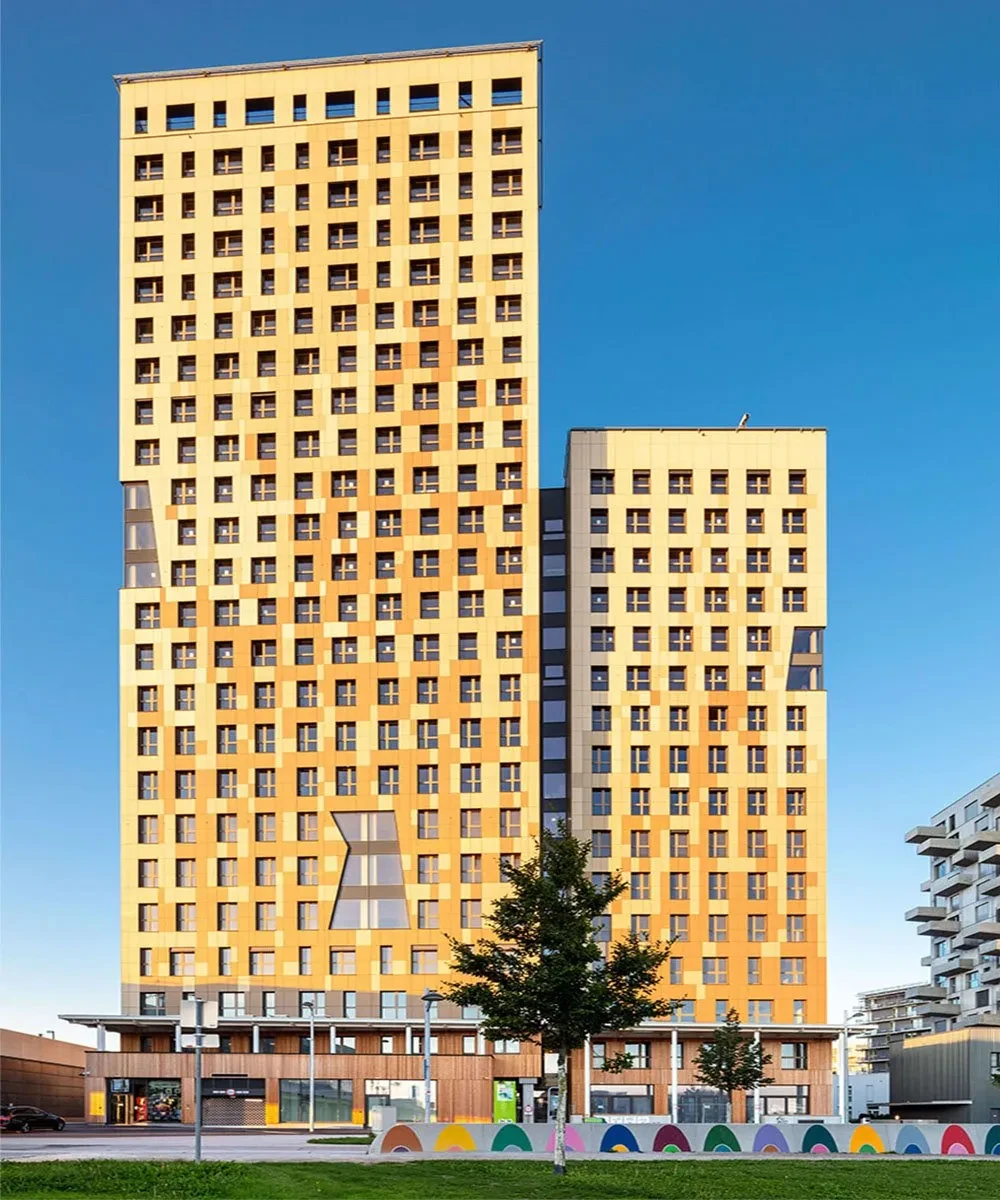
Cross-Laminated Timber (CLT) serves as the primary engine for this transition. By stacking layers of dimensioned lumber in perpendicular orientations, CLT panels achieve exceptional dimensional stability and two-way spanning capabilities, making them ideal for high-density residential and commercial floor plates.
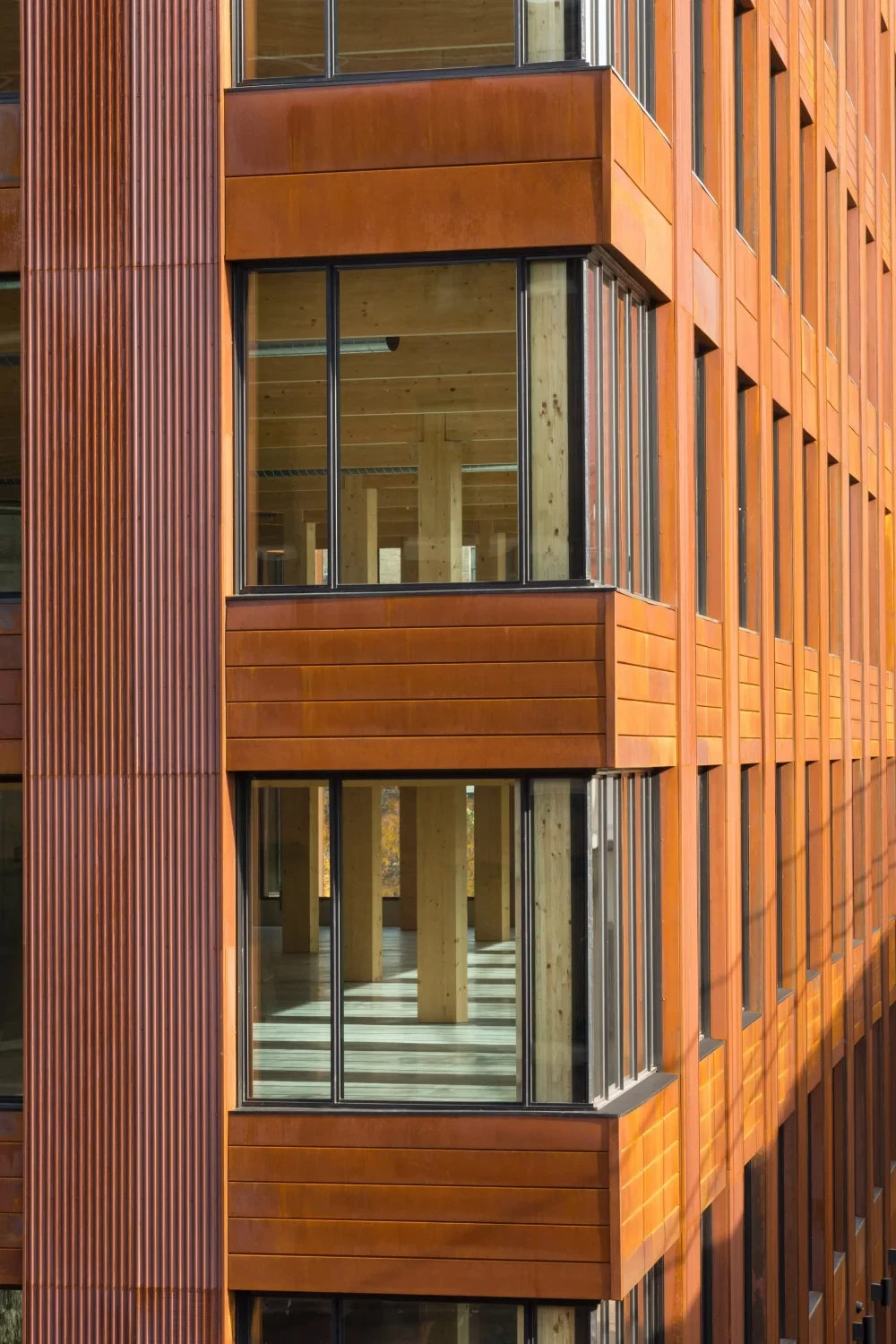
Glued Laminated Timber (Glulam), consisting of parallel laminations, provides the load-bearing capacity for columns and long-span beams, allowing for the open-plan architectures typically demanded in modern office environments.
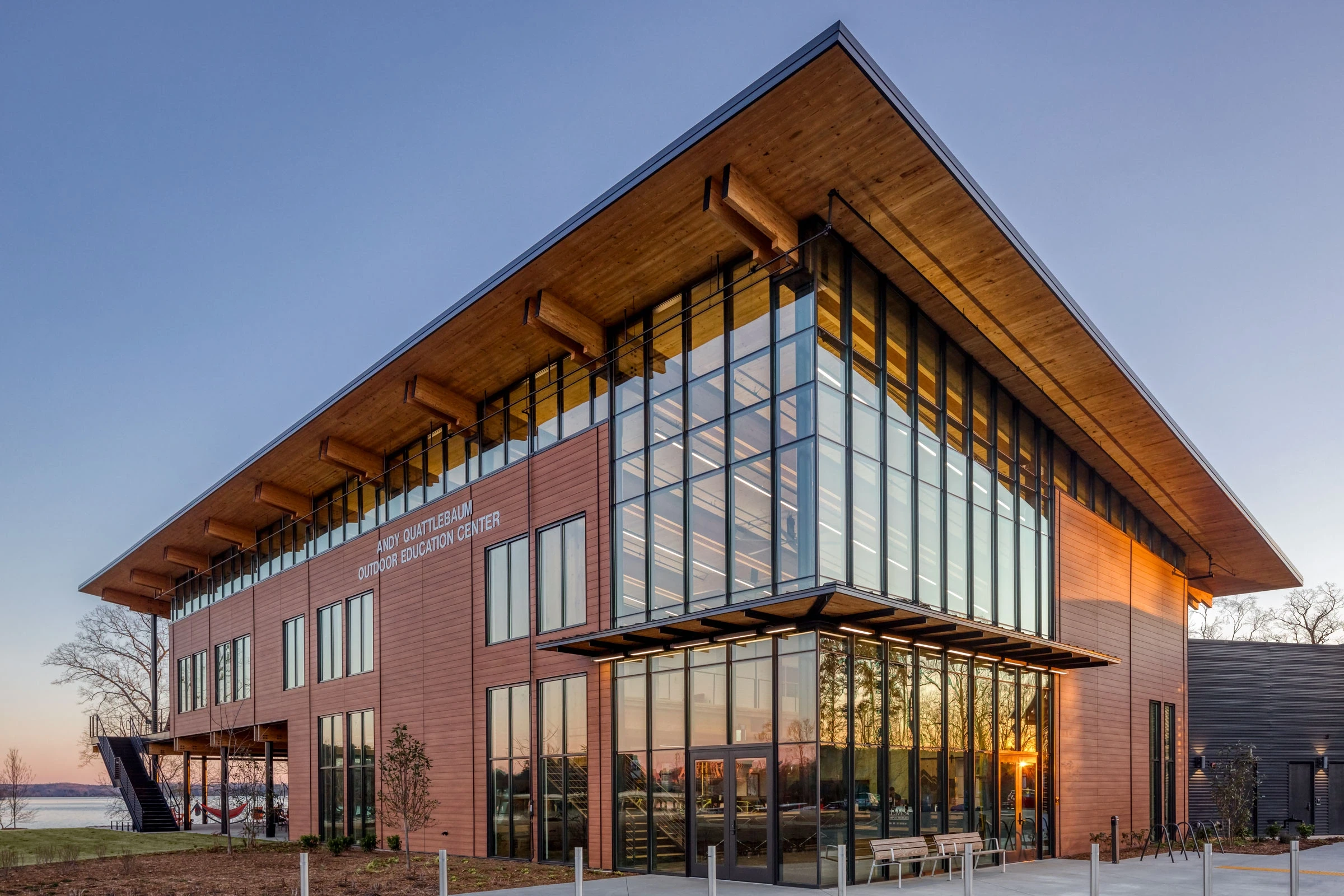
Dowel-Laminated Timber (DLT) utilizes hardwood dowels instead of adhesives, appealing to projects seeking total material purity and enhanced recyclability. Advancements in material science have led to engineered wood products that are significantly stronger than traditional timber and more resistant to fire and water, expanding their use in large-scale and structural construction.
The Shift in Commercial Real Estate
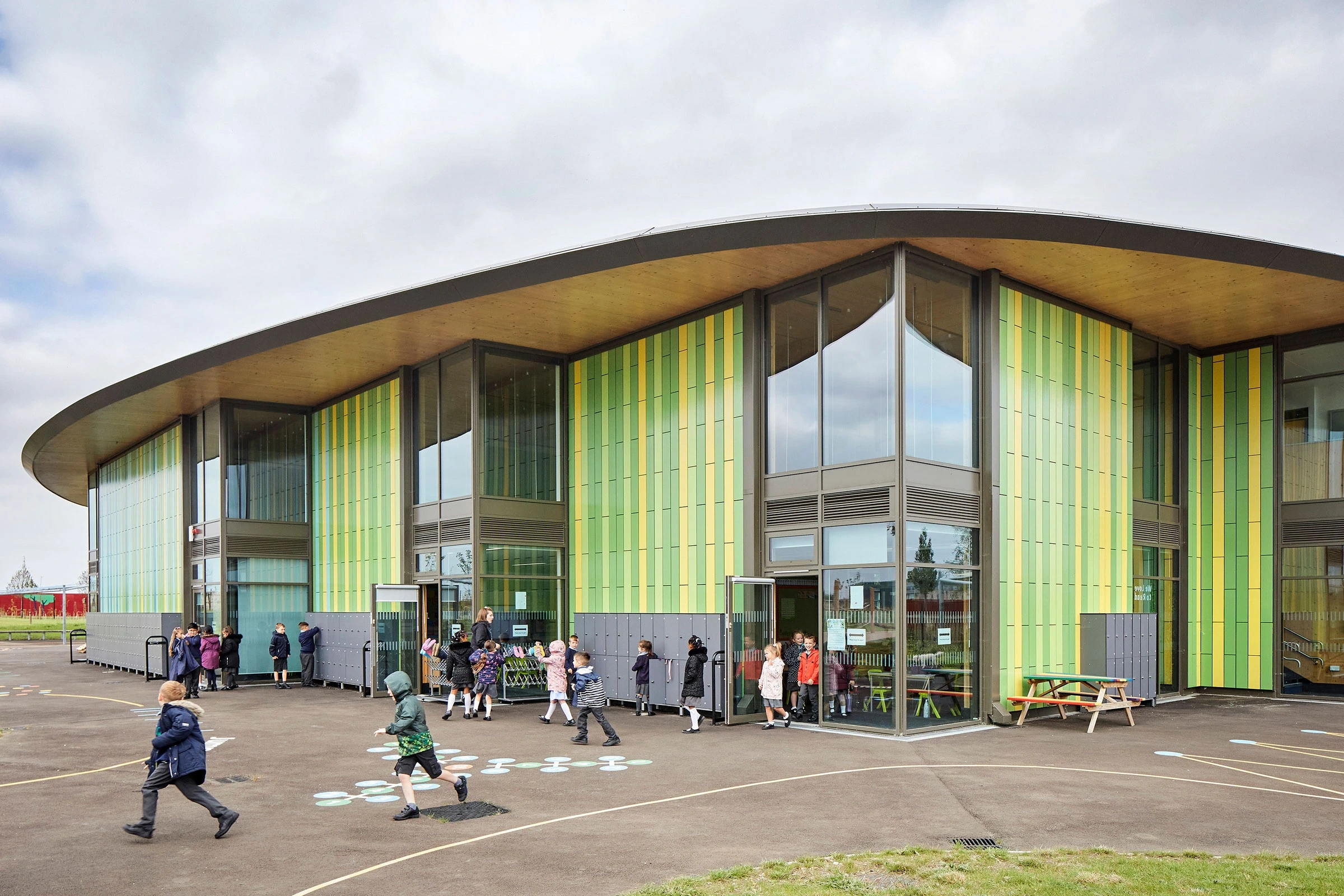
The transition of mass timber into a mainstream urban material is increasingly validated by its adoption by some of the world’s most capitalized corporations. Google, Microsoft, and Under Armour have all integrated mass timber into their newest campus developments, signaling that wood has achieved a level of institutional trust previously reserved for steel and concrete.
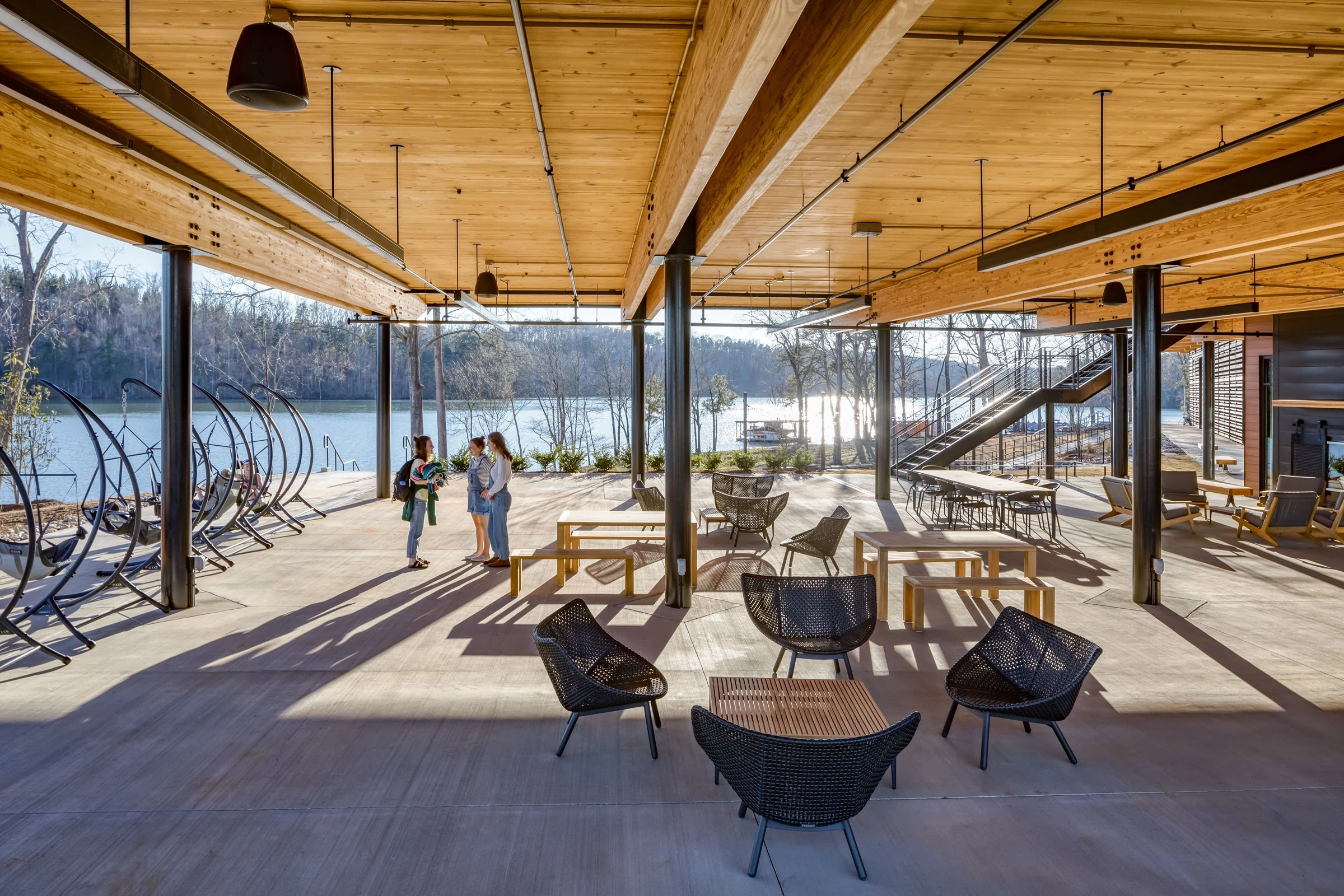
One of the most compelling economic arguments for mass timber is its impact on construction speed. Since mass timber elements are precision-engineered and prefabricated off-site, on-site assembly is significantly faster than traditional cast-in-place concrete. Data from the Ascent project in Milwaukee indicates that the mass timber structure was erected 25% faster than a comparable concrete tower would have been.
Lifecycle Environmental Impact
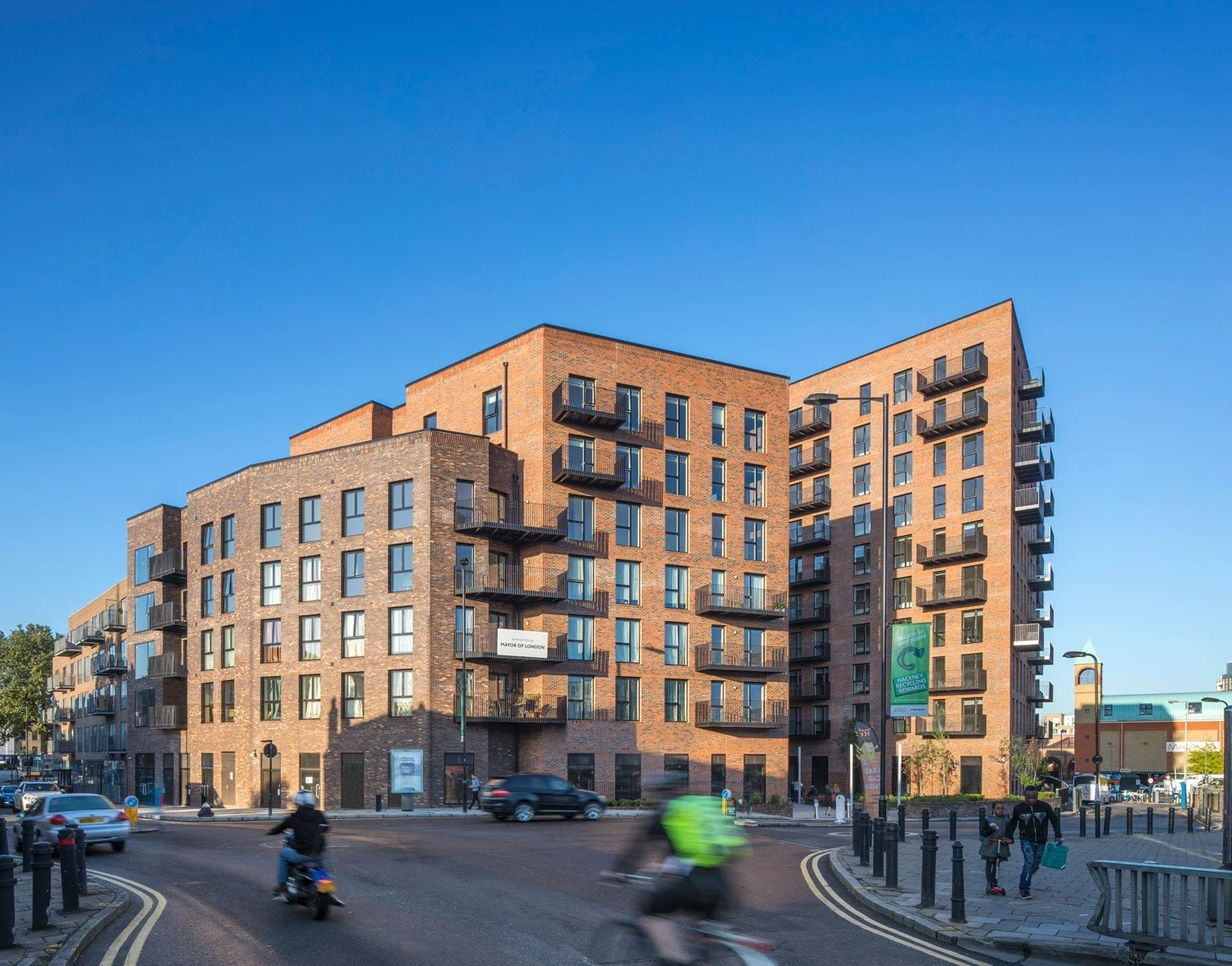
The environmental value proposition of mass timber is the primary driver of its long-term relevance. The building and construction sector is responsible for approximately 35% to 40% of global carbon emissions, and the substitution of steel and concrete with wood offers a dual pathway for climate mitigation: avoiding the carbon-intensive manufacturing processes of mineral materials and sequestering atmospheric carbon within the building structure itself.
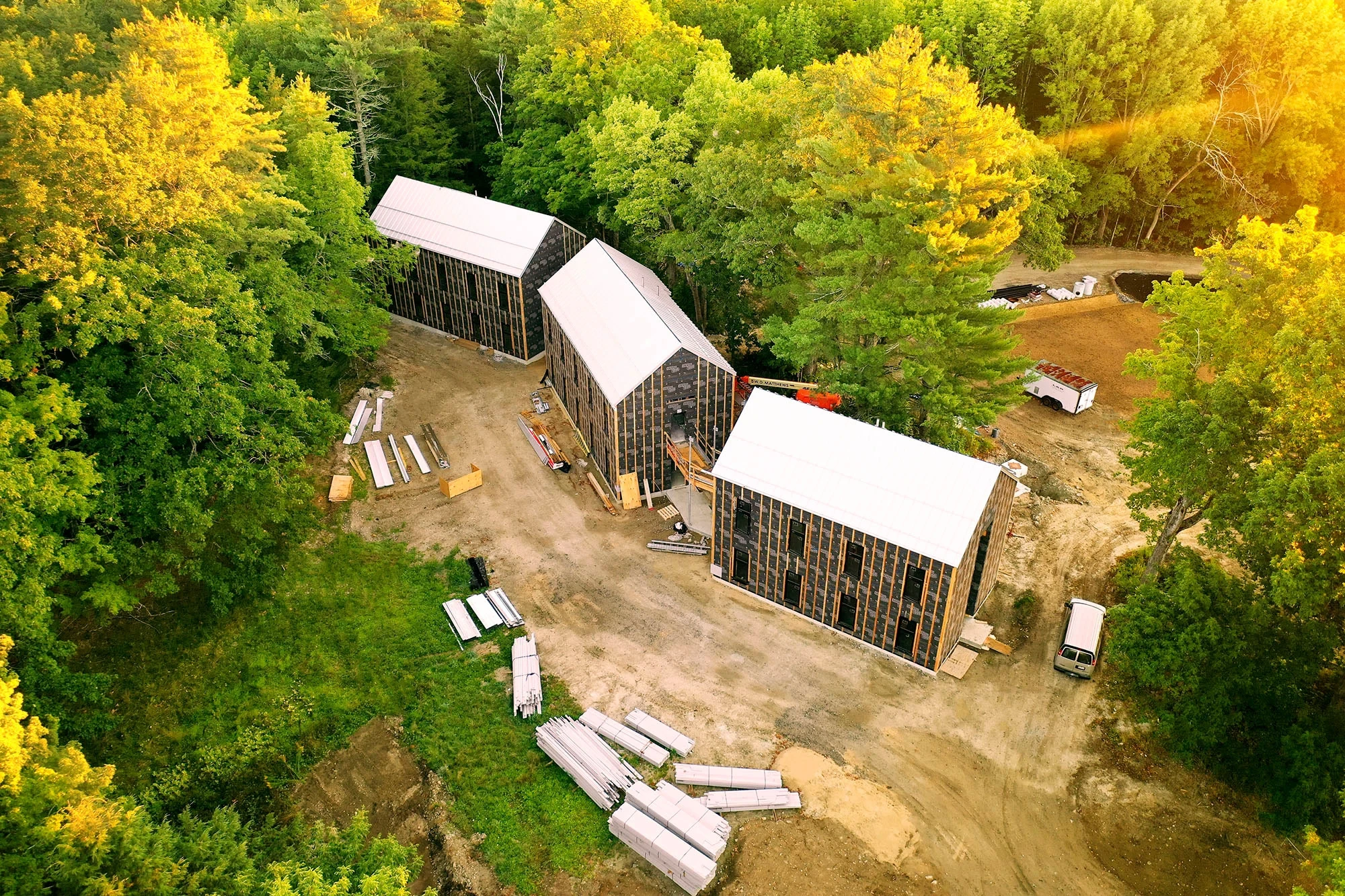
Life Cycle Assessments (LCA) consistently show that mass timber buildings exhibit a 22% to 50% reduction in embodied carbon compared to equivalent concrete buildings. When accounting for embodied and stored carbon, the global warming potential (GWP) of mass timber can be 81% to 94% lower than that of concrete.
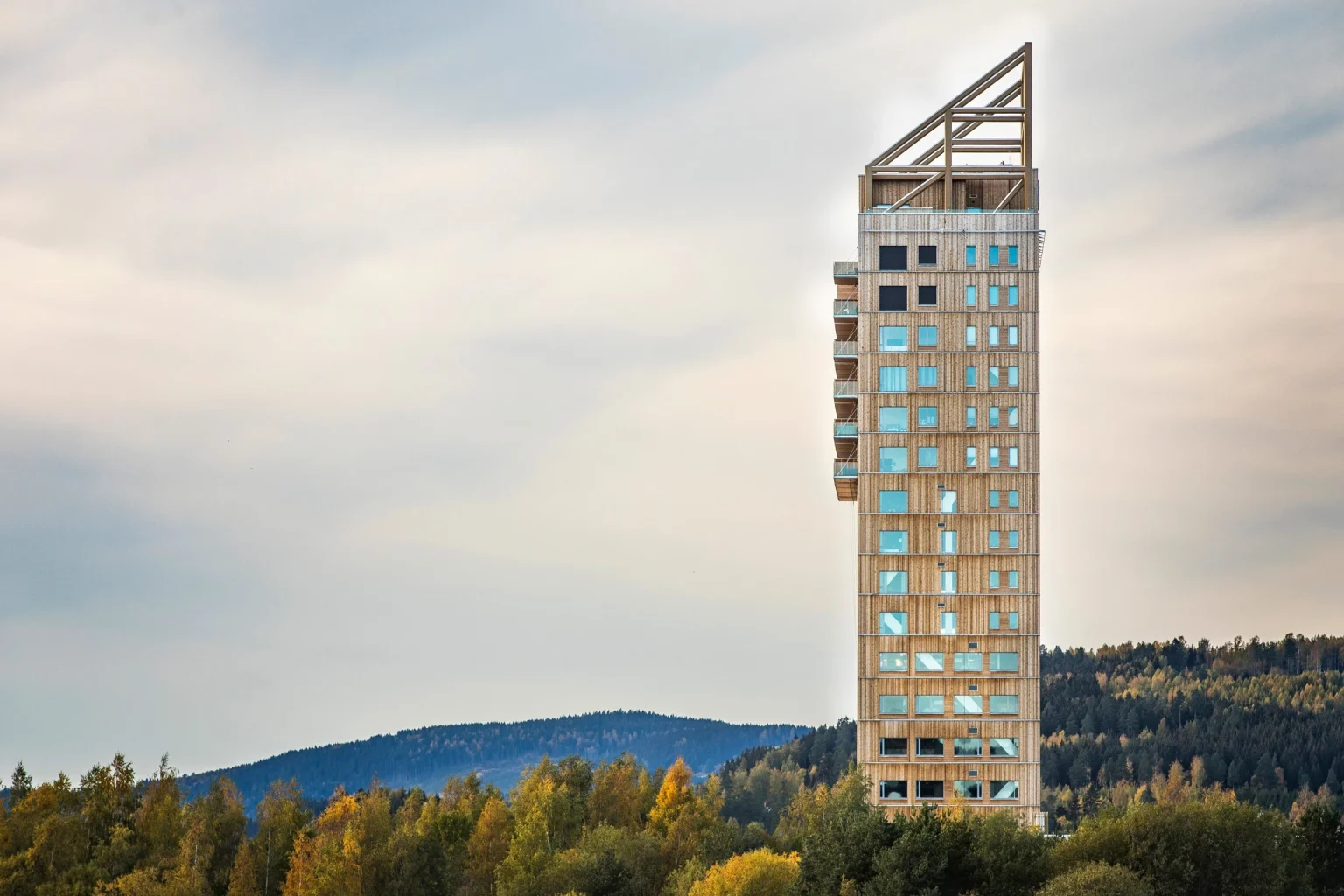
Mjøstårnet, Brumunddal, Norway
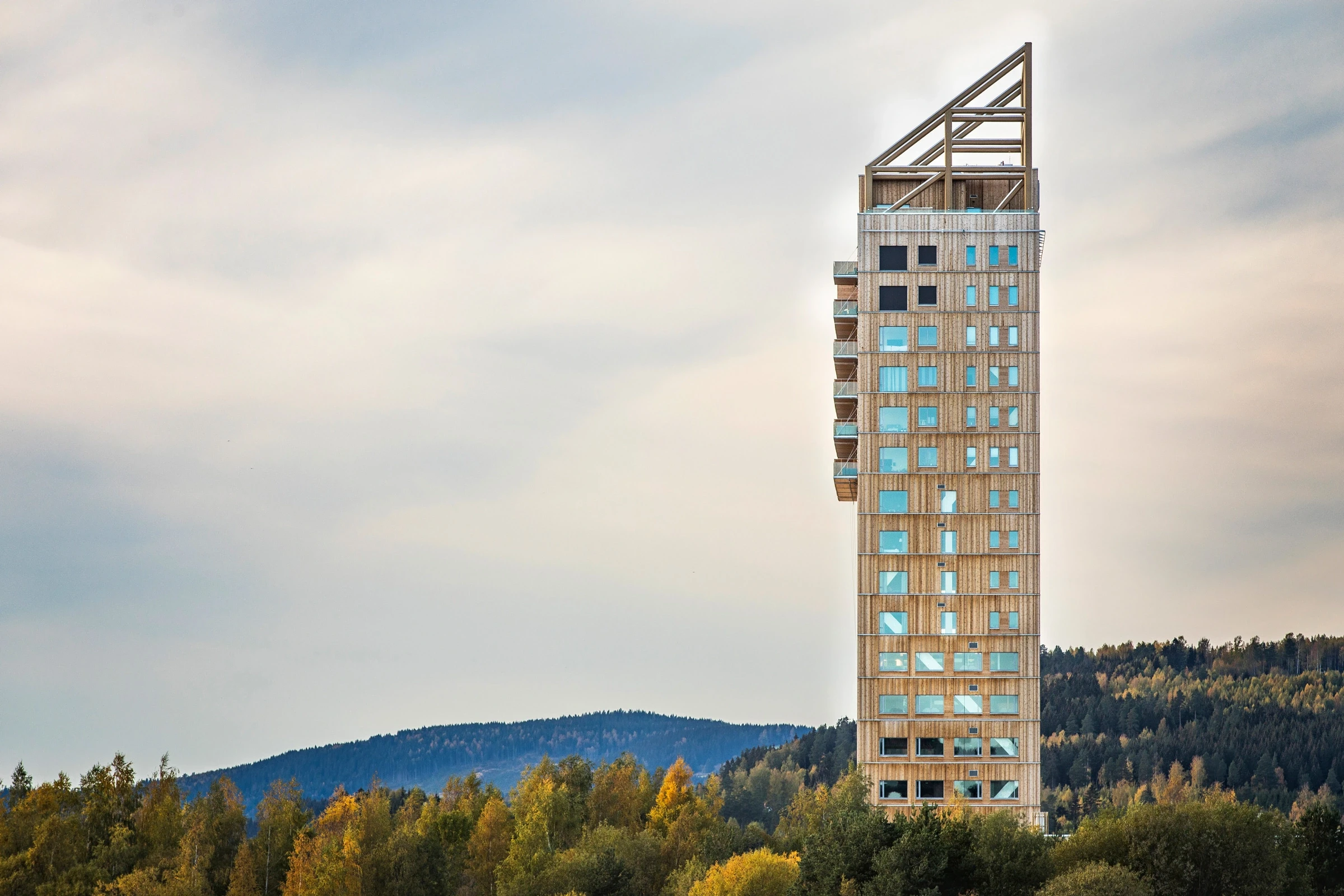
Architects: Voll Arkitekter
Location: Norway
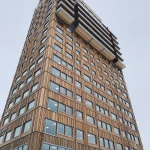
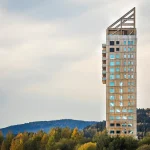
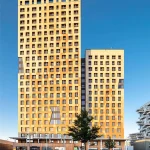
As one of the world’s tallest all-timber buildings, Mjøstårnet represents a landmark in the engineering of high-rise wood architecture. Standing at 85.4 meters, the 18-story structure demonstrates that timber can meet the rigorous demands of urban verticality without relying on a concrete core for lateral stability.
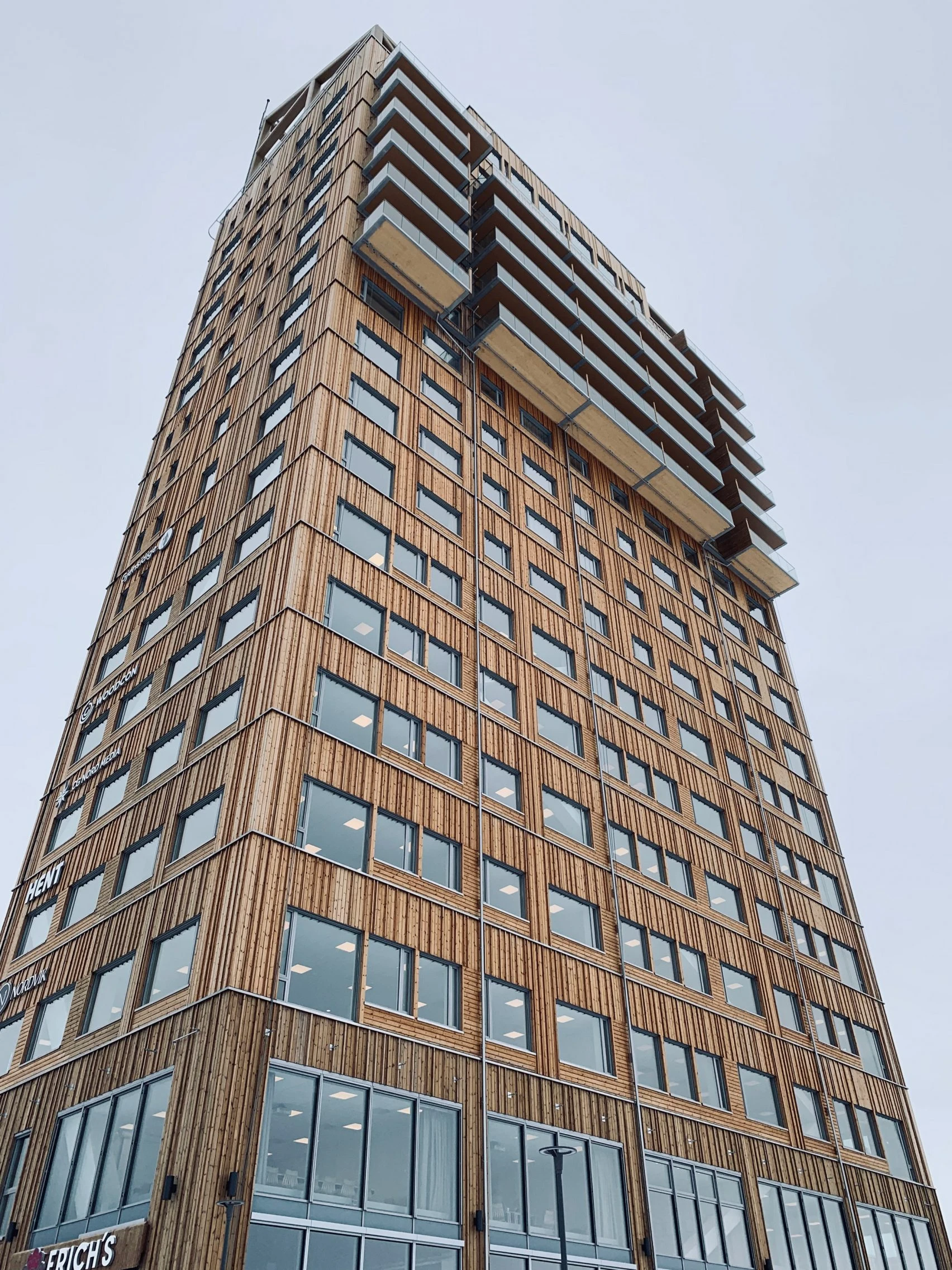
The primary load-bearing system of Mjøstårnet consists of large-scale glulam trusses along the facades, which handle vertical and horizontal loads. One of the most significant challenges for tall timber buildings is their light weight, which can lead to wind-induced vibrations that affect occupant comfort.
To solve this, engineers utilized a hybrid flooring strategy: floors 2 through 11 consist of wooden decks, while floors 12 through 18 incorporate precast concrete slabs. The added mass on the upper floors increases the building’s dynamic stiffness, ensuring that horizontal accelerations stay well within comfort criteria.
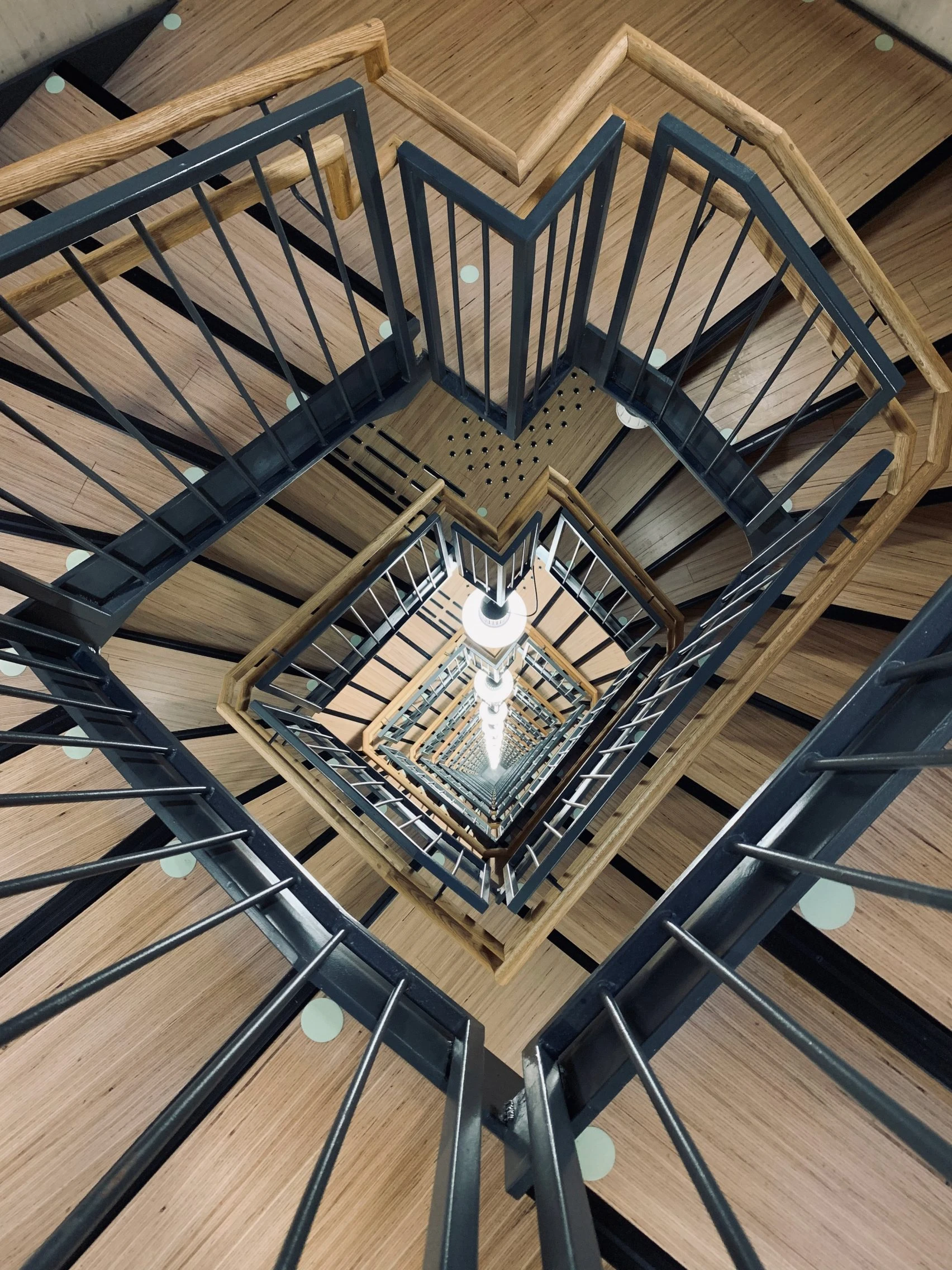
The fire safety strategy for Mjøstårnet relies heavily on the predictable charring of large glulam elements. Burnout tests conducted in 2016 proved that large glulam columns would self-extinguish after a fire event, as the outer layer of charcoal insulates the inner structural core from heat. The building is also protected by a reinforced sprinkler system that covers the interior and parts of the facade.
Ascent, Milwaukee, USA
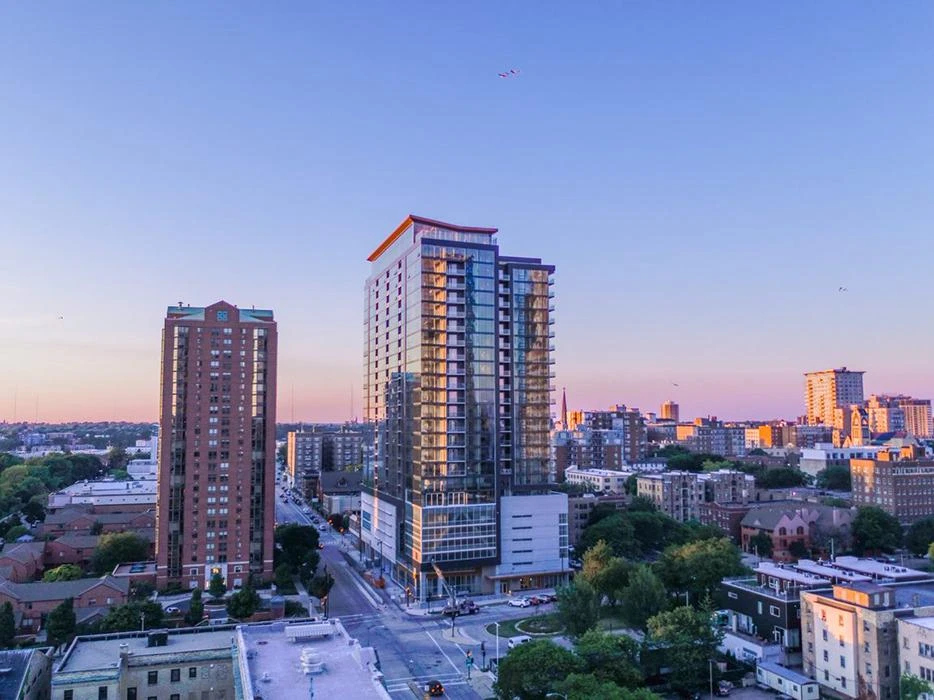
Architects: Korb Architecture
Location: USA
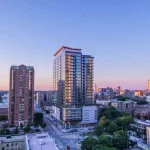
The Ascent project serves as a critical proof-of-concept for mass timber in the North American regulatory context. Standing at 25 stories, it was the world’s tallest timber hybrid structure upon completion in 2022, signaling a shift in the American construction industry’s appetite for wood-based high-rises.
In Milwaukee, building codes historically limited timber structures to six floors. To move Ascent forward, the development team engaged in a two-year variance process with city officials, which included full-scale fire testing of CLT panels. This analysis proved that the partly exposed timber structure could comply with stringent safety requirements for tall buildings, ultimately paving the way for the adoption of more inclusive mass timber provisions in the region.
The project utilized a just-in-time delivery model, which is essential for constrained urban sites. The mass timber was sourced from sustainably managed white spruce forests in Austria, precision-fabricated, and shipped to Milwaukee for rapid assembly. The environmental impact of this choice was substantial, with the building’s wood storing the carbon equivalent of removing nearly 2,400 cars from the road.
Sara Cultural Centre, Skellefteå, Sweden
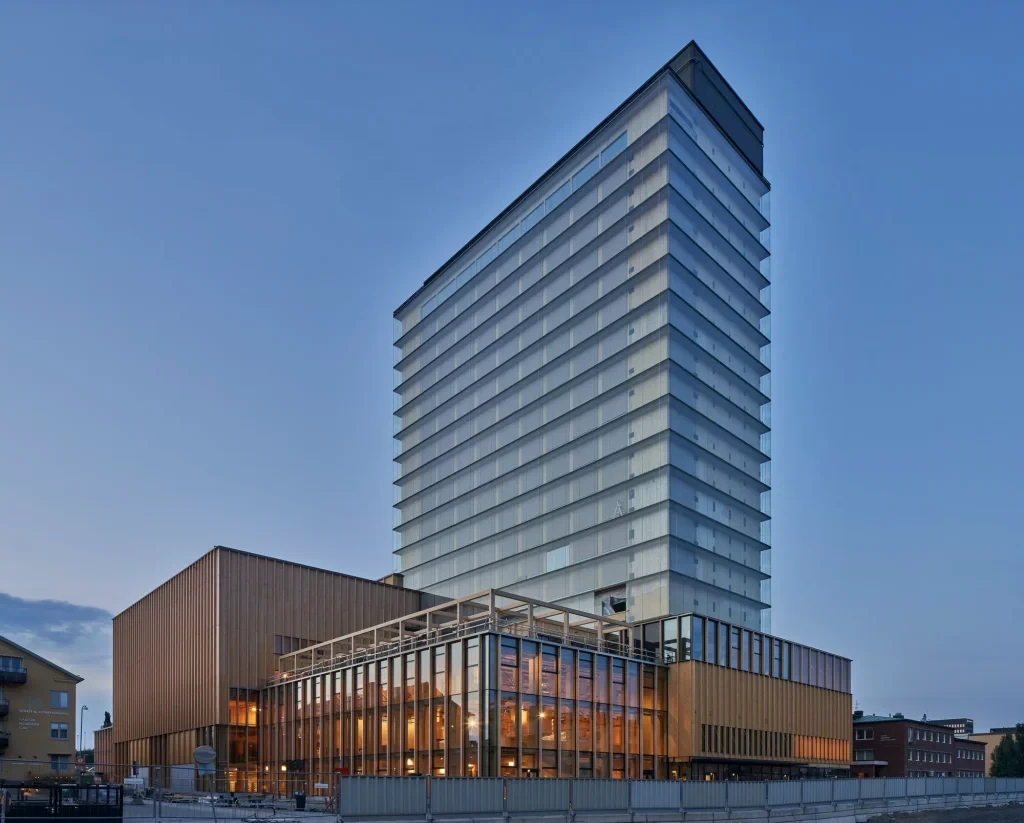
Architects: White Arkitekter
Location: Sweden
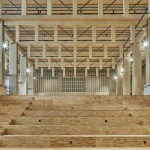
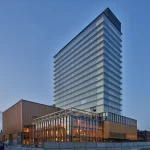
The Sara Cultural Centre exemplifies how mass timber can be integrated into the civic and cultural heart of a city while leveraging regional supply chains. Standing at nearly 80 meters high, the 20-story building is one of Europe’s tallest wooden structures and was built using timber sourced from forests within a 60-kilometer radius of the site.
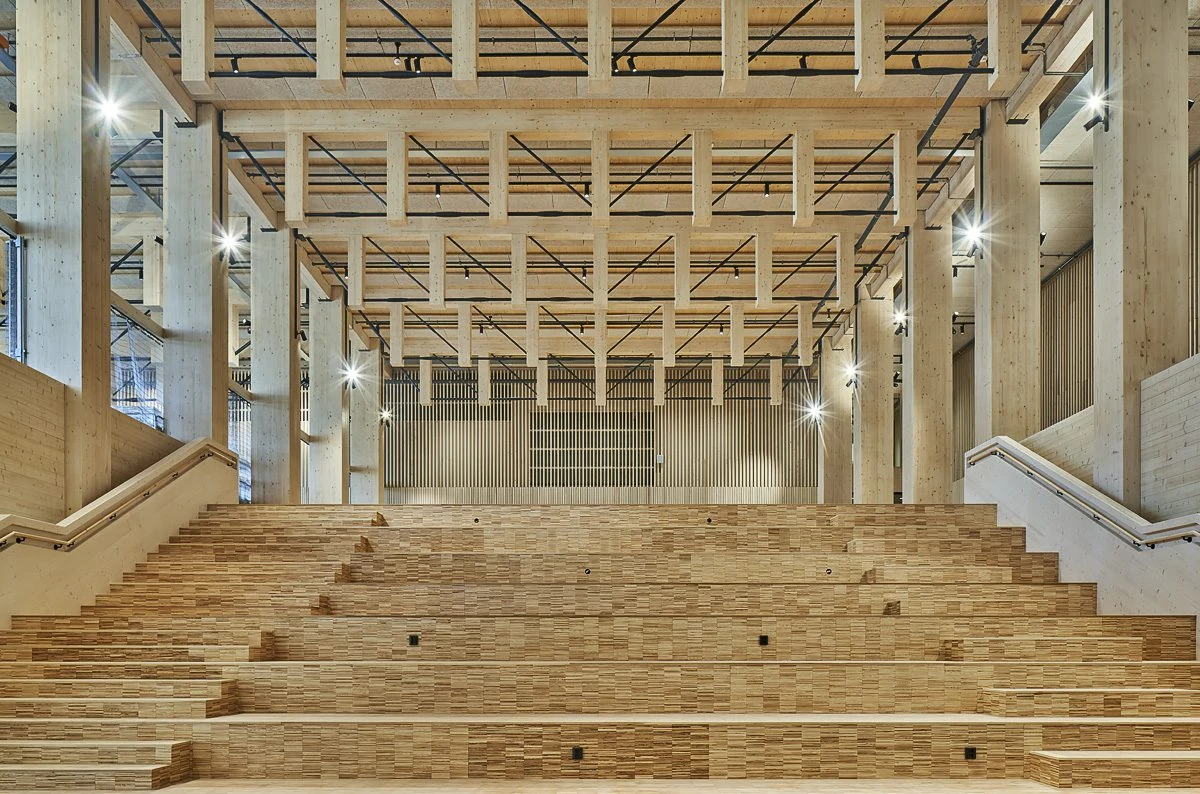
The building uses a bespoke hybrid system to achieve its unique architectural form, which includes a library, museum, theater, and hotel. The hotel tower is constructed from prefabricated CLT room modules placed between two massive CLT elevator cores. In contrast, the expansive foyers and auditoriums of the cultural center utilize glulam and steel trusses to create column-free, flexible spaces.
Brock Commons Tallwood House
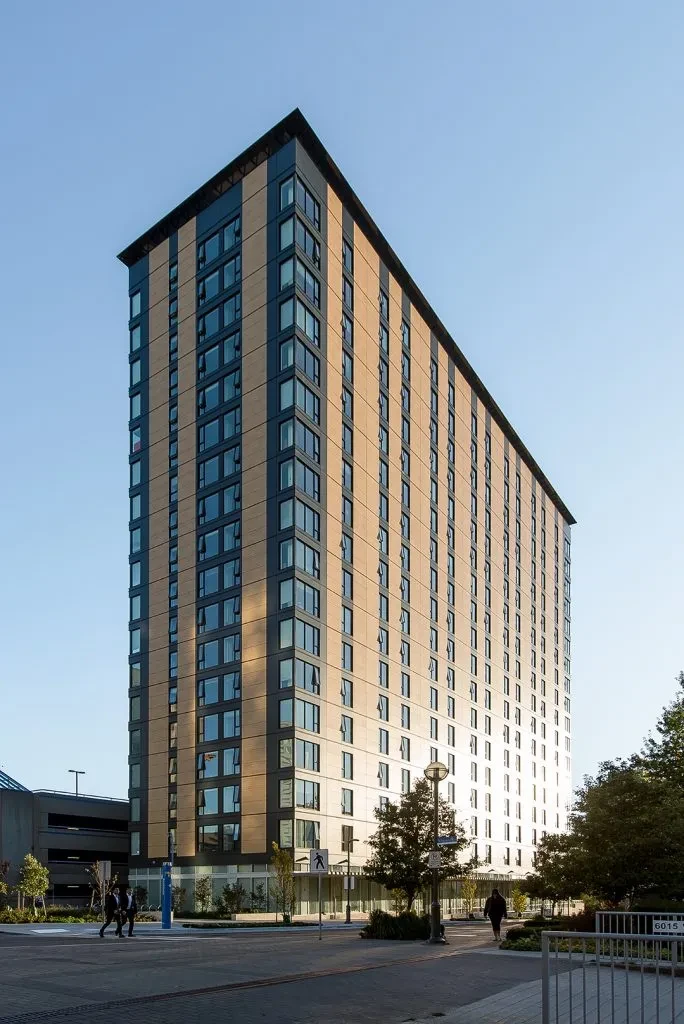
Architects: Acton Ostry Architects Inc.
Location: Vancouver, Canada
Brock Commons Tallwood House, an 18-story student residence at the University of British Columbia, was a pioneering demonstration project that helped catalyze the adoption of mass timber in the 2021 International Building Code (IBC).
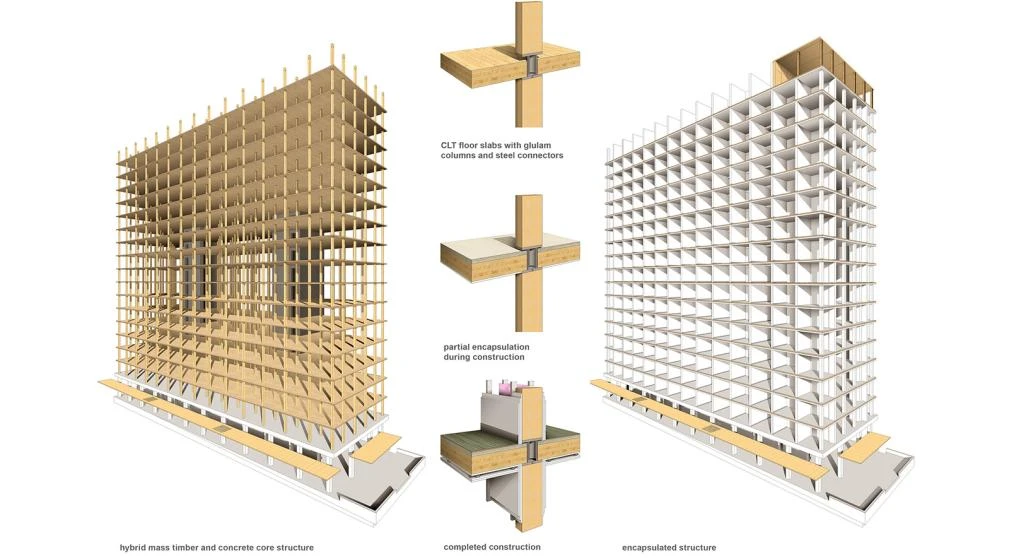
The project team utilized an Integrated Design Process (IDP) and Virtual Design and Construction (VDC) modeling to coordinate structural components with mechanical, electrical, and plumbing (MEP) systems. This meticulous planning allowed for an average erection speed of two floors per week, finishing the mass timber structure four months after the start of construction, two months faster than the original plan.
Mass Timber as the Infrastructure of the Future
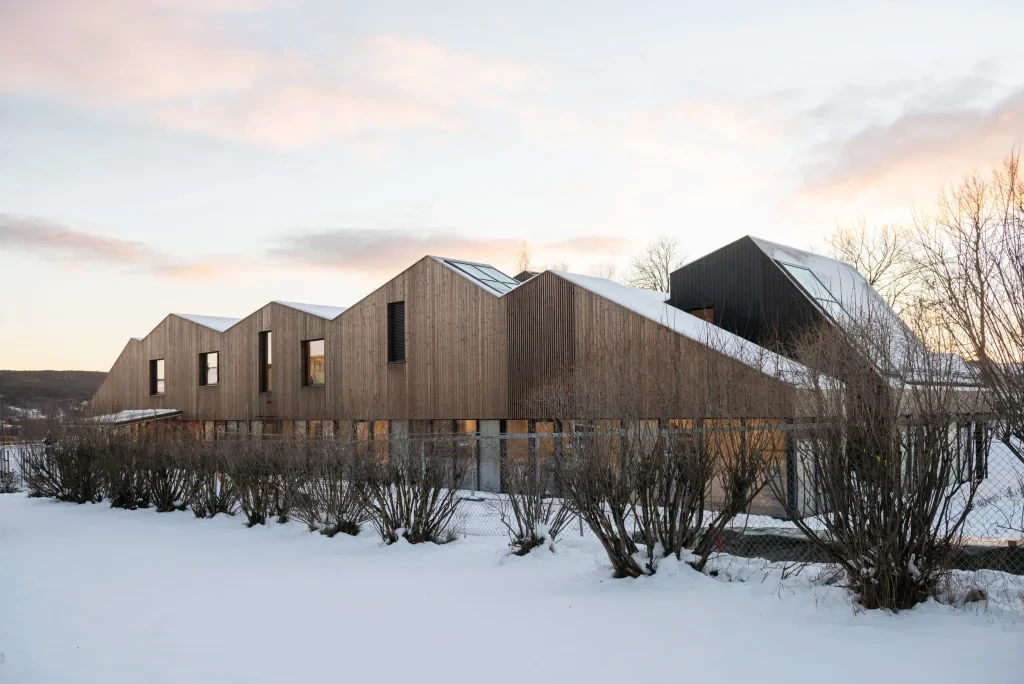
The long-term relevance of any urban material is ultimately measured by its lifecycle efficiency. Mass timber is uniquely positioned for the circular economy through Design for Disassembly. Unlike concrete, which is typically demolished and downcycled, mass timber panels can be mechanically fastened in a way that allows them to be removed and reused in future buildings at the end of a structure’s life.
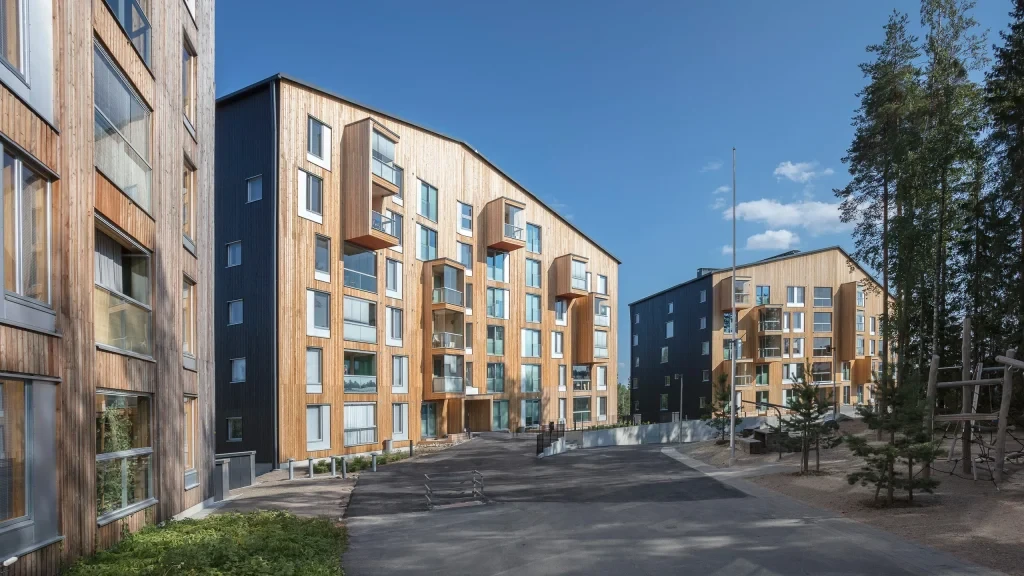
Research projects like the Design for Disassembly Mass Timber System (DFD MTS) are developing standardized modular components that can be reused across different occupancy types, such as transitioning a parking garage into a residential or office space. This approach ensures that the carbon sequestered in the wood remains locked away for multiple generations of buildings.