



Brutalism is no longer a fixed aesthetic defined by heavy concrete and rigid geometry but is being reinterpreted through restoration, sustainability, and more responsive design thinking. What once felt imposing now adapts to contemporary life, shifting toward spaces that are more fluid, ecological, and culturally aware.
This evolution reflects how architecture today is less about preserving a style in isolation and more about reshaping it to stay relevant. The new generation, especially Gen Z, engages with Brutalism as a framework that can evolve, soften, and expand its meaning.
Together, these five shifts reveal how Brutalism is evolving while staying rooted in its core identity.
Focuses on Restoration That Preserves Raw Identity
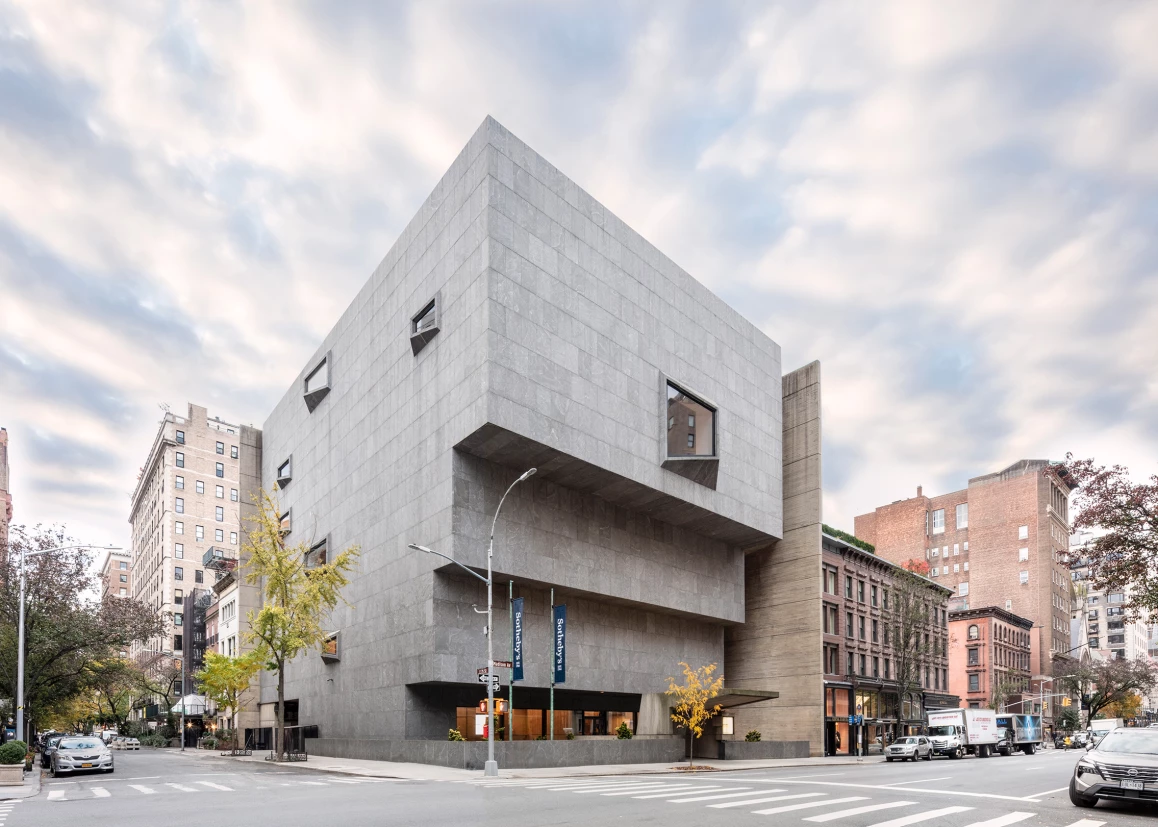
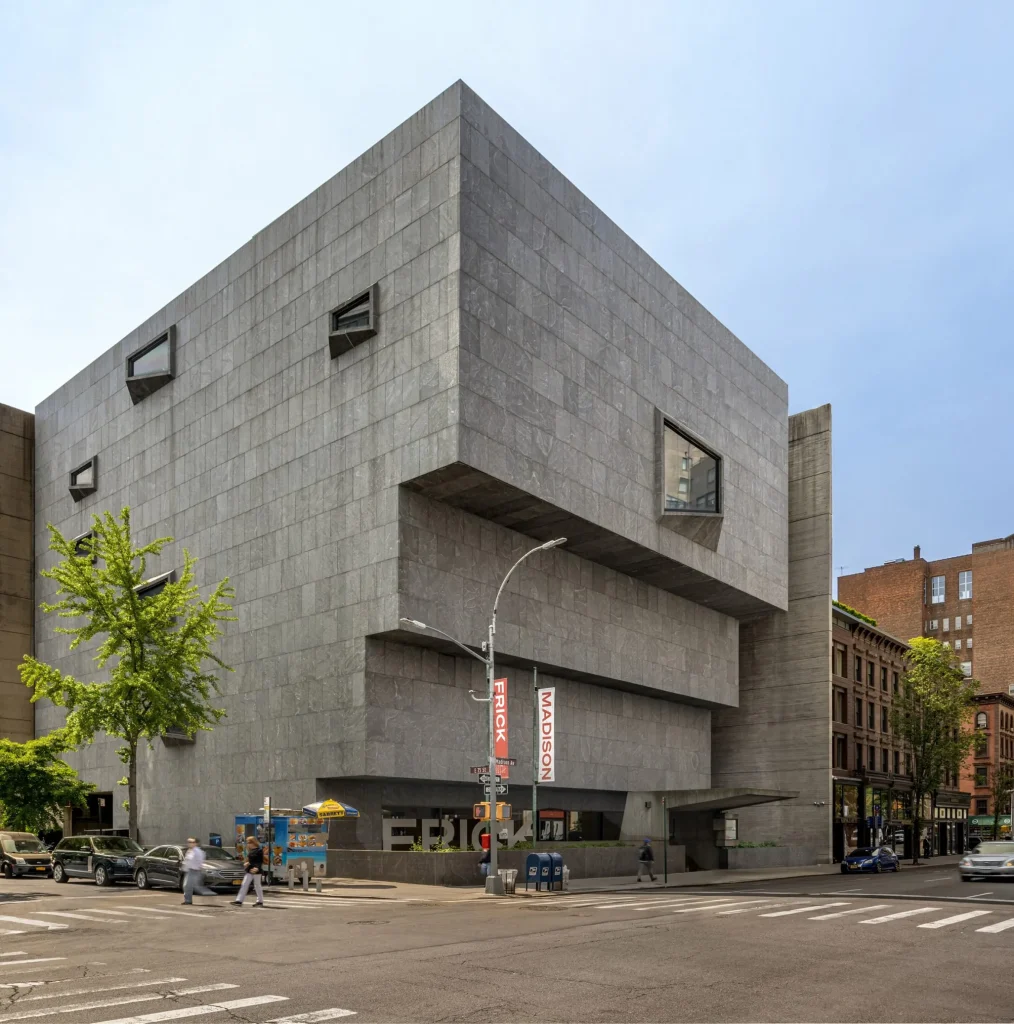
The revival of the Breuer Building by Herzog & de Meuron signals a powerful shift in how Brutalism is treated today. Instead of erasing its presence, architects are choosing to preserve its original material honesty while adapting it for modern use. The raw concrete, deep-set windows, and structural clarity are retained, but updated systems bring new life into the building.
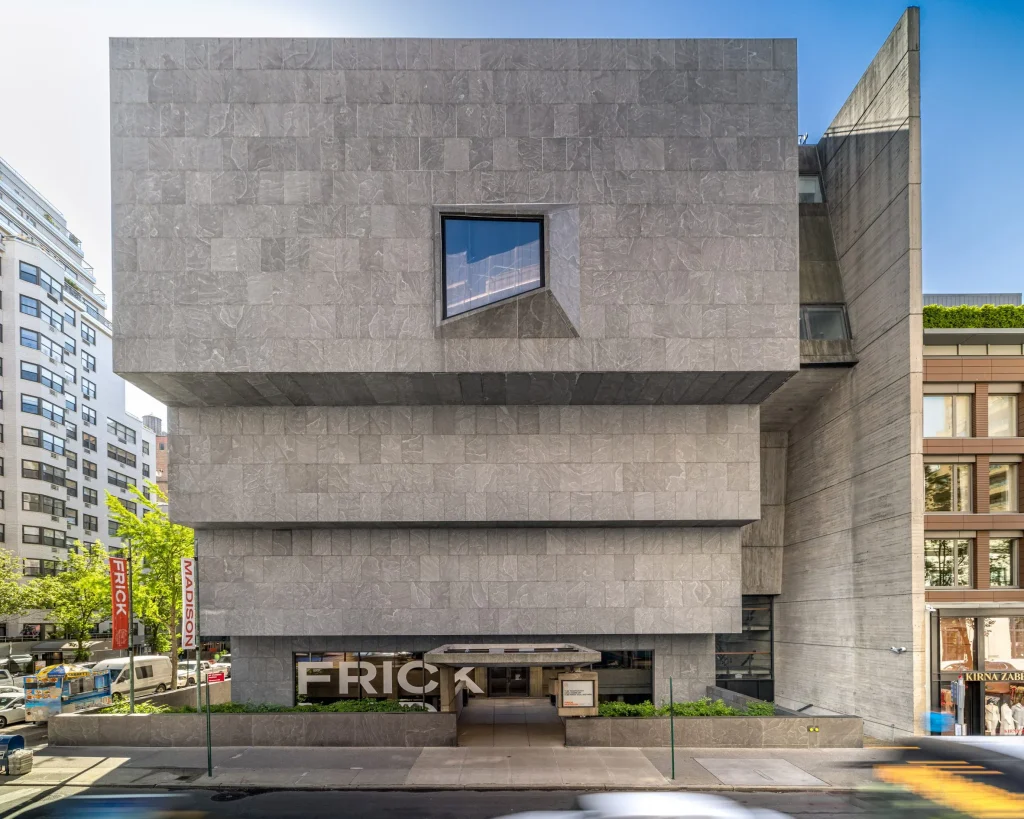
This approach positions restoration as a form of resistance against disposable architecture. We can see Brutalism being respected as cultural memory, which can be carried forward instead of being replaced.
Concrete is Used as Civic Expression
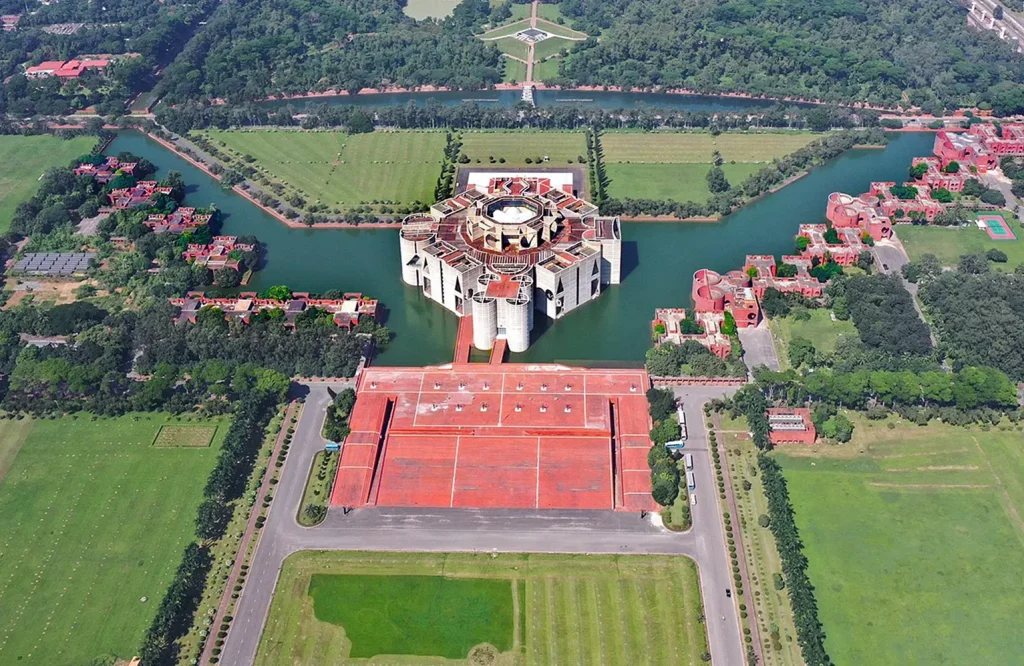
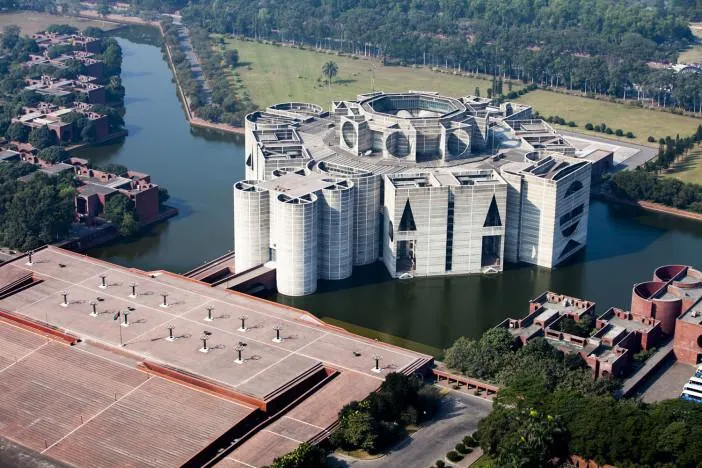
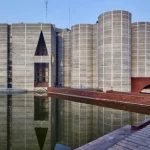
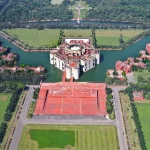
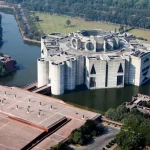
The National Assembly Building by Louis Kahn continues to define monumental geometry and the interplay of light and void go beyond visual impact, expressing democratic ideals through spatial experience.
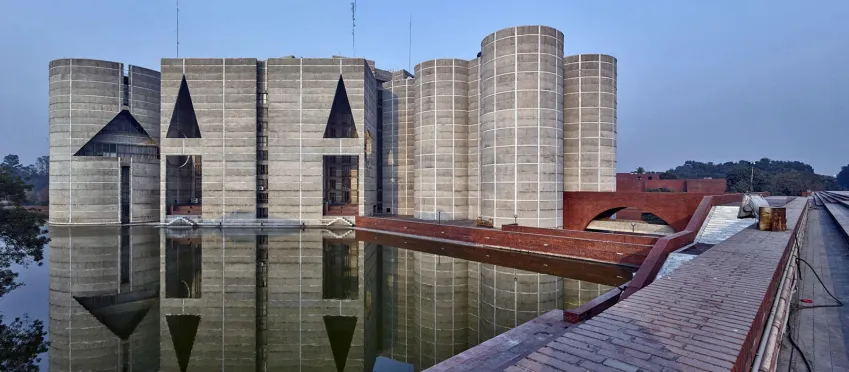
Today, this approach is being re-evaluated, and architects are rediscovering how scale and form can represent collective identity without feeling disconnected from people. Brutalism here becomes less about heaviness and more about intention, with architecture that speaks to public life while remaining deeply symbolic.
The Rise of Sculptural Brutalism
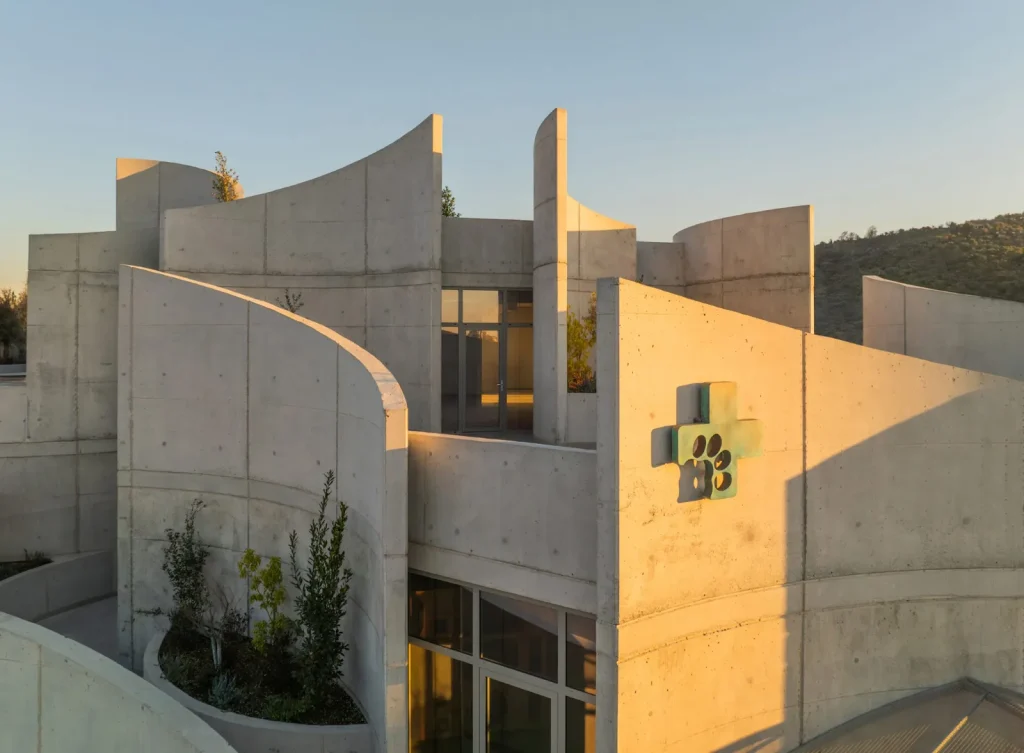
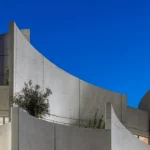
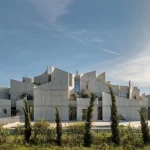
The Vet Hospital Tirana by Davide Macullo challenges the long-held association of brutalism with rigid forms. Curved concrete walls, fluid circulation, and layered spatial experiences redefine how the material behaves. These forms soften the psychological weight often linked to Brutalist structures, making them more engaging and humane.
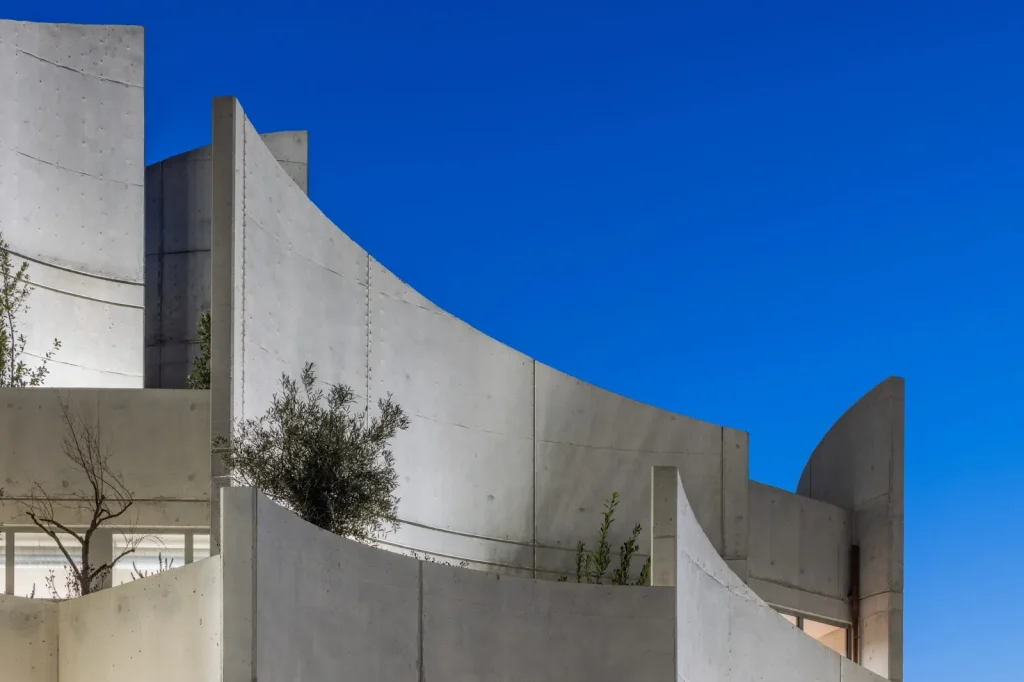
In such a scenario, Brutalism evolves beyond a static mass and transforms into something dynamic and expressive. This sculptural shift aligns with contemporary sensibilities, where architecture is expected to evoke emotion as much as it provides function.
Concrete Meets Conscious Design with Eco-Brutalism
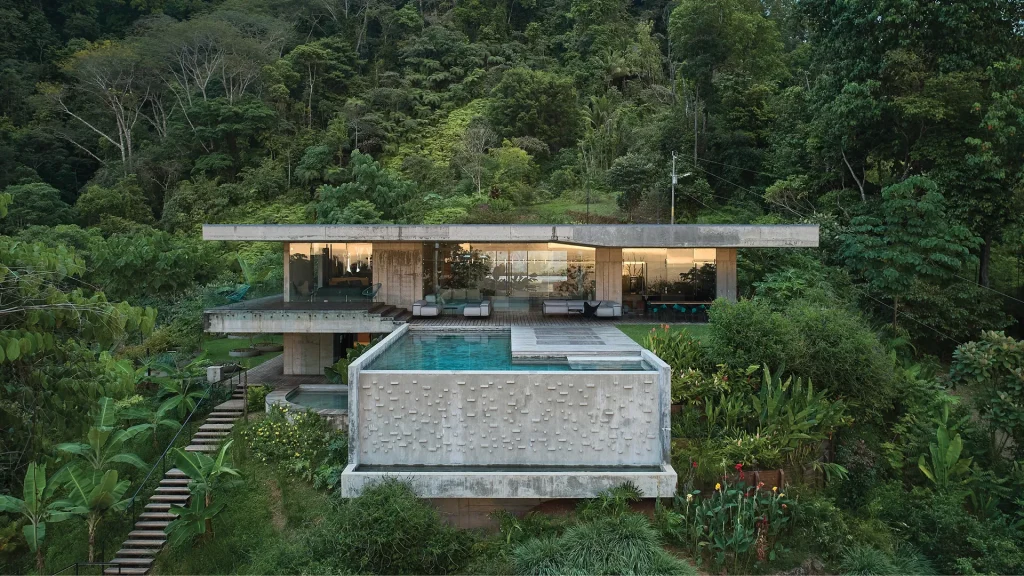
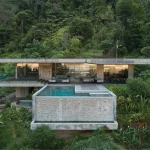
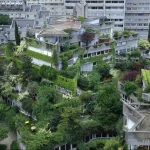
Sustainability is reshaping Brutalism in fundamental ways as the rise of Eco-Brutalism introduces vegetation, passive strategies, and climate-responsive systems into what was once a purely material-driven approach. Green facades, rooftop landscapes, and integrated ecosystems soften the visual harshness of concrete while improving environmental performance.
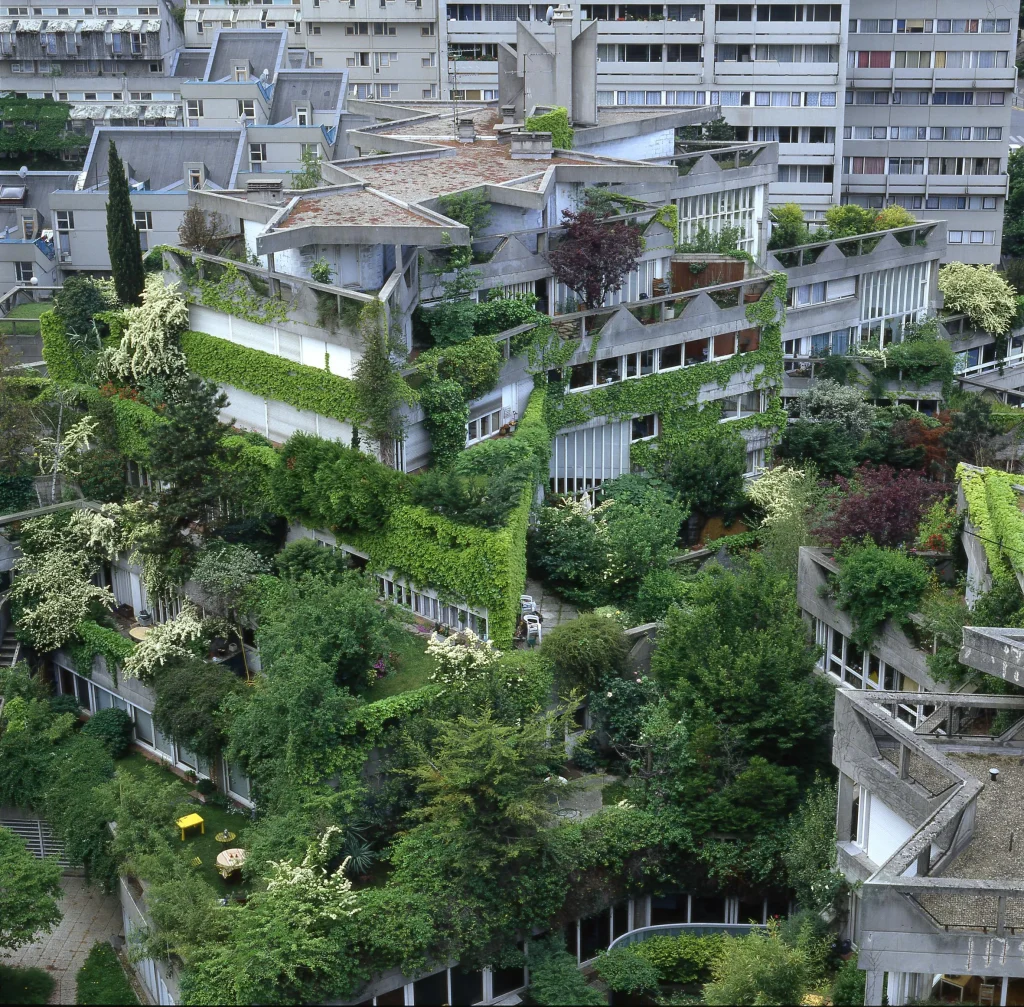
This reflects a broader cultural shift, particularly among Gen Z, toward design that balances aesthetics with responsibility. Brutalism is also about integration, where nature and structure coexist and do not compete.
Hybrid Spaces Function Beyond Single Use
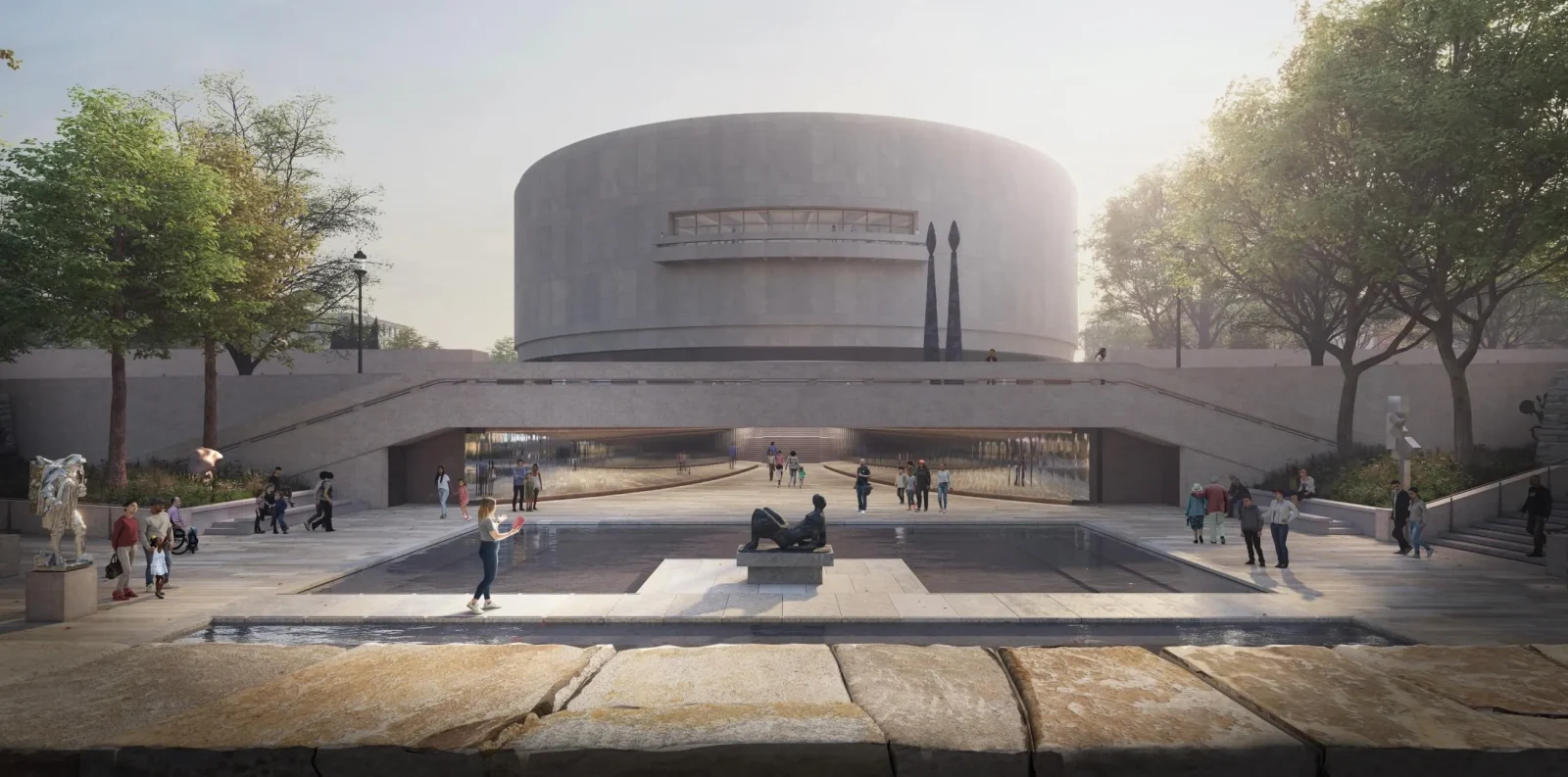
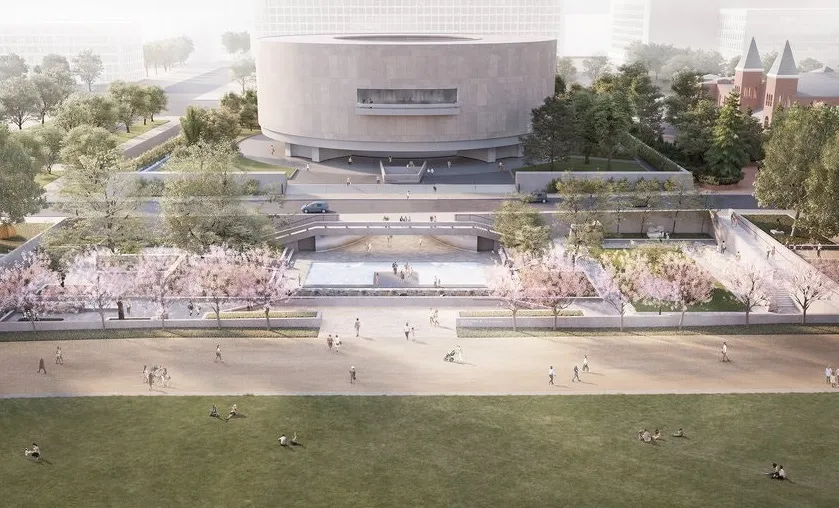
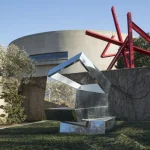
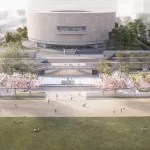
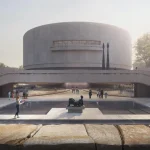
Brutalist buildings are also being reprogrammed to support multiple functions. The transformation of the Hirshhorn Museum and Sculpture Garden by Gordon Bunshaft highlights how these structures adapt to evolving cultural needs. Spaces once designed for a single purpose now host exhibitions, public events, and social interaction simultaneously.
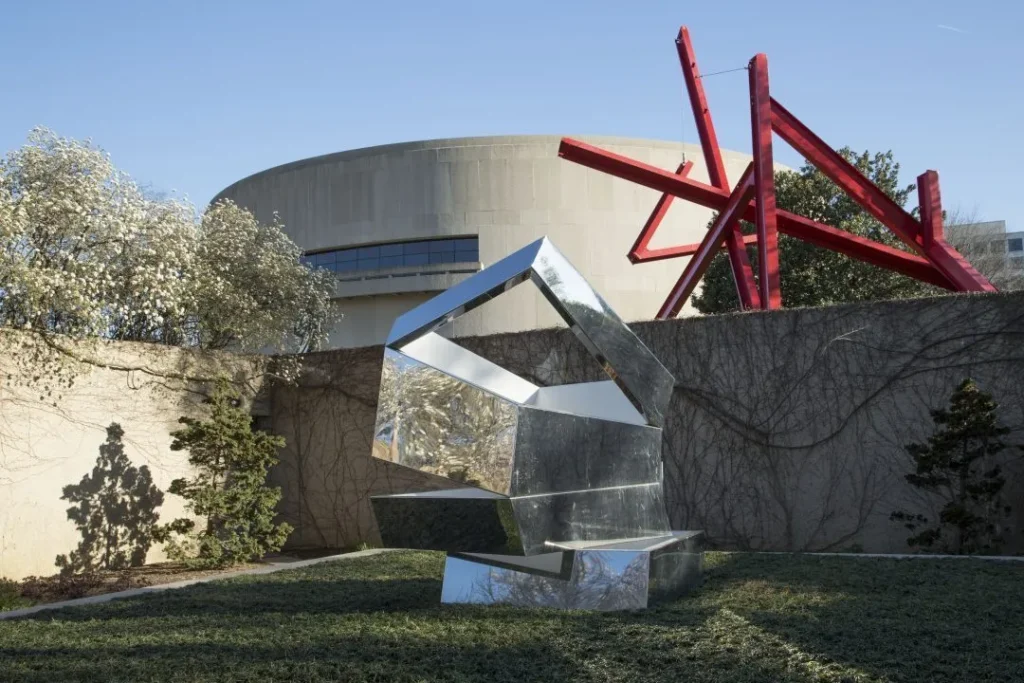
This layering of functions reflects how architecture is expected to perform today so that it is flexible, inclusive, and constantly evolving. Brutalism, once perceived as rigid, is proving surprisingly adaptable in this context.
As a result, Brutalism cannot be defined by weight alone, as it is being reshaped into something far more responsive. What emerges is a version of Brutalism that aligns with how we can experience space today, which is layered, conscious, and evolving.
The material may remain the same, but its meaning continues to expand, proving that even the most uncompromising architectural movements can adapt to a changing world, integrating innovation, sustainability, and human-centered design.