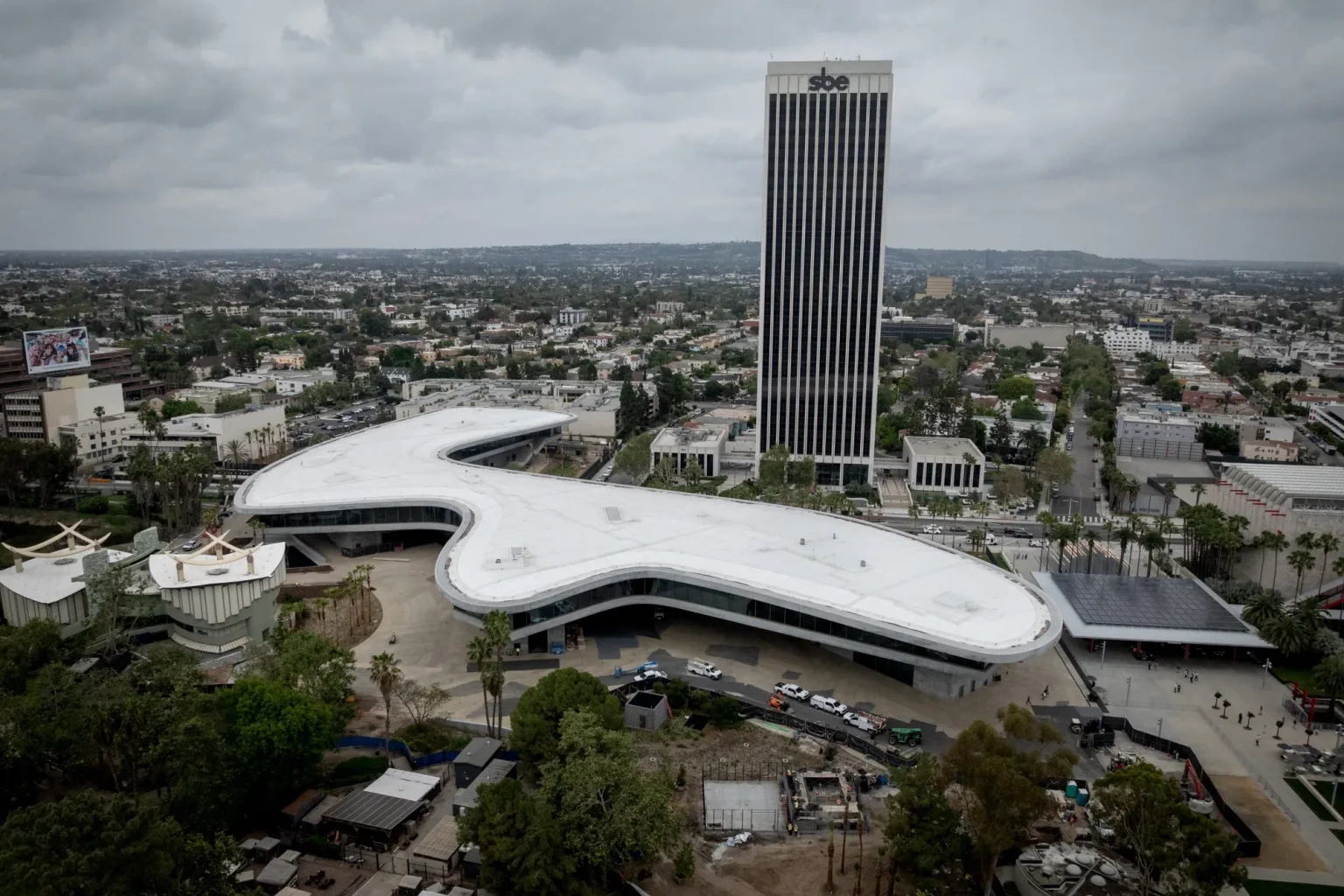



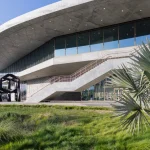
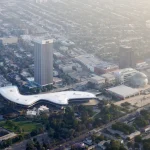
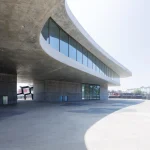
The opening of the David Geffen Galleries at the Los Angeles County Museum of Art marks one of the most significant cultural projects in recent American architecture. Designed by Peter Zumthor, the building completes a transformation more than two decades in the making, positioning LACMA as a leading global institution while reshaping its physical identity. Opened in April 2026, the project replaces much of the museum’s earlier campus with a single, continuous structure that hovers above Wilshire Boulevard, signalling a decisive break from the traditional museum model.
LACMA David Geffen Galleries Architectural Form
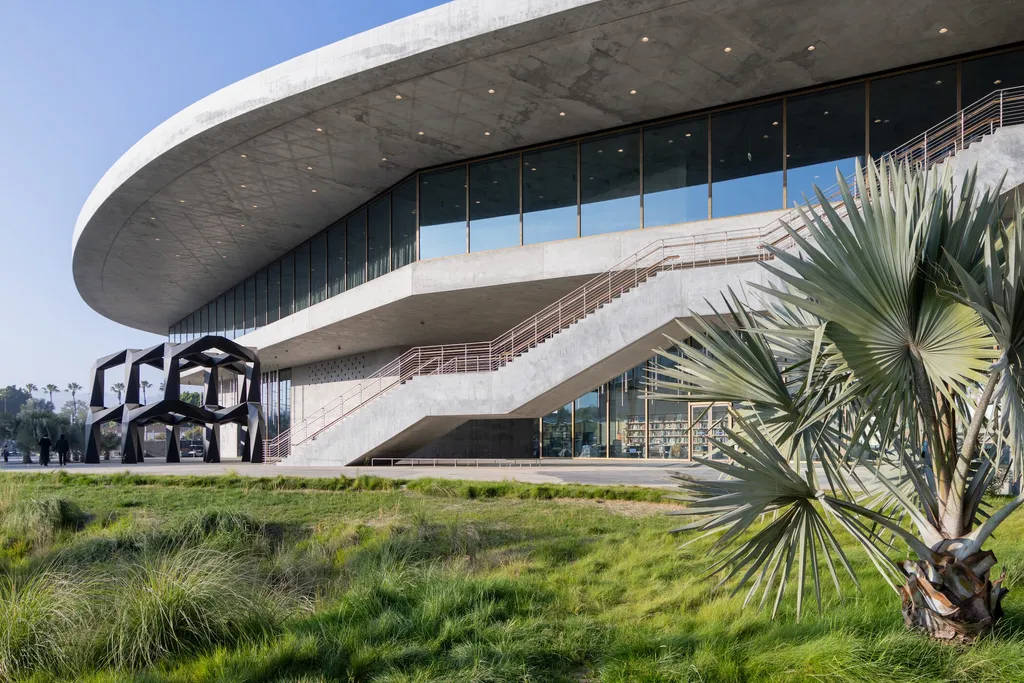
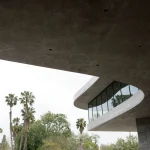
Stretching approximately 900 feet in length, the building spans across the city fabric like an infrastructural gesture. Elevated roughly 30 feet above ground, it creates a porous ground plane while asserting a strong horizontal presence in the urban landscape.
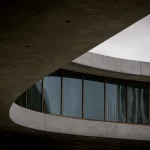
Its amorphous, amoeba-like plan resists symmetry and rejects the idea of a singular façade. Instead, the structure reads as a continuous loop of galleries, reinforcing Zumthor’s intention to dissolve hierarchy both spatially and institutionally. The building’s concrete mass and glass perimeter establish a dialogue with Los Angeles’s light, which becomes a defining architectural material throughout the day.
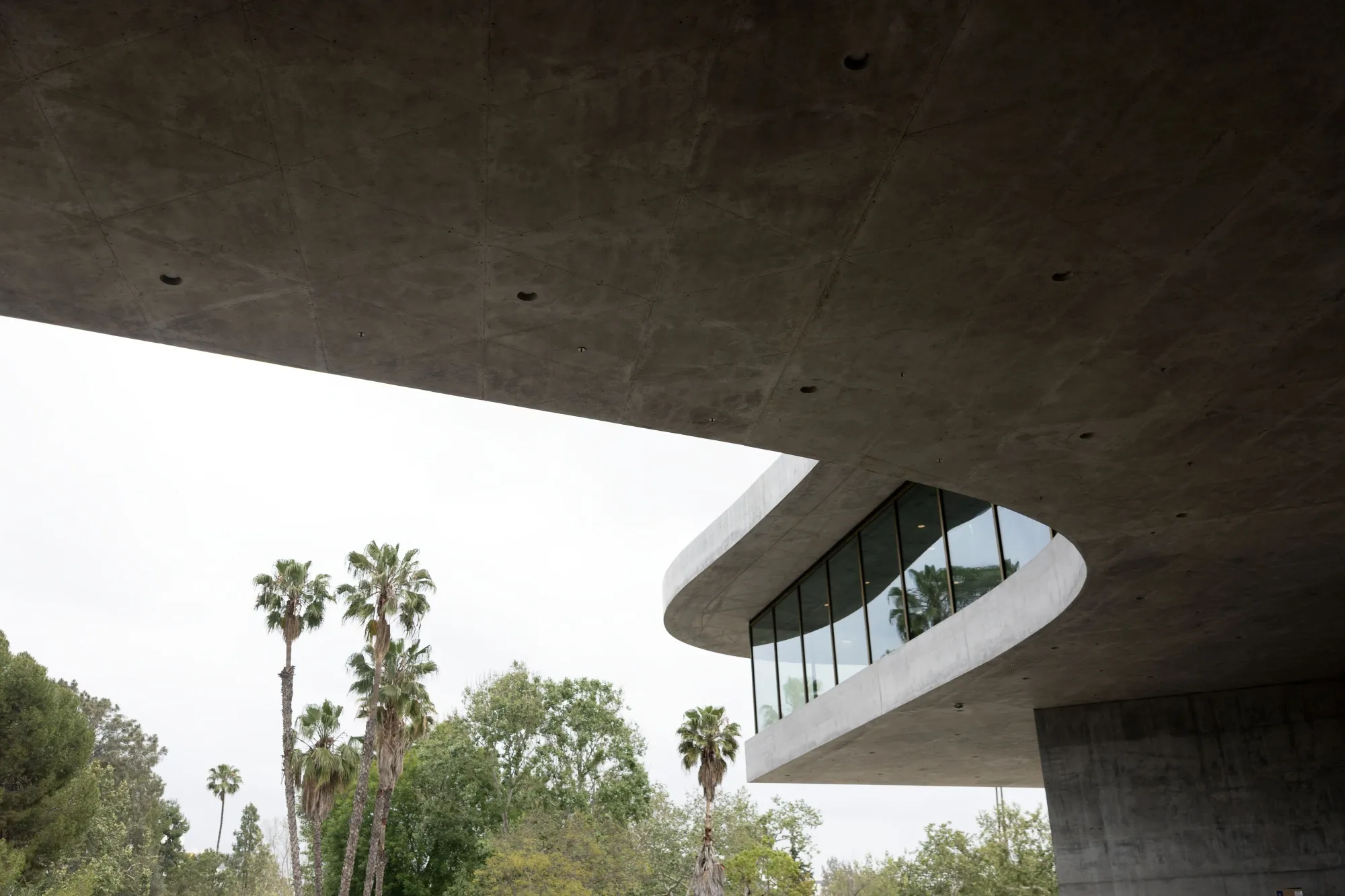
Concrete dominates the architectural language, forming both the structural frame and interior surfaces. The material is treated as a sensory medium, absorbing and reflecting light in shifting ways. Externally, the building can appear austere or even heavy under midday sun, yet it softens in the evening, when light interacts with its surfaces and reveals a more nuanced character.
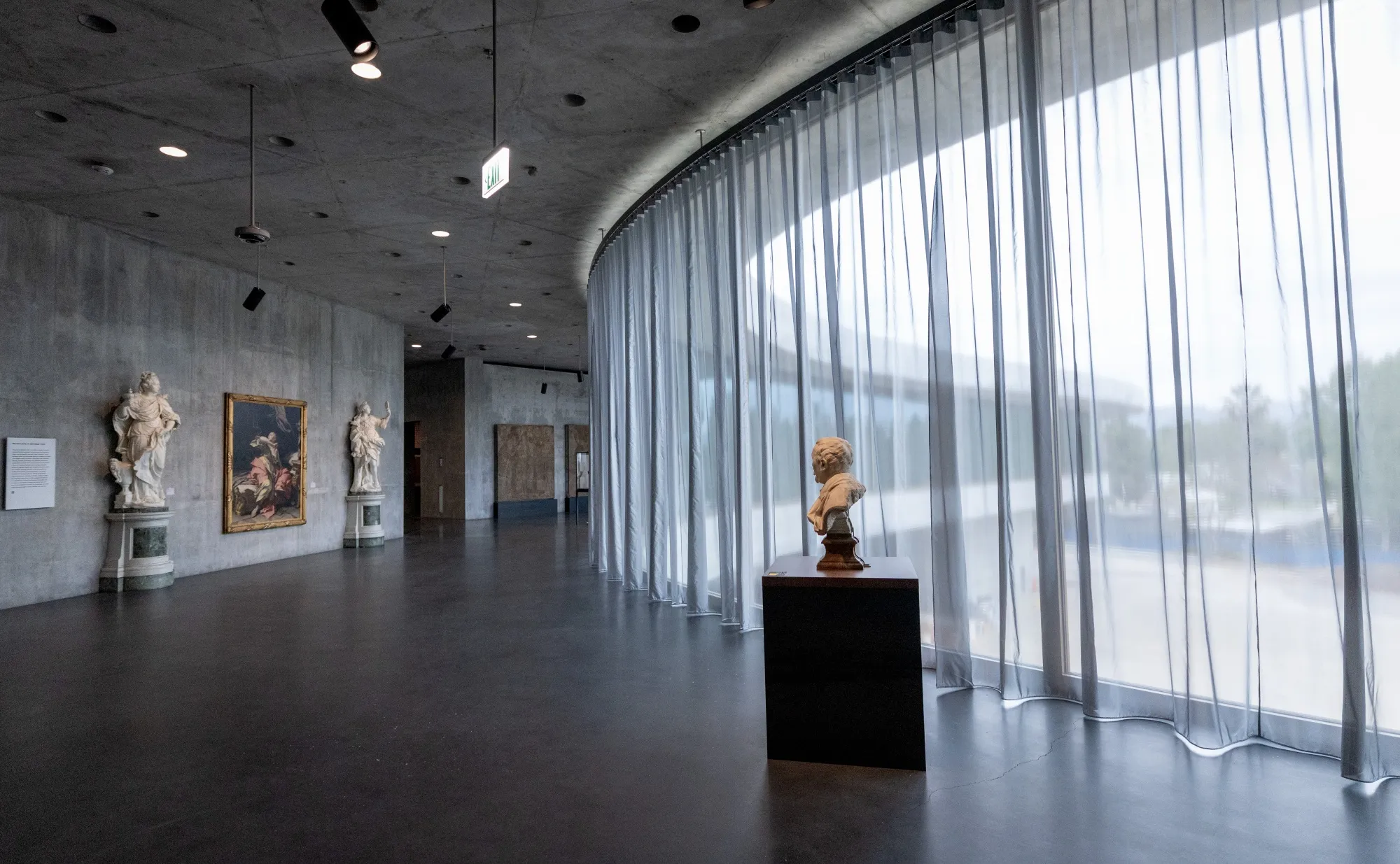
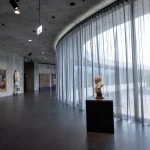
Inside, controlled natural light enters through perimeter glazing and clerestories, moderated by UV-protected glass and layered textile screens. These elements allow sensitive artworks to coexist with daylight while maintaining a consistent ambient glow. The restrained palette of dark-toned finishes further enhances the perception of depth and atmosphere within the galleries.
A Non-Hierarchical Museum Experience
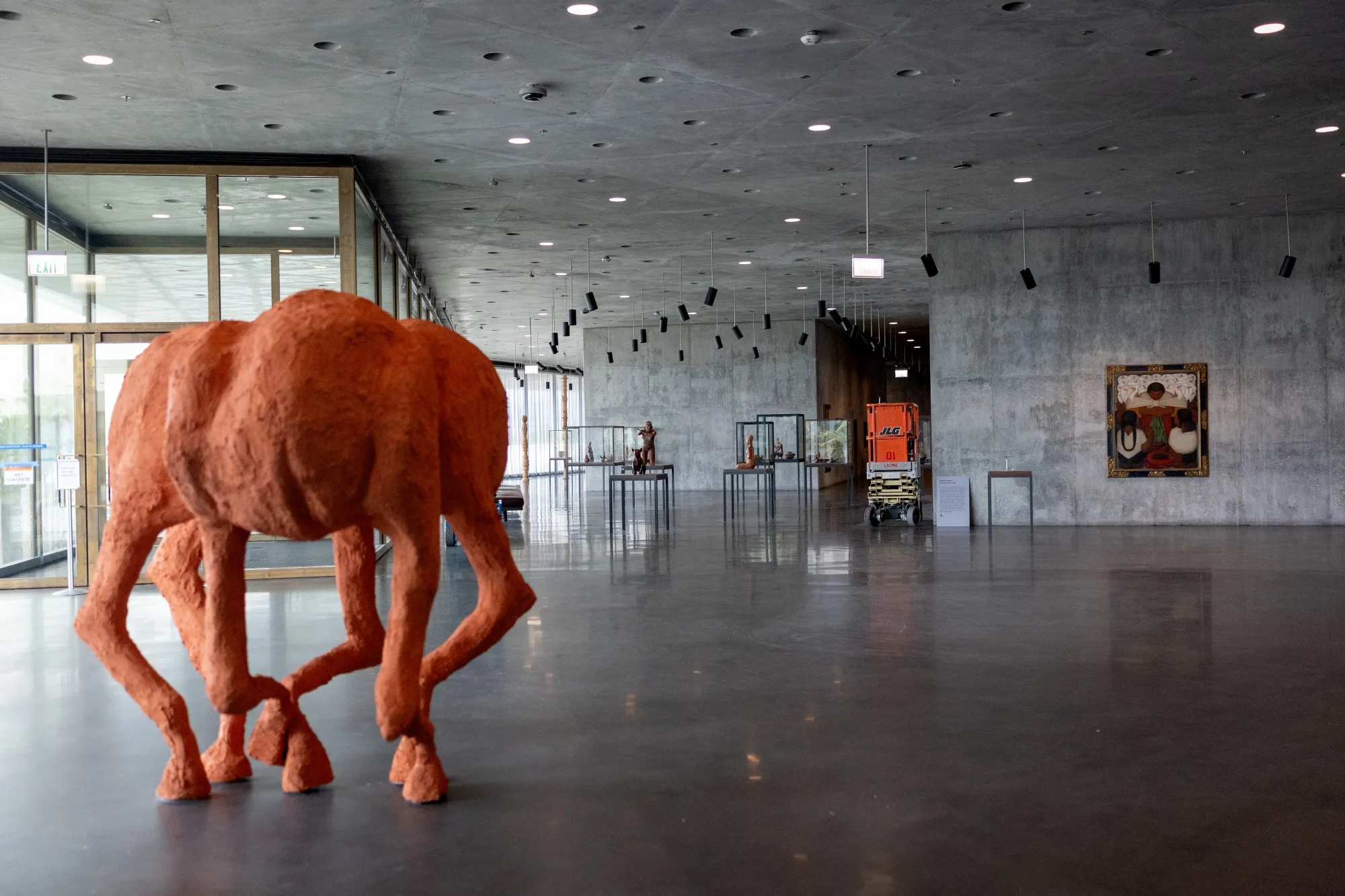
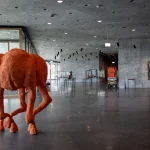
At the core of the design is a radical curatorial concept: the elimination of chronological and geographical hierarchies. The galleries unfold as a continuous sequence on a single level, allowing visitors to navigate freely without prescribed routes. The inaugural installation is structured around bodies of water, including the Pacific, Atlantic, and Indian Oceans. This approach reframes art history as a network of exchanges and connections, aligning spatial design with curatorial intent.
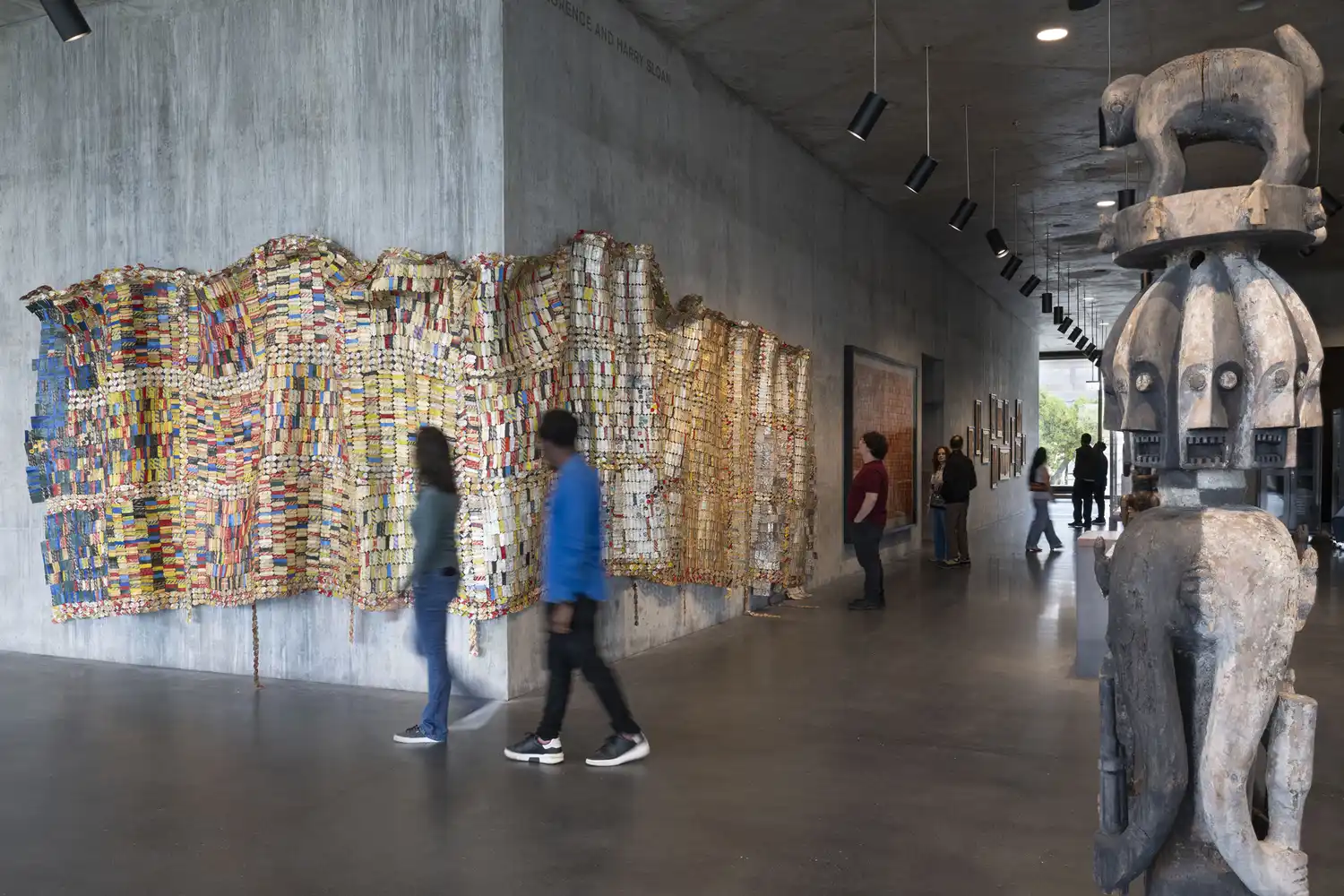
The result is an environment that encourages exploration and serendipity. Visitors are guided to make their own pathways, encountering unexpected objects from different cultures and eras.
Building Scale and Structural Design
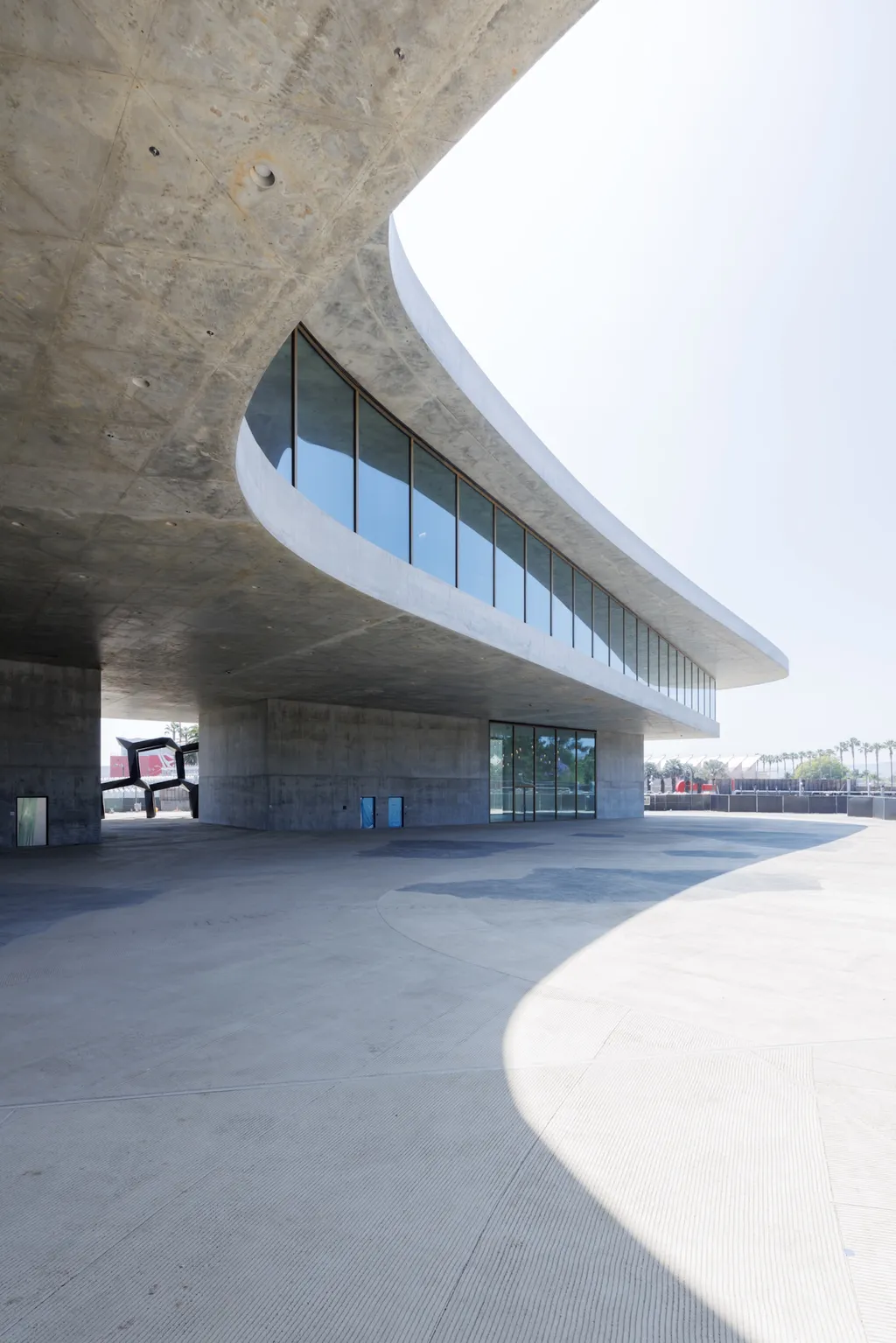
With approximately 110,000 square feet of gallery space, the building accommodates between 2,500 and 3,000 objects at any given time. This scale allows LACMA to present its encyclopedic collection in a unified setting, reinforcing its identity as the largest art museum in the western United States. The building’s elevated form required significant engineering coordination, particularly in spanning a major urban artery. The collaboration with engineering firm SOM ensured that the sweeping concrete volume could maintain both structural integrity and spatial continuity.
Public and Critical Response
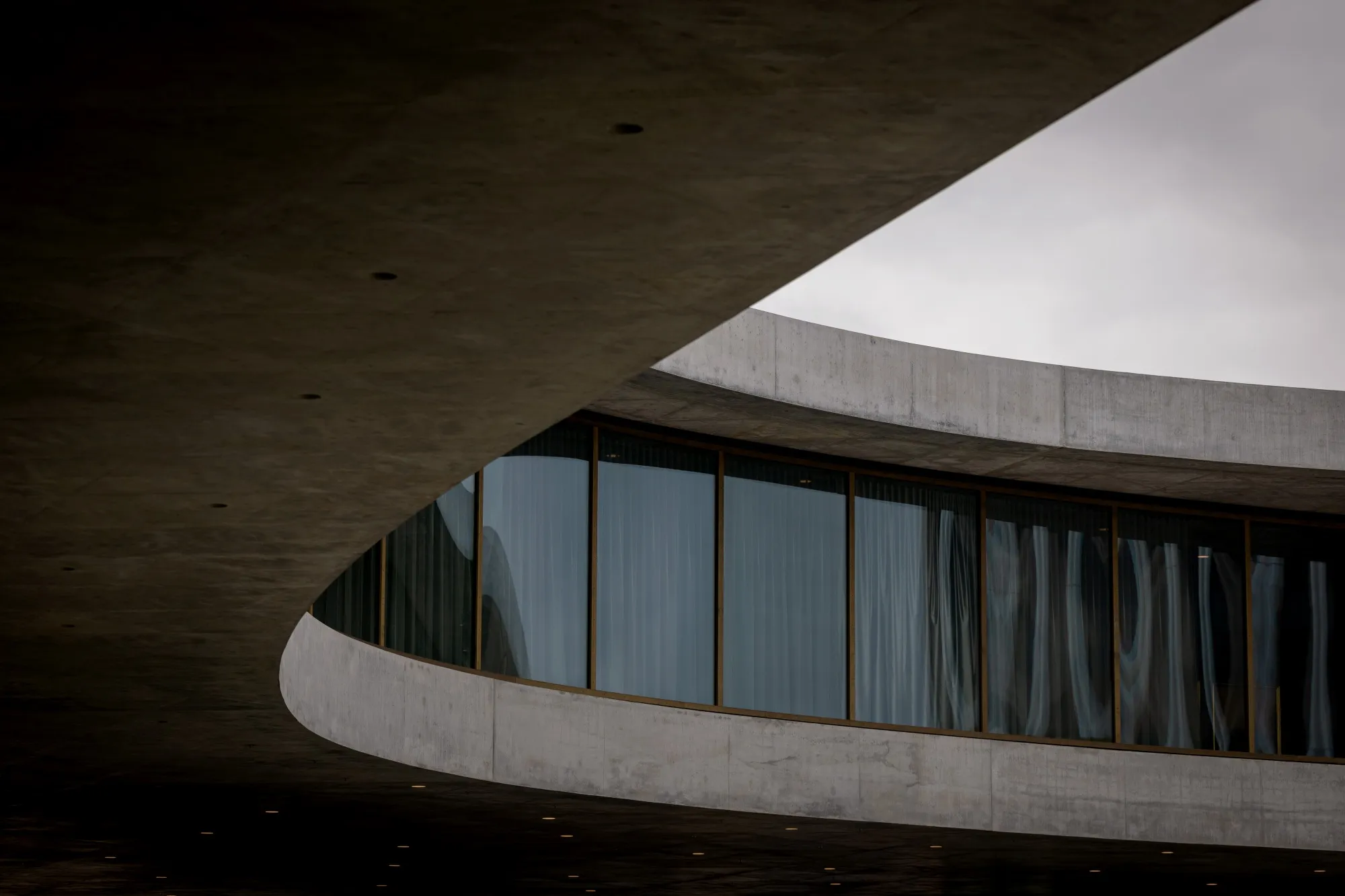
Since its opening, the David Geffen Galleries have generated polarised responses. Critics have questioned the building’s heavy materiality, dim interiors, and unconventional layout, suggesting that the pursuit of spatial freedom can verge on disorientation.
Others, however, view the project as a bold rethinking of the museum typology. Its emphasis on openness, fluid circulation, and cultural inclusivity reflects the complexity of Los Angeles itself. The building’s success, for many, lies not in formal perfection but in its ability to create an experiential, evolving relationship between art, architecture, and the city.
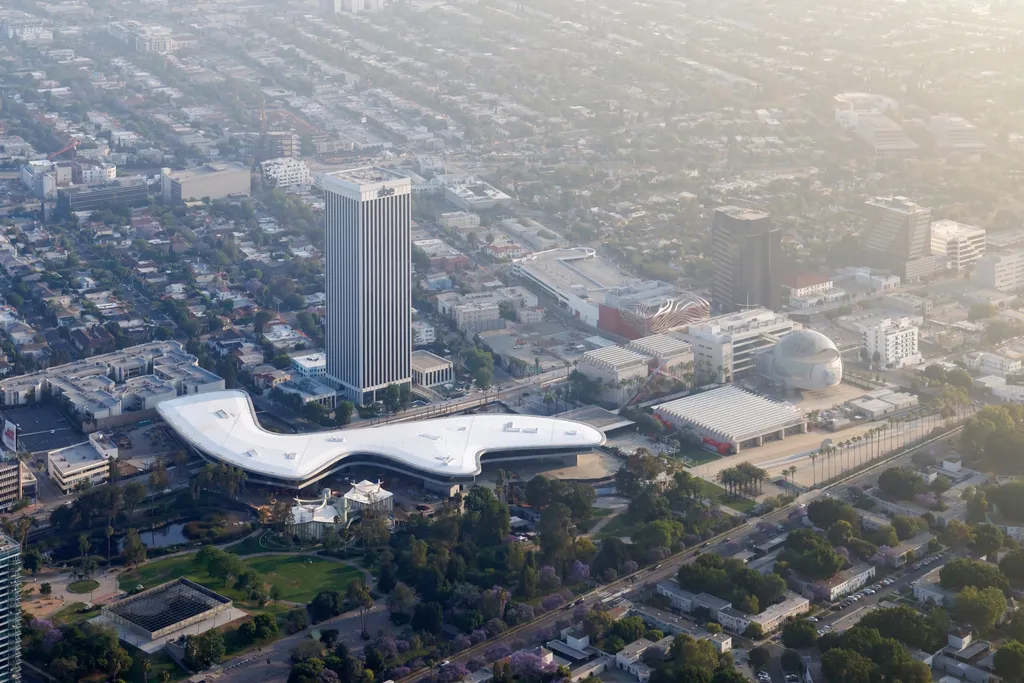
Eventually, the David Geffen Galleries function as a piece of cultural infrastructure, bridging art and urban life while redefining how collections are experienced. By rejecting hierarchy and embracing ambiguity, Zumthor’s design aligns architecture with contemporary modes of thinking about culture, identity, and global exchange. In doing so, LACMA reshapes the conditions under which art is seen, understood, and connected to the world beyond its walls.