





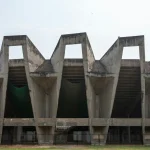
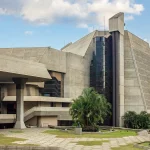
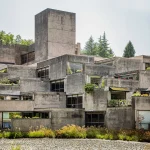
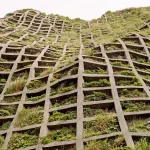
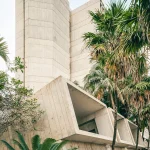
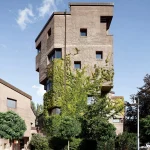
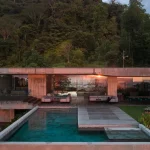
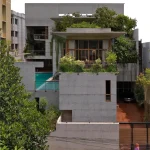
The contemporary architectural and design landscape is defined by a profound and seemingly contradictory tension. On one hand, there is a global resurgence of interest in Brutalism, a movement once decried as cold, oppressive, and utilitarian. On the other hand, the rapid ascent of biophilic design reflects an urgent psychological need to reintegrate the built environment with the natural world.
While these movements appear opposed, one celebrating the raw power of industrial concrete and the other the restorative vitality of living systems, they are, in fact, two sides of the same cultural coin. Both have emerged as dominant aesthetic obsessions in an era of acute cultural anxiety, acting as spatial responses to the fragmenting forces of digital abstraction, economic instability, and environmental uncertainty.
The Ethical Foundations of Brutalism
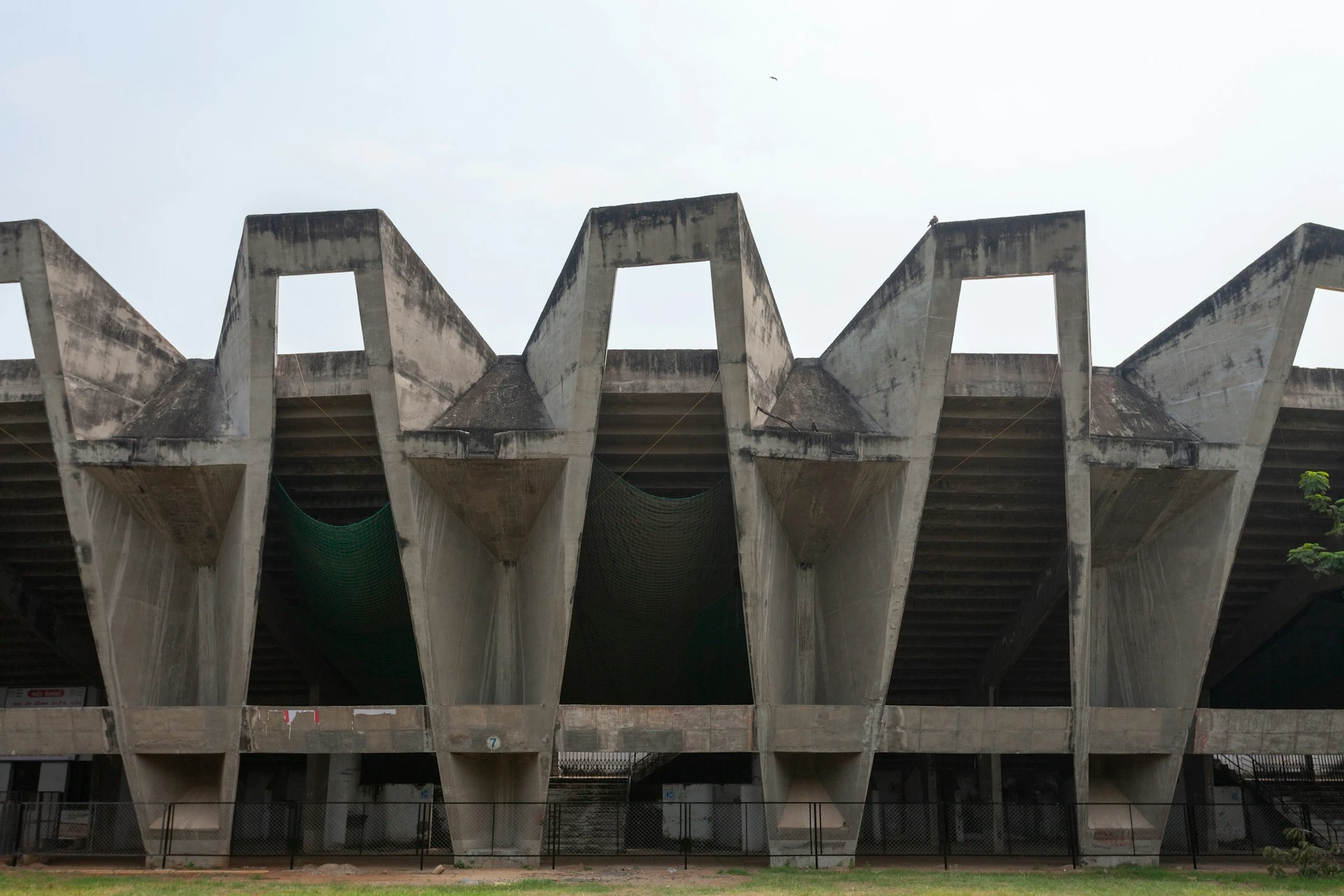
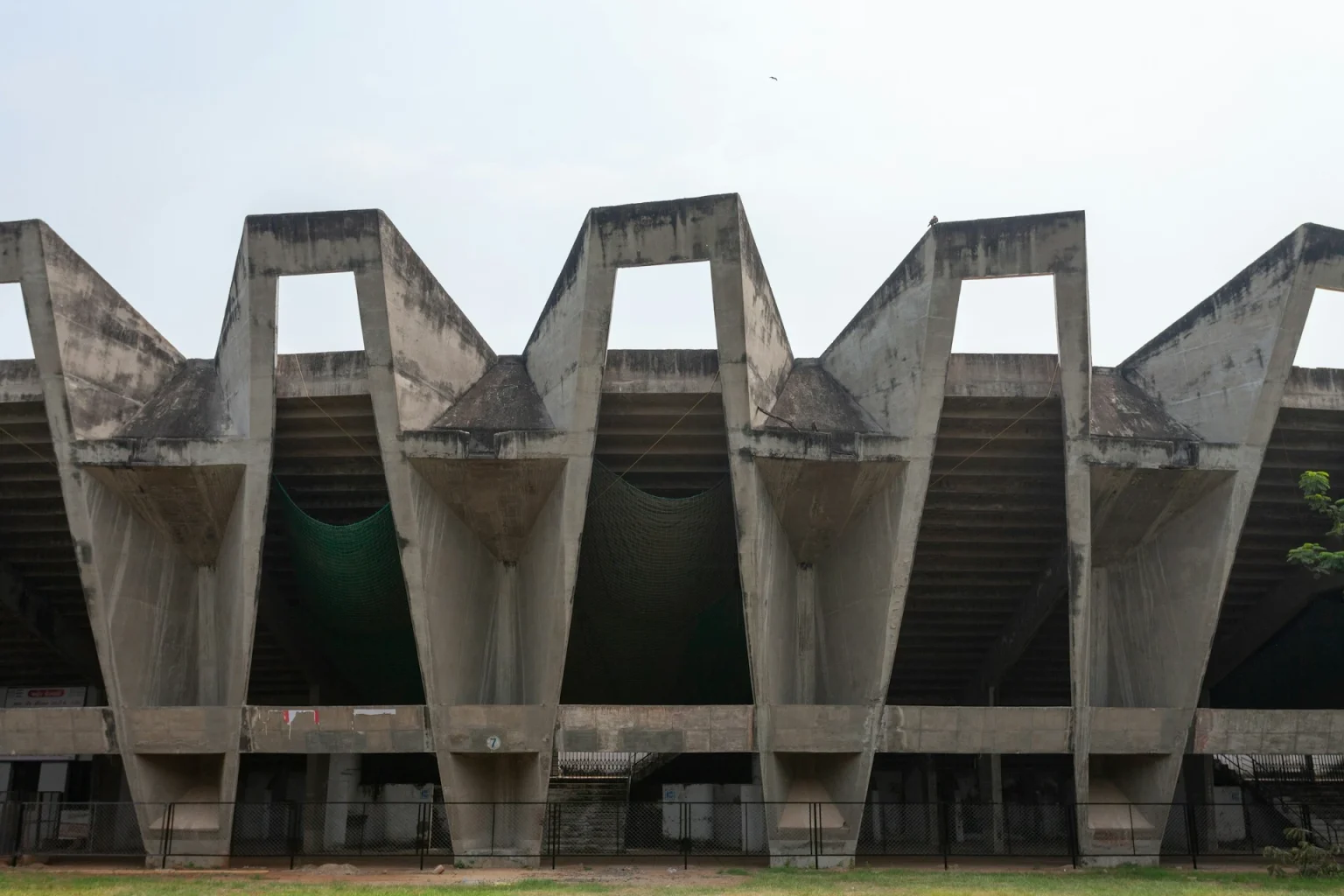
To understand the modern obsession with Brutalism, one must first deconstruct its original intent, which was far more ethical than aesthetic. Emerging in the 1950s as a reaction against the decorative nostalgia of the 1940s, New Brutalism was conceived by British architects Alison and Peter Smithson as a commitment to honesty in architecture.
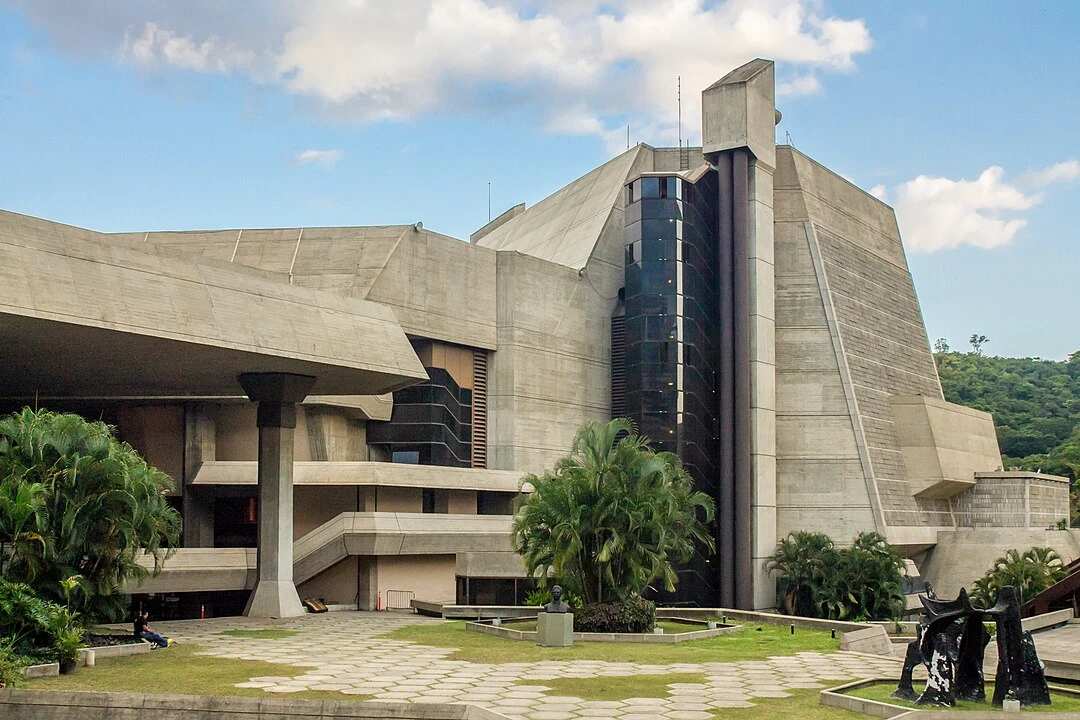
The term itself, derived from the French béton brut (raw concrete), signifies a refusal to disguise the essential nature of a building’s materials, its construction process, or its mechanical functions. The intellectual roots of this movement lie in the legacy of Le Corbusier, the debates of the Congrès Internationaux d’Architecture Moderne (CIAM), and the critical stance of a younger generation of architects who embraced directness, weight, and physical presence over the idealized, abstract forms of pre-war modernism.
The Philosophy of Material Honesty and the As Found Aesthetic
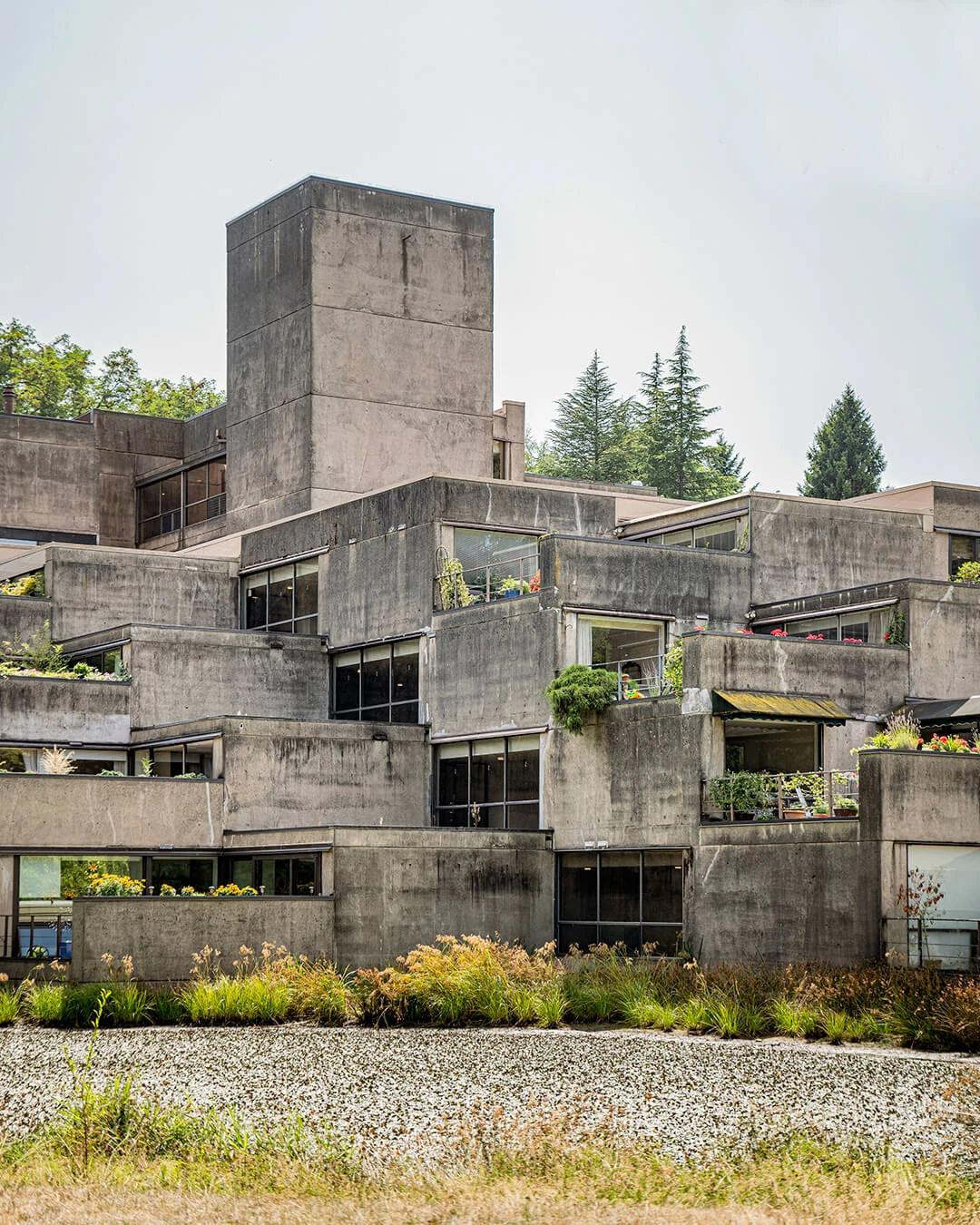
At its core, the Brutalist project was a search for truth in an era of post-war reconstruction. After 1945, vast parts of Europe were destroyed, and cities faced an unprecedented housing crisis alongside an urgent need for schools, universities, and government infrastructure. In the United Kingdom, the size of the challenge meant that cities like London became exciting testing grounds for new ideas.
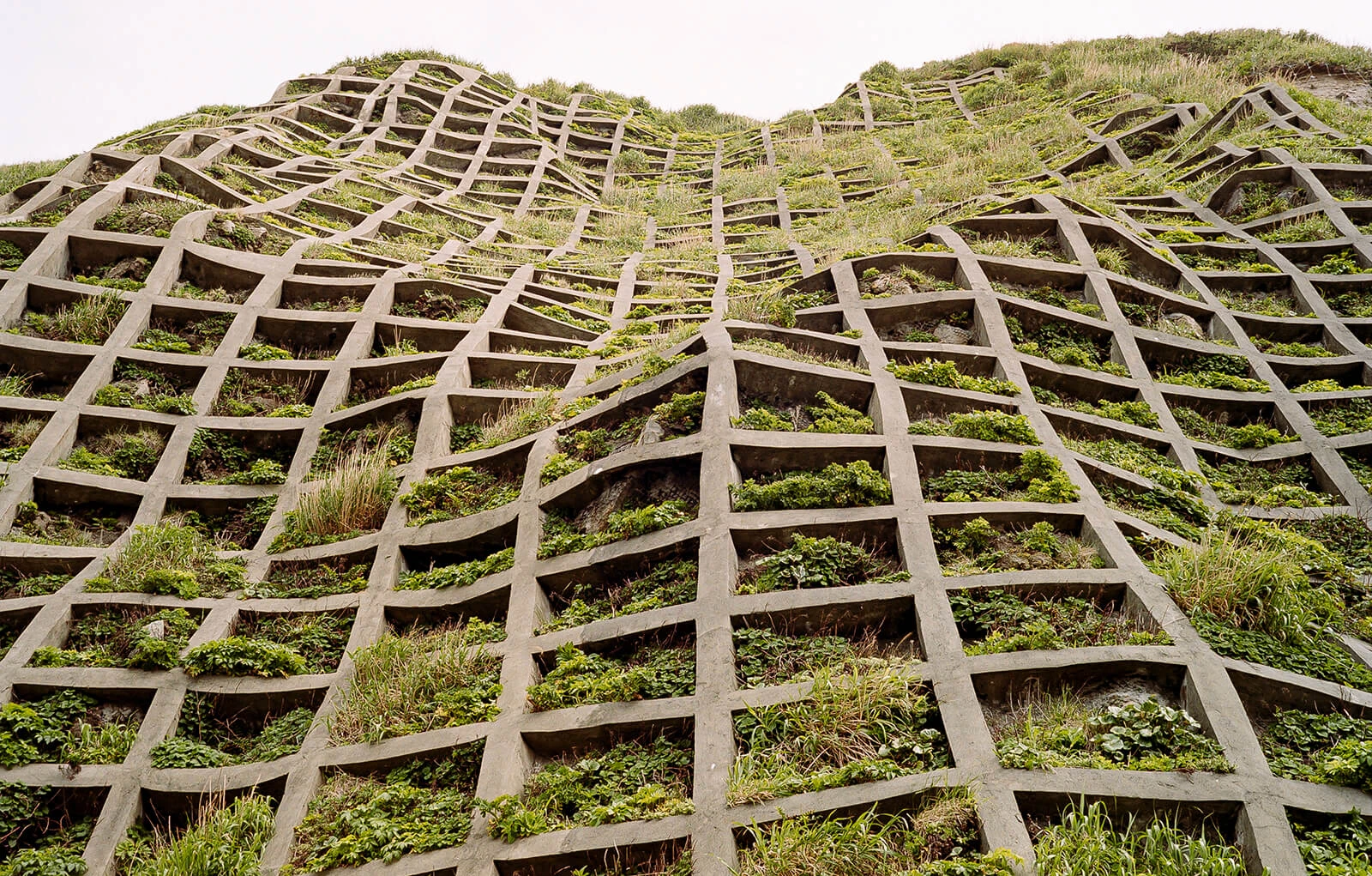
This approach was characterized by the valuation of materials for their inherent qualities “as found.” Peter Smithson famously noted that Brutalism was not concerned with the material as such but with the quality of the material. In this early phase, Brutalism was a design philosophy where every element had a purpose, and nothing was decorative for its own sake. The roughness of the exterior, which often turns black with age under damp skies, was not seen as a liability but as a record of the building’s physical presence in the world.
Visual Monotony of Boredom
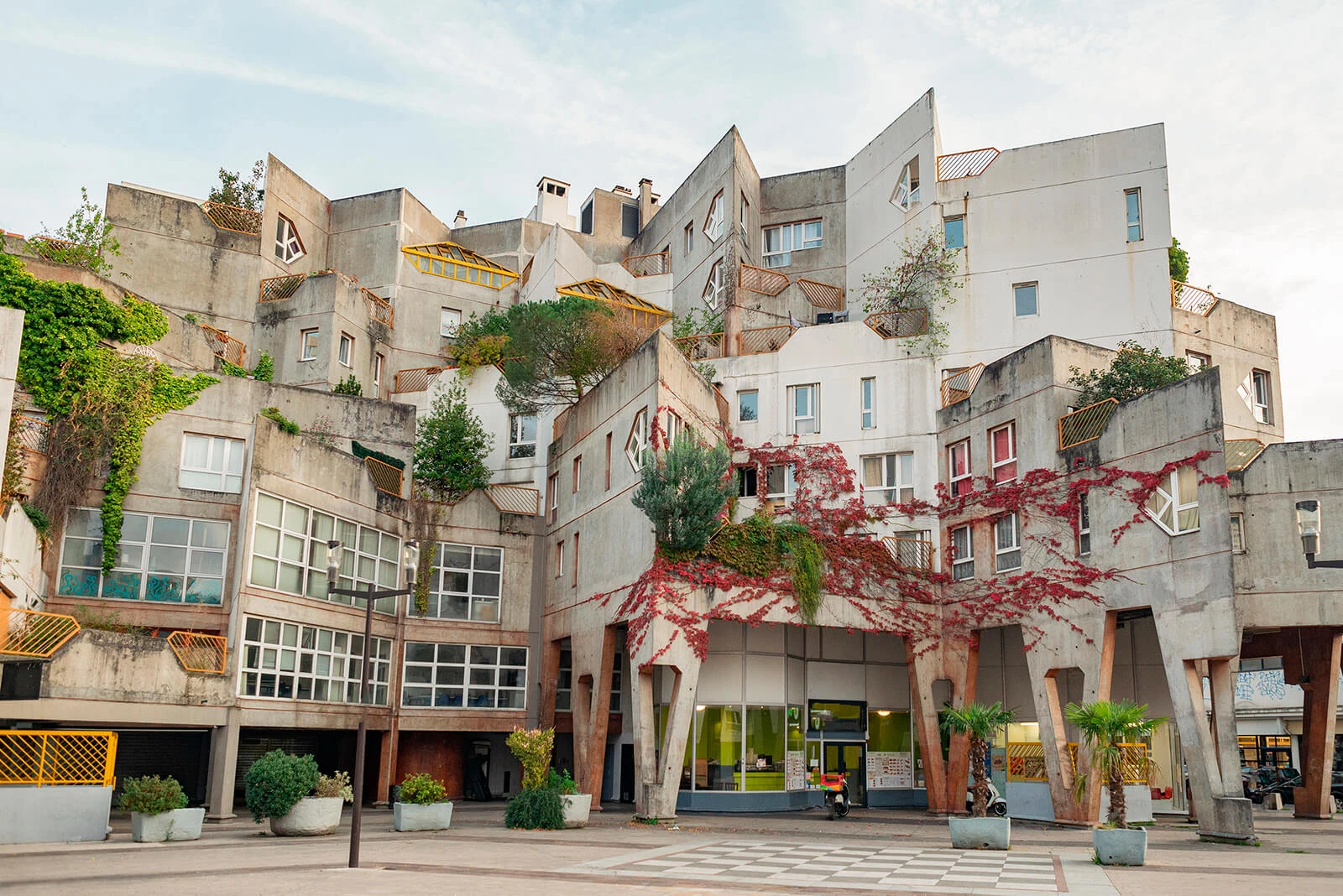
Environmental psychology and neuroarchitecture provide a compelling explanation for the public’s visceral rejection of Brutalist structures. One of the most consistent findings in architectural psychology is that people are strongly affected by building facades. Complex and interesting facades affect people positively, while simple and monotonous facades generate negative reactions.
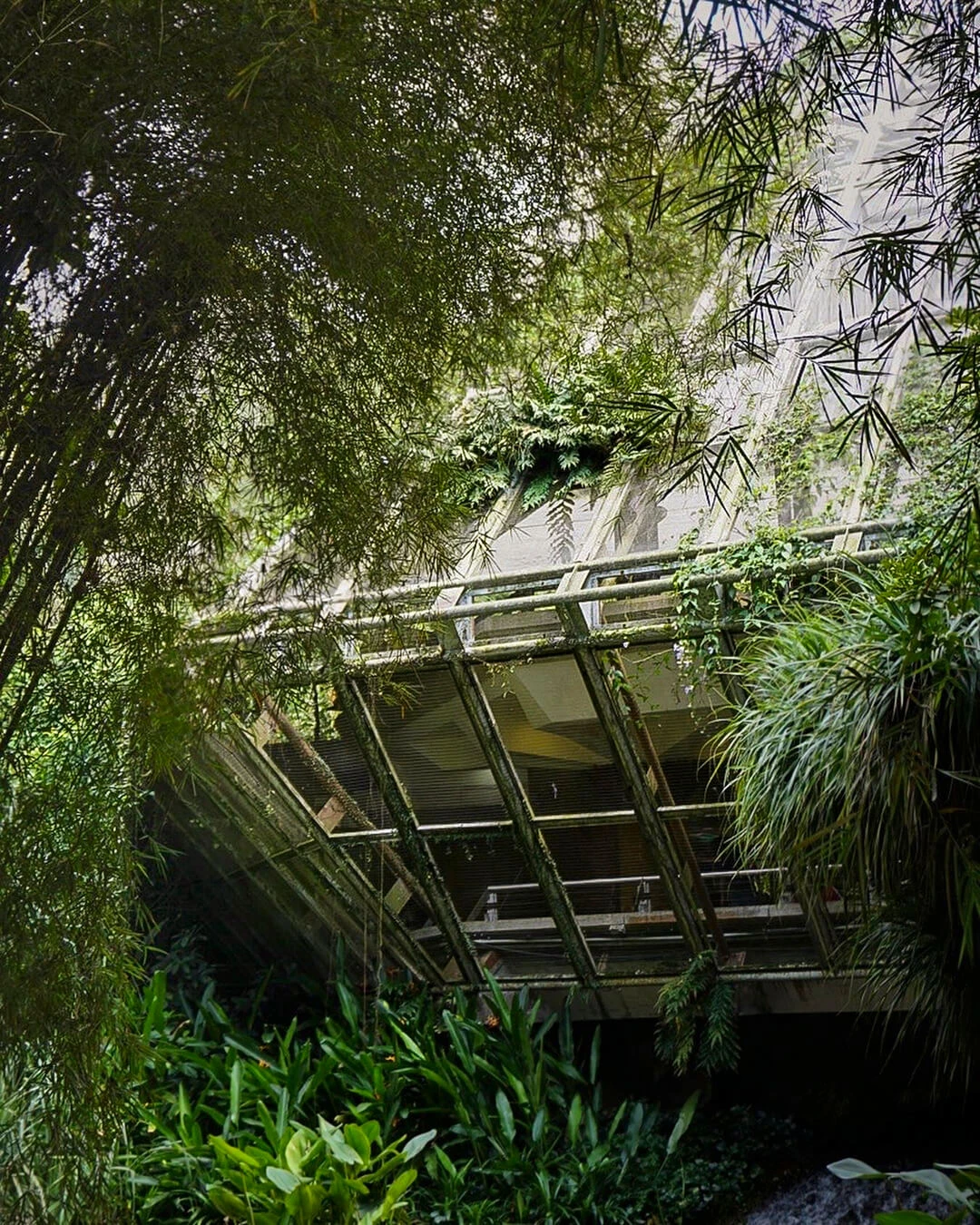
Brutalist buildings, characterized by repetitive forms and vast, austere concrete surfaces, frequently breed boredom. Dr. James Danckert has found that boredom correlates with elevated heart rates and increased levels of cortisol, the stress hormone linked to high blood pressure and long-term health issues. The visual uniformity of the built environment can thus have tangible effects on mental and physical well-being.
The Biophilia Hypothesis
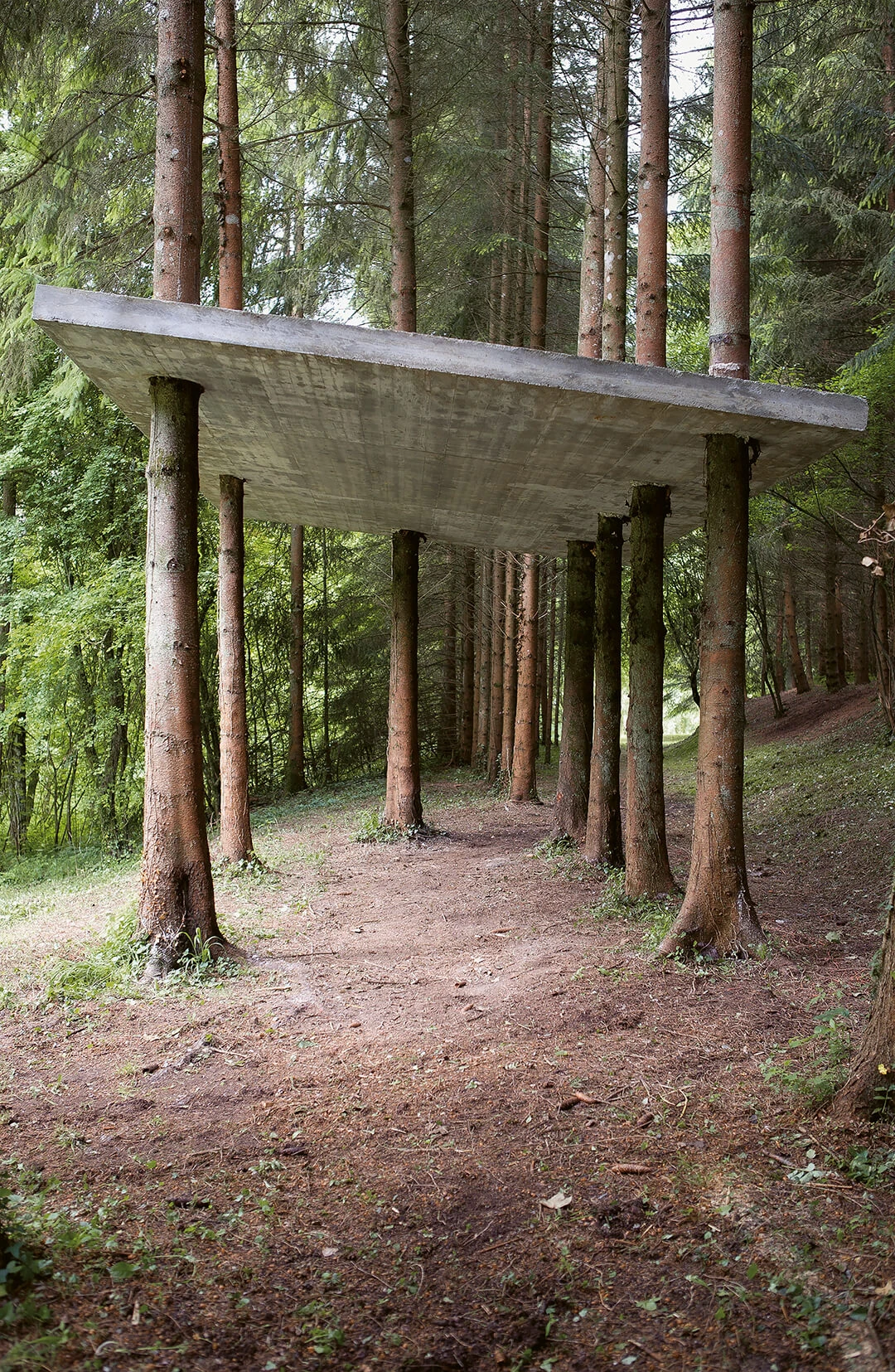
As the shortcomings of sterile, industrial modernism became apparent, a new paradigm emerged that sought to reconnect humans with their biological roots. Biophilic design is based on the biophilia hypothesis, popularized by biologist E.O. Wilson and social psychologist Erich Fromm, which suggests that humans have an innate biological tendency to seek connections with nature. This connection is viewed not merely as an aesthetic preference but as essential for mental and physical health.
The Patterns of Biophilic Design
To move biophilic design from a philosophical concept to a practical tool, researchers have codified a framework of patterns that address the relationships between nature, human biology, and the built environment. These patterns are categorized into three groups: Nature in the Space, Natural Analogues, and Nature of the Space.
Nature in the Space
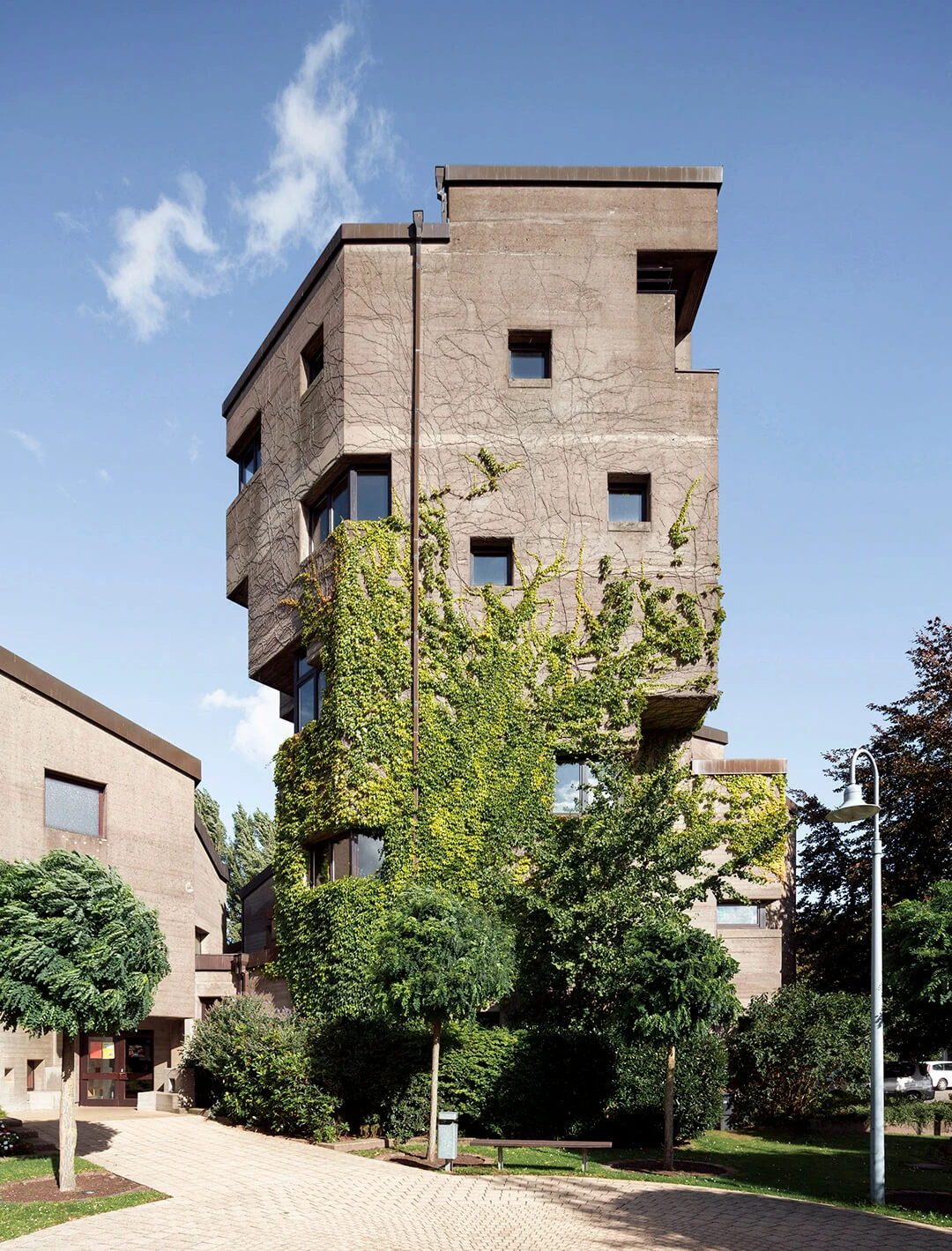
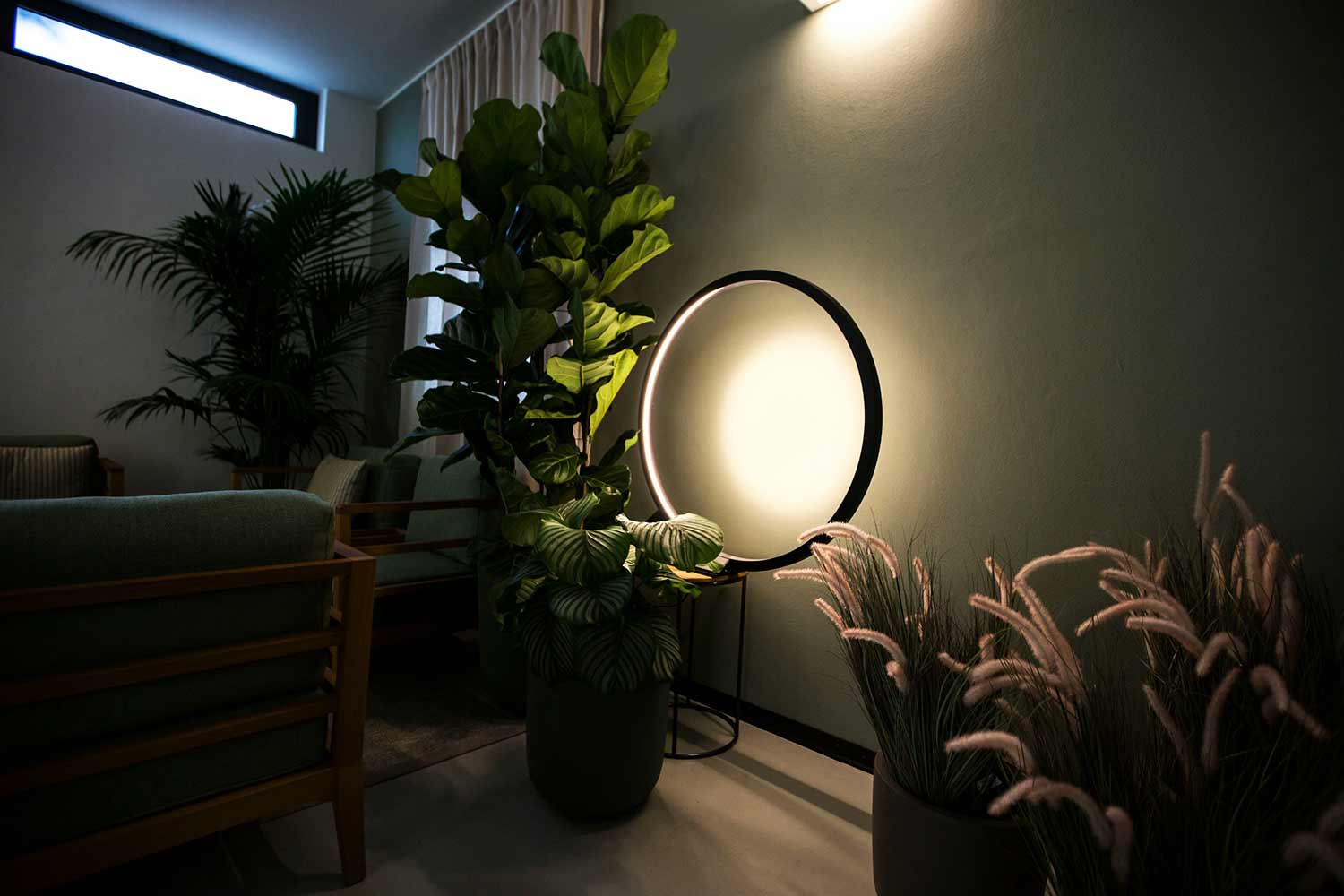
This category involves the direct, physical presence of nature. It includes patterns such as Visual Connection with Nature (views of greenery and living systems), Presence of Water (seeing, hearing, or touching water), and Dynamic & Diffuse Light (leveraging varying intensities of light and shadow that change over time). Research indicates that even a brief experience of nature, as little as 40 seconds, can elicit a restorative response.
Natural Analogues
These patterns address organic, non-living, and indirect evocations of nature. Biomorphic Forms & Patterns use symbolic references to contoured or patterned arrangements found in nature, while Material Connection with Nature focuses on using materials that reflect local ecology or geology with minimal processing. For example, classrooms finished in real wood have been shown to lower heart rates and stress levels in students compared to those with industrial finishes.
Nature of the Space
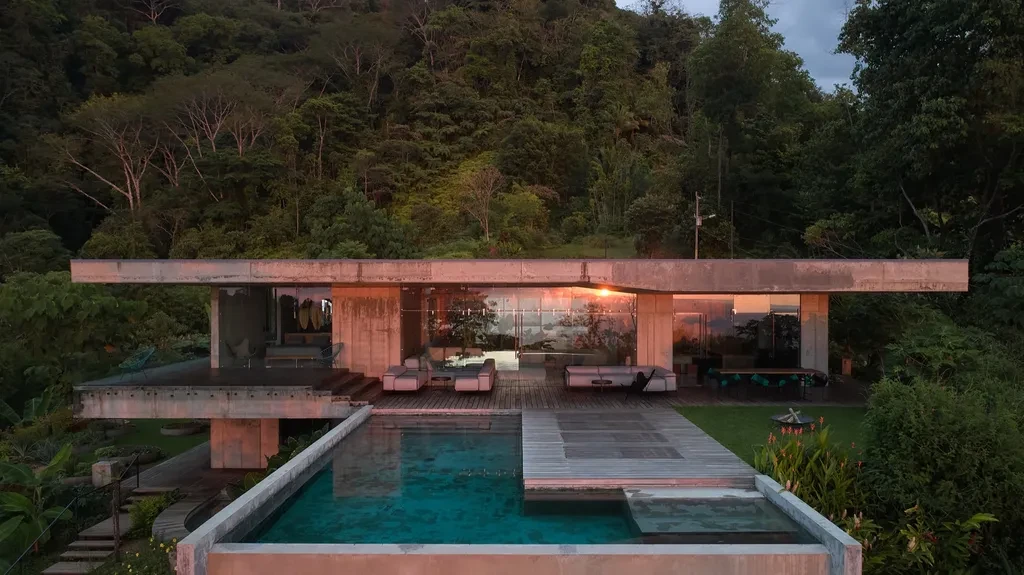
The final category addresses spatial configurations that evoke the feeling of being in nature. Prospect provides an unimpeded view over a distance for surveillance and planning, while Refuge offers a place for withdrawal where an individual is protected from behind and overhead. Mystery entices deeper travel into the environment through partially obscured views, and Risk/Peril introduces an identifiable threat with a reliable safeguard. These patterns engage primal instincts, making spaces feel simultaneously stimulating and comforting.
The Biophilic Response to Urban Isolation
While Brutalism offers the comfort of the fortress, biophilia offers the solace of the savannah. The social stress of high-density urban living is recognized as a major risk factor for depression and anxiety. Biophilic design attempts to address this social isolation by creating environments that encourage connection and meaningful social interaction.
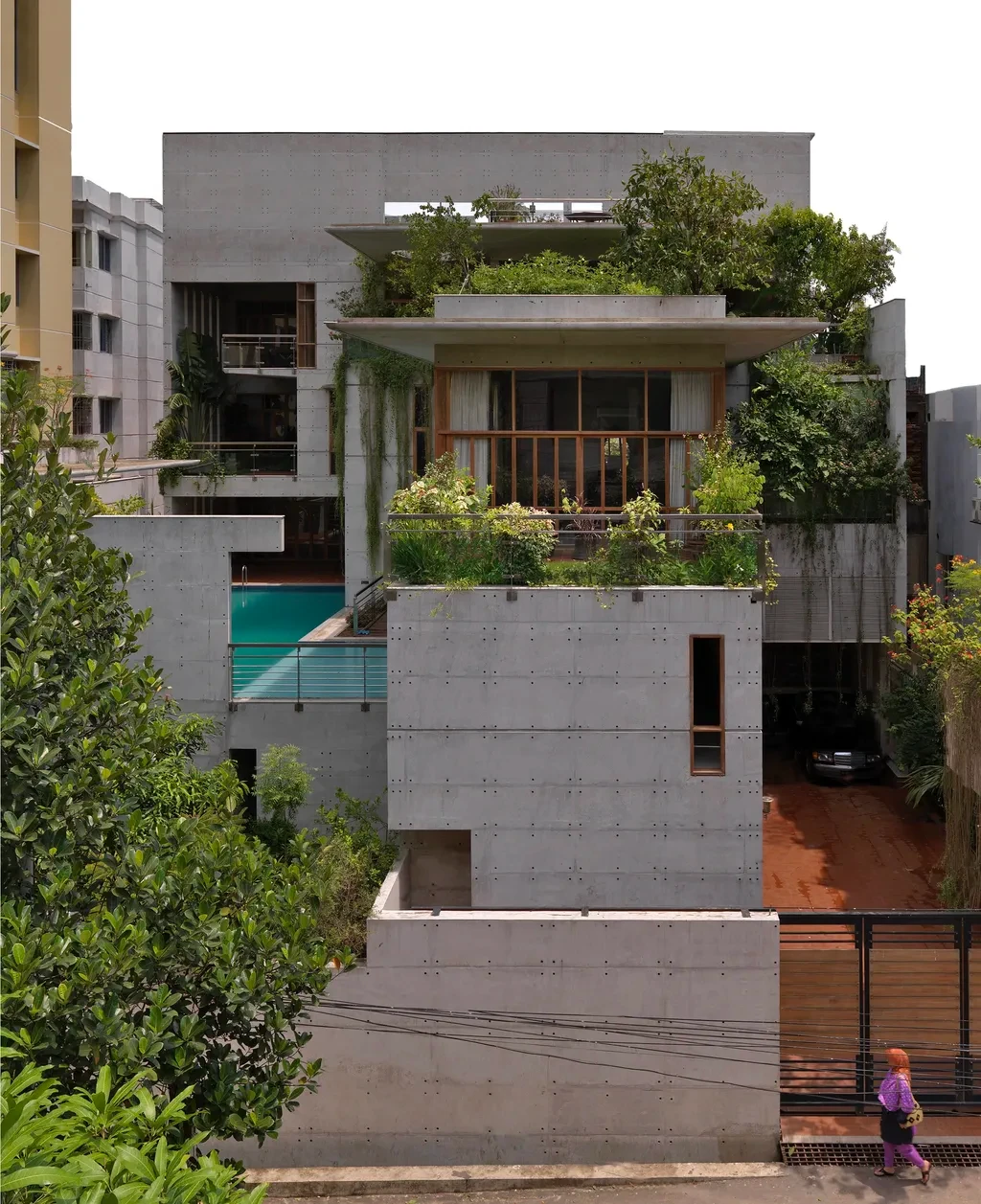
Biophilia addresses this by connecting occupants to natural systems, the awareness of seasonal and temporal changes that represent a healthy ecosystem. This connection with natural systems enhances positive health responses by shifting the perception of the environment from a static cage to a living, breathing entity.
Key Case Studies
1. The Barbican Estate: The Urban Oasis (London, UK)
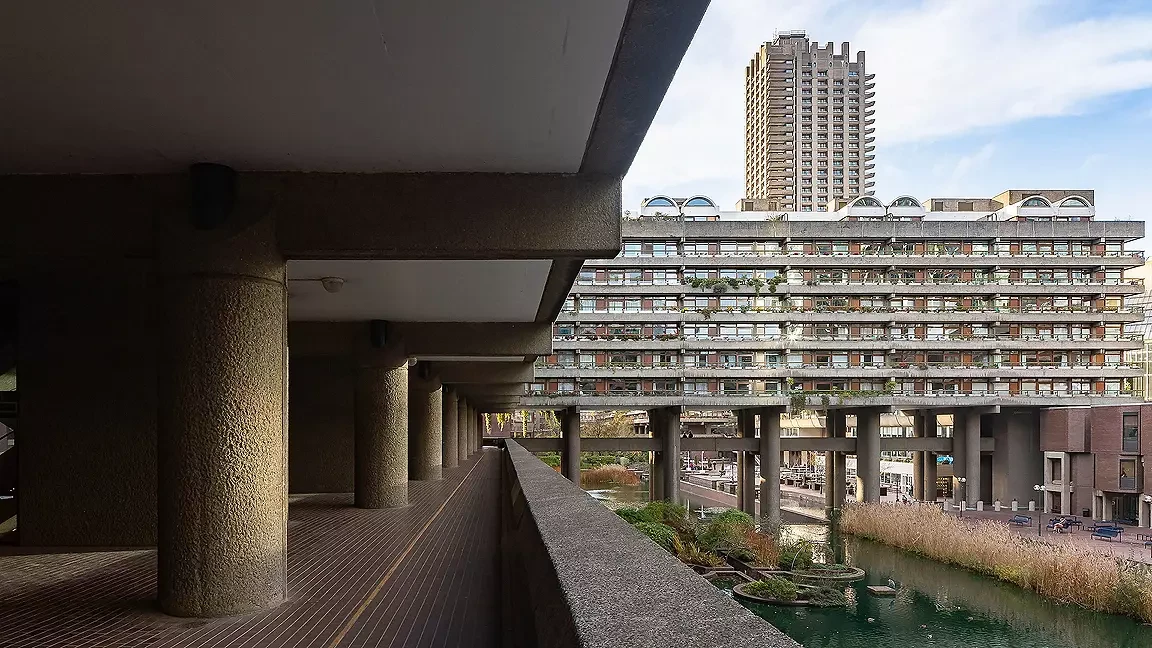
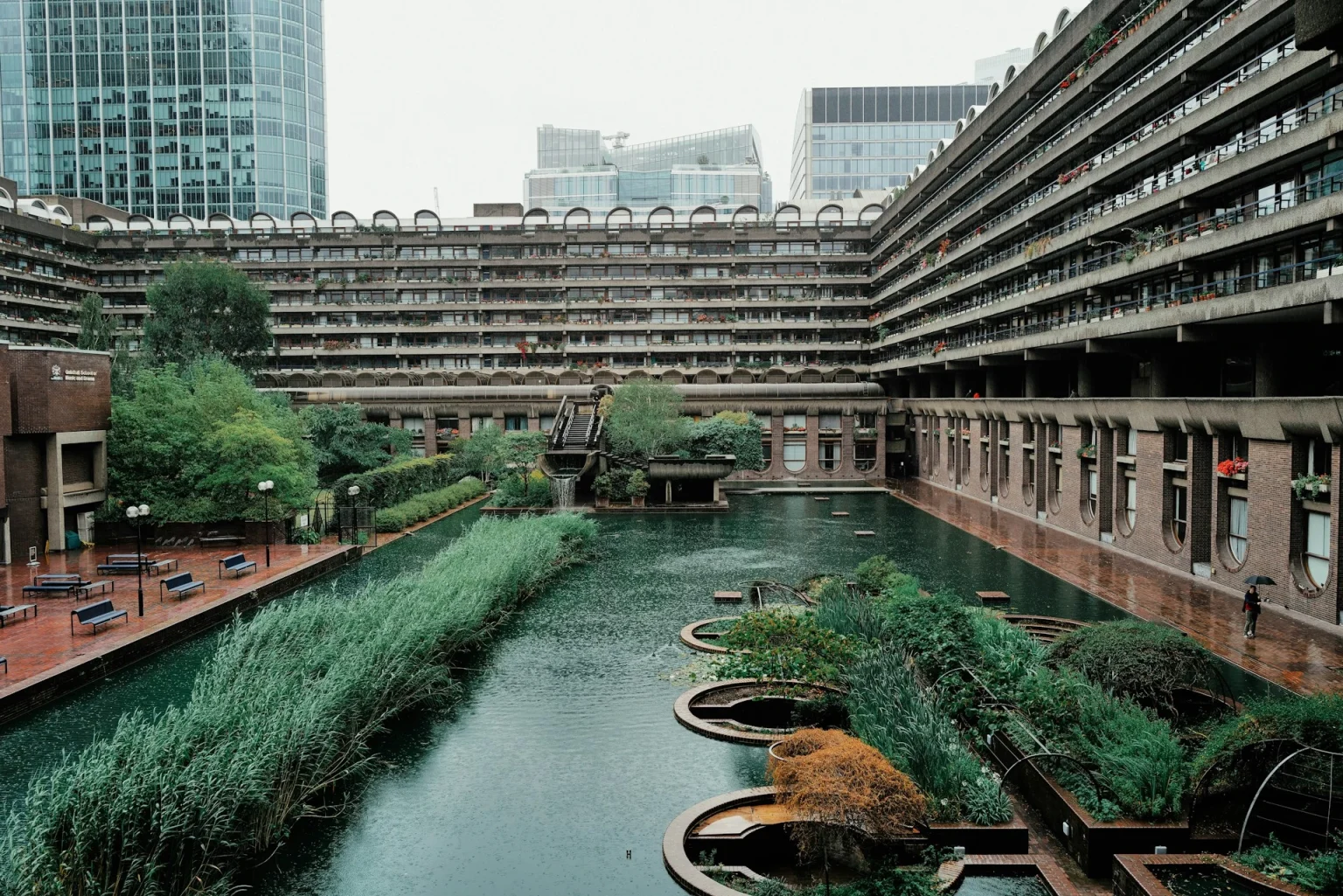
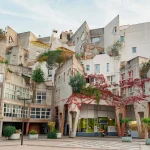
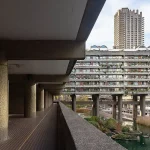
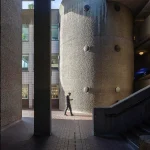
Completed between 1969 and 1982 by Chamberlin, Powell, and Bon, the Barbican is a Grade II-listed masterpiece of Brutalism that serves as an early pioneer of biophilic synthesis. Built on a 35-acre site devastated by the Blitz, the architects envisioned a city within a city. Its distinctive facade was hand-pick-hammered to reveal the texture of raw concrete (béton brut), reflecting the movement’s moral honesty.
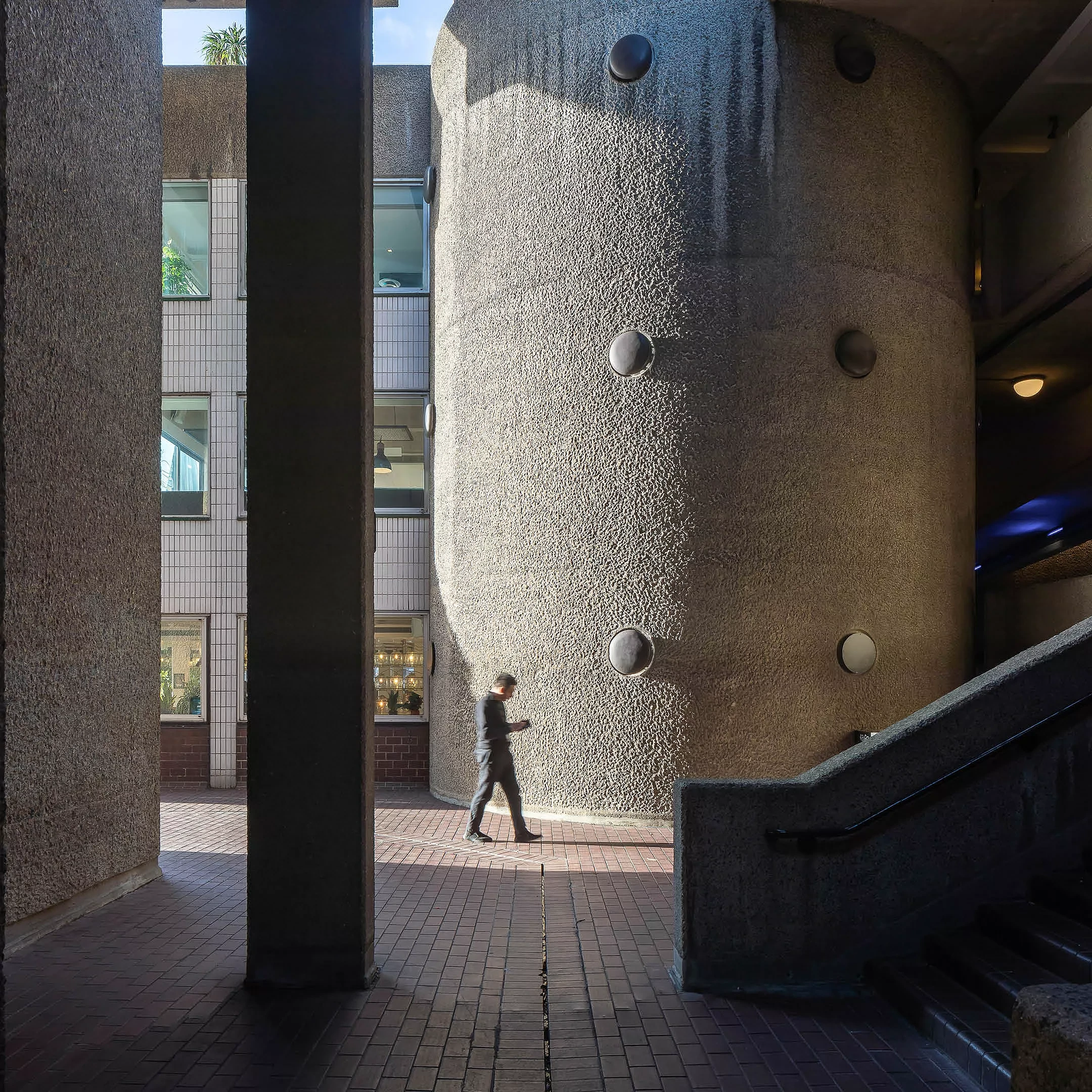
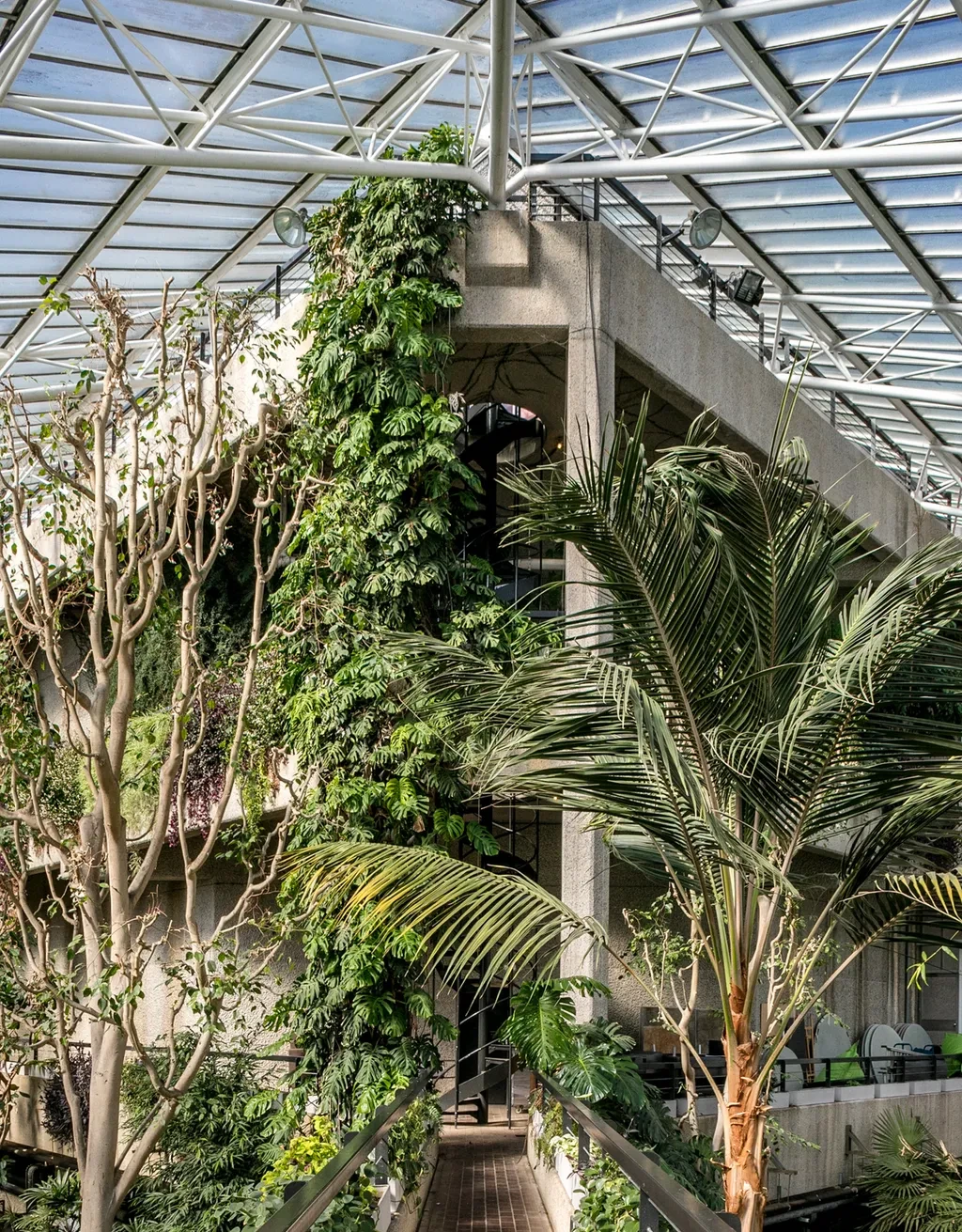
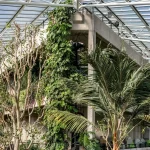
However, the complex was radical for its time in embedding nature into its DNA through elevated podiums, cascading climbing ivy, and a central lake with fountains. Its conservatory, opened in 1984, houses over 1,500 species of tropical plants and trees, providing a year-round restorative retreat that measurably reduces stress and fosters community belonging.
2. Park Hill: The Rebirth of the Street (Sheffield, UK)
Originally completed in 1961 as Britain’s first large-scale post-war slum clearance, Park Hill featured 995 council-owned units and was famous for its streets in the sky, wide walkways intended to foster community. After falling into decline in the 1980s, the estate underwent a £120 million renovation led by Urban Splash and architects Hawkins\Brown.
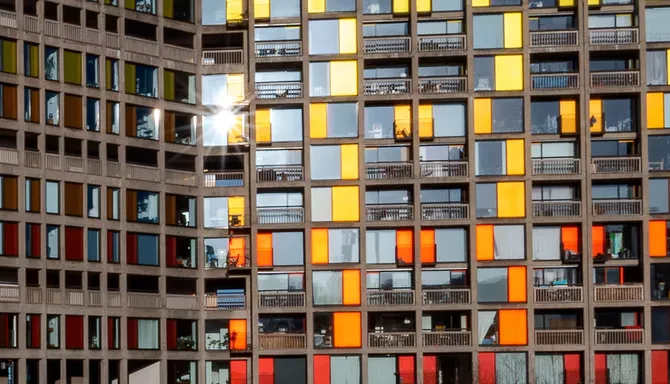
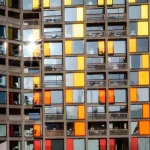
The redevelopment maintained the primary concrete frame while replacing the original brick panels with vibrant cassette windows in colors like lime-green and aubergine. Crucially, the renovation repurposed external areas into purposeful green spaces, including allotments and children’s play areas, successfully grounding the monolithic structure within its own parkland.
3. The Interlace: The Vertical Village (Singapore)
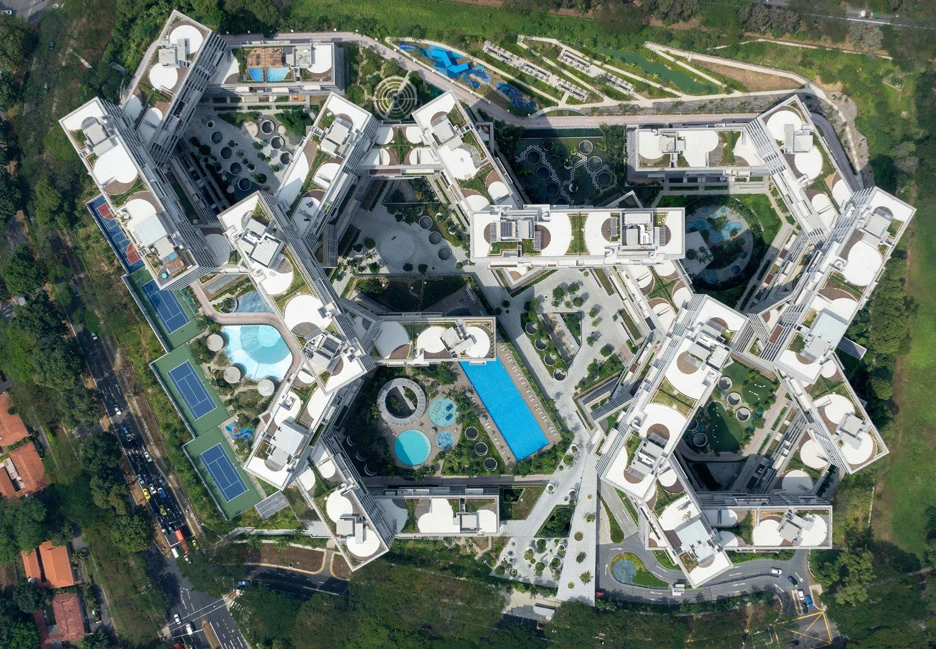
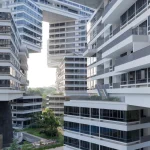
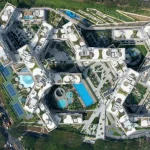
Designed by Ole Scheeren, The Interlace rejects the standard typology of isolated vertical towers in favor of a stacked, horizontal hexagonal grid. The project comprises 31 apartment blocks, each six stories tall, which create an intricate network of communal gardens and shared outdoor spaces on multiple levels.
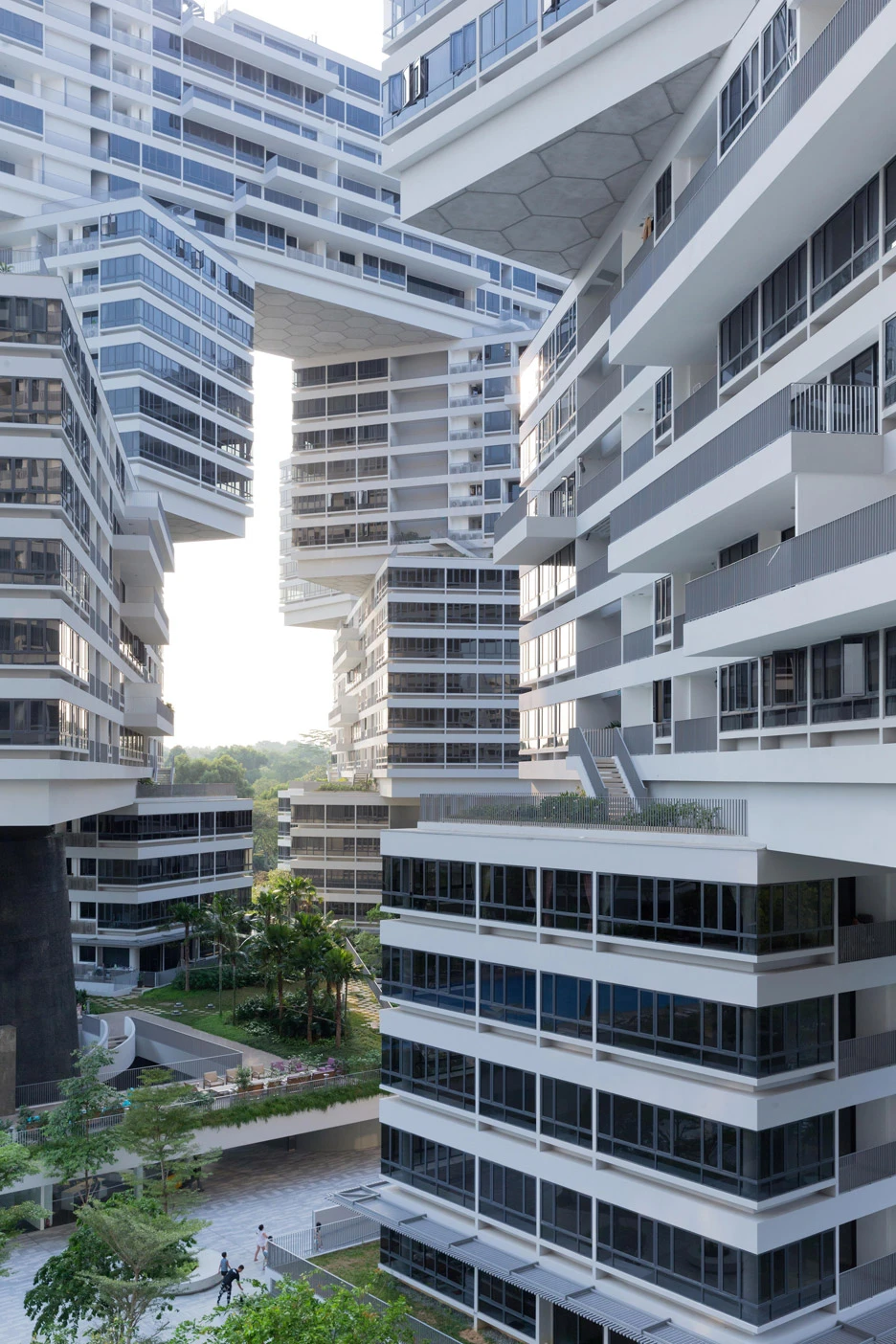
This arrangement maximizes air circulation and natural light while providing 112% green cover, exceeding the size of the original unbuilt site. By turning vertical isolation into horizontal connectivity, the project addresses modern social anxiety and urban isolation through the synthesis of tropical nature and habitable urban space.
4. Bosco Verticale: The Vertical Forest (Milan, Italy)
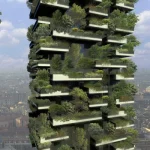
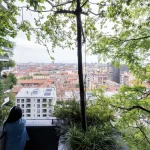
A prominent example of high-density biophilia, the Bosco Verticale (“Vertical Forest”) consists of two residential towers covered with more than 20,000 plants, including trees and shrubs. This living facade serves as an aesthetic ornament and ecological infrastructure, filtering air pollution, reducing $CO_2$, and regulating indoor temperatures naturally.
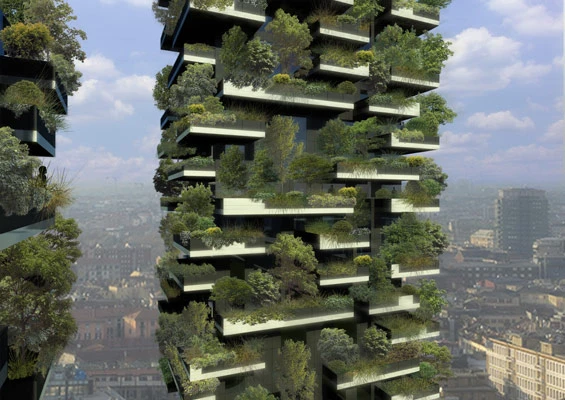
The project demonstrates how high-rise architecture can mitigate the urban heat island effect while providing inhabitants with the cognitive and physiological benefits of direct contact with living systems.