




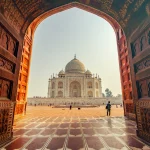
Set along the calm banks of the Yamuna River, Agra is one of India’s most captivating cities that effortlessly blends beauty with rich architectural history. While it is best known for the breathtaking Taj Mahal, a timeless ‘Symbol of love.’ The city has much more to offer beyond this iconic landmark, delving into a rich tapestry of heritage and urban evolution.
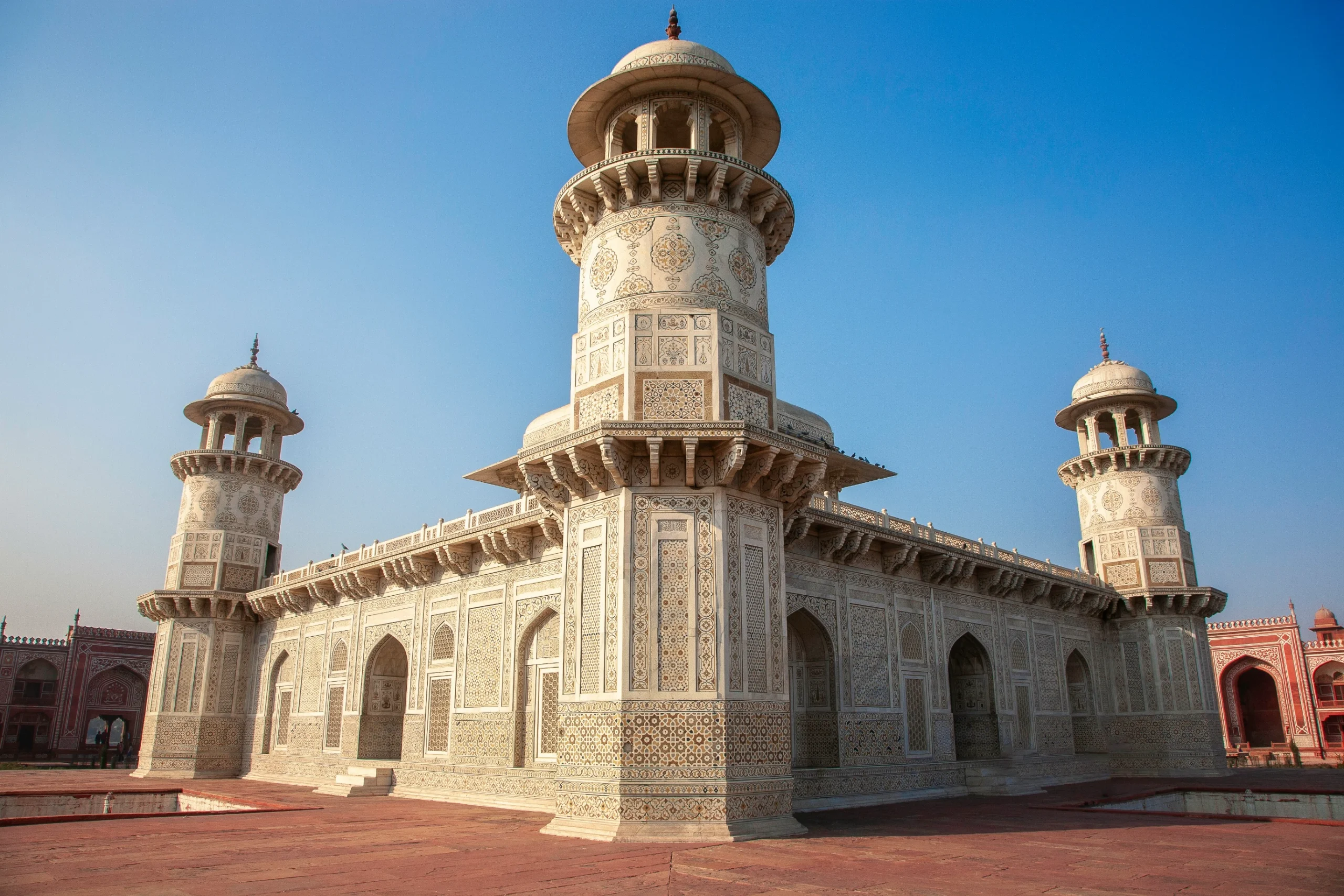
Once the capital of the Mughal Empire, Agra carries its heritage through a dense network of forts, tombs, historic quarters, and evolving streetscapes. Its architectural landscape reflects a continuum of influences, from grand Mughal construction to subtle colonial imprints and earlier traditions. These historic structures remain embedded in the city’s everyday life, shaping Agra as an ongoing narrative of history, culture, and urban transformation.
Agra’s architecture is a striking blend of Persian, Islamic, and Indian influences, brought to life through a rich palette of white marble monuments and red sandstone masterpieces that have stood the test of time. Across the city, gardens, forts, and mosques preserve its historic character, offering glimpses into a layered cultural legacy.
These iconic landmarks uncover hidden stories, revealing the depth and diversity of the city’s architectural heritage.
1. Taj Mahal
Architect: Ustad Ahmad Lahauri
Commissioned: Emperor Shah Jahan
Typology: Mausoleum
Year: 1631–1653
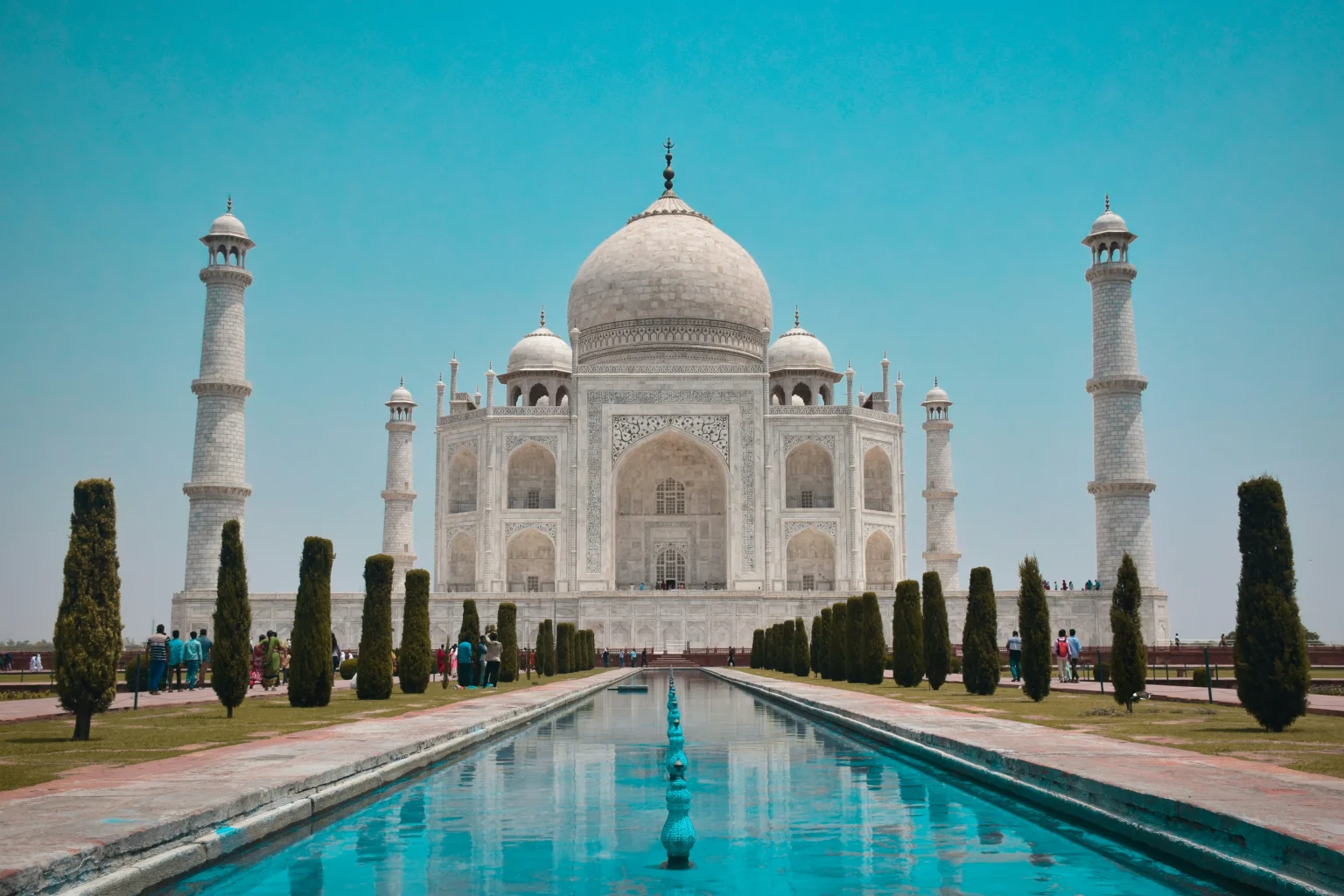
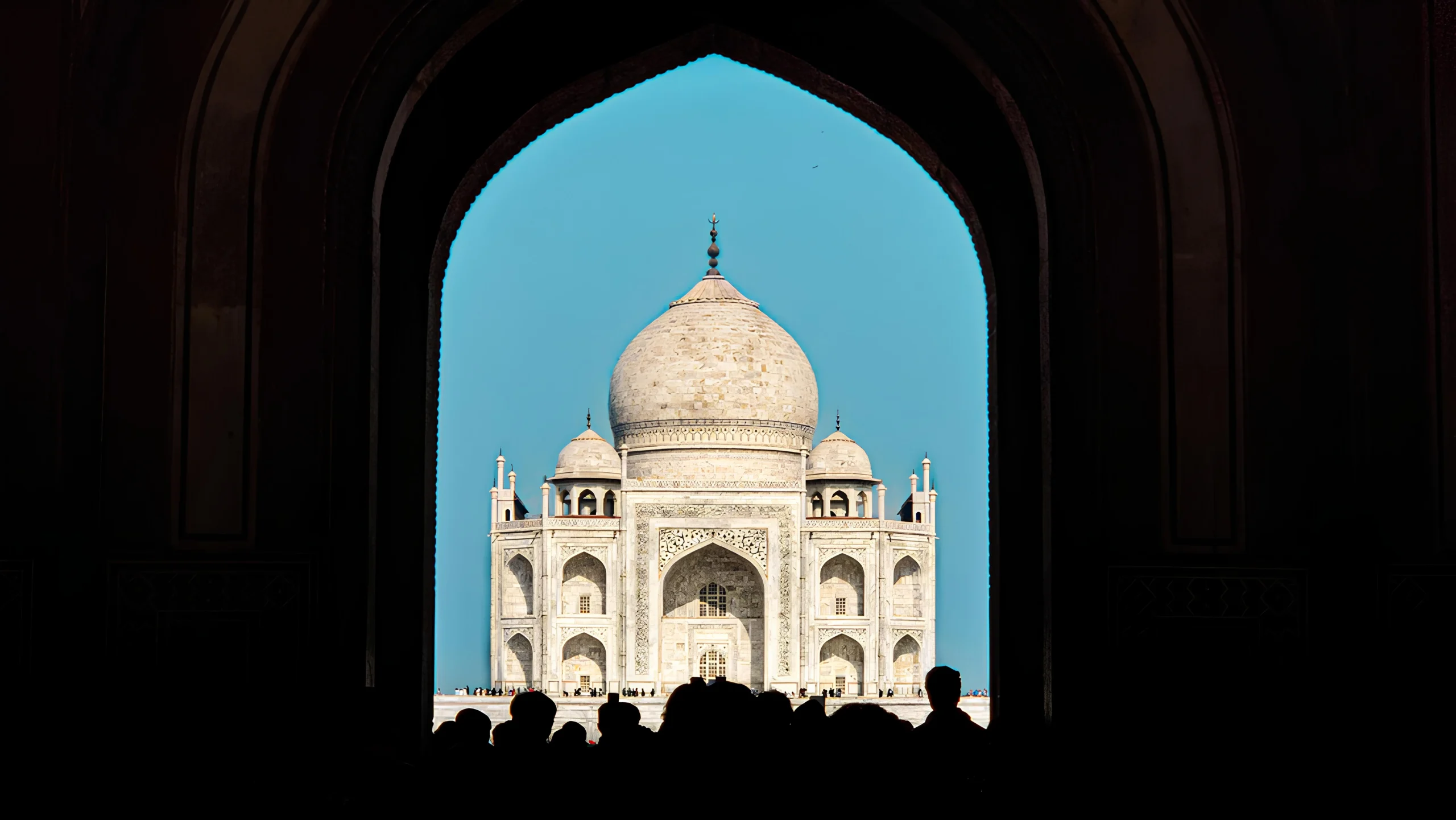
The Taj Mahal is one of the most inspiring and admired masterpieces of Mughal architecture in India. Commissioned in 1631 by Emperor Shah Jahan in memory of his wife, Mumtaz Mahal, it is as much a story of love as an architectural landscape. The architecture of the monument is known for its soft ivory-white marble, perfect symmetry, and intricate details that seamlessly blend Persian and Indian influences. Set within the heart of a 42-acre complex area of gardens, a mosque, and a guest house, the architecture is more like an experience: quiet, balanced, and deeply inspiring.
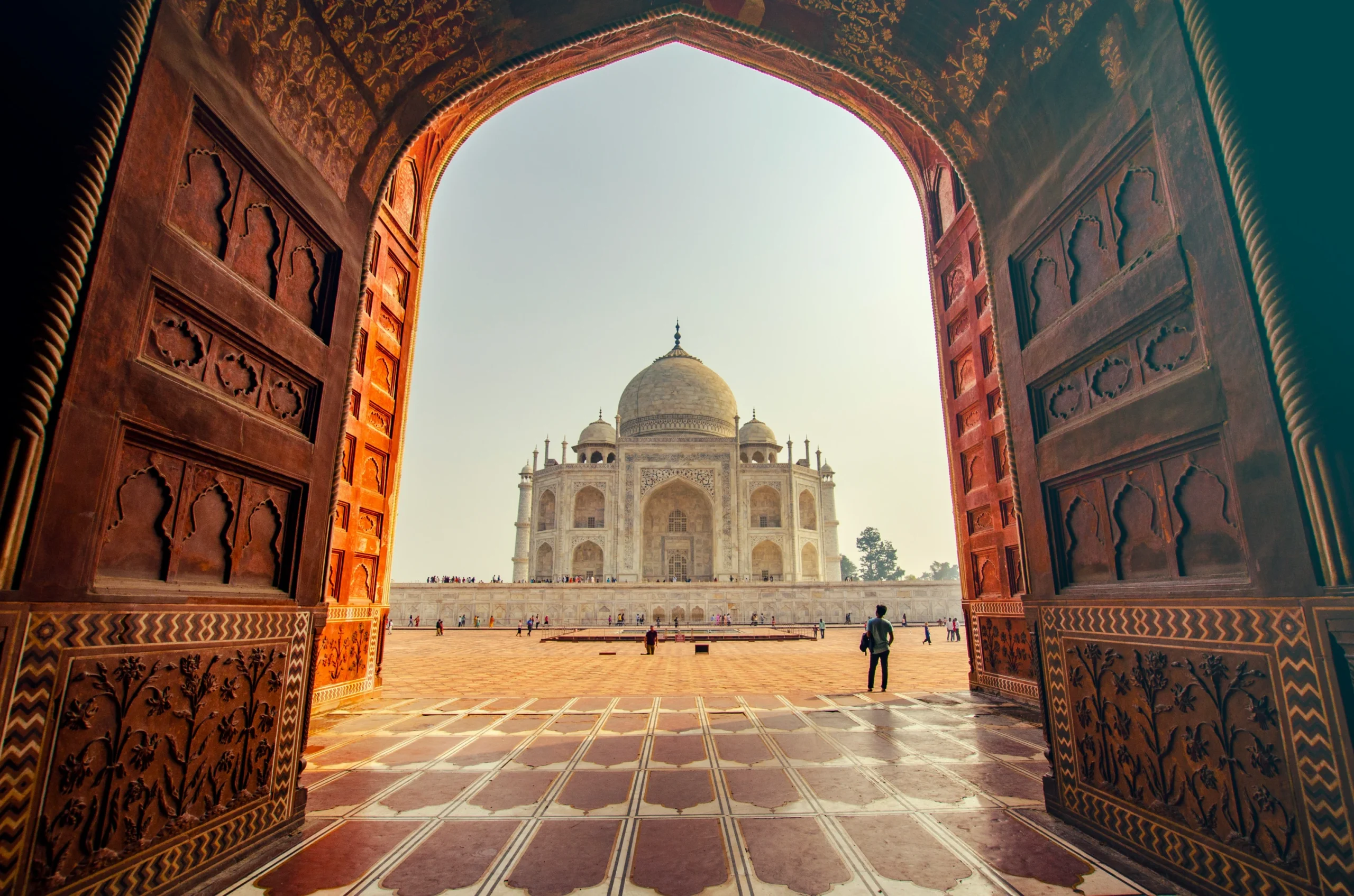
Recognized as a UNESCO World Heritage Site, it is one of the most beautifully crafted examples of Mughal architecture. Composed of glowing white marble with delicate inlay work and balanced design, giving it a timeless presence, with the central dome and four slender minarets adding to the architecture. At the center rest the cenotaphs of Mumtaz Mahal and Shah Jahan, enclosed within a finely carved marble screen that still resonates today.
2. Fatehpur Sikri
Architect: Ustad Ahmad Lahauri, with several Mughal architects
Commissioned: Emperor Akbar
Typology: City
Year: 1571
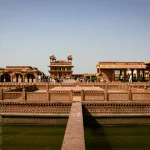
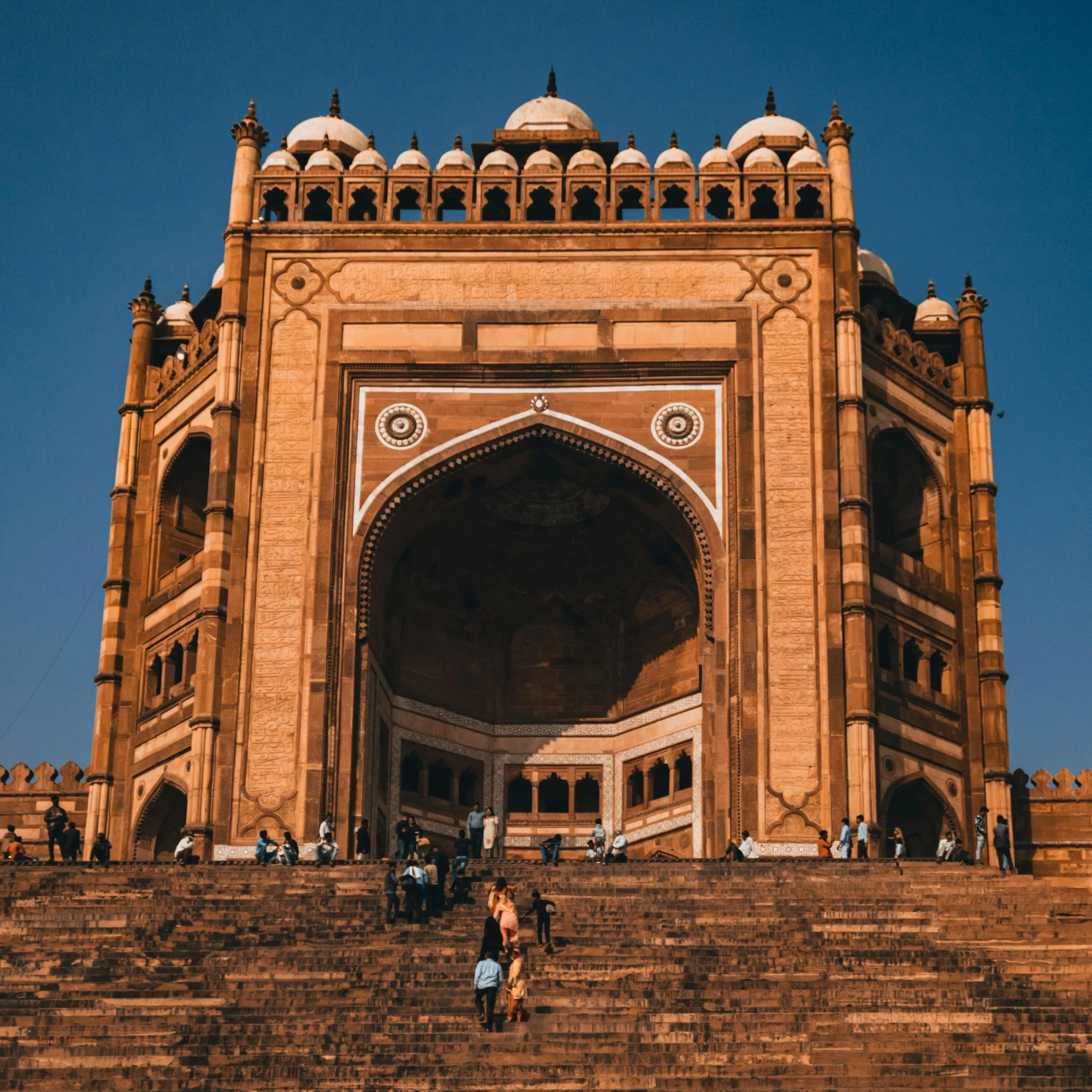
Fatehpur Sikri, situated in Agra in Uttar Pradesh, stands as a powerful reflection of the Mughal Empire’s ambition and architectural vision. Built in 1571 by Emperor Akbar as his capital, the city brings Persian, Indian, and Islamic architectural influences seamlessly through grand courtyards, intricate details, and carefully planned spaces.
It was created to mark the birth of his son Jahangir, inspired by the blessings of the Sufi saint Sheikh Salim Chishti, adding a deep spiritual layer to the city. Today, Fatehpur Sikri remains beautifully preserved, a quiet yet powerful reminder of Mughal craftsmanship and legacy.
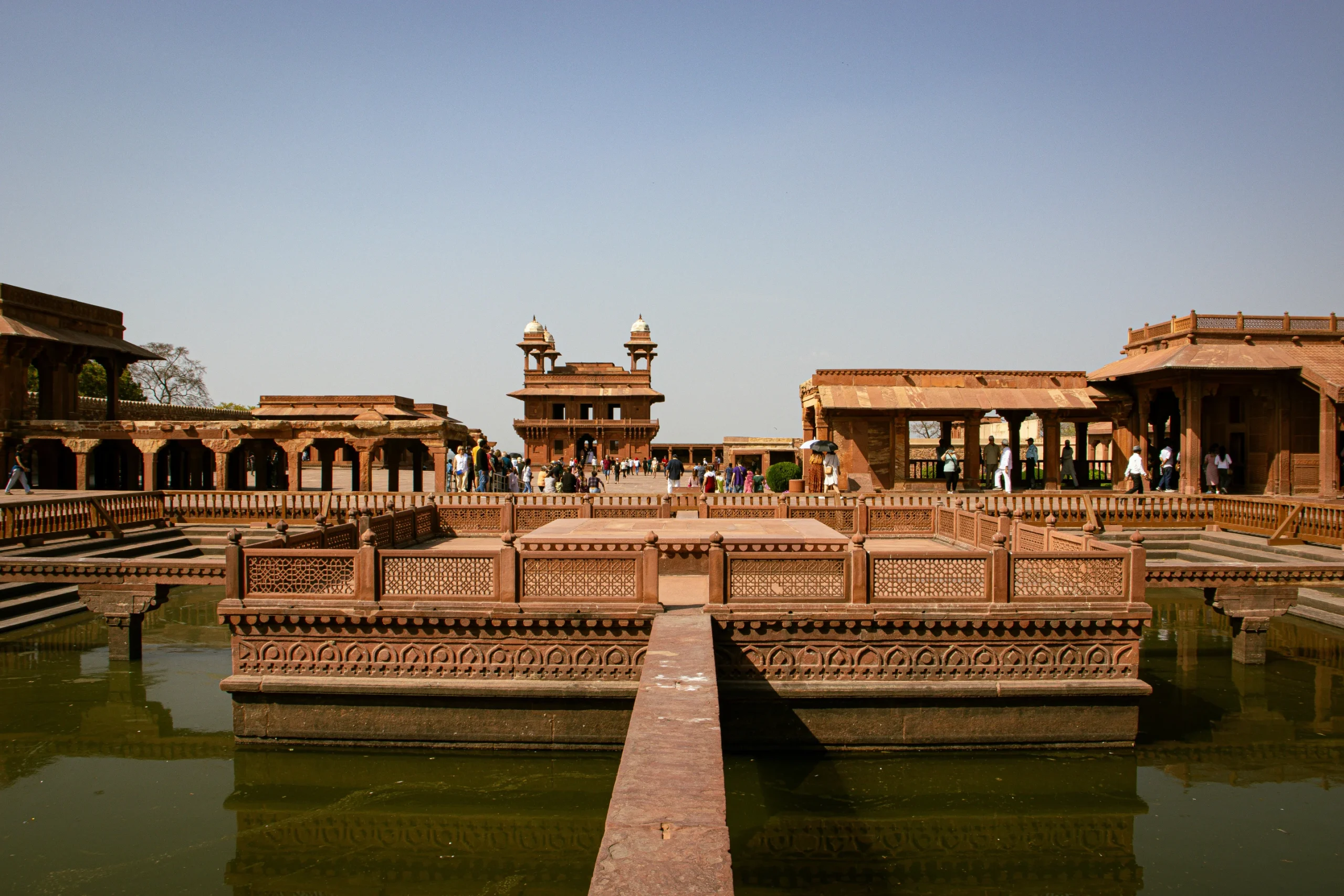
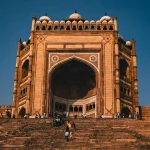
Fatehpur Sikri welcomes you with the grandeur of the Buland Darwaza, a gateway that instantly reveals the scale and ambition of the city. Designer with a series of beautifully crafted spaces, from the Jama Masjid Mosque to the refined Diwan-i-Khas and the intimate Jodha Bai Palace, that are all built in warm and bold red sandstone.
The city was thoughtfully planned, with open courtyards and connected spaces that bring together living, governance, and spirituality. Blending different architectural influences, the architecture is grand and welcoming, where everyday life and design come together naturally.
3. Agra Fort
Commissioned: Emperor Akbar
Typology: Fort
Year: 1565 – 1573
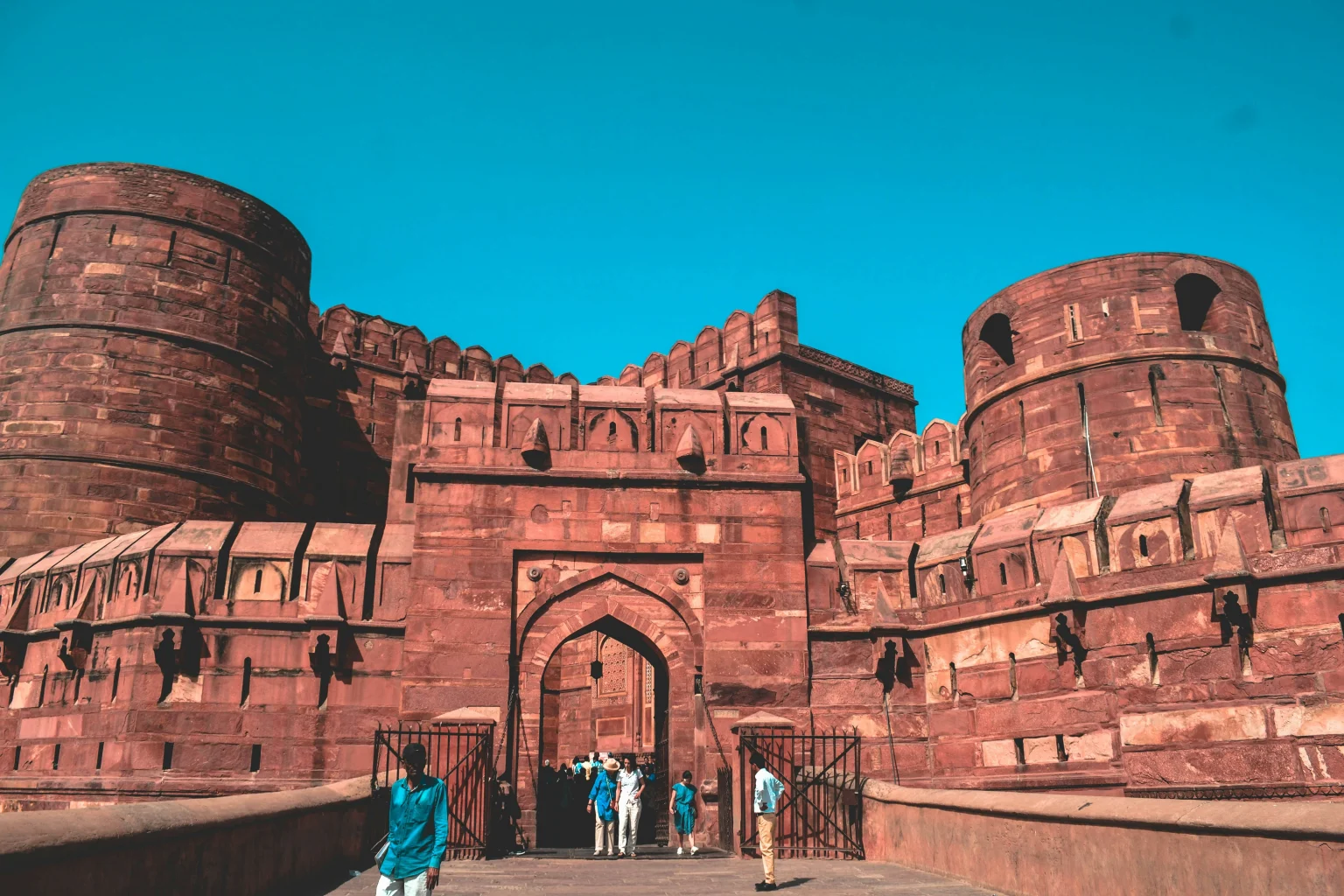
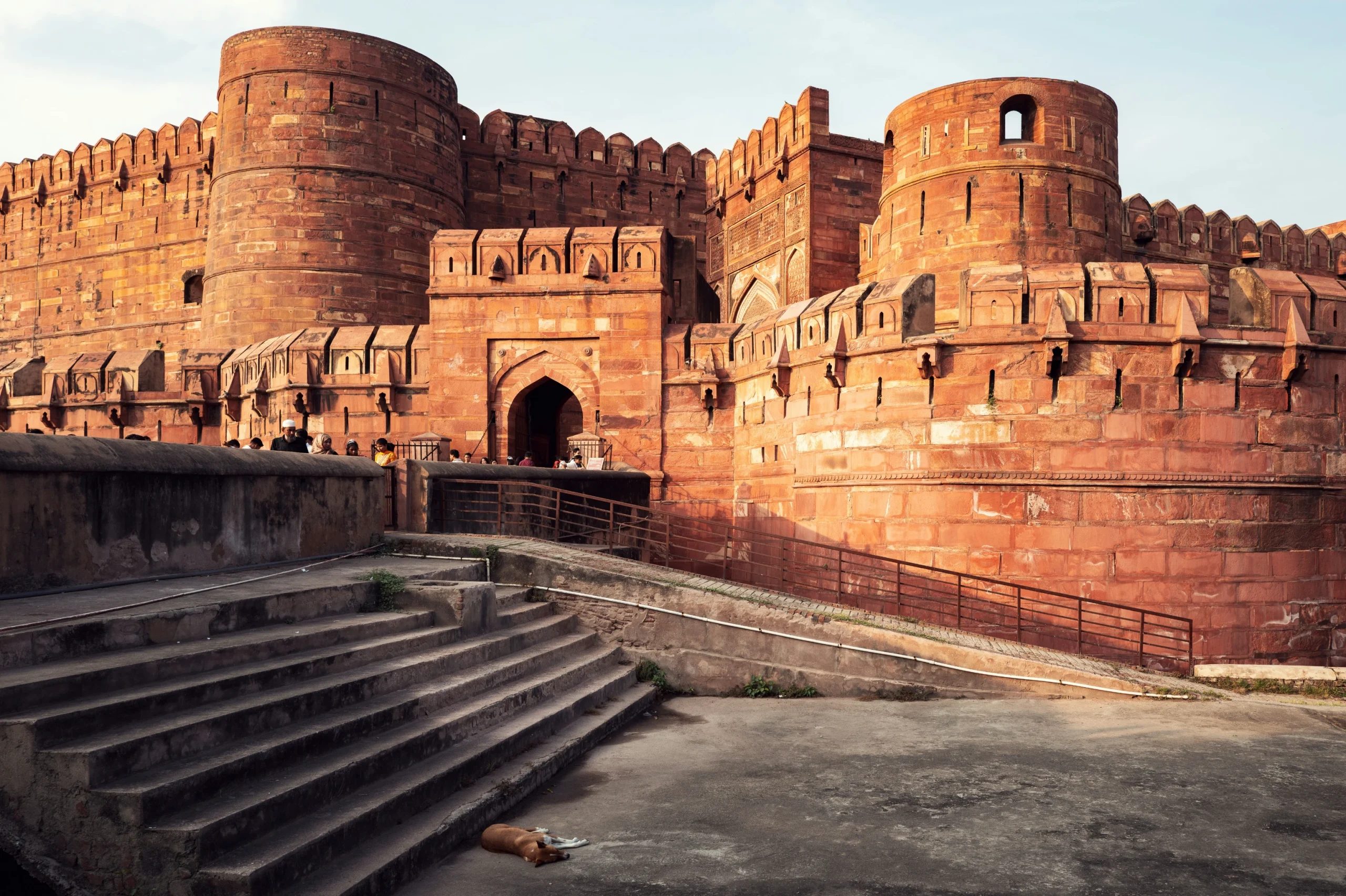
Rising along the banks of the Yamuna River, Agra Fort reflects the strength and bold architectural vision of the Mughal era. Commissioned in 1565 by Emperor Akbar, this striking red sandstone fort once served as a royal home and a military place. Recognized as a UNESCO World Heritage Site, it feels like a city in itself, housing beautiful spaces like the Jahangir Mahal, Diwan-i-Khas, and Moti Masjid tucked inside. Once home to Mughal emperors until 1638, it still carries the stories of a time when architecture, power, and daily life were connected.
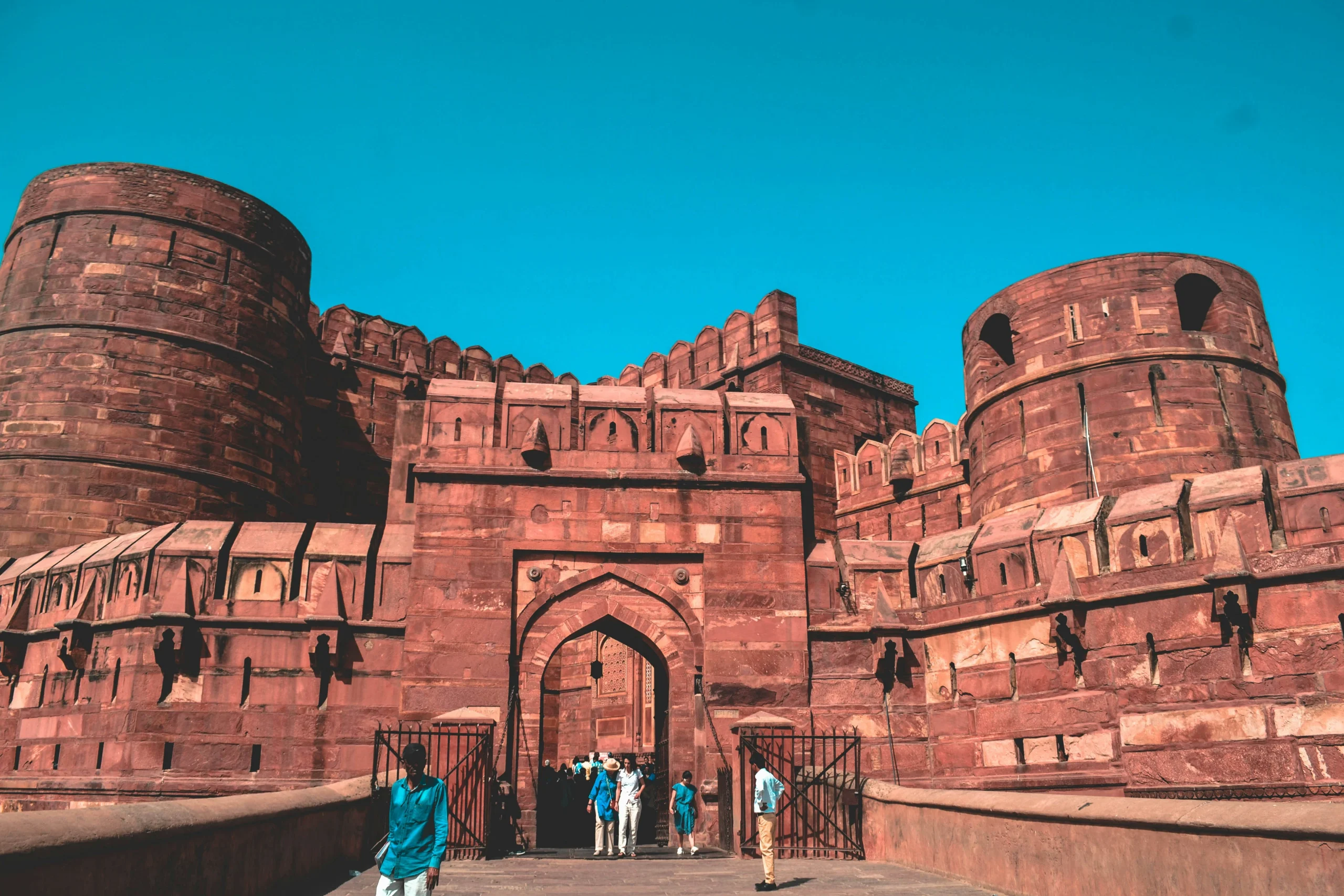
Encircling the striking fort complex, the sweeping crescent-shaped walls of Agra Fort rise nearly 70 feet high, stretching for over 2.5 kilometers and once protected by a surrounding moat. Entry is marked by two grand gateways, the Amar Singh Gate (main access) and a rich, detailed Delhi Gate with intricate marble work. The fort unfolds like a self-contained city, where palaces and courtyards reflect a blend of Persian and Timurid influences. Crafted in striking red sandstone and delicate marble inlay, the architecture brings together strength and the artistry of the Mughal era.
4. Itimad-ud-daula’s Tomb
Commissioned: Empress Nur Jahan
Typology: Mausoleum
Year: 1622 – 1628
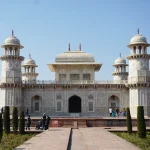
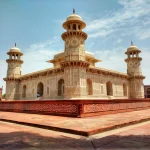
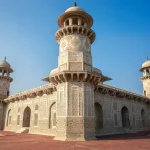
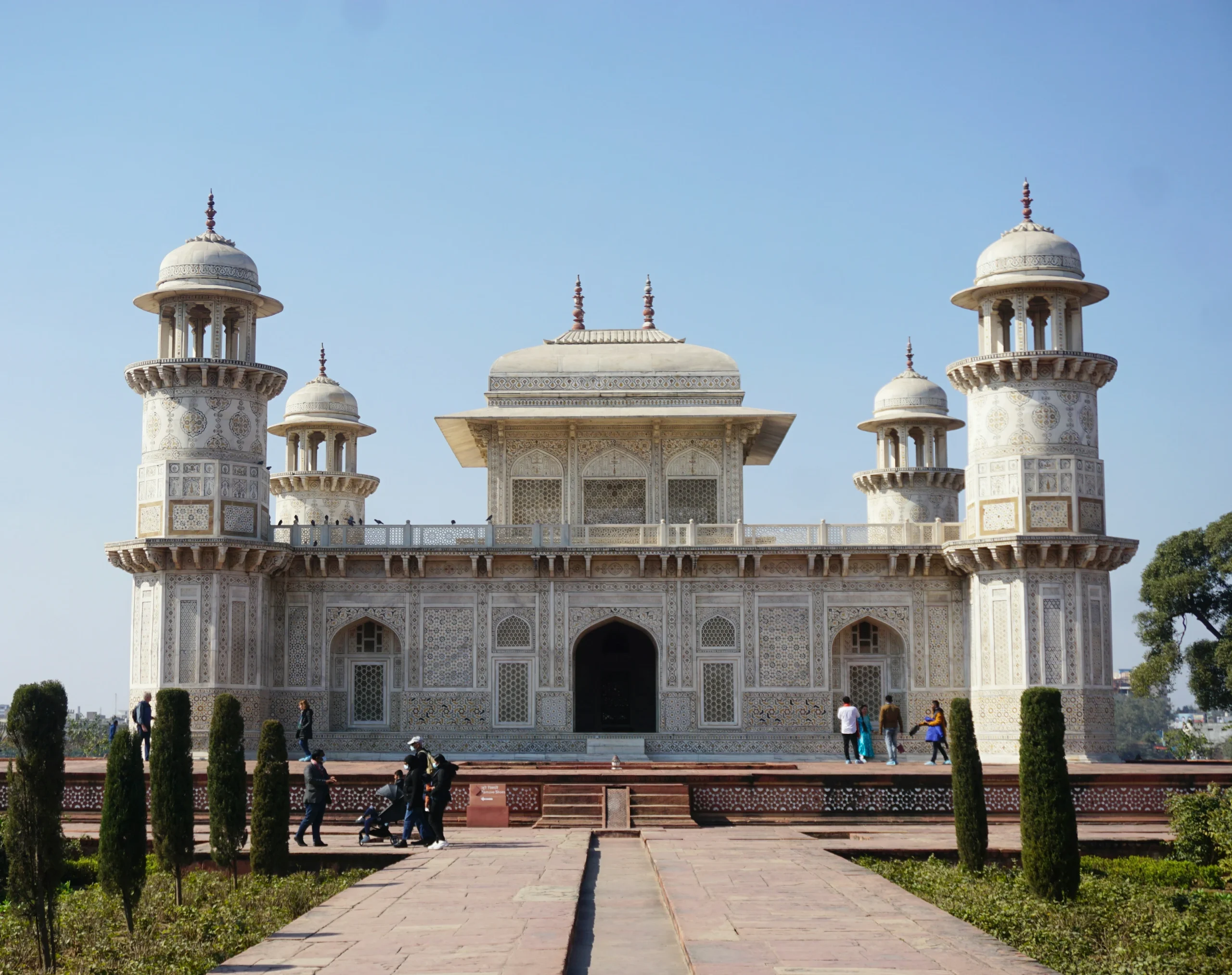
Stepping into the serene setting of Itimad-ud-Daulah’s Tomb feels like discovering a quieter, more intimate side of Mughal architecture. Commissioned by Nur Jahan in memory of her father, Mirza Ghiyas Beg, this elegant mausoleum was built between 1622 and 1628. Often lovingly called the “Baby Taj,” the beautiful masterpiece is crafted in delicate white marble, known for its fine inlay work and intricate floral patterns, bringing a sense of lightness and detail.
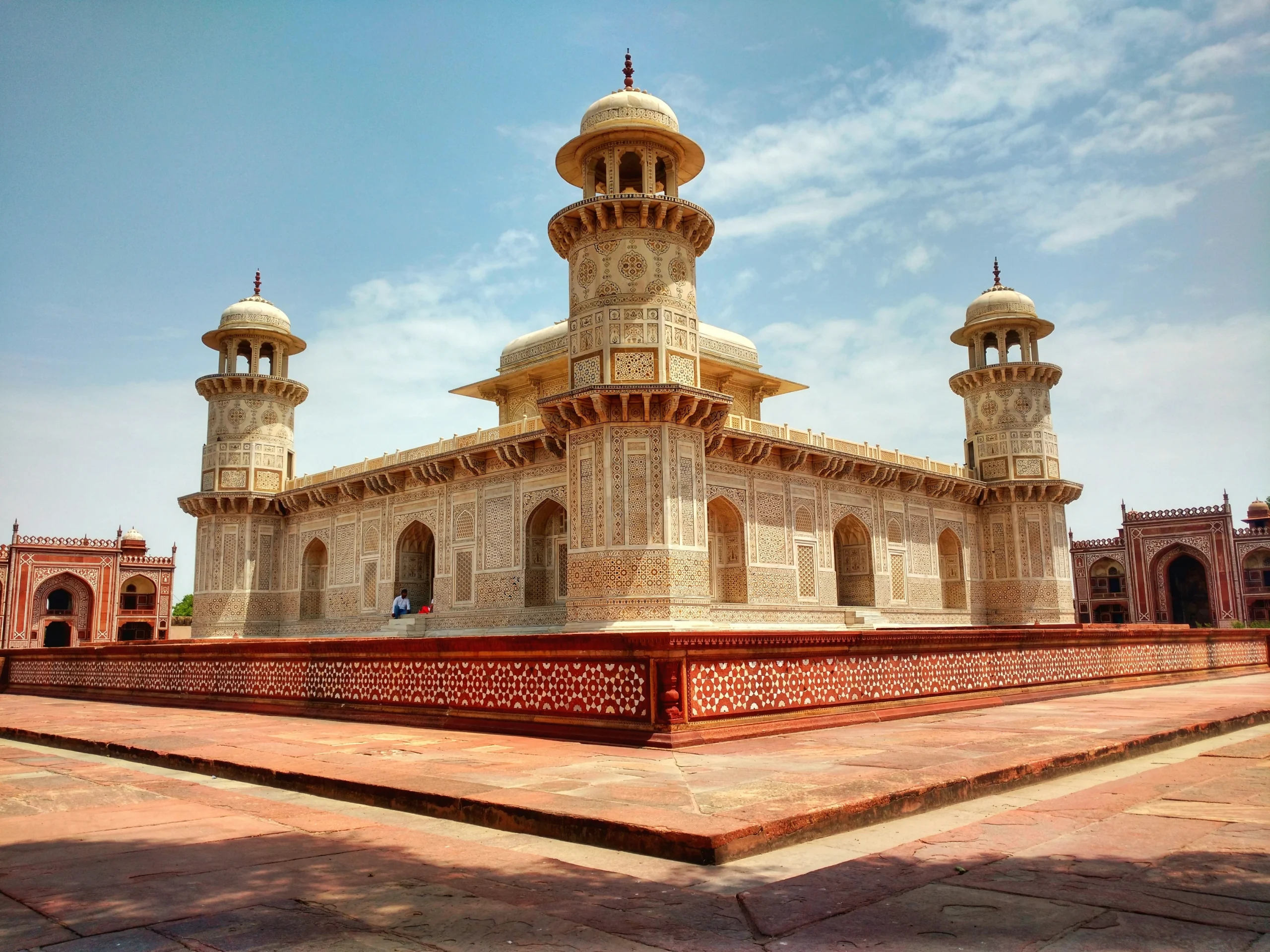
The beauty of Itimad-ud-Daulah’s Tomb lies in its delicate craftsmanship and quiet elegance, reflecting the refined artistry of the Mughal era. Its white marble façade is richly detailed with intricate inlay work using semi-precious stones, forming graceful floral patterns and Persian-inspired motifs. Set within a serene Charbagh garden, where pathways and water channels create a sense of calm balance, the tomb feels both intimate and timeless. Slender octagonal minarets rise at each corner, completing a composition that is as graceful as it is memorable.
5. Akbar’s Tomb
Architect: Ustad Ahmad Lahauri
Commissioned: Jahangir | Emperor Akbar’s son
Typology: Mausoleum
Year: 1613
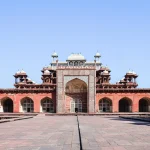
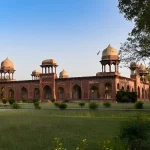
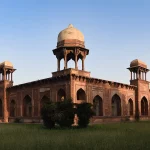
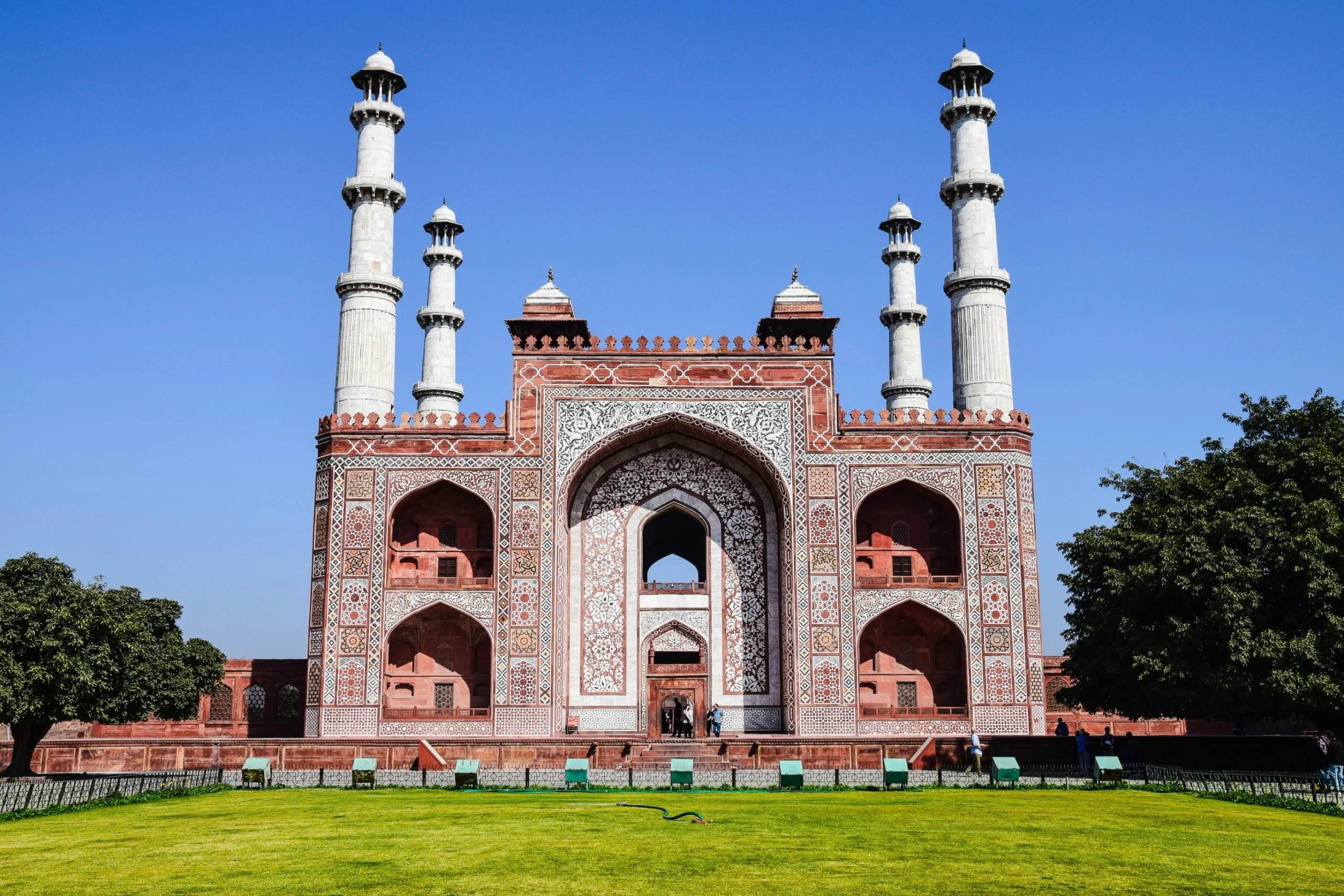
Set within a vast garden setting, Akbar’s Tomb stands as a thoughtful tribute to one of the Mughal Empire’s most influential rulers. Built by his son Jahangir, the mausoleum blends red sandstone and white marble, enriched with delicate inlay work and calligraphy. Its design brings together Persian, Timurid, and Indian influences, reflecting the layered character of Mughal architecture.
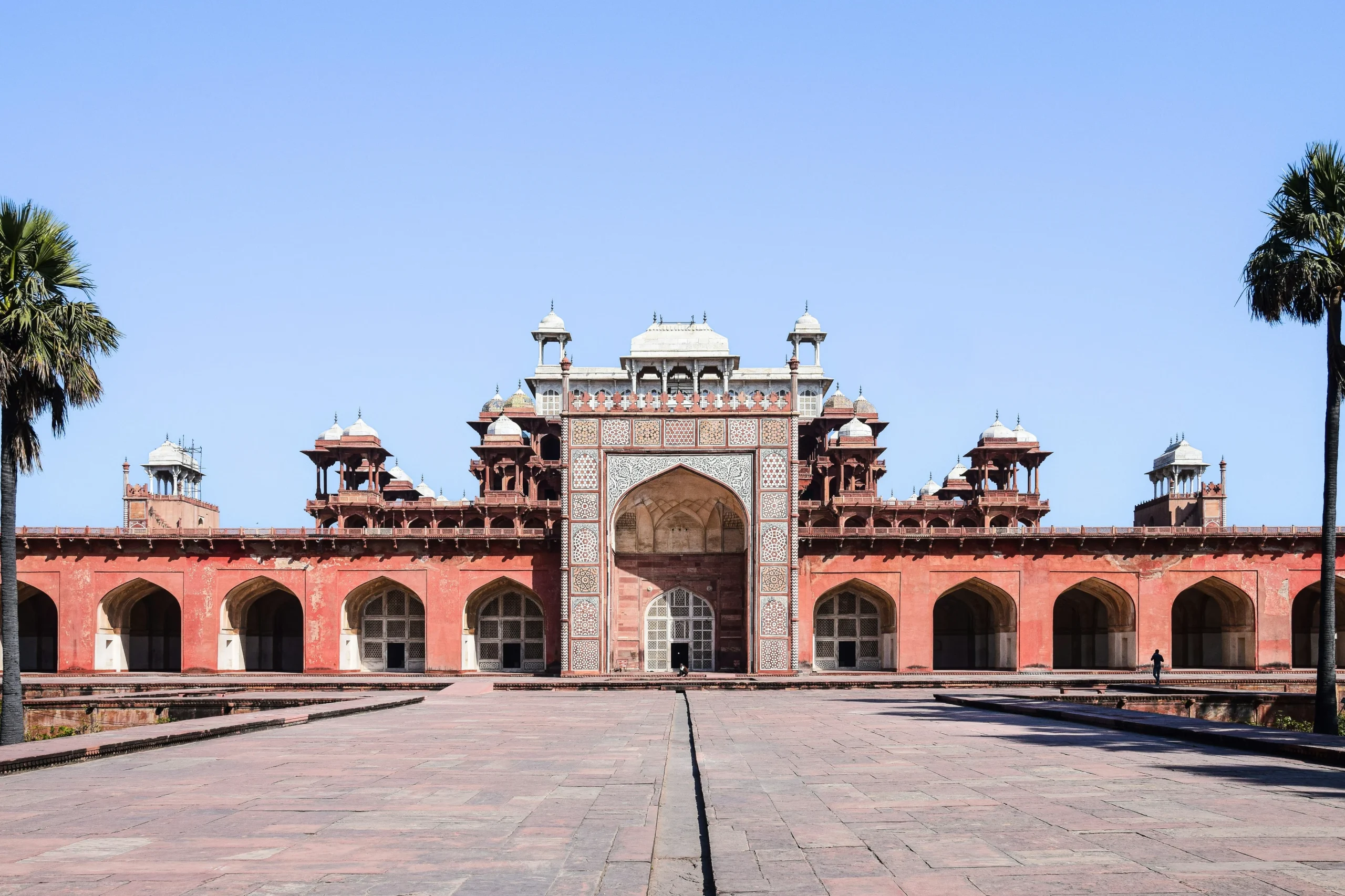
The symmetric and balanced layout is centrally placed within a grand courtyard. The tomb feels calm, ordered, and deeply symbolic, offering a quiet space where Akbar’s history, design, and memory come together.
The main structure is defined by a strong, square form rising over 100 feet, set within a serene garden of water channels and pavilions. The grand entrance draws you in, a five-storey gateway detailed with white marble inlay framed by four elegant minarets. Above, the topmost level shifts entirely to white marble, creating a striking contrast against the red sandstone below. Beyond the gateway, the garden unfolds as a serene landscape, reflecting a thoughtful harmony between architecture and landscape.
6. Moti Masjid
Architect: Ustad Ahmad Lahauri
Commissioned: Emperor Shah Jahan
Typology: Religious
Year: 1648 – 1654
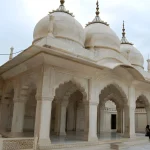
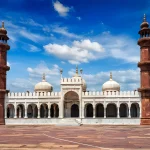
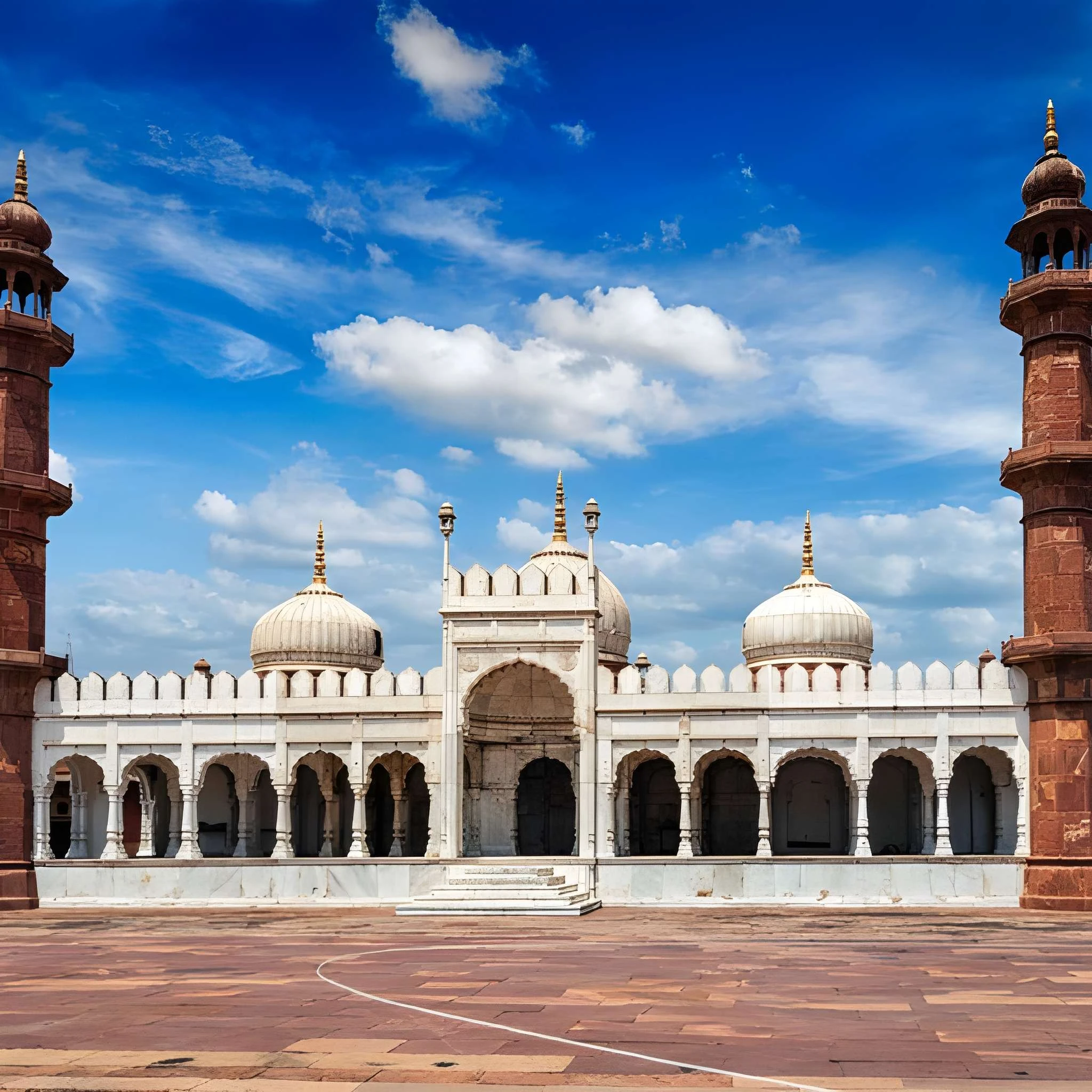
Often overlooked beside Agra’s more famous architectural landmarks is the Moti Masjid or “Pearl Mosque.” Built by Emperor Shah Jahan and completed in 1654, this elegant mosque sits within Agra Fort, near the Diwan-i-Khas, as a quieter, refined expression of Mughal architecture. Crafted in beautiful white marble, its simplicity and balance give it a calm, almost glowing presence. It might not match the scale of the Taj Mahal, yet it remains one of Shah Jahan’s most graceful landmarks. Designed as an intimate space where craftsmanship and serenity come together beautifully.
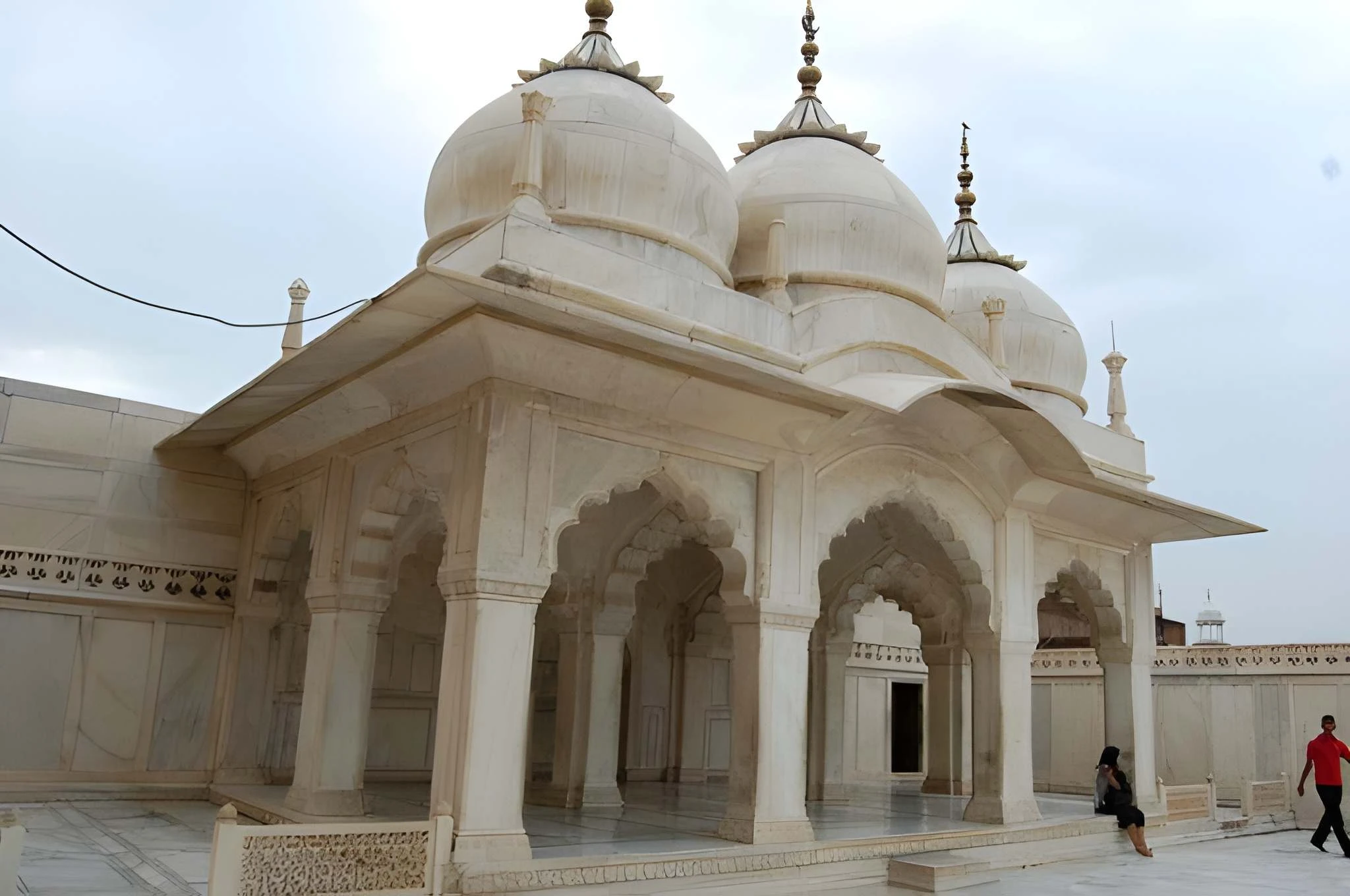
Built entirely in luminous white marble, the Moti Masjid embodies a quiet sense of purity and balance within Mughal architecture. Its calm symmetry unfolds through a central courtyard, a prayer hall lined with graceful arches, and three delicate domes rising gently above the structure. Slender piers, repeating entryways, and subtle details create a rhythm that feels both refined and welcoming. More than a place of worship, the mosque stands as a serene expression of craftsmanship, where simplicity, proportion, and spirituality come together.
7. Mariam’s Tomb
Commissioned: Emperor Jahangir
Typology: Mausoleum
Year: 1623
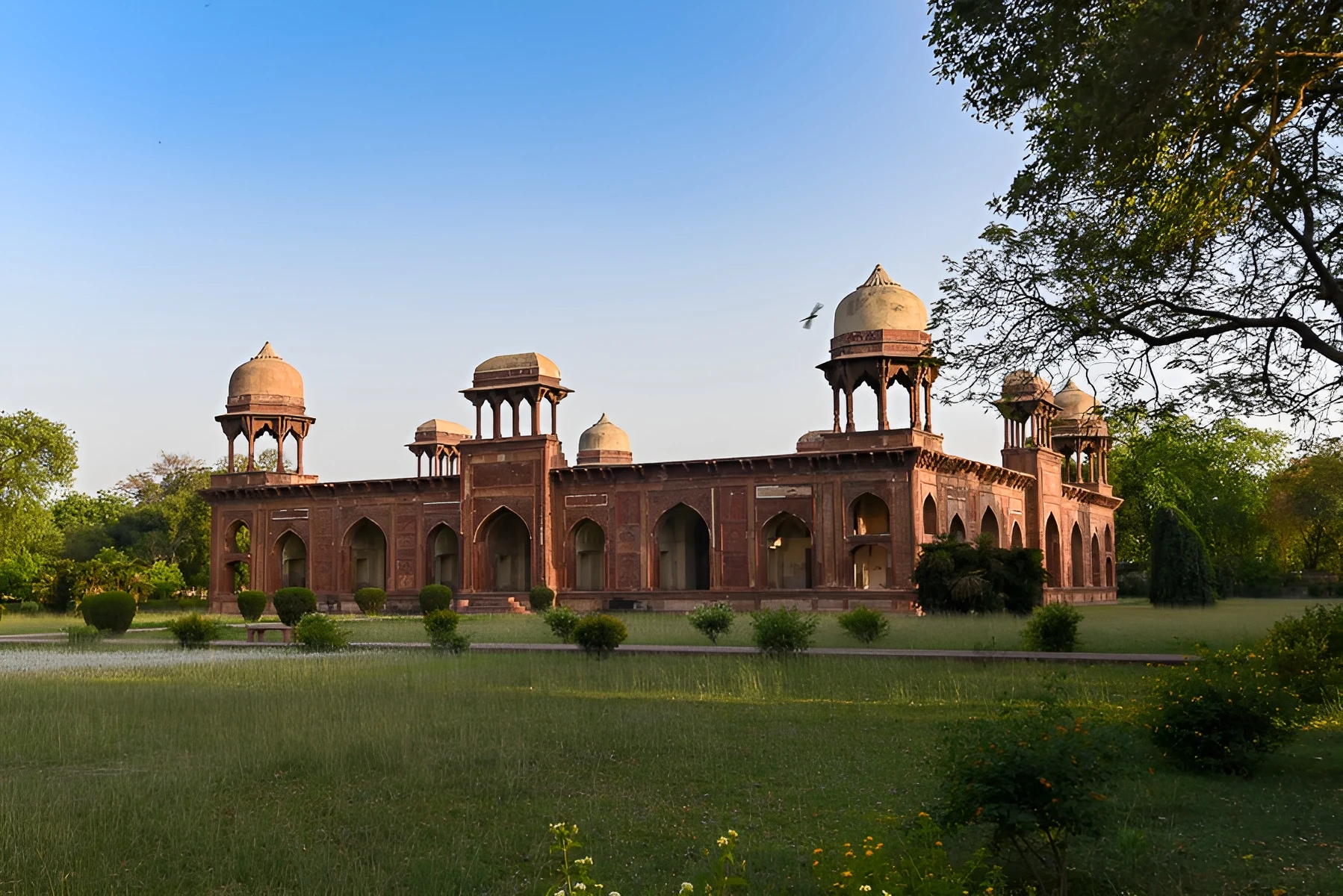
Set in a quiet garden setting, Mariam-uz-Zamani’s tomb offers a more subtle, understated yet deeply meaningful expression of Mughal architecture. Dedicated to Mariam-uz-Zamani, the Hindu consort of Emperor Akbar. The mausoleum beautifully blends Mughal and Rajput influences with a sense of simplicity and grace. Unlike more elaborate tombs, it is restrained, and the design feels calm and intimate, reflecting her status and the cultural harmony of the time. It stands as a gentle reminder of an era where different traditions and architectural history came together, which is both thoughtful and timeless.
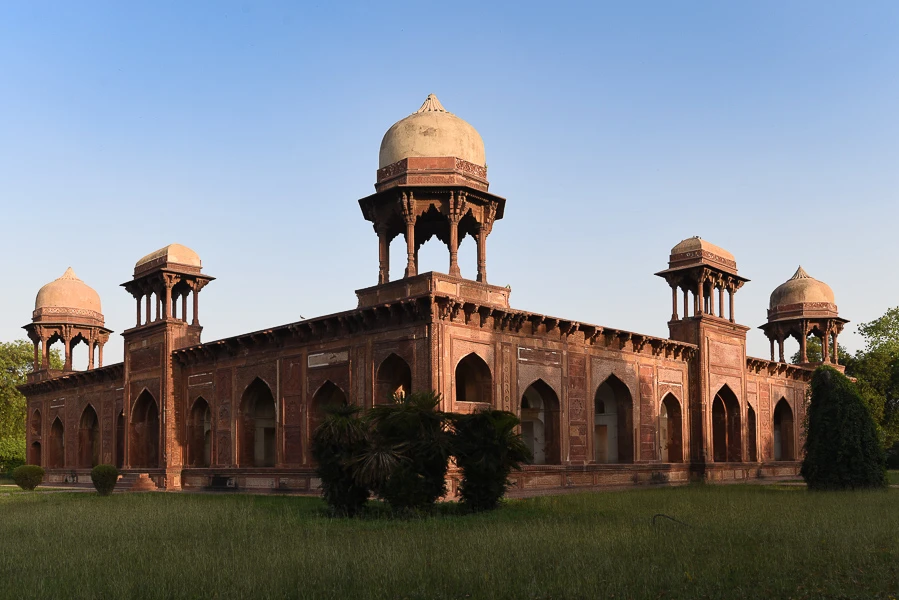
Built with red sandstone and white marble, reflecting a quiet harmony between Mughal and Rajput design traditions. Its roofline is topped with elegant chhatris resting on carved pillars, adding a delicate rhythm to the structure. Set within a serene Charbagh garden, the tomb feels calm and balanced, with pathways and greenery reinforcing a sense of order and peace. Inside, the simplicity of the central chamber draws focus to the cenotaph, creating a space that feels intimate and contemplative.
8. Diwan-i-Khas
Commissioned: Emperor Shah Jahan
Typology: Civic | Public
Year: 1635
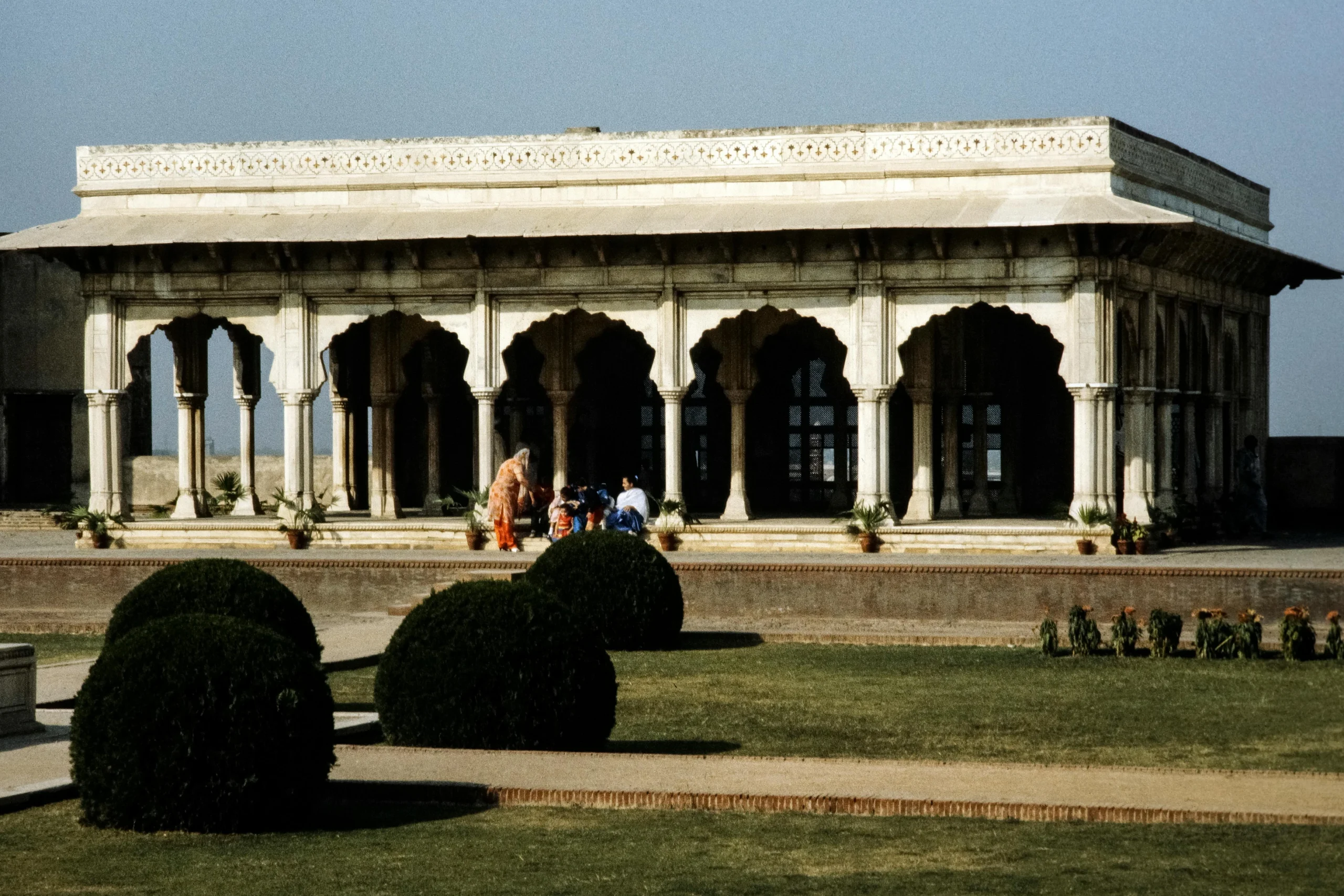
Tucked within the grand Agra Fort, the Diwan-i-Khas offers a glimpse into the lesser-known world of Mughal royalty. Built in 1635 by Emperor Shah Jahan, this Hall of Private Audience was where important discussions and meetings with dignitaries once took place. The architecture is crafted in elegant white marble with delicate inlay work; the space feels both intimate and sophisticated. It’s a place where power, art, and conversation come together in a setting of timeless beauty.
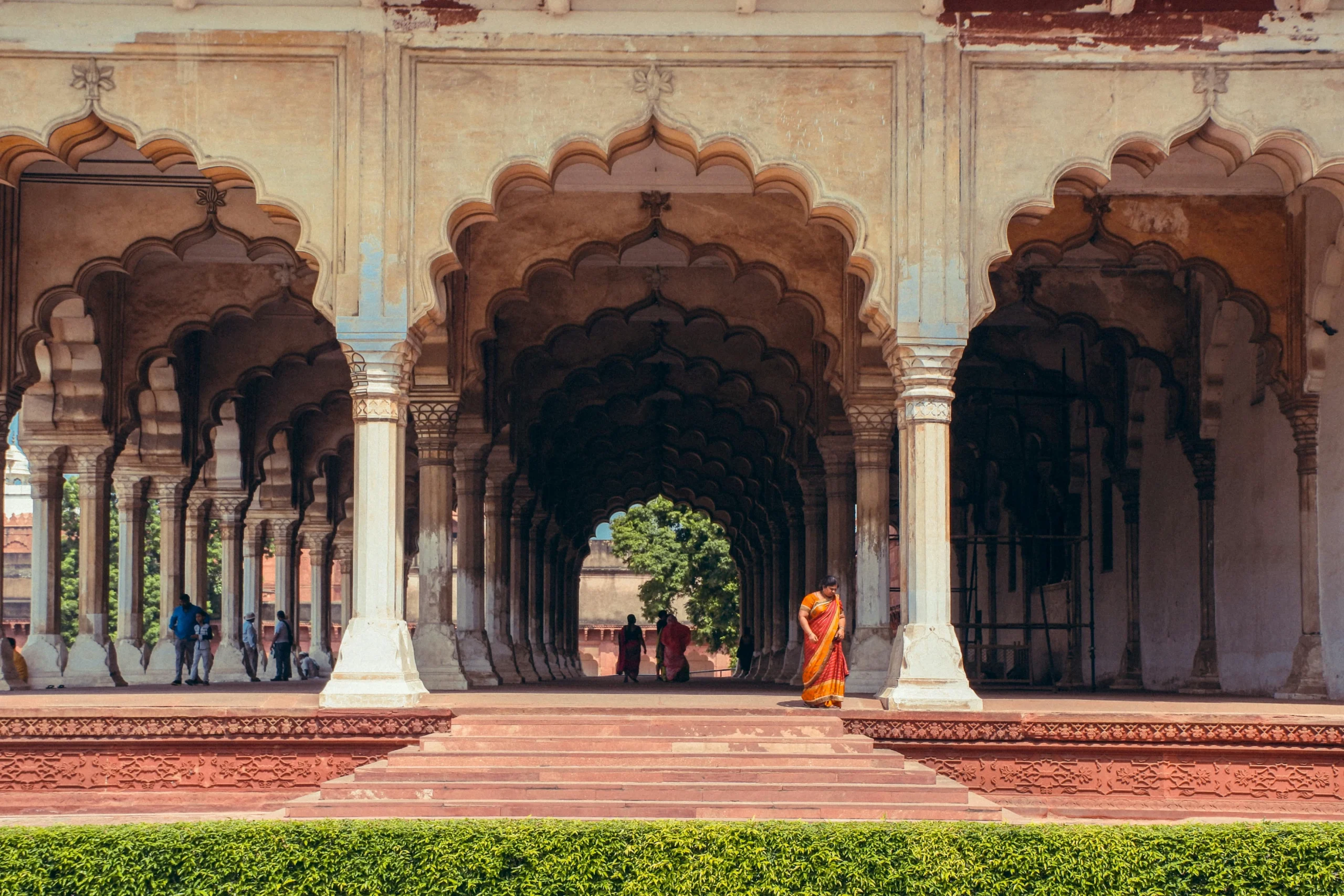
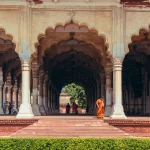
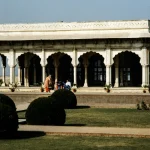
The façade structure of the Diwan-i-Khas, a raised marble platform where the emperor once held private audiences, is framed by finely carved pillars and delicate inlay work. The space is rich with subtle details, floral patterns, and elegant calligraphy that bring a sense of refinement. Contrary to the grand scale, the hall feels intimate and precise, revealing the Mughal Empire’s attention to craft and atmosphere. It remains a quiet yet powerful space where design, detail, and history come together effortlessly.
These landmarks reflect a timeless Mughal legacy, shaping an enduring urban narrative that continues to define the city’s identity.