
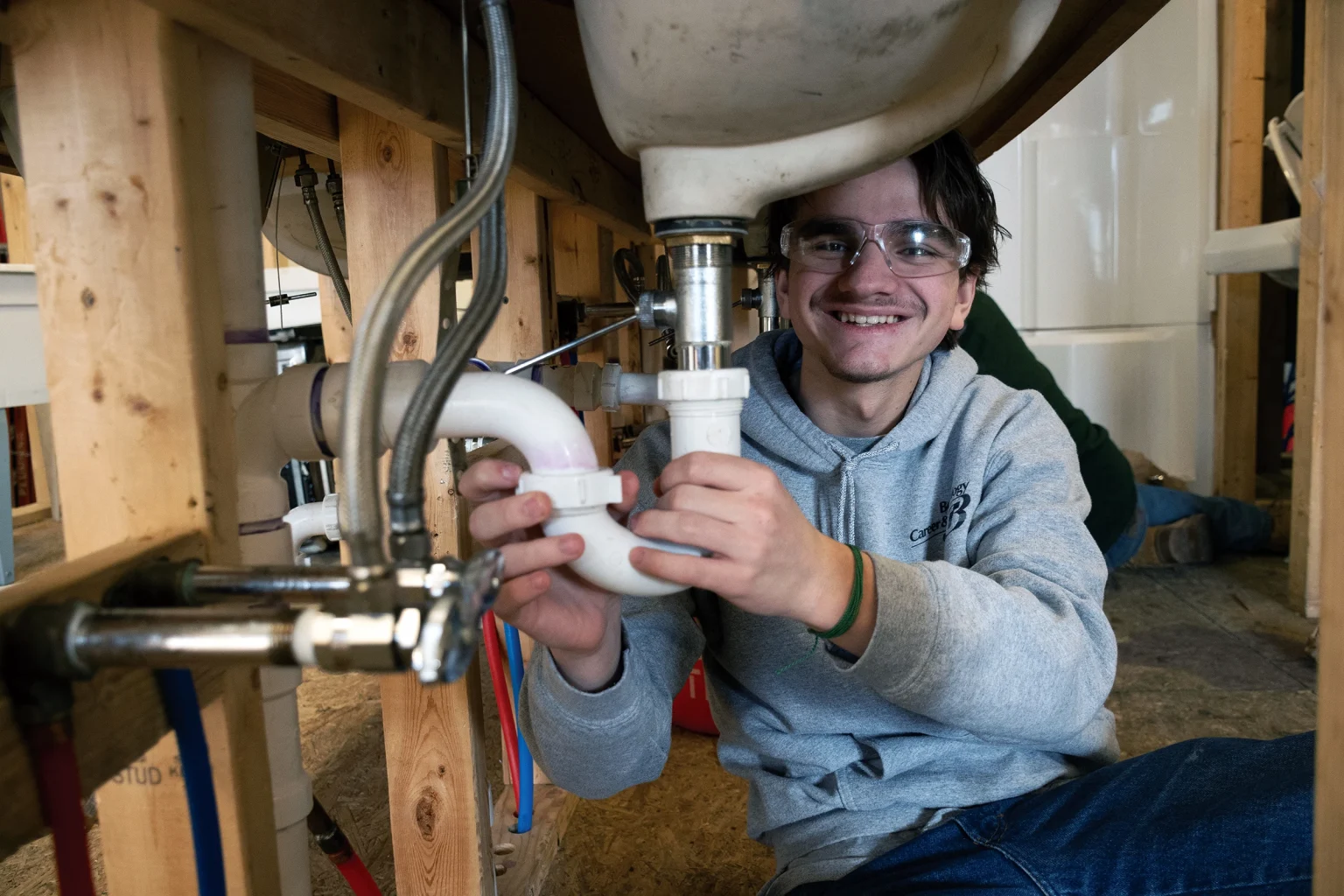

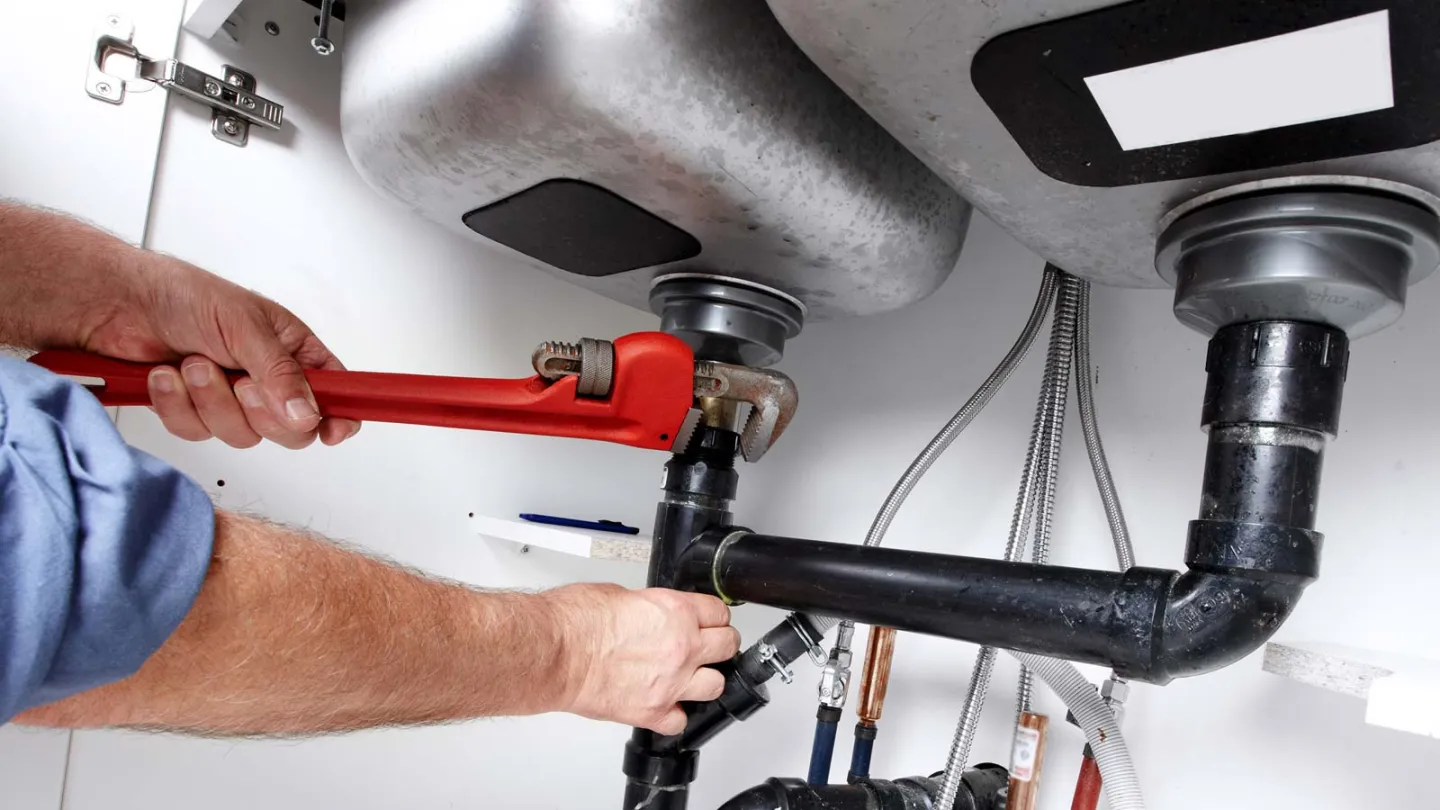


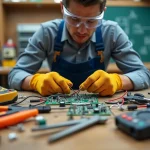
When you walk into a training lab, you will immediately feel the difference. There’s a faint smell of cut wood, the clink of metallic tools, and students quietly focused on fitting pipes or tracing wires. For aspiring plumbers and electricians, this is not just a practice room. It’s a space where their theoretical knowledge finally connects with reality.
Many students sign up for programs with hands-on electrician training in Ontario because they don’t want to wait for months to apply what they have learned. Hands-on training allows them to step onto simulated job sites early. They gain the experience of working with conduits, panels, fittings, and fixtures that mirror situations they might encounter in residential and commercial buildings. So instead of drawing diagrams or imagining how systems connect, they build them and physically connect them.
The Shift from the Classroom to the Lab: Understanding the Changes
The shift from the desk to a lab is a transformative move. In traditional classrooms, students learned linearly: understanding the definitions first, drawing diagrams next, and gradually applying them somewhere down the line. However, in the lab, the standard order flips. Application comes immediately and is followed by theory and reinforced by action.
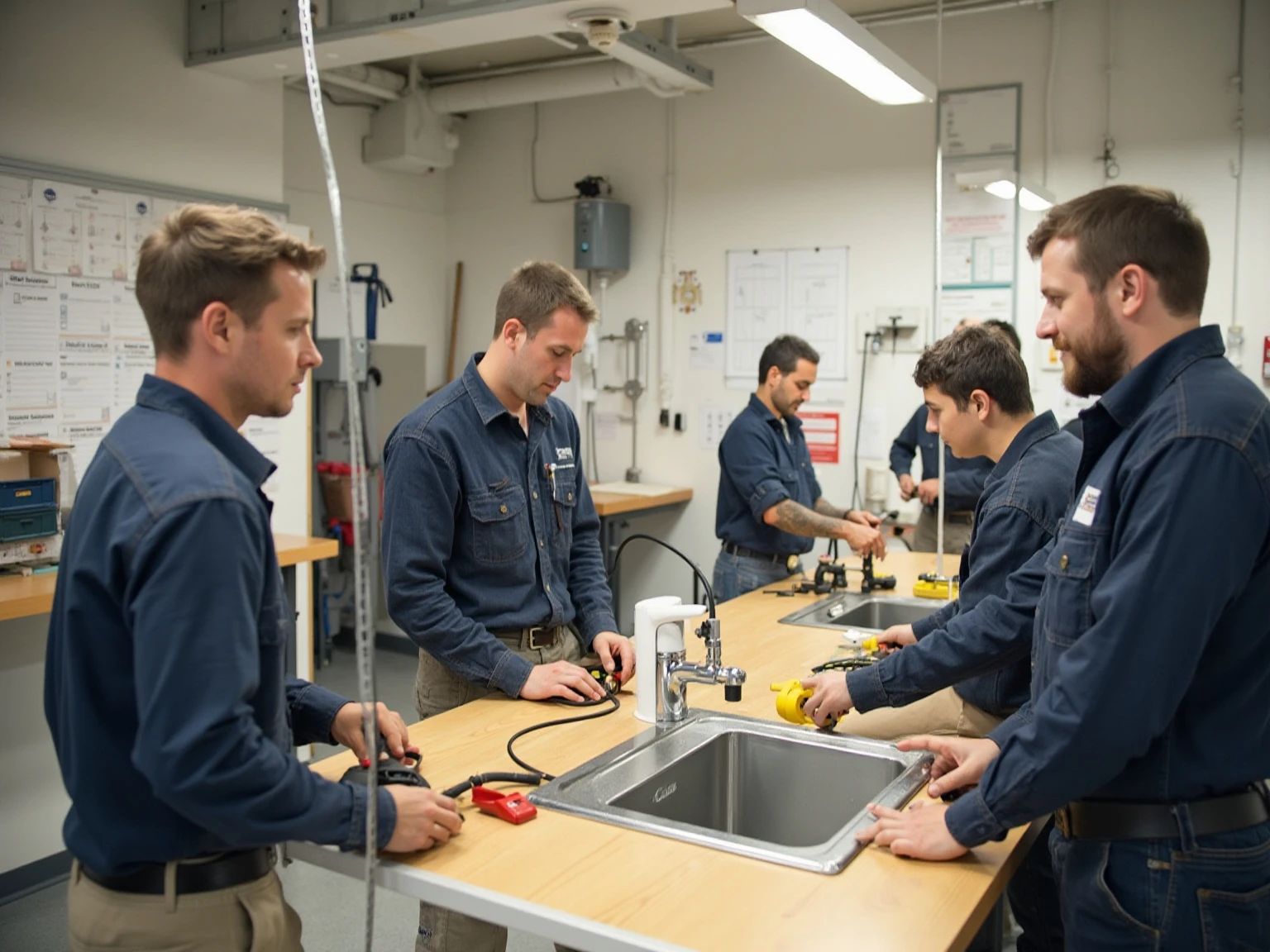
Students physically wiring a circuit or assembling a water supply line don’t just rely on passive information. They measure, adjust, test, and make corrections to decide in real time. That way, learning becomes active, layered, and memorable.
This shift has also changed the role of instructors. Long lectures are replaced with instructors guiding students, asking questions, explaining safety concerns, and encouraging students to go beyond challenges.
In an environment that encourages dialogue, learners become more confident and begin to see things differently. They no longer just study a trade. Instead, they practice and build ownership, which in turn accelerates growth. And once this mindset takes hold, the lab no longer feels like a training room. It becomes a foundational step toward building a career.
Why Is Lab Training Necessary for Skill Development?
Becoming a skilled electrician or plumber doesn’t happen by memorizing definitions. You need to practice your work, make corrections, and master the tools of the trade. Unlike traditional classrooms, labs create an environment where you can turn uncertainty into capability through repeated practice.
Hands-On Learning
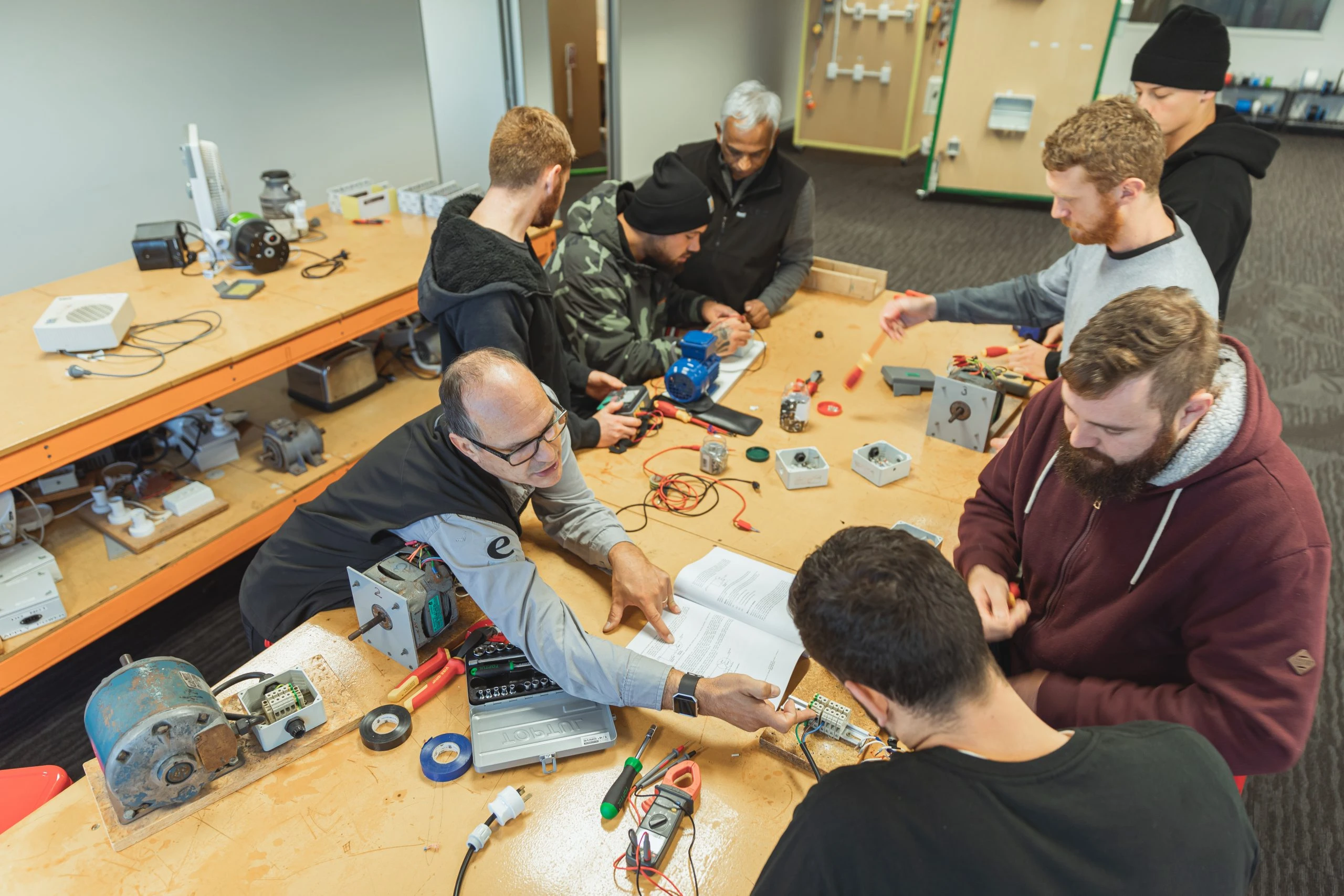
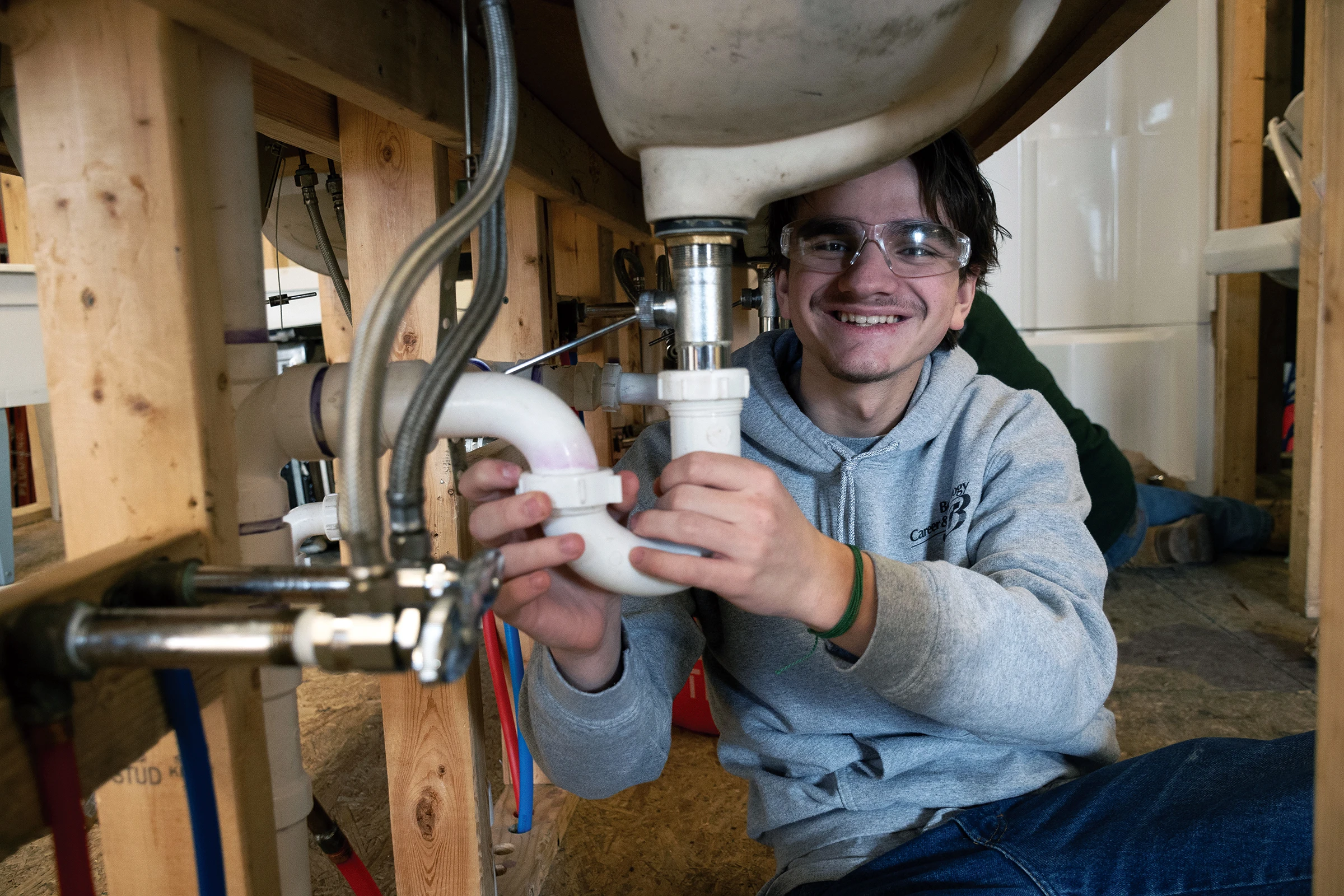
While a textbook breaks up a system into multiple chapters, it’s a lab that brings everything together. Electrical students don’t just learn about switches, breakers, and receptacles separately. They learn to wire the entire mock room, troubleshoot faults, and trace power flow from panel to endpoint. Plumbing students also don’t solely study fittings. They learn to assemble supply and drainage systems to make them work as a whole.
Immediate Feedback
Another important benefit of lab-based learning is that students get to see why something fails. Each mistake, be it a loose neutral, a venting error, or an improperly sealed joint, becomes a lesson and is followed by detailed feedback to ensure faster understanding.
Encourages Experimentation
When practicing in a controlled environment, students don’t have to worry about the consequences of damaging a real client’s property. They can experiment with their measurement skills and try again until they get it right. This safe space allows students to become familiar with the equipment and ask questions for a deeper understanding of the work.
Real-World Confidence
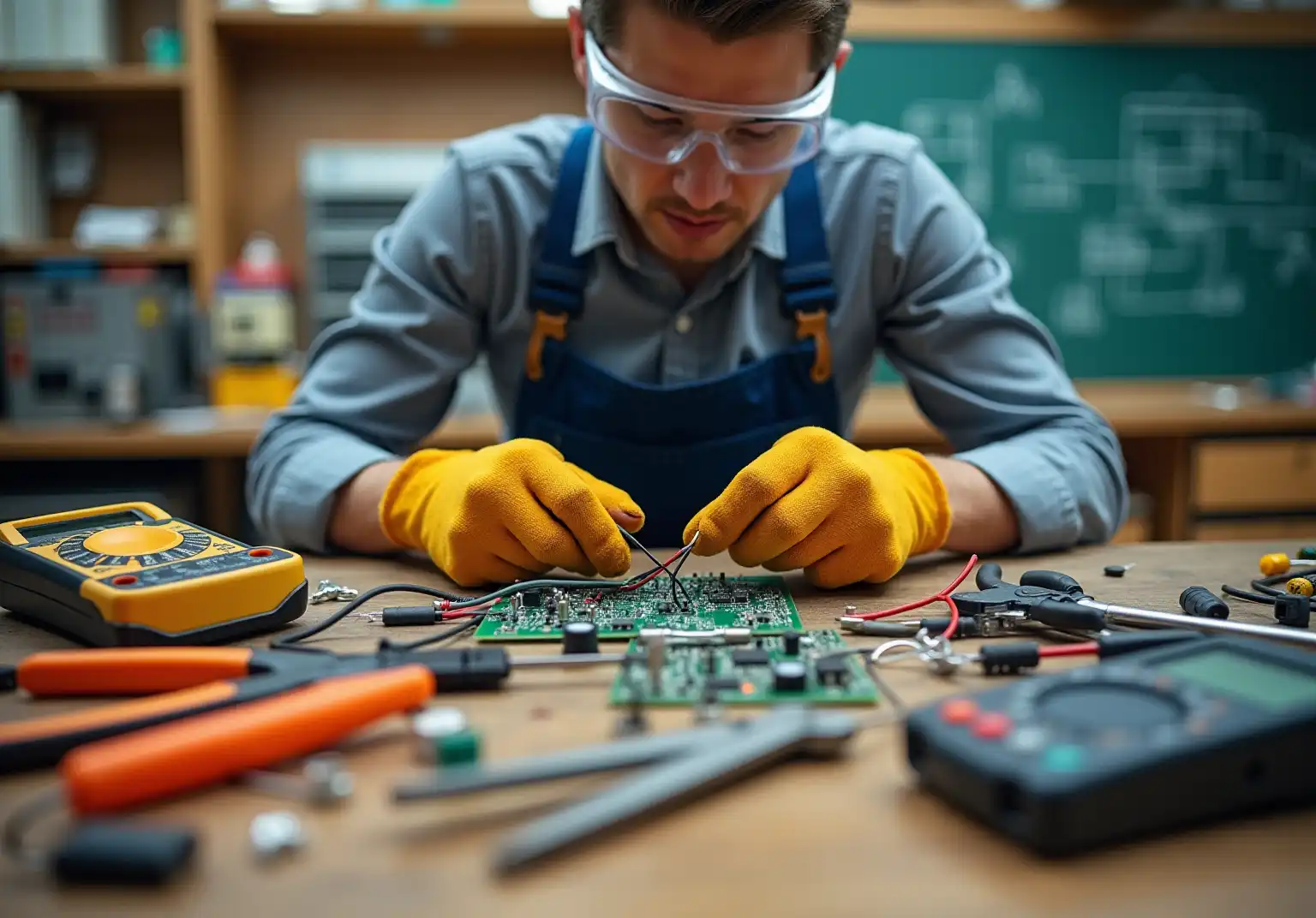
When students repeatedly wire circuits, assemble pipe systems, bend conduit, and measure voltage, they become confident in their judgment and stop second-guessing every decision. This confidence doesn’t come from being told, “Yes, you are ready.” It comes from constant practice to perfect themselves, one completed task at a time.
Cultivates Discipline
Beyond technical skills, labs help electricians and plumbers to become more disciplined. From keeping workstations organized and double-checking measurements to following safety checklists and respecting timelines, lab experiences mirror the expectations of real job sites where efficiency and safety have a direct impact on reputation and income.
Endnote
All in all, labs extensively support theory and transform learners into capable electricians and plumbers. This is made possible through practice and immediate feedback. With extensive support from instructors and hands-on learning, aspiring electricians and plumbers don’t just understand how systems function but also how to make them work more reliably in the real world.