



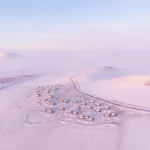
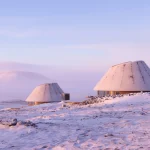
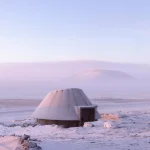
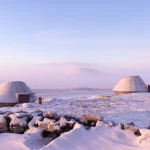
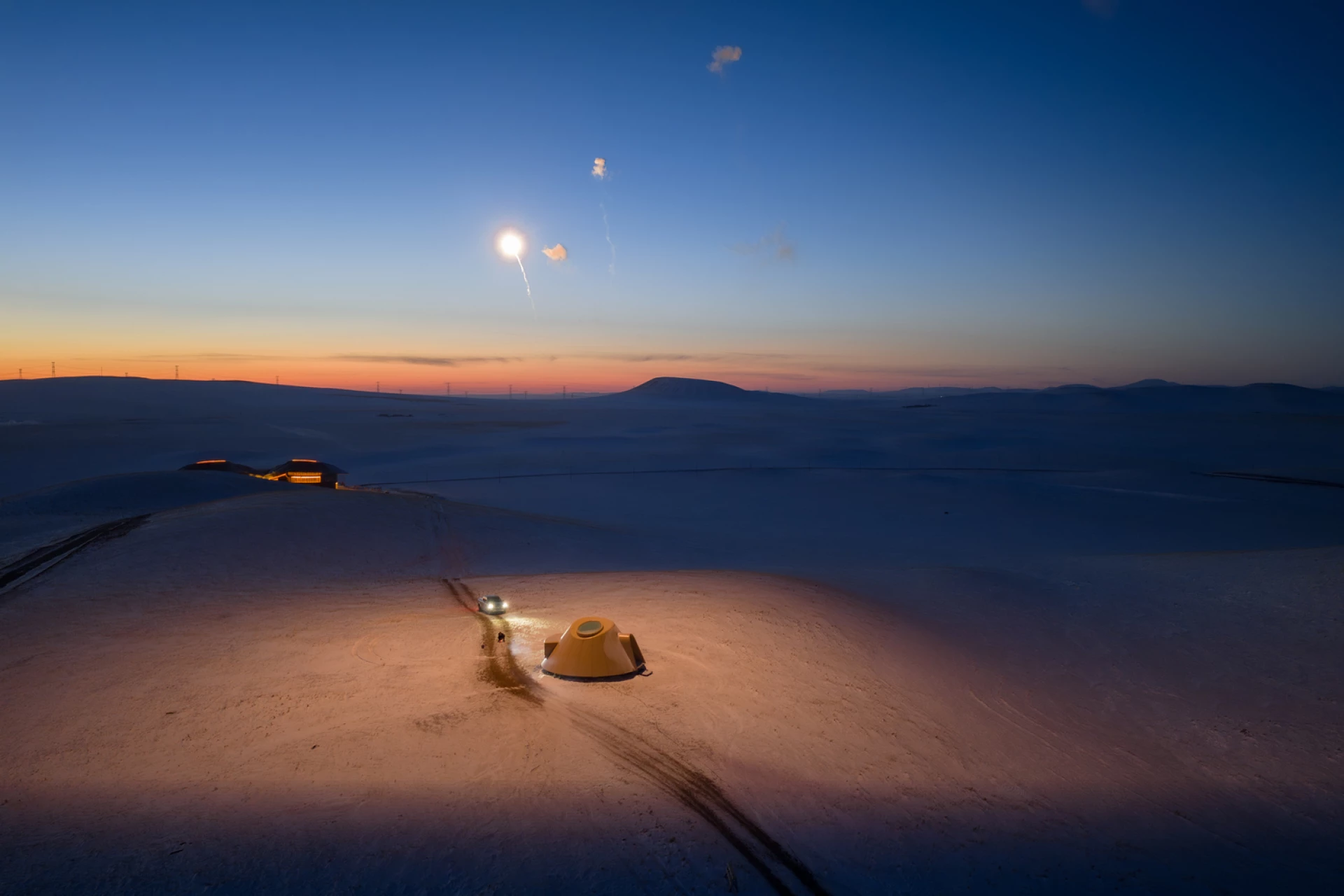
The Volcano-In Hotel of Arrivals is located in the Baiyinkulun Steppe in Inner Mongolia, China. Designed by the architecture studio PLAT ASIA, the project forms part of a larger tourism development built around an ancient volcanic field. The hotel is close to a dormant crater that formed around 150,000 years ago, an environment shaped by wind, sand movement, and erosion.
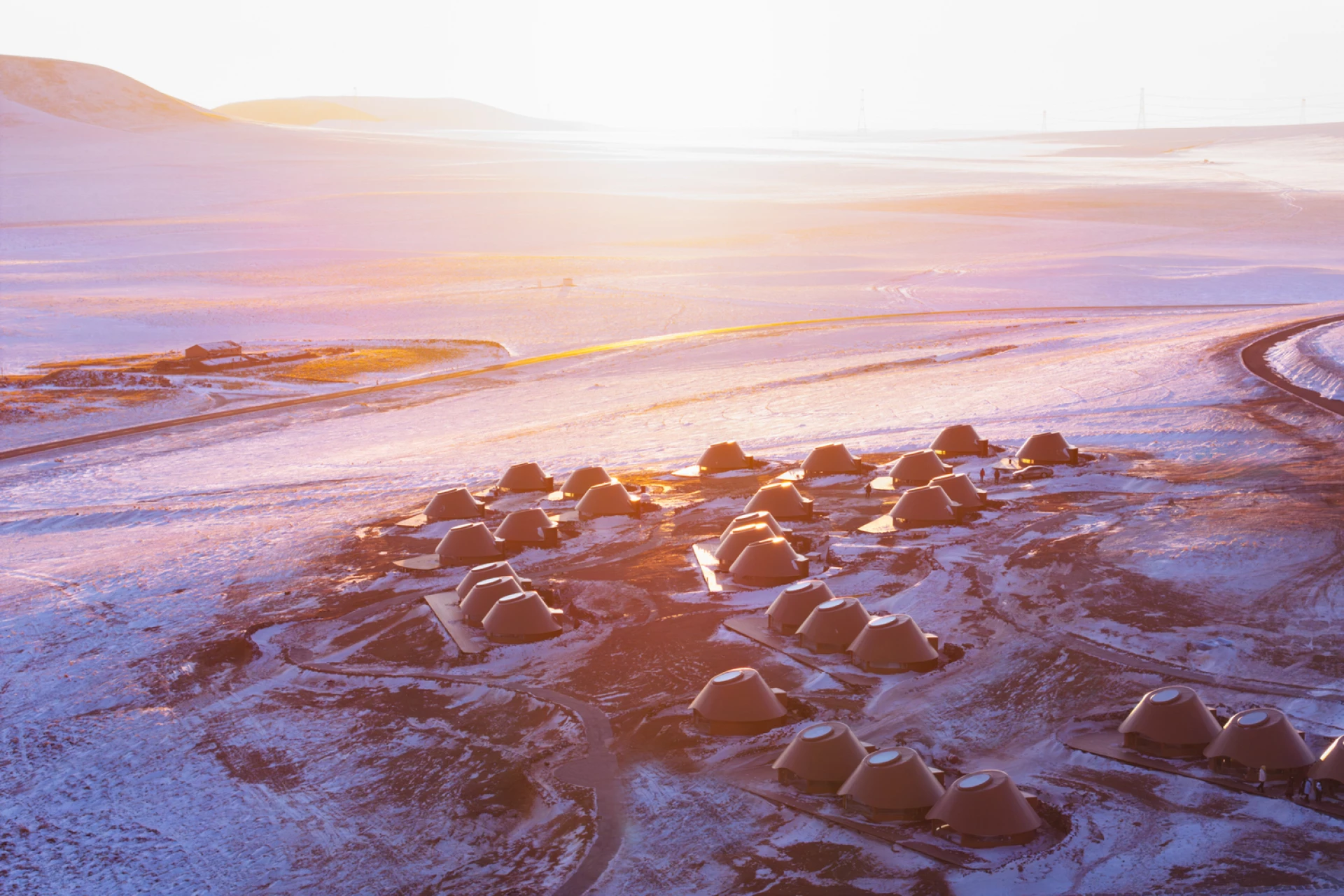
The project covers about 1,634 square meters and was completed in 2025. Instead of a single large building, the hotel is composed of multiple small guest units scattered across the steppe. The design aims to introduce tourism facilities without altering the fragile terrain that defines the region, ensuring that the natural landscape remains intact while providing visitors with a unique experience of the steppe’s beauty.
This approach reflects a broader strategy where architecture becomes a light intervention within the landscape.
Design Strategy Shaped by the Steppe
The location presented several environmental challenges. Strong seasonal winds expose the chosen site southeast of the volcanic cone, pushing sand and snow across the terrain. Vegetation struggles to grow because the soil is thin and unstable.
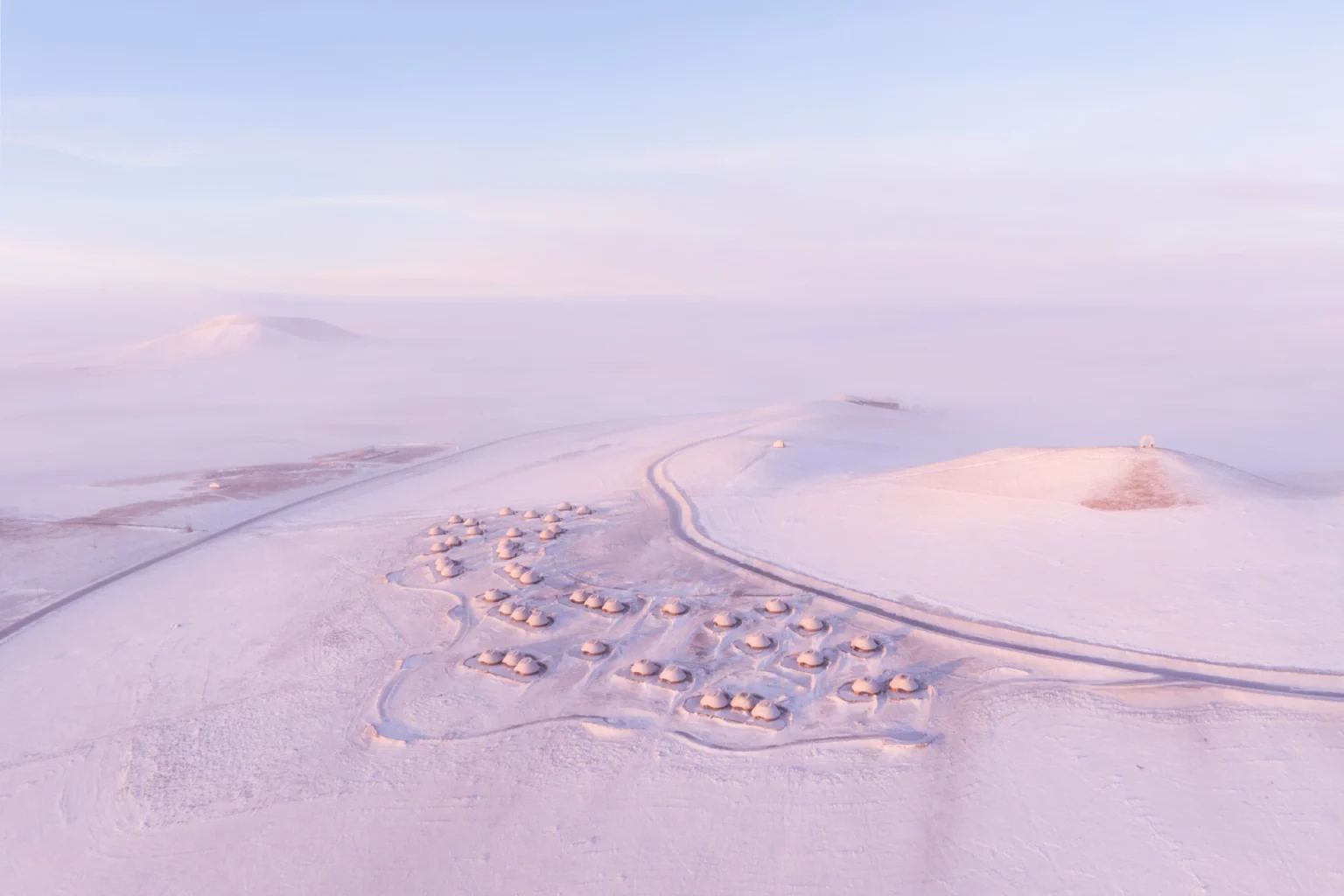
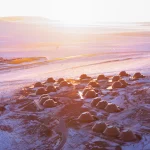
To address this, the architects placed the hotel units directly over existing, gradually expanding sand depressions. By covering these pits and stabilizing the surrounding ground, the structures help prevent further erosion and create conditions that may allow vegetation to return over time.
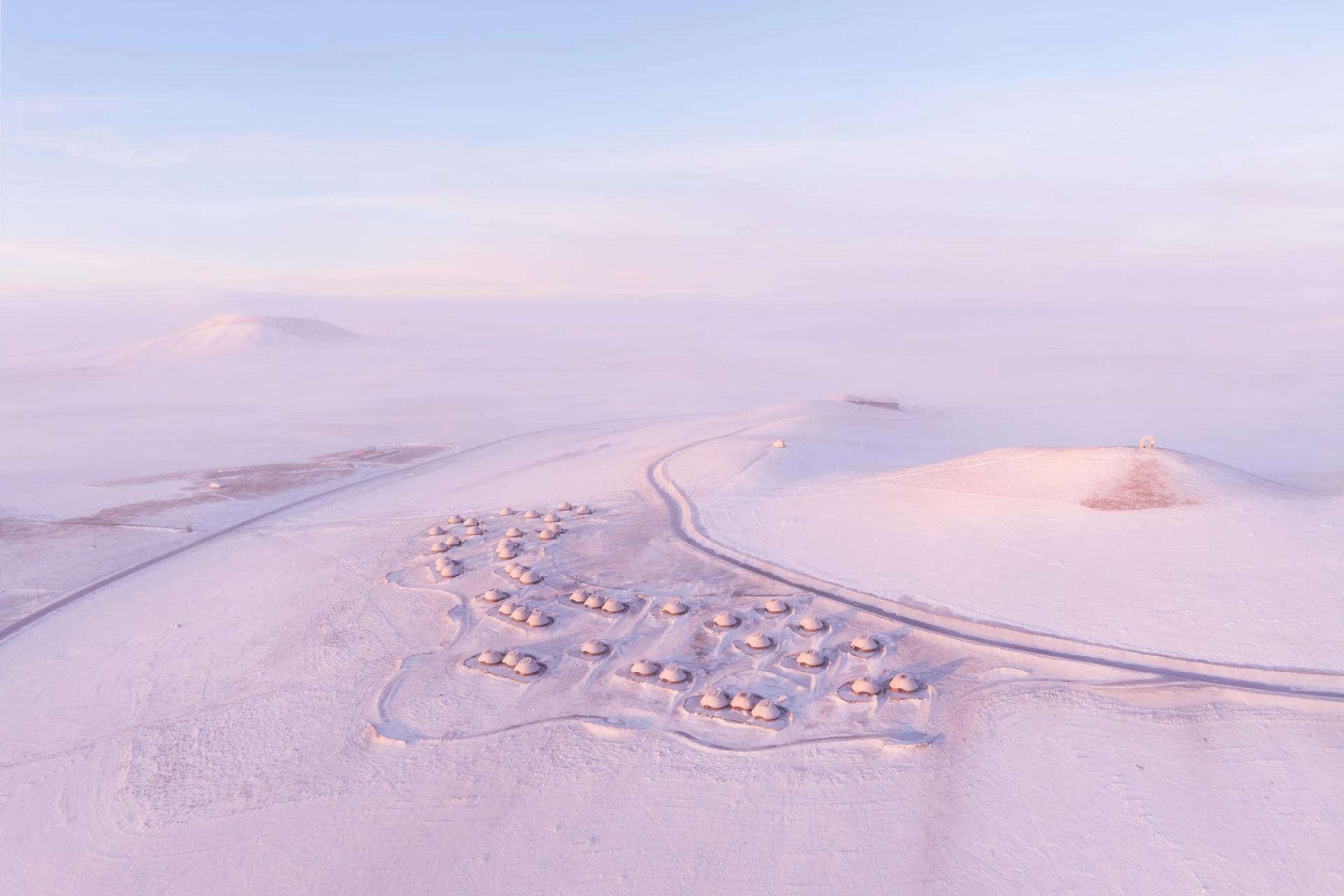
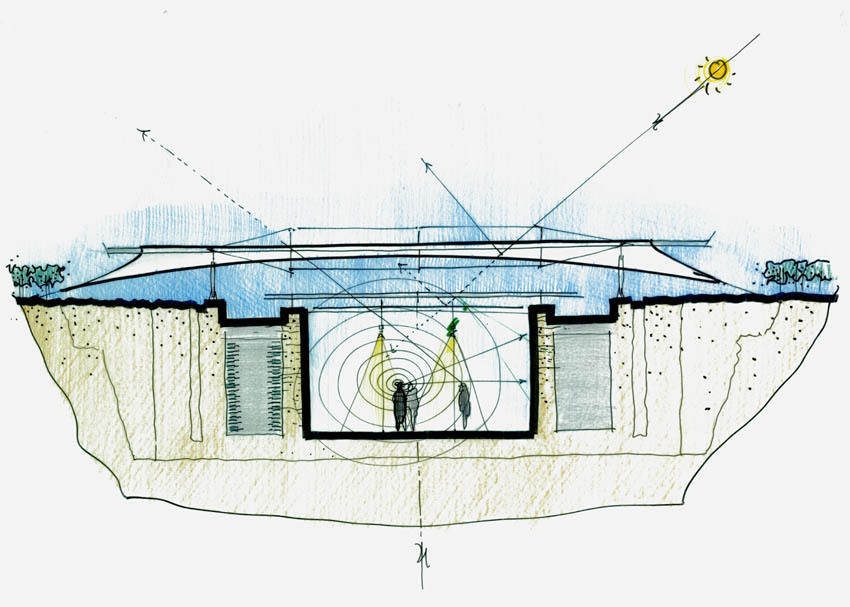
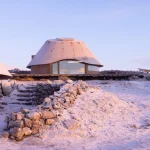
Curved retaining walls are built around each unit. These walls act as wind barriers and also trap snow during winter. The collected snow eventually melts and supplies moisture to the soil, which supports gradual ecological recovery.
Cluster of Volcanic-Inspired Cabins
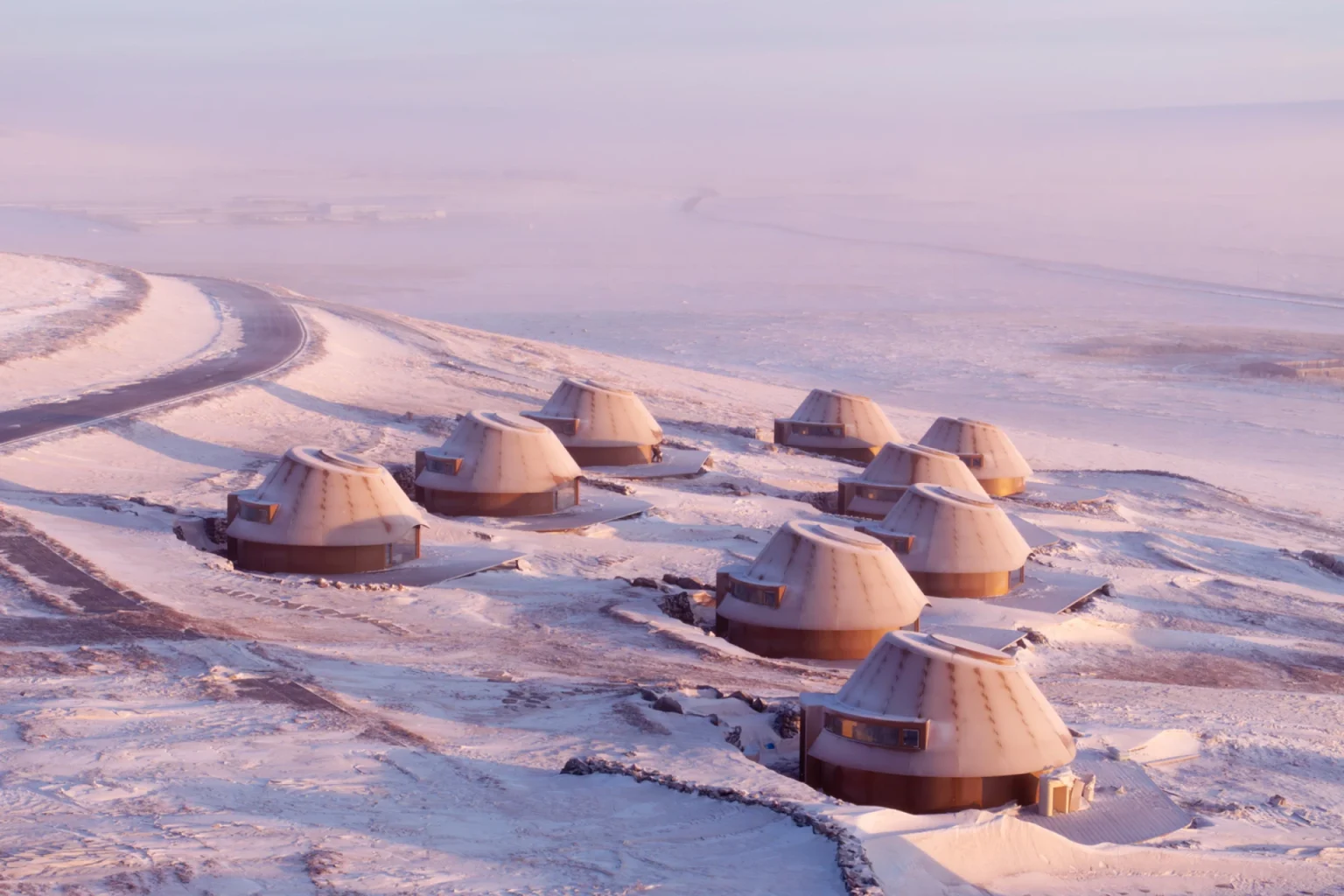
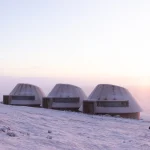
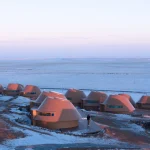
Instead of traditional hotel blocks, the project uses a dispersed cluster of compact cabins. The layout draws inspiration from volcanic formations where lava flows create multiple small cones across a landscape.
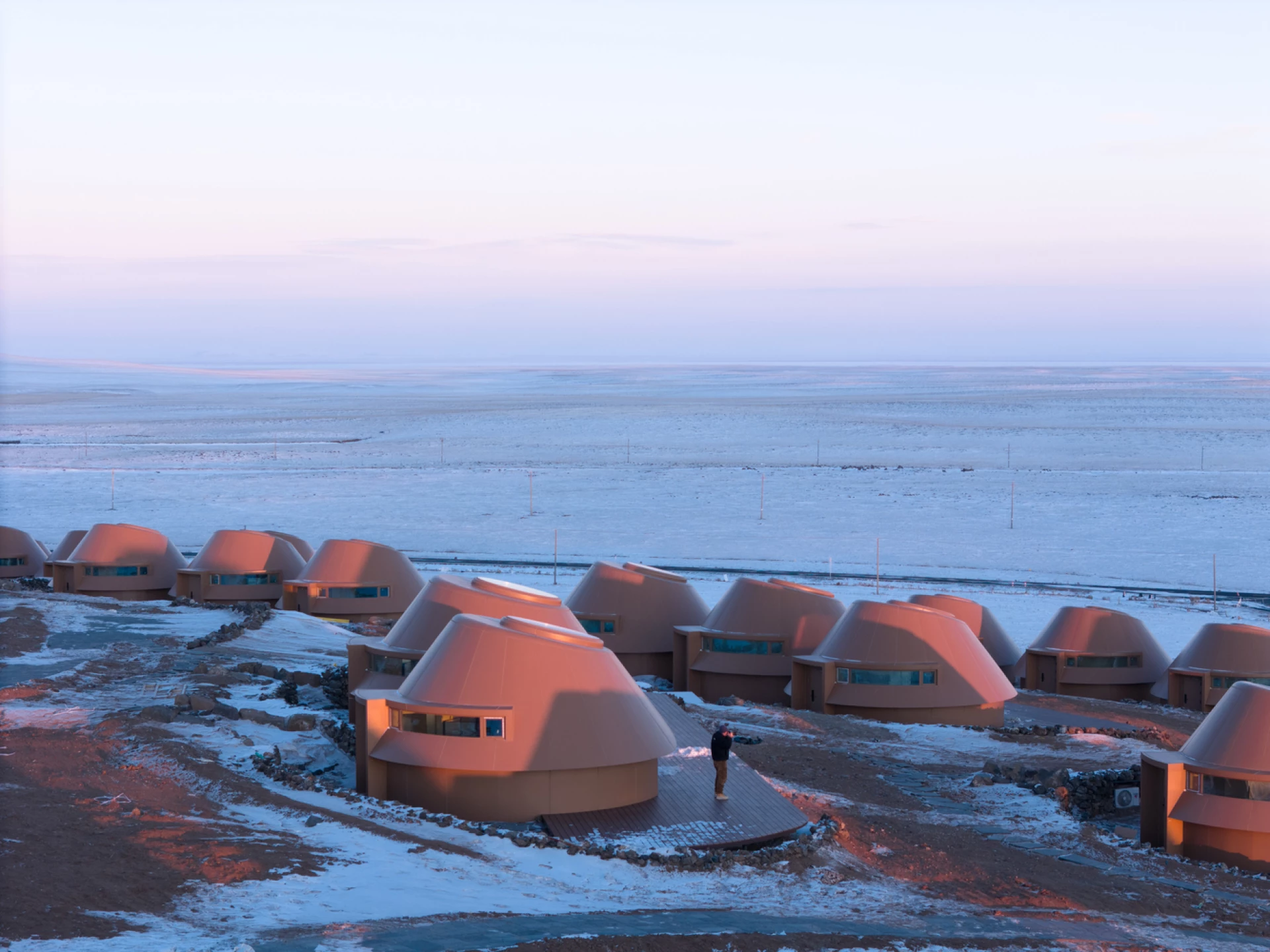
Each cabin features a rounded exterior with reddish metal cladding and a cone-like aluminum roof. The color and texture of the surface resemble volcanic rock, allowing the buildings to visually merge with the terrain.
The cabins are spaced apart to maintain open views of the steppe and volcanic horizon. Stone paths connect the units, forming a branching circulation pattern across the site. This network of walkways follows the terrain instead of reshaping it.
Lightweight Construction and Prefabrication
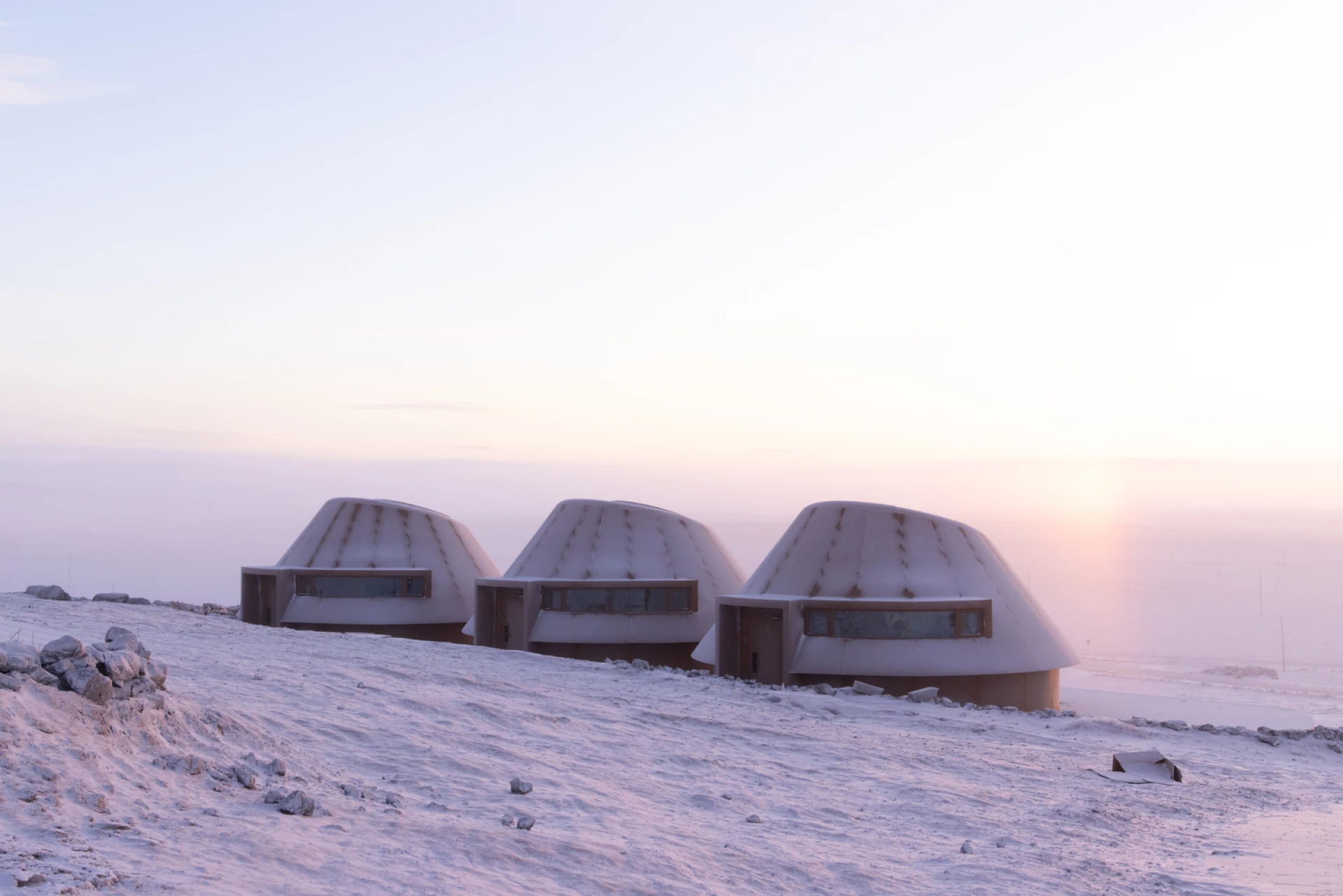
The project uses prefabricated building components that were manufactured off-site and assembled on location. This method reduced heavy construction work on the fragile ground and minimized disturbance to the landscape.
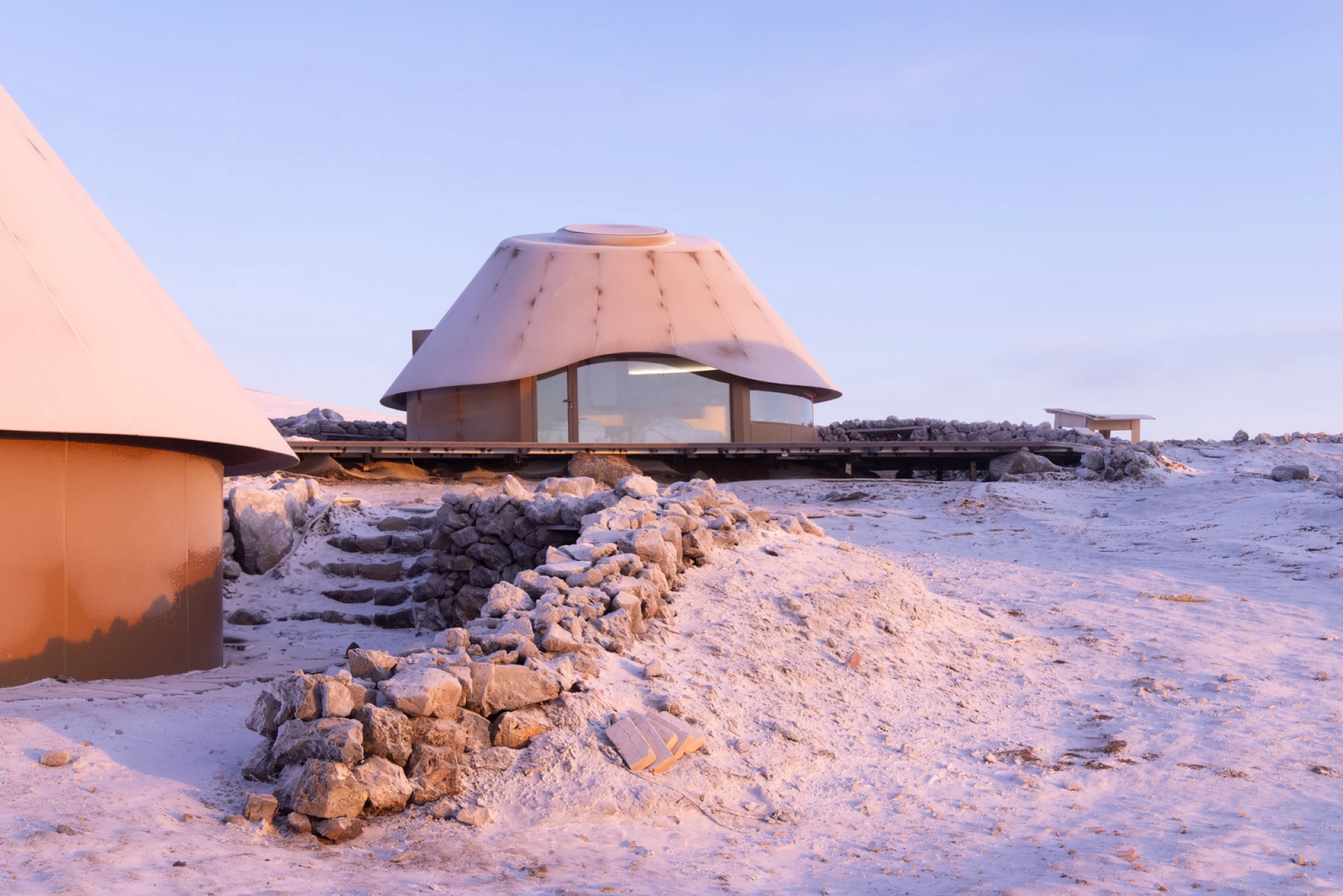
Each unit is raised slightly above the ground on a structural base. Elevating the cabins prevents pressure on the soil and allows natural drainage and airflow beneath the buildings. The construction system also made it easier to install the structures in remote conditions where large construction operations would have been difficult.
PLAT ASIA’s Interior Design and Spatial Experience
Inside each guest cabin, the layout includes a sleeping area, a small living space, a bathroom, and a private terrace that faces the open steppe. The interior design focuses on simple arrangements that frame views of the surrounding environment.
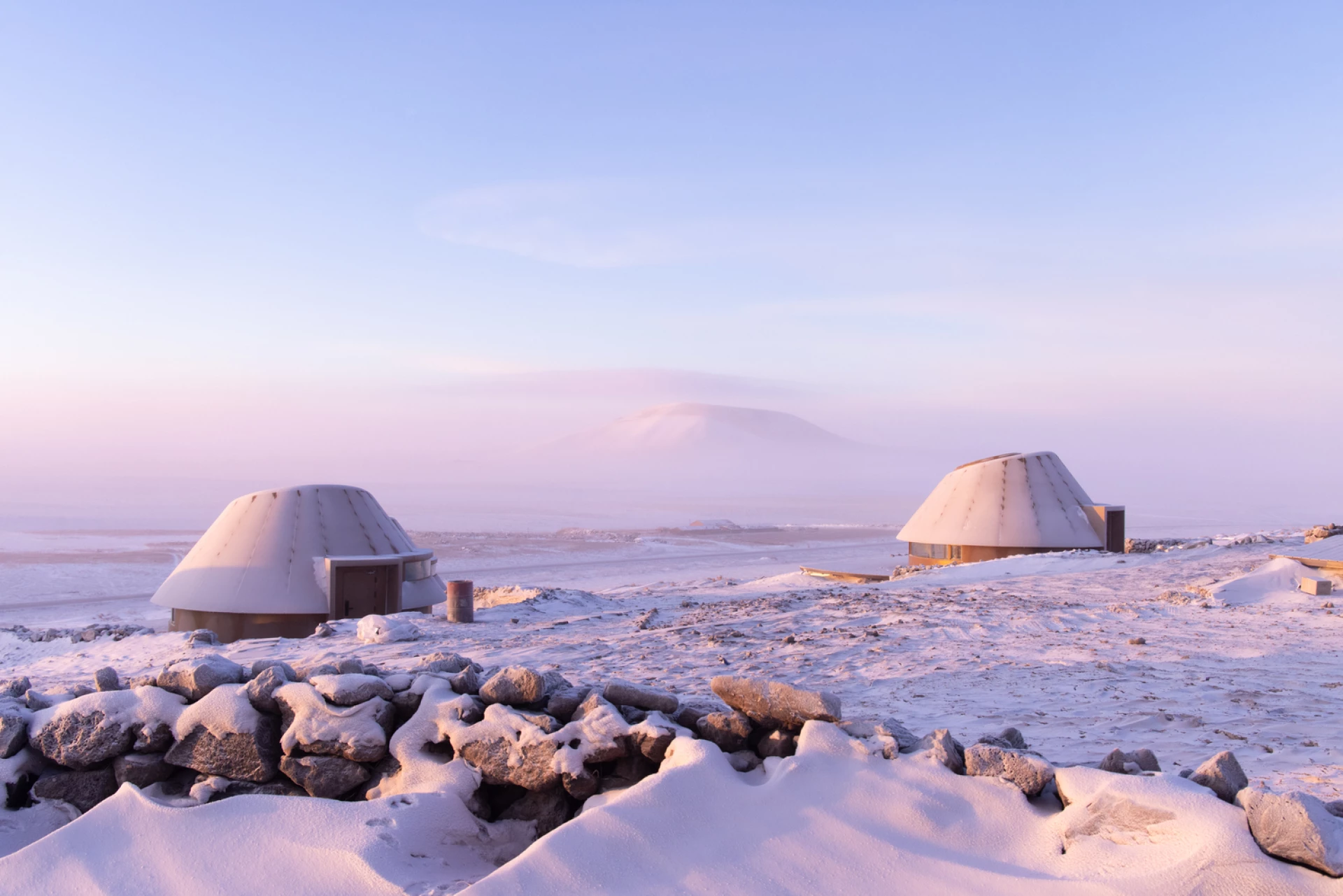
Three types of windows define the interior experience. An oval skylight above the bed allows guests to look directly at the night sky, making the remote location ideal for stargazing. A long horizontal window frames the distant volcanic landscape, while another vertical window provides a closer view of the surrounding grassland.
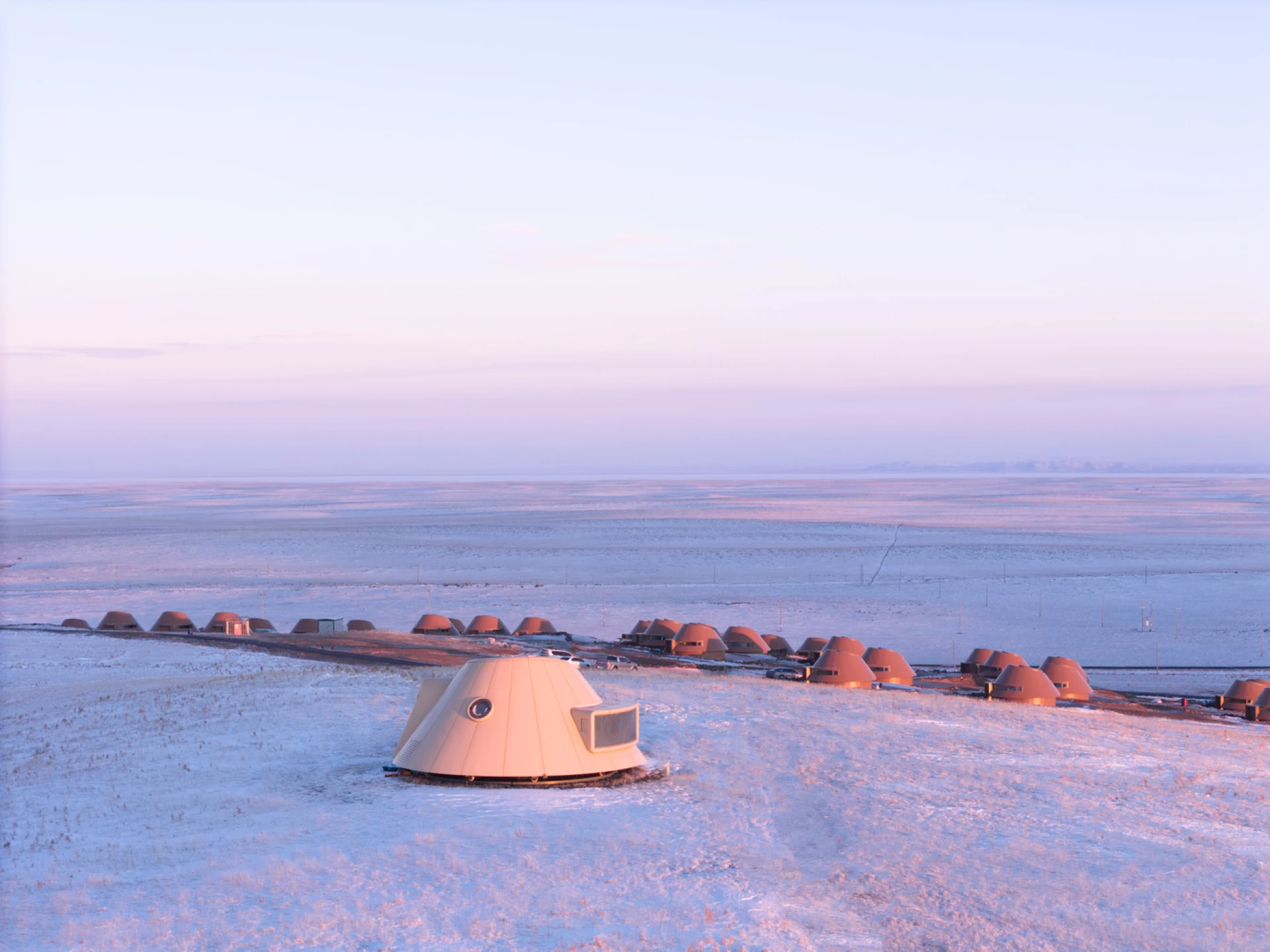
Traditional Chinese landscape painting, where long horizontal frames present layered views of land, water, and sky, influenced the proportions of these windows.
Prototype and Design Evolution of the Volcano-In Hotel
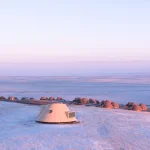
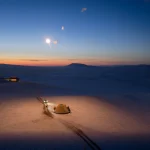
Before the final cluster was built, the architects developed an experimental prototype cabin. This early structure was installed on a nearby hilltop overlooking the site. It tested the concept of a volcano-shaped accommodation unit and helped refine the spatial design.
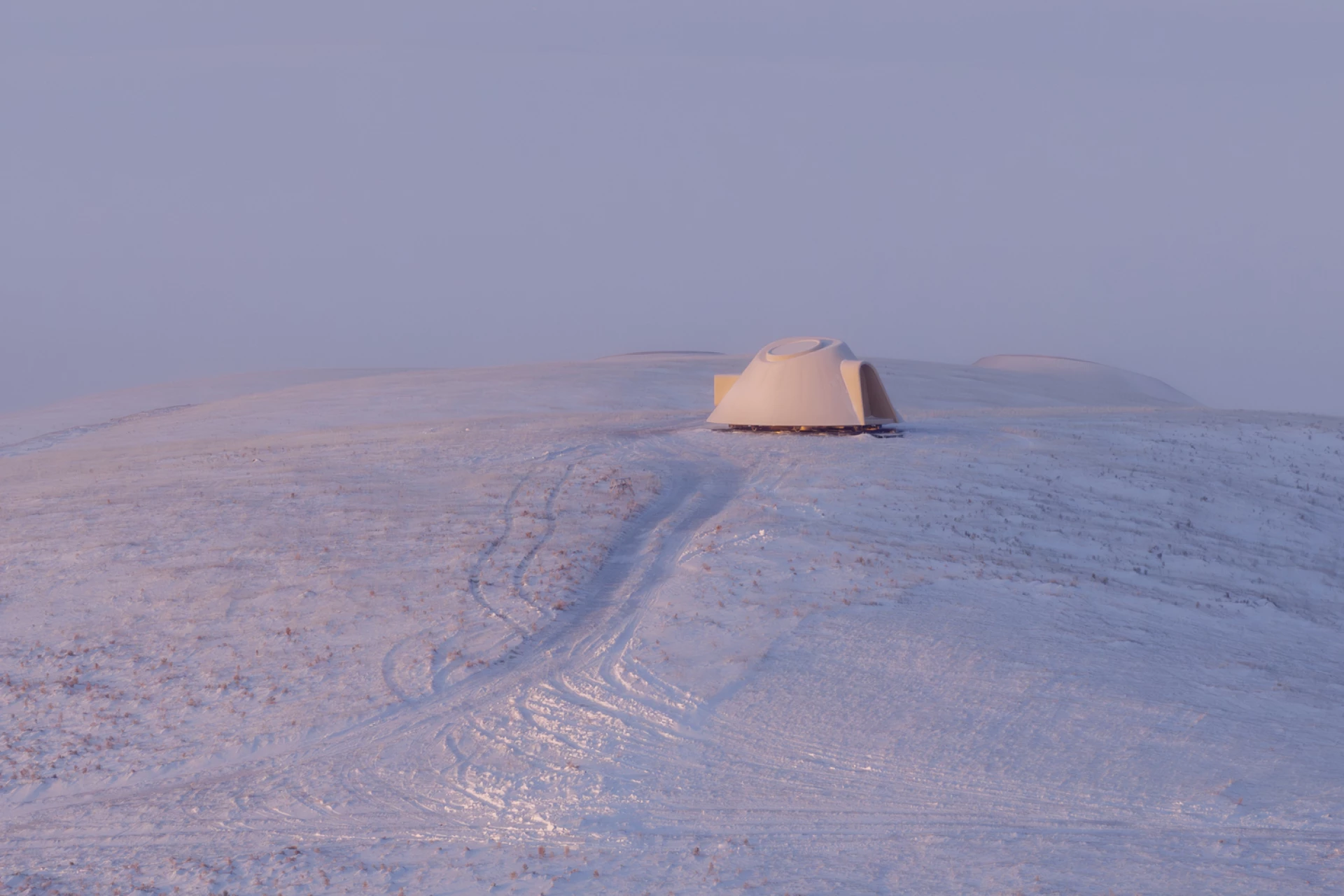
The first version even included a rotating base that allowed the structure to turn and follow the sun for different views of the landscape. Later versions expanded the design to include terraces and additional interior space suited for hotel operations.
Tourism and Environmental Balance
The Volcano-In Hotel of Arrivals is part of the wider Baiyinkulun Steppe and Volcano Tourism Resort, which also includes a visitor center and other facilities intended to support controlled tourism in the region.
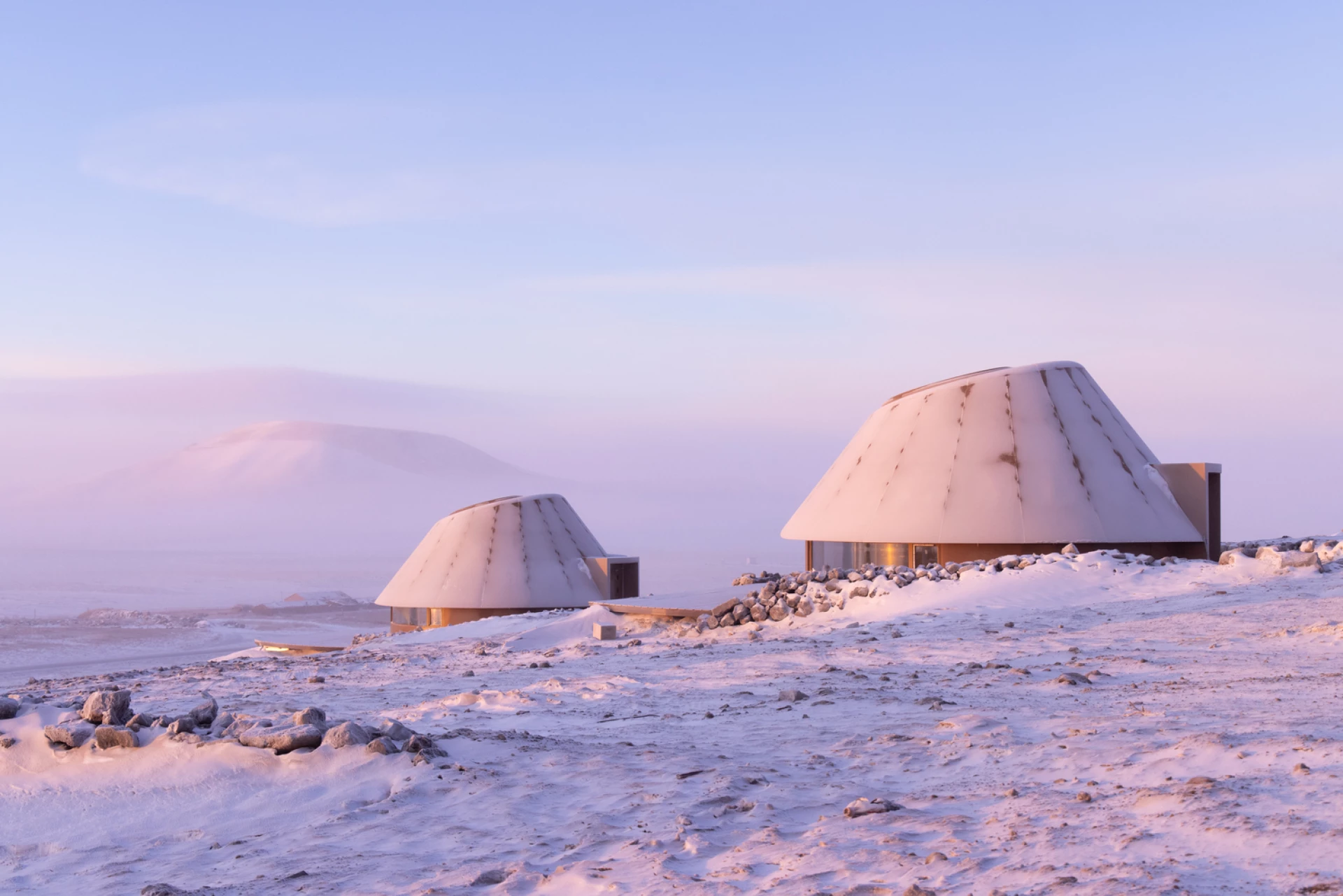
The project attempts to balance two goals: providing a unique travel experience while stabilizing a landscape that has been affected by erosion and harsh climate conditions. By distributing small structures across the site and using lightweight construction methods, the design limits its footprint while creating accommodation that directly engages with the volcanic environment.
Whether the ecological restoration strategy succeeds will become clear only over time, as vegetation growth and soil stability respond to the presence of the buildings and visitors. For now, the Volcano-In Hotel of Arrivals demonstrates how architecture can adapt to extreme landscapes while supporting tourism in remote natural settings.
Image Credit: Arch-Exist Photography