

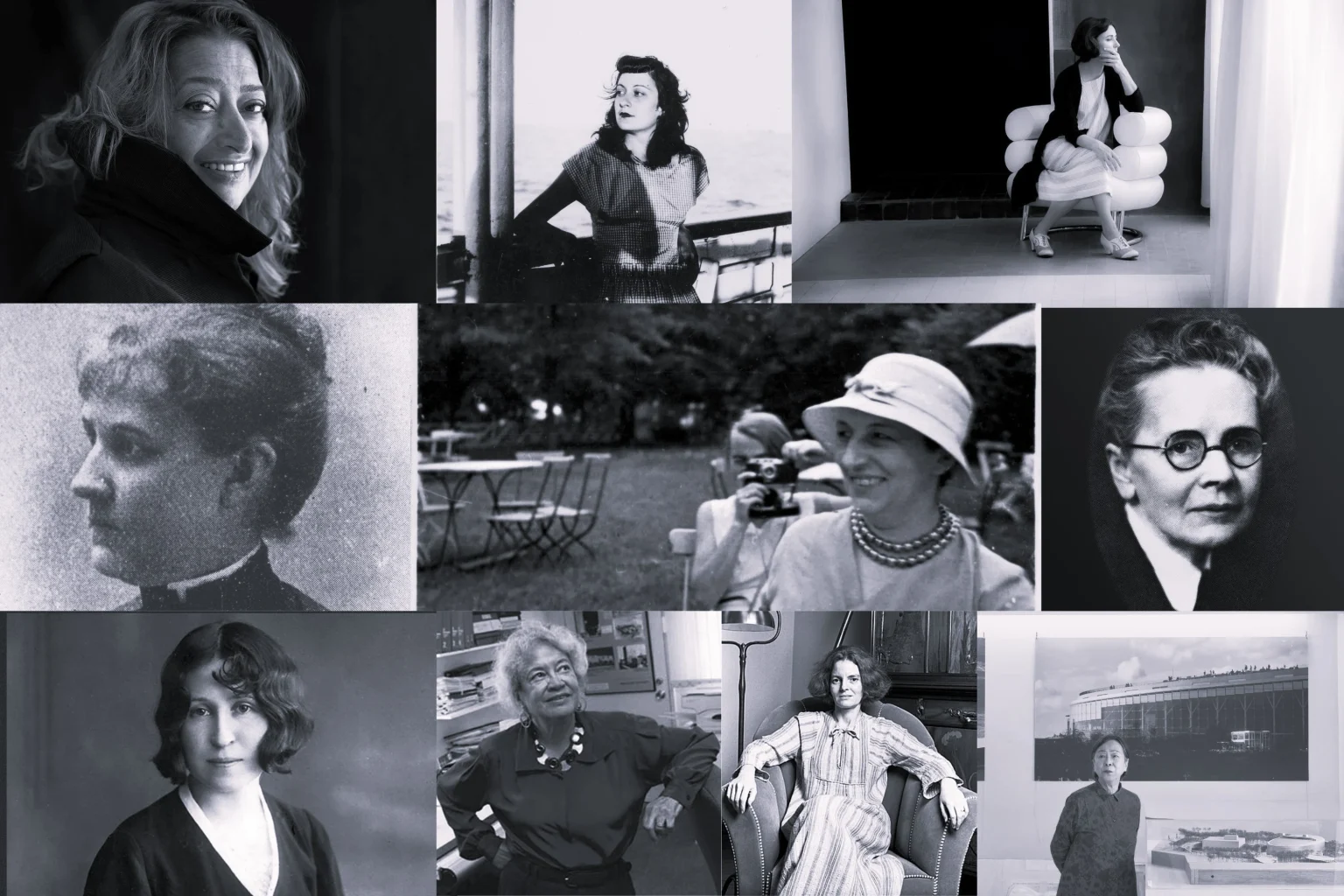























Throughout history, architecture has been a male-dominated profession, but many women architects have challenged this perception, proving their passion and talent through their works. Living in different eras and geographies, these women bravely stood against issues such as gender inequality, inspiring future generations. In this article, prepared especially for International Women’s Day, we bring together some of the world’s legendary women in architecture. These women, who have shaped architectural practice throughout history, have made significant contributions to the profession, and they have left their mark on it through their works.
Ten trailblazing women architects from history:
1. Zaha Hadid (31 October 1950 – 31 March 2016)

Zaha Hadid, the Iraqi-born British architect who comes to mind when one thinks of the world’s most famous female architects, revolutionized architecture with her deconstructivist approach. With her unconventional forms and bold aesthetic language, Zaha Hadid pushed the boundaries of modern architecture and challenged traditional norms. In 2004, she became the first woman to receive the Pritzker Architecture Prize. By blurring known boundaries through geometry, she designed spaces with truly unique forms.
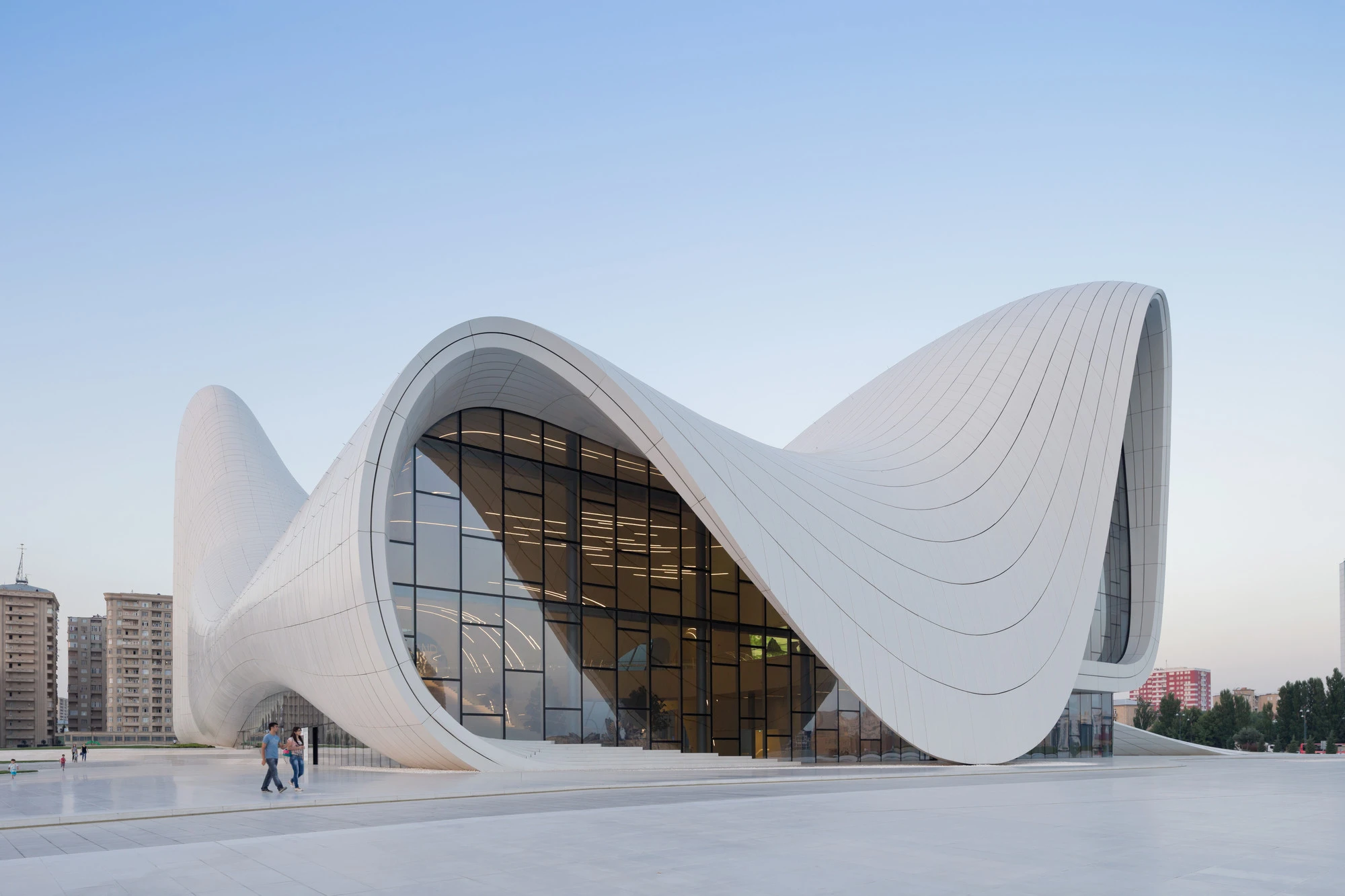
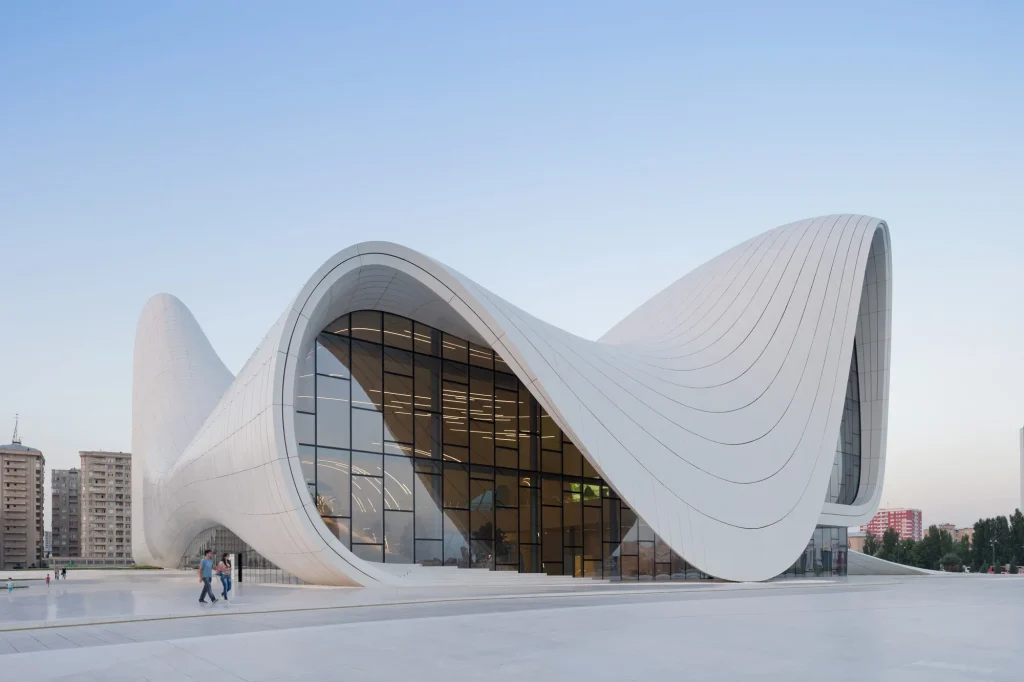
Throughout her architectural career, Hadid achieved remarkable success in a field long dominated by men, inspiring hundreds of women architects around the world. With structures such as the Vitra Fire Station, the Heydar Aliyev Center, and the Guangzhou Opera House, Hadid brought a fresh perspective to the world of architecture with her bold designs.
2. Lina Bo Bardi (5 December 1914 – 20 March 1992)
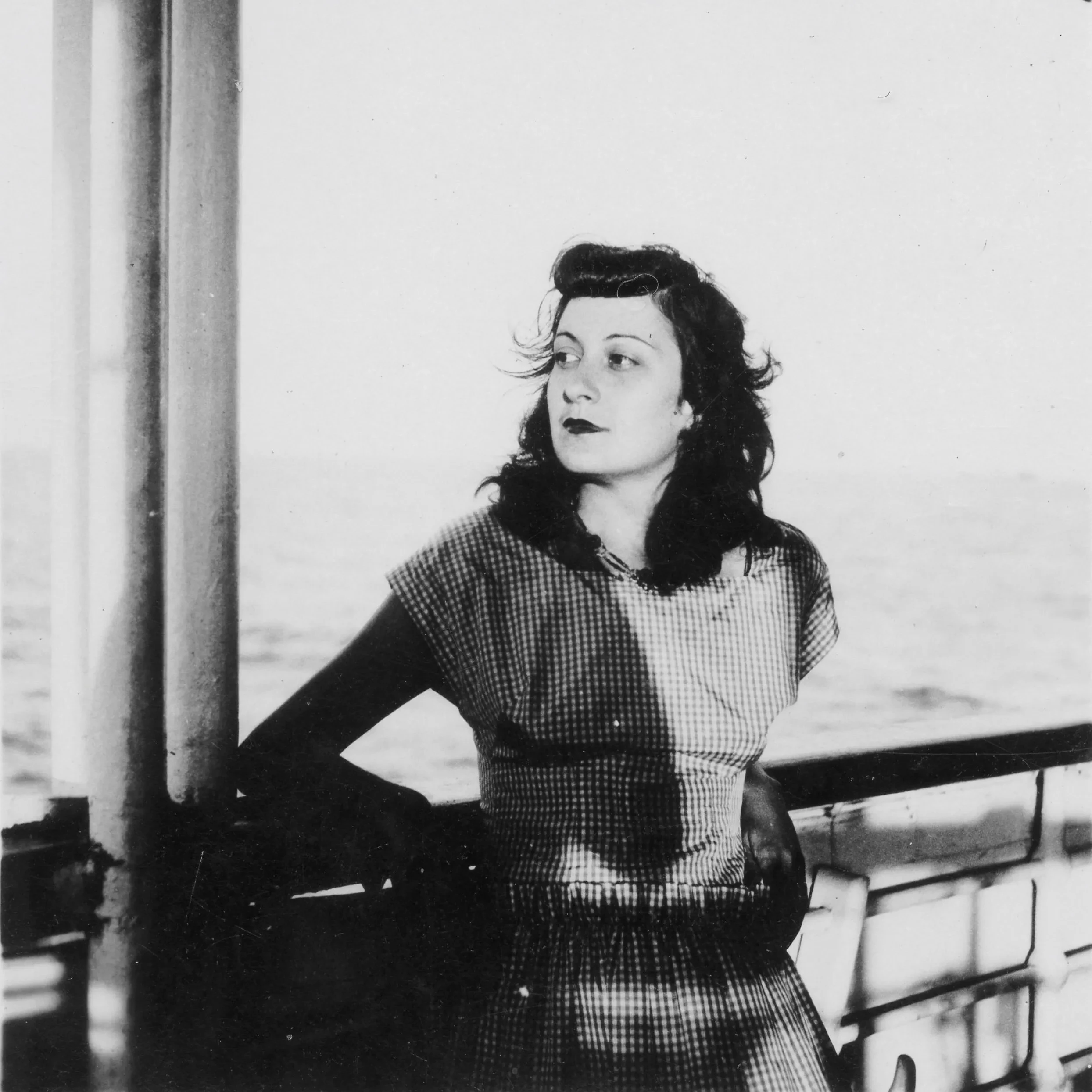
Lina Bo Bardi, born in Rome, is one of the legendary women in architecture and is known for her architectural approach, which is described as “modern yet humanistic.” A pioneer of the social and urban transformations of her time, Bo Bardi moved to Brazil in 1946, where she continued her work and placed Brazilian culture, folk art, and everyday life practices at the center of her designs.
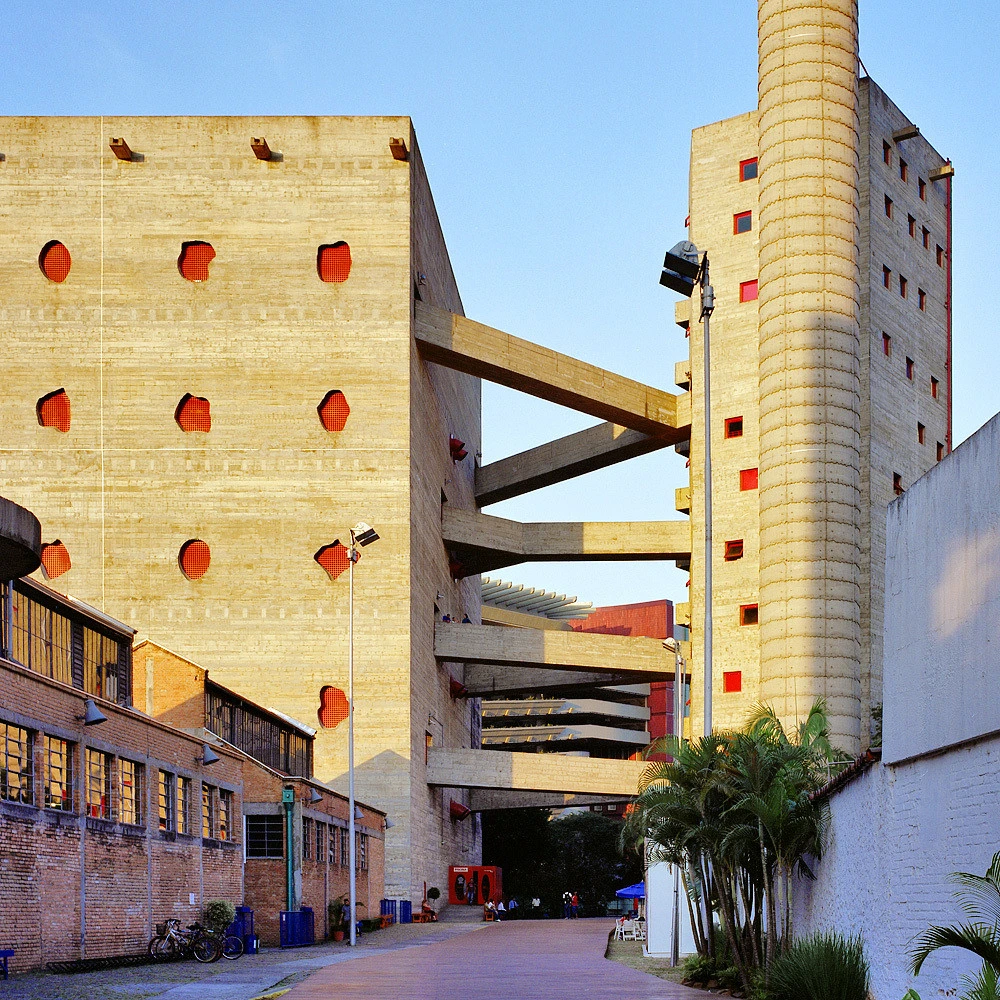
One of her most symbolic structures is the Centro de Lazer Fábrica da Pompéia, where she transformed a factory, which was slated for demolition, into an architectural masterpiece serving the region’s culture. The complex consists of three massive concrete towers connected by elevated walkways, with asymmetrical circular openings used as windows. Through the radical design of SESC Pompéia, Bo Bardi brought to life her vision of the world, which she described as a “socialist experiment.”
3. Eileen Gray (9 August 1898 – 31 October 1976)

The Irish furniture designer and architect Eileen Gray is a figure who, despite producing remarkable work during the early years of modern architecture, remained largely overlooked for decades before gaining widespread recognition in the late twentieth century. Beginning her career designing Art Deco furniture in Paris, Gray turned her attention to architecture as Art Deco gave way to modernism.
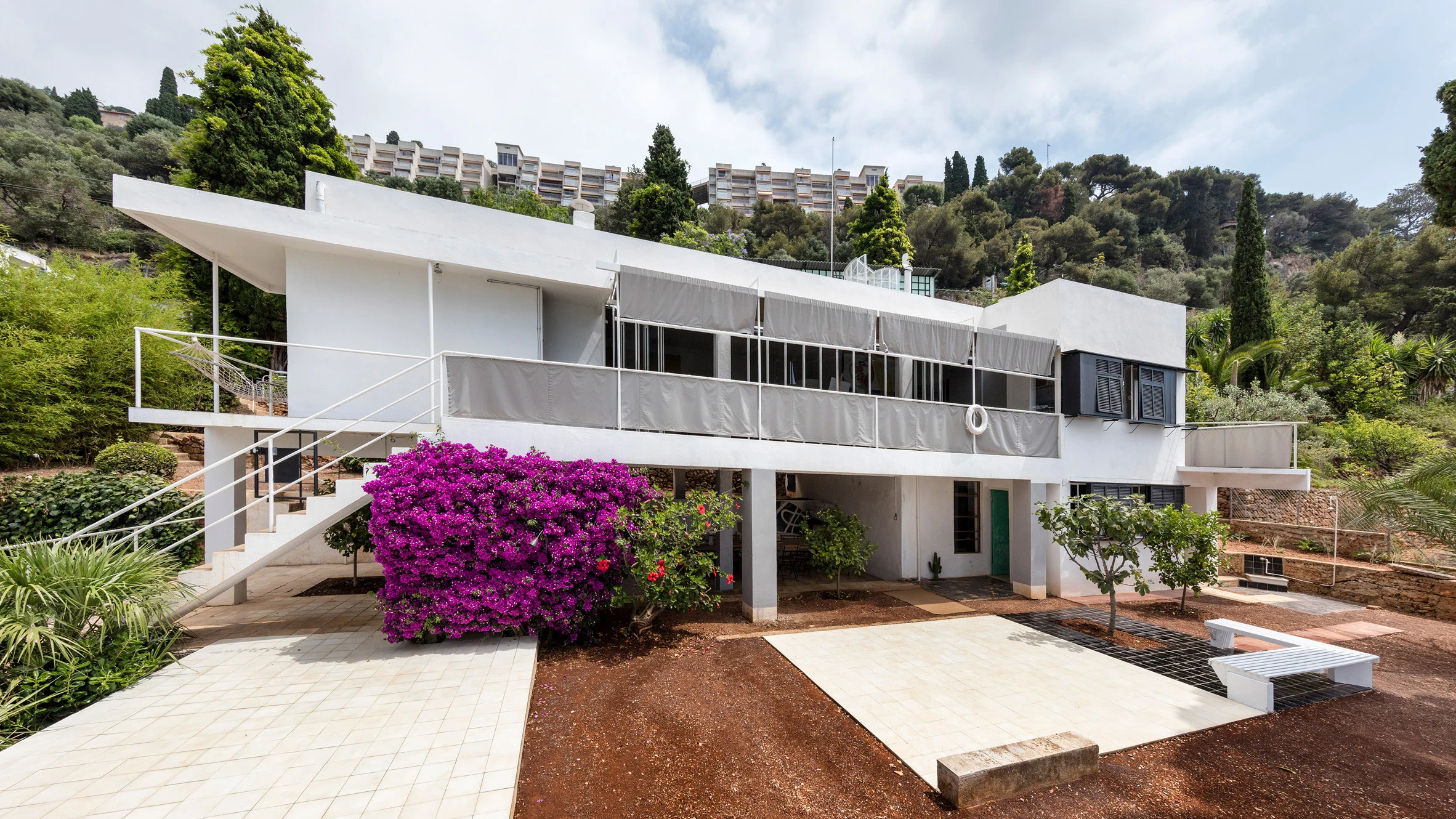
Located in the south of France, the house E-1027 stands as the purest expression of Gray’s architectural vision, with its clean lines and radical reinterpretation of modern living. The Bibendum Chair, designed in 1926, with its leather upholstery and stacked circular form, was inspired by the “Michelin Man,” the mascot of the tire company. In a career spanning from furniture design to architecture, Eileen Gray, who considered comfort a primary tool in life, influenced modernist giants such as Charlotte Perriand, Le Corbusier, Marcel Breuer, and Mies van der Rohe.
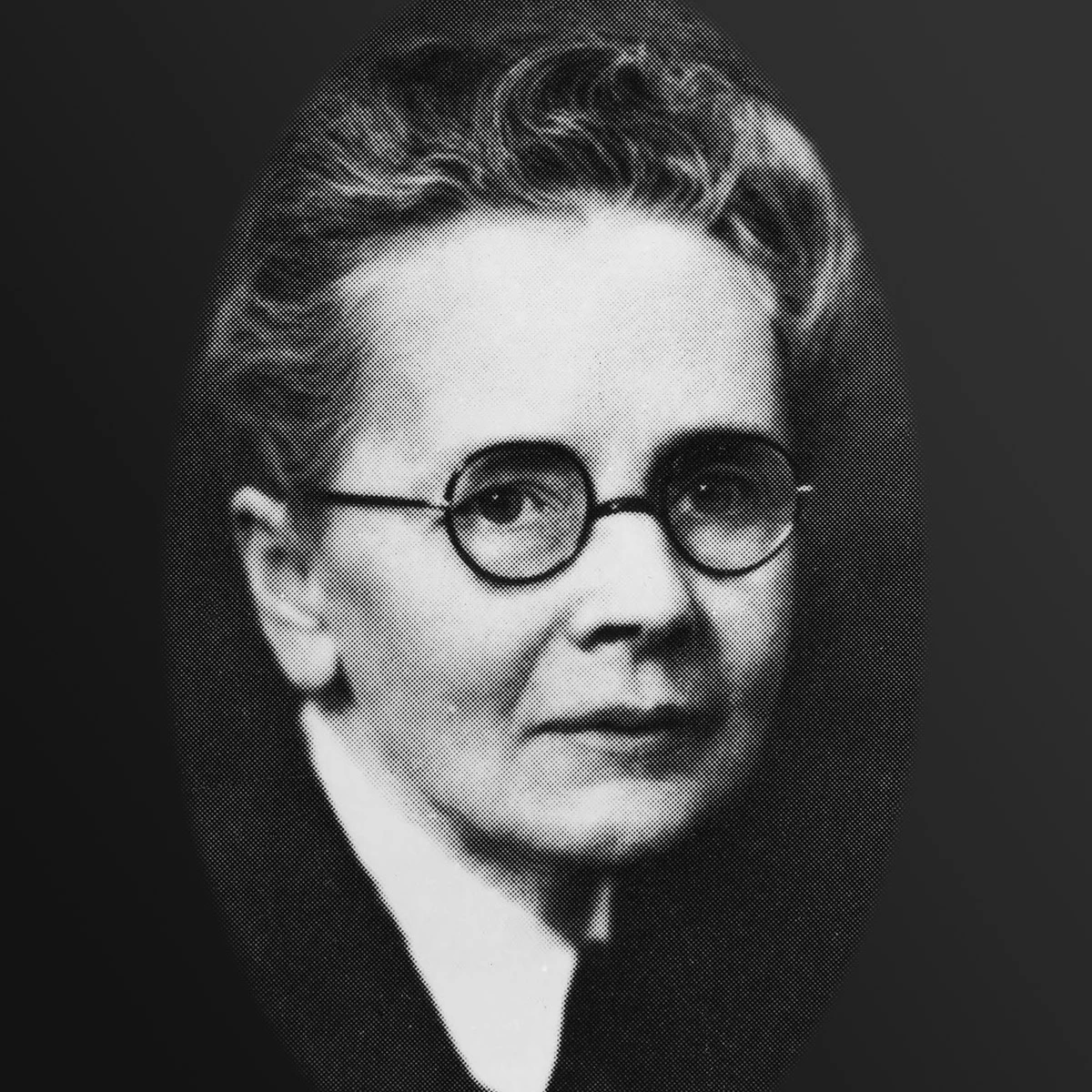
4. Louise Blanchard Bethune (21 July 1856 – 18 December 1913)
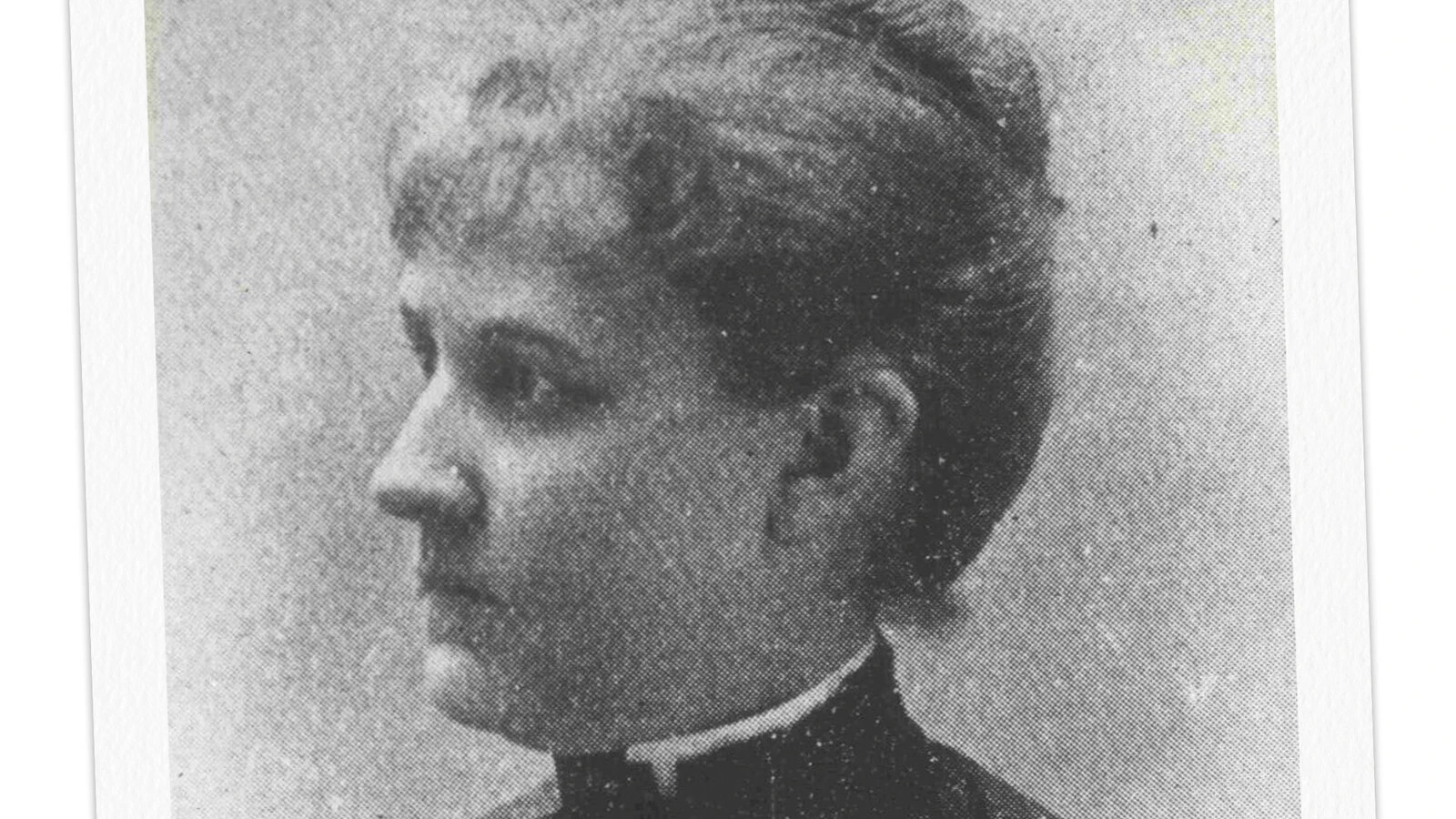
Louise Blanchard Bethune, America’s first professional female architect, is one of the legendary women in architecture. Breaking down barriers in a male-dominated profession, she was involved in the design of approximately 180 buildings in Buffalo and Western New York; became the first woman to be a member of the Western Architects Association (WAA) and the American Institute of Architects (AIA); and was the first woman to be honored as an AIA Fellow.
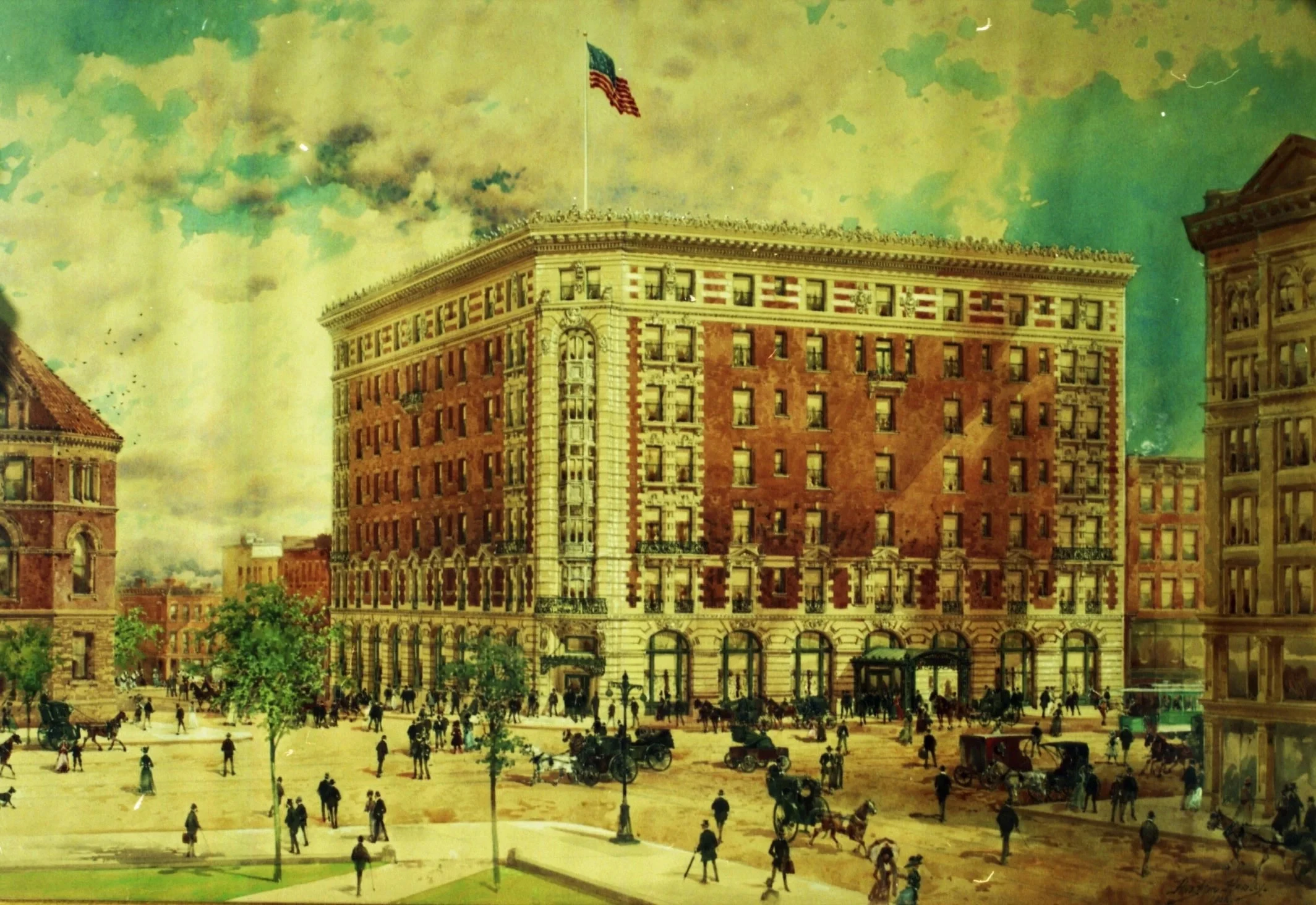
In 1881, together with her husband Robert Bethune, she founded the architectural firm Bethune, Bethune & Fuchs. Through this practice, Bethune undertook the design of many prestigious buildings. Considered her masterpiece, the Hotel Lafayette, completed in 1904, features a neoclassical appearance. One of the most luxurious hotels of its time, the building was innovative for its use of a steel-frame structure and fireproof construction techniques.
5. Lilly Reich (16 June 1885 – 14 December 1947)
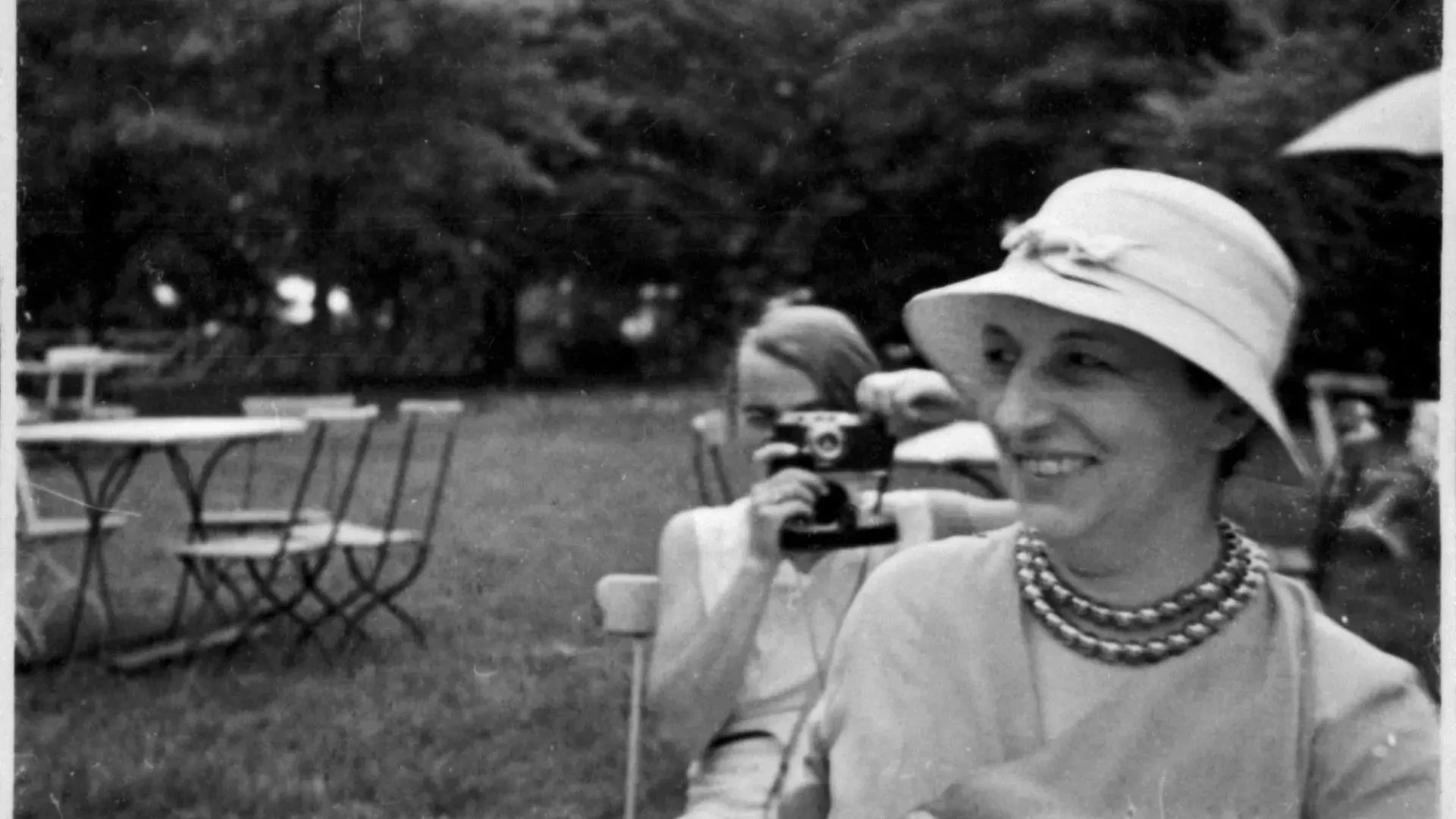
Lilly Reich, a German modernist designer, began her career as a textile and women’s clothing designer. A close collaborator of Ludwig Mies van der Rohe, Reich’s unique ideas influenced not only Van der Rohe but also many other designers over the years. Interpreting minimalism as an aesthetic based on material quality, she made significant contributions to the spatial language of modernism, particularly through exhibition design, interior architecture, and furniture design.

In 1927, Reich worked with Mies van der Rohe on the “Die Wohnunh” exhibition for Werkund in Stuttgart, creating several interior designs for the exhibition, including “Wohnraum in Spiegelglas” (Women’s Room in Mirror Glass). In 1929, as the artistic director responsible for the German contribution to the Barcelona World Exposition, Reich introduced the famous Barcelona Chair, her first collaboration with Mies van der Rohe on this iconic piece.
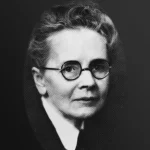
6. Julia Morgan (20 January 1872 – 2 February 1957)
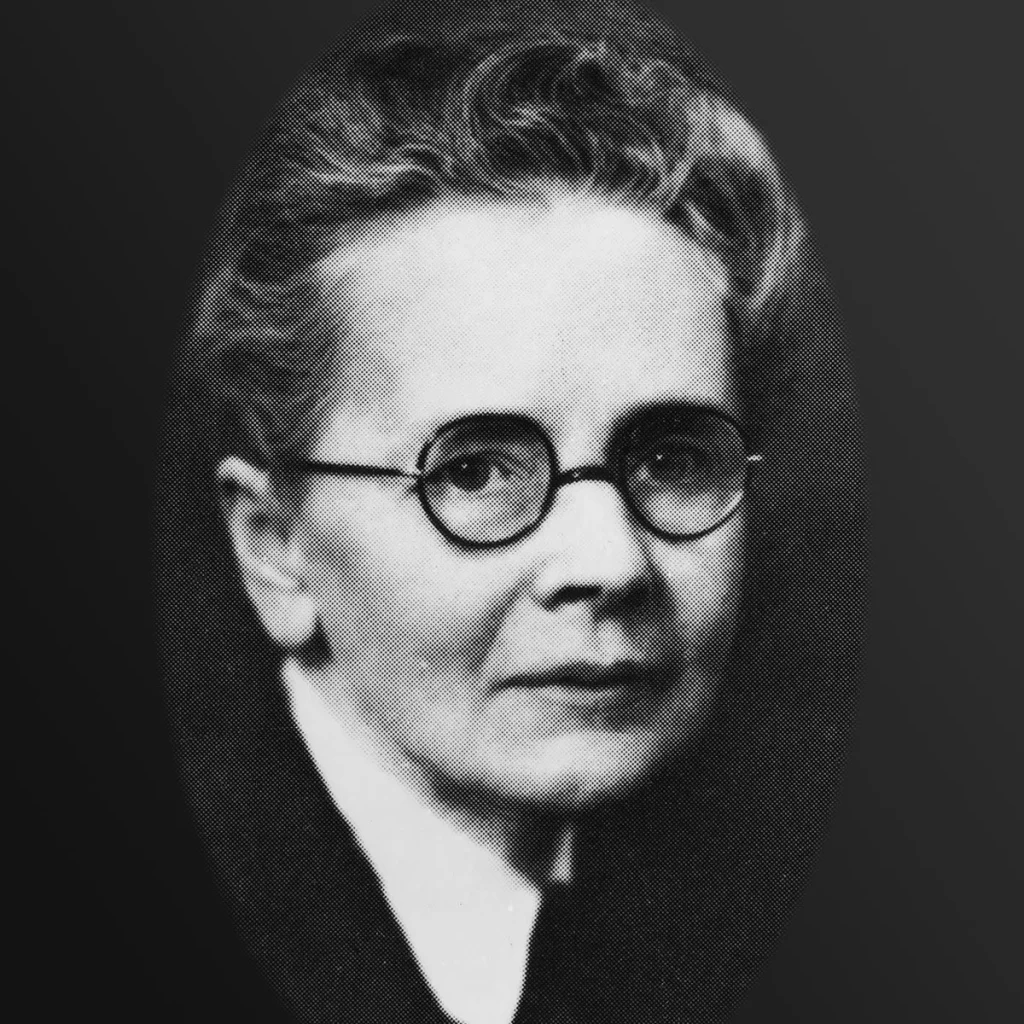
Julia Morgan, one of the legendary women in architecture, was a pioneering architect. She made history as the first woman to graduate from the Ecole des Beaux-Arts in Paris, and during her 46-year career, she designed over 700 buildings, mostly in California. Founding her own architectural firm in 1904, she quickly became a distinguished residential architect, favoring natural materials in her designs and skillfully tackling topographical challenges.
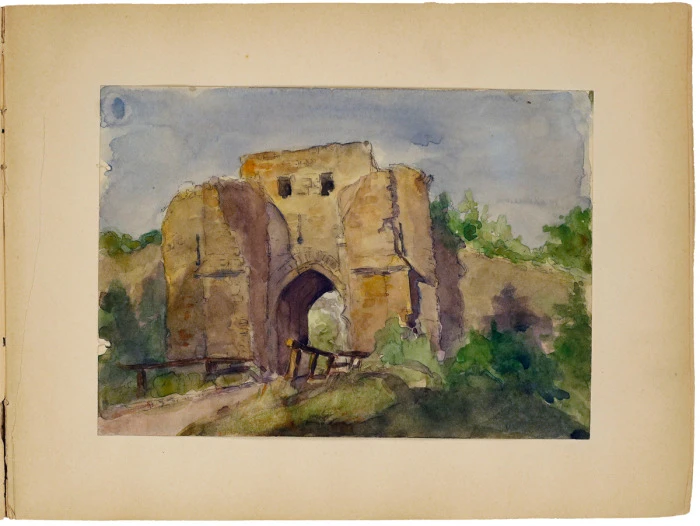
Morgan also designed numerous buildings for institutions serving women, including YWCA facilities and buildings at Mills College. In 2014, Morgan became the first woman to receive the AIA Gold Medal in recognition of her groundbreaking career and dynamic architectural works.
7. Münevver Belen Gözeler (1913 – 1973)
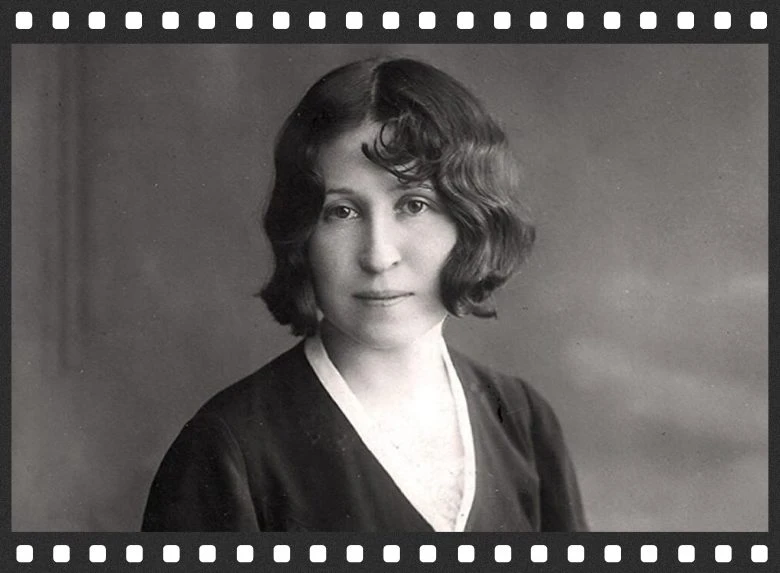
Breaking barriers in a male-dominated profession, Münevver Belen Gözeler became Turkey’s first female chief architect. One of the first women to graduate from the Academy of Fine Arts, Belen embraced modernism in her works, working in a style parallel to the second national architectural movement. Working with Leman Cevat Tomsu, Turkey’s second female architect, Belen realized all her projects in public buildings.

Among her most memorable works are the series of four standard designs she created for PTT buildings, which emphasize the pure and rational character of the structures. An architectural competition awarded the Bursa Halkevi, notable for its striking courtyard layout, first place.
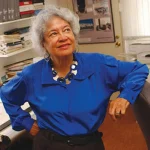
8. Norma Merrick Sklarek (15 April 1926 – 6 February 2012)
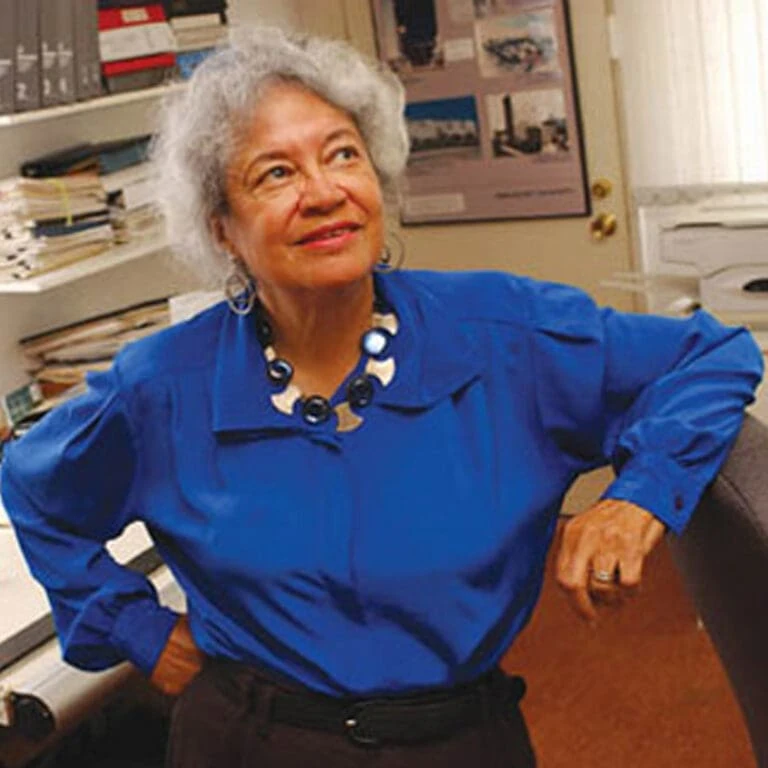
Norma Merrick Sklarek, considered a landmark figure in American architectural history both for her professional achievements and her representational influence, was the first licensed African-American woman architect. In a male-dominated, white profession, Sklarek faced pressure due to her gender and ethnicity, but she rose rapidly, and after five years of experience at Skidmore Owings & Merrill, she began working at Gruen Associates in Los Angeles in 1960.
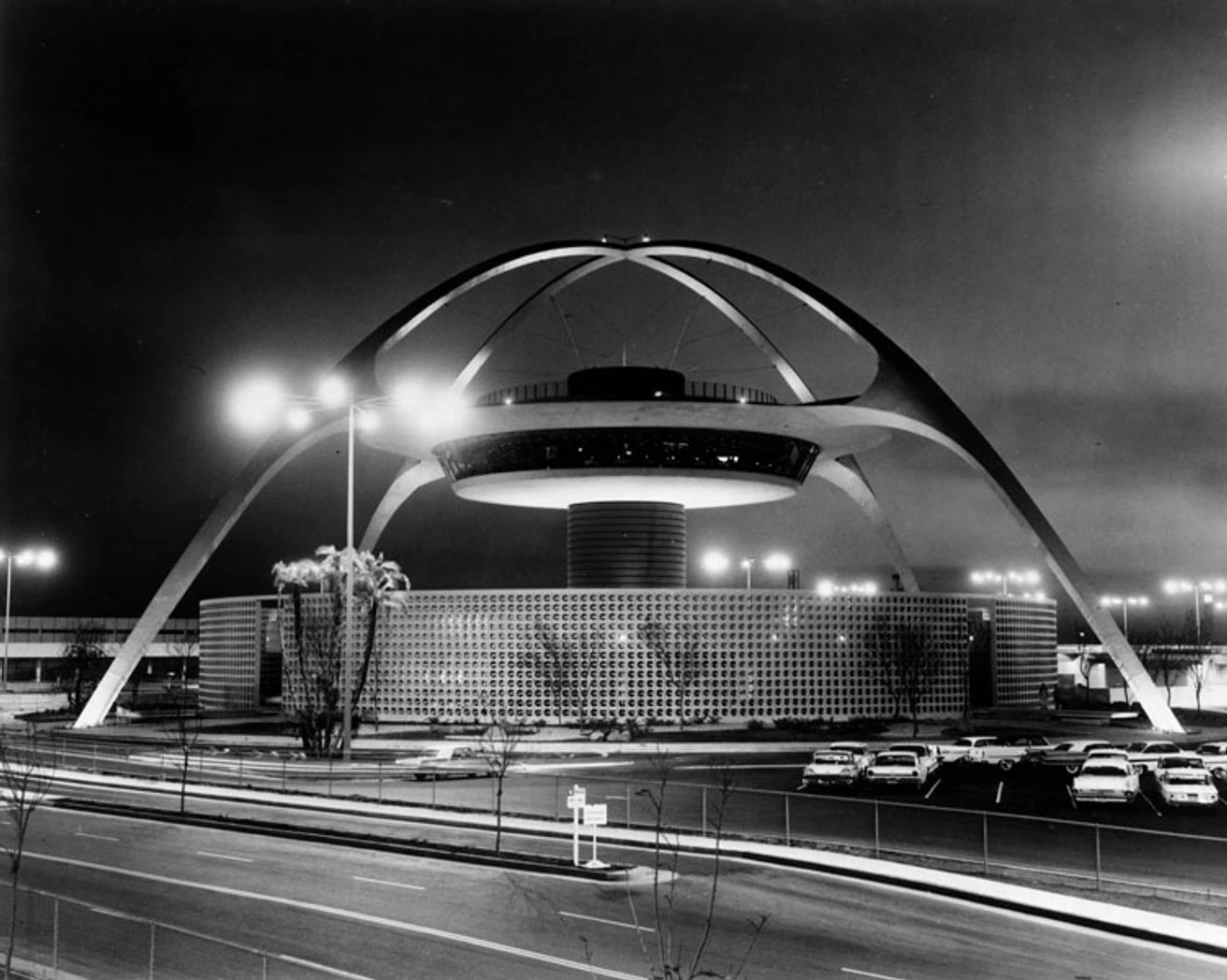
Throughout her career, Sklarek successfully delivered large-scale projects such as LAX Terminal 1 and the U.S. Embassy in Tokyo, completing them on time and within budget. After leaving Gruen Associates in 1980, she soon co-founded her firm, Sklarek, Siegel & Diamond, further cementing her legacy in architecture.
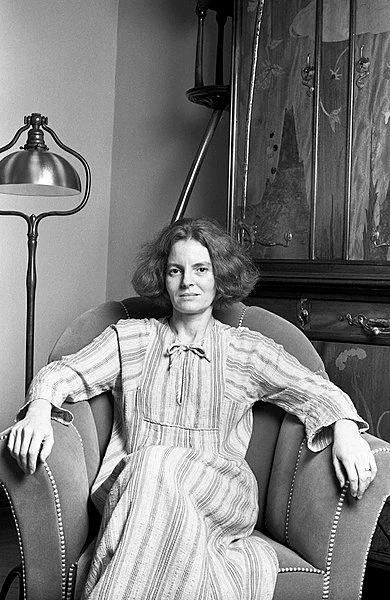
9. Denise Scott Brown (3 October 1931 )
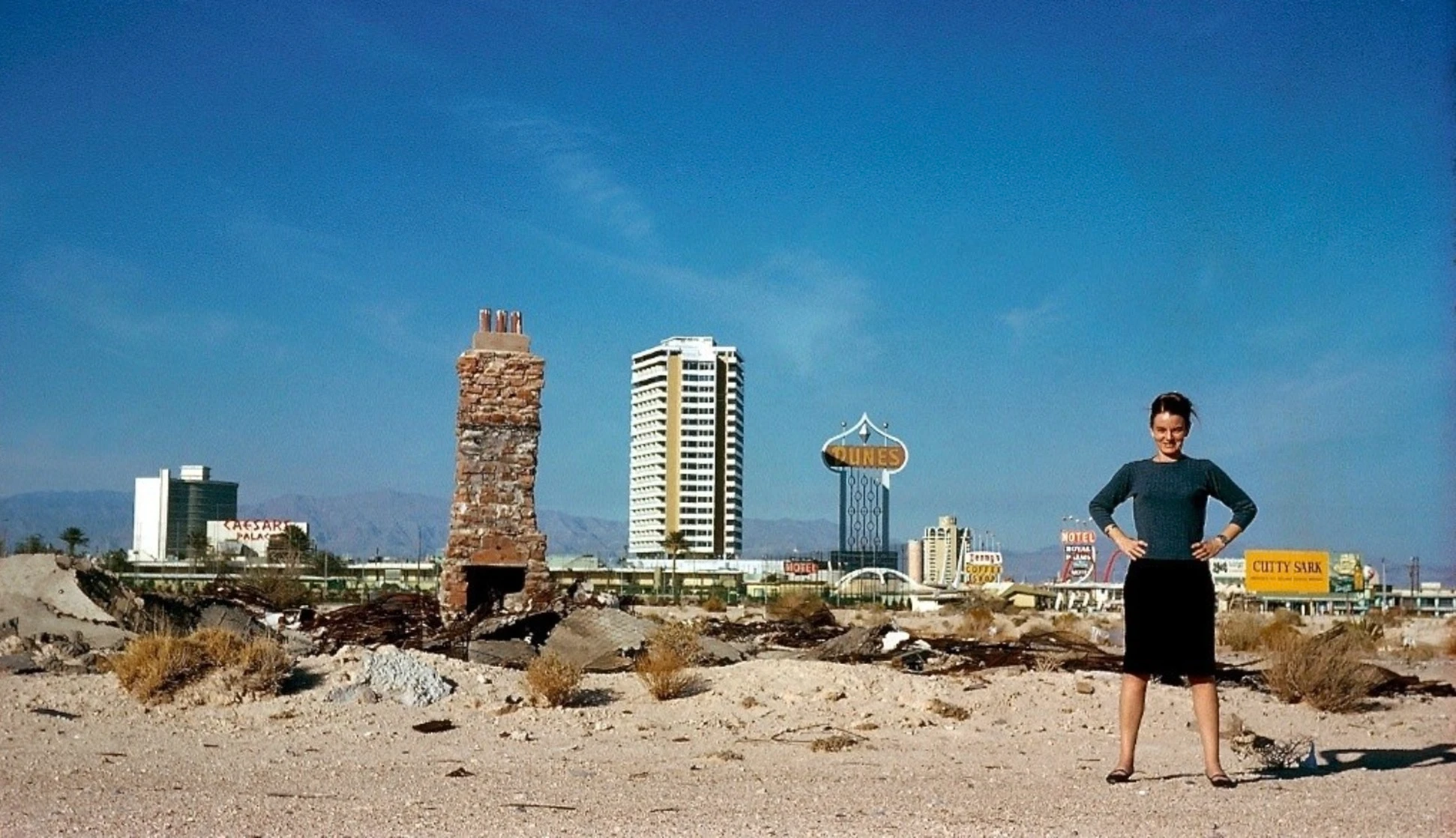
One of the legendary women of the architectural world, Denise Scott Brown is an architect, urban planner, writer, educator, and administrator at Venturi, Scott Brown and Associates in Philadelphia. Along with her husband, Robert Venturi, Brown is considered one of the most influential architects of the twentieth century through her architectural and planning work, as well as her theoretical writings and teaching.

Known for establishing the theoretical foundations of postmodern architecture, Denise Scott Brown offers a strong critique of modernist orthodoxy through her analyses of urban culture, popular aesthetics, and everyday life. Written in 1972 with Venturi and Steven Izenour, “Learning From Las Vegas” is a landmark book. In it, Denise Scott Brown analyzes Las Vegas’ neon lights, highway culture, and commercial architecture, questioning the hierarchy between high culture and popular culture.
10. Itsuko Hasegawa (1941)
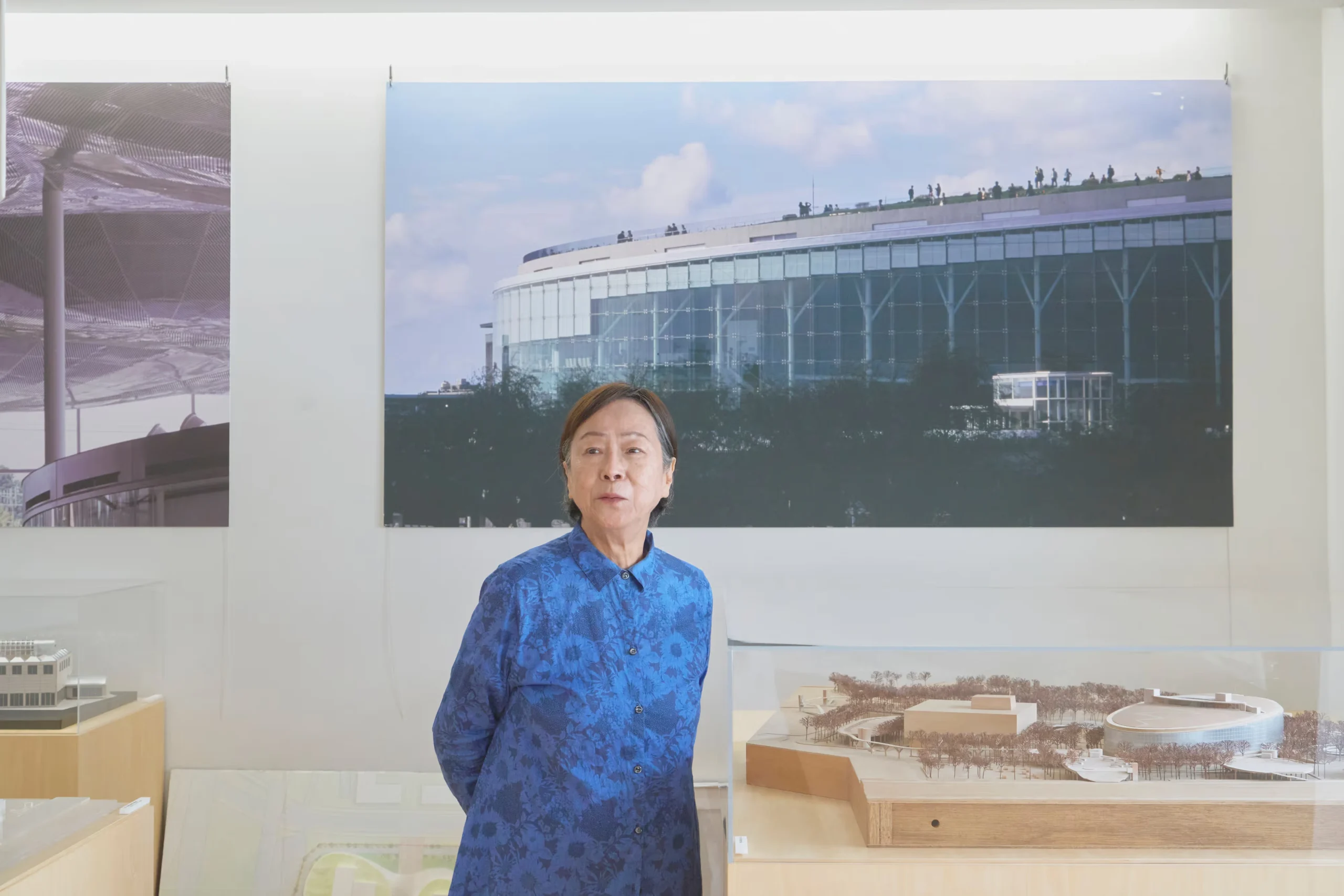
One of Japan’s most renowned architects, Itsuko Hasegawa, is an innovative designer and a pioneer who has redefined the traditional role of women in architecture. She worked to enrich architecture by listening to the diverse voices of residents and users and integrating them more deeply into society. Despite gender-based barriers, Hasegawa pursued her architectural career with determination, working for over a decade from the mid-1960s with Kiyonori Kikutake and later with Kazuo Shinohara.
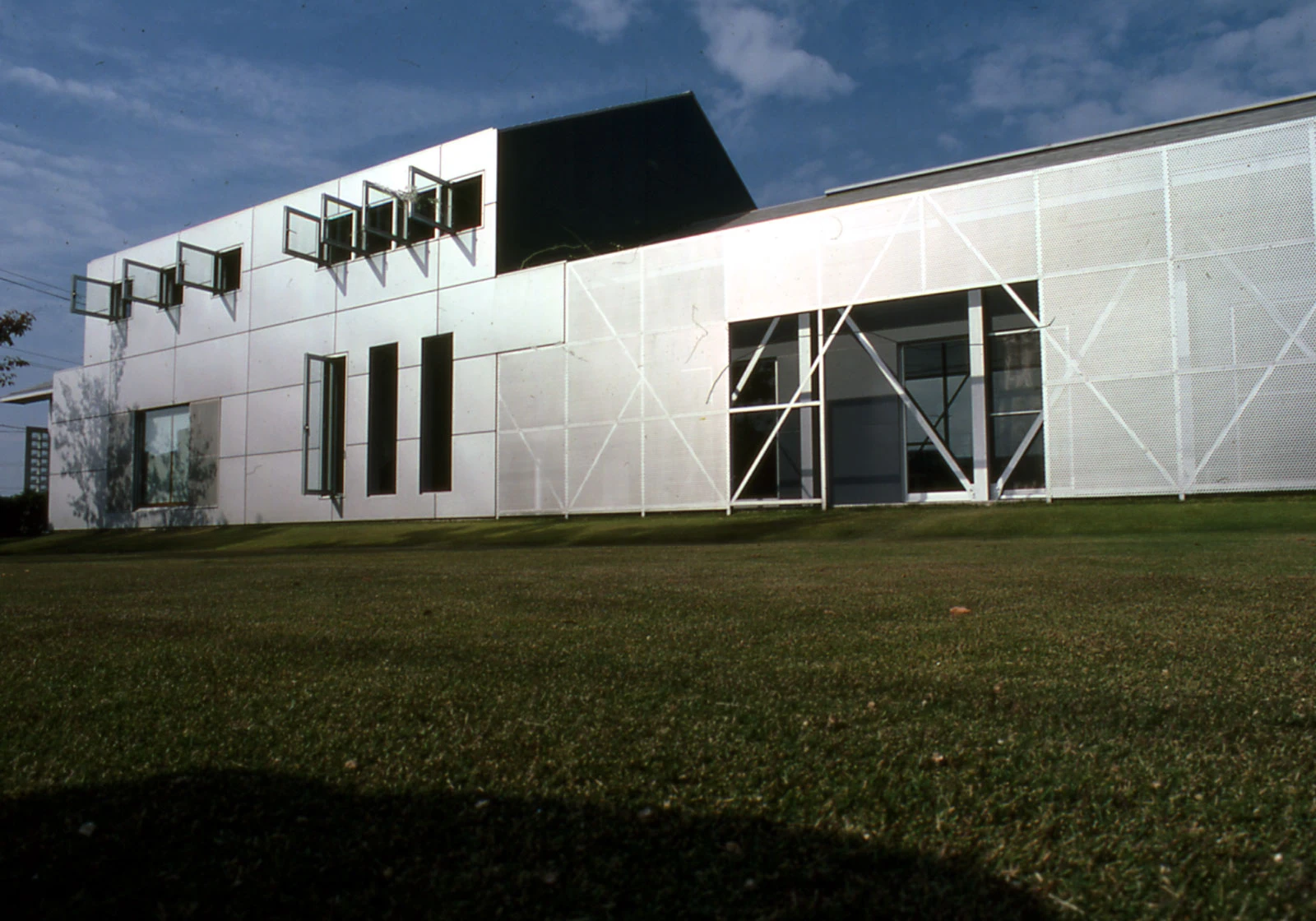
In 1979, she established her own office, gaining widespread recognition with the Kuwahara House, which pioneered the use of perforated metal panels on its facade. At a time when architecture was often perceived as a closed entity, Hasegawa’s approach to integrating design into the urban context earned her the prestigious Design Award from the Japan Institute of Architects.