


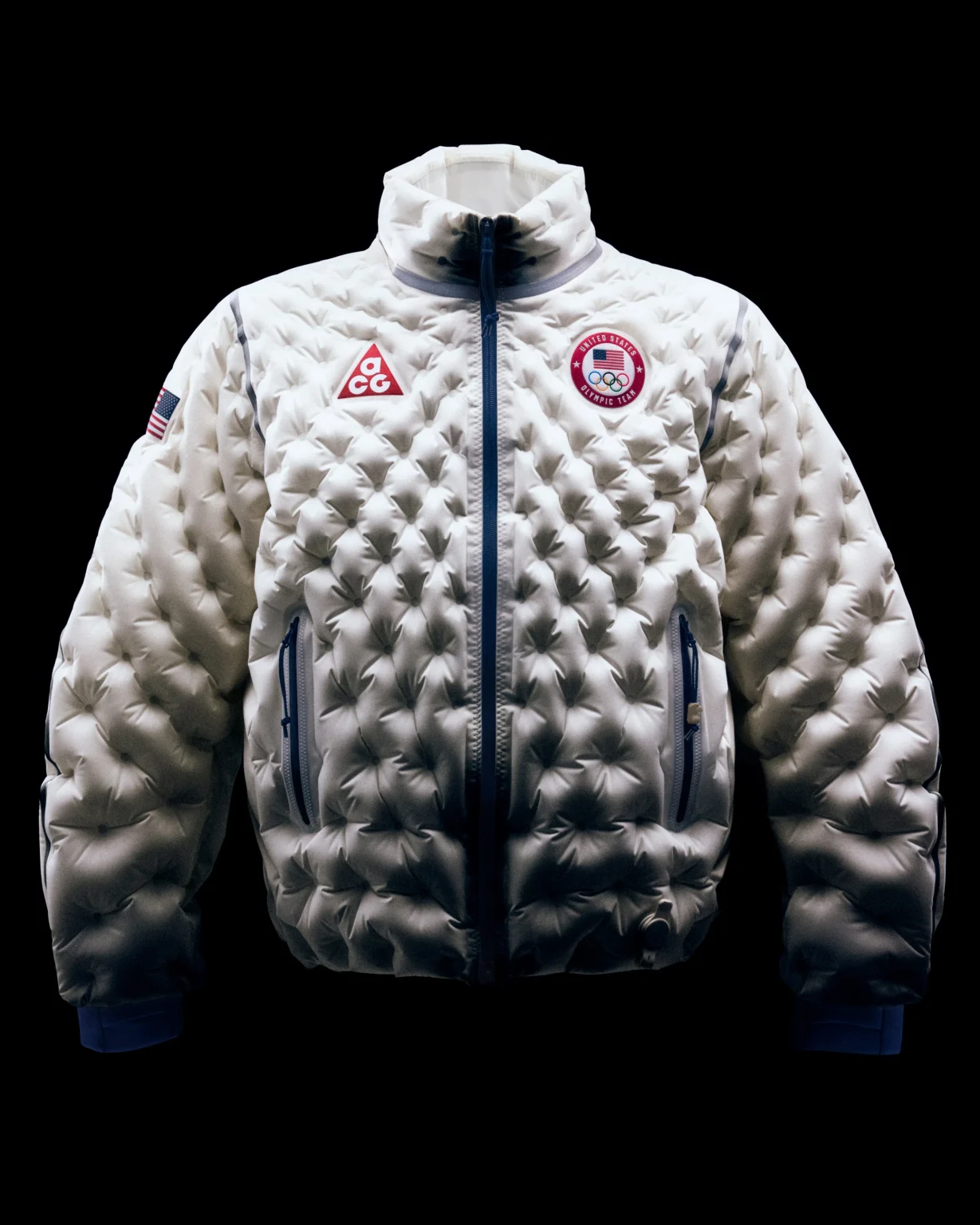

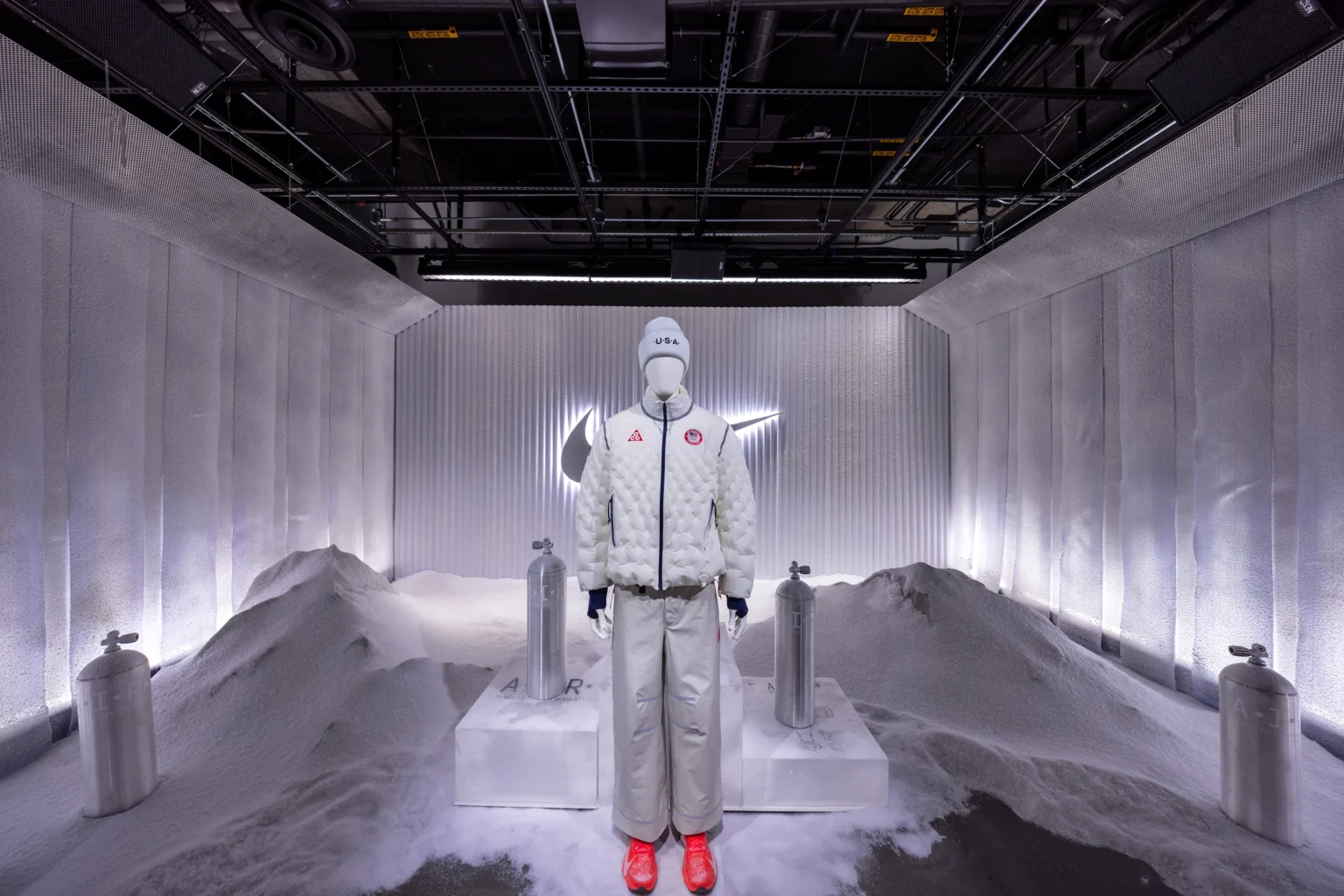

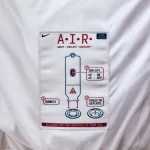

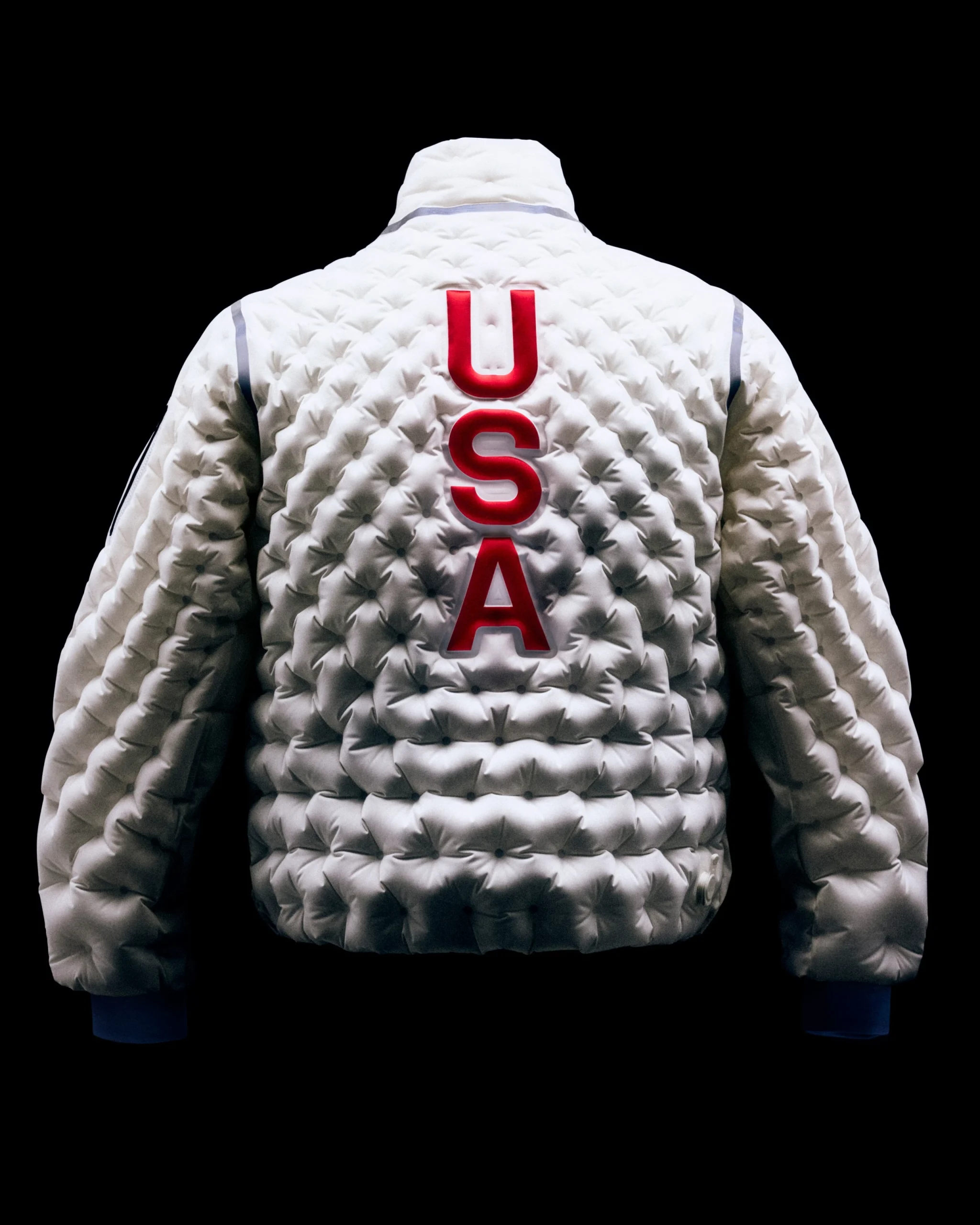
Nike’s latest outerwear innovation, the Therma-FIT Air Milano Jacket, marks a deliberate step in performance clothing design. This jacket combines adaptive engineering, dynamic insulation, and thoughtful ergonomic features into one highly technical garment.
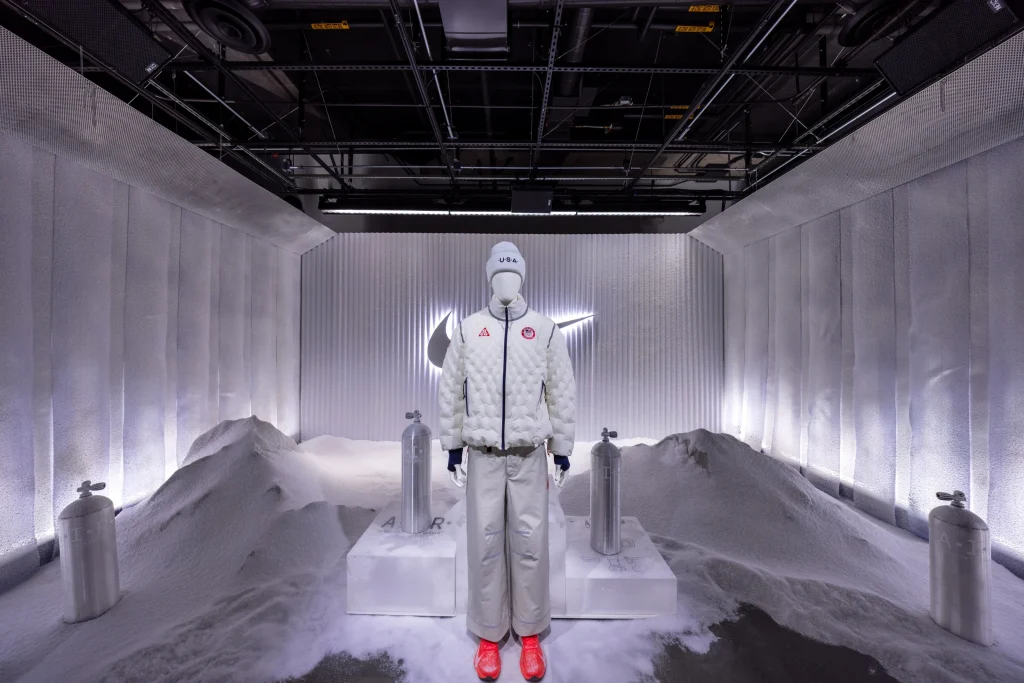
Adaptive Insulation Technology: A.I.R. Explained
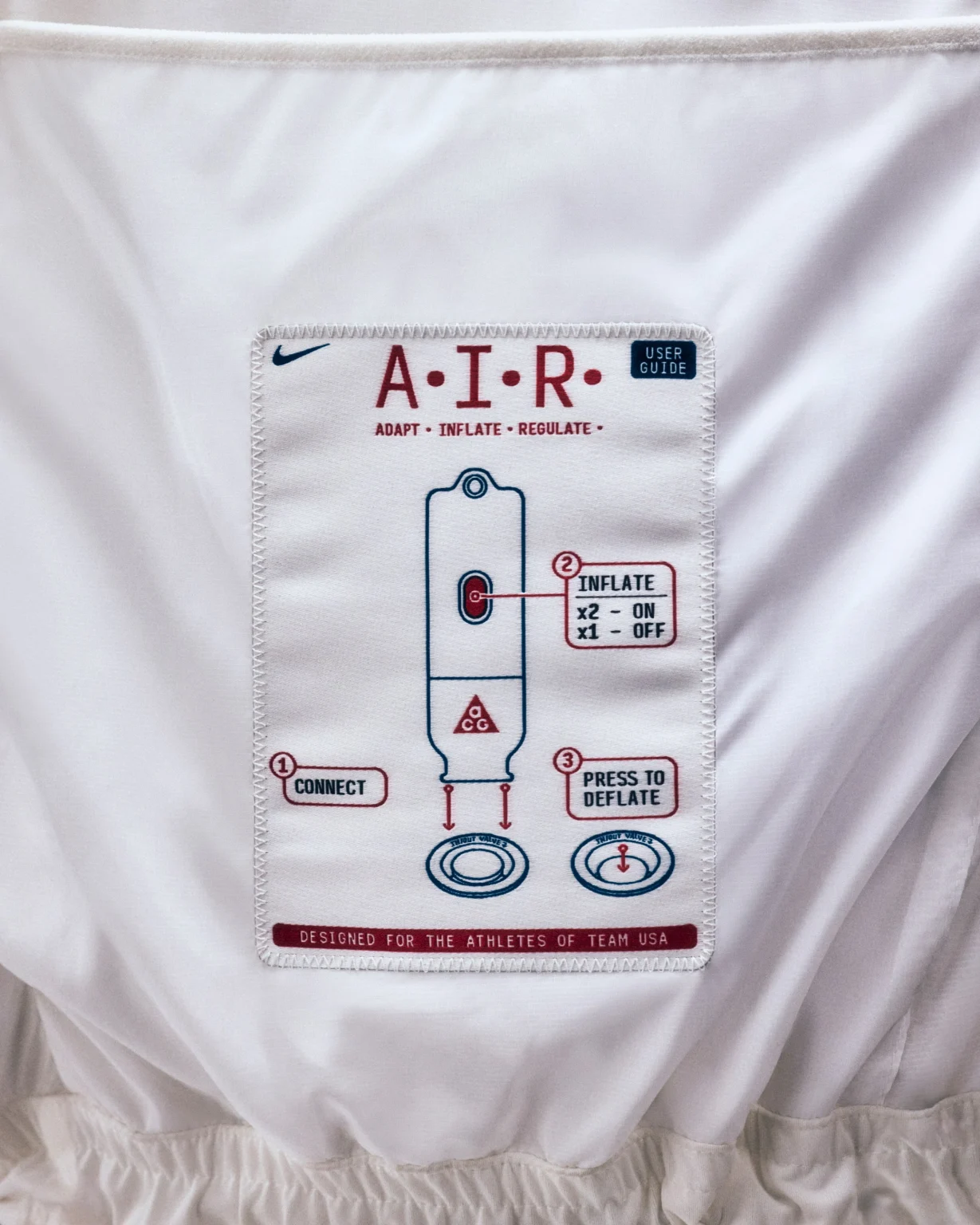
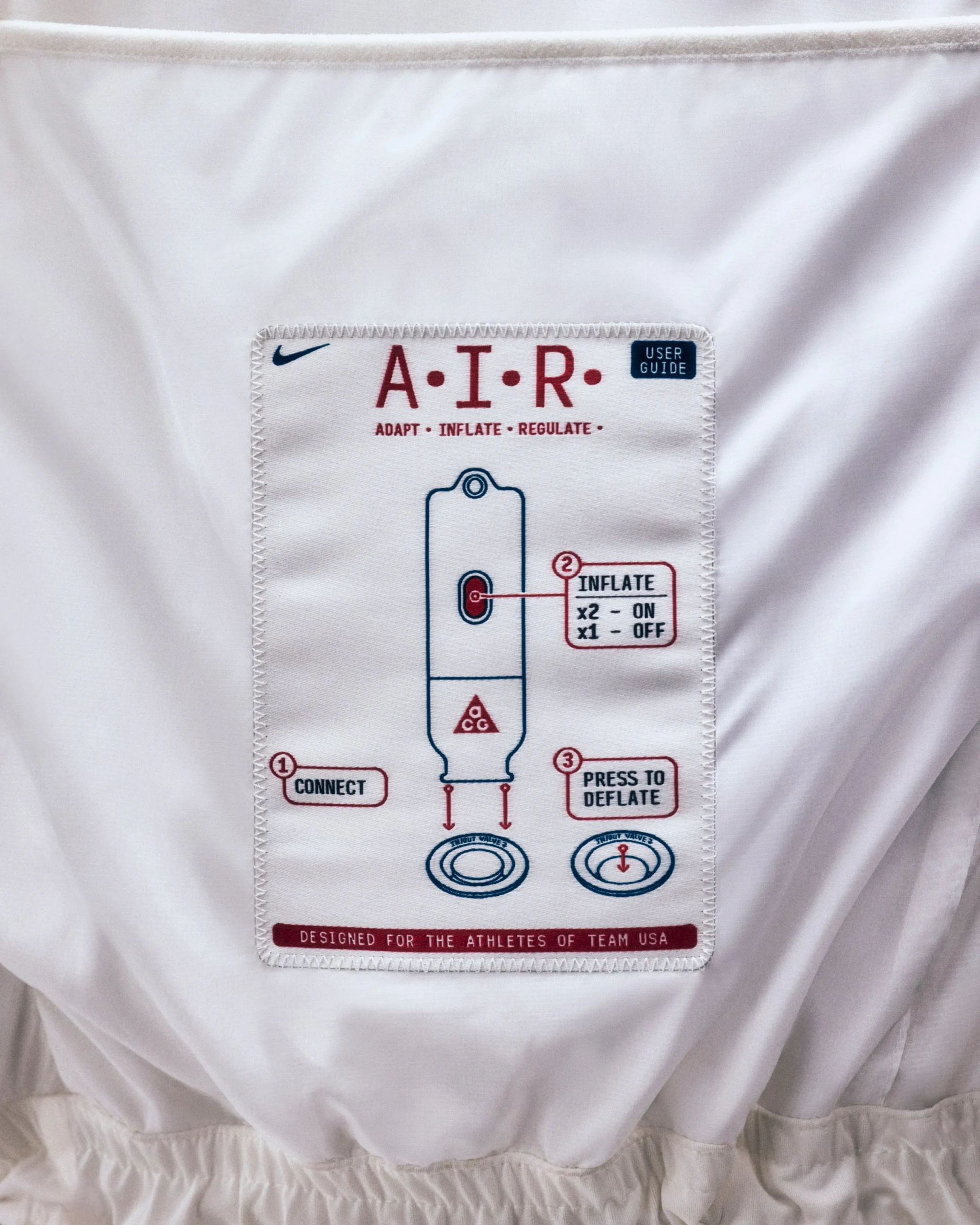
The Air Milano Jacket is Nike’s A.I.R. (Adapt. Inflate. Regulate.) Technology is a system that uses controlled air as the primary insulating medium, instead of traditional down or synthetic fill.
- Air as insulation: The jacket’s interior is structured around air chambers (called baffles) that can be inflated or deflated manually. By adjusting the volume of air inside these chambers, the wearer can control how much heat is trapped against the body.
- Warmth range: The garment can shift between levels comparable to a lightweight hoodie and a mid-weight puffer, giving flexibility across changing conditions without adding or shedding layers.
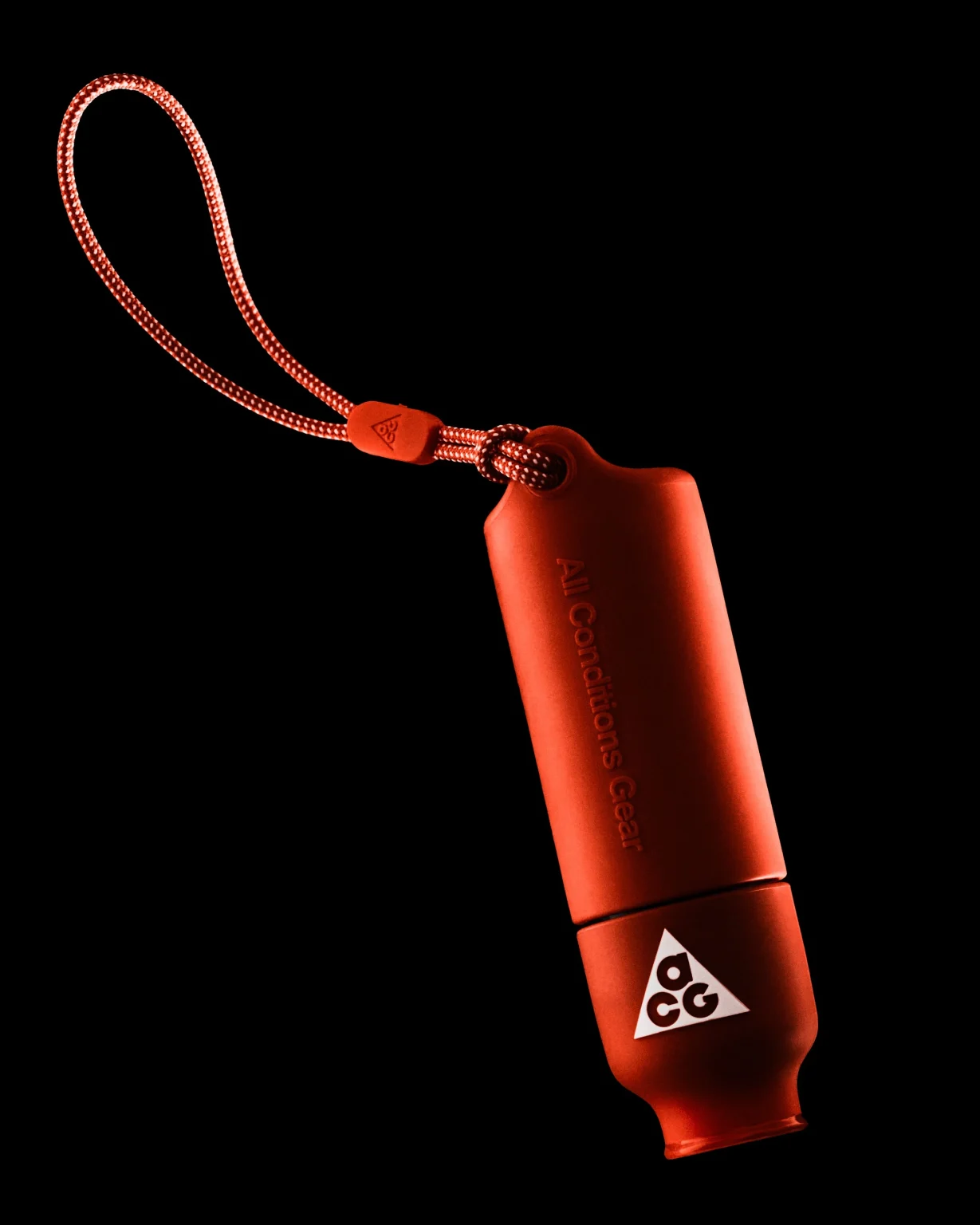
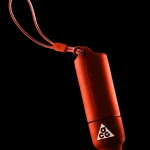
- Quick response: Inflation and deflation happen in seconds with the help of a compact, custom air pump, making adjustments practical in real-world movement situations.

The approach tackles a key performance challenge: athletes and outdoor enthusiasts often struggle to find the right level of warmth when conditions or activity levels change. Instead of layering up or stripping down, the Air Milano offers thermal regulation on demand.
Materials and Construction
The jacket’s performance is also rooted in its materials and manufacturing logic:
- Two-Layer Composite Laminate: Nike uses a durable, yet soft laminate that balances weather protection with tactile comfort. It doesn’t feel like stiff technical nylon but still offers resilience against wind and cold.
- Computationally Informed Design: Panels, baffles, and overall volume are shaped using digital body-mapping and computational design tools. These help ensure that the jacket performs thermally in areas where heat retention matters most, such as the torso and shoulders, while reducing bulk where it’s unnecessary.
- Sculptural Fit: Nike engineers designed the jacket’s shape not just for function but to maintain a refined, three-dimensional form, whether it’s inflated or deflated, a challenge most traditional puffers don’t address.
This concentrated focus on computational design reflects a shift from simply adding insulation to smartly directing it. The jacket becomes a responsive system tailored to real human movement
User Experience and Ergonomics
Nike clearly factored usability into the Air Milano Jacket. The design includes:
- Accessibility Features: Magnetic zippers and bottom hem thumb loops are included, making zipping and adjusting easier, which is especially useful for Paralympic athletes or anyone wearing gloves in cold weather.
- Wear Testing: Over 380 hours of field testing across disciplines (running, hiking, skiing, etc.) in Colorado suggests the jacket is functional in real, rugged conditions.
- Olympic Debut: Team USA athletes wore the jacket during medal ceremonies at the Milano-Cortina 2026 Winter Olympics, putting it in front of some of the most demanding users in competitive sport.
Design Challenges and Engineering Solutions
Building a jacket that works both inflated and deflated isn’t simple:
- Controlling air stability: Air chambers can easily deform or create uncomfortable pressure points if not engineered precisely. Nike engineers used computational modelling to get baffle placement and spacing right; too close, and they weaken the structure; too far apart, and air distribution becomes uneven.
- Maintaining shape: Clothes traditionally rely on textiles and fiberfill for shape. With air, the jacket needed internal support geometry that holds a consistent silhouette regardless of its fill state.
These subtle engineering decisions are what separate a gimmick from a genuinely functional innovation.
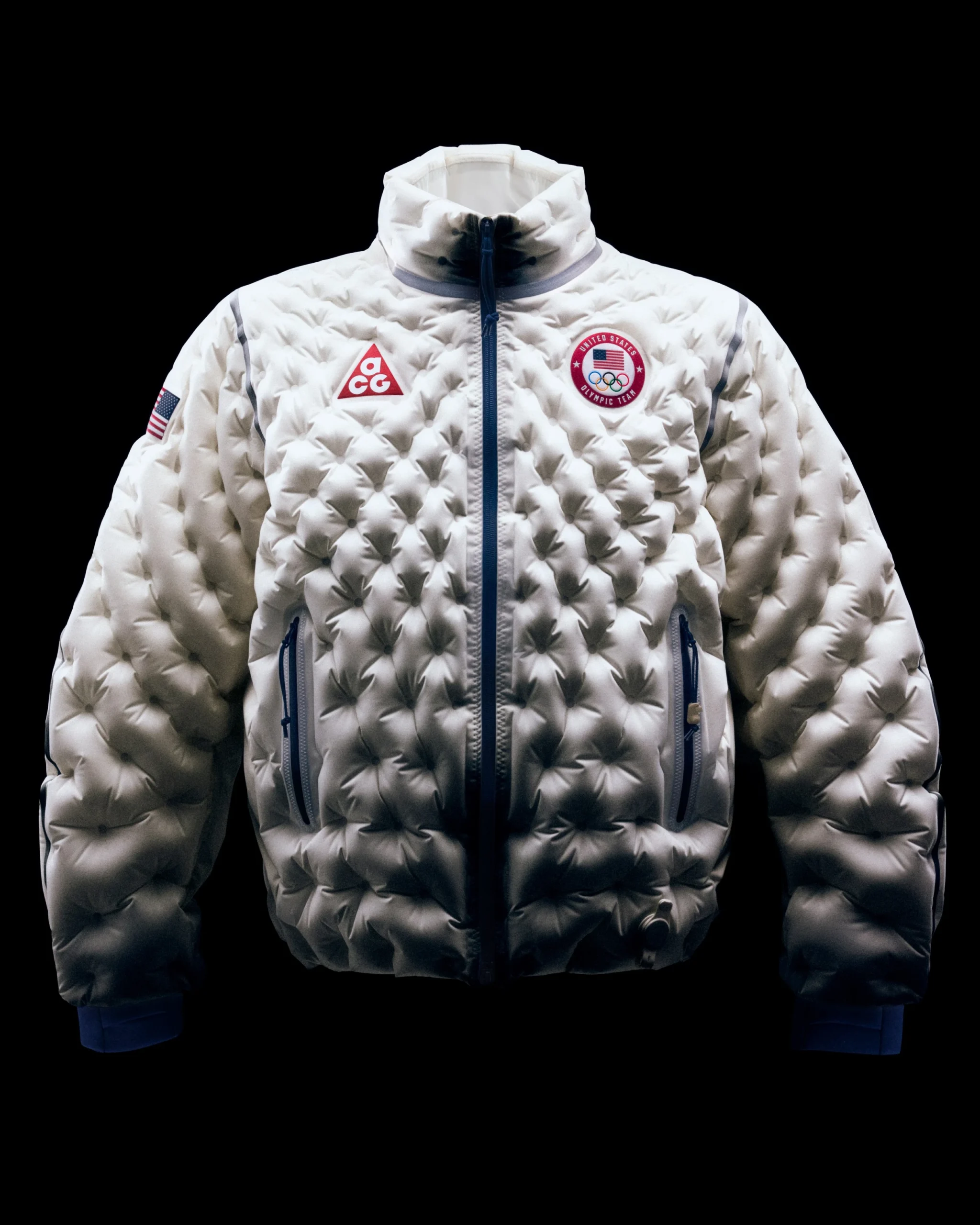
The Nike Therma-FIT Air Milano Jacket integrates engineering precision with wearable practicality. It stands out because it’s designed from the ground up to give users real control over warmth, comfort, and function.
Credit: Nike