

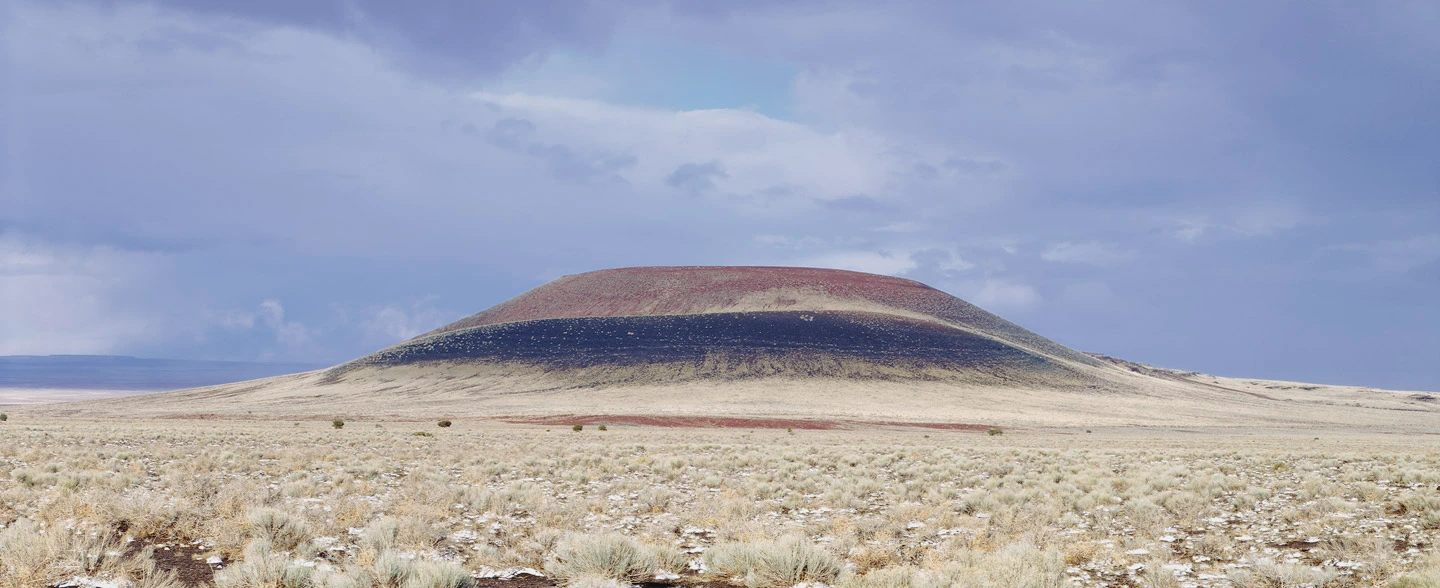


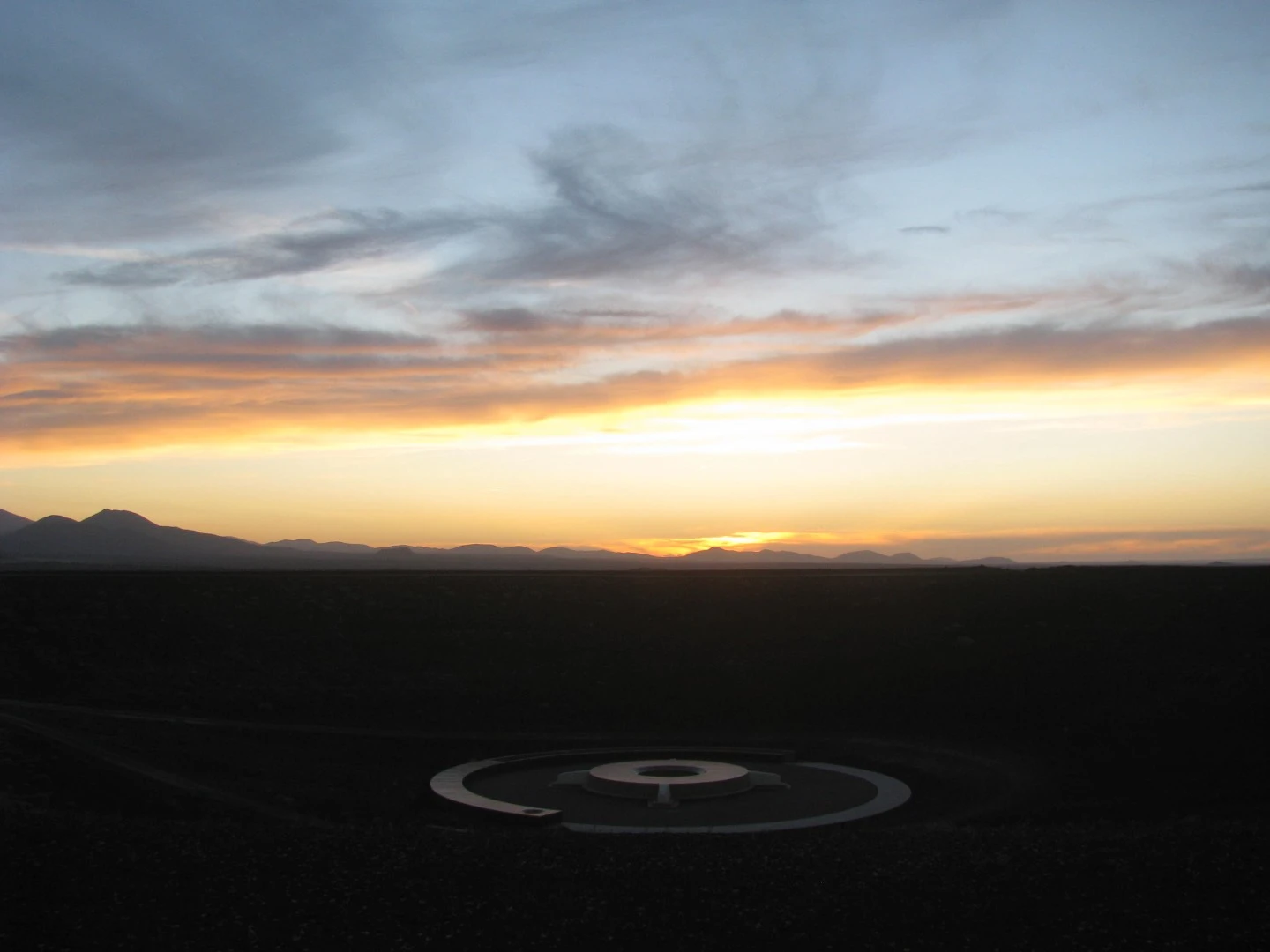
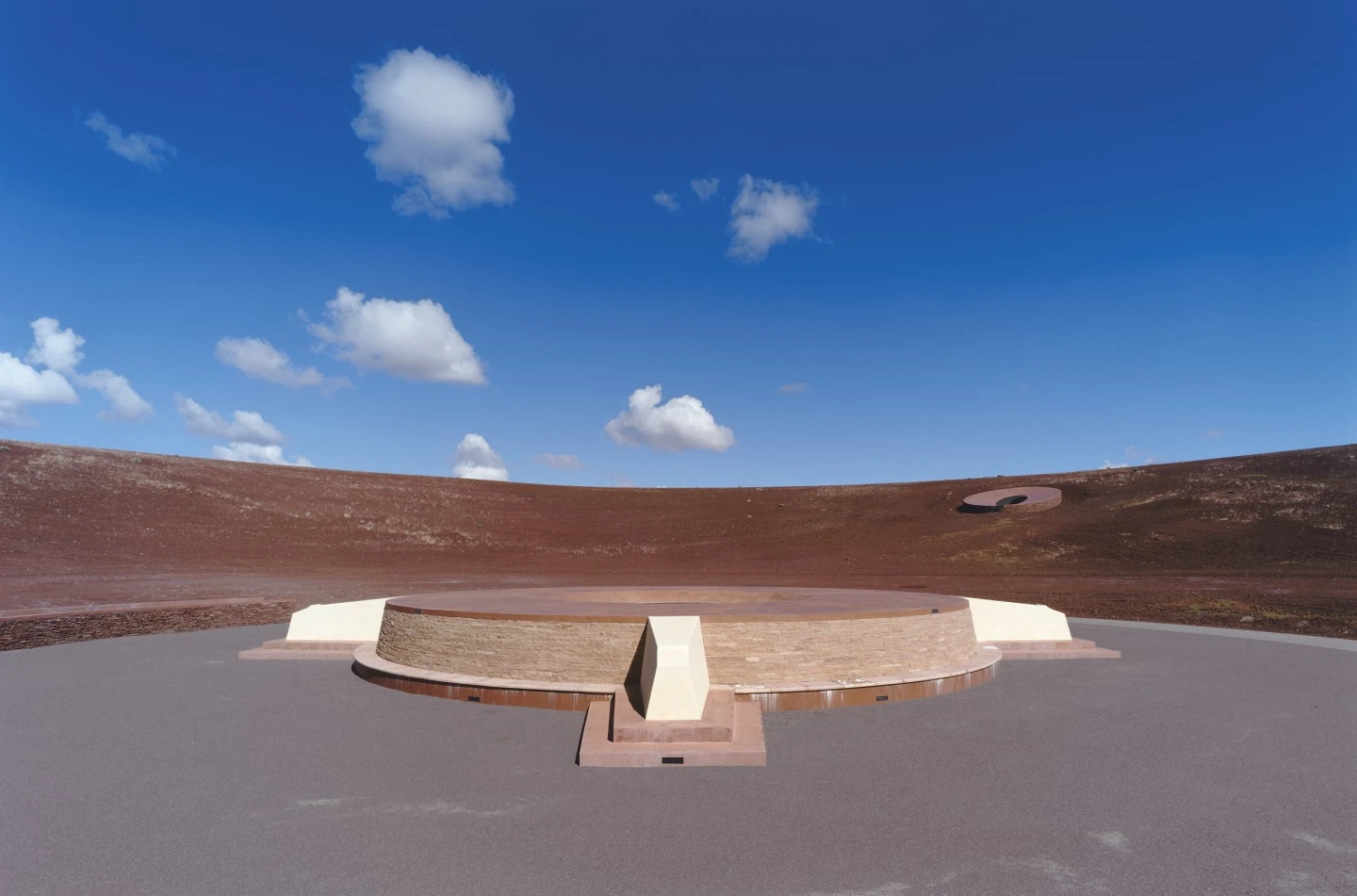



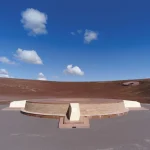
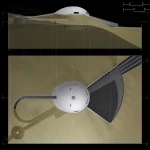
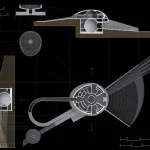
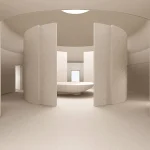

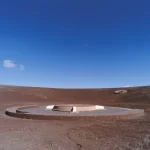
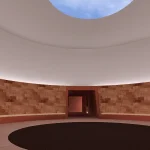
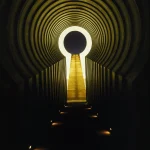
James Turrell’s Roden Crater, located in the San Francisco Volcanic Field of Northern Arizona, explores light as a tangible element that engages with celestial mechanics, geological history, and the limits of human sensory perception. This monumental land art project is an architectural intervention into how individuals construct reality through the act of seeing.
James Turrell’s Roden Crater
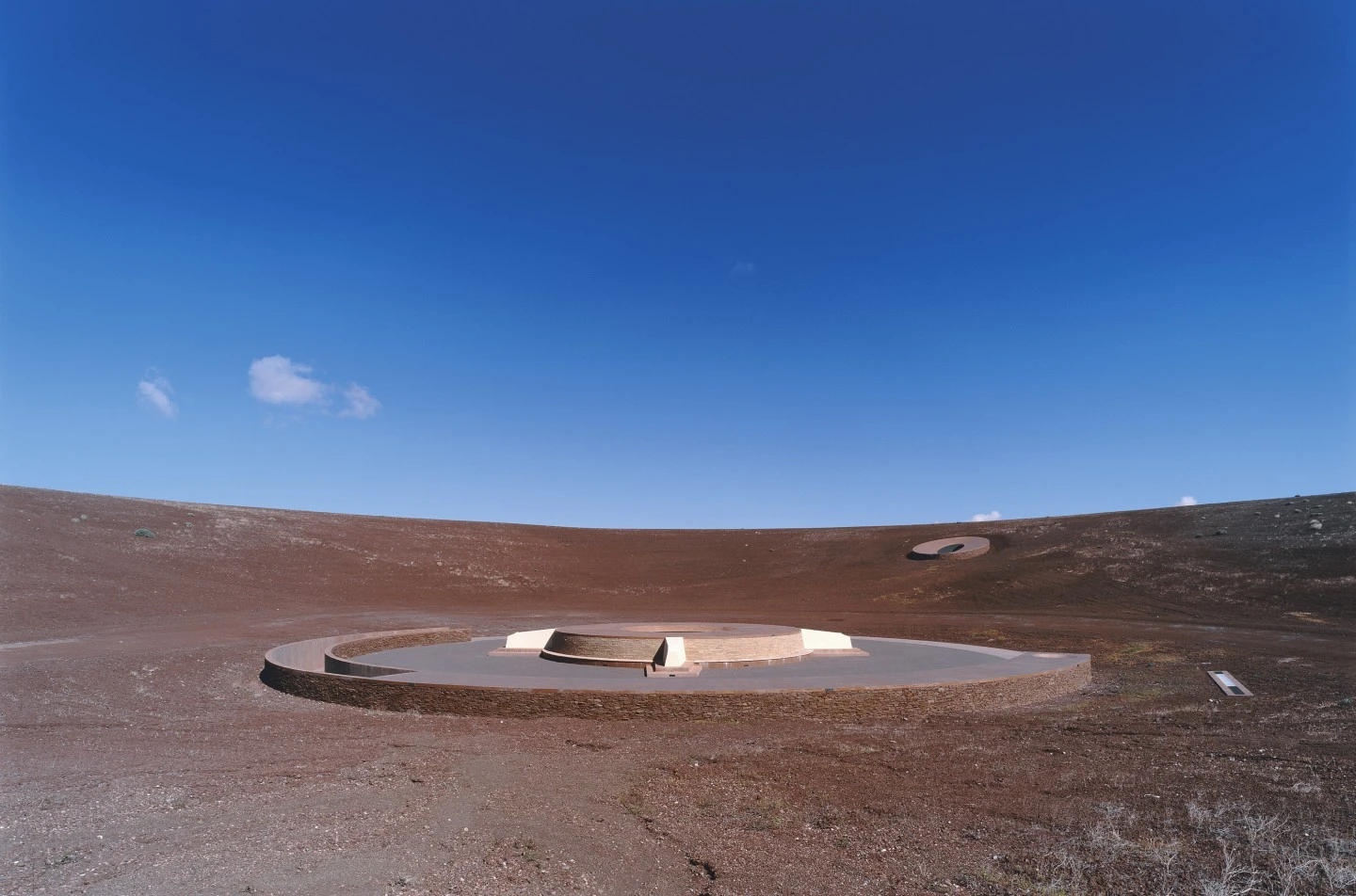
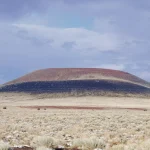
Through a seven-month aerial survey of the Western United States, a site was selected that has both high altitude and a natural bowl shape. Roden Crater, where it is located, comprises over four hundred volcanoes, estimated to be approximately 380,000–400,000 years old. It serves as the foundation for the viewer’s experience, grounding the ephemeral nature of light within a framework of volcanic history.
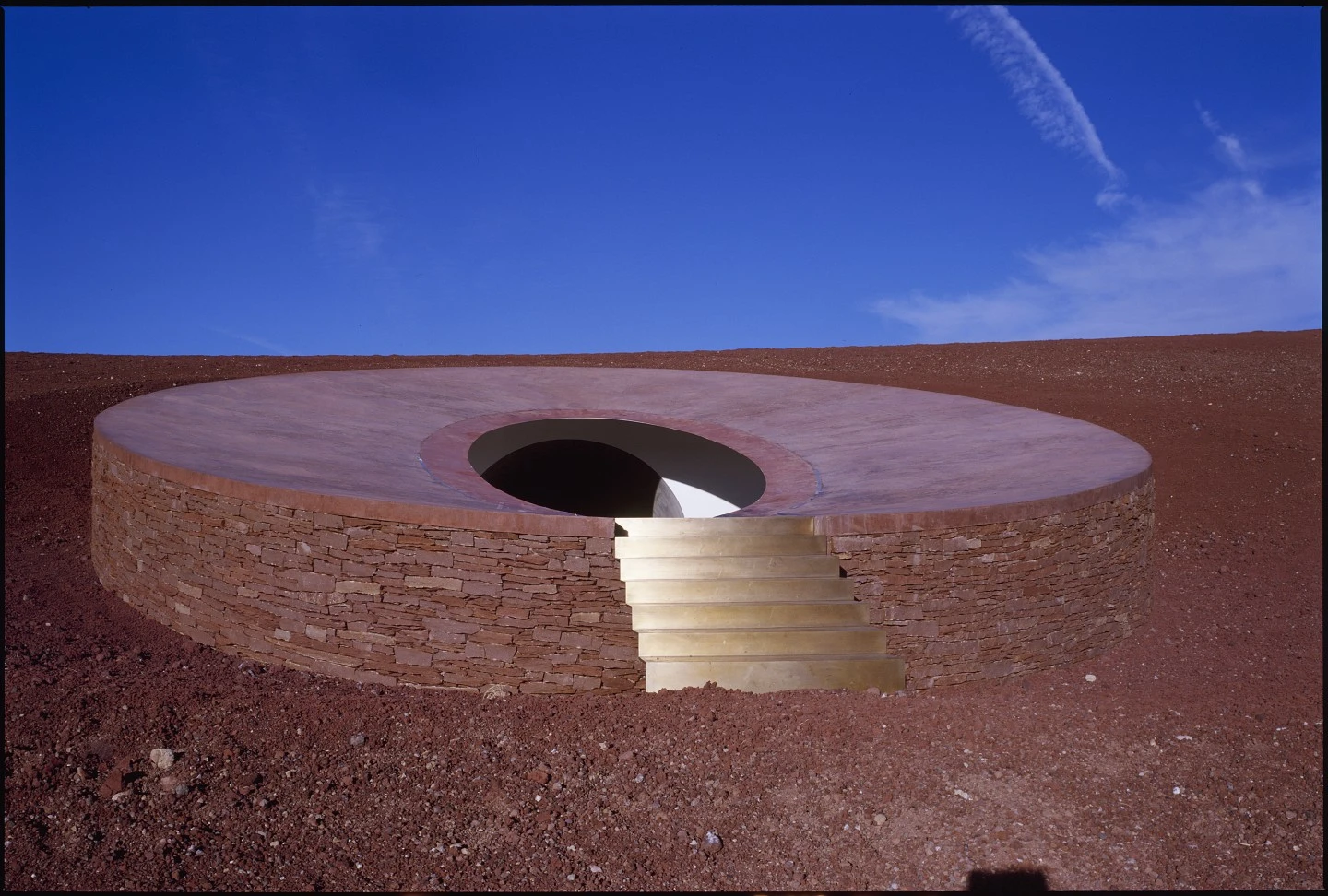
The philosophical roots of Roden Crater lie in Turrell’s early work with light and space, demonstrated in his Ganzfeld and Skyspaces installations. His interest is not to reveal light in objects but to observe light itself as an object of perception. The decision to build inside a volcano was motivated by a desire to create a geological stage where the light reaching the Earth from the beginning of time could be isolated and intensified.
Philosophical Origins
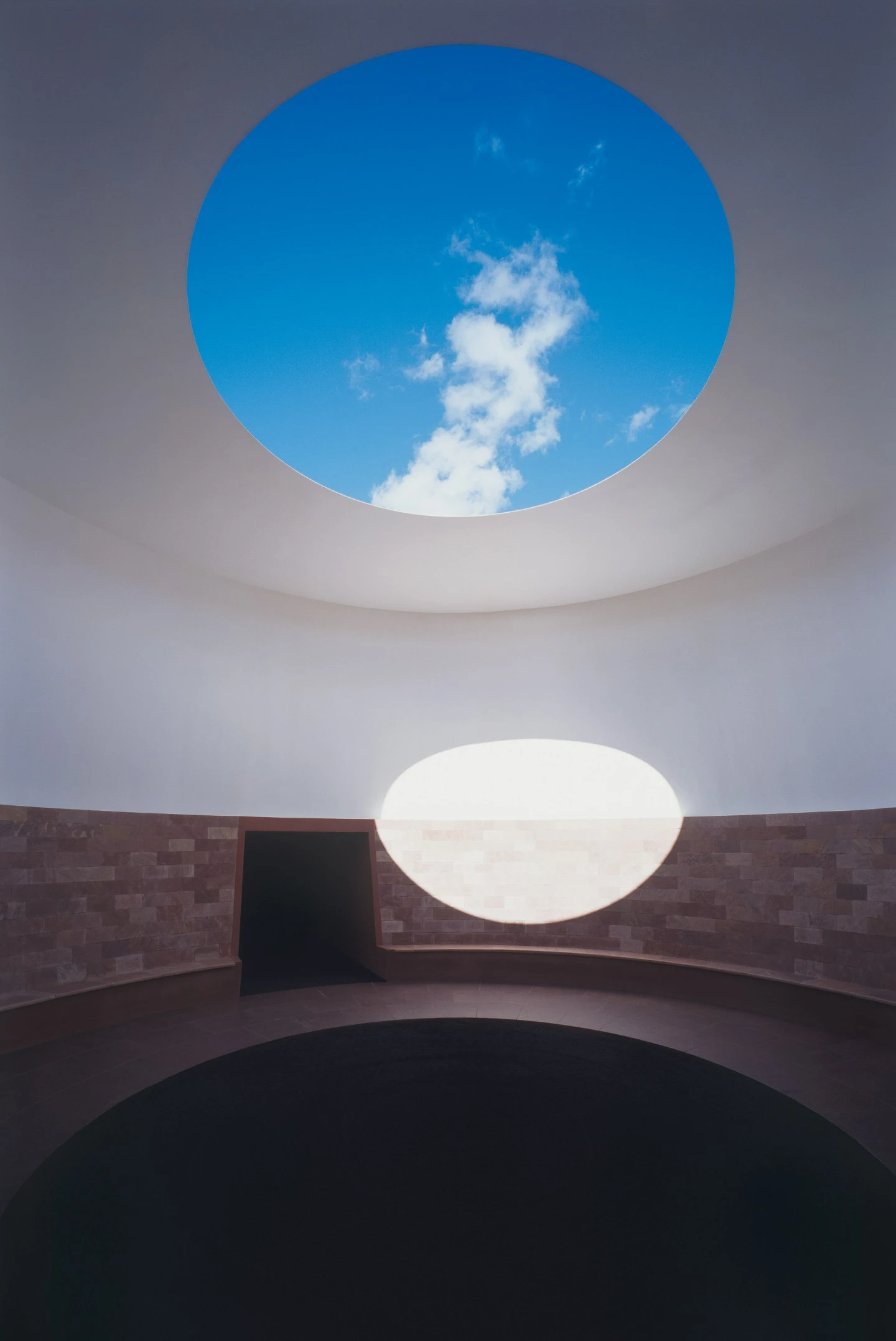
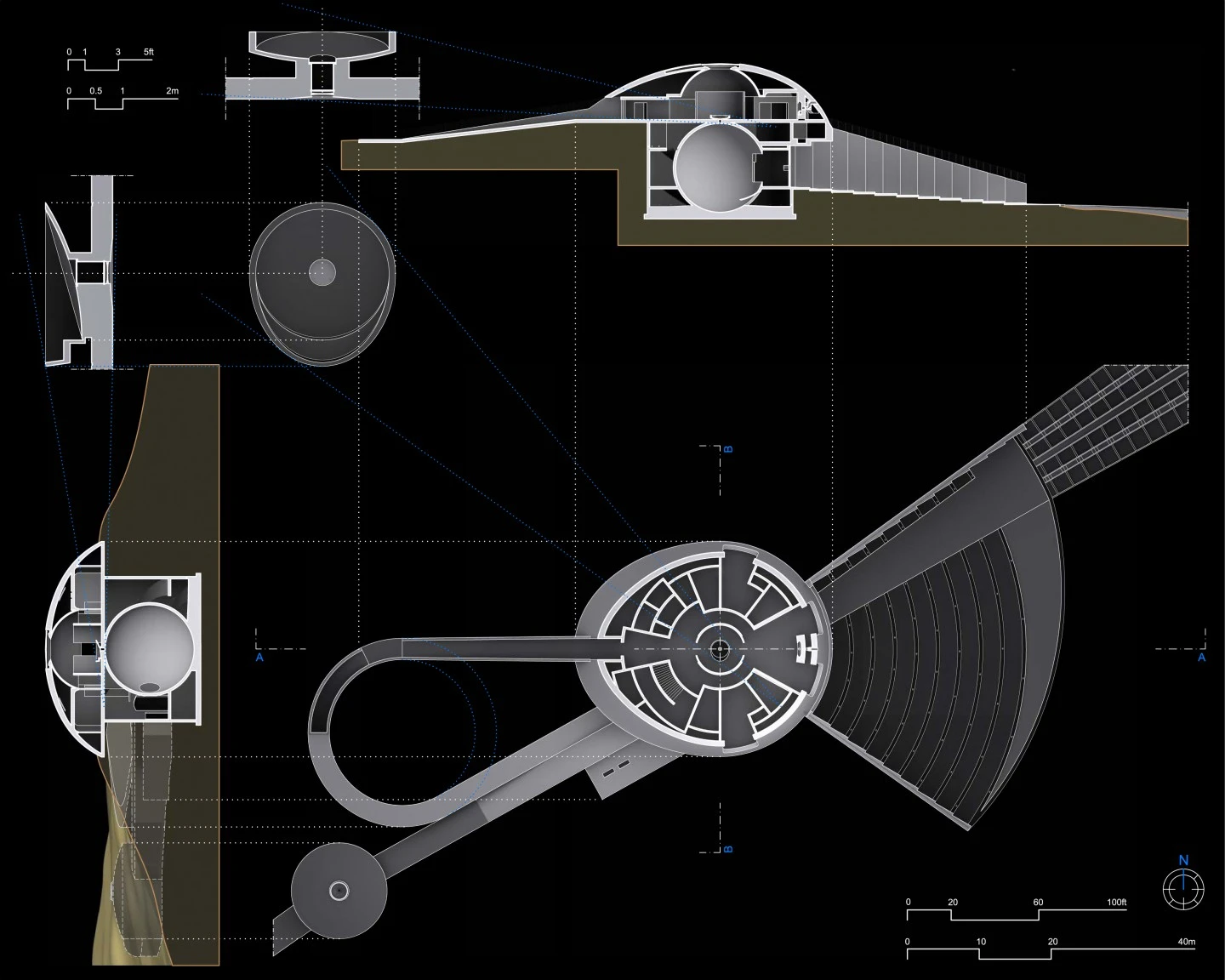
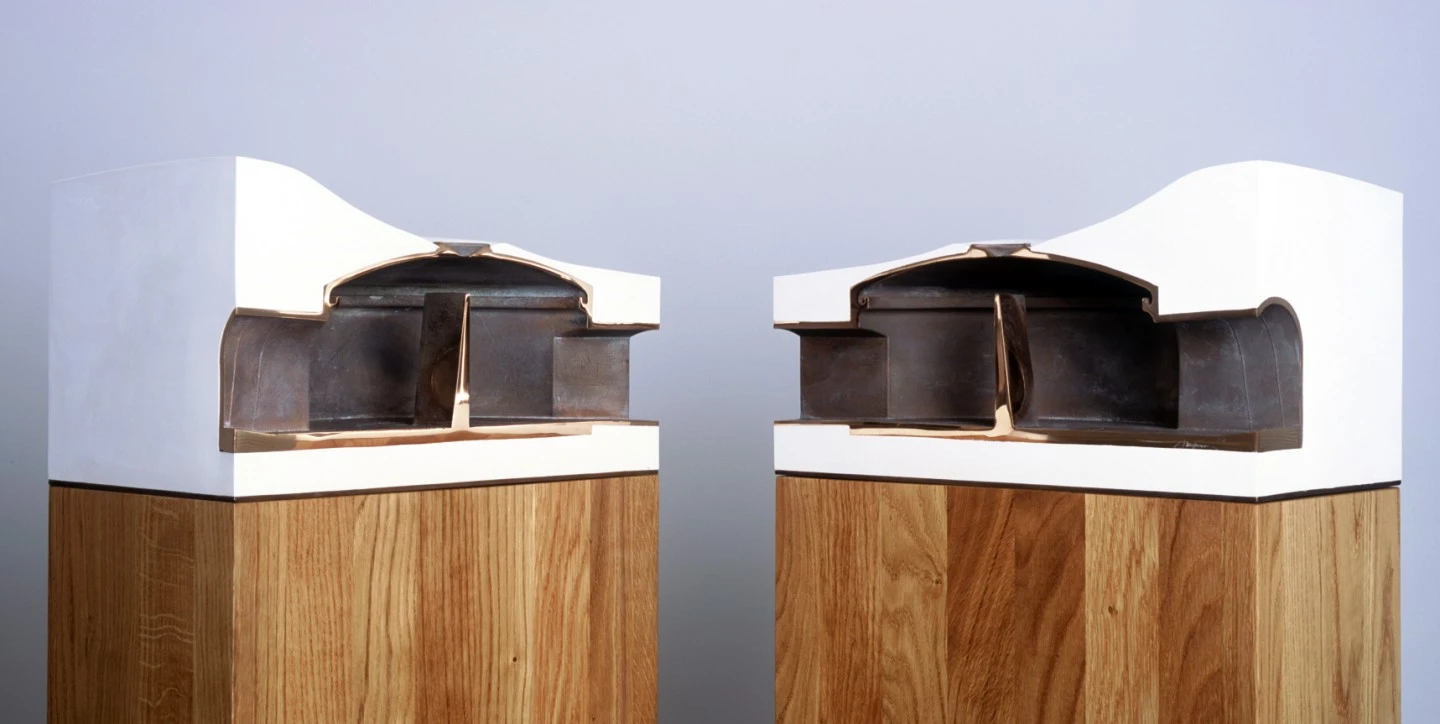
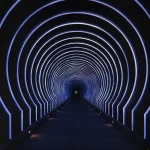
Drawing inspiration from the history of ancient observatories, including the Neolithic mounds of Maeshowe and Newgrange, the sun-aligned temple of Abu Simbel, and the stone instruments of the Jantar Mantar in Jaipur, Roden Crater is designed for naked-eye observation. The design comprises a labyrinthine network of twenty-four perceptual spaces and six tunnels, each dedicated to a specific quality of light or celestial event.
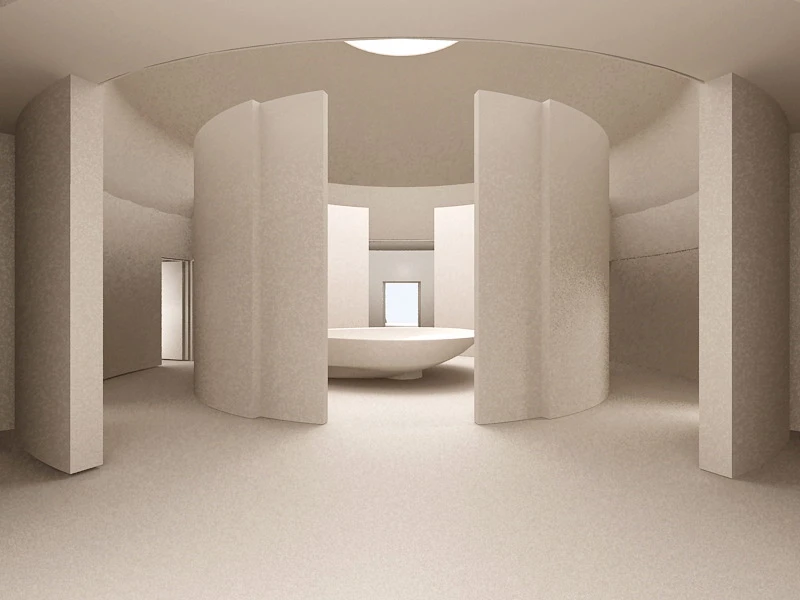
Turrell’s extended vision includes building thirty lodges near the crater, offering visitors extended visits where the subtle shifts in light over several days can be fully appreciated. Integrating sustainable principles, Roden Crater relies on diesel generators for construction power and a solar-powered microgrid focused on natural light and environmental stewardship. Since the acquisition of the site in 1977, Turrell has labored to transform an extinct volcanic cinder cone into a sophisticated naked-eye observatory, set to open after more than 45 years.
Structural Anatomy: Chambers, Tunnels, and Perceptual Spaces
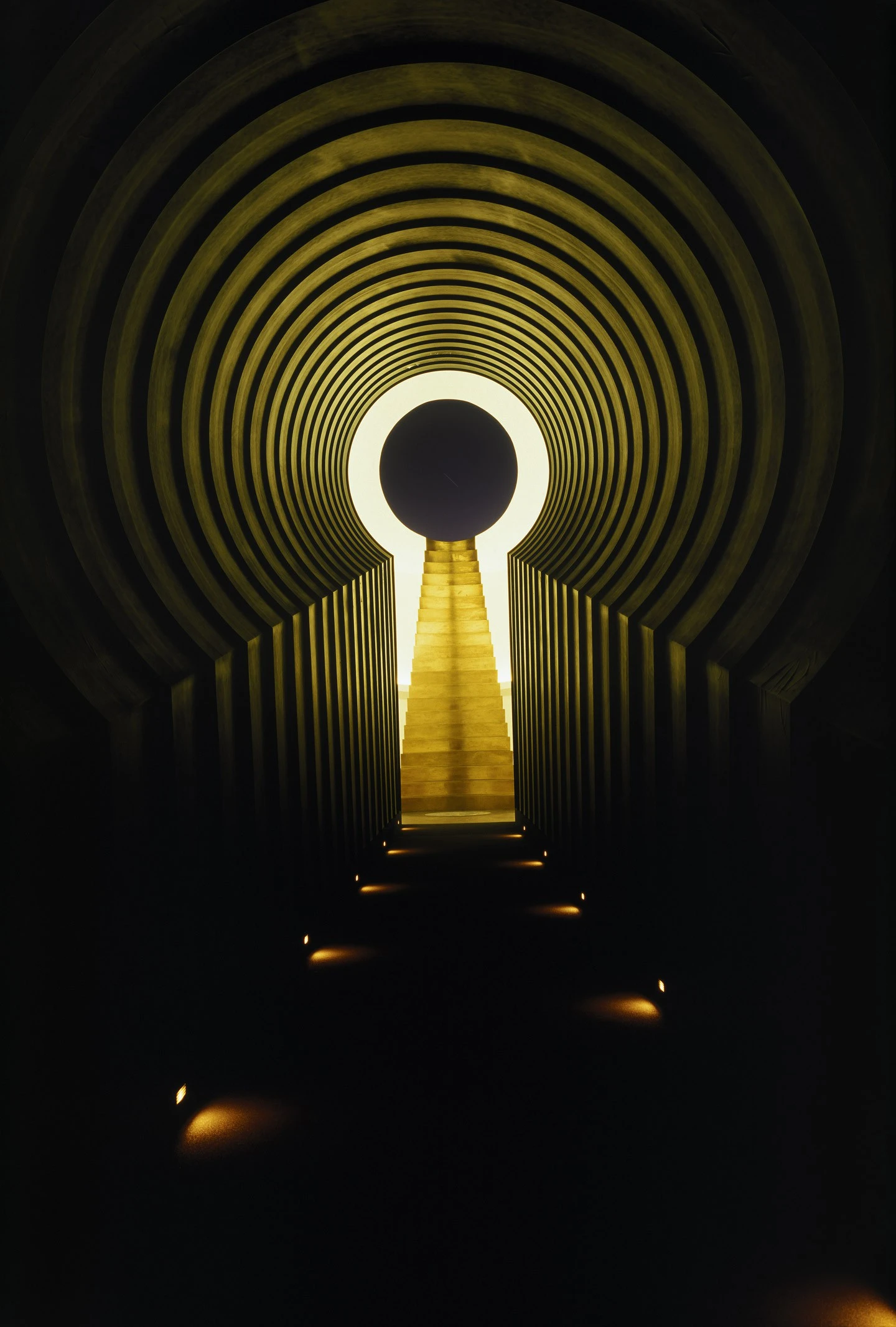
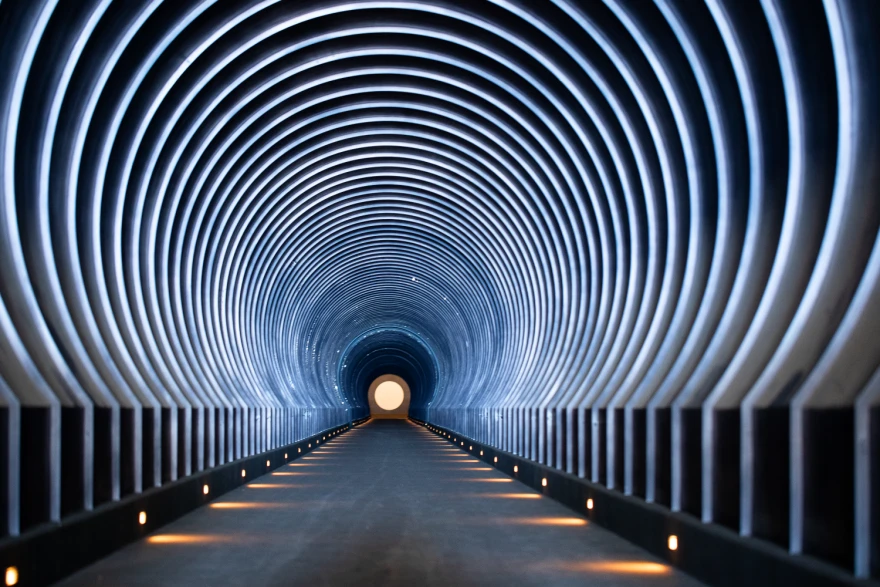
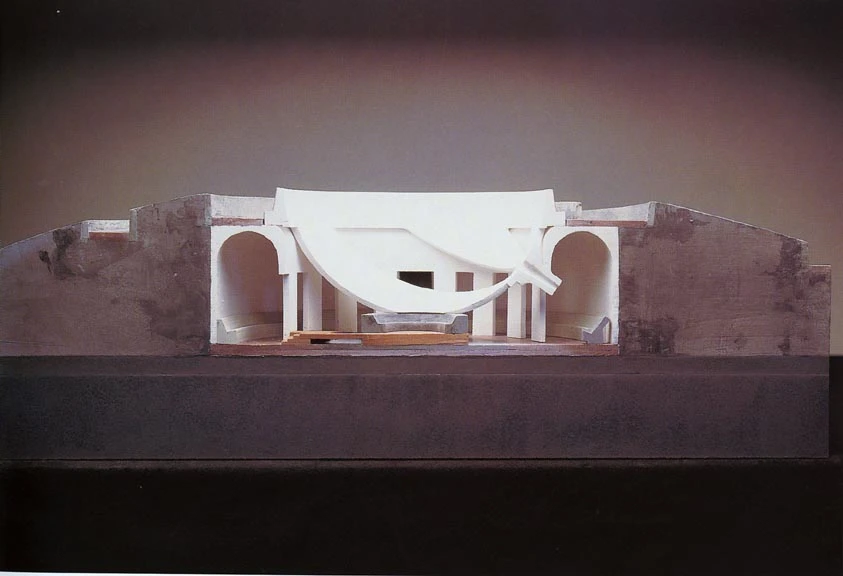
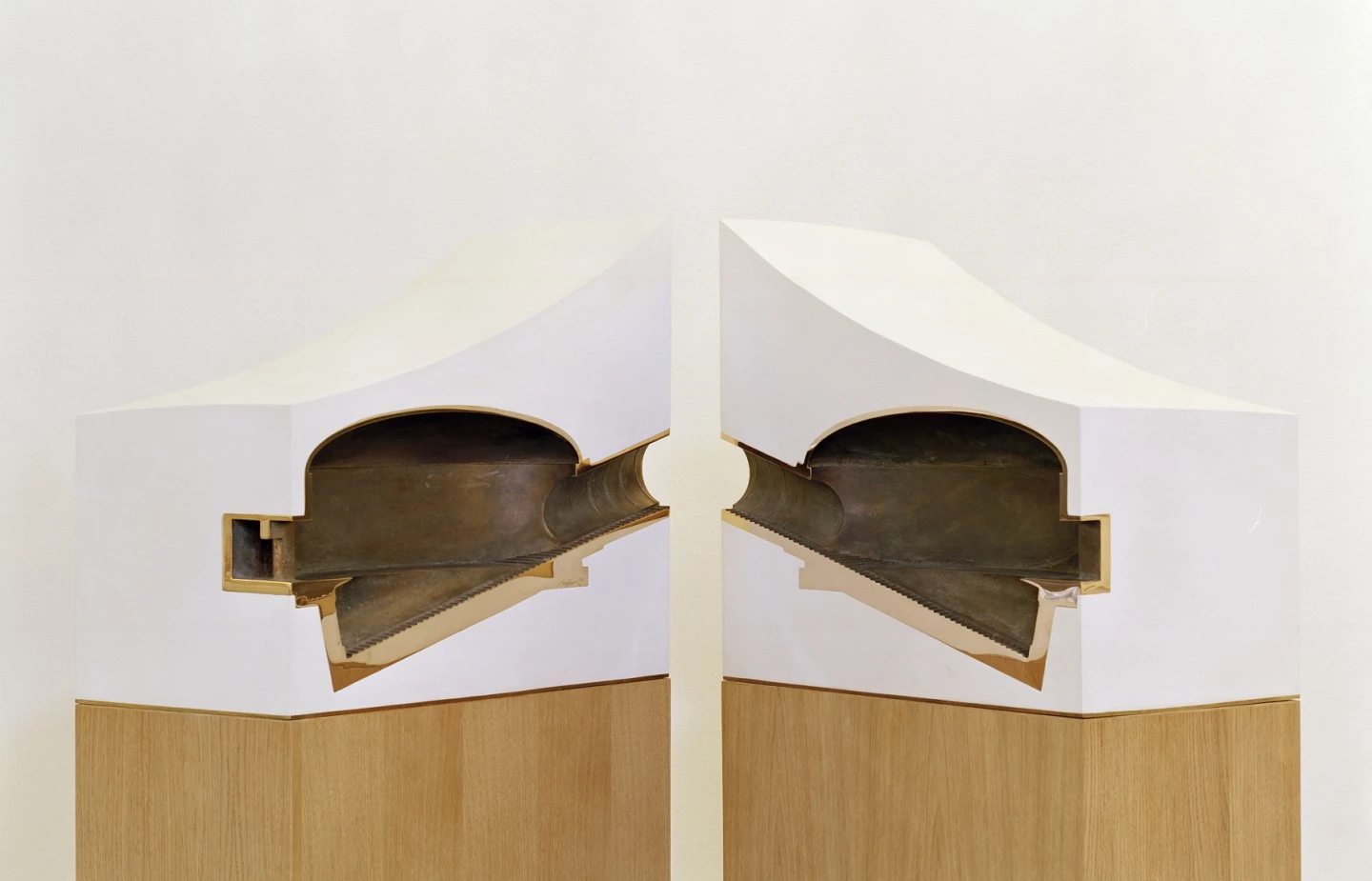
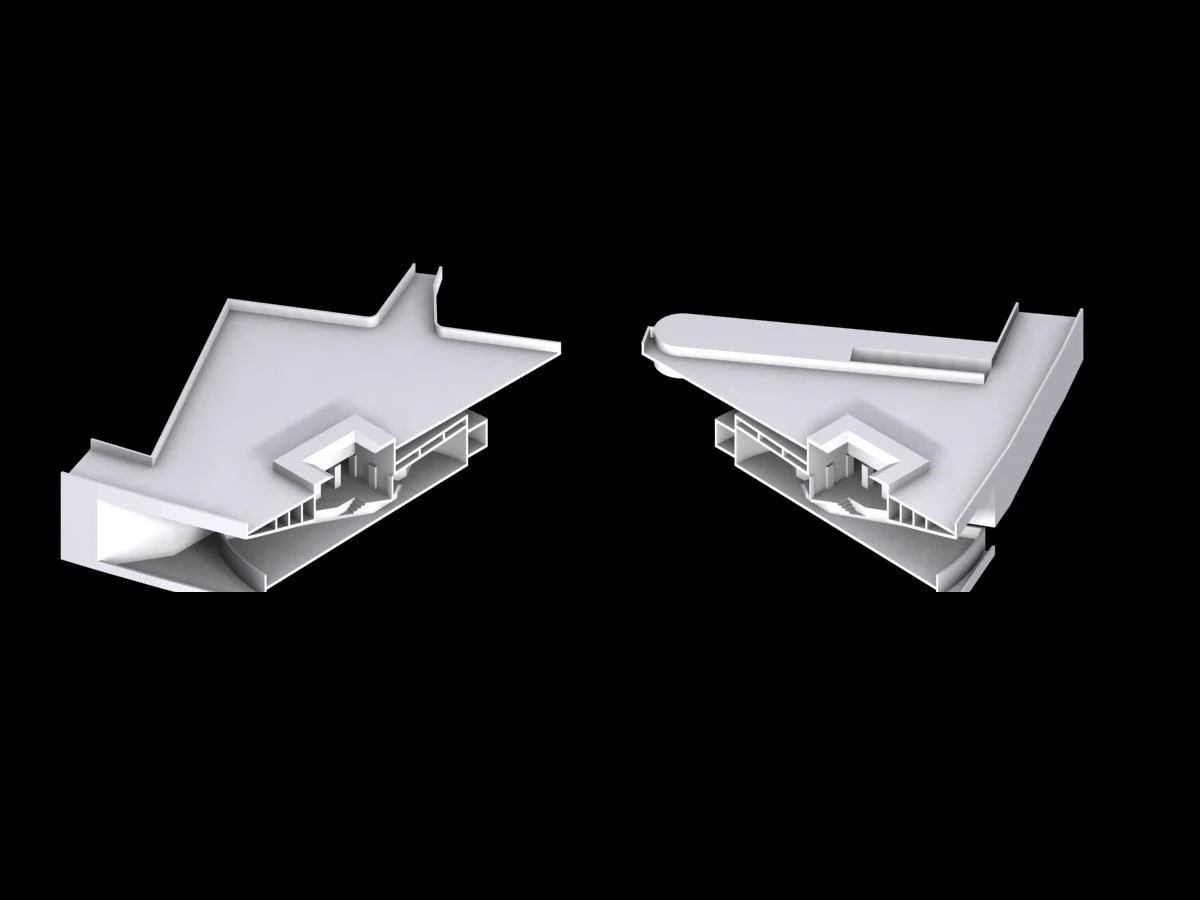
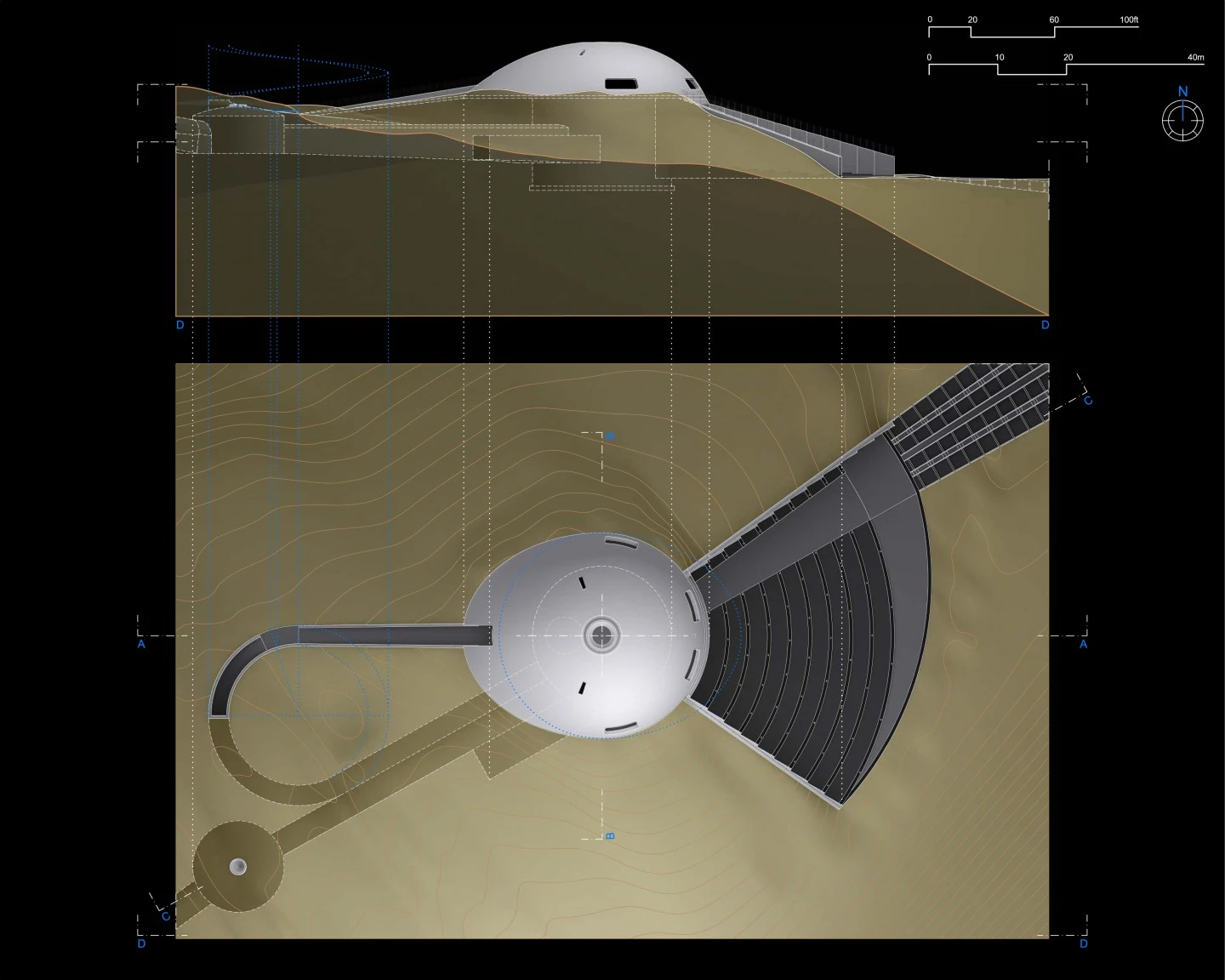
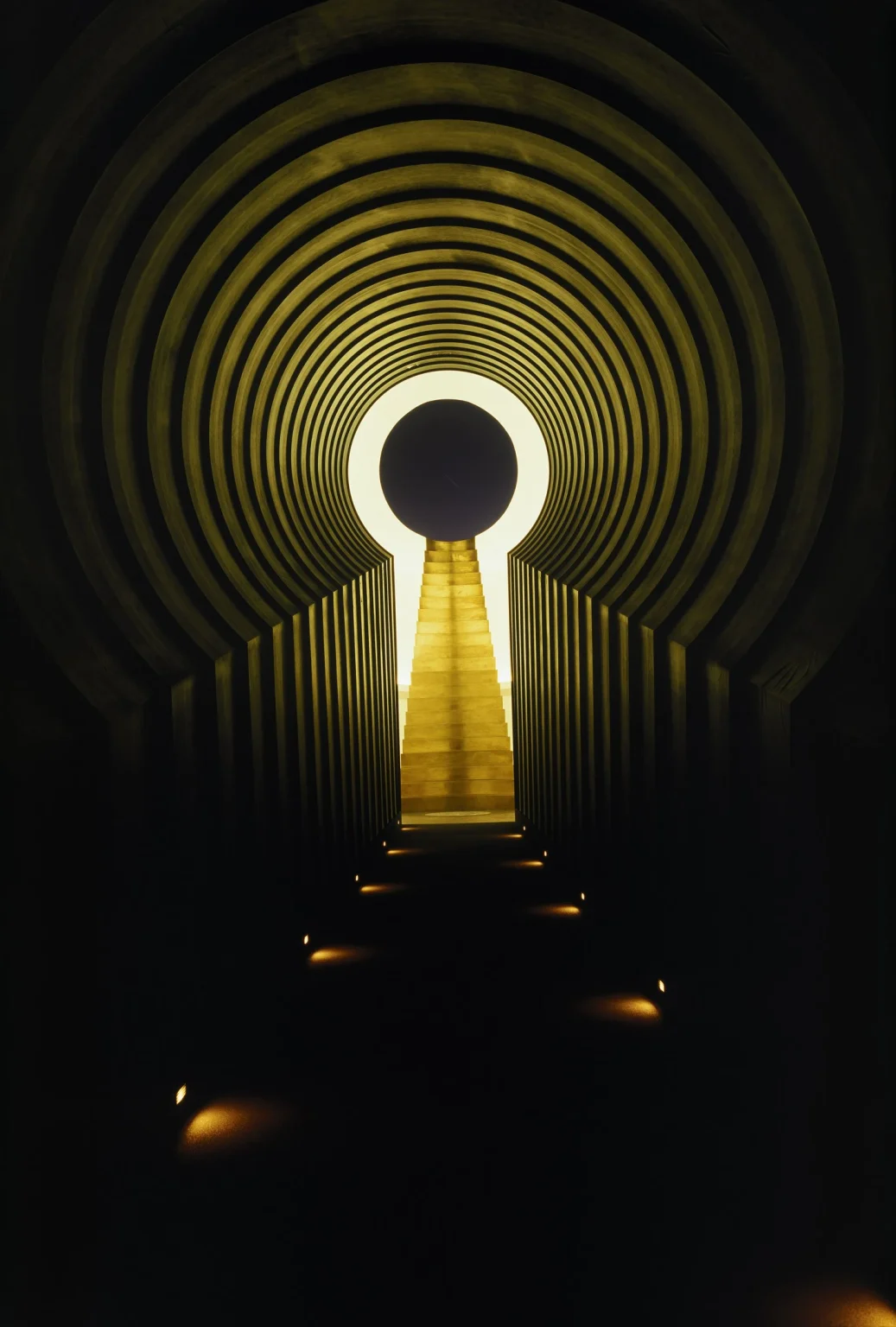
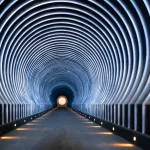
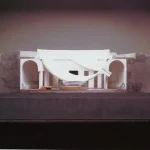
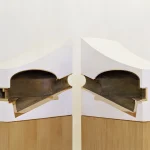
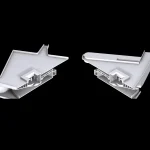
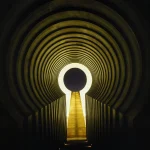
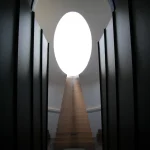
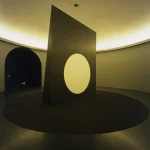
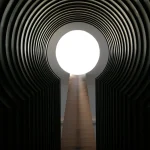
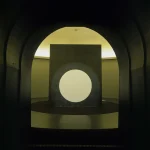
The most striking challenge of the project is the Alpha (East) Tunnel, a staggering 854-foot subterranean passage that functions as a monumental refractor telescope. The tunnel features a large lens at its midpoint to focus light from the East Portal aperture, which falls upon a massive basalt and white marble structure known as the Image Stone. The Moon Chamber is calibrated to two primary celestial events.
- The Southernmost Sunset: Annually, during the ten days before and after the winter solstice (December 11th through December 31st), the light of the setting sun is transmitted through the tunnel and focused on the west side of the image stone.
- The Major Lunar Standstill: Every 18.61 years, the moon reaches its northernmost and southernmost maximums in its orbital cycle. During this rare event, the southernmost moonset is viewed through the Alpha Tunnel, creating a reverse image on the image stone.
The Crater Bowl and Crater’s Eye
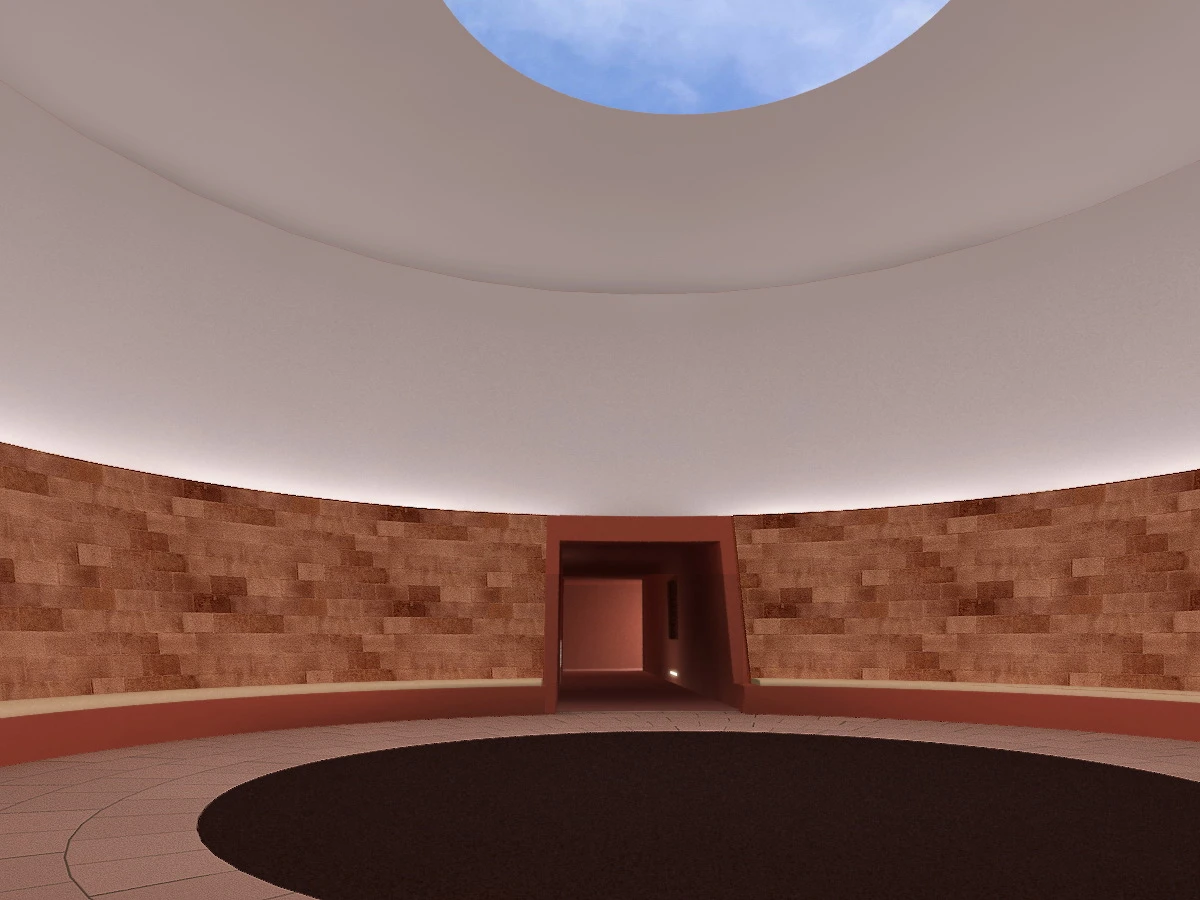
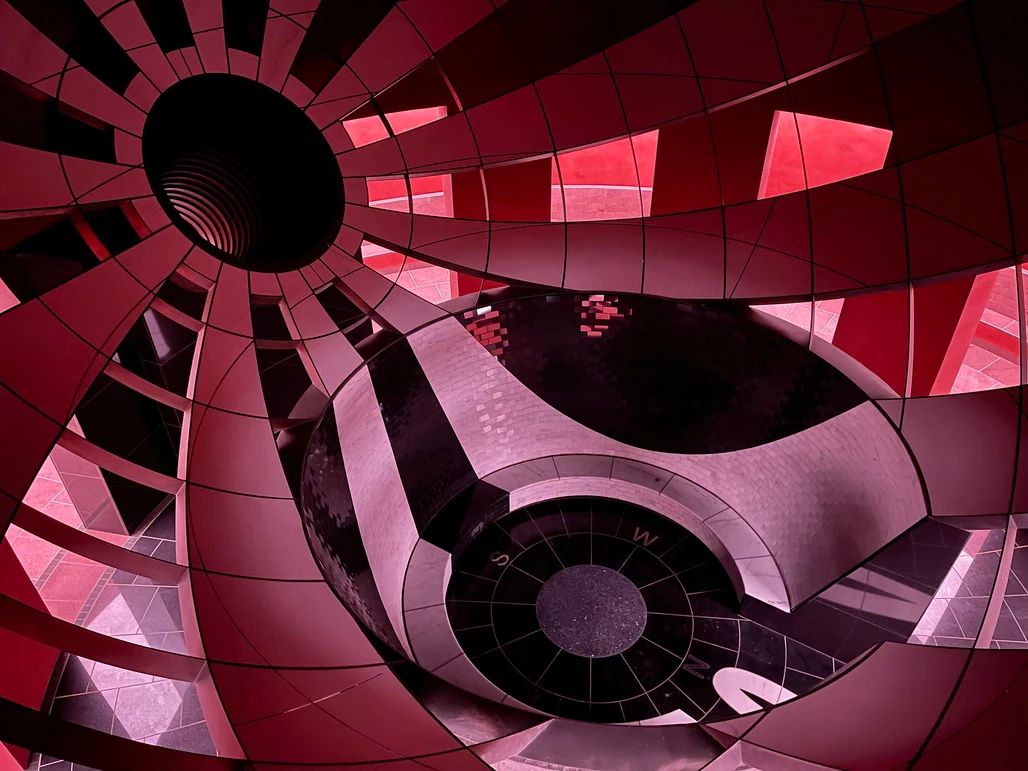
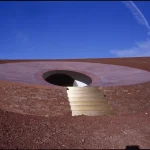
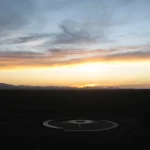
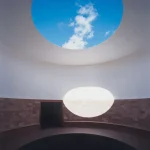
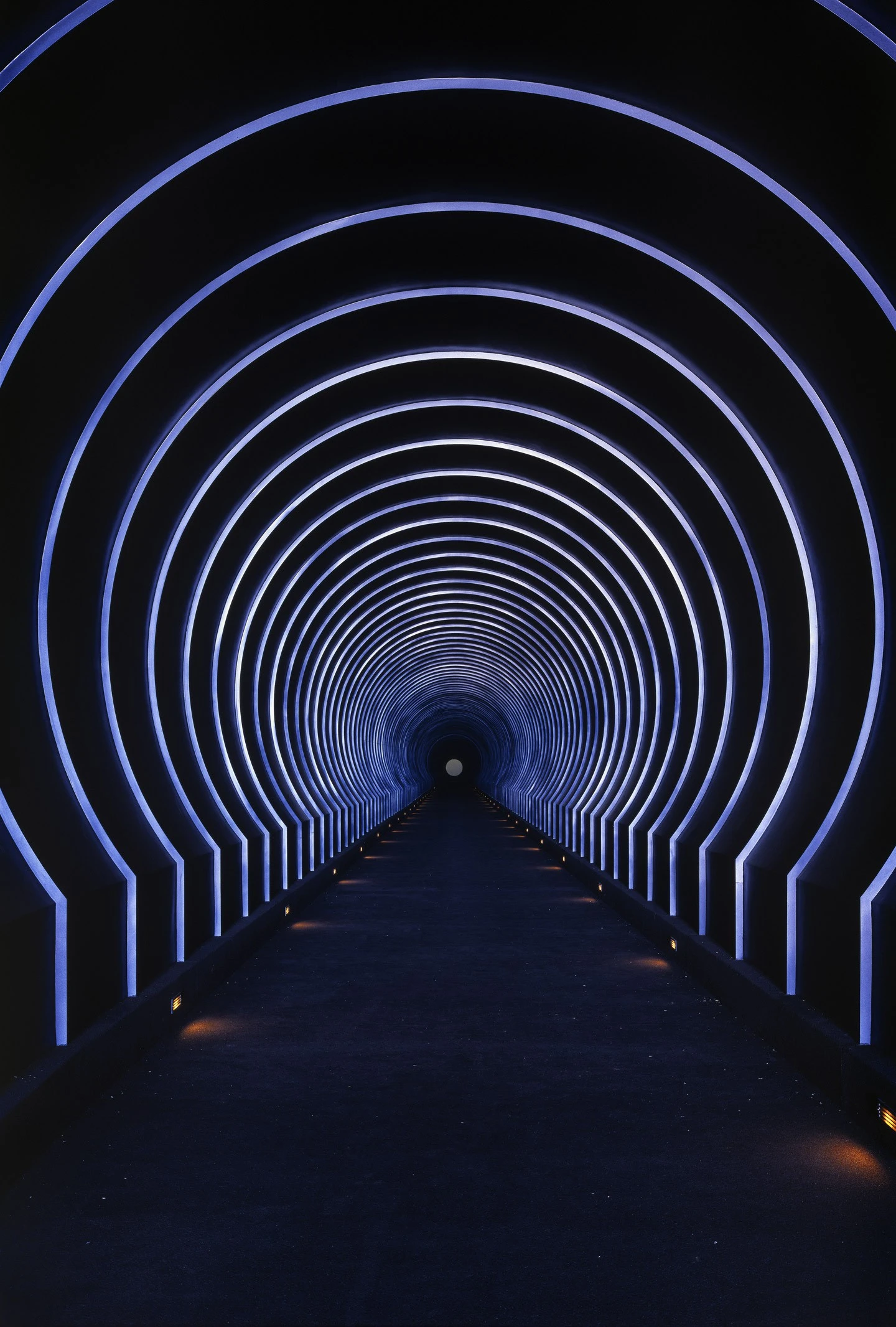
The crater bowl is reshaped through massive earth-moving efforts to achieve a specific topographic profile. Turrell creates a horizon that is elevated above the natural desert floor, which facilitates the experience of celestial vaulting. Within the bowl lies Crater’s Eye, a central skyspace where four large rectangular plinths allow visitors to lie down and observe the sky. At night, these spaces are illuminated with artificial light to contrast with the dark sky, altering the perception of color and depth.
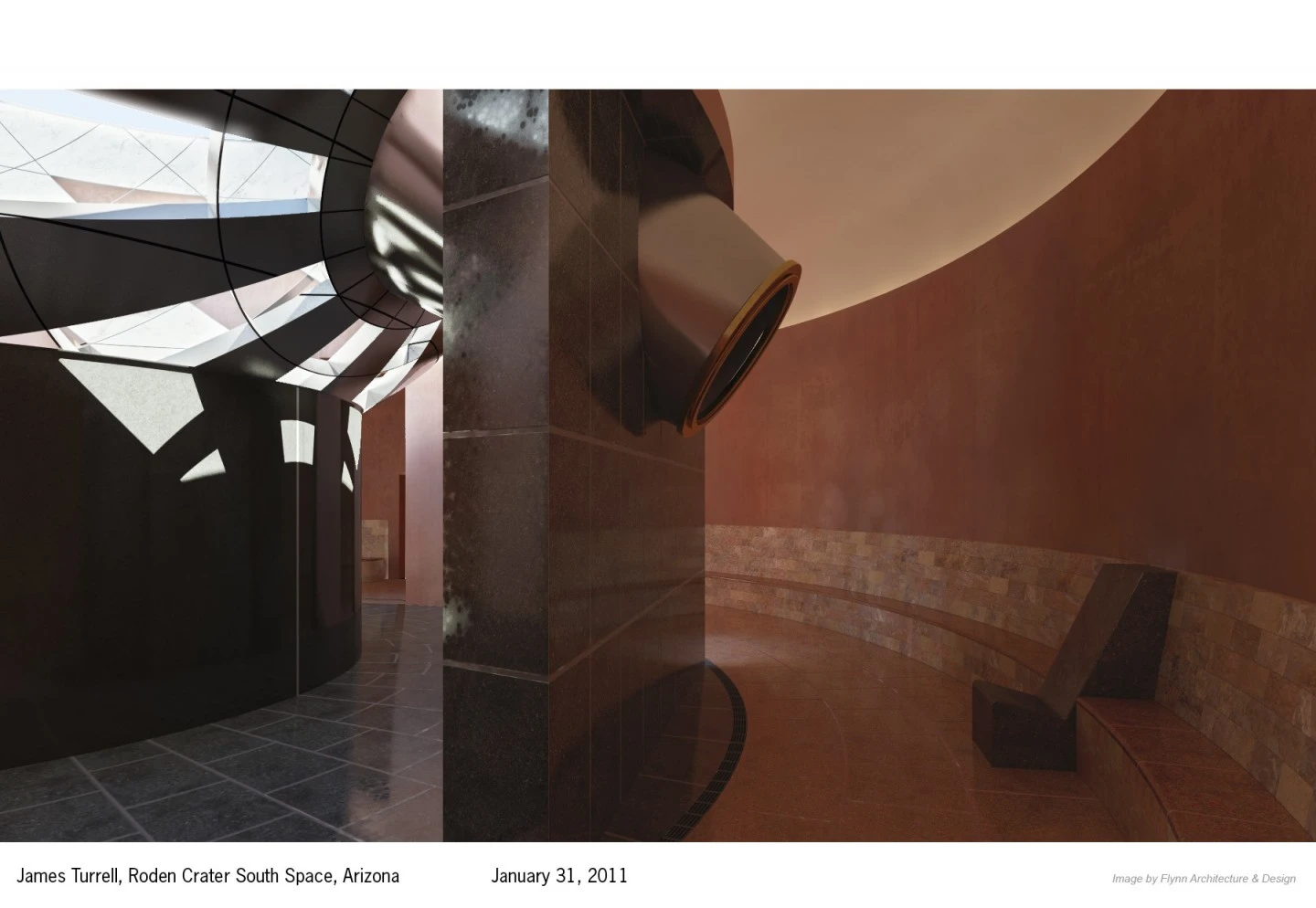
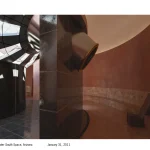
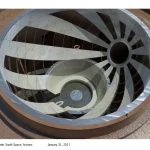
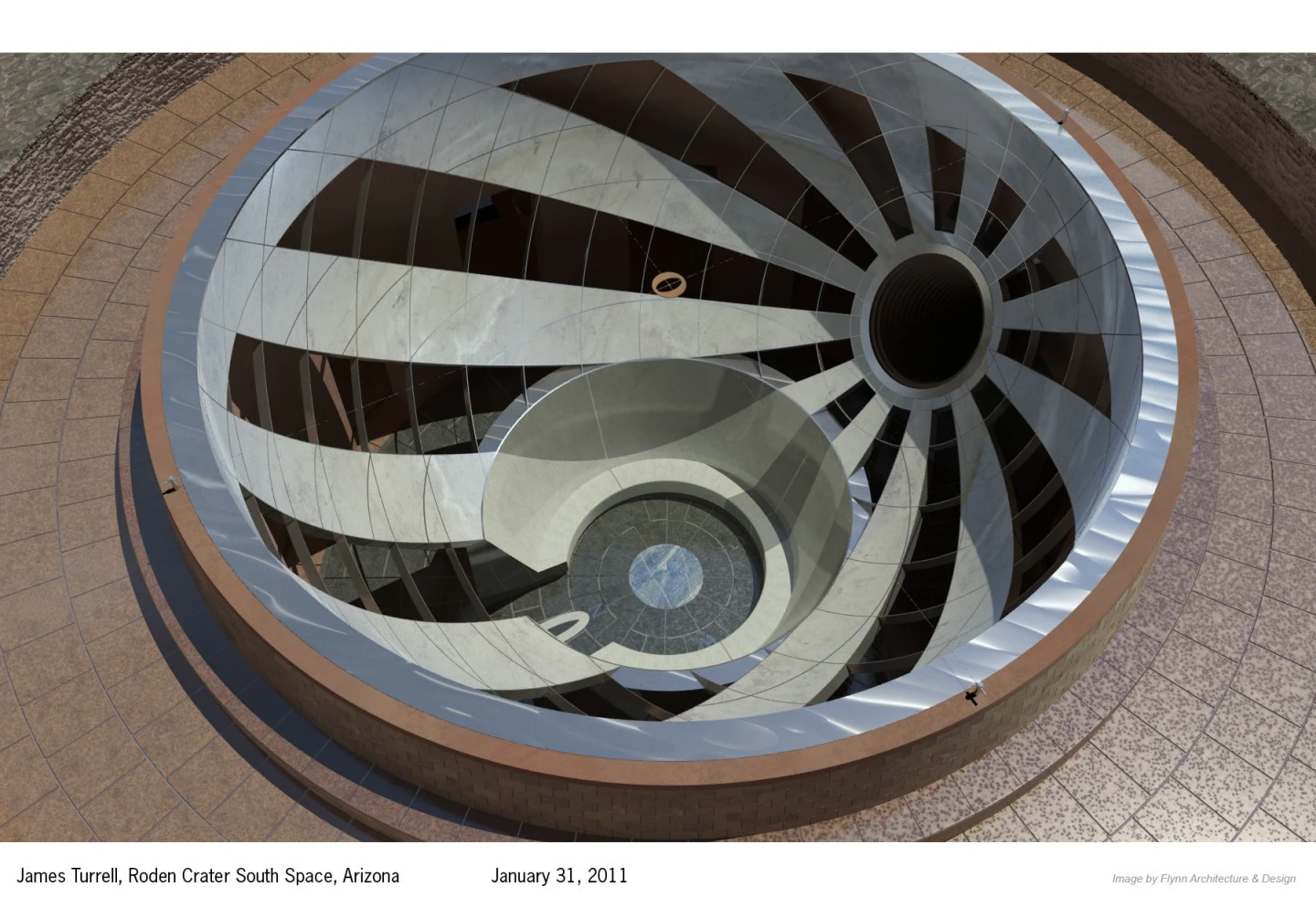
Several other spaces function as observatories and research sites. The South Space aligns with the North Star, featuring a single seat that allows viewers to experience the night sky. It also includes an instrument modeled after the Jai Prakash Yantra, allowing for the tracking of solar and lunar eclipses within the 18-year, 11-day Saros Cycle.
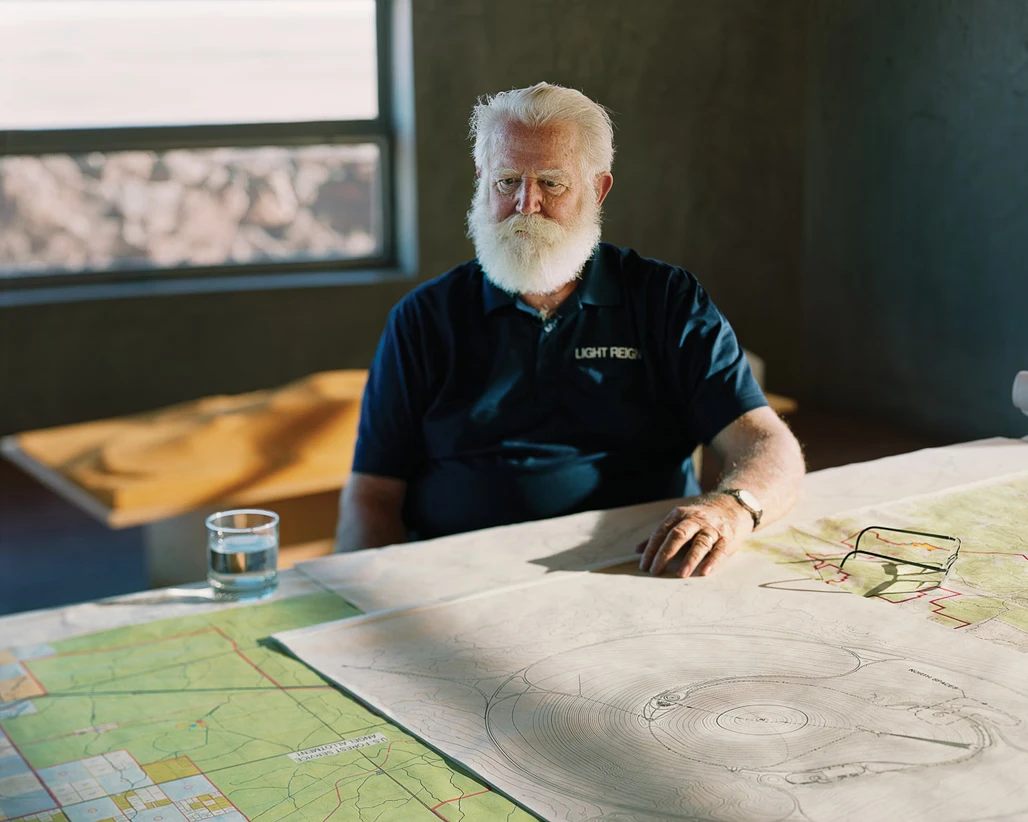
With the help of the profound astronomical knowledge of noted astronomers E. C. Krupp and Richard Walker, this level of precision will be achieved. The custom-ground lens used in the tunnel is designed to sharpen and brighten these images, turning the entire volcano into a giant camera obscura.
Photo Credits: © 2026 Skystone Foundation; all images © James Turrell