
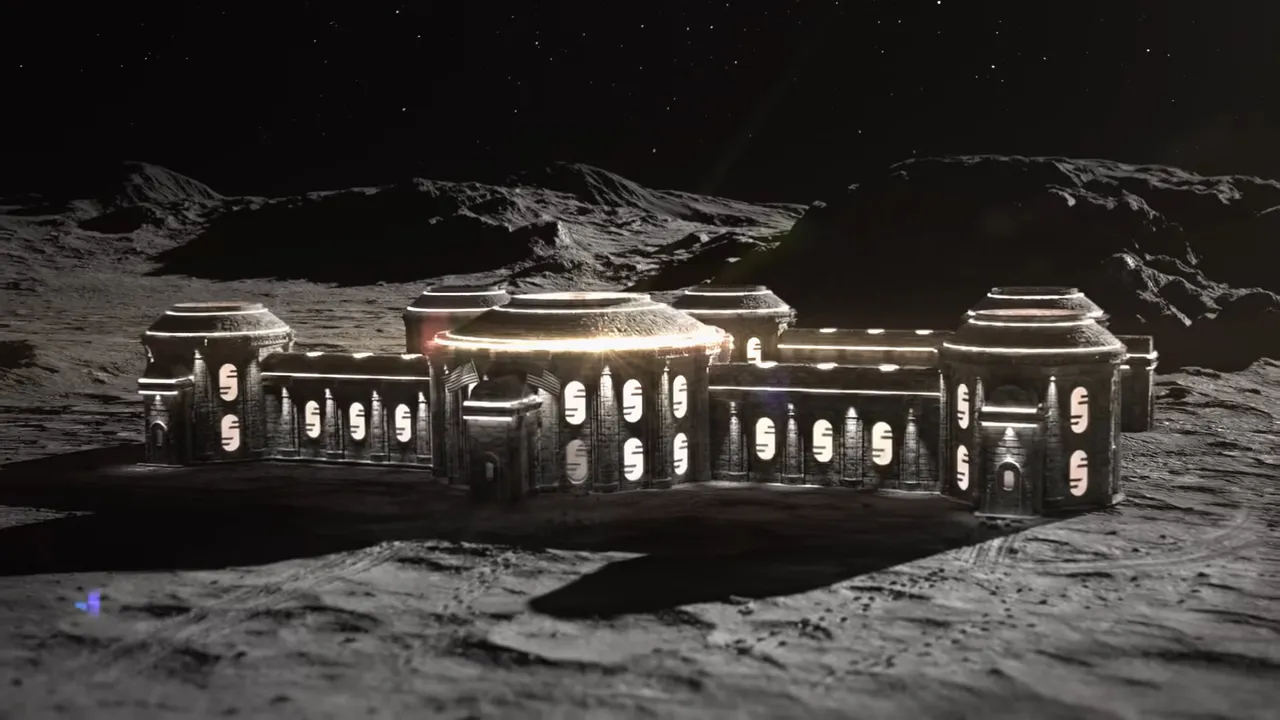

A California-based space startup is pushing the boundaries of commercial space travel with plans to develop the first moon hotel by 2032. The company, GRU Space (Galactic Resource Utilization Space), has drawn global attention after opening early reservations for future lunar stays and securing backing from investors connected to Nvidia, Y Combinator, SpaceX, and Anduril. The initiative positions itself at the intersection of space tourism, advanced engineering, and long-term lunar infrastructure development, marking a significant step in private-sector ambitions beyond Earth.
How the First Moon Hotel Is Planned to Be Built
GRU Space’s plan is structured around a step-by-step development roadmap that begins with technology demonstrations and culminates in lunar operations. The company intends to launch its first technology test mission in 2029, using a commercial lunar lander to validate key systems such as inflatable habitat deployment and site-based construction methods. The core structural concept leverages in-situ resource utilization (ISRU), converting lunar soil into building material to reduce the need for transporting mass from Earth and to enable scalable infrastructure in the harsh lunar environment.
The first hotel module is planned for delivery to the lunar surface in 2032. This initial inflatable structure, designed and manufactured on Earth, is expected to accommodate up to four guests for multi-day stays. According to the company’s public roadmap, the module would have an operational life of about 10 years. Over time, additional missions could deploy modular units and expanded facilities, potentially integrating structures built from lunar material to increase capacity.
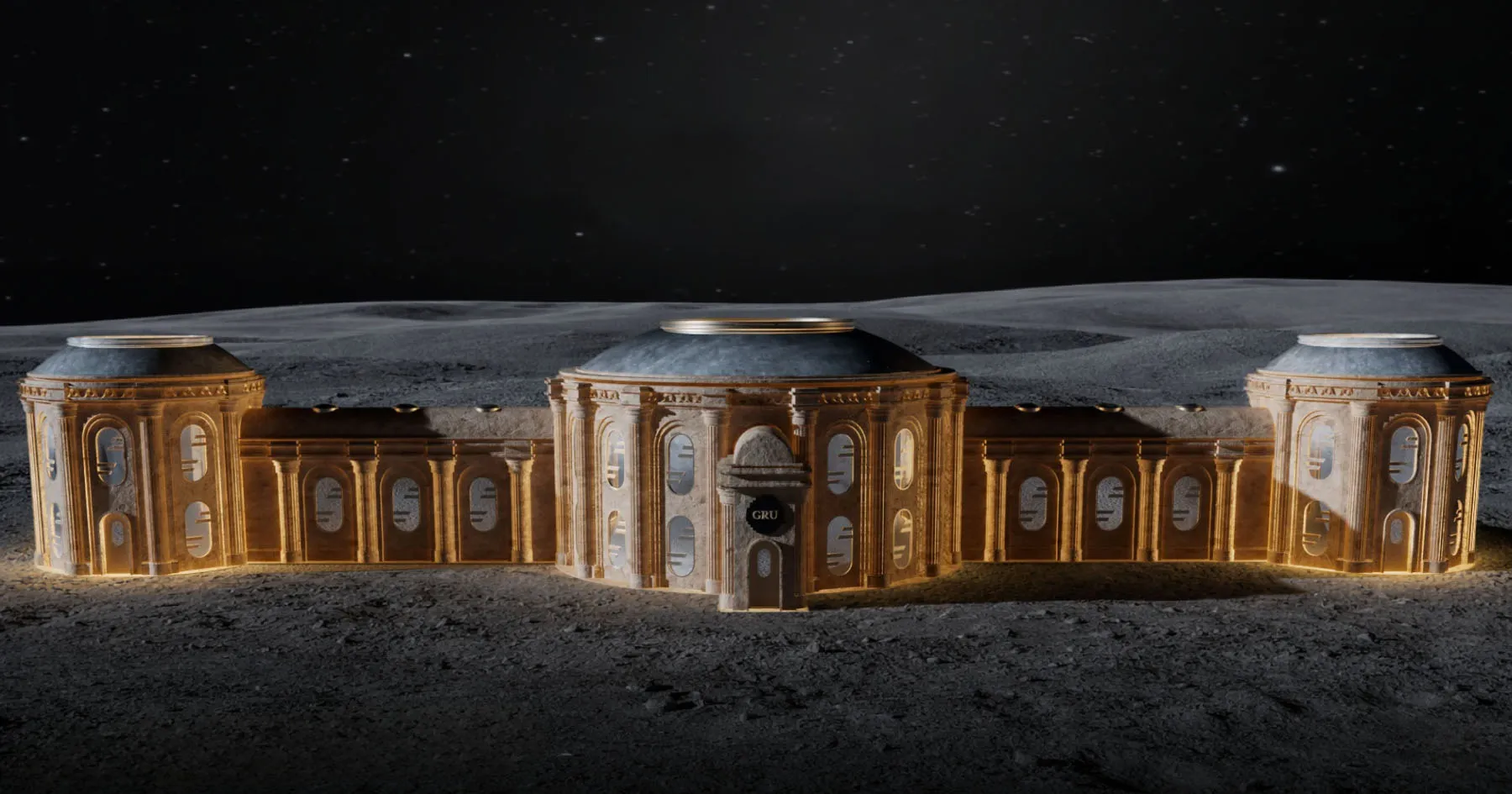
Beyond tourism, GRU’s broader technical strategy envisions deploying automated systems and modular habitation units to construct a foundation for more extensive lunar infrastructure. The company has published a document outlining how its lunar construction approach can create a scalable platform for future lunar bases and support broader off-world habitation goals.
What It Means for Space Tourism
Reservations for stays at the Lunar Hotel have already begun, despite the facility being years from completion. Interested guests are currently asked to pay a refundable deposit between $250,000 and $1 million to secure a spot on upcoming lunar missions associated with the hotel’s rollout.

Once operational, room costs are expected to be in the ultra-luxury range. Some reports cite projected nightly rates starting around $410,000, underscoring the exclusive nature of the experience and reflecting the immense logistical and technical investment required to operate on the lunar surface.
The initial target audience includes wealthy space enthusiasts, former commercial spaceflight participants, and adventurous travelers willing to make the journey off Earth. GRU executives have compared the early high price point to the early days of commercial aviation, expensive at first but potentially more accessible as technology and demand evolve.

Despite skepticism in some processes about achieving such targets in the proposed timeline, GRU’s public roadmap, combined with support from Nvidia, Y Combinator, SpaceX-linked investors, and Anduril, reflects a growing commercial interest in space tourism and off-world infrastructure. If successful, the project would represent a major milestone for the commercial space industry. Beyond offering a historic travel experience, the first hotel on the Moon could play a foundational role in establishing sustainable lunar operations, reinforcing the Moon’s position as the next frontier for private space development.
Image credit: GRU Space