























Brazilian architecture reflects a long tradition of designing with climate, culture, and collective life at its core. Influenced by European modernism, African spatial sensibilities, and indigenous construction knowledge, it developed a language defined by openness, fluid circulation, and a strong connection to landscape. Rather than prioritizing enclosure, Brazilian buildings often emphasize shaded transitions, natural ventilation, and generous public and semi-public spaces.
This approach was powerfully articulated in the mid-20th century by figures such as Oscar Niemeyer, whose sculptural concrete forms redefined modernism through movement and sensuality. Contemporary Brazilian practices continue this legacy while addressing urgent questions of sustainability, density, and social responsibility.
Here are the 10 most vibrant architectural landmarks of Brazil, from traditional to modern masterpieces:
1. São Paulo Museum of Art (MASP), São Paulo
Location: São Paulo
Typology: Museum
Completed: 1968
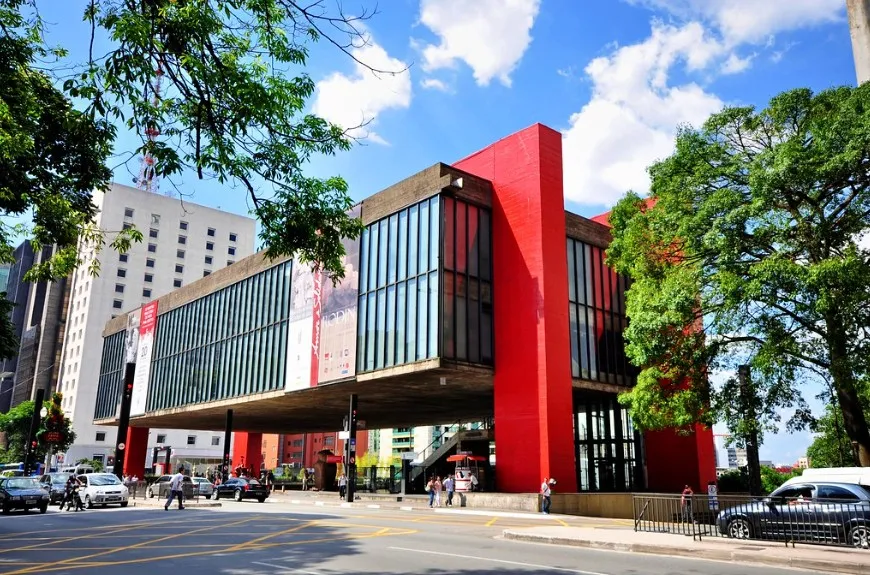
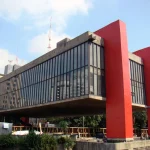
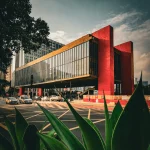
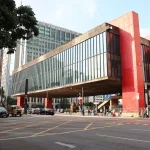
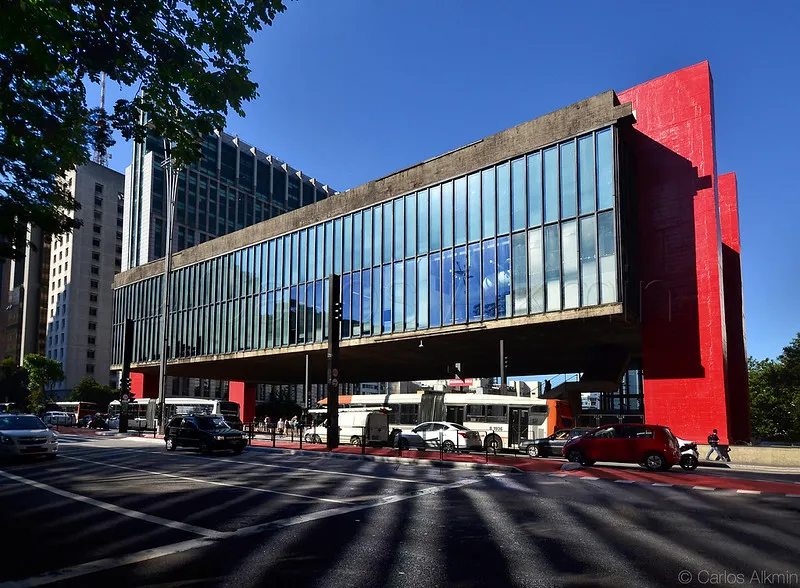
Architect Lina Bo Bardi was commissioned to design the new museum of art on São Paulo’s Terraco do Trianon, with the design to respect and not block the building blocks and the site’s panoramic vistas. Completed in 1968, MASP rose along the lively Avenida Paulista as a daring symbol of modernity and openness. It is one of the most iconic architectural landmarks in Brazil, standing as a characteristic and bold suspended structure floating above the ground. More than a museum, Bo Bardi envisioned a space for connection and community, where art and life could meet in the open air.
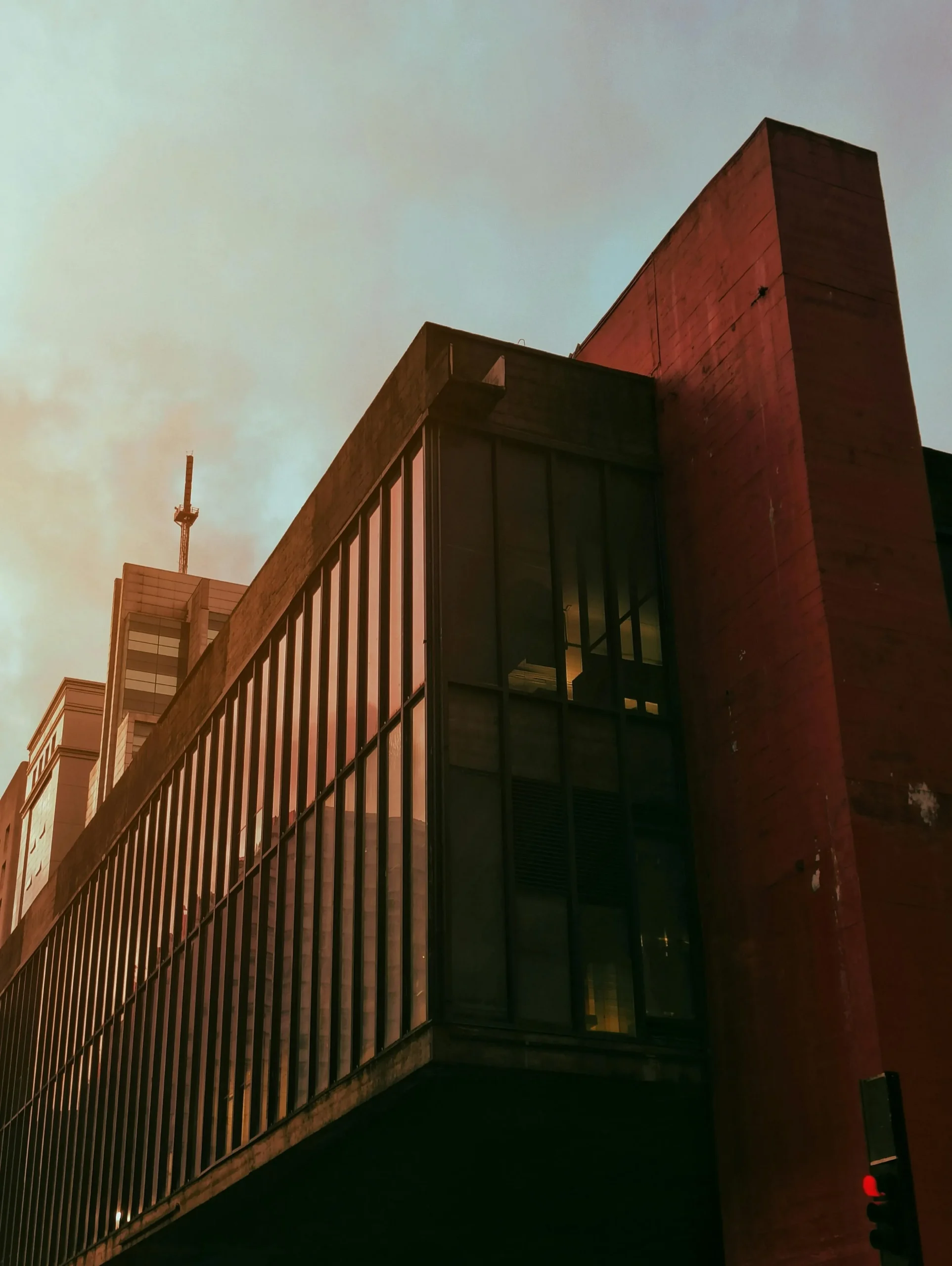
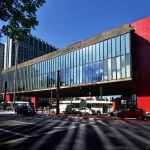
The vast glass and concrete volume, suspended between two bold, monumental, and structural red beams supporting the museum, stretches up to 74 meters. The two enormous pre-stressed concrete beams resting on massive piers that traverse the length of the site support the suspended volume. The architecture hovers effortlessly above the ground, creating an interactive open plaza below. This “free span” is not just space; it is an interactive stage for people, art, and everyday life to intersect.
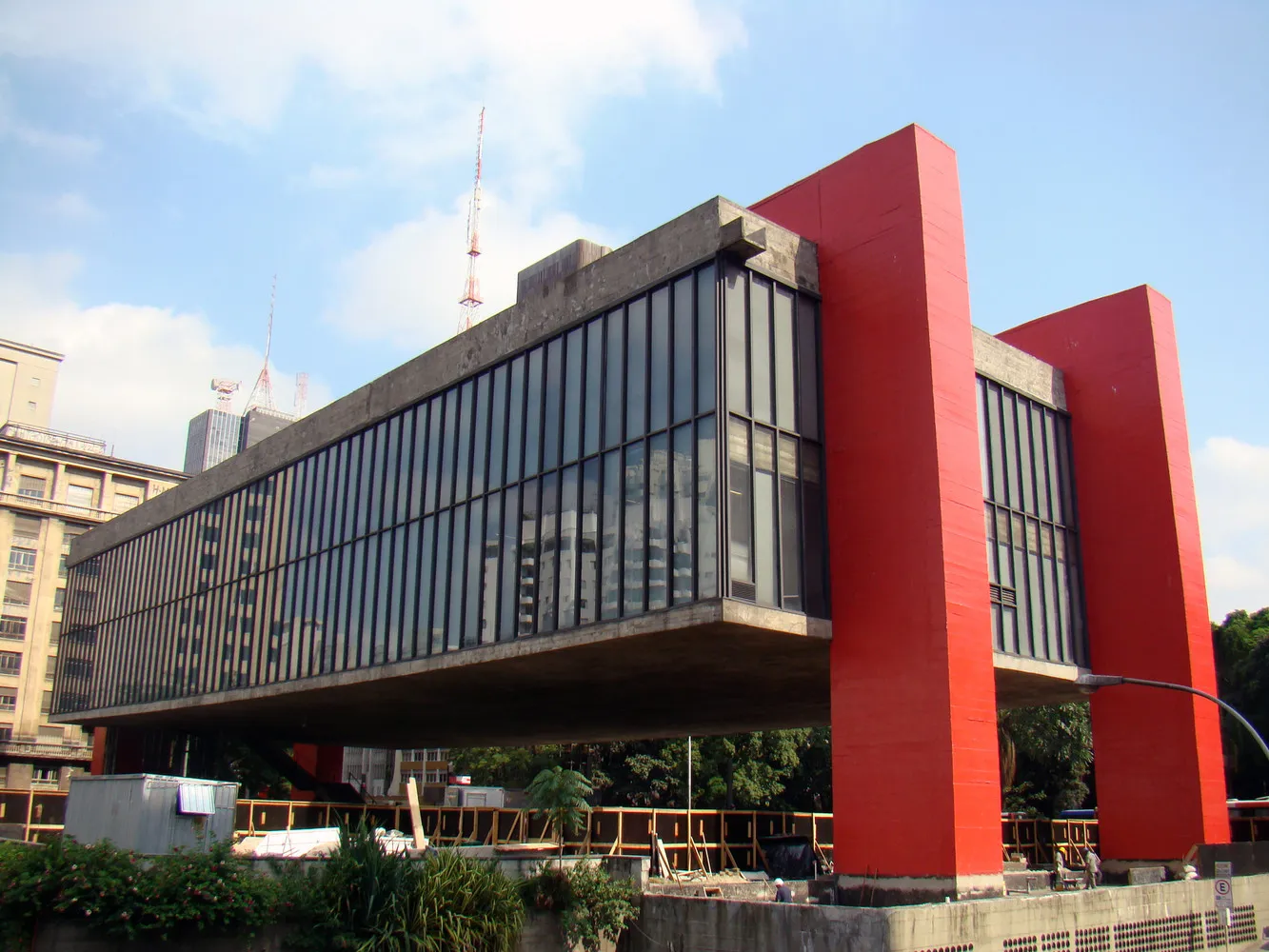
The museum of art consists of administration and museum spaces, designed as an open-plan gallery allowing flexibility and visitors to wander freely among the artworks. The artworks are designed to float on glass panels, anchored to a solid concrete base. Through the interplay of spaces and materials, the architect has transformed the museum into a seamless dialogue between art, architecture, and community.
2. Brasilia Cathedral, Brasilia
Location: Brasilia, Brazil
Typology: Culture, Cathedral
Completed: 1960
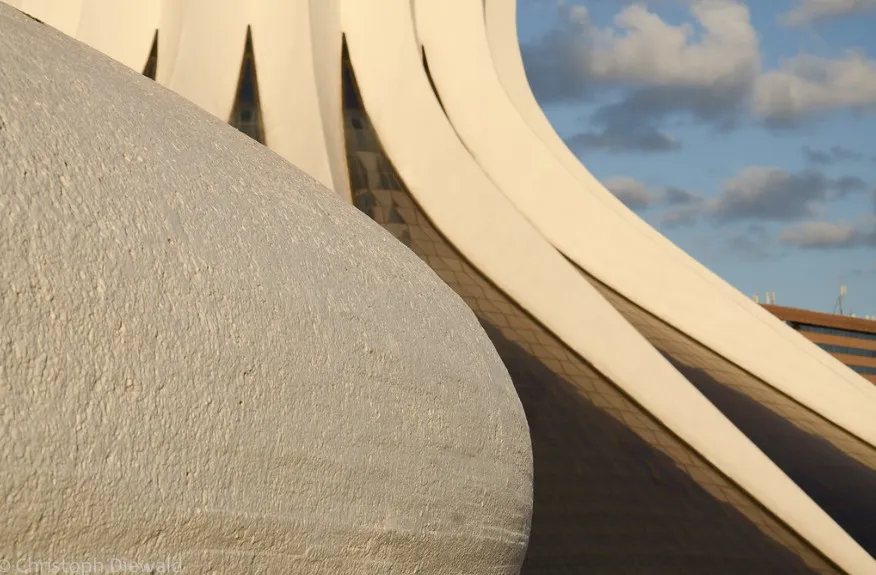
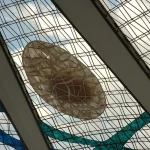
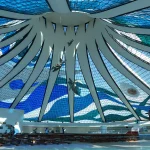
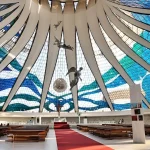
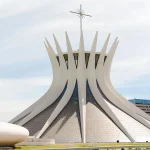
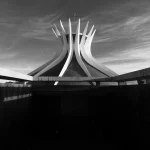
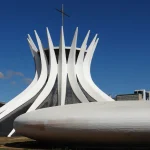
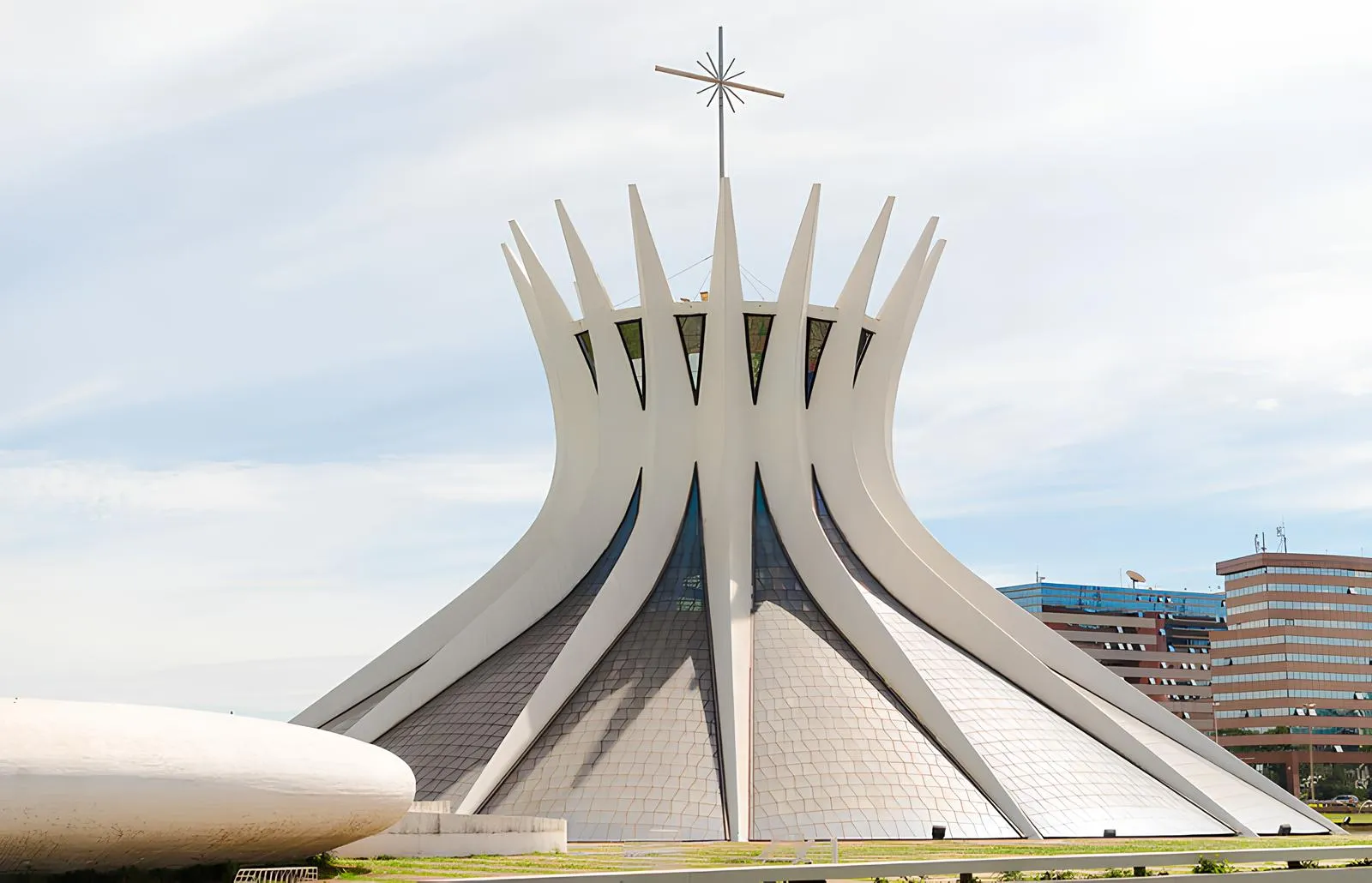
The Cathedral of Brasília stands as one of Oscar Niemeyer’s most poetic masterpieces, an architectural statement in concrete and light. Completed in 1970 along the Esplanada dos Ministérios, the architecture reflects Brasília’s cultural and spiritual heart. The characteristic sixteen sweeping parabolic columns rise toward the sky, like open hands reaching towards the sky. More than just a landmark, the cathedral is a perfect example of Brazil’s bold and expressive spirit, where architecture becomes an art form that inspires.
The cathedral and its design hold importance in society, as its design has had a significant influence and personality in its surroundings. Oscar Niemeyer’s design aimed to create architecture that makes a statement, with a powerful expression and a unique form, which led to his acceptance of the Pritzker Prize in 1988. The cathedral spans around 70 meters, with the distinctive visible structure being the parabolic column sections.
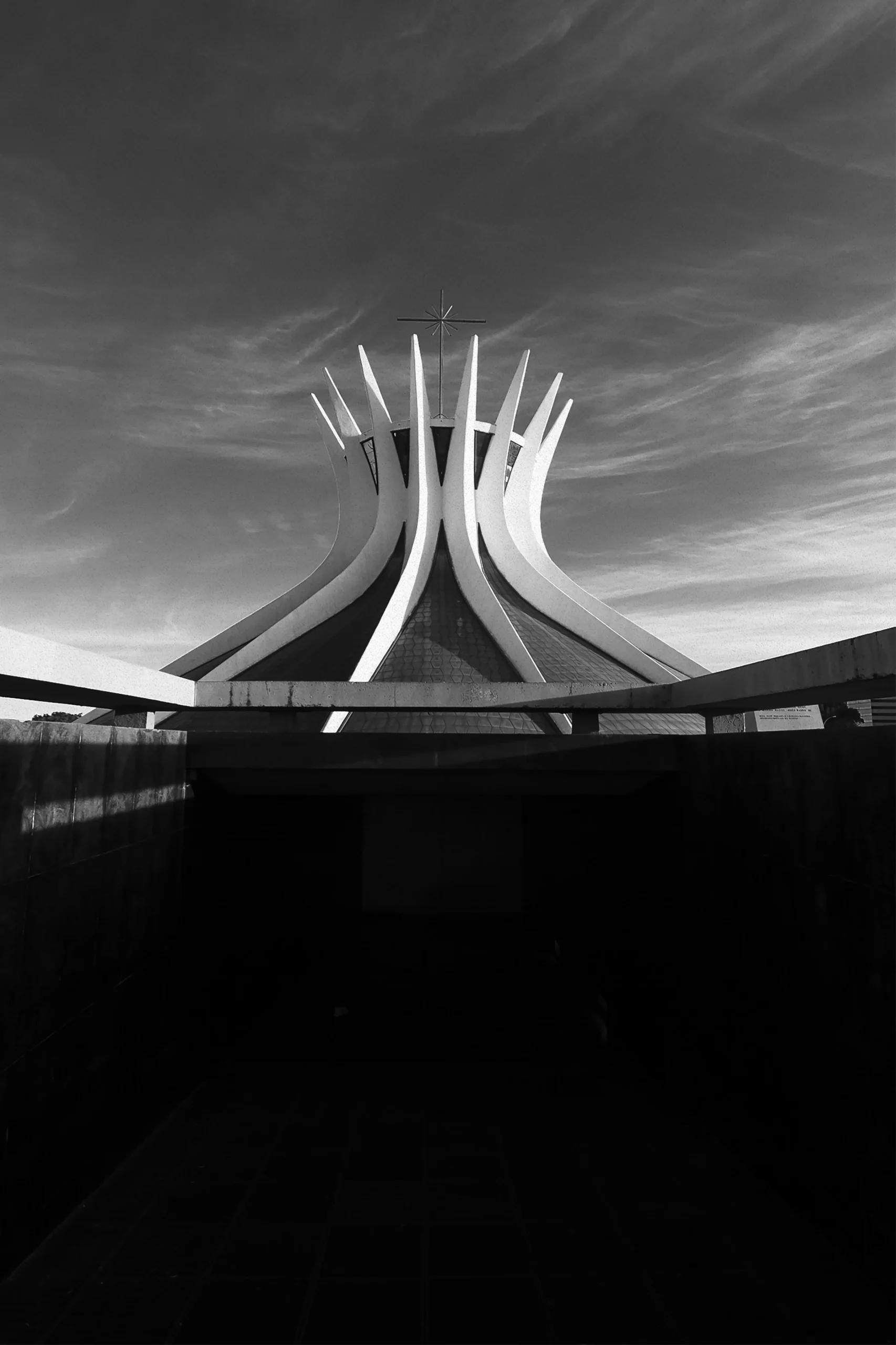
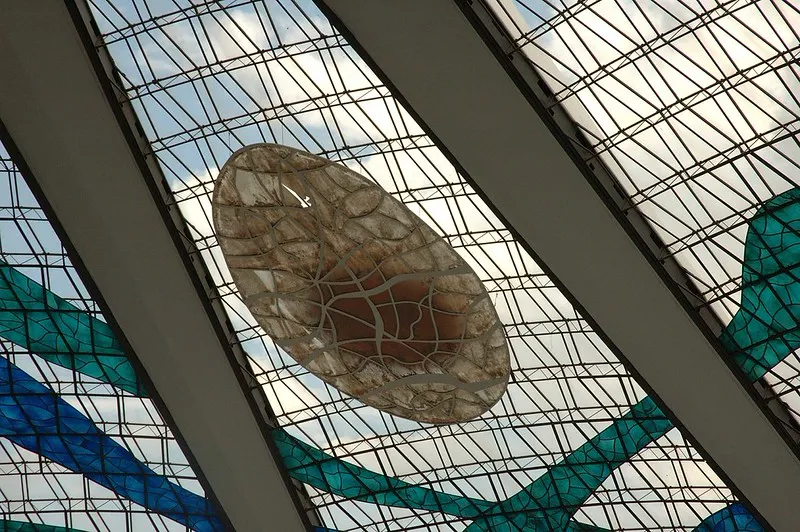
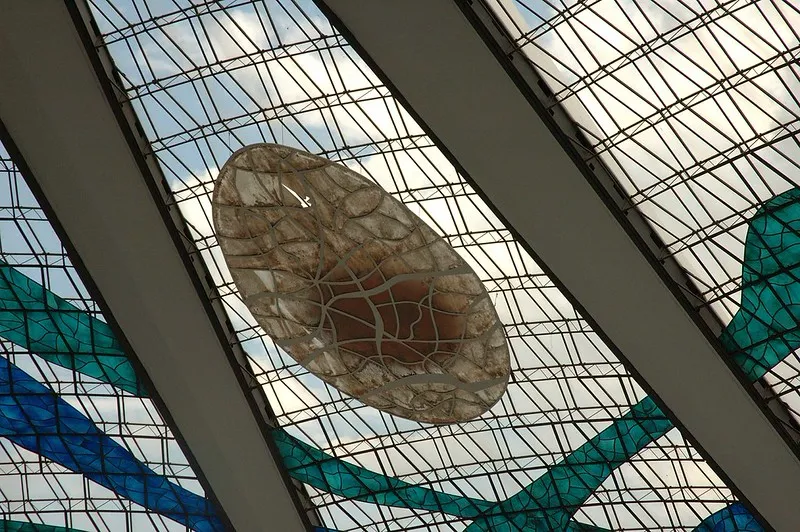
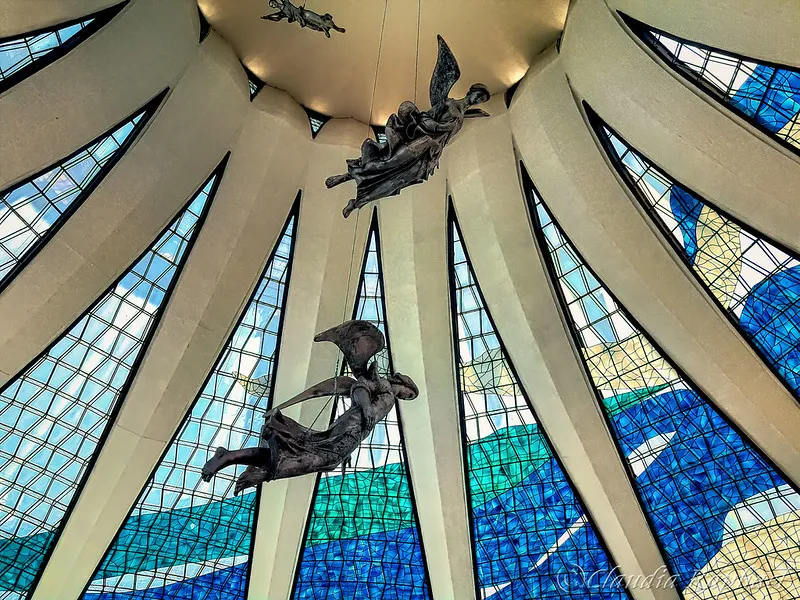
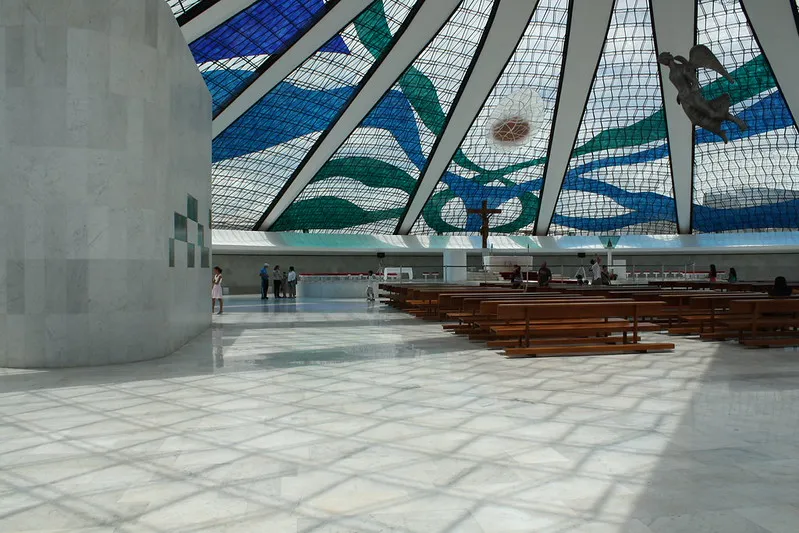
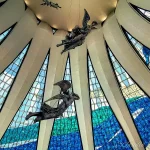
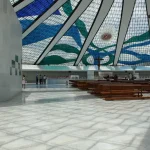
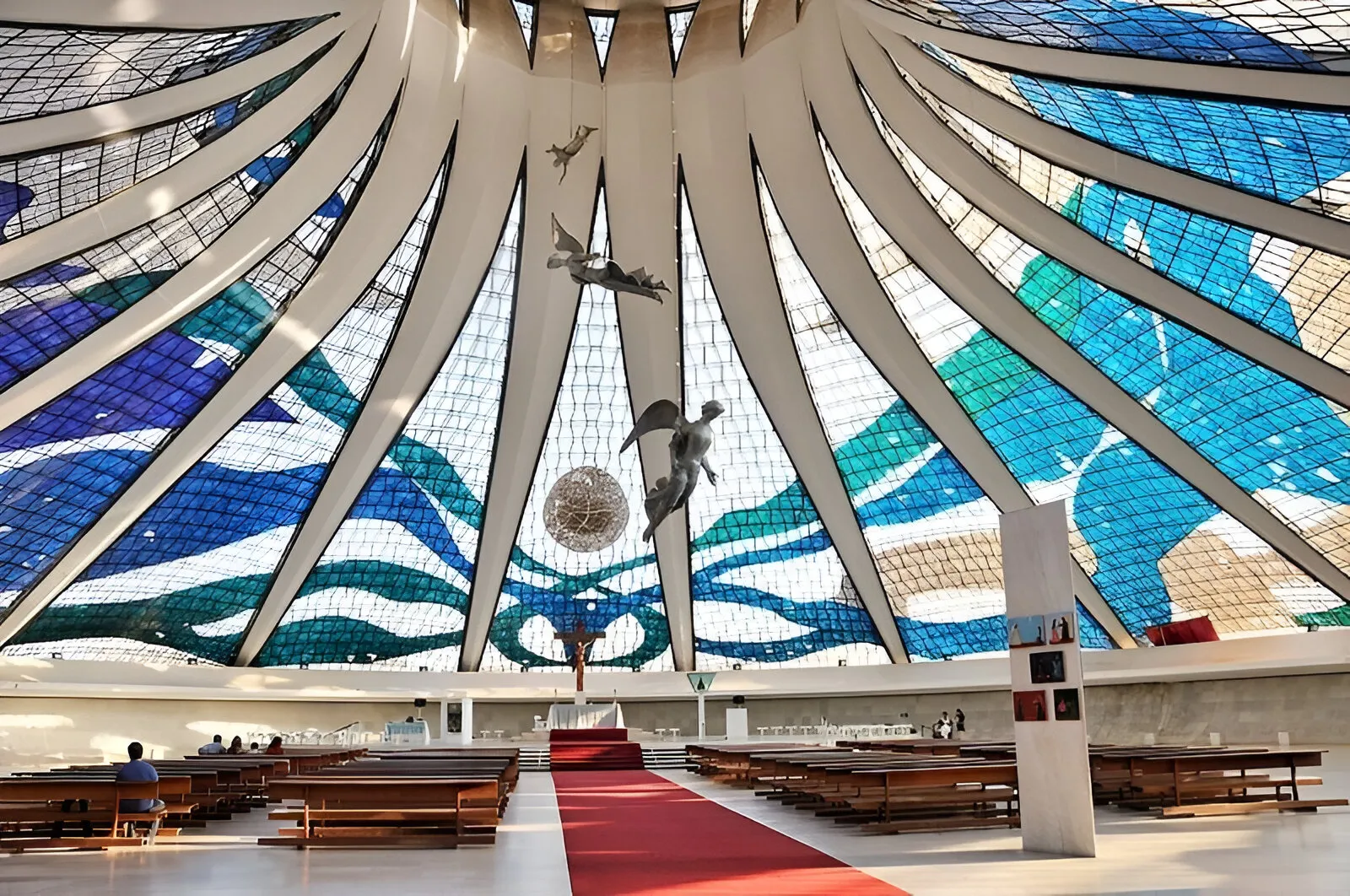
The base of the cathedral rises from its circular base like a luminous crown, spanning a 60-meter diameter and wrapped in a breathtaking dome of glass, held delicately by sixteen sweeping columns. The interiors feature an oval baptistery adorned with Athos Bulcão’s hand-painted ceramic tiles, a bronze sculpture of the Evangelists, and ethereal angels by Alfredo Ceschiatti floating above. Light filters through the cathedral’s characteristic stained-glass panels, washing the space in soft shades of blue, white, and brown, creating a light-filled, dramatic interior. The architectural masterpiece is completed by the bell tower, where four stately bronze bells were gifted by Spain.
3. Museum of Tomorrow, Rio de Janeiro
Location: Rio de Janeiro, Brazil
Typology: Museum
Completed: 2015
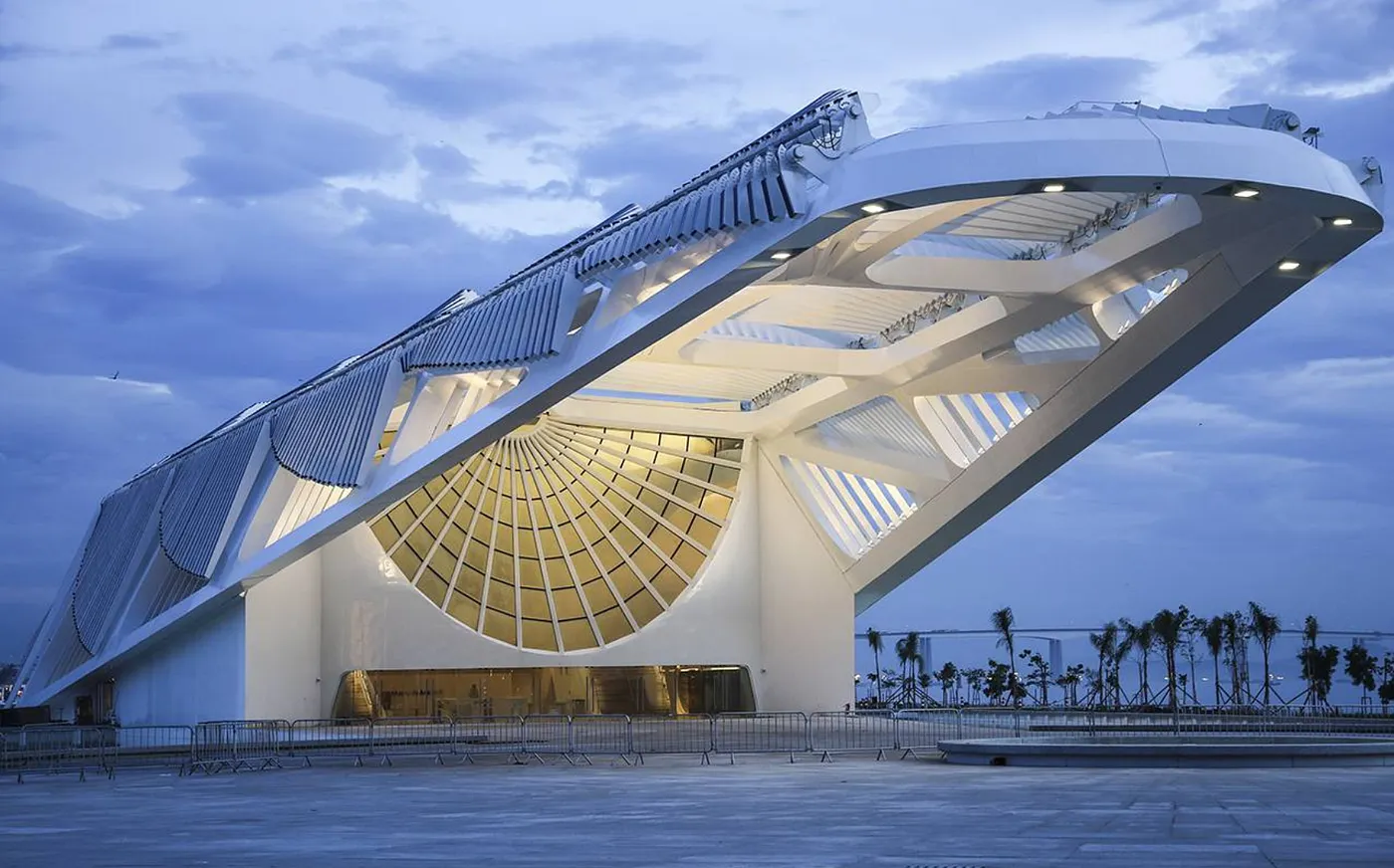
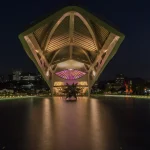
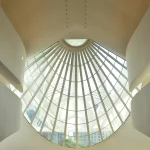
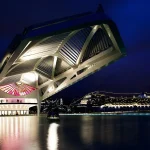
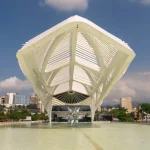
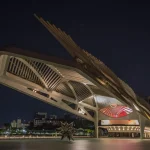
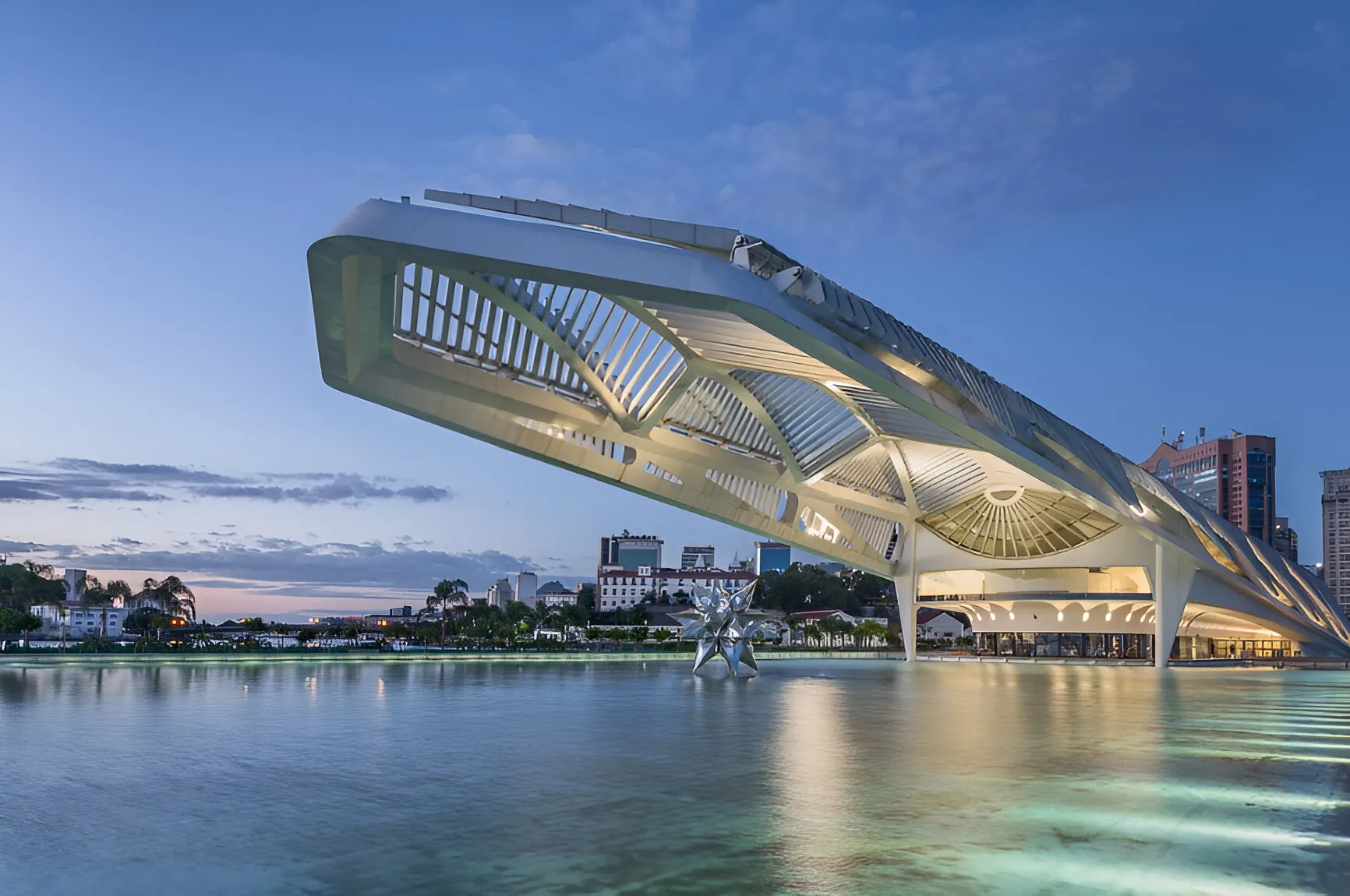
The Museum of Tomorrow, envisioned by visionary architect Santiago Calatrava, is situated on Rio de Janeiro’s waterfront, like a living architecture shaped by the city’s soul. Drawing inspiration from Carioca culture and the surrounding natural landscape, the structure feels both futuristic and deeply rooted in its place.
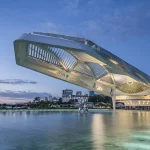
Completed in 2015, its dramatic cantilevered roof and skeletal form create a sense of motion through the dynamic sculptural architecture. More than a museum, it is a poetic blend of art, science, and technology within architecture, which also invites us to rethink our planet’s tomorrow by confronting climate change and population growth. It is one of Brazil’s most striking examples of futuristic architecture, featuring Calatrava’s signature biomorphic architectural design language.
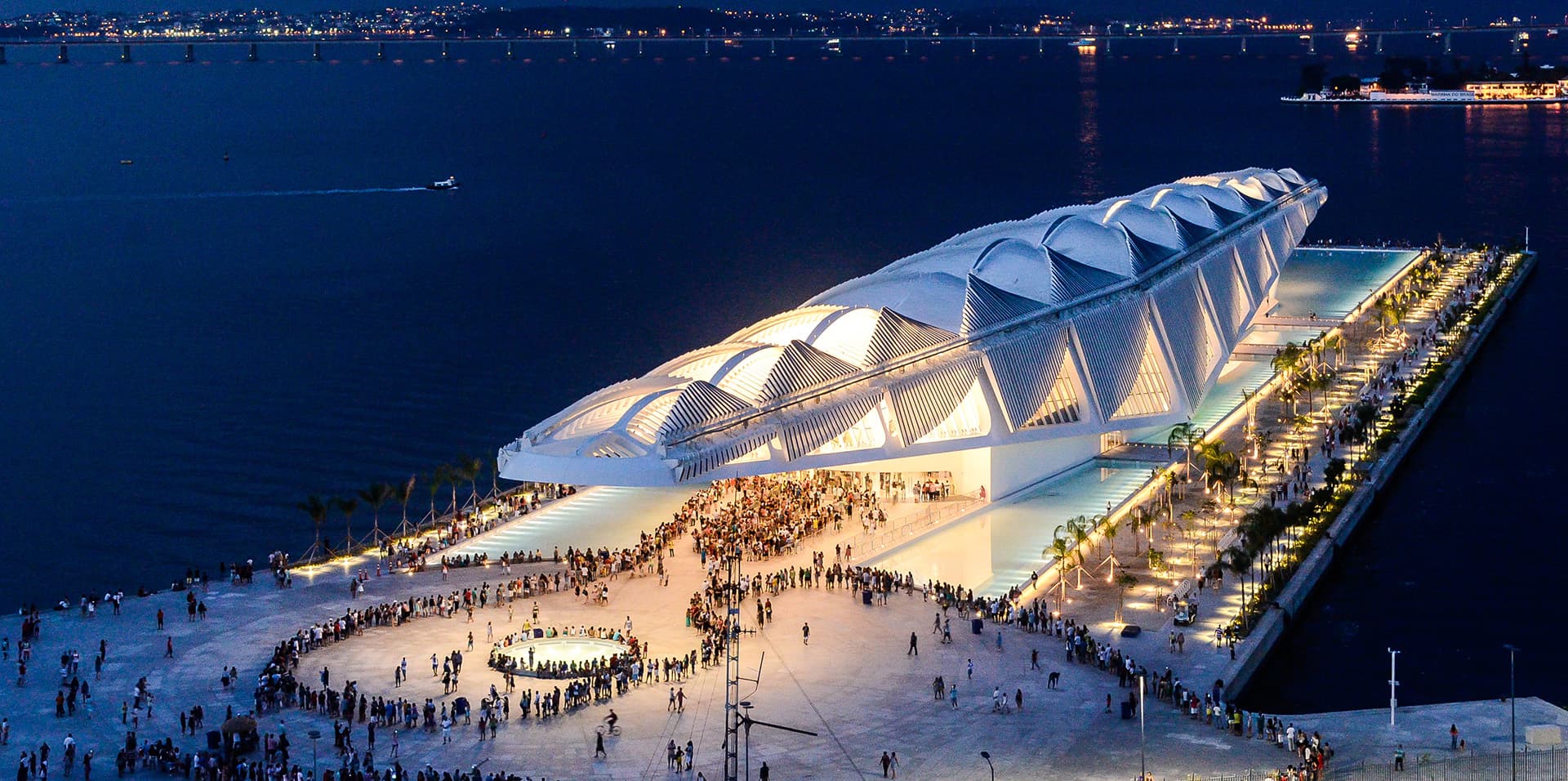
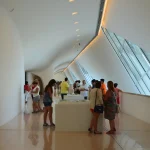
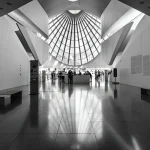
The architecture’s height is limited to 18 meters through thoughtful design to protect the view of the São Bento Monastery (UNESCO World Heritage Site). The architecture features an enormous cantilevered roof with large mobile wings, with a dramatic pool reflection contributing to the floating and ethereal appearance. The museum consists of a main exhibition area and lower levels with admin, educational facilities, temporary exhibitions, a 400-seat auditorium, a café, a restaurant, and a gift shop. Oriented in a north-south direction that maximizes continuous landscapes with beautiful gardens, paths, and leisure areas along the pier.
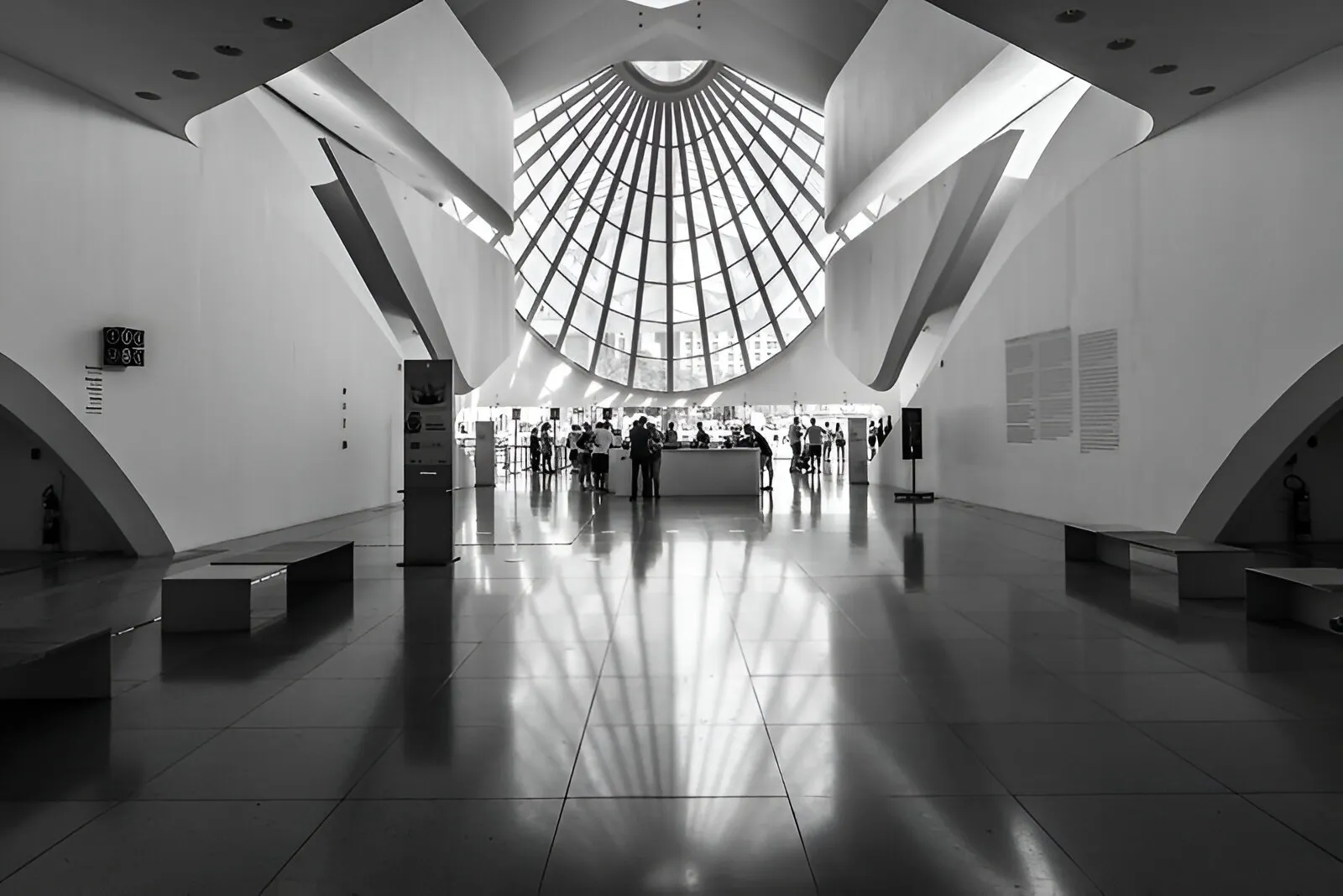
The museum’s architectural features blend innovation with sustainability, using natural energy and light to create an environmentally conscious landmark. Water from the bay feeds the reflecting pools and helps regulate internal temperatures, while the vast, composed louvered roof features movable panels that optimize daylight and reduce energy use. The building further incorporates solar panels and natural ventilation strategies to support efficient, renewable energy generation.
4. The National Congress of Brazil, Brasilia
Location: Brasilia, Brazil
Typology: Government
Completed: 1960
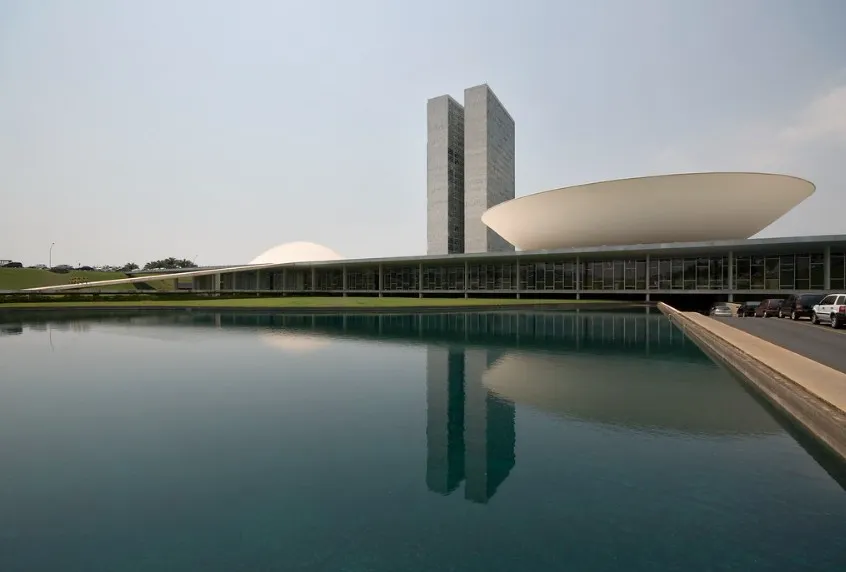
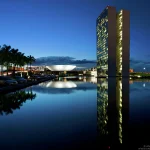
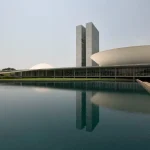
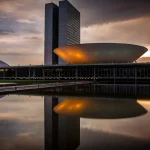
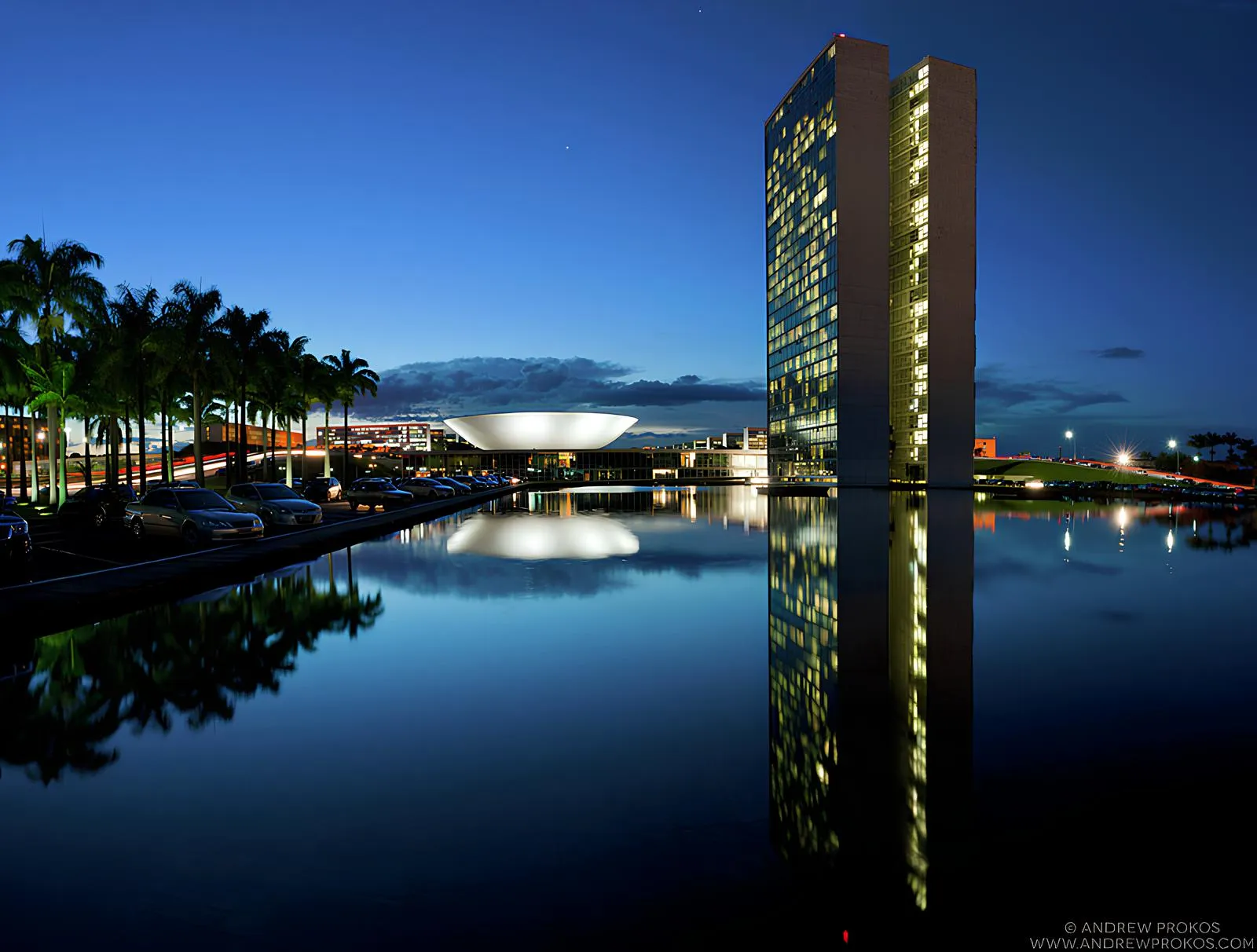
The National Congress of Brazil, completed in 1960, was designed by the master architect Oscar Niemeyer, who stands as a bold fusion of history, symbolism, and artistic innovation. Situated in the heart of Lúcio Costa’s bird-shaped master plan for Brasília, the complex has become a powerful architectural symbol of Brazil’s modern identity. The architecture, composed of an iconic pairing of two slender office towers flanked by a convex and concave dome, creates a sculptural form.
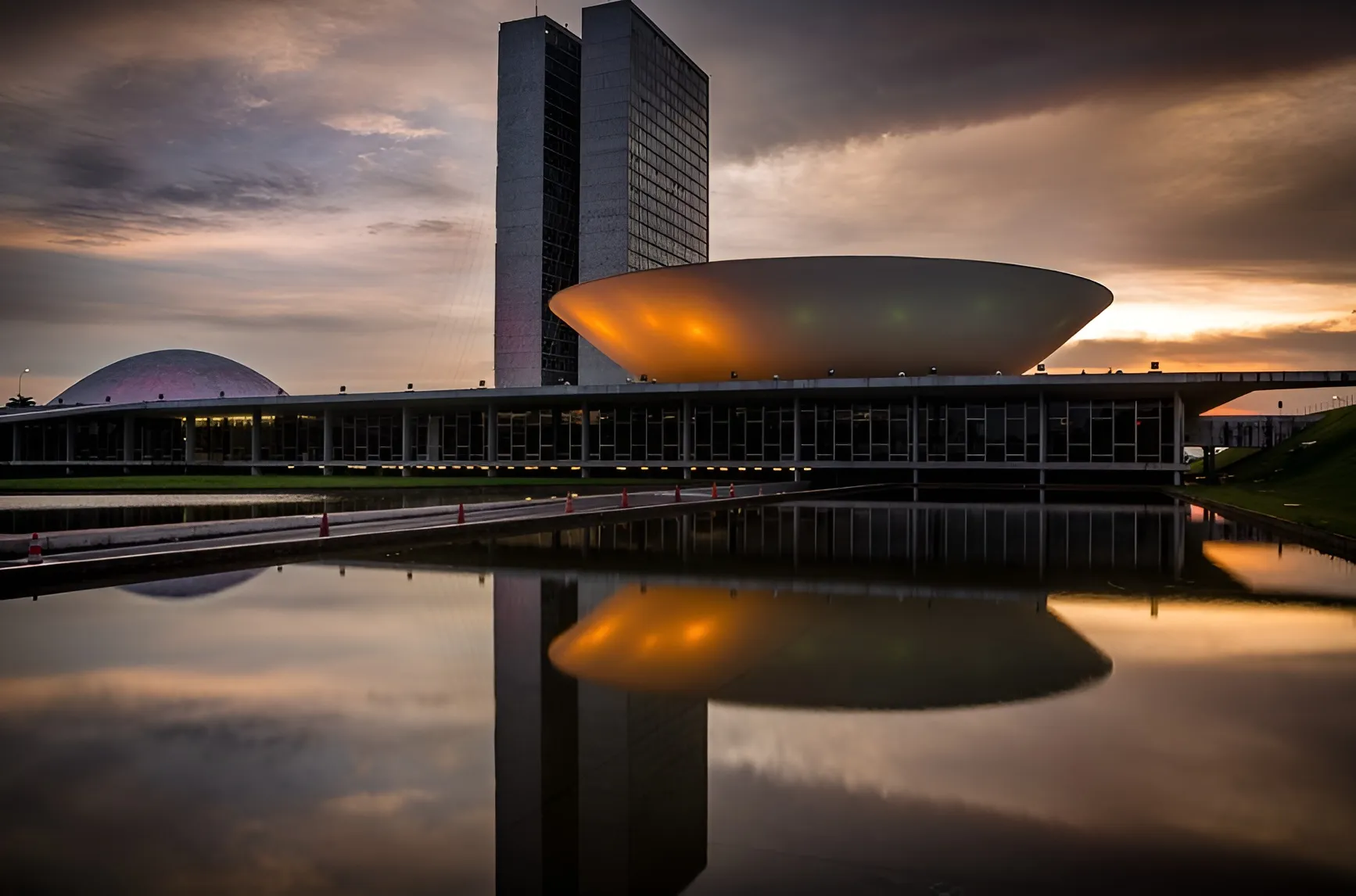
More than a government building, the National Congress is a visual statement of Brazil’s ambition, where modernist geometry meets Niemeyer’s artistic design language. The complex brings together two sleek office towers of 27 floors with a platform with three different pavements and a pair of symbolic domes: a proud convex shell embracing the Senate and a sweeping concave form sheltering the Chamber of Deputies. The architecture is a sculptural masterpiece, creating a harmonious interplay of geometric forms, reflecting the architect’s modern simplicity. The complex features an expansive reflecting pool, mirroring the structures, showcasing a light and floating form with clean-line architecture.
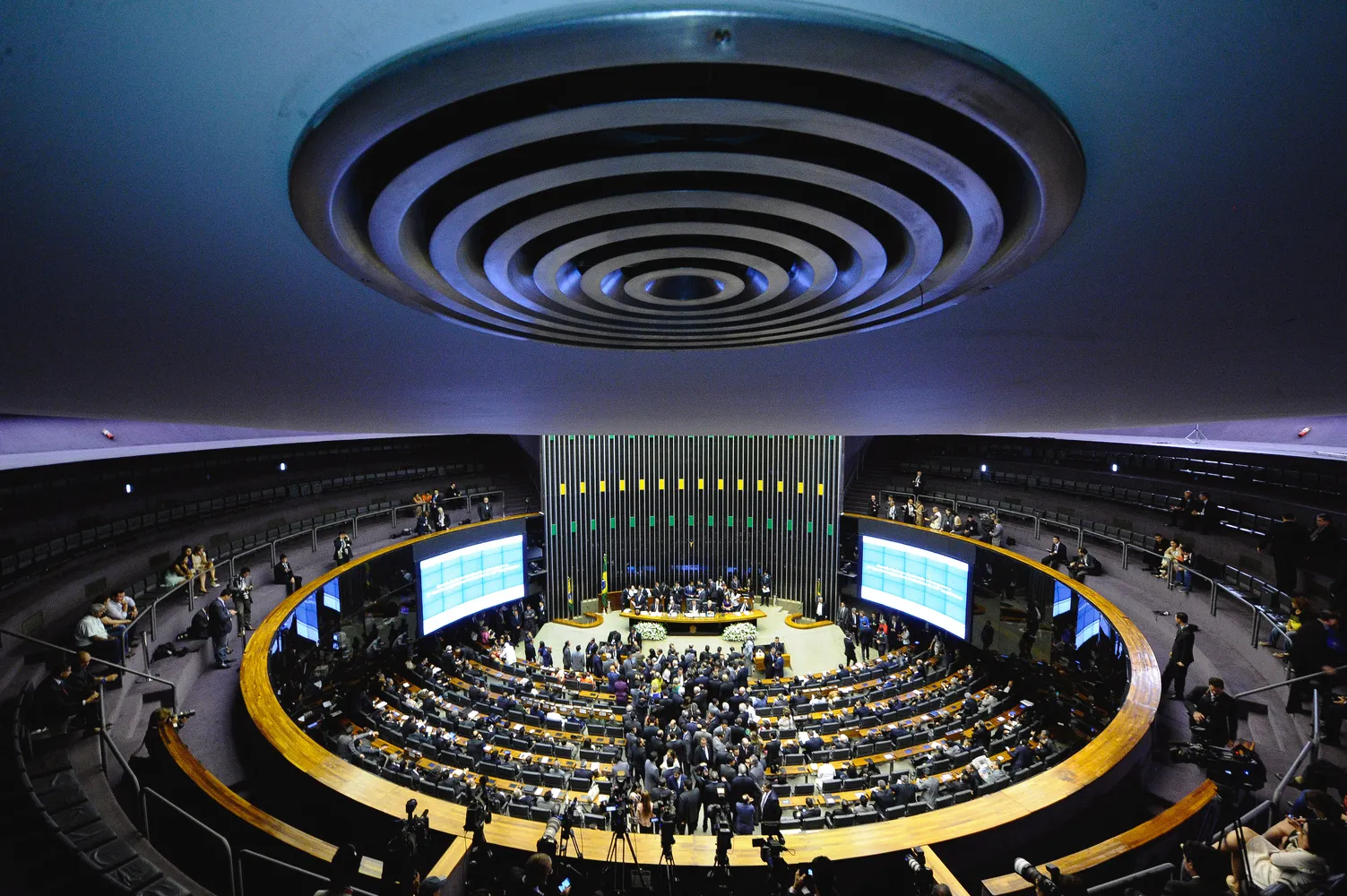
Brazil’s modernism is showcased in the architecture’s clean lines, open esplanades, and reinforced concrete application. The interiors continue with the theme that blends structure and aesthetics seamlessly, with interiors consisting of spacious halls with ample natural lighting and fluid circulation that echoes democratic and accessible architecture.
5. São Francisco Church and Convent of Salvador, Salvador
Location: Salvador, Bahia, Brazil
Typology: Church
Completed: 1723
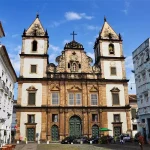
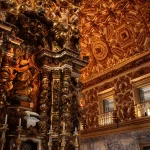
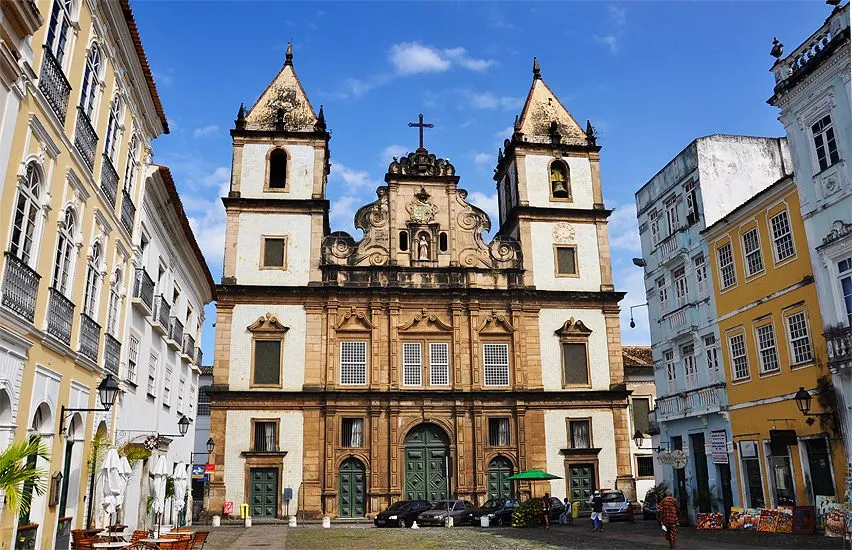
The São Francisco Church and Convent of Salvador, nestled in the heart of Bahia, stands as one of Brazil’s most significant Baroque architectural masterpieces. Begun in 1686 and completed in 1723, this architectural gem continues to captivate designers and visitors alike with its breathtaking craftsmanship. The characteristic interiors feature luminous gilded woodwork, with interiors that are so ornate and intricate. Honored as a UNESCO World Heritage Site and as a vibrant historic center of Salvador, it remains a shining symbol of the city’s cultural richness and artistic legacy.
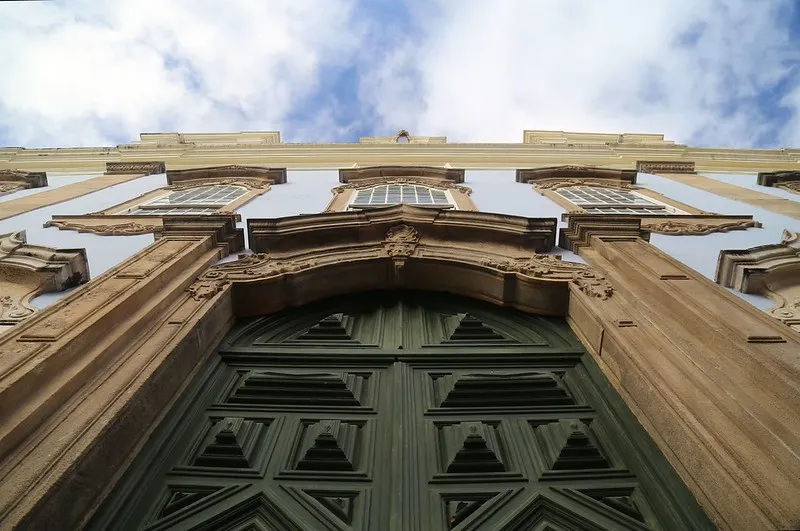
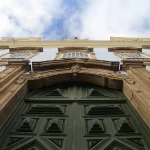
The church is a testament to Brazil’s rich cultural and religious history; the design and architecture amalgamate various styles and influences from pre-Columbian indigenous architecture to the ornate baroque style of Portuguese colonizers, neoclassical, and modern styles. The exterior design of the church is characterized by three large arches adorned with a vibrant green tone, while the interiors feature intricate design elements.
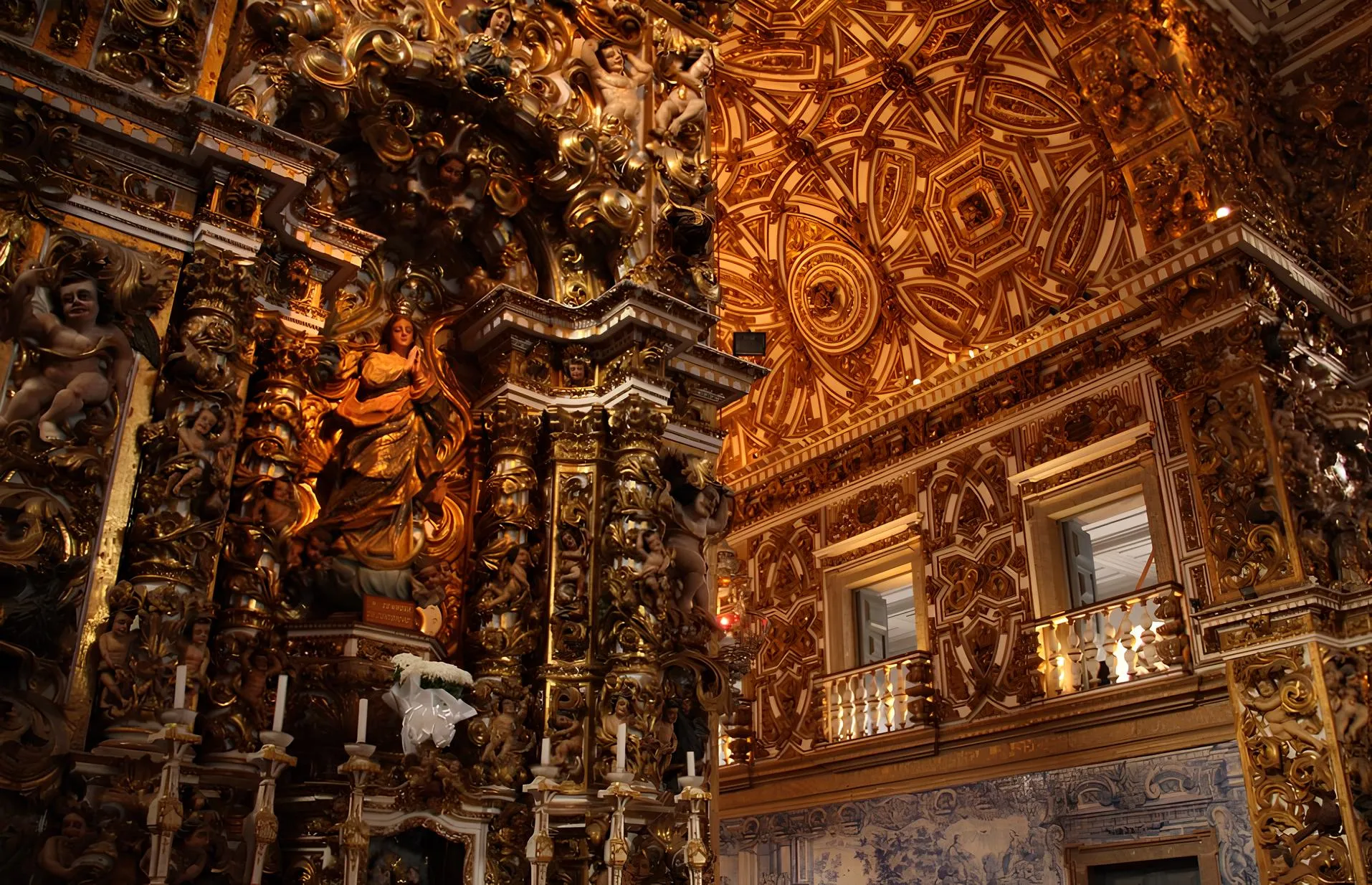
Inside, the São Francisco Church unfolds with characteristic and intricate woodwork, gilded carvings, Azulejos ceramic panels, and expressive paintings that create a breathtaking tapestry of devotion and art. The main chapel is adorned with scenes from the life of Saint Francis of Assisi, surrounded by elaborate altarpieces, sculptural details, and gold-dusted carvings shaped into leaves, flowers, angels, and other symbolic motifs. Polychrome figures by Bahian artisans, carved jacaranda pieces, stone sinks gifted by King D. João V, and richly painted pulpits and ceilings, showcasing a celebration of sacred art and craftsmanship.
6. Palácio Itamaraty (Itamaraty Palace), Brasília
Location: Brasilia, Brazil
Typology: Town Hall/ City Hall/ Government
Completed: 1962
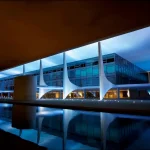
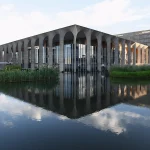
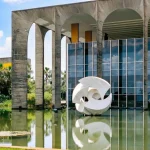
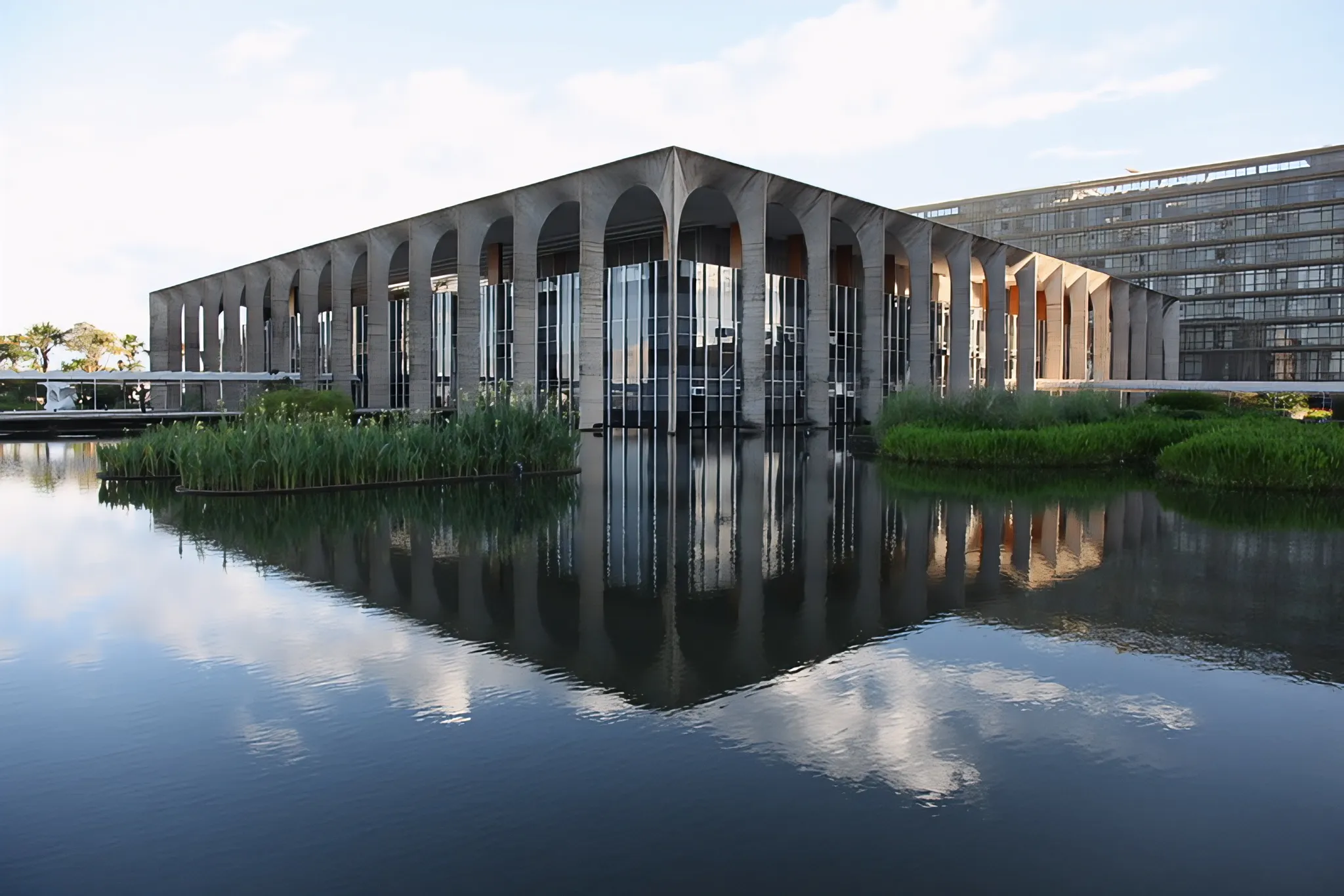
The Itamaraty Palace, designed by legendary architect Oscar Niemeyer as the headquarters of Brazil’s Ministry of Foreign Affairs, stands as both a modernist masterpiece and a stage for global diplomacy. Completed in 1970, this iconic building has hosted countless international meetings, official meetings, and historic negotiations. Resting gracefully beside a shimmering water basin, its modern rectangular form appears to float effortlessly above the surface, an architectural illusion that captures Niemeyer’s talent for transforming simplicity into art.
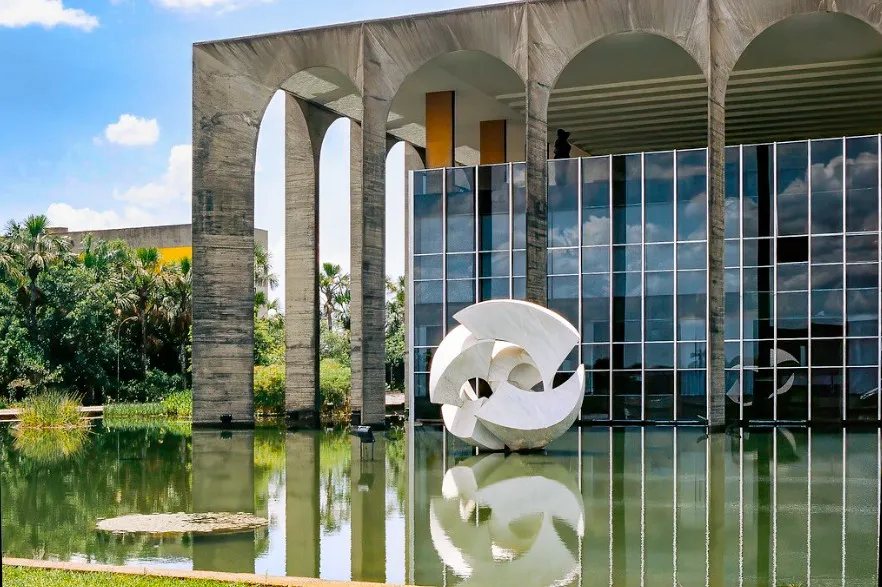
The palace’s architecture unfolds in two sculptural volumes, each contributing to its quiet grandeur. The main block, known as the Palácio dos Arcos, features a sweeping concrete colonnade building, its symmetry and raw materiality softened by Athos Bulcão’s marble panels and Roberto Burle Marx’s lush landscaping. Behind it rises a taller, more discreet structure with a neutral façade shaded by elegant wooden parasols, acting as a subtle backdrop that allows the iconic front building to shine.
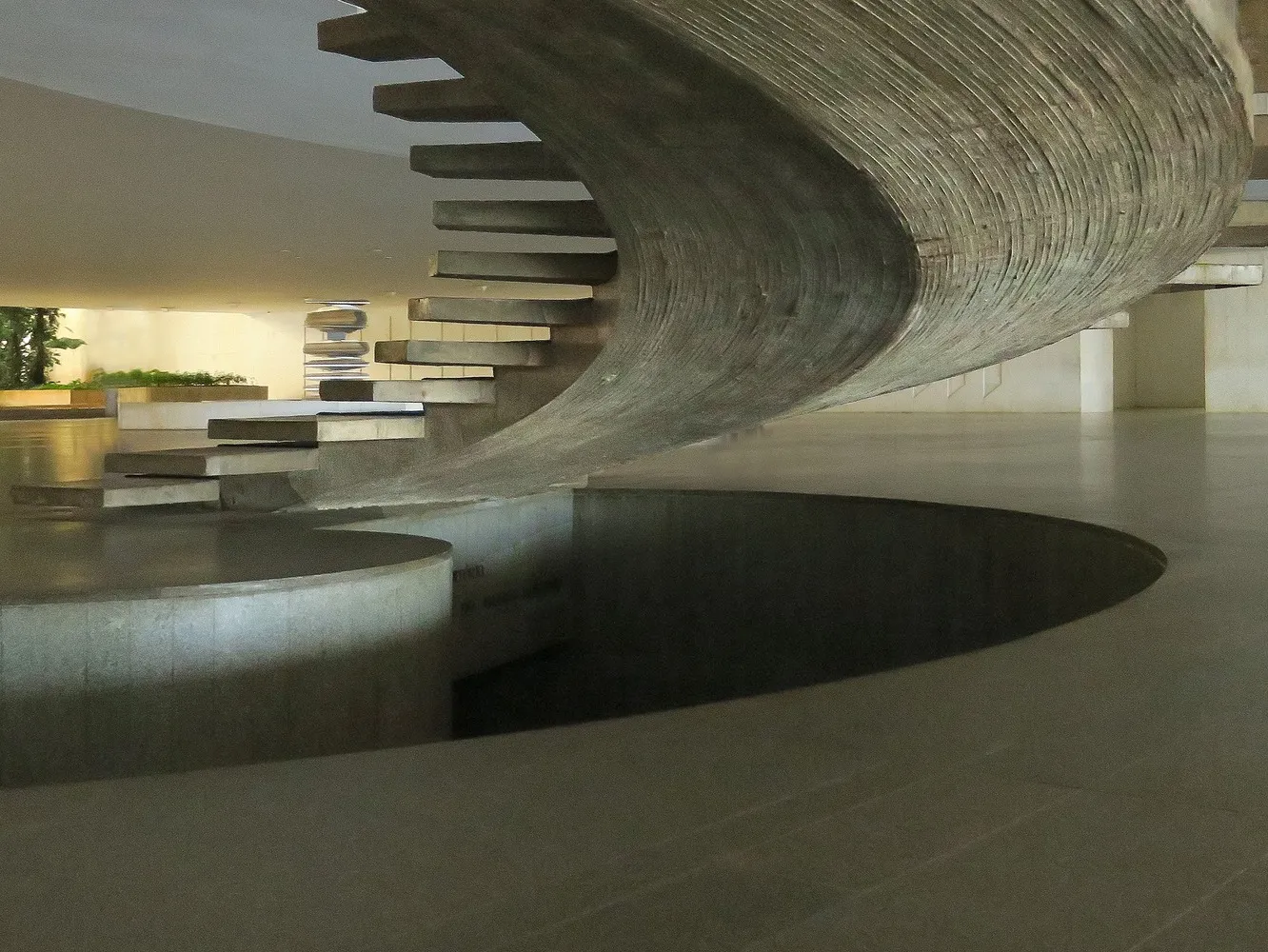
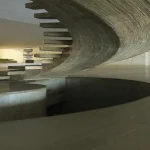
Inside, the Itamaraty Palace reveals a refined, intriguing design by Amilton Ramos, where art, architecture, and light come together in a unique harmony. Vast interior voids frame a breathtaking sculptural spiral staircase that seems to float, linking each level, becoming the building’s poetic centrepiece. Lush indoor gardens soften the spaces, creating a contemporary sanctuary that feels both grand and deeply human, an interior masterpiece that mirrors the elegance of Brazil’s modernist legacy.
7. Palácio da Alvorada, Brasília
Location: Brasilia, Brazil
Typology: Government
Completed: 1957
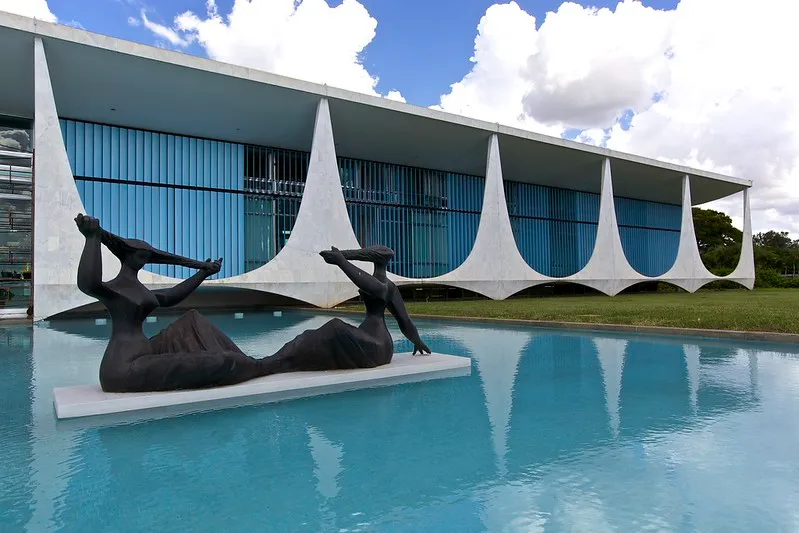
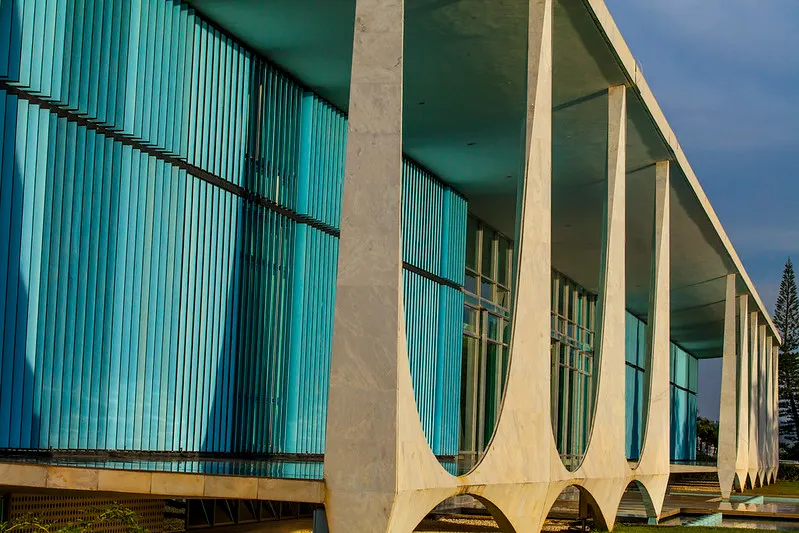
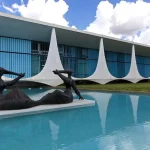
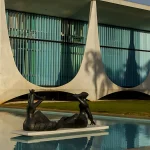
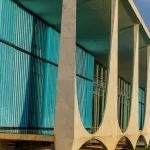
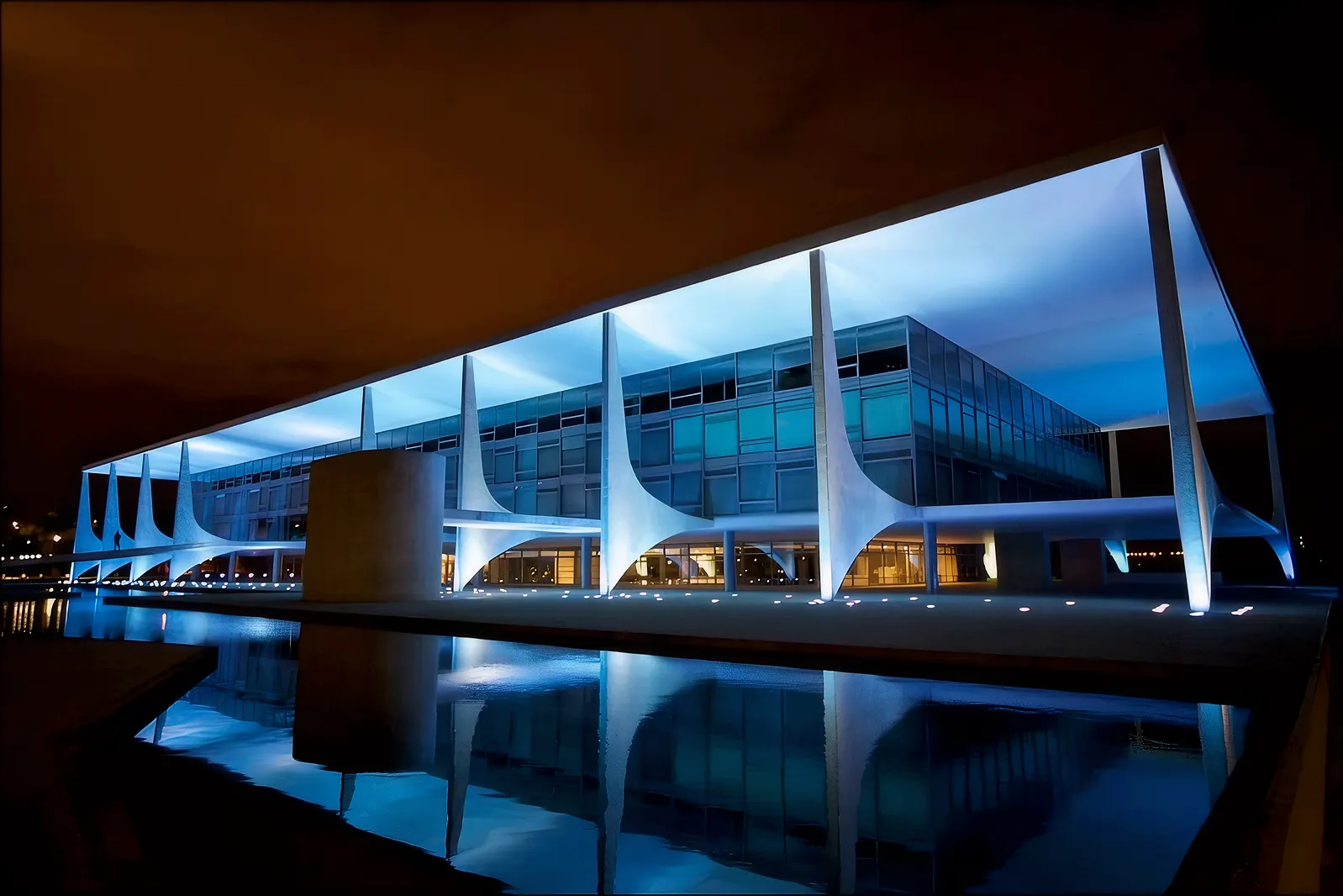
The Palácio da Alvorada, designed by the legendary architect Oscar Niemeyer, stands as one of Brazil’s most graceful expressions of modern architecture. Completed in 1958 as the official presidential residence, the building captures Niemeyer’s signature modern architecture, blending simplicity, elegance, and effortless lightness. The defining feature is its sweeping white colonnades forming a rhythmic, sculptural façade that appears to hover above the water basin, giving the entire structure a sense of calm and poetic weightlessness. More than a landmark, it is a modernist symbol of Brazil’s forward-looking spirit.
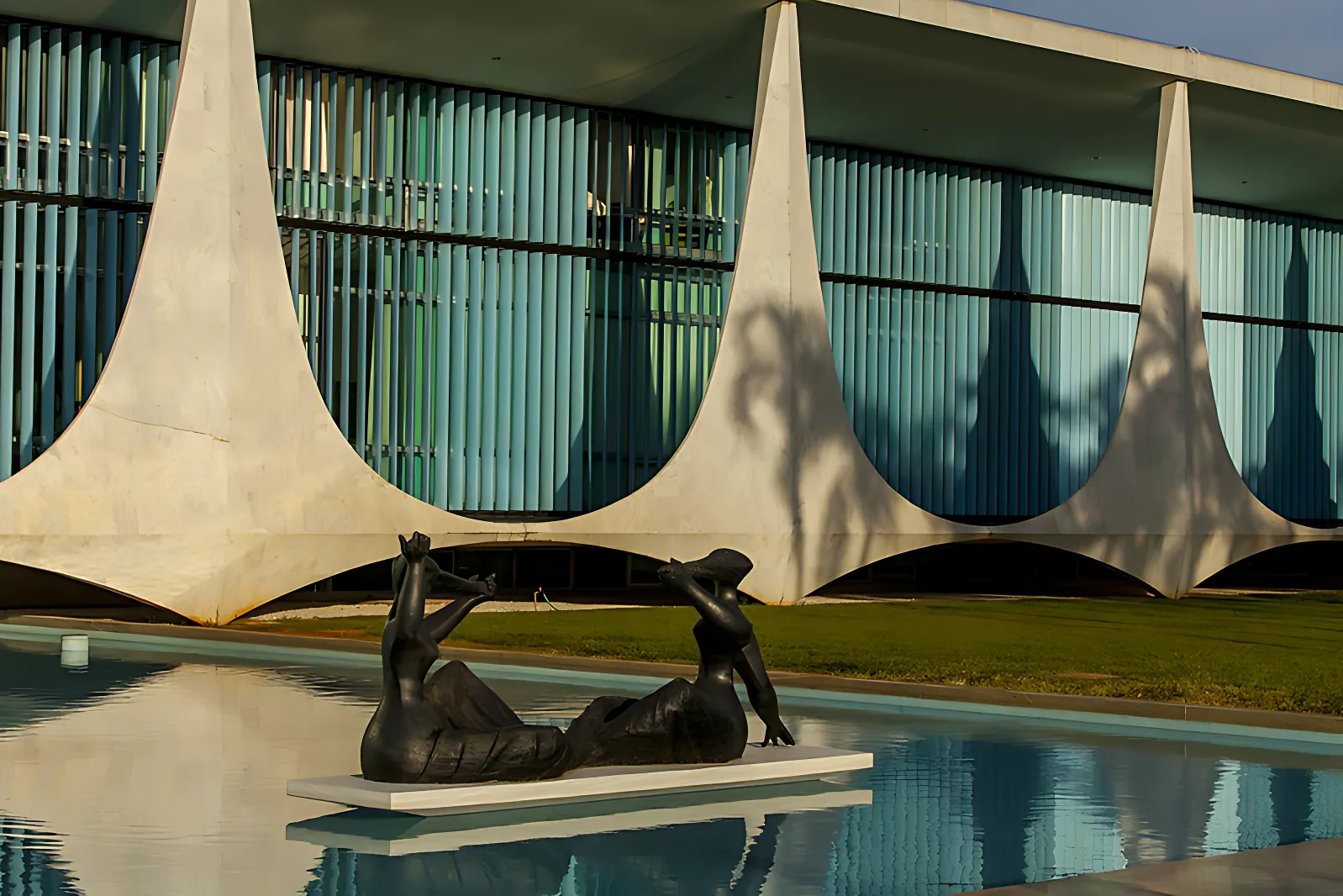
Beyond its striking form, the Palácio da Alvorada is celebrated for the seamless blend of architecture, art, and landscape. Niemeyer’s design works in harmony with landscape designer Roberto Burle Marx’s lush gardens, creating a gentle flow between indoor and outdoor spaces, a poetic gesture for a government residence. The 12 iconic columns are more than just an aesthetic element, but also a structural detail that does not touch the ground, yet supports the floor slab and the roof together.
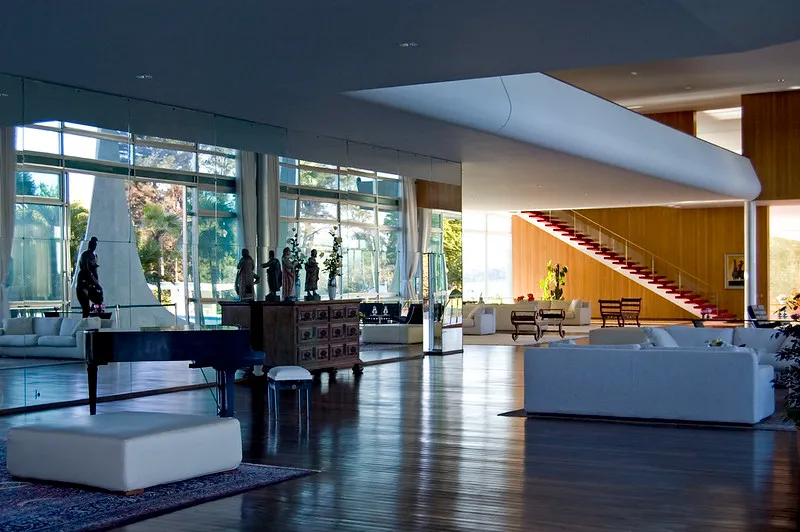
Spanning 7,000 square metres across three levels, the palace accommodates everything from administrative areas to grand reception rooms and private presidential quarters. The utilization of glass curtain walls allows the interiors to be flooded with abundant natural light, highlighting the minimalist modern interior design. The Palacio de Alvorada underwent a restoration in 2004, by Brazil’s First Lady, Marisa Leticia, one of the most extensive and historical restorations.
8. Auditório Ibirapuera, São Paulo
Location: São Paulo, Brazil
Typology: Auditorium, Culture
Completed: 2002
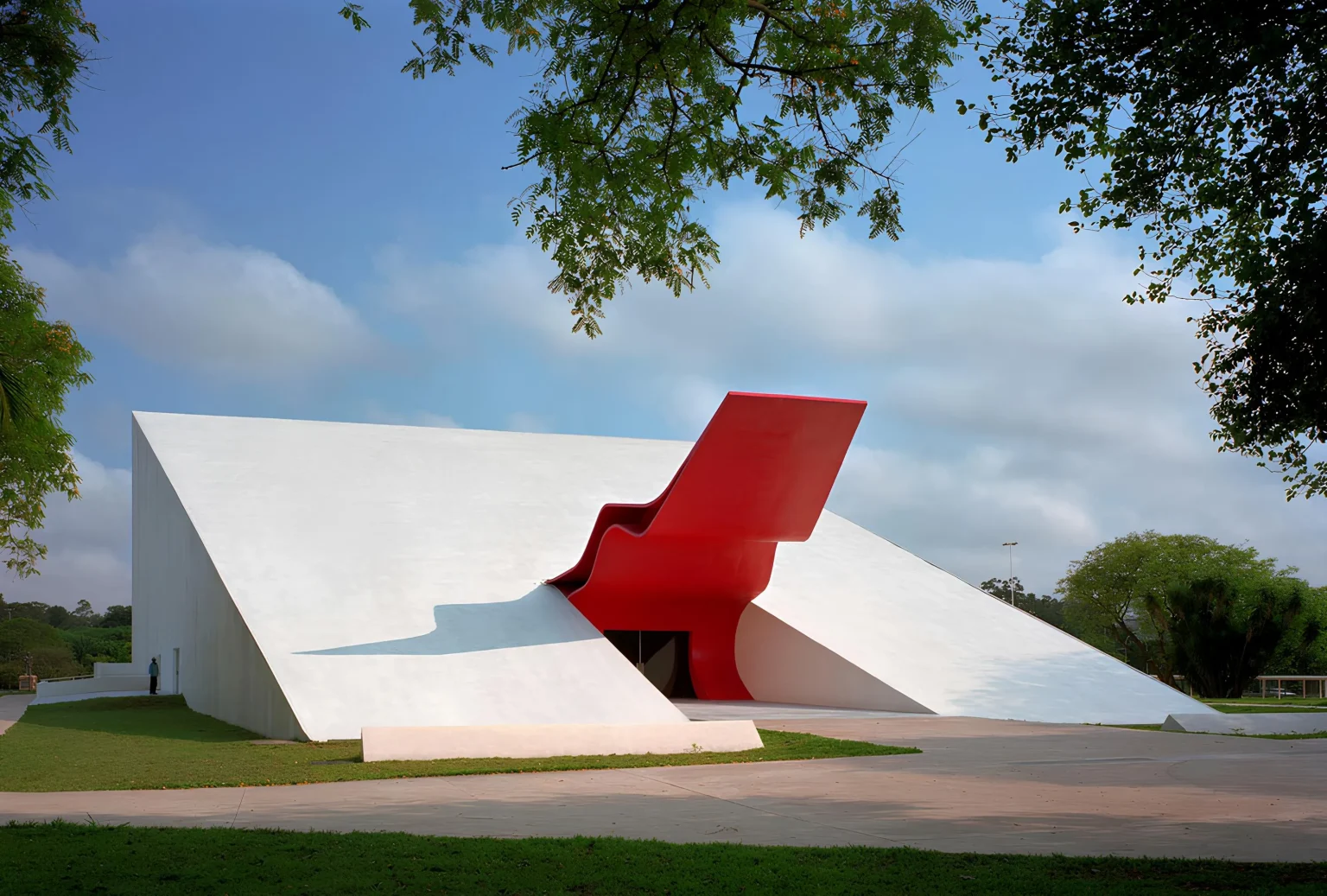
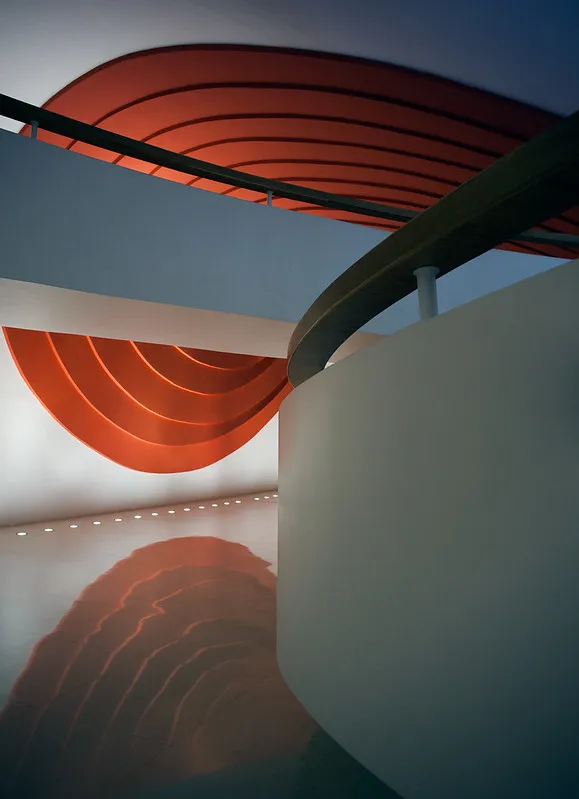
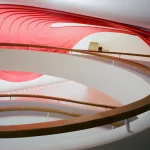
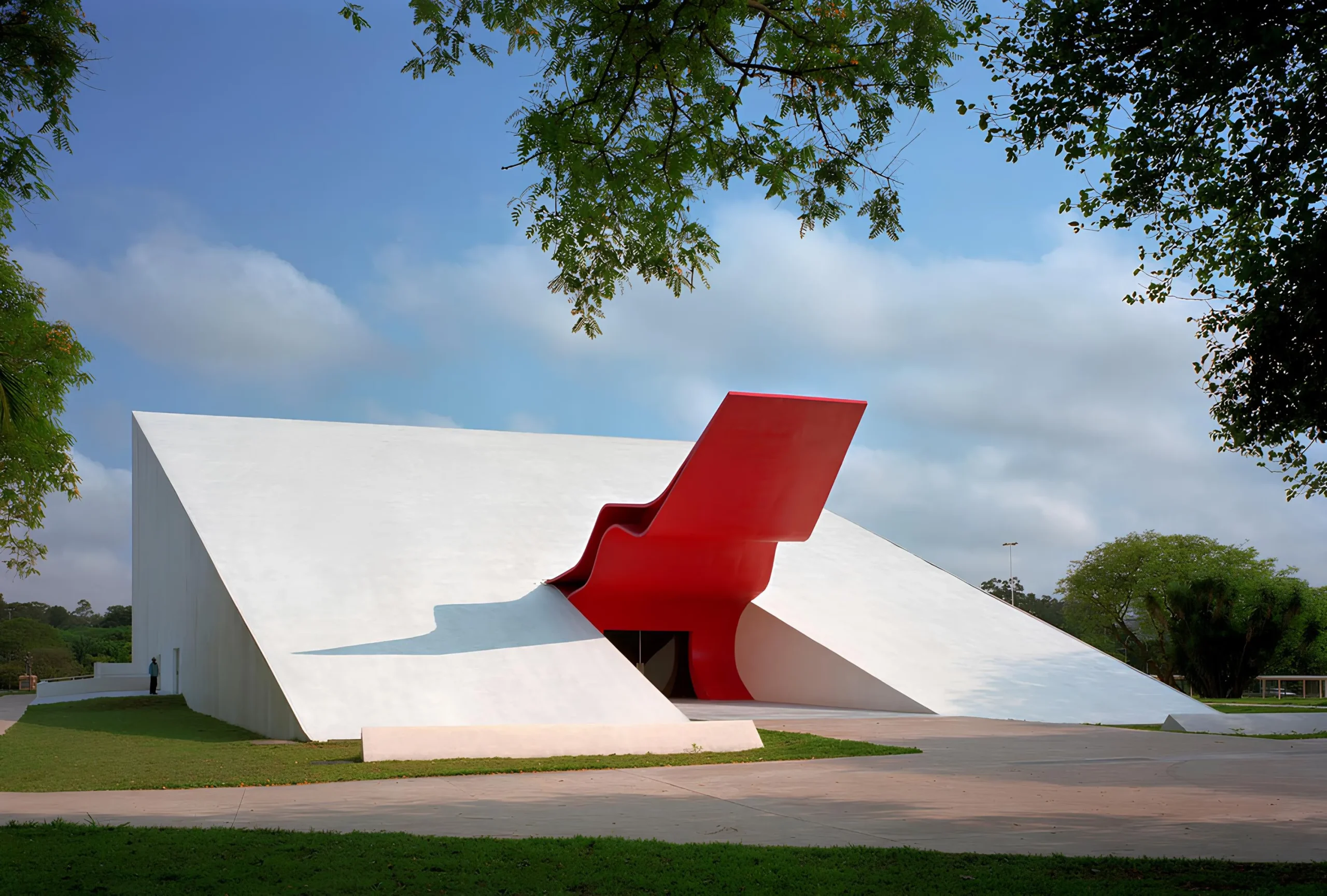
The Ibirapuera Auditorium, completed in 2005, sits within São Paulo’s beloved Ibirapuera Park like a contemporary sculptural masterpiece. As one of Oscar Niemeyer’s most expressive cultural works, it captures his poetic approach to architecture that feels clean, fluid, yet dramatic. Its clean white volume is brought to life by the bold red, tongue-shaped marquee known as O Vermelho, a playful burst of color that leaps forward, welcoming visitors inside. More than just a performance space, the auditorium feels like a piece of art capturing the city’s spirit, creativity, and culture.
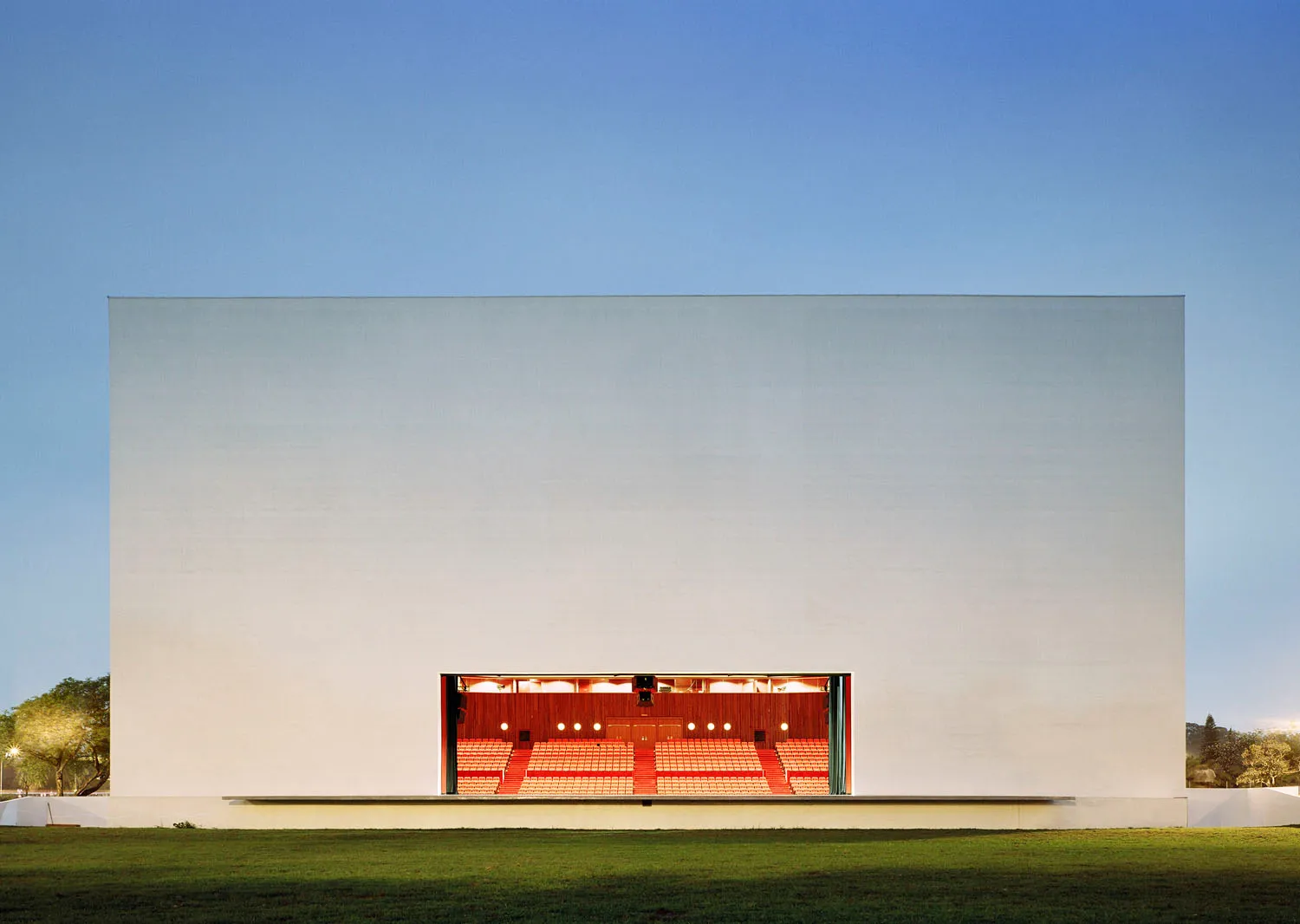
The architecture unfolds as a beautiful artwork with an interplay of crisp and clean geometry, bold bursts of color, and every line carries a sense of movement. Inside, the design transforms into softer, more fluid forms, creating an atmosphere that feels both dynamic and deeply human. Rooted in emotion and contemporary expression, the building’s trapezoidal, almost triangular form is crafted into a single sculptural volume. The building is composed of three distinct zones, including the foyer, the audience hall, and the stage, from the exterior to the interiors, seamlessly.
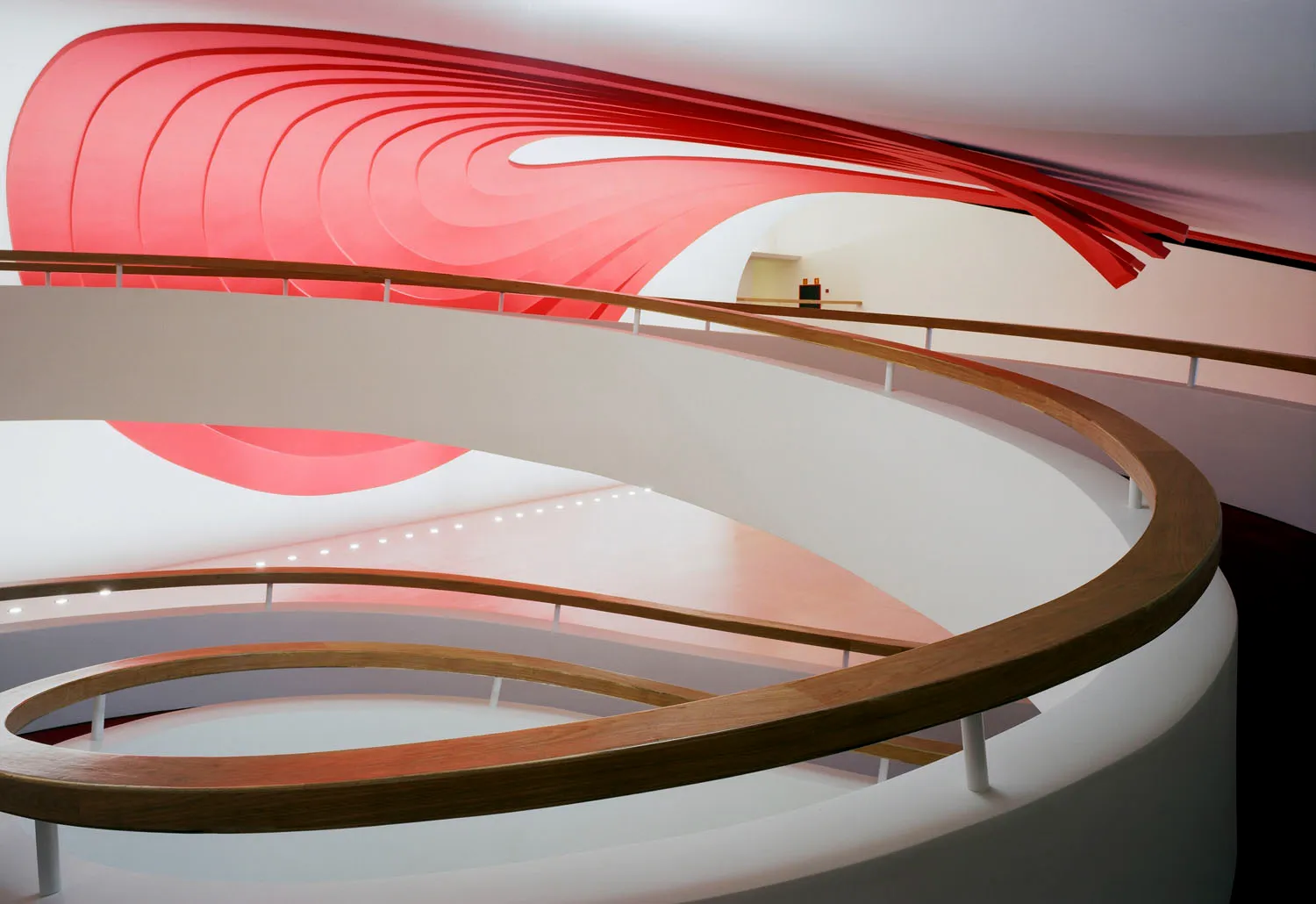
The concrete mass is designed with no interior columns, with the 2 triangular side facades acting as a double structural wall. The soaring performance halls in the interiors are shaped aesthetically and thoughtfully to enhance the acoustics and one’s visual connection. The defining feature of the auditorium is the rear stage door, which opens directly into the park, helping the concerts to spill outdoors, creating an urban-scale cultural space.
9. Petrobras Headquarters
Location: Rio de Janeiro, Brazil
Typology: Office
Completed: 1978
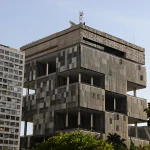
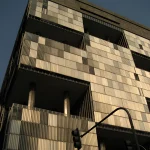
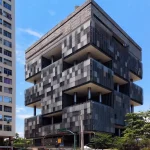
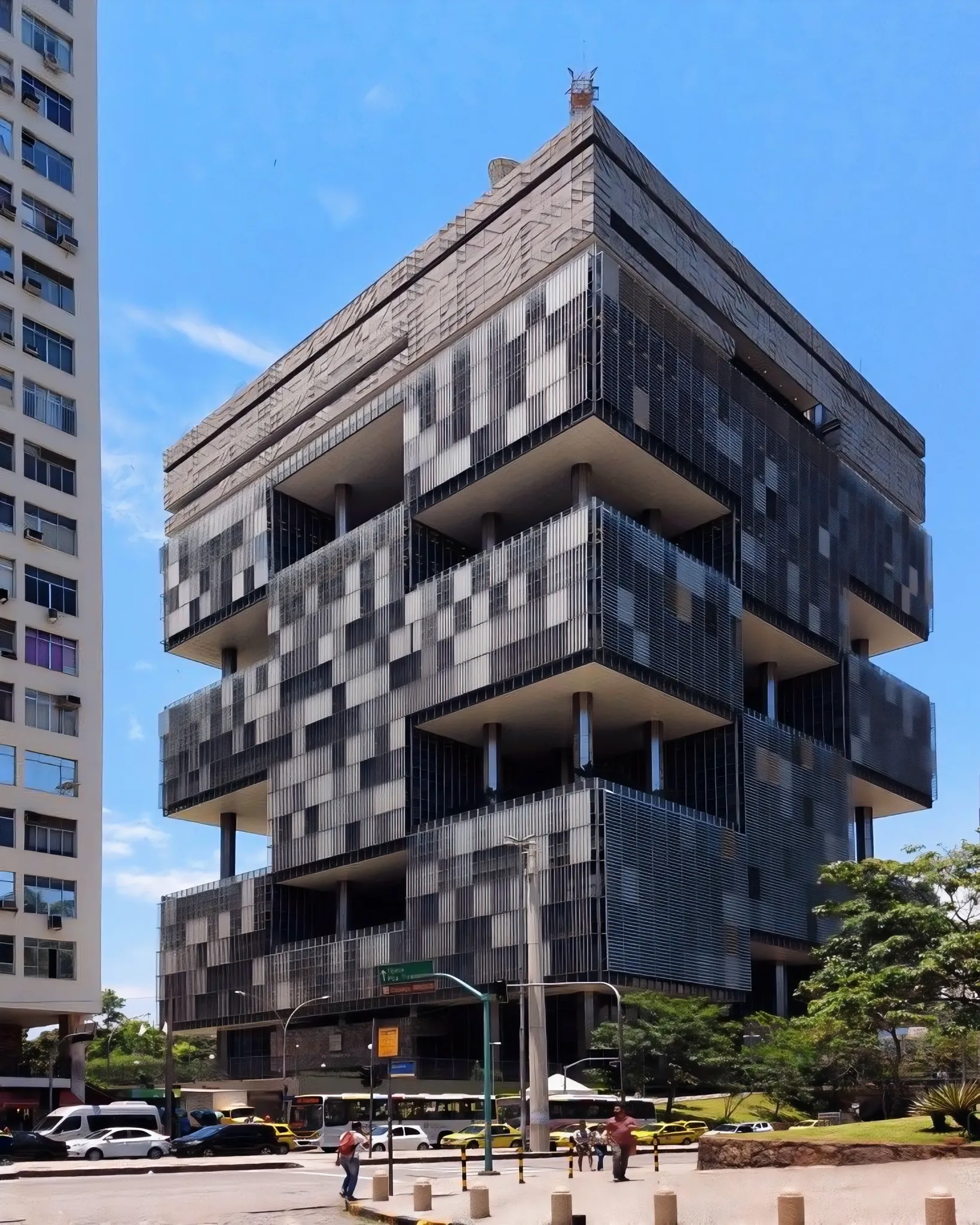
The Petrobras Headquarters in Rio de Janeiro was designed by architect Roberto Luiz Gandolfi and completed in 1978. It stands as one of the powerful symbols of Brazil’s modernist ambitions and economic rise. Its bold, modular form breaks away from traditional corporate architecture, revealing stacked volumes with clean lines and purposeful geometry. More than a high-rise, it reflects a visionary approach to urban design, one that embraces function, clarity, and contemporary identity.
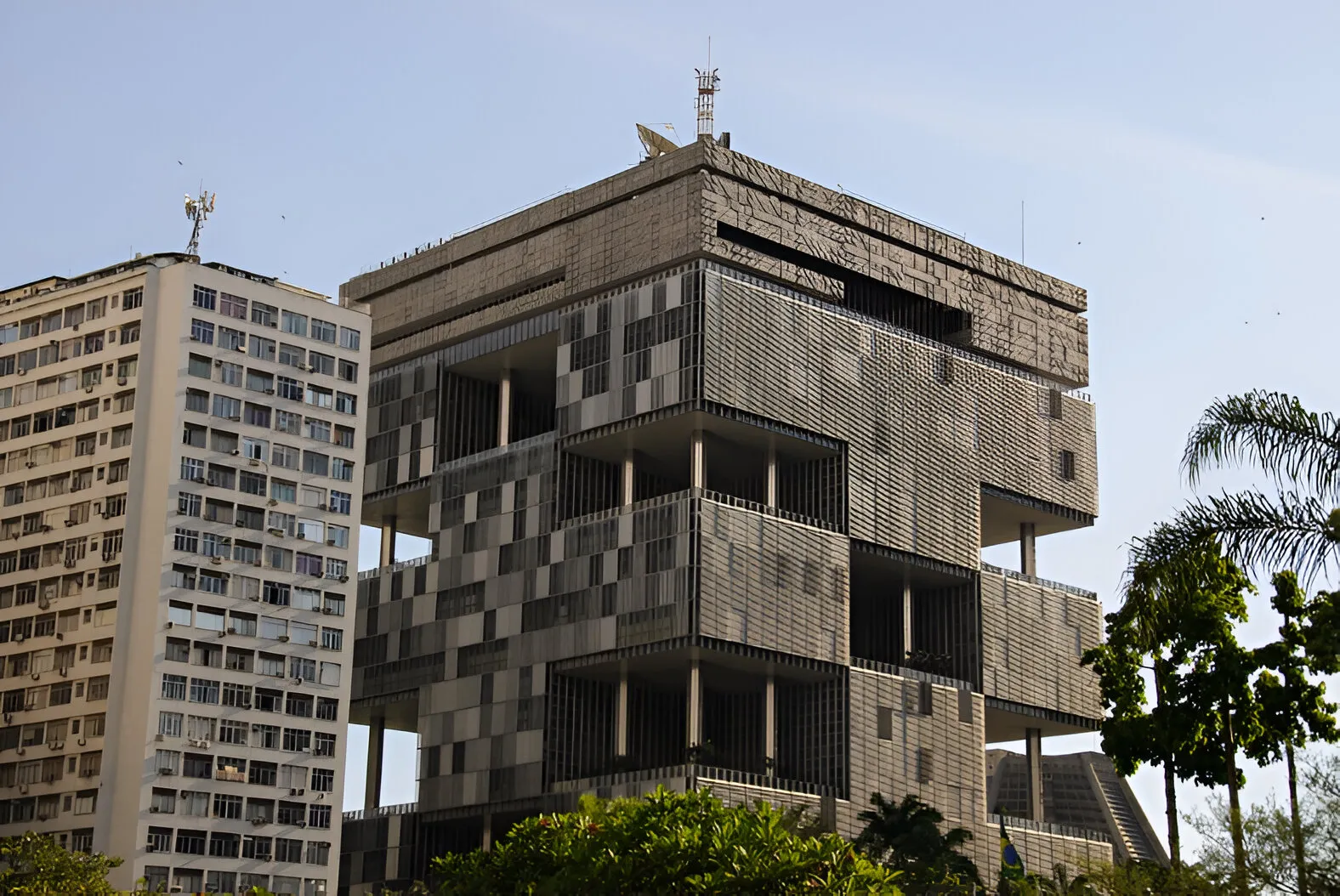
Its modular design unfolds through a dramatic play of stacked and offset floors, creating bold recesses and projecting volumes, giving the tower an identity. Defined by its expressive use of concrete and steel, the building stands 29 stories tall as a sculptural mass shaped not just for aesthetics but also to create a climate-sensitive architecture. These recessed and projected masses provide natural shading, enhance airflow, and reduce heat gain, showcasing a modernist vision where environmental responsiveness and brutalist architecture seamlessly blend.
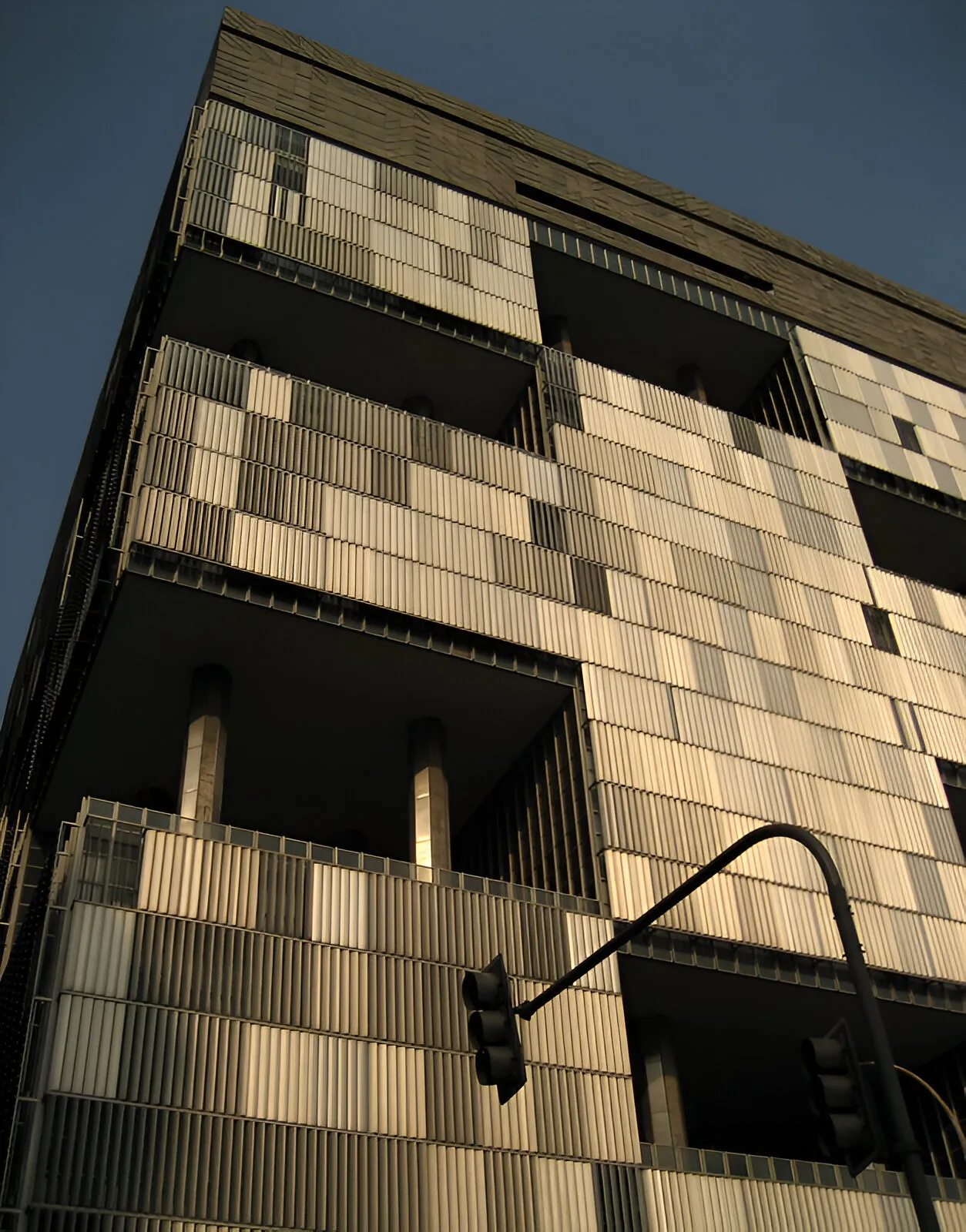
The building’s glass-and-concrete façade reveals an exposed structural grid, rising on monumental pilotis that lift the plaza showcases light, proportionate, and modular design. Brise-soleil elements wrap the exterior, blending function and expression as they filter sunlight and cool the interiors. Inside, a central atrium, suspended walkways, and open floor plans create flexible, flowing spaces.
10. Niterói Contemporary Art Museum
Location: Boa Viagem, Niterói, Rio de Janeiro, Brazil
Typology: Museum
Completed: 1996
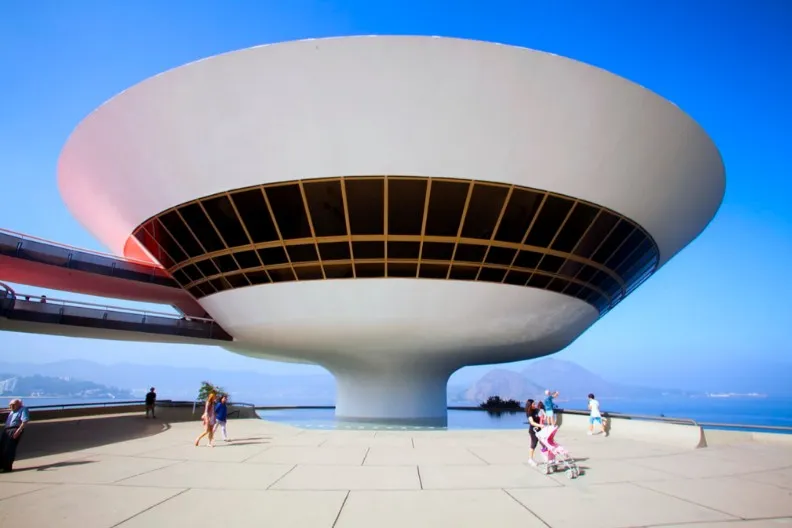
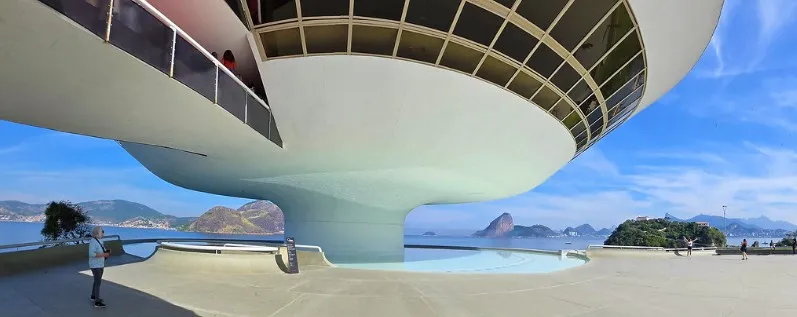
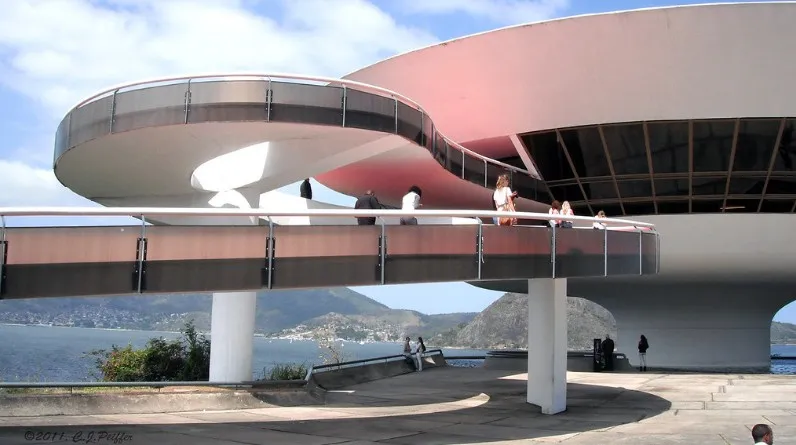
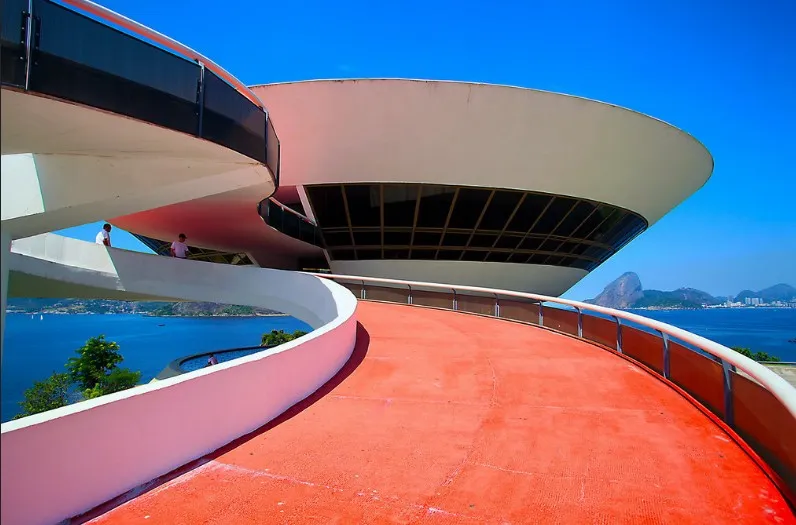
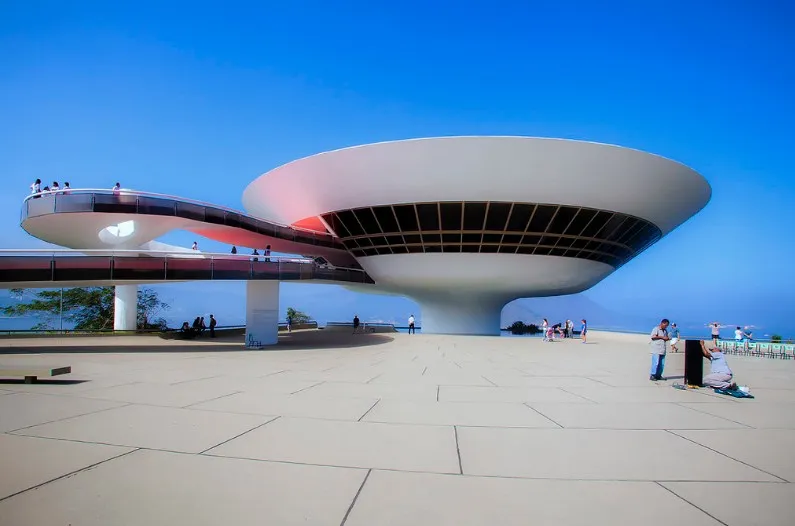
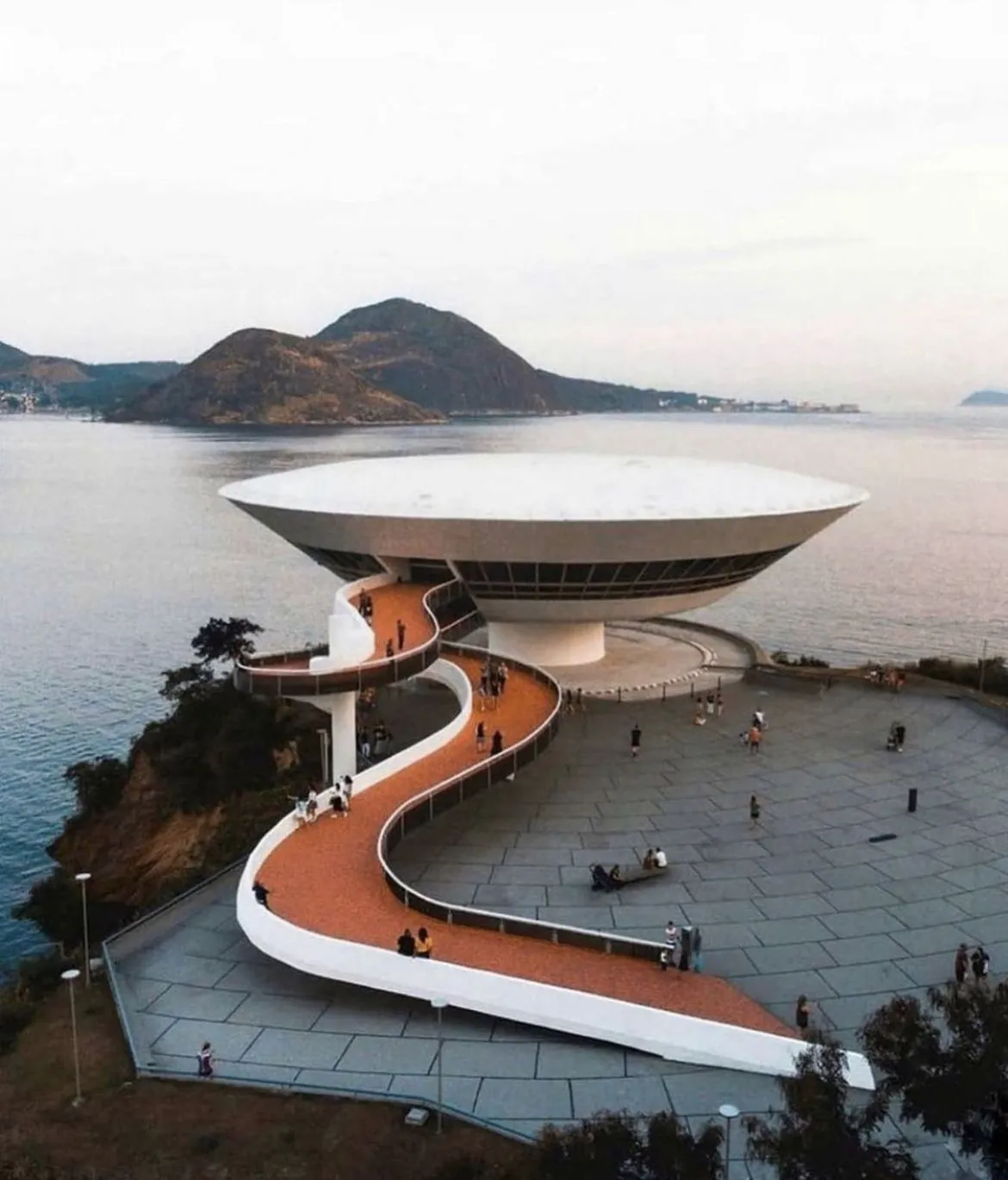
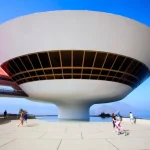
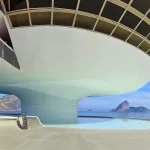
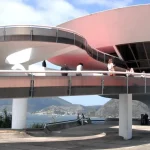
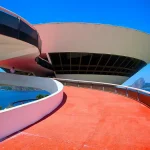
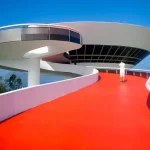
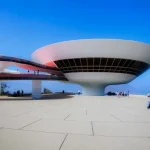
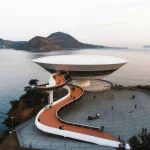
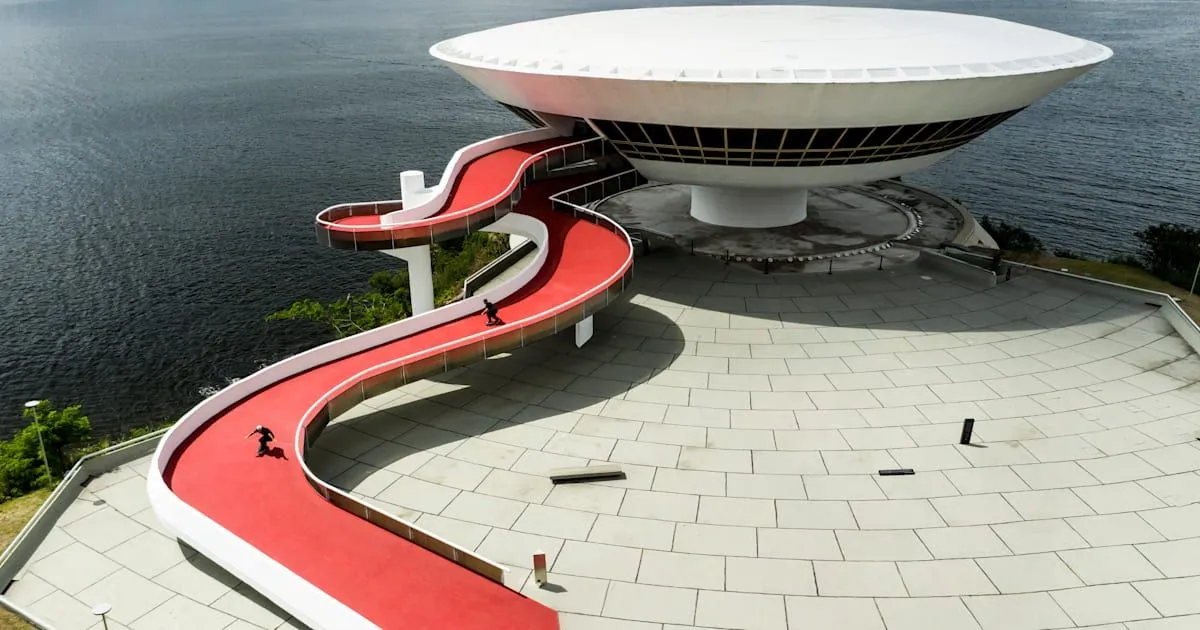
Sitting dramatically atop the Boa Viagem viewpoint, the Niteroi Contemporary Art Museum (MAC Niteroi). Rises like a luminous lighthouse, as an architectural beacon above the bay, considered one of Oscar Niemeyer’s most unforgettable creations. Completed in 1996, this sculptural landmark houses an important collection of Brazilian contemporary art from the 1960s to the 1990s, and the architecture feels like a work of art. Floating above the cliff with effortless grace, the museum blends modernist clarity with Niemeyer’s signature sculptural curves, transforming the museum into a poetic dialogue between architecture and culture.
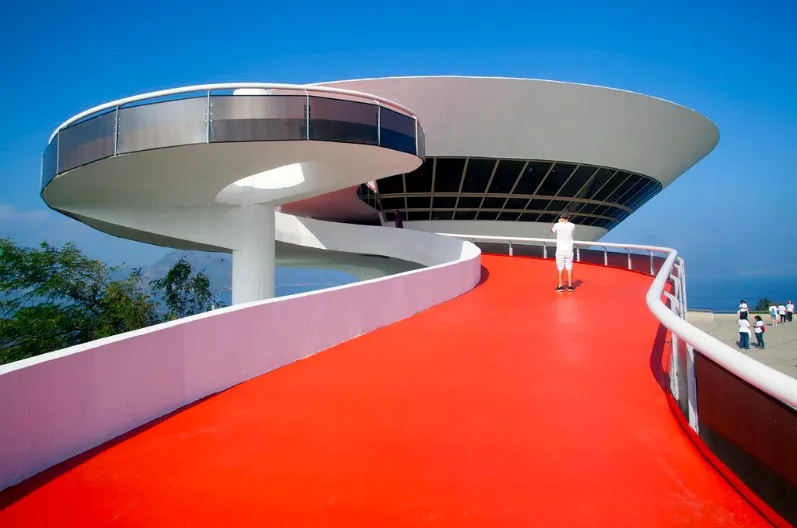
The striking architecture is created with a revolutionary double curvature form that also interacts with the surrounding landscape by framing views of the Rio skyline and Sugarloaf Mountain. The circular lines and the double curved form architecture allow the museum to form an open plaza spanning 2500 square metres, alongside a reflective pool, which creates a sense of lightness. The museum, sitting in a scenic location with its dramatic design, helps enrich the cultural landscape of Niteroi, having a lasting impression to date.