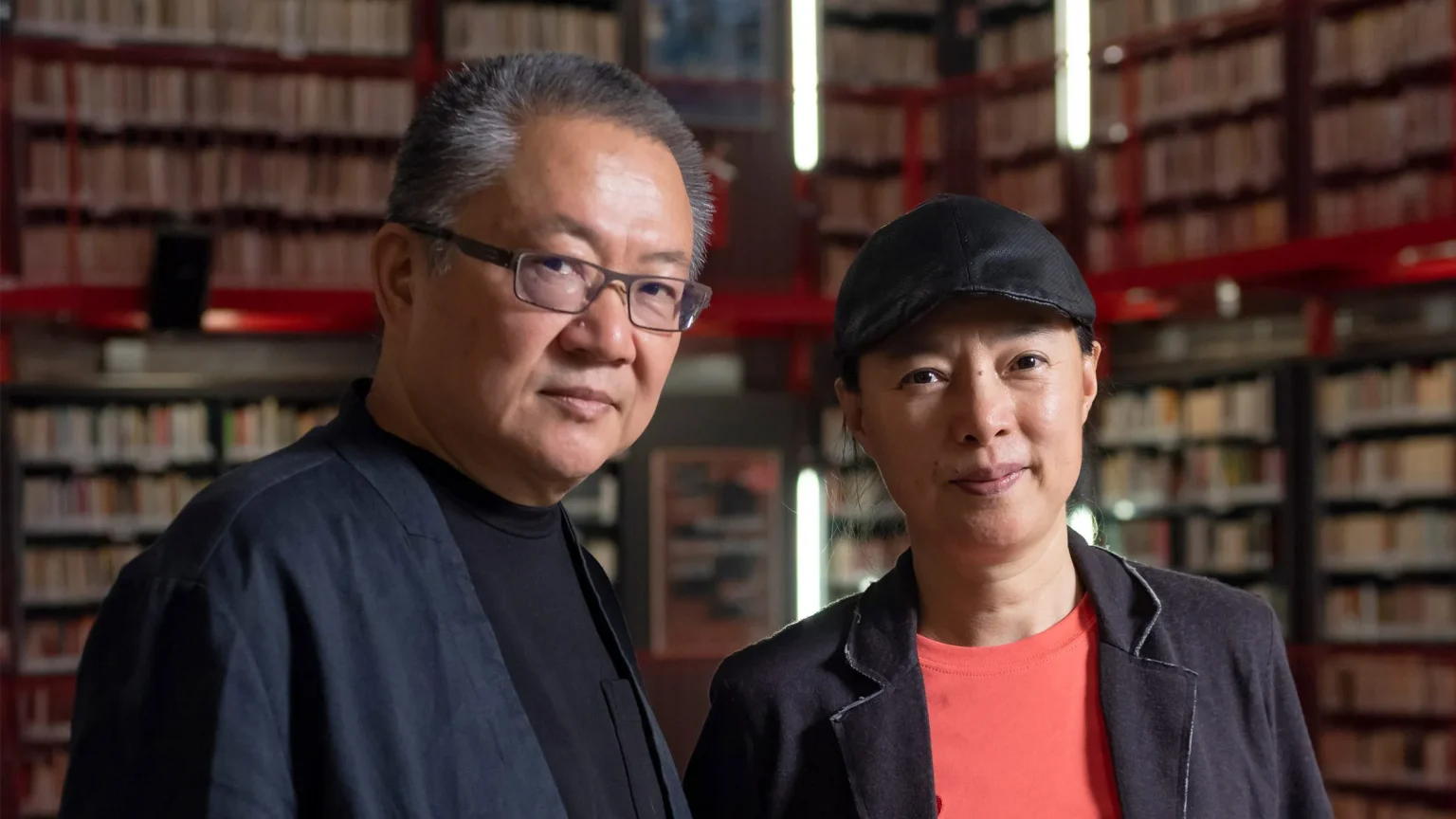
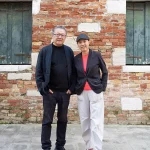
The organizers of Biennale Architettura have named Chinese architects Wang Shu and Lu Wenyu as the curators of the 20th International Architecture Exhibition, scheduled to run from May 8 to November 21, 2027, in Venice. The choice of Wang Shu and Lu Wenyu was confirmed by the Board of Directors of La Biennale di Venezia, following a recommendation from its president. Their appointment marks the first time curators from China will lead the Venice Architecture Biennale, a milestone that underscores the shifting global currents in architecture and design.
Curatorship will cover both main Biennale venues: the historic Giardini and the Arsenale. In a public statement, the Biennale President said that the duo’s “vision, deeply rooted in the memory of places and in the knowledge of construction processes, represents … an essential voice in the international debate on ‘architecture,’” praising their capacity to blend cultural responsibility with experimental thinking.
Who are Wang Shu and Lu Wenyu
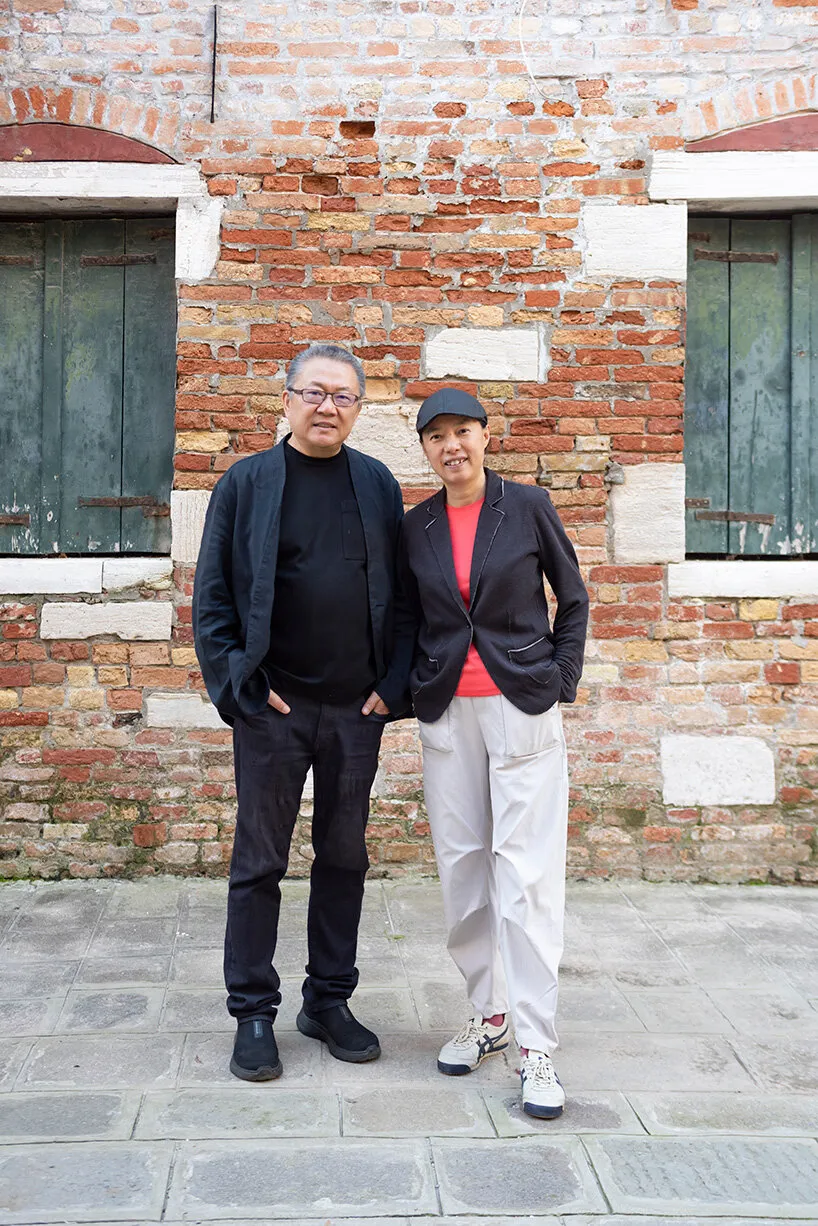
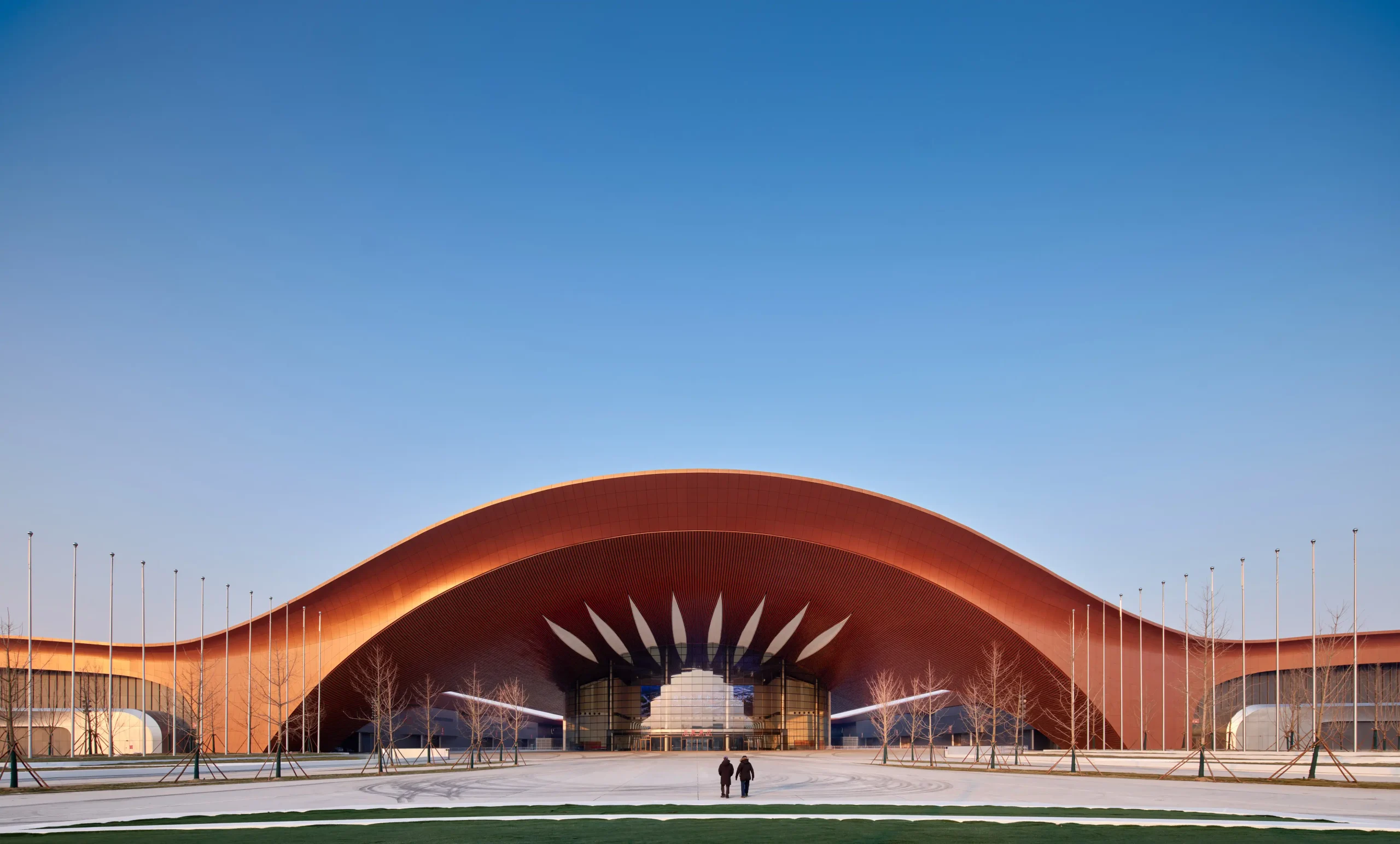
Wang Shu and Lu Wenyu co-founded Amateur Architecture Studio in 1997. In parallel with their practice, they helped build the educational backbone of contemporary Chinese architecture, establishing the Architecture Department at the China Academy of Art in 2003 and launching its School of Architecture in 2007 with Wang Shu as its founding dean and Lu Wenyu directing the Sustainable Construction Center.
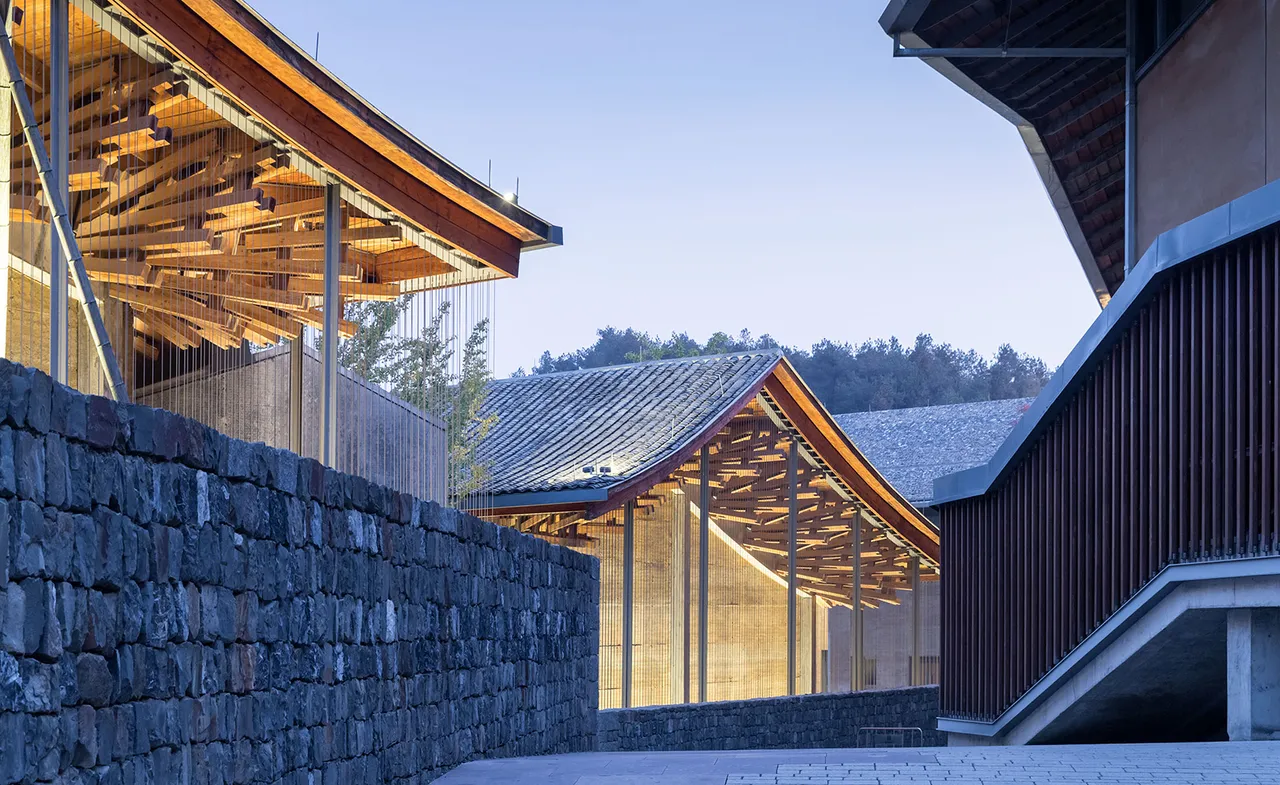
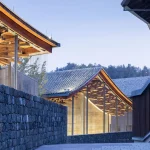
Their approach challenges dominant trends in urban development and large-scale demolition. Instead, they emphasize reuse, craftsmanship, vernacular tradition, and the memory embedded in materials and places. Their works often combine recycled building materials with contemporary engineering techniques, merging memory and innovation to respond to social and cultural realities.
The pair had engaged with the Biennale before Amateur Architecture Studio appeared in the China Pavilion in 2006 and were invited in 2010 under curator Kazuyo Sejima (where they received a Special Mention for “Decay of a Dome”) and again in 2016 under curator Alejandro Aravena.
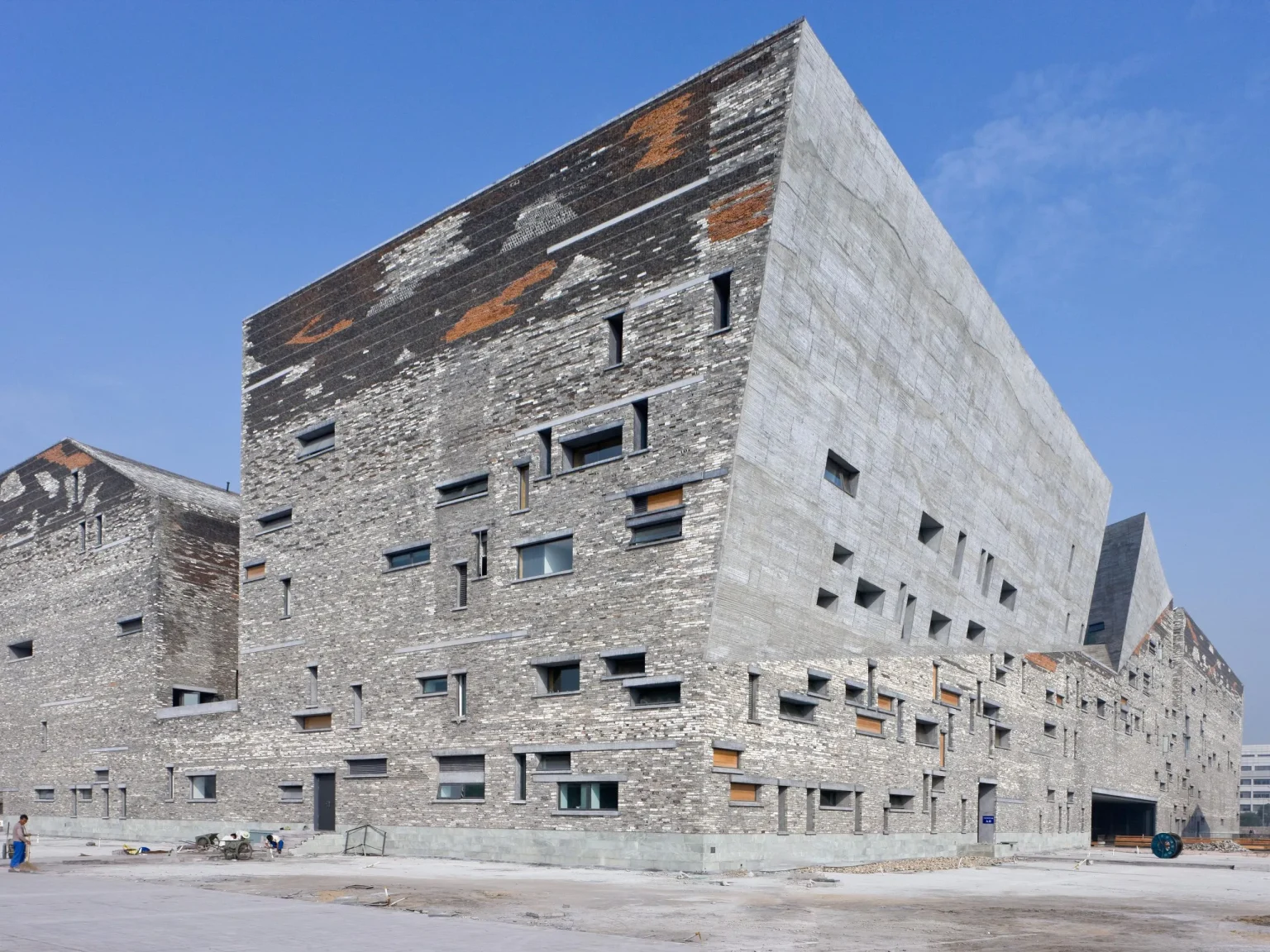
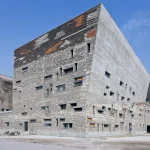
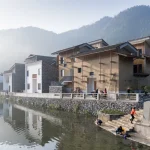
Among their most recognized built works are the Ningbo Historic Museum, the Xiangshan Campus of the China Academy of Art (which in 2021 was named by The New York Times among the “25 Most Significant Works of Postwar Architecture”), and the renovation of villages and heritage sites such as Wencun Village and various historic streets and archives around Hangzhou, a reflection of their commitment to preservation, continuity, and respect for context.
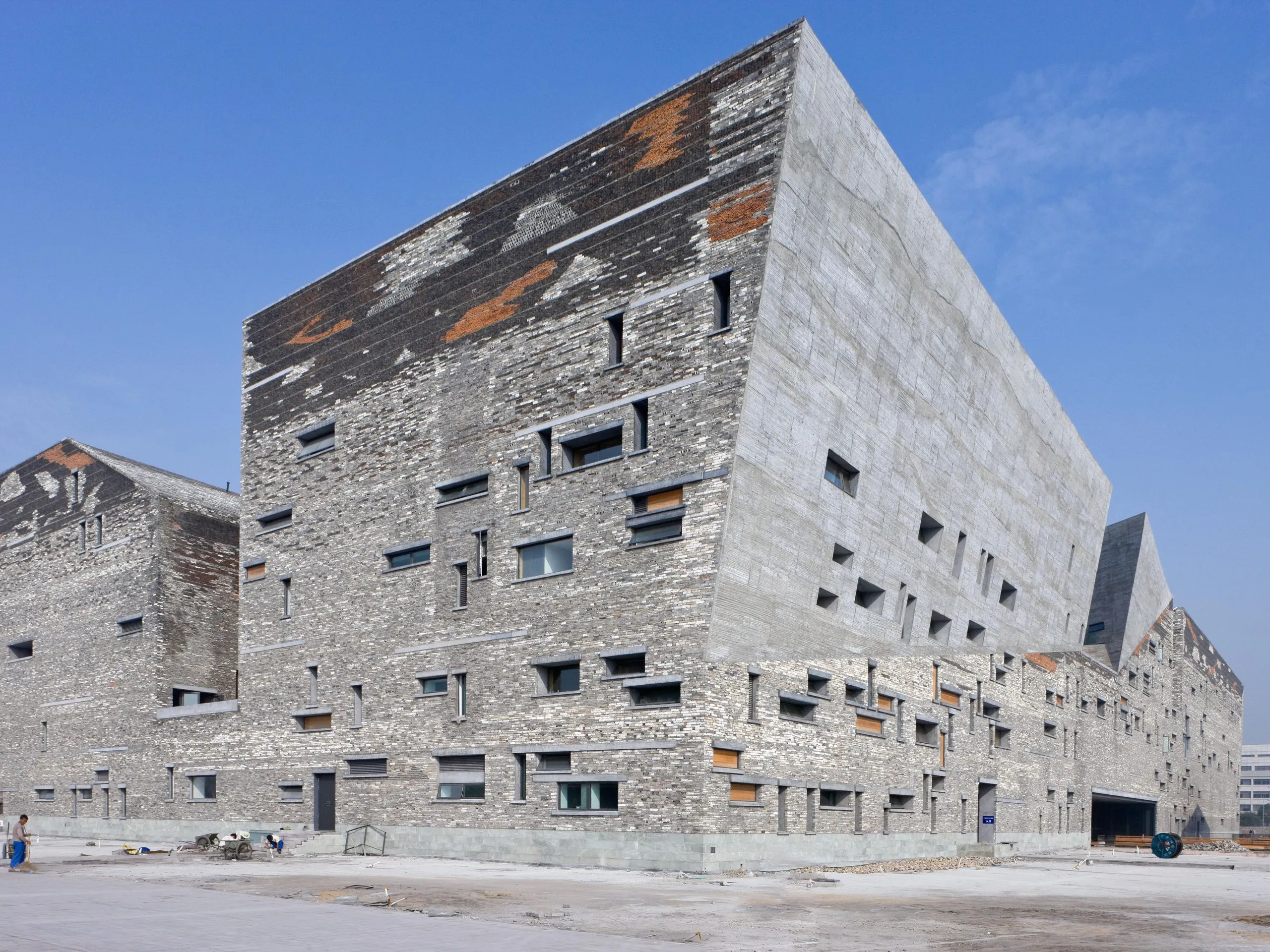
Their work has earned global recognition: the Ningbo museum and other projects have been exhibited at the MoMA in New York and the Centre Pompidou in Paris. Solo exhibitions at the Louisiana Museum of Modern Art, Arc en rêve in Bordeaux, and BOZAR in Brussels further attest to their international standing. In 2012, Wang Shu won the Pritzker Architecture Prize, the most prestigious global award in architecture.
Their curatorial vision and what to expect in the Venice Architecture Biennale 2027
With their curatorial role for 2027, Wang Shu and Lu Wenyu emphasize a return to sincerity in architecture, rejecting what they see as “excessive conceptualization or marked commercialization,” which risks architecture from reality and place.
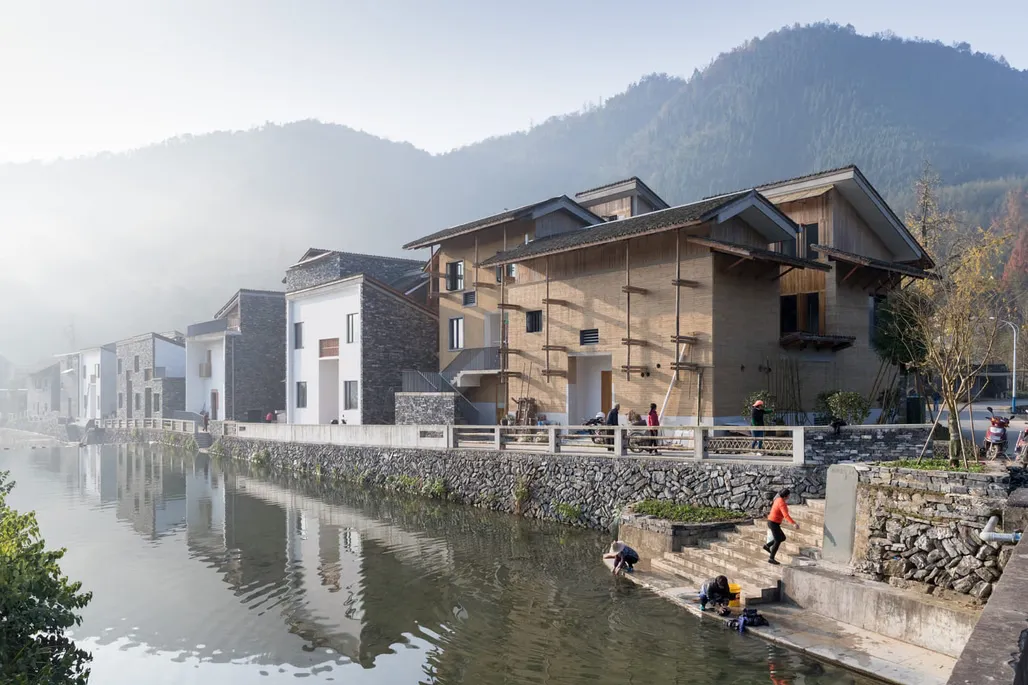
They argue that architecture driven solely by conceptual experiments or commercial gain can become “a delusional expression about the future.” Instead, they propose “a simple and true concept and method of architecture,” rooted in everyday life, memory, and honest construction processes.
Their curatorial stance suggests that the 2027 Biennale may shift focus from flashy, ephemeral architectural statements to long-term concerns: how buildings and public spaces can sustain communities, reflect cultural identities, and respect the material and social memory of place.
The exhibition is expected to serve as a platform for dialogue on material, territorial, and social implications of architecture worldwide, offering alternatives to uniform development models that often disregard context and heritage.
The selection of Wang Shu and Lu Wenyu places renewed attention on architects who value sustainability, tradition, craft, and social responsibility. Their perspective arrives at a moment when many cities face rapid development and the fading of local identity, making their approach feel especially relevant.
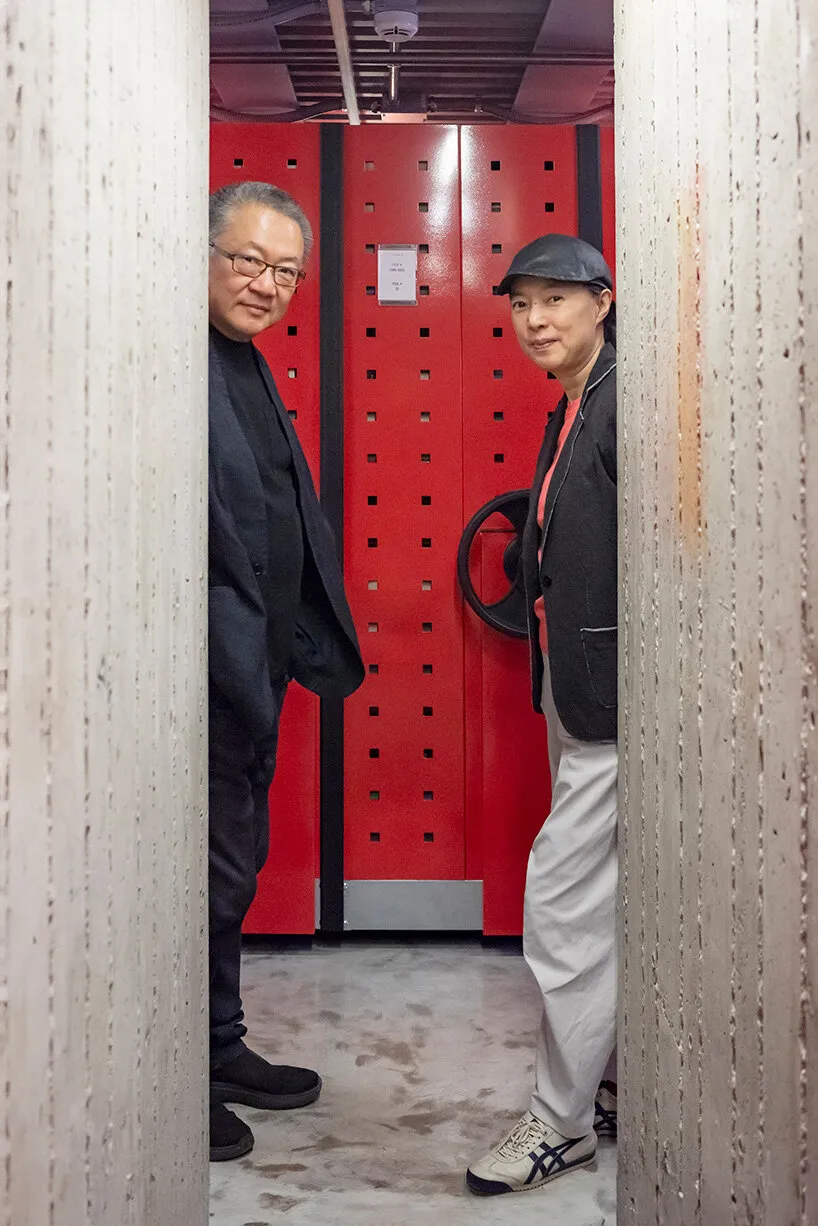
As the first Chinese curators of the Venice Architecture Biennale, their appointment highlights the rising influence of Asian architects in global discourse. It marks a broader shift in how the field is reconsidering history, continuity, and the direction of future practice.
Their focus on memory, materials, and honest construction points toward a Biennale that questions familiar trends and encourages a closer look at what architecture should deliver. Instead of celebrating buildings only as striking objects, their vision brings the conversation back to how spaces are lived in and how they hold meaning for communities.