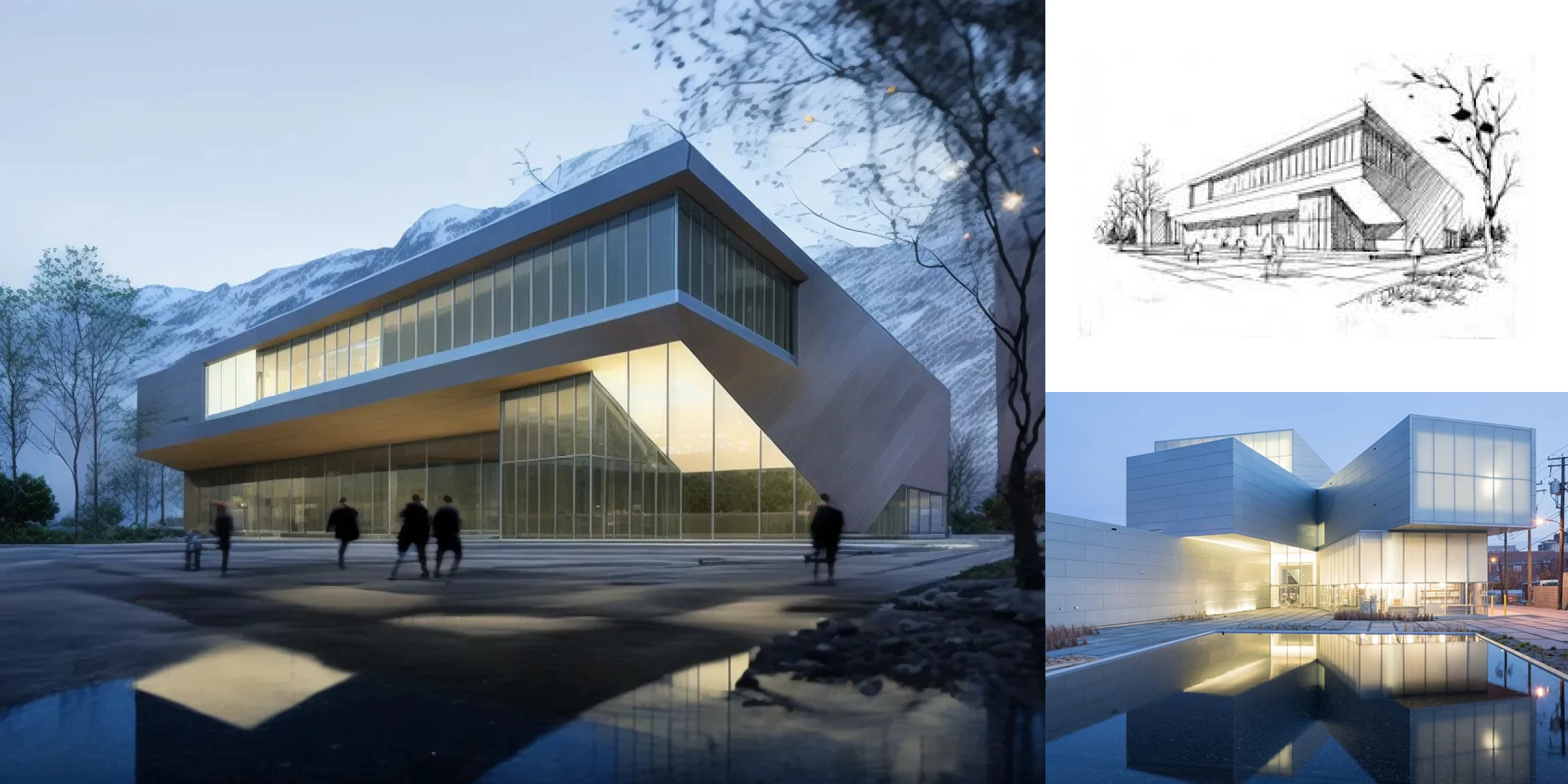





OMA is an international architectural firm operating within the traditional boundaries of architecture and urbanism. Led by seven partners, Rem Koolhaas, Reinier de Graaf, Shohei Shigematsu, Iyad Alsaka, Chris van Duijn, Jason Long, and Managing Partner-Architect David Gianotten, OMA has offices in Rotterdam, New York, Hong Kong, and Australia.
Aiming to go beyond standard solutions in all its projects, thereby redefining typologies, OMA’s designs are based on two fundamental principles: research and collaboration.
Rejecting haste in architectural form, OMA approaches design as a process and views every condition within a project not as a constraint but as an opportunity. The challenges and requirements that arise during the design process do not become restrictive elements for OMA; on the contrary, such obstacles contribute to OMA’s ability to deliver visionary architectures.
Here are the top 10 most visionary projects by OMA around the world:
1. Mangalem 21
Location: Tirane, Albania
Year: 2023
Type: Residential
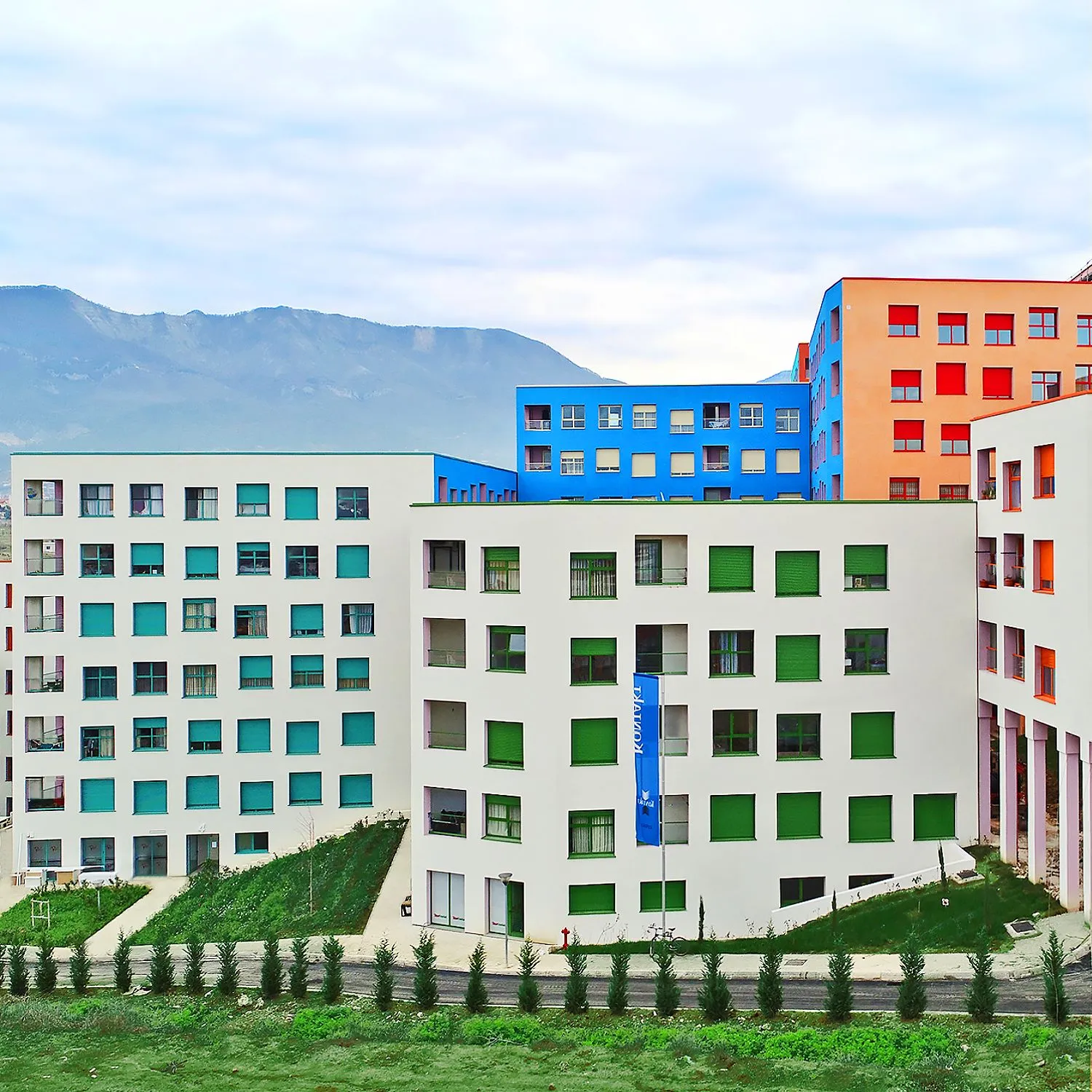
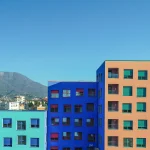
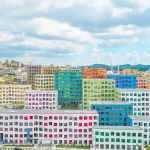
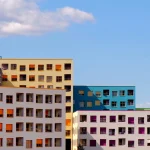
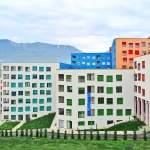
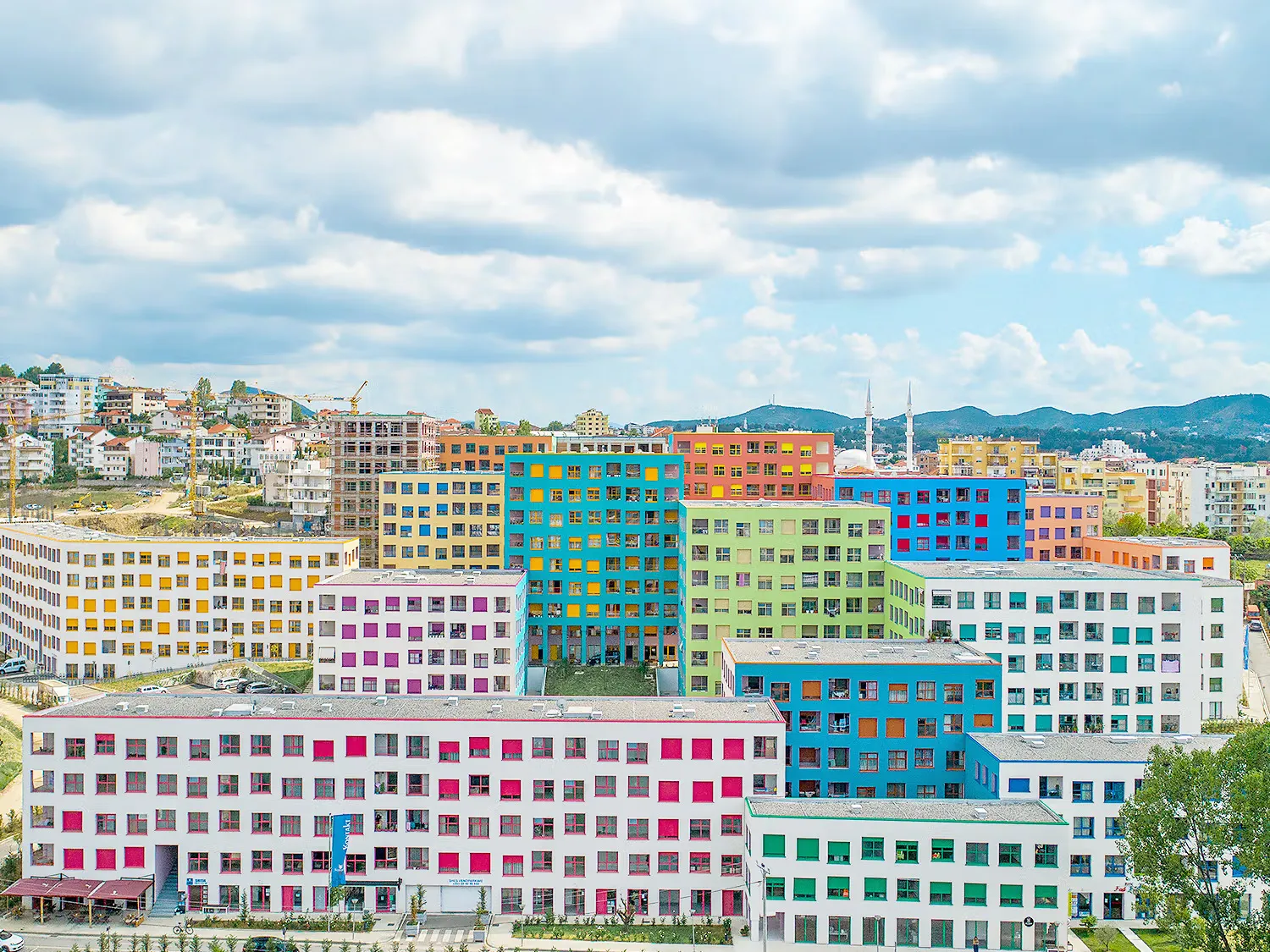
Designed by OMA on a steeply sloped site with a 27-meter difference between the highest and lowest elevations, Mangalem 21 is a striking project with its distinctive use of color on its facade. Inspired by the configurations of informal settlements, Mangalem 21’s checkerboard-like layout is composed of blocks and courtyards. By skillfully utilizing the sloping terrain, OMA ensures that each building faces another, offering diverse perspectives of the surrounding environment.
The project, which comprises 70% of public squares and green spaces, includes underground parking lots, making it traffic-free. Mangalem 21’s main street brings together commercial activities and connects the project to the future Metrobosco green belt and the new ring road.
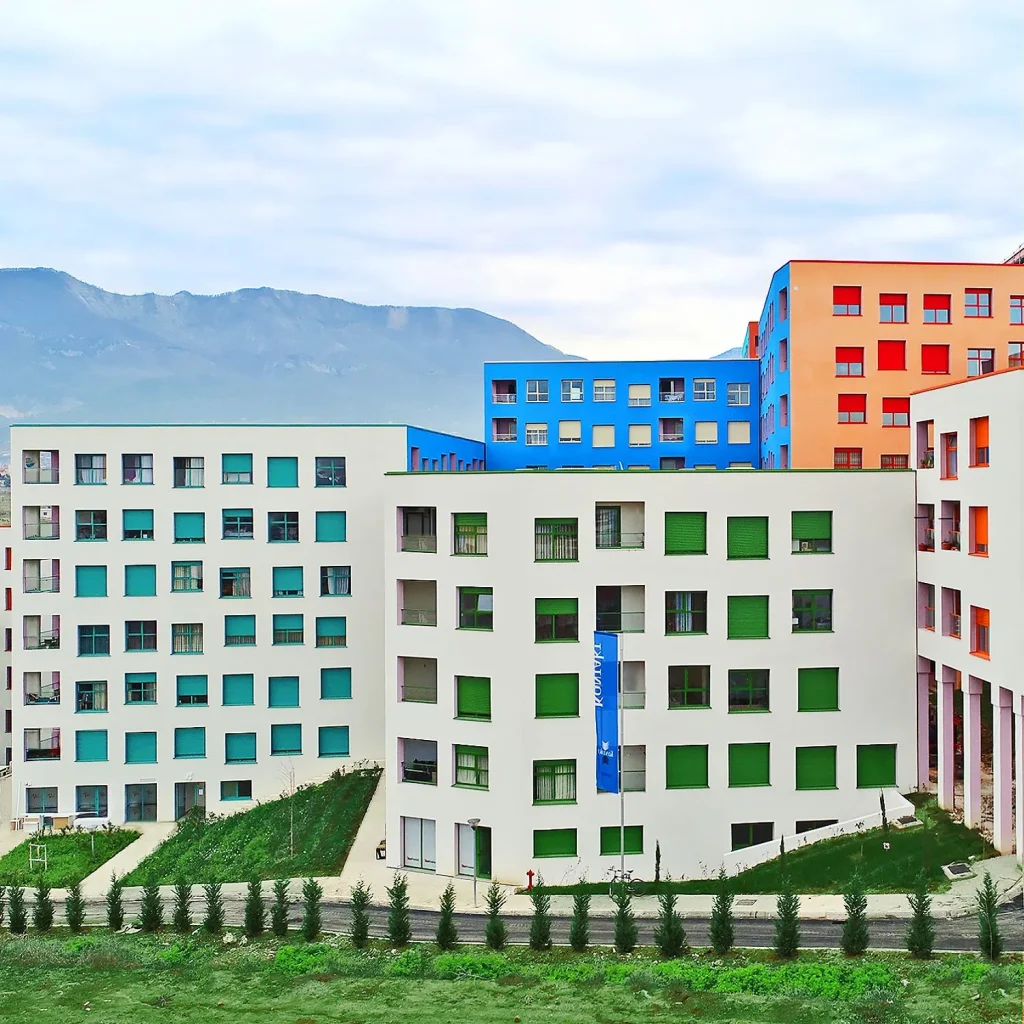
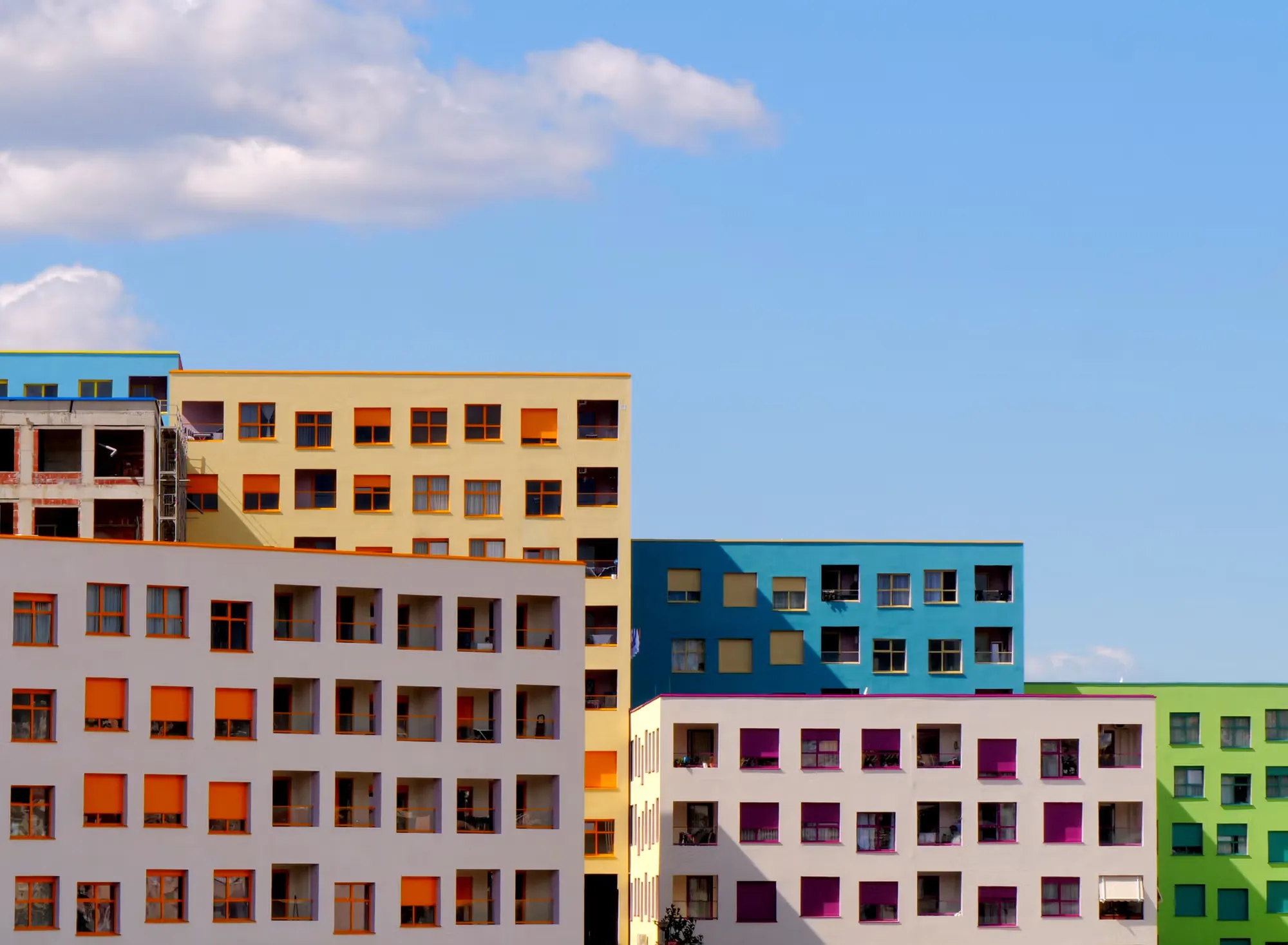
Mangalem 21 comprises three typologies: the ‘straddle core,’ a vertical circulation shared by two adjacent buildings; the ‘straddle apartment,’ an apartment spanning over two adjacent buildings; and the ‘kissing corner,’ two tangent building corners. The buildings’ strikingly colorful facades were inspired by former Tirana Mayor Edi Rama’s initiative in the early 2000s to paint the city’s communist-era apartment blocks. The color combinations of the exterior walls, window frames, and shutters give each block a unique expression. Due to the project’s stepped structure, the roofs, visible only from the upper buildings, were treated as a fifth facade.
2. JOMOO Headquarters
Location: Xiamen, China
Year: 2025
Type: Office
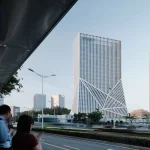
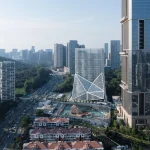
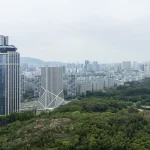
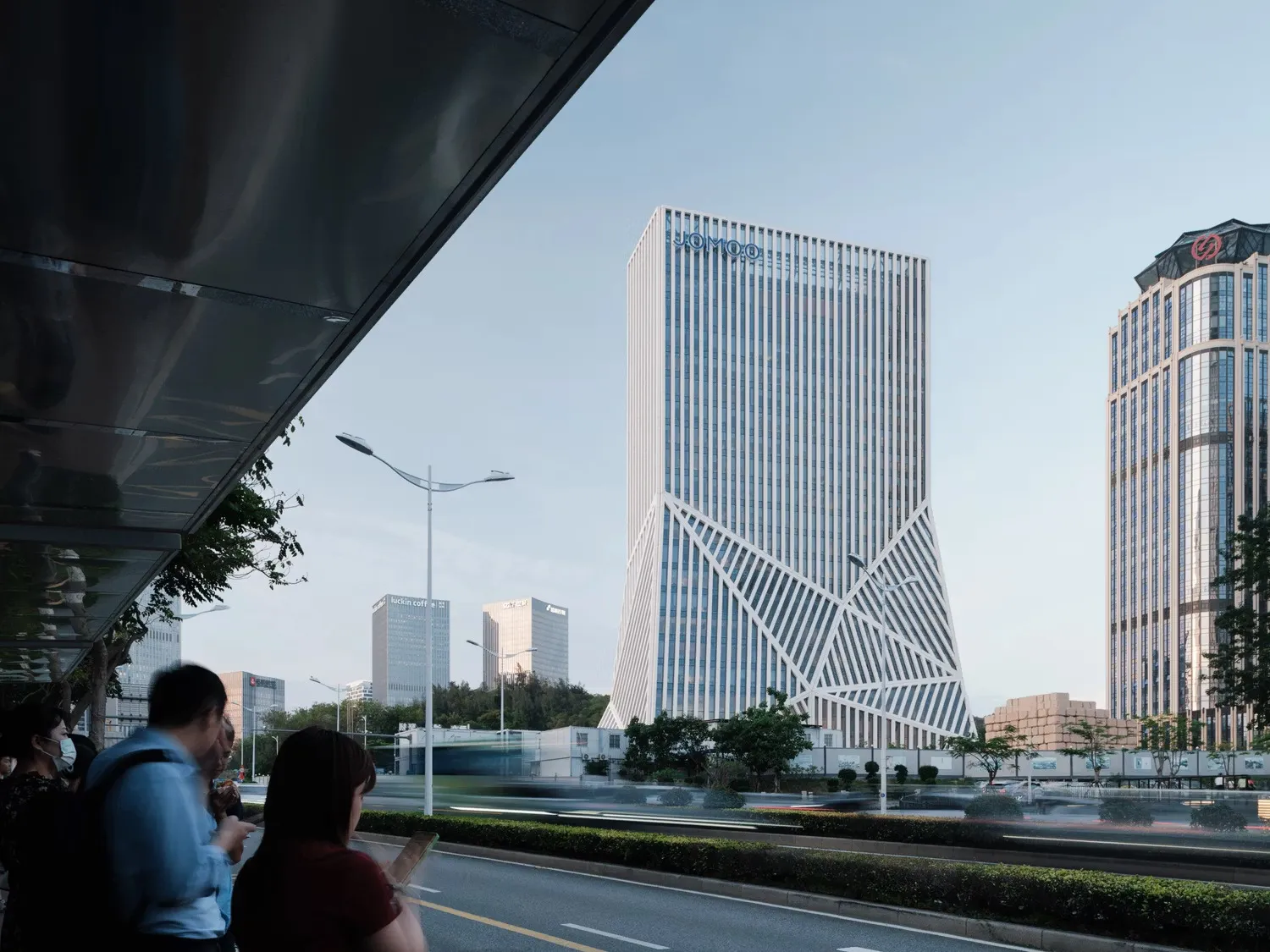
One of OMA’s most distinctive projects, the JOMOO Headquarters serves as the first office campus for China’s largest sanitary ware company. Nestled between dense skyscrapers on one side and forested hills on the other, the center defines the island city’s landscape, reflecting the juxtaposition of nature and urbanization.
In the design of the JOMOO Headquarters, OMA reinterprets the traditional podium-and-tower office typology. Inspired by the nearby rocky terrain, the building’s massing features a multi-purpose hall that accommodates public programs such as a lobby, exhibition space, conference areas, and recruitment rooms. The tower at the top, which houses JOMOO’s office spaces, rises seamlessly.
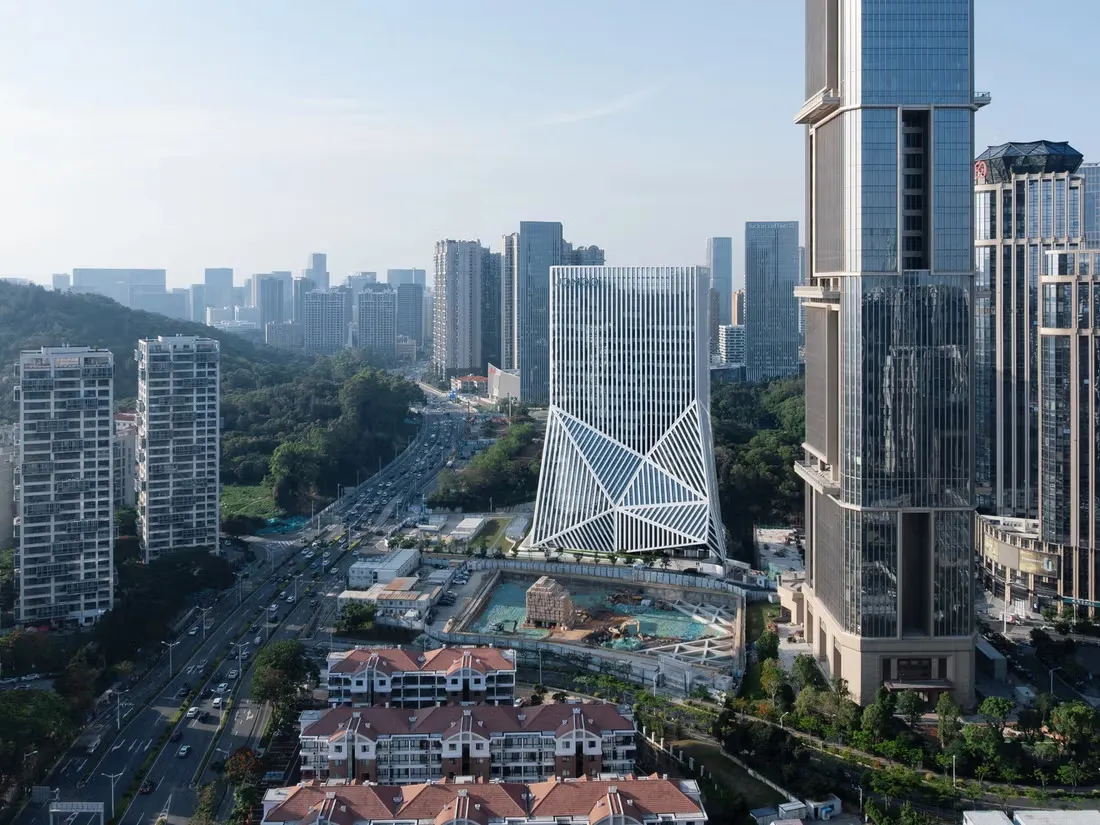
The JOMOO Headquarters, which has a distinct visual identity within the city’s rapidly changing skyline, features a façade of white vertical stripes facing in different directions. The system, evocative of the typical window frames of houses in the area and reminiscent of JOMOO’s ceramic production, eliminates the need for interior columns, allowing for flexible, efficient flooring.
3. Galleria in Gwanggyo
Location: Gwanggyo, South-Korea
Year: 2016-2020
Type: Retail
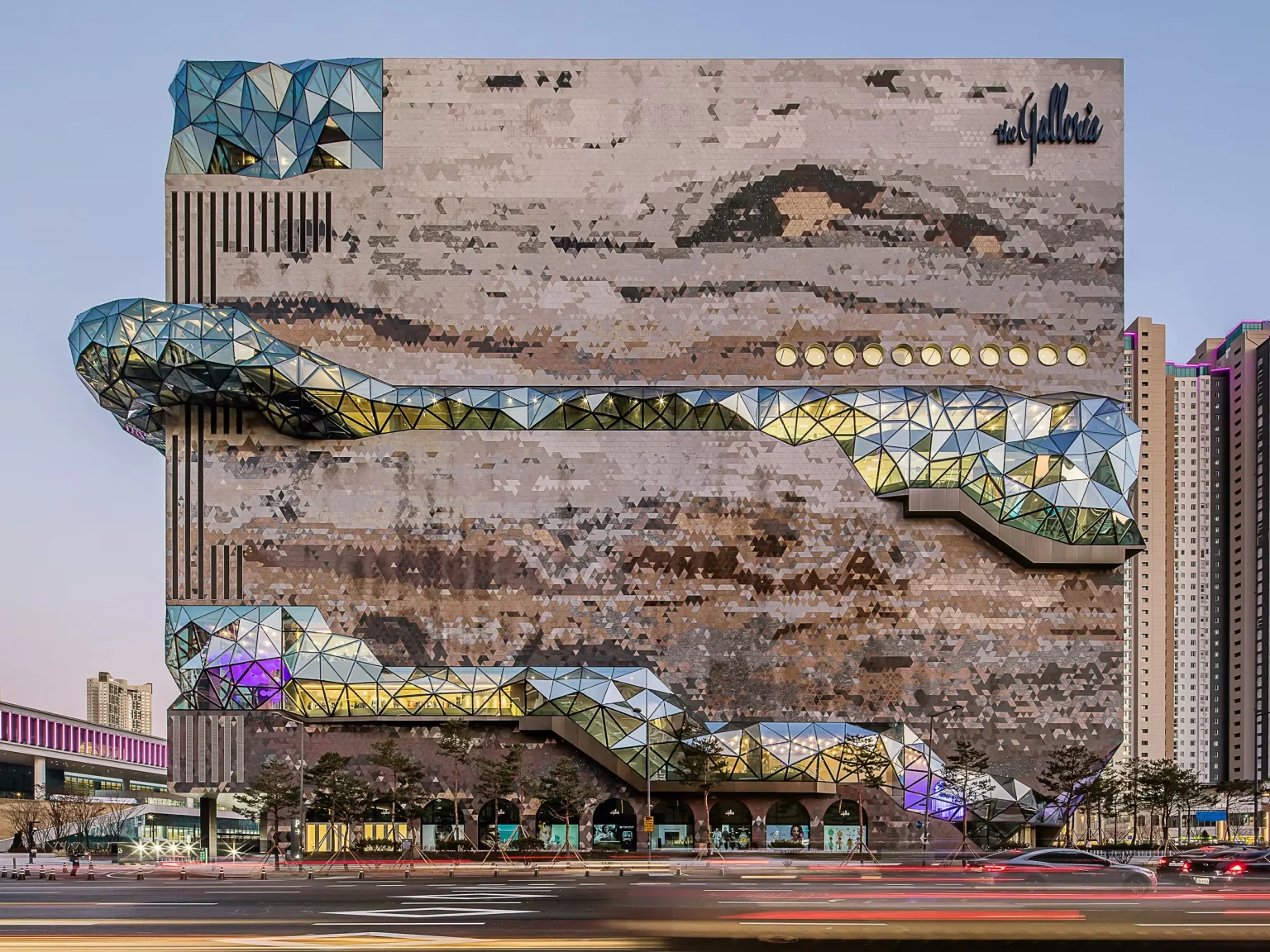
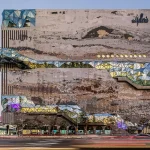
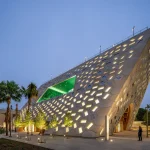
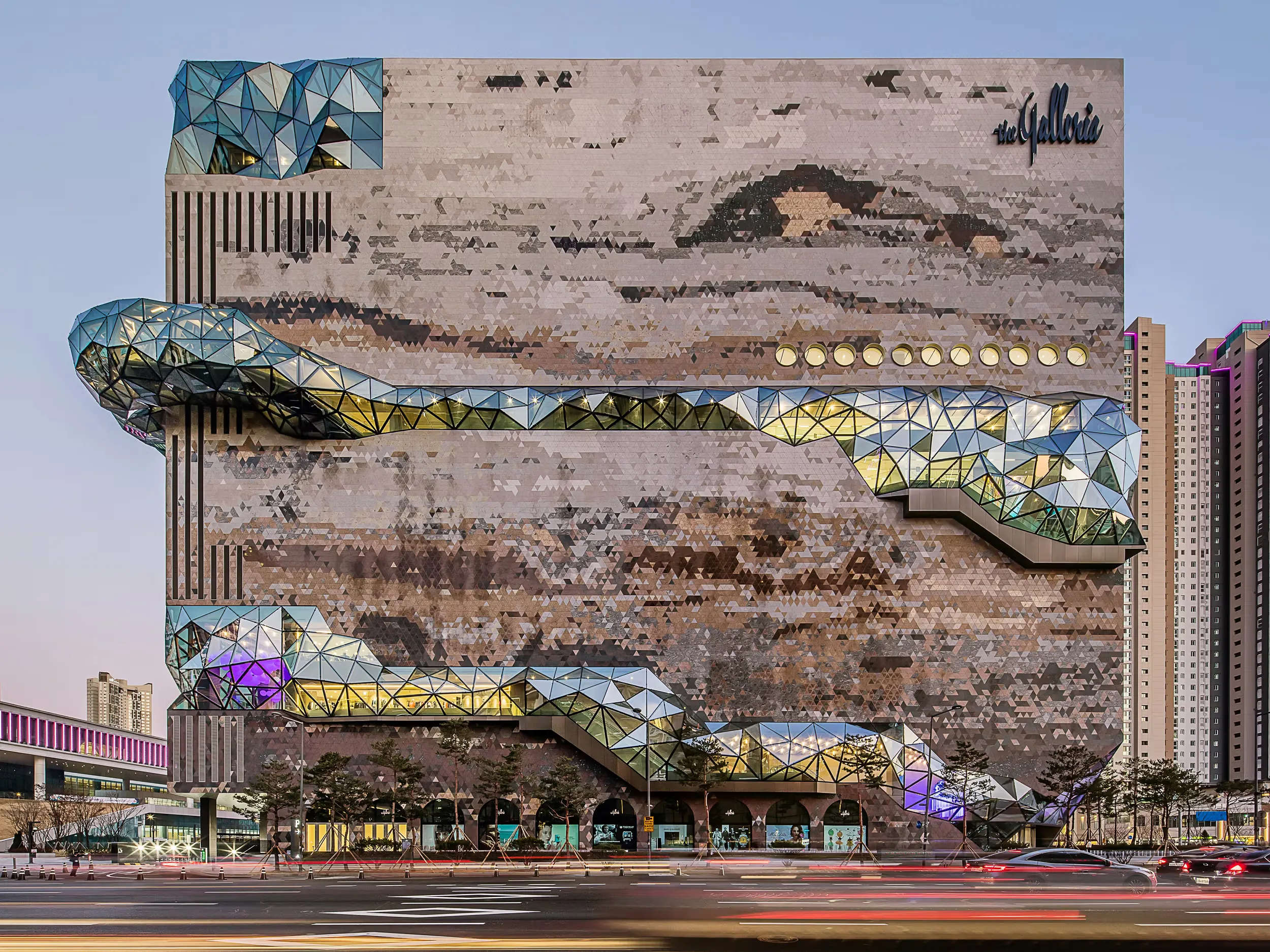
In the rapidly developing city of Gwanggyo, south of Seoul, OMA’s Galleria emerges like a carved monolith at the heart of an urban landscape defined by glass towers and green edges. Designed in collaboration with Gansam Architects & Partners, the 137,000 m² department store redefines retail architecture as a civic landmark.
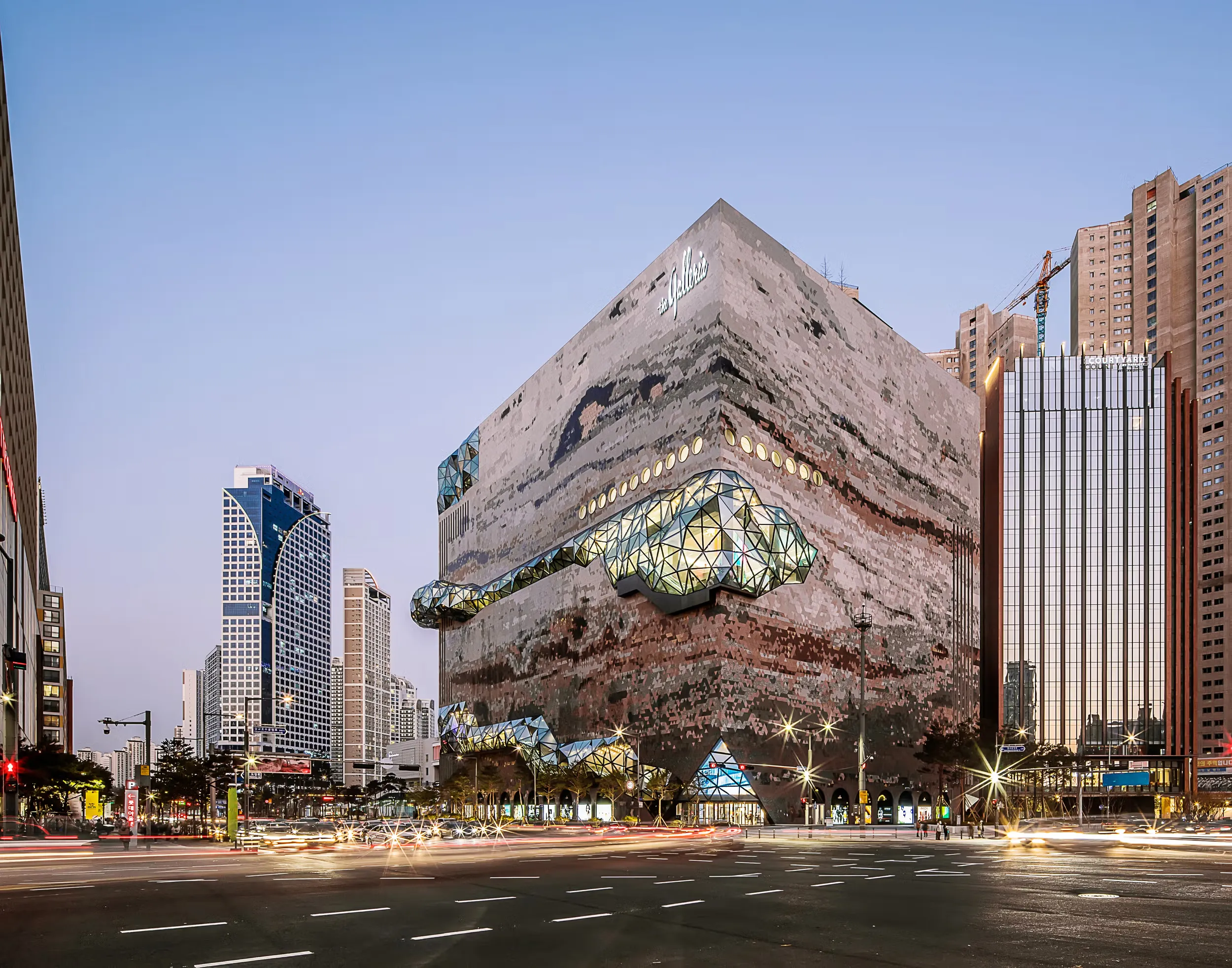
The building’s exterior, composed of over 138,000 stone fragments cut from fourteen types of granite, forms a textured mosaic that evokes the geology of nearby Gwanggyo Lake Park. From this solid mass, a faceted glass loop slices through the stone façade, creating a transparent public route that spirals upward from the street to the rooftop garden. The glazed band glows like a crystalline fissure, revealing the inner movement of people and light, while connecting shopping areas with exhibition terraces and cultural spaces.
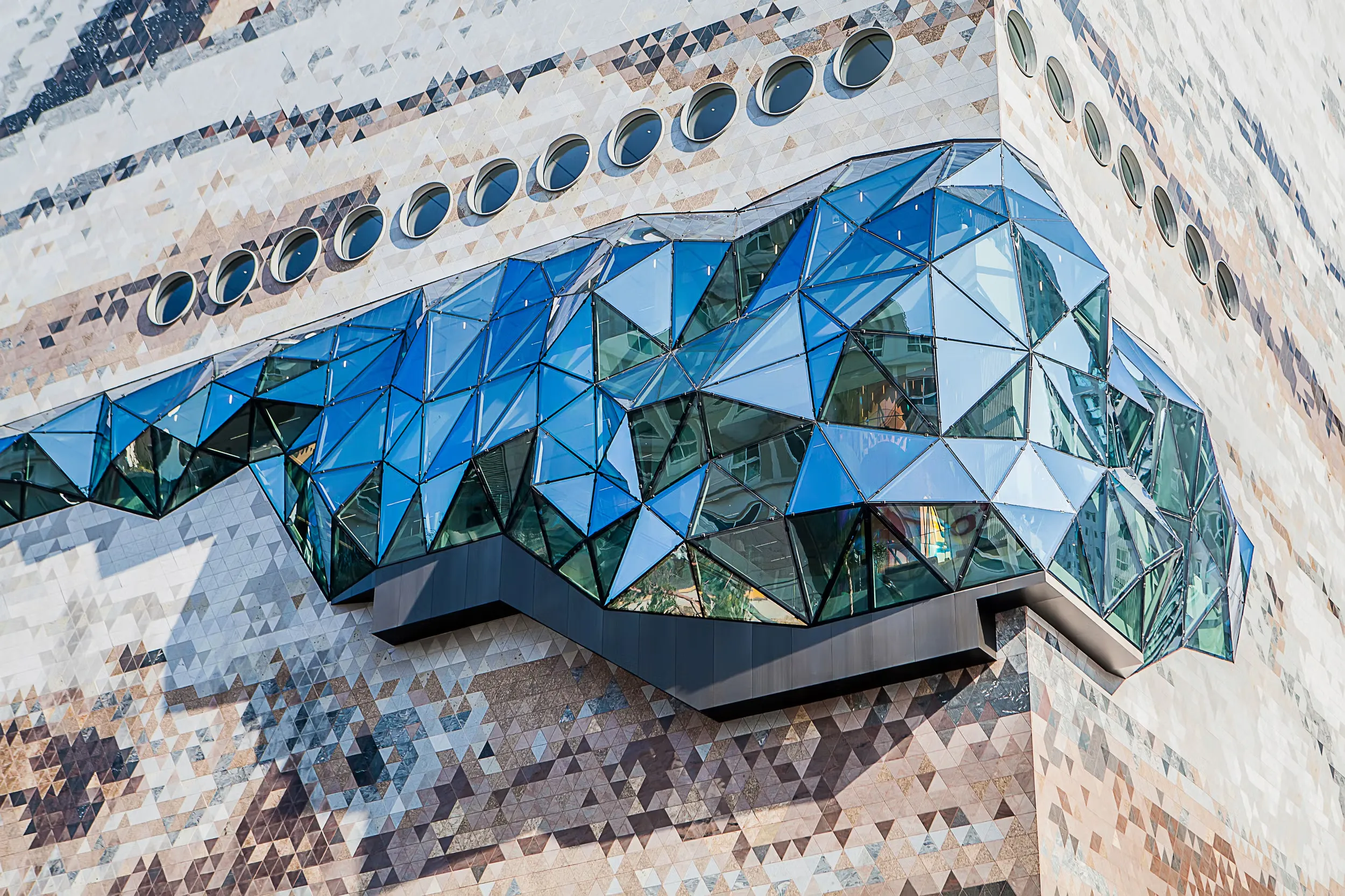
Beyond its monumental form, the project reimagines the department store as an active public destination rather than an enclosed retail box. Inside, the loop acts as a vertical promenade, part gallery, part urban observatory, inviting visitors to explore, linger, and engage. With the Galleria in Gwanggyo, OMA turns commerce into experience, architecture into landscape, and a retail icon into the social core of a new city.
4. Lantern
Location: Detroit, United States
Year: 2024
Type: Museum/Gallery, Education
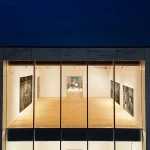
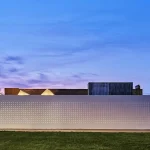
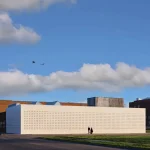
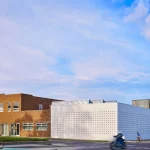
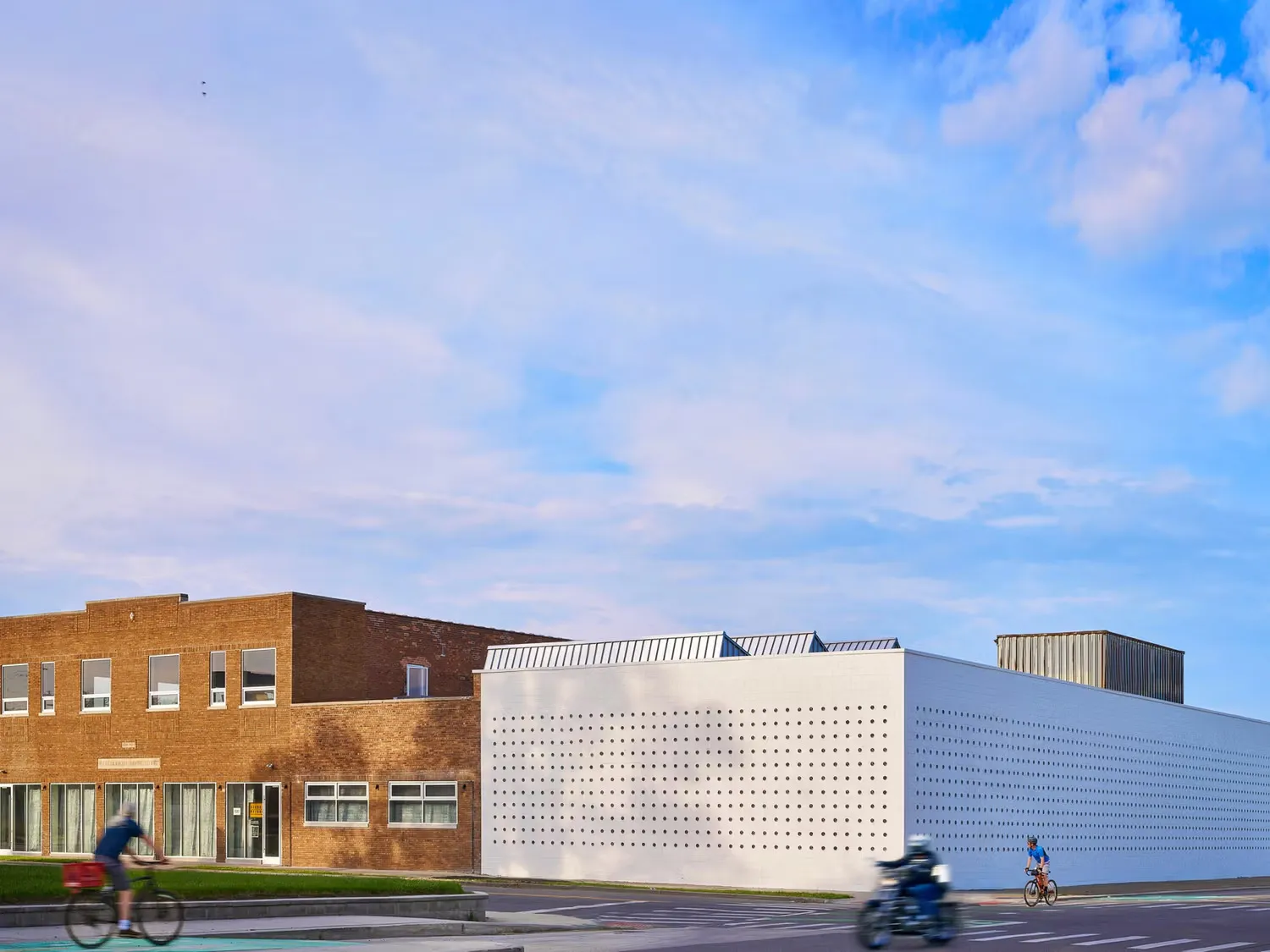
Lantern, designed by OMA, serves as a compelling example of adaptive reuse, providing a home for two local arts organizations, Signal-Return and PASC. The 22,300 m² complex is an adaptive reuse of a former commercial bakery and warehouse, creating a vibrant blend of galleries, artist studios, meeting spaces, and community retail. Lantern, which includes approximately 5,300 square meters of artist studios, a gallery, and 3,700 square meters of creative retail space, gathers all these units around a 2,000-square-meter open courtyard that serves as an accessible community space.
Taking advantage of the building’s existing state of disrepair, OMA designed a space lacking both a roof and an end wall as a courtyard at the heart of the building. The courtyard, defined as the main entrance and encompassing multiple facades, became a public passage and a hub of activity. Production spaces and artist studios engage actively with Amity Street, while the galleries frame the courtyard, reinforcing the building’s public heart. Community-oriented events on the opposite side of Kercheval Street gather the most publicly accessible amenities.
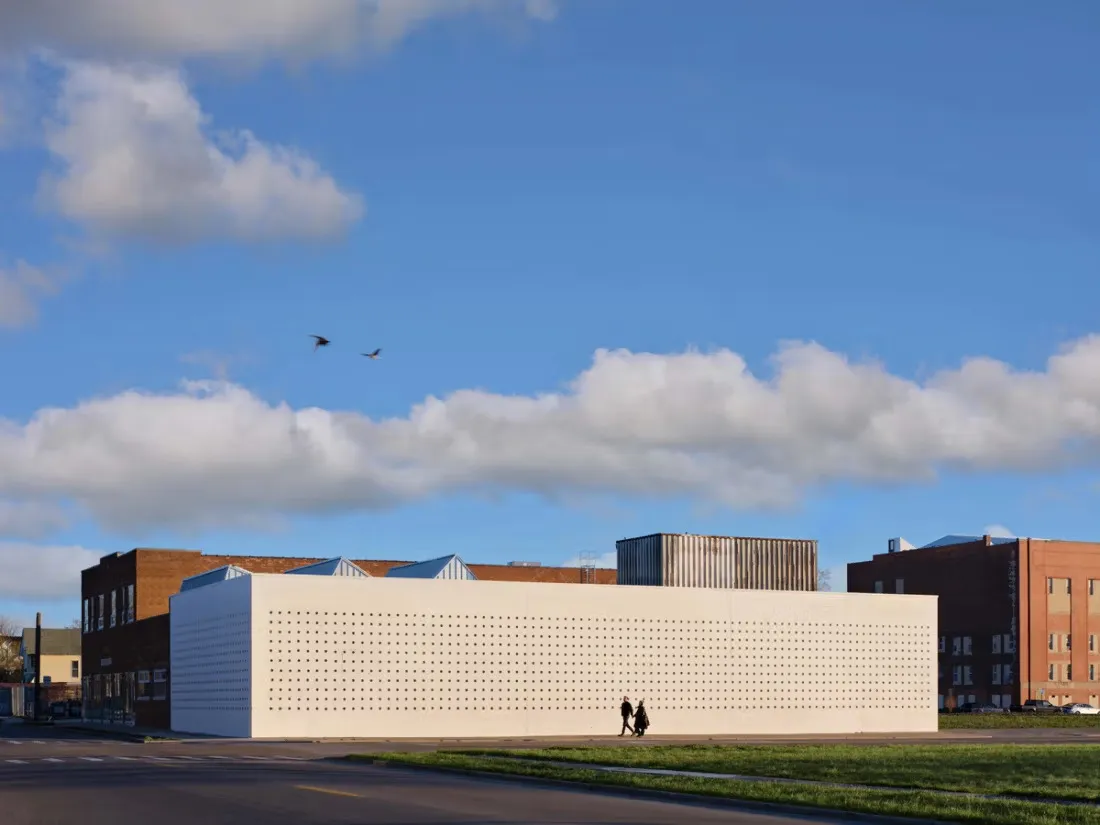
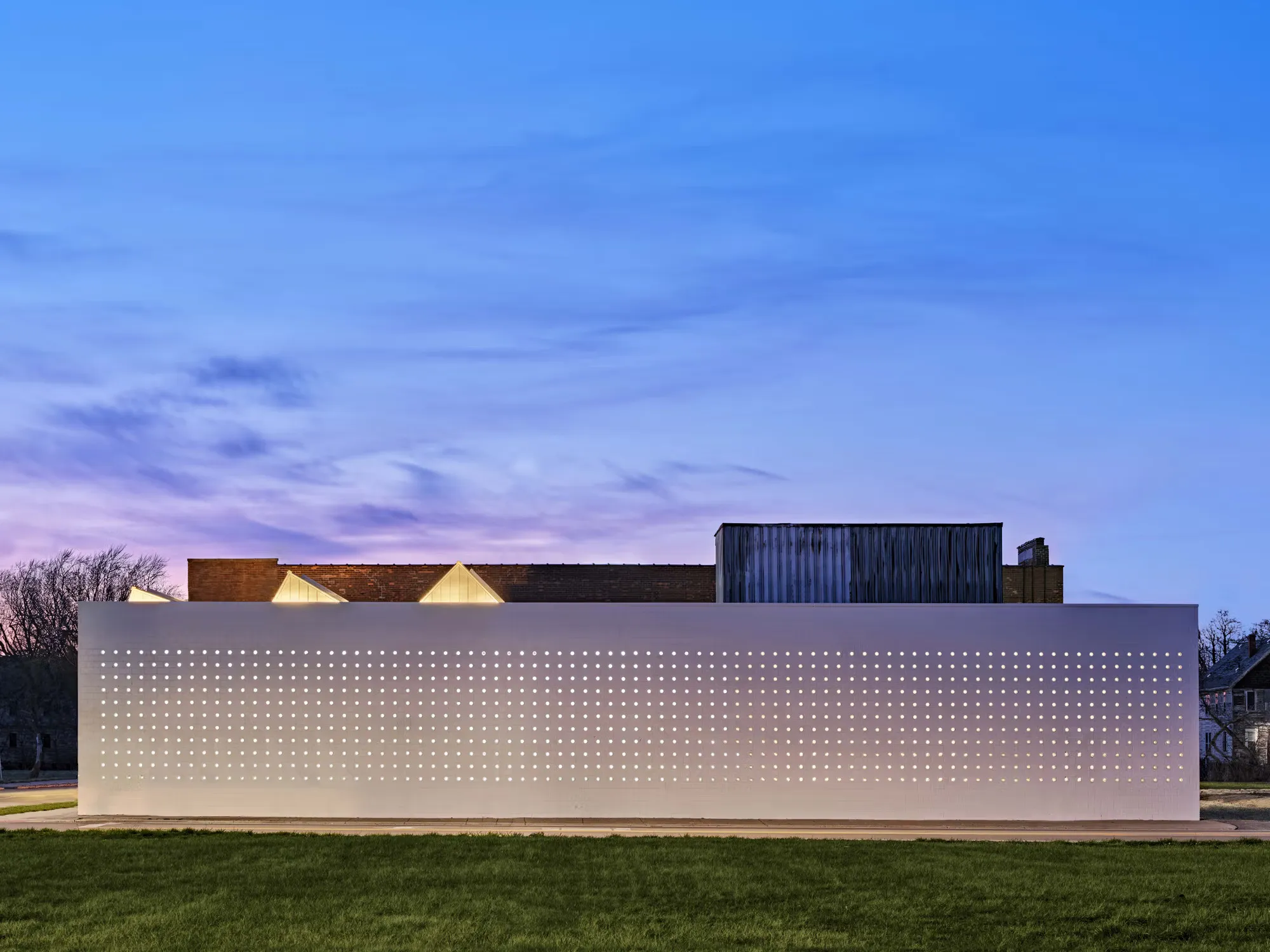
In the South Building, made of robust concrete masonry, OMA avoided imposing a new window composition on the blank walls. Instead, 1,353 holes were punctured into the façades and filled with cylindrical glass blocks. These uniform, small openings subtly reveal light and movement inside while transforming the building into a glowing lantern at night.
5. AIR – Circular Campus and Cooking Club
Location: Singapore
Year: 2024
Type: restaurant/bar
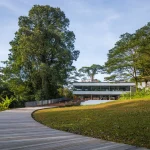
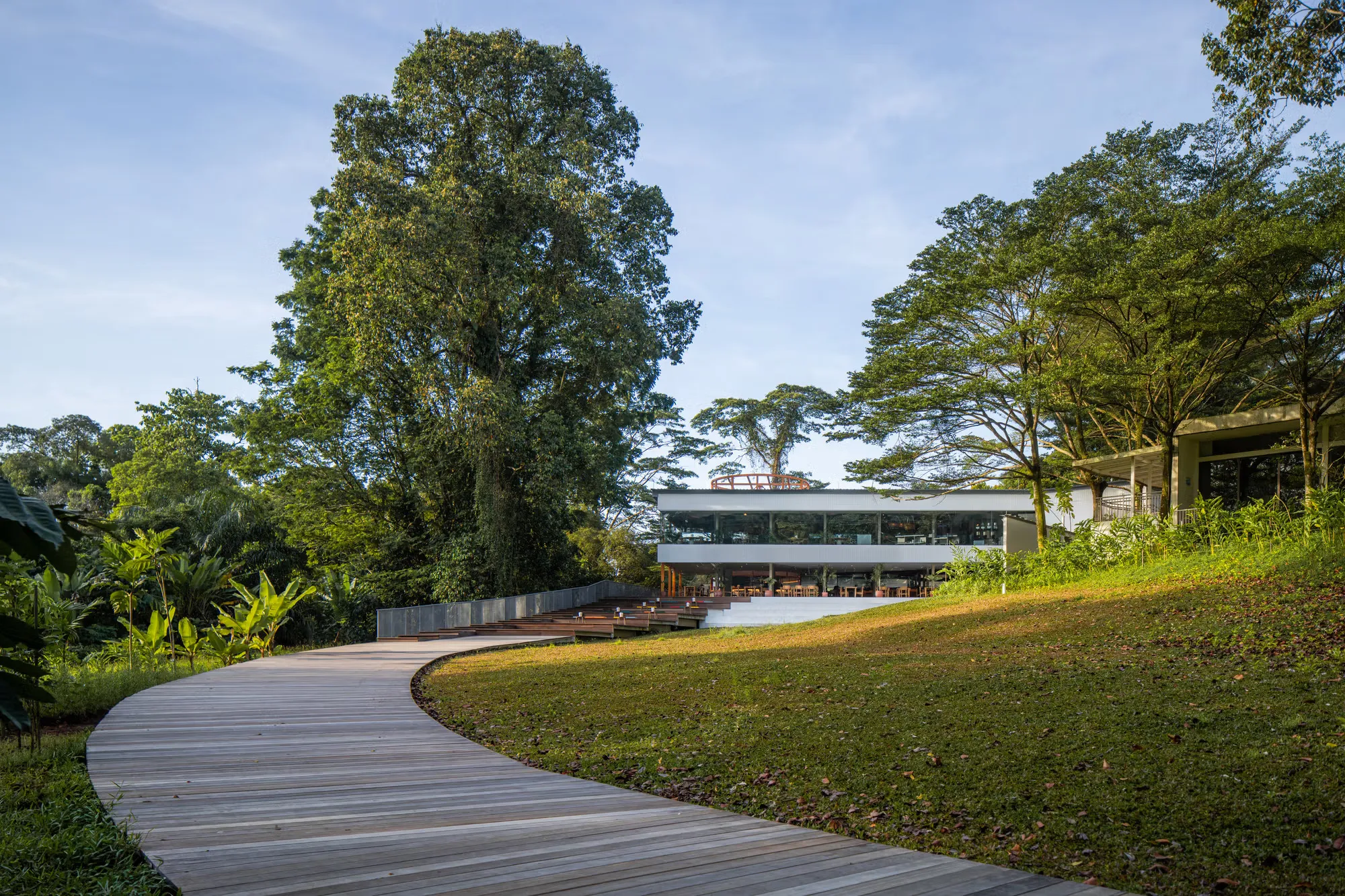
AIR, a renovation project designed by OMA in collaboration with Zarch Collaboratives, transcends the traditional restaurant concept and serves as a hub for community engagement through a culinary academy program open to anyone interested in trying new recipes and exploring new culinary adventures. Originally constructed as a coconut plateau and later converted into a military barracks, the site is distinguished by two key features: a green space and a small building. Green space covers over 90% of the site, and every tree taller than 1 meter is meticulously preserved.
The 1970s-era recreational venue, with its white color, clean geometry, strip windows, and borrowed design features, possesses no historical significance. OMA designed AIR to articulate the existing condition while integrating traditionally dispersed programs into a cohesive whole. A 100-meter-long, gently winding path, located at the center of a large green space, not only connects the parking lot to the building but also serves as a signal for the beginning of the journey for guests.
Along this urban oasis, visitors encounter lush vegetation, a new farm growing fresh produce, a broad lawn for picnics, and stepped stairs leading to the building. Upon reaching the first floor, the path extends continuously into the building’s interior, preserving its original form and materials while emphasizing its origins in the outdoors.
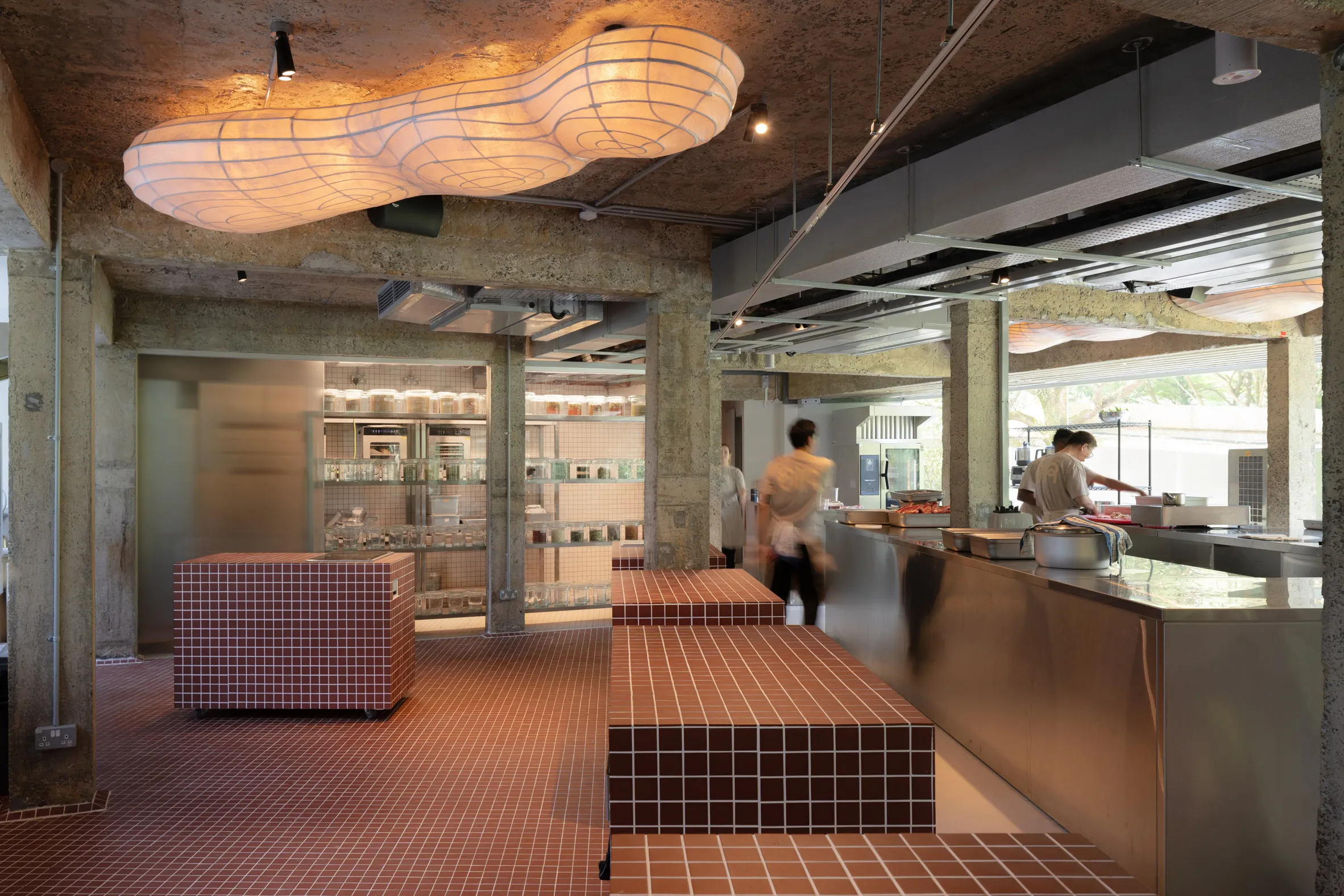
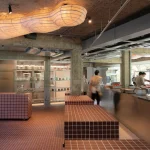
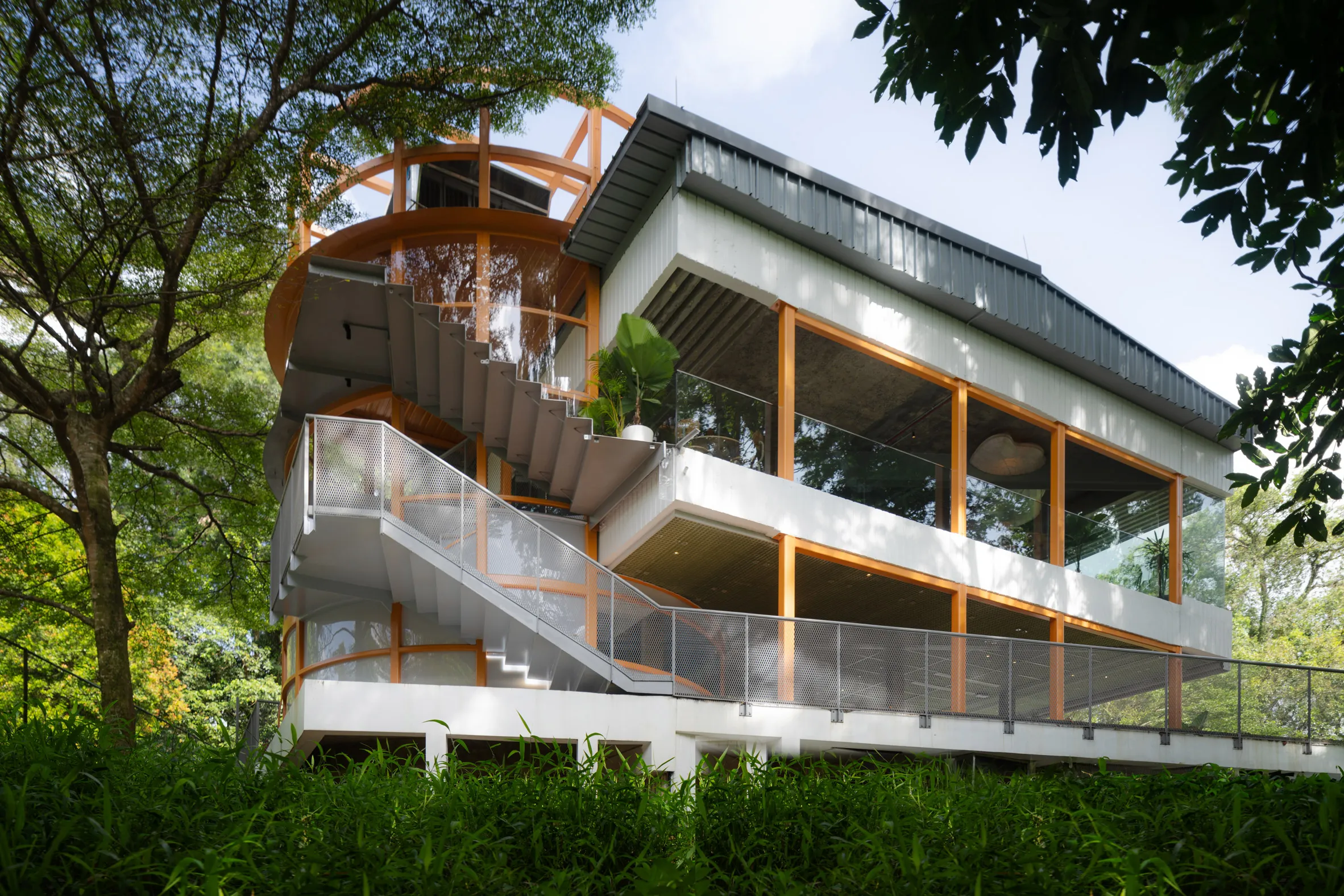
Another notable intervention is the cylindrical volume on the upper floor. Housing stairs, a bar, a prep kitchen, and machinery, the cylinder is deliberately positioned at the back, asserting itself as a foreign object and representing another layer of the project, suggesting the potential coexistence with the building’s original form. The second floor, overlooking the front garden, provides a high sense of privacy, while large, organically shaped lamps positioned above the open ceilings enhance the feeling of warmth.
6. Aviva Studios – Factory International
Location: Manchester, United Kingdom
Year: 2023
Type: Theatre
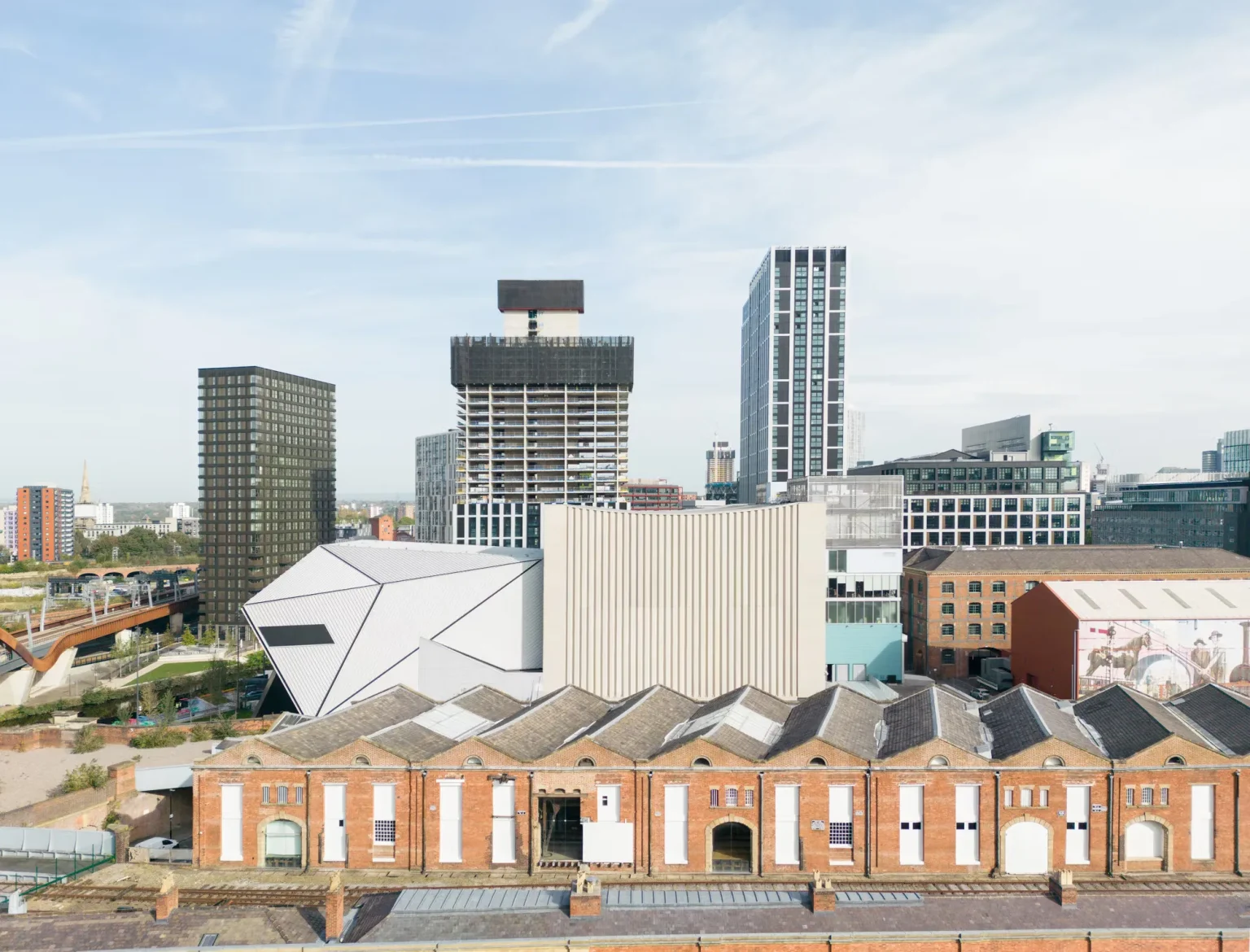
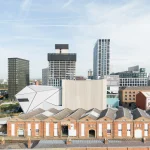
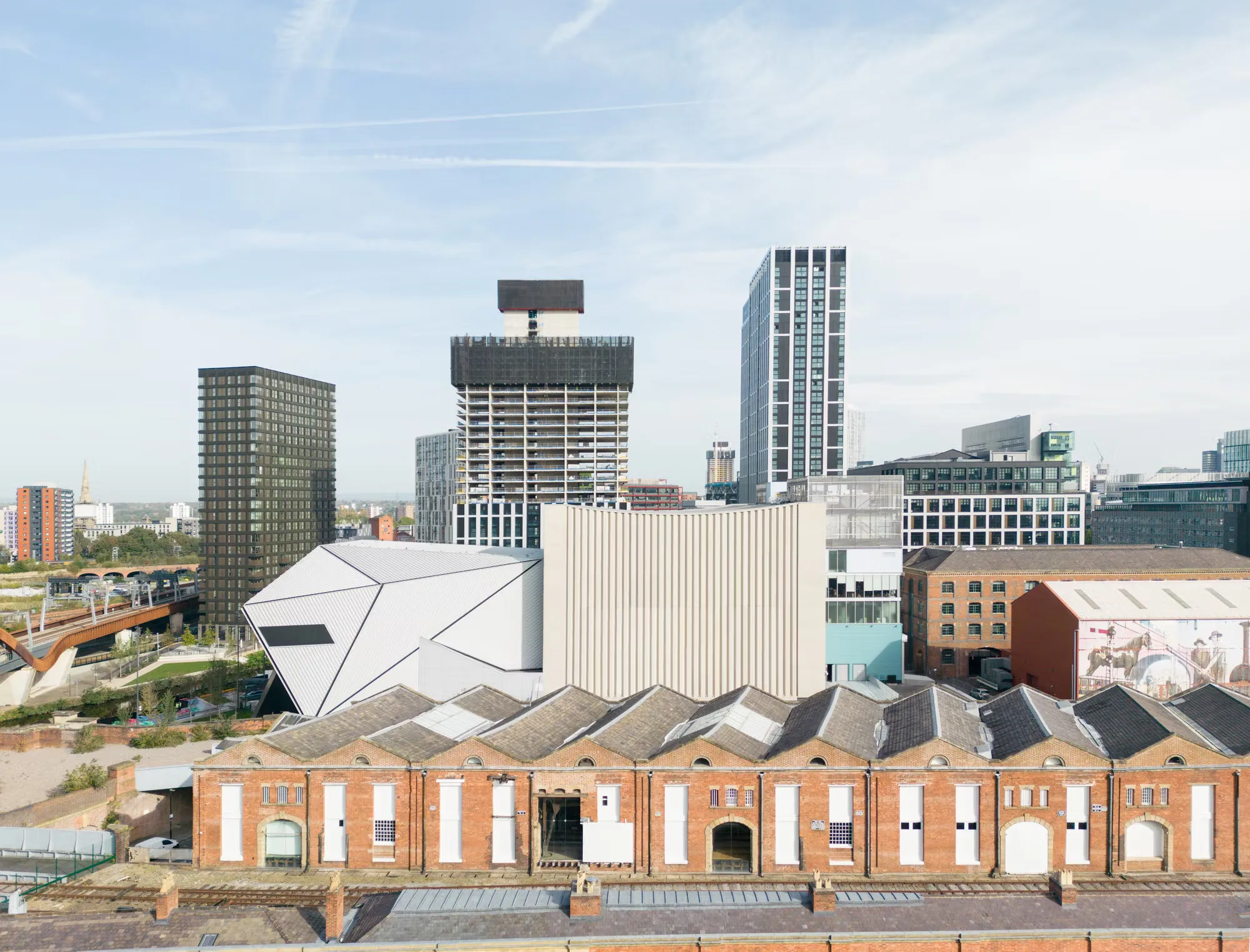
OMA, winner of the Manchester International Festival (MIT) architectural competition for a new art venue to host art performances and exhibitions, either separately or simultaneously, embraces Manchester’s industrial and creative past in its new building. Rising above Water Street and the arches of the 19th-century Pineapple railway line, now part of its foyer, the building opens up a public space overlooking the River Irwell.
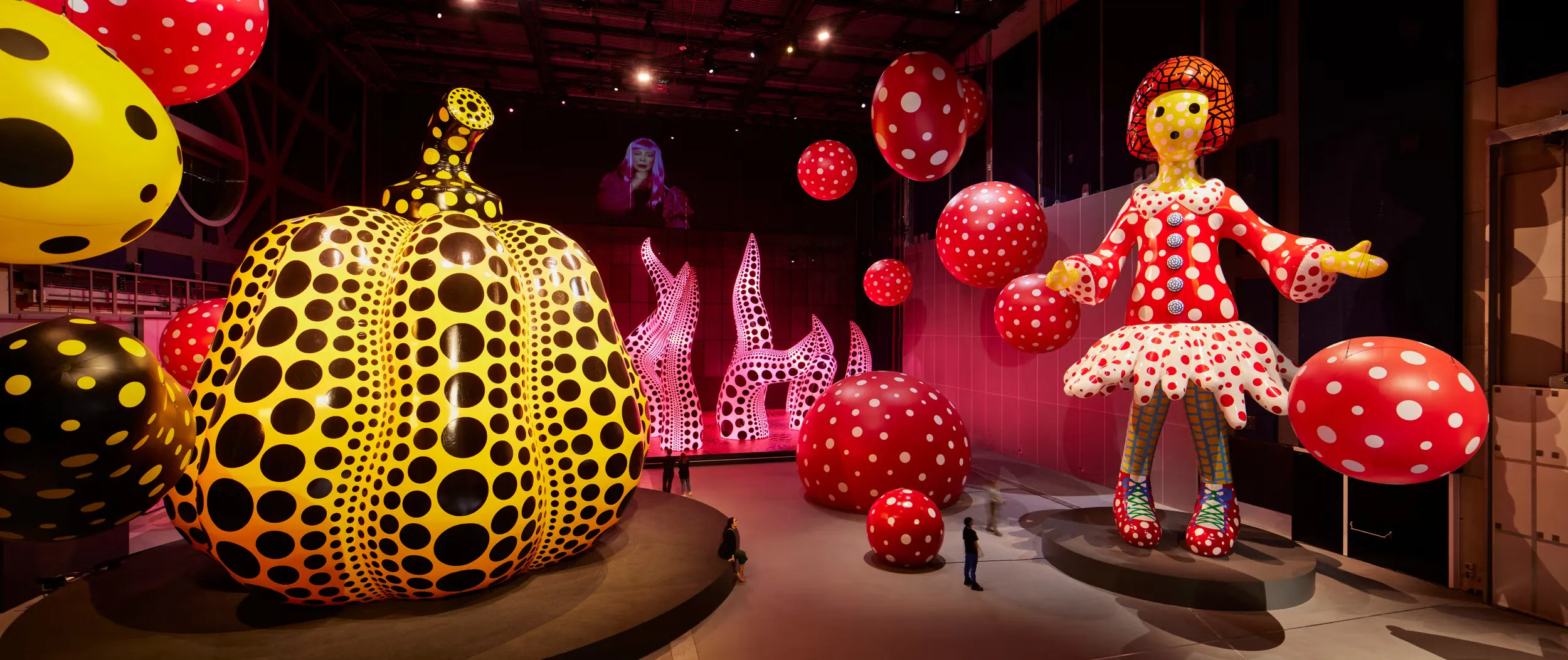
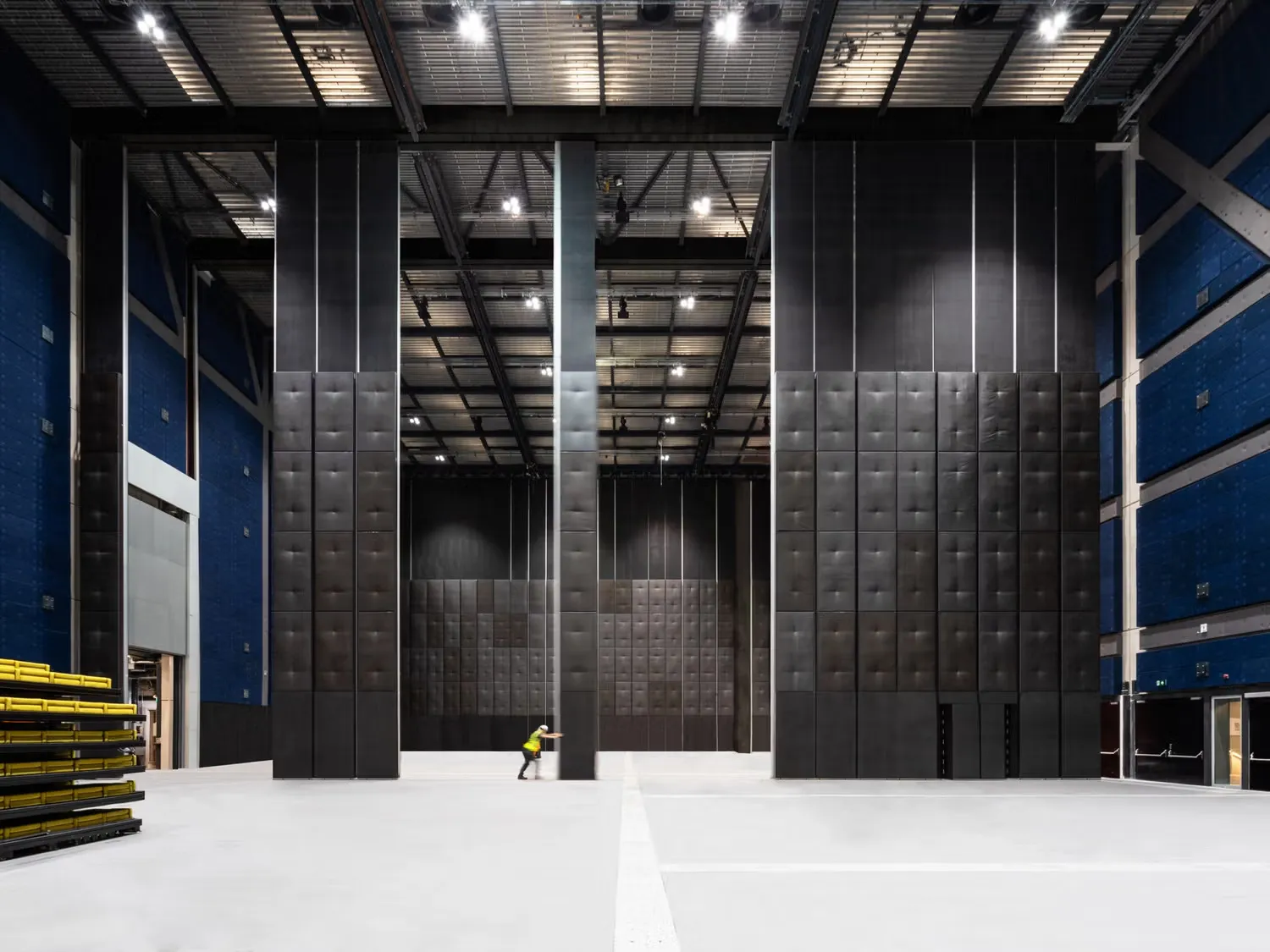
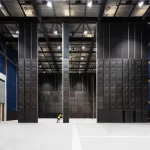
The former factory consists of two main buildings. The primary event space, the 21-meter-high “Warehouse”, is a large and flexible container left intentionally open for users to adapt as needed. While usable as a single space, the Warehouse can be divided into two by full-height, movable partitions that provide acoustic insulation, allowing for productions of varying scales, from intimate performances to concerts with up to 5,000 people. The ceiling serves as a technical grid equipped with lighting, rigging, and other infrastructure to support both concerts and exhibitions.
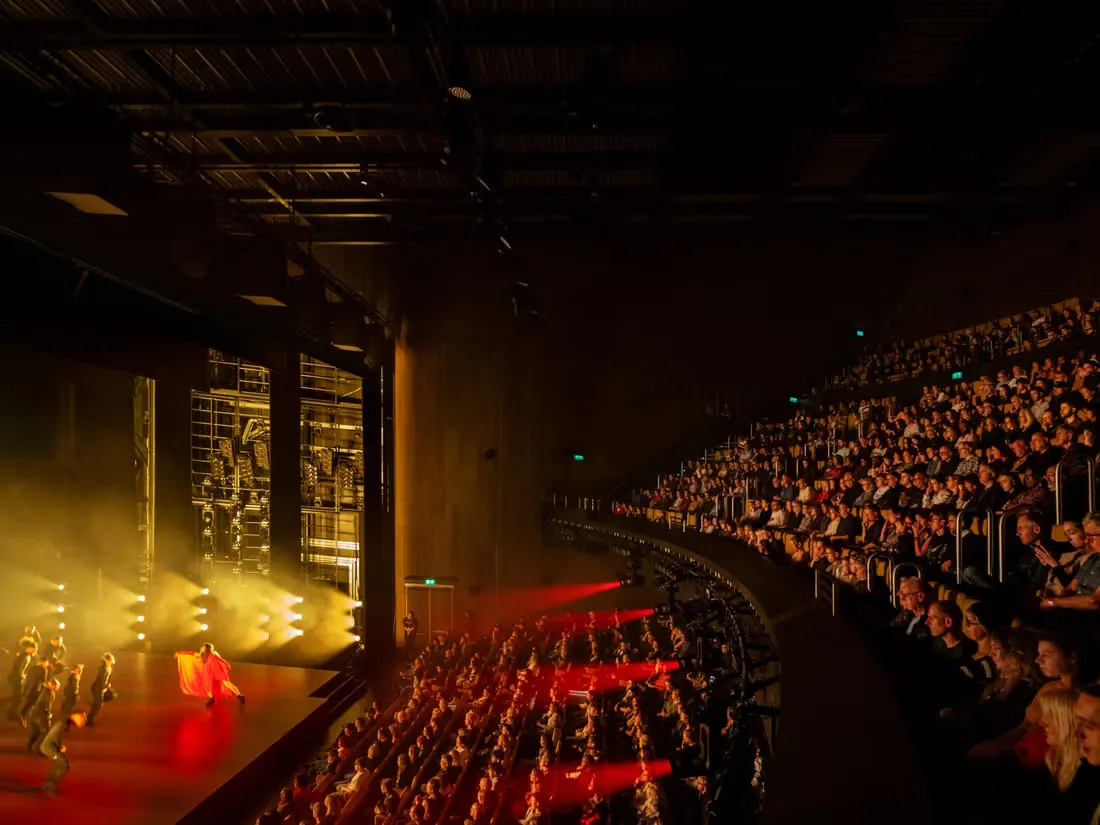
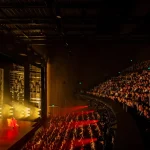
The factory’s other event space, the “Hall,” a 1,603-seat auditorium, hosts opera, ballet, theater, music, and inter-arts performances. The Warehouse and Hall can work in tandem, allowing the stage to extend to a depth of 45 meters.
7. Apollolaan 171
Location: Amsterdam, The Netherlands
Year: 2023
Type: Office
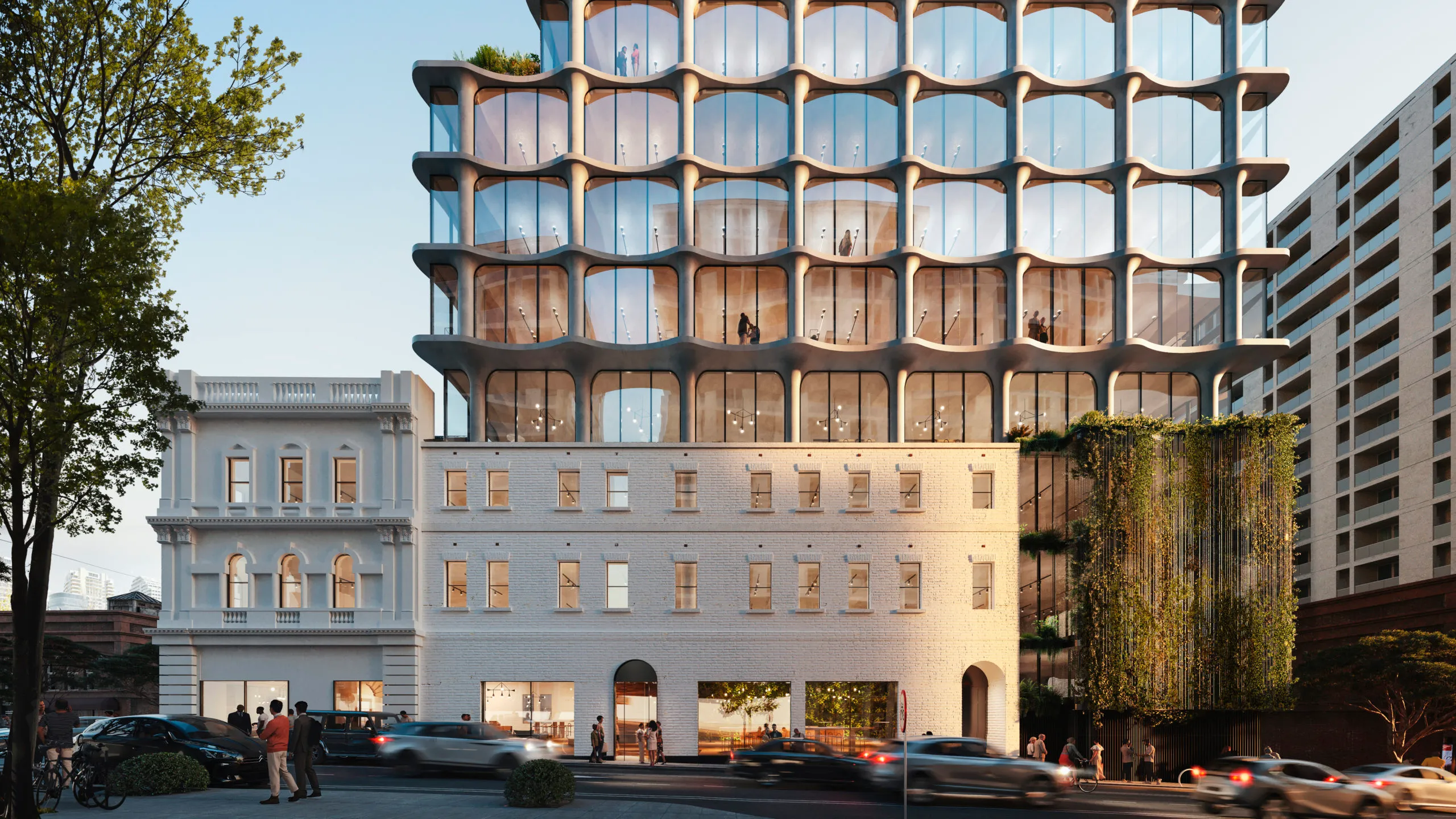
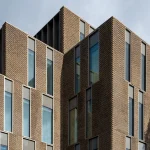
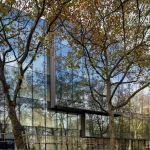
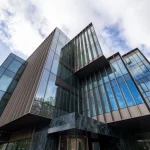
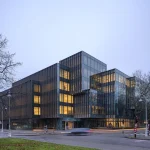
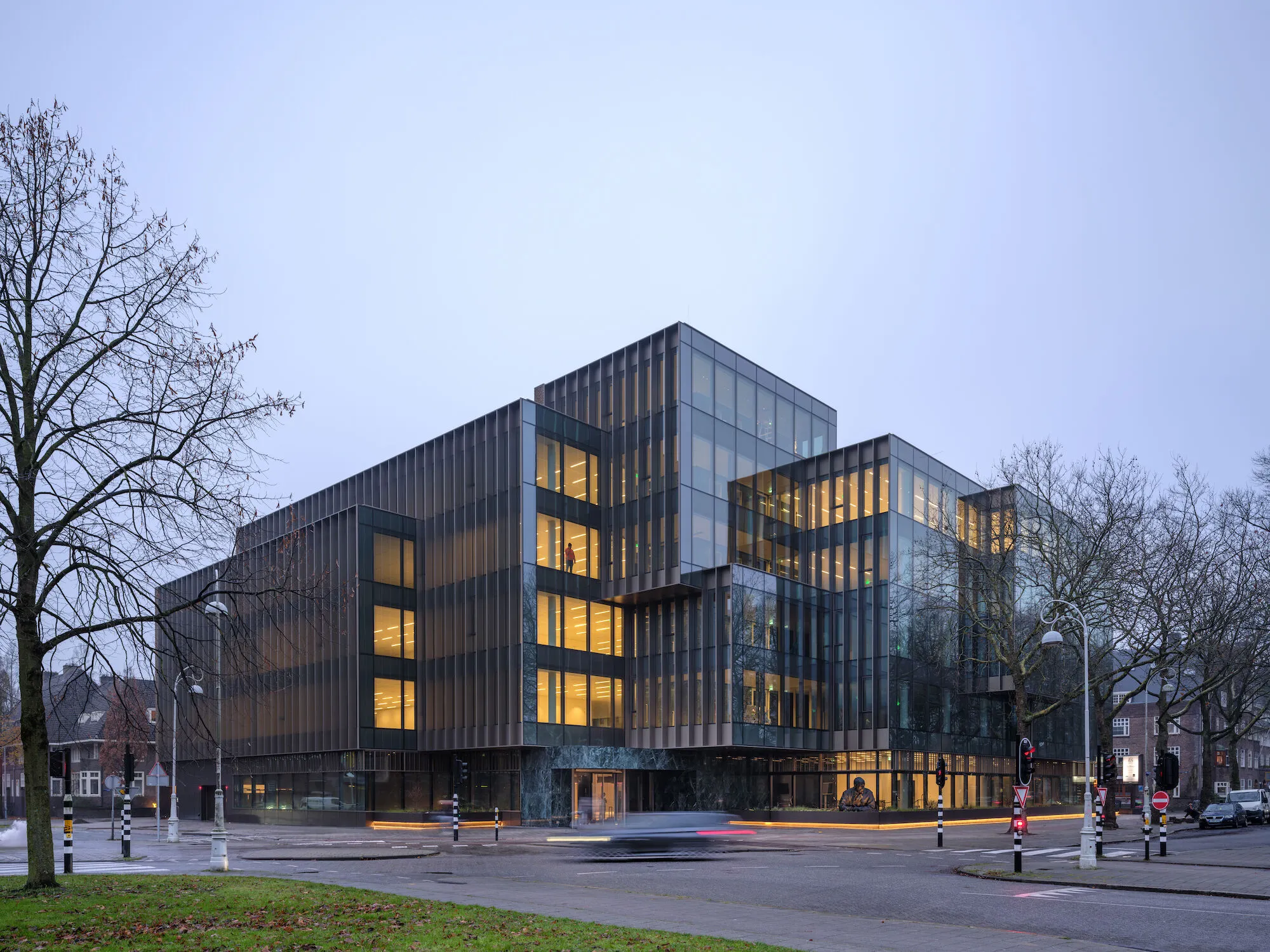
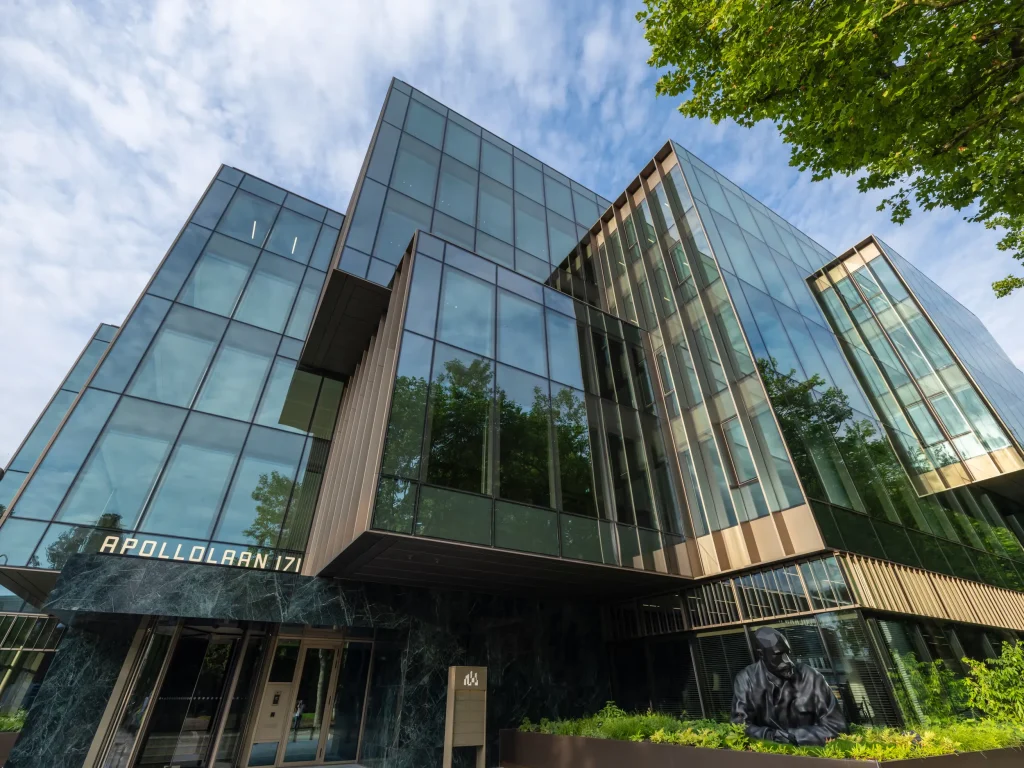
Apollolaan 171, an impressive design by OMA, was conceived after Wim Quist’s design for the JP Morgan bank failed to meet expectations over the years. The new building, commissioned by Kroonberg Groep, replaces the original bank building with an open and tactile design: the transparent glass façade extending along Apollolaan emphasizes the inviting character of the contemporary office, while the brick façade facing Titiannstraat integrates the building with the neighborhood’s historic architecture.

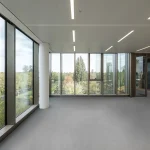
The five-story Apollolaan 171 mirrors the envelope of the original JP Morgan bank. Interlocking glass volumes, reminiscent of a three-dimensional Japanese puzzle, form one face of the building. The glass, which provides abundant light, extends the building’s greenery into the office interior. At the corner, volumes taper while the ground floor is recessed to create a welcoming entrance. The other façade facing Titianstraat, clad in custom-designed brick, is arranged in a stepped composition.
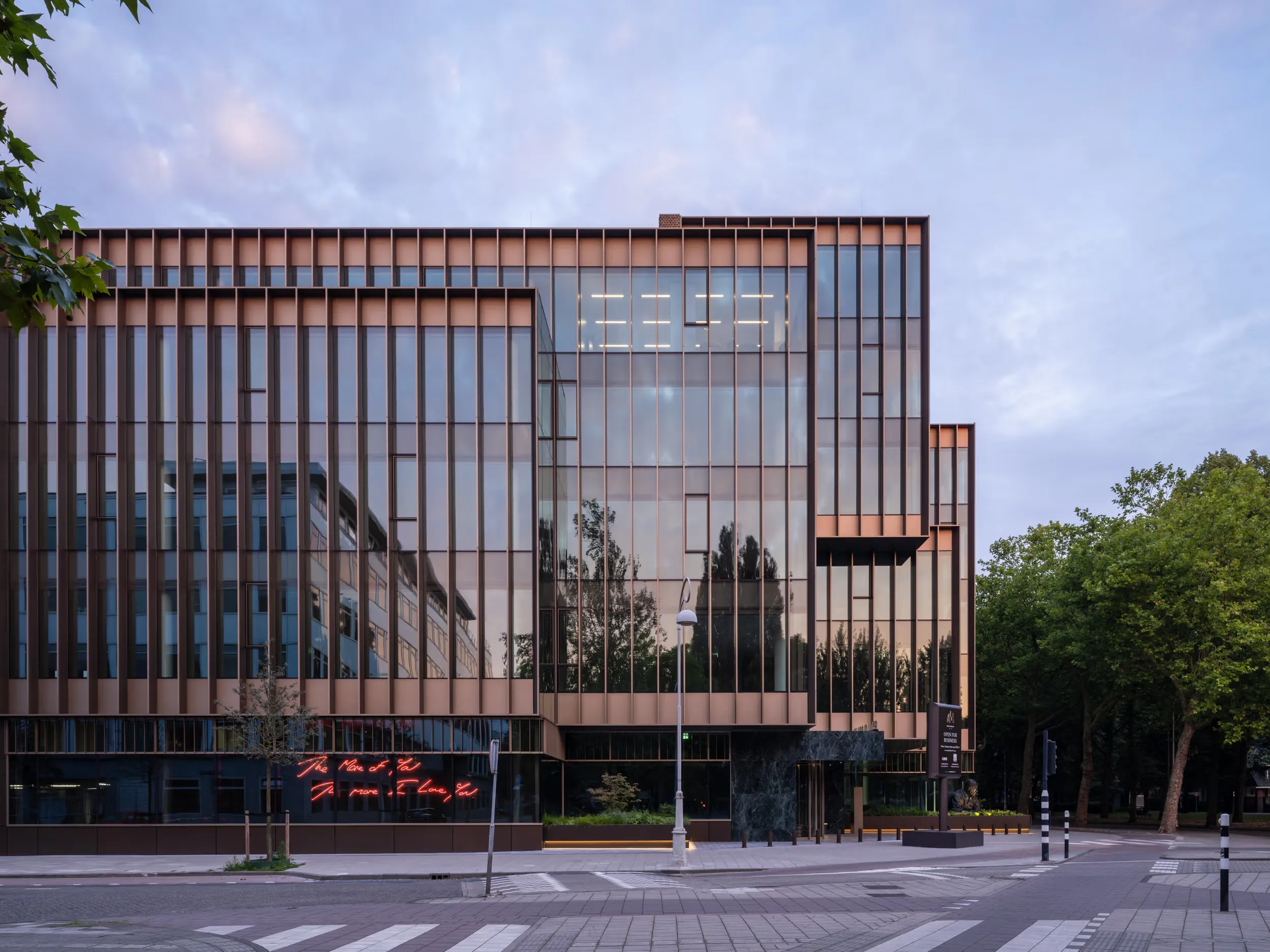
Apollolaan 171’s numerous terraces include a roof garden, which serves as a recreational area for office users, solar panels, and rainwater harvesting platforms. The green marble cladding of the lobby and main circulation core harmonizes with the lush vegetation that stretches throughout Apollolaan.
Constructed above the preserved basement parking of the original JP Morgan bank, Apollolaan 171 reuses the original foundations. Tracey Emin’s “The more of you the more I love you” – the flamingo pink neon sign once installed on JP Morgan bank’s opaque exterior wall – is prominently displayed along the car park driveway, remaining visible to passers-by through Apollolaan’s new glass façade.
8. Audrey Irmas Pavilion
Location: Los Angeles, USA
Year: 2022
Type: Theatre
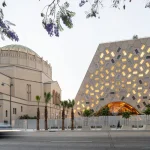
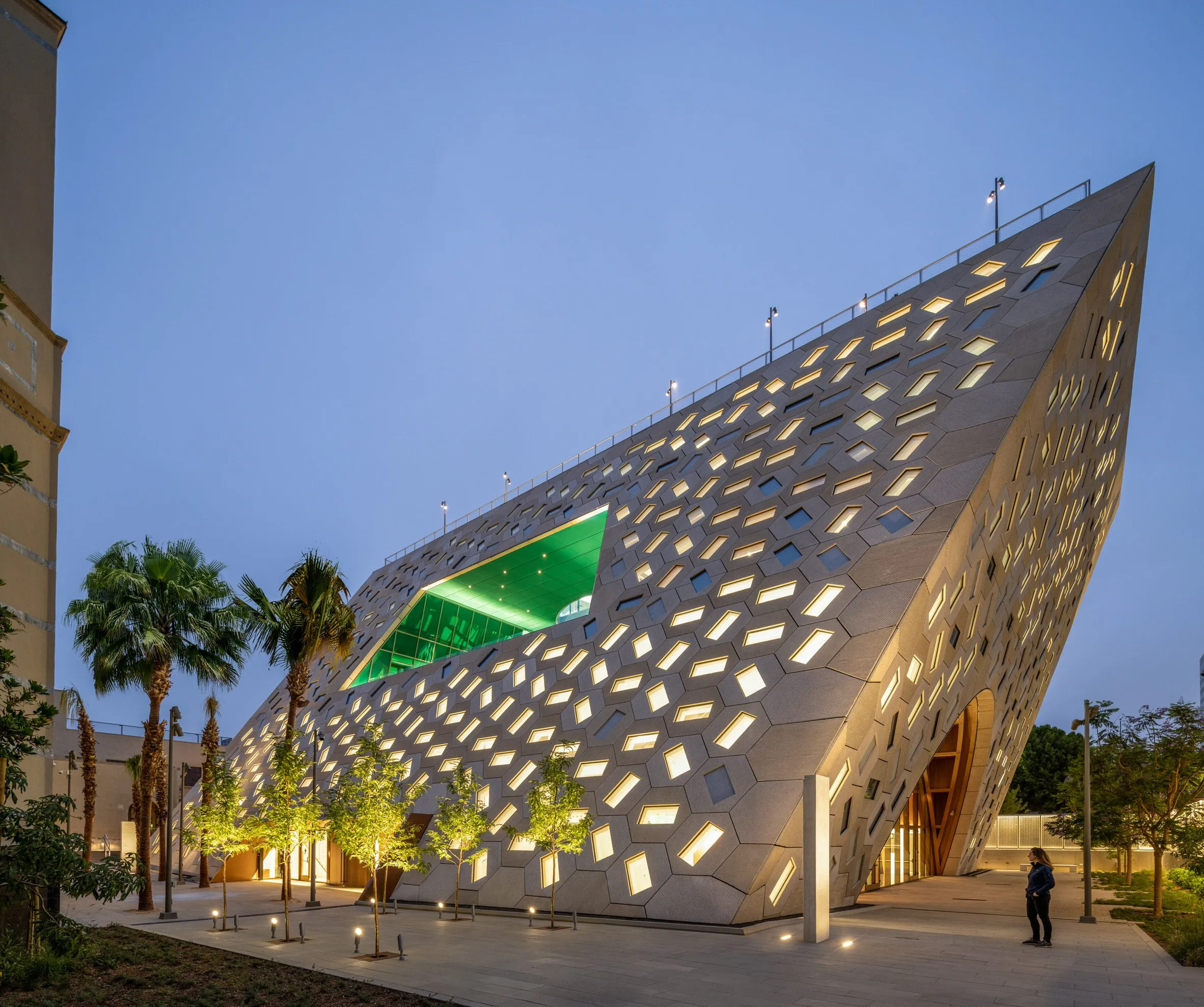
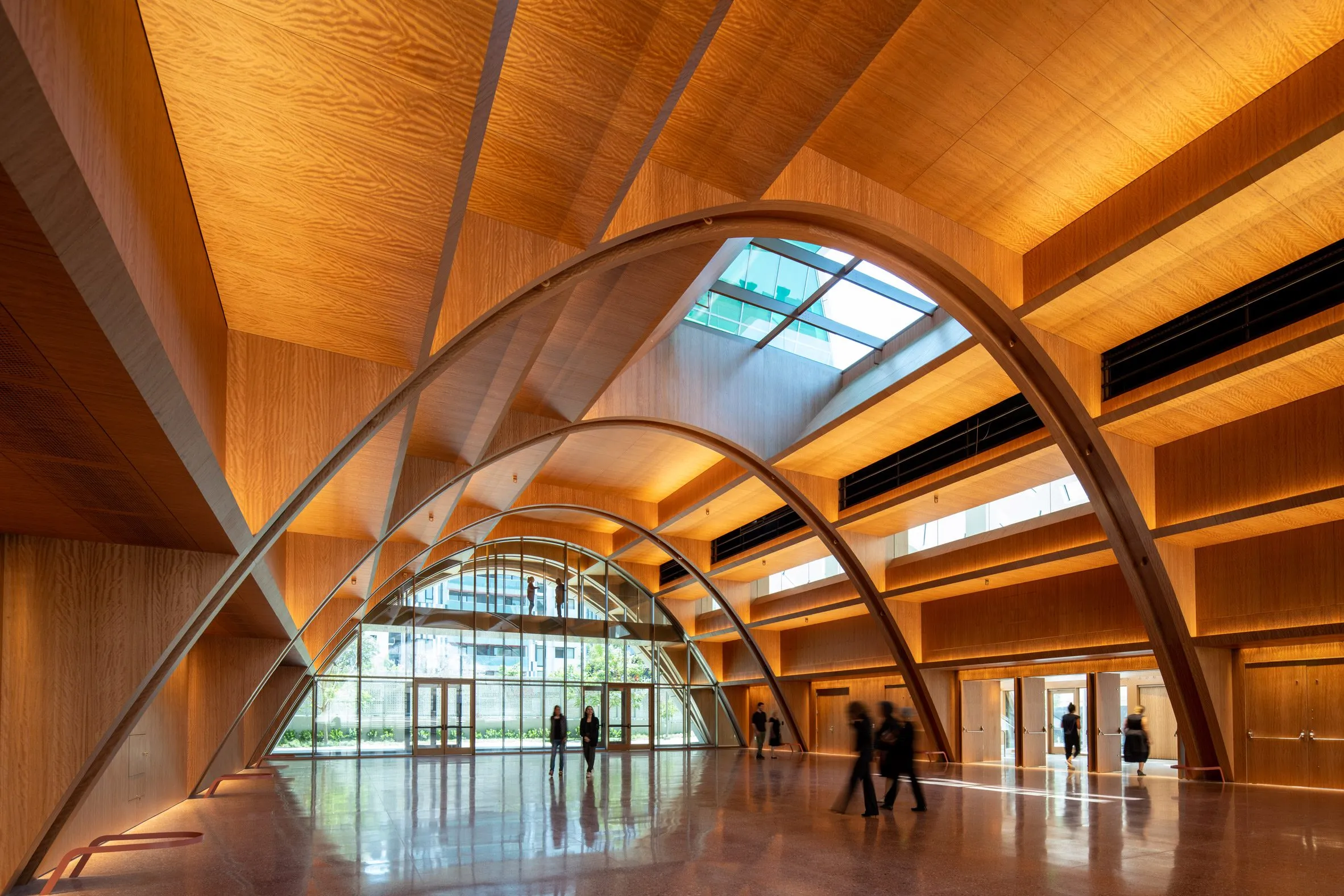
The Audrey Irmas Pavilion, a new addition to the Glazer Family Campus of Wilshire Boulevard Temple, is a multipurpose event space for both the congregation and the surrounding city. As OMA’s first cultural building in Los Angeles, the pavilion was designed as a “gathering machine” that establishes new connections with the existing campus activities while engaging the urban fabric and creating a new urban anchor point. Elegant enough to complement the iconic character of the existing temple, the pavilion boasts a bold design that can be considered a new urban presence.
Taking a simple yet contextual approach, OMA designed the Audrey Irmas Pavilion as a fundamental box. This box was shaped around a theme of respect for the adjacent historic buildings on campus. By tilting southward away from the historic school, the pavilion opens the existing courtyard to the sky, allowing natural light to illuminate the interior. The resulting form, both mysterious and familiar, creates a forward-looking contrast as it respectfully approaches the temple.
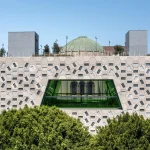
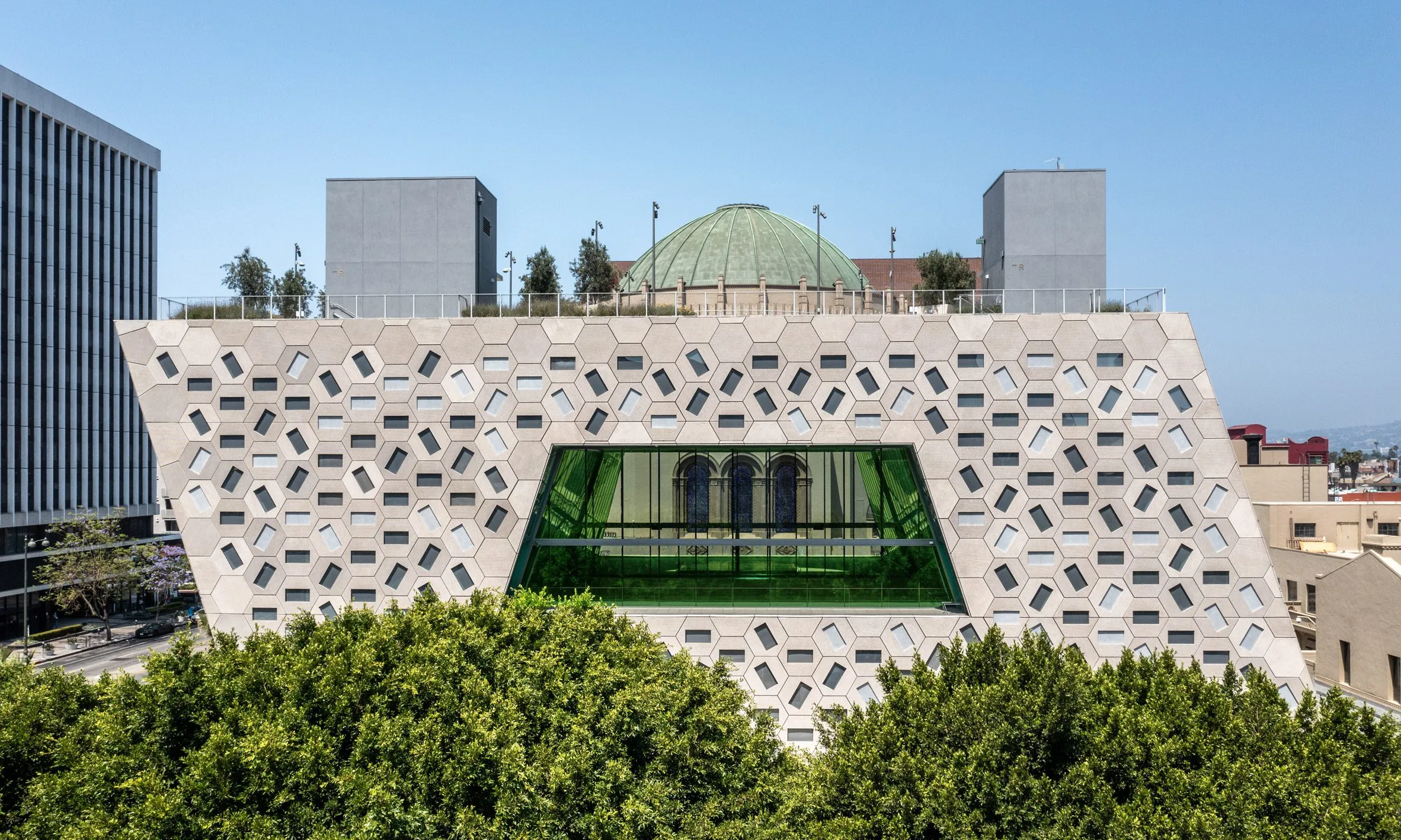
The façade, inspired by the geometries of the temple’s dome interior, is composed of rectangular-windowed hexagonal modules that are rotated to reflect the internal program and arranged to create a distinct pattern. The panels enhance the building’s volumetric character while adding a human-scale texture that breaks up its mass. The Audrey Irmas Pavilion is expressed through three distinct areas defined by openings: the main event space (large), the chapel and terrace (medium), and the sunken garden (small). The three spaces are intertwined and overlap to create observation points within and outside each space.
9. Buffalo AKG Art Museum
Location: Buffalo, New York, USA
Year: 2023
Type: Museum / Gallery
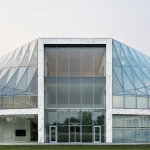
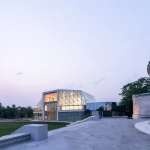
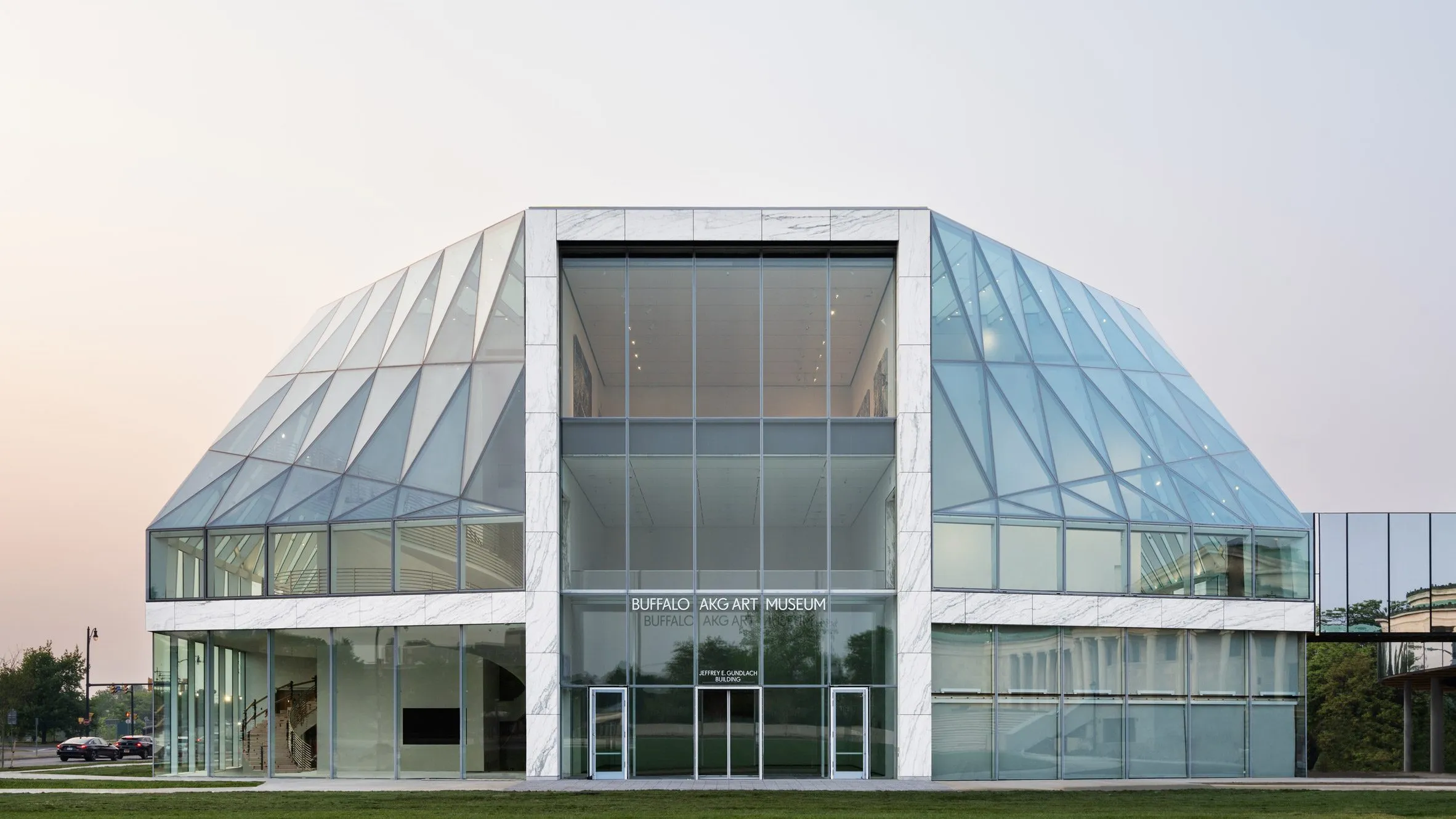
Located at the north end of historic Delaware Park, designed by Frederick Law Olmsted, the Buffalo AKG Art Museum is one of OMA’s most unique expansion projects. The museum itself comprises two interconnected historic buildings: a robust neoclassical building constructed in 1905 by Edward B. Green, originally planned for the 1901 Pan-American Exposition, and a modernist annex by Gordon Bunshaft in 1962, featuring a new auditorium and open-air courtyard. OMA’s expansion extends the complex to accommodate the museum’s growing art collection and diversified programming, while connecting the institution to the park and the city, creating new opportunities for public engagement.
While the existing buildings, dating from 1905 and 1962, stand out clearly from their surroundings, the new pavilion approach reveals the full potential of the park’s location.
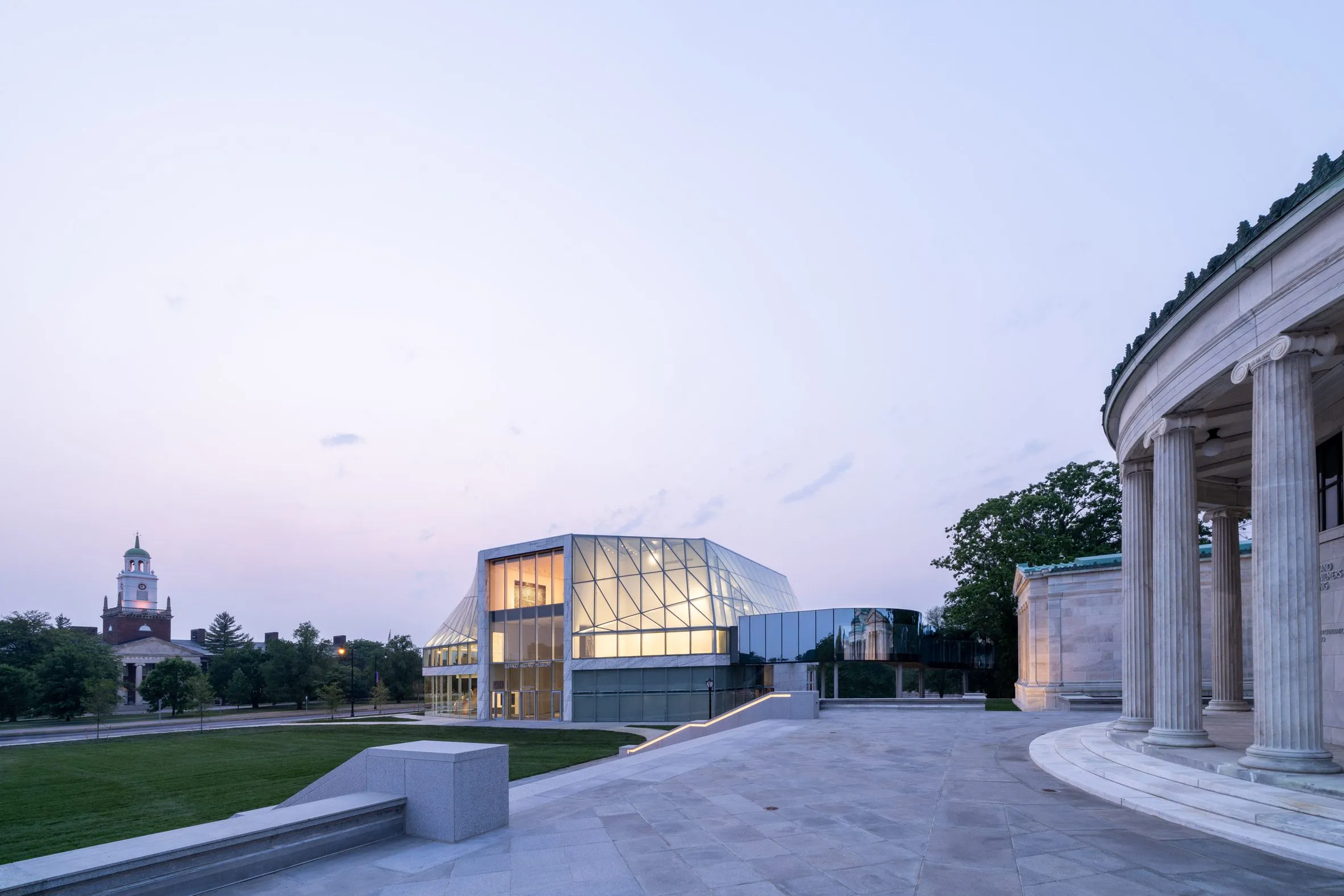
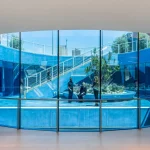
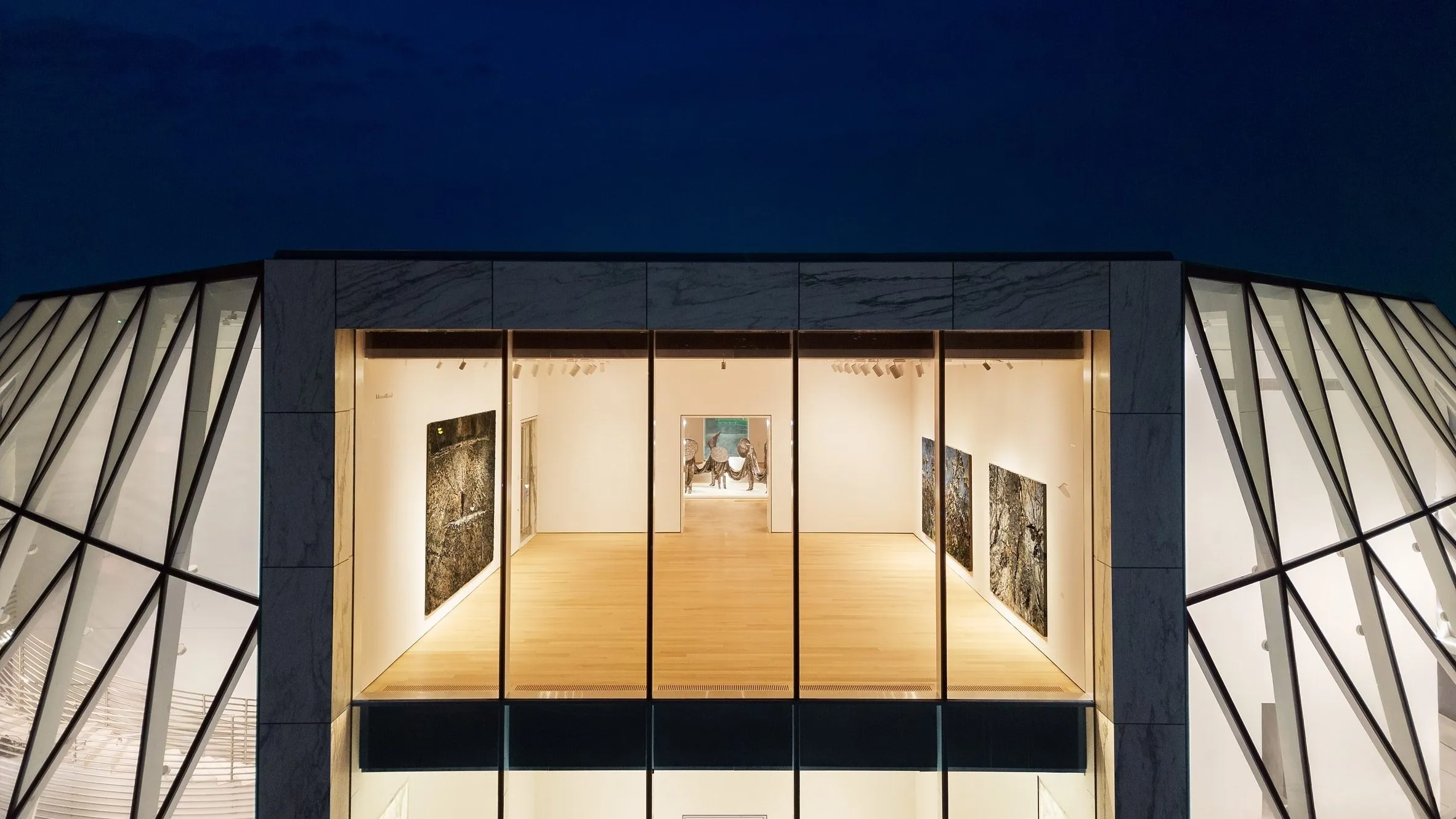
The new Jeffrey E. Building, with its cross-shaped galleries, features four transparent corners on the ground floor, including the lobby, media gallery, offices, and loading dock, bringing the park indoors and surrounding the museum with nature. The second-floor gallery is wrapped by a promenade, an unprogrammed area designed for a wide variety of activities. The promenade and stacked efficient galleries are enclosed by a transparent façade that creates a sense of openness and temporality. The resulting winter garden, in stark contrast to Bunshaft’s, places visitors within the park while exposing the museum’s activities to the campus and the city.
By situating parking underground, OMA created a large central lawn and restored the Wilmers Building’s historic steps overlooking it. The 1962 building, now known as the Seymour H. Knox Building, is being transformed into a new hub for community engagement, learning, and creativity.
10. Austrian House
Location: Zell am See, Austria
Year: 2023
Type: Residential
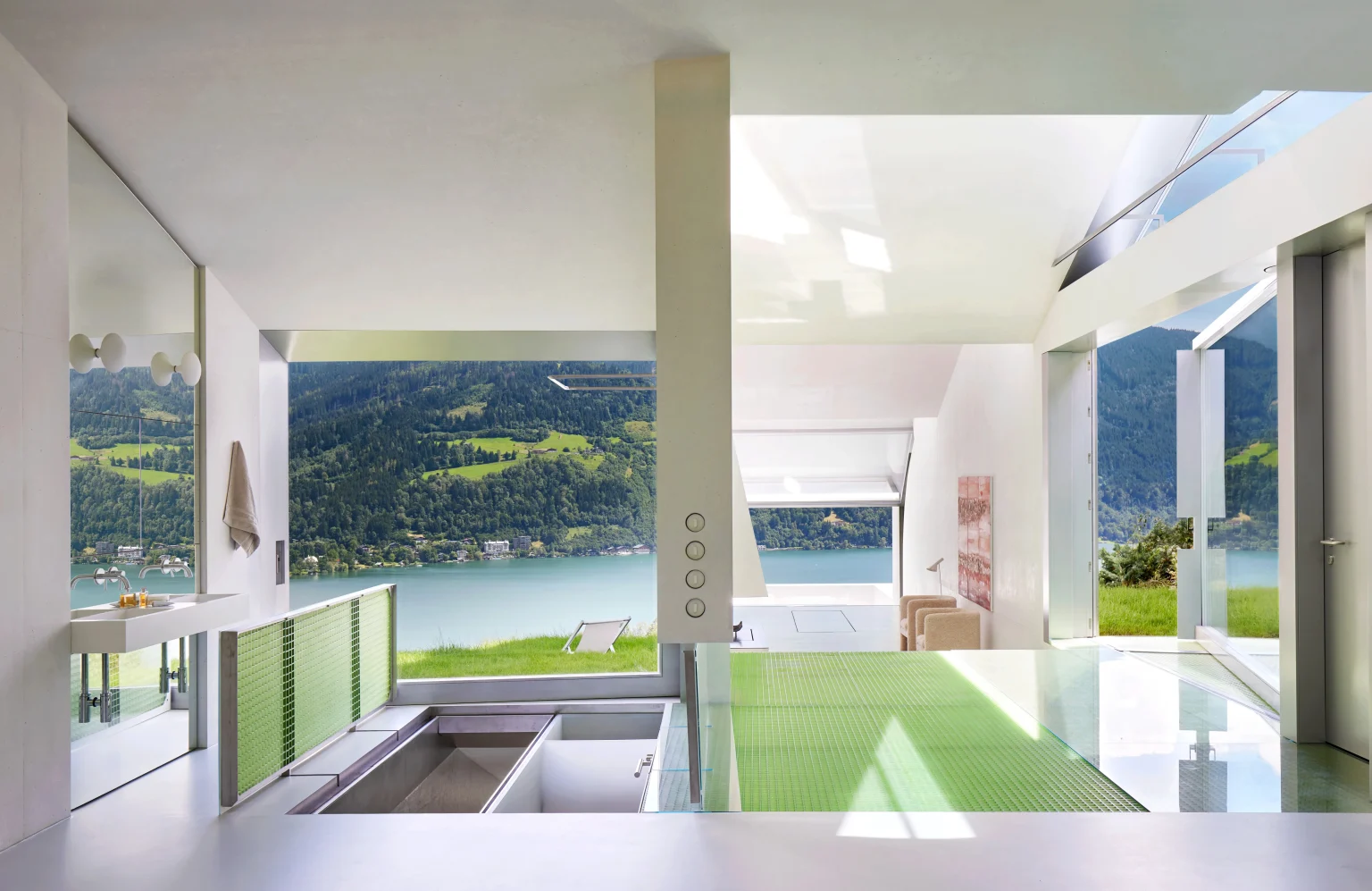
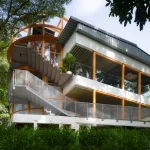
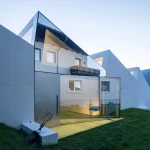
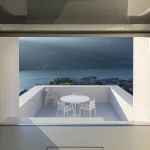
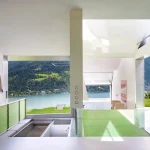
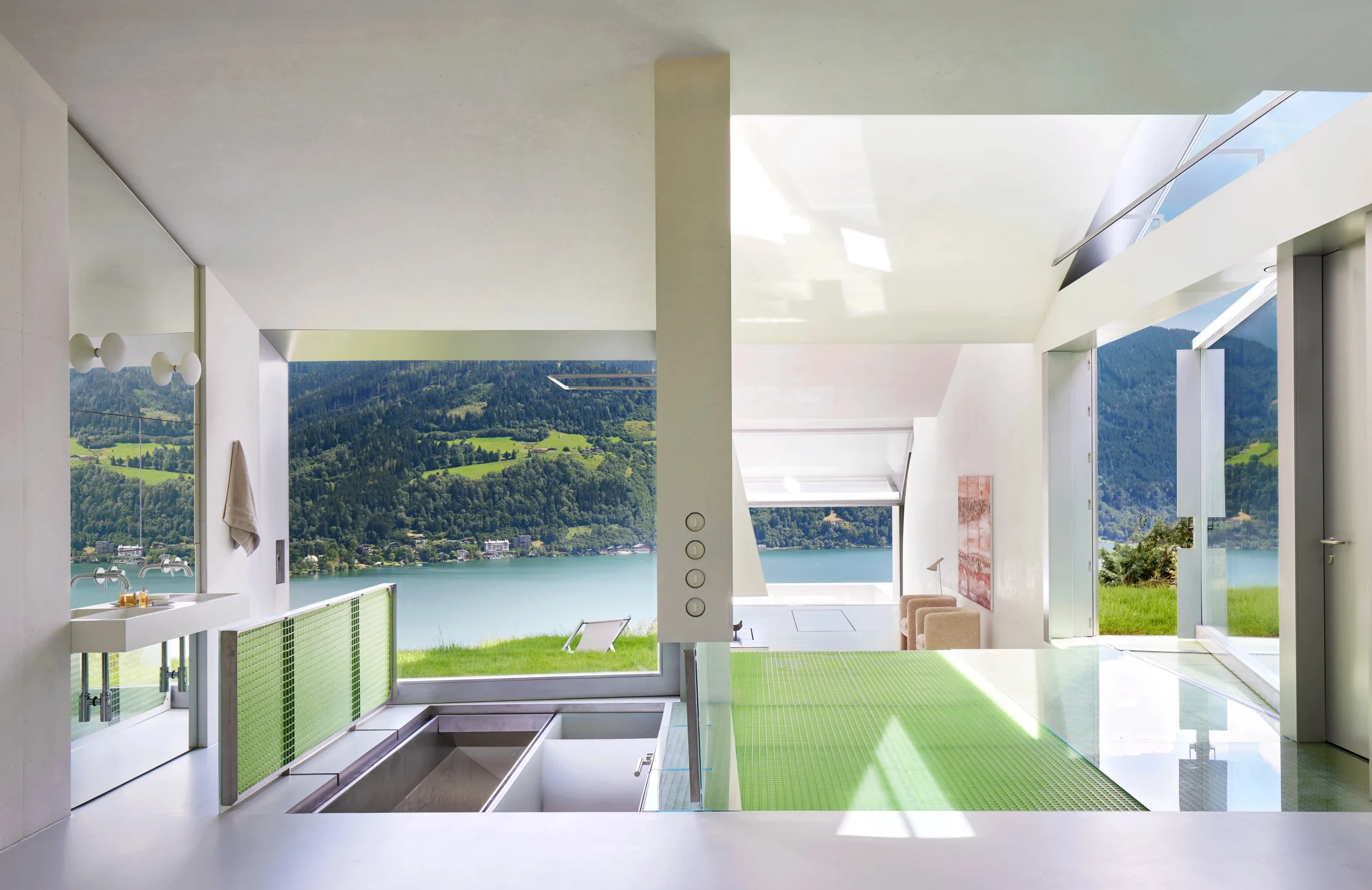
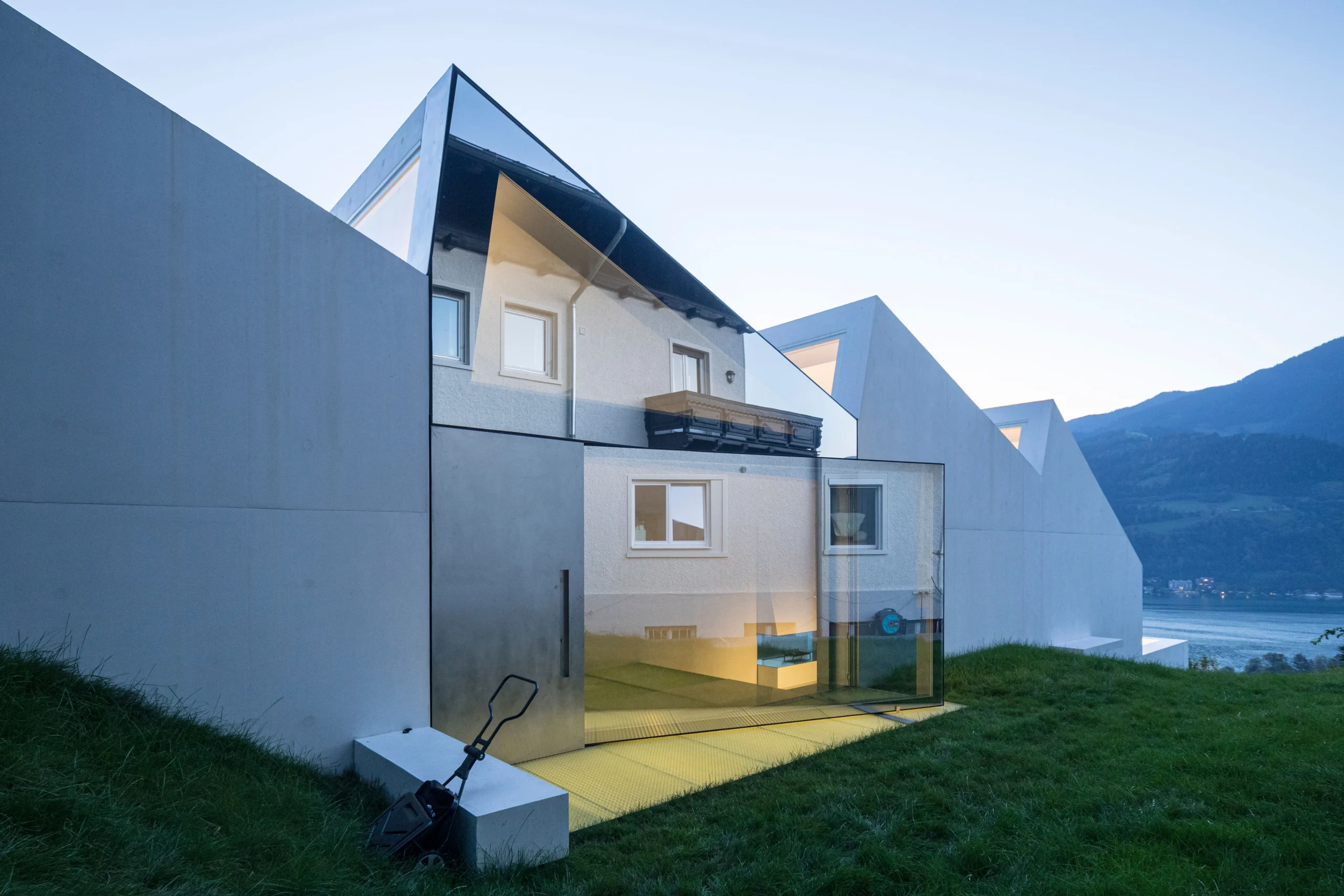
The Austrian House, a striking design by OMA, is situated on a very narrow and steep site. The four-story home features a large mirrored entrance on the top floor, providing access from above. This floor, lined with sawtooth skylights, is an open space extending to the exterior with a cantilevered terrace. A concealed partition separates a sleeping nook equipped with bathroom fixtures, hidden in the floor to avoid obstructing the views.
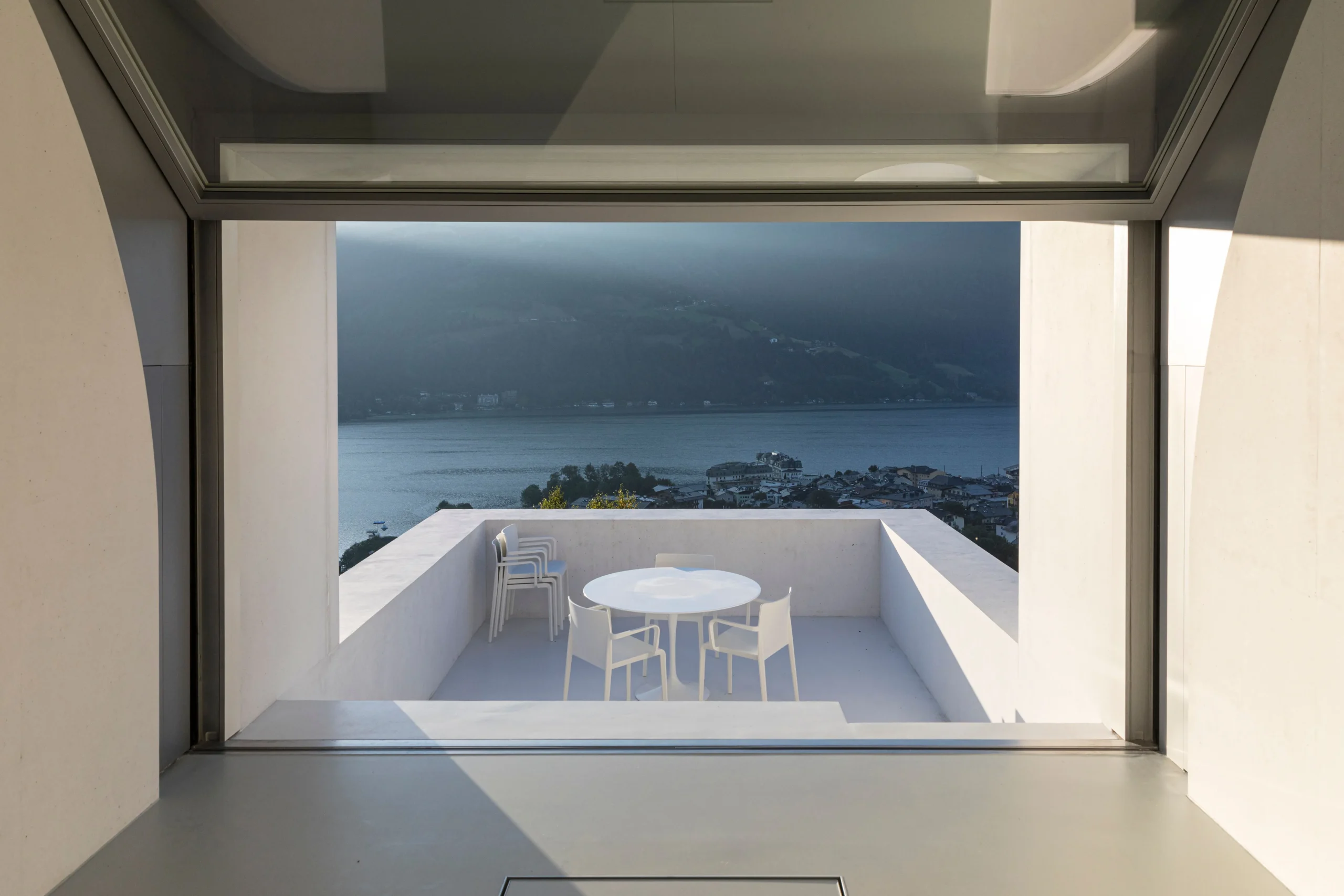
Transparent resin tiles, which allow daylight to filter down to the lower level, create a truly intimate atmosphere for the family. The sauna in the house opens onto the living and dining room, while below, a double-height living room with direct views and two adjacent single guest suites is located. The ground floor, which connects the house to the street, also houses storage for ski equipment.
All levels are linked by a continuous staircase extending down to the basement. Above ground, the house’s white concrete shell creates a sharp contrast to the green hill in summer and is completely camouflaged in winter, creating a dynamic relationship with the surroundings.