










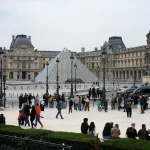
In a brazen daylight robbery on 19 October 2025, thieves broke into the Louvre Museum’s Galerie d’Apollon in Paris and escaped with eight historic French crown-jewelry items, triggering an urgent investigation into museum security and heritage protection
How the Louvre Museum Heist Happened
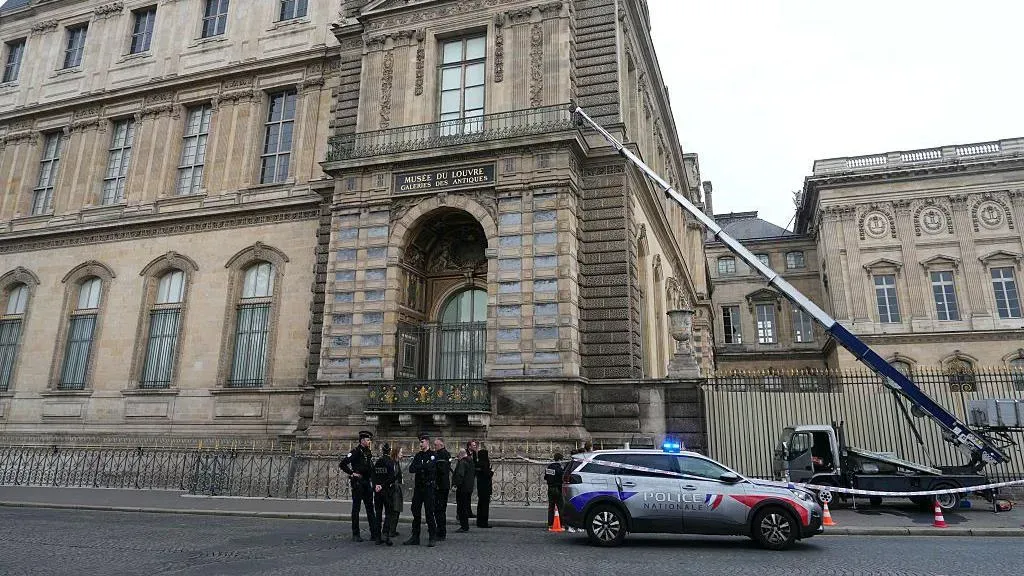
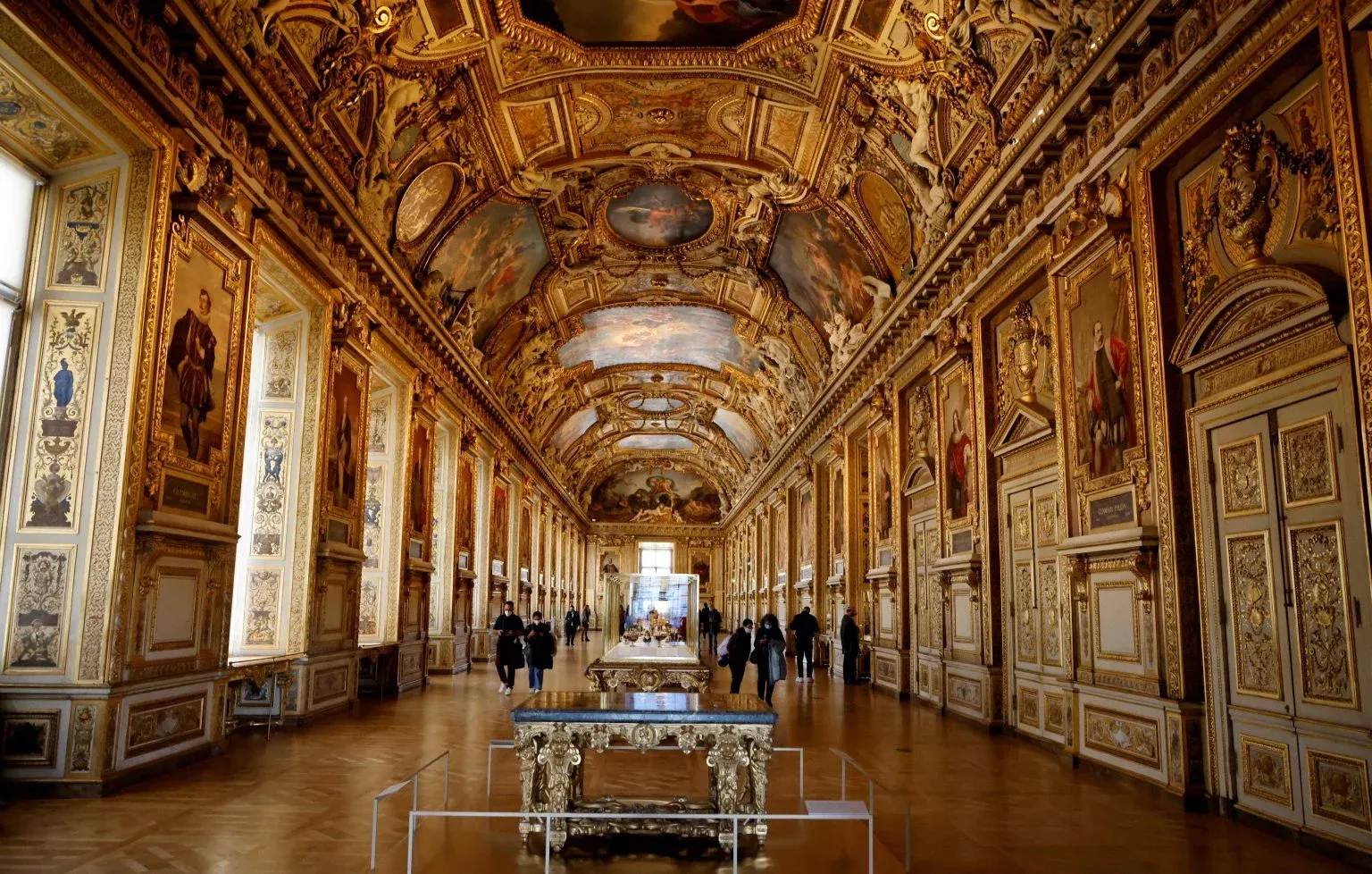
At approximately 09:30 a.m., shortly after the museum opened to visitors, a group of four masked intruders executed the operation at the museum’s Galerie d’Apollon, which houses part of the French Crown Jewels.
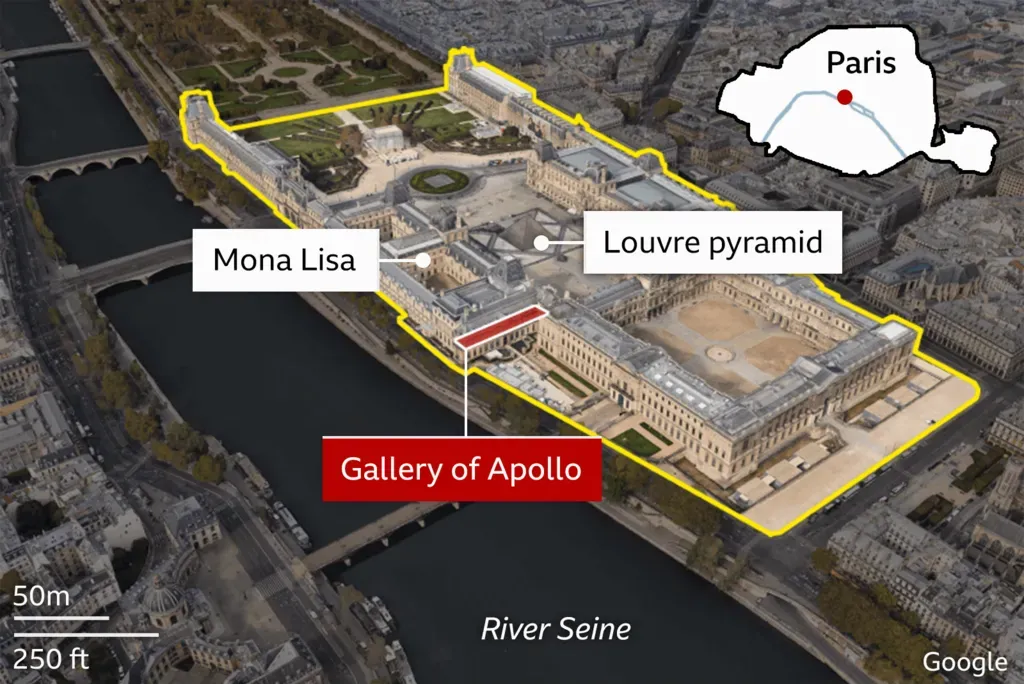
The thieves used a truck fitted with a basket or lift apparatus to access a second-floor window from the Seine-facing façade. They cut through the window using an angle grinder/disc cutter and quickly smashed display cases containing the jewelry.

Wearing construction-style high-visibility vests, they bypassed initial security measures and fled using motor scooters. The entire incident lasted between six and seven minutes.
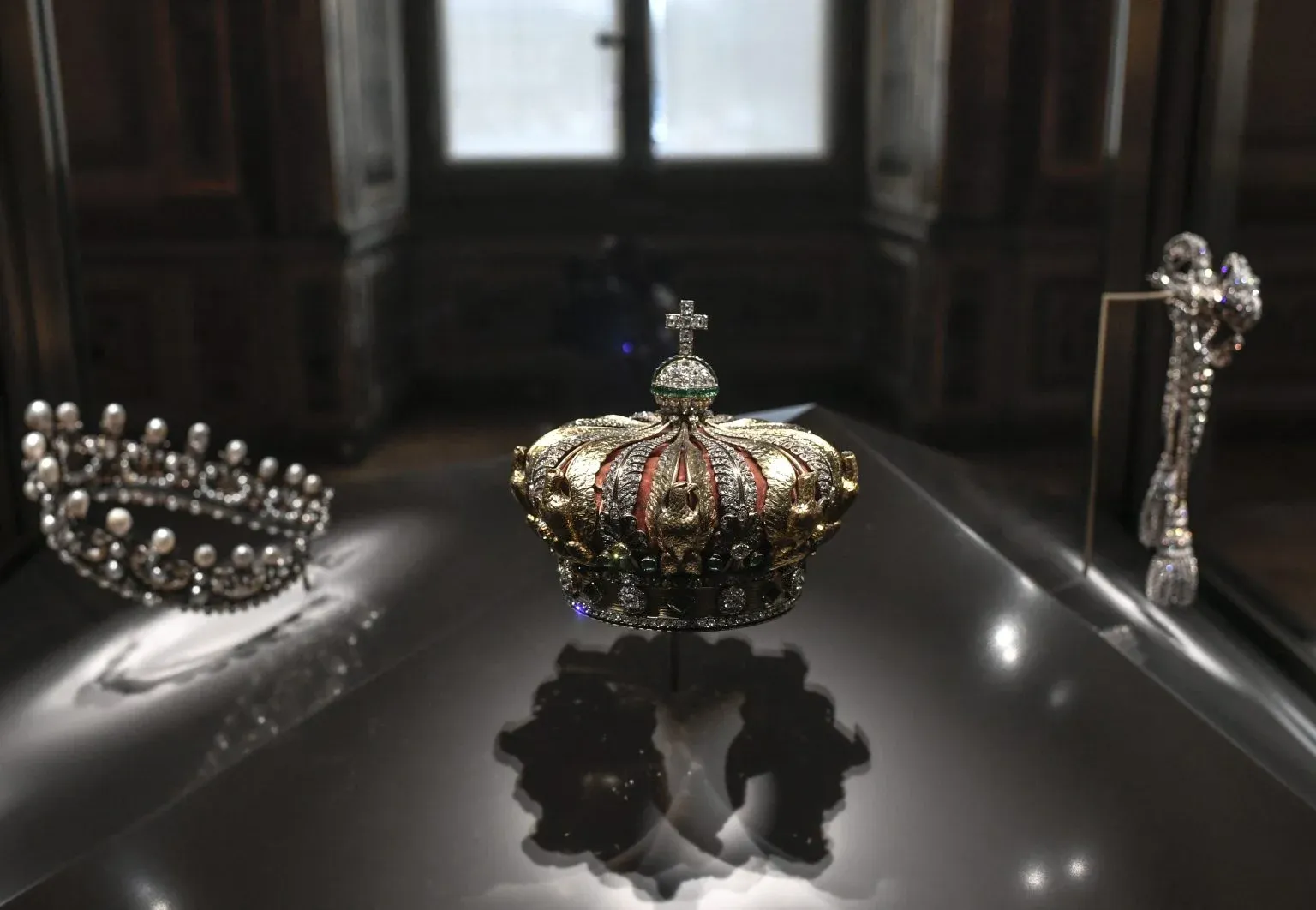
A damaged jewel, the gold, emerald & diamond-encrusted crown of Empress Eugénie, was later found abandoned outside the museum.
What was taken
The French Culture Ministry identified eight stolen items, including:
- Notably, the famed Regent diamond, estimated at more than US$60 million by Sotheby’s, was not taken.
- A sapphire tiara, necklace, and earring from the set belonging to Queen Marie-Amélie and Queen Hortense.
- An emerald necklace and a pair of emerald earrings from the set belonging to Empress Marie-Louise (Napoleon’s second wife).
- A large brooch known as the “corsage bow” of Empress Eugénie, a tiara from her collection, and the crown of Empress Eugénie (which was recovered damaged).

Immediate aftermath and investigation
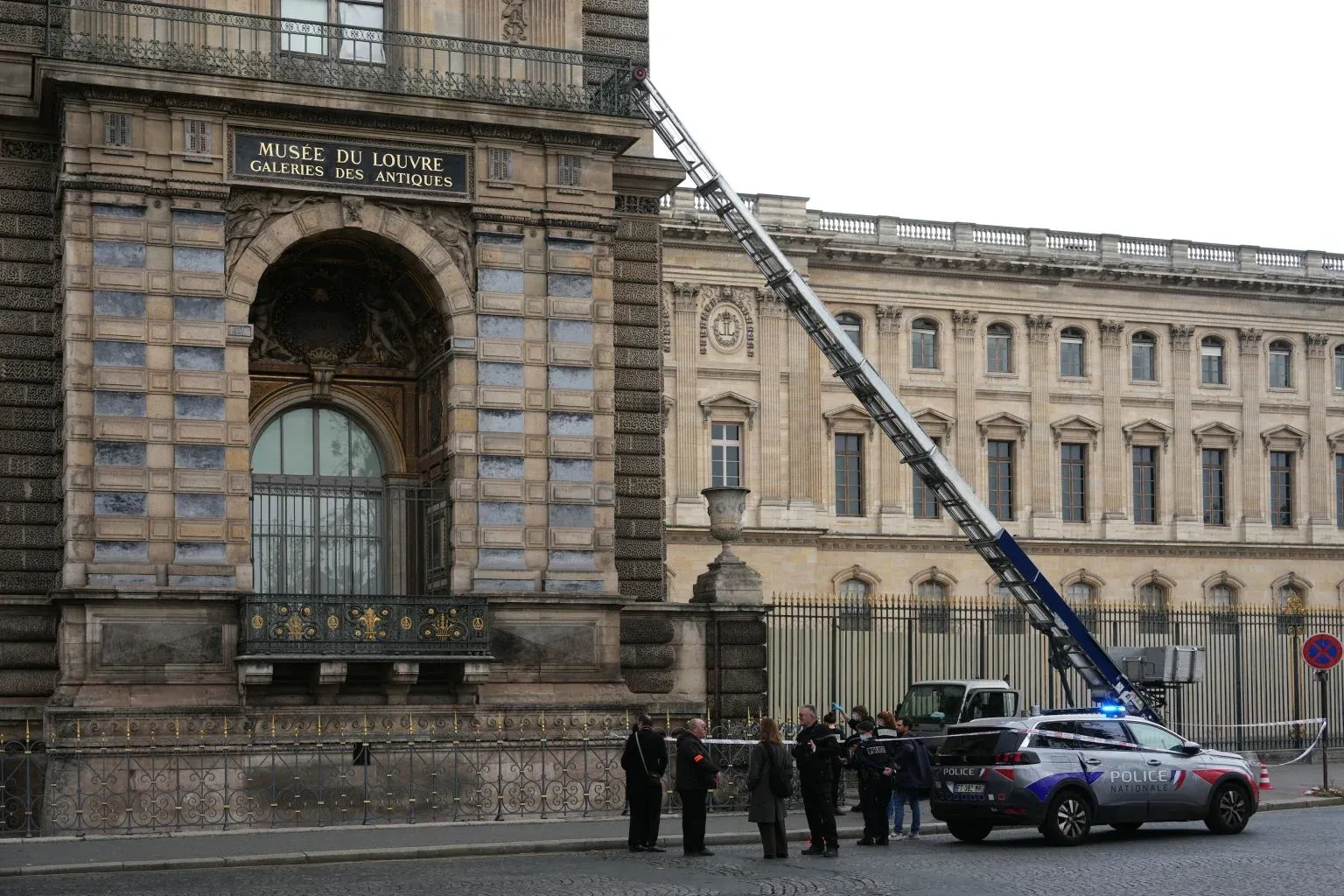
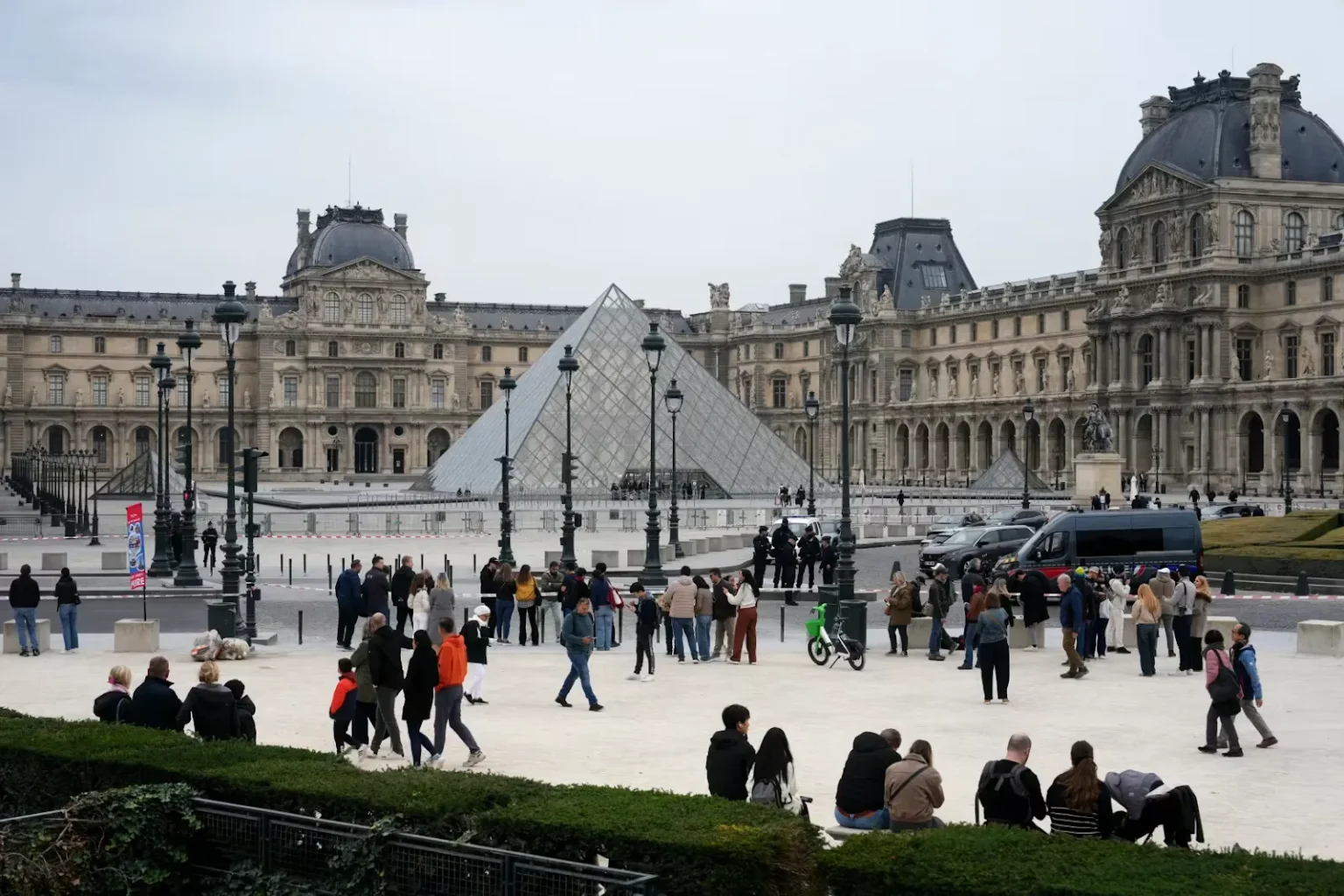
Following the robbery, the Louvre Museum closed its doors for the remainder of the day “for exceptional reasons” so that forensic teams and police could secure the scene and examine CCTV and other evidence. Interior Minister Laurent Nuñez described it as a “major robbery” carried out by a team that had clearly planned and scouted the museum.
The Paris Prosecutor’s Office is coordinating the investigation; at least 60 investigators have been assigned to probe the case, including reviewing security footage, the escape route, and the tools used.
Significance and security concerns
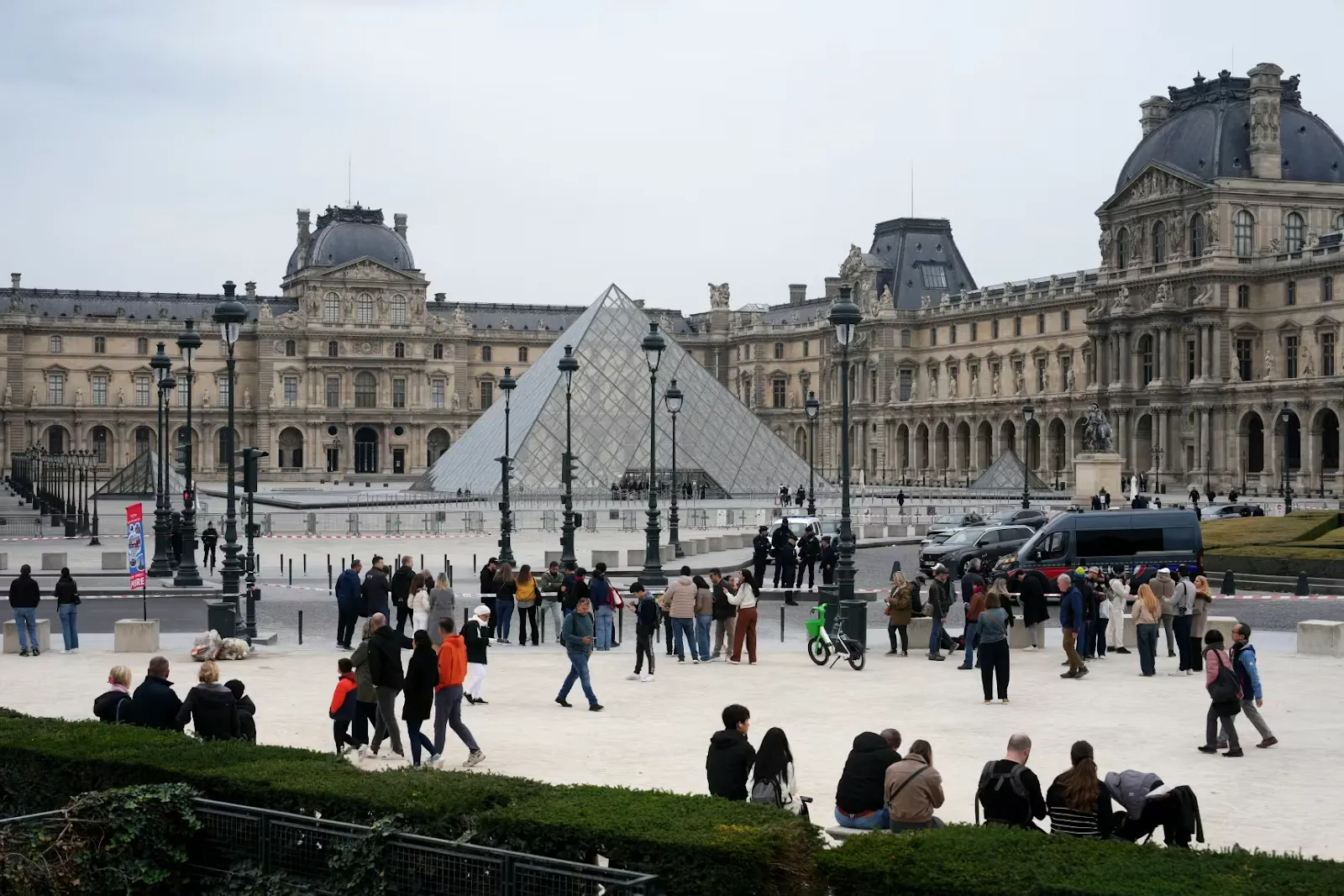
The theft has triggered immediate political and cultural alarm in France. President Emmanuel Macron called the act “an attack on a heritage we cherish because it is our history” and pledged recovery of the pieces and prosecution of the perpetrators. The fact that such high-value and historically important items could be removed in broad daylight has raised sharp questions about museum security, visitor management, and whether the impending renovation/infrastructure works at the Louvre have exposed vulnerabilities.
Why the case is complex
- If the gems are recut, melted down, or broken up, tracing them will become challenging. Experts warn that the thieves have only a limited window before the pieces can be altered.
- The stolen items are both high in market value and of inestimable heritage importance, which complicates resale and increases the urgency of recovery.
- The suspects appear to have executed the raid with professional precision, indicating potential organized crime involvement or a commissioned job.
French authorities will expand the manhunt and monitor black markets, auctions, and underground jewelry trade routes. Museum staff and heritage bodies will likely review display-case security, access control, and external vulnerabilities. The Louvre’s closure, review of visitor flows, and inspection of nearby construction access may form part of the longer-term response.