




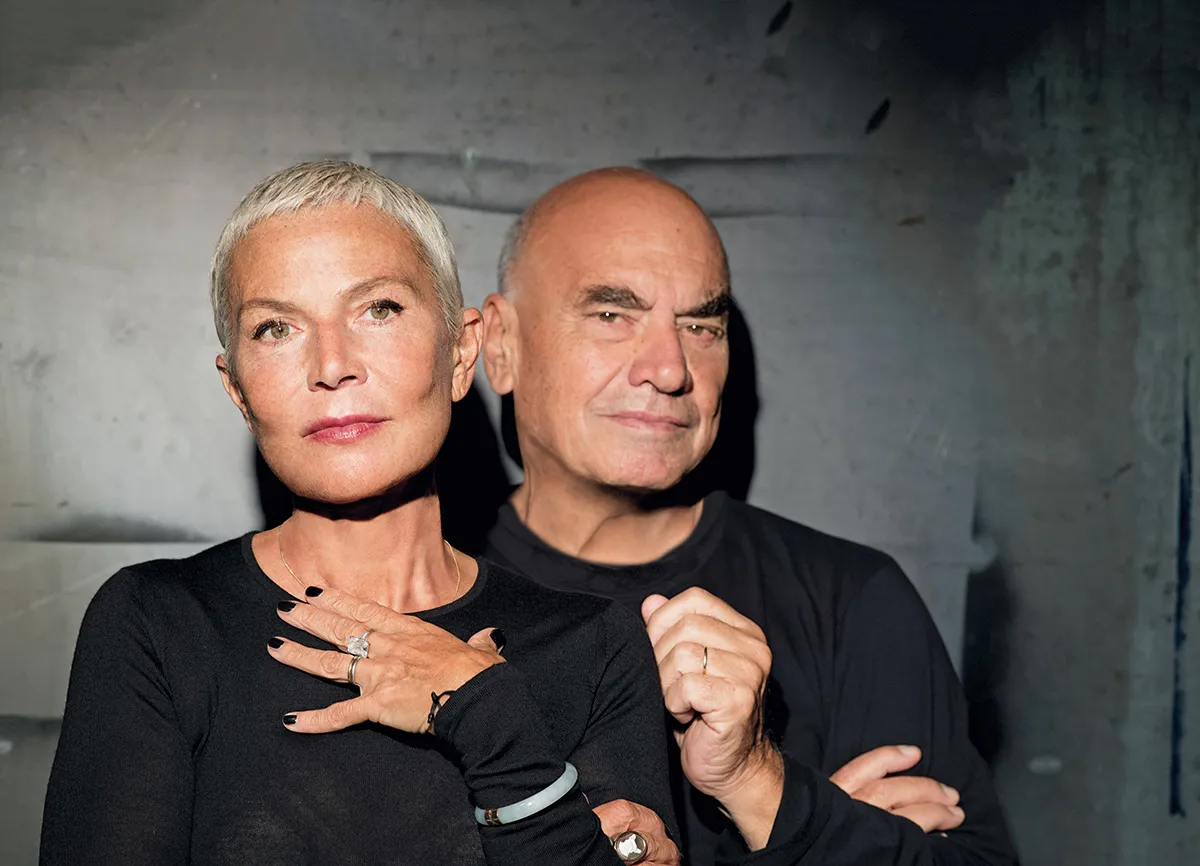
Led by Massimiliano and Doriana Fuksas, Studio Fuksas is a trailblazer in contemporary architecture, known for its daring forms, technical precision, and global impact. With offices in Rome, Paris, and Shenzhen, the firm has completed over 600 projects across Europe, Asia, Africa, the Americas, and Australia.
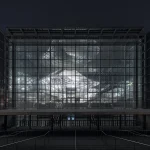
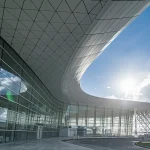
Their portfolio spans cultural centers, airports, museums, convention halls, urban developments, and interiors. Each project reflects a signature approach: bold sculptural forms, innovative use of materials, and a careful attention to how spaces are experienced by people. From the fluid, organic roof of Shenzhen Bao’an International Airport to the cloud-shaped auditorium of Rome’s New EUR Convention Center, Studio Fuksas consistently combines artistic vision with functional design.
Renowned for pushing architectural boundaries while maintaining human-scale sensibility, the firm has earned numerous international awards and remains influential in shaping the future of global architecture.
8 Notable Architectural Projects by Studio Fuksas
1. Zhao Xin Huijin Plaza, Shenzhen
Location: Shenzhen, China
Typology: Mixed-use Building
Completed: 2024
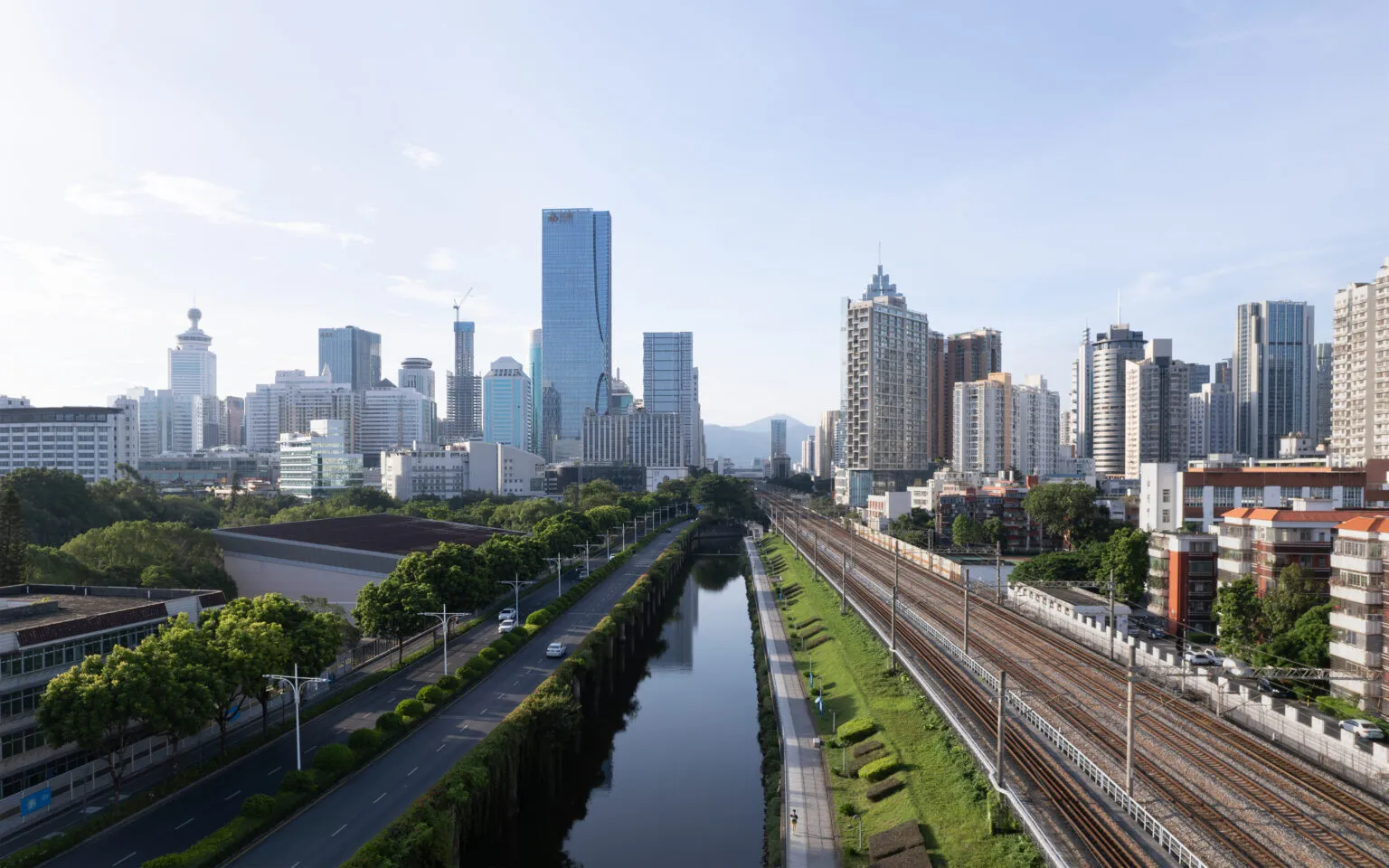
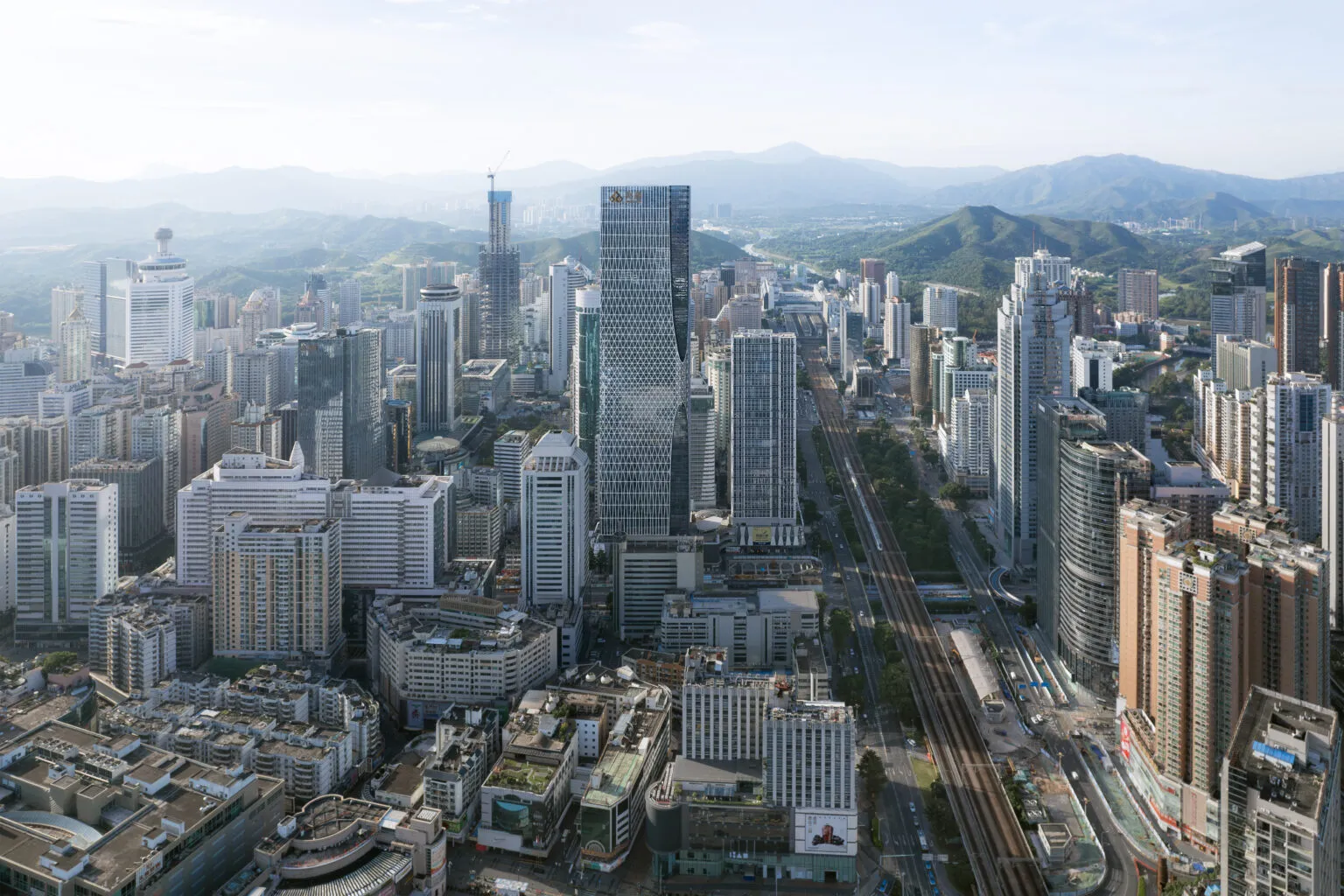
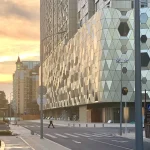
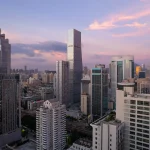
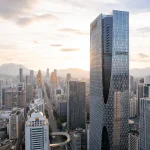
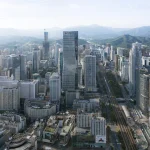
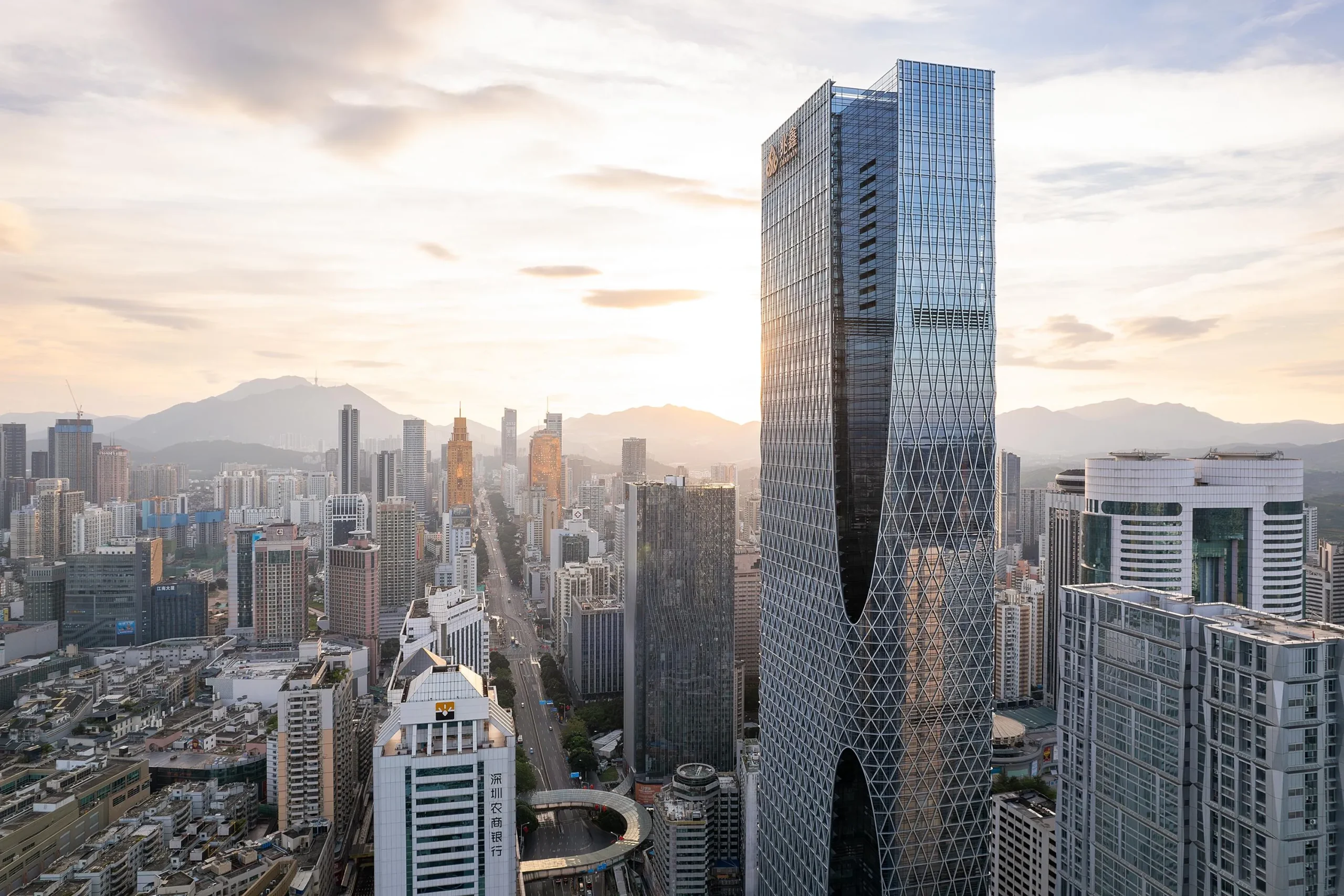
Situated at one of the most prominent intersections of Shennan Avenue and Jianshe Road in Shenzhen (China). The skyscraper sits directly opposite Shenzhen’s two most iconic architectural landmarks, the Diwang Tower and Kingkey 100. The Plaza consists of 3 structures: Tower A, Tower B, and the commercial podium that acts as a connecting bridge between the two towers.
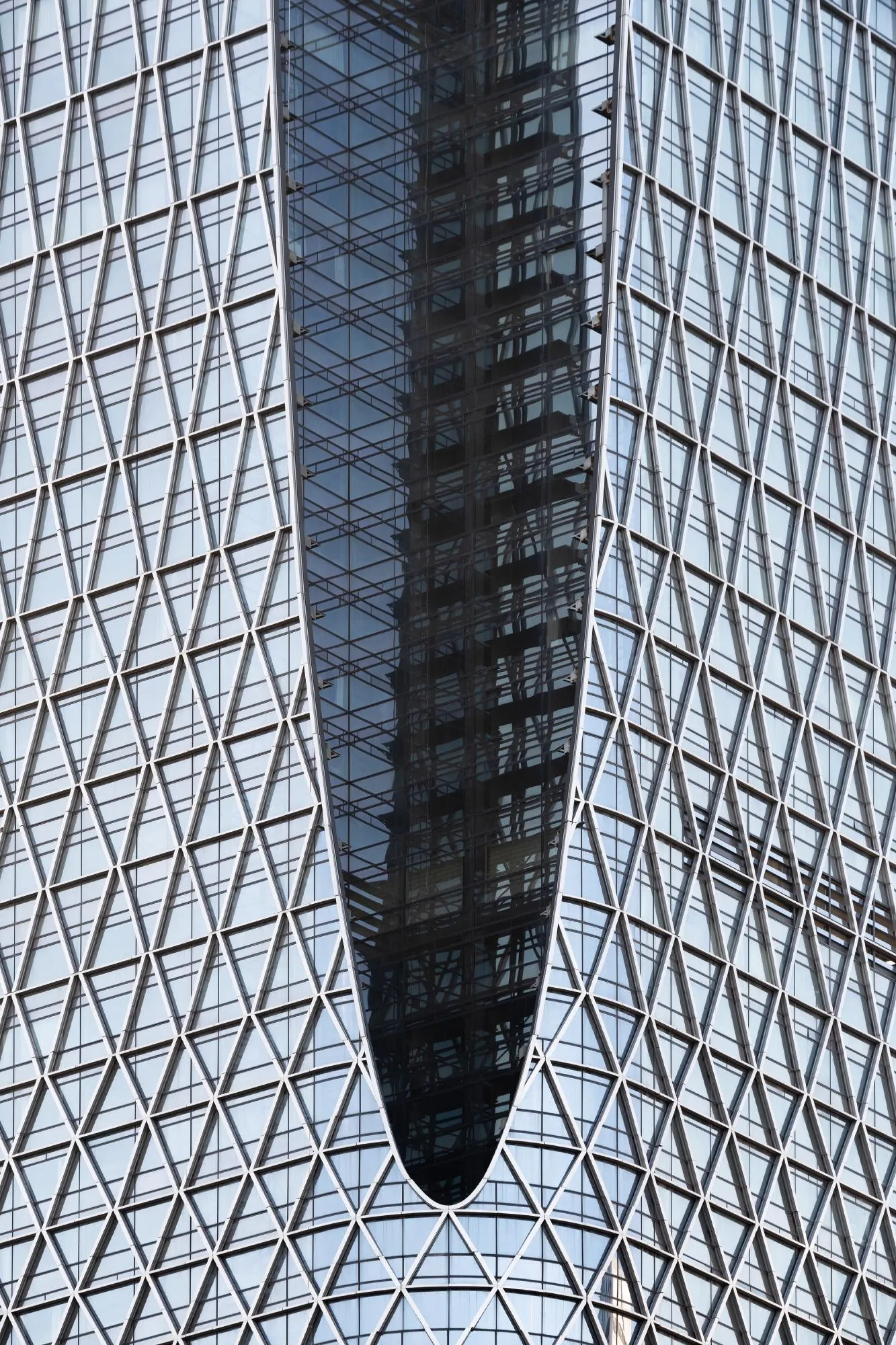
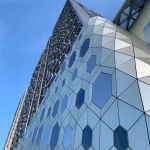
Tower A is a landmark skyscraper that rises to a height of 261 metres, while Tower B is a conventionally designed high-rise residential structure. The connecting rhombus-shaped podium, due to the form of the two towers, is utilized for commercial purposes. The connecting bridge is composed of alternative glass and anodized aluminum cladding façade modules. The texture of the architecture was inspired by the vibrant tropical nature that defines the city of Shenzhen. The two distinctive architectural features of the skyscraper Tower A are:
- The oval-shaped façade interruption at the northwest and southeast corners makes the façade one of the distinctive architectural features on Shennan Avenue. The oval and organic cuts were introduced within the facade due to the non-continuous mass of the tower.
- The characteristic façade design of the tower features a decorative cladding pattern that runs throughout the entire exterior façade mass. The tropical nature that is prevalent throughout Shenzhen served as the source of inspiration for the cladding design.
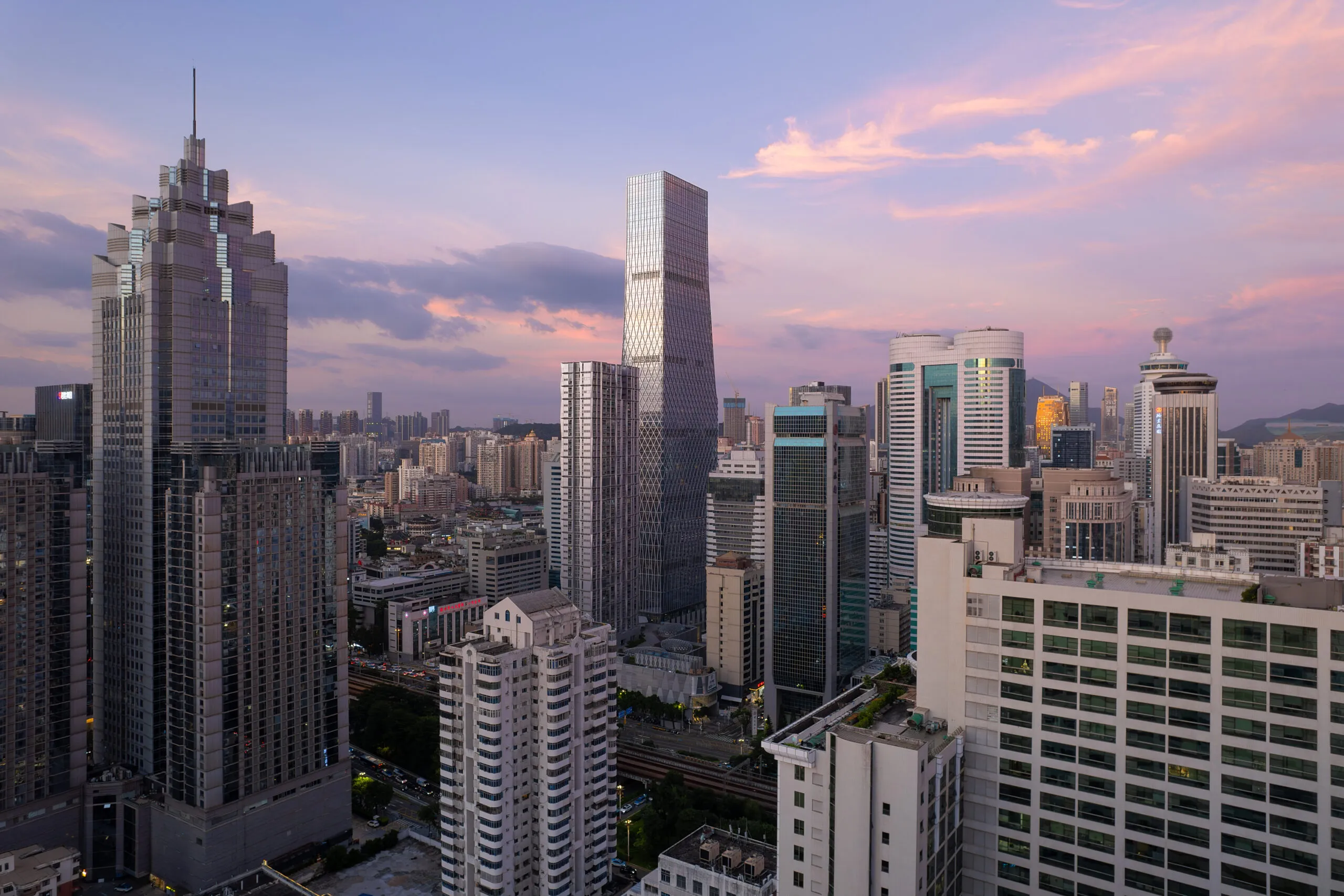
Tower B, in contrast to Tower A, has a straighter, more subtle, and cleaner architectural line. It is a well-designed residential structure built using the same reflective material utilized for other structures, creating an overall coherence and regular architecture.
2. The New Gelendzhik Airport, Russia
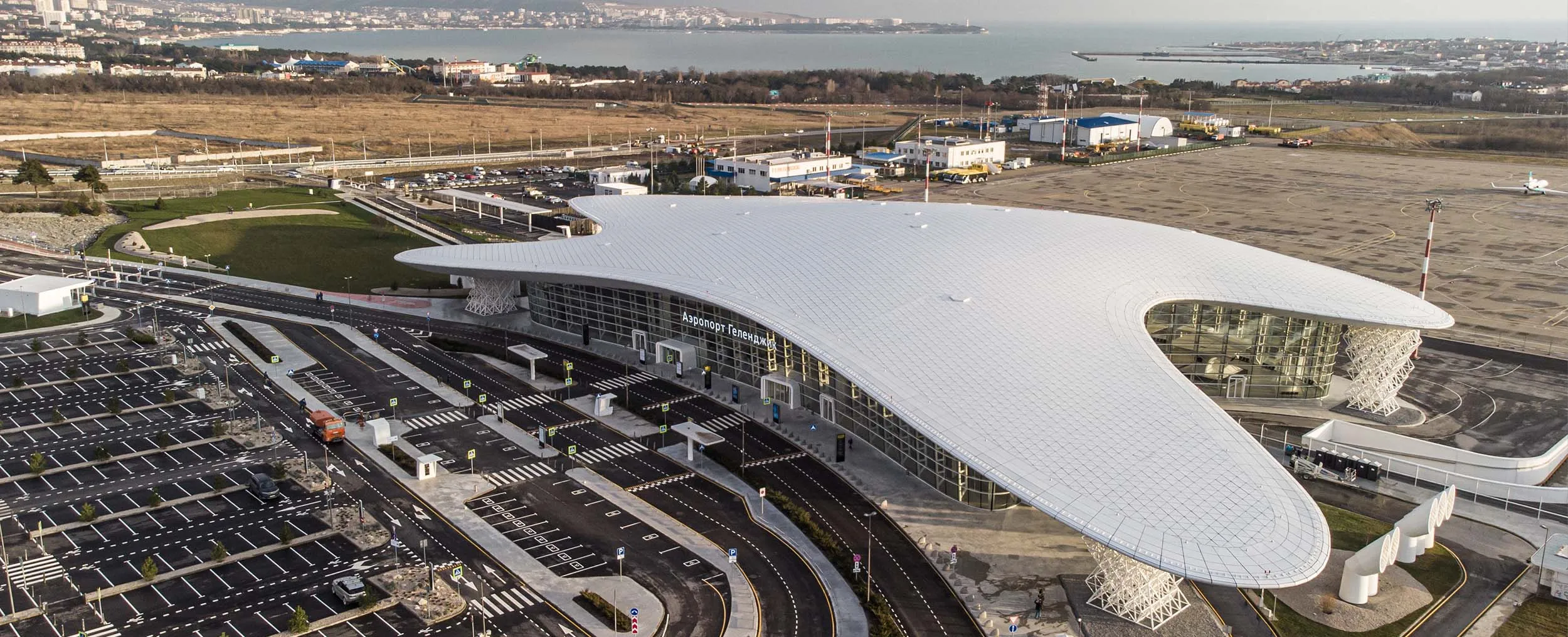
Location: Gelendzhik, Krasnodar Krai, Russia
Typology: Airport
Completed: 2018
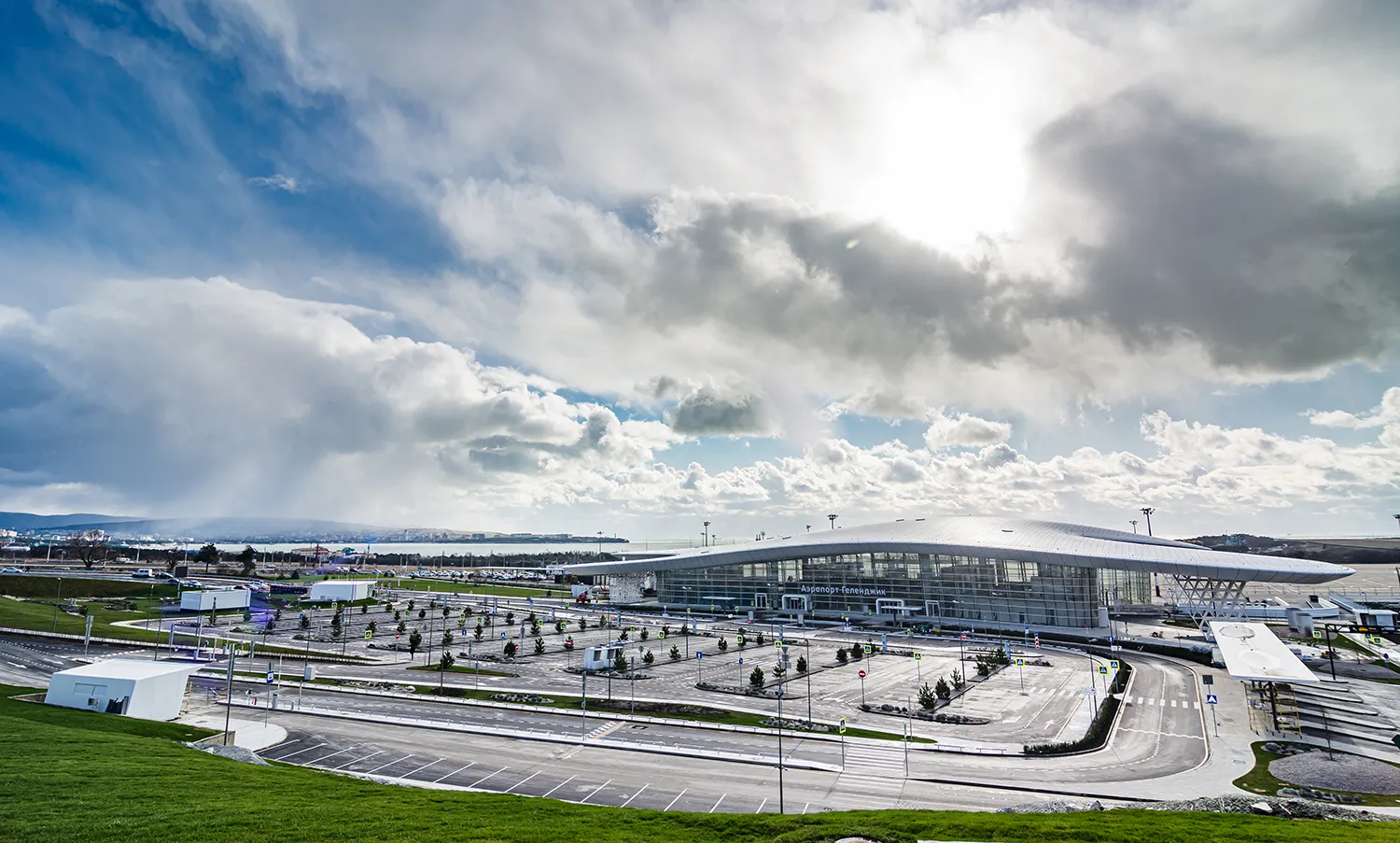
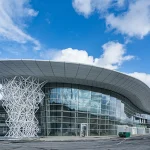
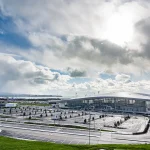
The New Gelendzhik Airport, renowned for its seismic-resistant architecture, was designed by Doriana and Massimiliano Fuksas and is situated in Russia. The project was completed in 2018 as a part of a competition won by Studio Fuksas and was built in just one and a half years. The organic form of the airport is inspired by a flight of birds, creating a gigantic fluid architectural form; the poetic form represents the moment when a bird changes direction during flight. The entire airport structure rests on only nine primary internal columns, with four external columns that serve as a sculptural element, providing structural support that allows the roof to function independently of the foundation and columns.
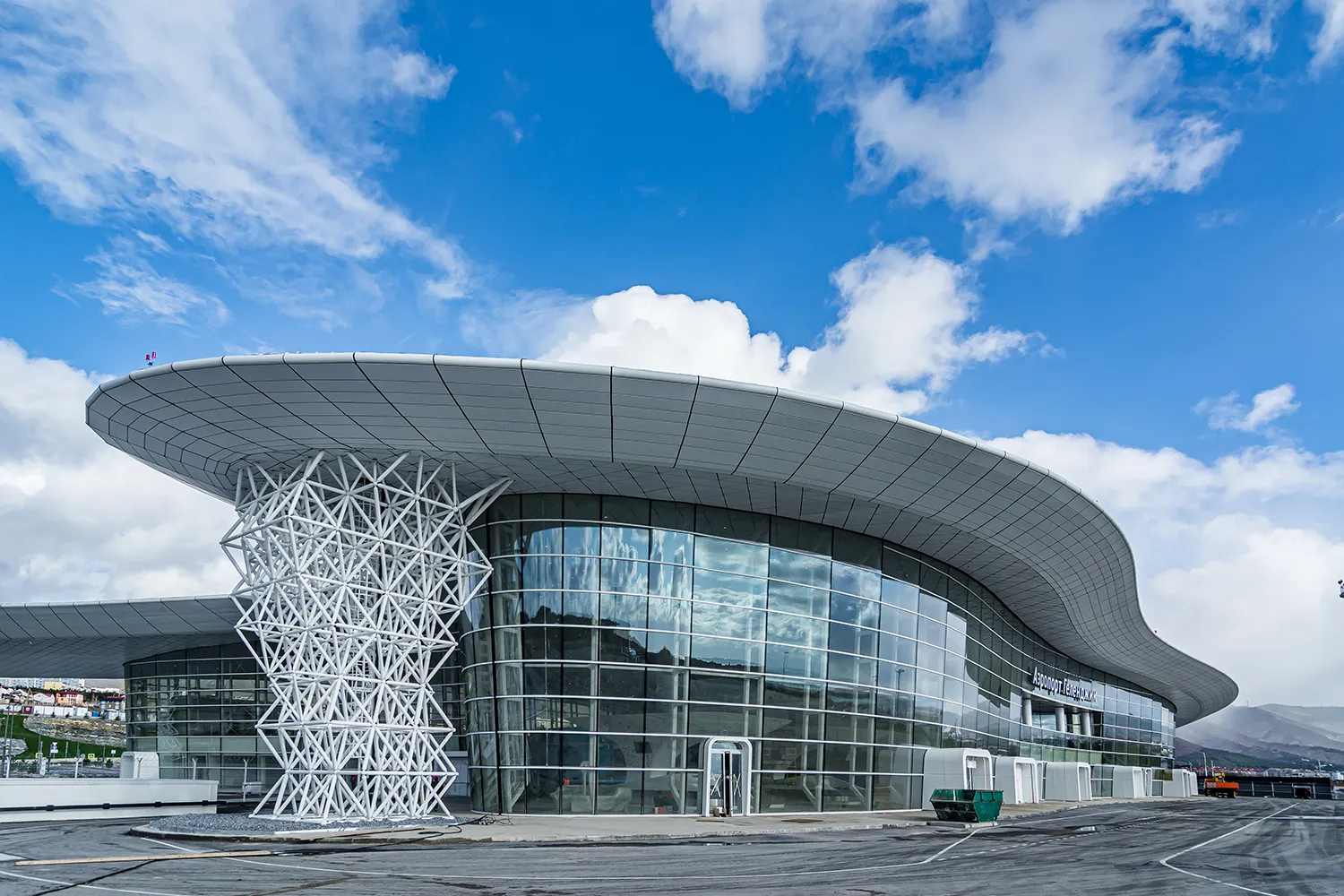
The building’s distinct feature is that the maximum interior comfort of the structure has been maintained through an automatic centralized system (ACS), which monitors air conditioning, lighting, fire protection, heating, and air circulation. The ACS system facilitates the management and control of the terminal, ensuring a 30% reduction in electricity and water consumption.
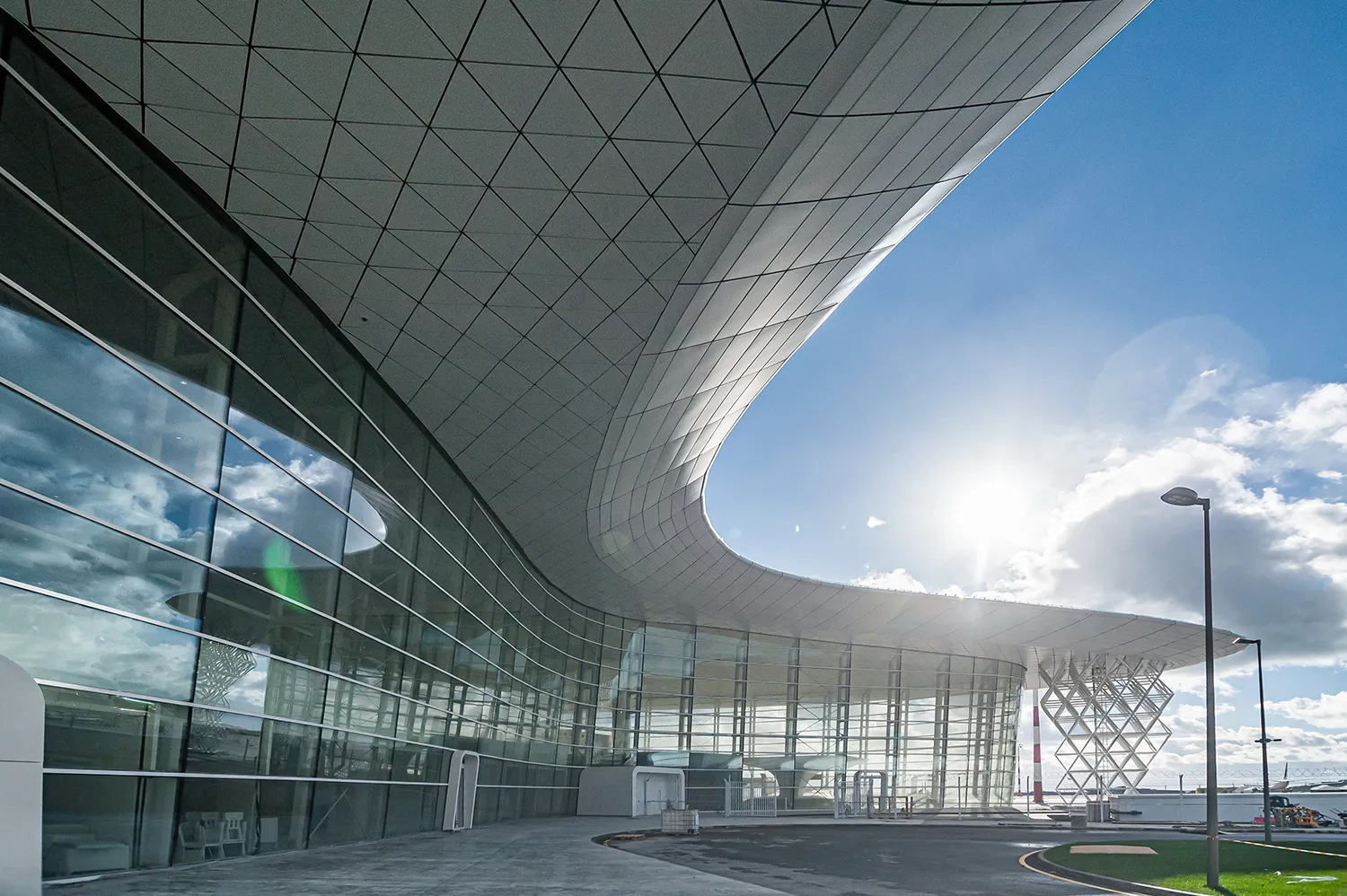
The entire roof is constructed as a three-dimensional structure comprising several steel spheres and elements clad with composite, modular, triangular panels. The false ceiling, developed through parametric design, is a characteristic element of the entire structure. Parametric form generated by algorithms enriched by a dynamic lighting system, with aluminum triangles on the ceilings that change colors throughout the day. The architecture is clad with an anodized aluminum and a glass façade, and it is composed of energy-performative double-glazed panels that provide a high level of internal comfort.
3. Maison des Arts- University Michel Montaigne, France
Location: Esplanade des Antilles – Domaine Universitaire, Bordeaux, France
Typology: Cultural
Completed: 1995
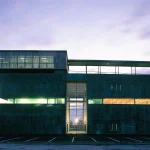
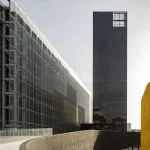
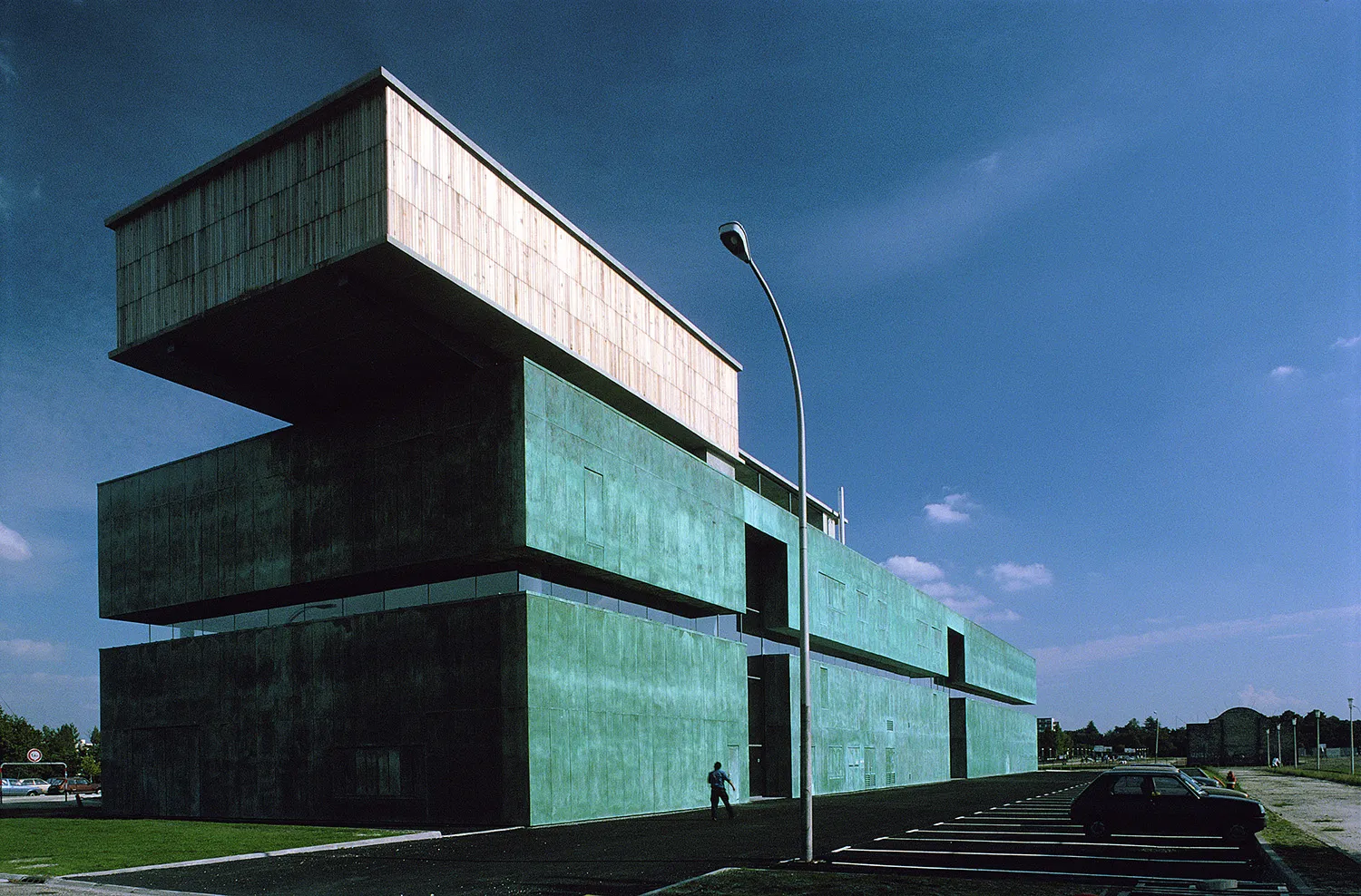
The Maison des Arts, completed in 1995, is a multidisciplinary centre that hosts activities such as theatre, visual arts, music, radio, and cinema. The building has become a prominent landmark on the campus of the Michel de Montaigne University. Architect Massimiliano Fuksas emphasized that the project goes beyond formal aesthetics, aiming instead to explore what it means to be contemporary within an urban setting.
The school’s architectural concept prioritizes subtlety over spectacle, using simple volumes wrapped in a delicate ‘skin’ that gradually reveals the interiors. This approach enables the building to interact with its surroundings and transform in perception over time.
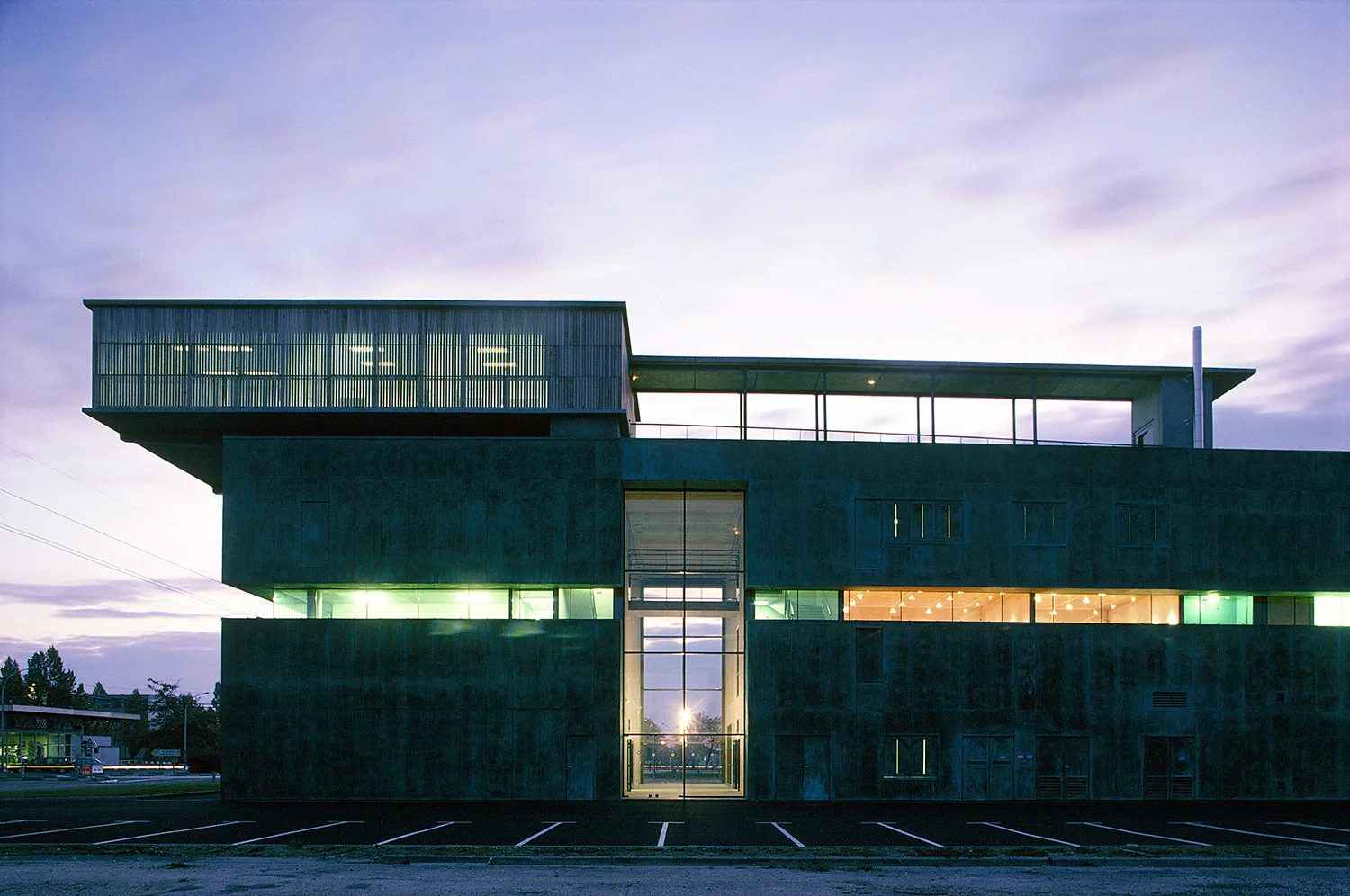
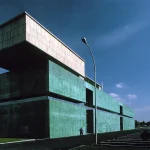
The building is a dynamic hub for the arts, fully equipped with 350-seat performance halls, an exhibition space (Espace Alban Denuit), practice rooms for graphic art and sculpture, and studios for music, cinema, theatre, and video. Architecturally, the structure takes the form of a long, narrow box, elegantly sliced lengthwise and intersected by two dramatic vertical shafts. These open spaces cut through the building, creating visual and physical connections between its diverse zones for various activities in the school.
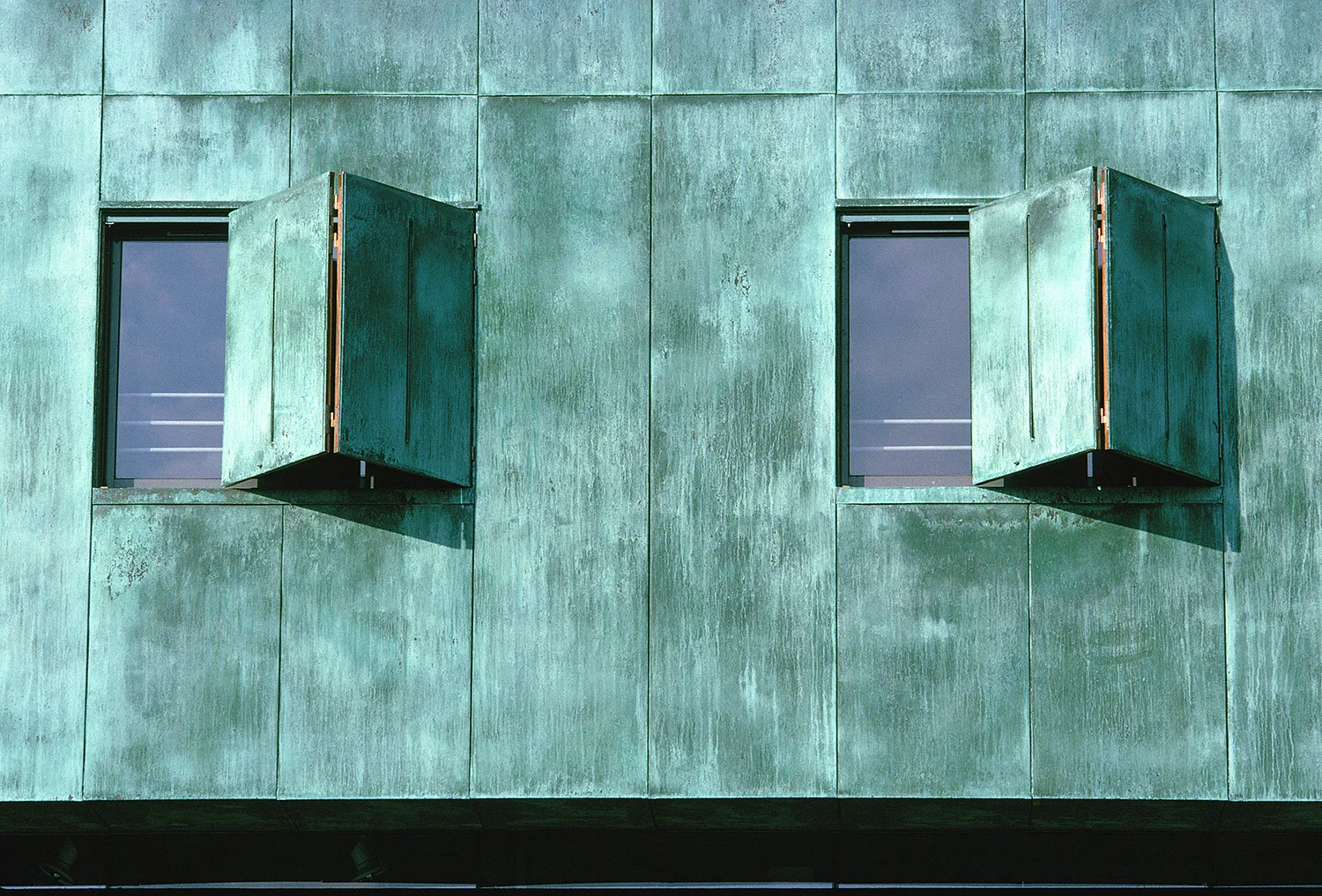
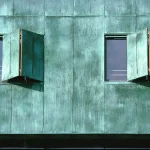
Perhaps the most distinctive feature of the volume is the copper skin that wraps the entire structure, a material that, over time, acquires a wonderful patina effect. This evolving patina gives the building a timeless quality, blending modern design with a sense of organic transformation.
4. Rhike Park/Music Theatre and Exhibition Hall, Georgia
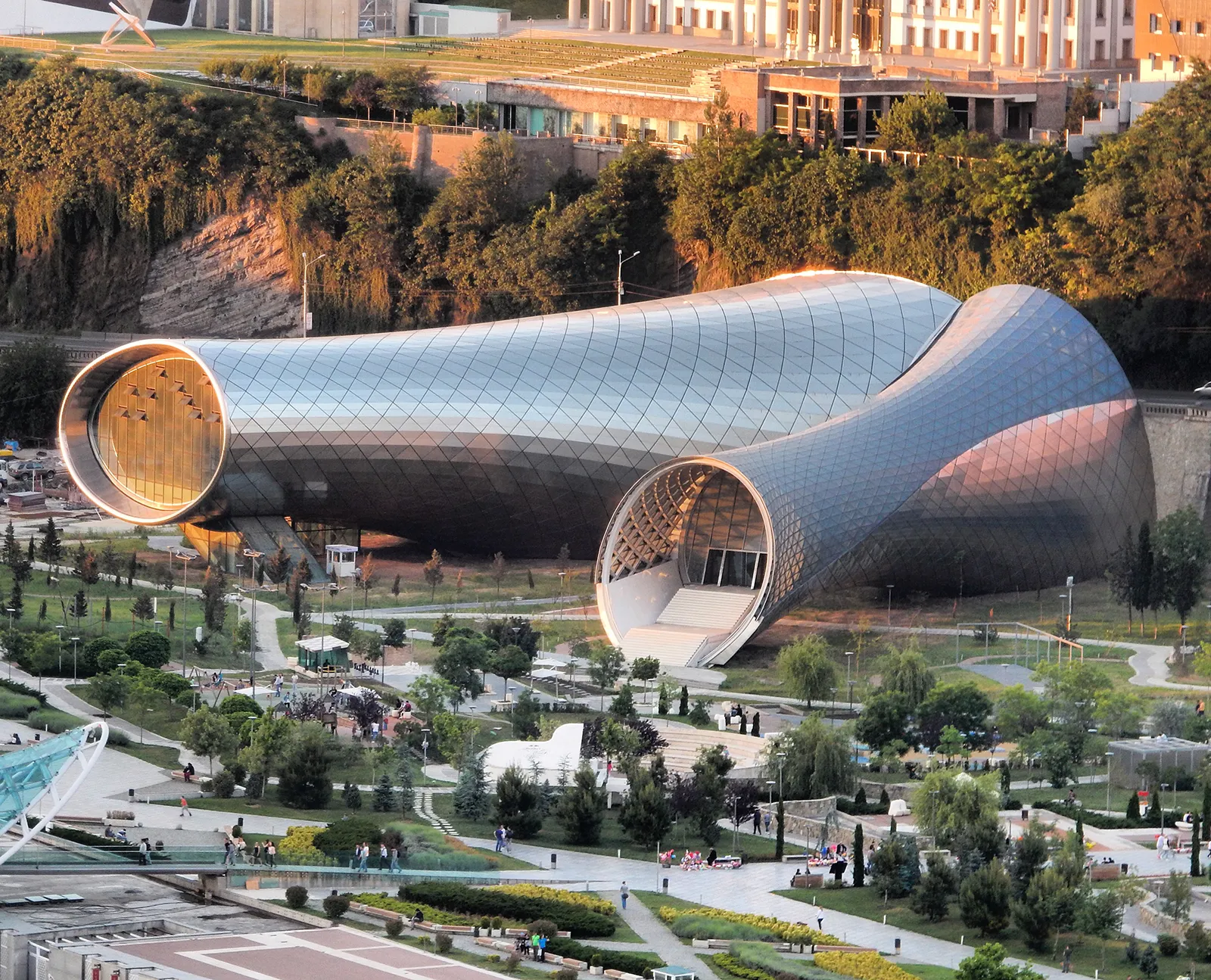
Location: Tbilisi, Georgia
Typology: Museum, Theatre, Exhibition Hall
Completed: 2016
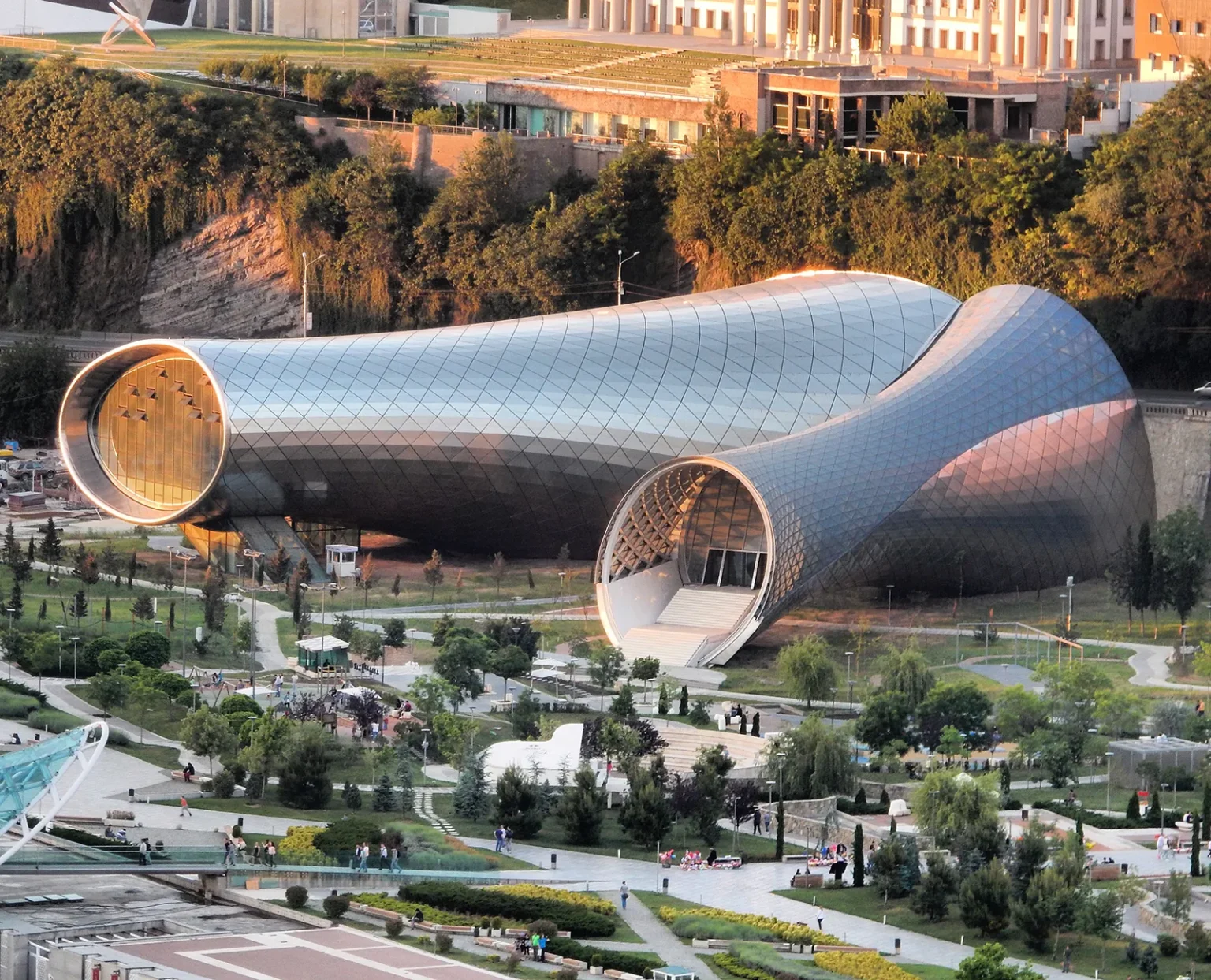
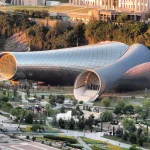
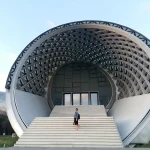
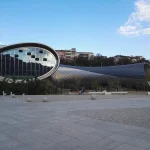
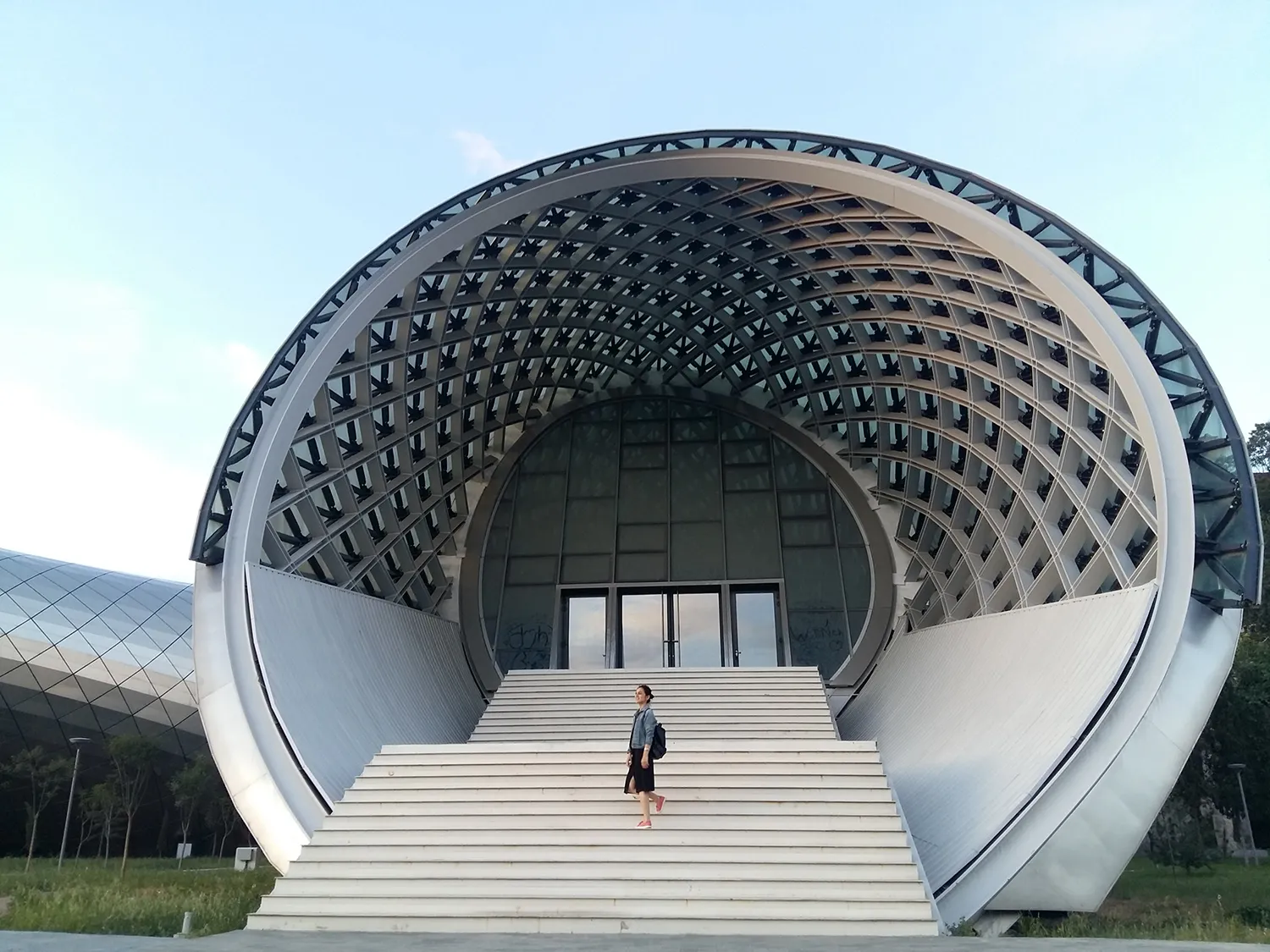
The project is located within the green area of Rhike Park in Tbilisi, Georgia. The building is composed of two softly shaped volumes joined together at a retaining wall, each serving a distinct function: the Musical Theatre and the Exhibition Hall.
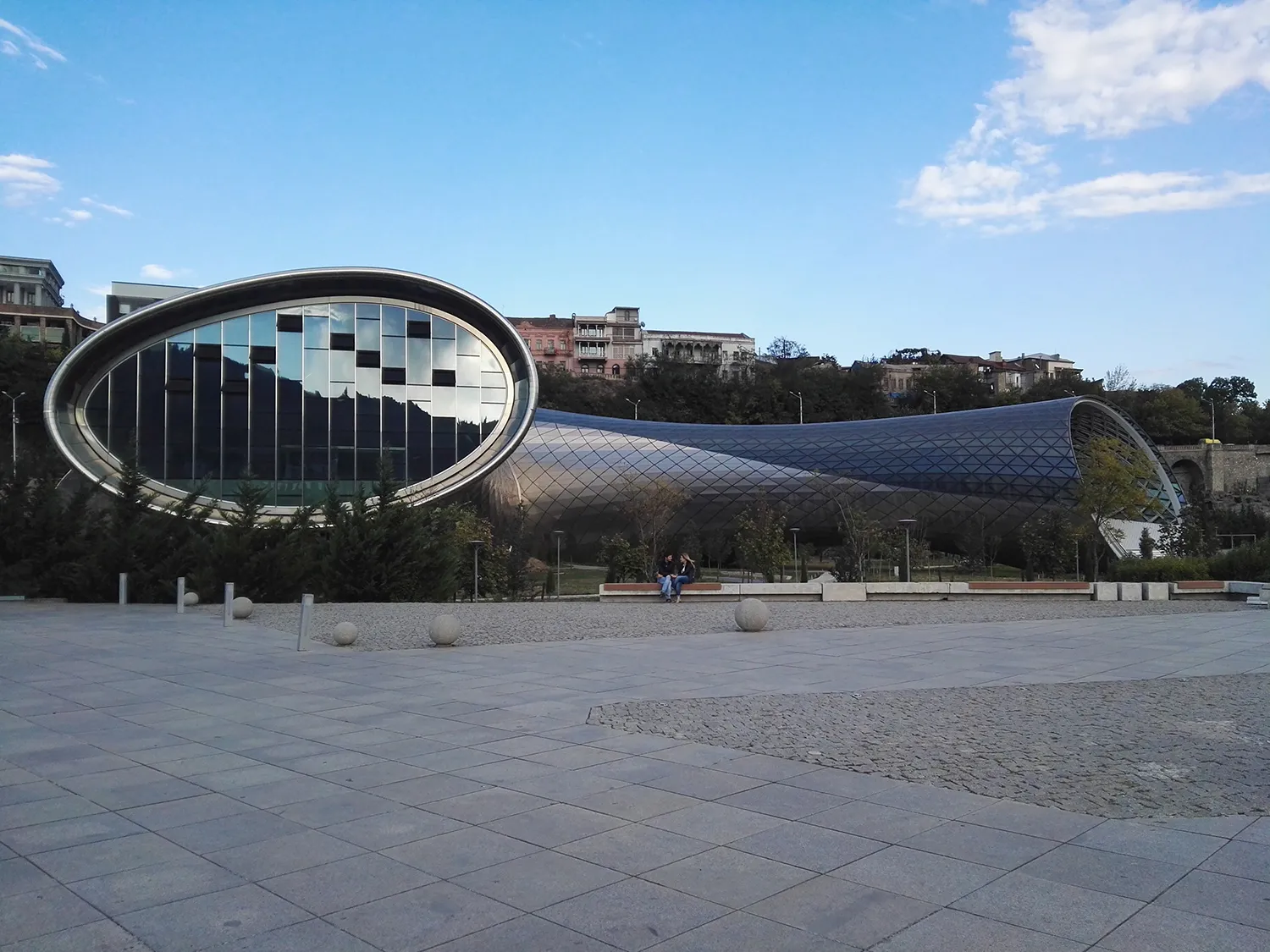
The north section houses the 566-seat Musical Theatre Hall, along with the foyer, café, and technical spaces for theatre machinery and storage. The Exhibition Hall features a grand entrance with a ramp that guides visitors from street level. Rising prominently from the ground, the Musical Theatre Hall offers views of the river and city skyline from the foyer and café, acting like a periscope to the city and framing the historic core of Old Tbilisi.
5. New Rome/EUR Convention Hall and Hotel “The Cloud,” Italy
Location: Roma, Italy
Typology: Hotel, Auditorium, Convention Centre
Completed: 2016
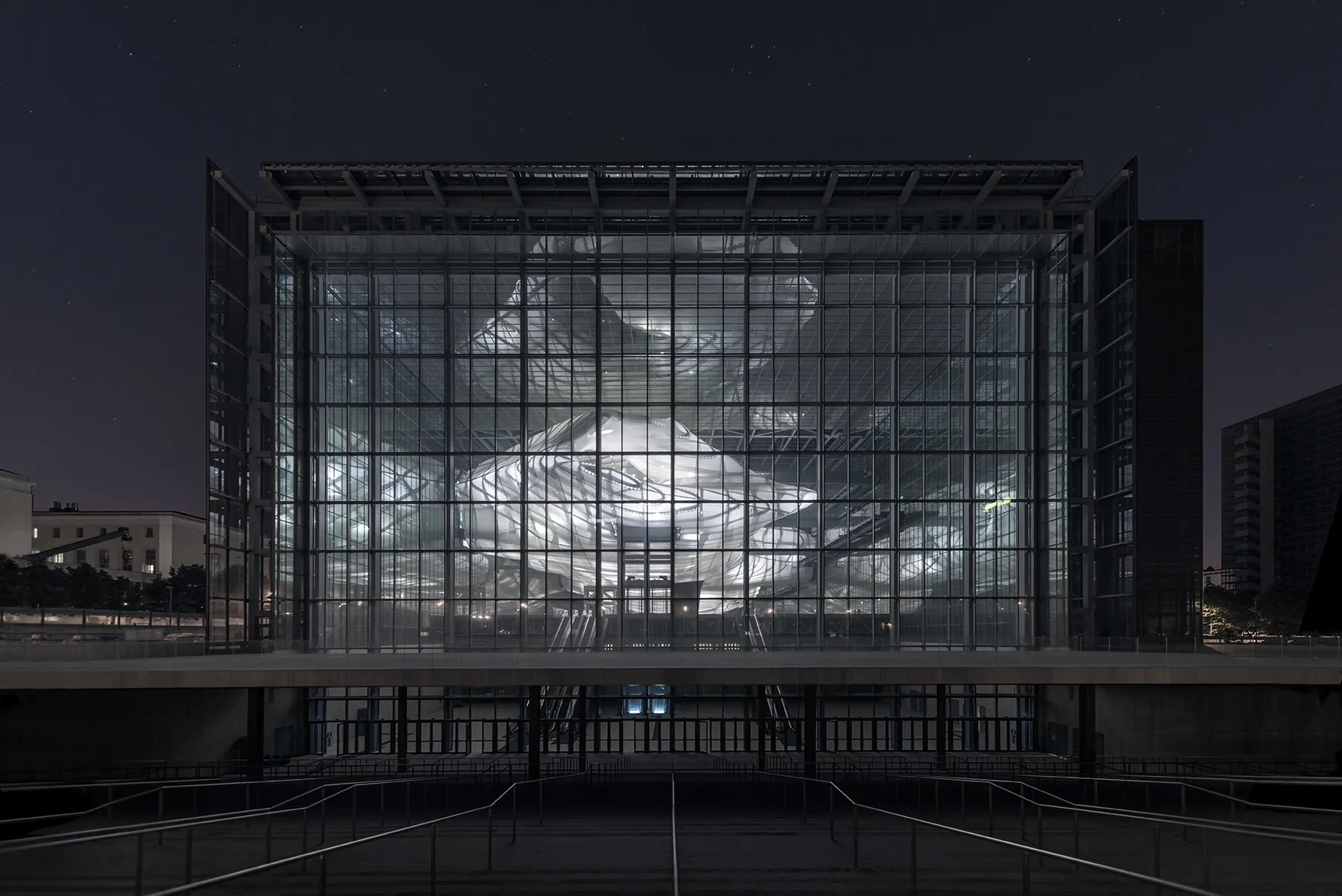
Situated in the south of the city core within the business district of EUR, it is one of the largest buildings in Rome in over 50 years. The architecture of the structure follows a distinct and simple orthogonal line of the surrounding 1930s rationalist architecture. The distinct characteristic of the structure is its sustainable, earthquake-proof design, which had taken around 18 years to meticulously plan, design, and construct.
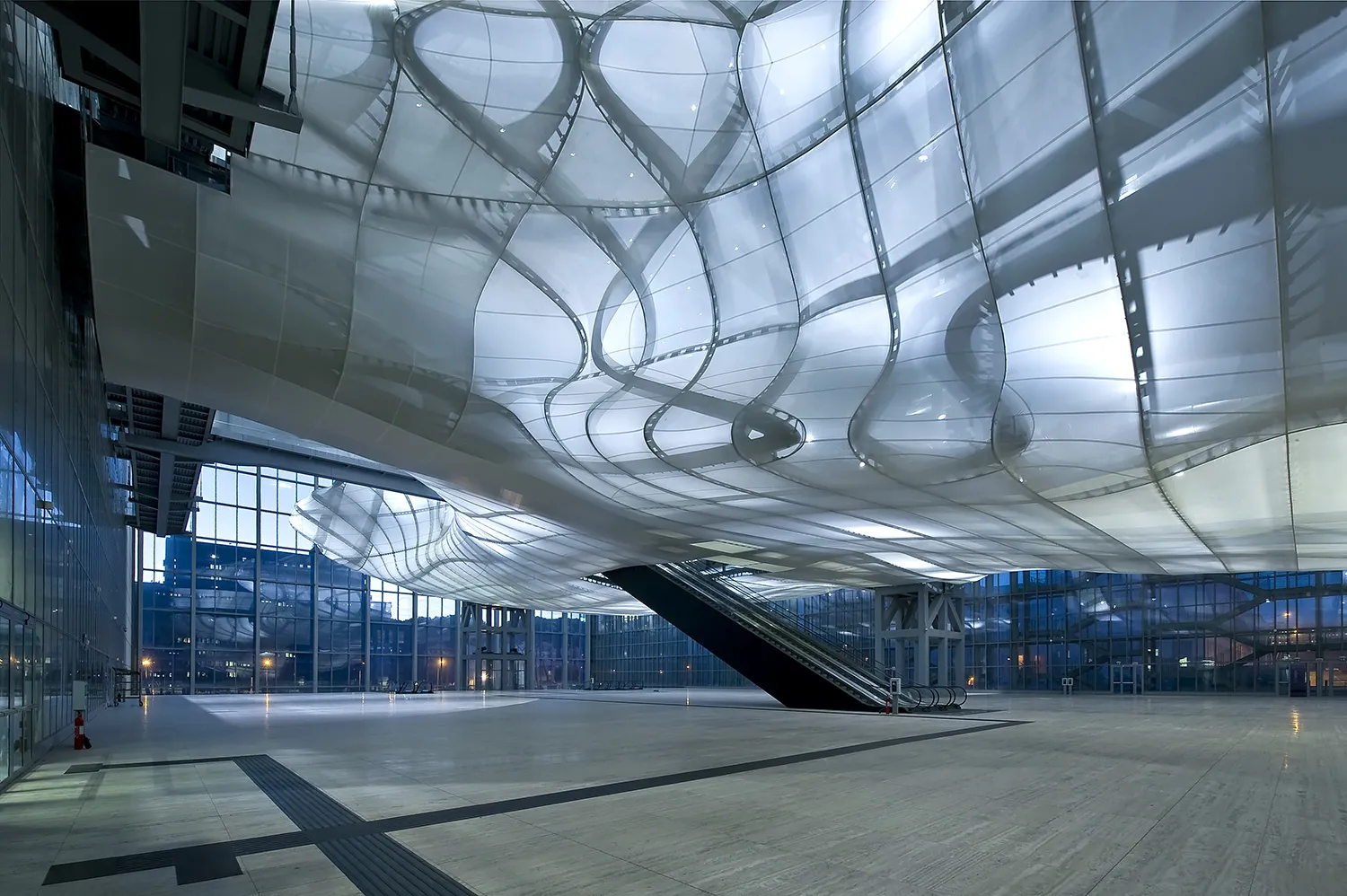
The New Rome complex is designed to host auditoriums, exhibition spaces, and a hotel covering an area of 55,000 square metres. The centre is designed to be fully earthquake-proof, composed of a stiff vertical structure that withstands earthquake waves. The New Rome complex consists of three distinct architectural concepts: the basement, the “Theca” and “Cloud,” and the “Blade.”
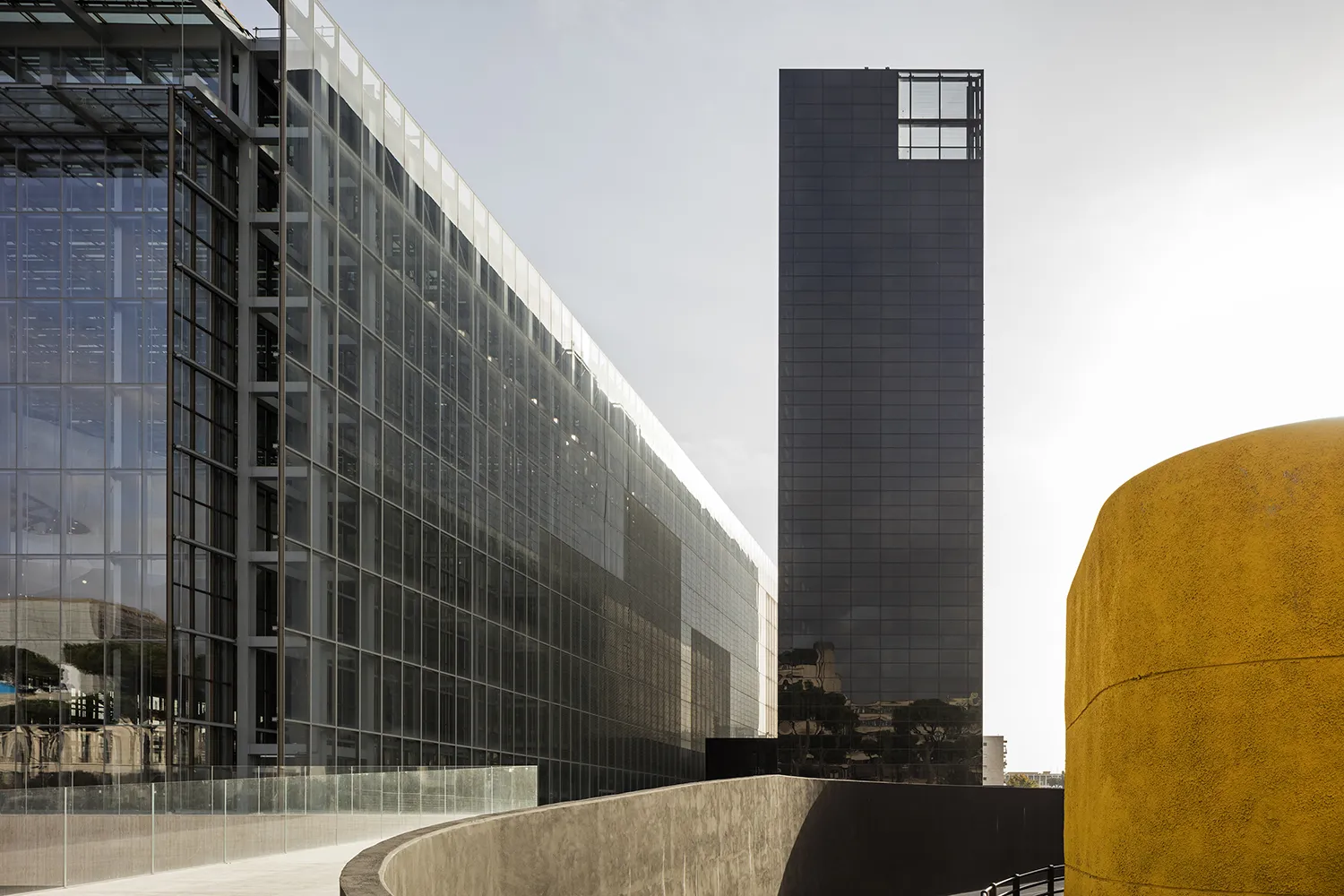
- The Basement is accessed on Viale Cristoforo Colombo through the staircase, which leads into the building’s primary foyer. Past this, a large concourse extends into the congress and exhibition halls.
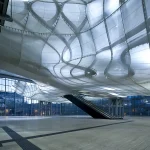
- The Theca is the stunning exterior shell and façade of the convention hall and the hotel, composed of metal, glass, and reinforced concrete. The interior features a new public space that hosts both public and private events, suspended within the “Theca”. This interplay between the two spaces creates a dynamic environment. The Cloud is an independent cocoon-like structure made of highly advanced fibre glass membrane and flame-retardant silicone supported laterally by the Theca. They lie in the heart of the complex, accessible via the Forum (an elevated walkway) and the Cloud, which comprises five levels leading to the auditorium.
- The Blade is the final concept, composed of an autonomous building split into 17 levels, featuring a 439-room hotel to provide accommodation for center and city visitors. Covering an area of 18,000 square metres, the complex includes a boutique suite, spa, and restaurant.
6. New Milan Trade Fair, Italy
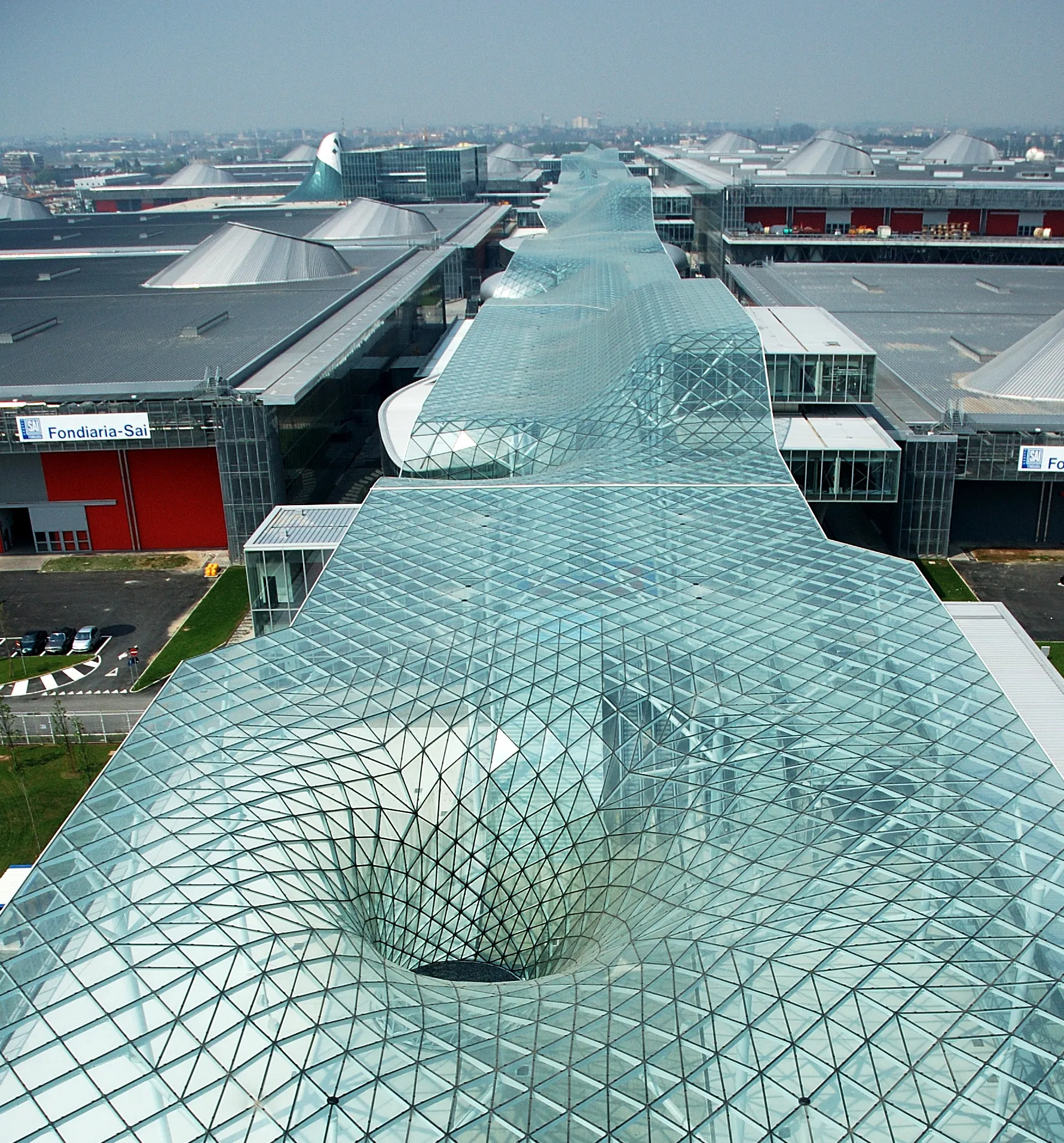
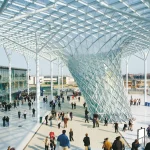
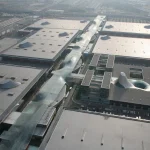
The New Milan Trade Fair was initially a reclaimed brownfield and has now been renovated and reinvented into a state-of-the-art trade show complex, aiming to attract large-scale, world-class conventions. Situated in the Rho-Pero district of Milan, it covers an area of 345,000 square meters of exhibition space. The ambitious plan to design a $700 million trade show complex aimed to revitalize exhibition, conference rooms, restaurants, auditoriums, cafes, meeting halls, and office spaces for the Fiera administration.
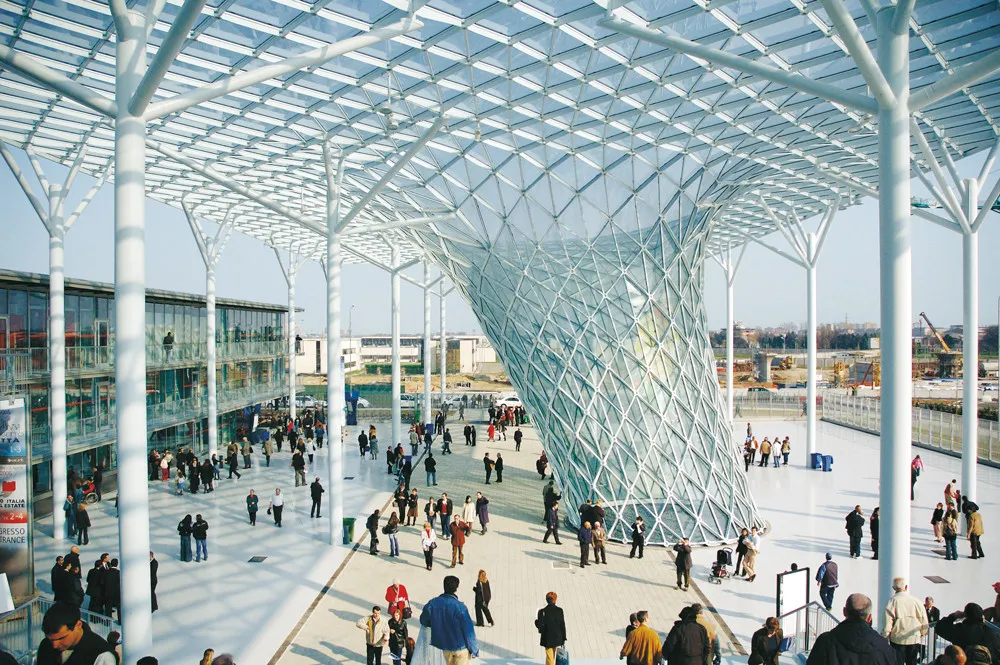
Studio Fuksas drew inspiration for the architecture from the intricate elements of the surrounding landscape. The fluid, fabric-like canopy designs running through the length of the Fiera were refined through many digital iterations, which helped maintain the original, sculpture-like structure of the fabrication.
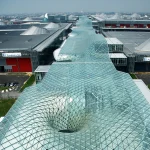
The undulating, free-flowing form of the trade fair was constructed in a free-form design made of steel and glass. A series of tree-like circular columns with HSS profiles, composed of two inner branches within each column, are dedicated to the roofs’ rainwater drainage throughout the entire site. Spread across 8 separate structures by changing the orientation of them inside towards the central spike covered with a glass canopy that functions akin to the street.
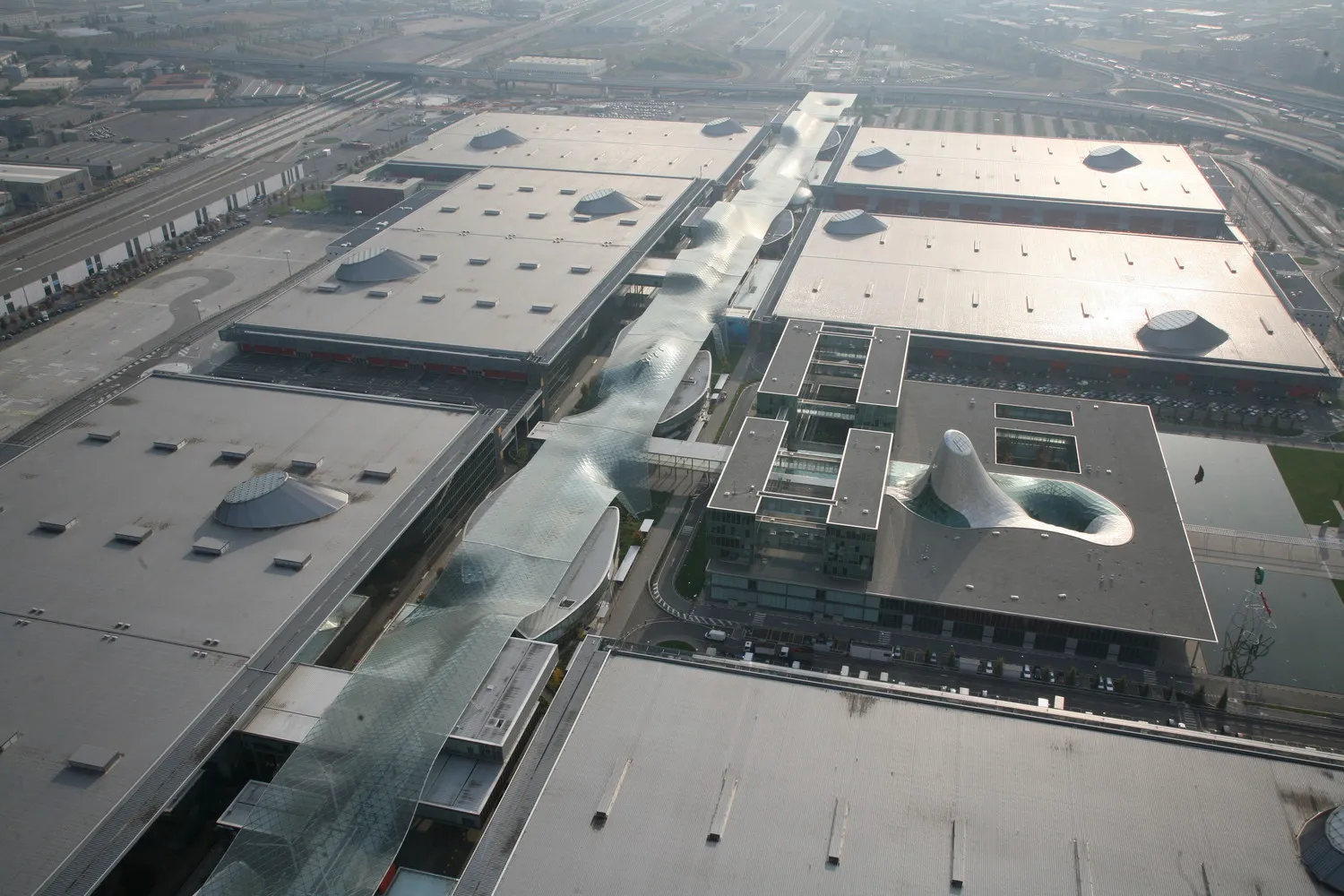
One of the most dramatic architectural pause points is the visual spectacle that greets visitors and pedestrians, courtesy of a glazed glass and steel canopy that immediately touches down, rising 121 feet into a unique conical mountain. The unique canopy is freestanding and floats over roof portions, creating a vortex that defies traditional canopies, with architecture that redefines the trade fair.
7. Shenzhen Bao’an International Airport (Terminal 3), China
Location: Shenzhen, China
Typology: Transport, Airport
Completed: 2013
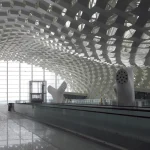
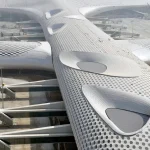
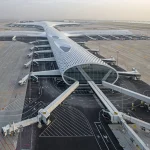
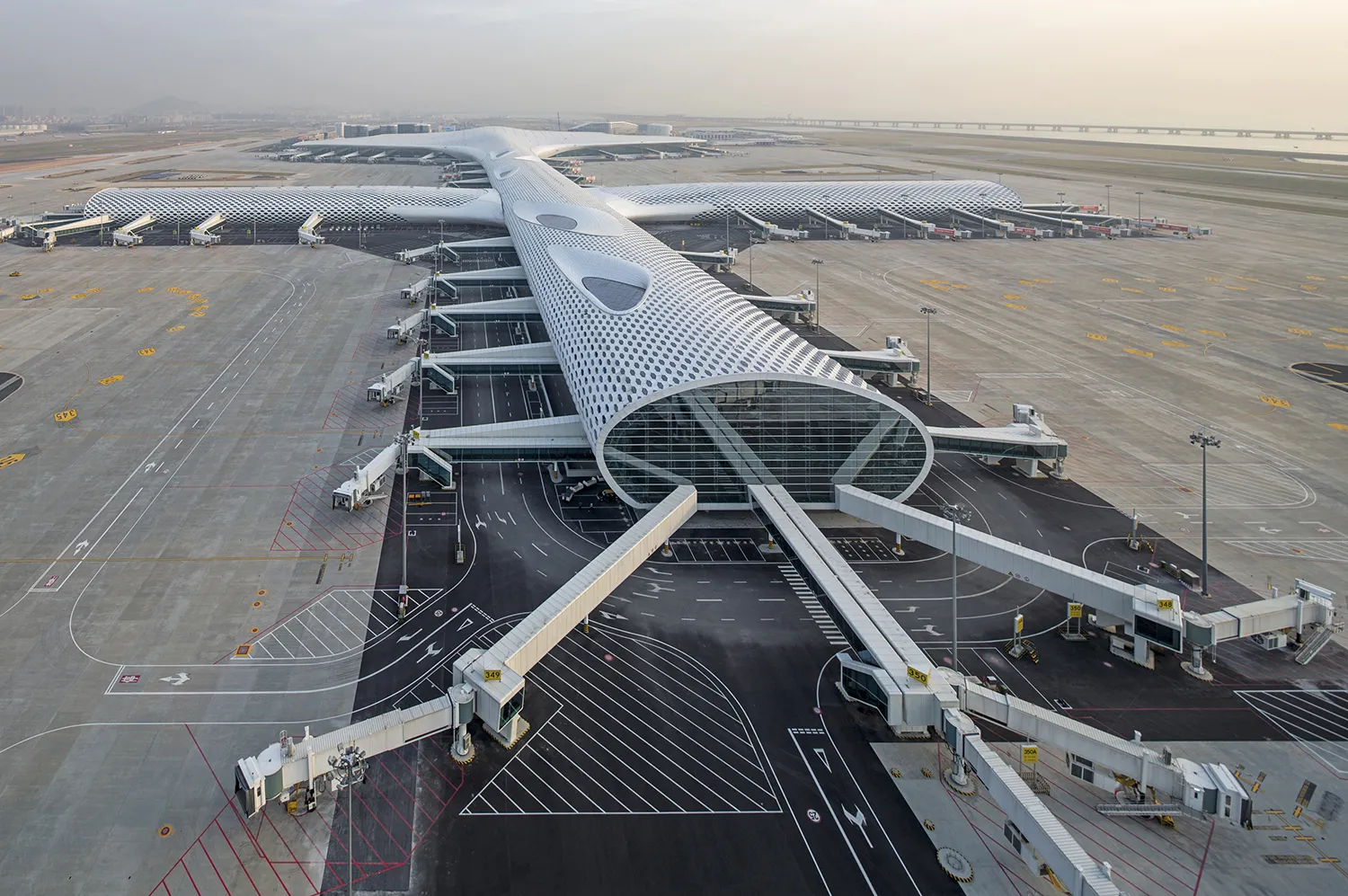
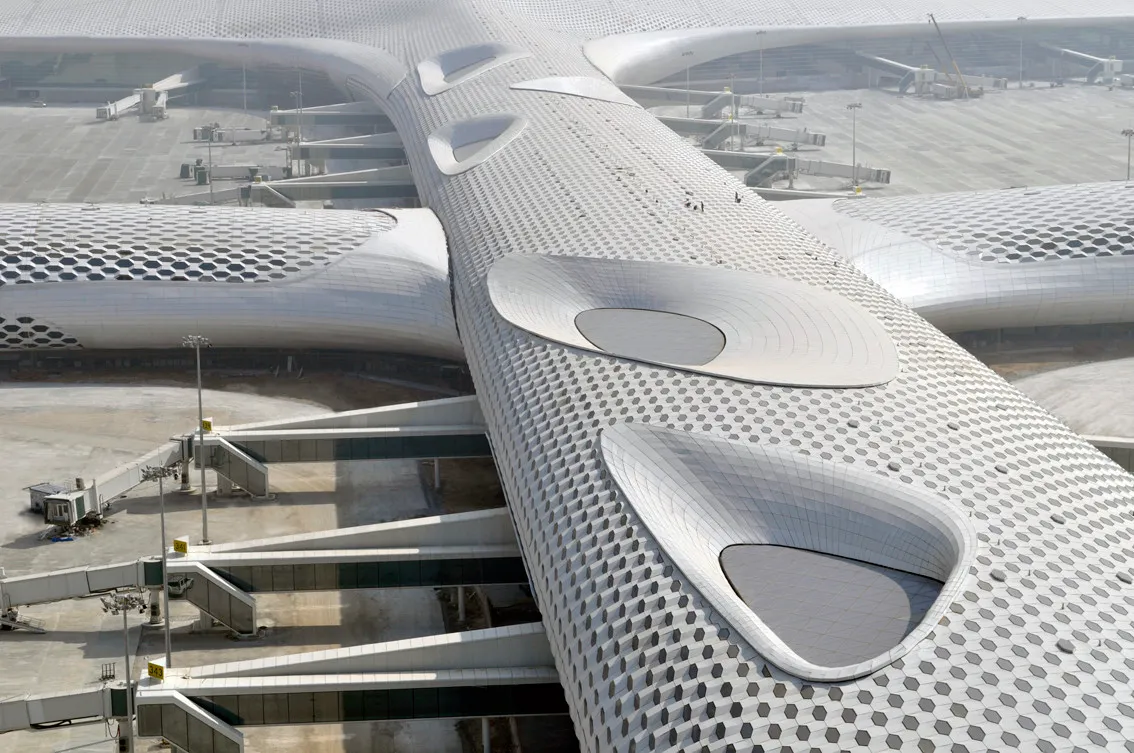
Terminal 3 of the Shenzhen Bao’an International Airport is situated 32 kilometres northwest of Shenzhen’s city centre. The airport’s capacity is twice that of the existing airport, estimated to facilitate approximately 45 million passengers per year. Thousands of hexagonal skylights adorn the entire organic roof structure of the airport, flooding the terminal building with natural sunlight. The entire roof profile of the terminal is characterized by variations in height, resulting in an organic and natural landscape. Wide terminal bays are characterized by white, cone-shaped columns that support the roof structure.
The terminal building has been divided into three sections: the main terminal building, the cross-concourse departure hall, and the satellite concourse. Studio Fuksas drew inspiration from various shapes of living creatures when planning the layout and architectural form. The concept of the terminal revolves around evoking the image of a gigantic manta ray fish that breathes and changes its form, eventually turning into a bird that celebrates emotion and the fantasy of flight.
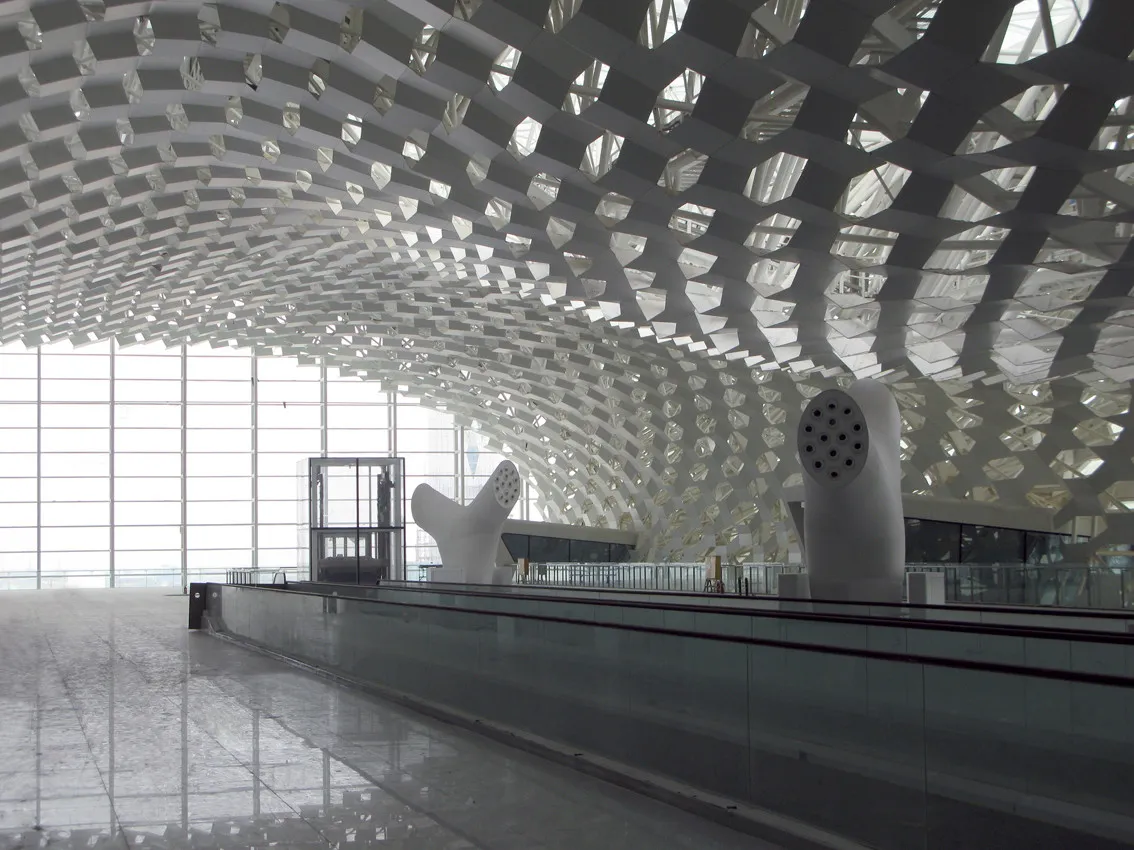
A Honeycomb motif “skin” wraps around the entire structure, a distinctive internal and external double skin, made of alveolus-shaped metal and glass panels of varied sizes, partially shaped. The double-skin layer allows natural light to permeate the entire terminal, creating a variety of light effects in the spaces. The honeycomb motif design language has been replicated in the interiors of the buildings. A subtle profile and stainless-steel finish that reflects and multiplies the honeycomb motif of the internal skin.
8. Learown Fuda Square, United States
Location: Shenzhen, China
Typology: Mixed-use Complex
Completed: 2021
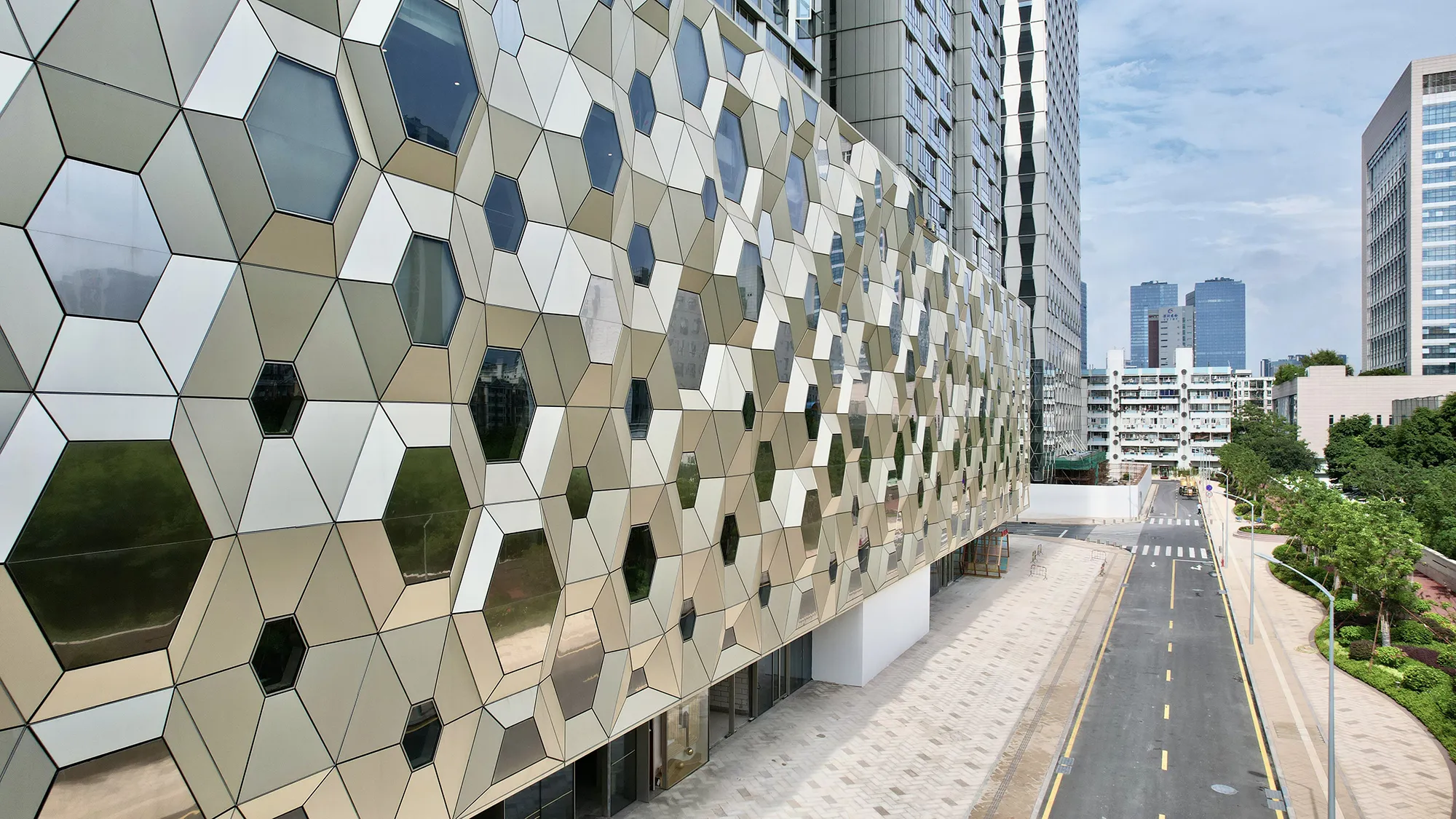
The Learown Fuda Square is situated in Nanshan North, in one of the fastest-growing districts of Shenzhen in China, and was completed in 2021. The mixed-use complex is visible from the Nanshan North main road, while the primary entrance faces a smaller street connecting Nanshan’s High Tech Park. It is a part of the urban evolution and development of Nanshan in the district, envisioned as a future hub for commercial, cultural, and leisure facilities.
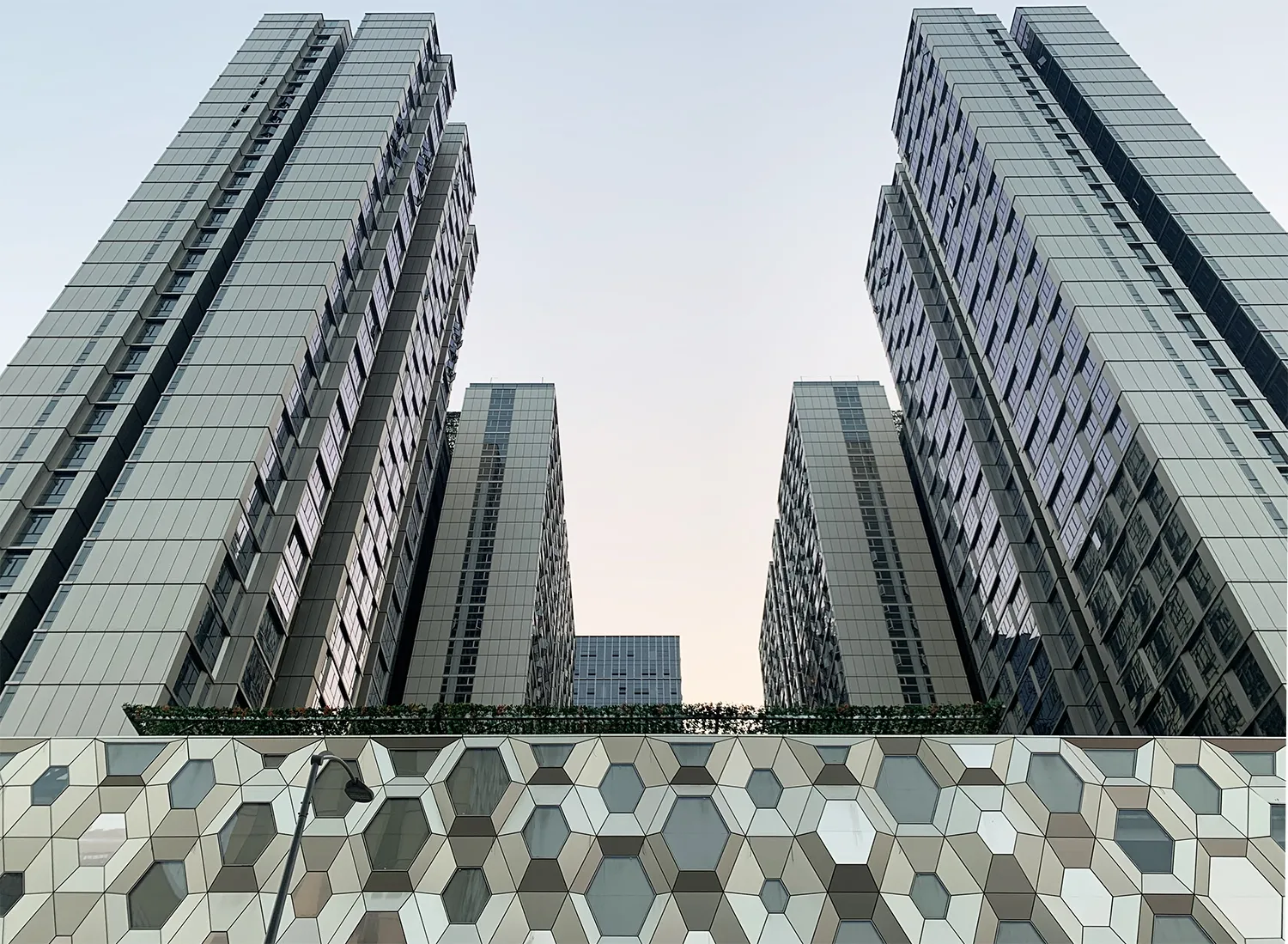
The complex is situated on top of a five-story high base that features various amenities, including shops, restaurants, bars, and services. Above this base, residential, office, and hotel skyscrapers are accommodated within a single development.
The complex is divided into two plots, connected on the upper levels by a system of bridges in the western plot, located directly above the 5-level podium. The podium features high-end shops, a cinema, and one office tower, as well as four residential structures with apartments.
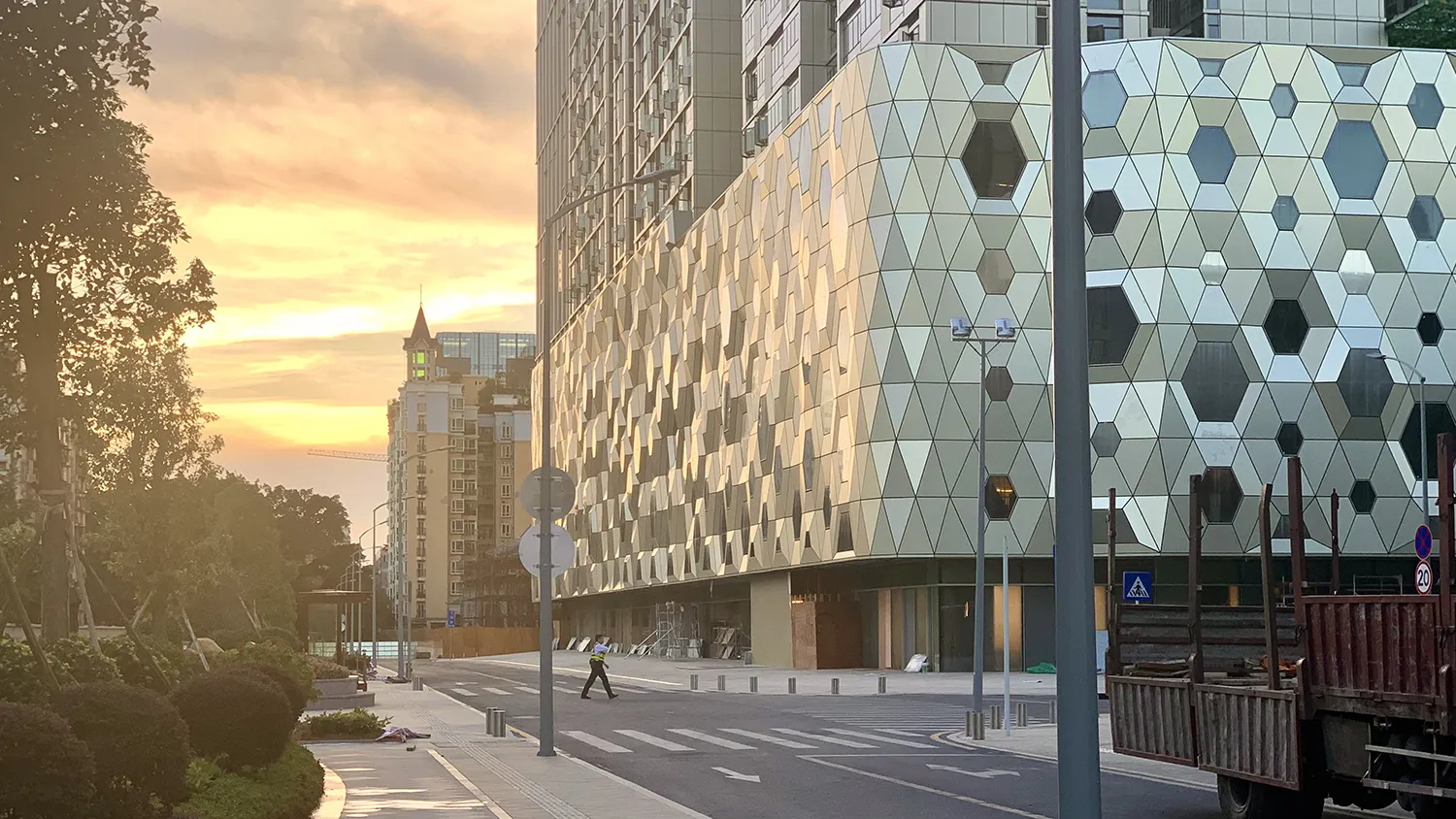
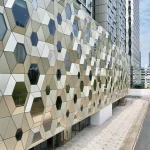
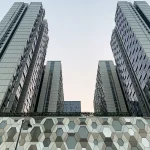
However, the eastern plot is reserved for a luxury hotel with various facilities. The architecture of the podium is composed of 3D gold-anodized aluminum hexagonal modules of different sizes, creating a dynamic character with glass elements. The energy-efficient performance is incorporated into the architecture, with glass elements that allow sunlight to flood the space, thereby saving energy for the entire building.