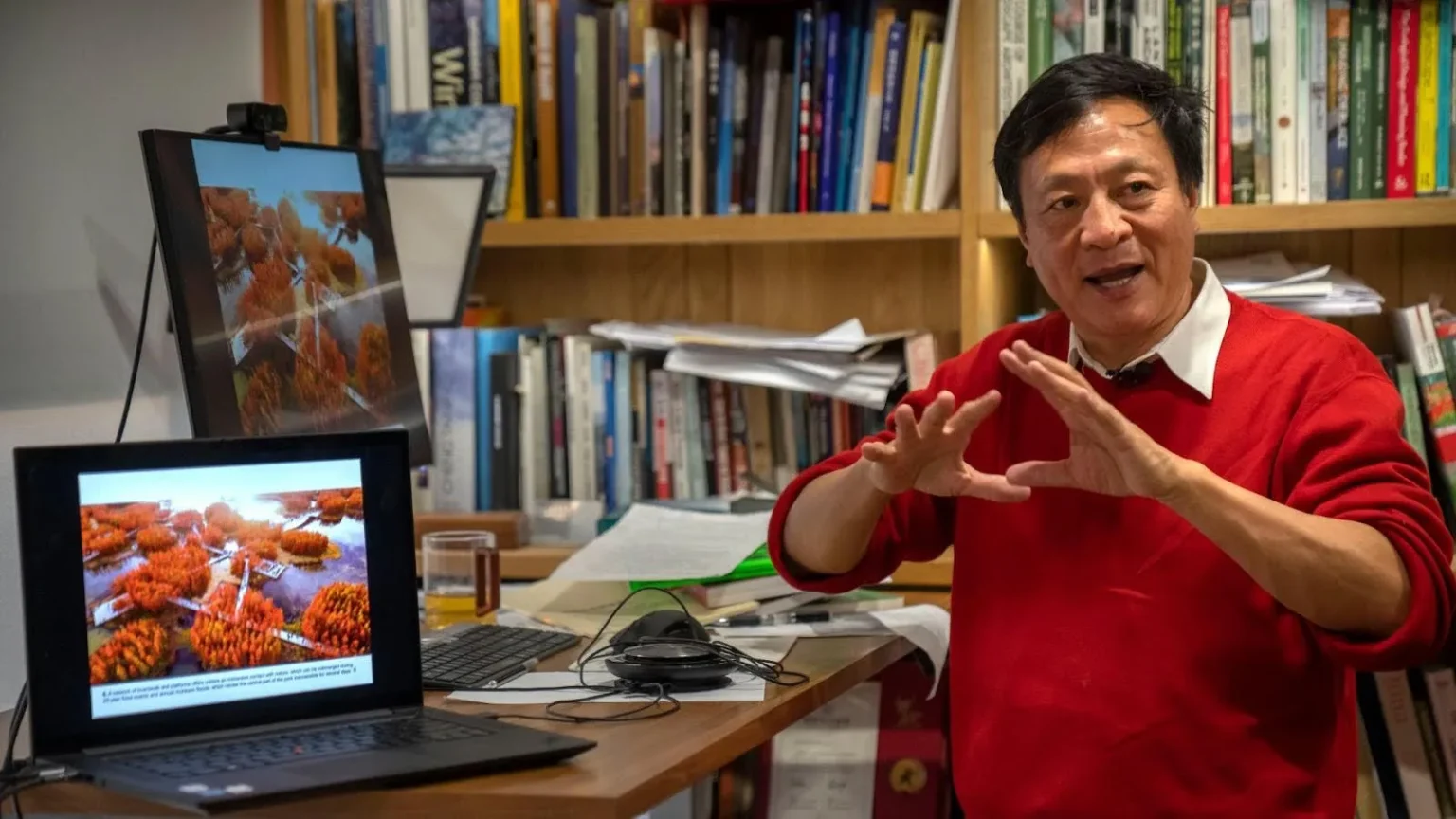


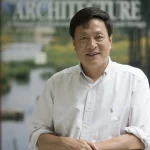
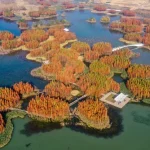
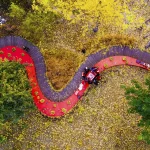
Renowned Chinese landscape architect Kongjian Yu, globally celebrated as the pioneer of the “sponge city” concept, died on 23 September 2025 in a plane crash in Mato Grosso do Sul, Brazil. The small aircraft went down near Aquidauana in the Pantanal wetlands while Yu was working on a documentary project. Three other Brazilian filmmakers, Luiz Fernando Feres da Cunha Ferraz, Rubens Crispim Jr., and pilot Marcelo Pereira de Barros, also lost their lives. Rescue operations lasted nearly nine hours before authorities confirmed the fatalities.
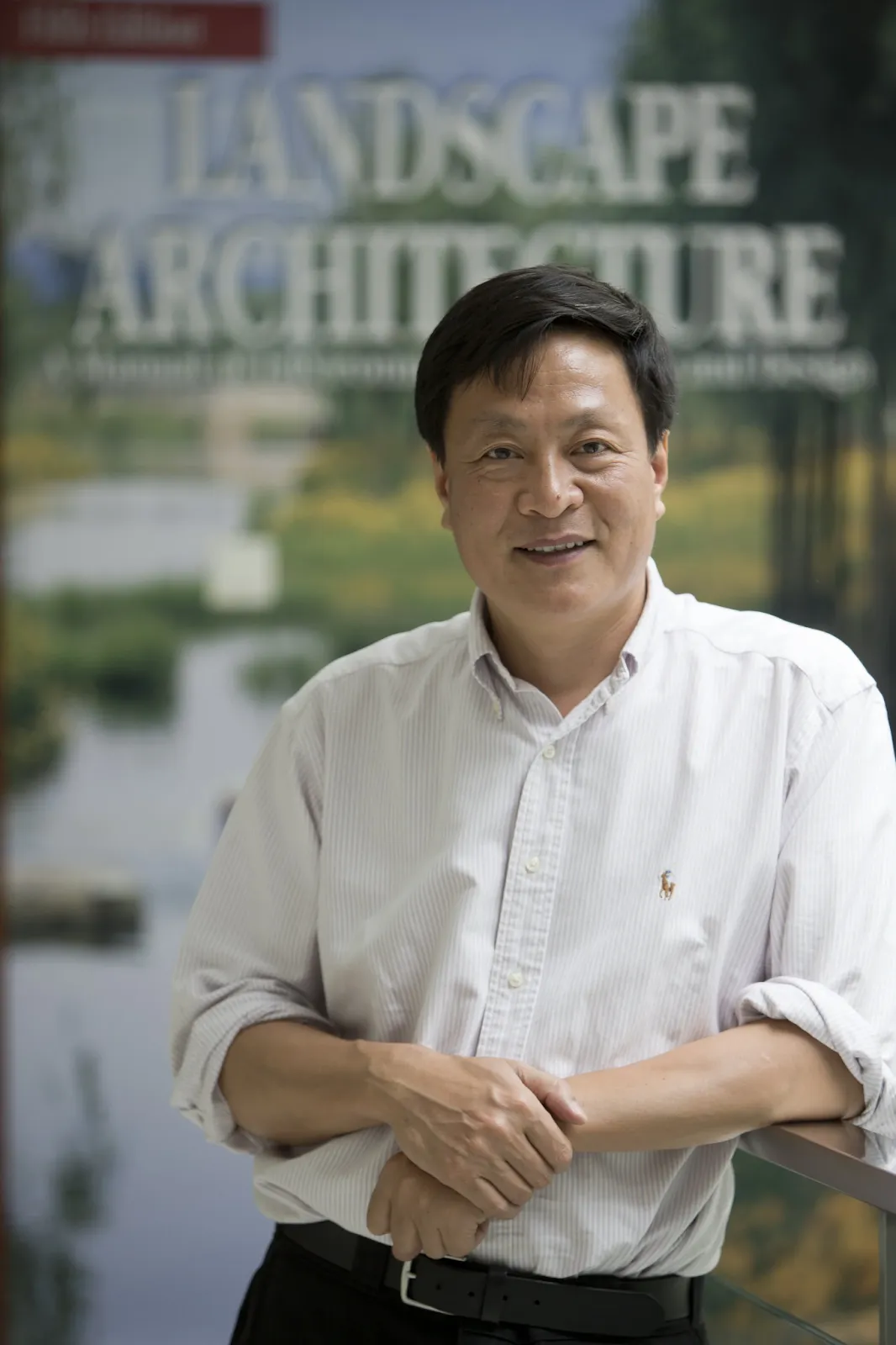
Kongjian Yu in Brazil for Architecture and Sustainability Events
Yu, 62, had traveled to Brazil to participate in the São Paulo International Architecture Biennale and a sustainability conference in Brasília. During his visit, he was also filming a documentary titled Planeta Esponja (Planet Sponge), aimed at expanding his vision of ecological urbanism on a global scale.
Professional Legacy and the Sponge City Model
Born in 1963 in Dongyu village, Zhejiang Province, Yu grew up in a rural farming community, an experience that deeply influenced his ecological perspective. He studied landscape architecture at Beijing Forestry University before pursuing a doctorate at Harvard Graduate School of Design, where he refined his theories on ecological infrastructure.
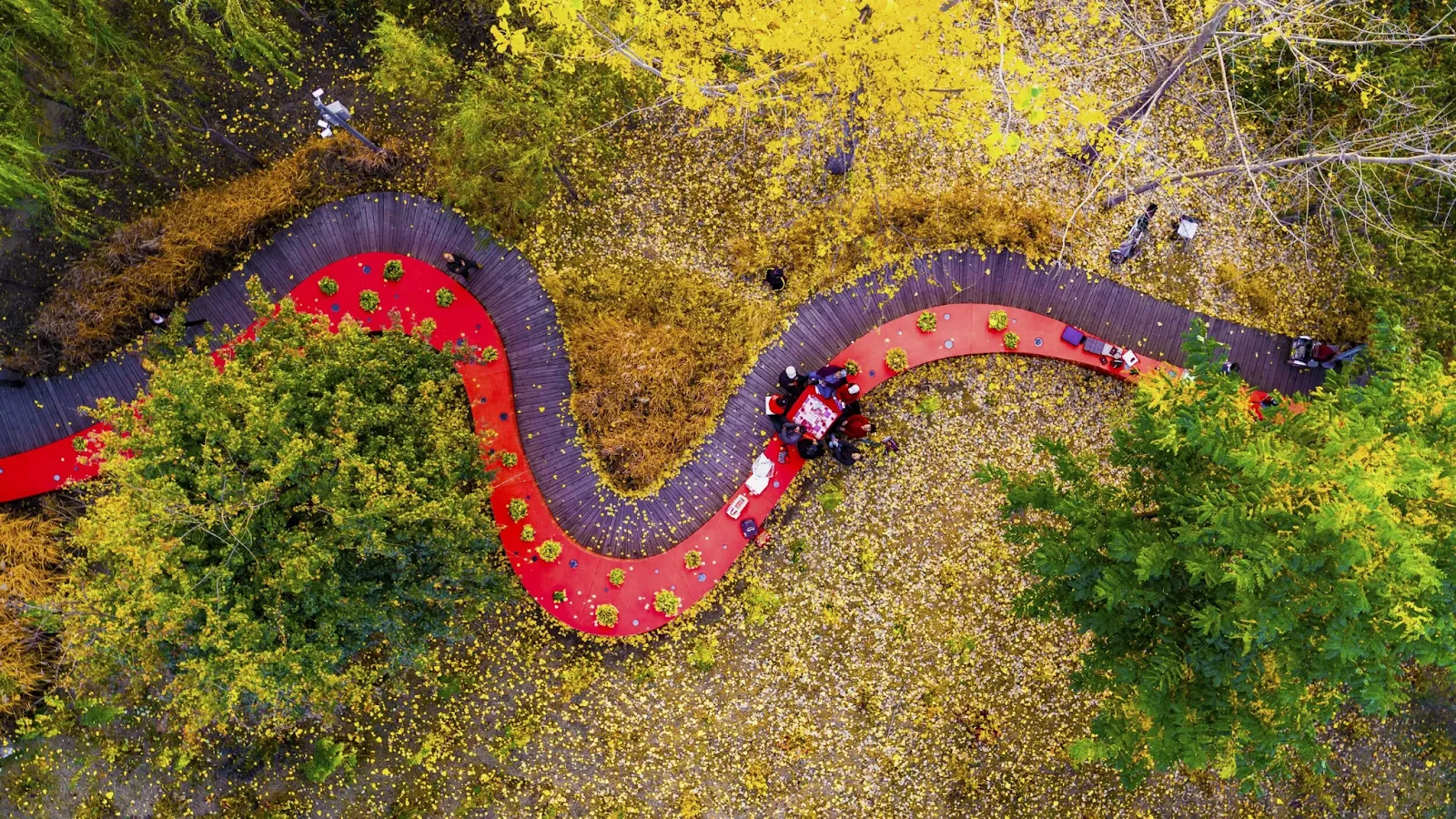
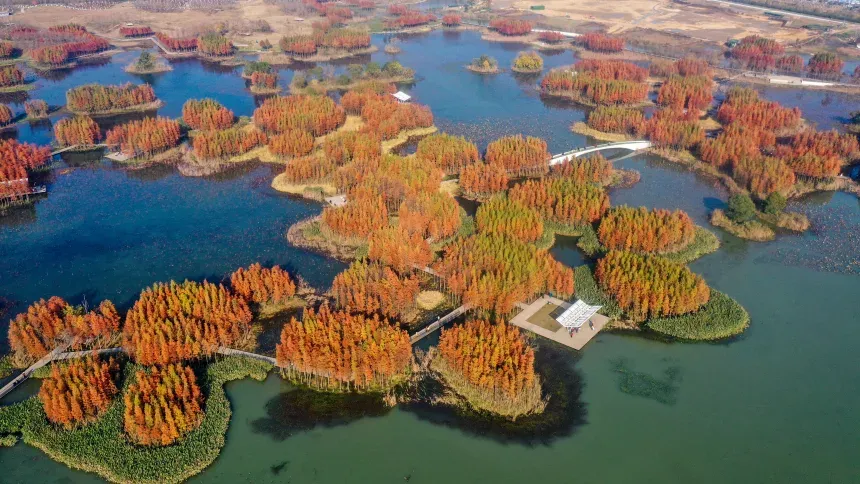
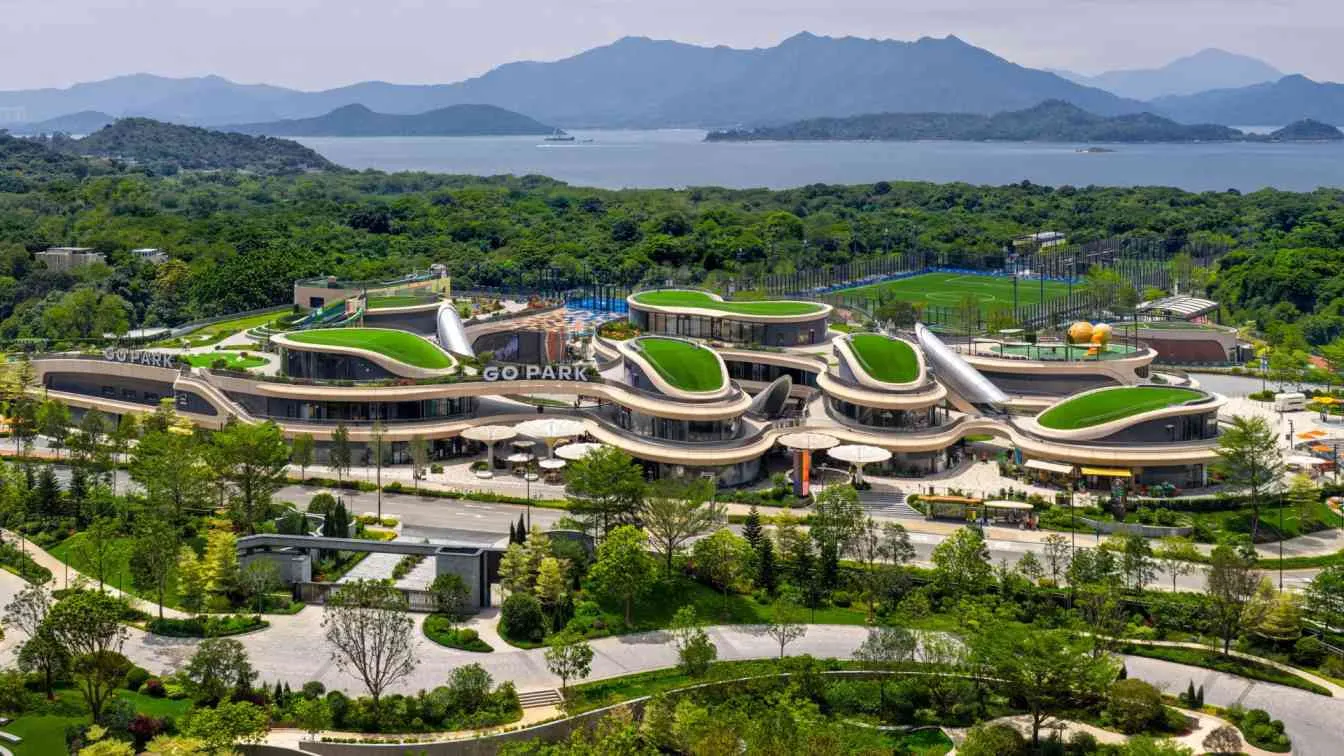
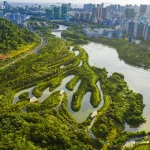
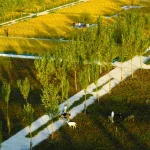
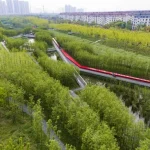
In 1998, Yu founded Turenscape, which became one of China’s leading landscape architecture firms. He also established and later served as Dean of the College of Architecture and Landscape Architecture at Peking University. His groundbreaking “sponge city” model promoted using wetlands, parks, and permeable surfaces to manage urban flooding and improve water resilience. This nature-based approach was later adopted as a national policy in China and influenced sustainable city planning worldwide.
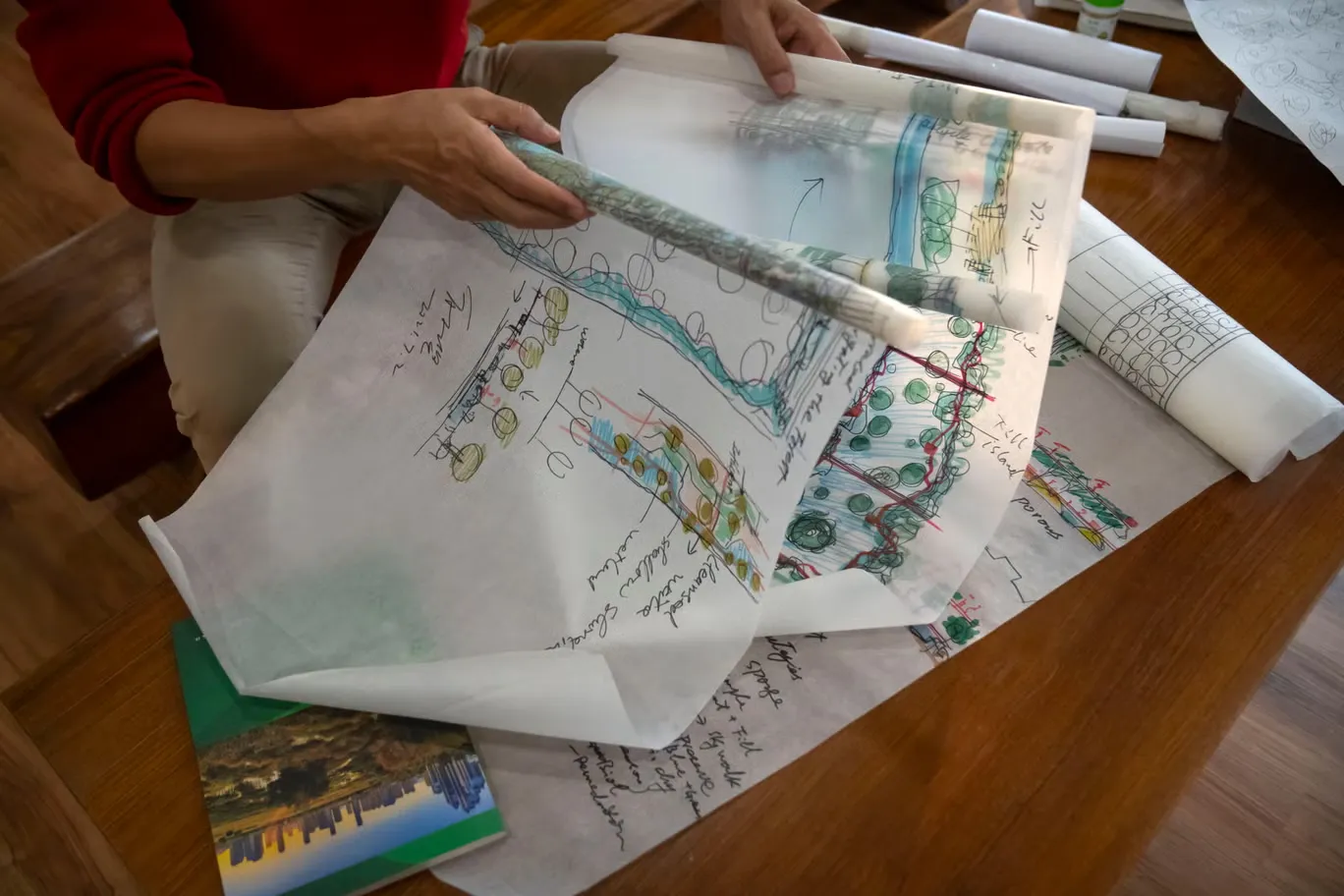
Yu’s visionary work earned him some of the highest honors in landscape architecture. These include the Sir Geoffrey Jellicoe Award (2020) from the International Federation of Landscape Architects (IFLA) and the Cornelia Hahn Oberlander International Landscape Architecture Prize (2023). His projects, ranging from river restorations to large-scale wetland parks, have been recognized as benchmarks in ecological urban design.
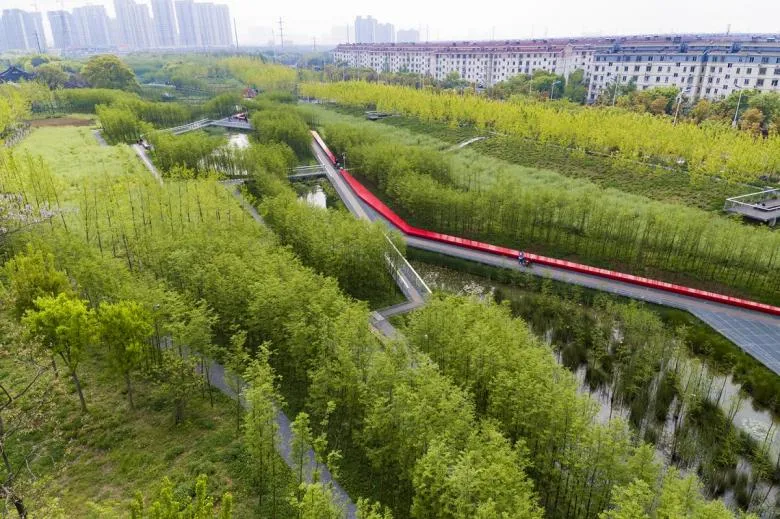
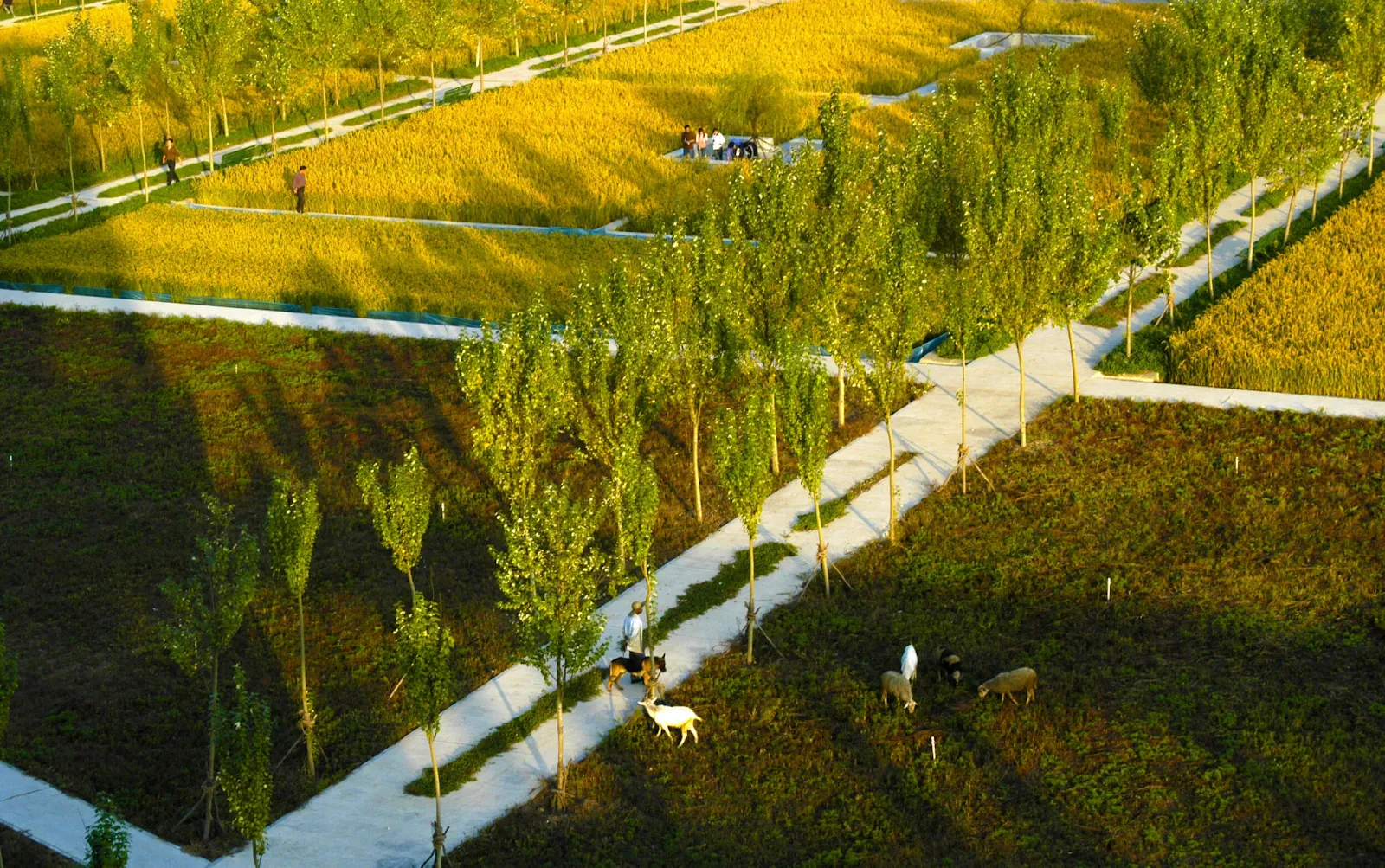
The news of his death prompted widespread tributes. Brazil’s President Luiz Inácio Lula da Silva expressed condolences, acknowledging Yu’s contributions to climate-adaptive design. The IFLA released an official statement honoring him as one of the most influential voices in contemporary landscape architecture. On Chinese social media, his passing sparked grief and disbelief, with many praising his role in reshaping urban planning for the age of climate change.
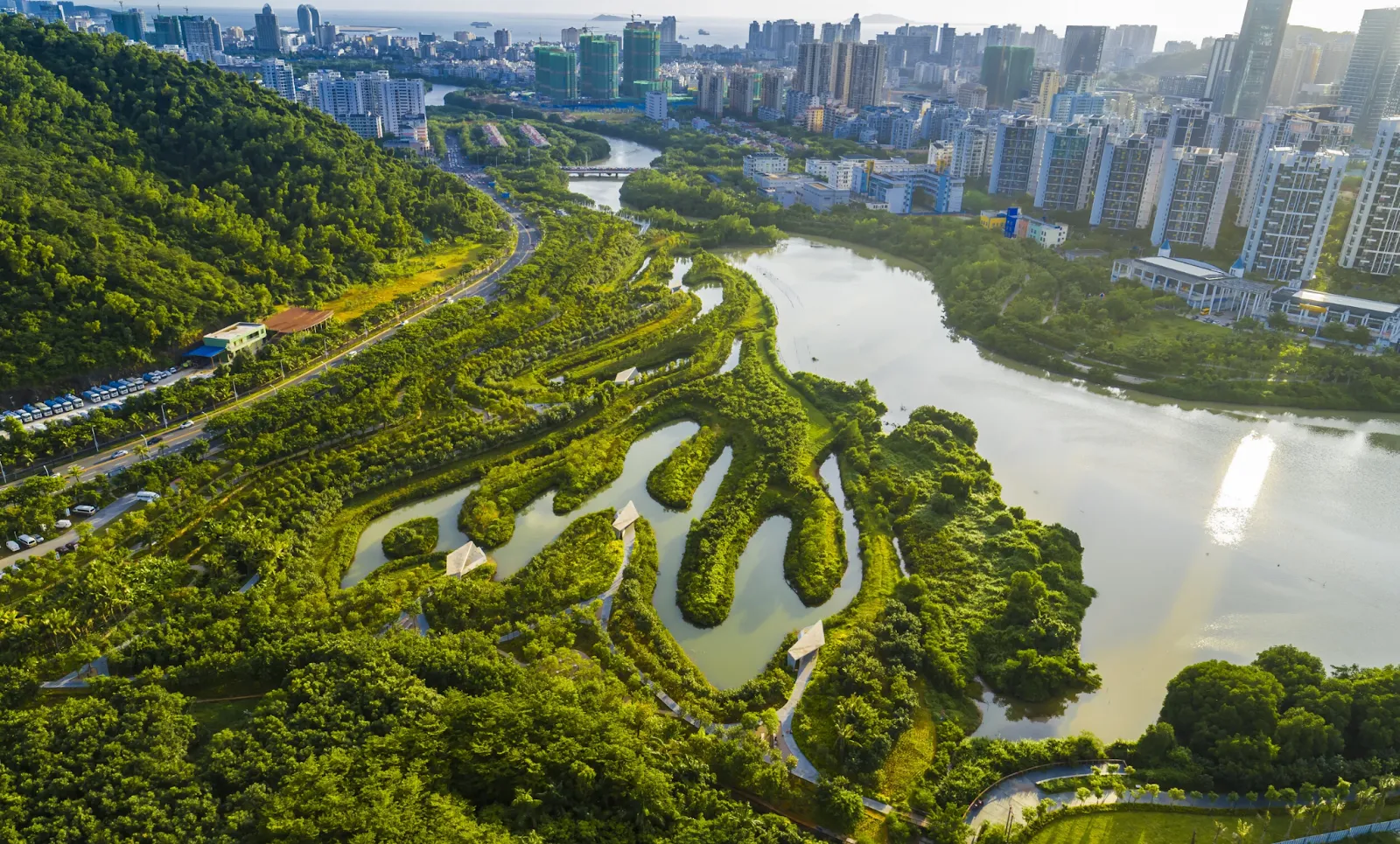
Beyond the sponge city, Yu had been advocating for a broader “sponge planet” vision, emphasizing wetland restoration and global water system resilience. While his sudden passing has left the architectural community in shock, his legacy, integrating ecological wisdom into modern urban life, continues to inspire city planners, architects, and policymakers worldwide.