























Manuel Jiménez García’s path runs from a decade of academic research at The Bartlett, where he explored computational design and large-scale 3D printing, to founding Nagami, now one of the world’s leading robotic manufacturing studios.
As CEO and co-founder of Nagami, García has pushed the limits of additive manufacturing, scaling from experimental furniture to architectural components, interiors, and urban strategies, all while embedding sustainability at the core. In this interview, he speaks about the transition from academia to entrepreneurship, the realities of running a design-tech company, and what it means to print not just objects, but the future of printing architecture itself.

Interview with Manuel Jiménez García – CEO & Co Fouder of Nagami
Yagmur (PA): You spent nearly a decade at The Bartlett/UCL, exploring computational design and large-scale 3D printing. The VoxelChair for the Centre Pompidou became a turning point in that journey. How did this academic research evolve into the foundation for Nagami as a company?
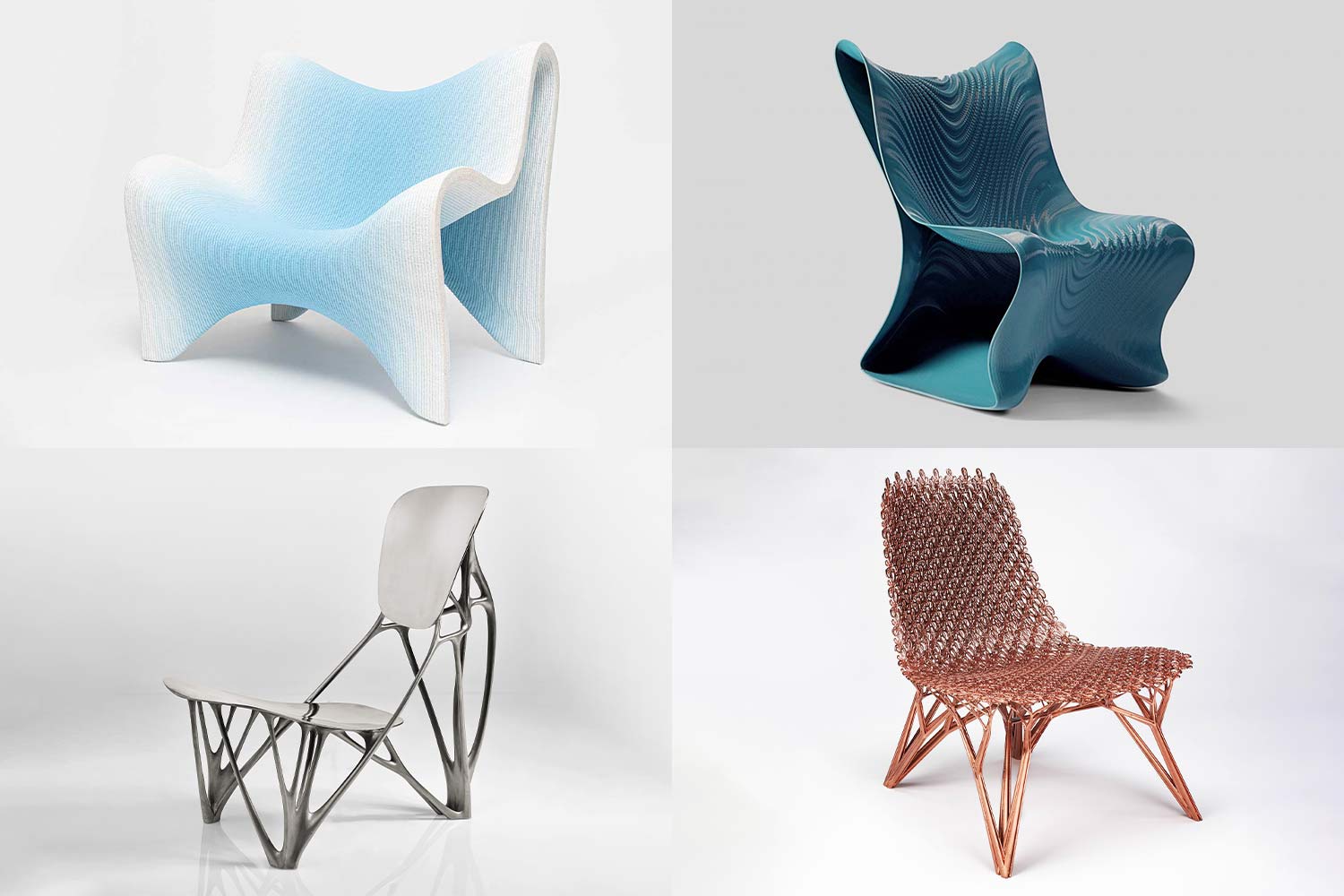
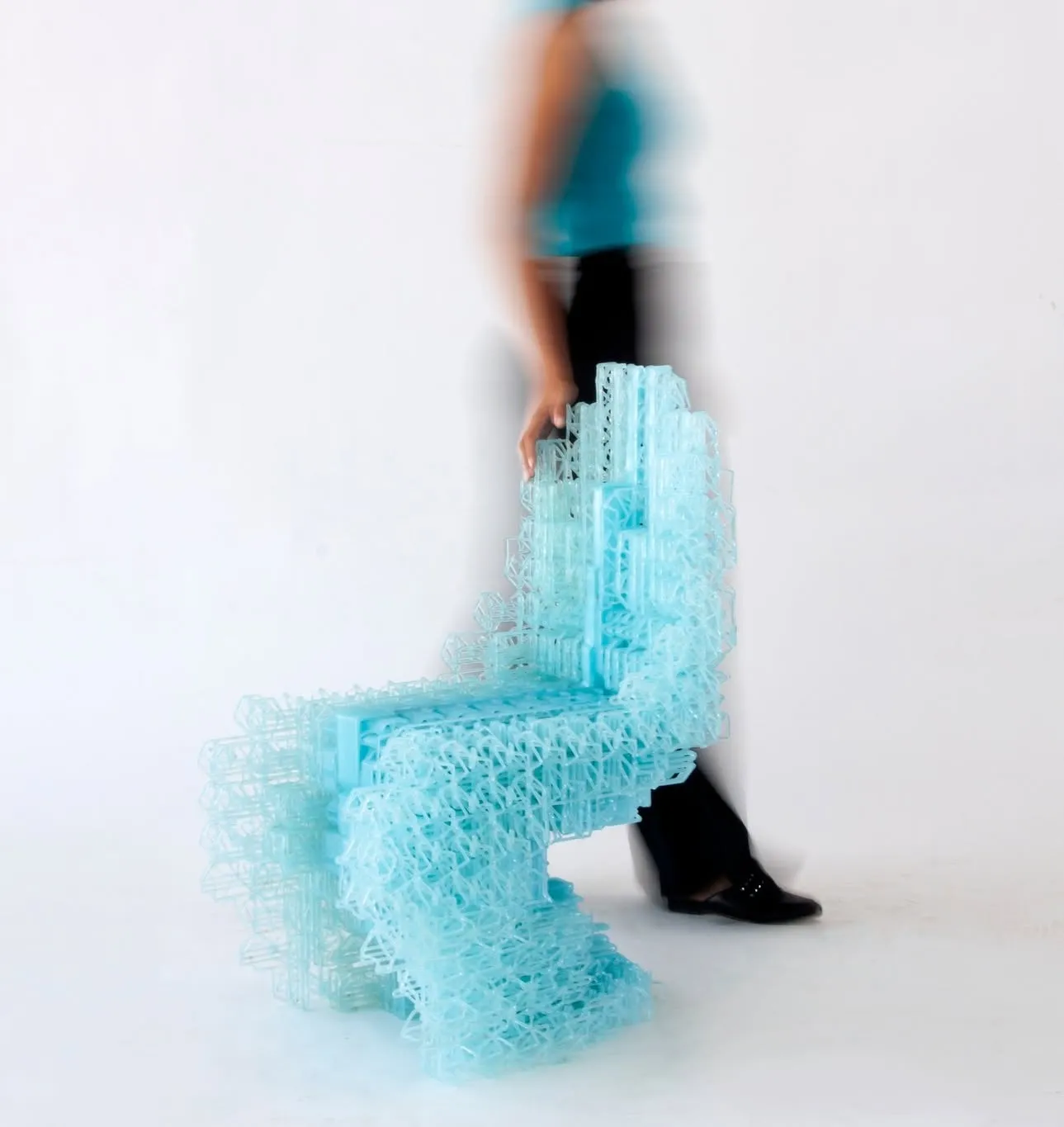
Manuel Jiménez García: My time at The Bartlett was foundational. It gave me a deep understanding of digital design and fabrication, not just as theoretical constructs but as real-world tools. The VoxelChair, designed with Gilles Retsin and exhibited at the Centre Pompidou, wasn’t just an object, it was a proof of concept. It embodied a way of thinking about design and manufacturing as one continuous process. That’s when the idea for Nagami truly crystallized: if we could build expressive, high-resolution objects using robotic 3D printing, why not bring that into industry? Nagami was born out of a desire to take that academic potential and make it tangible, functional, and scalable.

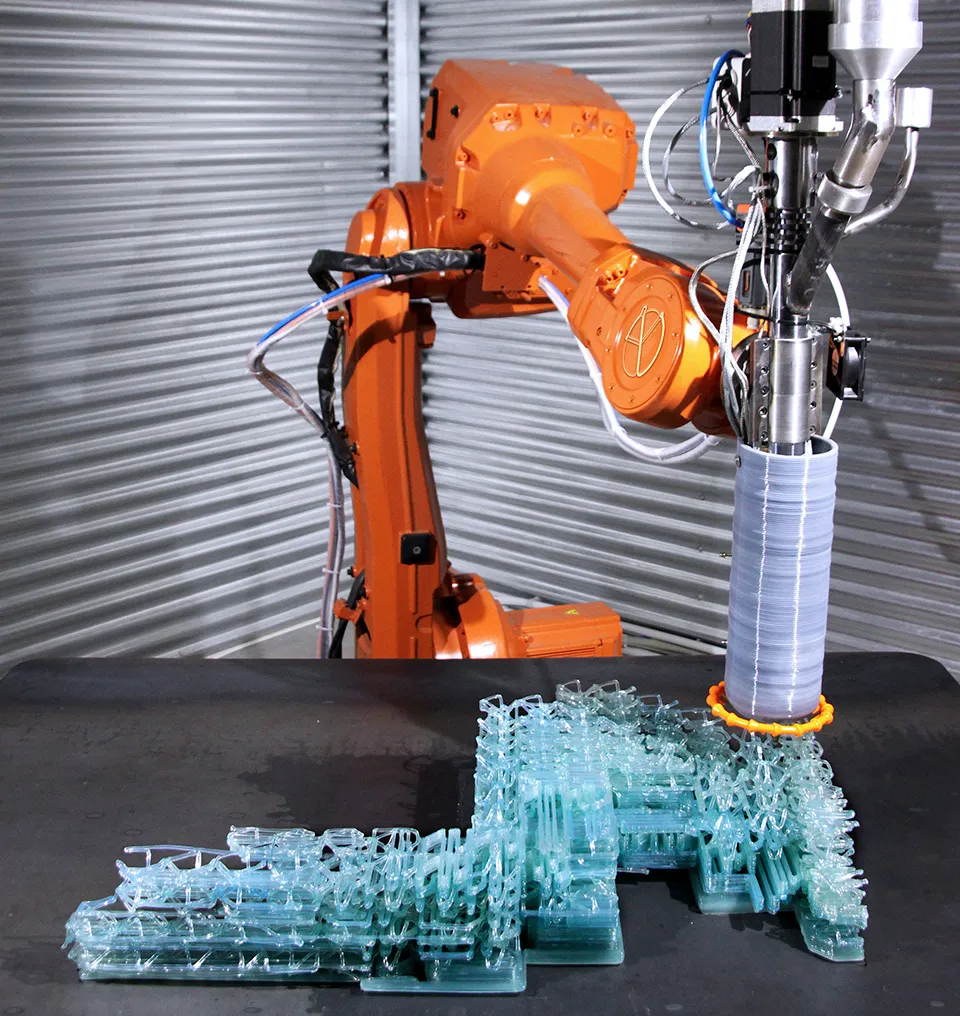
Yagmur (PA): Nagami started as a small team in Ávila and now operates globally recognized projects. What mindset or strategy helped you grow from a local startup into an international design-tech company?
Manuel Jiménez García: We started with a radical idea in a tiny town most people couldn’t place on a map. But we always thought globally. From day one, we asked ourselves: “How can we build a company that redefines design through robotics and sustainability?” We didn’t want to follow trends, we wanted to shape them. That meant collaborating with some of the world’s most visionary designers and institutions, pushing technological boundaries, and staying relentlessly experimental. But perhaps the biggest mindset shift was treating design not just as craft, but as infrastructure, an ecosystem of technology, people, and systems that can scale without losing soul.
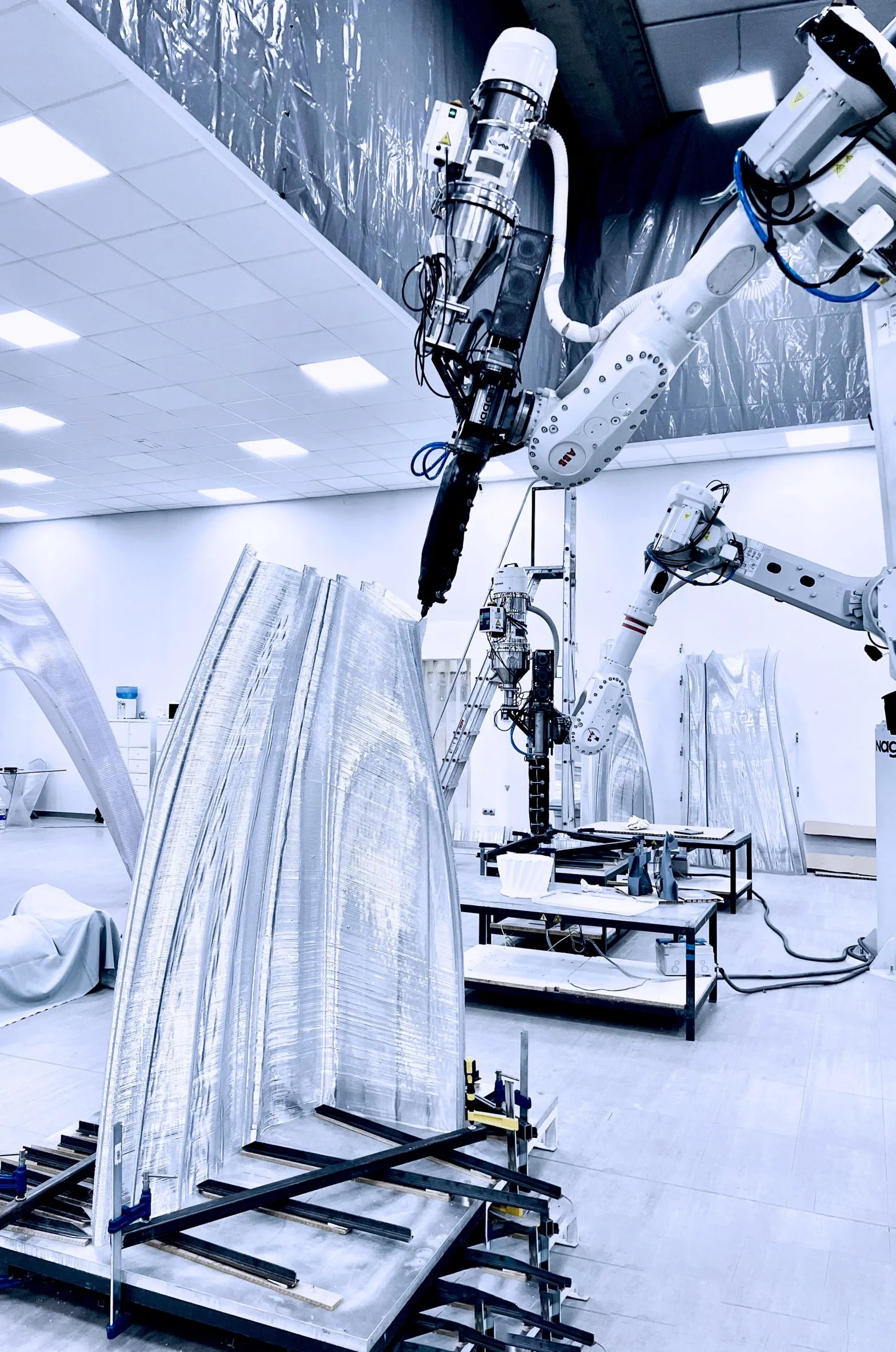

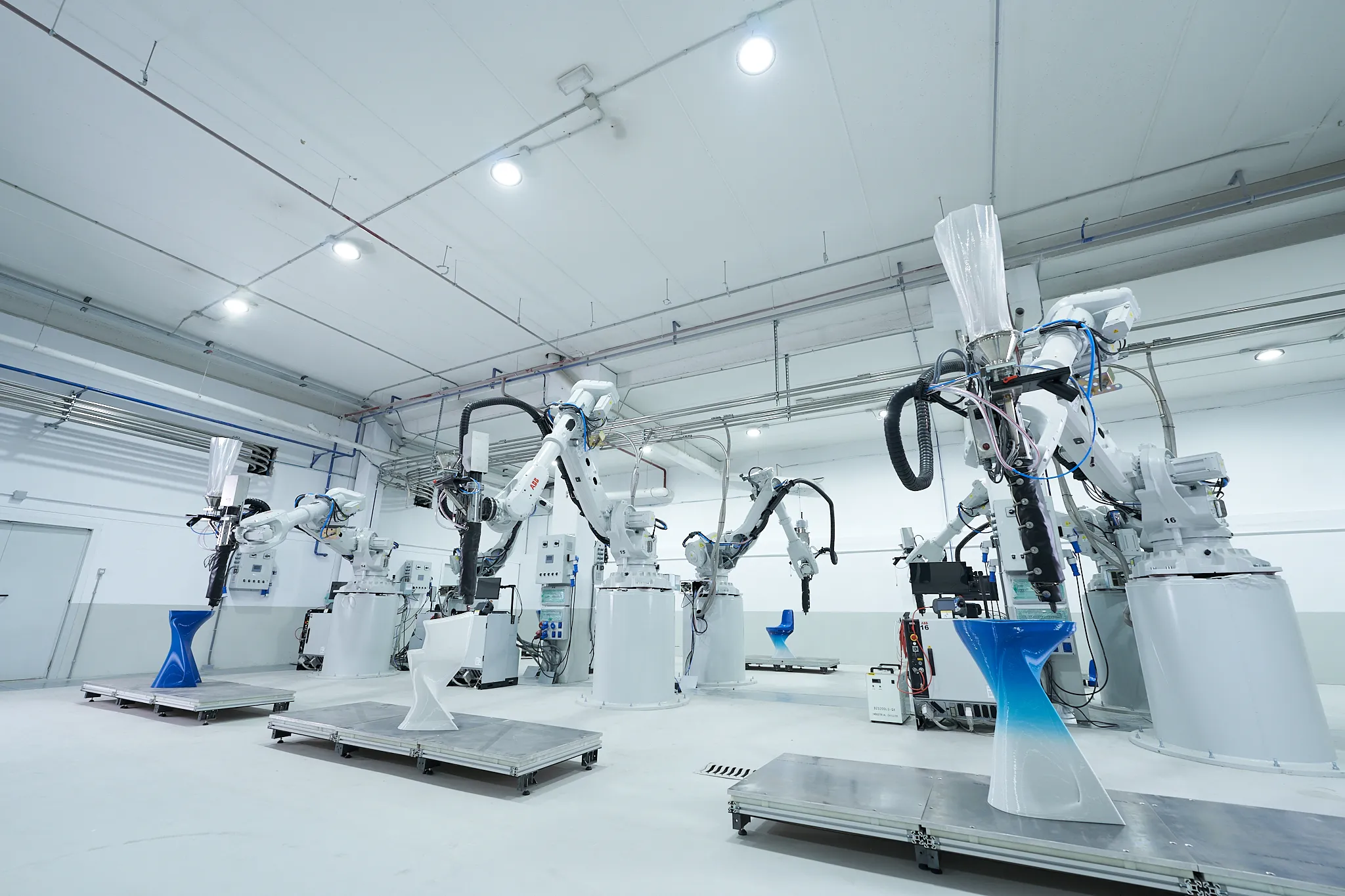
Yagmur (PA): Nagami now runs 23 robotic arms for large-scale printing, the biggest setup of its kind. How has this scale changed what you are able to deliver?
Manuel Jiménez García: Scale changes the equation entirely. With 23 robotic arms running in parallel, we’re no longer limited to bespoke pieces or one-offs. We can operate like a distributed micro-factory, producing large collections, architectural elements, or urban furniture at industrial speed without compromising on craft or sustainability. It also allows us to think in systems: parametric families of products, zero-waste material loops, serialized uniqueness. We’re now stepping into architecture, infrastructure, and even circular urban strategies. It’s no longer about printing chairs—it’s about printing futures.
Yagmur (PA): Early in Nagami’s journey, you collaborated with renowned designers and architects – from Zaha Hadid Architects to Ross Lovegrove and Daniel Widrig – debuting bold 3D-printed pieces like the Bow and Rise chairs at events such as Milan Design Week. How did these high-profile collaborations come about, and what did you learn from working with such visionaries?
Manuel Jiménez García: These collaborations were pivotal. They happened because we were clear in our ambition and bold in our outreach. We weren’t afraid to pick up the phone or knock on doors. And the response was overwhelmingly positive, designers like Ross Lovegrove or Zaha Hadid Architects saw in Nagami a new medium, not just a production facility. Working with them taught us to respect vision while challenging process. They brought poetic form; we brought technical invention. Together, we crafted objects that couldn’t exist through traditional means. Milan was the launchpad, but the real power was in discovering the synergy between radical aesthetics and radical tech.


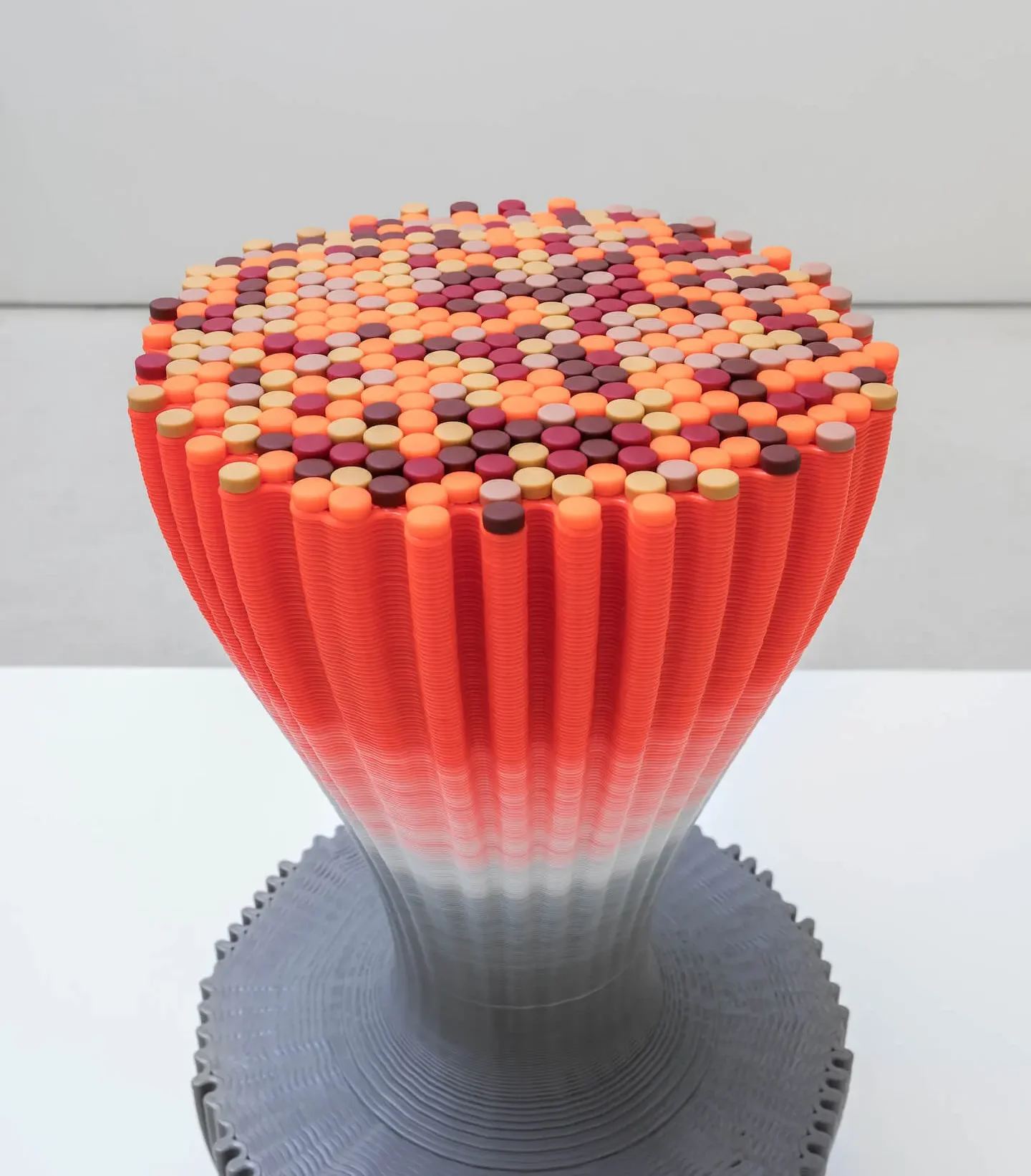
Yagmur (PA): You work entirely with recycled PETG. What’s been the toughest challenge in transforming plastic waste into high-quality design?
Manuel Jiménez García: Plastic is politically and environmentally charged. We knew from the beginning that we didn’t want to add to the problem—we wanted to become part of the solution. Recycled PETG is a tricky material: it behaves differently from virgin polymers, it’s more unpredictable, and it requires constant tuning of parameters. The challenge has always been turning “waste” into something aspirational, both technically and emotionally. For us, sustainability isn’t a checkbox, it’s the DNA. Every curve we print is a gesture of transformation, proving that circularity and beauty are not mutually exclusive.


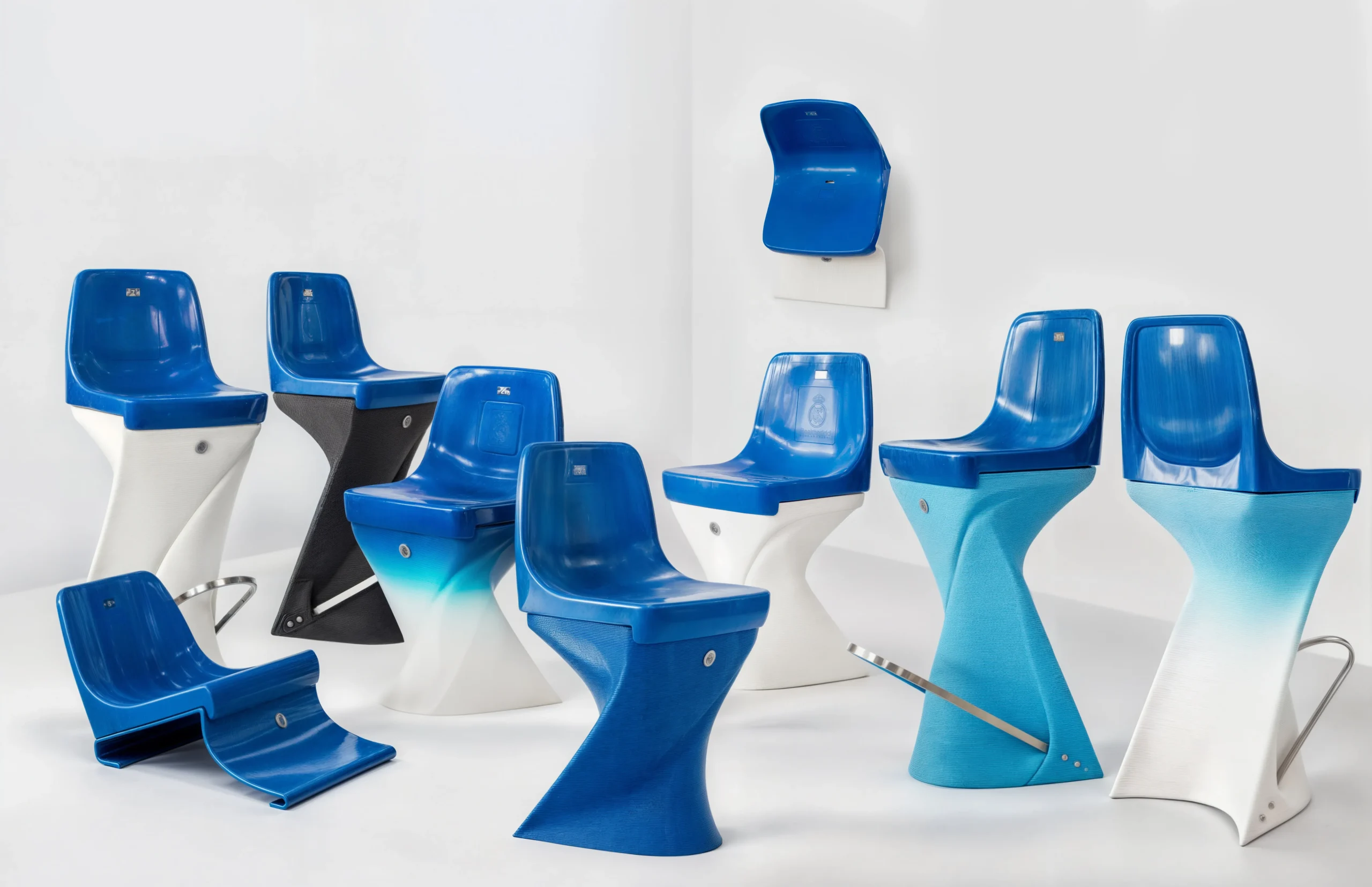
Yagmur (PA): The Santiago Bernabéu seating project turned old stadium seats into furniture. Do you see these kinds of projects changing how people view circular design?
Manuel Jiménez García: Absolutely. That project was special, not just because of the material, but because of its emotional resonance. We weren’t just recycling plastic; we were transforming memories. Fans could take home a piece of the stadium, now reimagined as a stool or sculpture. This is what circular design should be: cultural upcycling. It creates a new narrative where sustainability, storytelling, and heritage converge. I believe this approach will shift the way people value objects, not for their novelty, but for their depth.

Yagmur (PA): Your pioneering academic research laid the foundation for Nagami, but what stands out is how you’ve translated it into real-world solutions, combining parametric design, recycled materials, and LFAM technology. How do you approach bridging that gap between research and practical projects?
Manuel Jiménez García: That’s the core of what I do, living in that tension between the speculative and the pragmatic. I always say: Nagami is a lab disguised as a company. Our research doesn’t sit on a shelf—it flows directly into production. Parametric design gives us the flexibility to adapt forms and structures in real time, and LFAM allows us to execute them at scale. The key is to treat every project as a prototype, even if it’s a hundred units. That mindset keeps us inventive, agile, and always evolving.

Yagmur (PA): Running a design-tech business is very different from running a design studio. What has been the most surprising lesson you’ve learned as a founder?
Manuel Jiménez García: That vision is nothing without structure. When you’re deep in design, it’s easy to romanticize chaos. But building a business requires clarity, discipline, and organization. I’ve learned that systems, teams, and operations are as creative as form-making. Also, letting go, trusting others, building leadership, empowering people, that’s hard for any founder, but it’s essential if you want to grow. It’s not enough to design beautiful objects; you need to design a company that can stand on its own.

Yagmur (PA): Your projects are moving beyond furniture. Do you see Nagami one day printing buildings?
Manuel Jiménez García: Absolutely. We already have projects in the pipeline involving architectural pavilions, walls, even experimental housing. The line between furniture and architecture is dissolving. With LFAM and robotics, we can think in volumes and systems. I believe that printing buildings is not just a fantasy, it’s an inevitability. But the real question is how we do it responsibly, beautifully, and scalably. We’re interested not in printing buildings for the sake of it, but in redefining the construction paradigm, where materials are circular, forms are adaptive, and cities are alive.
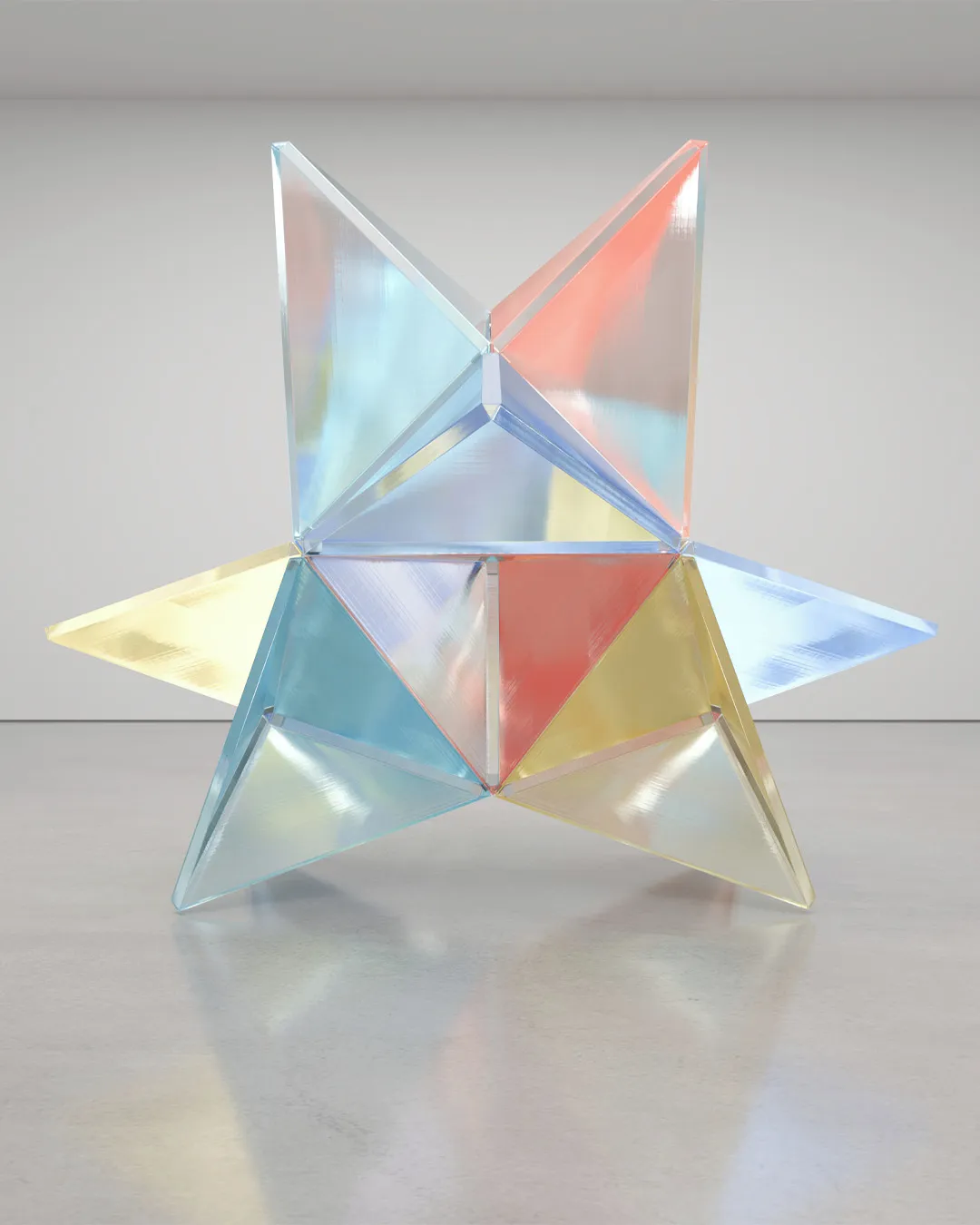
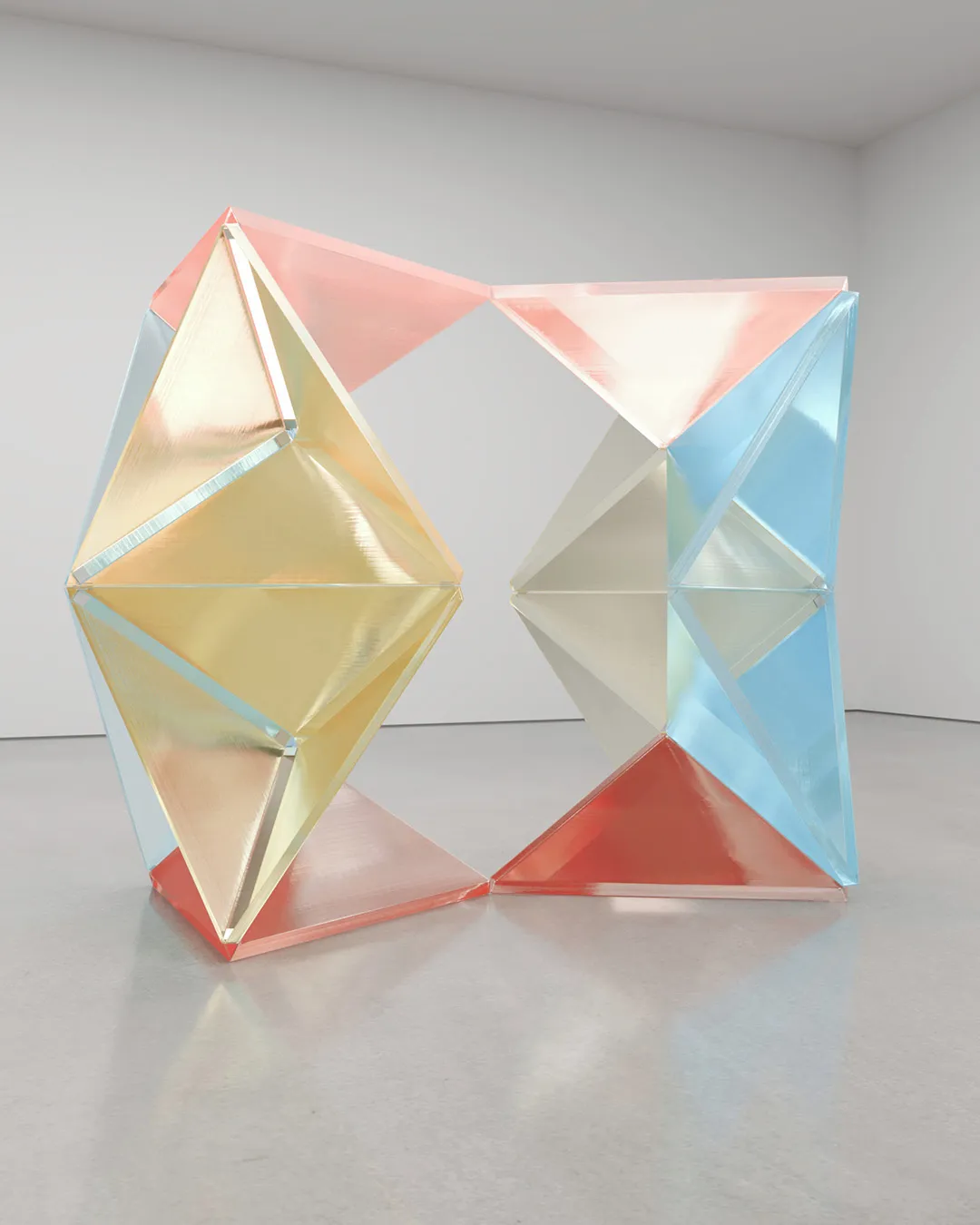
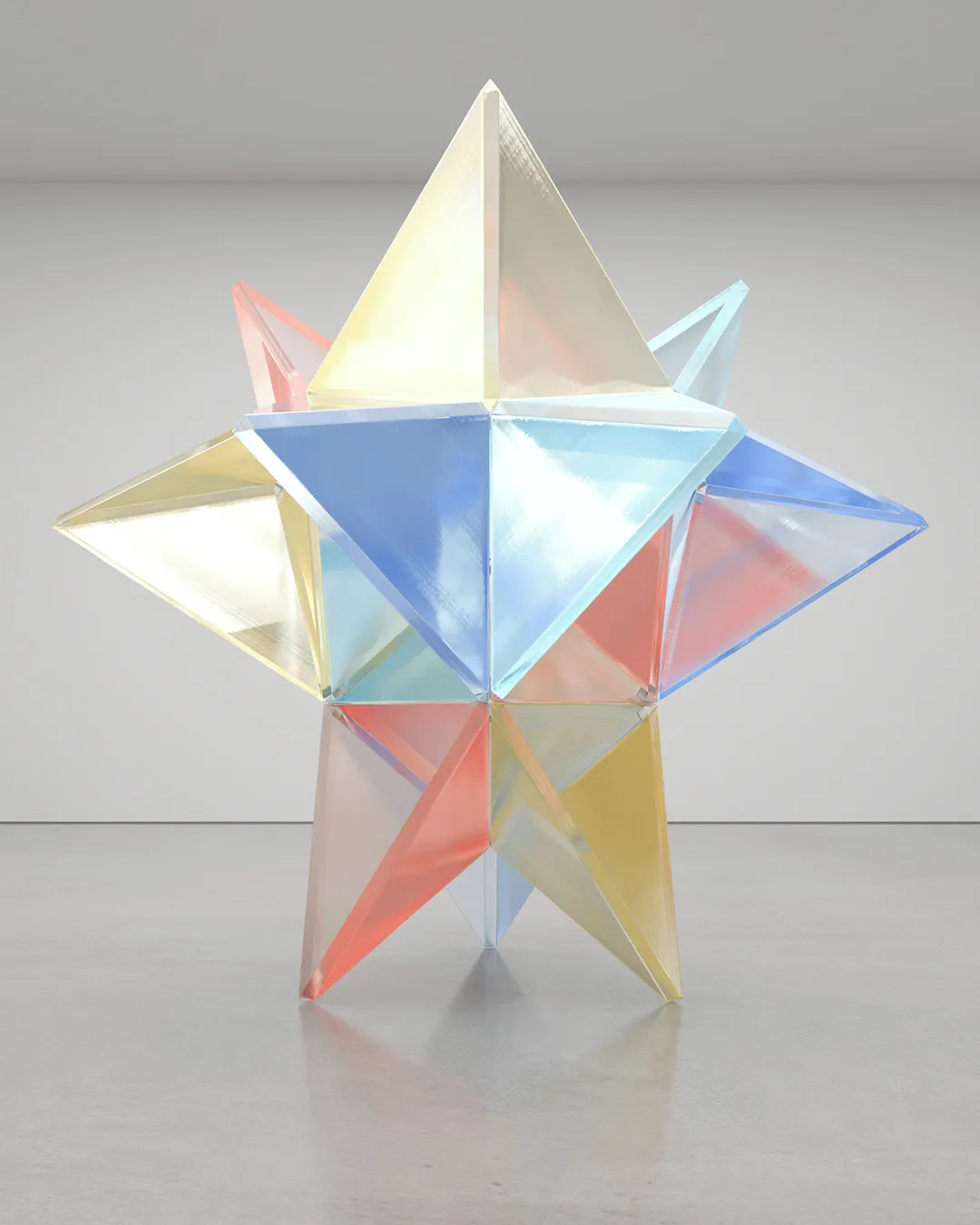
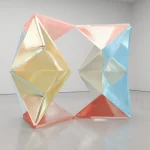
In collaboration with @davidmaganstudio, Reebot 1 was conceived as a modular sculpture built from a single unit repeated 16 times, allowing endless variations and abstract artistic expressions.
Yagmur (PA): Looking back on your journey, what advice would you give to young architects who dream of turning their ideas into a business?
Manuel Jiménez García: Start messy, stay curious, and build your tribe. Don’t wait for perfect conditions, they never arrive. Focus on ideas that solve real problems and surround yourself with people who challenge you. Learn the language of business, but don’t lose the poetry of your vision. Most importantly: don’t be afraid to reinvent the rules. The architecture of tomorrow isn’t built with the tools of yesterday. If you can imagine it, you can make it. And if you can make it, you can change everything.

Under Manuel Jiménez García’s direction, robotics, recycled materials, and computation converge into a practice that treats every project as an open experiment. Nagami no longer asks what 3D printing can make, but what kind of world it might remake. The implications extend well beyond furniture: a framework for architecture, for cities, for the systems that sustain them. As he puts it: “If you can imagine it, you can make it. And if you can make it, you can change everything.”