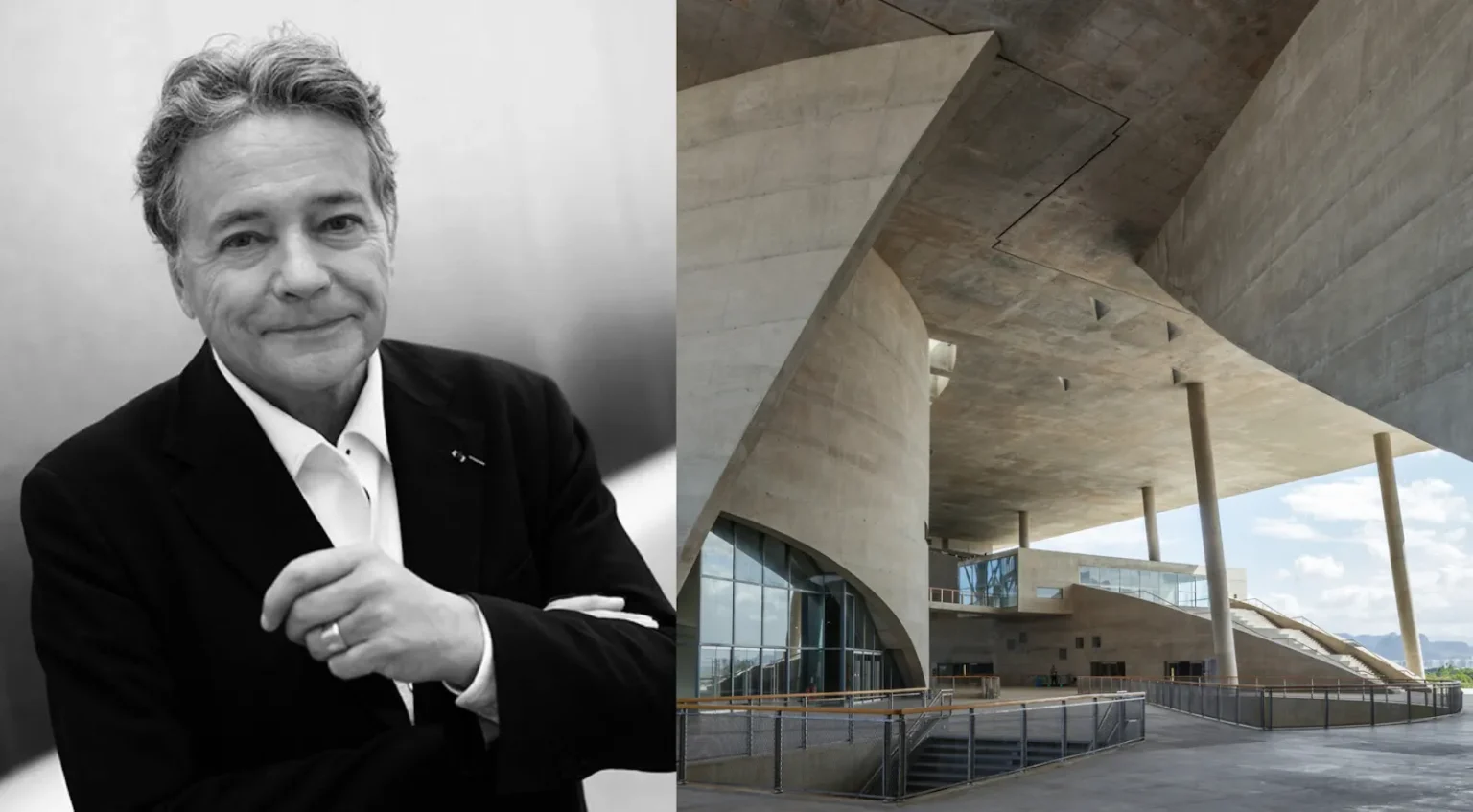
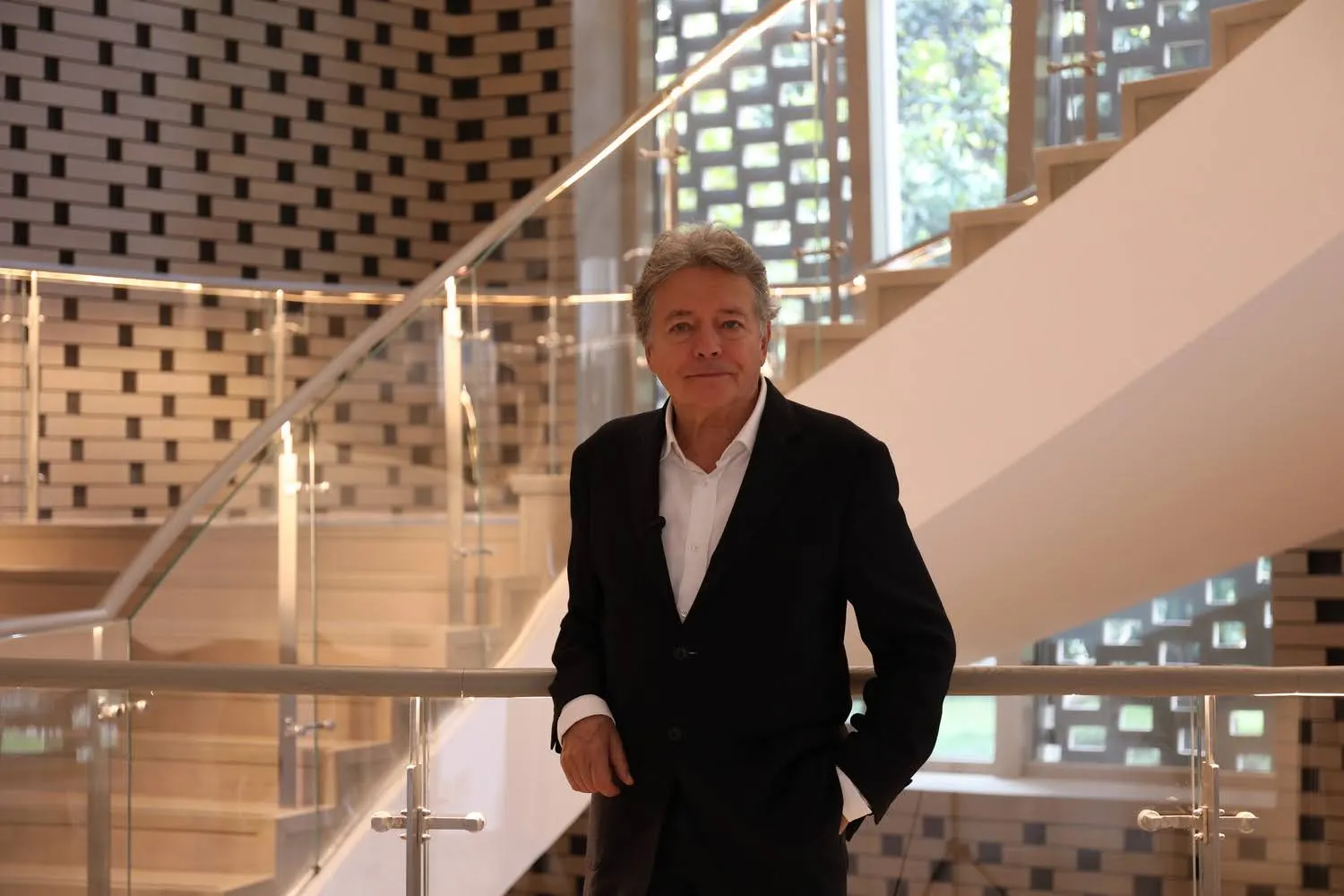




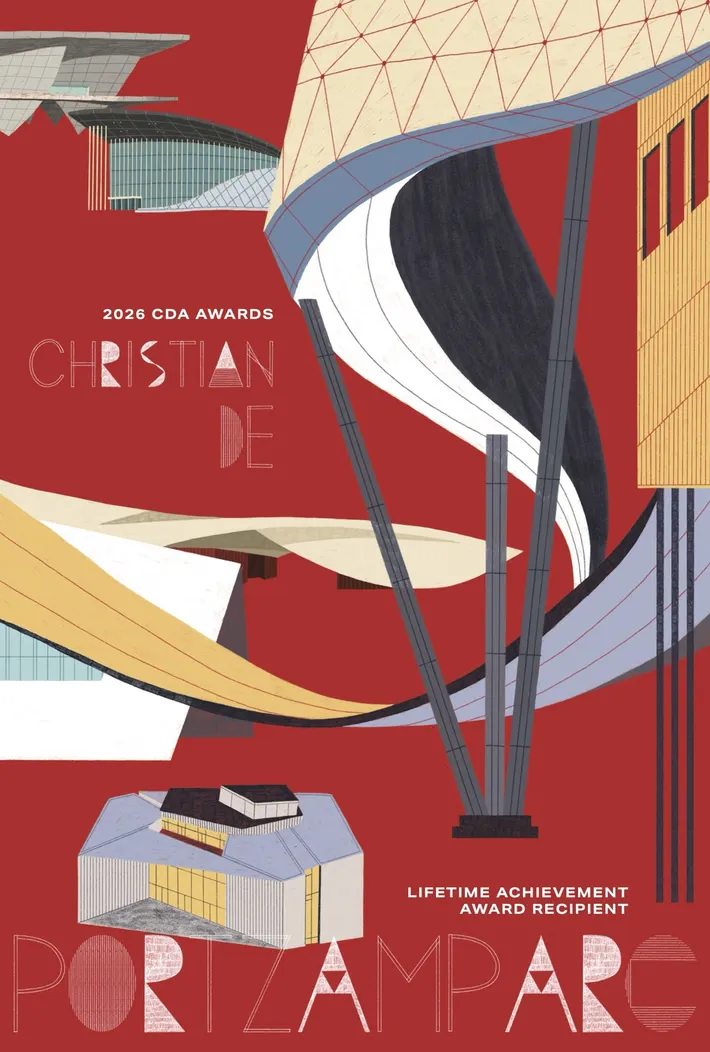
French architect and urbanist Christian de Portzamparc has been named the recipient of the 2026 Andrée Putman Lifetime Achievement Award, presented by the Créateurs Design Awards (CDA), in recognition of his outstanding contributions to architecture and urban design. The prestigious award will be formally presented in Paris on January 17, 2026, where de Portzamparc will accept the honor in person.
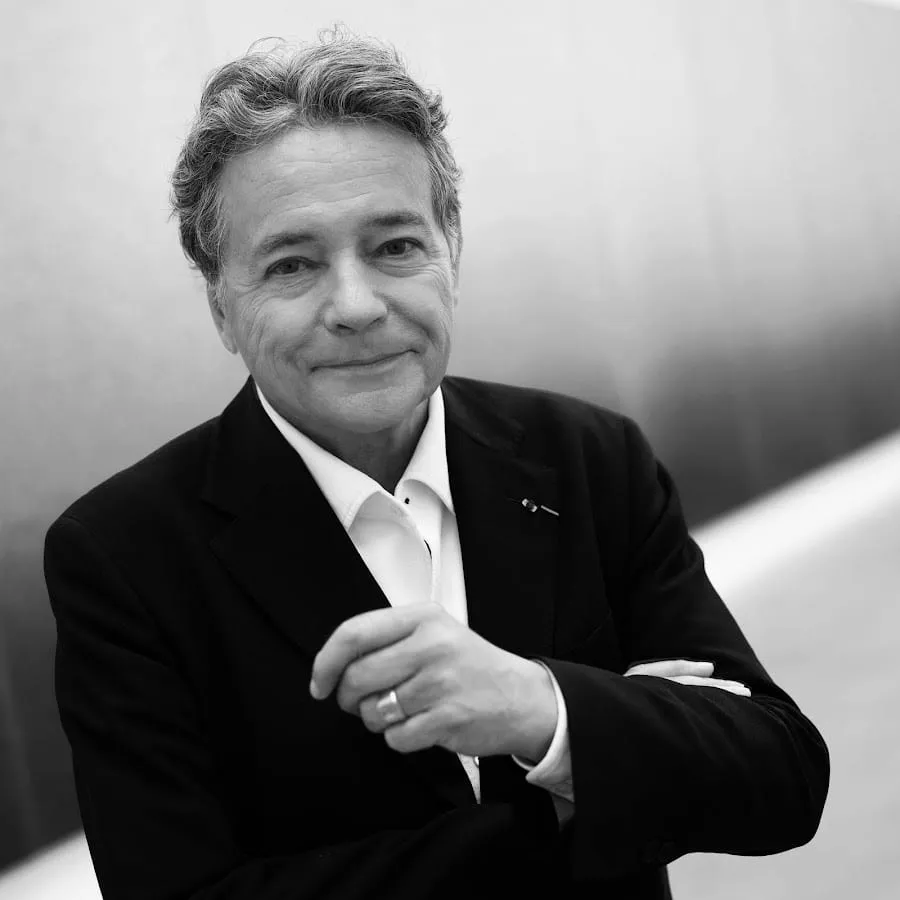
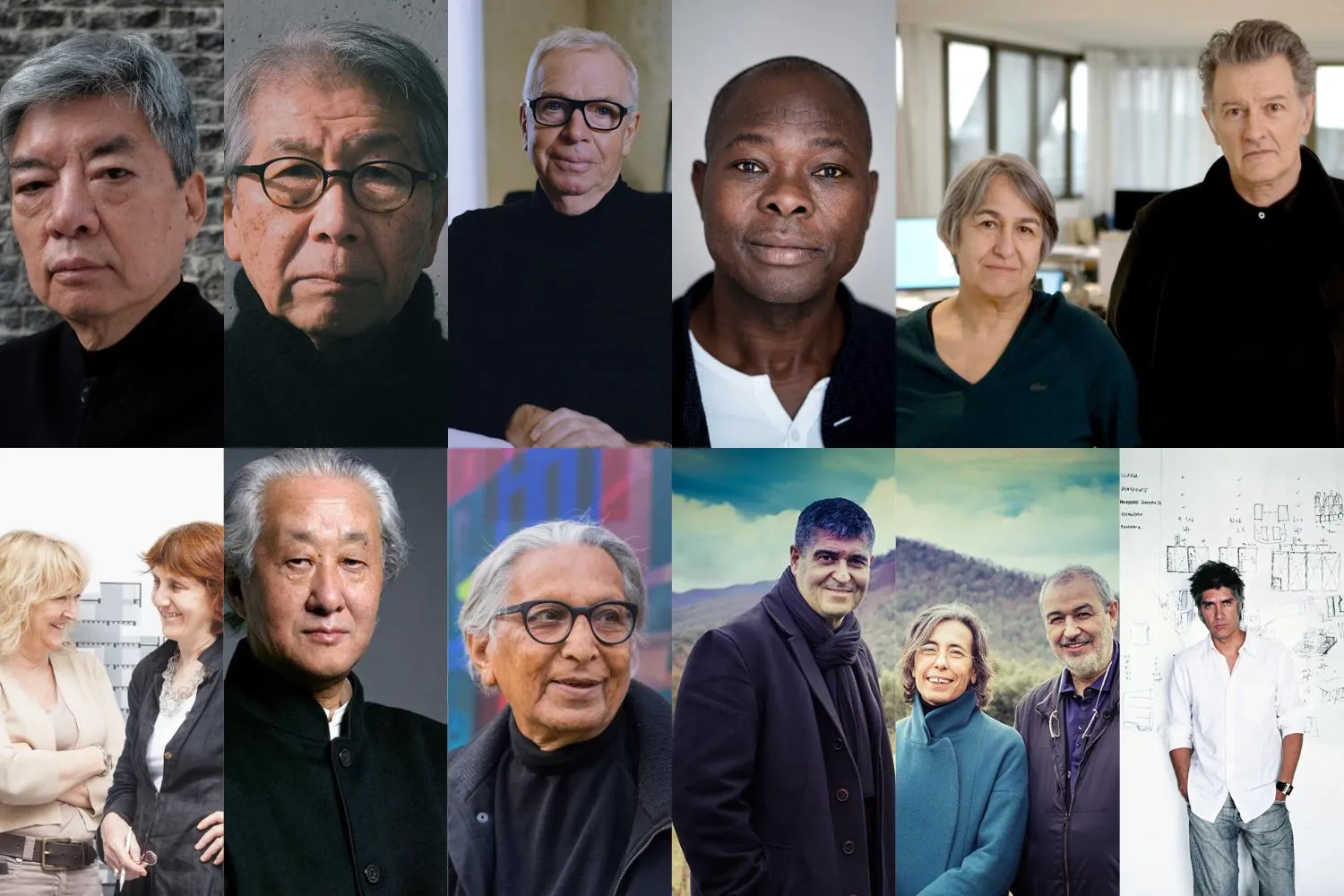
Over the course of more than four decades, de Portzamparc has shaped the understanding of public space, culture, and urban life. His architecture is deeply engaged with the civic, social, and environmental contexts. The CDA Lifetime Achievement Award is selected via a peer-to-peer process involving over 300 members across more than 55 countries. It highlights individuals whose work has had an enduring impact. The award has also recognized figures such as Tadao Ando, Norman Foster, Iris Apfel, and Gaetano Pesce.
Architectural Philosophy, Urban Innovation & Signature Achievements
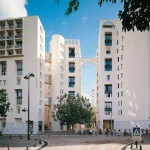
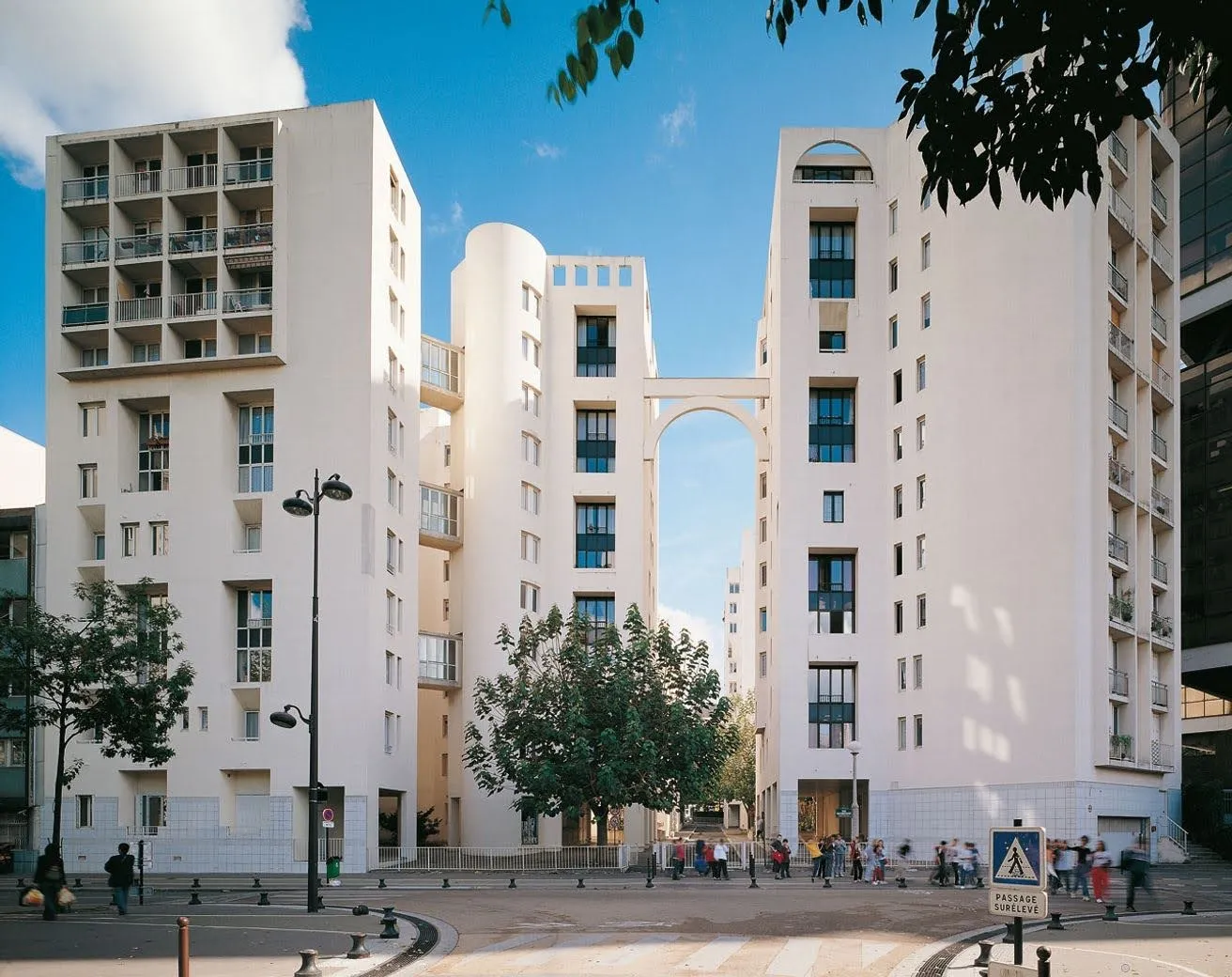
Christian de Portzamparc’s work is defined by a powerful combination of formal innovation, urban sensitivity, and a strong humanist underpinning. Early in his career, de Portzamparc developed the concept of the “open block” (French: îlot ouvert), a design engaged that rethinks the urban block through light, voids, walkways, and public/private interplay instead of rigid, monolithic tower blocks. His Hautes-Formes housing project in Paris (completed 1979) demonstrated that rather than build one imposing block, he arranged seven smaller buildings organized around voids and courtyards that invite movement, air, and light.
Born in Casablanca in 1944, de Portzamparc studied at the École Nationale des Beaux-Arts in Paris and graduated in 1969. In 1994, he became the first French architect to be awarded the Pritzker Architecture Prize. The Pritzker jury praised him as “a powerful poet of forms and creator of eloquent spaces,” recognizing his ability to transcend styles neither bound by classicism nor modernism and for creating architecture that responds to both programmatic demands and urban life.
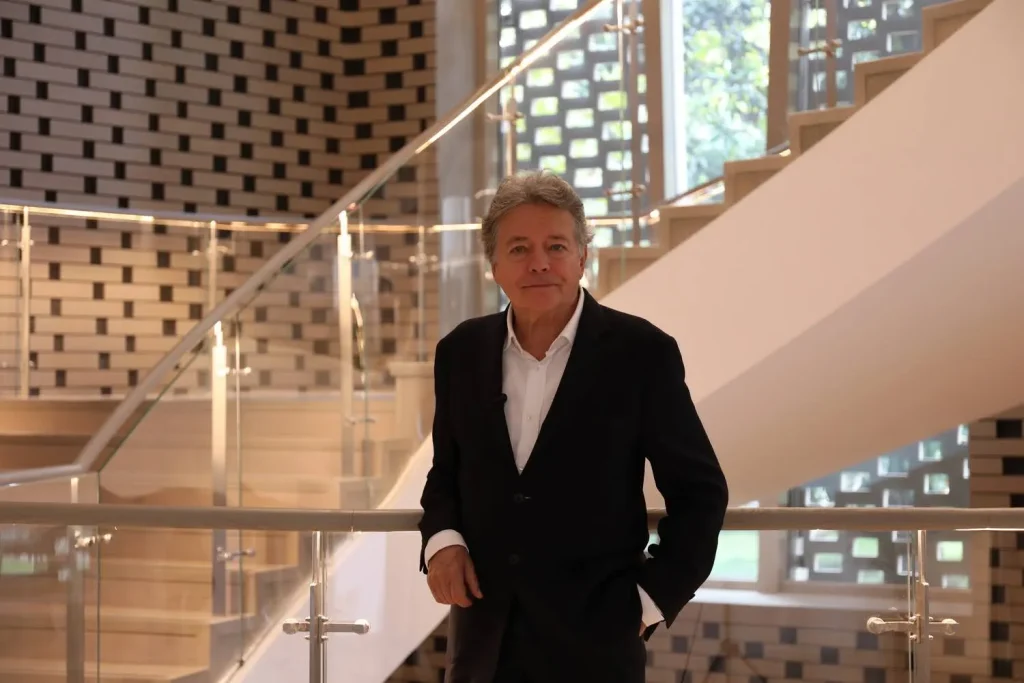
Over the years, his honors have continued: the Grand Prix National de l’Architecture in 1993, the Grand Prix de l’Urbanisme in 2004, and the Praemium Imperiale for Architecture in 2018.
His early experiences working with sociologists on neighborhoods, observing built spaces that failed or succeeded socially, deepened his view of architectural façades and how people live, move, and experience the city.
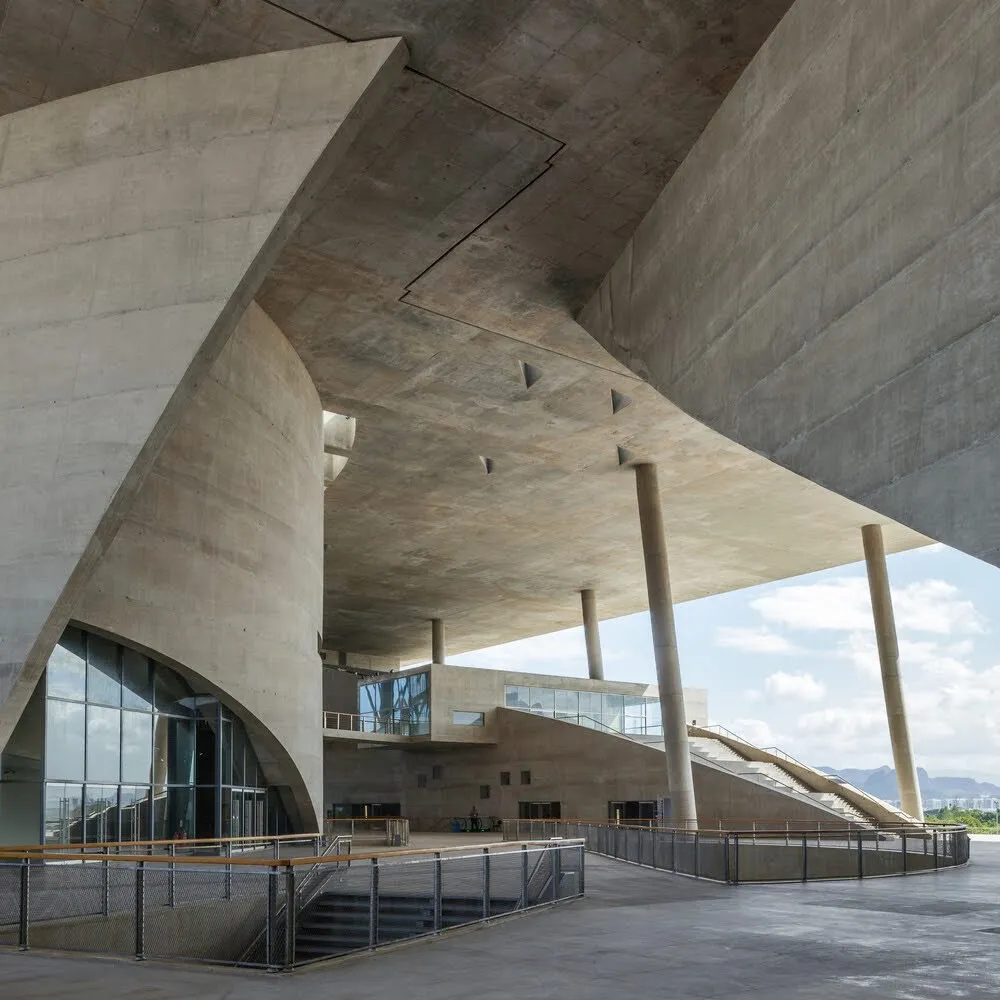
Projects of Christian de Portzamparc
Christian de Portzamparc’s body of work spans continents and typologies, yet each project captures his signature interplay between form, light, civic life, and dramatic architectural gestures. Below are some of his landmark buildings, now with extra details drawn from the latest sources:
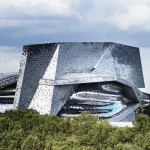
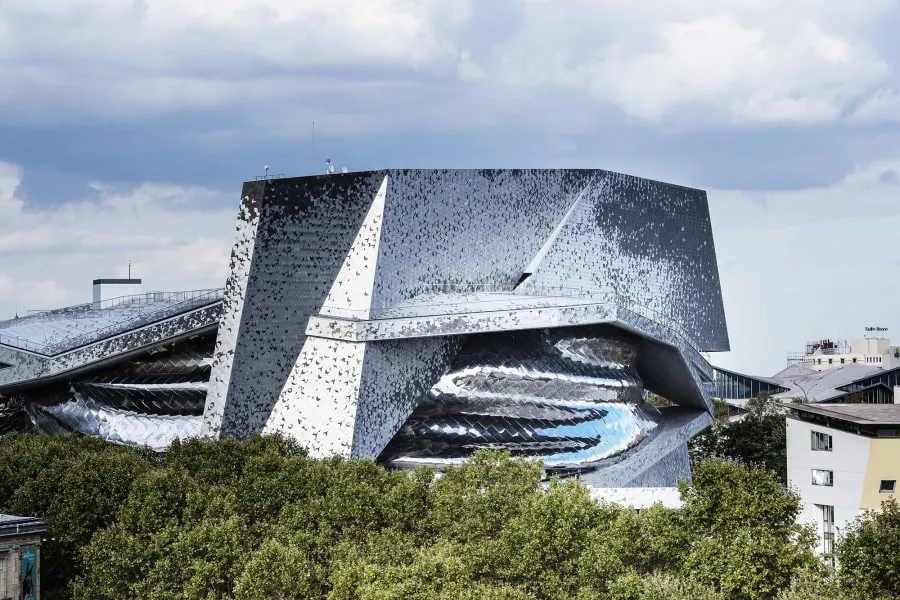
Cité de la Musique, Paris (1995, Parc de la Villette): A multi-faceted cultural complex comprising concert halls, a music museum, rehearsal and performance venues, a music library, and the Conservatoire de Paris. It was part of François Mitterrand’s “Grands Projets” and helped transform an industrial part of northeast Paris. The interior features twisted walkways, staircases, placettes, and “La rue musicale,” a glazed foyer space that connects different functions. Its design emphasizes rhythm, movement, and encounters through shifting perspectives and light.
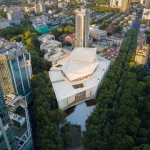
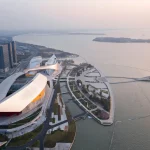
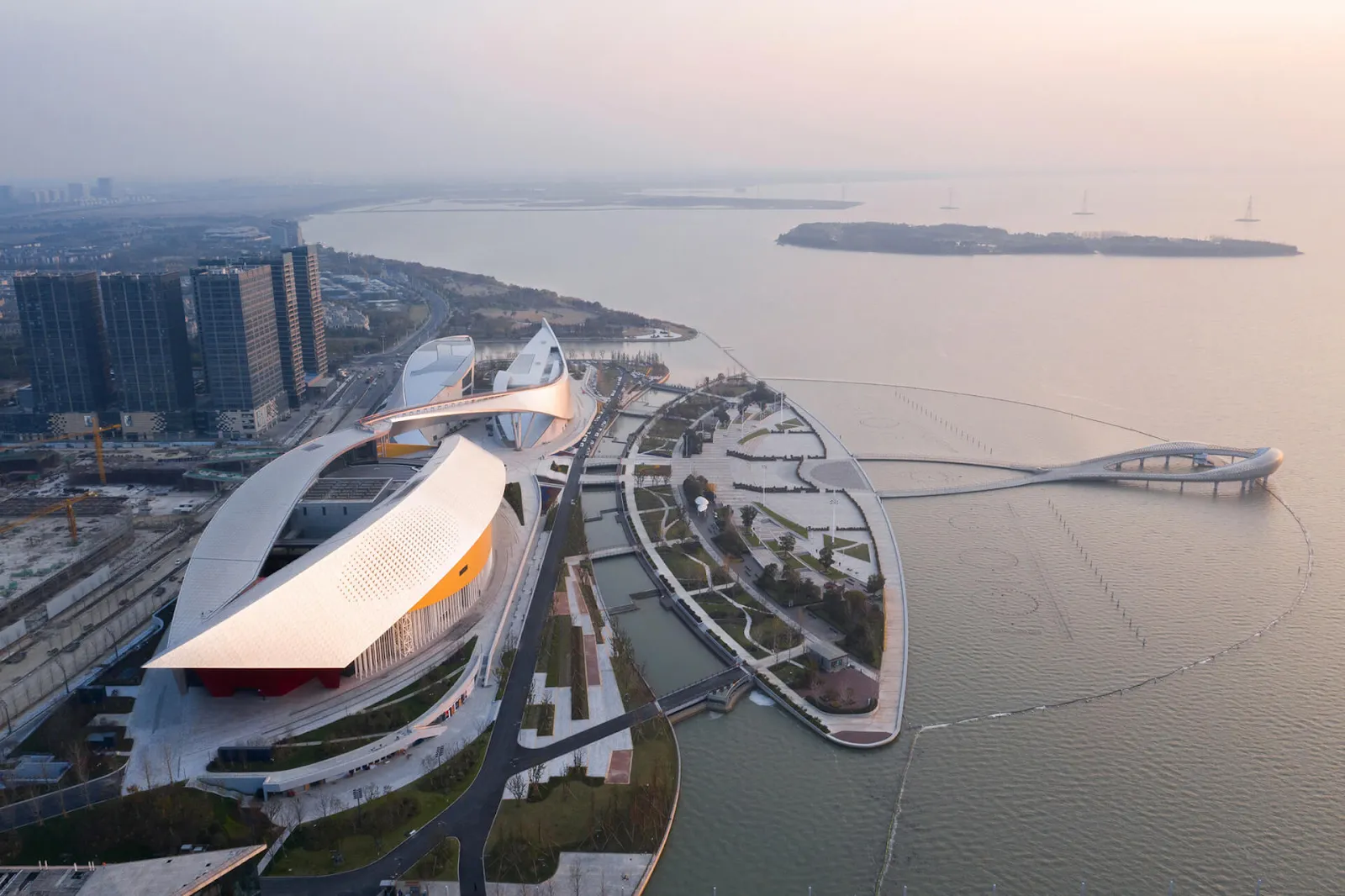
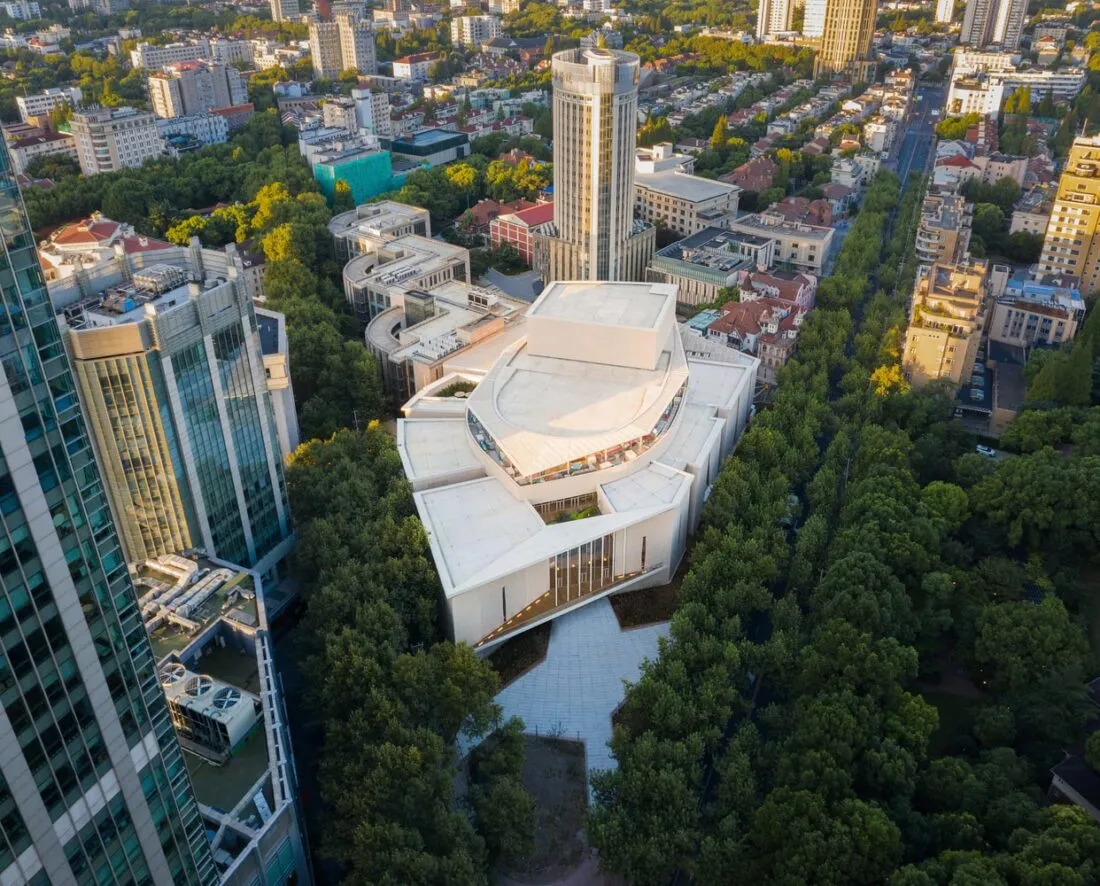
Suzhou Bay Cultural Center / Suzhou Bay Grand Theater, China (2020): Covering around 215,000 m², this ambitious complex contains multiple performance halls (including a 1,600-seat opera house and a 600-seat modular theater), museums, exhibition spaces, convention facilities, and recreation zones. A sweeping ribbon of steel and aluminum forges connections between its wings, linking water, sky, and city. The metaphor of Suzhou silk inspired its façade and flowing forms, merging cultural tradition with cutting-edge structural engineering.
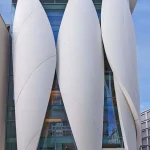
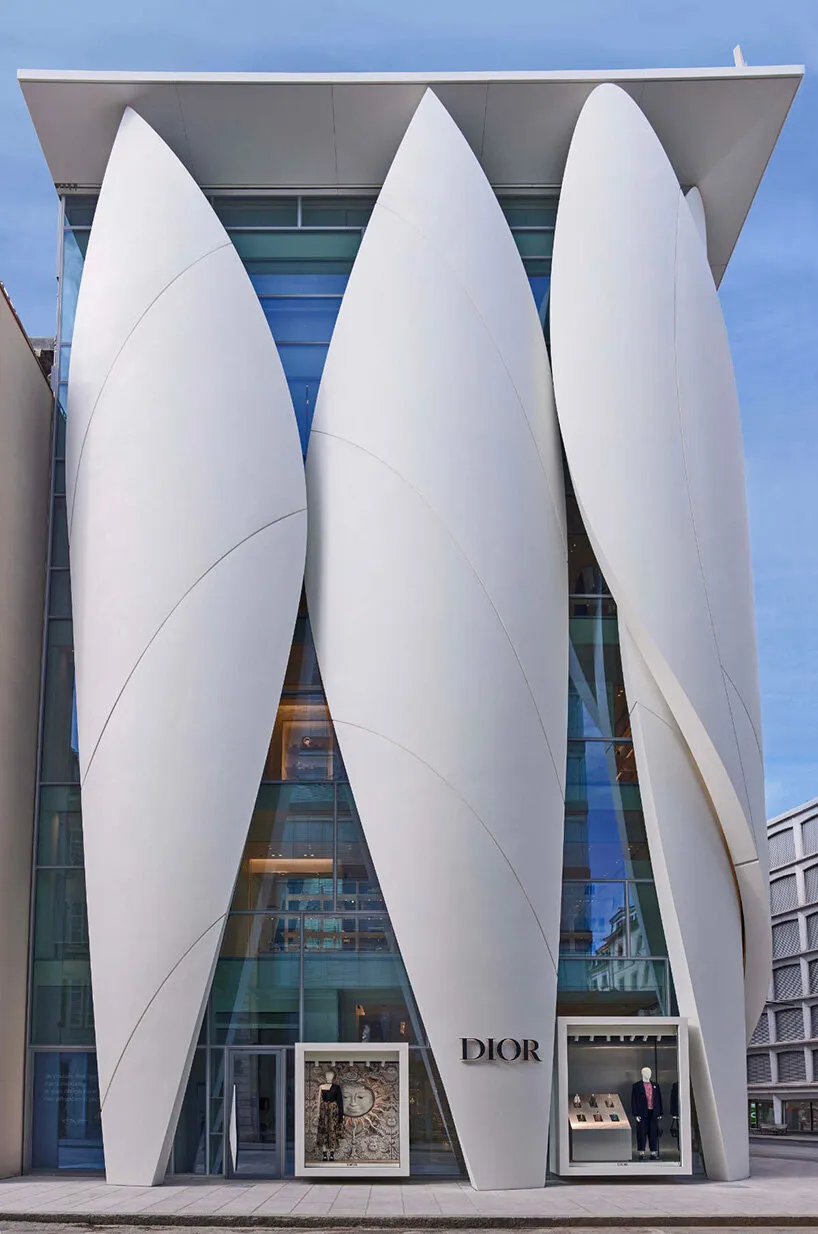
Dior Flagship Boutique, Geneva (2024): The Geneva Dior store is designed with petal-like resin shells that interweave to form an intricate façade, evoking the fluidity of couture fabric. Glass walls between these shells allow for a dynamic play of light by day, and the building transforms into a softly lit “lantern” at night. The interior design features a central glass lightwell (a “stem”) running from rooftop to ground, plush seating, artworks, bas-reliefs, and a decor that references Dior’s heritage and the 30 Montaigne flagship in Paris.
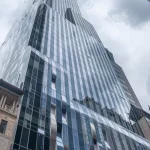
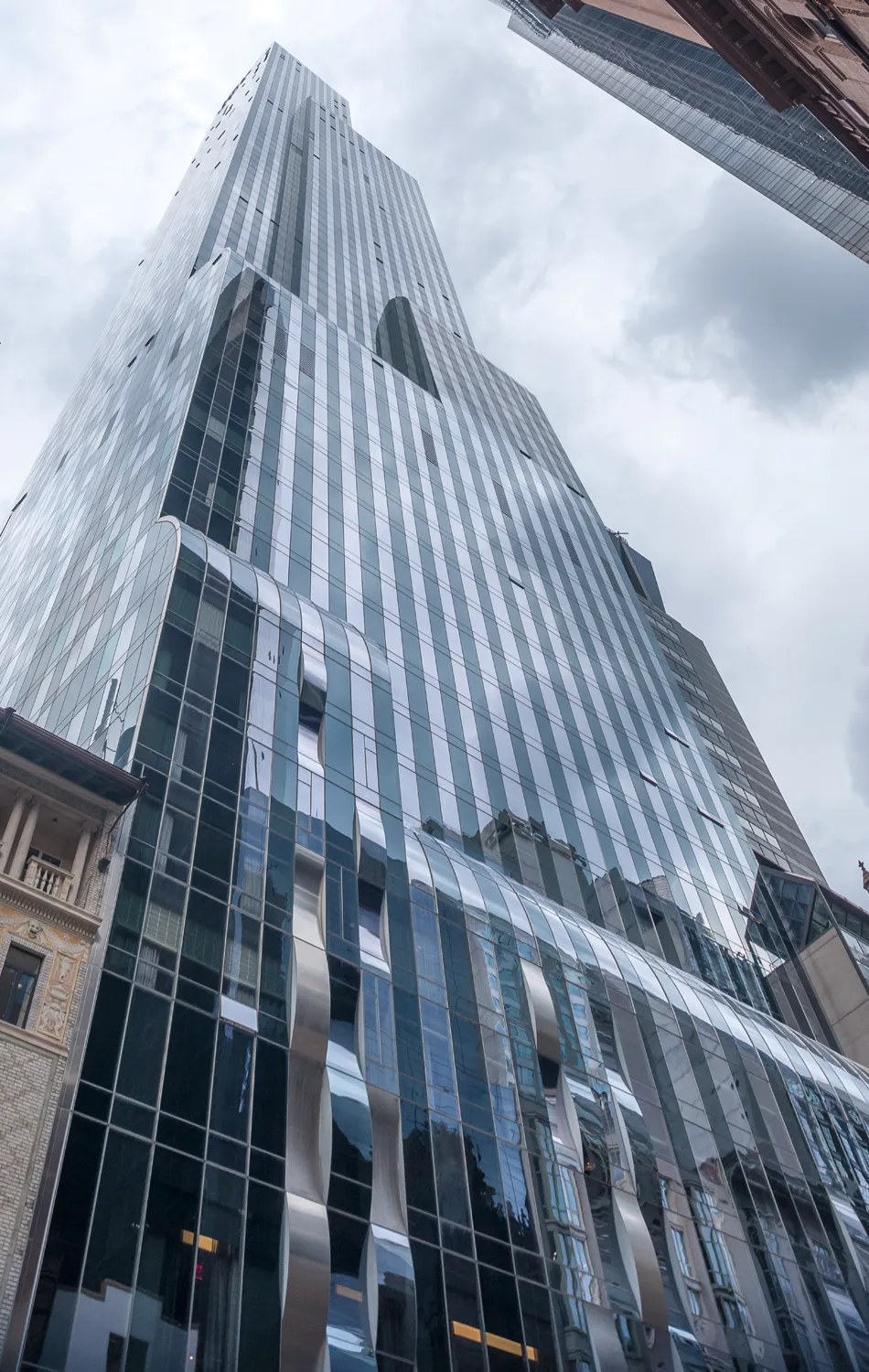
One57 Tower, New York City (2014): A 75-story luxury condominium and hotel tower on Manhattan’s skyline, showcasing de Portzamparc’s engagement with verticality, glass curtain walls, refined profiles, and skyline dialogue. It demonstrates how he negotiates density, light, and urban visibility in high-rise architecture.
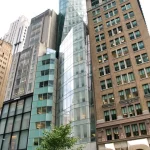
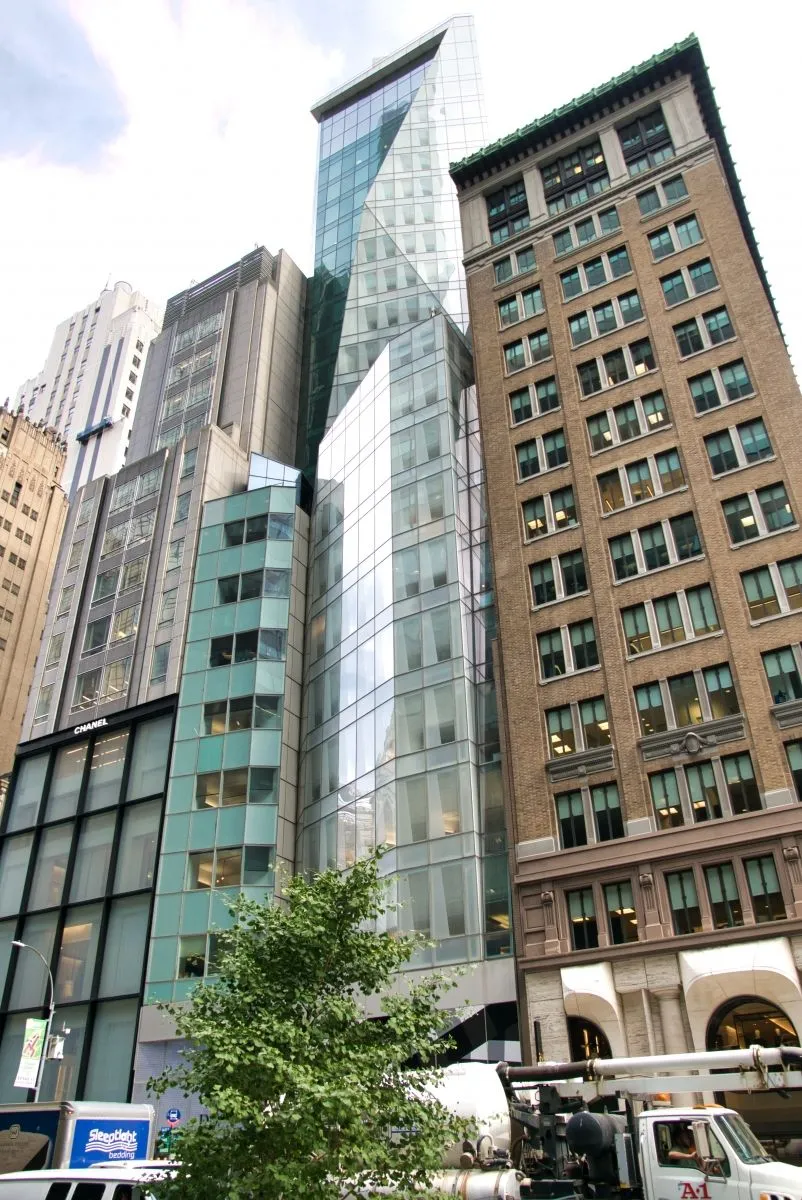
LVMH Tower, New York City (1999): The corporate office tower is characterized by its faceted glass exterior, careful attention to light and reflection, and elegance in materiality. It embodies de Portzamparc’s talent for integrating corporate identity and architectural poetry.
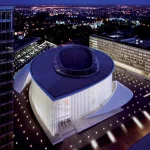
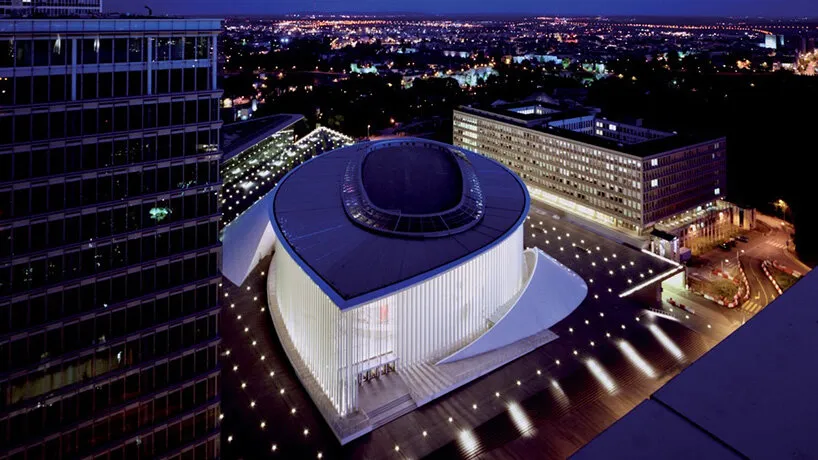
Philharmonie Luxembourg (2005): Celebrated for its acoustic refinements and sculptural form, this building stands as a cultural landmark in Luxembourg, integrating performance halls with civic spaces.
When asked about receiving the CDA’s Lifetime Achievement Award, Christian de Portzamparc described the honour as profoundly meaningful. For him, true achievement in architecture is not measured solely by accolades but by the lived experience of those who occupy the spaces he creates. “I receive the CDA’s Lifetime Achievement Award as the highest honour, for there is nothing more sublime than the notion of true achievement,” he reflected, adding that nothing compares to “walking through what one has created and hearing the joy of those who inhabit or work within these spaces.”
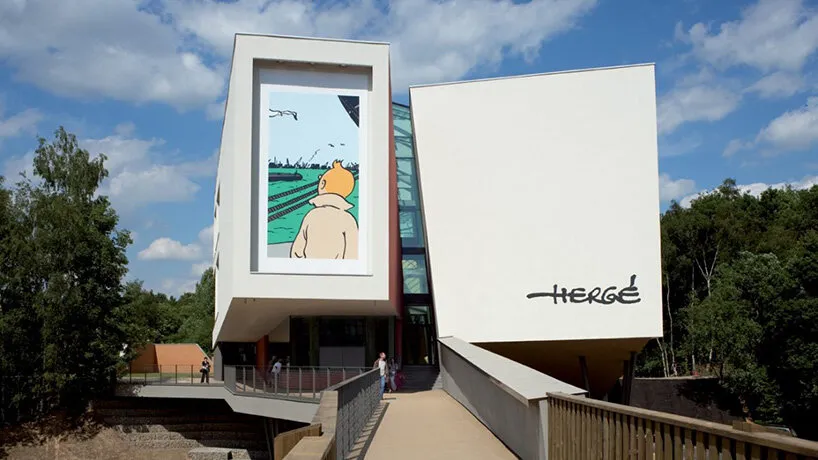
Looking back across his career, de Portzamparc emphasized that every project holds its own place in time and memory. “Each project has marked a moment in time, a place, a space—each distinct, each unique in character,” he noted, crediting the many collaborators who have shared in his vision. At the heart of his philosophy lies a simple conviction: beauty and utility cannot be separated. “All projects are driven by the same passion: beauty is inseparable from utility. Let us be careful not to remove the beautiful.”
The recognition highlights the twofold legacy of Christian de Portzamparc’s ability to craft bold, innovative forms and his enduring belief that architecture must serve the life of communities and the fabric of the city. From his early experiments with the “open block” in Les Hautes-Formes to cultural and commercial landmarks that now stand in Paris, New York, China, and beyond, his work has consistently aimed to balance beauty with function and vision with lived reality. The 2026 Andrée Putman Lifetime Achievement Award honors his accomplishments and affirms his ongoing role in shaping cities that are humane, poetic, and deeply attuned to the people who inhabit them.