

When we think about architecture, we often picture buildings that are designed to be practical and beautiful for everyone. But what if your home, office, or public space was made just for you?
Parametric design is a way architects use computers and algorithms to create buildings and interiors that can change and adapt based on what people need. This means spaces don’t have to be “one size fits all” anymore. Instead, they can be personalized and tailored to fit your lifestyle, tastes, and even personality.
In today’s world, where so much of our environment is mass-produced, having a space that truly reflects who you are can be very powerful. Personalized design brings comfort, inspiration, and even joy into everyday life. It’s not just about looking good, it’s about feeling right too. So whether it’s your favorite reading spot or a sunlit kitchen, these design choices shape how we experience our surroundings.
What is parametric design?
Parametric design is all about setting rules and letting the computer generate the best design based on those rules. Instead of drawing a fixed blueprint, architects input parameters like how much sunlight a room gets, the shape of the site, or the materials to use, and the design evolves from there.
This flexible approach means that the design can easily be adjusted to suit specific needs or preferences. Whether it’s a building’s shape, the layout of rooms, or even decorative details, parametric design can respond to many different factors.
How personalization works in parametric architecture
Personalization is about making a space reflect the people who use it. Parametric design helps by allowing changes at a number of different levels, from big decisions about form and space to small details that make a room feel just right.
Some examples of this include:
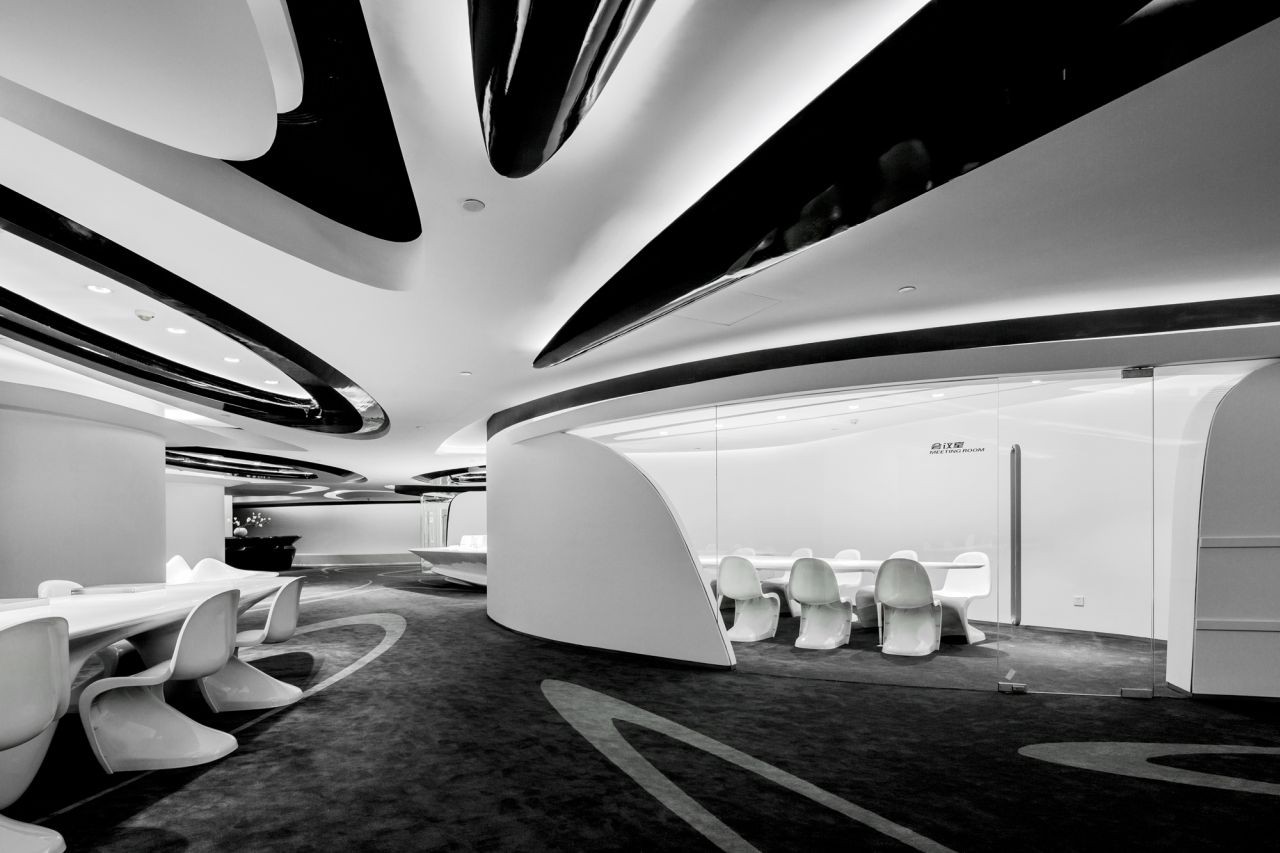
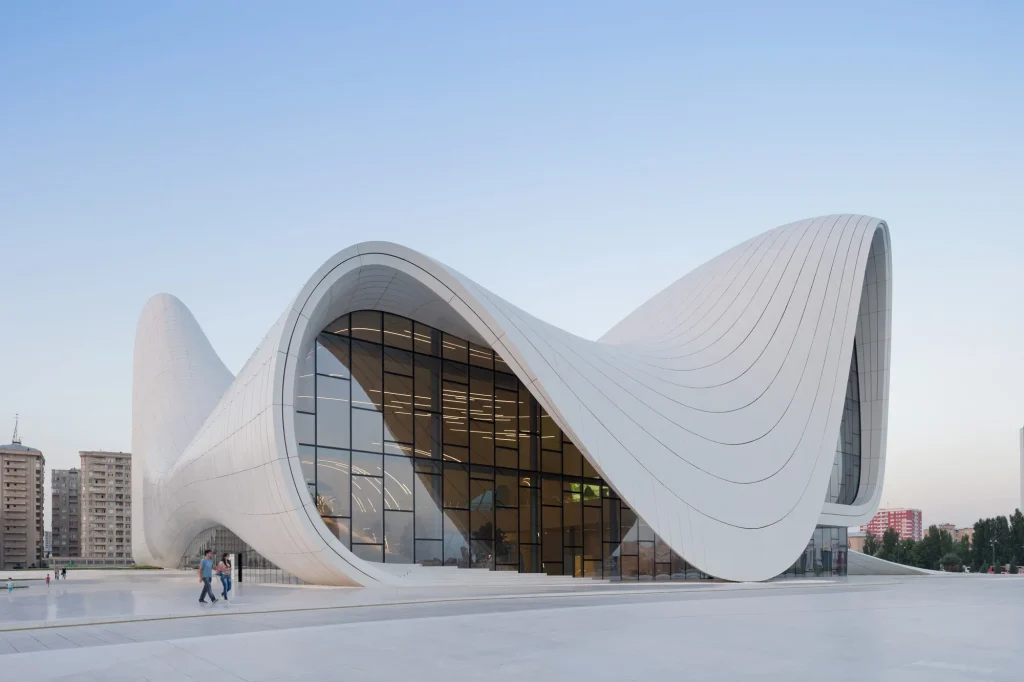
- Form and shape: The building itself can change shape to fit the views you want, provide privacy, or let in the perfect amount of natural light.
- Room layout: Instead of a standard floor plan, rooms can be arranged around your daily habits. Maybe you want an open kitchen that connects to your workspace or a quiet nook for reading.
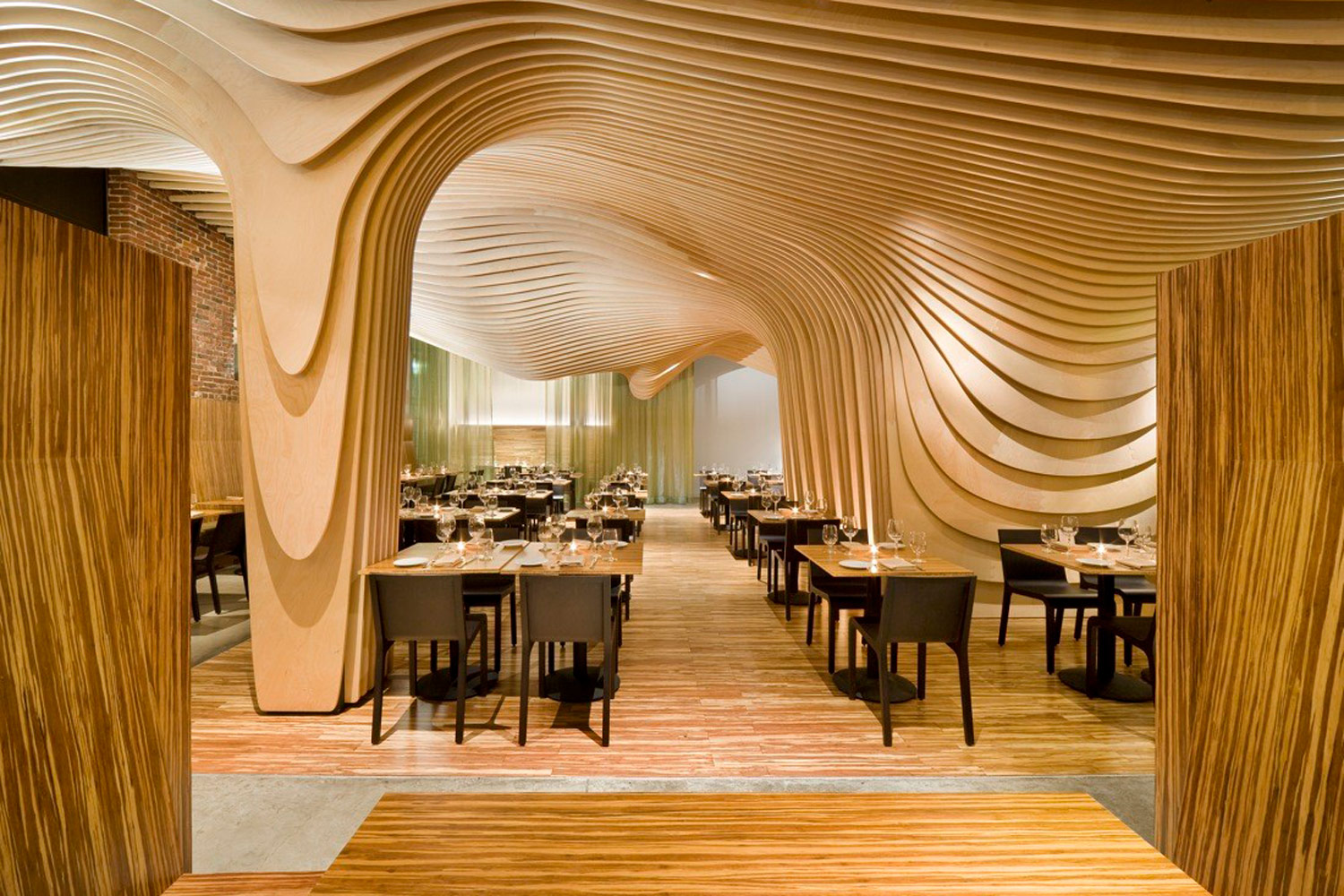
- Materials and patterns: Parametric tools can create custom textures and patterns based on your preferences. These can be used in flooring, walls, or ceilings.
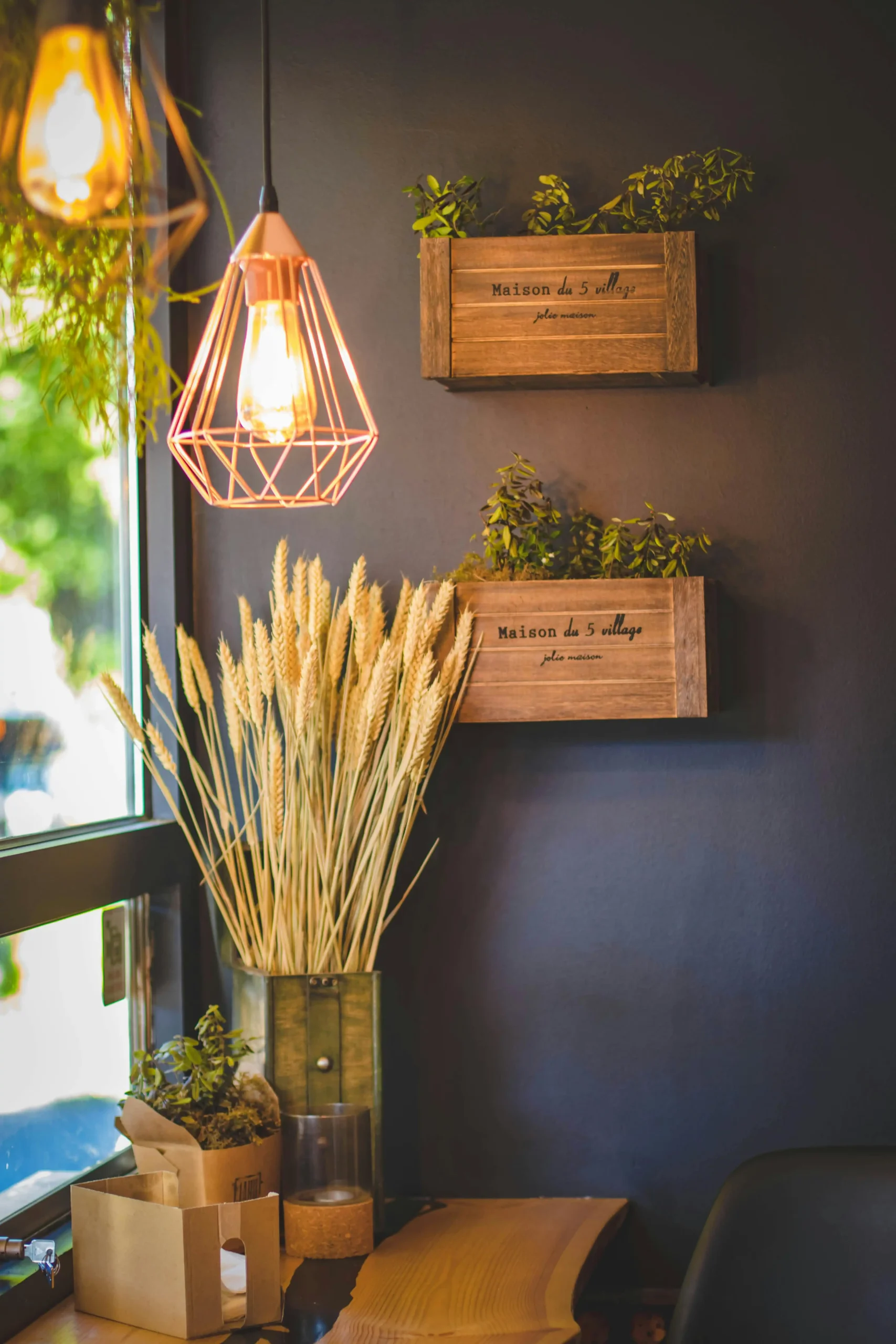
- Interior features: Personalization isn’t limited to structure. It extends to interior design features like a custom photowall, where residents can display meaningful images that reflect their identity and memories, making the space truly their own.
- Smart systems: Technology can be built into the design to control lighting, temperature, or sound based on your comfort, making the space feel alive and responsive.
This ability to adjust and customize means your space can be as unique as you are.
Why personalization matters
You might be wondering why it’s so important for architecture to be personalized. It turns out, personalized spaces can have a big impact on how we feel and function.
When a space fits your lifestyle and preferences it:
- Feels comfortable: You’re more likely to feel relaxed and at ease in an environment that suits your habits and tastes.
- Boosts productivity and creativity: Whether it’s a home office or a creative studio, a space designed for your way of working can help you focus and think clearly.
- Improves well-being: Personalized environments can reduce stress and support mental health by giving you a sense of control and belonging.
- Supports social connections: When spaces are designed for the way you live and interact with others, they encourage better relationships.
- Encourages sustainable living: Tailoring spaces to your needs means you’re less likely to waste energy or materials on things you don’t use.
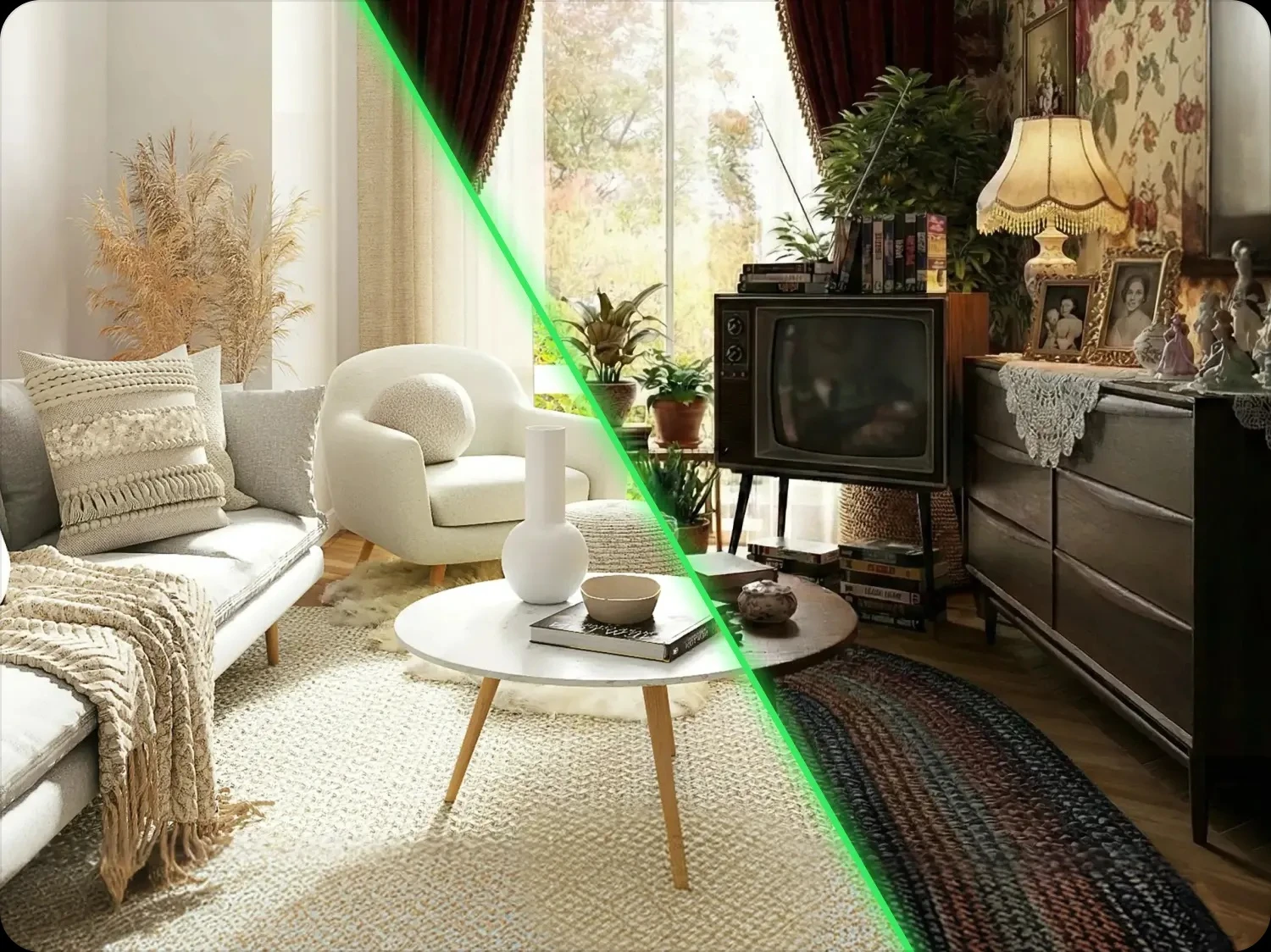
There’s also a strong emotional side to personalization. When we see ourselves reflected in our surroundings, through colors we love or objects that matter, it creates a deeper sense of connection to the space.
Even something like a photo wall can make a difference. Displaying personal photos or artwork on a custom-designed wall turns a room into a place filled with memories and meaning, creating emotional warmth.
Real-life examples of personalized parametric design
Let’s take a look at how this can work in the real world:
- Homes: Imagine a house where the size and position of windows change to match your daily routines. This could look like letting in soft morning light where you eat breakfast and shading the bedrooms in the afternoon.
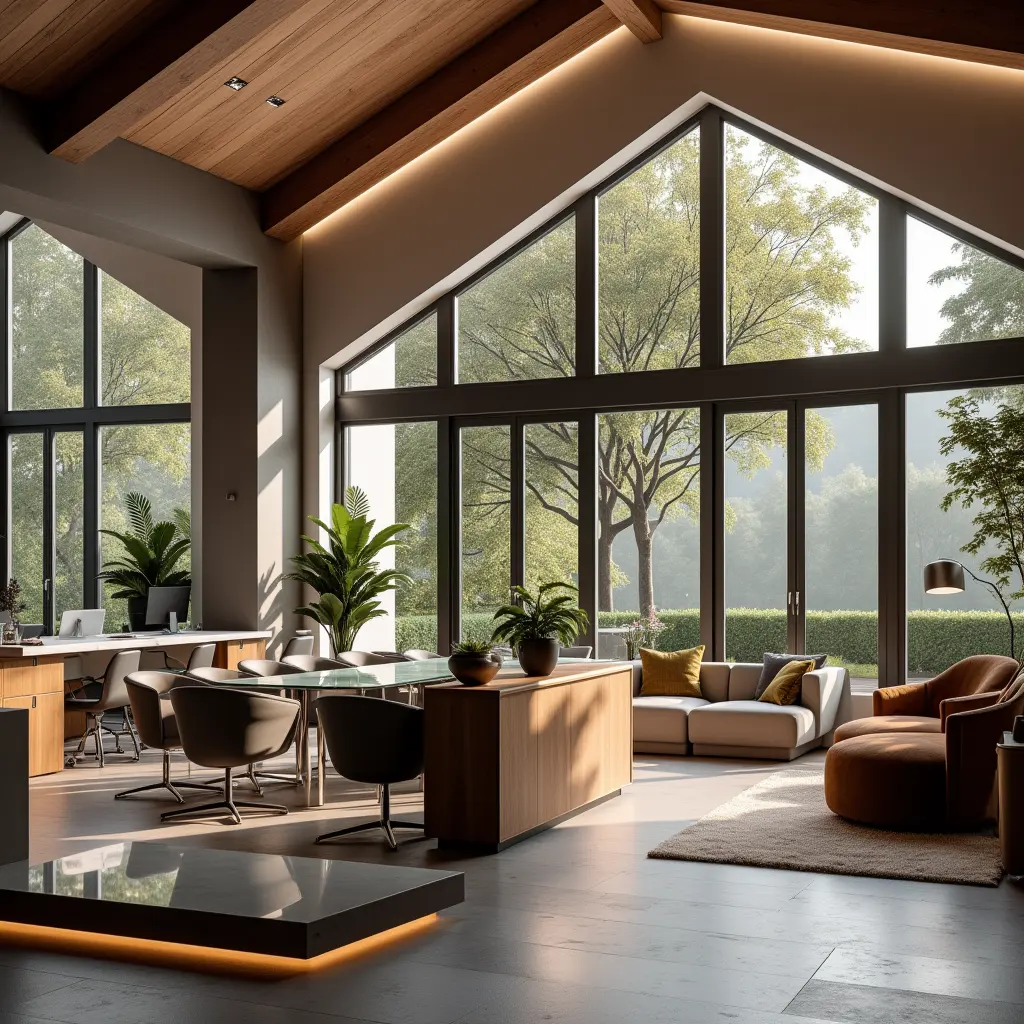
- Offices: Workspaces can be customized to fit how teams collaborate. Modular furniture and layouts change with project needs, and lighting adjusts based on the time of day. Parametric design helps make these changes easy and seamless.
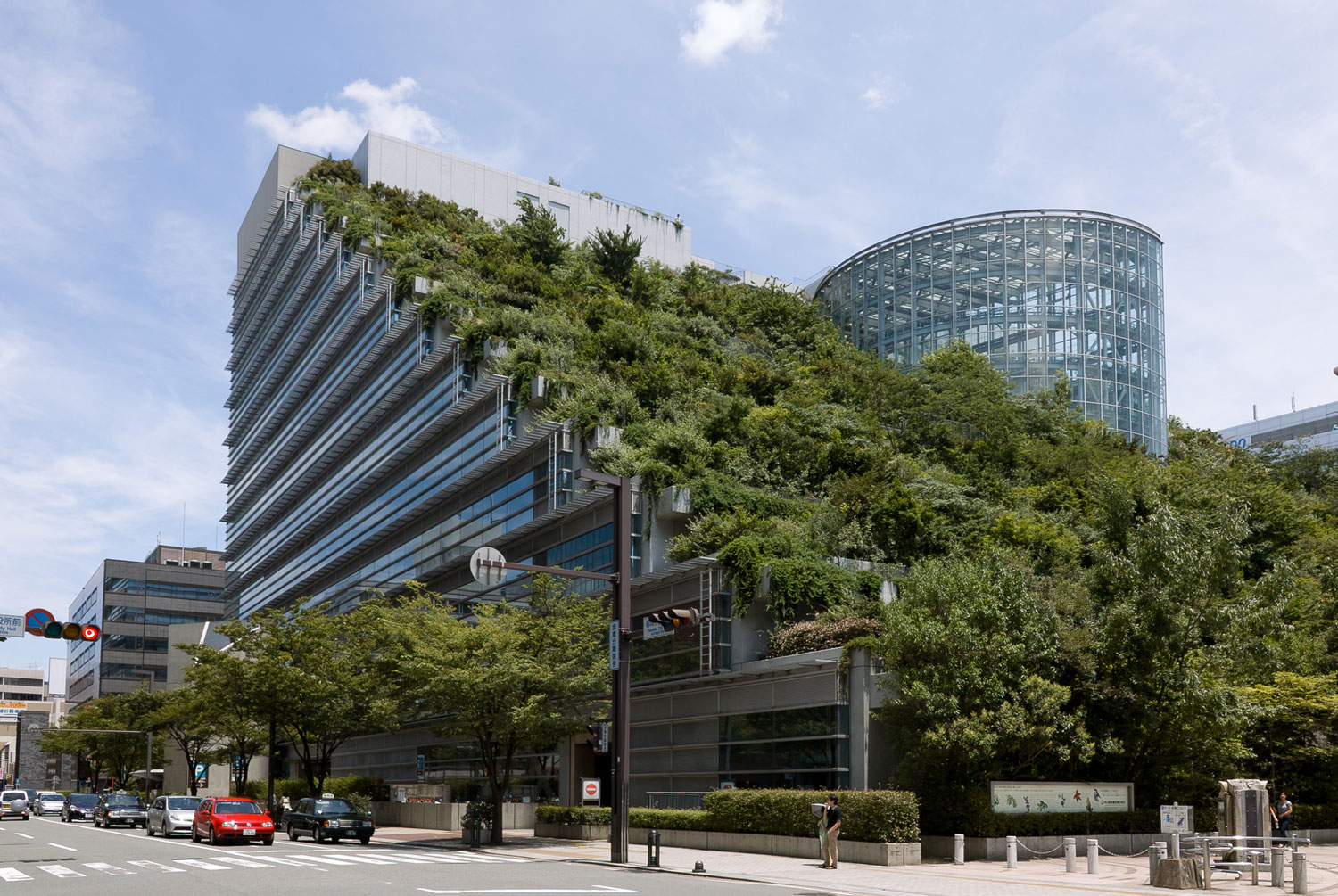
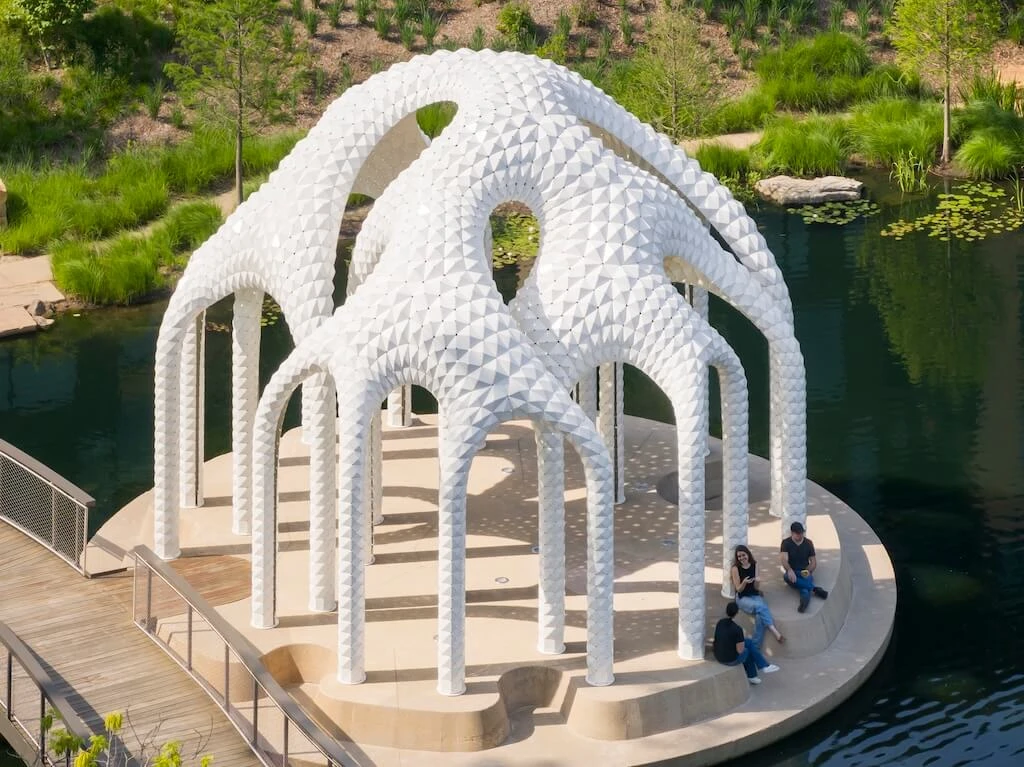
- Public spaces: Cultural centers or community buildings use parametric patterns inspired by local history and nature, creating a unique sense of place. Features like interactive walls display art, making the space feel inclusive and personal.
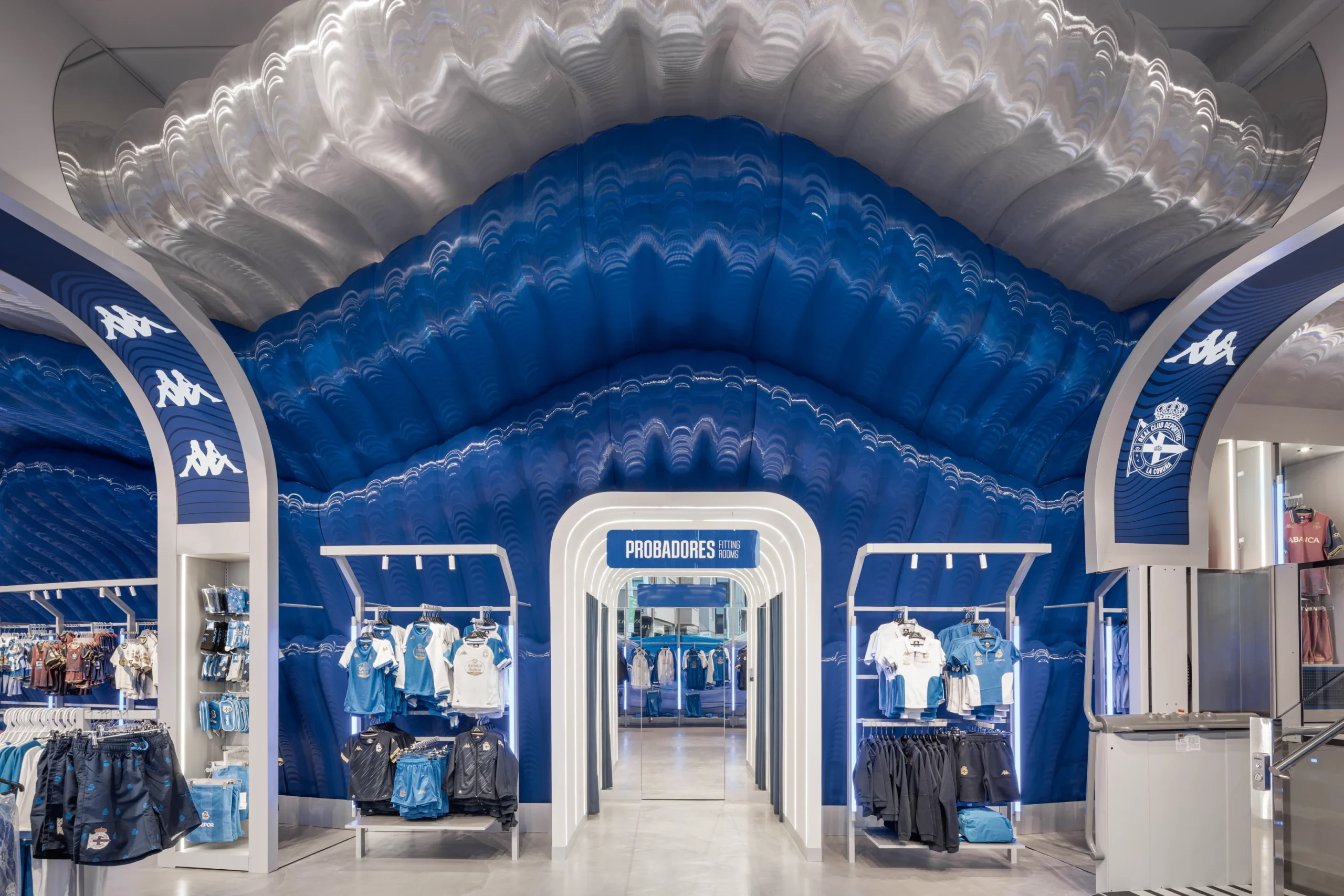
- Retail: Many shops use parametric design to create layouts that respond to customer flow, with walls and displays that adapt based on season or product lines, while personalized photo walls highlight stories behind the brand.
The future of personalized architecture
Personalization in architecture is just getting started. As computers get smarter and more connected to AI, buildings will learn even more about their users. Imagine a home that knows your schedule and adjusts room layouts or lighting accordingly. Or a public space that changes its design based on the number of people there or the time of day.
Parametric design combined with new tech means architecture will become more like a living system, adapting and growing with you. Personalized architecture is about moving beyond generic buildings and creating spaces that truly fit the people using them. Parametric design is the tool making this possible, giving architects the power to customize everything from the big picture to the smallest detail.
From the overall shape of your home to the details on your walls, like a custom photo wall, these spaces become an extension of who you are. The future of architecture isn’t just about form and function. It’s about making spaces that feel personal, comfortable, and alive.