
















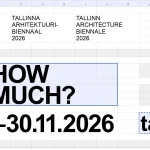
The Tallinn Architecture Biennale 2026 has officially unveiled its full programme, venues, and key participants, revealing an agenda that examines the true cost of architecture in an era of economic uncertainty, resource scarcity, and climate challenges.
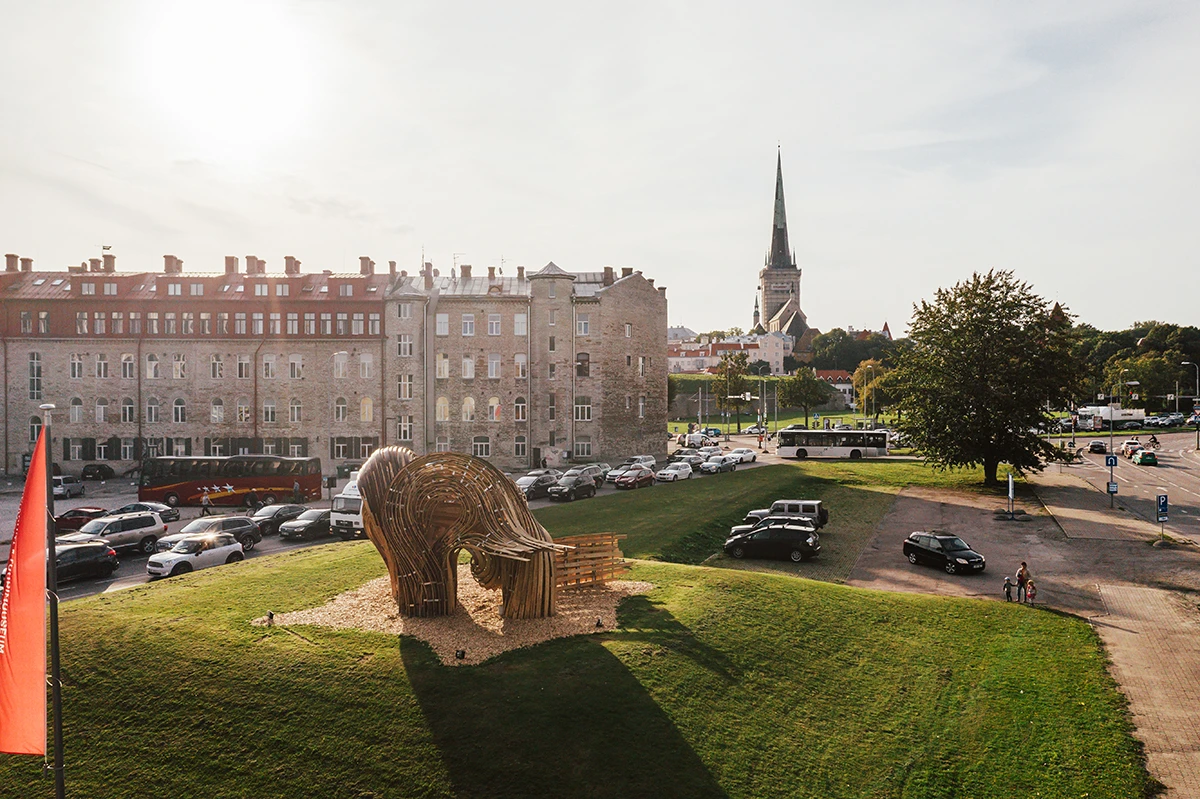
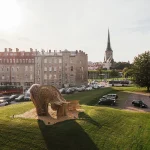
Scheduled to take place from 9 September to 30 November 2026, the Tallinn Architecture Biennale 2026 (TAB 2026) will transform Estonia’s capital into a platform for critical discussions on affordability, value, and responsibility in the built environment. Organized by the Estonian Centre for Architecture, the biennale was symbolically launched on 2 June with a public landscape intervention atop Tallinn’s iconic Linnahall.
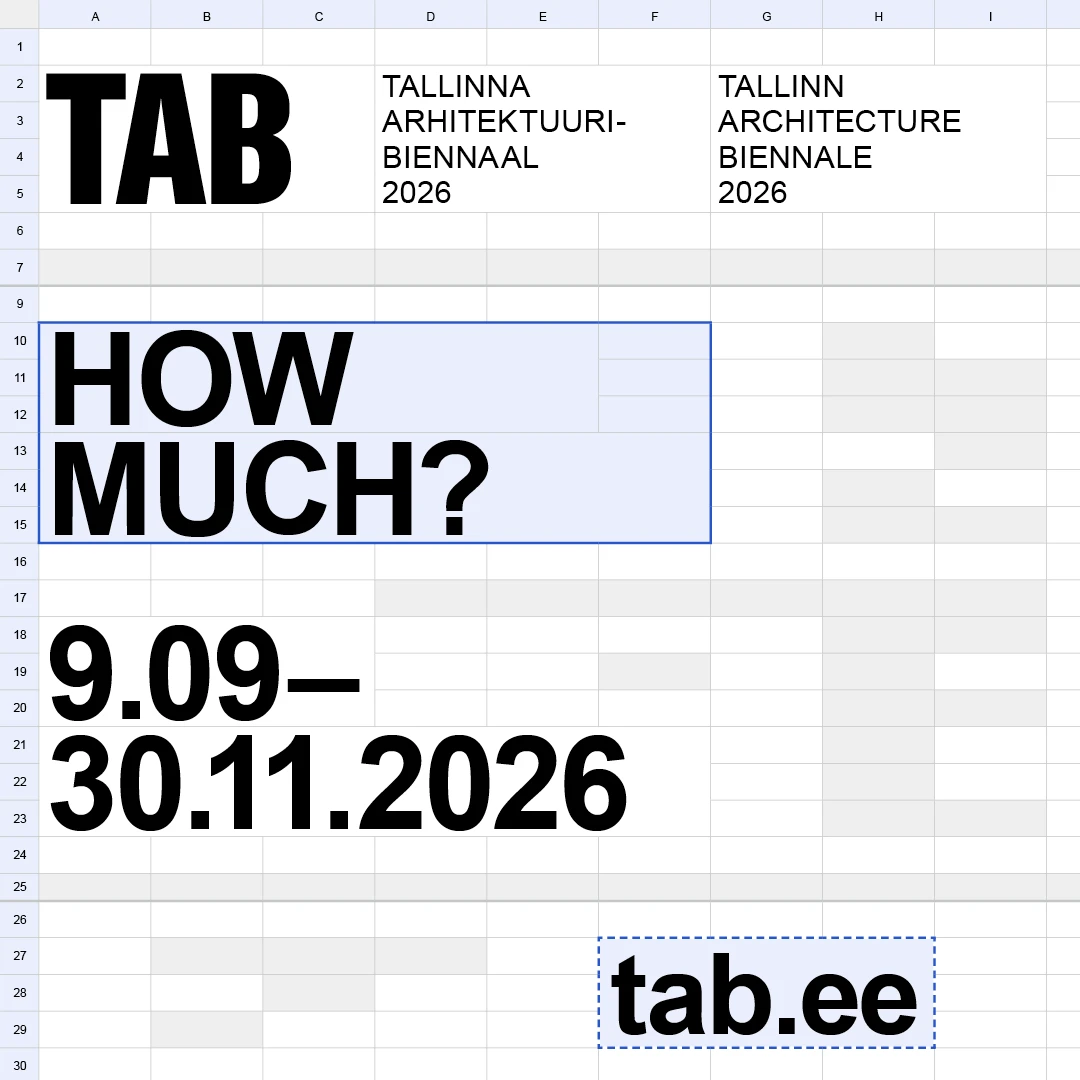
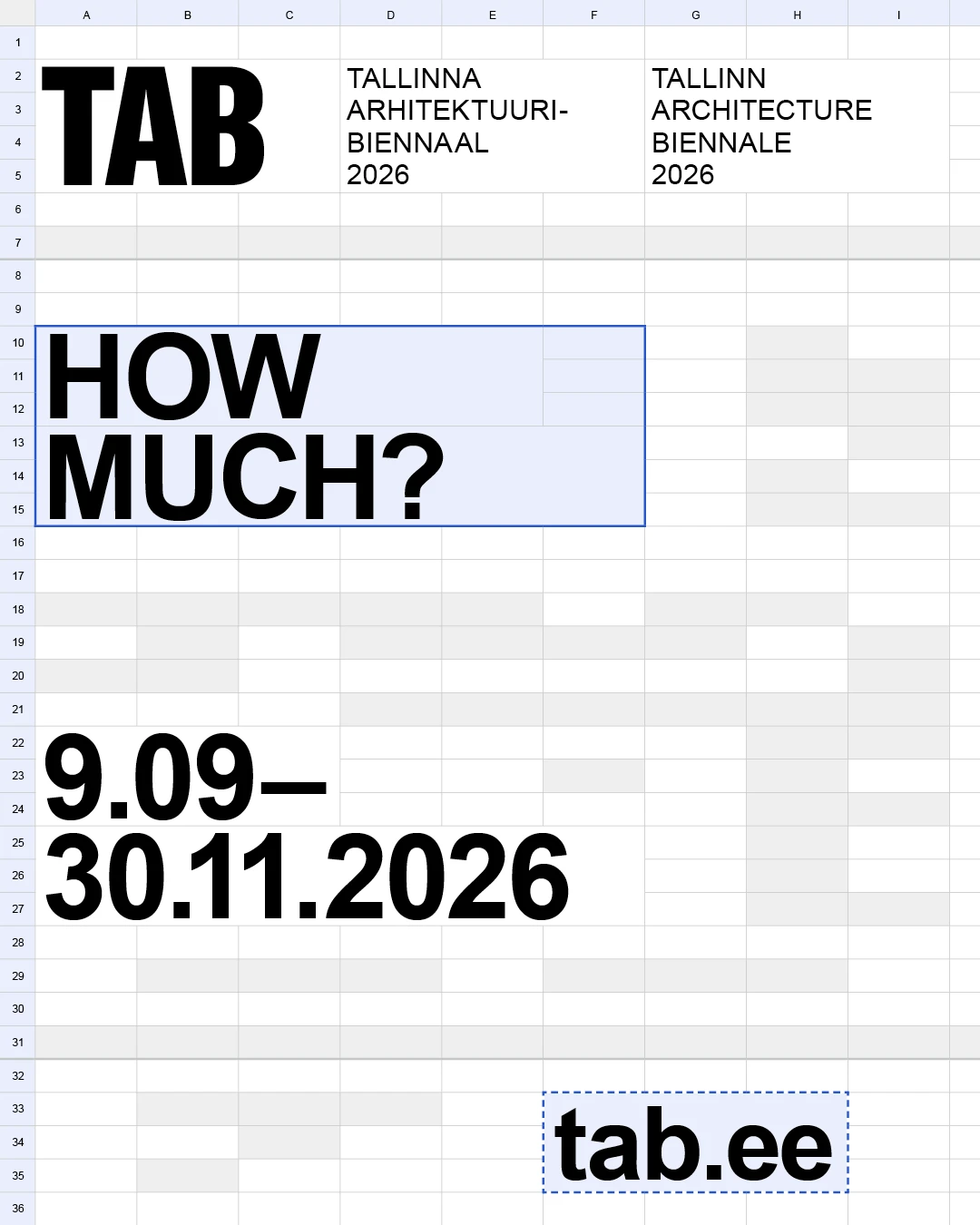
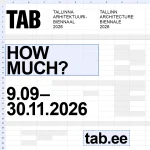
Under the title “How Much?”, the eighth edition of the Tallinn Architecture Biennale 2026 seeks to unpack one of architecture’s most pressing yet often overlooked questions: what is the actual cost of creating space, and who ultimately pays for it?
Tallinn Architecture Biennale 2026 Questions the Illusion of Cheap Architecture
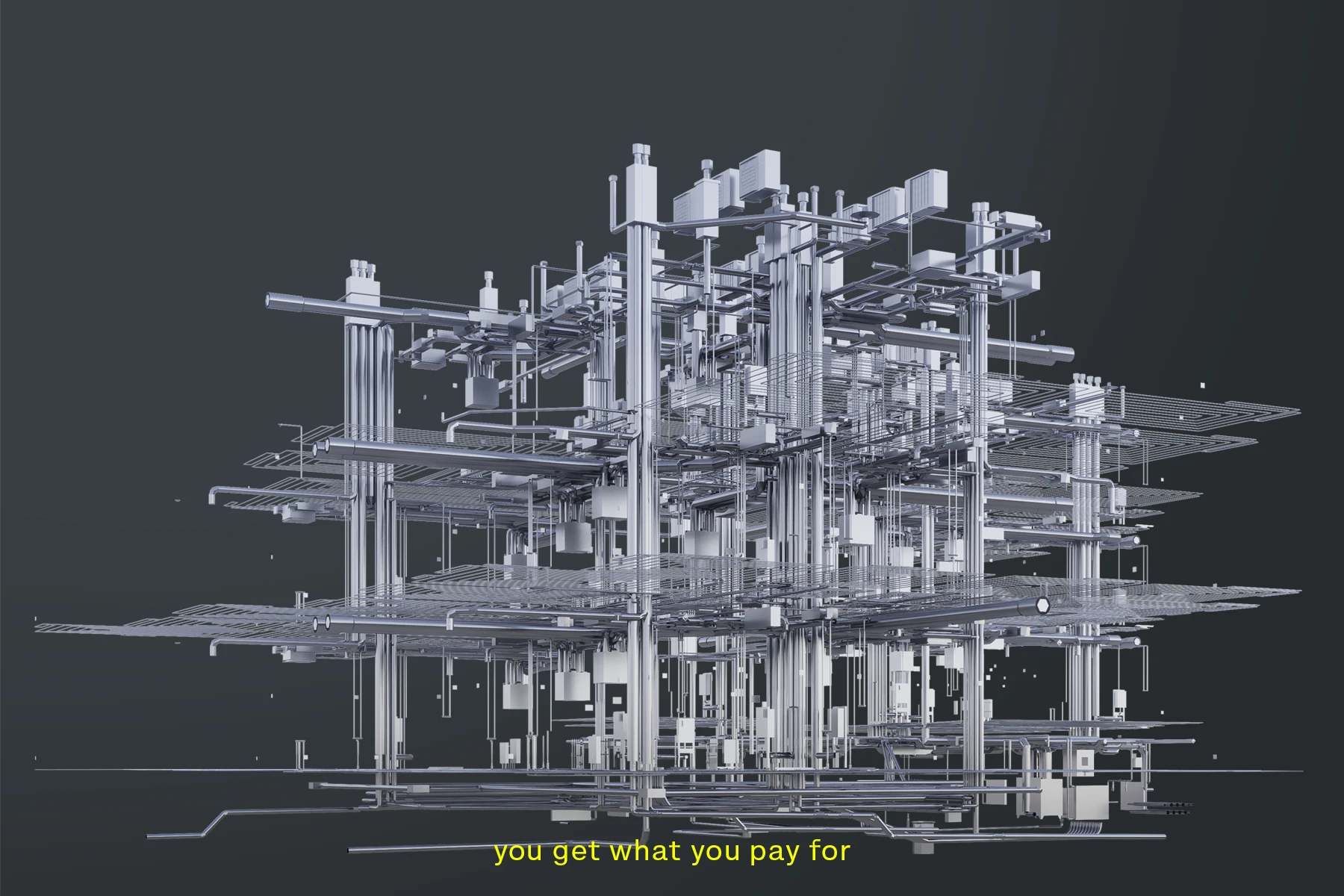
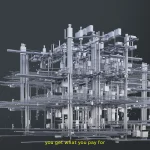
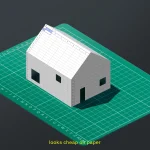
The Tallinn Architecture Biennale 2026 lies in the paradox of cheapness. While affordability is often celebrated in construction and development, the biennale argues that low-cost architecture frequently conceals broader environmental, social, and cultural expenses.
The curatorial team describes contemporary architecture as increasingly shaped by cost calculations and efficiency-driven decision-making. Buildings may appear inexpensive in financial terms, yet their long-term impacts on resources, labour, maintenance, and communities often remain hidden.
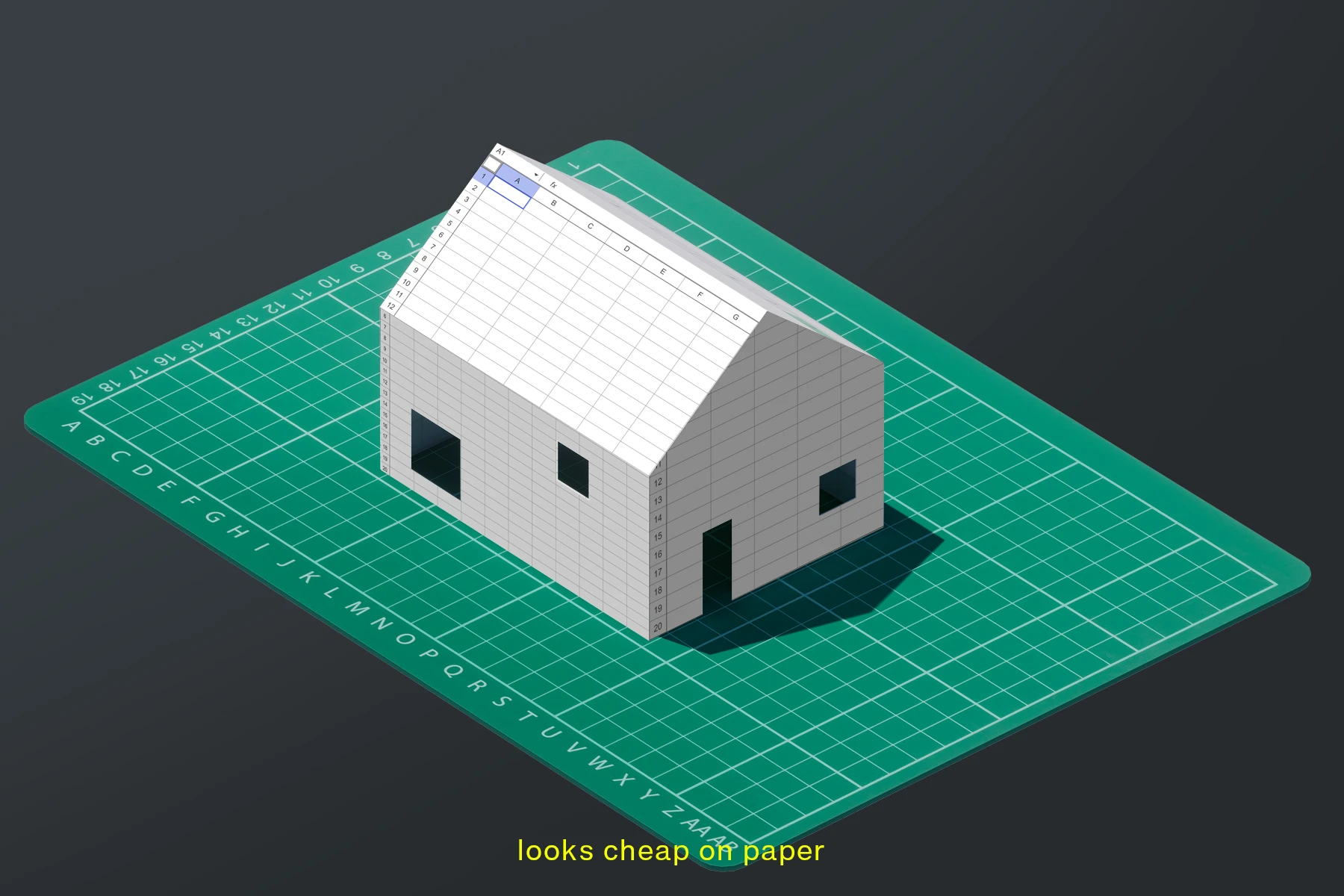
Through the question “How Much?,” the Tallinn Architecture Biennale 2026 aims to investigate the relationship between constraints, cost, scarcity, and architectural creativity. The event explores how value is created, deferred, or sacrificed in the process of building cities and landscapes.
International Curators Lead the Eighth Edition
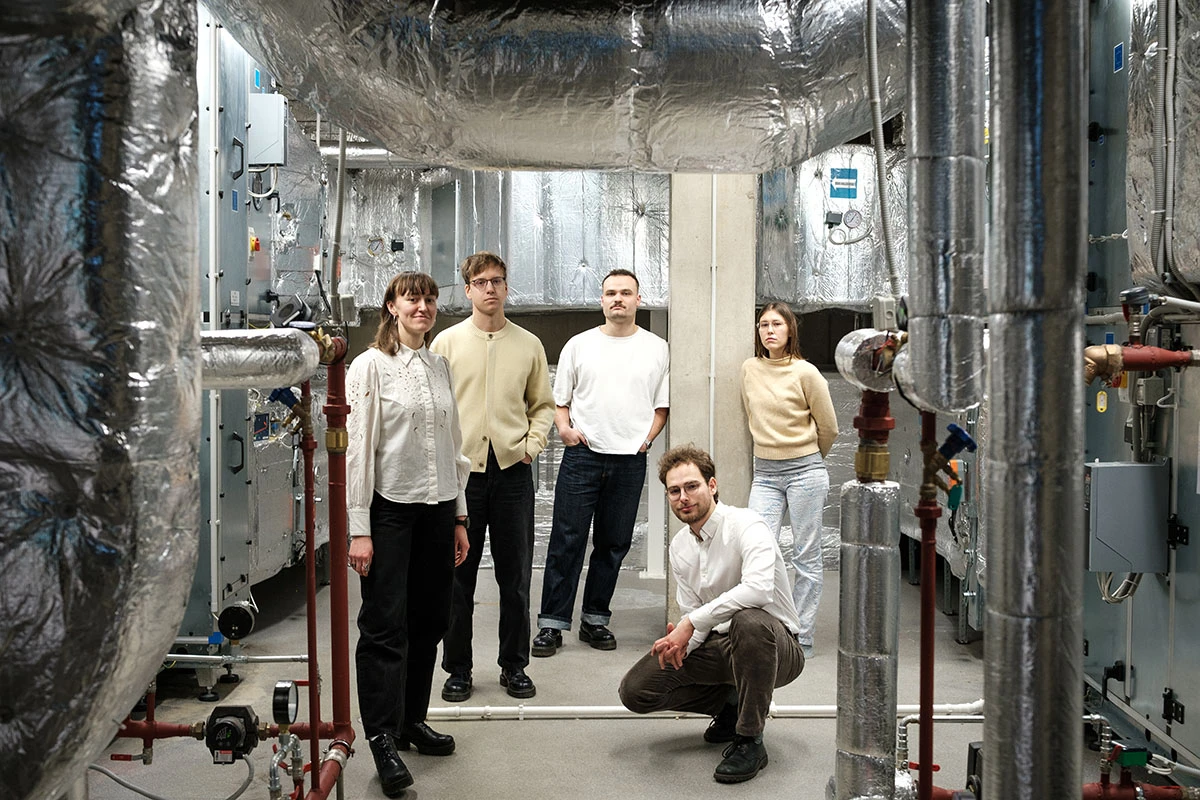
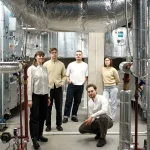
The Tallinn Architecture Biennale 2026 is curated by Studio TÄNA, comprising Siim Tanel Tõnisson, Kertu Johanna Jõeste, and Ra Martin Puhkan, in collaboration with Mark Aleksander Fischer and Austrian architect Mira Samonig.
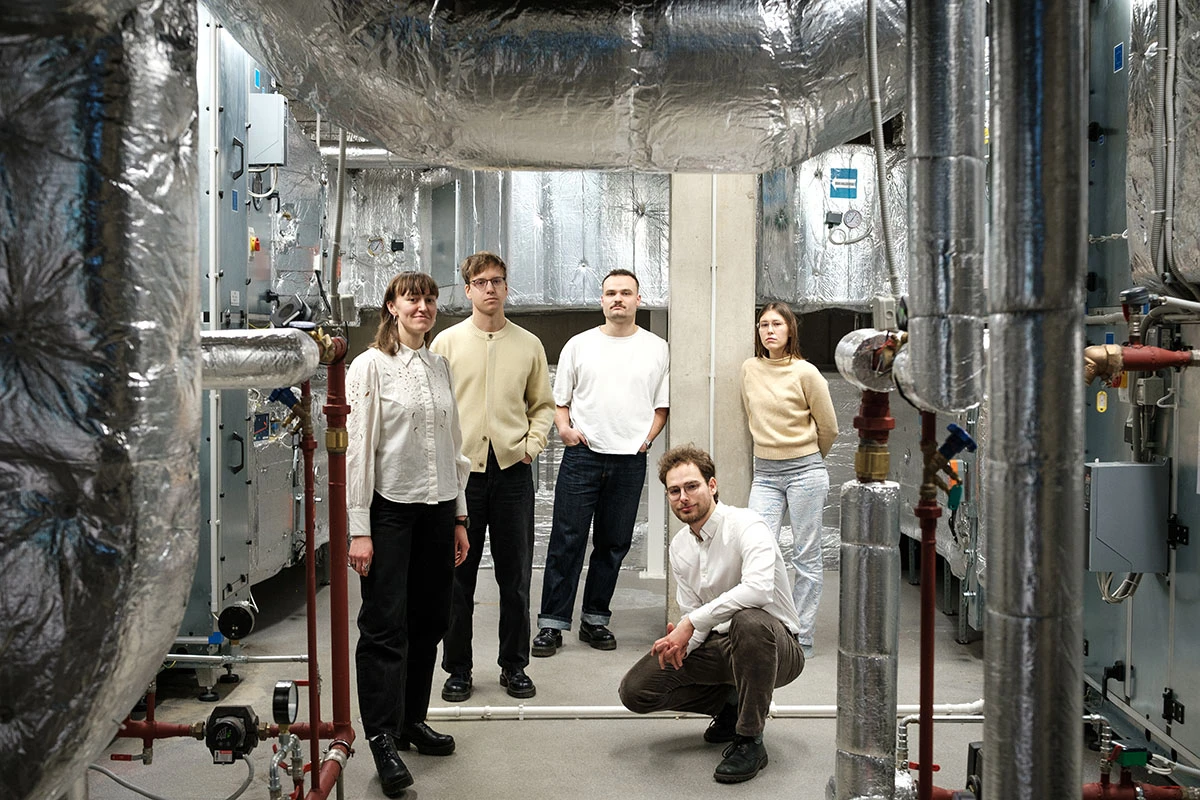
Together, the curators have developed a programme that extends beyond conventional exhibitions, encouraging dialogue between architecture, urbanism, landscape design, performance, film, and public culture.
Tallinn Linnahall Becomes the Central Venue
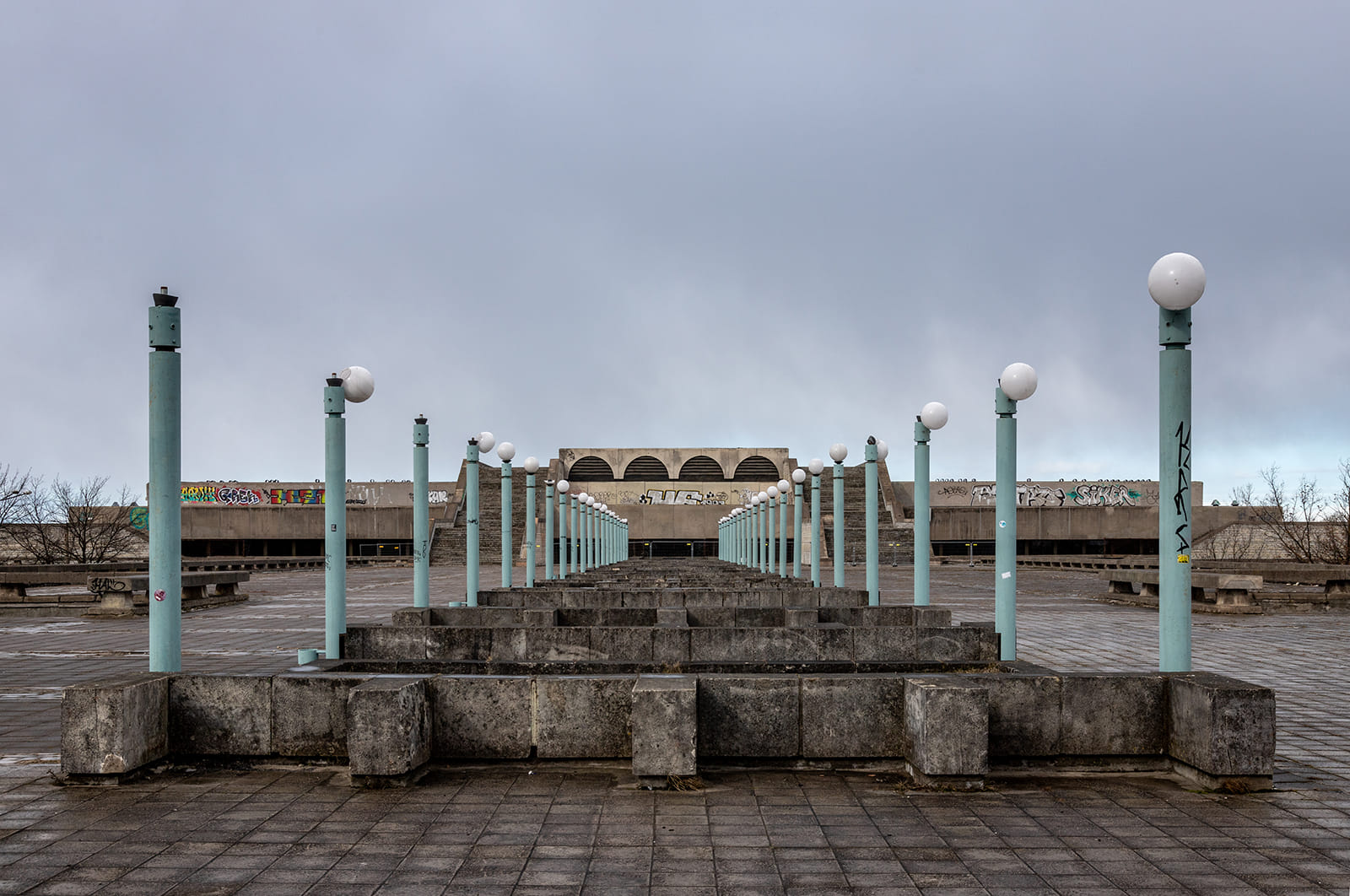
One of the most significant announcements surrounding the Tallinn Architecture Biennale 2026 is the selection of Tallinn’s Linnahall as the venue for the Curatorial Exhibition.
The monumental waterfront structure, originally built during the Soviet era, has remained largely unused for decades despite its prominent position in Tallinn’s urban landscape. Repeated debates over its future have made it a symbol of the complexities of architectural value and investment.
For the curators, Linnahall represents the central question of the biennale. Its restoration would require substantial investment, yet demolition would also carry considerable costs. Meanwhile, years of indecision have generated their own economic and cultural consequences.

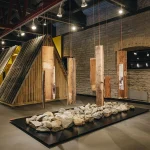
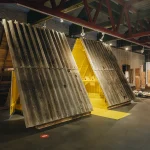
Opening on 9 September 2026, the Curatorial Exhibition titled “How Much?” will use Linnahall not simply as a venue but as an active case study through which visitors can examine the tensions between cost-efficiency, preservation, adaptation, and long-term value.
Symbolic Launch Begins With a Landscape Intervention
The Tallinn Architecture Biennale 2026 officially began its public journey through the opening action titled “You Reap What You Sow: An In-Between Landscape.”
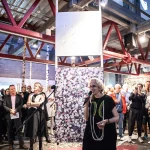
Held on the roof of Linnahall, the event brought together architects, landscape architects, designers, and members of the public to reflect on the future of urban environments. The symbolic act of sowing seeds served as a metaphor for the decisions societies make today and the environments they inherit tomorrow.
Developed in collaboration with the Estonian Association of Landscape Architects, the landscape installation will remain on the Linnahall rooftop throughout the duration of the Tallinn Architecture Biennale 2026.
Opening Week to Feature Conferences, Workshops, and Public Events
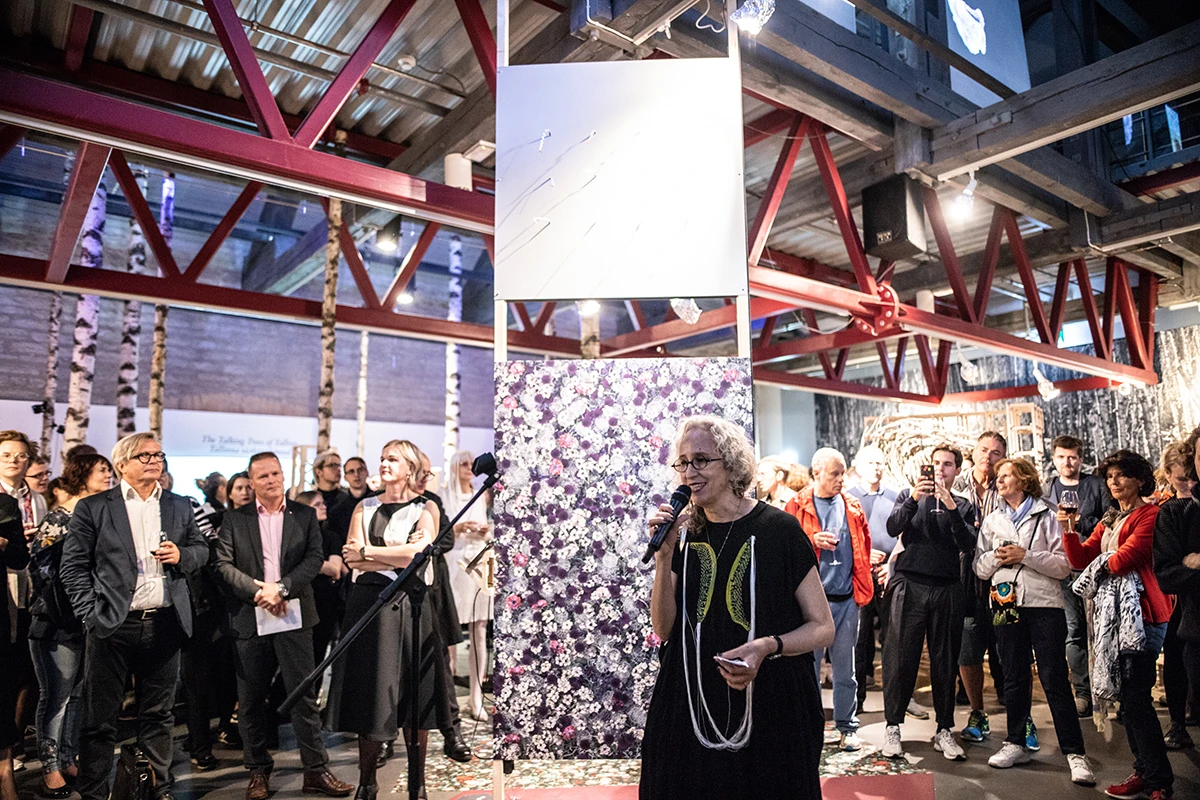
The opening week of the Tallinn Architecture Biennale 2026, running from 9 to 13 September, will include exhibitions, lectures, workshops, concerts, public programmes, and international discussions.
A major highlight is the two-day symposium taking place on 10 and 11 September at the Estonian Academy of Arts.
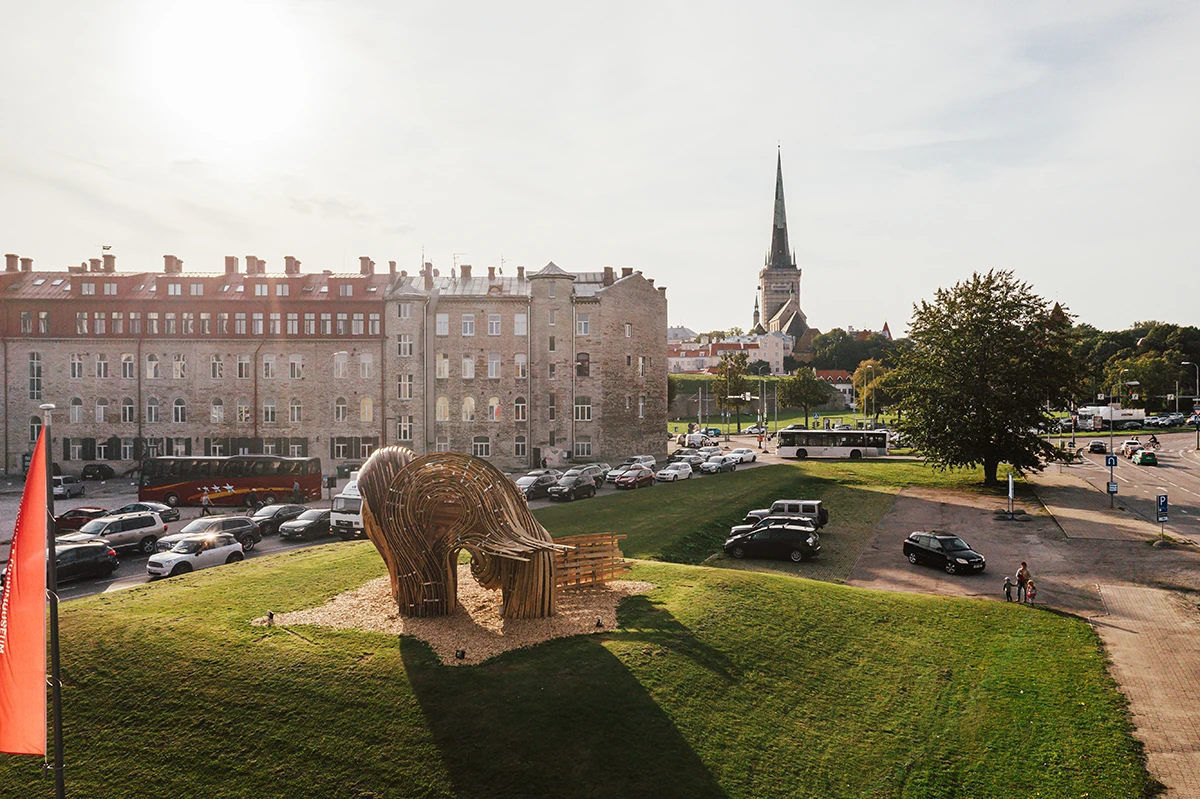
The first day, titled “To Be Continued…,” will explore adaptive reuse and the future of existing buildings, questioning whether contemporary architecture can continue building without constantly starting from scratch.
The second day, “Sounds Expensive,” examines the hidden costs behind seemingly inexpensive architectural solutions. The symposium will bring together international architects, academics, critics, and practitioners to discuss how economic pressures shape design decisions and urban development.
Installation Competition Winner to Open During the Biennale
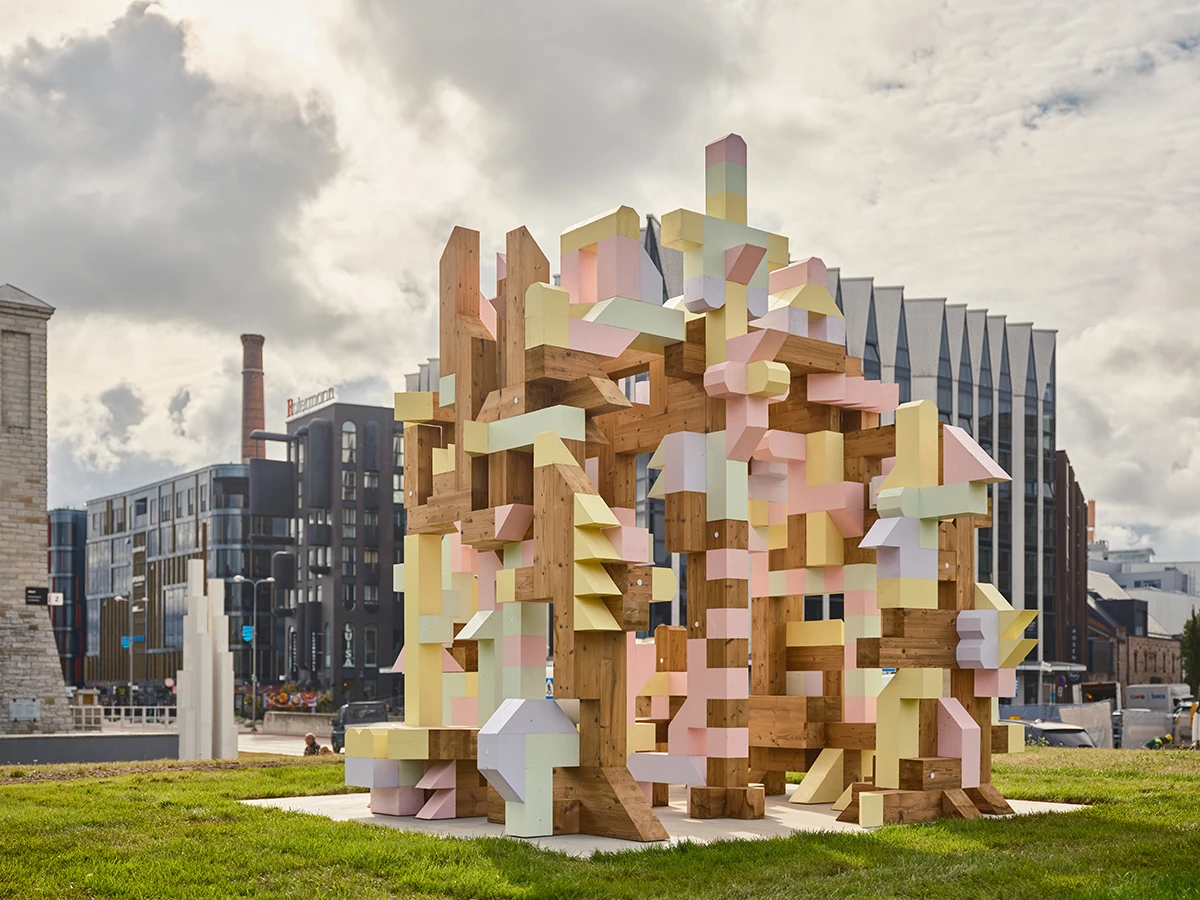
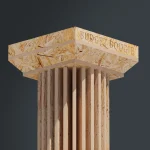
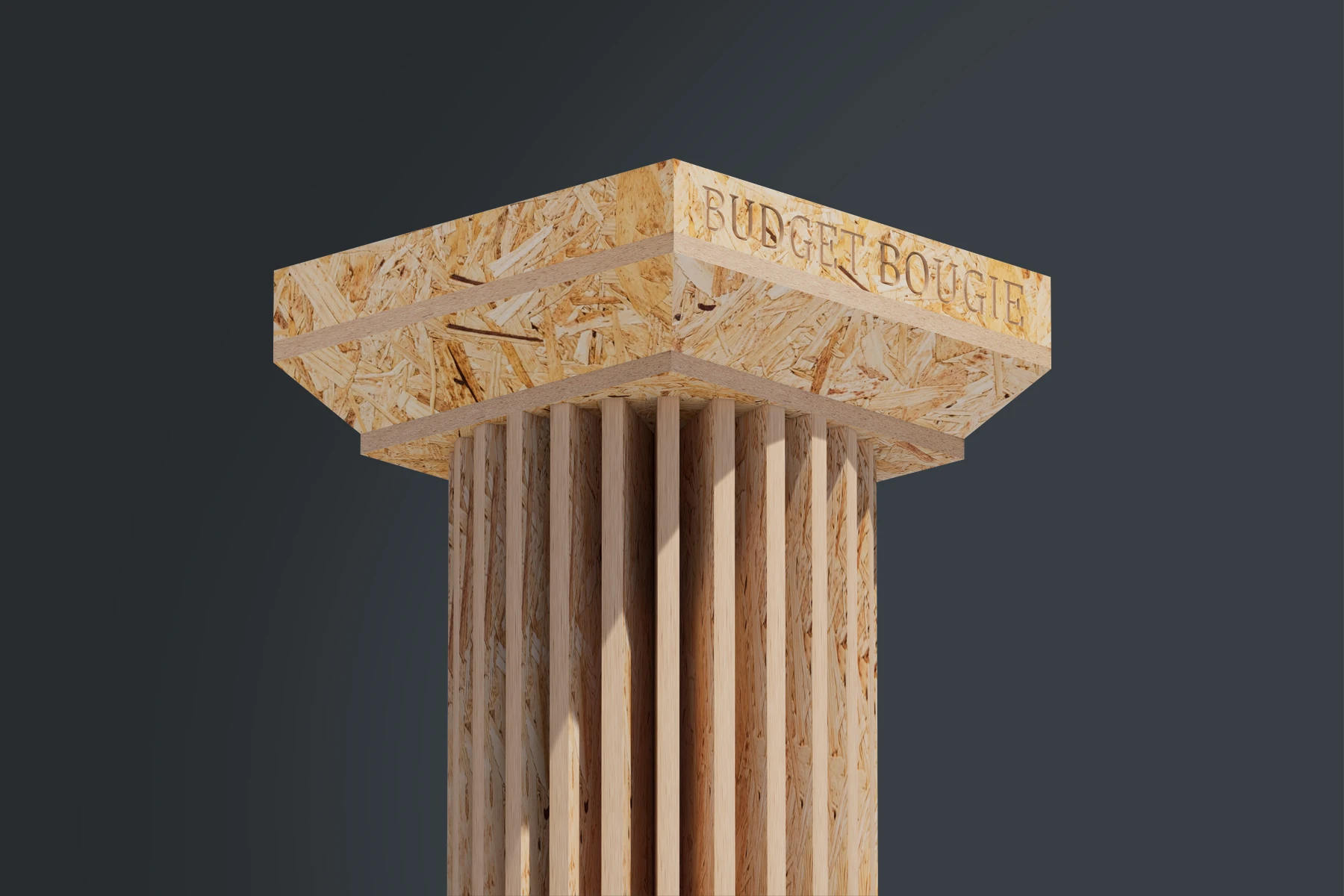
As part of the Tallinn Architecture Biennale 2026 Opening Week, the winning project of the Budget Bougie Installation Competition will be unveiled on 10 September.
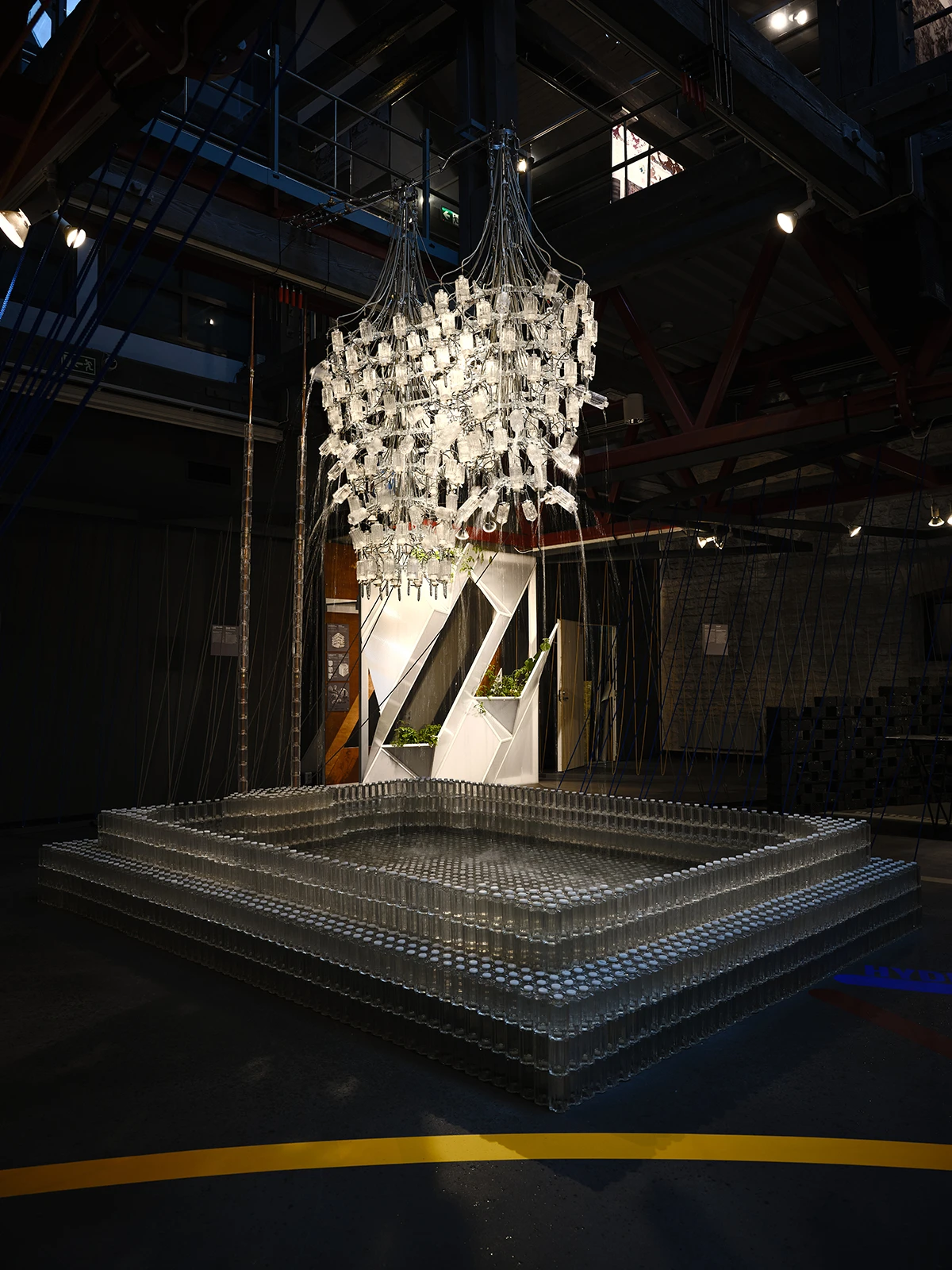
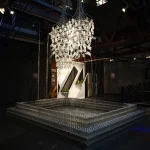
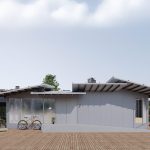
Designed by Aru Ma Architects, the temporary pavilion titled “Resonance” will be installed in front of the Estonian Museum of Architecture. The project reflects the biennale’s broader exploration of value, creativity, and architectural production under financial constraints.
Vision Competition Reimagines Tallinn’s Historic Centre
Another key component of the Tallinn Architecture Biennale 2026 is the Vision Competition exhibition, “From Void to Value: Revisioning Tallinn’s Old Town.”
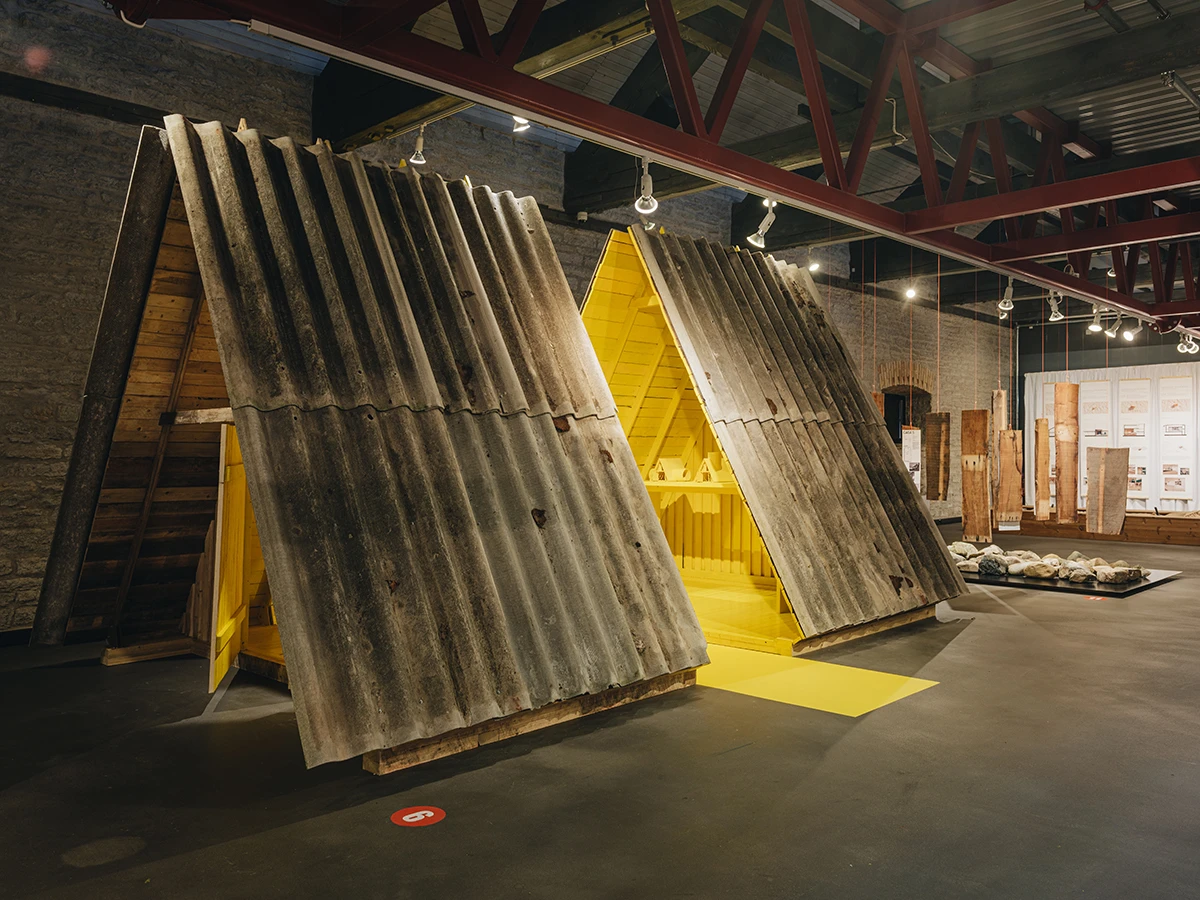
Opening on 16 October at Tammsaare Park, the exhibition presents proposals addressing one of the most debated sites within Tallinn’s historic centre. The featured projects explore how an unresolved urban void can be transformed into a resilient and socially meaningful public space.
By focusing on long-term urban sustainability, the exhibition aligns with the biennale’s broader inquiry into value creation beyond immediate economic calculations.
Affordable Architecture Takes Centre Stage
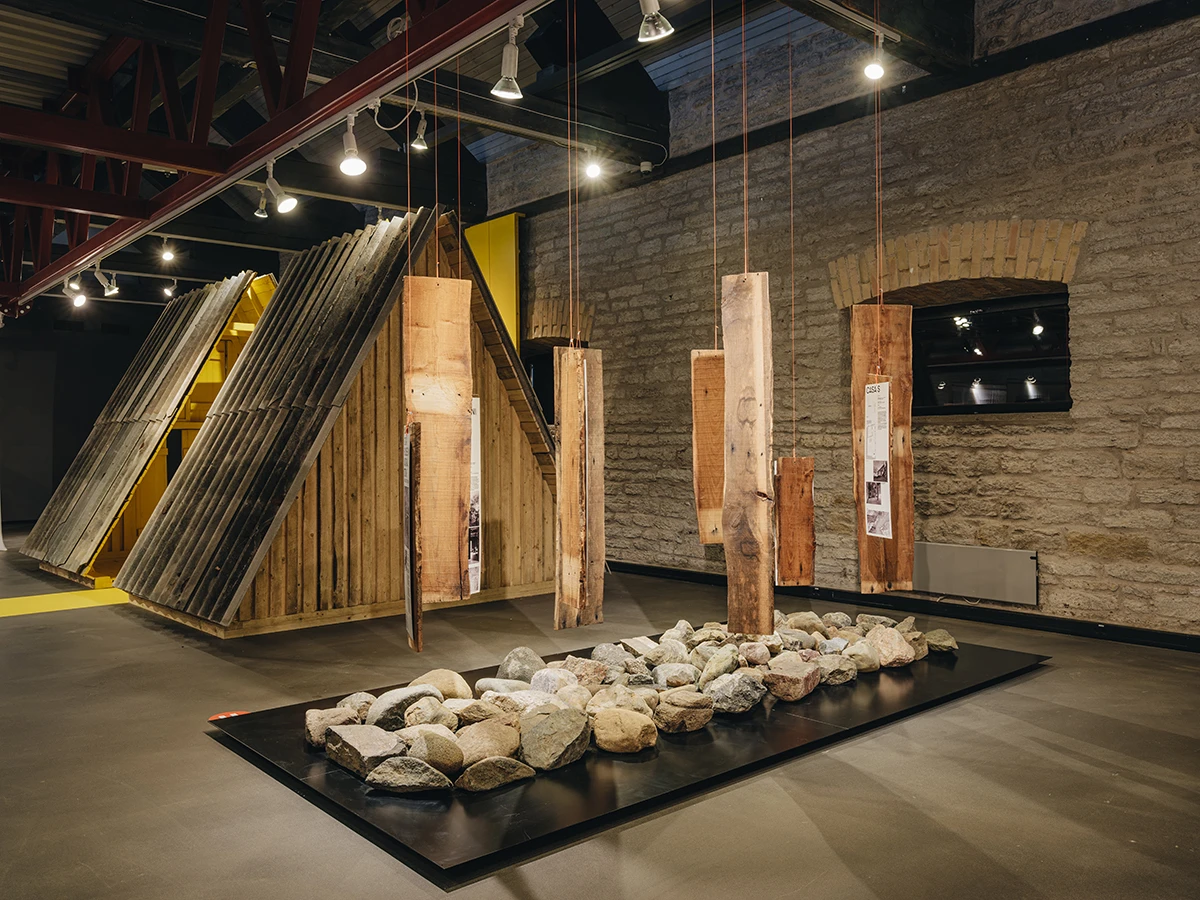
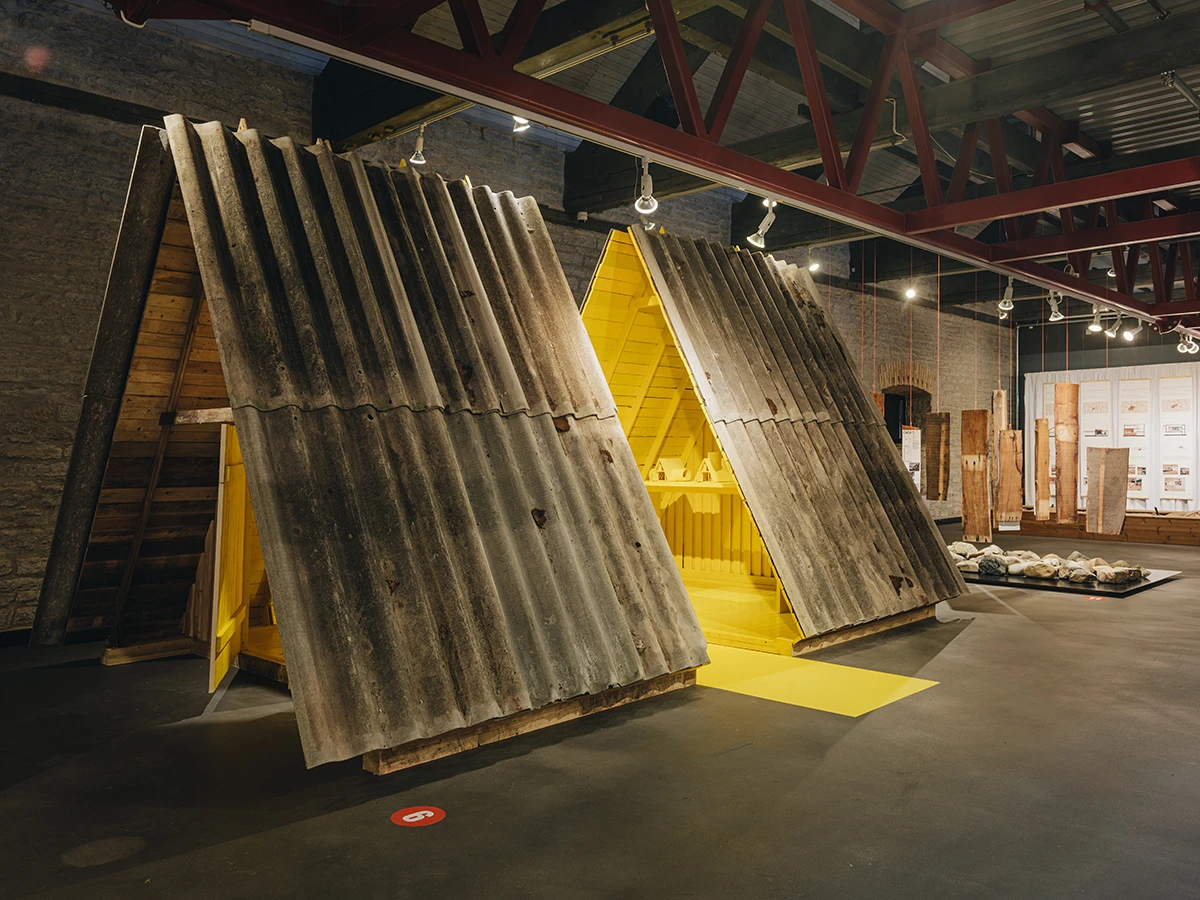
The exhibition programme of the Tallinn Architecture Biennale 2026 will also include “Capital-A Affordable Architecture” at the Estonian Museum of Architecture.
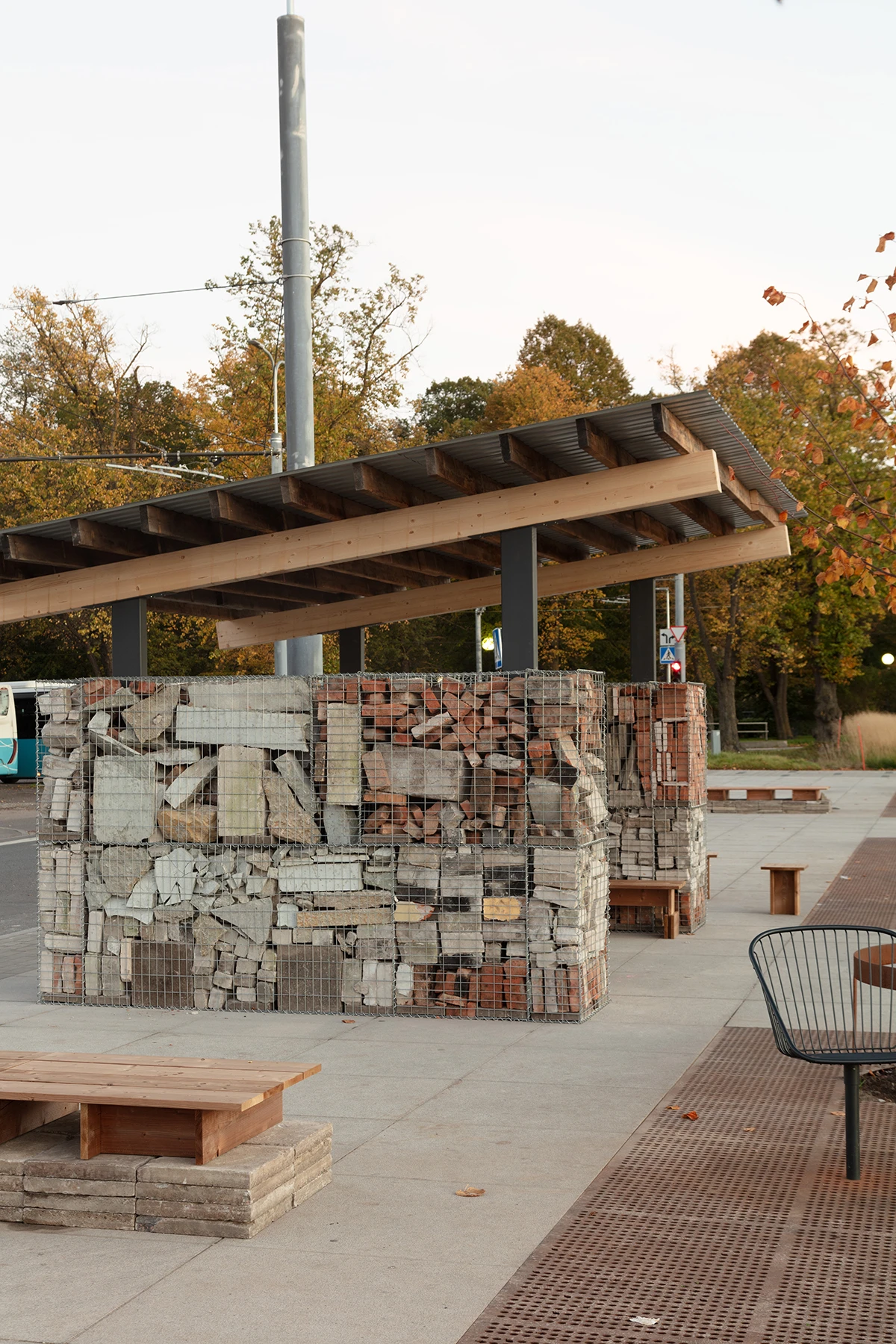
Bringing together students and tutors from universities in Vienna, Prague, London, Kharkiv, and Tallinn, the project investigates what affordability means in contemporary architecture.
The exhibition examines accessibility, social value, environmental responsibility, and the long-term implications of design decisions.
Expanding Beyond Architecture Through Film, Performance, and Urban Culture
The Tallinn Architecture Biennale 2026 extends its reach beyond traditional architectural exhibitions through an extensive satellite programme.

Highlights include the exhibition “Louis I. Kahn and Residential Architecture in Kuressaare,” which explores the legacy of one of the twentieth century’s most influential architects. The programme will also feature the popular Open House Tallinn and Open House Tartu festivals, offering public access to buildings that are typically closed to visitors.
Film screenings organised in collaboration with the Black Nights Film Festival at Kumu Art Museum will investigate the hidden costs associated with materials, heritage, and construction practices.
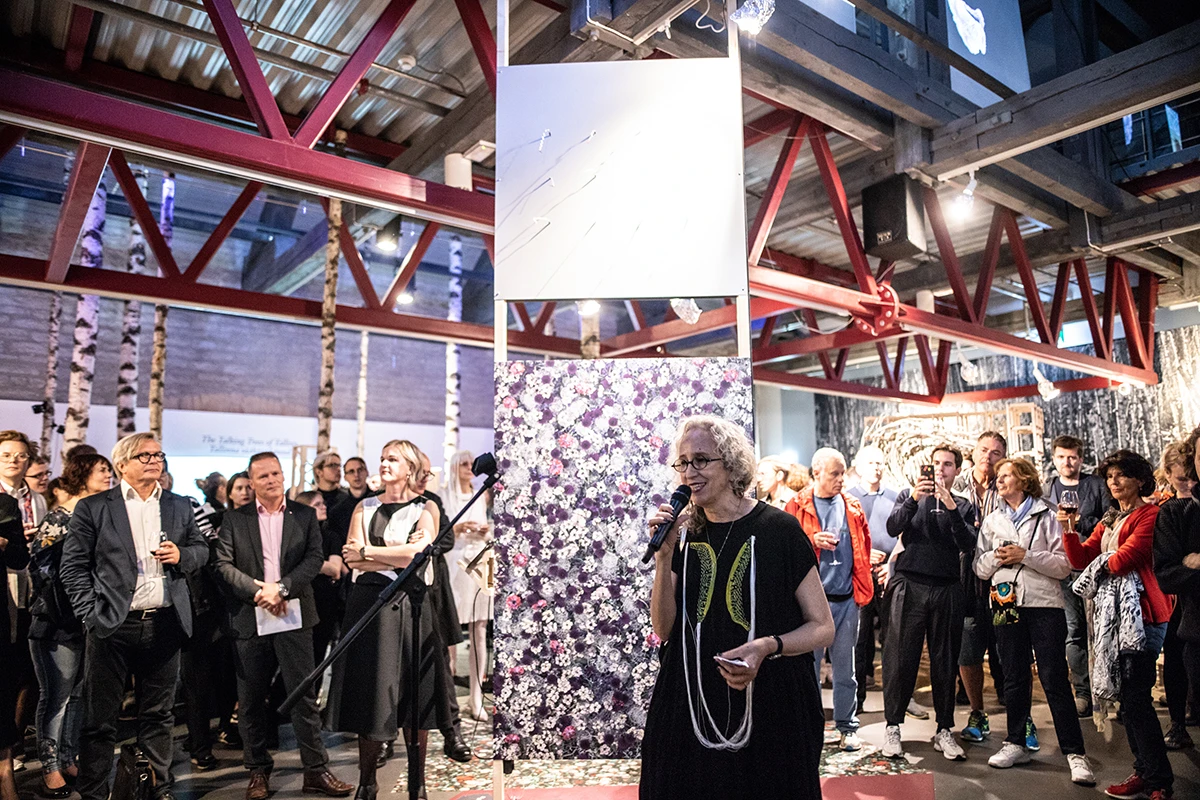
Meanwhile, collaborations with the Independent Dance Festival, inklingroom, and Paavli Kultuurivabrik will bring contemporary performance and nightlife culture into dialogue with architectural discourse.
Exploring Sustainable Materials and Future Construction Methods
At TalTech – Tallinn University of Technology, visitors will encounter the pop-up exhibition “RAW: Waste-Sourced And Fast-Growing Bio-Based Materials.”
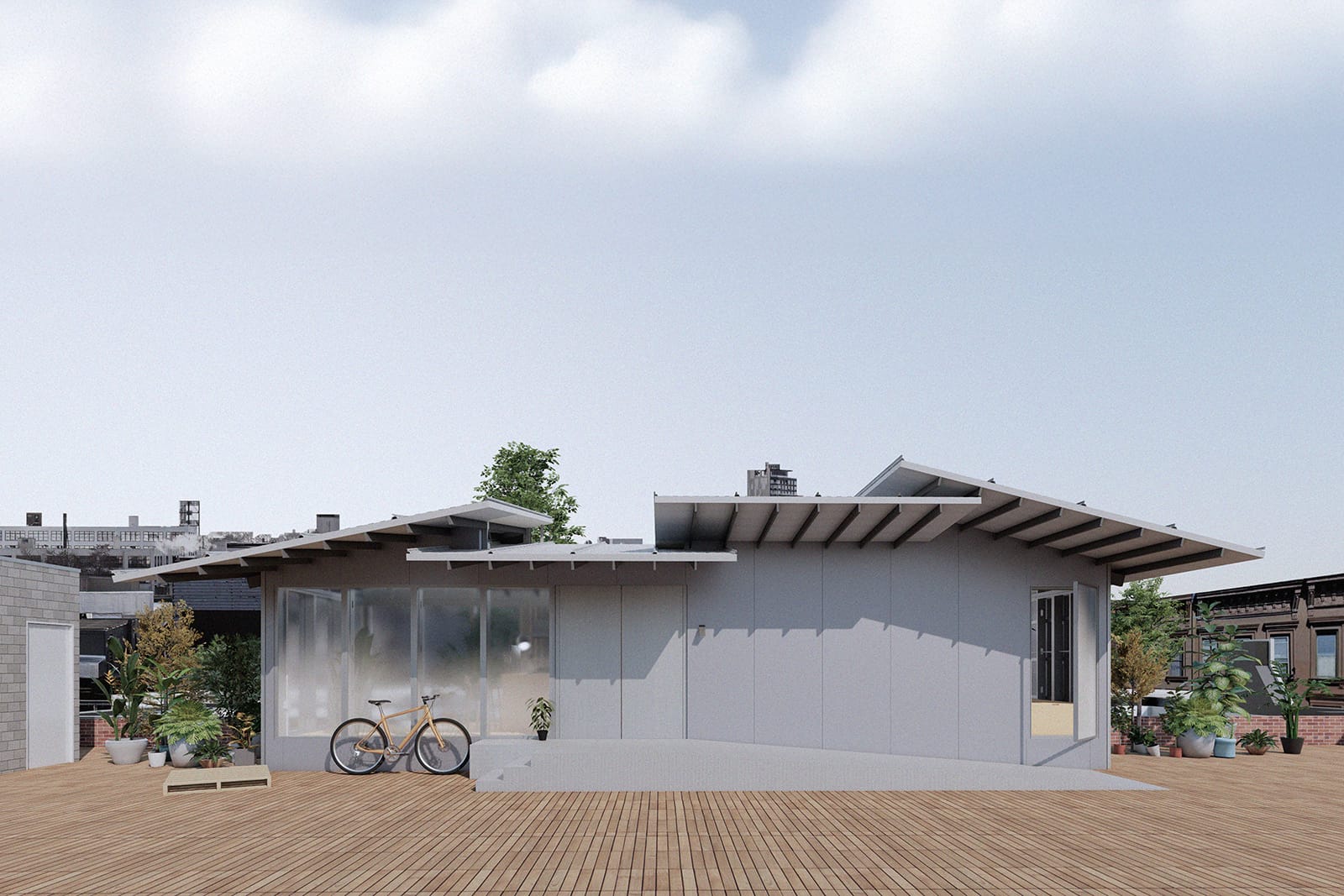
The exhibition showcases innovative construction materials derived from waste streams and rapidly renewable resources, highlighting emerging opportunities for sustainable architectural production.
Additional workshops, including “How Much Ex.Change?” and “Urban Intervention,” will investigate labour, value, time, and cost-effective approaches to urban transformation.
A Biennale Focused on Architecture’s Most Difficult Question
At a time when cities face mounting economic pressures, environmental challenges, labour concerns, and resource limitations, the Tallinn Architecture Biennale 2026 positions itself as a critical platform for examining architecture’s relationship with value.
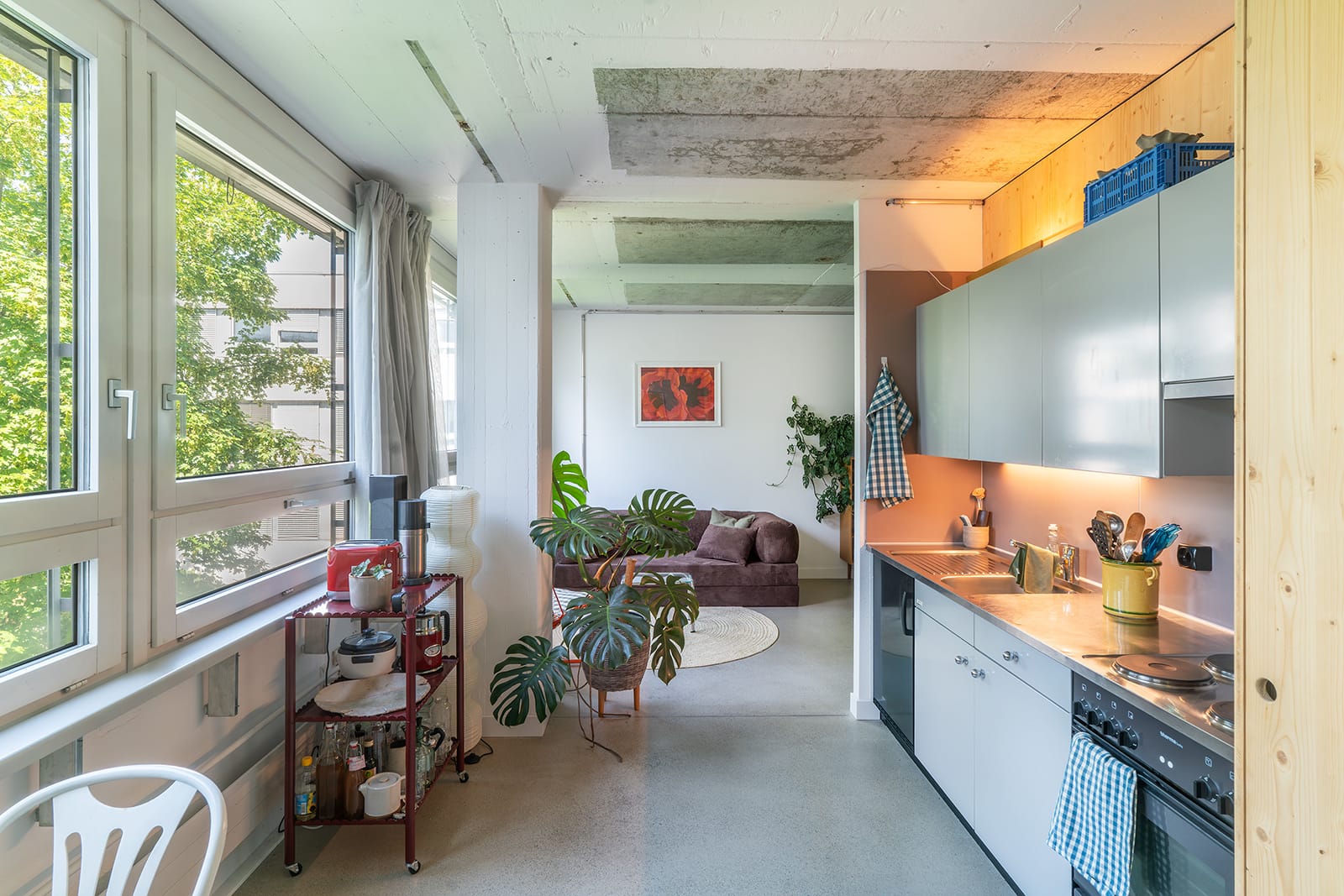
By questioning the illusion of cheapness and exploring the true costs hidden behind the built environment, the Tallinn Architecture Biennale 2026 invites architects, policymakers, designers, and the public to reconsider how society measures affordability, responsibility, and long-term architectural impact.
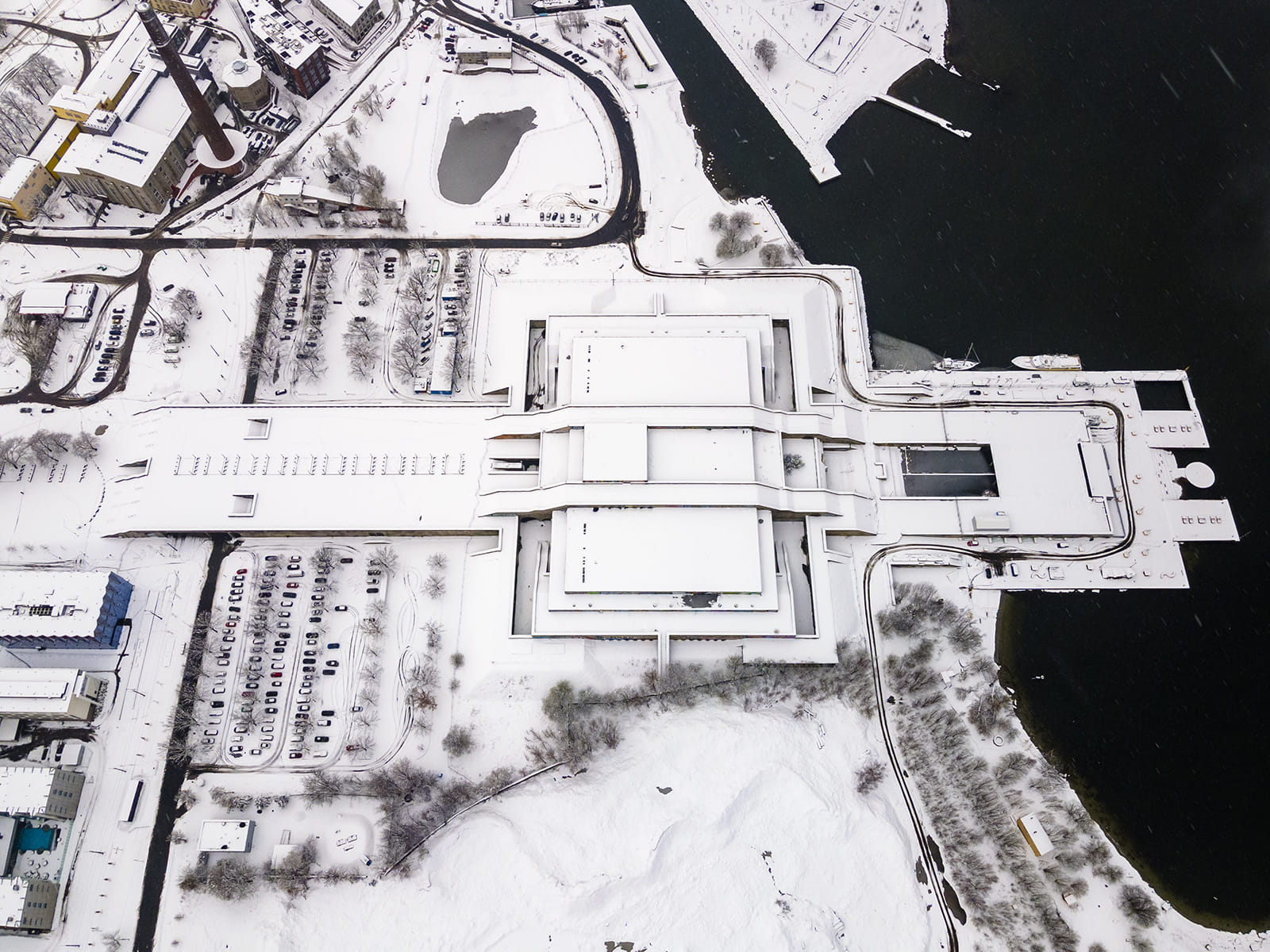
Through exhibitions, installations, debates, and public programmes, the Tallinn Architecture Biennale 2026 demonstrates what architecture buildings cost today and also the consequences those decisions create for future generations.
Credit: TAB 2026