• Submit Project
  • Advertise
  • NewsLetter
PA | Architecture and Technology
Courses
  • Articles
    • Archipreneurs
    • Technology
    • Bim / Aec
    • 3D Printing
    • Architects
    • Artificial Intelligence
    • Robotics
    • Sustainability
    • Tools
    • Case Study
    • City Guide
    • Opinions
    • Interviews
    • Architecture & Design
      • Urbanism
      • Metaverse
      • Space Architecture
      • Geography
  • Projects
    • Architecture
    • Interior
    • Design
      • Fashion
      • Pavilion
      • Installation
      • Digital Art
      • Landscape Design
    • Products
  • News
  • Workshops
  • PA Talks
  • Videos
  • Books
  • More
    • PA+ Membership
    • Competitions
    • Courses
    • Events
    • Jobs
    • About Us
    • Contact Us
Font ResizerAa
PA | Architecture and TechnologyPA | Architecture and Technology
Search
  • Articles
  • Projects
  • News
  • Workshops
  • PA Talks
  • Videos
  • Books
  • Advertise
  • Submit Project
  • NewsLetter
  • Contact Us
Have an existing account? Sign In
Follow US

Home - Architecture News - 3D-Printed Living Seawalls and BioShelters Revive Sydney’s Marine Life

Architecture News

3D-Printed Living Seawalls and BioShelters Revive Sydney’s Marine Life

Last updated: September 12, 2025 9:47 am
Isha Chaudhary
Isha Chaudhary
ByIsha Chaudhary
Isha Chaudhary is an architecture writer who follows and writes about current trends and emerging discussions in architecture, with a focus on design, technology, and place-making.
Share
Sydney’s 3D-Printed Living Seawalls
Sydney’s 3D-Printed Living Seawalls © OLYMPUS DIGITAL CAMERA/Ecovoice
Sydney’s 3D-Printed Living Seawalls
List of Images 1/8
Sydney’s 3D-Printed Living Seawalls
SHARE

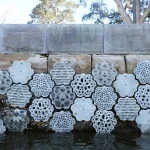
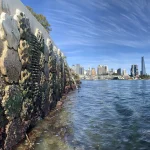
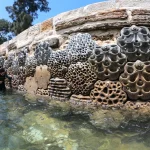
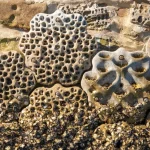
Sydney is transforming its coastline with 3D-printed living seawalls, textured structures that mimic natural habitats like rock pools and mangroves. These aren’t your typical concrete defenses; they’re carefully designed to invite marine life back where it once thrived.
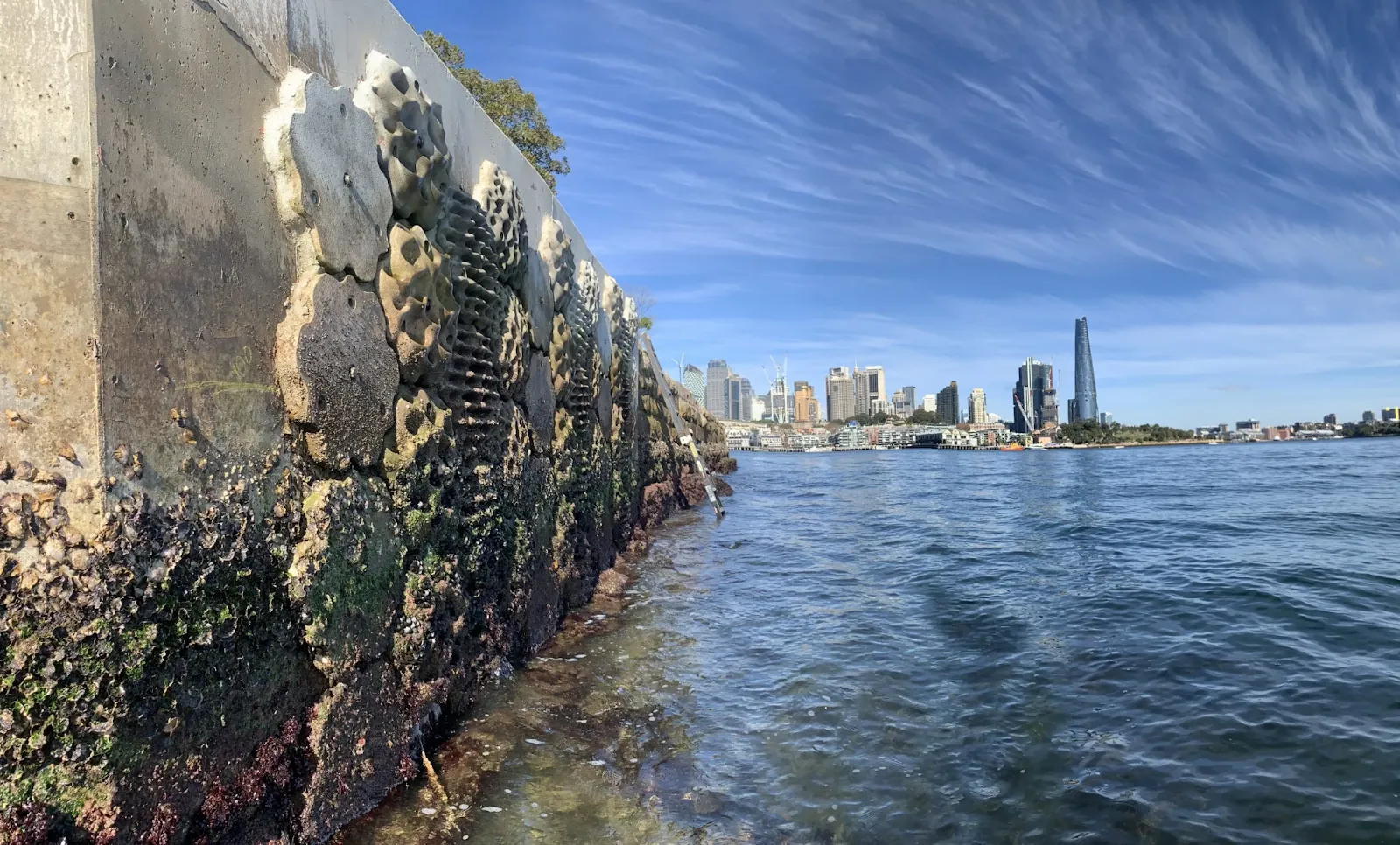
Sydney’s 3D-Printed Living Seawalls
3D-Printed Living Seawalls

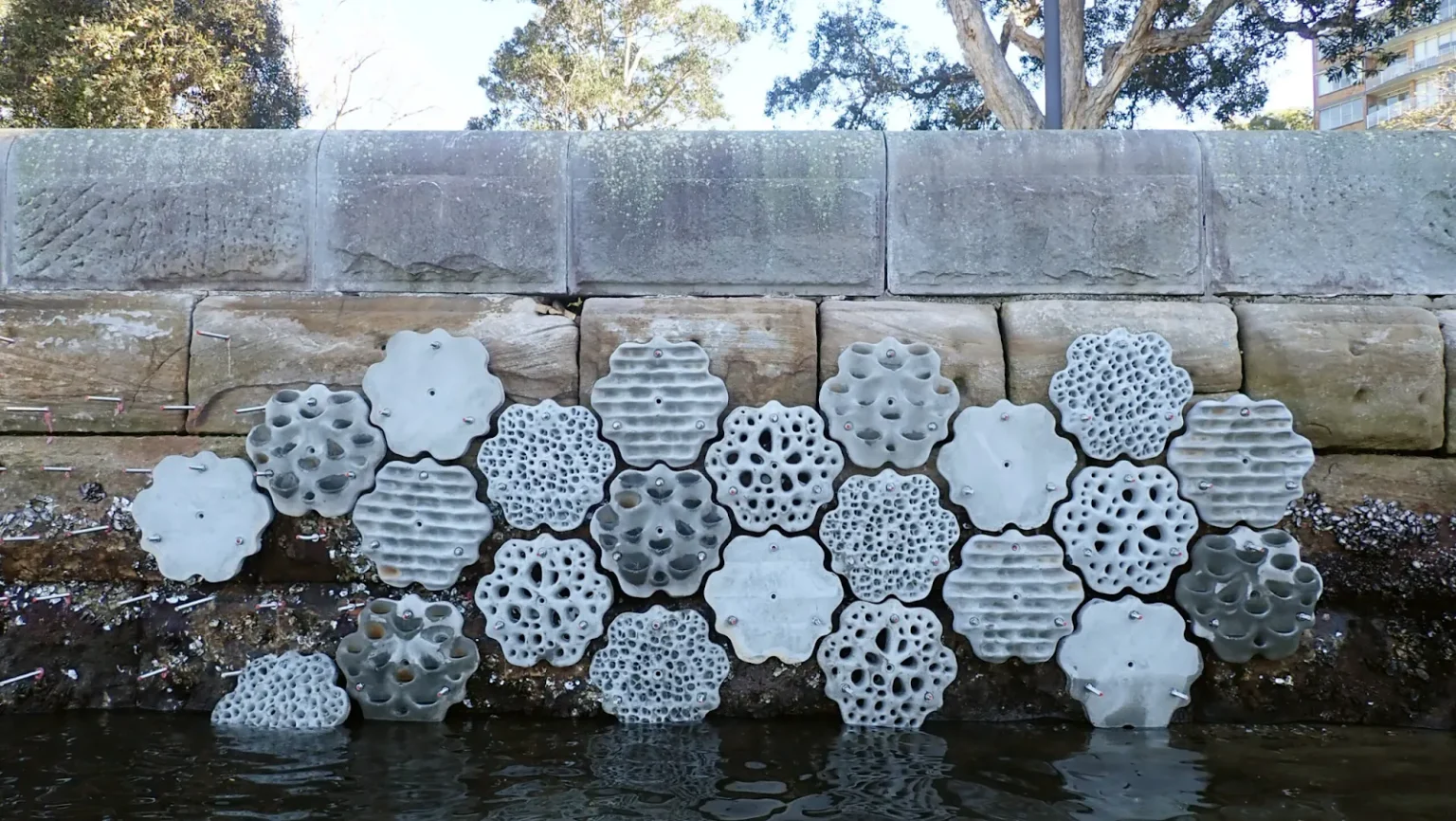
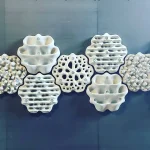
The Living Seawalls project, spearheaded by the Sydney Institute of Marine Science in collaboration with Reef Design Lab, uses digitally designed panels made from 3D-printed reusable molds that emulate the nooks and crevices of rocky shorelines.
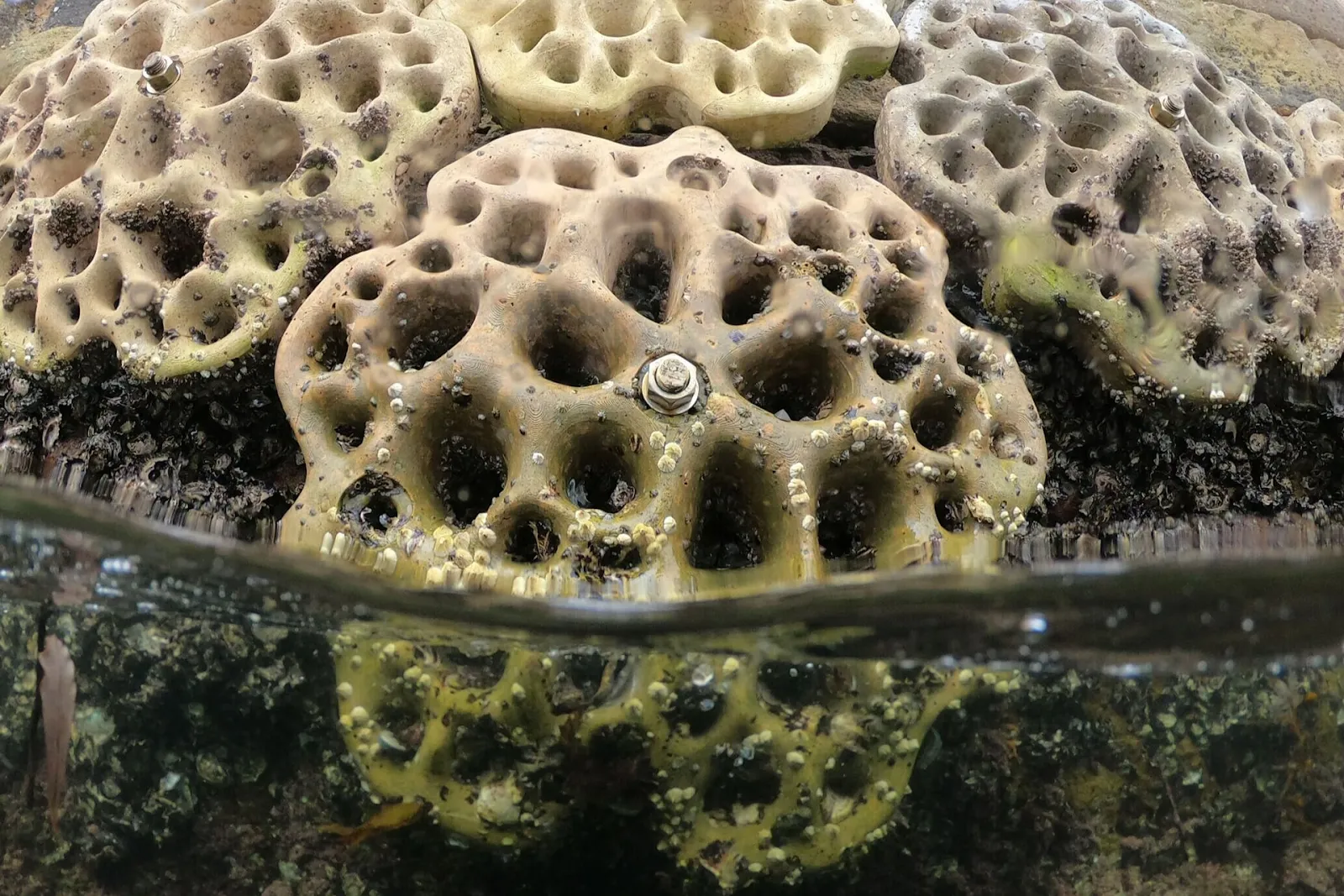
Sydney’s 3D-Printed Living Seawalls

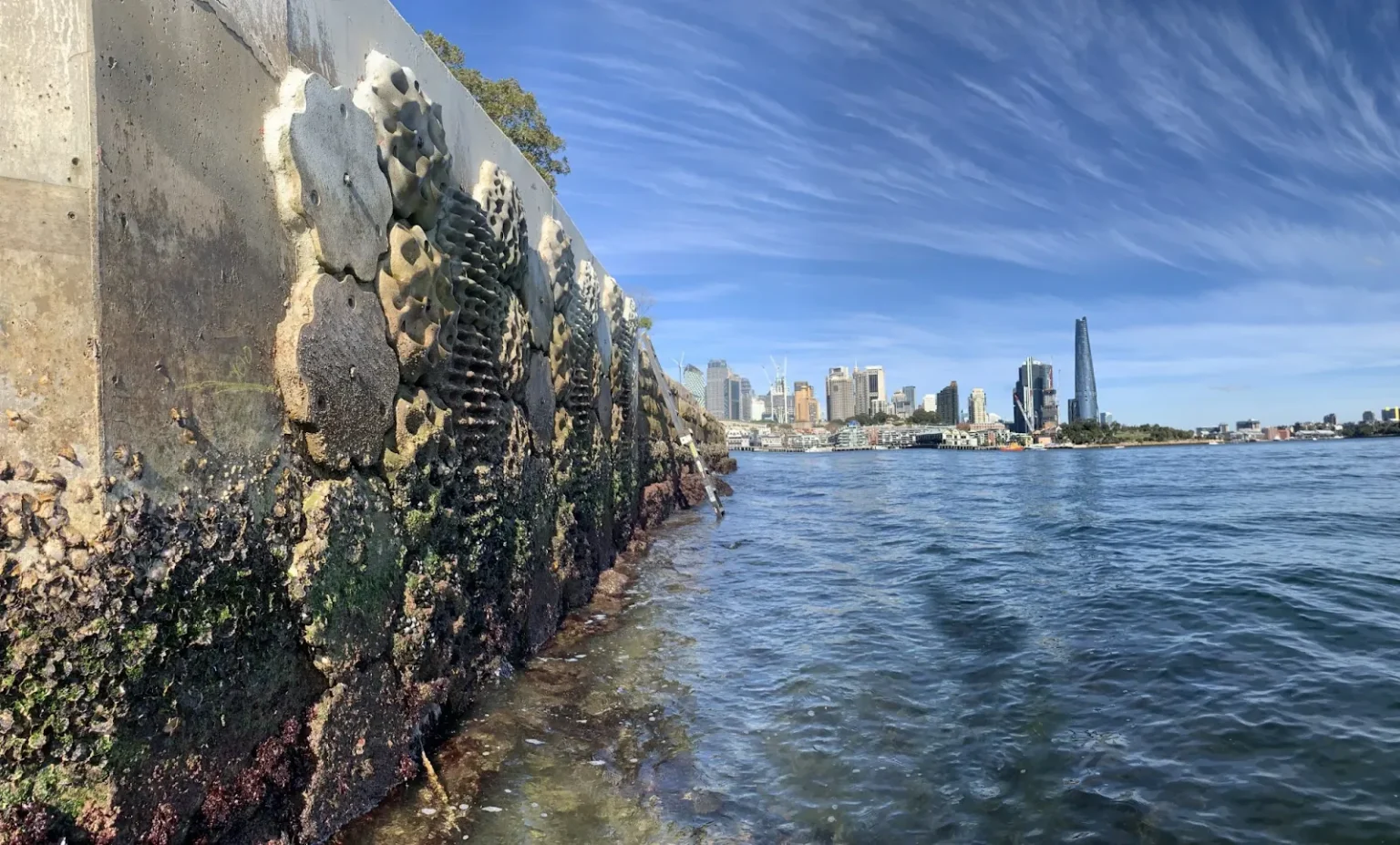
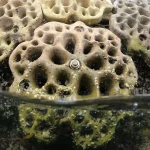
Installed on existing seawalls in Sydney Harbour, these panels support a remarkable ecological comeback within one to two years. They sustain at least 36% more species than traditional flat seawalls, hosting up to 115 species of seaweed and invertebrates, just like natural rocky reefs. Fish also gravitate toward these surfaces, finding rich feeding grounds and sheltered zones.
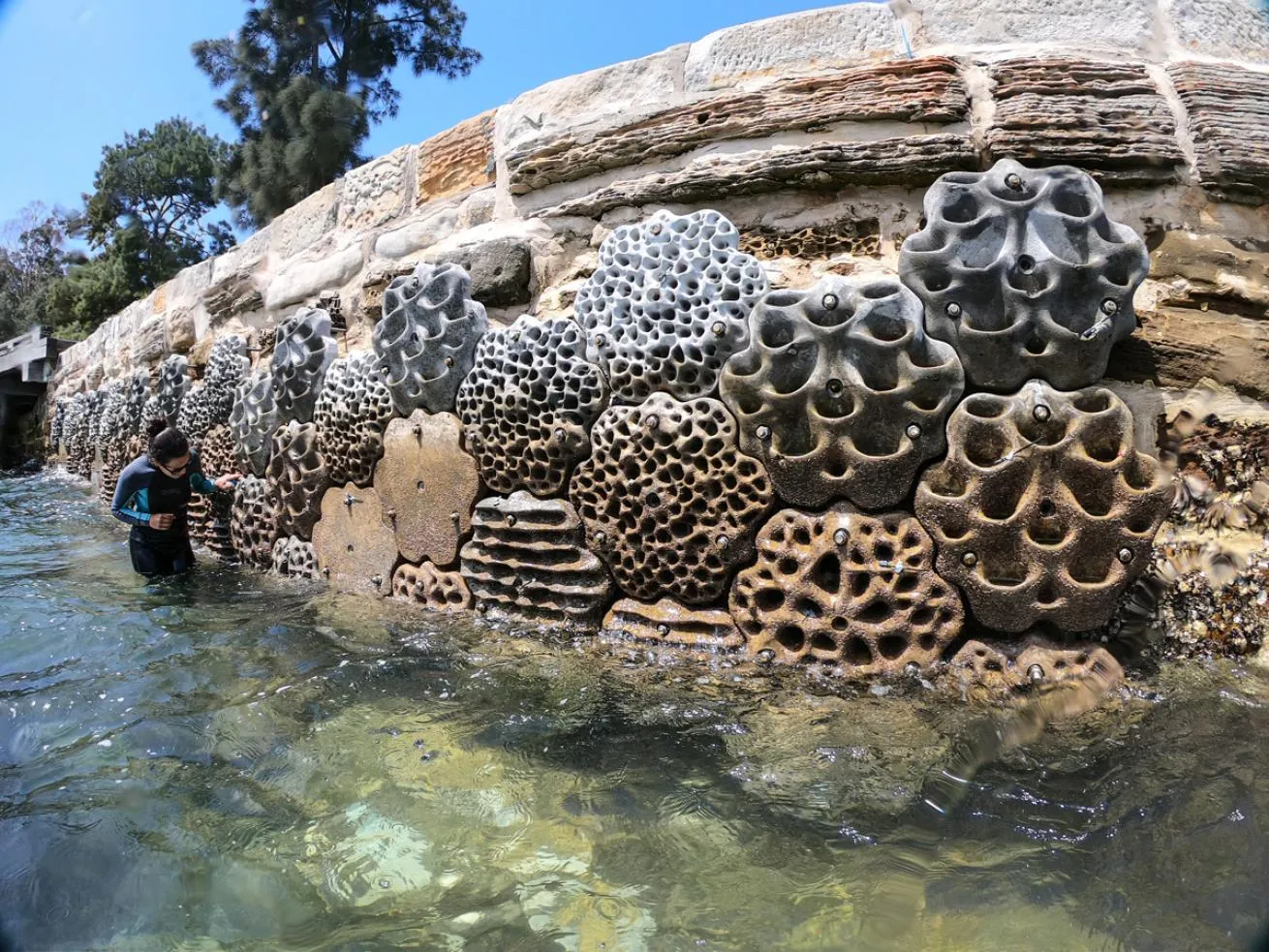
Sydney’s 3D-Printed Living Seawalls
Sydney’s 3D-Printed Living Seawalls © Living SeaWalls

In Rushcutters Bay, these panels have supported the growth of oyster and mussel populations, which naturally filter the water and, in turn, improve conditions for recreational activities along the bay. Impressively, over 2,500 of these panels have been installed globally. They also serve as powerful educational tools, engaging students at all levels to learn how green-engineering solutions can restore marine ecosystems.
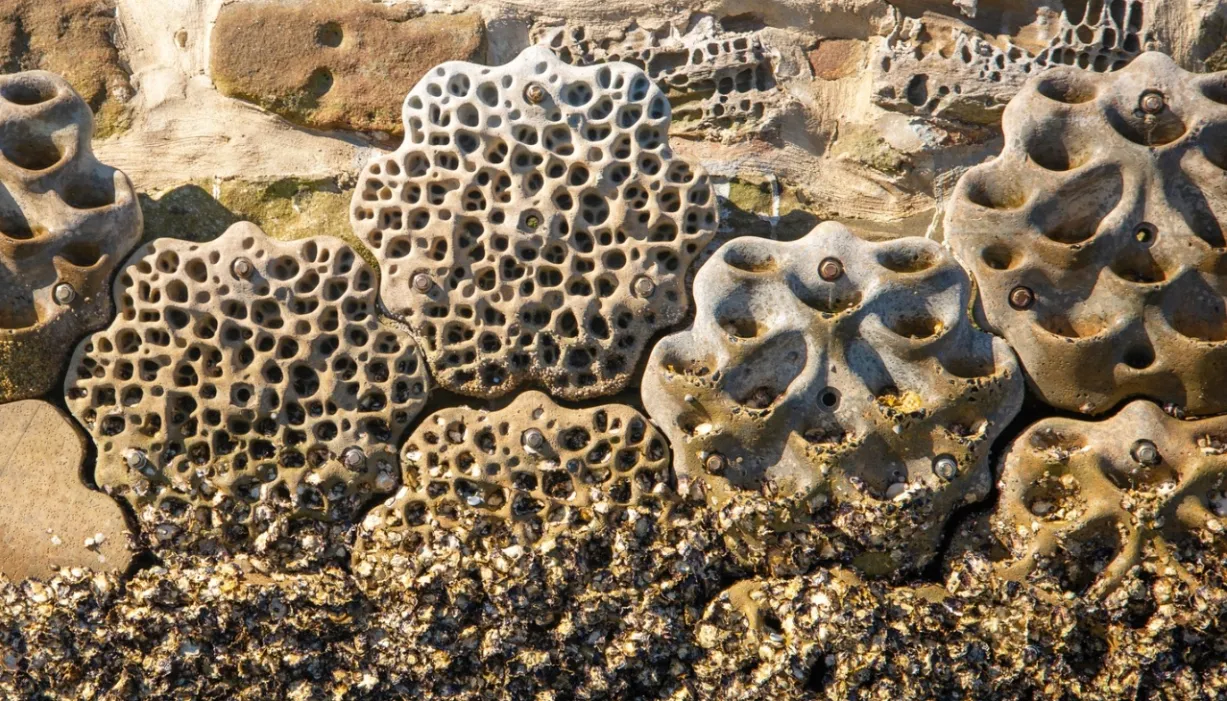
Sydney’s 3D-Printed Living Seawalls

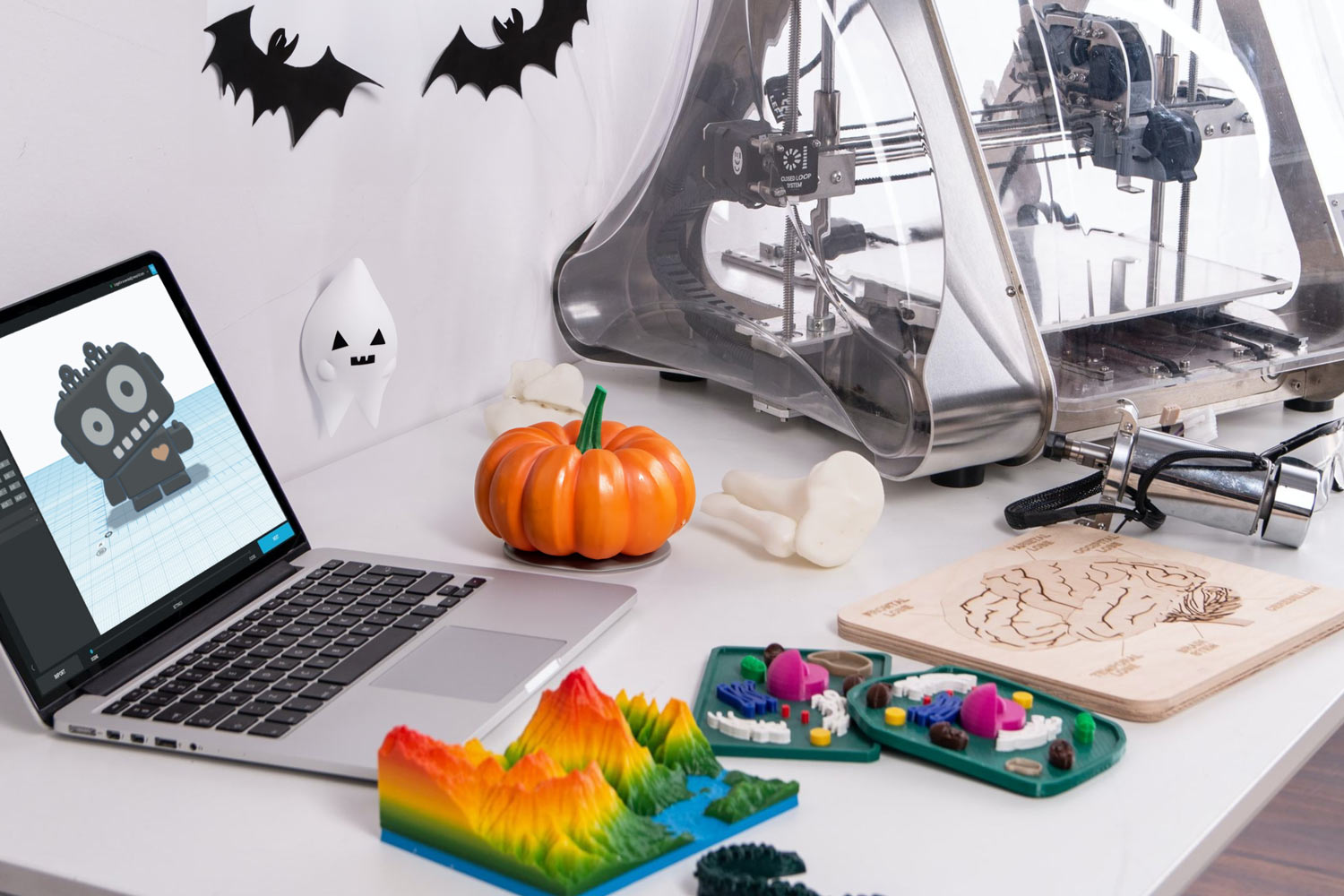
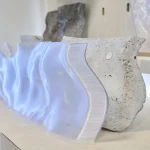
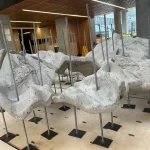
At the same time, UNSW Sydney has introduced the BioShelters project, which provides an alternative yet complementary solution. Designed by computational architects at UNSW’s School of Built Environment, these are 3D-printed recycled-plastic molds, later filled with concrete that includes crushed oyster shells, an ingredient meant to encourage oyster colonization. Measuring roughly six meters by two meters and standing 90 centimetres tall in segmented panels, BioShelters have recently been installed at the new Sydney Fish Market site in Glebe, an area long drained of natural shoreline diversity.
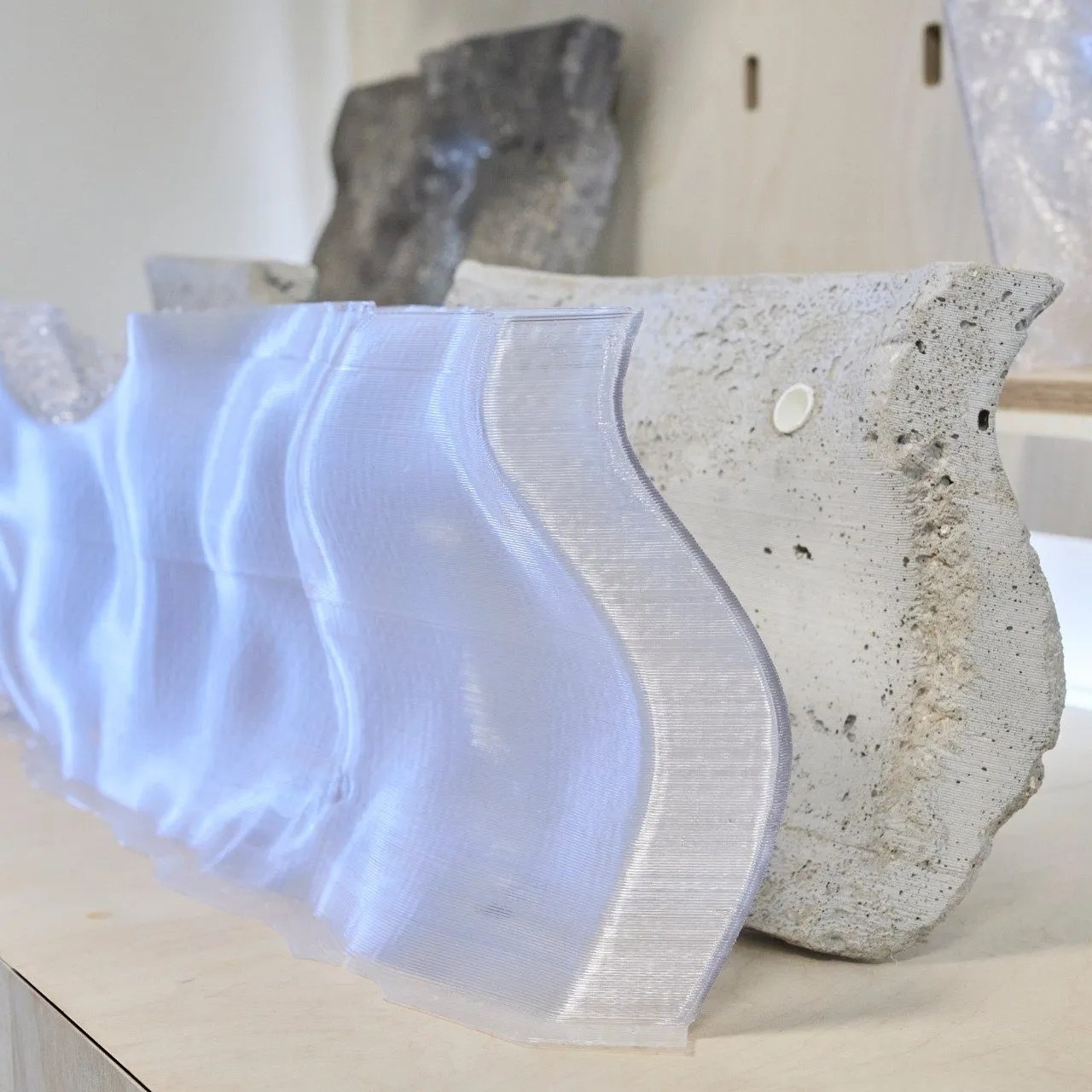
Sydney’s 3D-Printed Living Seawalls
© UNSW Sydney

Professor M. Hank Haeusler likens the situation to a “housing crisis” for sea creatures, especially oysters, and says the goal is to create artificial habitats that feel as natural as possible. 
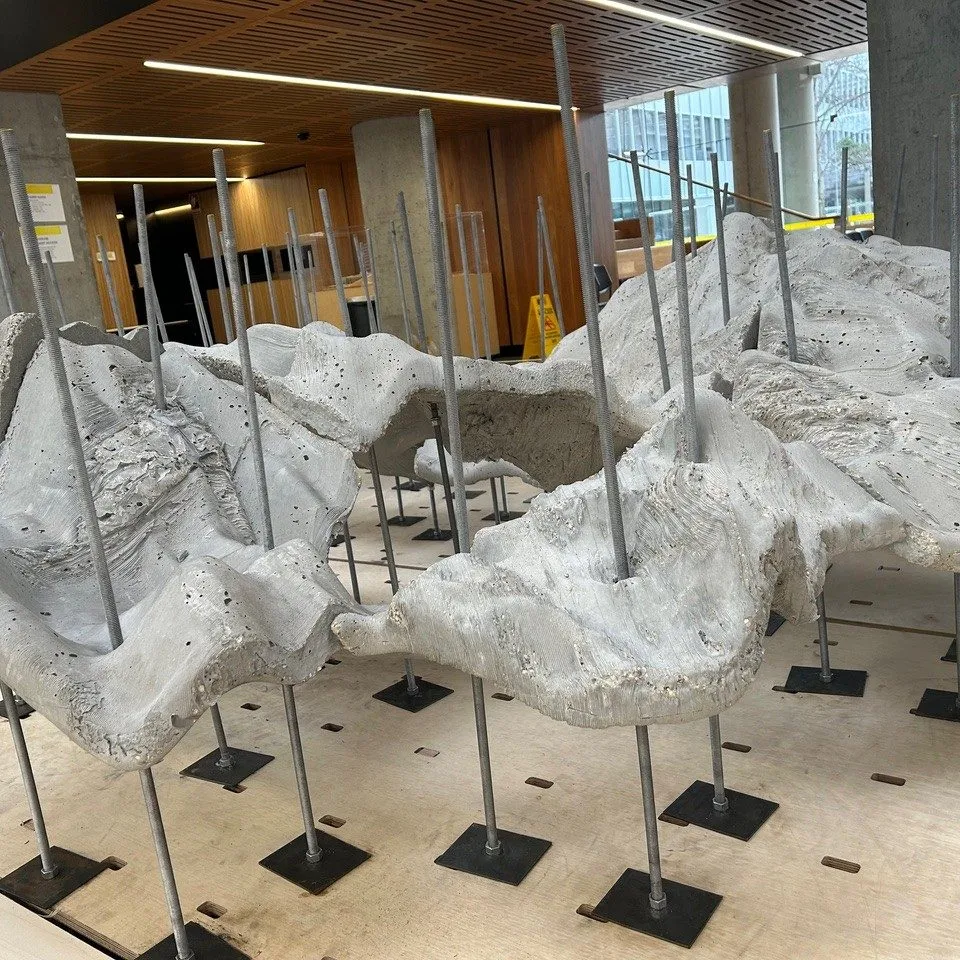
Sydney’s 3D-Printed Living Seawalls
UNSW Sydney has introduced the BioShelters project © UNSW Sydney

These structures are designed using marine-biology-informed algorithms and robotic fabrication, aiming to serve oysters, kelp, seaweed, fish, and other marine organisms. Prototypes were tested under the Anzac Bridge in 2020, and after just six months, they were already colonized by oysters, seaweed, kelp, and small fish. Now, the Fish Market installation is permanent.
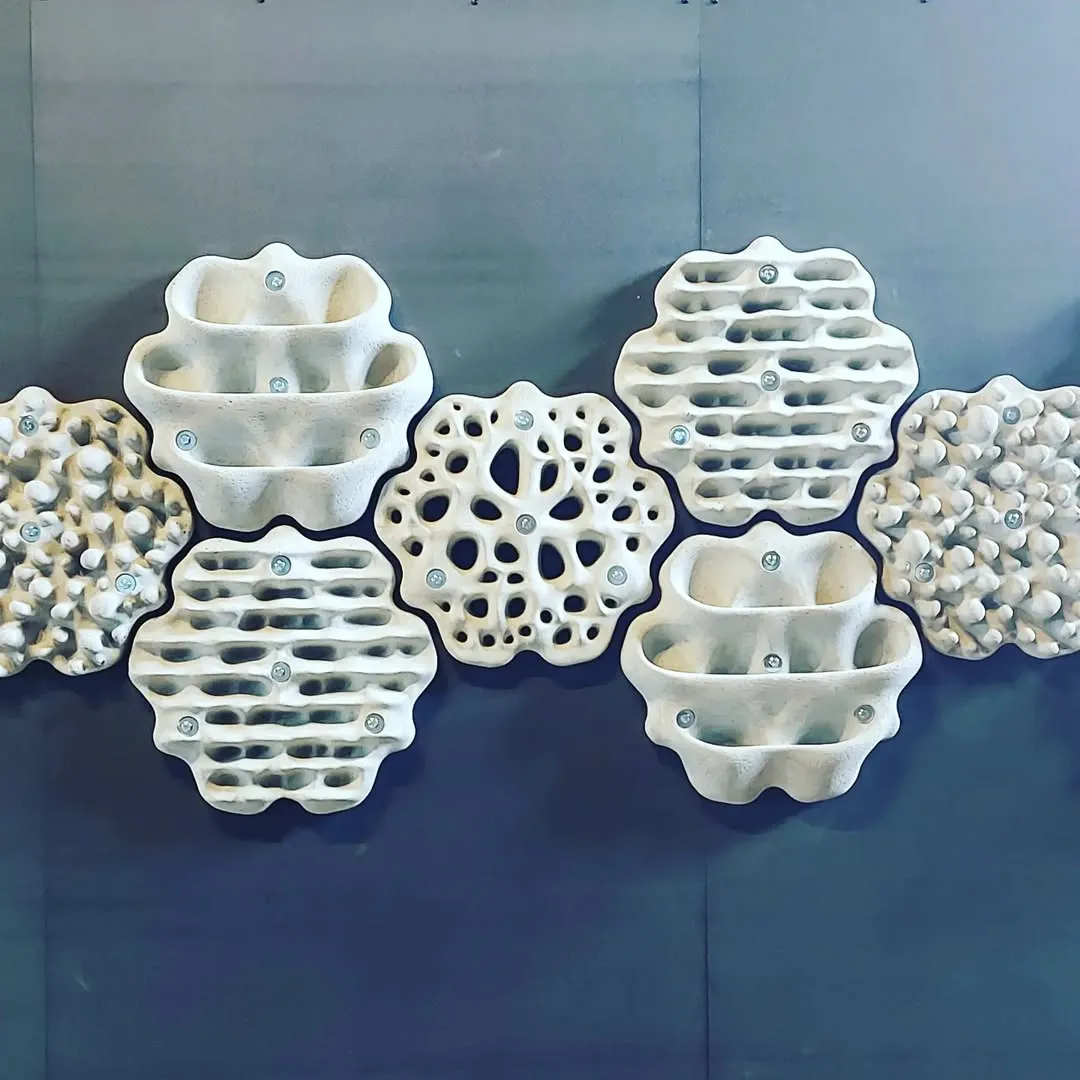
Sydney’s 3D-Printed Living Seawalls

The UNSW team hopes to print directly in concrete and streamline the design-to-fabrication pipeline one day, enabling marine biologists to input site data into a design platform and generate custom-made habitats for anywhere in the world. They’ve already begun conversations about expanding BioShelters across Sydney Harbour’s seawalls, and intriguingly, the same modular, habitat-driven design principles could someday extend to artificial homes for mammals, birds, bats, or rodents in need of refuge.

The rise of Living Seawalls and BioShelters in Sydney represents a way in which urban spaces can coexist with ecological systems. Computational design and 3D printing, once seen mainly as experimental design tools, are now being applied directly to solve ecological challenges.

Image credit: © Living SeaWalls

TAGGED:3D-PrintedBioSheltersLiving SeawallsSydney
Share This Article
Facebook LinkedIn Email Copy Link Print
ByIsha Chaudhary
Isha Chaudhary is an architecture writer who follows and writes about current trends and emerging discussions in architecture, with a focus on design, technology, and place-making.
Previous Article Qatar’s 3D Printed Schools Project Qatar is Building the World’s Biggest 3D-Printed Schools
Next Article The Kellogg Doolittle House in the California desert Kellogg Doolittle House: A Masterpiece of Organic Architecture in the California Desert
Leave a Comment Leave a Comment

Leave a Reply Cancel reply

You must be logged in to post a comment.

Most Popular

Japanese Architecture: From Traditional Influences to Modern Innovations

Architecture & Design

Generative AI and the odds of feedback loop creations

Articles
Arctic architecture, extreme climate design, sustainable building, permafrost construction, indigenous shelters

Building in the Cold: The Challenges and Solutions of Arctic Architecture

Architecture & Design

10 Architecture Tools Using AI That Are Transforming Design in 2026

Tools
LIVAT Shanghai

8 Future-Ready IKEA Stores Transforming the Way Cities Shop

Architecture & Design

10 urban development projects in the United Arab Emirates

Articles

8 AI-powered architectural rendering programs you should try

Articles

Design for Deconstruction: Transforming architecture with sustainable approaches and real-world examples

Articles
Picturesque Neighborhoods

15 Picturesque Neighborhoods Around the World Every Design Lover Should Visit

Architecture & Design

The thin line between games and architecture: Videogame Atlas

Articles
Previous Next
L’île Folie Pavilion by Marc Fornes/THEVERYMANY

Subscribe to our newsletter

L’île Folie Pavilion by Marc Fornes/THEVERYMANY

Subscribe Newsletter

- Advertisement -
Ad image

You Might Also Like

Architecture News

Oppenheim Architecture wins the competition for Besa Museum

July 27, 2023
Architecture News

Edge users can now access Microsoft’s AI-powered design tool

July 5, 2024
Architecture News

Expo 2025 Opens in Japan with Over 160 Countries Participating

April 20, 2025
Architecture News

nidus3D announces the first 3D concrete-printed housing project in Alberta

December 13, 2023
PA | Architecture and Technology

© All rights reserved. Parametric Architecture (2018-2026) – ISSN 3023-7564

Parametric Architecture (PA) is a leading global architecture and design platform connecting millions of architects, designers, and students through innovative projects, industry insights, and educational initiatives.

Instagram Facebook X-twitter Youtube Linkedin Pinterest Tiktok

Get in touch​

  • About Us
  • PA+ Membership
  • Contact Us
  • Submit Project
  • NewsLetter
  • Advertise
  • Cookie Policy
  • Distant Sales Agreement
  • PA+ Membership Agreement
  • Privacy Policy

Explore More

  • Articles
  • Projects
  • Videos
  • Books
  • PA Talks
  • Jobs
  • Subscribe

Subscribe Newsletter

Subscribe to our newsletter to get our newest articles instantly!

© 2026 ParametricArchitecture. All Rights Reserved. By utilizing this website, you are consenting to our User Agreement, Privacy Policy, and Cookie Statement. In compliance with the privacy laws of Turkey and the United States, we recognize and respect your rights. Please be aware that we may receive commissions for products bought through our affiliate links. Unauthorized reproduction, distribution, or transmission of any material from this site is strictly forbidden without prior written permission from ParametricArchitecture.

Welcome Back!

Sign in to your account

Username or Email Address
Password


Lost your password?

Not a member? Sign Up