

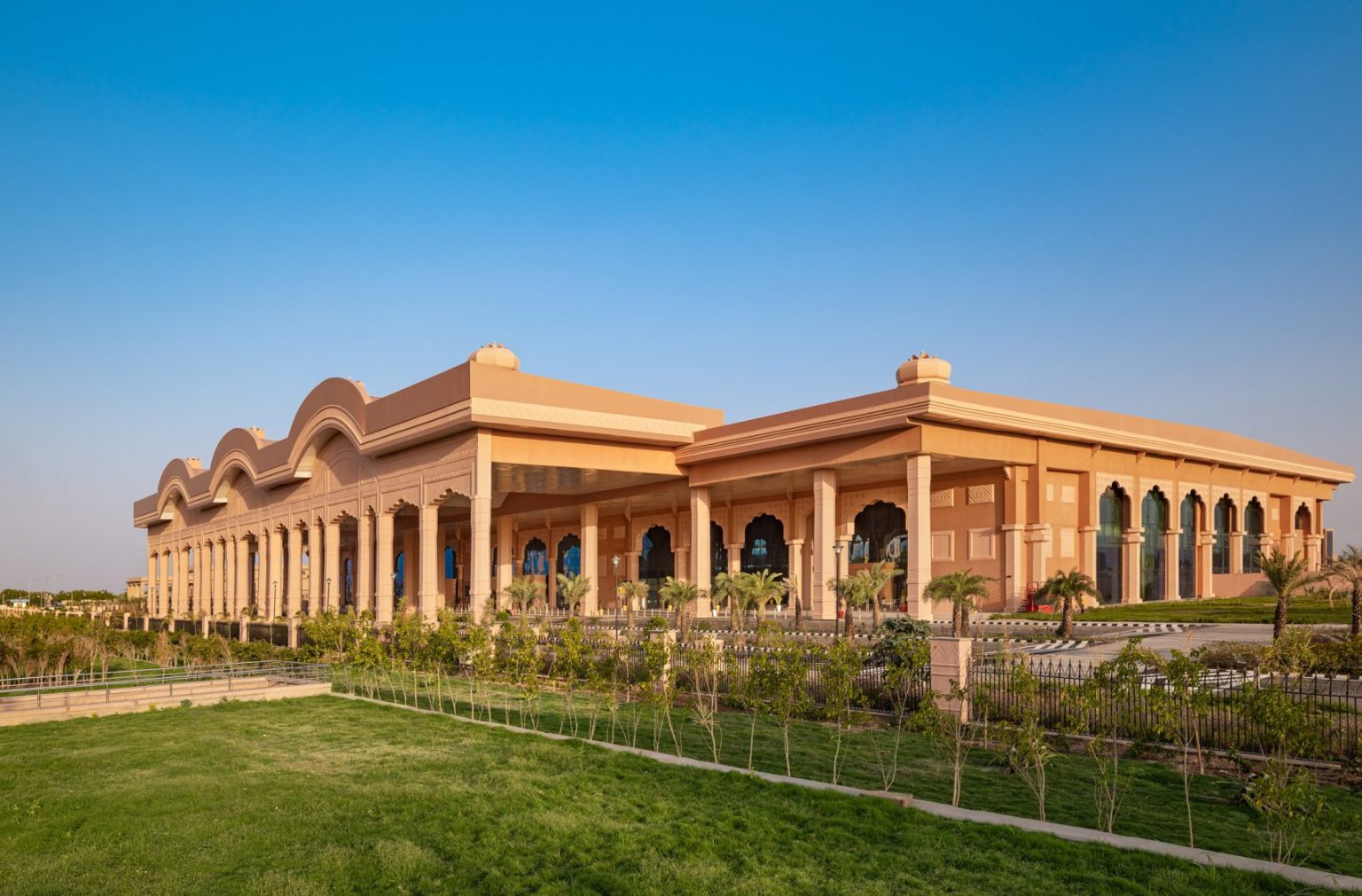
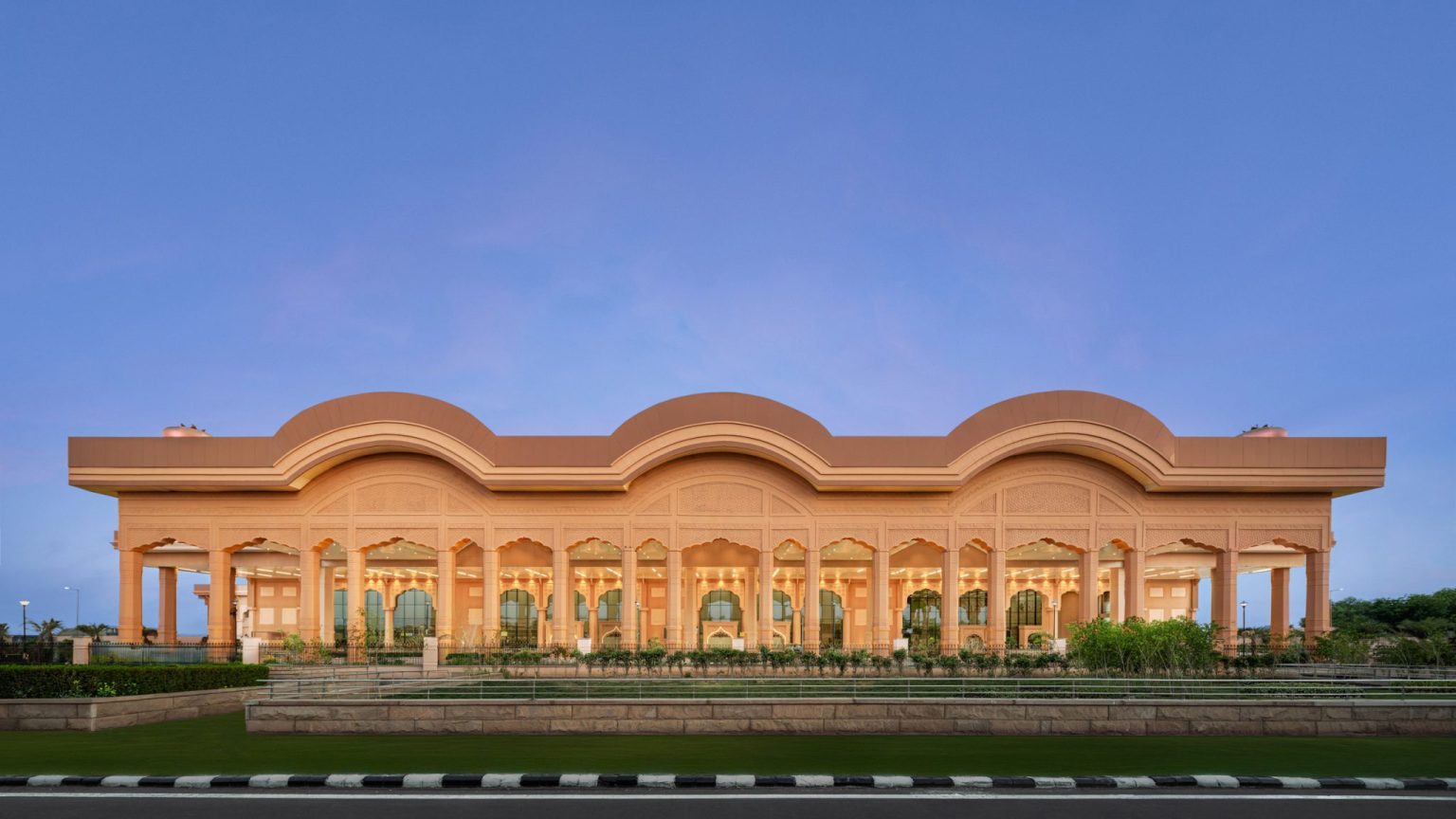



In an era where airports often integrate anonymous glass-and-steel aesthetics, the Jodhpur airport’s newly expanded terminal takes a distinctly regional approach. Designed by Sthapati, the 23,400-square-metre airport extension transforms the arrival experience into an architectural journey inspired by Rajasthan’s royal past.
Drawing from the grandeur of Mehrangarh Fort, Umaid Bhawan Palace, and the city’s historic gateways, the terminal blends contemporary infrastructure with local craftsmanship, creating a gateway that reflects the identity of the Blue City long before visitors step into its streets.
Architecture Rooted in Rajasthan’s Historic Identity
Instead of adopting a universal airport language, Sthapati looked to Jodhpur’s centuries-old architectural heritage to shape the terminal’s form. The design references the imposing gateways, fortified walls, palaces, and civic monuments that define the city’s skyline, translating these elements into a modern public building.
Conceived as the primary gateway to western Rajasthan, the airport design reinforces Jodhpur’s growing importance as a tourism hub and a cultural destination while celebrating the region’s enduring architectural legacy.
Contemporary Terminal is Inspired by Forts and Palaces
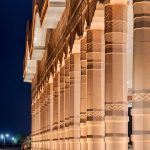
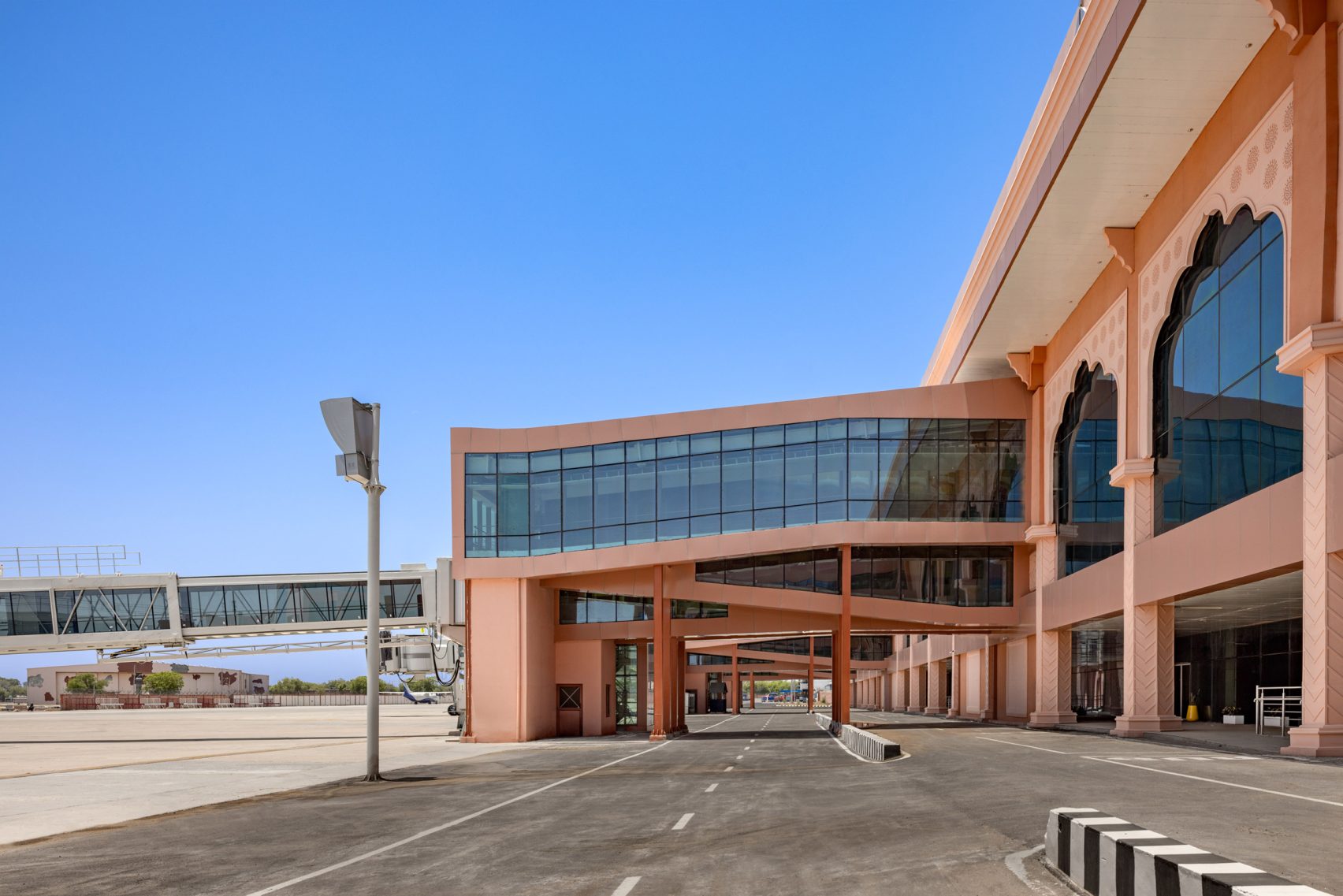
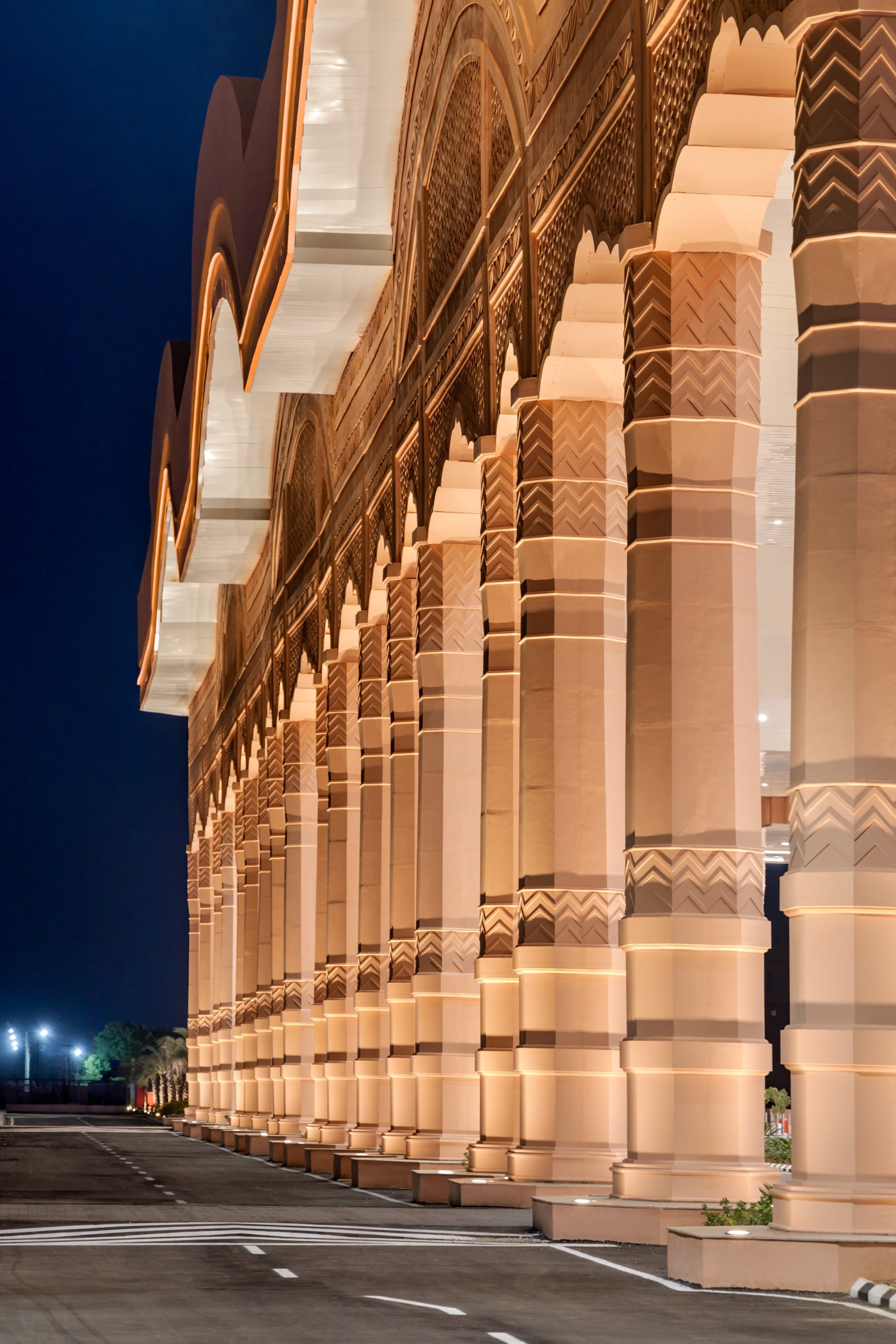
The Jodhpur airport’s terminal’s architectural expression draws heavily from Rajputana design traditions. A steel structural frame is wrapped in glass fibre-reinforced concrete (GRC) panels finished in a warm pink-orange tone reminiscent of Jodhpur’s carved sandstone buildings.
Decorative geometric reliefs echo the intricate stone craftsmanship found across the city’s historic monuments, while multi-foil arches, domed forms, rhythmic columns, and a monumental entrance canopy reinterpret familiar palace and fort motifs at the scale of contemporary aviation infrastructure.
Honors Jodhpur’s Aviation Legacy While Preparing for Growth
Beyond its architectural references, the Jodhpur Airport also acknowledges Jodhpur’s place in India’s aviation history. The airport occupies the site where Maharaja Umaid Singh established the Jodhpur Flying Club in 1931, one of the country’s earliest aviation institutions.
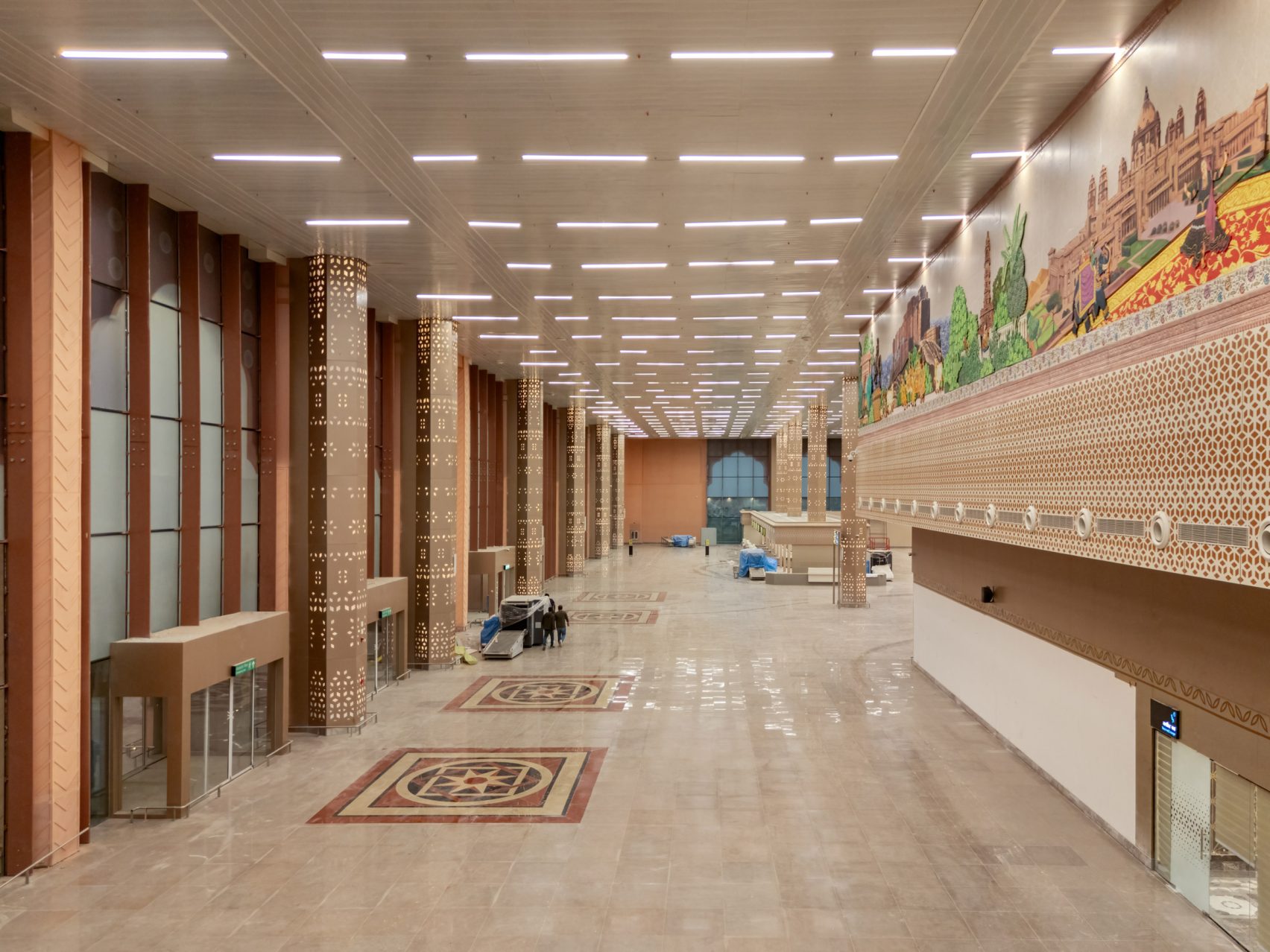
The expanded terminal builds on that legacy while addressing present-day demands, accommodating up to two million passengers annually through six aerobridges and upgraded facilities that support the city’s rapidly growing tourism industry.
Interiors Blend Efficient Travel with Local Craftsmanship
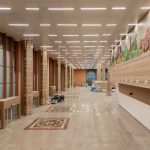
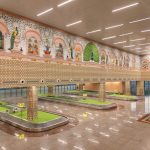
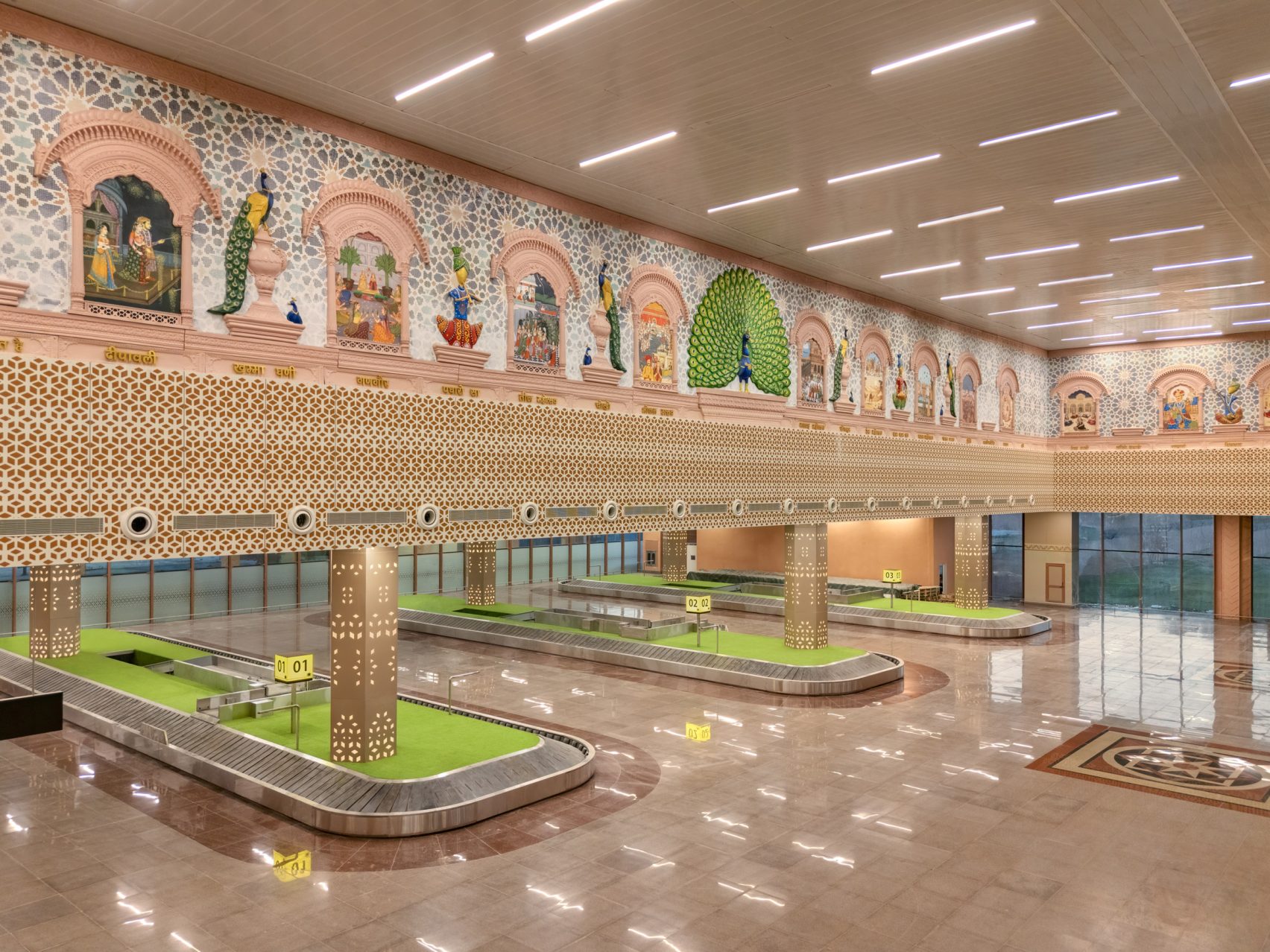
Inside, the terminal balances operational efficiency with cultural storytelling. Passenger circulation has been carefully planned to ensure smooth movement through the building, while artworks created in collaboration with local artisans enrich the travel experience.
Murals depicting royal court scenes, peacocks, and regional motifs introduce visitors to Rajasthan’s artistic traditions and ensure that the airport nor only functions as a transit hub but as an immersive cultural introduction to Jodhpur.
Project Credit: Sthapati