

New York’s long-delayed Penn Station overhaul has entered a new phase after Amtrak and the U.S. Department of Transportation officially selected Penn Transformation Partners as the master developer for the station’s redevelopment. The announcement marks one of the most significant advancements for the modernization of the country’s busiest rail hub, with federal officials positioning the project as a large-scale transformation of the aging transit complex beneath Madison Square Garden.
Firms Selected for Penn Station Redevelopment
Penn Transformation Partners is a joint venture led by Halmar International and Skanska, with Vornado Realty Trust also involved in the broader redevelopment vision surrounding the station district. The selected consortium brings together a group of engineering, construction, and architectural firms, including HOK, PAU, and ASTM Group. The proposal, operating under the name Penn Transformation Partners, was chosen following a federal procurement process overseen by Amtrak with guidance from former New York City Transit president Andy Byford, who currently serves as a special advisor to the Amtrak board. It was chosen following a competitive procurement process that narrowed the field to three finalists earlier this year.
According to Amtrak, the selected team will now move into contract negotiations, permitting coordination, and design advancement ahead of anticipated construction activity beginning by the end of 2027.
Madison Square Garden to Remain Above the Station
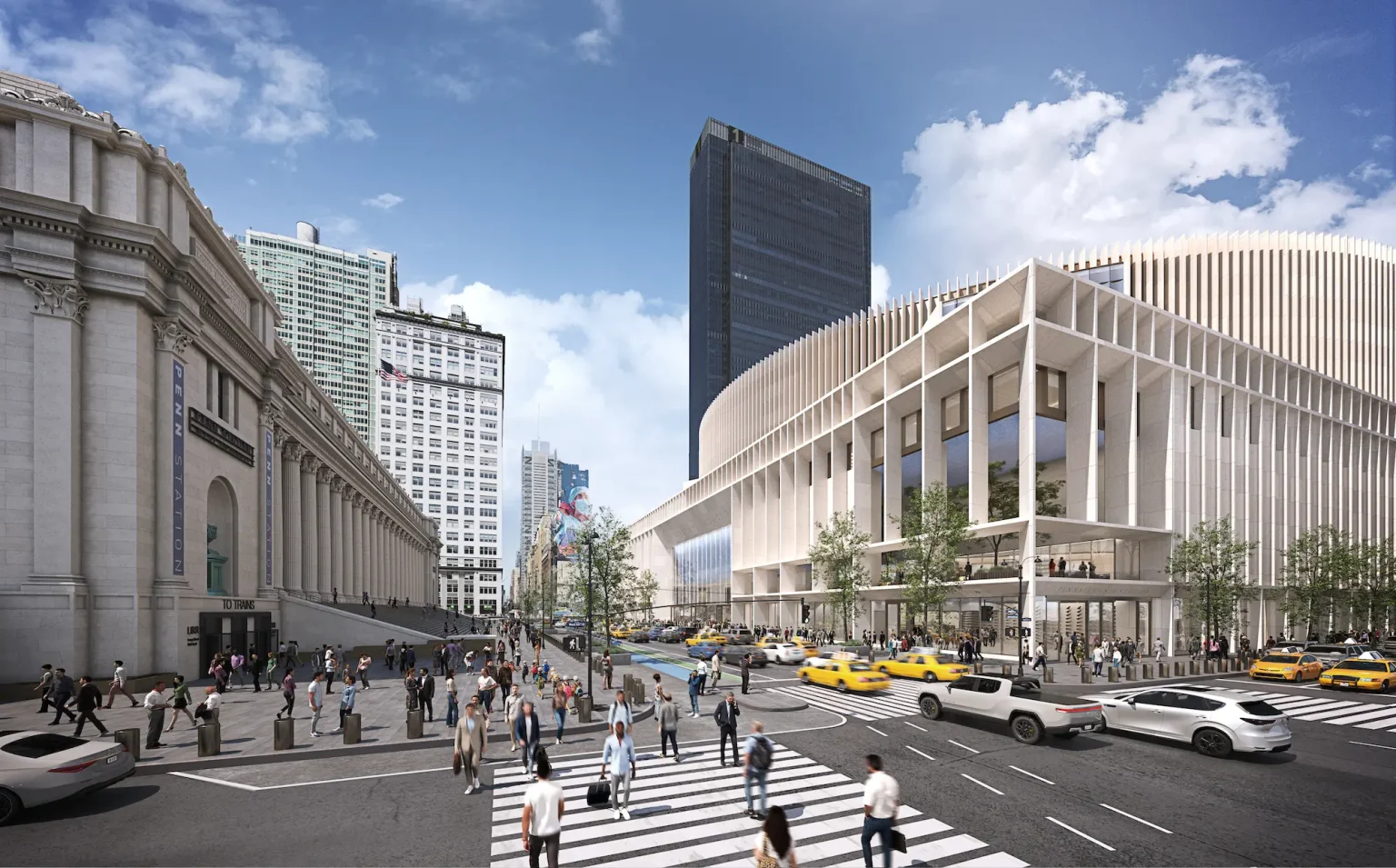
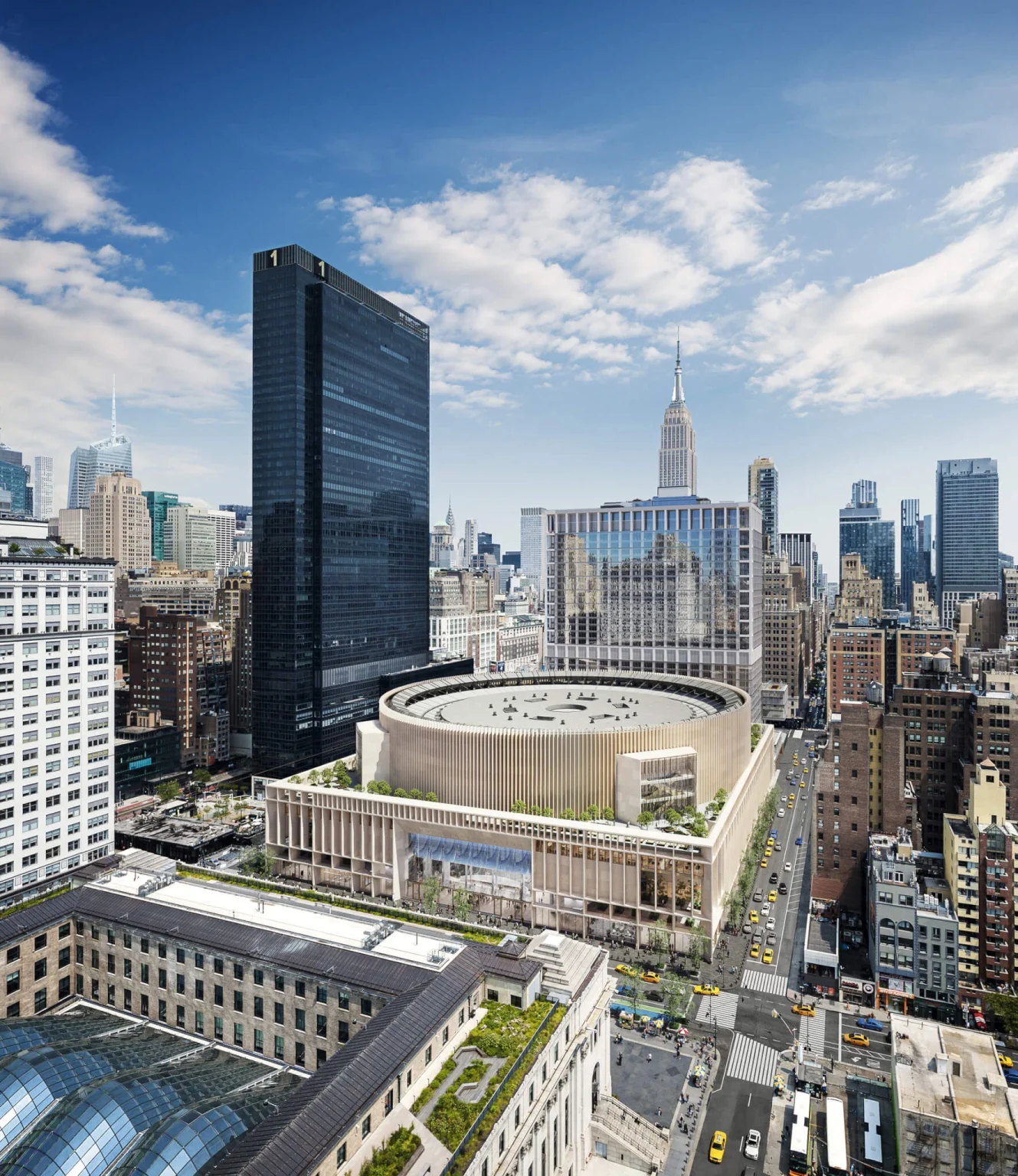
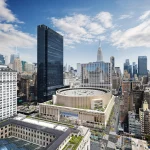
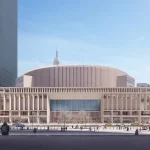
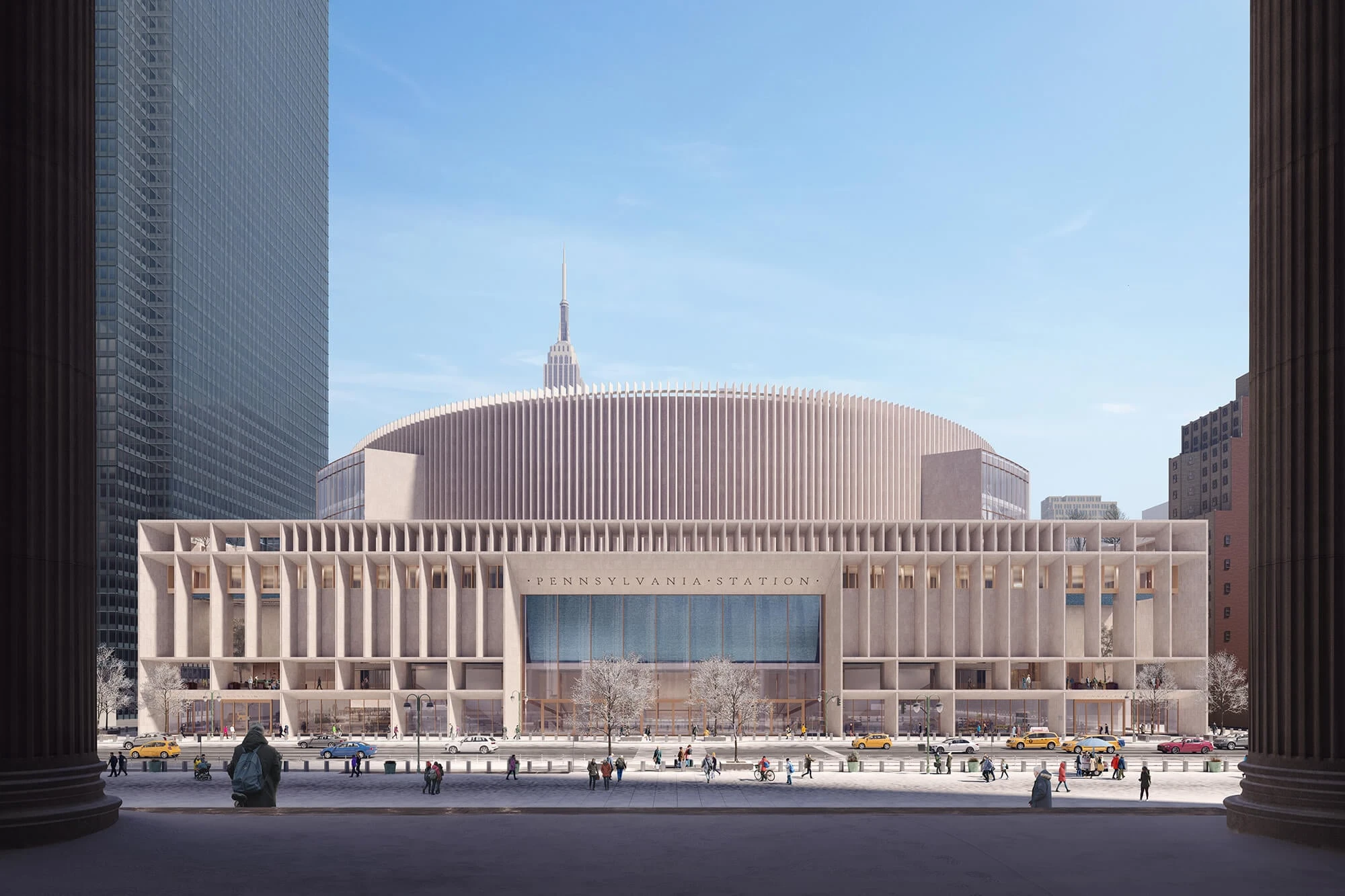
One of the major updates attached to the announcement is the confirmation that Madison Square Garden will remain above the station rather than being relocated, an idea that had circulated during earlier redevelopment discussions. The current proposal includes recladding the structure with what federal officials described as a more “classical” architectural expression intended to better integrate the building with the surrounding streetscape and the future station entrances.
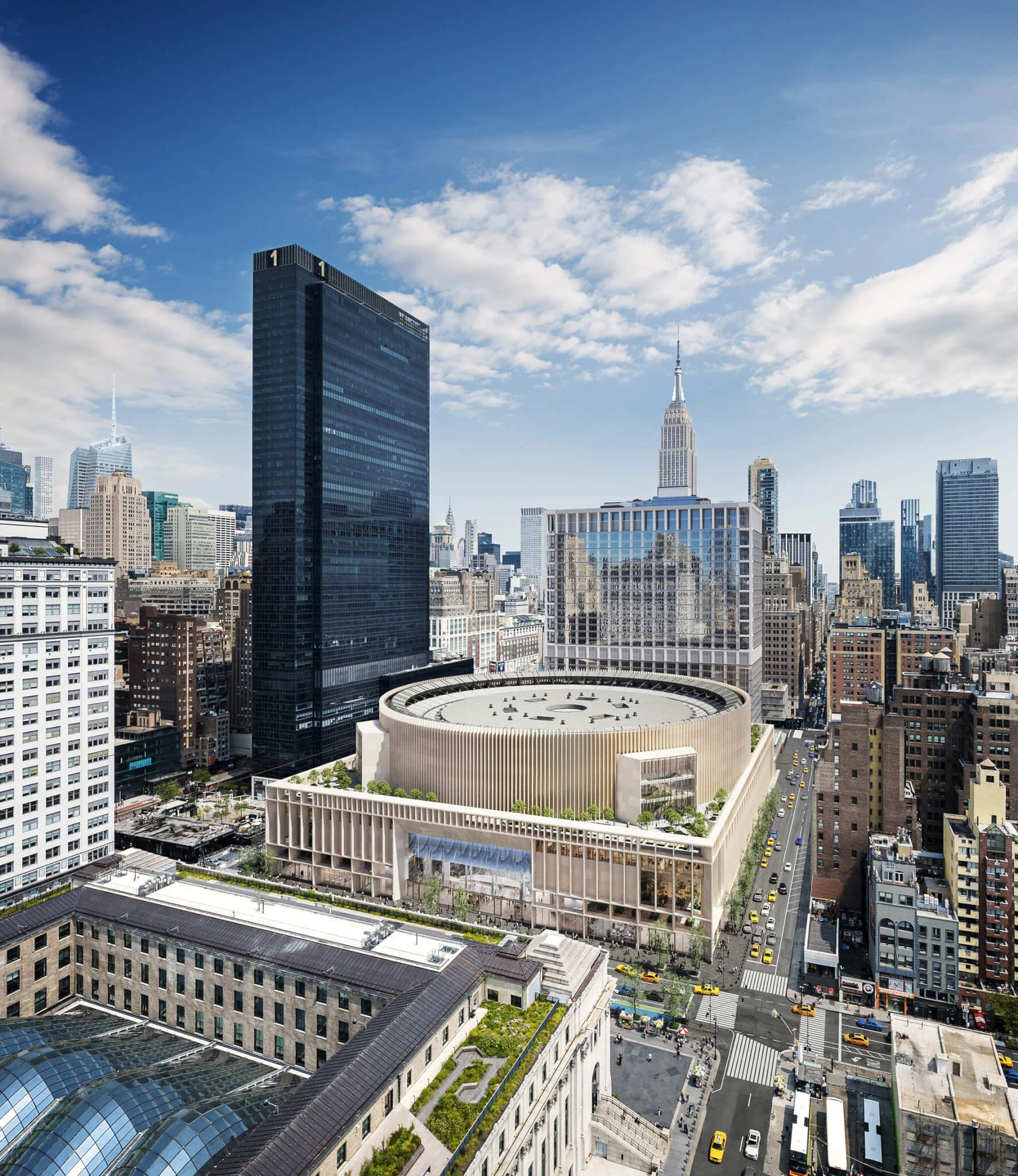
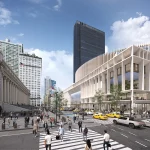
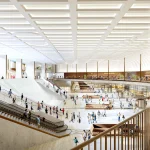
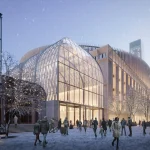
Renderings released as part of the proposal indicate a major reconfiguration of Penn Station’s public spaces. Plans include a new glass-fronted entrance along Eighth Avenue, expanded circulation areas, increased ceiling heights, and a light-filled train hall intended to address long-standing criticism of the station’s underground environment. Portions of the Theater at Madison Square Garden are also expected to be removed to improve visibility and street-level access.
Federal officials stated that the redesign draws inspiration from the civic identity and spatial qualities of the original 1910 Penn Station while adapting to the constraints of the existing urban condition.
Rail Capacity and Operational Upgrades
The redevelopment proposal also addresses longstanding operational limitations at Penn Station. Plans include track and platform improvements alongside limited “through-running” rail operations, which would allow some commuter trains to continue through the station instead of terminating and reversing direction. Transit planners have argued for years that through-running could improve capacity and reduce congestion at the station, which currently handles hundreds of thousands of daily passengers across Amtrak, Long Island Rail Road, and NJ Transit services.
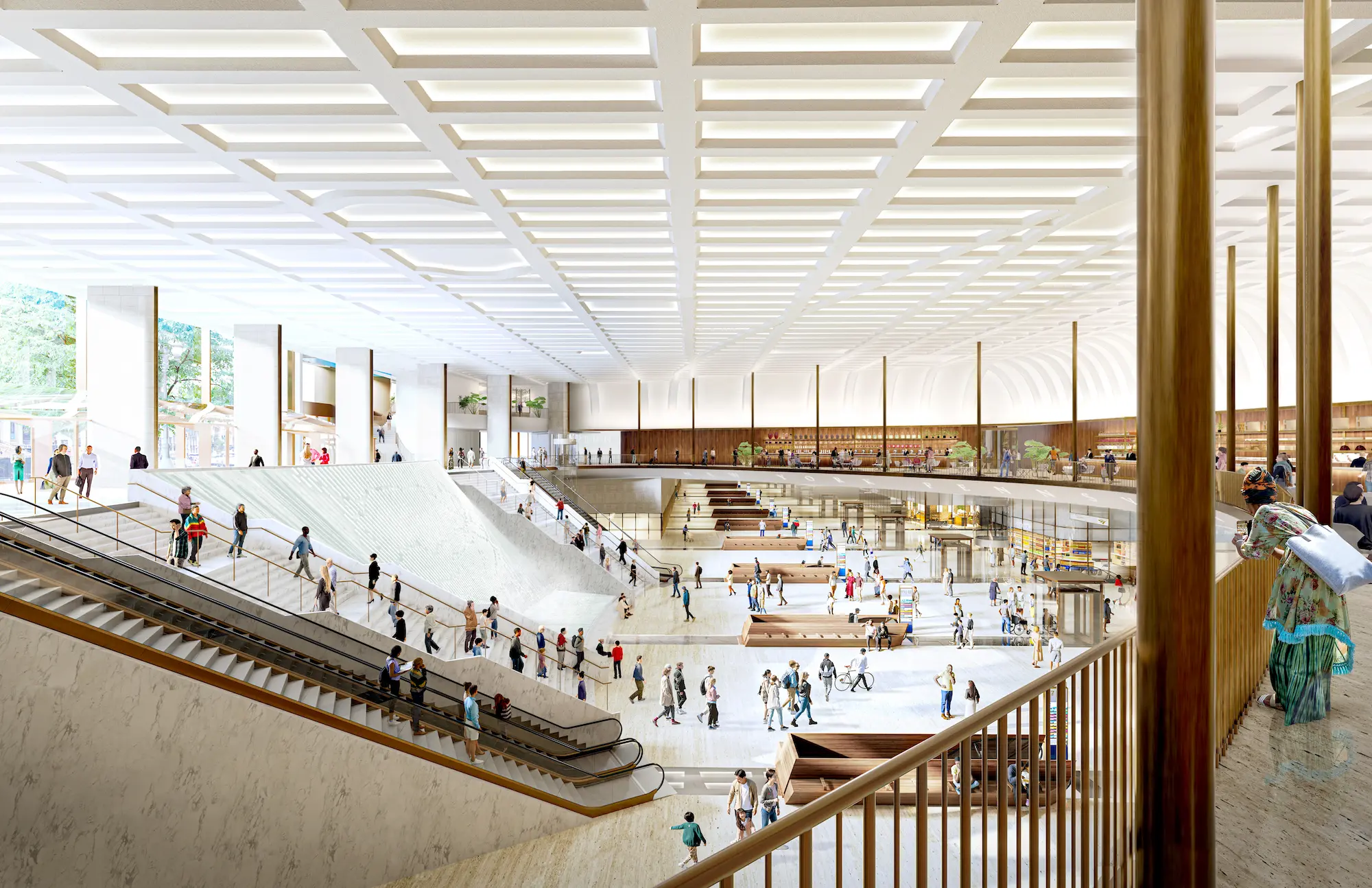
Penn Station currently handles roughly 600,000 passengers daily, making it the busiest rail transit hub in the Western Hemisphere. Despite incremental upgrades over the past decade, including the opening of Moynihan Train Hall in 2021 inside the adapted James A. Farley Building, the core station has continued to face criticism for overcrowding, low ceilings, confusing circulation, and aging infrastructure. The new redevelopment proposal is expected to integrate more closely with Moynihan Train Hall while restructuring passenger movement across the broader transit complex.
The project arrives within a wider context of rail infrastructure upgrades underway across New York City and the Northeast Corridor. Penn Station’s transformation is expected to operate alongside the Gateway Program and the Hudson Tunnel Project, both aimed at expanding and modernizing regional rail infrastructure between New York and New Jersey. Federal agencies also continue coordinating future rail capacity improvements tied to Penn Station Access, which is expected to bring Metro-North Railroad service into Penn Station in the coming years.
Federal Funding and Design Direction
Transportation Secretary Sean P. Duffy stated that the federal government assumed leadership of the redevelopment effort after years of delays, budget concerns, and coordination issues involving multiple agencies. The Department of Transportation also announced an additional $200 million in federal funding for design, permitting, and preliminary development work tied to the station transformation, part of wider infrastructure investments across the Northeast Corridor.
The project reflects a broader federal effort to reposition Penn Station as a national infrastructure priority. The Trump administration assumed direct control over the redevelopment process last year after removing the Metropolitan Transportation Authority from leadership of the project, citing delays and budget concerns. Amtrak officials described the selection of Penn Transformation Partners as a major milestone toward delivering what they called a “world-class” transportation hub for New York City.
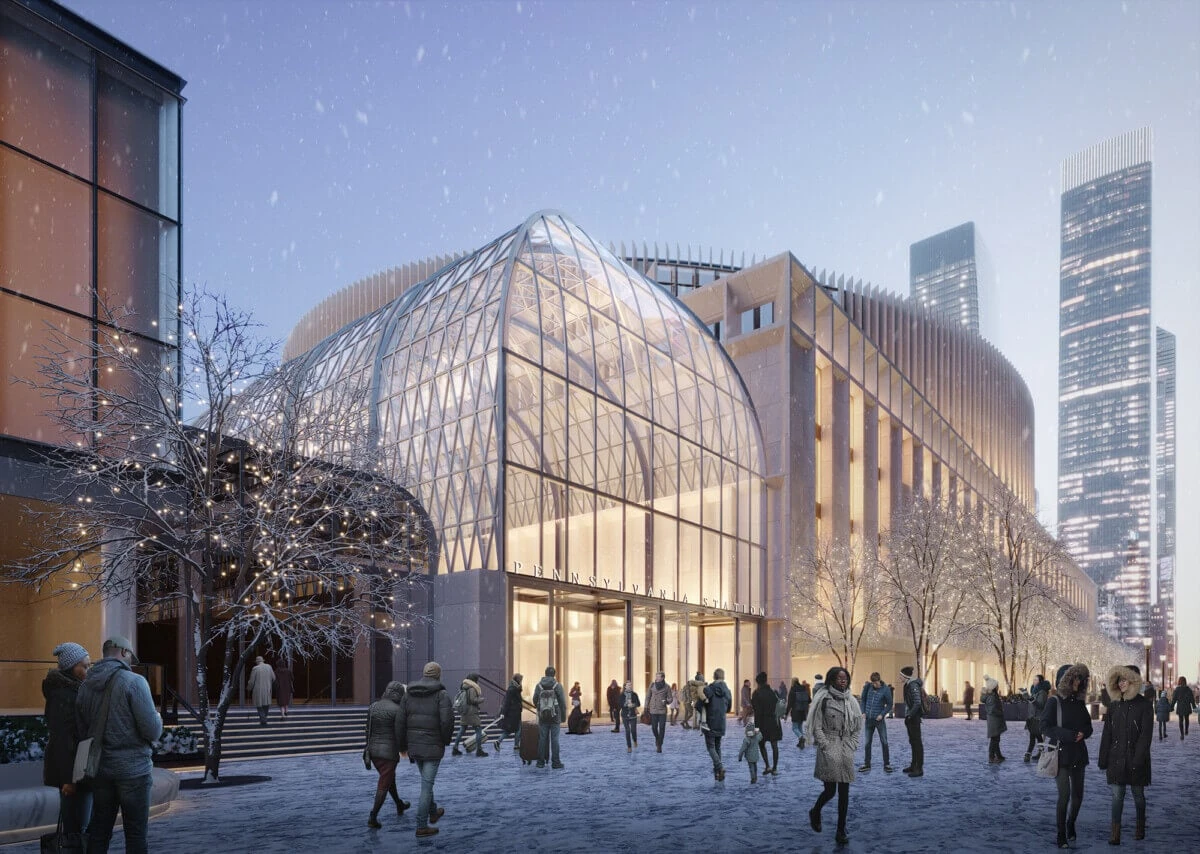
The redevelopment continues a wider discussion around civic infrastructure and public identity in New York. The demolition of the original Penn Station in 1963 remains one of the most consequential moments in American preservation history, often cited as the event that catalyzed the modern preservation movement in the United States. The new proposal attempts to reconnect the station with elements of that legacy through monumental entrances, increased natural light, and a more legible public realm while working within the structural limitations created by the continued presence of Madison Square Garden.
A final architectural proposal from Penn Transformation Partners is expected in the coming months as design development advances and federal agencies begin environmental review and permitting procedures. The next phase of the project will focus on final design coordination, service optimization studies, commercial agreements, and regulatory approvals before construction activity formally begins later this decade.