



Nashville’s upcoming Tennessee Performing Arts Center brings four theaters, bold riverfront design, and a vibrant public space to the East Bank, strengthening the city’s cultural legacy.
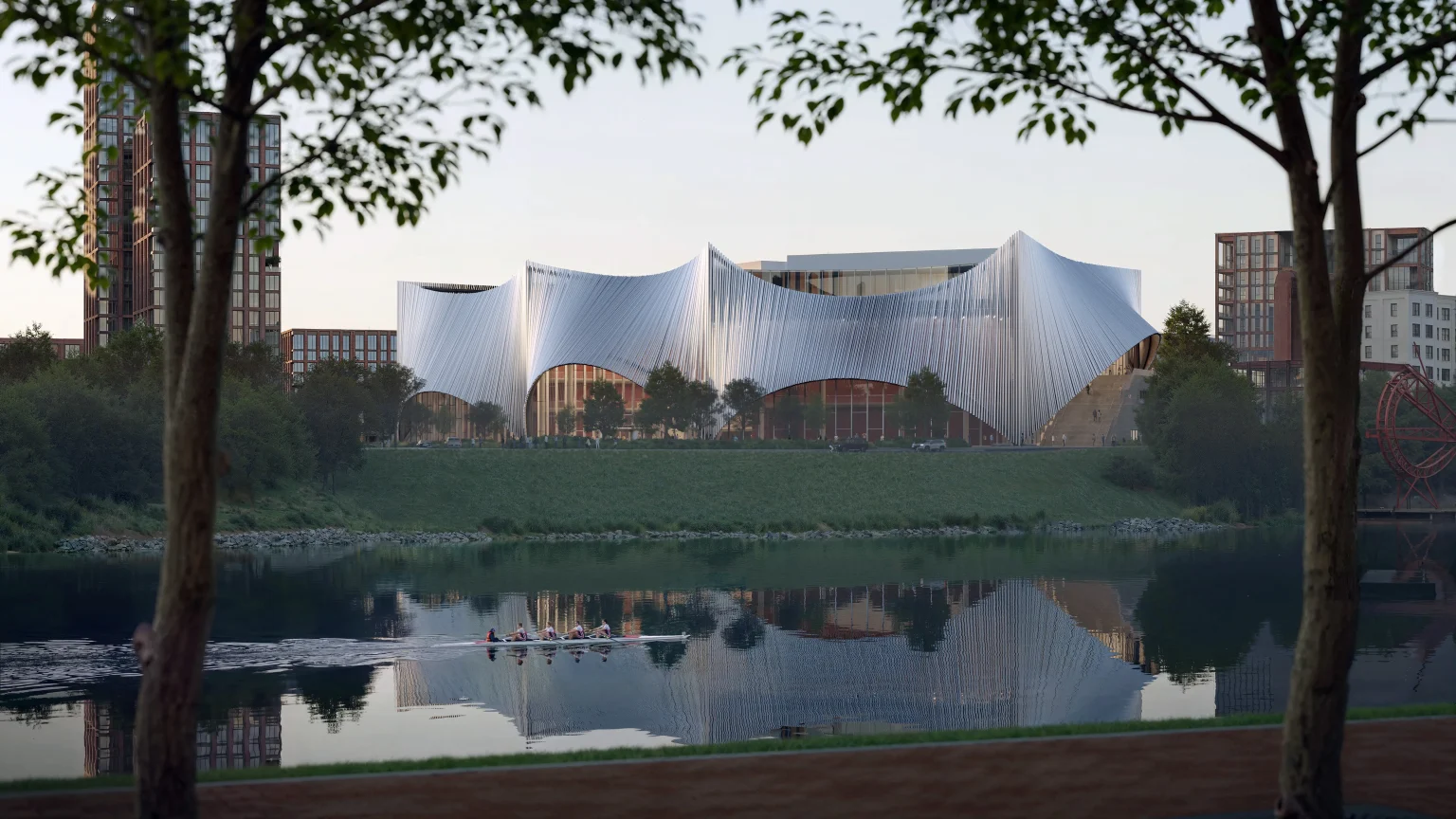
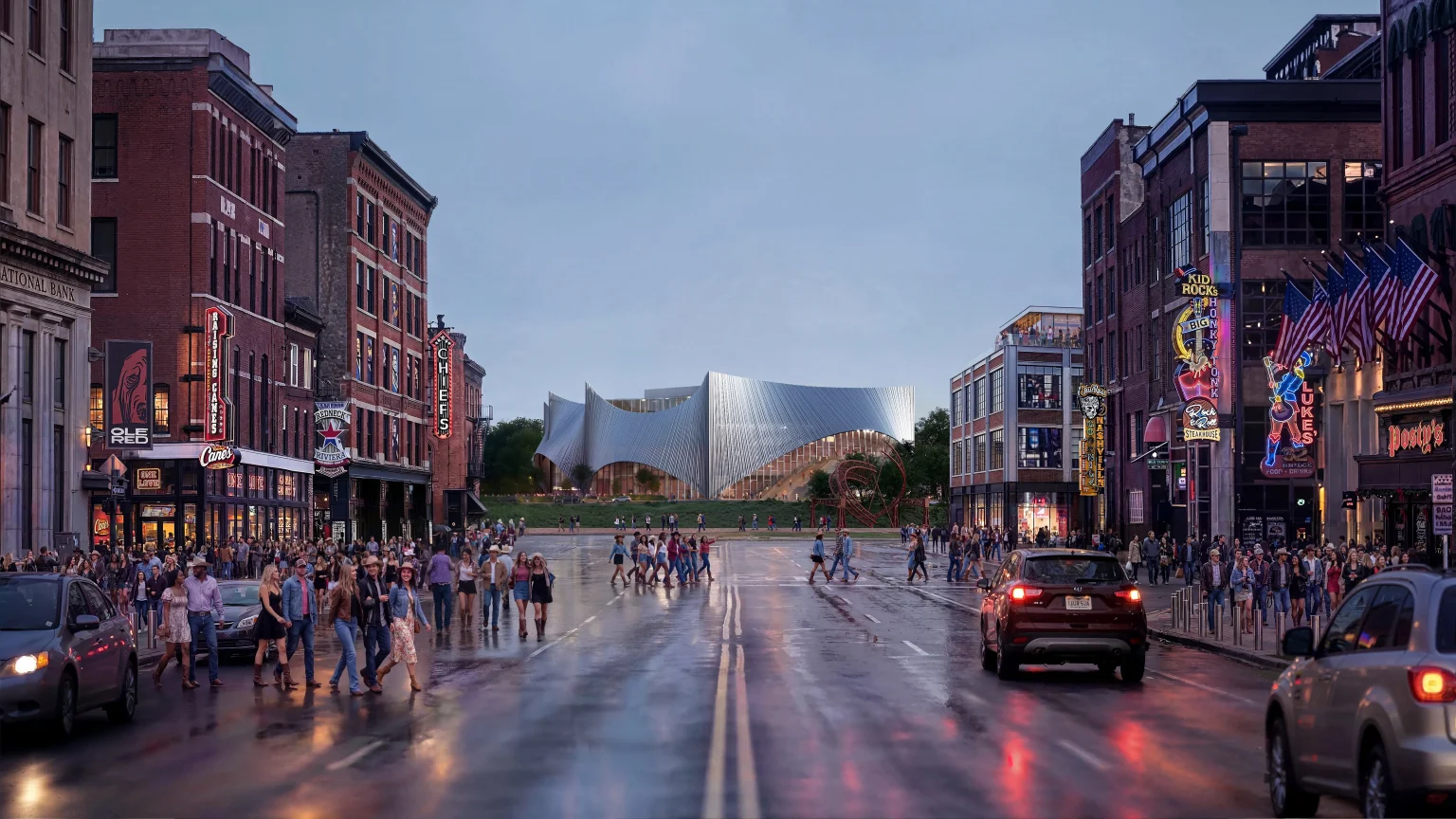
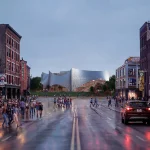
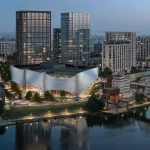
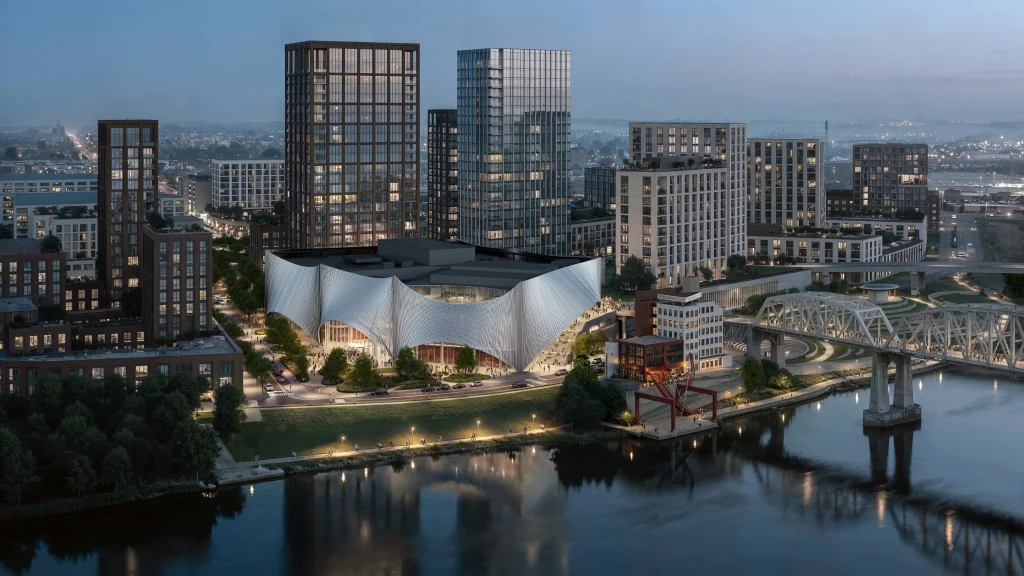
The new Tennessee Performing Arts Center (TPAC), designed by BIG-Bjarke Ingels Group and William Rawn Associates (WRA) with HASTINGS Architecture, is rising as a cultural anchor on a prominent riverfront site in Nashville’s revitalized East Bank. Spanning 307,000 square feet, the center is envisioned as a welcoming destination that draws the community in from every direction, extending the vibrancy of downtown across the Cumberland River.
Four Venues at the Heart of the Design
At its core, Tennessee Performing Arts Center brings together four distinct performance spaces: the Grand Broadway theater, a dance and opera hall, a flexible black box theater, and an intimate cabaret venue. Alongside these are rehearsal studios and classrooms that support both artists and learners. The center will become home to Nashville Ballet, Nashville Opera, and Nashville Repertory Theatre, while also hosting touring Broadway productions, performances, and community events, continuing Nashville’s rich artistic legacy.
Architecture as a Cultural Connection
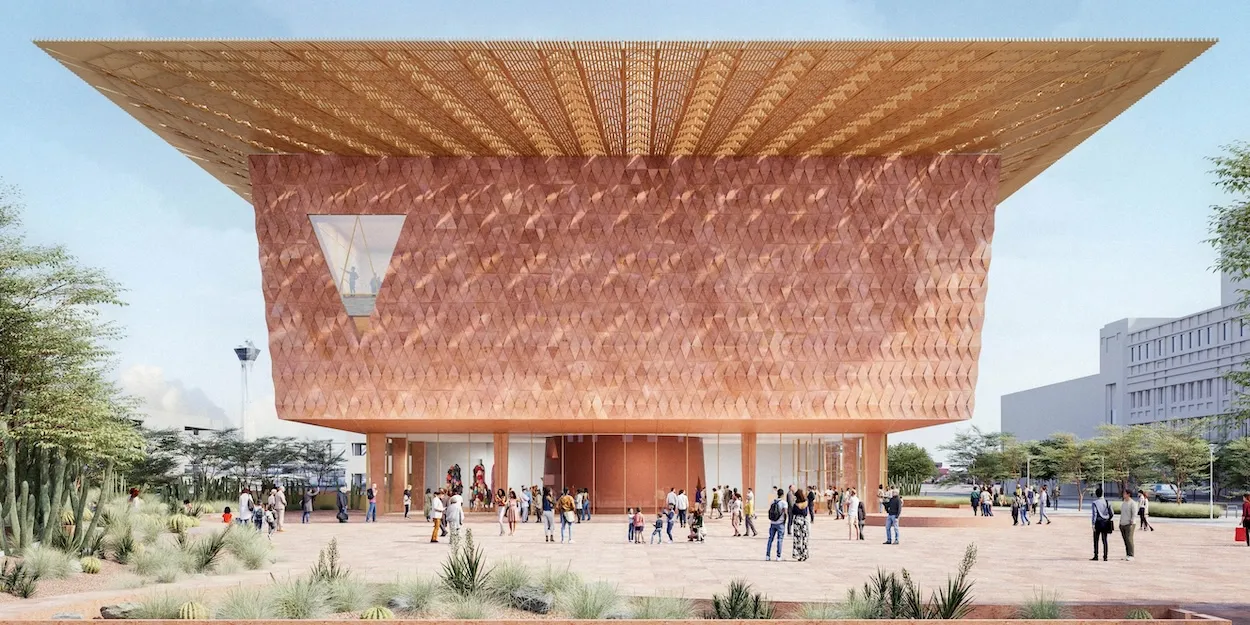
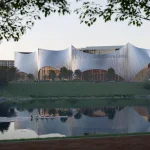
The design positions Tennessee Performing Arts Center as a physical and symbolic link that connects the east and west banks of the river while bridging Nashville’s past and future. Its façade features wavy aluminum tubes, inspired by organ pipes or chimes, that shift from vertical to horizontal to form openings and shaded canopies.
The building reads as a fluid pavilion within the landscape, with cascading lobby spaces that open across multiple levels and link to the nearby pedestrian bridge. This layered openness turns the venue into an everyday public space and not just a destination. Drawing from the movement of a theater curtain, the exterior arches lift and fold to subtly reveal the activities inside.
Arrival Experience and Performance Spaces
A bright atrium welcomes visitors, bringing the city inside. Two lobbies anchor the venues: a river-facing space at street level and an elevated lobby linked to the John Seigenthaler Pedestrian Bridge. A grand stair design, lounge, and tiered terraces create easy gathering points throughout the day.
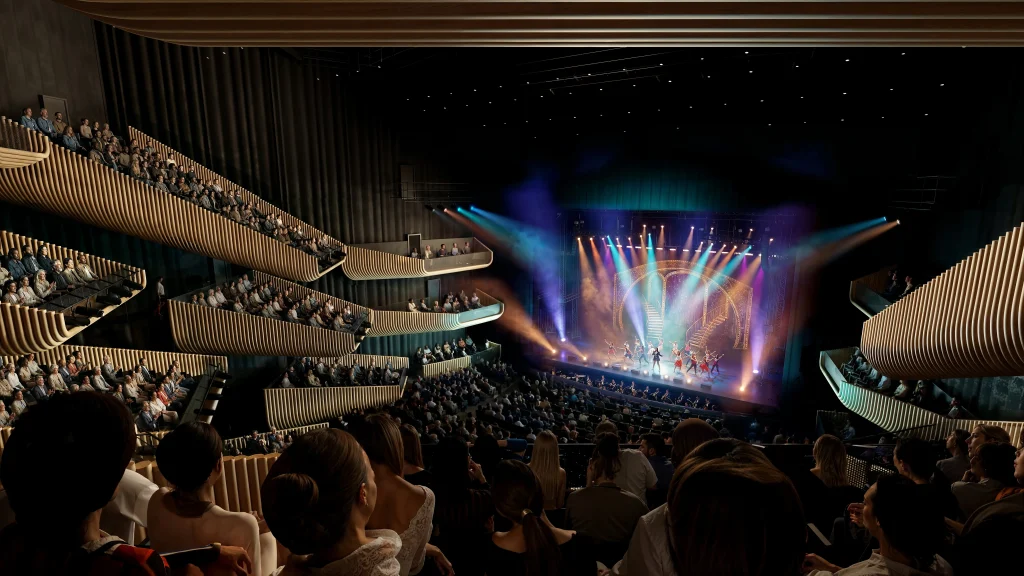
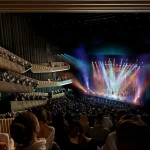
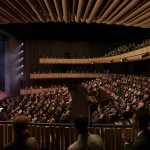
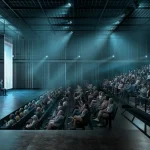
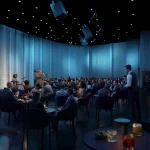
Each theater offers a distinct experience. The Broadway Theater uses stepped, wood-lined seating for clear views. The opera and dance hall highlights movement, with balconies visually tied to the stage. The Black Box Theater allows flexible, immersive setups, while the Cabaret extends its stage into the audience for a close, engaging feel.
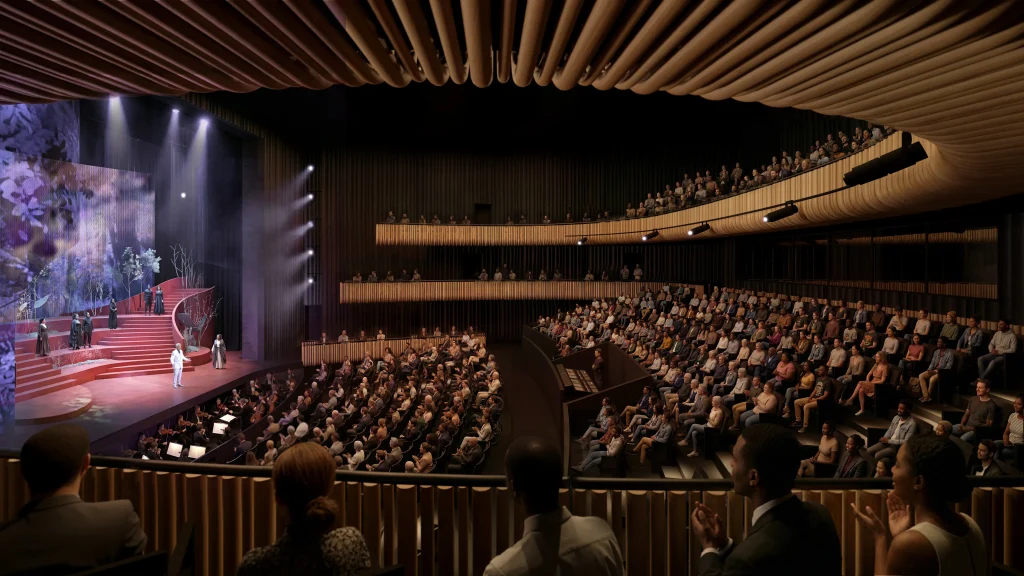
A Vibrant Space for Community and Experience, Tennessee Performing Arts Center is designed to foster interaction and engagement, with light-filled interiors, gathering spaces, and transparent rehearsal areas that bring visitors closer to the creative process. The building’s integration with its surroundings is through terraces, pathways, and public zones, ensuring it remains active beyond showtimes.
The new TPAC is set to become more than a performance venue as it will stand as a cultural landmark that connects people, place, and the performing arts.
Image Credit: Courtesy TPAC