

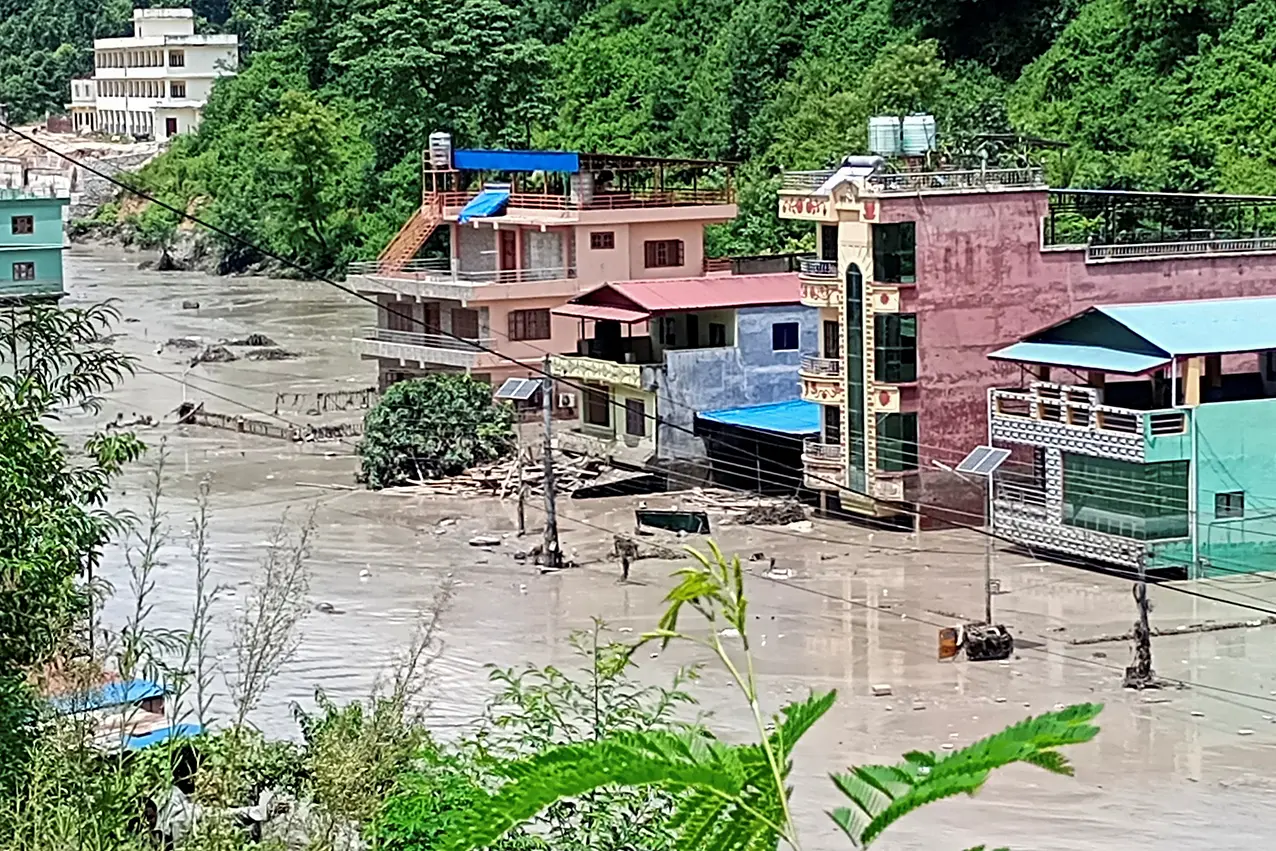

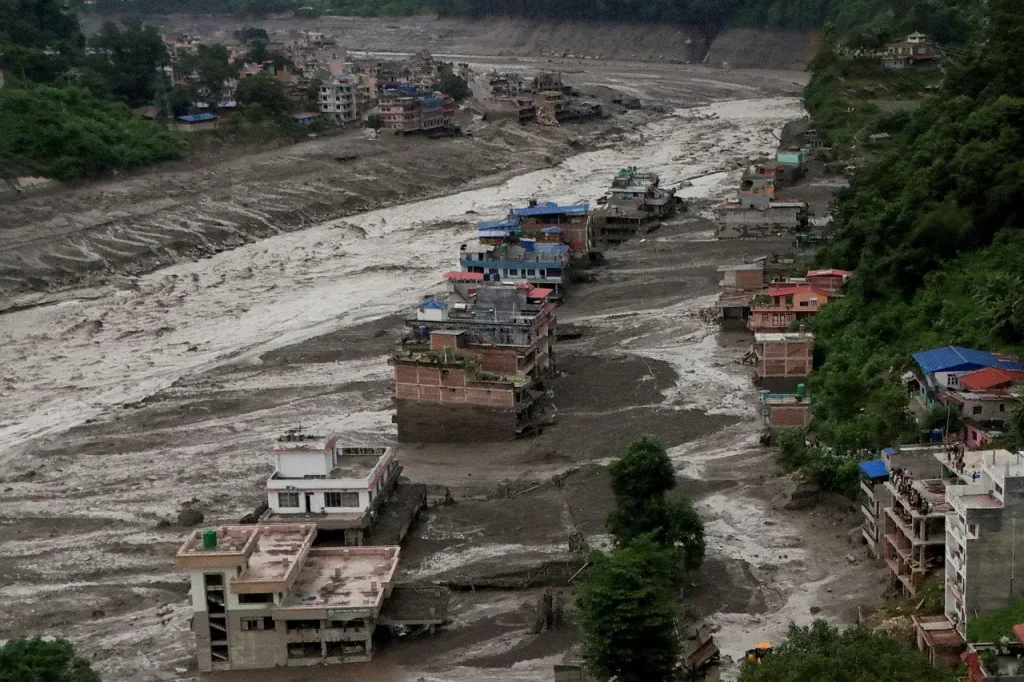
A catastrophic flood has struck the Himalayan border between Nepal and China’s Tibet region, killing at least 95 people and leaving hundreds of tourists and residents missing. The disaster unfolded on Wednesday after a massive mass of mud and rock collapsed into a river, sending a powerful surge of water, debris and sediment downstream into Nepal.
The scale of the destruction remains unclear as rescue operations continue and authorities assess the damage. Verified video footage from the affected area showed people attempting to escape as floodwaters and debris swept through border settlements. Officials on both sides of the frontier have warned that the number of casualties could rise significantly as emergency teams reach isolated areas.
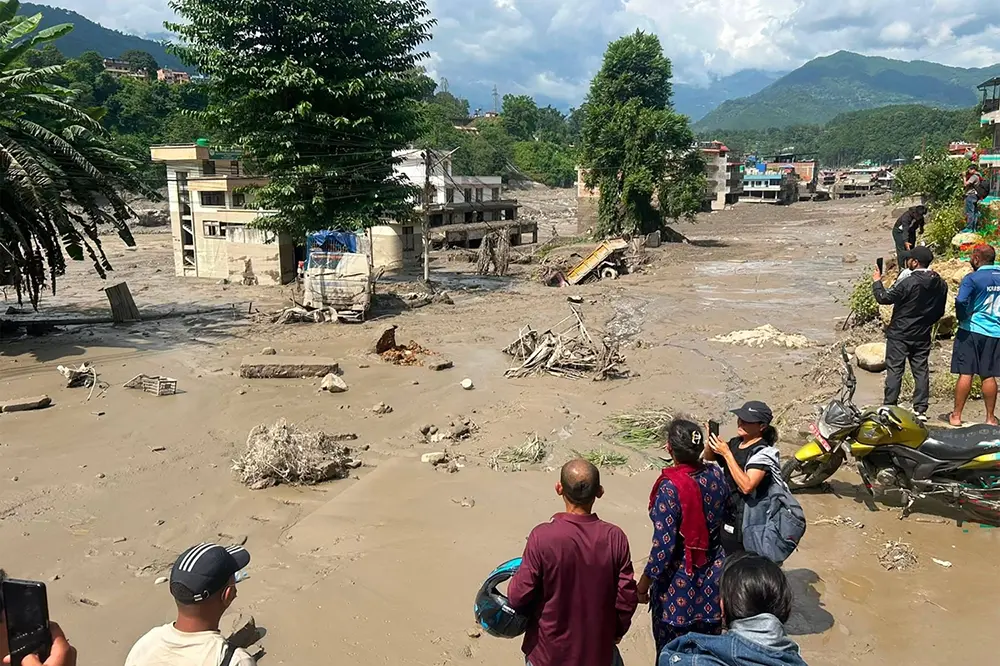
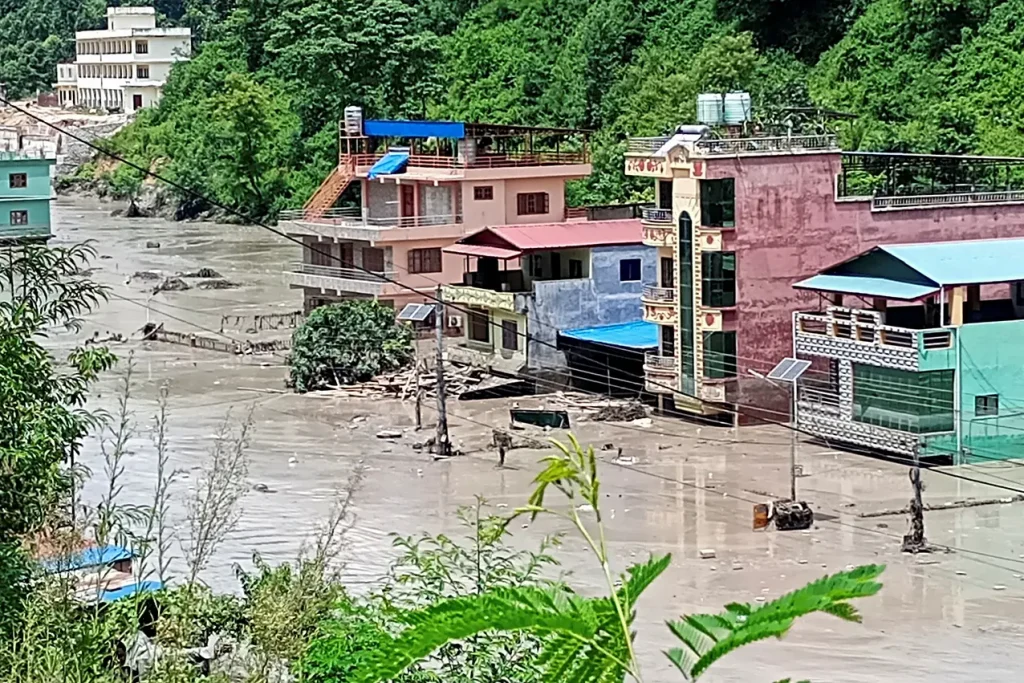
The sudden torrent caused widespread destruction across parts of Nepal. Homes, roads, vehicles and infrastructure projects were reportedly inundated or completely swept away by the force of the flood. Several power-related facilities were also damaged, raising concerns about further disruption to essential services in affected communities.
On the Chinese side, authorities in Tibet reported serious damage around the Gyirong area, where a mudslide struck a border crossing. Officials expressed concern about what they described as potentially major casualties and confirmed that a number of people were missing. The remote mountainous terrain is making rescue and recovery efforts particularly difficult.
Possible Earthquake Trigger Under Investigation
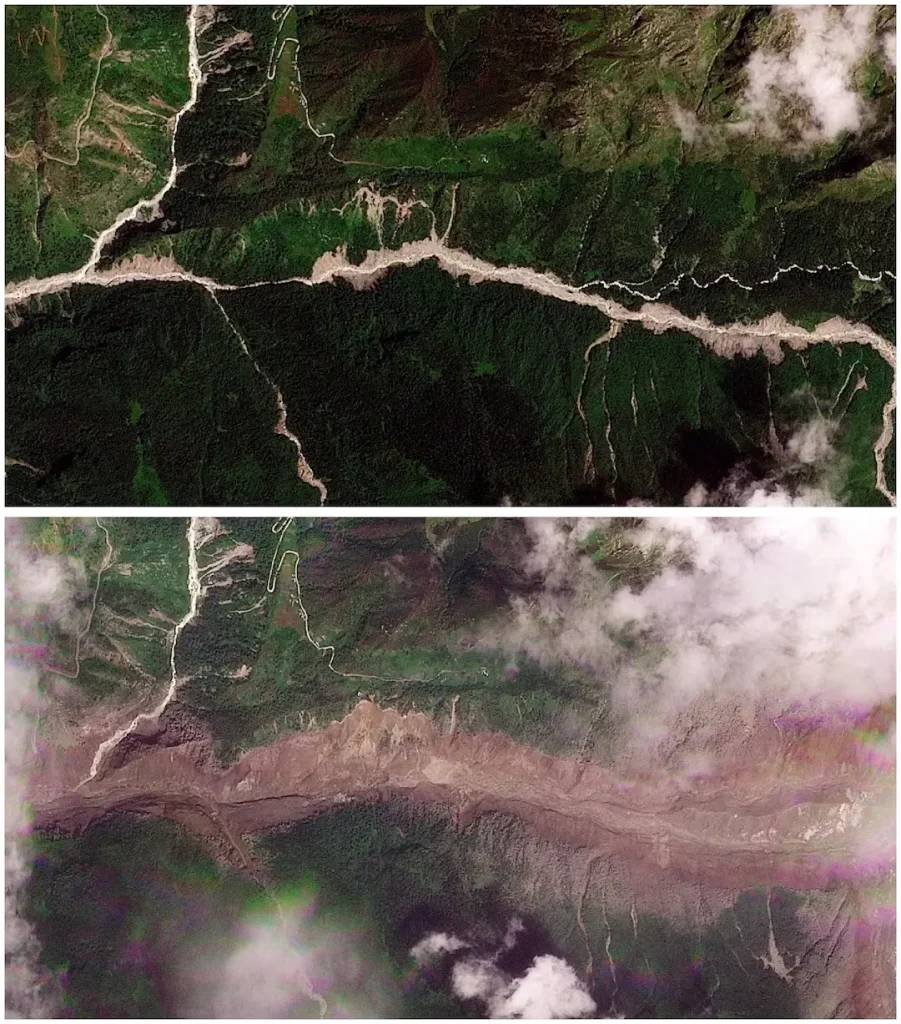
The precise cause of the disaster was still being investigated. Nepal’s Foreign Minister, Shisir Khanal, told parliament that preliminary reports indicated an earthquake may have triggered an avalanche or landslide in the mountains, ultimately contributing to the devastating floods.
The region is highly vulnerable to natural hazards because of its steep Himalayan terrain, unstable slopes and rapidly changing weather conditions. Landslides, glacial hazards and sudden floods can develop quickly in mountain valleys, leaving communities with little time to respond.
If an earthquake did contribute to the collapse, it may have destabilized large quantities of rock and soil above the river system. Such a chain reaction can produce an enormous debris flow, carrying boulders, mud, trees and water downstream at extremely high speeds. Once the material enters a narrow Himalayan valley, the resulting flood can become particularly destructive.
Security Footage Captures People Fleeing
Security-camera footage recorded on the Chinese side of the Nepal-Tibet border provided a dramatic view of the disaster. The images showed groups of people running away shortly before a massive wall of mud, rocks and water surged through the area.
The flood destroyed or severely damaged buildings and vehicles in its path, while people nearby struggled to escape the rapidly advancing torrent. The footage has provided important evidence of how quickly the disaster developed and illustrates the limited amount of warning available to people in the affected area.
The event has also raised concerns about the vulnerability of border infrastructure in one of the world’s most challenging environments. Roads and crossings connecting Nepal and Tibet are vital for tourism, trade and local communities, but their location in steep mountain valleys makes them particularly exposed to landslides and flooding.
Rescue Efforts Face Difficult Conditions
Emergency crews are now searching for missing people while attempting to reach communities cut off by damaged roads and infrastructure. The rugged Himalayan landscape, combined with debris-covered routes and potentially unstable slopes, is complicating rescue operations.
Authorities are expected to continue updating casualty figures as search teams gain access to affected areas. With hundreds of people reportedly unaccounted for, the final human and economic cost of the disaster could be considerably higher than the initial figures.
The tragedy highlights the growing importance of disaster preparedness and early-warning systems in mountainous regions. As extreme weather events and other environmental hazards place additional pressure on vulnerable settlements, infrastructure designed to withstand sudden floods, landslides and related disasters is becoming increasingly important.
For Nepal and Tibet, where communities, transportation routes and major infrastructure often occupy narrow valleys beneath steep slopes, the latest disaster is a stark reminder of the powerful and unpredictable forces shaping life in the Himalayas. Rescue workers now face a race against time to locate survivors and restore access to communities affected by one of the region’s most destructive recent floods.