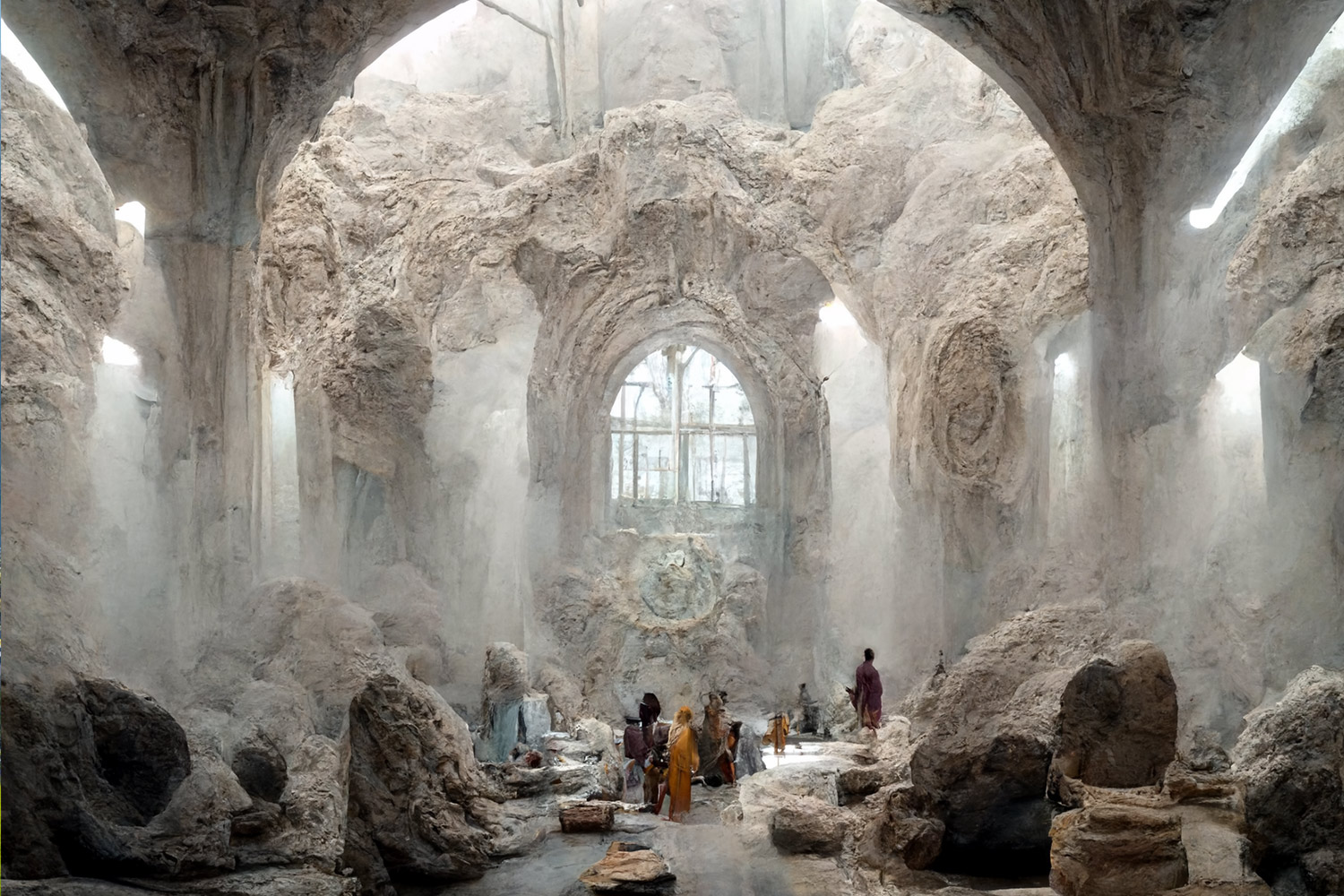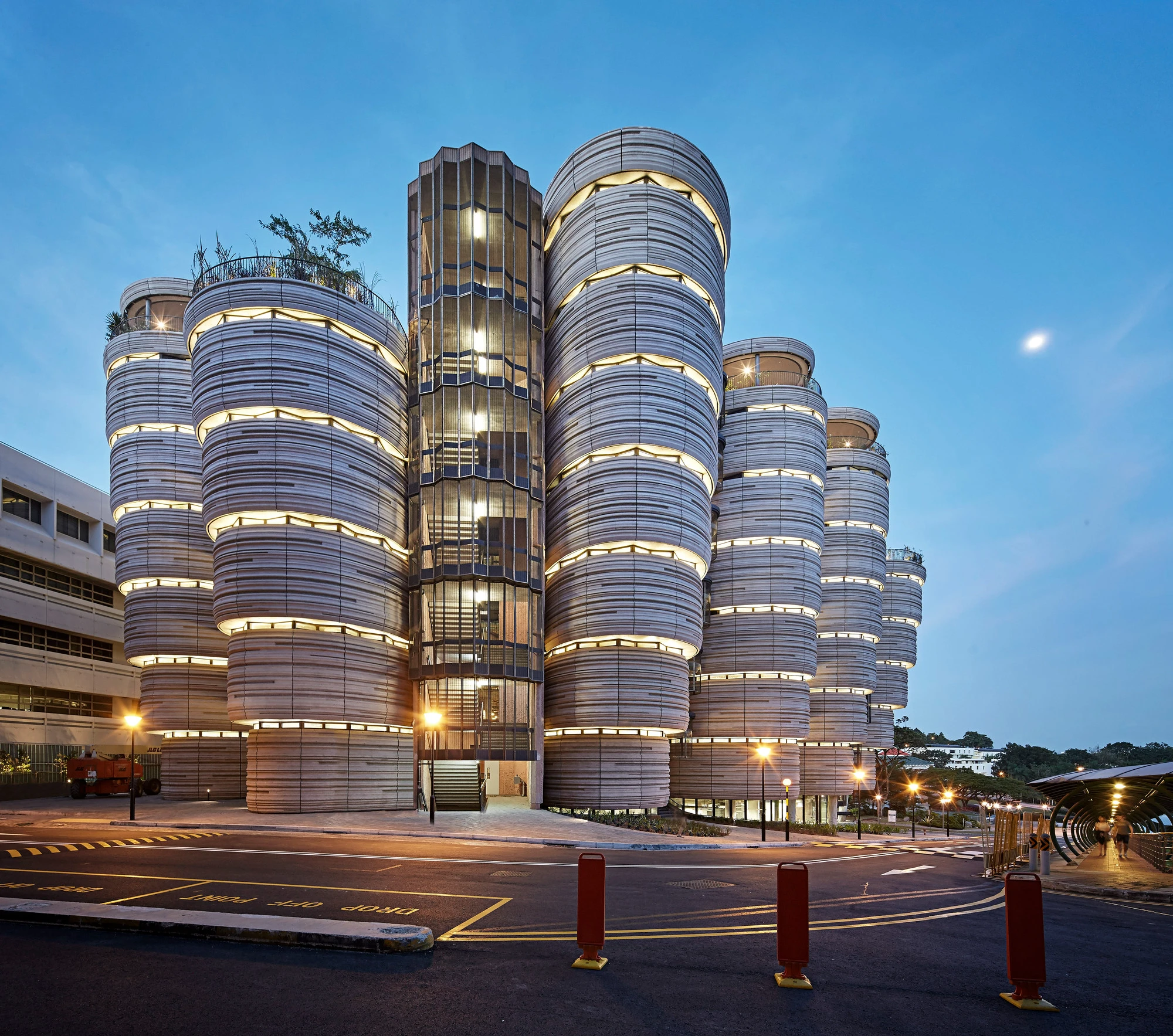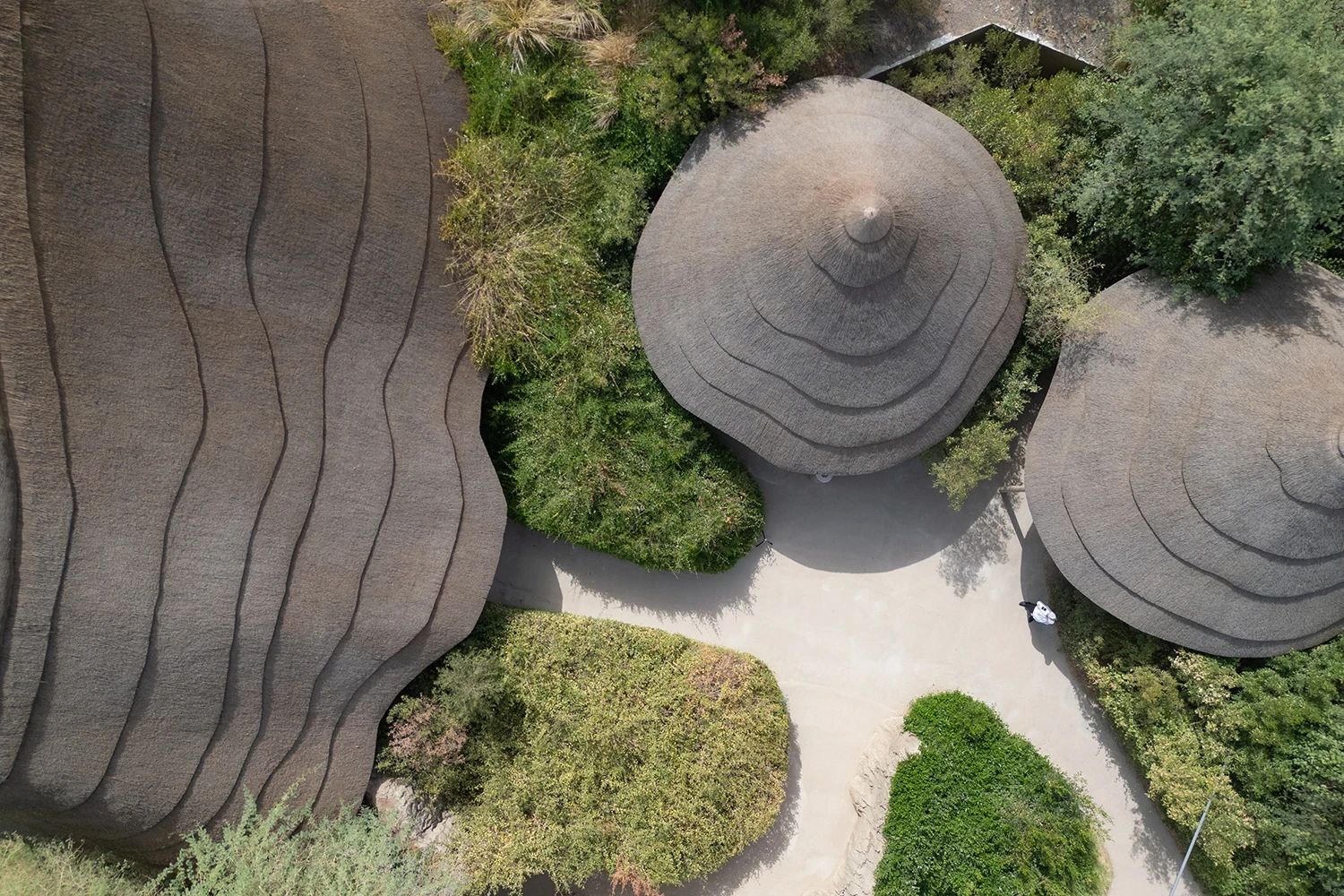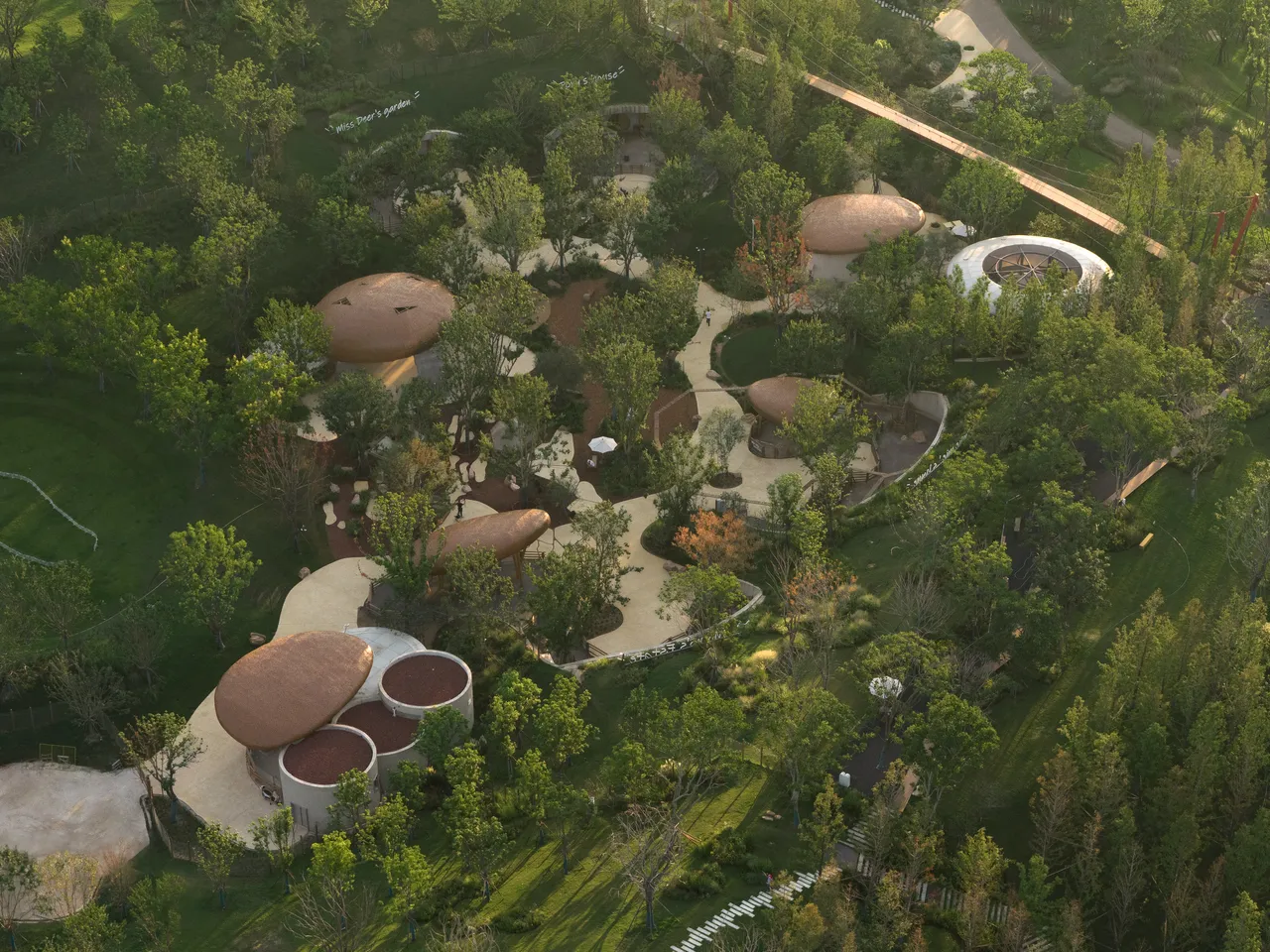
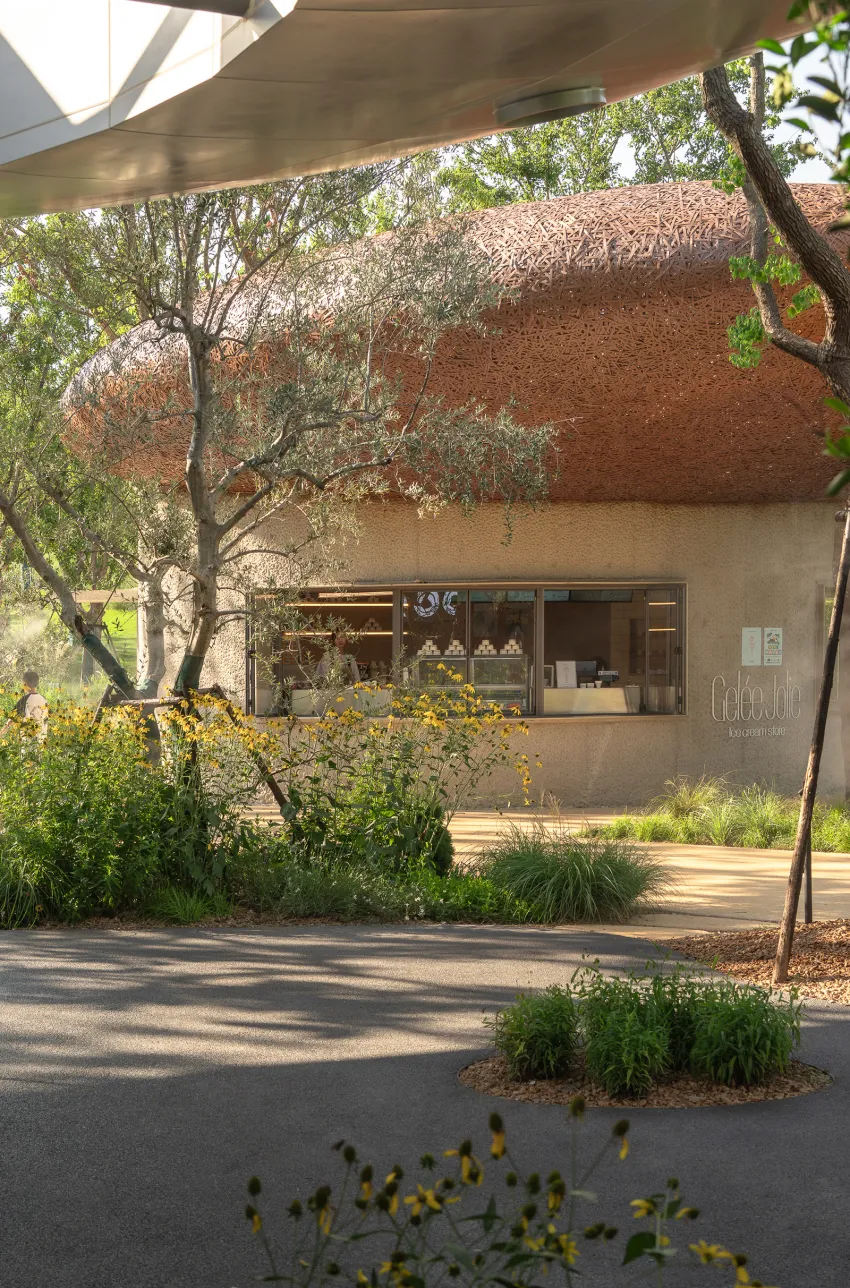
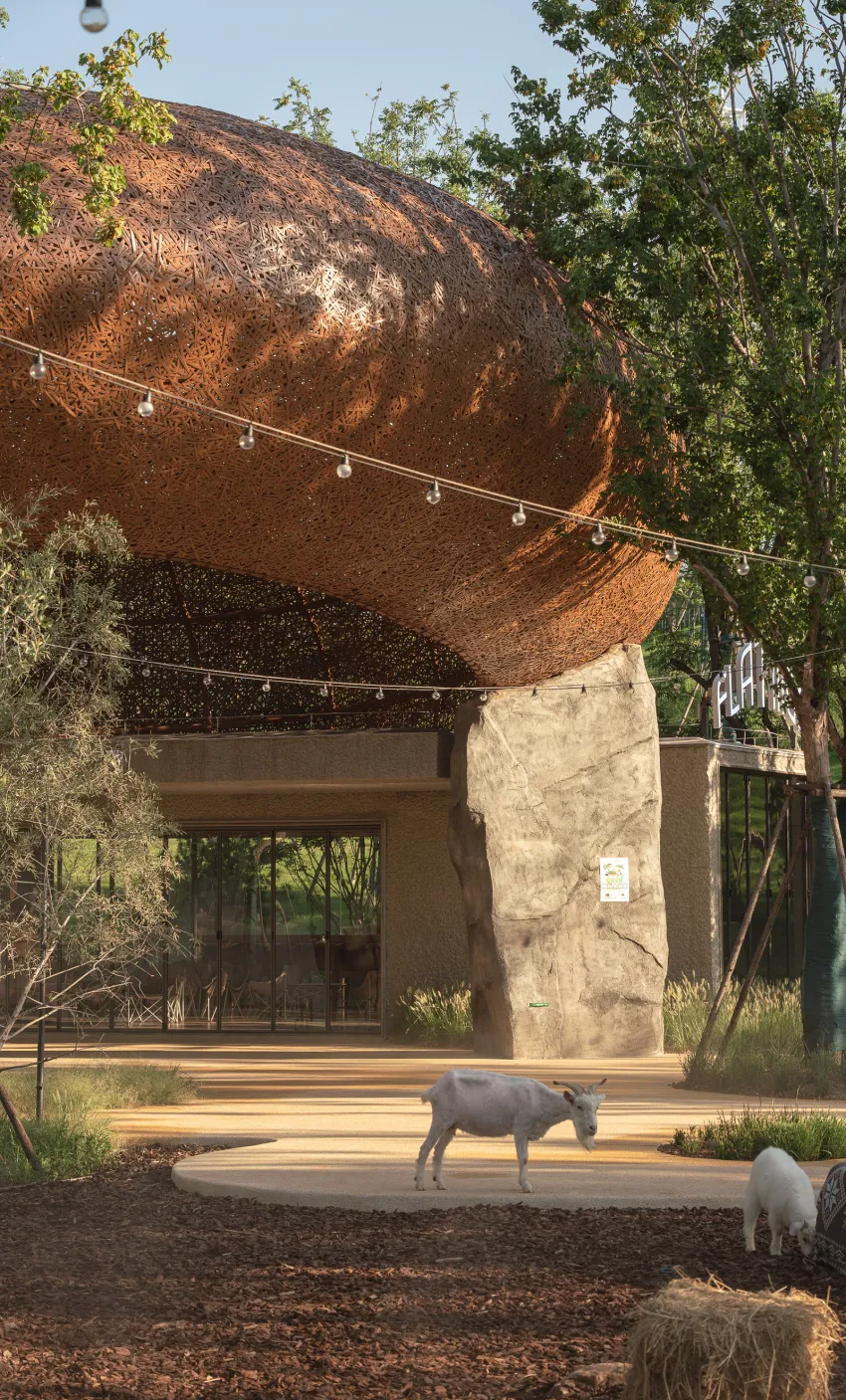


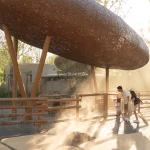
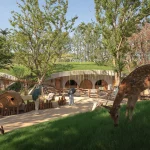
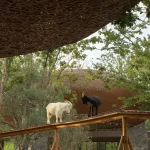
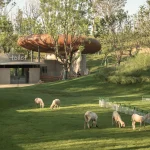
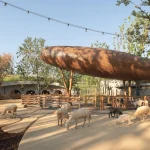
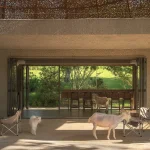
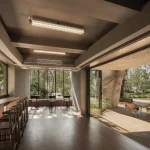
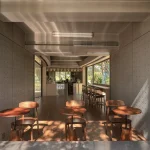
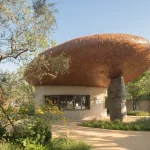
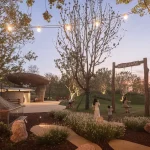
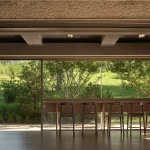
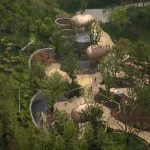
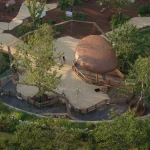
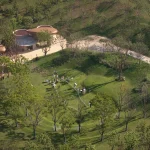
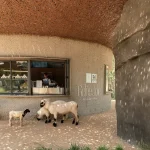
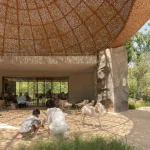
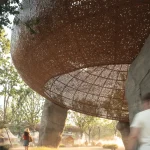
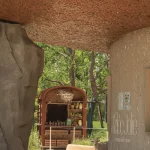
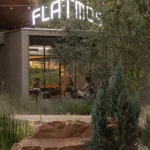
Designed by the Shenzhen-based firm Various Associates, LuxeIsland Farm is a central component of the 230,000-square-meter LUXEOASIS development, a vast cultural tourism initiative commissioned by Luxelakes Cultural Tourism. Inspired by the observations of animal behavior, especially the climbing abilities of mountain goats, the structure evolved into the organic, curved volumes of celestial boulders, which appear to grow naturally from the hilly pastures.
A Sustainable Eco-Farm in China
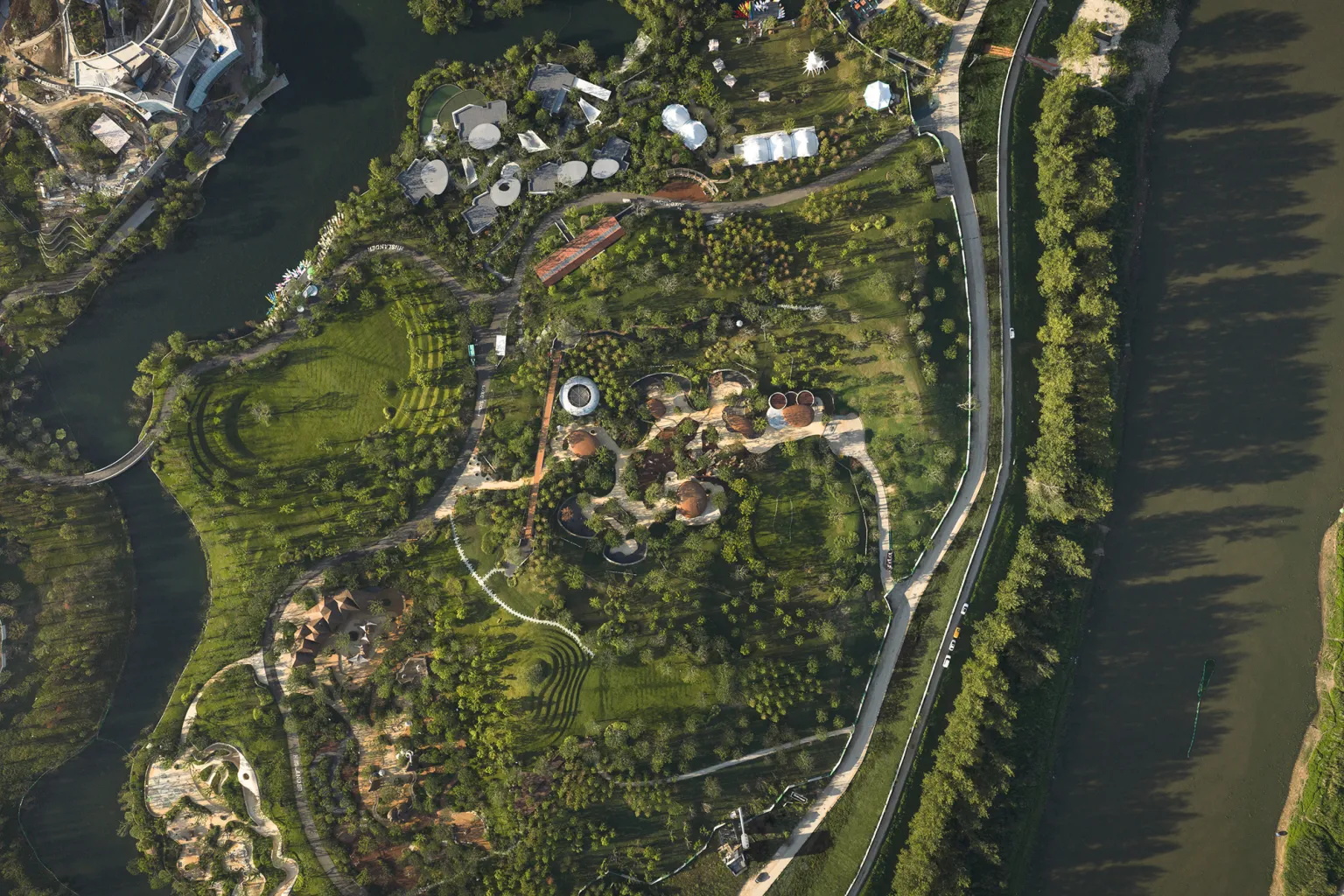
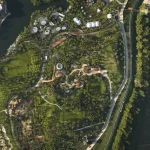
Located along the Zhujia River in the Jiang’an District of Wuhan, the project represents an experience-driven approach to rural urbanism. Wuhan, a city defined by its topographical relationship with water and mountains, shapes the architectural narrative of the LuxeIsland Farm.
Various Associates approached the site with a vision centered on community interaction and environmental integration. This strategy aligns with China’s national movement to establish Park Cities and near-zero-carbon communities, as seen in parallel developments such as Luxelakes Eco-City in Chengdu.
Design Philosophy: Future, Fun, and Interaction
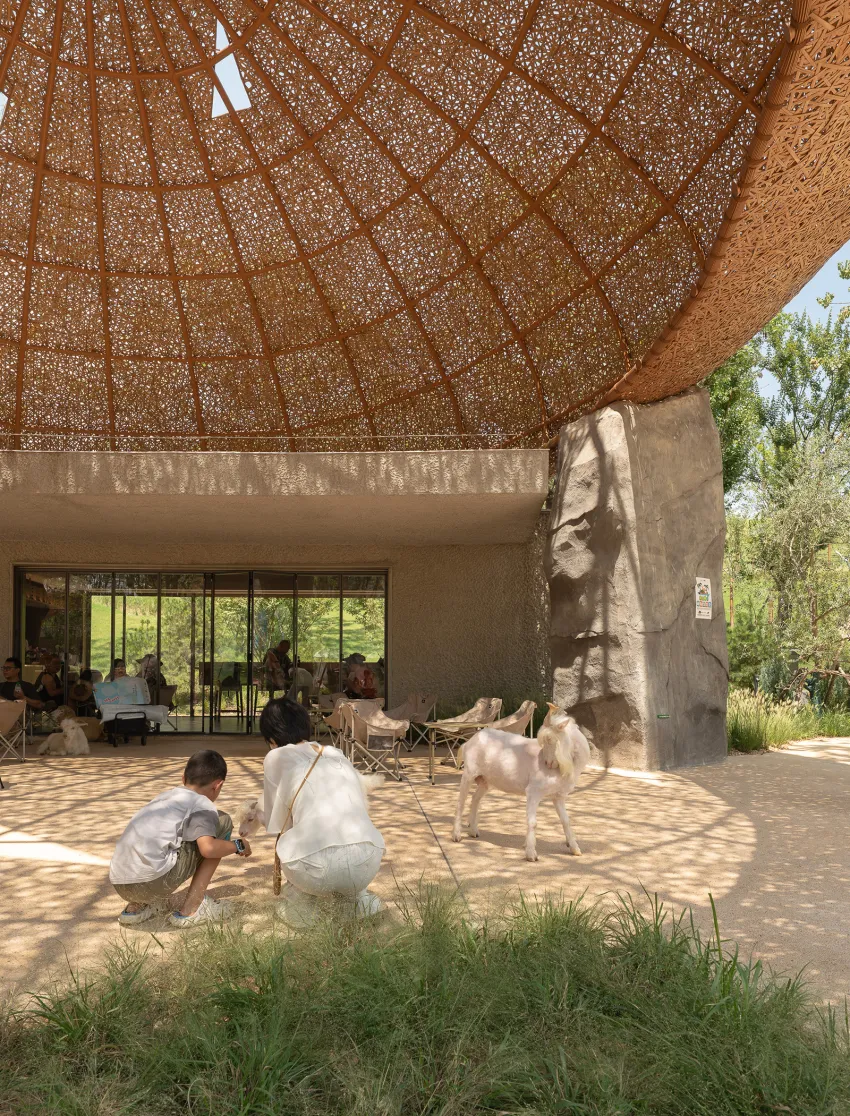
The farm’s functional requirements extend beyond recreation to encompass education, promote ecological awareness, and foster cultural creativity. The team developed a new architectural philosophy for agricultural spaces, rooted in the Future, Fun, and Interaction concept, and enveloped in traditional craft-based detailing to evoke an imaginative wonderland.
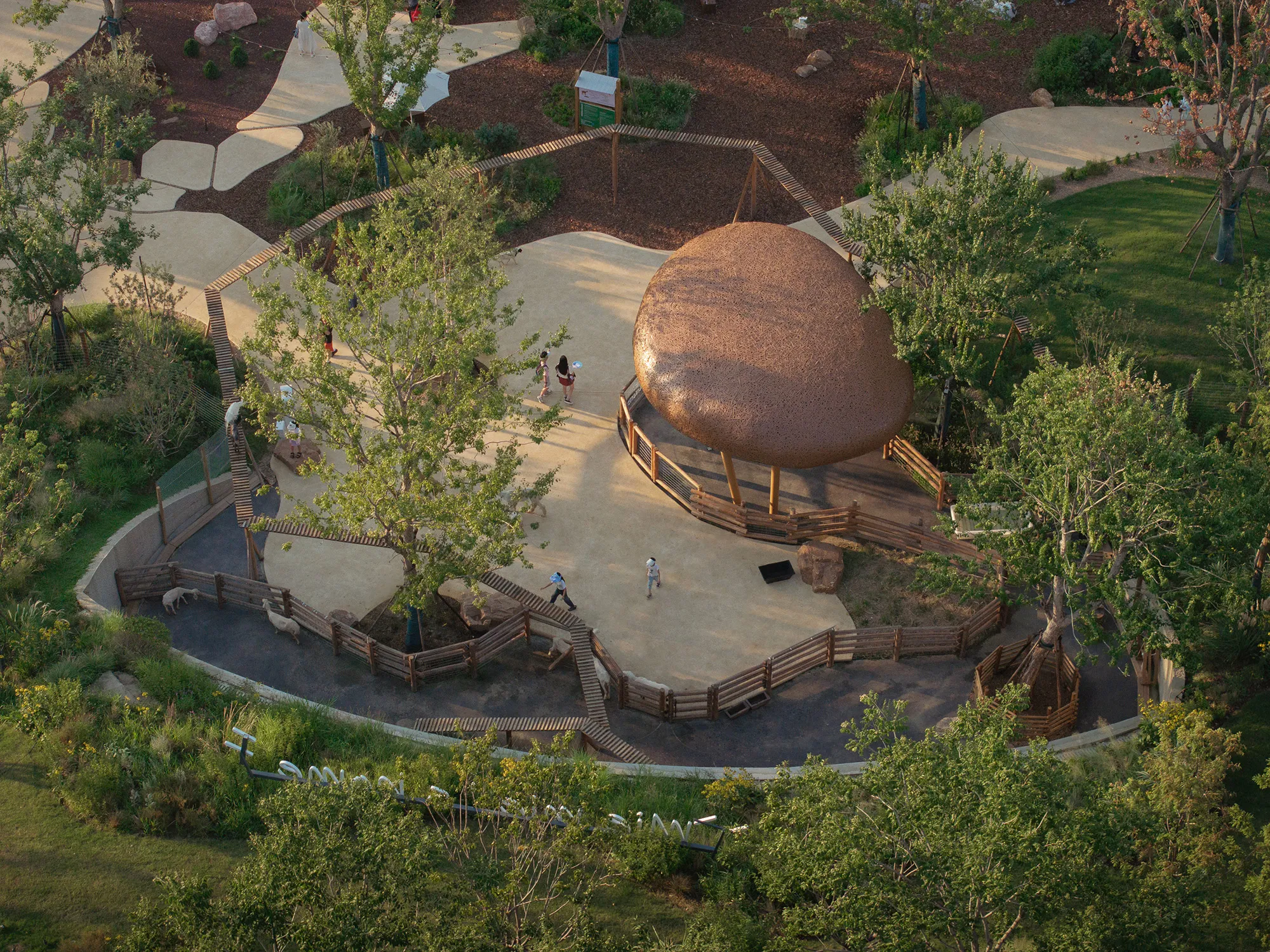
Led by principal designers Lin Qianyi and Yang Dongzi, these themes articulate a structure resembling celestial boulders scattered across the valley, a metaphor that anchors the architecture in a sense of time and geological process. The Interaction theme integrates animal zones, creative workshops, and small concessions, emphasizing environmental rhythms such as light, shadow, breeze, and sound.
Biomimicry and the Celestial Boulder Concept
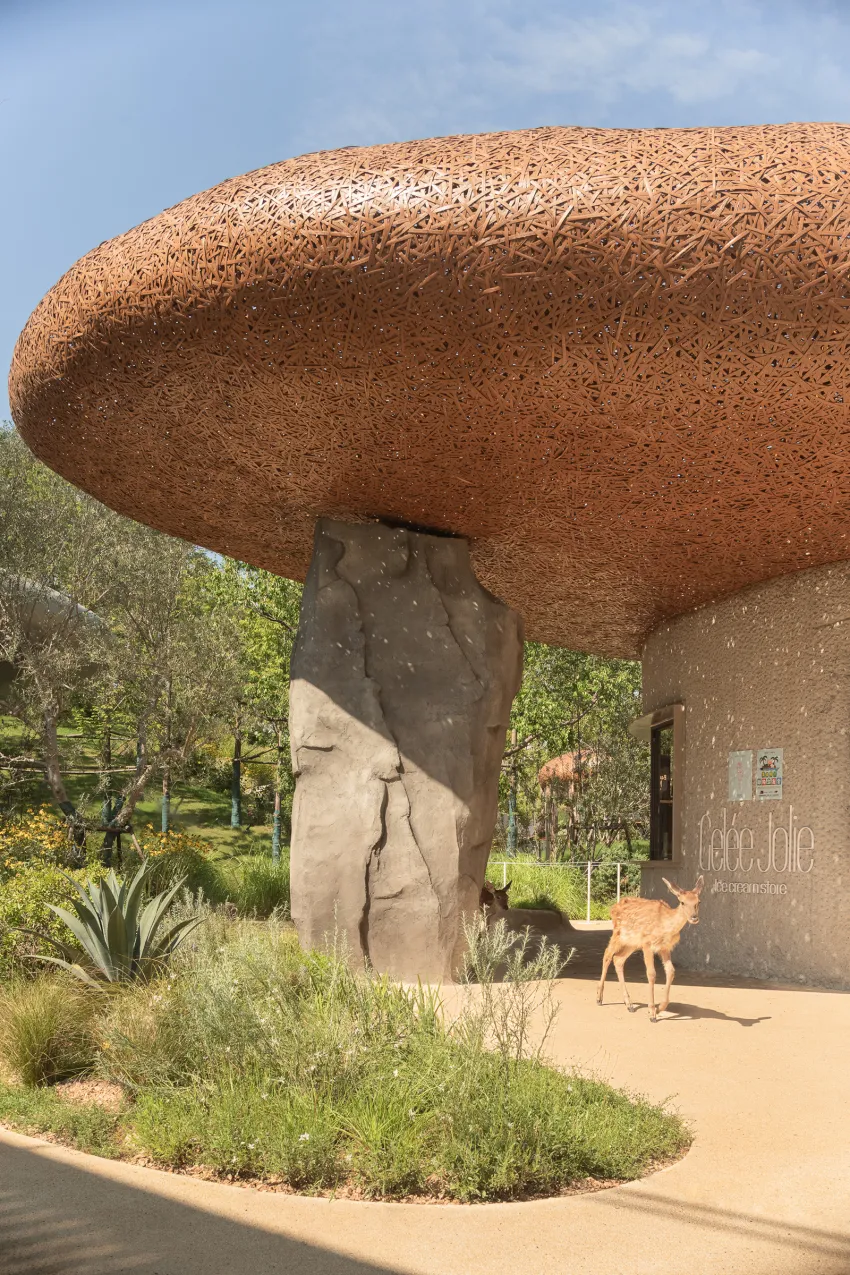
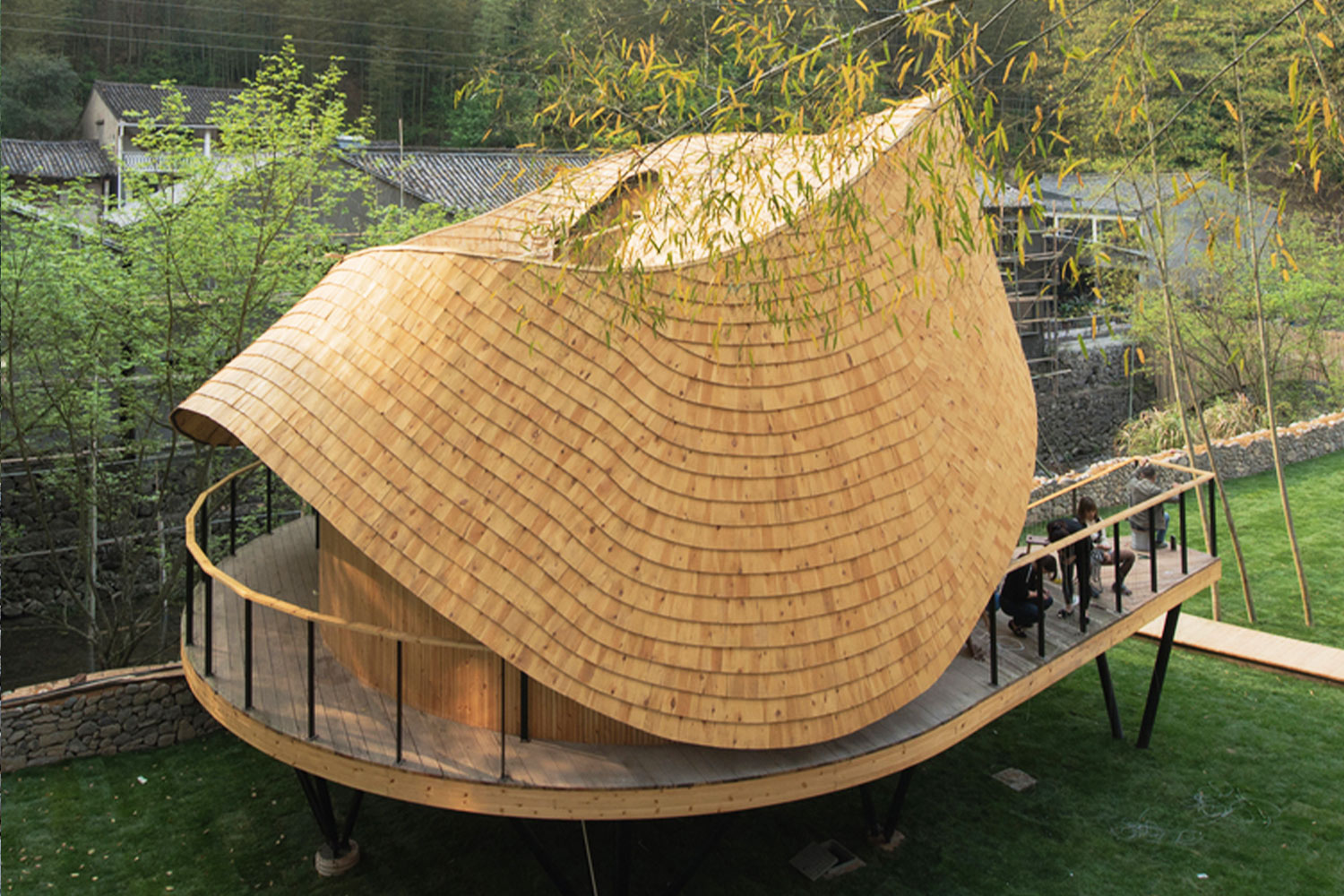
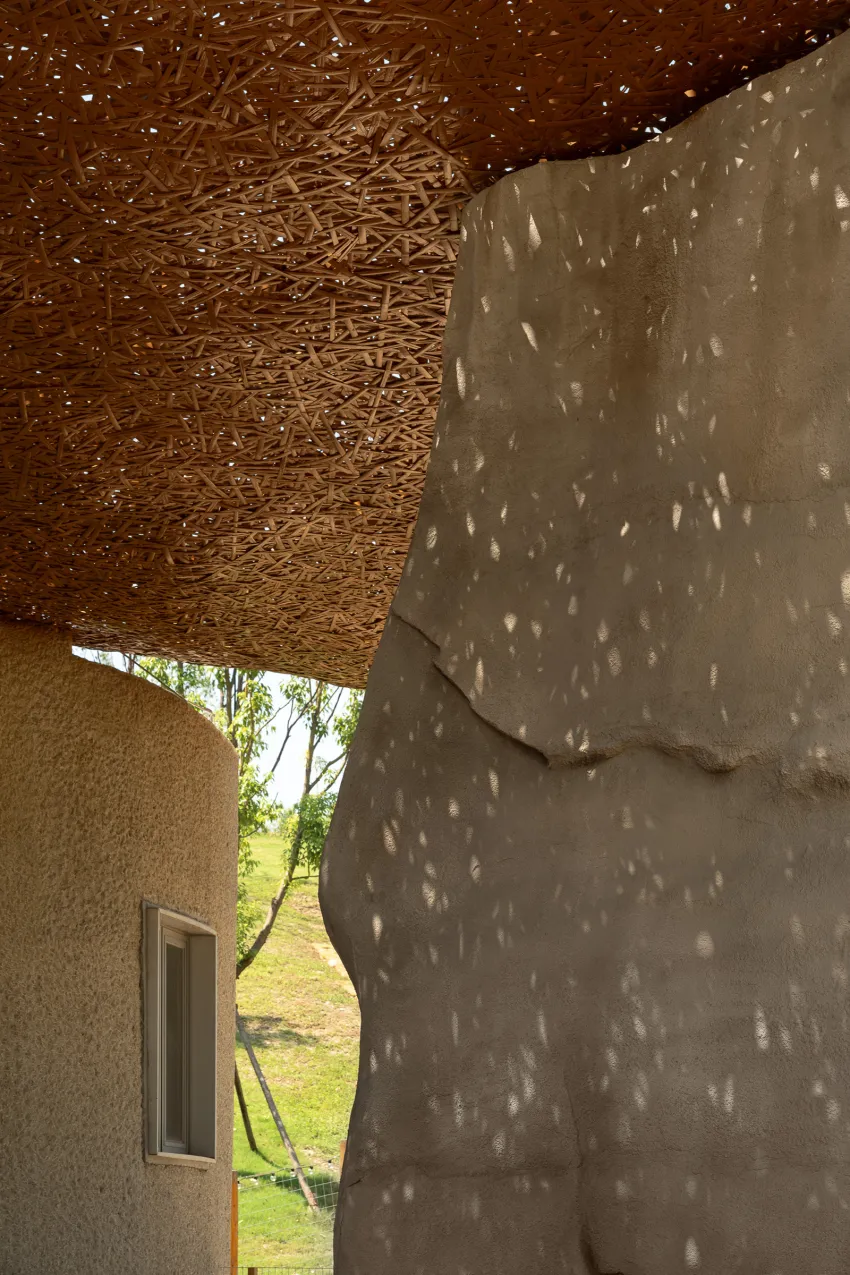
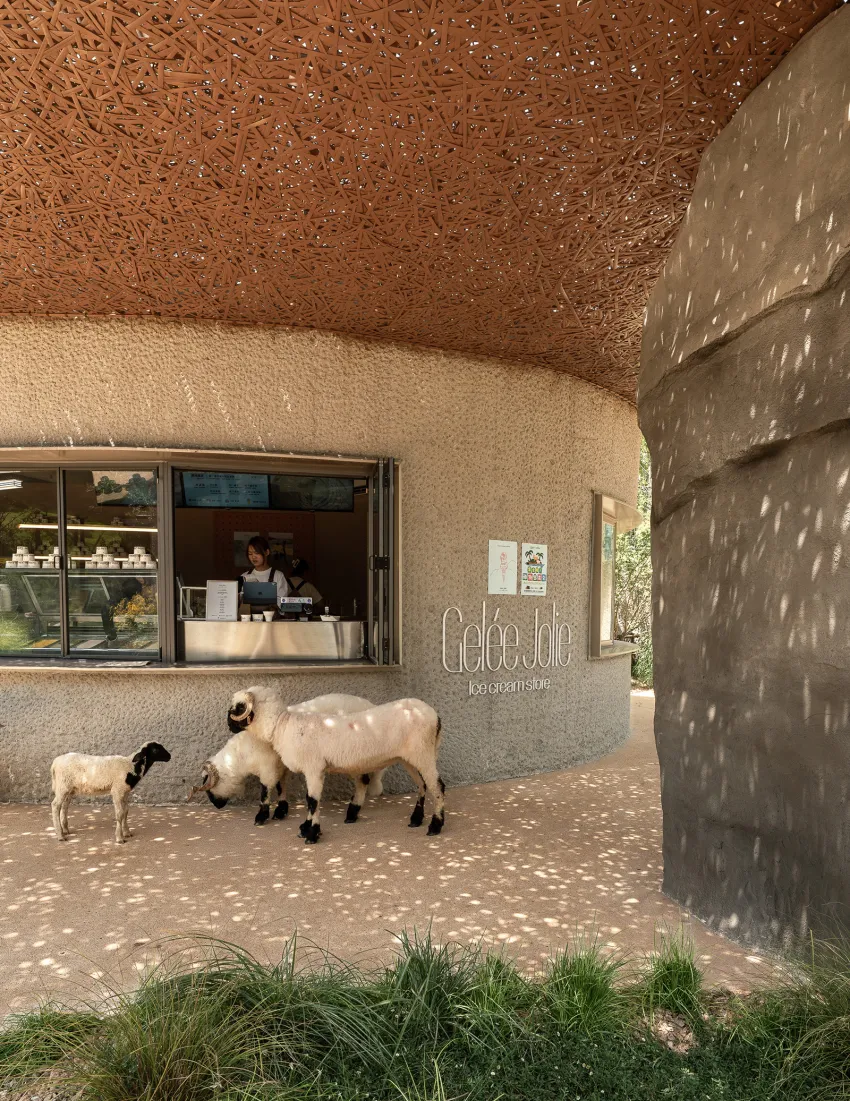
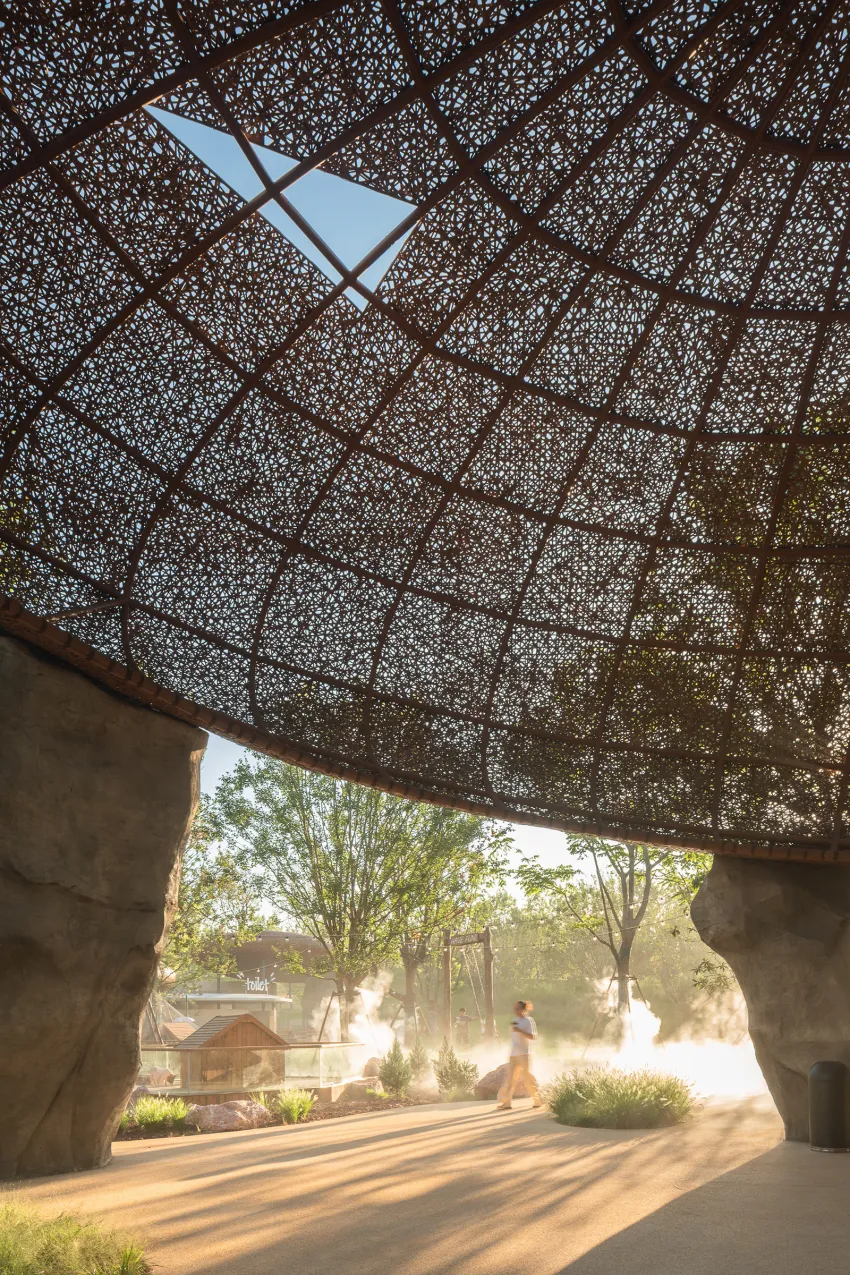
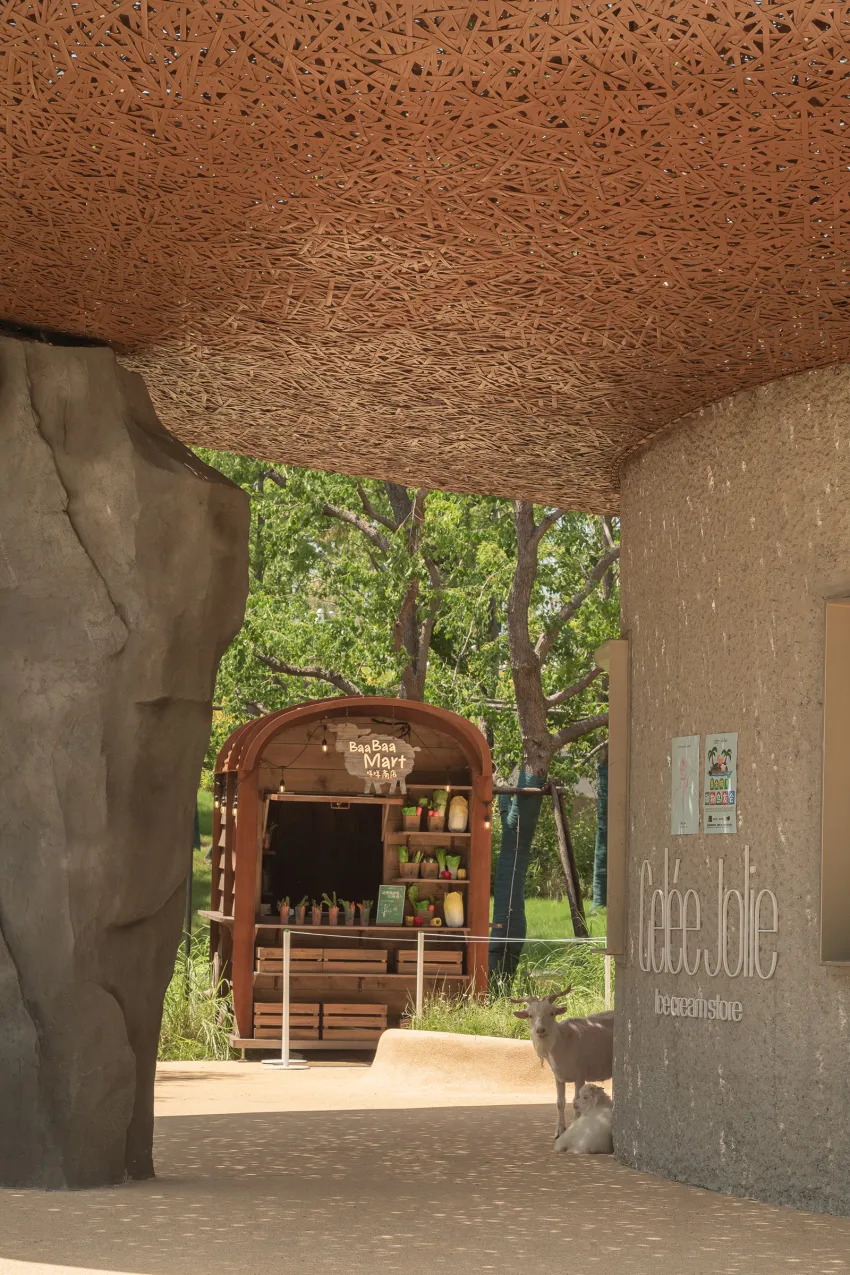
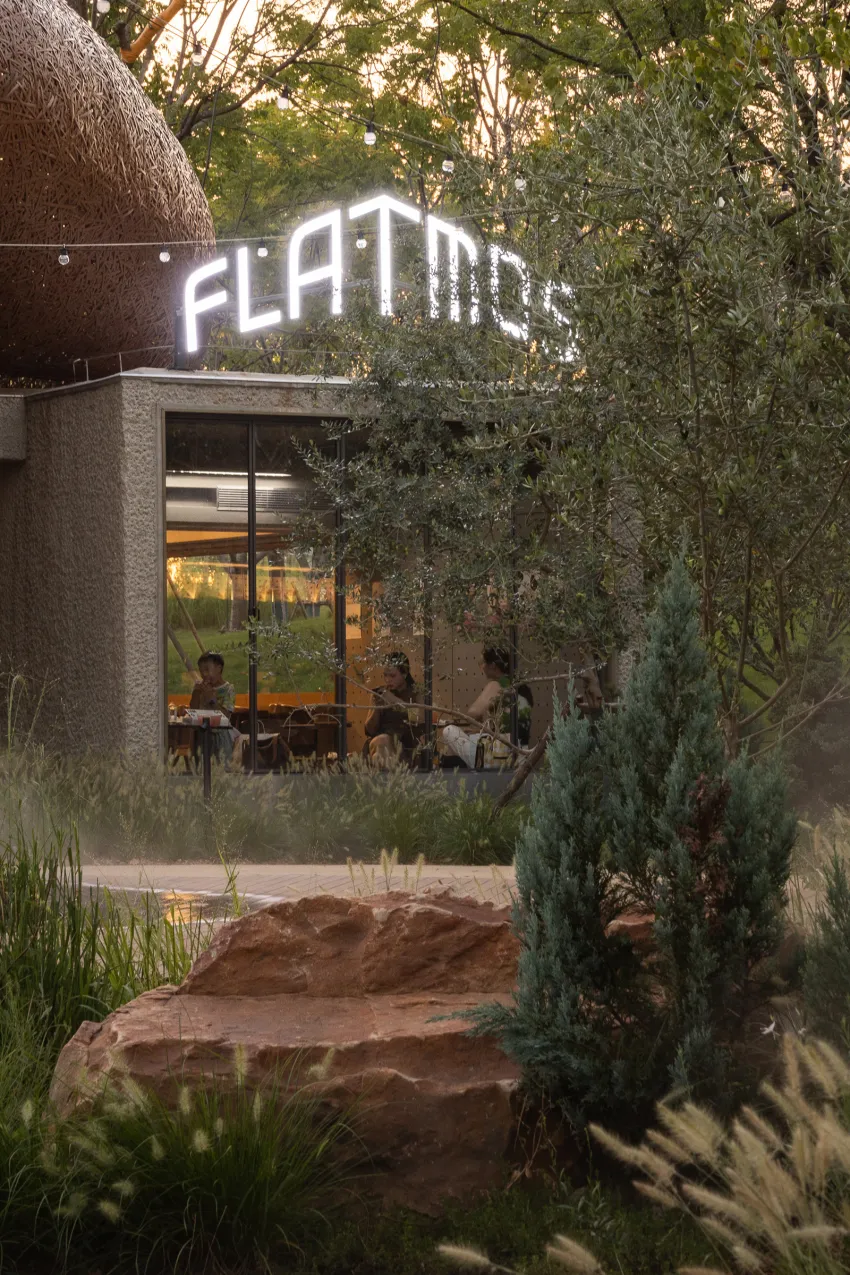
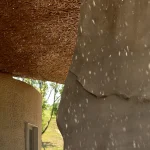
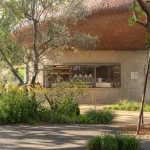
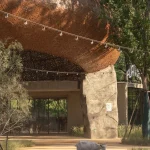
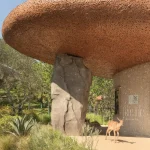
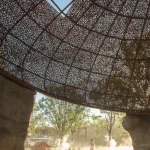
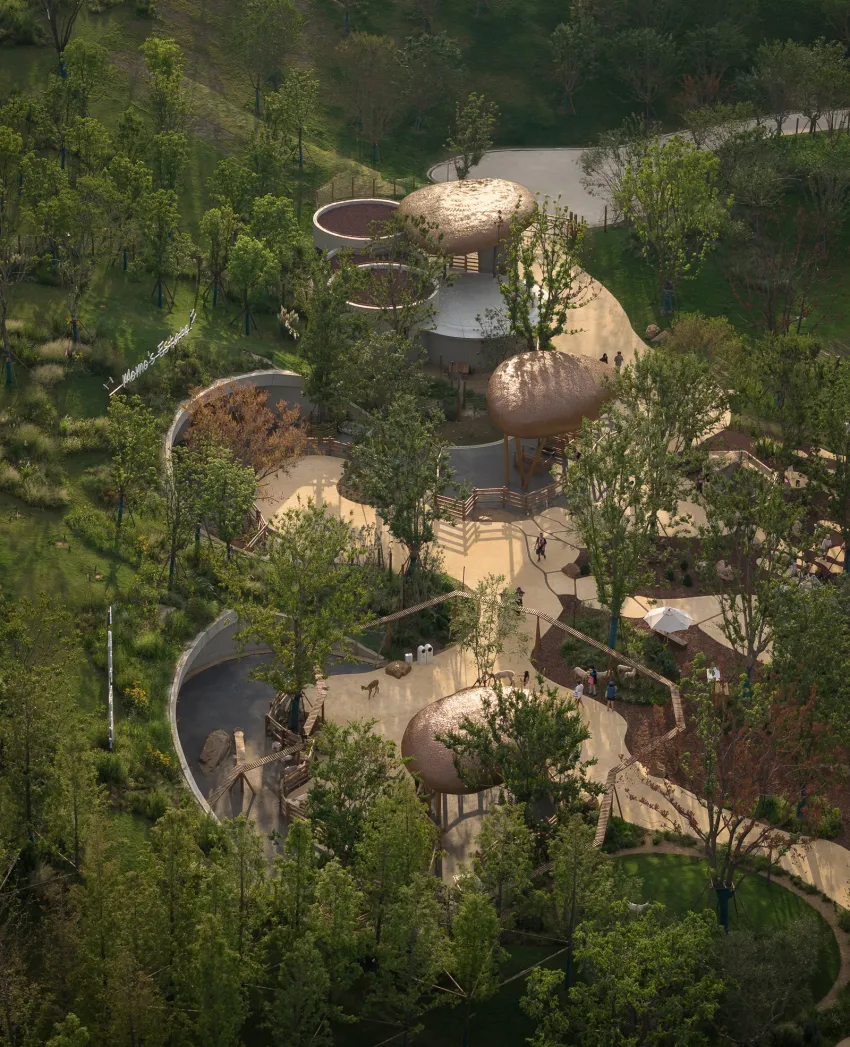
The boulder-shaped structures are characterized by two distinct materials: lightweight woven surfaces and heavier, stone-like masses. The woven canopies, crafted from bamboo, provide shelter for outdoor seating, supported by imitation standing stones, which ground the lightweight elements in a mineral, earthy aesthetic. The largest bamboo canopy, positioned above the central workshop, casts shadows throughout the day through triangular openings.
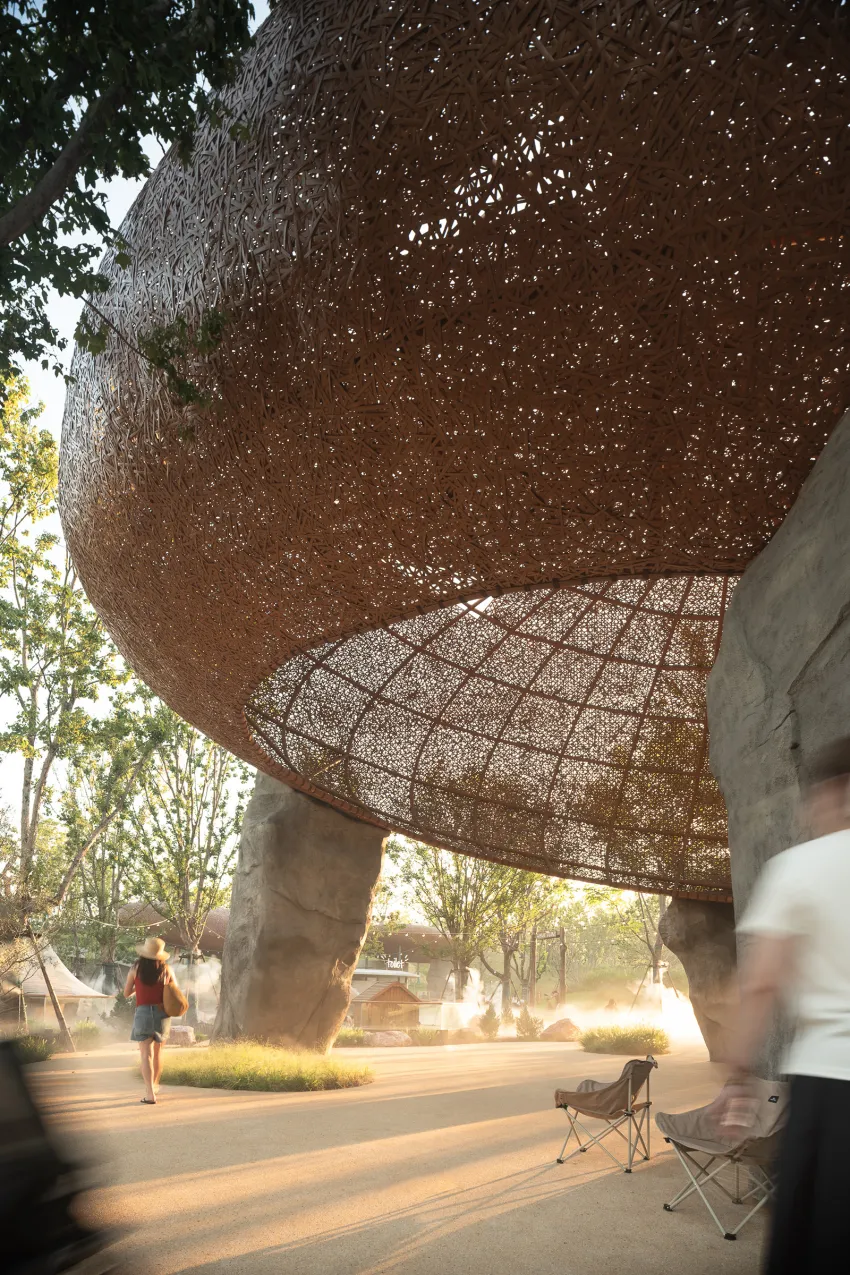
This design decision evolves into an interactive element for the farm’s smaller animals, often observed chasing the moving shadows, blurring the line between architectural form and animal behavior. The choice of material at LuxeIsland Farm reflects ecological awareness and a reinterpretation of regional culture, where biomimicry and landscape-driven form-making are translated into low-rise cultural complexes
Masterplan and Circular Urban Planning
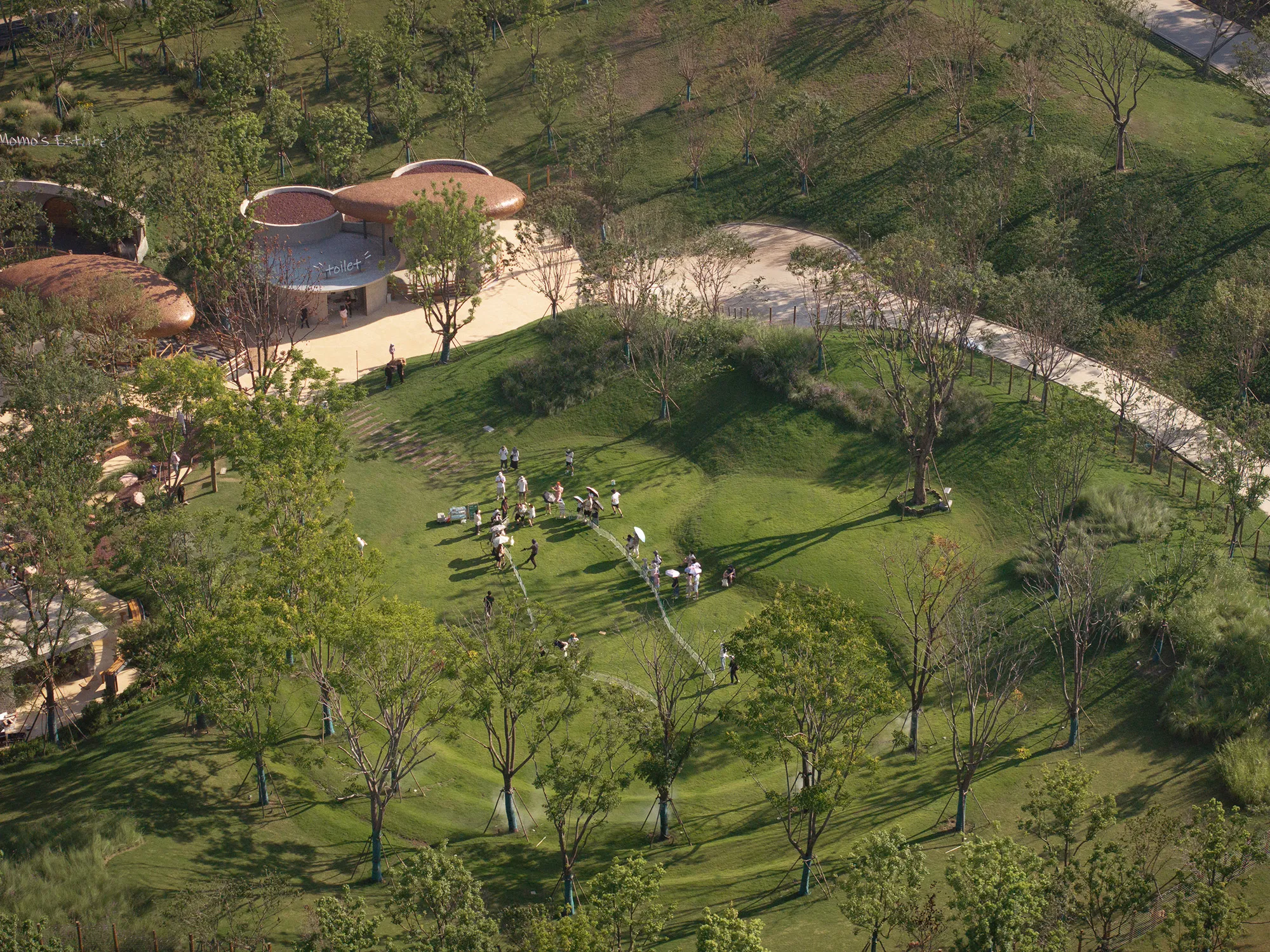
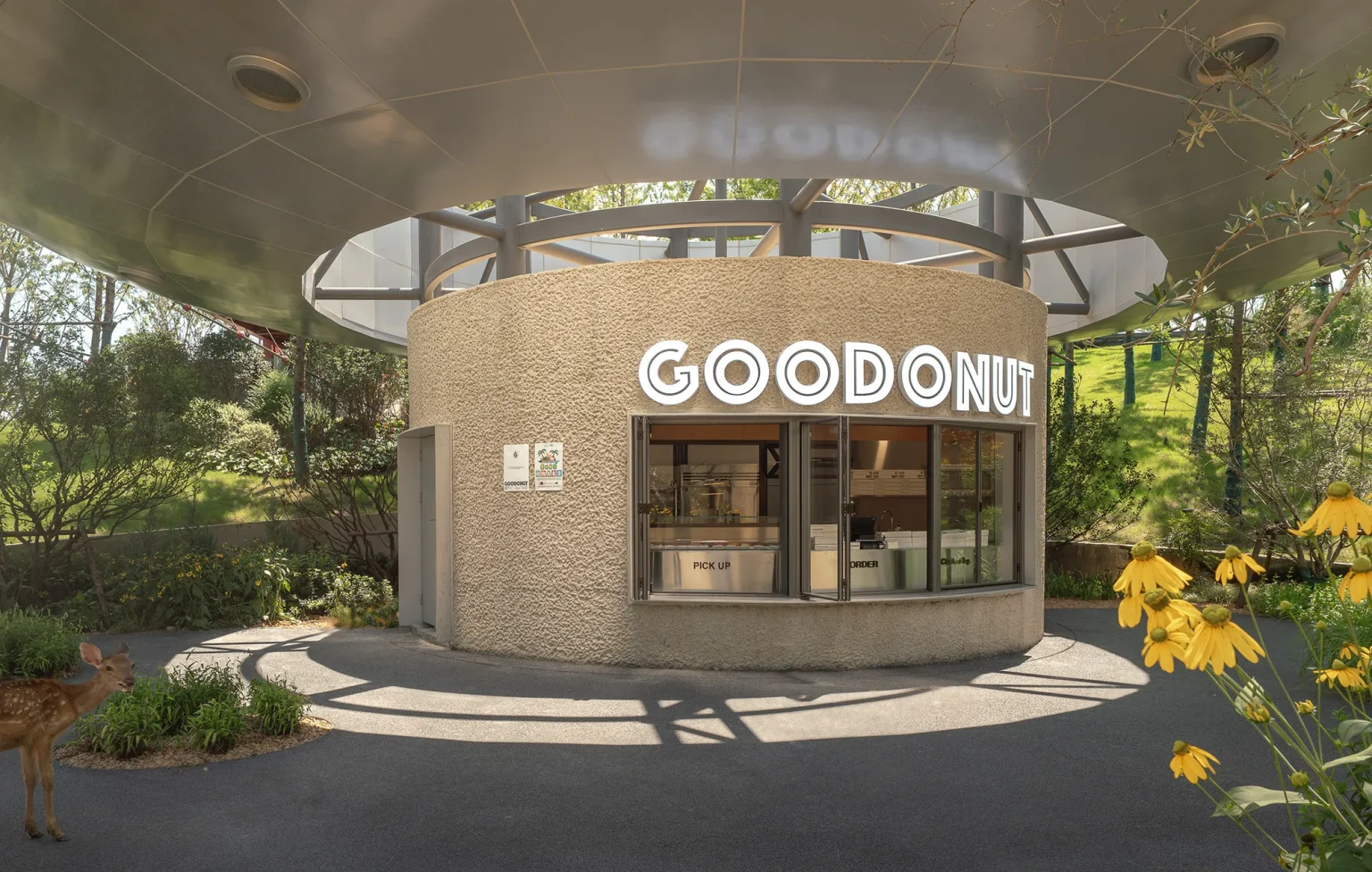
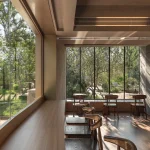
The use of locally sourced material, including timber, stone, and red earth, reinforces the farm’s artistic identity. The circular masterplan optimizes visitor circulation and operational efficiency while minimizing environmental impact. The layout incorporates diverse programmatic zones, including animal enclosures, creative workshops, retail spaces, and dining areas.
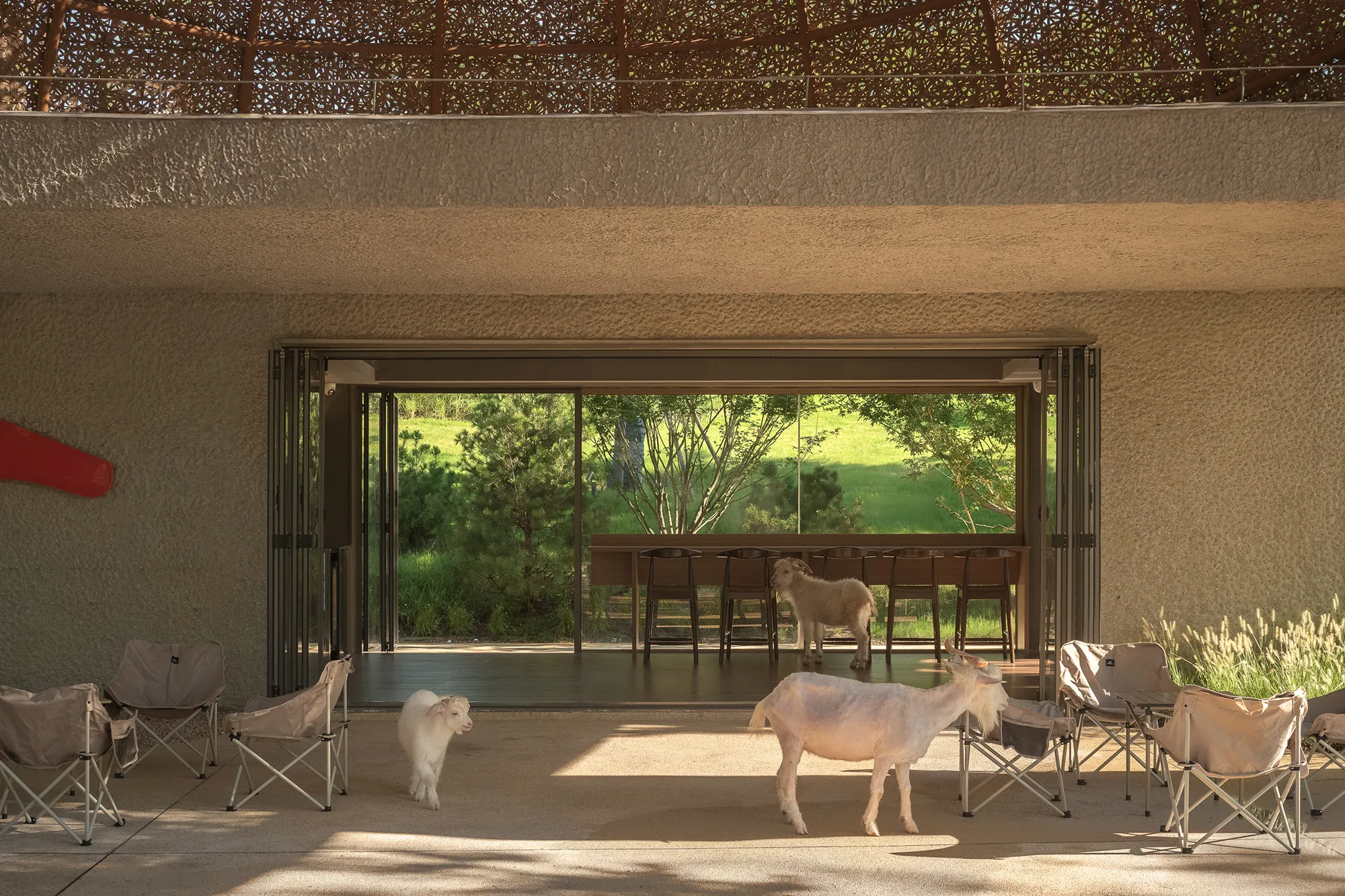
Among the most innovative aspects of LuxeIsland Farm is its commitment to animal welfare and sustainable husbandry, shifting the focus from human-centric design toward architecture rooted in animal behavior. The project operates as a compact agricultural park designed for accessibility and engagement for both local visitors and tourists. Through its innovative use of bamboo weaving, earth-sheltered animal habitats, and futuristic retail landmarks, the farm creates a unified landscape framework where ecology, recreation, and cultural activities coexist in a performative and educational setting.
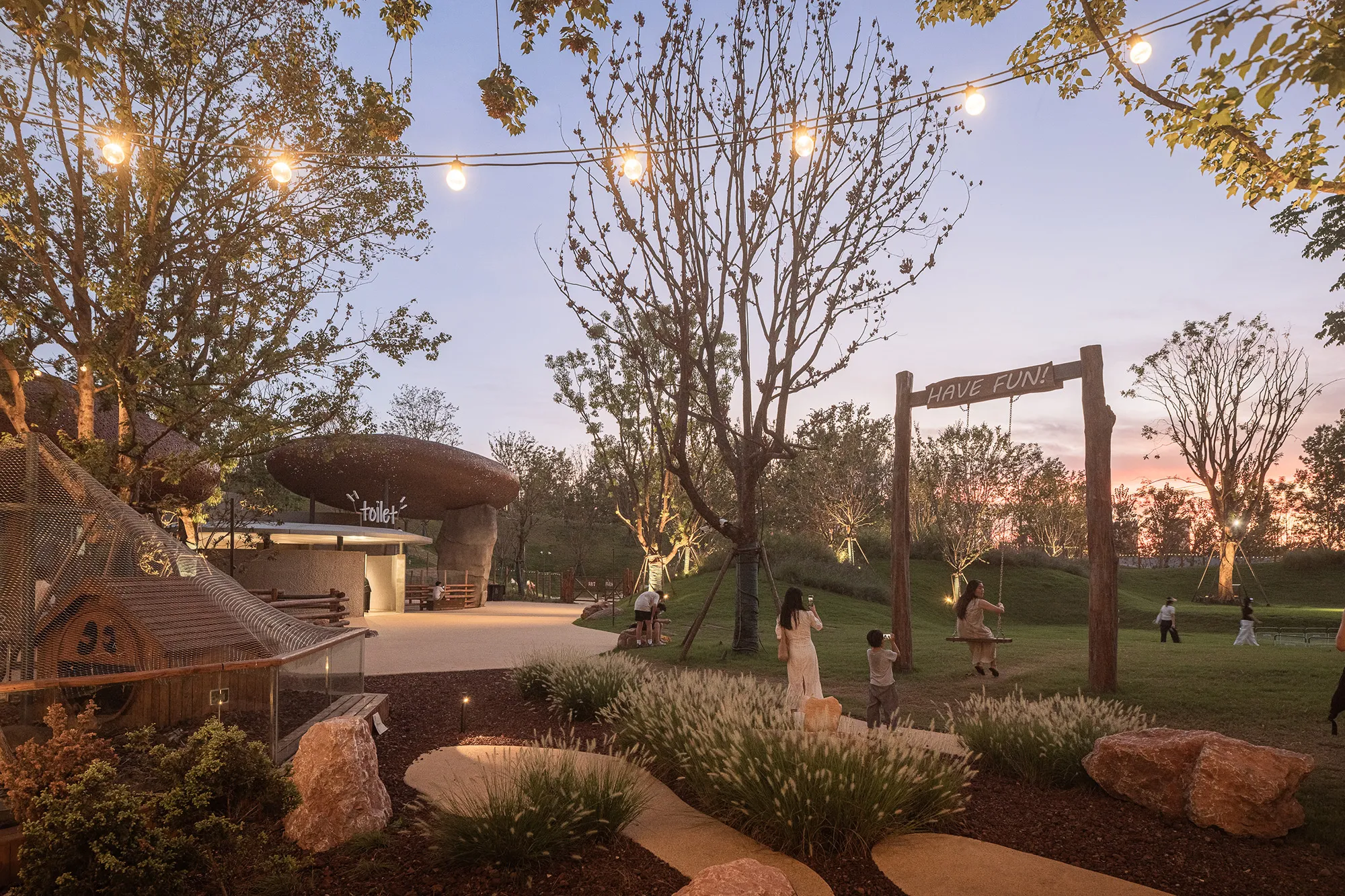
LuxeIsland Farm Project Details
Architects: Various Associates
Location: Jiang’an District, Wuhan, China
Gross Area: 500 m² | 5,382 Sq. Ft.
Photo/Render Credits: © SFAP