





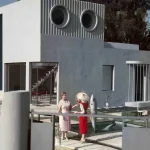

Architecture is rarely consumed only through buildings. Most people encounter architecture first through images: photographs, advertisements, magazines, television, social media, and, perhaps most powerfully, cinema. Long before Instagram made every hotel lobby a potential backdrop for a selfie, Hollywood was teaching audiences what a beautiful house, glamorous interior, futuristic city, or desirable lifestyle should look like.
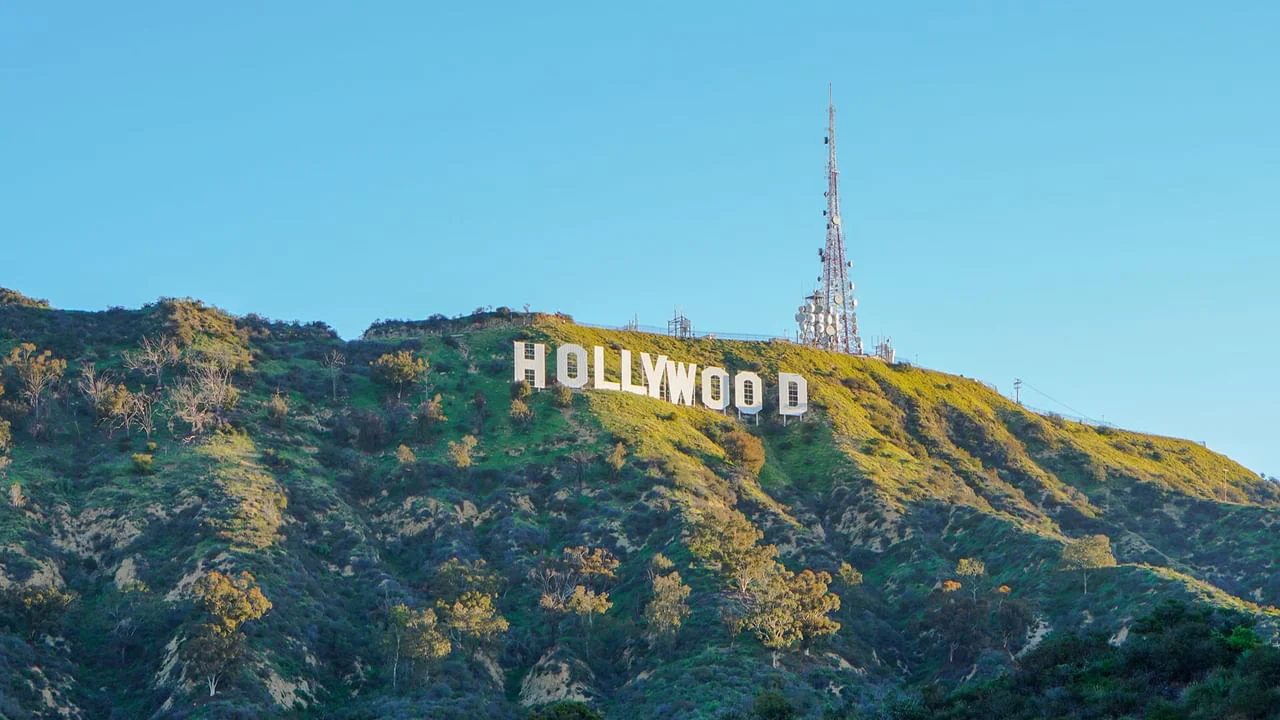
Since the beginning of the 20th century, Hollywood has operated as an enormous visual laboratory. Its production designers, directors, cinematographers, actors, and studios have created fictional environments that frequently escaped the screen and entered everyday life. Sometimes the influence was direct, as audiences attempted to reproduce the homes of movie stars. At other times, cinema created broader cultural expectations: that modern architecture should be sleek, that luxury should be dramatic, that the future should be made of glass and steel, or that a successful home should have an enormous open-plan living room with a suspiciously perfect view.
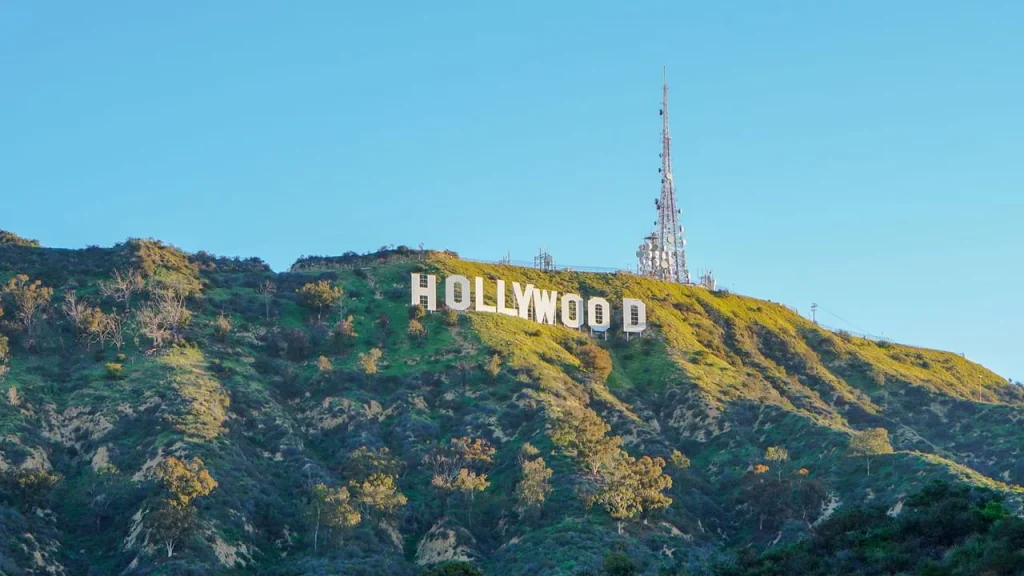
The relationship has never been one-directional. Architects have influenced cinema, while cinema has influenced architecture. But Hollywood possesses a particular cultural power because it transforms architectural space into an emotional experience. A building in a film is not simply a building. It can represent wealth, freedom, danger, sophistication, loneliness, technological progress, or social status. In this sense, Hollywood has helped shape not only what people consider attractive architecture, but also what they expect architecture to feel like.
The 1920s and 1930s: Art Deco, Glamour and the Architecture of Aspiration
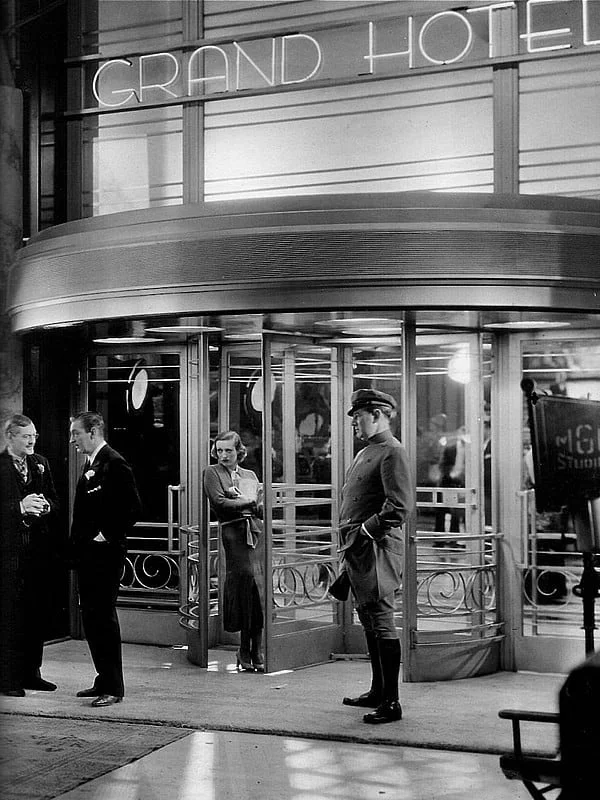
The first major architectural impact of Hollywood emerged during the Golden Age of cinema. The 1920s and 1930s were periods of extraordinary experimentation in architecture and design, particularly through Art Deco and Moderne aesthetics.
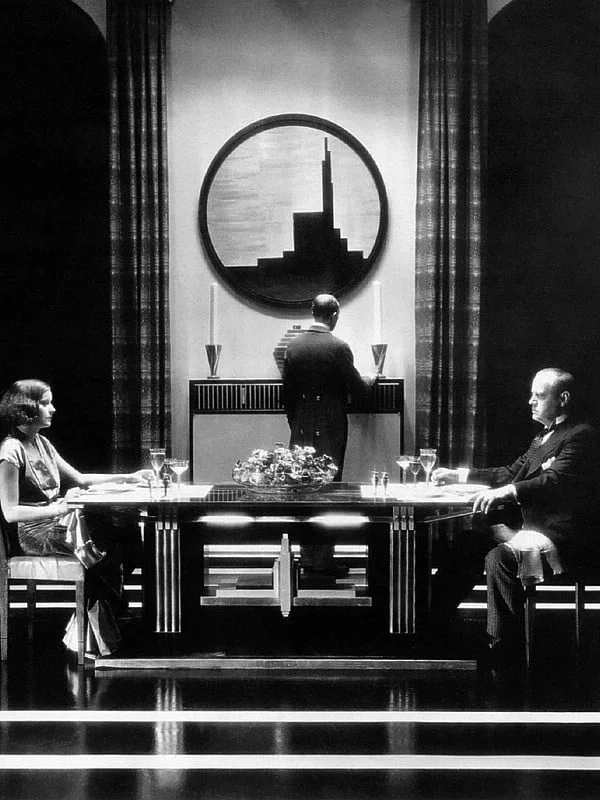
Hollywood production designers embraced geometric patterns, dramatic staircases, polished surfaces, mirrors, luxurious materials and monumental compositions. The cinema became a place where ordinary audiences could experience spaces associated with wealth and sophistication, even during periods of economic hardship.
MGM art director Cedric Gibbons was particularly influential. His exposure to the 1925 Paris Exposition Internationale des Arts Décoratifs et Industriels Modernes helped bring European Art Deco ideas into Hollywood production design. The resulting environments were deliberately spectacular, often presenting idealized versions of luxury rather than realistic domestic interiors.
This distinction is important. Hollywood did not simply reproduce architectural trends. It amplified them.
The movie set had to communicate immediately. A staircase could not merely be functional. It needed to look magnificent. A lobby could not simply accommodate circulation. It had to announce wealth. A living room became a stage for social identity.
The visual language consequently moved from cinema into real life. Movie-star houses, interiors and fashionable commercial spaces increasingly adopted the cinematic vocabulary. Hollywood Regency, which emerged in Southern California during this period, combined modernity with historical references, dramatic color, mirrors, metallic finishes and theatrical ornament. Its development was closely associated with the glamour of the film industry.
Hollywood was therefore teaching an important lesson: architecture could be a performance of identity.
The 1940s: Modernism Becomes a Lifestyle
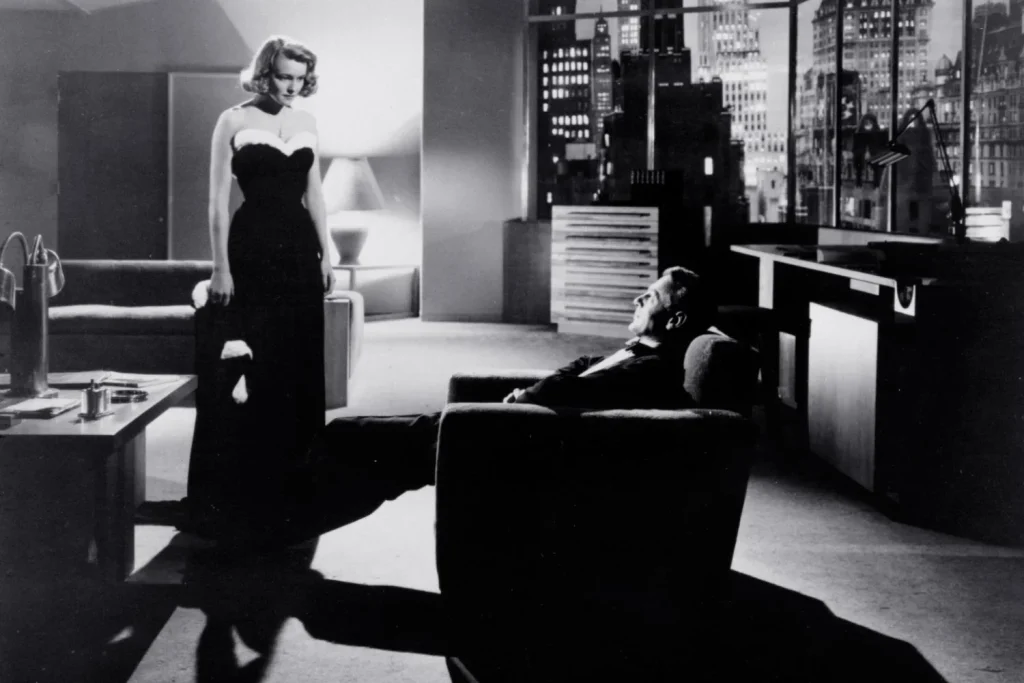
The 1940s introduced a more complicated relationship between Hollywood and modern architecture. Modernism was already developing through European avant-garde movements and American architects such as Richard Neutra, Rudolph Schindler and Frank Lloyd Wright. Yet cinema helped make modern architecture culturally legible to a much wider audience.
The modern house increasingly appeared as a symbol of intelligence, independence and sophistication. Large windows, open plans, horizontal lines and connections between interior and landscape began to represent a particular kind of modern lifestyle.
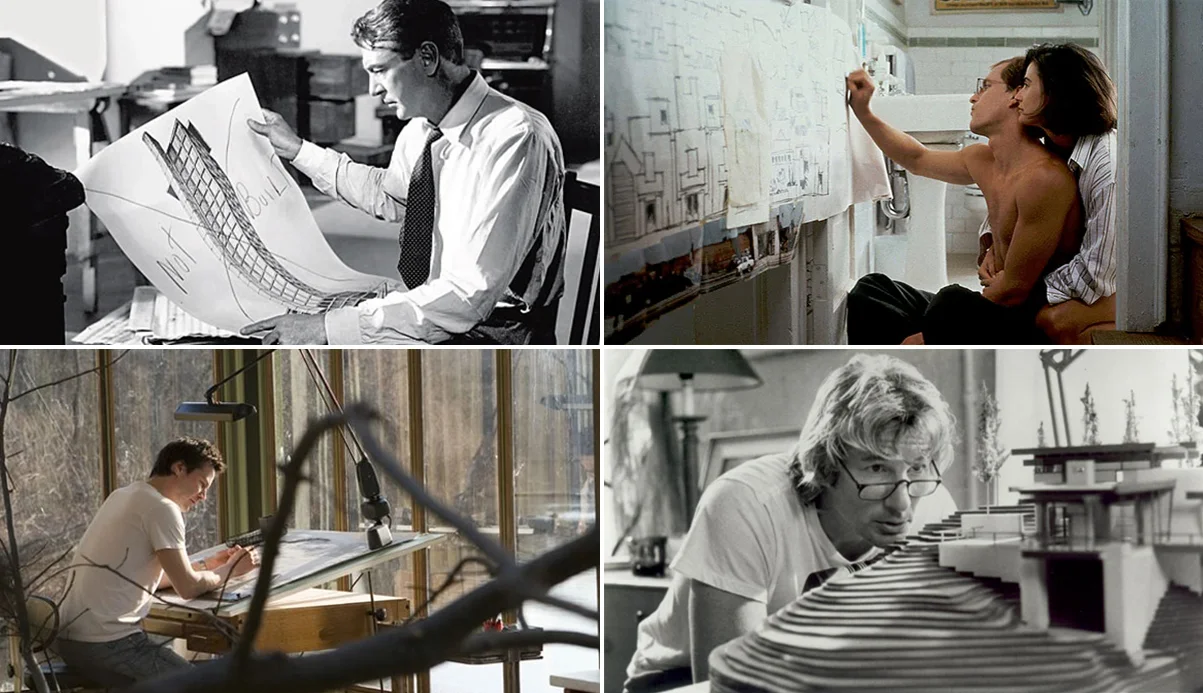
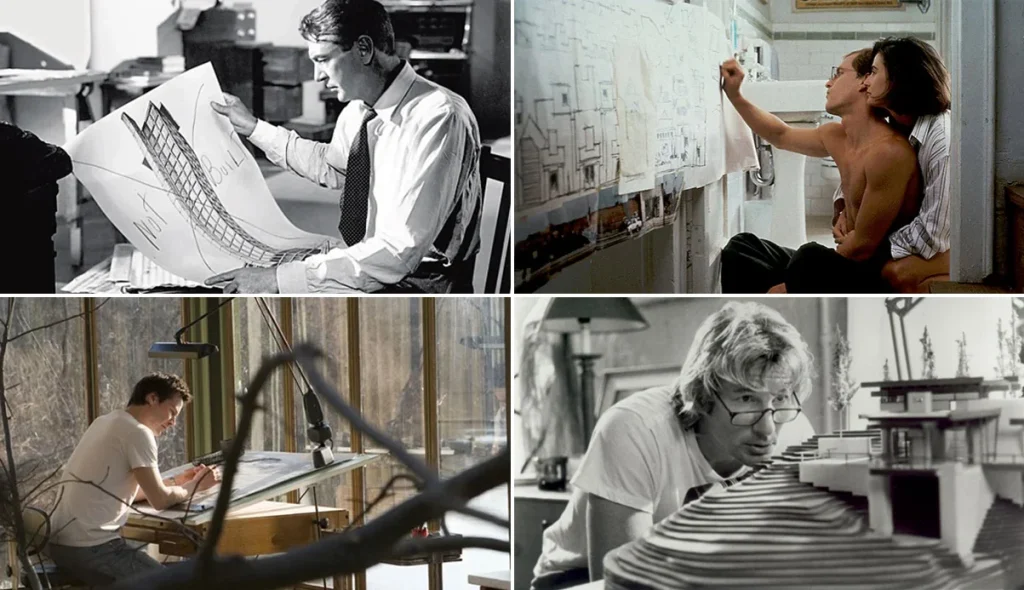
Hollywood itself was fascinated by modern architects. The 1949 film adaptation of Ayn Rand’s The Fountainhead, for example, placed the architect at the center of a dramatic story about artistic independence and architectural ideals. Frank Lloyd Wright was even approached regarding the film’s sets, although the collaboration did not materialize.
Cinema also helped establish an important contradiction that continues today. Modern architecture was presented simultaneously as liberating and intimidating.
A glass house could symbolize freedom, transparency and connection with nature. But the same glass house could also represent emotional isolation. This duality became particularly powerful in later films, where modernist architecture frequently became the setting for wealthy, mysterious or psychologically unstable characters.
Hollywood consequently helped transform architectural modernism from an intellectual movement into a cultural image.
The 1950s: Mid-Century Modernism and the California Dream
The 1950s arguably produced Hollywood’s most enduring architectural influence.
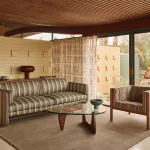
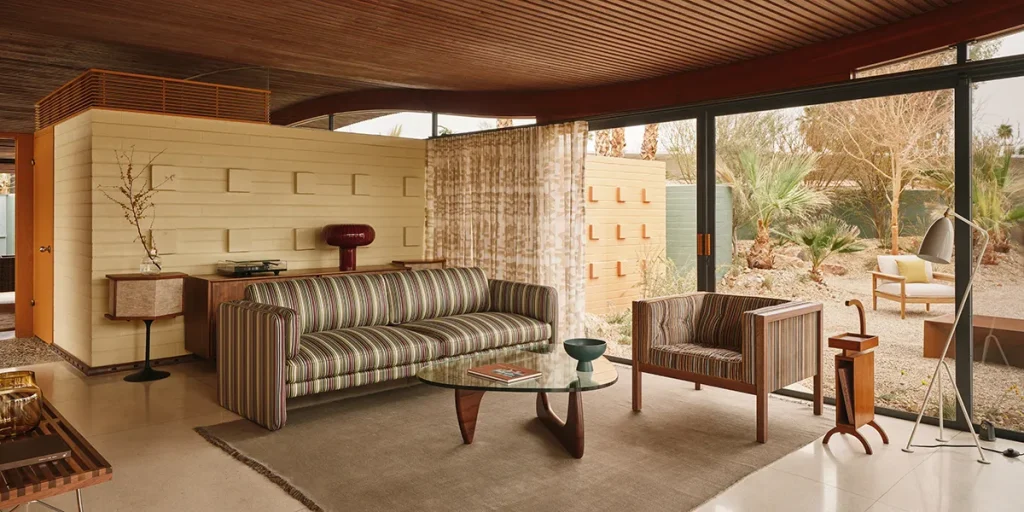
Postwar America experienced economic growth, suburban expansion and technological optimism. Southern California became an especially powerful symbol of this new lifestyle. Palm Springs, Beverly Hills and the Hollywood Hills offered a combination of sunshine, automobiles, swimming pools, glass walls and modern houses that looked radically different from traditional domestic architecture.
Hollywood celebrities became ambassadors for this lifestyle. The modern house was no longer simply an architectural experiment. It became a dream.
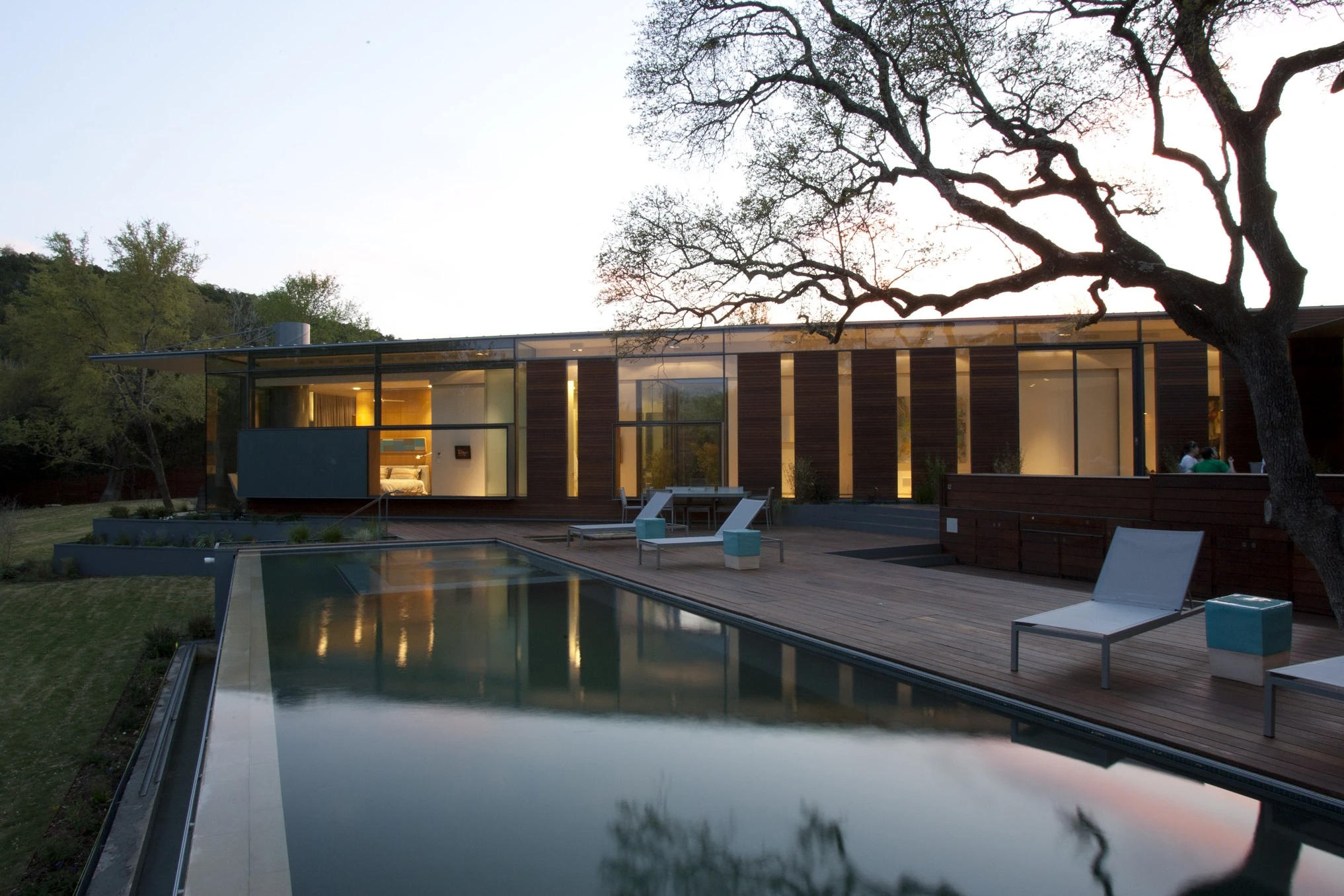
The Case Study Houses, Richard Neutra’s houses, Pierre Koenig’s Stahl House and the work of architects such as John Lautner and A. Quincy Jones became part of the visual culture surrounding Los Angeles. Mid-century modern houses were especially attractive to filmmakers because their open plans, dramatic structural systems and expansive glazing created powerful compositions on camera. Their later appearance in movies, television and advertising helped renew public fascination with the style.
The effect on architectural taste was profound. Open-plan living, indoor-outdoor connections, flat roofs, large windows and minimalist furniture became associated with sophistication and modern living. The Hollywood house became a new type of architectural advertisement: live like a movie star, and therefore live modern.
The 1960s and 1970s: Futurism, Technology and the Space Age
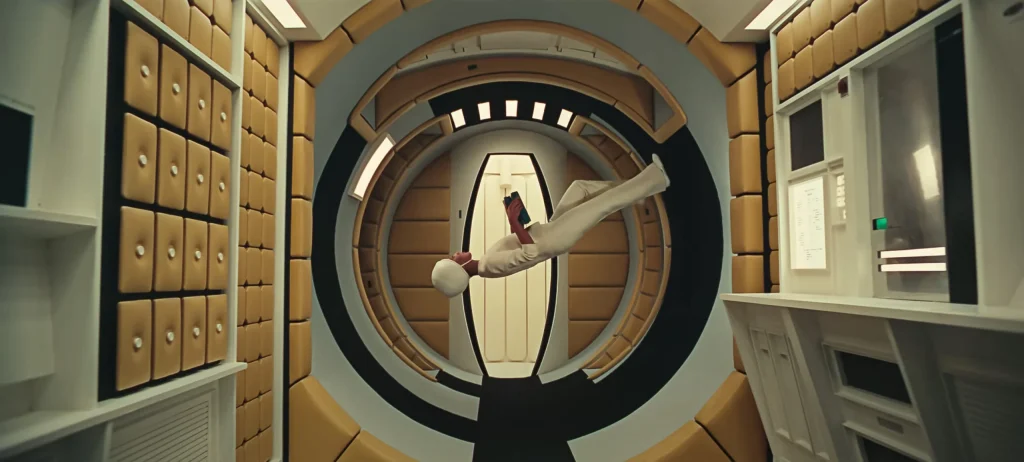
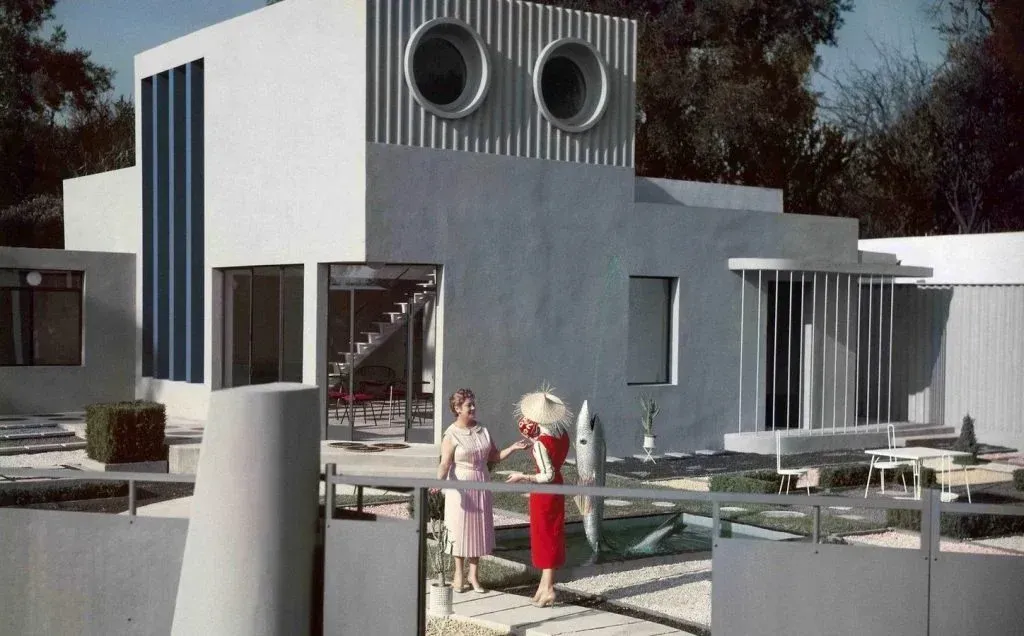
The optimism of the 1950s evolved into something more experimental during the 1960s and 1970s. Space exploration, technological development and science fiction transformed popular perceptions of the future. Cinema played an enormous role in visualizing environments that did not yet exist.
Architecture became increasingly associated with futuristic forms, technological materials and unconventional geometries. Although architects and designers were already exploring these ideas independently, film gave them an enormous popular audience.
Cinema also began questioning the optimistic modernist city. Instead of presenting technology only as liberation, films increasingly imagined alienating megastructures, overcrowded cities and technologically controlled environments.
This shift was important because Hollywood began influencing architectural taste through fear as well as desire. The futuristic city was no longer automatically beautiful. It could be dystopian, oppressive and technologically overwhelming.
The 1980s: Postmodernism, Blade Runner and the Cinematic City
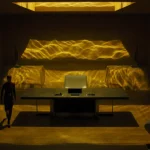
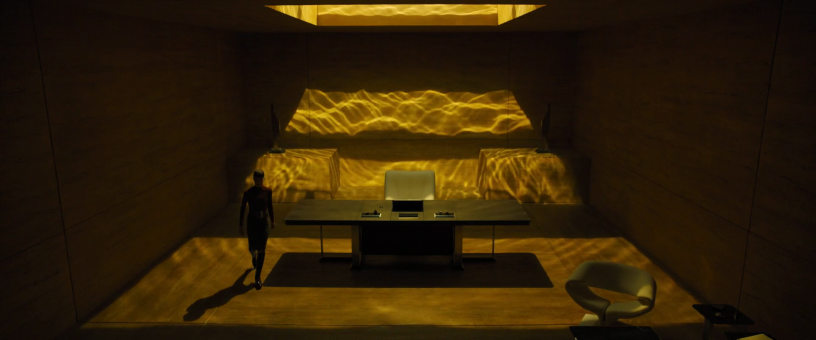
Few films demonstrate the architectural power of Hollywood more clearly than Ridley Scott’s Blade Runner (1982).
Its Los Angeles was an extraordinary collision of architectural eras: Art Deco, industrial structures, Asian urban imagery, monumental corporate architecture, neon signage and decaying historical buildings. Rather than presenting the future as clean and minimalist, the film imagined it as layered, polluted, crowded and visually contradictory.
This was remarkably close to the architectural concerns of postmodernism.
Blade Runner subsequently influenced architectural thinking about the city, particularly through its mixture of historical references and futuristic technologies. The British Film Institute notes that the film’s visual language helped anticipate aspects of contemporary urban development and architectural postmodernism.
The lesson was almost revolutionary: the future did not have to erase the past. Instead, buildings could combine historical fragments, technological systems, signs and cultural references.
This cinematic idea corresponds strongly with postmodern architecture’s rejection of the supposedly universal language of modernism. Architecture could be ironic, symbolic, theatrical and contradictory.
Hollywood therefore helped normalize an architecture of visual complexity.
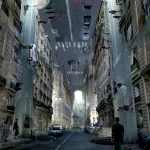
The 1989 Batman further demonstrated the phenomenon. Its Gotham City transformed skyscrapers into threatening vertical canyons, using distorted historical references and monumental forms to create a sense of psychological oppression.
Architecture had become a character.
The 1990s: Globalization and the Architecture of Spectacle
During the 1990s, architecture and cinema became increasingly obsessed with spectacle.
The emergence of blockbuster cinema, computer-generated imagery and increasingly sophisticated production design expanded the possibilities of architectural imagination. Films no longer needed to respect physical construction limits. Entire cities could be designed digitally.
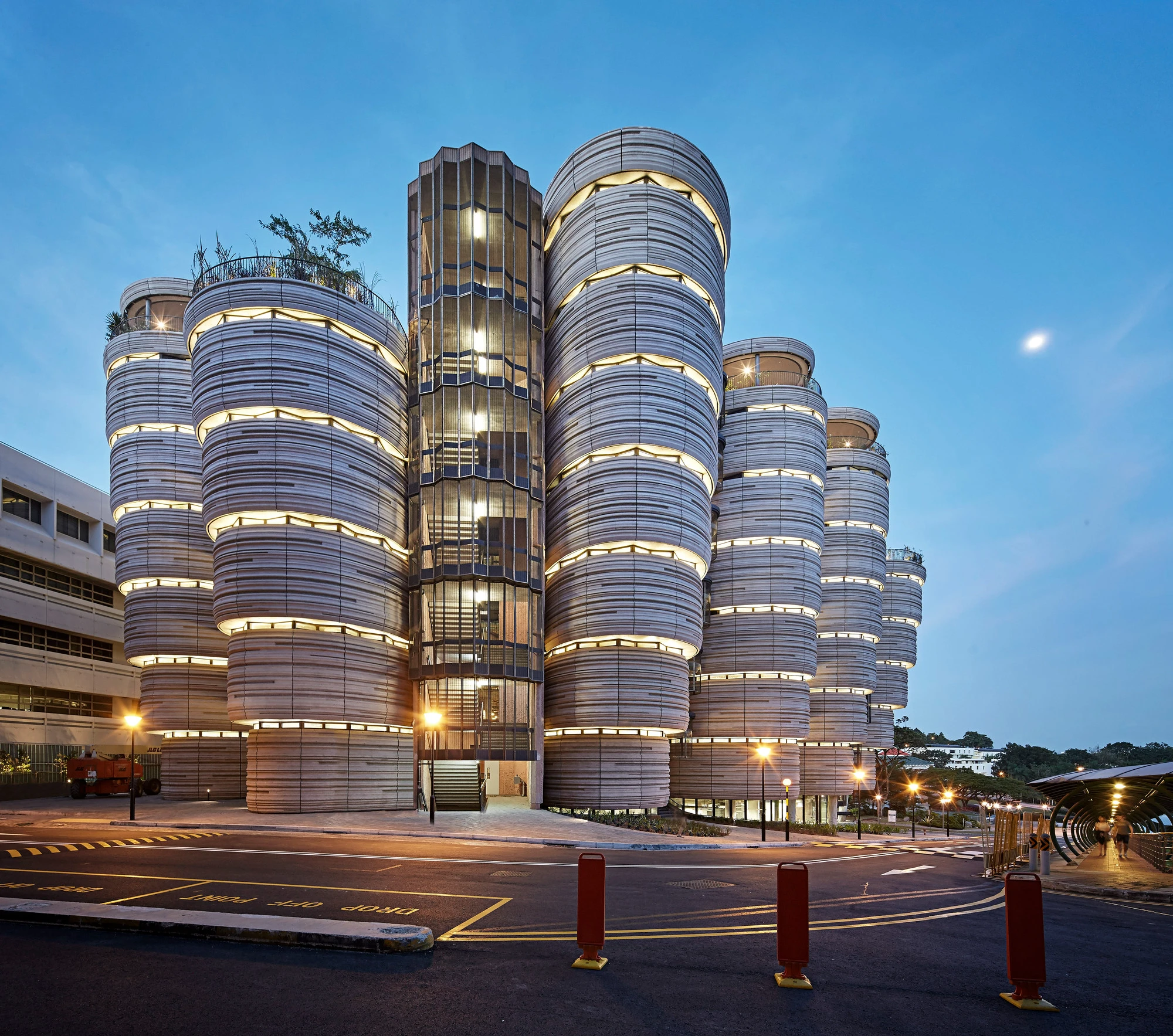
At the same time, architecture was entering an era of global iconic buildings. Airports, museums, cultural centers, shopping malls and skyscrapers increasingly competed for visual recognition.
The influence between the two fields became circular.
Hollywood imagined spectacular buildings; architecture increasingly produced buildings designed to become spectacular images. The building began to acquire a new requirement: photogenicity.
A successful building needed not only to function but also to photograph well, appear distinctive from a distance and generate memorable images.
This logic would become even stronger in the following decades.
The 2000s: CGI, Digital Architecture and the Architecture of the Impossible
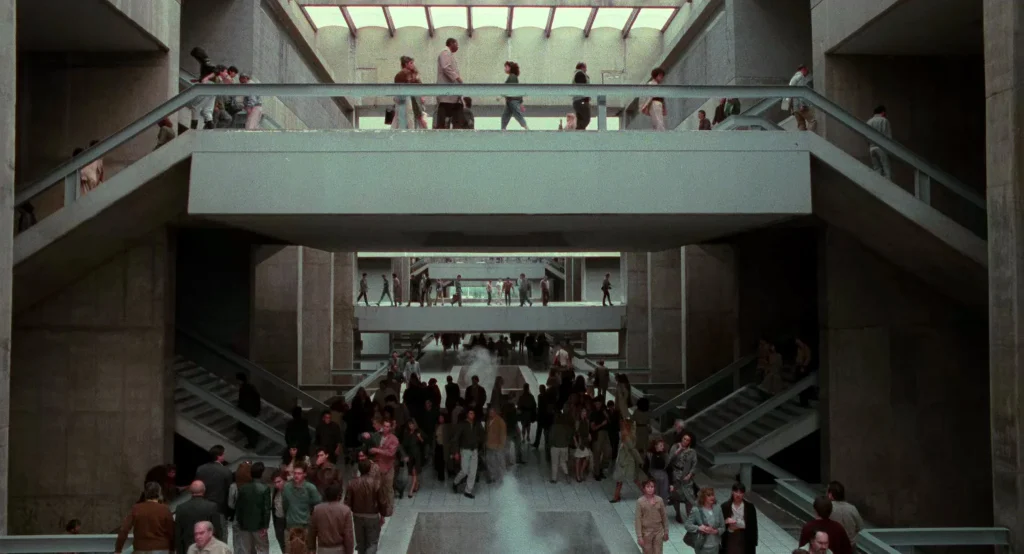
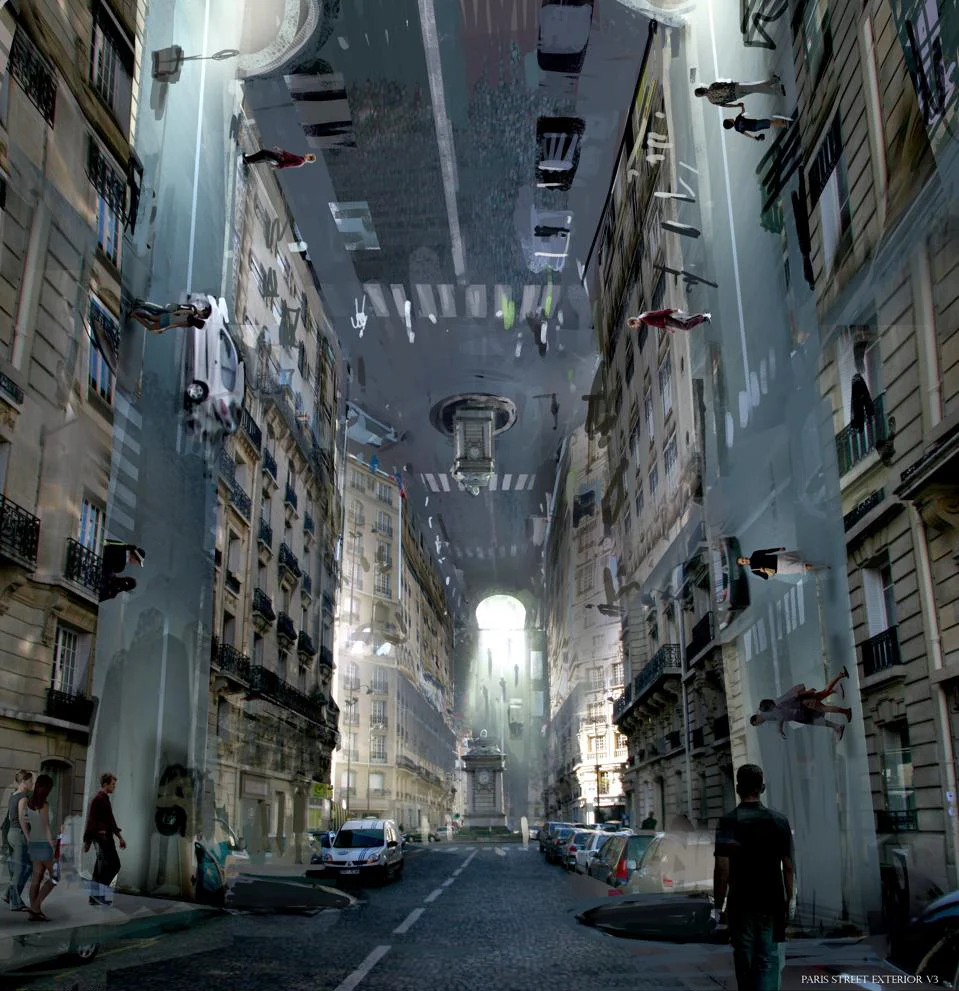
The arrival of advanced CGI fundamentally changed the relationship between architecture and cinema. Films could now produce buildings that were physically impossible, endlessly transformable or governed by entirely different spatial rules. The Matrix, Inception, Minority Report and other science-fiction films presented cities and interiors as dynamic systems rather than static objects.
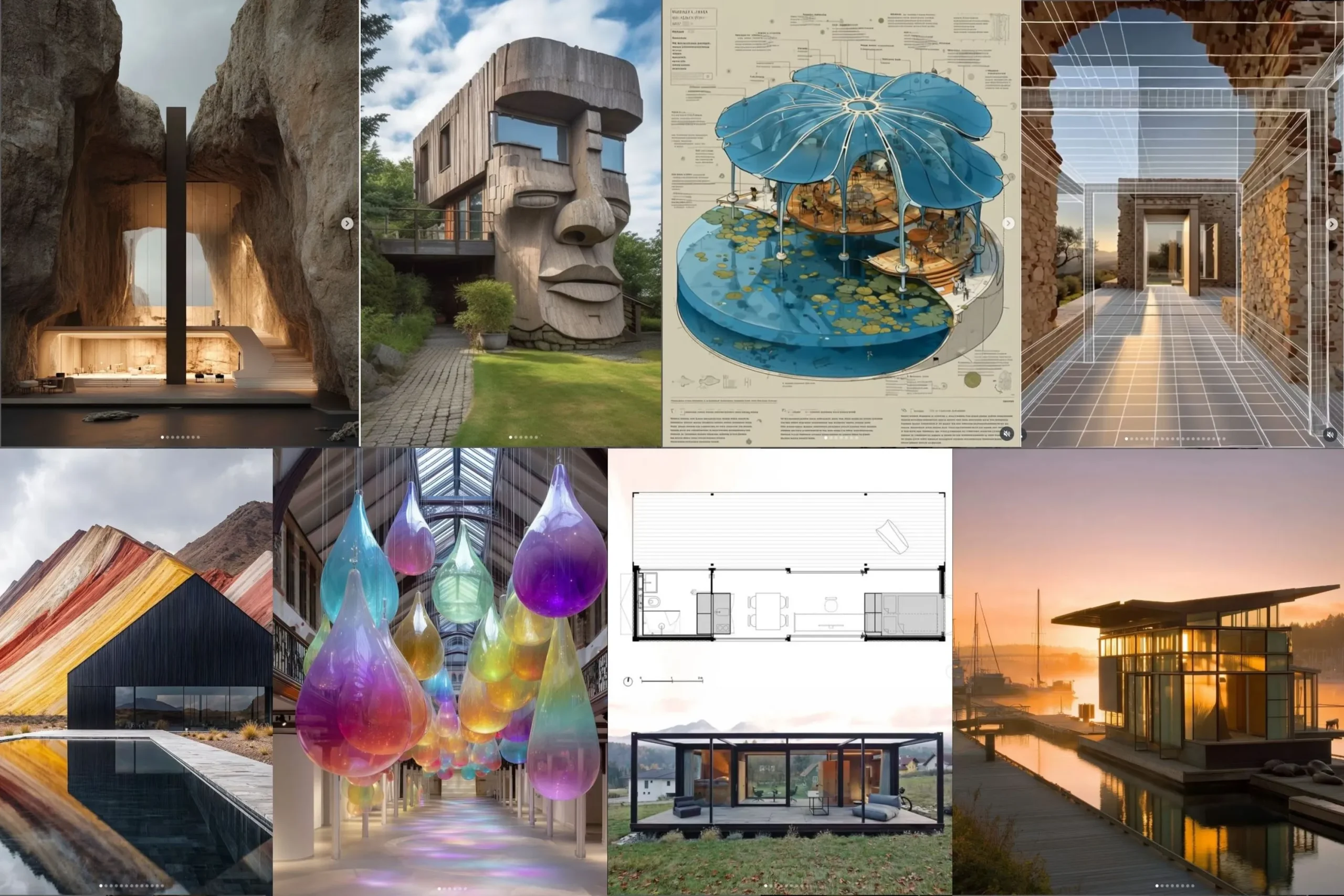
Cinema consequently became an experimental environment for architectural ideas. Architects also began working more closely with digital modeling, animation and rendering. The boundary between architectural visualization and cinematic imagery became increasingly difficult to identify. Research into digital architecture has highlighted how film and architectural rendering developed alongside increasingly sophisticated digital tools.
The consequence for public taste was significant. People became accustomed to seeing architecture that was perfectly lit, perfectly composed and impossibly clean. The rendered image became the new architectural ideal.
The 2010s: From Cinema to Instagram
The 2010s introduced perhaps the most important transformation: Hollywood no longer had a monopoly on visual culture.
Instagram, Pinterest, YouTube and other platforms turned everyday architecture into media content. Yet these platforms inherited many of Hollywood’s visual principles.
The “Instagrammable” interior often resembles a film set: carefully controlled color palettes, dramatic lighting, symmetrical compositions, statement furniture and highly recognizable visual identities.
Directors such as Wes Anderson demonstrated how strongly cinematic composition could influence design culture. His films use symmetry, pastel colors, carefully arranged objects and architecture-like spatial compositions. Academic research has specifically identified the relationship between Anderson’s cinematic compositions and architectural and photographic principles.
The result is a strange reversal. Hollywood once made fictional spaces look desirable enough for people to imitate them. Now people design real spaces as though they are already film sets.
Architecture is increasingly produced with the camera in mind.
The 2020s: Barbie, Nostalgia and the Return of Color
The recent influence of Hollywood is perhaps most visible in the return of nostalgia, color and theatricality.
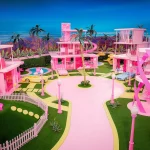
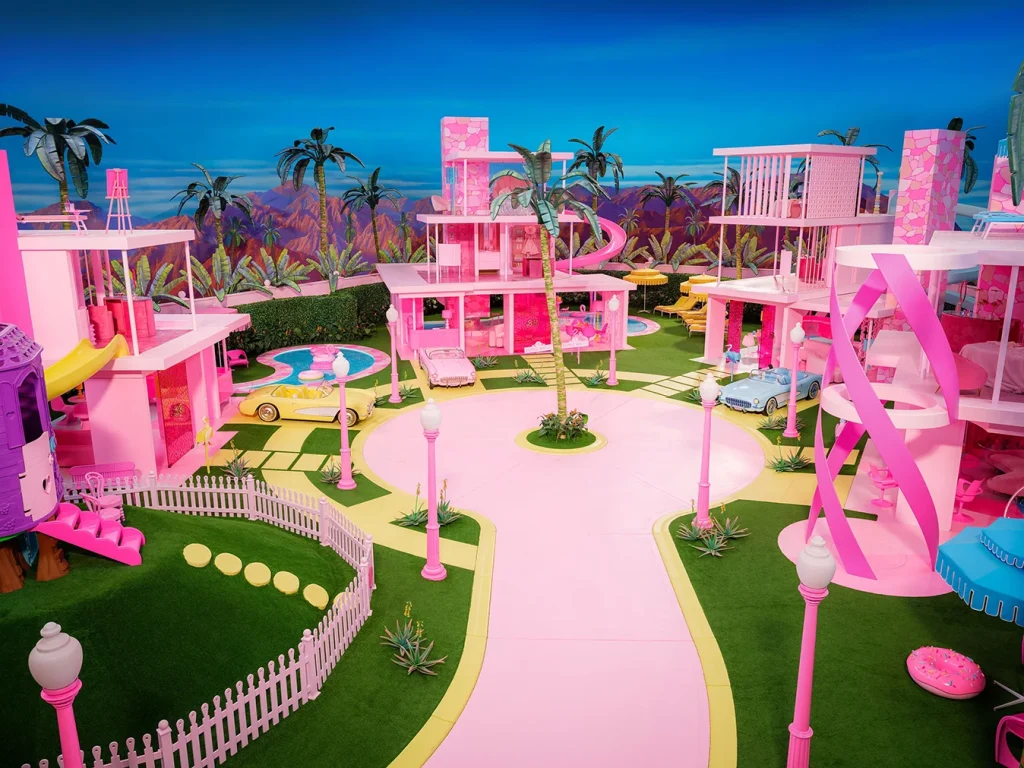
Greta Gerwig’s Barbie became a particularly clear example. Barbie Land deliberately transformed mid-century modern references, Palm Springs imagery and highly saturated color into a fictional architectural universe. The production reportedly used so much pink paint that it contributed to a temporary shortage.
The significance goes beyond pink.
Barbie demonstrated how cinema can revive historical architectural languages and transform them into contemporary cultural trends. Barbiecore quickly expanded into interiors, commercial spaces, fashion and design. Architecture publications subsequently documented commercial projects influenced by the aesthetic.
At the same time, contemporary audiences have rediscovered mid-century modernism, Hollywood Regency, Art Deco and other historical styles through movies, streaming platforms and social media.
The past has become a visual catalogue from which contemporary culture can endlessly borrow.
From Architecture as Space to Architecture as Image
The most important impact of Hollywood on architecture may therefore not be any particular style. It is the transformation of architecture into image.
Hollywood has taught generations of viewers to understand buildings through framing, lighting, color, atmosphere and narrative. A house is not merely a house. It is the house of the successful person, the lonely person, the villain, the romantic couple, the eccentric family or the futuristic society.
This has changed architectural taste.
People increasingly evaluate buildings according to whether they are memorable, atmospheric and visually distinctive. Architects, developers and interior designers understand this demand. A spectacular staircase, dramatic pool, sculptural façade or carefully framed view can become as valuable culturally as its functional qualities.
There is, however, a danger. When architecture becomes too dependent on cinematic imagery, it risks becoming a permanent stage set. Buildings may prioritize visual identity over climate, material durability, accessibility, social interaction or everyday comfort.
The contemporary obsession with “Instagrammable” architecture is essentially Hollywood’s logic democratized. Everyone now wants a space capable of producing the perfect frame.
Yet Hollywood’s greatest contribution to architecture may ultimately be more positive than this critique suggests. Cinema has expanded the public imagination of what architecture can be. It has allowed millions of people to encounter modernism, Art Deco, futuristic cities, experimental interiors and alternative domestic environments without ever studying architecture.
From the glamorous Art Deco interiors of the 1930s to the futuristic darkness of Blade Runner, from the optimistic glass houses of mid-century Los Angeles to the hyper-saturated world of Barbie, Hollywood has repeatedly constructed visual fantasies that later return to the real world.
Architecture shapes cinema because buildings provide the physical settings of human stories. Cinema shapes architecture because those stories teach us what kinds of spaces we should desire.
The relationship is therefore not simply about imitation. It is about taste formation. Hollywood has spent more than a century convincing audiences that architecture should make them feel something. And perhaps that is why the most influential buildings of the modern era are increasingly not just places to inhabit, but images to remember.