






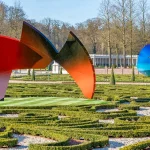

A Major International Recognition for a Defining Voice in Contemporary Architecture
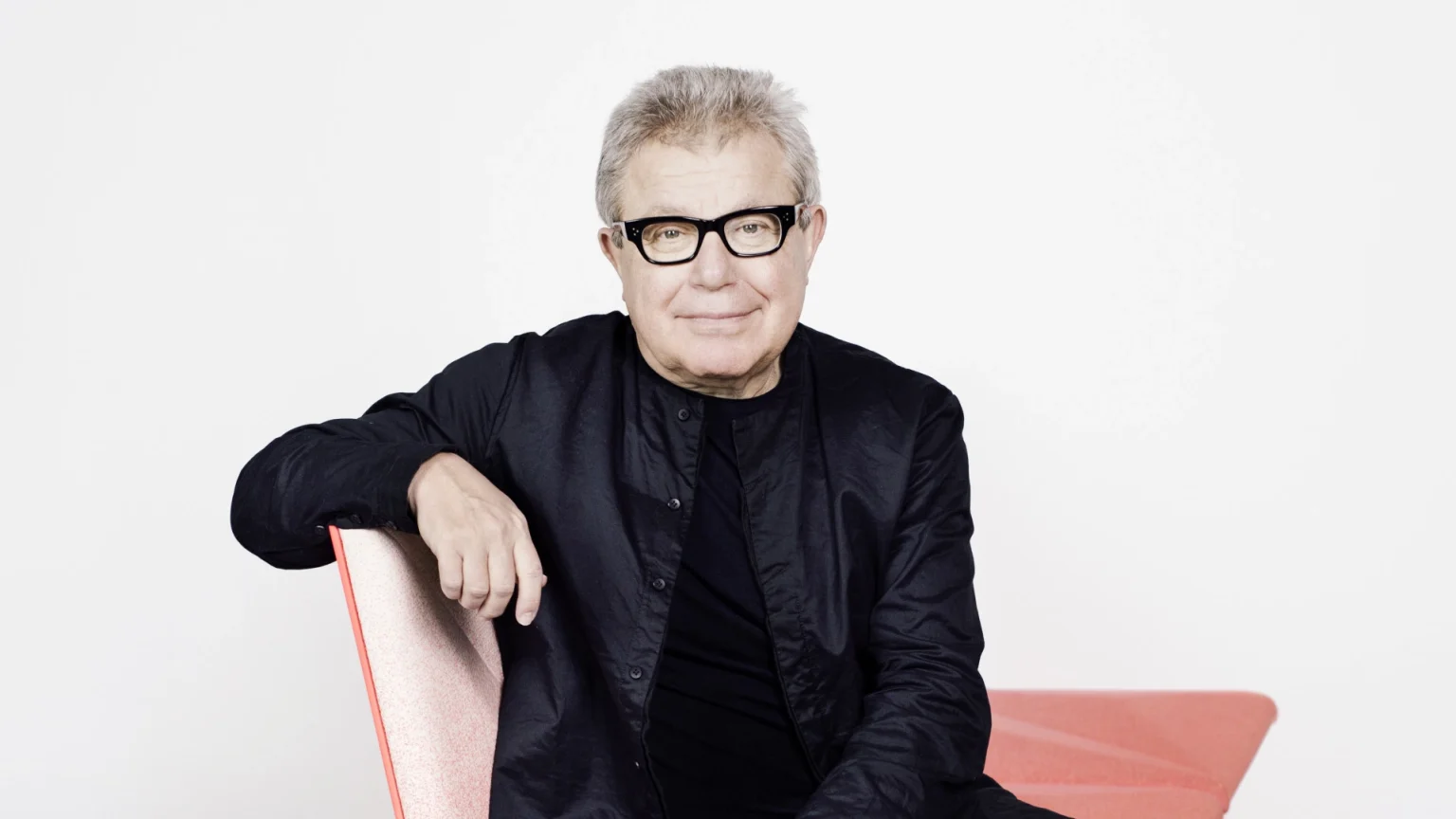
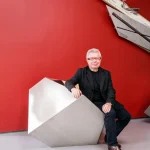
Polish-American architect Daniel Libeskind has been named the recipient of the 2026 Praemium Imperiale Award for Architecture, one of the most prestigious international honors in the arts. Frequently described as the “Nobel Prize of the Arts,” the Praemium Imperiale recognizes artists whose work has made an exceptional contribution to culture and exerted a significant influence beyond their home countries.
Libeskind’s selection acknowledges a career defined by ambitious cultural projects, emotionally powerful spaces, and an architectural philosophy that brings together history, memory, music, philosophy, and literature. Over several decades, his work has established him as one of the most recognizable figures in contemporary architecture, particularly through projects that explore the relationship between buildings, collective memory, and the identity of cities.
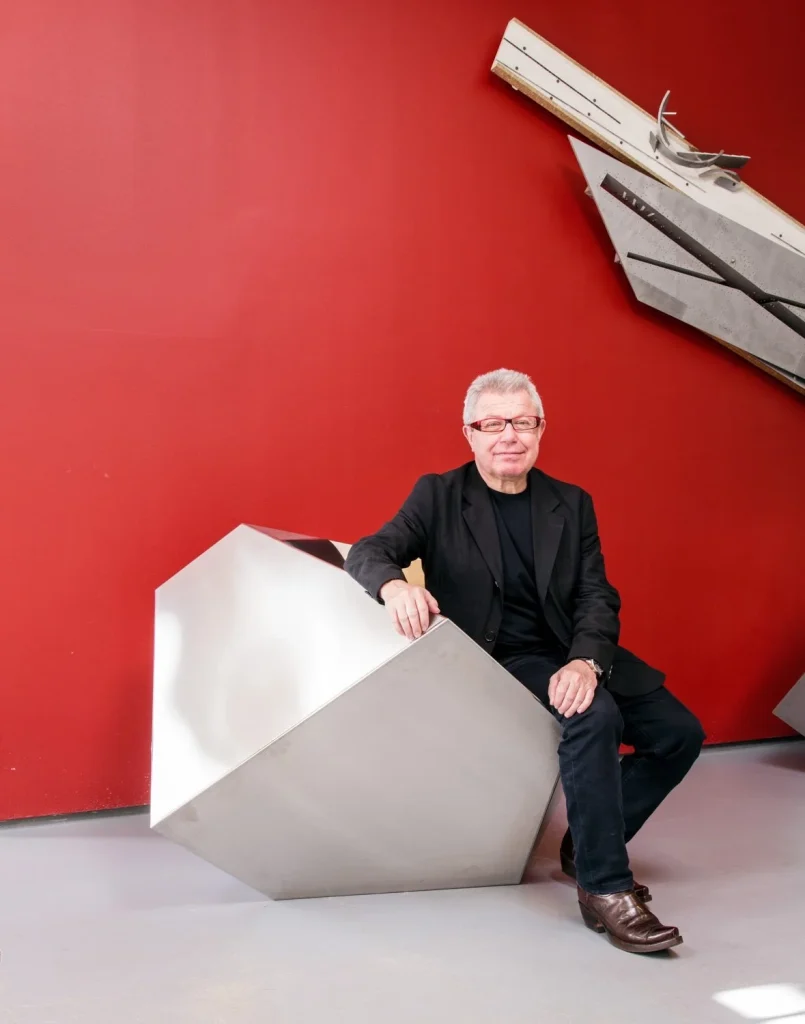
The award also reinforces Libeskind’s position as an architect whose work extends beyond formal experimentation. His buildings frequently attempt to create an emotional and intellectual response, using architecture as a means of engaging with social, historical, and cultural questions.

Architecture Shaped by Music, Philosophy and Literature
A central characteristic of Libeskind’s architectural approach is his interest in disciplines outside architecture. Music, philosophy, literature, and history have all played important roles in shaping his thinking and design process.
Rather than treating buildings simply as functional objects, Libeskind often approaches architecture as a form of cultural expression. Geometry, movement, light, material, and spatial sequence are carefully orchestrated to create experiences that can provoke reflection and emotion.
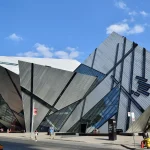
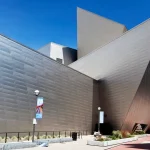
His approach has resulted in buildings that often possess distinctive and unconventional forms. However, behind their visual complexity lies an interest in narrative. Libeskind has consistently explored how architecture can communicate stories, preserve memories, and respond to the cultural character of a place.
As Principal Design Architect of Studio Libeskind, he leads an international multidisciplinary practice involved in projects across a wide range of sectors. The studio has designed museums, concert venues, convention centers, university buildings, hotels, retail developments, and residential towers, demonstrating the breadth of Libeskind’s architectural practice.
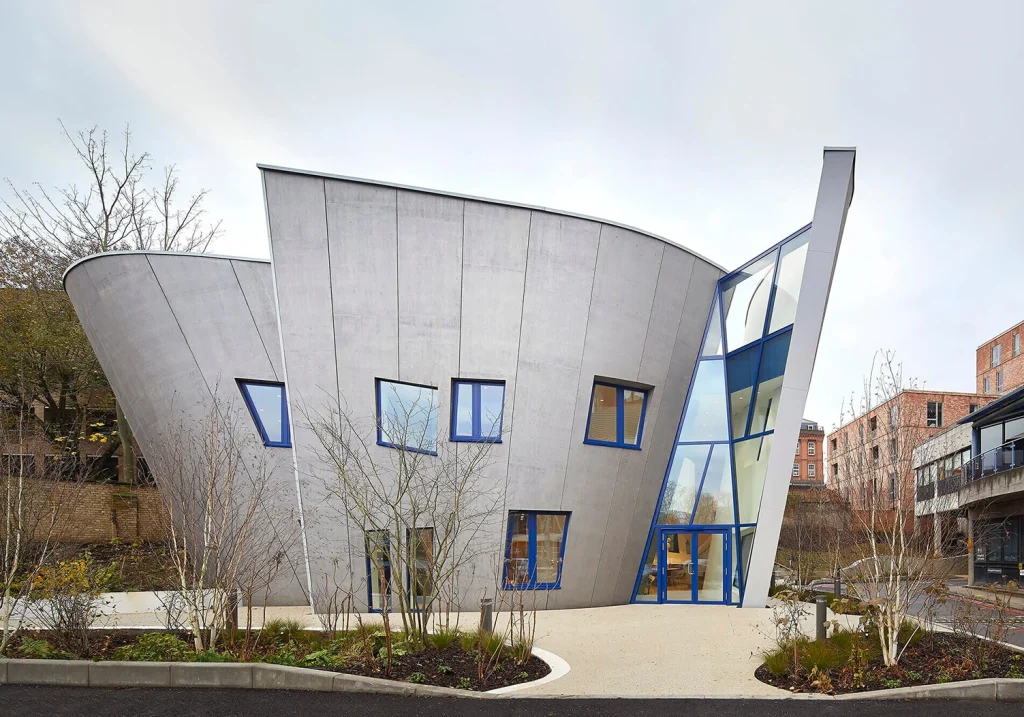
From Cultural Institutions to Urban Landmarks
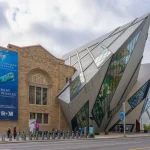
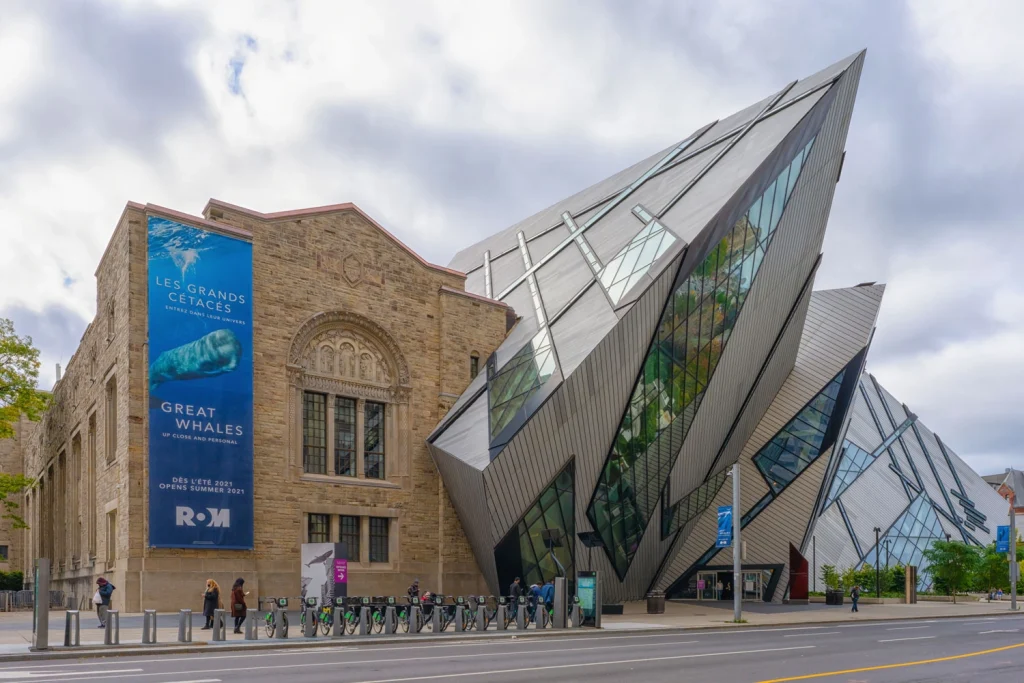
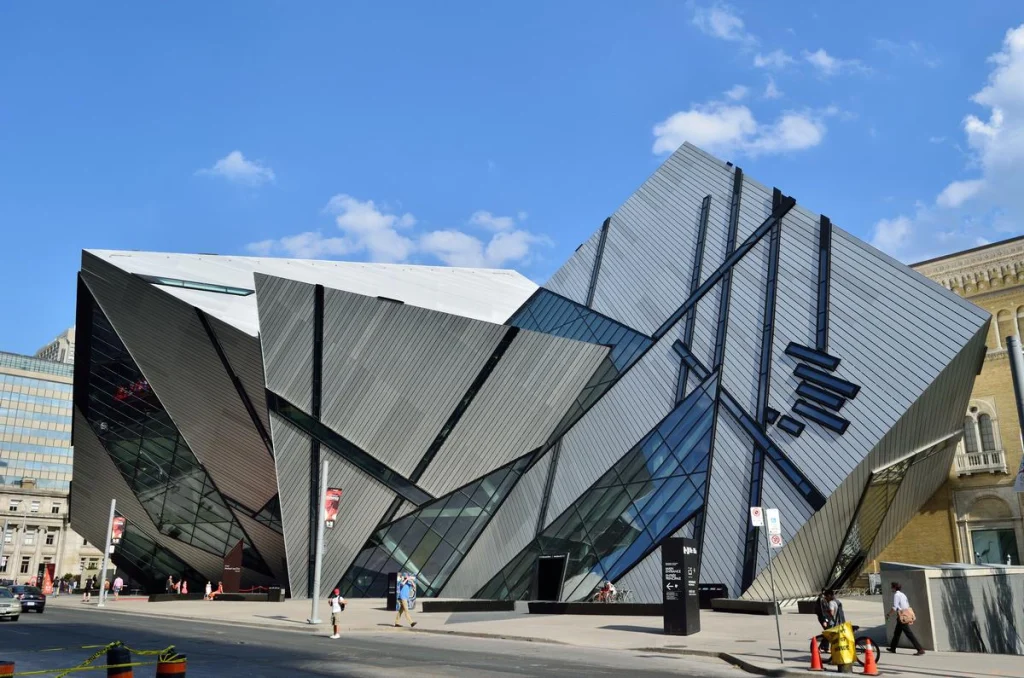
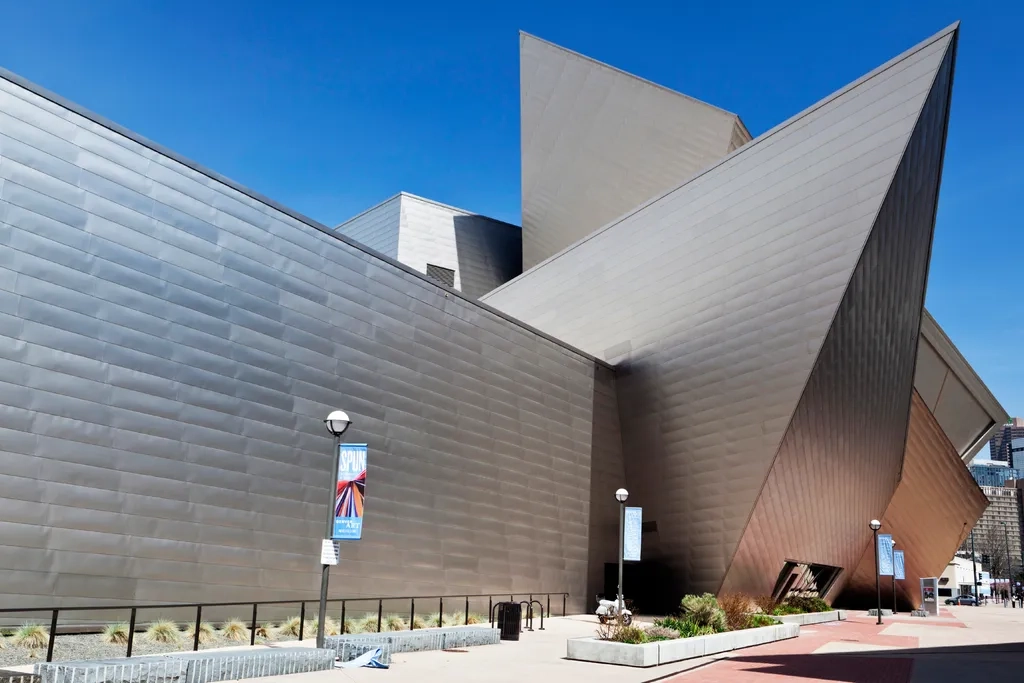
Many of Libeskind’s best-known projects are cultural institutions, where architecture becomes closely connected to questions of identity and collective memory. His designs frequently challenge conventional ideas about how museums and public buildings should look and operate.
The studio’s international portfolio has also expanded into large-scale urban developments and mixed-use projects. This broad body of work demonstrates Libeskind’s ability to operate at different scales, from individual cultural buildings to complex urban environments.
At the same time, Libeskind has remained an influential architectural educator and public speaker. He regularly participates in university lectures, conferences, exhibitions, and professional discussions, where he addresses architecture’s role in shaping society and cities.
His ideas have been widely published and exhibited internationally, contributing to broader debates about contemporary architectural practice. Through both his buildings and his writing and lectures, Libeskind has helped influence discussions surrounding memory, urban transformation, cultural identity, and the social responsibilities of architecture.
A Career Marked by International Awards
The 2026 Praemium Imperiale is the latest in a long series of recognitions for Libeskind. His career has earned him numerous international honors, reflecting the cultural and intellectual impact of his work.
Among his previous distinctions are the Goethe Medal, the Hiroshima Art Prize, the Dresden Peace Prize, and the European Civil Rights Prize of the Sinti and Roma.
These awards reflect different dimensions of his career, from architectural achievement and cultural contribution to his engagement with historical memory and human rights. Together, they underline the broader significance of a practice that has consistently connected architecture with questions extending beyond the discipline itself.
The History Behind the Praemium Imperiale
The Praemium Imperiale was established in 1988 to commemorate the 100th anniversary of the Japan Art Association. Its creation was closely associated with the legacy of the late Prince Takamatsu, who served as Honorary Patron of the Japan Art Association for 58 years.
The award was established with the ambition of contributing to the development and promotion of cultures and arts around the world. Since its creation, it has become an important international platform for recognising artists whose achievements have had a lasting global impact.
The Praemium Imperiale covers five major artistic categories: Painting, Sculpture, Architecture, Music, and Theatre/Film. In this respect, it recognizes fields that are not represented within the Nobel Prize system, which explains its widely used nickname, the “Nobel Prize of the Arts.”
Joining an Extraordinary List of Laureates
Libeskind now joins an exceptional group of previous Praemium Imperiale recipients. The 2026 laureates bring the total number of artists recognized by the award to 185, with the list including some of the most influential figures in modern and contemporary culture.
Previous recipients have included filmmaker Ingmar Bergman, composer Leonard Bernstein, theatre director Peter Brook, sculptor Anthony Caro, artists Christo and Jeanne-Claude, architect Norman Foster, architect Frank Gehry, painter David Hockney, filmmaker Akira Kurosawa, architect Renzo Piano, artist Robert Rauschenberg, conductor Mstislav Rostropovich, and musician Ravi Shankar.
For architecture in particular, the list represents several generations of architects who have fundamentally altered the discipline and the built environment.
A Distinguished Line of Architecture Laureates
Libeskind joins a particularly strong group of previous architecture laureates. The list includes James Stirling, Frank Gehry, Kenzo Tange, Renzo Piano, Tadao Ando, Richard Rogers, Jean Nouvel, Norman Foster, Rem Koolhaas, Jacques Herzog and Pierre de Meuron, Peter Zumthor, Zaha Hadid, David Chipperfield, Rafael Moneo, Christian de Portzamparc, Glenn Murcutt, SANAA, Diébédo Francis Kéré, Shigeru Ban, and Eduardo Souto de Moura.
The presence of Libeskind among these figures places his career within a broader history of architects who have transformed architectural thinking through experimentation, cultural engagement, technological innovation, and new approaches to the relationship between architecture and society.
How the Praemium Imperiale Laureates Are Selected
The selection process for the awards takes place through a carefully structured international system. Each year, nomination committees chaired by the organization’s International Advisors develop candidate lists across the five disciplines.
The current International Advisors are Lamberto Dini, former Prime Minister of Italy; Lord Patten of Barnes, former Chancellor of the University of Oxford; Klaus-Dieter Lehmann, former President of the Goethe-Institut; Jean-Pierre Raffarin, former Prime Minister of France; and Hillary Rodham Clinton, former U.S. Secretary of State.
Final selections are made by committees within the Japan Art Association and subsequently approved by its Board of Trustees. Former International Advisors, including David Rockefeller Jr. and François Pinault, continue to contribute to the award as Honorary Advisors.
This structure gives the Praemium Imperiale a distinctly international character, bringing together expertise from politics, culture, academia, and the arts.
The 2026 Laureates Across Five Categories
Daniel Libeskind is one of five principal recipients of the 2026 Praemium Imperiale. The other laureates are Cate Blanchett, recognized in Theatre/Film; Andy Goldsworthy, awarded in Sculpture; Jenny Holzer, honored in Painting; and Herbert Blomstedt, recognized in Music.
The range of this year’s recipients reflects the award’s broad understanding of artistic achievement, encompassing visual art, architecture, music, cinema, and performance.
The 2026 Grant for Young Artists has also been awarded to La Source Garouste, a French organization established in 1991 by contemporary artist Gérard Garouste and his wife, Élizabeth. The organization works with children and uses artistic activity as a means of encouraging personal development and social change.
Ceremony to Take Place in Tokyo
The annual Praemium Imperiale awards ceremony is an important event in Japan’s cultural calendar and is attended by members of the Japanese imperial family, including Princess Hitachi.
The 2026 awards ceremony is scheduled for October 28 in Tokyo, where Daniel Libeskind and the other laureates will formally receive their honours.
For Libeskind, the recognition represents more than another addition to an already extensive list of awards. It marks international acknowledgment of an architectural career that has consistently challenged conventional definitions of the discipline.
An Award for Architecture as Cultural Memory
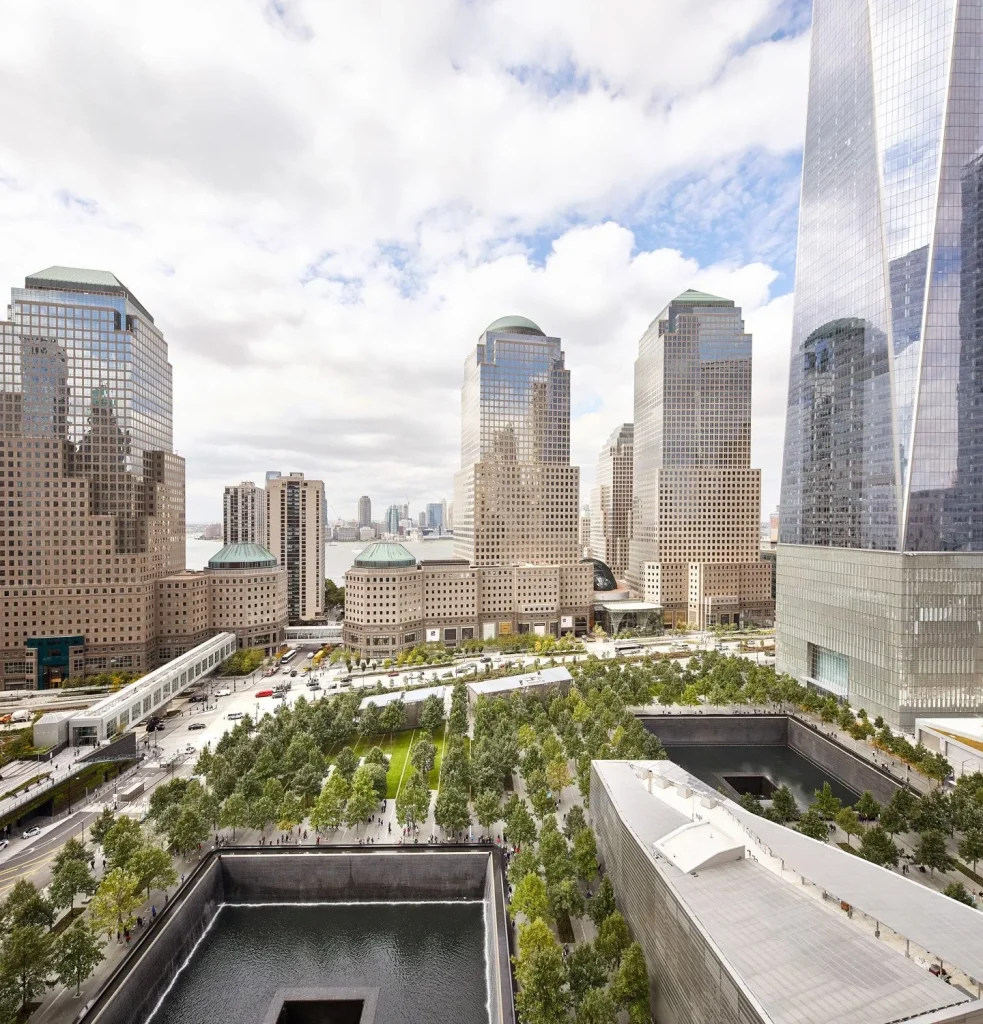
Libeskind’s selection is particularly significant because his work has repeatedly demonstrated how architecture can operate as a medium for cultural memory. His projects often address difficult histories and complex identities while attempting to transform these subjects into spatial experiences.
His architecture can be dramatic, fragmented, and deliberately unconventional, but its underlying ambition is often deeply human: to create places capable of making people remember, reflect, gather, and engage with the history of a community.
The 2026 Praemium Imperiale therefore recognizes not only Libeskind’s architectural language but also his wider contribution to the cultural role of architecture. At a time when cities are confronting rapid urbanization, environmental pressures, social change, and increasingly complex questions of identity, the award highlights the continuing importance of architects who see buildings as more than physical structures.
Daniel Libeskind’s career demonstrates how architecture can function simultaneously as art, public expression, historical interpretation, and urban intervention. His receipt of the 2026 Praemium Imperiale places that philosophy among the most significant artistic achievements recognized internationally this year.