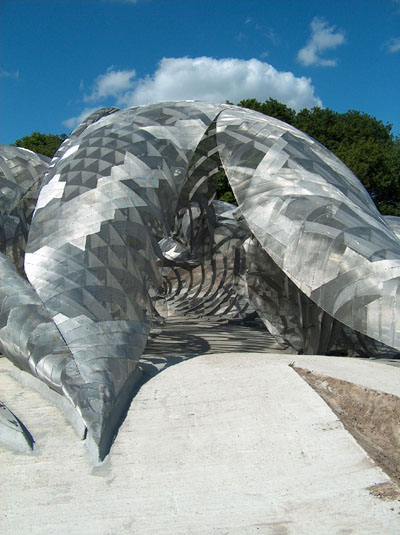
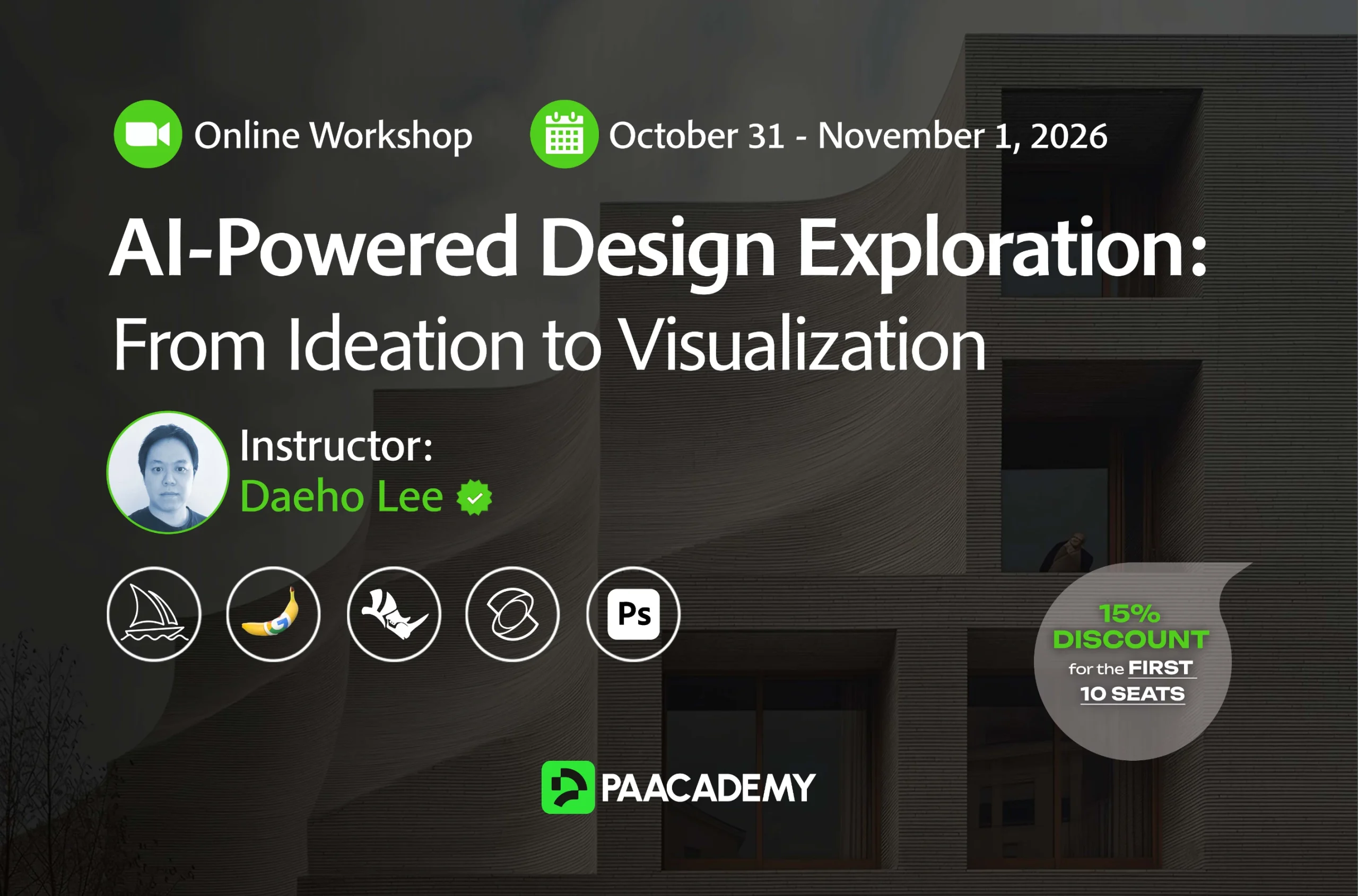
Topic: AI-Powered Design Exploration: From Ideation to Visualization
Date: October 31 & November 1, 2026
Time: 14:00 – 18:00 GMT
Format: Online on Zoom
Duration: 2 Sessions (8 Hours)
Registration Deadline: October 30th, 2026
Total Seats: 50 seats
Difficulty: Beginner
Language: English
Certificate: Yes
General Registration: 100 EUR
Join free: with Full Access membership
Fee for Digital Members: 85 EUR (15% discount available only for Digital Members)
Organized By: PAACADEMY
Tutor: Daeho Lee
Recordings: Recordings will be available for all participants indefinitely afterward.
Introduction to AI-Powered Design Exploration: From Ideation to Visualization
The early stages of architectural design are often driven by exploration: studying references, testing ideas, generating alternatives, and deciding which possibilities are worth developing. While computational tools are highly effective once a design direction has been established, they are less suited to the loose and intuitive process of searching for that direction. Generative AI introduces a new approach by allowing architects to analyze references, combine architectural elements, and rapidly explore unexpected design variations.
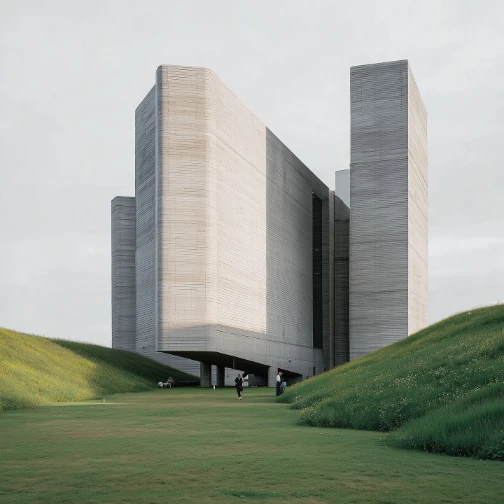
In this workshop, you will develop an AI-assisted workflow for both architectural ideation and visualization using Midjourney, Nano Banana Pro, and Kling. You will learn how to read buildings and objects as collections of physical elements rather than simply as stylistic references, extracting characteristics such as massing, openings, terraces, recesses, and structural conditions. These elements will then be translated into Midjourney prompts to generate and combine multiple design possibilities before critically selecting the strongest direction based on a defined design brief.
Once a design direction has been established, the workflow shifts from exploration to visualization. Starting from a 3D model view, you will use Nano Banana Pro to create accurate architectural images while preserving the original massing, openings, and proportions. You will refine materials, lighting, camera conditions, people, and context, before using Kling to transform the approved visualization into a short architectural animation.
By the end of the workshop, you will have developed a practical workflow for using AI at two distinct stages of the architectural process: generating and evaluating design possibilities, and communicating an established design through accurate still images and animation. The focus throughout remains on architectural judgment, selection, and authorship rather than simply generating more images.
Methodology:
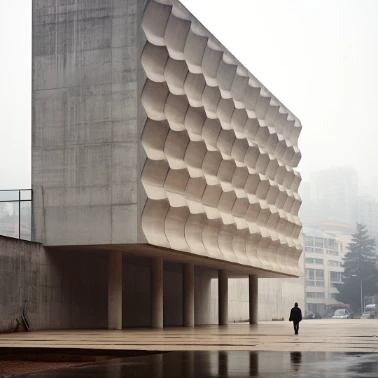
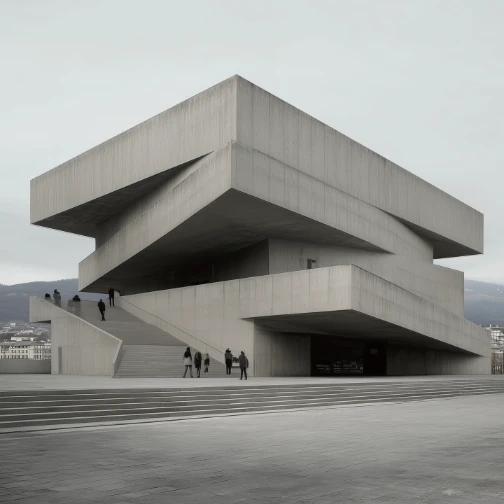
In this workshop, we will focus on using AI as a practical tool across two distinct stages of the architectural design process: early-stage ideation and architectural visualization. The first part explores how Midjourney can be used to study references, extract architectural elements, generate unexpected mutations, and critically select design possibilities. The second part focuses on using Nano Banana Pro and Kling to develop accurate visualizations and short animations from an established 3D view.
Throughout the workshop, you will learn to analyze buildings and objects through their physical characteristics rather than simply their style. These observations will be translated into prompts and combined across multiple references to generate a wide range of massing, façade, and spatial options. You will then evaluate the generated results against a design brief, identify the elements worth carrying forward, and select a clear design direction.
Once a direction has been established, the workflow shifts from exploration to visualization. Starting from a 3D model view, you will use Nano Banana Pro to develop accurate architectural images while maintaining the original massing, openings, and proportions. You will explore controlled changes to material, lighting, camera, people, and context, before using Kling to turn the approved still into a short architectural animation.
The workshop is intended for architects, designers, and students interested in incorporating generative AI into architectural design and visualization workflows. Participants should have a basic understanding of architectural design and visual communication.
Scope:
The workshop will combine theoretical explanations, demonstrations, and practical exercises across two complementary workflows. Each part will begin by introducing a specific design problem and the role of AI in addressing it.
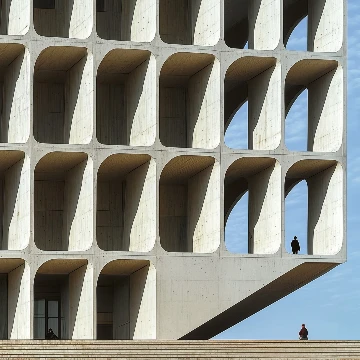
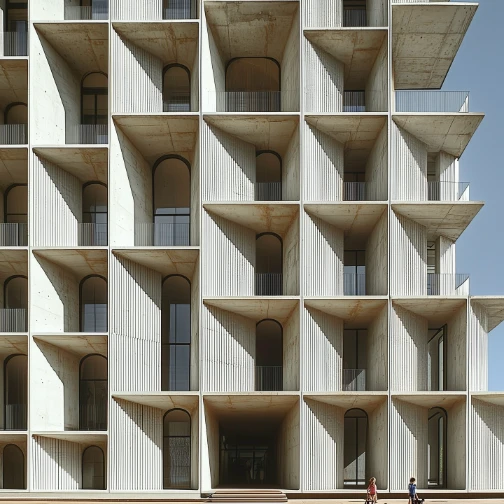
The first chapter will establish a methodology for AI-assisted ideation. Participants will study selected buildings and objects, identify their architectural anatomy, and translate physical elements into prompts. These will be used to generate variations through single-source and multi-reference workflows in Midjourney.
The generated options will then be critically evaluated against the project brief. Rather than focusing on image quantity, the process emphasizes identifying what makes a particular option successful and clearly articulating which elements should be carried forward.
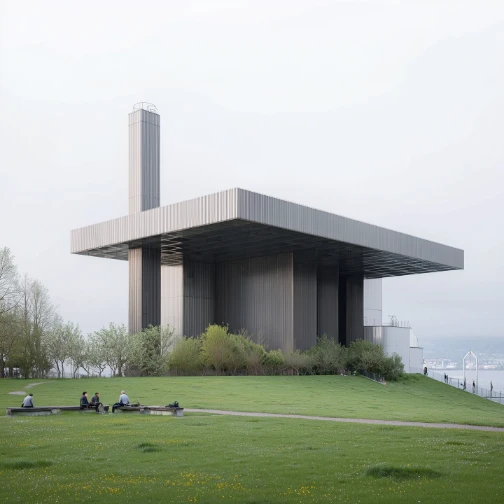
The second chapter will focus on visualization rather than design generation. Participants will begin with a 3D model view and use Nano Banana Pro to produce an accurate architectural image. The original massing, openings, and proportions will remain fixed while material, lighting, camera, people, and context are refined. The approved image will then be developed into a short animation using Kling.
Key Learning Topics:
- Ideation through inspiration, variation, selection, and refinement
- Architectural anatomy, precedent analysis, and multi-reference exploration
- Critical evaluation and selection of AI-generated design options
- AI workflows for ideation and visualization using Midjourney and Nano Banana Pro
- Controlled visualization studies for material, lighting, season, people, context, and camera
- Image-to-video workflows with Kling and the importance of selection over quantity
Program:
Day 1: Midjourney – Ideation, Mutation & Selection
- Analyze architectural references and objects through physical elements and architectural anatomy.
- Extract massing, openings, materiality, recesses, terraces, and other key characteristics.
- Translate observations into Midjourney prompts.
- Generate design variations using single-source and multi-reference workflows.
- Explore unexpected massing, façade, and spatial possibilities.
- Evaluate generated options against a design brief.
- Select one design direction and identify the elements carried forward.
Day 2: Nano Banana Pro & Kling – Visualization & Animation
- Start from a 3D model view as the visualization base.
- Generate accurate architectural images while preserving massing, openings, and proportions.
- Explore material, lighting, season, camera, people, and contextual changes.
- Develop controlled image-editing instructions without altering the underlying structure.
- Refine and approve a final architectural visualization.
- Transform the approved still into a short animation using Kling.
- Explore approach, orbit, interior movement, or light-change sequences while maintaining the same design.
Software:
- Midjourney
- Nano Banana
- Rhinoceros 3D
- Adobe Photoshop
- Kling AI
Workshop Notes:
- Please note that the software installation and account setup process is not part of the workshop. Participants are expected to have Midjourney, Discord, Nano Banana Pro and Kling ready before the workshop begins.
- Photoshop is recommended for basic image editing, cropping, and presentation layout, but is not required.
Instructors:
Daeho Lee
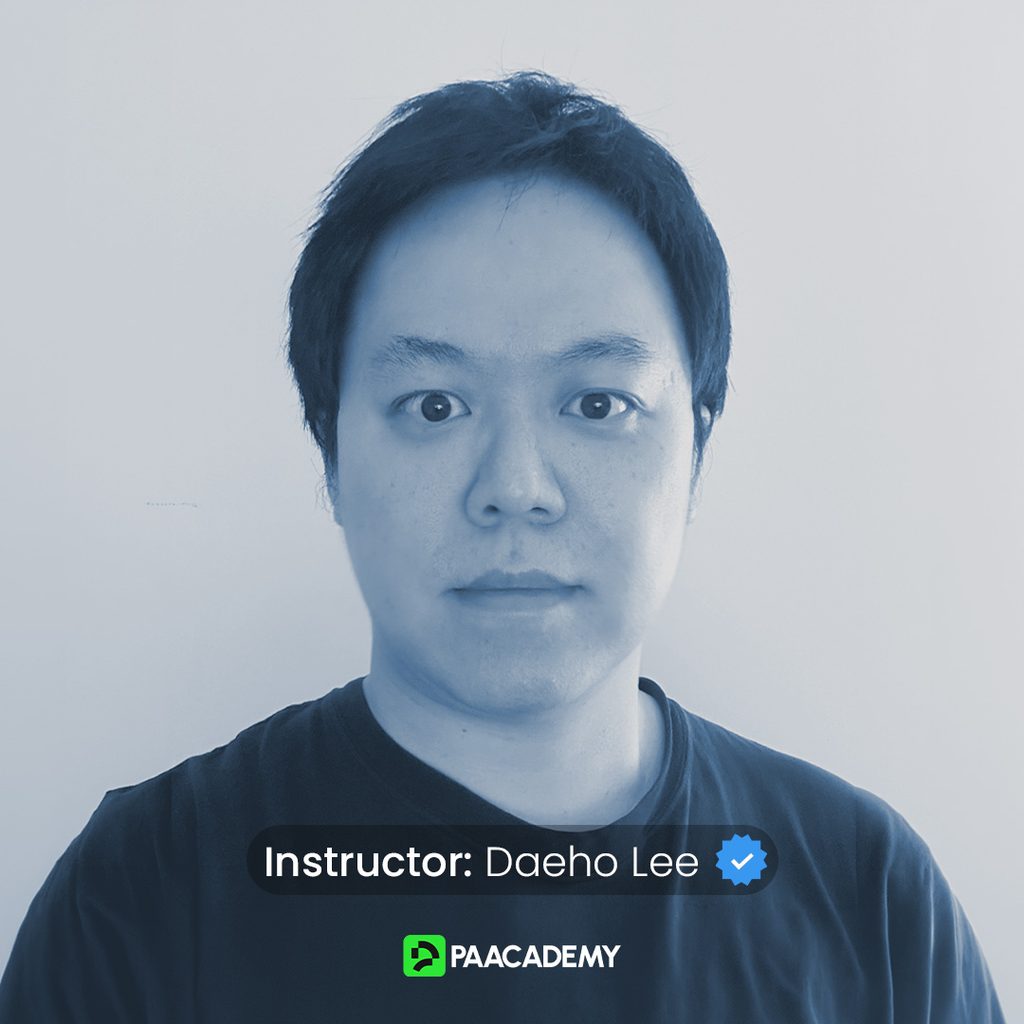
Daeho Lee is a New York–based architect. He holds a Master of Architecture from the Massachusetts Institute of Technology and is a registered architect in New York (AIA). He has practiced at OMA New York and is Project Director at Adjaye Associates New York, with work ranging from concept and schematic design through later project phases on cultural, residential, and civic buildings. He also directs LMTLS, his own design and research group.
His teaching focuses on the early design process: reading precedents closely, generating formal options, and selecting critically among them. Midjourney has become part of that process as a mutation tool, with Nano Banana Pro and Kling used later to shorten visualization once a direction is set. His essay on generative architecture appeared in Domus 1106, guest-edited by Bjarke Ingels.
Important Notes:
- The “AI-Powered Design Exploration: From Ideation to Visualization” workshop by PAACADEMY will start at 14:00 (GMT) on Saturday, October 31st, 2026.
- Total sessions: 2 Sessions (8 Hours).
- The teaching duration per session will be 4 hours.
- Students will have time for a break between teaching hours.
- The workshop will be recorded, and videos will be available for participants just a day after the class for an unlimited time.
- PAACADEMY will provide a certificate of attendance.
Topic: AI-Powered Design Exploration: From Ideation to Visualization
Date: October 31 & November 1, 2026
Time: 14:00 – 18:00 GMT
Format: Online on Zoom
Duration: 2 Sessions (8 Hours)
Registration Deadline: October 30th, 2026
Total Seats: 50 seats
Difficulty: Beginner
Language: English
Certificate: Yes
General Registration: 100 EUR
Join free: with Full Access membership
Fee for Digital Members: 85 EUR (15% discount available only for Digital Members)
Organized By: PAACADEMY
Tutor: Daeho Lee
Recordings: Recordings will be available for all participants afterward indefinitely.