


The heaviest phones carried the lightest demands. One job. One voice. No other doors.
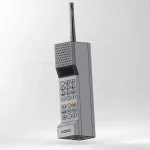
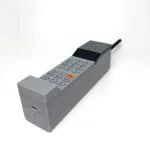
Cologne-based designer and maker Kevin Noki has built a device that looks like it stepped out of 1989 and behaves as if the intervening decades of digital excess never happened. Called ADHD ONE (Anti-Distraction Handset Device), the project is a fully functional Bluetooth handset modeled on the classic brick phones of the late 1980s. It does not replace a smartphone. It deliberately limits what a smartphone is allowed to do in a given moment.
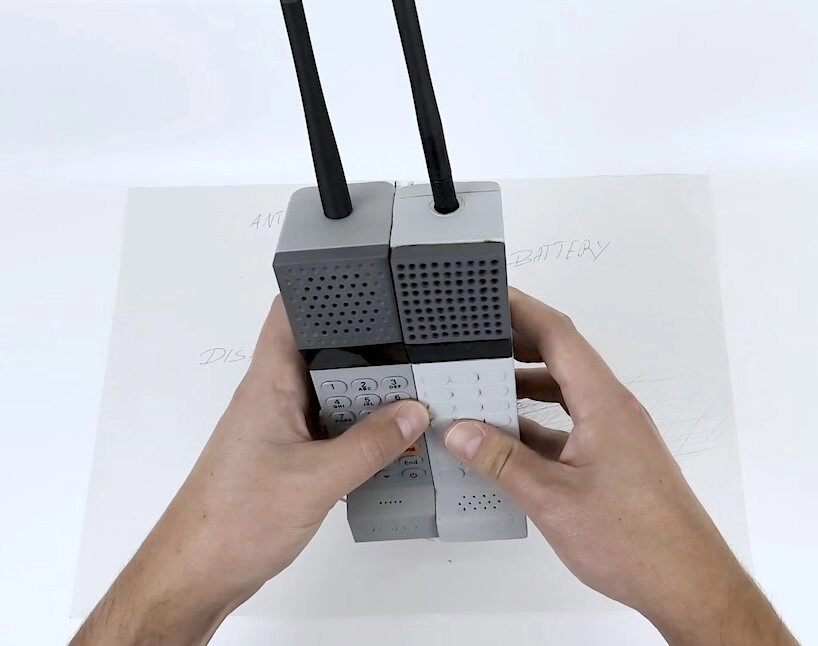
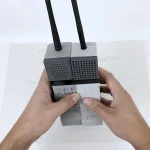
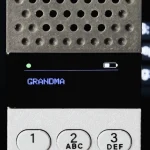
The handset connects to an iPhone via Bluetooth and handles incoming and outgoing calls through a physical 19-key keypad, a small OLED display, a microphone and a speaker. The phone itself can remain out of sight, set to Do Not Disturb so that only approved contacts ring through. In practice the user holds a heavy, tactile object whose only serious purpose is conversation.
Form That Refuses the Flat Screen
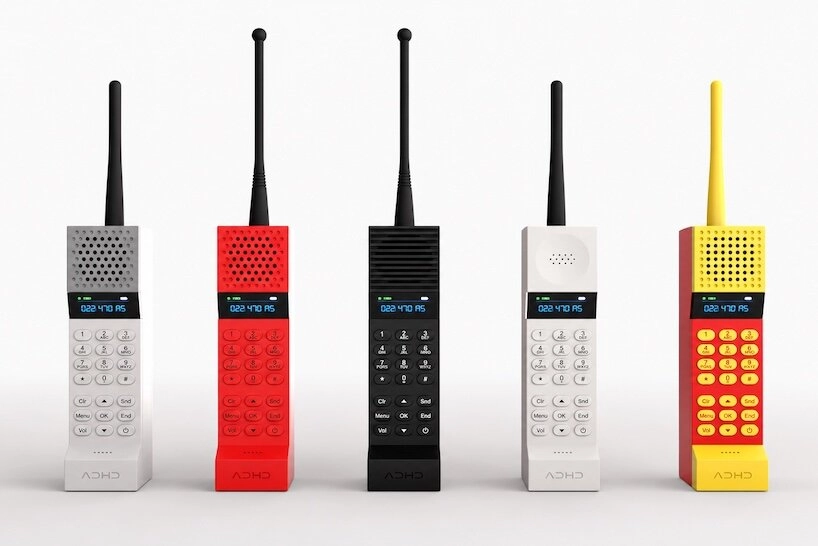
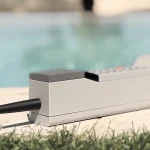
Noki designed the enclosure in Autodesk Fusion and produced the parts through 3D printing. The proportions are unapologetically chunky. A prominent antenna rises from the top. The speaker grille sits high, the mouthpiece projects at the base, and the keypad occupies the centre with satisfying physical travel. Three grille patterns (Classic, Holes, Stripes) and three antenna options (Retro, Slim, Screw) are offered, along with a version that omits the antenna entirely. Colour variations further personalise the object.
The design language is not pure nostalgia. It is selective memory. The brick phone of the 1980s was an object of status and limitation at the same time. Noki recovers the limitation and discards the status signalling. What remains is weight, presence and the simple act of lifting a receiver to the ear.
Electronics That Serve Restraint
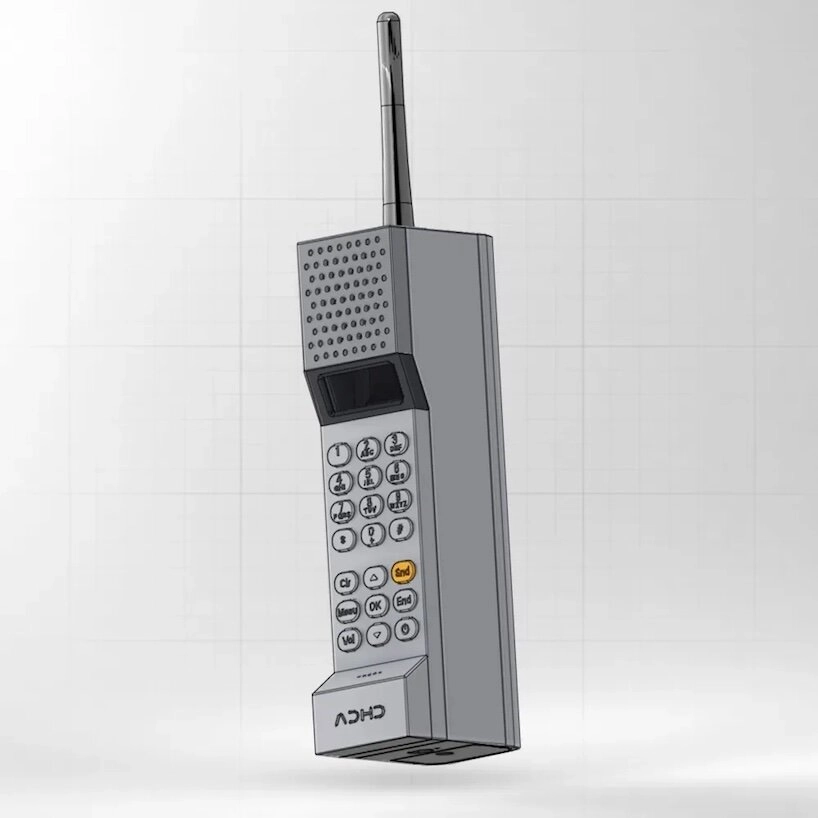
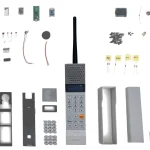
Inside the printed shell sits a carefully chosen set of contemporary components. An FSC-BT1026C Bluetooth module based on Qualcomm’s QCC3024 chip manages the Hands-Free Profile connection to the iPhone. A Raspberry Pi Pico handles local logic. An OLED screen shows caller information and basic status. A lithium battery and charging controller keep the device independent of the phone’s power. All of this is organised on a custom printed circuit board that Noki designed so the internal layout remains tidy and serviceable.
The technical choices matter because they enable a behavioural one. The handset has no independent cellular radio. It cannot browse, cannot notify, cannot open an app. Its intelligence is borrowed and then tightly filtered. The smartphone remains the network gateway; the brick becomes the interface the user actually touches.
Computational Design in Service of Constraint
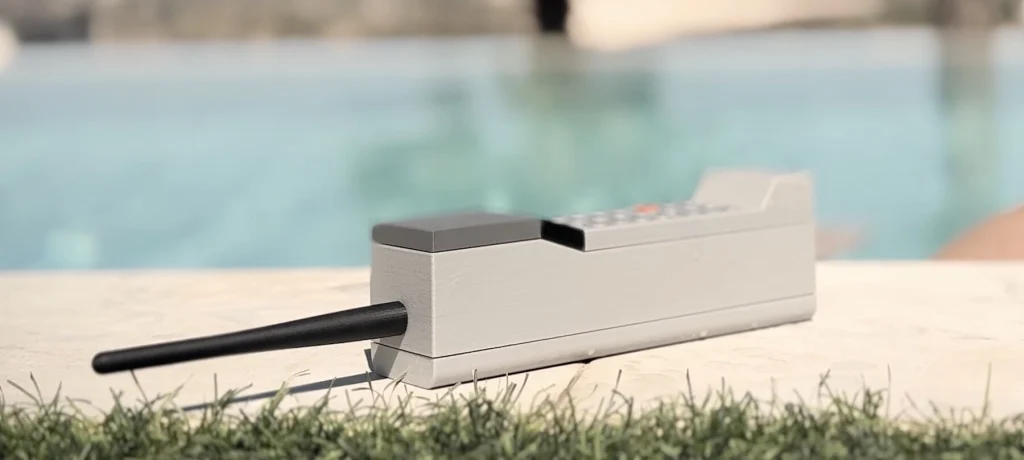
From a parametric and computational perspective the project is instructive. The enclosure was modelled digitally with modularity in mind. Different grille and antenna geometries can be swapped without redesigning the entire body. Wall thicknesses, button clearances and internal mounting points were controlled with precision so that consumer-grade 3D printers can produce functional parts. The custom PCB files allow the electronics to be ordered from standard fabrication services.
Yet the computational work does not chase formal complexity. It supports a deliberately simple interaction model. Parametric thinking here is used to generate controlled variation within a strict formal and functional envelope. The result is a family of related objects rather than a single fixed design, while the core proposition remains unchanged: fewer actions, more intention.
The Irony and the Point
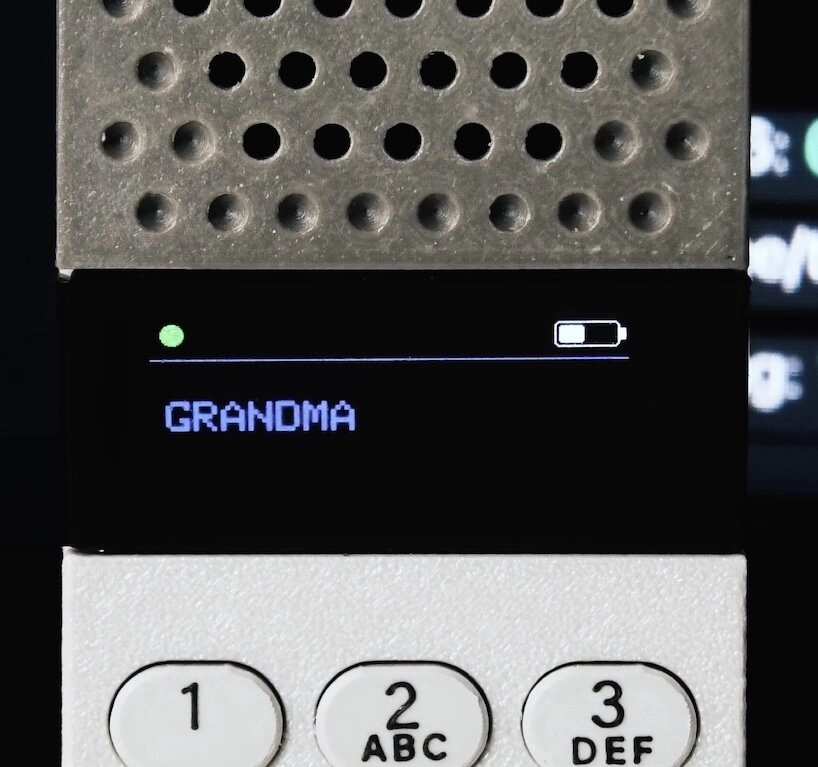
There is an obvious irony in designing, printing, soldering, and assembling an entirely new electronic device in order to use an existing one less. Noki does not claim the ADHD ONE is a complete solution to digital distraction. It is a tactical object. It creates a temporary zone in which the smartphone’s full capabilities are suspended. The phone can still sit in a bag or drawer. Calls from selected people still reach the user. Everything else stays quiet.
The project also belongs to a wider maker culture that treats industrial design history as raw material. By releasing the STL files, PCB data, firmware and bill of materials for personal use, Noki turns a personal experiment into a shared platform. Anyone with access to a 3D printer and basic electronics skills can build their own version. The files are sold as a digital package; a physical kit is listed but not yet available.
What the Object Asks
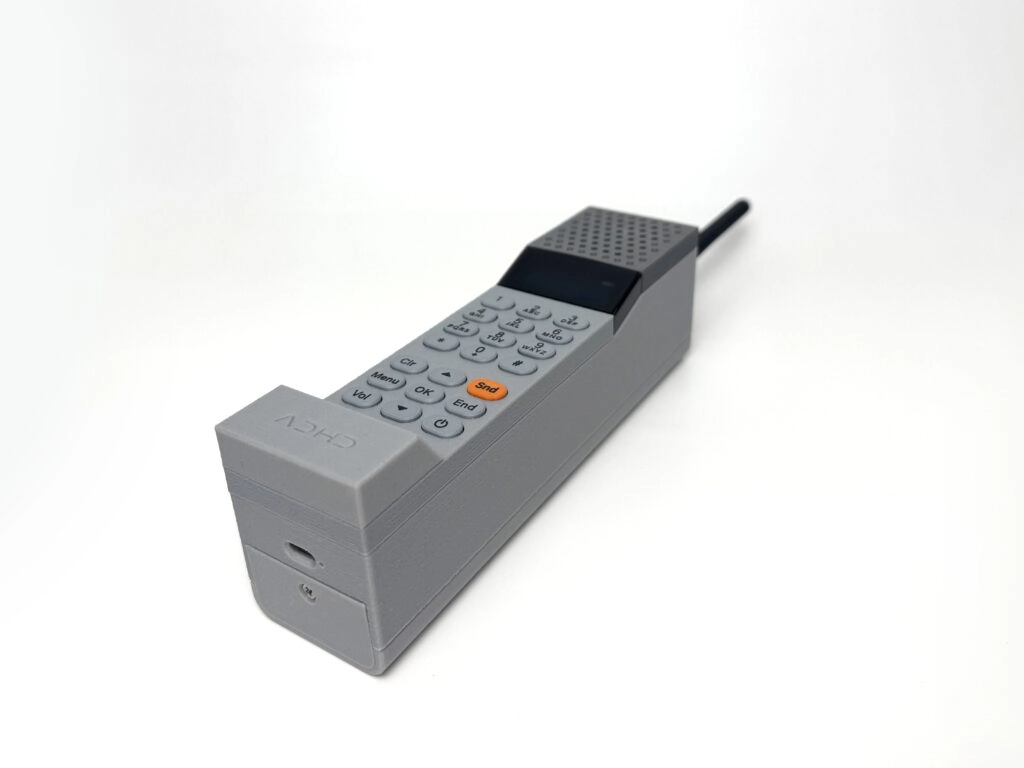
ADHD ONE does not argue that technology should disappear. It asks whether every function needs to live behind the same glowing rectangle. By restoring physical keys, a fixed form factor, and a single primary task, the handset makes the cost of distraction visible again. Picking it up is a deliberate act. Putting it down returns the user to the room rather than to another feed.
In an era when most consumer electronics race toward thinner profiles and denser feature sets, a deliberately heavy, limited, 3D-printed brick feels almost radical. Its radicalism lies not in new capability but in the refusal of capability. The object succeeds to the extent that it makes conversation feel like the main event rather than an interruption.
Kevin Noki‘s ADHD ONE
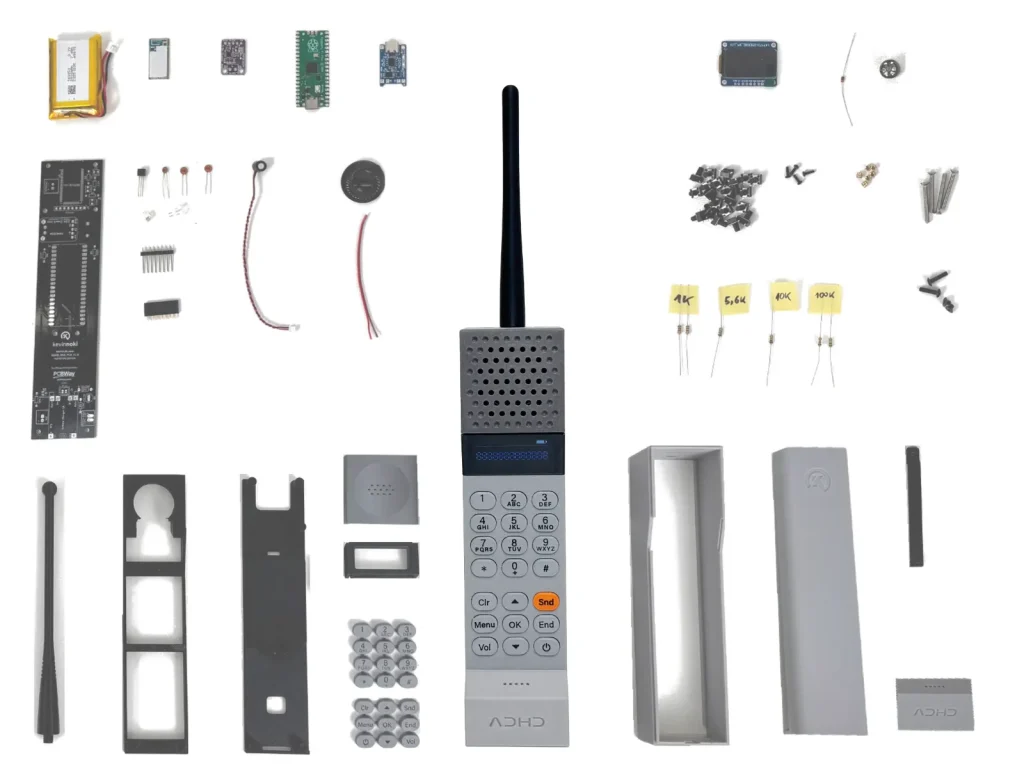
Kevin Noki’s ADHD ONE will not end the smartphone era. It was never meant to. It is a small, carefully made counter-proposal: an object that remembers when a telephone had one job and did it with presence. In recovering that presence through contemporary fabrication and selective electronics, the project offers a quiet reminder that design can still choose constraint, and that sometimes the most interesting innovation is the one that gives us less to do.