

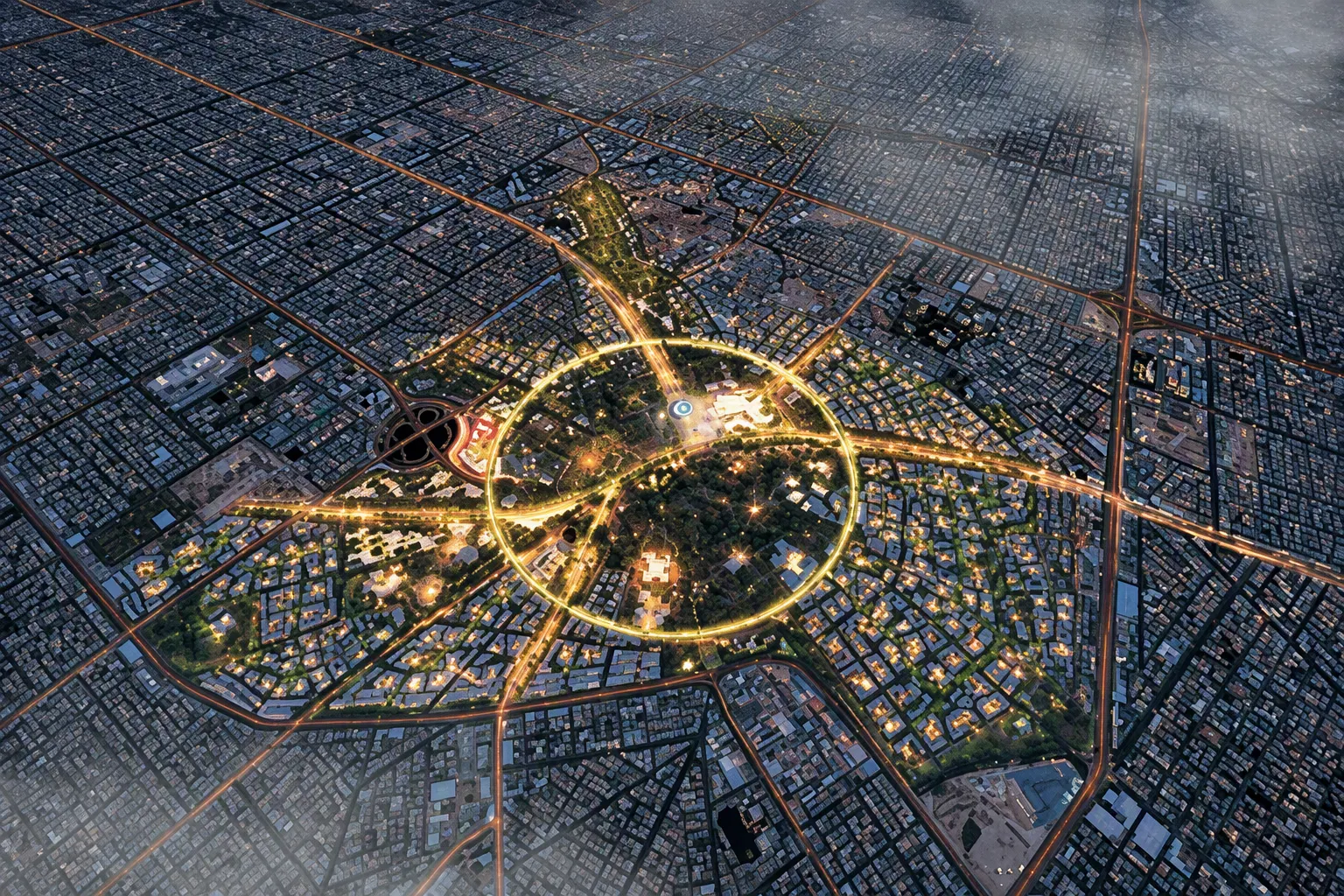

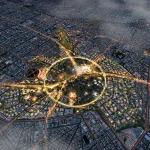
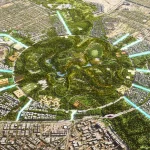
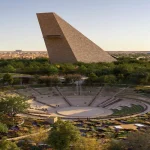
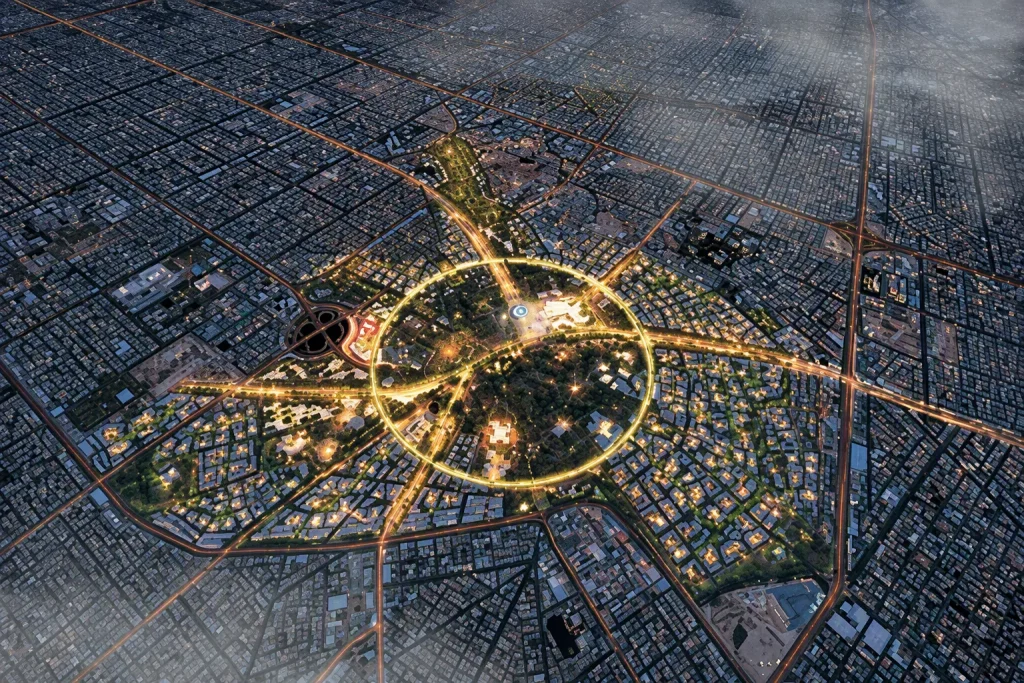
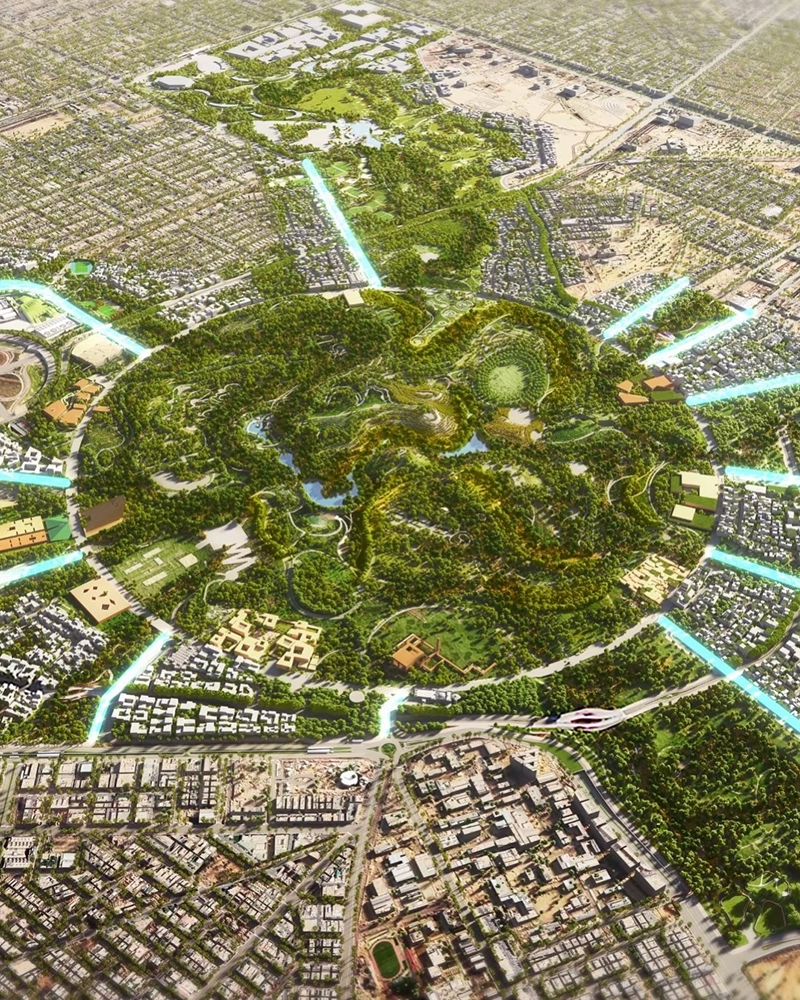
Saudi Arabia is undertaking one of the most ambitious urban greening projects in the world. In the heart of Riyadh, a vast former airport site is being transformed into King Salman Park, an extraordinary landscape designed to become one of the largest urban parks on the planet. Covering more than 16 square kilometers, the project is over five times the size of New York’s Central Park and is planned to accommodate more than one million trees.
Yet, beyond its impressive scale, the project raises a fundamental question: how can a landscape of this magnitude survive in a city where summer temperatures regularly exceed 45°C, rainfall is scarce, and water is one of the most valuable resources? The answer lies in an extensive combination of landscape architecture, civil engineering, water recycling technologies, and climate-responsive design.
From Airport Infrastructure to an Urban Landscape
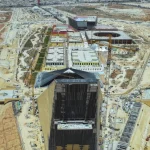
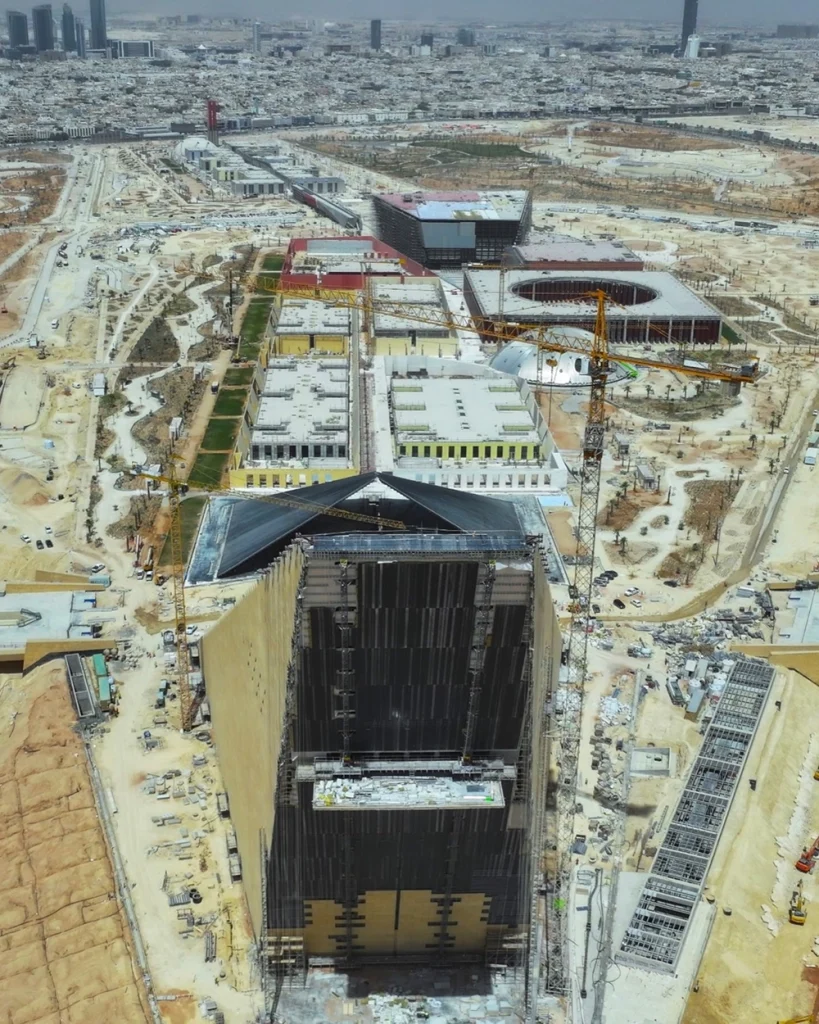
King Salman Park occupies the former site of Riyadh’s international airport, transforming an area once dominated by aviation infrastructure into a major public landscape. The project represents an important shift in the city’s urban development strategy, placing green infrastructure, recreation and environmental quality at the center of its future.
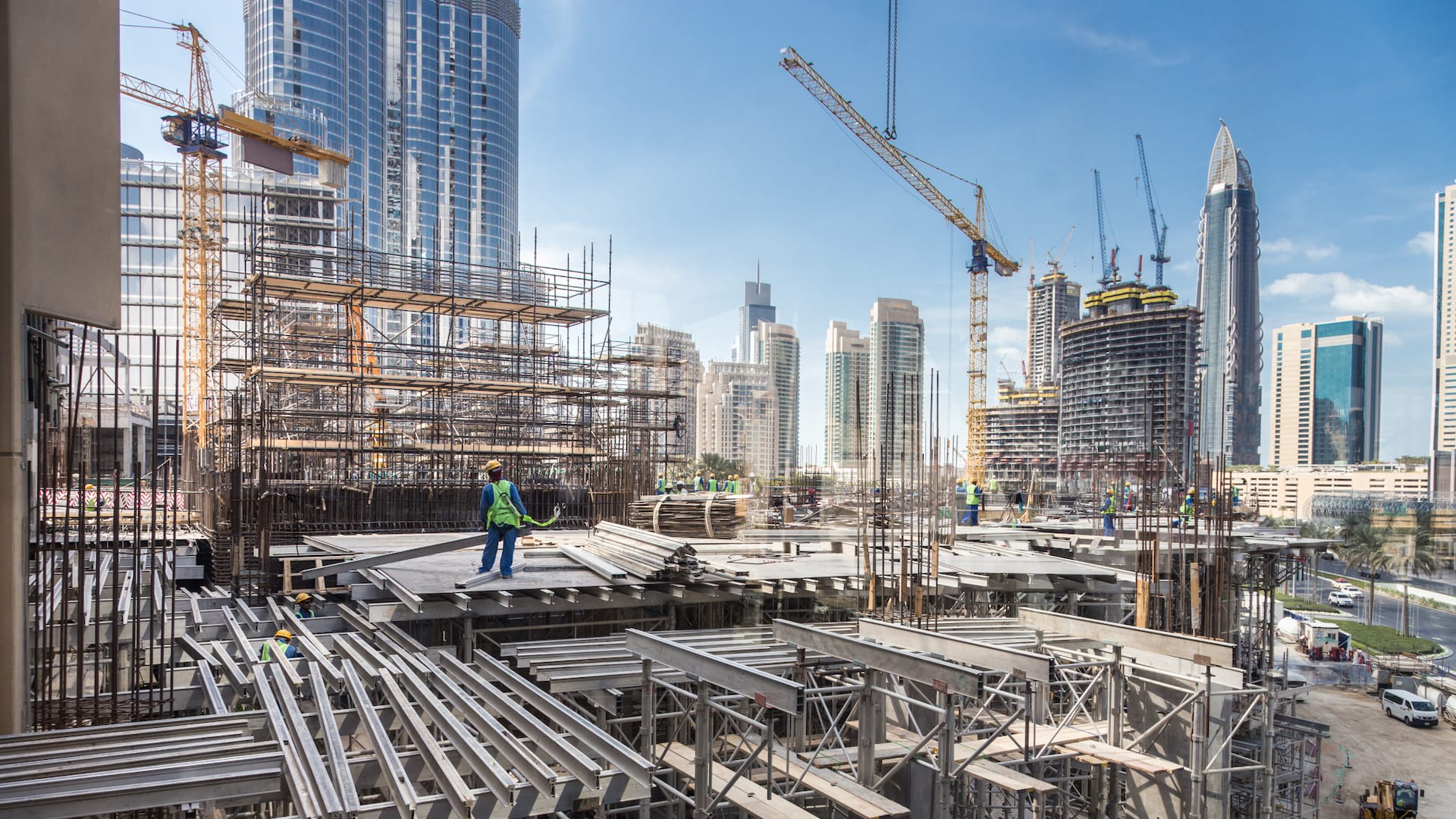
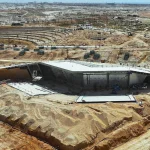
Its enormous dimensions require more than conventional landscape design. Creating a continuous green environment within such an extensive urban site involves substantial earthworks, complex infrastructure systems and carefully coordinated ecological planning. One of the most significant interventions has been the relocation of major road infrastructure underground, allowing the park to function as an uninterrupted public space rather than being divided by busy transport corridors.
Artificial Valleys and the Engineering of the Landscape
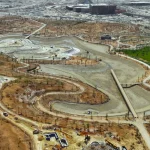
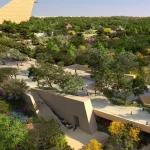
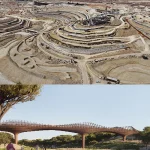
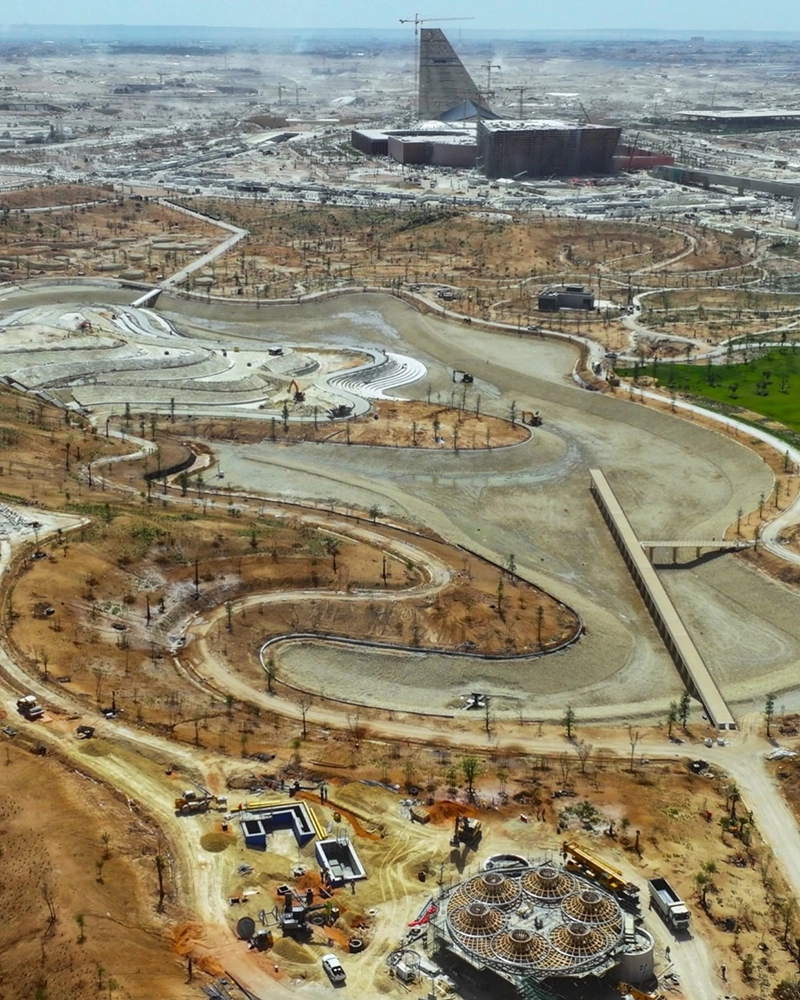
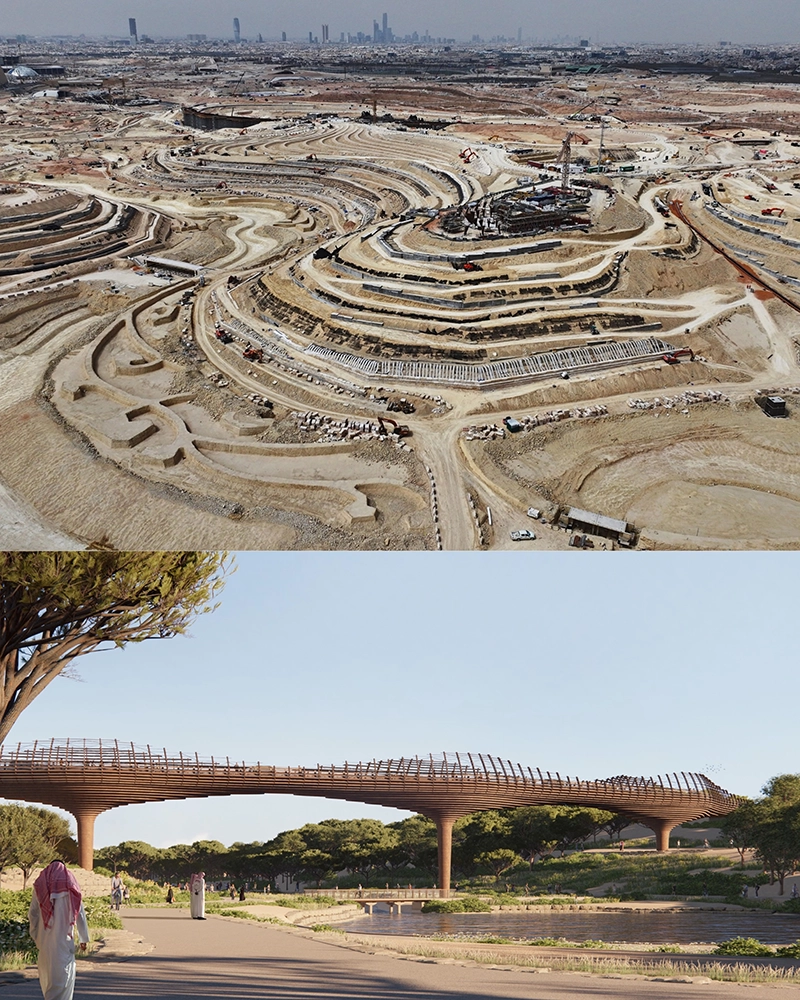
One of the project’s most remarkable engineering features is its artificial wadis: sunken, tree-lined valleys that introduce a new topography into Riyadh’s predominantly flat urban landscape.
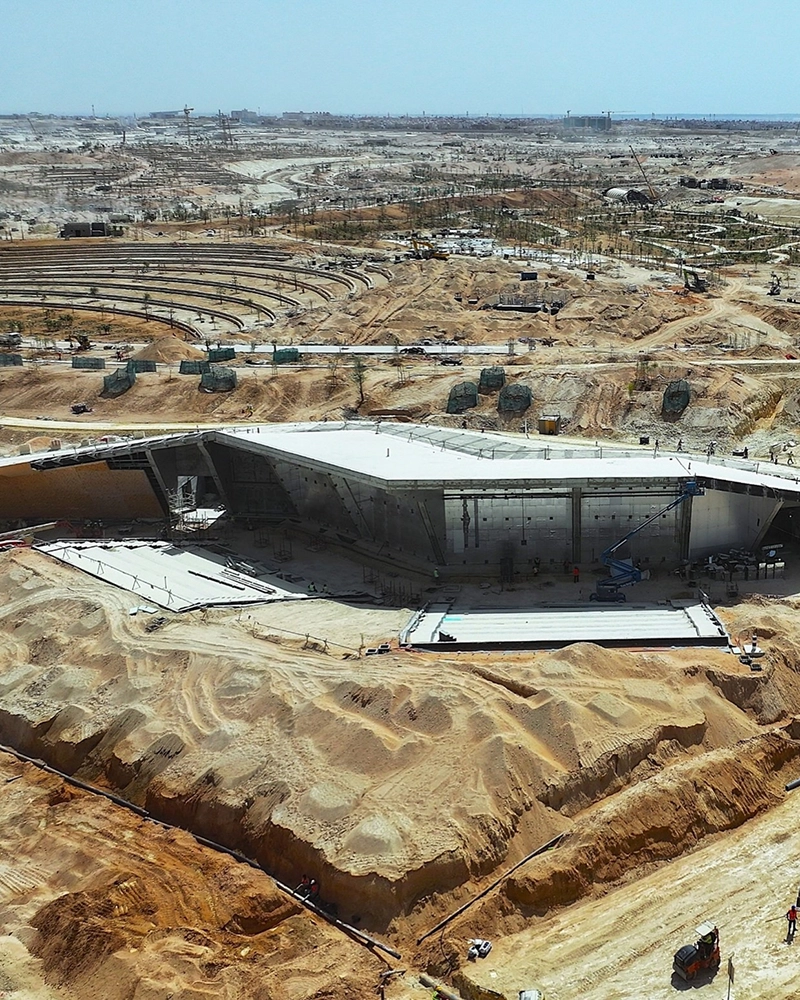
Construction teams have reportedly moved approximately 54 million cubic meters of earth to create these formations, some reaching depths of 30 meters. These artificial valleys are supported by reinforced earth retaining structures that stabilize the steep slopes while allowing the landscape to accommodate extensive vegetation.
However, their purpose extends beyond visual and spatial variety. Inspired by the traditional wadi systems of the Arabian Peninsula, these structures are designed to collect and manage stormwater, channel recycled water, and create more favorable growing conditions for trees and other plants. By introducing changes in elevation, the design also creates sheltered microclimates that can help moderate exposure to intense sunlight and heat.
The result is a landscape in which engineering infrastructure becomes an integral part of the architectural and ecological experience.
Solving the Water Challenge in an Arid Climate
Perhaps the greatest challenge facing King Salman Park is its water demand. Maintaining more than one million trees and extensive planted areas in an extremely dry climate would be unsustainable if the project depended on conventional freshwater irrigation.
To address this issue, the park has been designed to meet 100 percent of its irrigation requirements through treated wastewater rather than drinking water. The supply is connected to Riyadh’s wider wastewater treatment infrastructure through the Green Riyadh program.
Before entering the park’s irrigation network, the recycled water undergoes additional treatment at an on-site facility, where its salinity is reduced to make it more suitable for landscape irrigation. This process is particularly important in arid environments, where the accumulation of salts in soil can gradually damage vegetation and compromise long-term landscape performance.
The approach demonstrates how wastewater can be transformed from an urban by-product into a valuable resource for environmental regeneration.
Designing Irrigation Around Efficiency
Water availability alone does not guarantee the survival of a large urban forest. Equally important is how efficiently that water is distributed and retained.
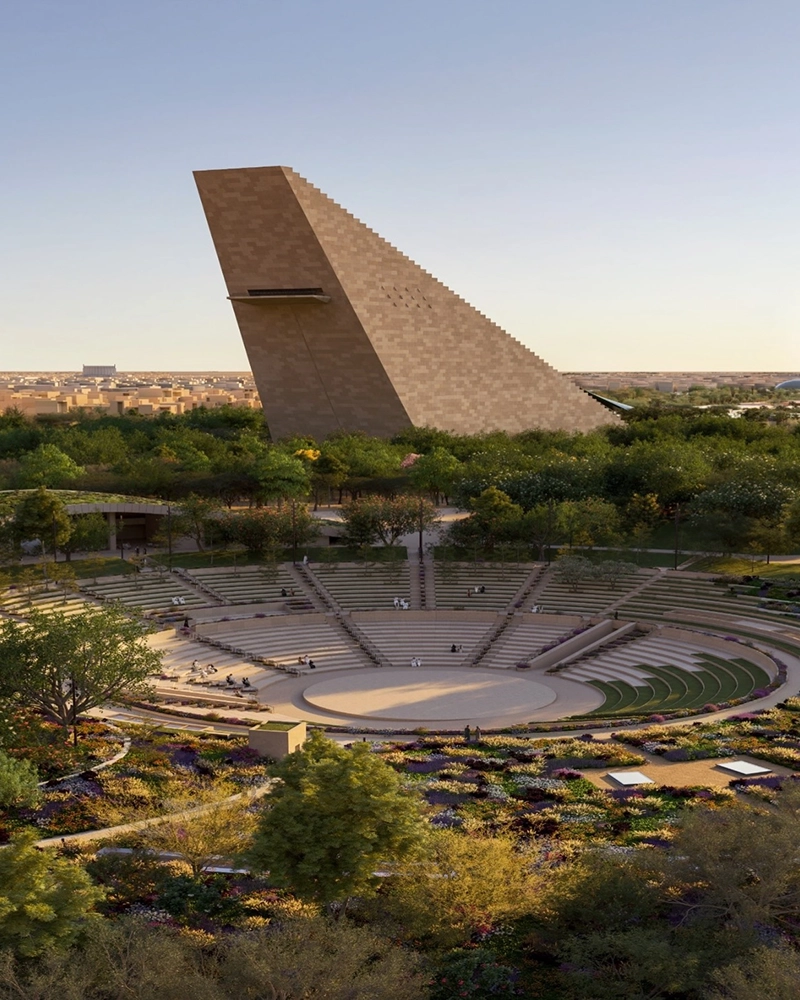
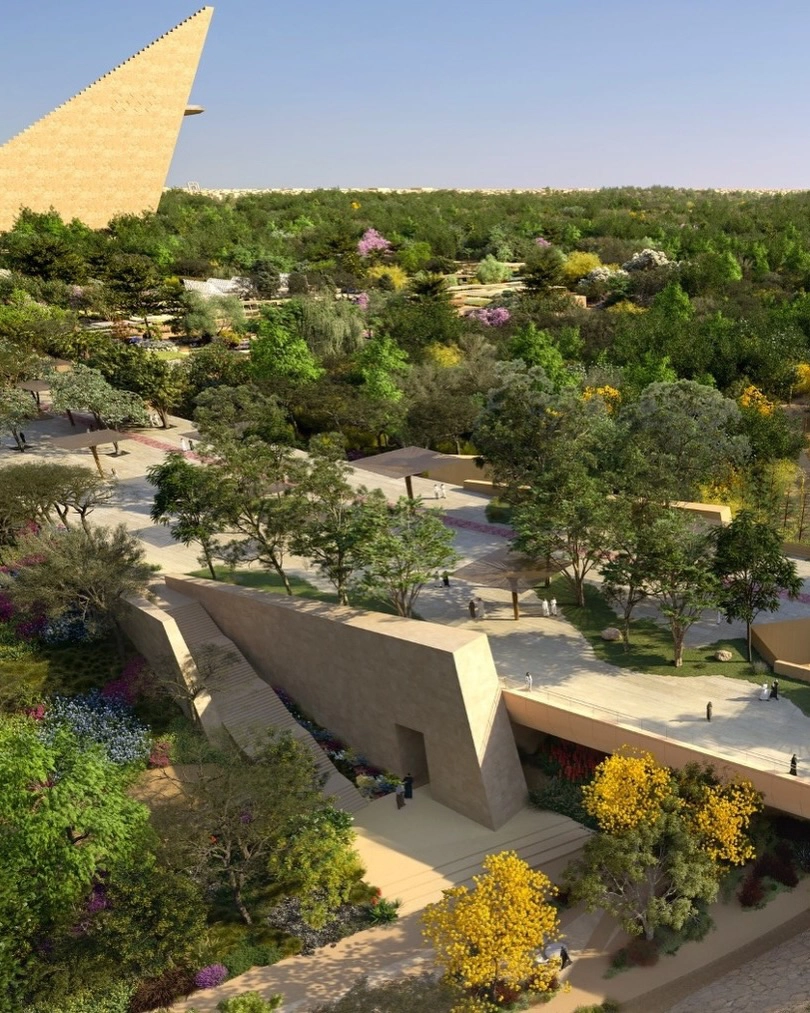
King Salman Park incorporates high-efficiency irrigation systems designed to deliver water directly to the root zones of trees and plants. This reduces unnecessary water loss through evaporation and limits the amount of water applied to areas where it is not needed.
Soil engineering also plays an important role. Specially developed soil mixtures are intended to improve growing conditions, while mulch layers help retain moisture, regulate soil temperatures, and reduce evaporation from the surface.
These measures are particularly relevant in Riyadh, where high temperatures and intense solar radiation can rapidly dry exposed soil. Rather than relying exclusively on irrigation infrastructure, the project combines water delivery systems with soil management strategies to create a more resilient growing environment.
Growing a Million Trees for the Desert City
The park’s planting program is another major logistical and ecological undertaking. Approximately 900,000 of the planned one million trees are being cultivated on-site, reducing the complexity of transporting such an enormous number of plants from external nurseries.
A dedicated conveyor system is being used to move plants directly towards their designated planting areas, helping coordinate the large-scale planting operation.
Species selection is equally important. More than half of the planned tree species are indigenous to Saudi Arabia, while most of the remaining varieties are sourced from other parts of the region. This emphasis on locally adapted and climate-compatible species is intended to improve survival rates and reduce long-term maintenance requirements.
The strategy also recognizes that successful urban greening is not simply a matter of planting as many trees as possible. The ecological suitability of species, their water requirements, root systems, and ability to tolerate extreme temperatures are essential considerations in creating a sustainable urban forest.
Can a Park Change the Climate of a City?
The environmental ambitions of King Salman Park extend beyond the boundaries of the development itself. Large concentrations of vegetation, combined with shaded surfaces and carefully designed water systems, can influence local temperatures through evapotranspiration and the reduction of heat absorbed by urban materials.
Project projections suggest that temperatures within the park could be approximately 5–8°C lower than those in surrounding urban areas. The development is also expected to contribute to a reduction of around 2°C in temperatures across Riyadh. Although these figures represent projected outcomes rather than guaranteed results, they illustrate the potential role of large-scale green infrastructure in addressing the urban heat island effect.
The park also introduces opportunities for improved air quality, biodiversity, outdoor recreation and public health. In a rapidly growing city, access to extensive green space can become an important component of urban resilience and everyday quality of life.
A New Model for Urban Development in Extreme Climates
Led by the King Salman Park Foundation and project-managed by Parsons, the development represents a significant experiment in combining landscape architecture with large-scale engineering and environmental infrastructure.
Its importance lies not simply in its size or the number of trees it intends to accommodate, but in the systems being developed to support them. Artificial topography, recycled water networks, specialized soil treatments, efficient irrigation, and climate-adapted planting are brought together as parts of a single urban strategy.
King Salman Park also raises a broader question for contemporary architecture and urban planning: should green spaces in cities facing extreme climatic conditions be understood as decorative public amenities, or as essential infrastructure?
In Riyadh, the answer is increasingly clear. A successful urban park cannot depend on visual ambition alone. It must be supported by sophisticated water management, ecological knowledge and engineering systems capable of responding to environmental limitations.
If its ambitions are realized, King Salman Park could offer an important example of how cities in arid regions can rethink the relationship between nature, infrastructure and urban life. Its ultimate achievement will not be measured only by the number of trees planted, but by whether those trees can survive, mature, and contribute to a healthier urban environment for generations to come.