


Most factories are designed around the efficient movement of materials and the supervision of labor. Green Field Factory in Rangpur, northern Bangladesh, was designed around a different priority: the daily experience of the people who work there. On 15 October 2026, the RIBA International Prize recognized that decision.
Designed by Dhaka-based Nakshabid Architects for Karupannya Rangpur Limited, the seven-story textile facility employs approximately 5,000 people, the majority of whom are women. The jury, led by Bijoy Jain, called it a work of quiet humility and a redefinition of manufacturing architecture in South Asia and beyond.
Homestead Principles at Industrial Scale
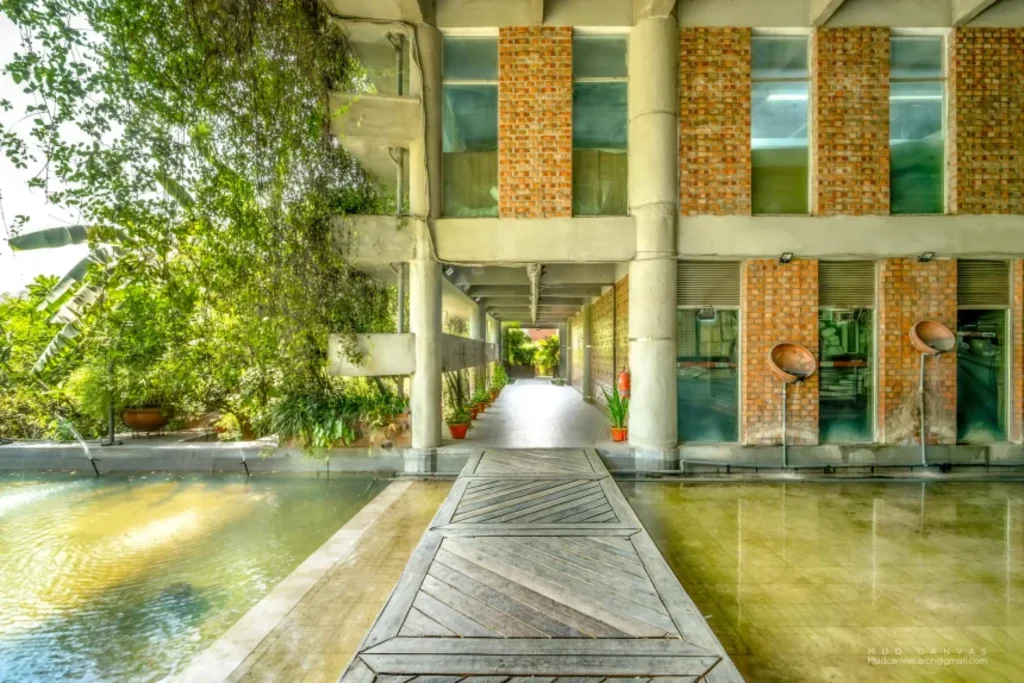
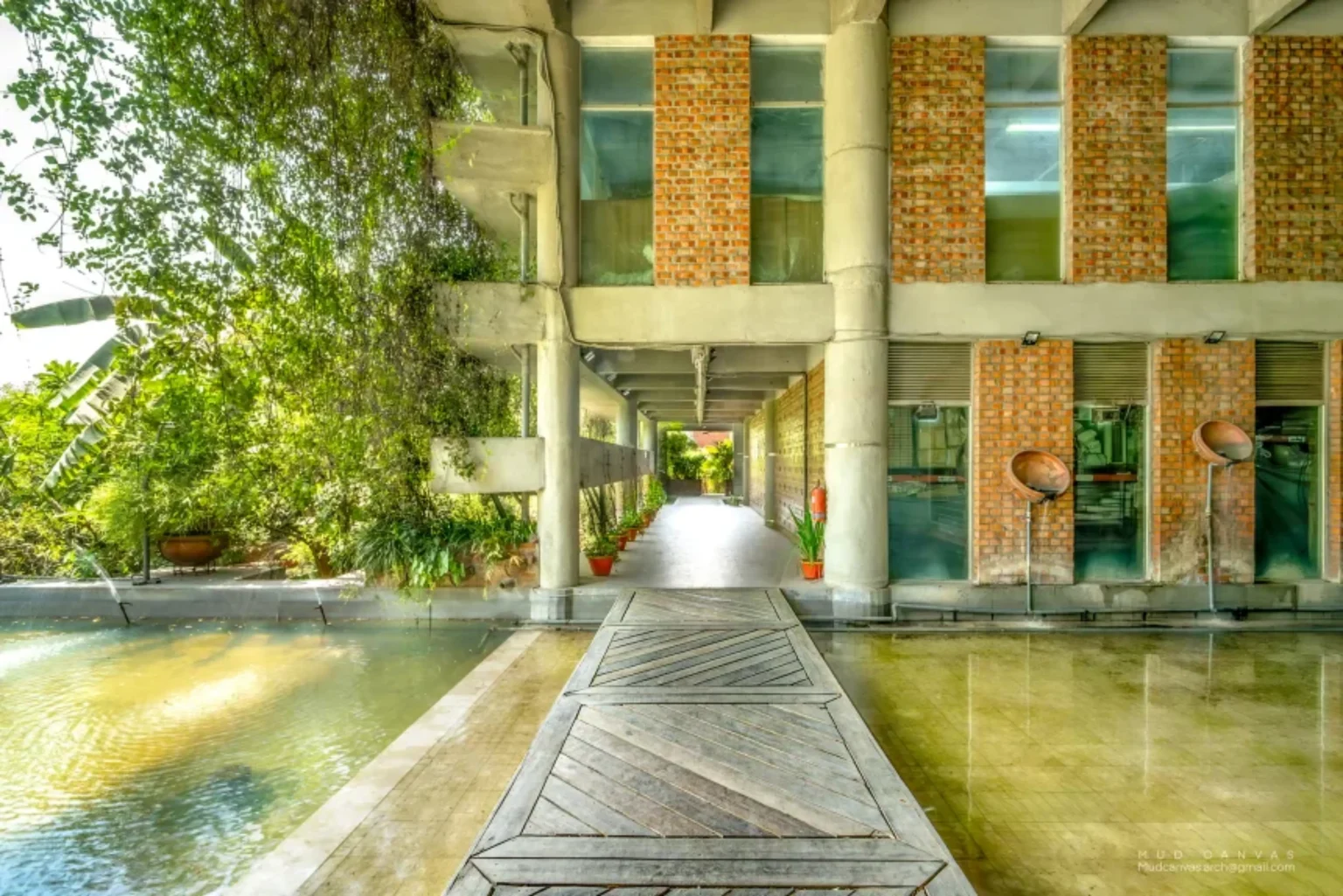
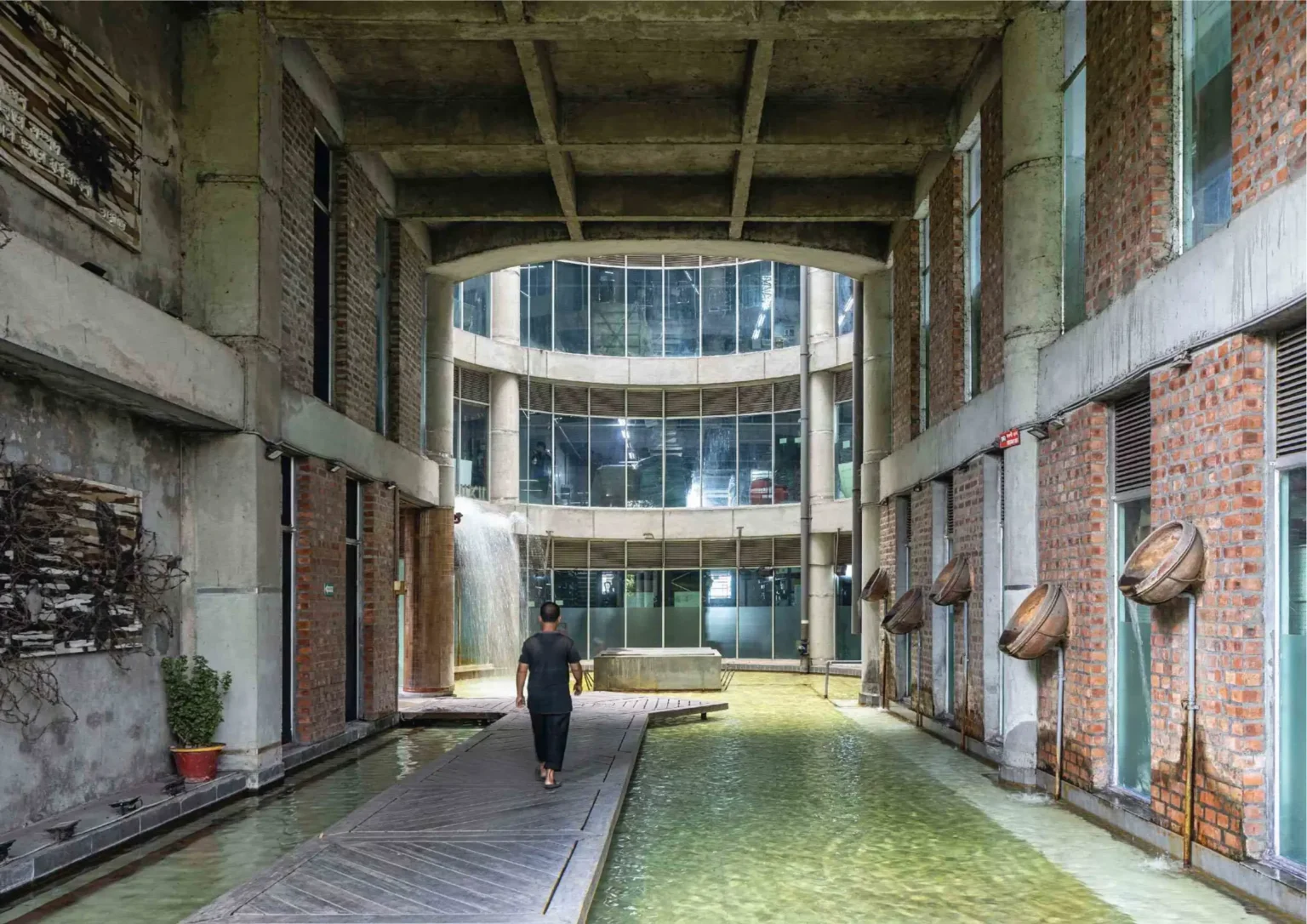
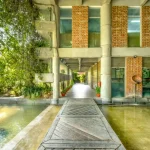
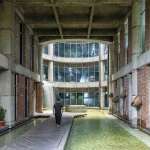
The architects began with a simple question: what if a factory were designed first as a home for the people who work in it? They drew on the spatial patterns of traditional Bengali homesteads, where courtyards, ponds, verandahs and gardens organize daily life. Those elements are scaled and woven through the industrial program.
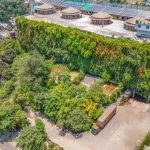
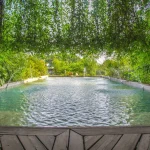
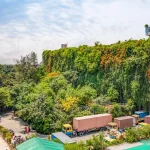
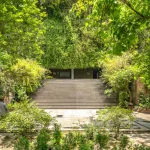
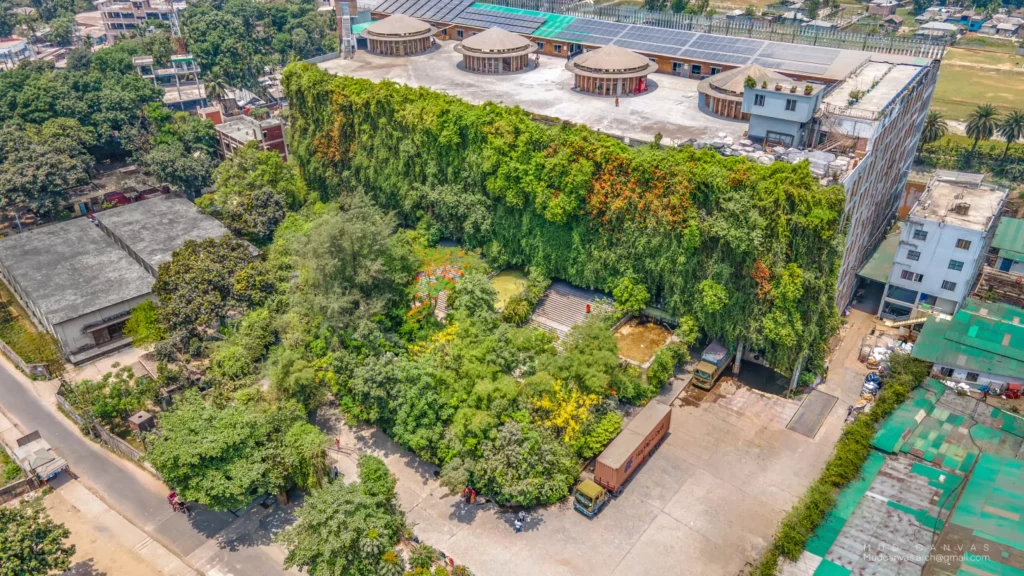
A monumental green wall, internal courtyards, water bodies and layered planting bring vegetation and daylight deep into the building. Shaded verandahs and rooftop gardens provide places for rest and social exchange. Rainwater harvesting and passive ventilation reduce dependence on mechanical systems. The planting functions as shading, cooling and psychological relief rather than decoration.
Dismantling Hierarchy Through Architecture
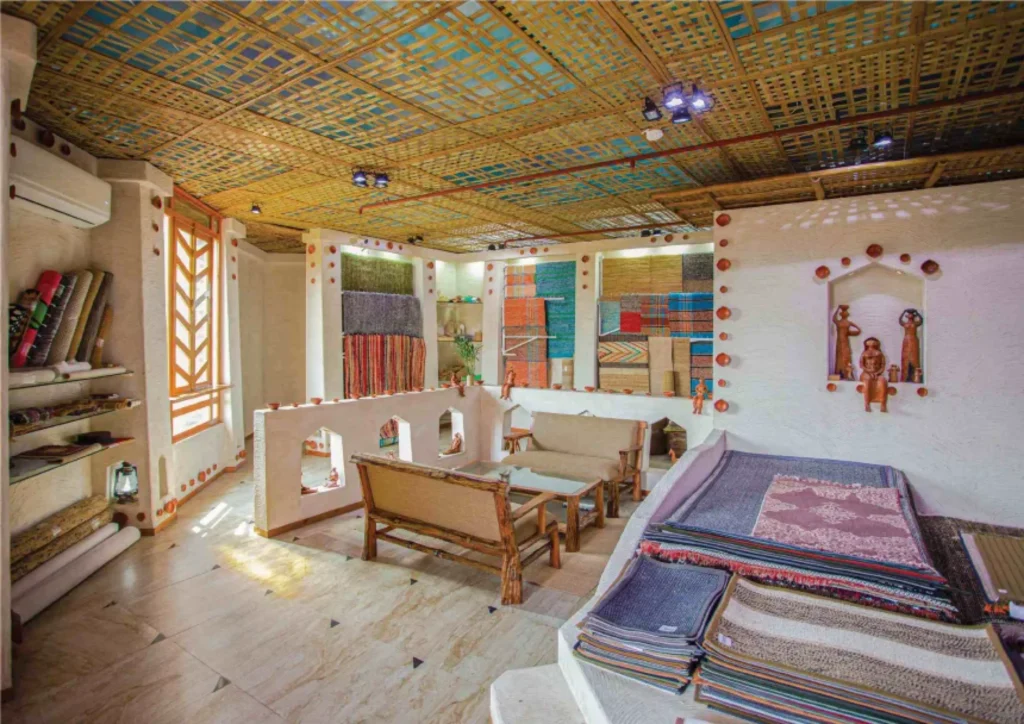
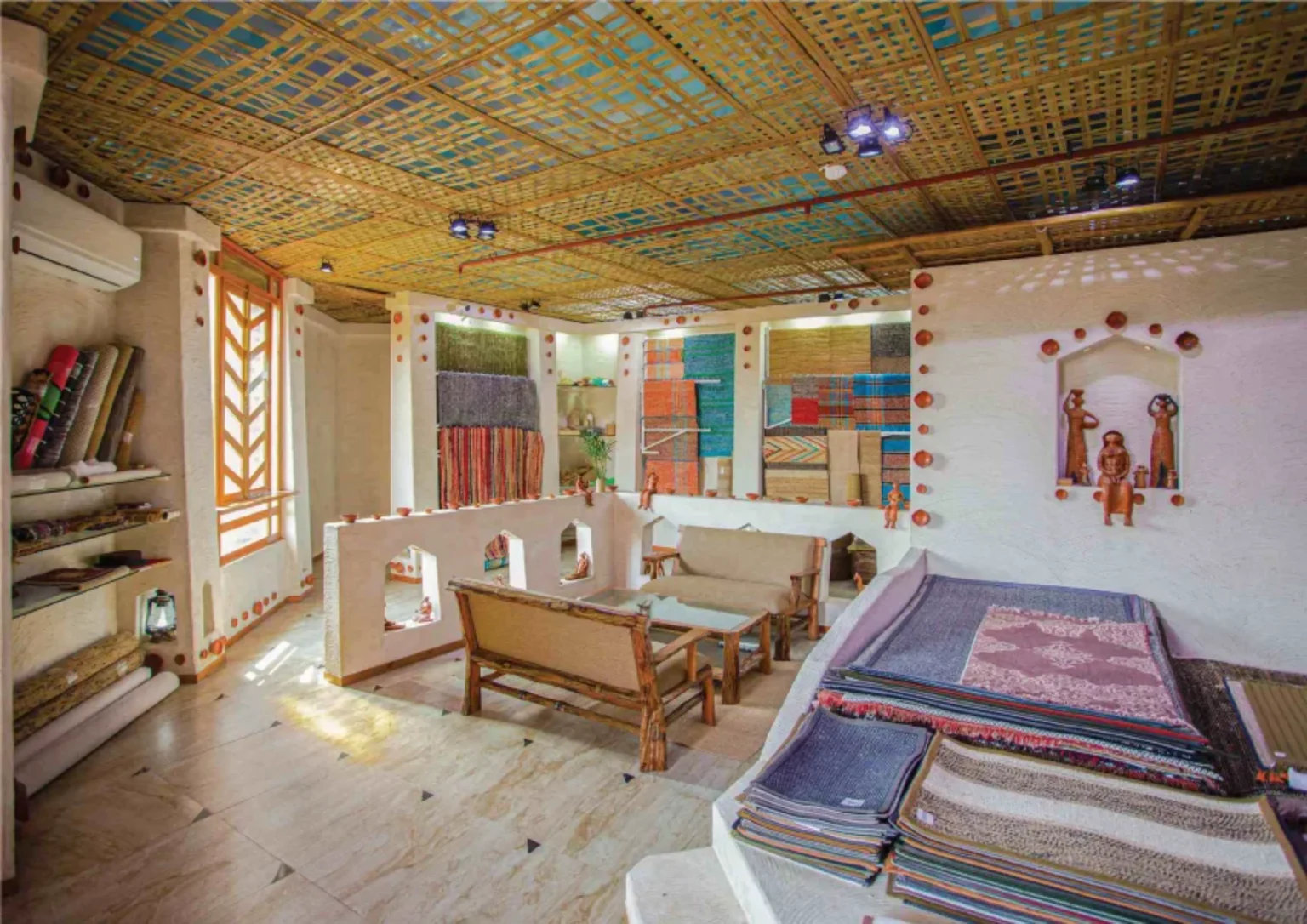
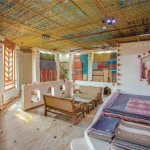
Conventional factories separate workers from management through entrances, canteens, and circulation routes. Green Field Factory collapses those distinctions. Everyone shares the same main entrance. Amenities include a rooftop daycare center, an on-site medical facility, shared dining areas, and community spaces. The architecture creates common ground.
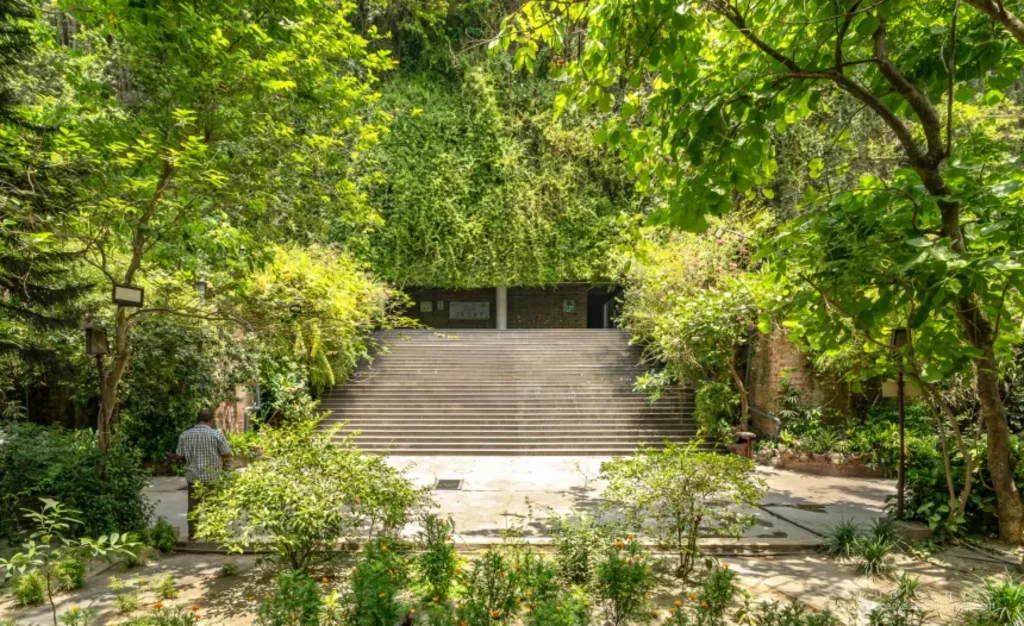
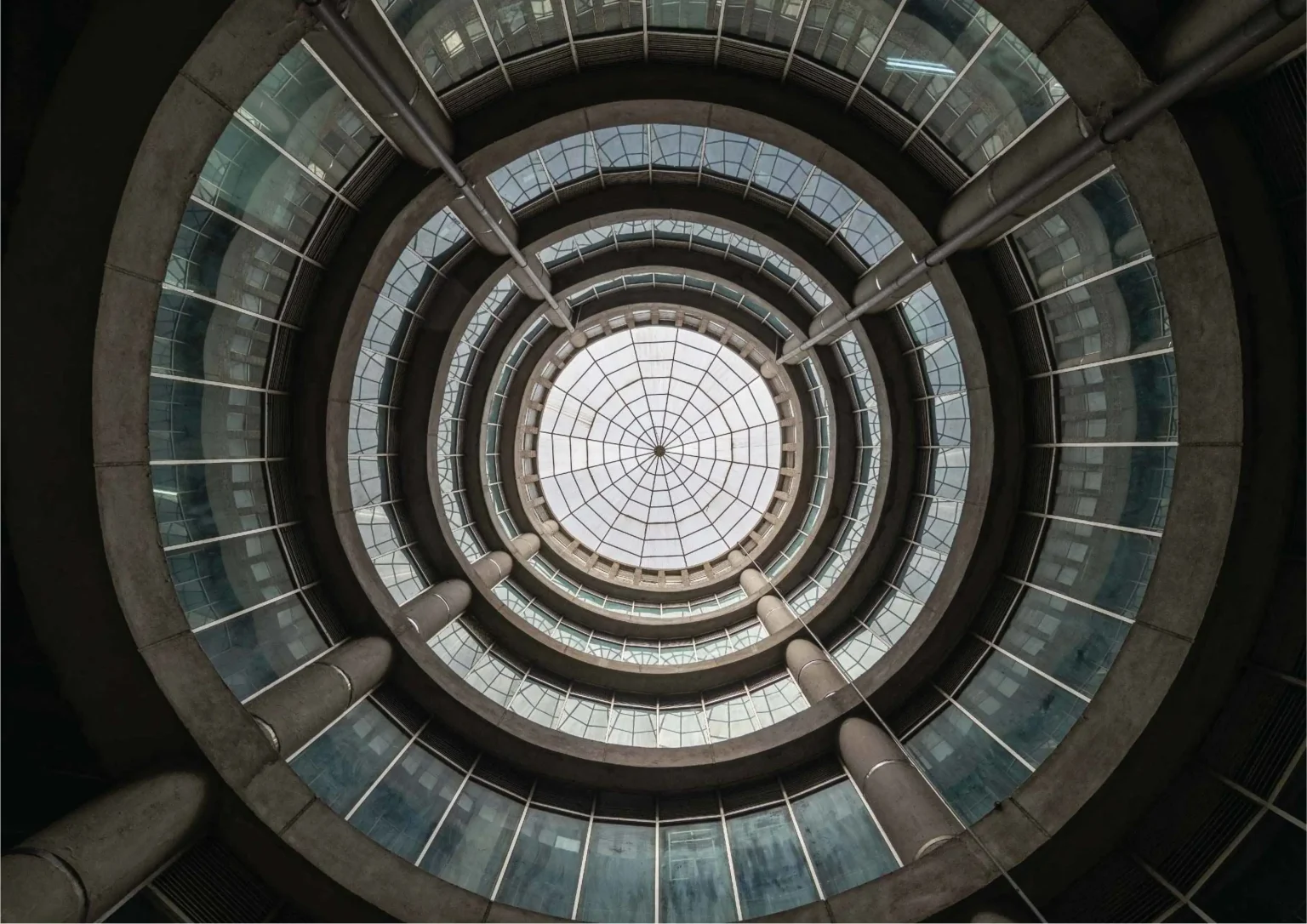
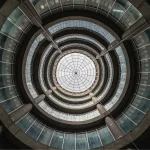
This social ambition is supported by environmental performance. Daylight penetration, airflow paths and thermal comfort were treated as primary generators of form. The building feels porous and inhabited rather than sealed and extractive. In a sector that has long faced international scrutiny over working conditions, the project offers a different model of industrial space.
Time as a Design Material
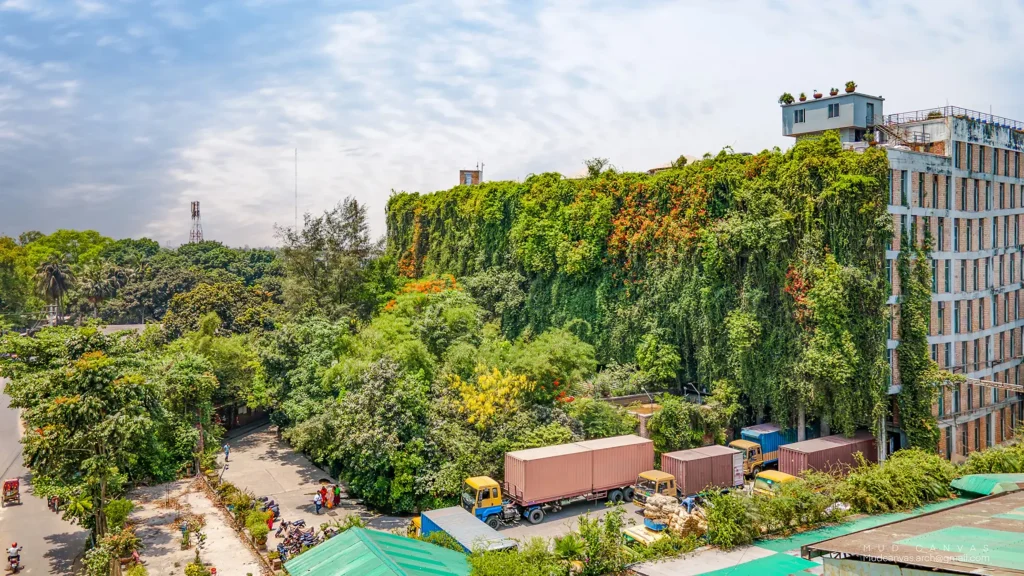
The factory opened in 2017. Its recognition in 2026, after nearly a decade of use and after the planting had matured, is significant. The prize does not celebrate the newest object. It recognizes a building that has already demonstrated its capacity to support dignified working life at scale. Jury chair Bijoy Jain described the experience of visiting as “being witness to a work in quiet humility.”
RIBA President Chris Williamson said the project proves that thoughtful design can dismantle traditional hierarchies and create profound social and environmental change. Principal Bayejid M. Khondoker framed the ambition in human terms: a factory should not be a machine that consumes human energy. It should be a living place that restores it.
Parametric and Passive Logic
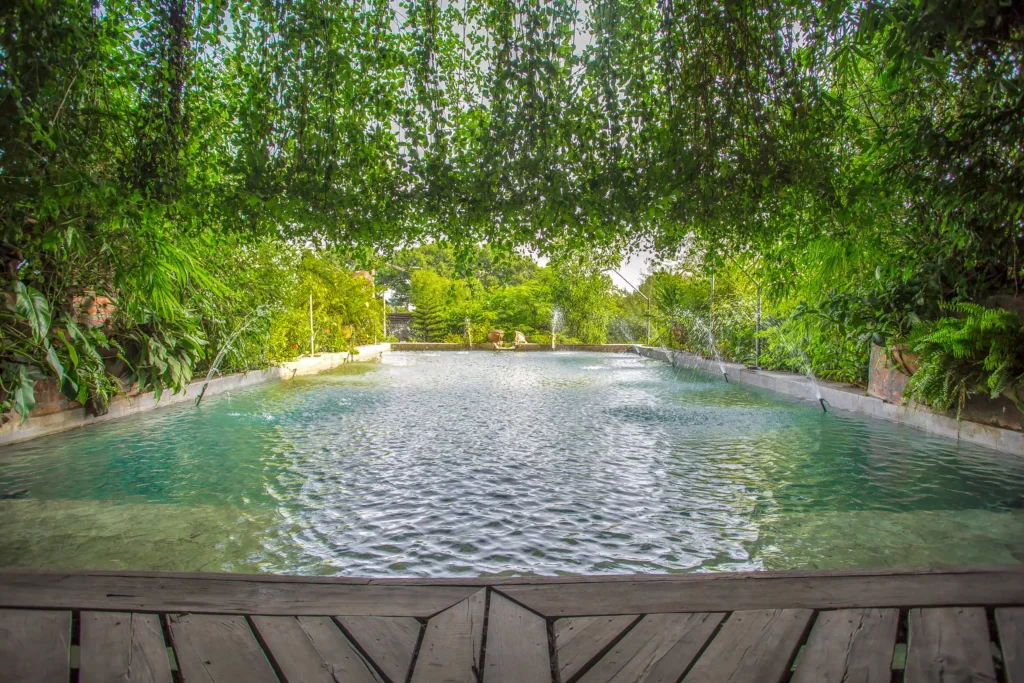
Although the building is not presented as a computational project, its organization follows a clear parametric logic. A consistent set of spatial relationships (courtyard, verandah, green edge, shared threshold) is applied across multiple scales. Orientation, depth of plan and planting density adjust according to solar path, prevailing breezes and program. Passive performance is not an add-on; it is embedded in the formal system.
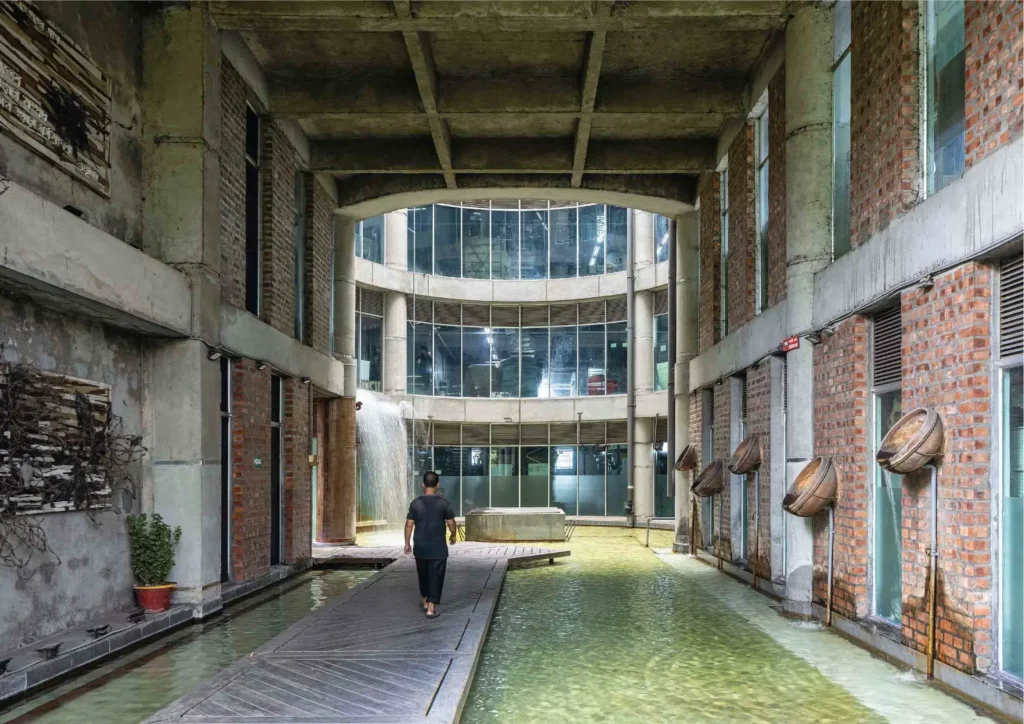
The result is a building that performs environmentally while supporting a social agenda. In an era when industrial architecture is often reduced to efficient envelopes, Green Field Factory insists that the envelope can also be a landscape of everyday care.
In a nutshell
Green Field Factory stands as a quiet but firm argument. Industrial buildings can prioritize the wellbeing of thousands of workers without abandoning productive purpose. By awarding it the International Prize, the RIBA has given that argument global visibility. The building itself continues to make the case every working day in Rangpur, one courtyard, one shaded path and one shared entrance at a time.