

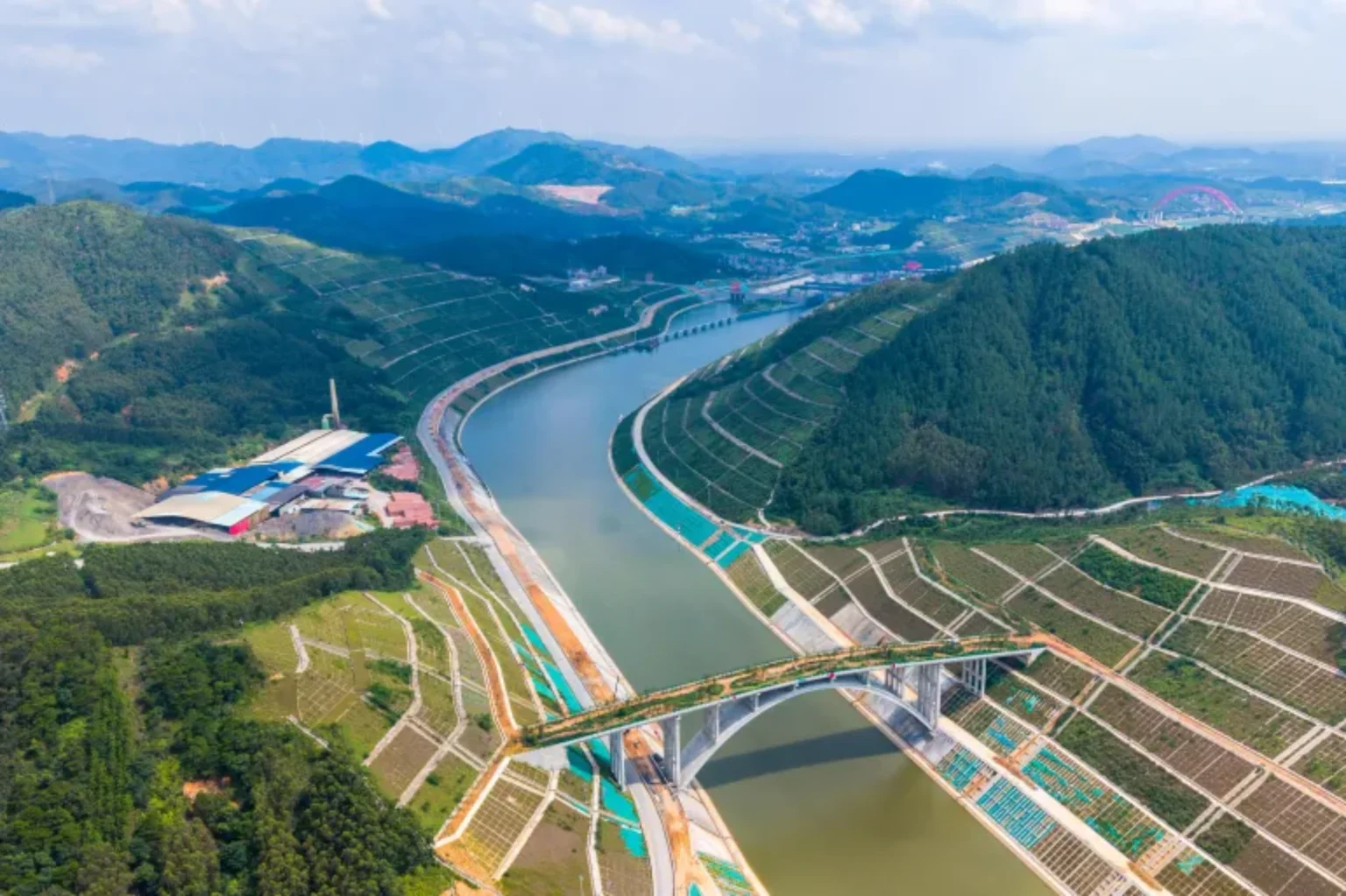

China has opened a major new waterway that changes how goods move from its inland southwest to the sea. On September 16, 2026, the Pinglu Canal began commercial operations in Guangxi. This 134.2-kilometer channel connects the Xijiang River system near Nanning directly to the Beibu Gulf. It is the first large river-to-sea canal planned and built under national coordination since 1949.

For years, cargo from places like Chongqing, Sichuan, Yunnan, and Guizhou had to travel far east along the Xijiang toward Guangzhou before reaching open water. That detour added more than 560 kilometers to the journey. The new canal removes most of that extra distance. Ships of up to 5,000 tonnes can now sail south to the Gulf of Tonkin and on toward Vietnam, Malaysia, Singapore, and other ASEAN markets.
The project cost about 72.7 billion yuan, roughly 10.8 billion US dollars. Construction started in August 2022 and finished in four years. Three sets of locks at Madao, Qishi, and Qingnian handle a total elevation change of around 65 meters. On the first day of operation, about 30 cargo vessels passed through carrying steel, coal, minerals, fertilizer, and building materials. Two new routes also started. One links Nanning to Can Tho in Vietnam. The other connects Nanning to Yangpu Port in Hainan.
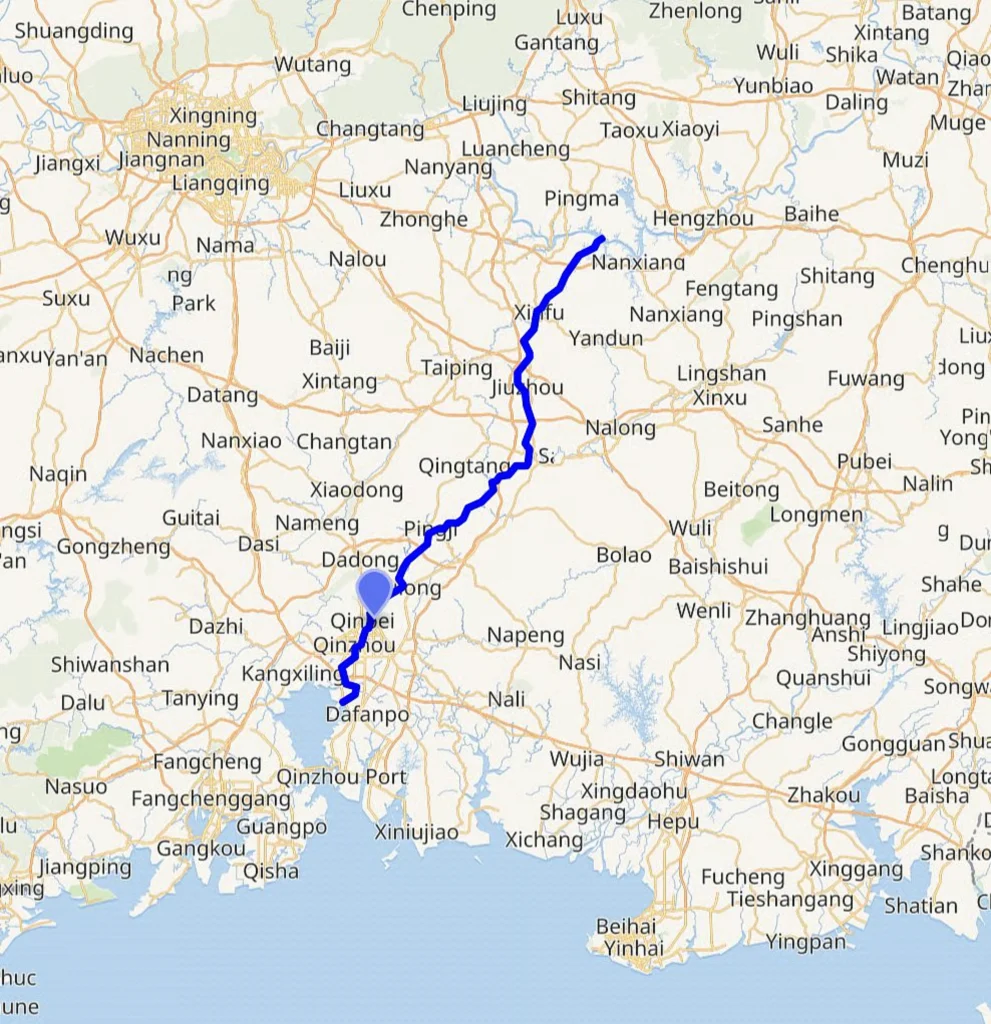
Local officials say the shorter route will cut logistics costs by 18 to 30 percent. Annual savings could reach more than 5 billion yuan. Early forecasts put canal throughput at around 5 million tonnes in 2026 and up to 40 million tonnes in 2027. These numbers matter because China and ASEAN have been each other’s top trading partners for several years. Lower transport costs make it easier for factories in the interior to sell to Southeast Asia and for raw materials from the region to move inland.
The canal sits at the heart of the New International Land Sea Trade Corridor. This network aims to give western and southwestern China better access to global markets without relying only on eastern ports. Beibu Gulf ports, especially Qinzhou, stand to gain traffic that once went to the Pearl River Delta. Businesses in inland industrial zones may find it cheaper to export aluminum, machinery, and agricultural products. Importers of ASEAN commodities could also see faster and less expensive deliveries.
From a practical angle, the change is simple but powerful. A manufacturer in Chongqing no longer needs to send goods hundreds of kilometers east before they turn south. The direct southern path shortens time on the water and reduces fuel use. Over time this can shift where companies locate new plants. Areas closer to the canal route may attract more investment because shipping costs drop. Guangxi itself gains a stronger role as the front door for trade between China’s interior and Southeast Asia.
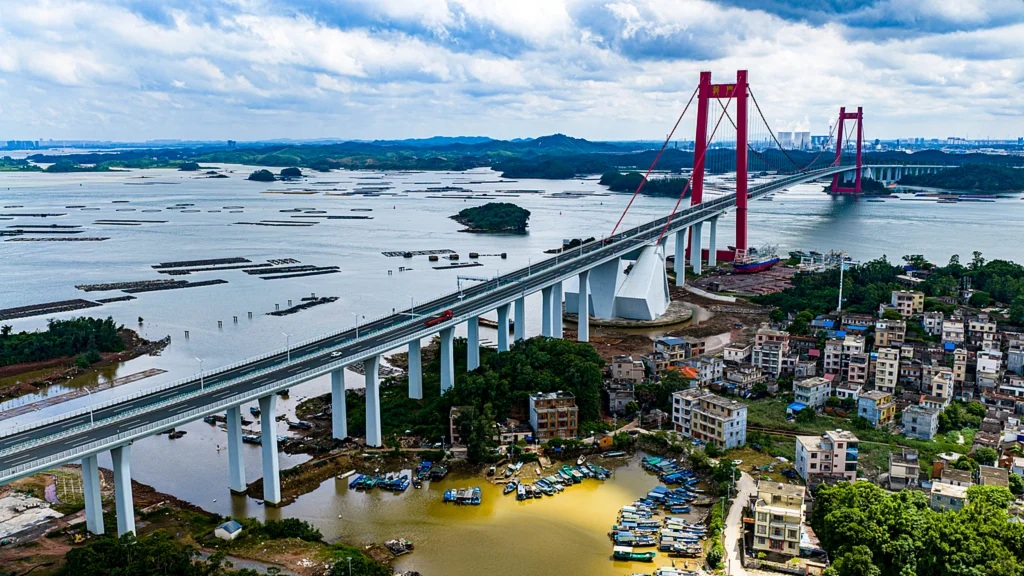
The engineering includes more than just digging and locks. Builders added a long fish passage and a wildlife crossing. They also moved thousands of mature mangrove trees and planted hundreds of thousands of new ones. These steps show an effort to limit damage to the local environment while creating a major transport link.
Lock fees are waived until the end of 2026. From 2027 a modest charge of one yuan per gross ton will apply for each lock passage. Smart systems for navigation and dispatch are already in place. Patrol vessels and navigation markers support safe travel day and night.
Looking ahead, the real test will be how well the canal links with roads, railways, and port facilities. Capacity at the locks and at Beibu Gulf terminals will need to grow with demand. Existing ports in Guangdong may lose some cargo volume. That competition could push all ports to improve efficiency. For ASEAN countries the benefit is clearer and lower cost access to goods from China’s interior provinces.
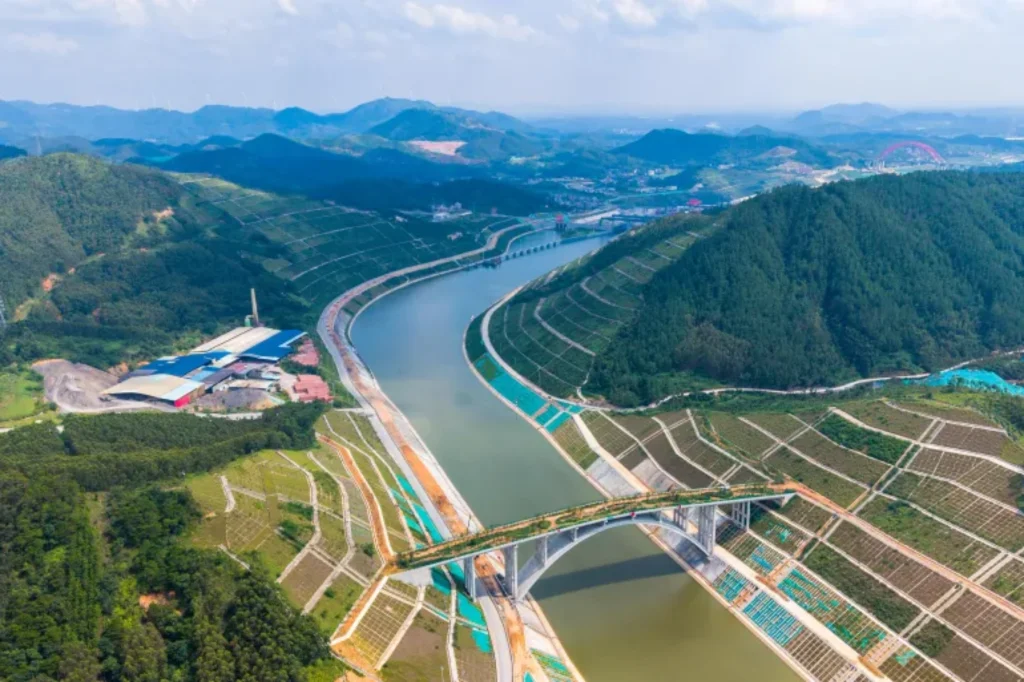
This project continues a long Chinese tradition of using waterways to connect distant regions. The ancient Grand Canal linked north and south for centuries. The Pinglu Canal does something different. It joins an inland river system straight to the sea in the far south. In doing so it reduces the economic gap between coastal and inland China. Provinces that once paid higher logistics bills now have a shorter, cheaper path to international markets.
Early traffic numbers will show how quickly shippers switch routes. If volumes rise as expected, the canal could become a steady artery for bulk goods and containers. Factories, traders, and logistics firms in the southwest will watch the numbers closely. Lower costs and shorter transit times can improve their competitiveness in Southeast Asia.
The opening of the Pinglu Canal is more than a single infrastructure event. It rewrites part of China’s freight map. Goods from the heartland now have a direct southern exit. Trade with ASEAN gains another efficient channel. For communities along the route and for businesses further inland, the shorter path to the sea opens practical new possibilities that did not exist before September 16, 2026.
What Comes Next After the Opening of the Pinglu Canal
In the months and years ahead the true measure of this canal will come from daily use. Shippers will decide based on real cost and time savings whether to shift cargo south. If the numbers hold, more factories may set up closer to the route and more ASEAN goods will flow inland with less friction. The Pinglu Canal gives southwestern China a lasting new connection to the sea and to its nearest trading neighbors.