Pelli Clarke & Partners has completed the Lola Mora Cultural Center in San Salvador de Jujuy, Argentina, a cultural institution dedicated to the life and work of the renowned Argentine sculptor Lola Mora (1866–1936). Set within the dramatic landscape of northwestern Argentina, the project combines art, architecture, conservation, and environmental design. It is also the firm’s first cultural building in South America and the final project led by its founder, the late César Pelli.
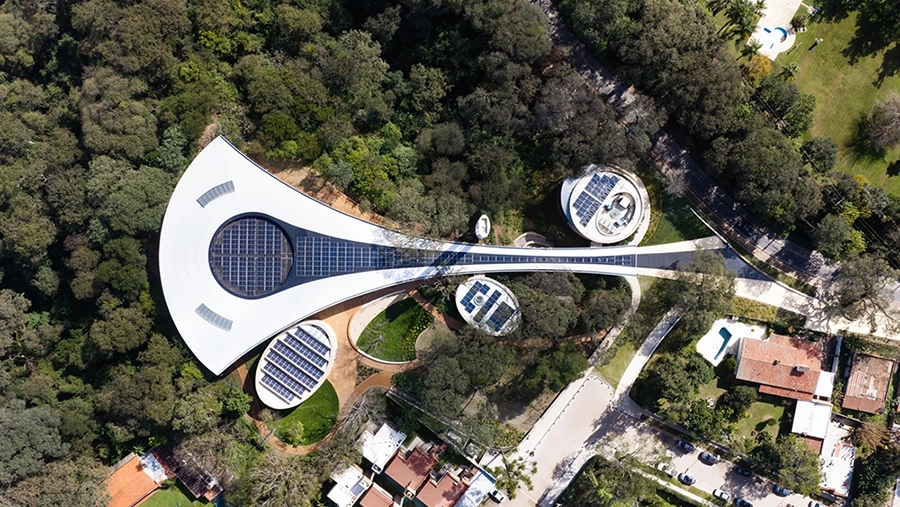
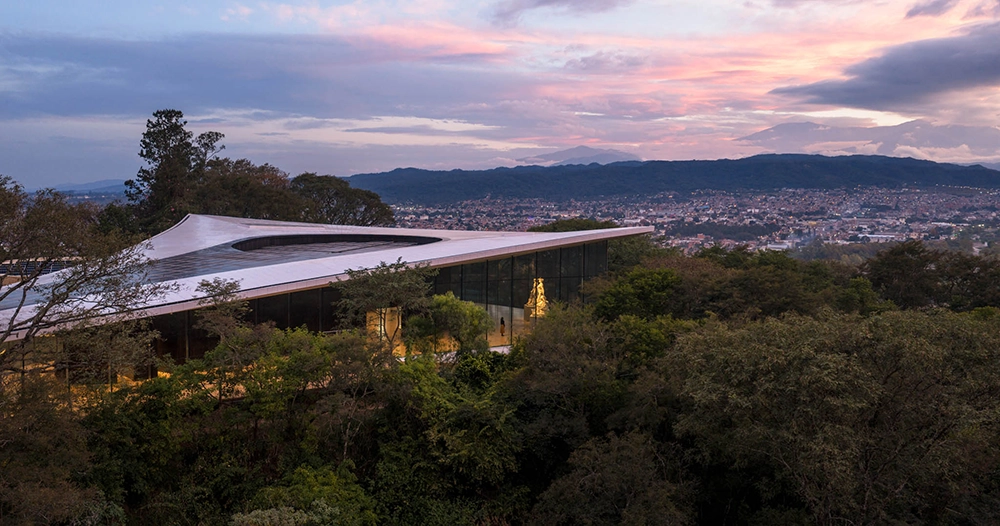
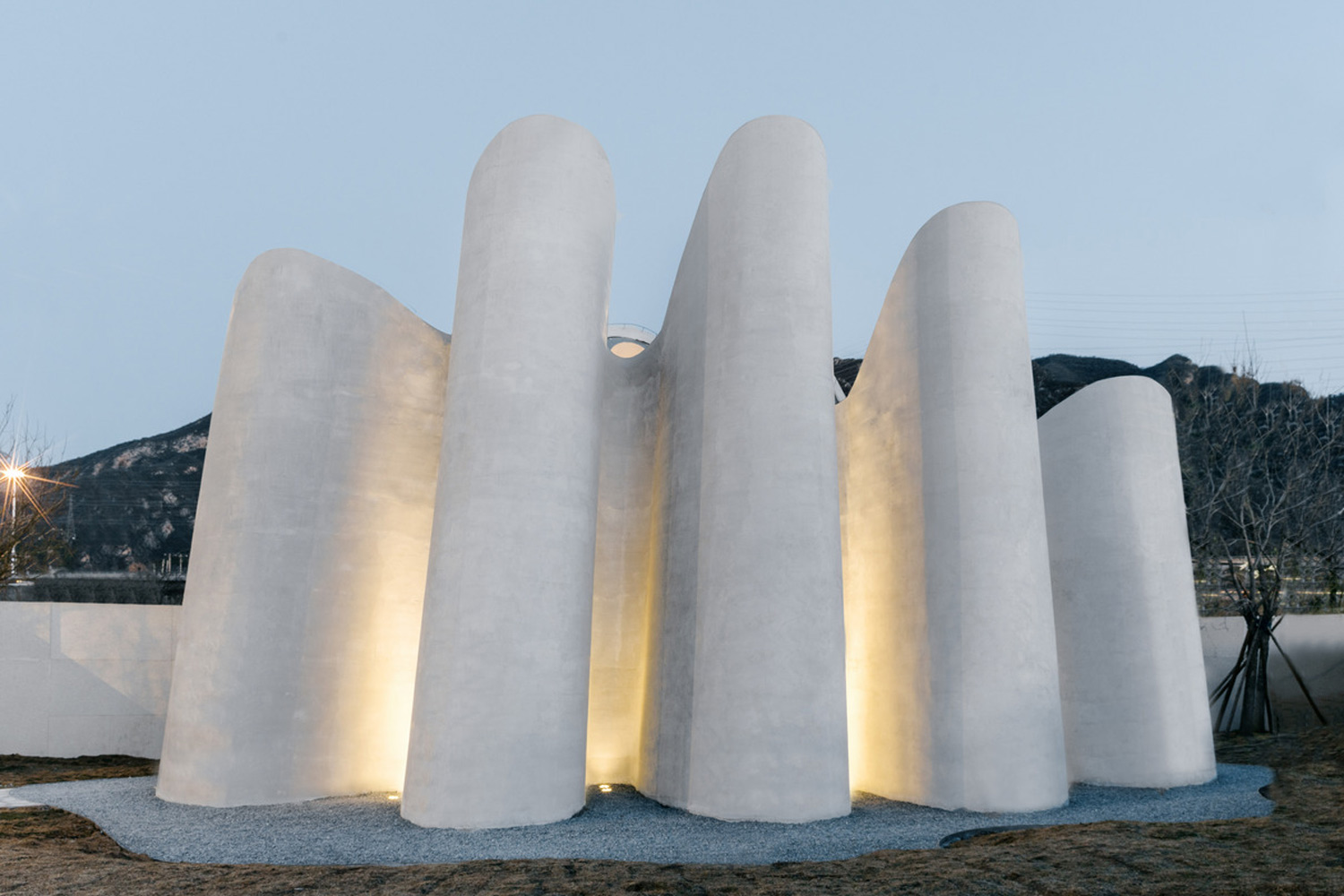
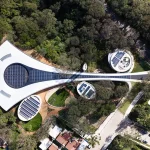
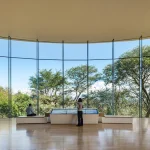
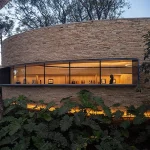
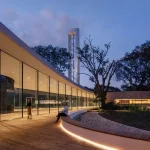
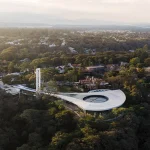
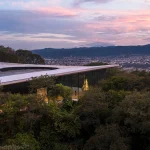
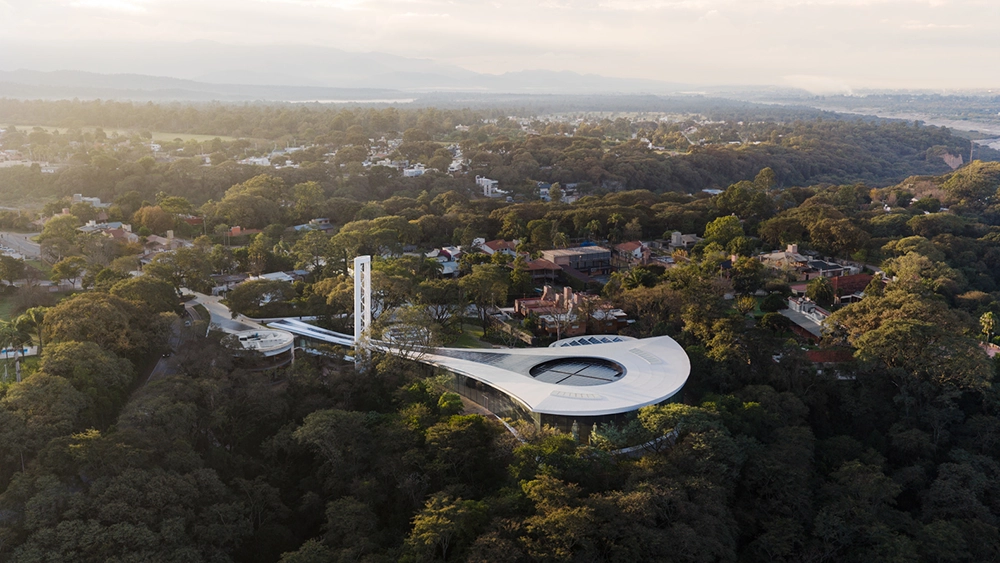
Located on a hillside overlooking San Salvador de Jujuy, the center occupies a transitional landscape between the Andes Mountains and the subtropical Yunga forest. Rather than imposing a conventional object building on the site, the design responds closely to the existing terrain. Its curved geometry follows the contours of the hillside, creating a low, flowing profile that integrates the building into the landscape. Existing native trees have been preserved and incorporated into the architectural composition, reinforcing the relationship between the cultural center and its natural surroundings.
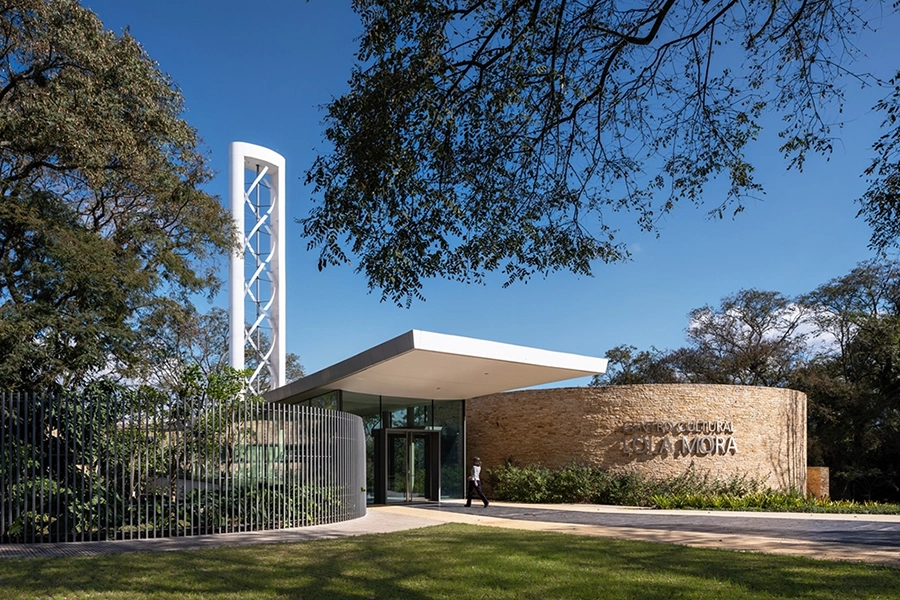
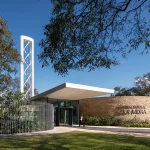
Access to the building is an architectural experience in itself. A bridge crosses a natural ravine and leads visitors toward the main entrance, creating a gradual transition from the surrounding landscape into the cultural complex. The circulation strategy emphasizes movement through the site rather than treating the building as an isolated destination. The architecture therefore operates simultaneously as a cultural venue and as an extension of the landscape.
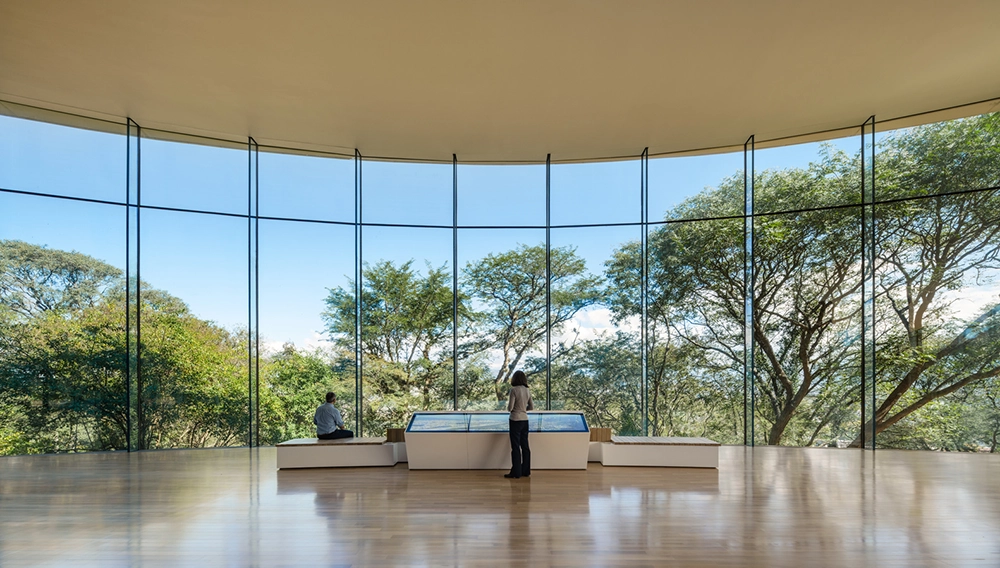
Inside the Lola Mora Cultural Center
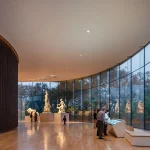
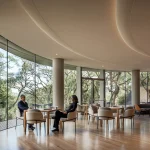
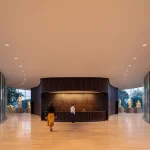
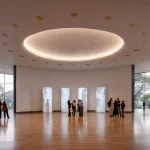
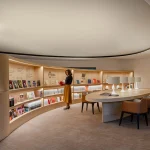
The building houses a series of interconnected programs, including exhibition galleries, an interpretation center, a library, a restaurant, a gift shop, temporary exhibition spaces, and facilities for visiting artists. The organization allows the center to accommodate both permanent collections and changing cultural activities, while providing spaces for education, research, and public engagement.
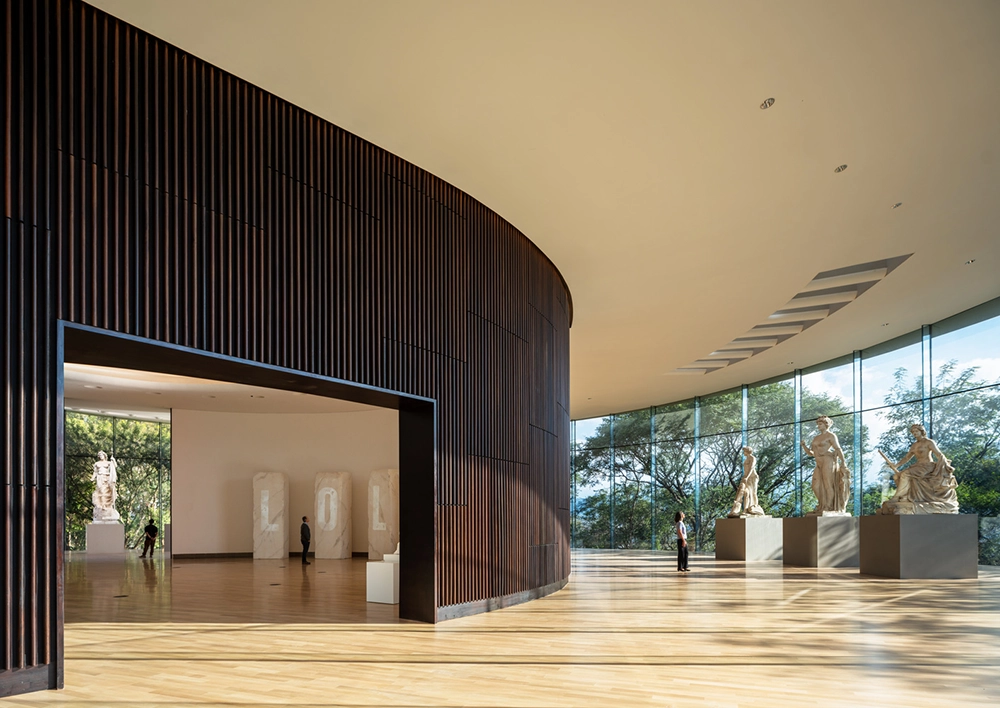
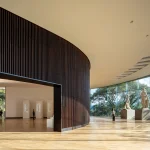
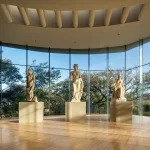
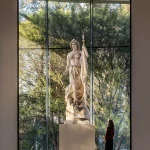
One of the project’s central architectural challenges was the conservation and presentation of six monumental sculptures by Lola Mora. Carved from Carrara marble, The Lions, Liberty, Progress, Work, Peace, and Justice were originally commissioned for the inauguration of the Argentine National Congress Palace in Buenos Aires in 1906. Approximately 15 years later, the sculptures were removed and donated to the province of Jujuy, where they remained exposed to outdoor conditions for more than a century.
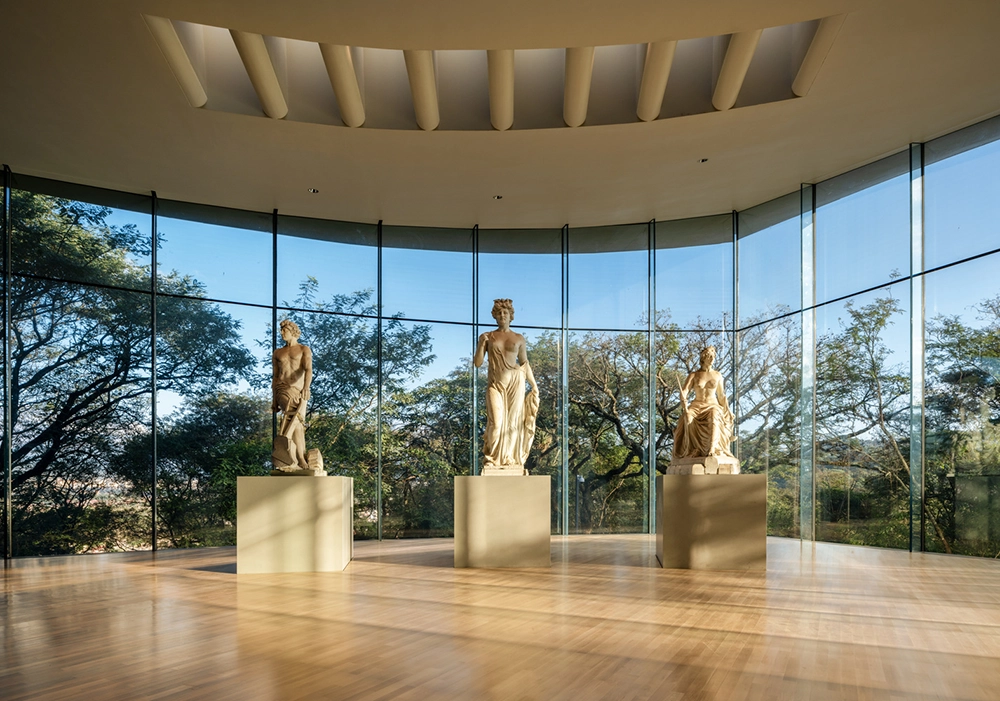
The new cultural center provides these works with a purpose-built environment designed to protect them while allowing visitors to experience them as a unified collection. Architecture consequently becomes part of the conservation strategy, providing controlled interior conditions and a spatial framework for interpreting the sculptures.
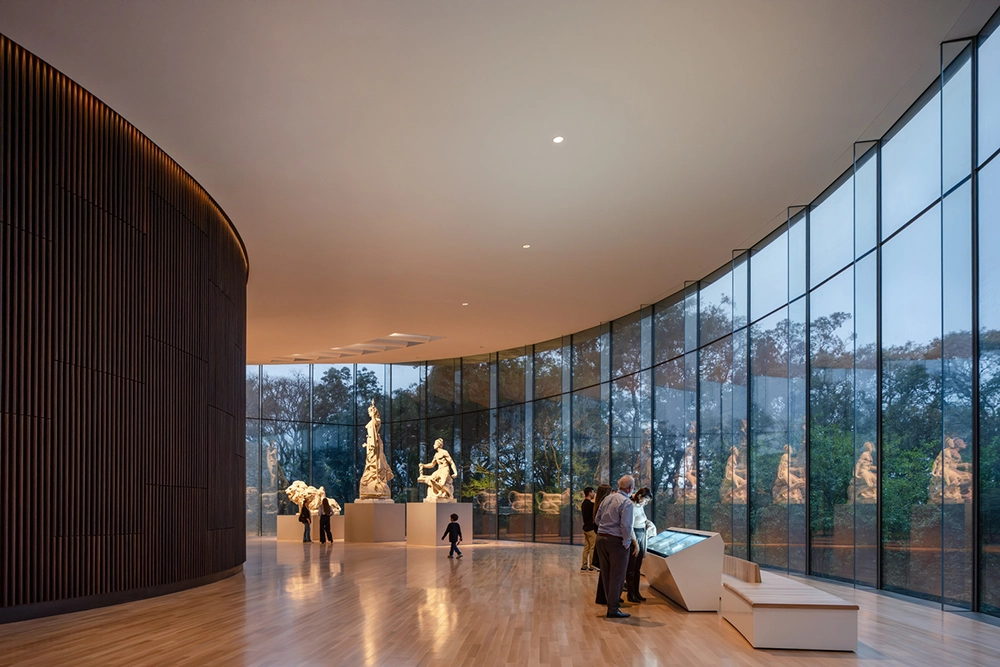
Environmental performance is another defining aspect of the project. Conceived as a net-zero facility, the center incorporates sustainable strategies into its architectural and operational design. Its orientation, relationship to the terrain, preservation of vegetation, and integration with the surrounding landscape contribute to reducing its environmental impact.
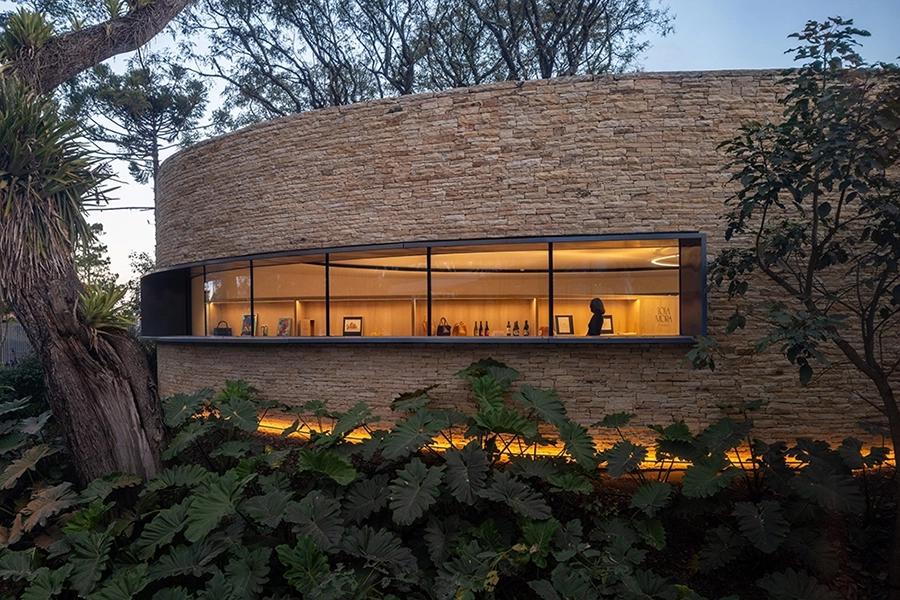
The Lola Mora Cultural Center ultimately extends Pelli Clarke & Partners’ long-standing interest in architecture that combines monumentality with human experience. Rather than relying on an isolated iconic form, the project derives much of its identity from its landscape, circulation, material presence, and cultural program. In Jujuy, the architecture provides not only a home for Lola Mora’s sculptures but also a new cultural connection between Argentina’s artistic heritage and its distinctive natural environment.