

-1536x1024.webp)















-150x150.webp)
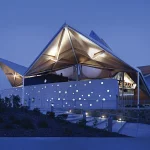
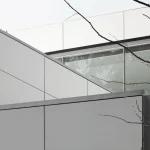
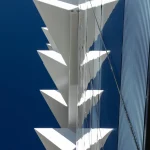
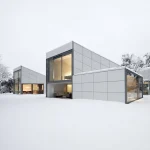
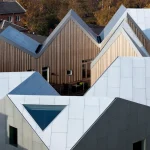
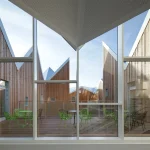
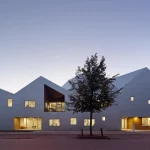
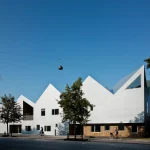
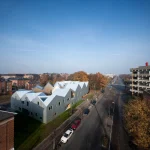
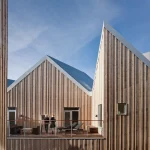
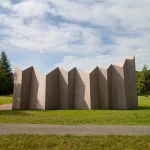
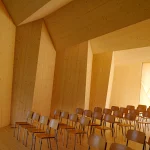
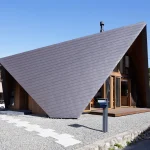
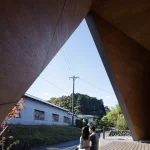
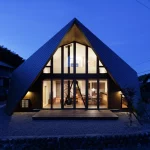
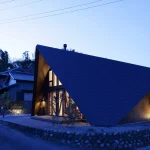
Origami is a centuries-old Japanese art of paper folding that has evolved into one of architecture’s most fascinating design inspirations. Japanese origami transforms the elegance and precision of folded paper into buildings that are visually striking and structurally intelligent. Blending creativity with engineering, architects use folded forms to create dynamic spaces, innovative façades, and adaptable structures that respond to changing needs and environments.
These are ten remarkable buildings that integrate the ancient Japanese art of origami and continue to inspire contemporary architecture.
1. Cardero | Canada
Location: Vancouver, Canada
Architect: Henriquez Partners Architects
Completed: 2020
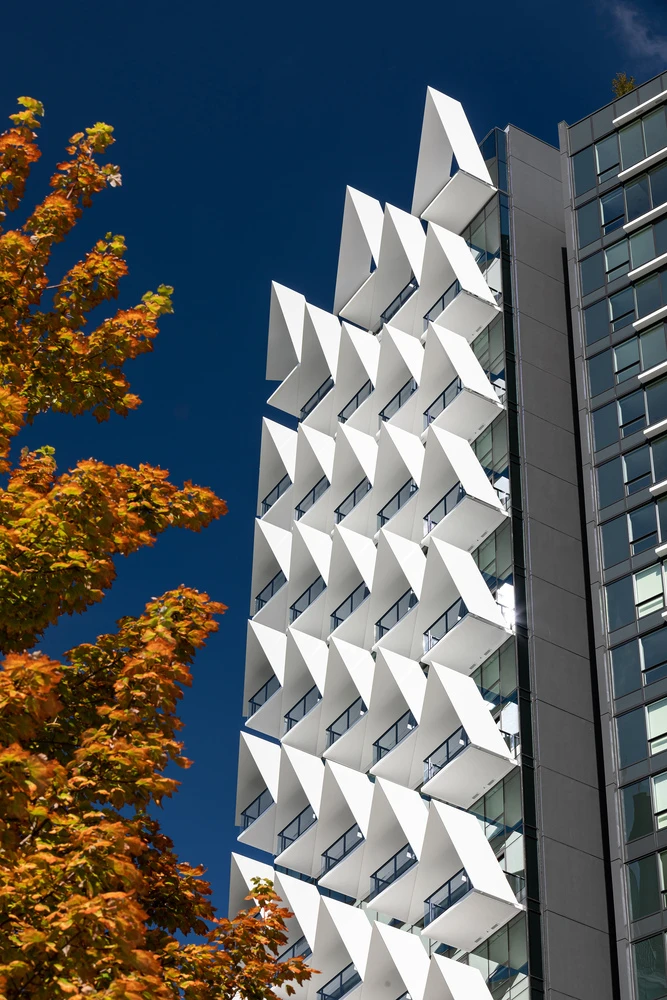
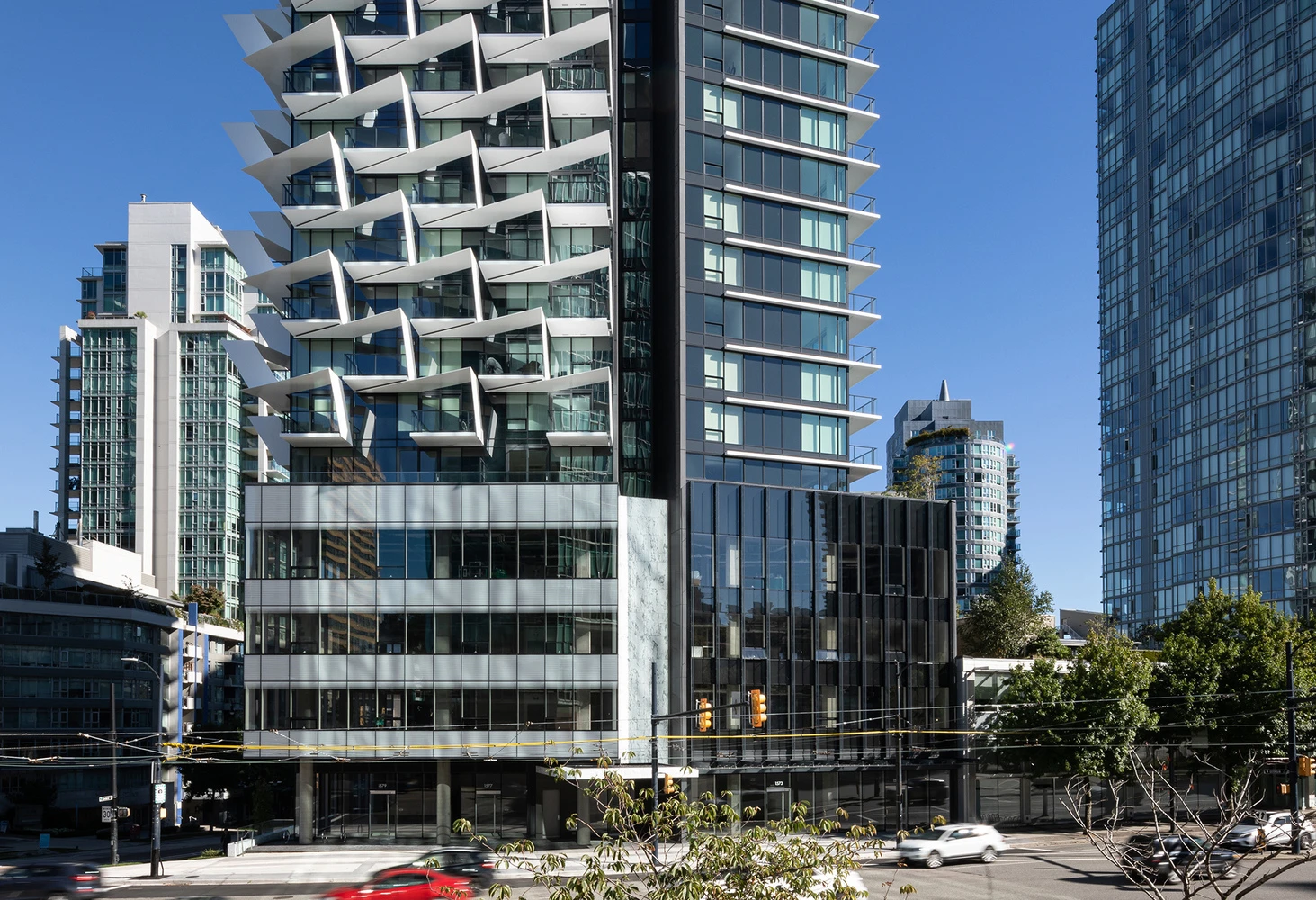
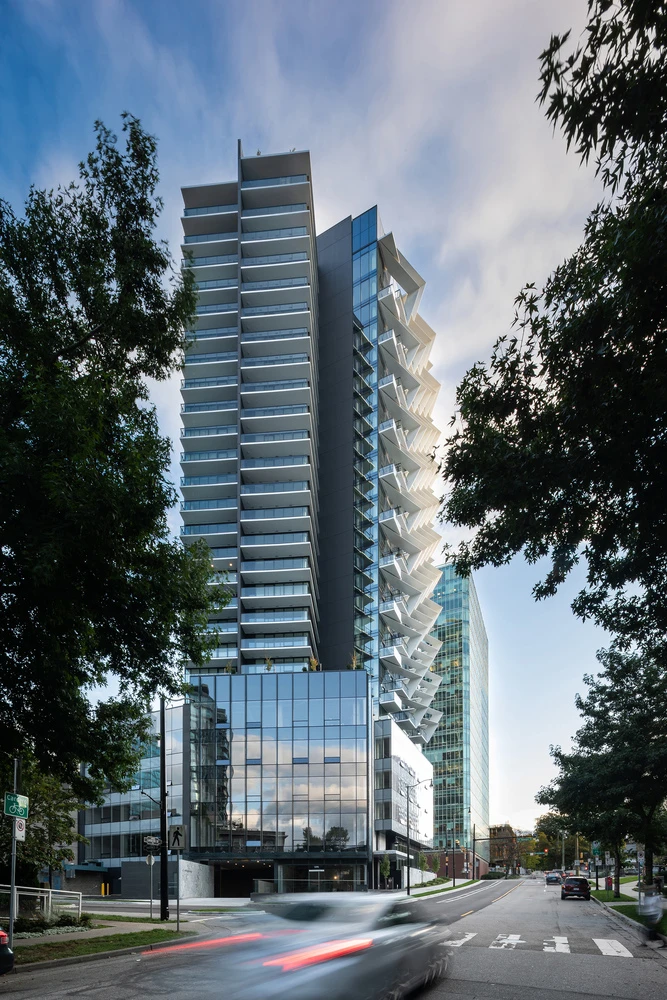
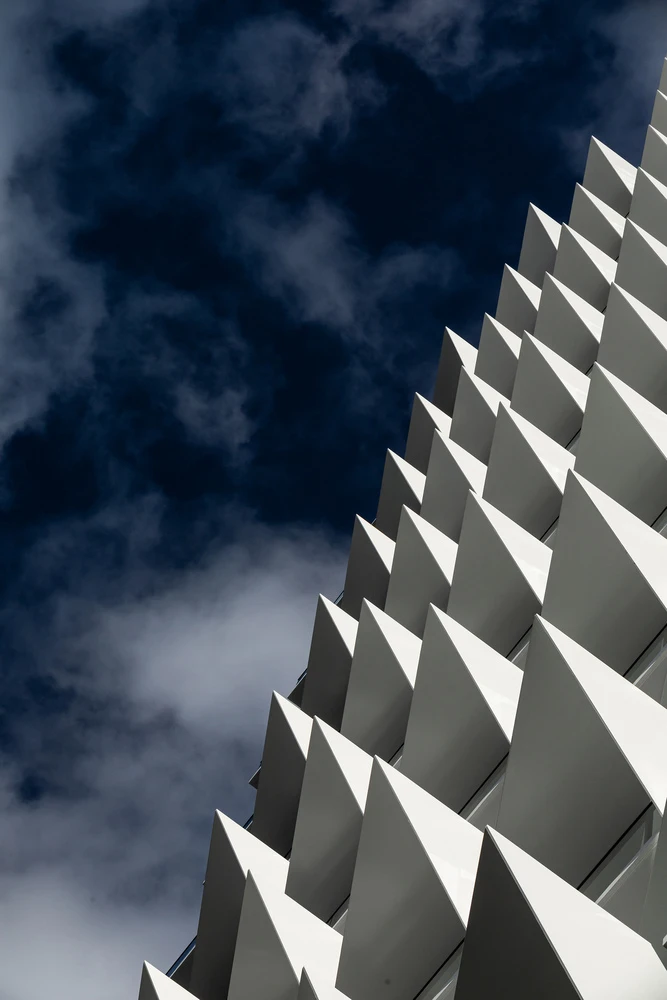
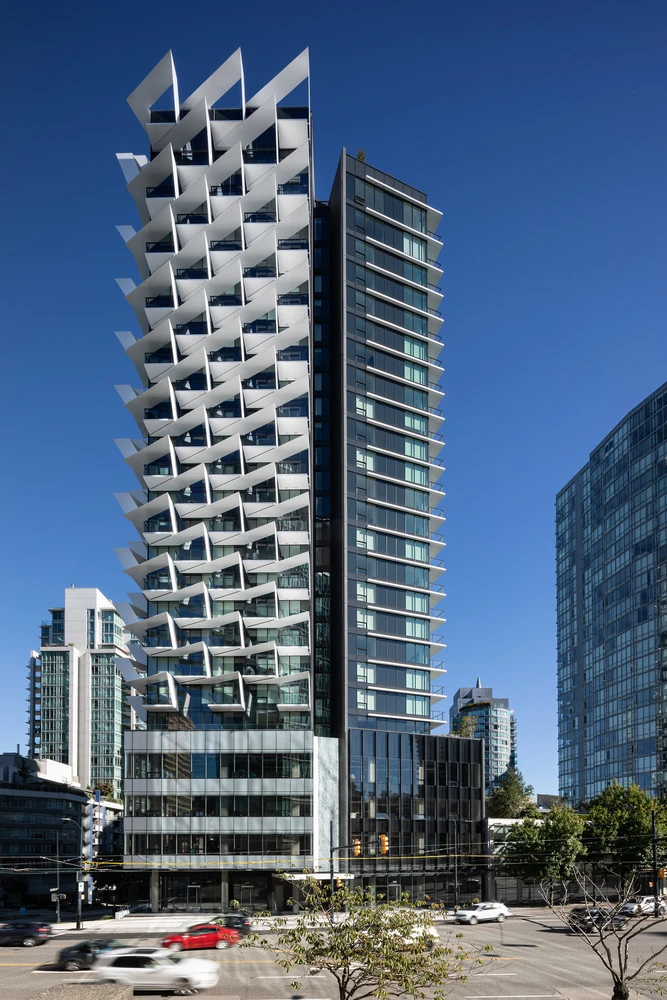
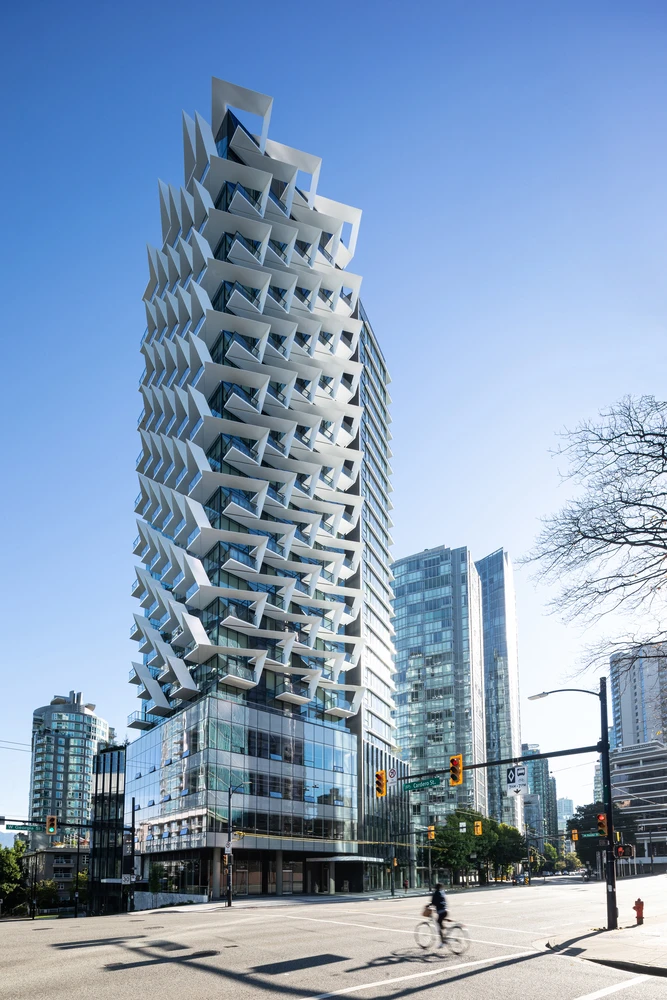
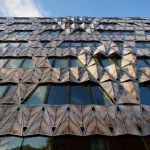
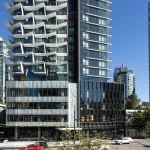
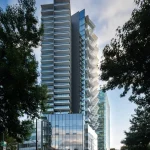
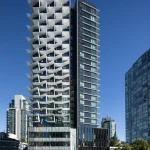
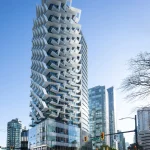
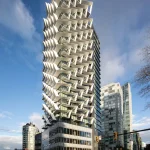
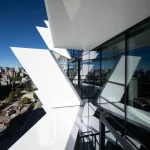
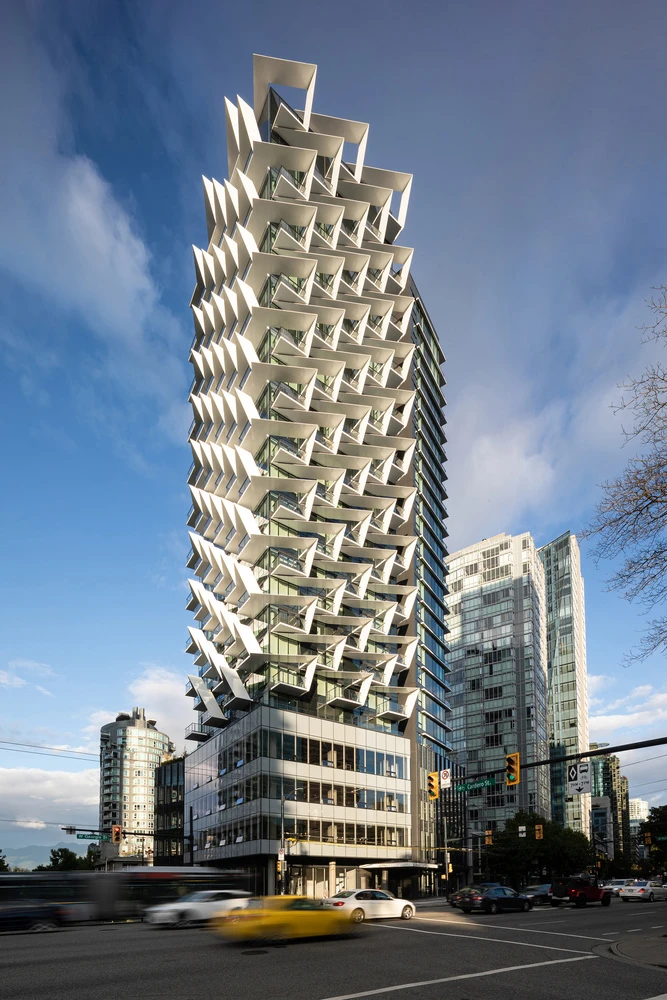
Situated near Vancouver’s Coal Harbour waterfront, The Cardero transforms a prominent urban intersection into a striking architectural landmark. Positioned between the city’s downtown core and the waterfront, the building is designed thoughtfully in response to its surroundings, inspired by organic origami forms and the character and movement of the neighborhood. Its slender obelisk-like form creates a bold presence on the skyline, while the façade and landscape design reflect the unique context of the site.
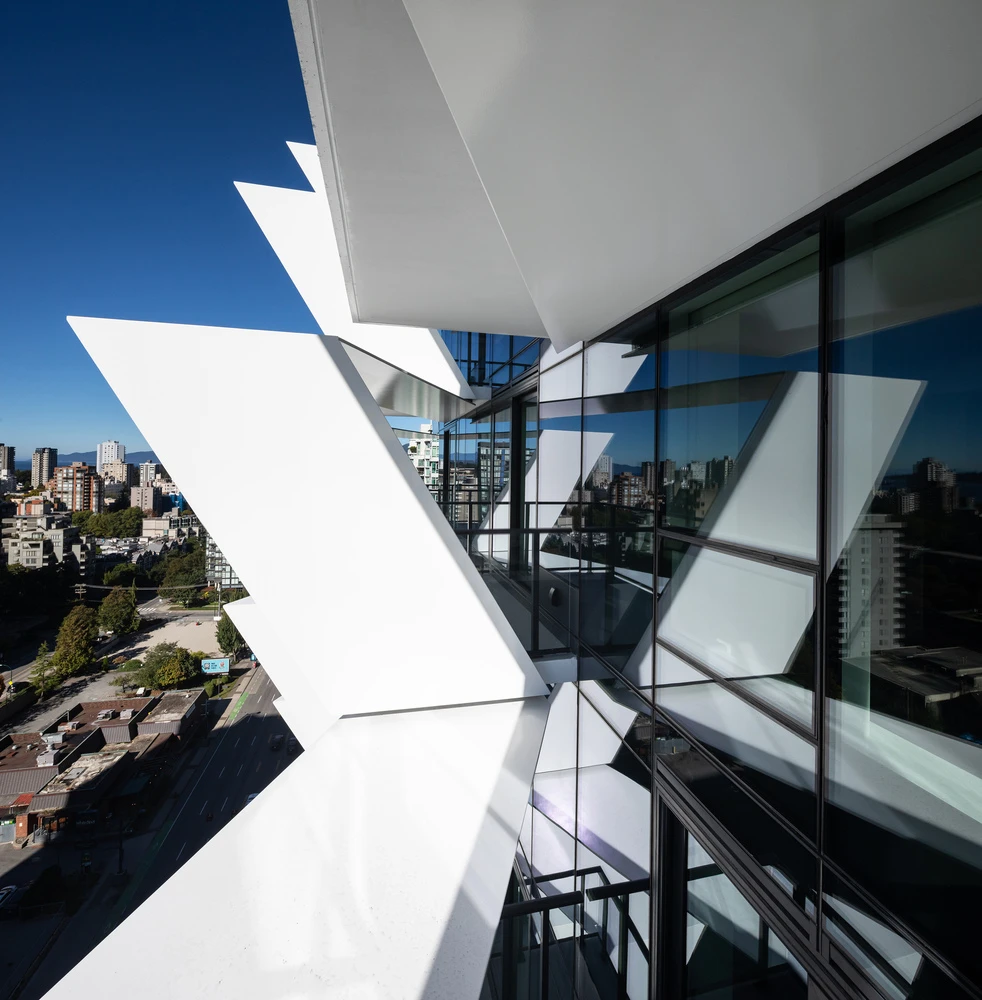
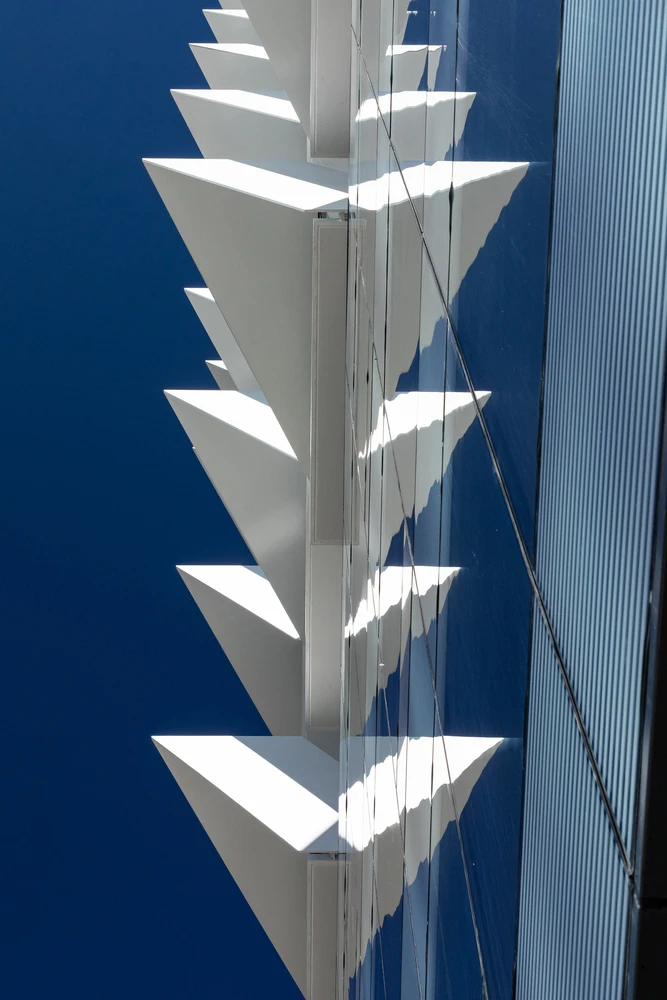
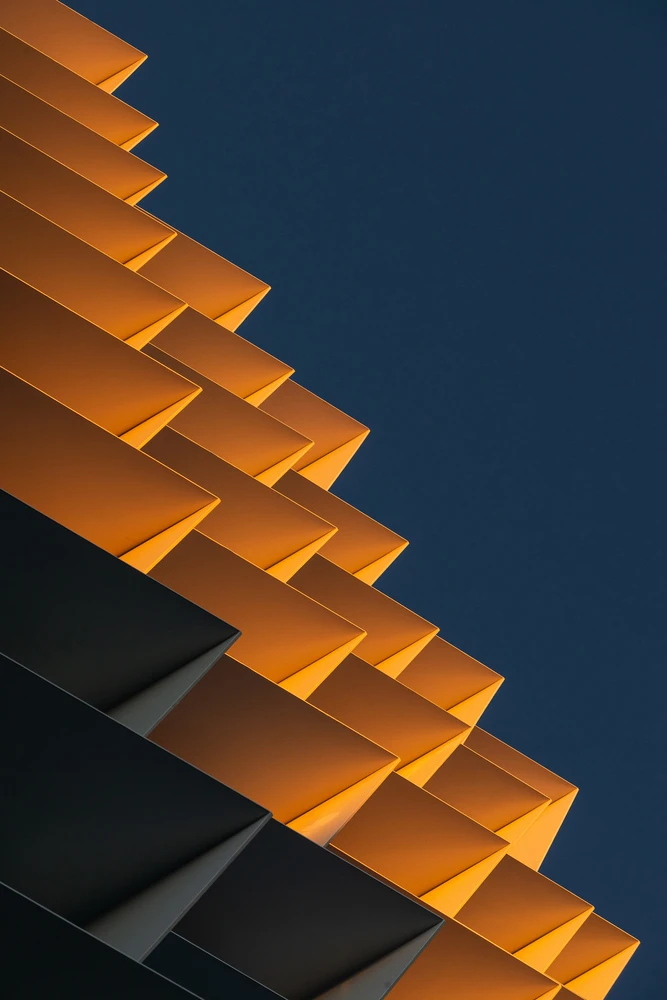
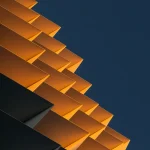
The design features a series of sculptural sunshades wrapping the south and west façades. Designed as a practical solution for controlling sunlight, these origami-inspired folded screens give a distinctive architectural identity. Inspired by Coal Harbour’s maritime setting, the façade captures a sense of movement and flight. The dynamic design transforms a functional element into an architectural statement.
2. Chapel of Saint-Loup | Switzerland
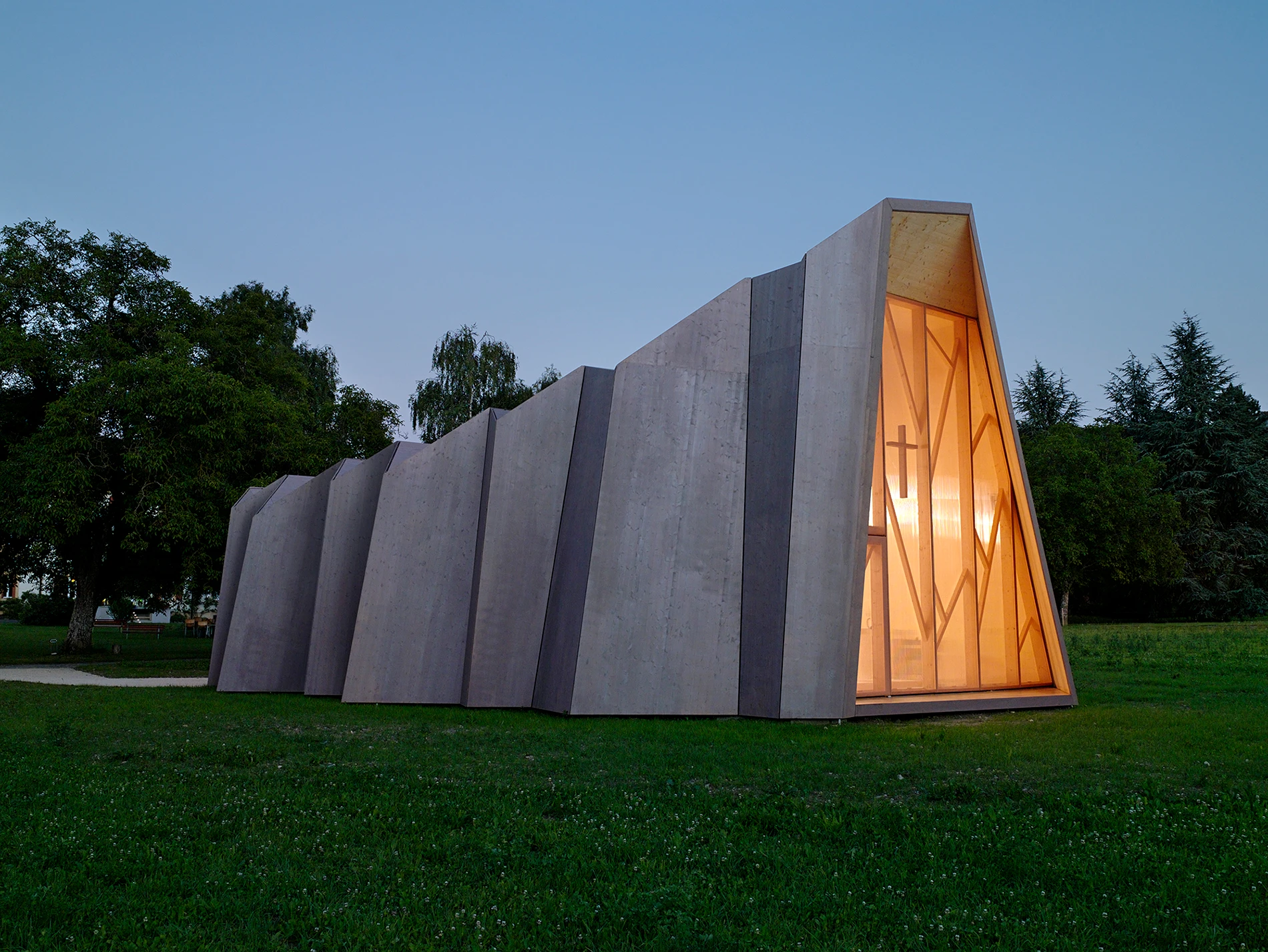
Location: Saint-Loup, Pompaples, VD, Switzerland
Architect: LOCALARCHITECTURE
Completed: 2008
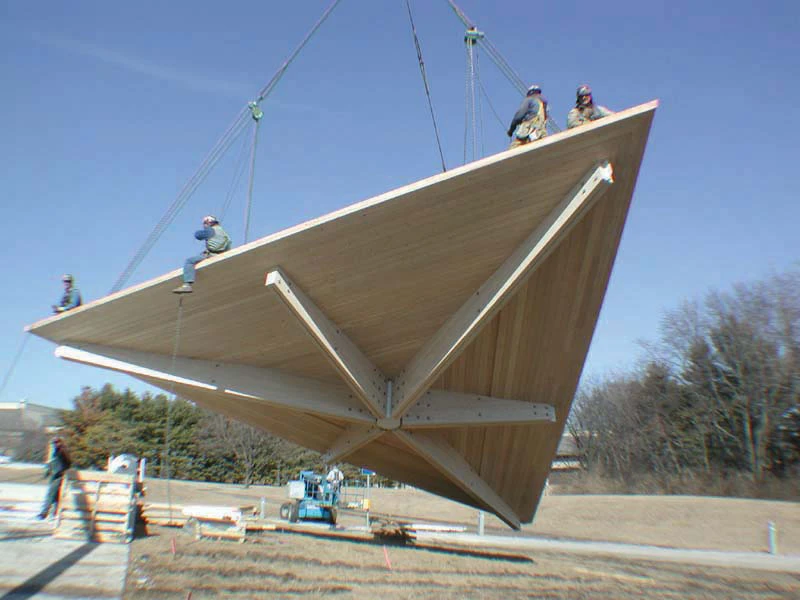
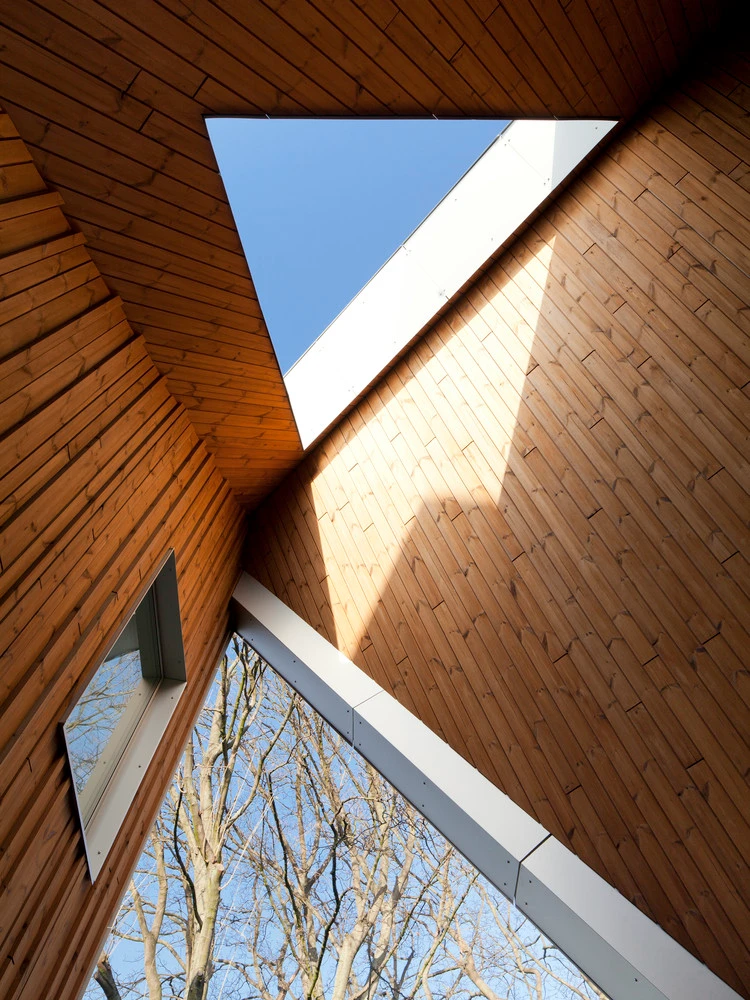
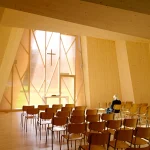
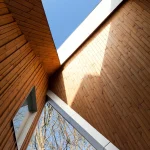
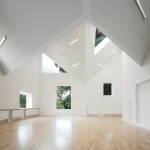
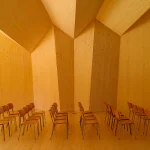
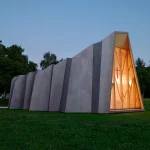
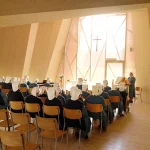
Designed by LOCALARCHITECTURE and Danilo Mondada, the Temporary Chapel for the Deaconesses of St-Loup in Switzerland shows how origami-inspired architecture can transform a simple temporary structure into a spatial experience. Created during the renovation of the community’s historic motherhouse in 2008, the chapel features a striking folded timber form that appears as if carefully crafted from a single sheet of paper. Using digitally generated design techniques and precision timber construction, the project blends contemporary innovation with a sense of warmth and spirituality.
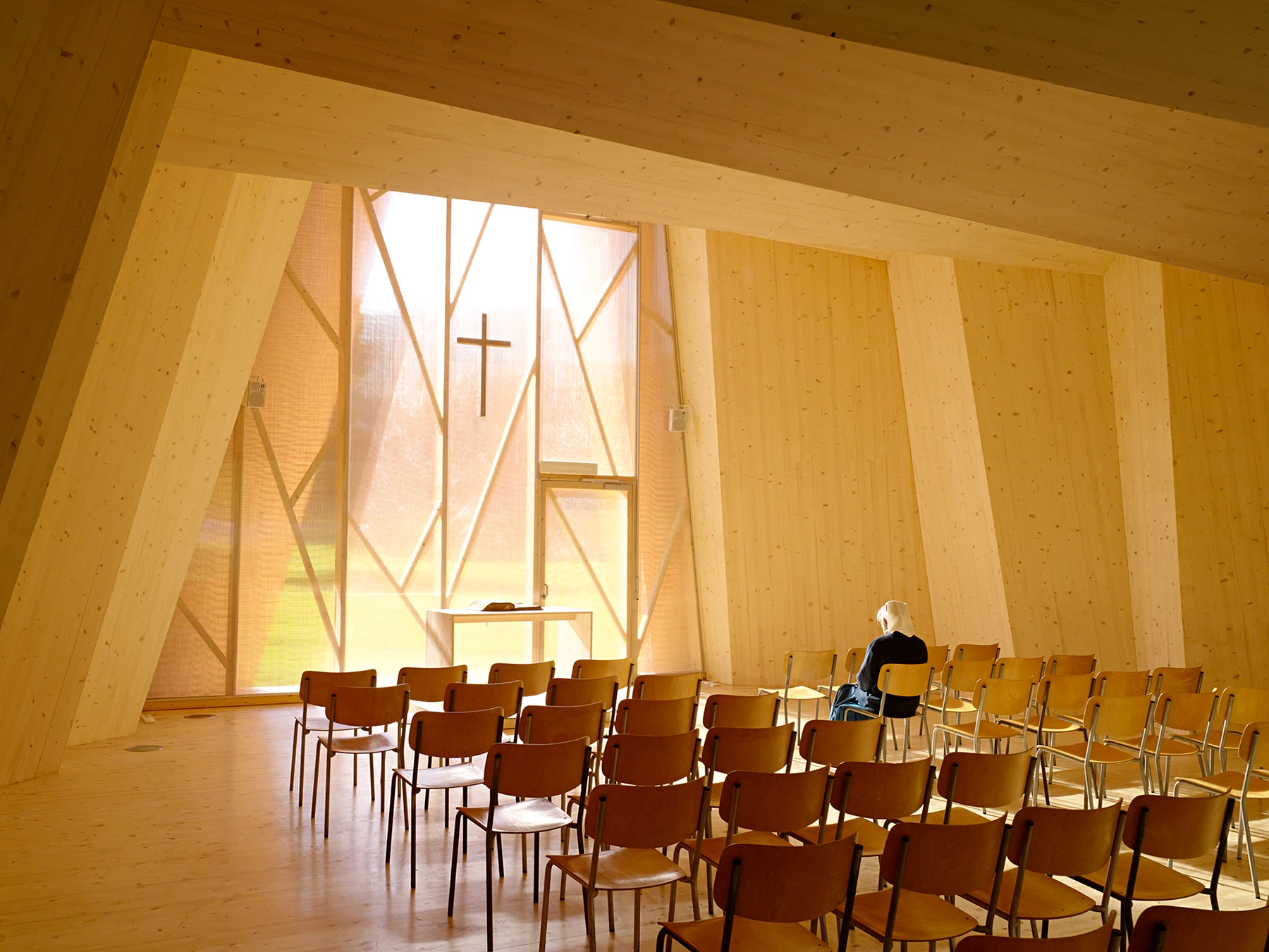
The chapel uses innovative design to transform a simple structure into a remarkable spatial architecture experience. Folded timber surfaces, inspired by origami, create a dynamic yet peaceful interior where light, material, and form work together beautifully. Advanced digital design tools were used to generate the complex geometry and precisely calculate the structural system, allowing large spans to be achieved with slender timber elements.
3. AA House (Origami House) | Spain
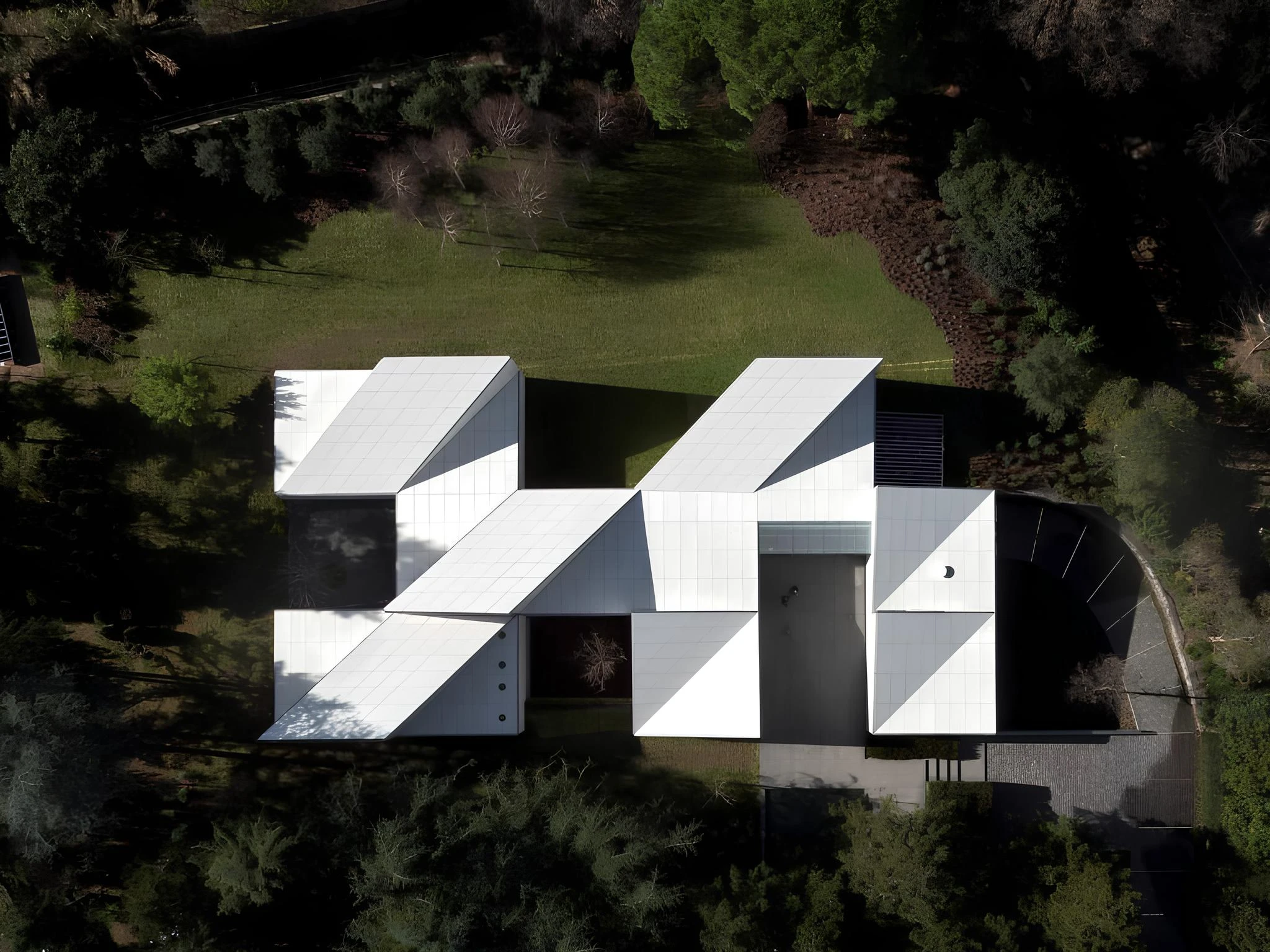
Location: Sant Cugat del Vallès, Barcelona, Spain
Architect: Office of Architecture
Completed: 2011
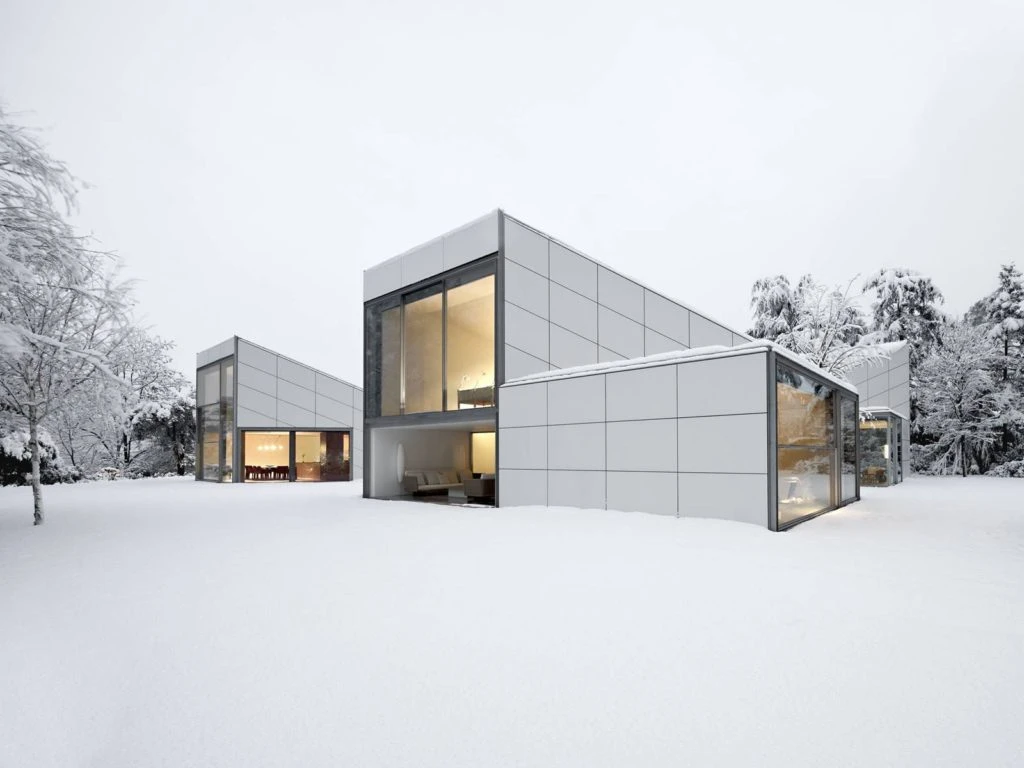
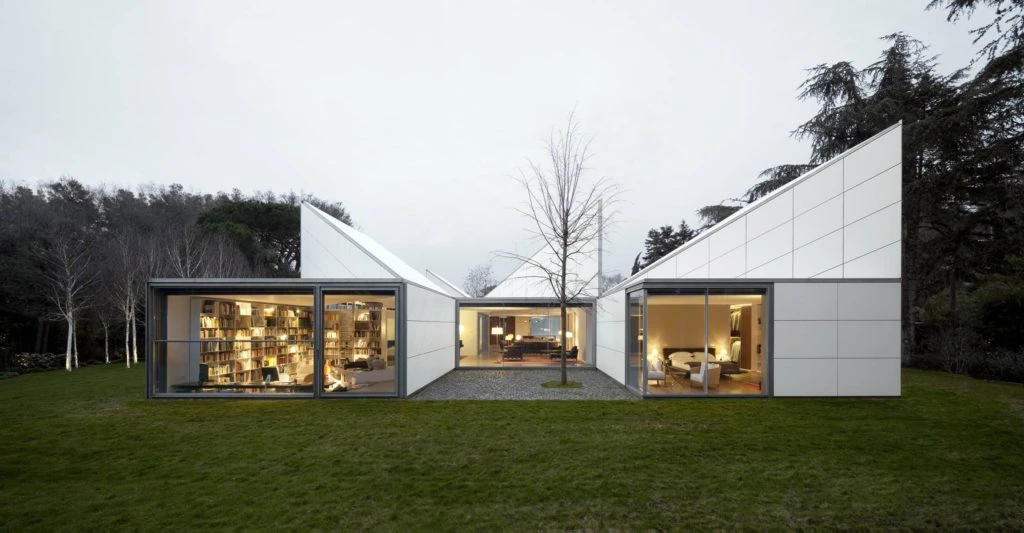
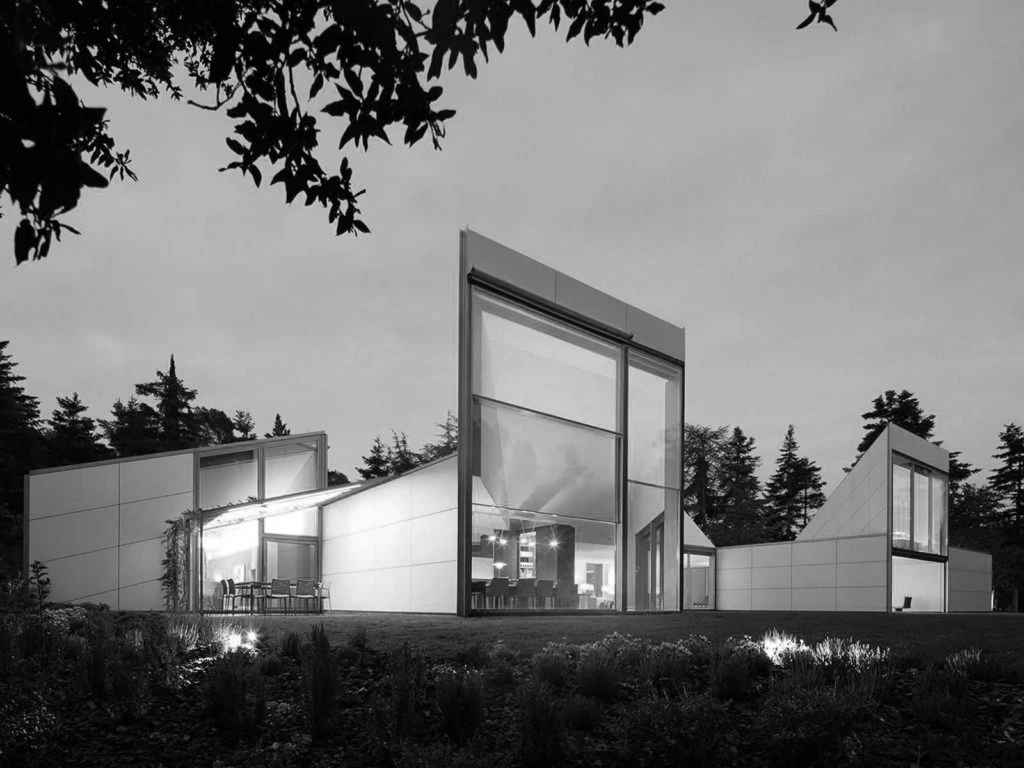
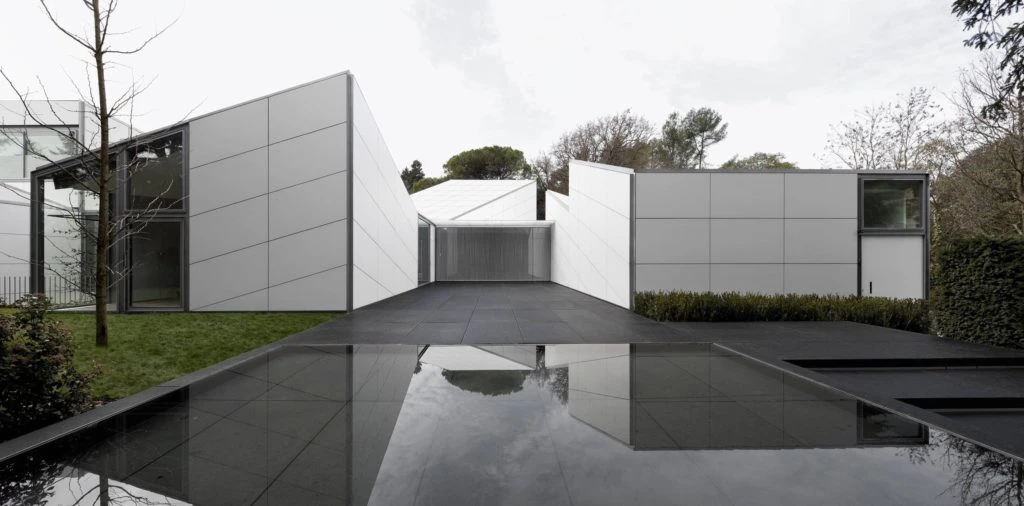
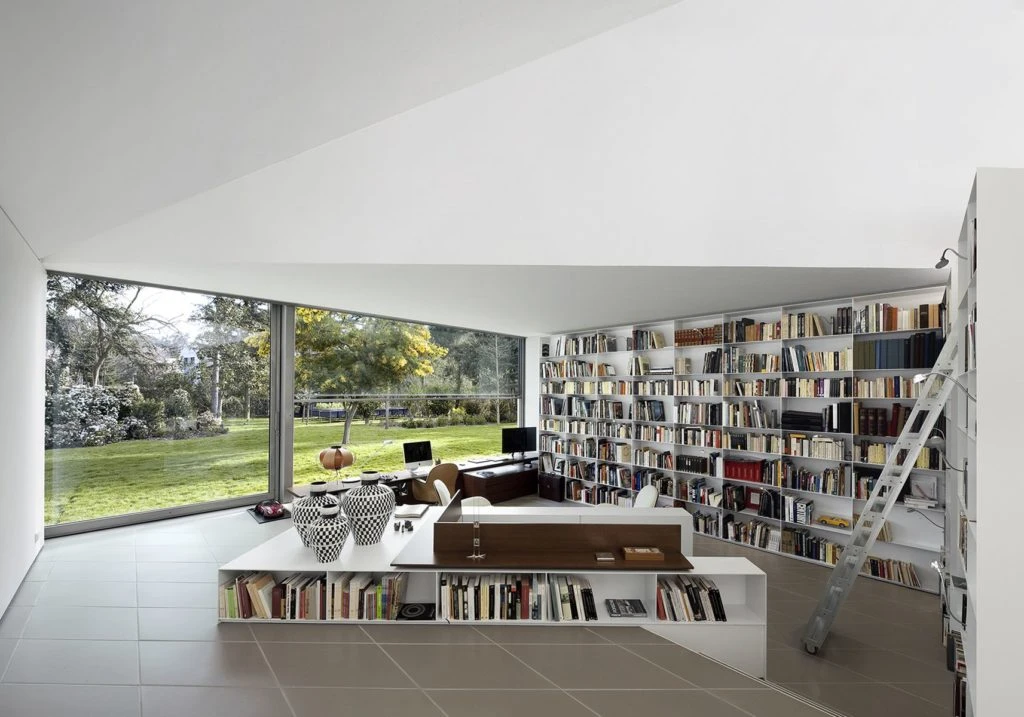
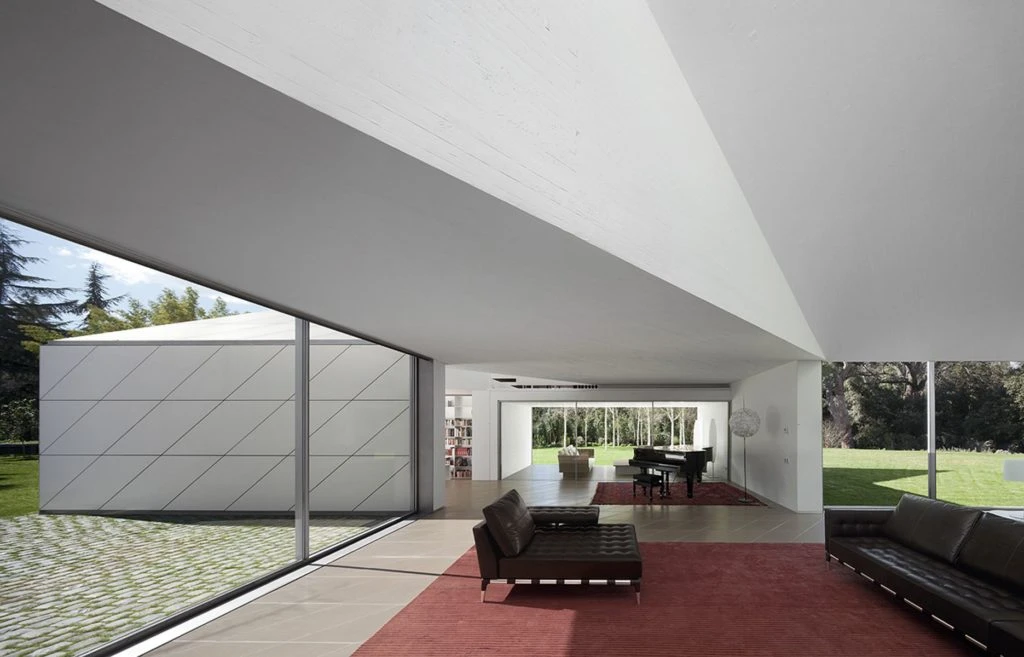
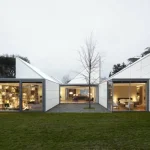
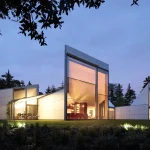
The AA House by Carlos Ferrater and Xavier Martí is an interesting example of how origami can inspire contemporary architecture. Situated beside a forest overlooking a golf course in Sant Cugat, the residence emerges from the landscape, characterized by a series of folded, sloping roofs that appear to rise naturally among the trees. The sculptural form creates a strong visual identity while maintaining a connection to the surrounding environment and is inspired by the architectural ideas of masters such as Louis Kahn, Alison and Peter Smithson, and Charles and Ray Eames.
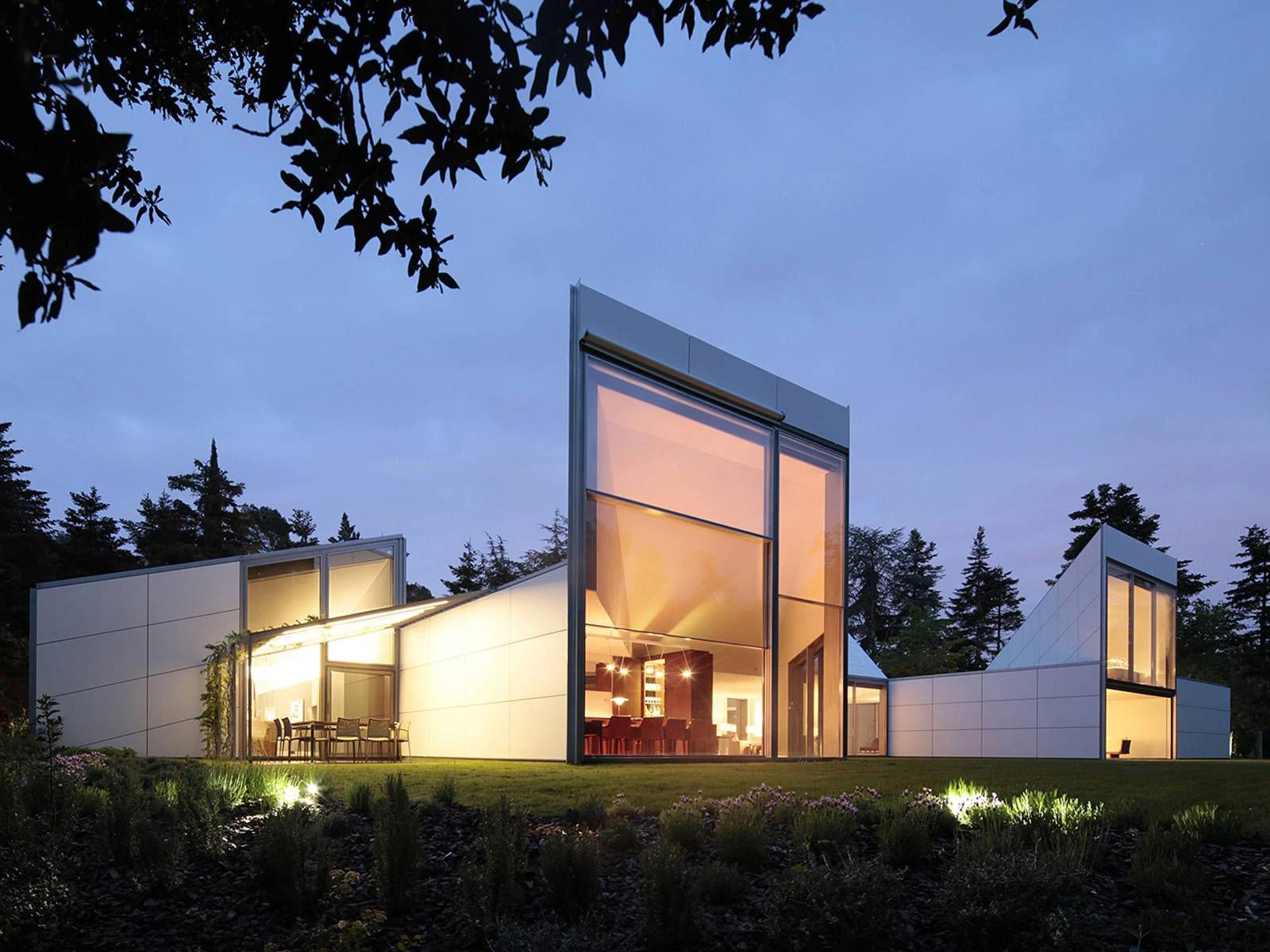
The architecture is designed as a simple geometric concept, built on a disciplined grid and shaped by diagonal folds. The architecture creates a sculptural roofscape that appears to float above the natural terrain, transforming the home into an artificial landscape of light, volume, and movement. Large expanses of glass connect the interiors directly to the garden, blurring the boundaries between inside and outside with uninterrupted views through the spaces. In the residence, geometry, nature, and everyday life come together in a seamless architectural experience.
4. Origami Office Building | France
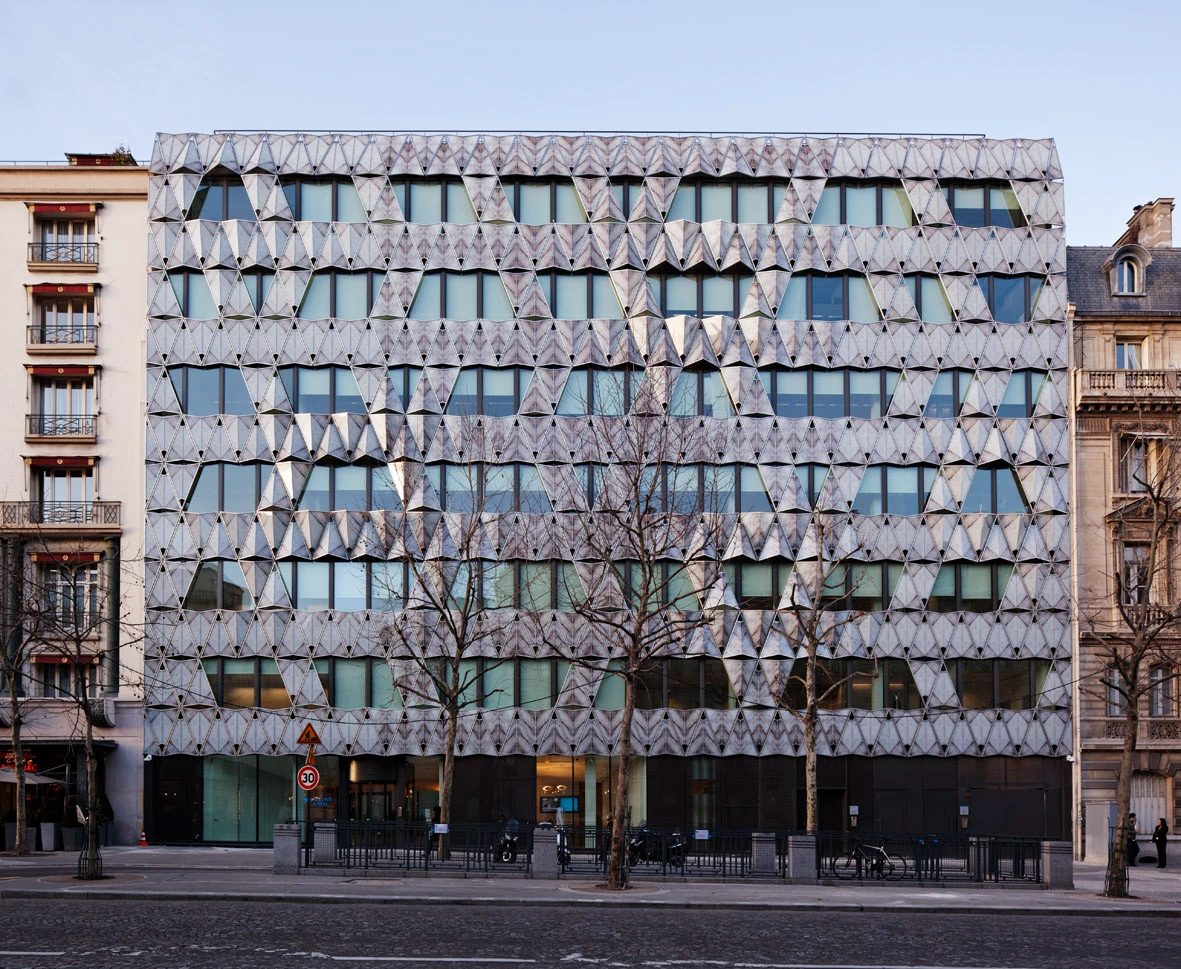
Location: Paris, France
Architect: Manuelle Gautrand Architecture
Completed: 2012
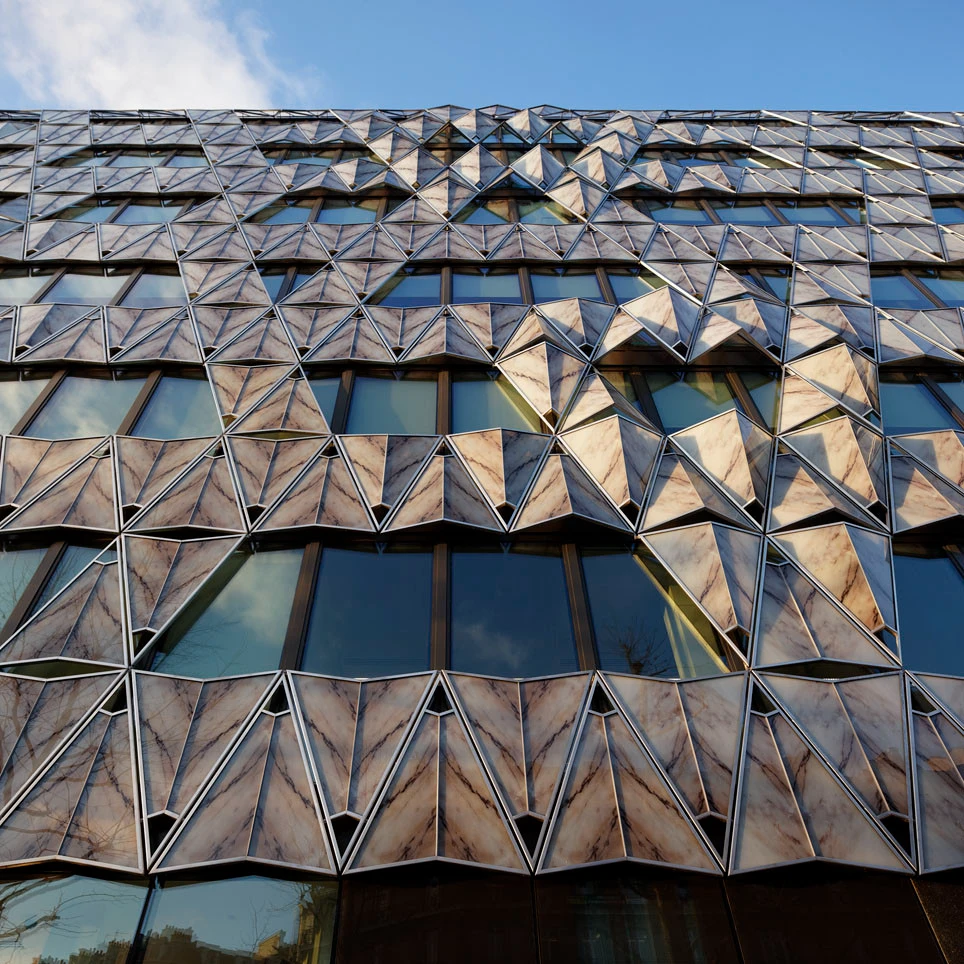
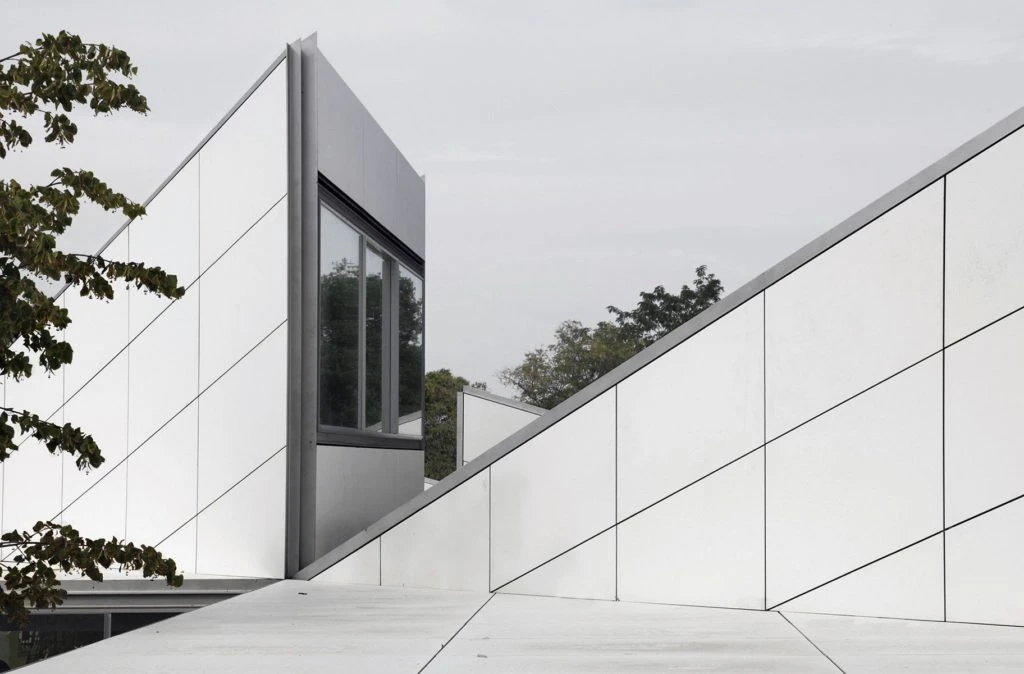
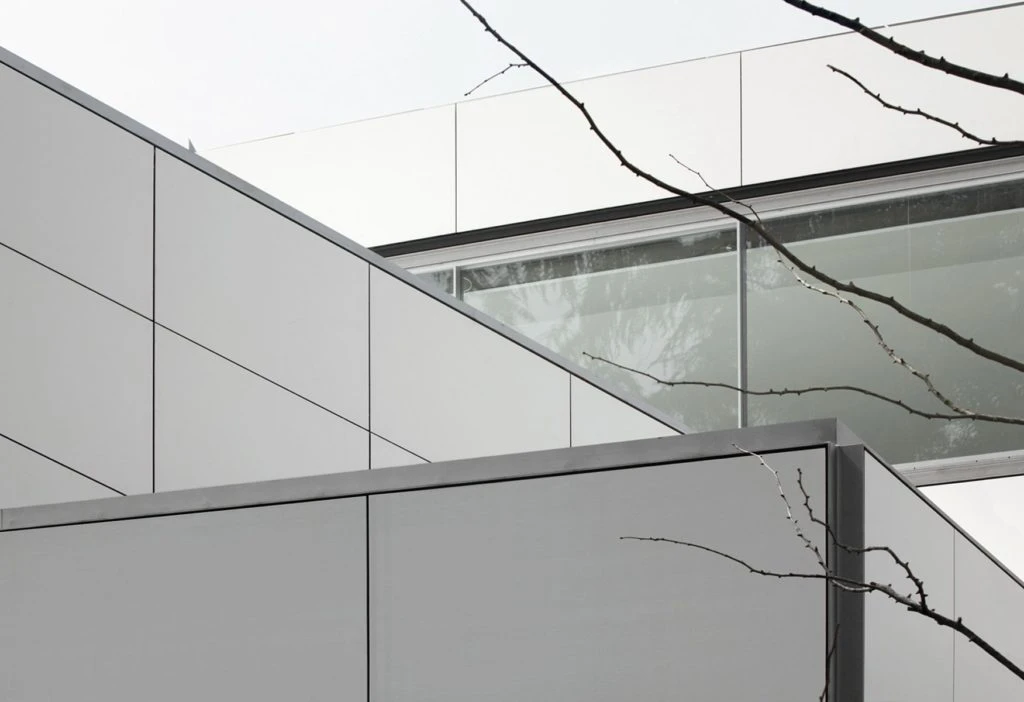
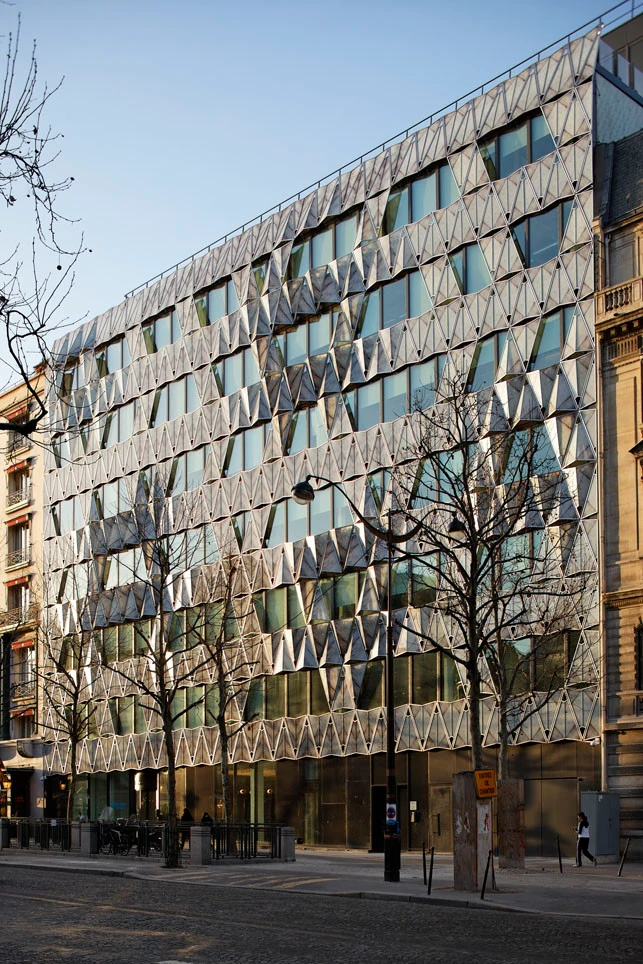
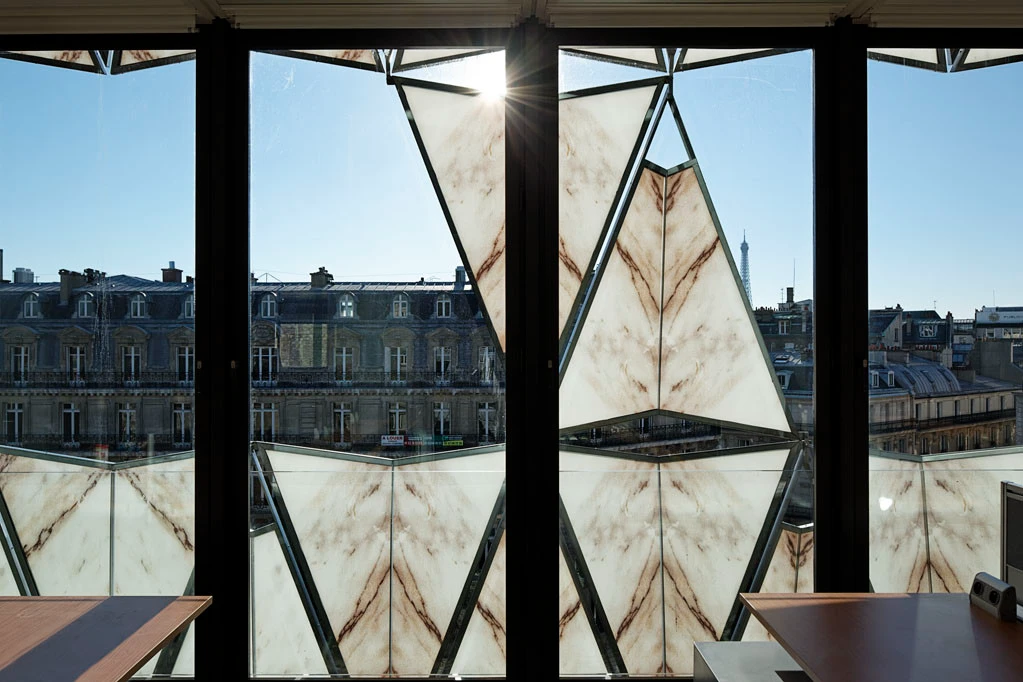
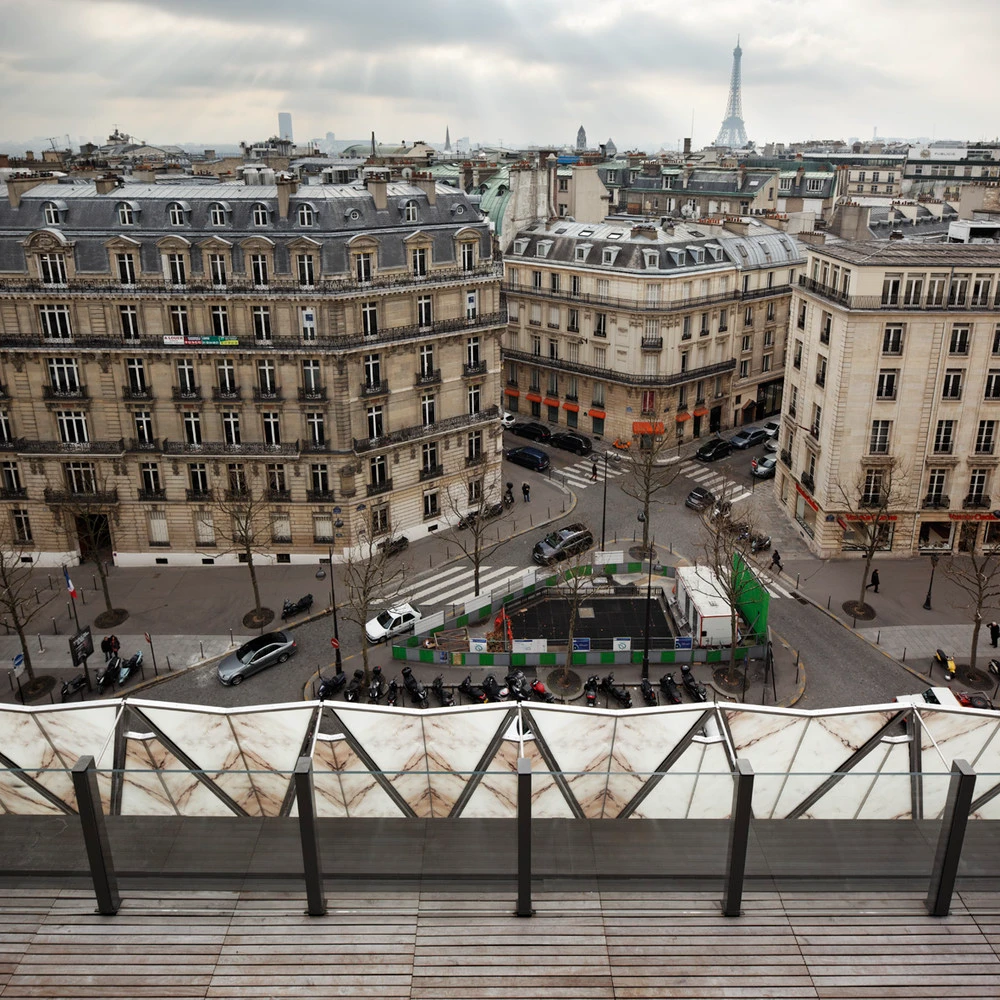
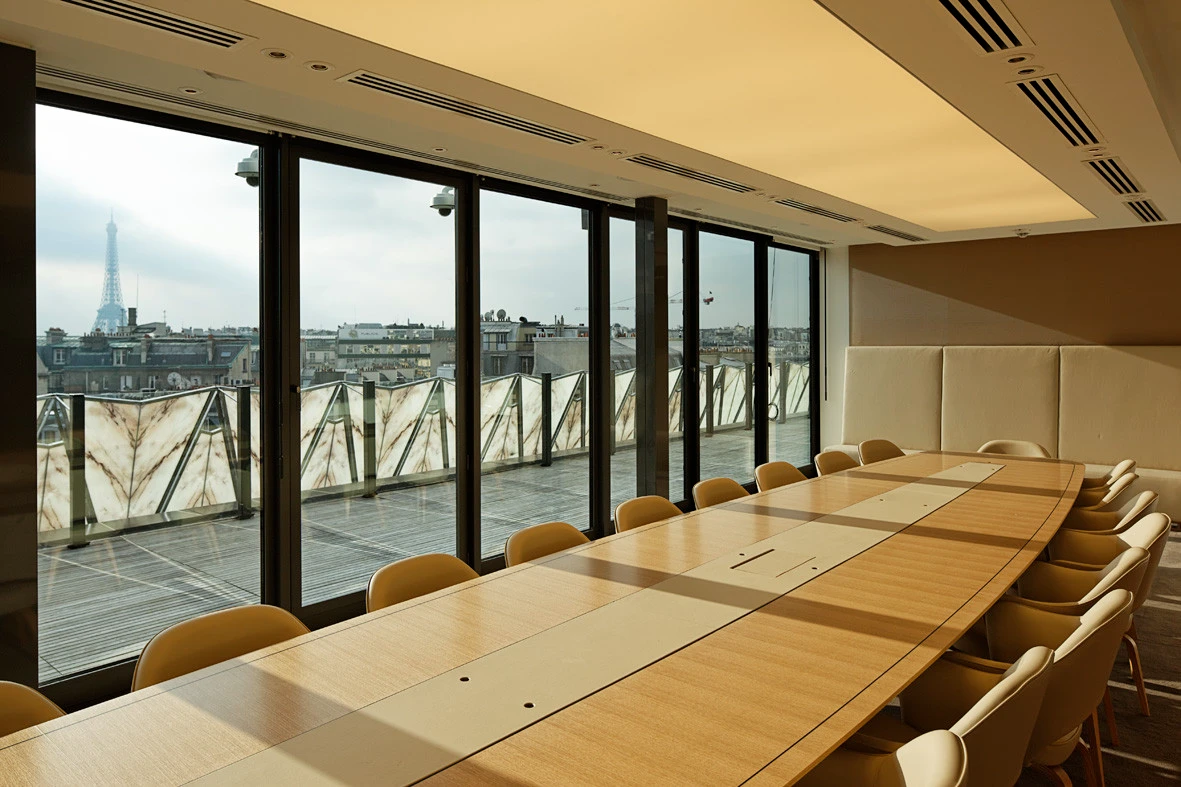
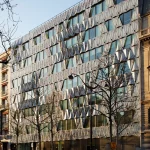
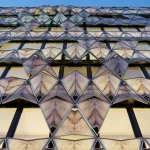
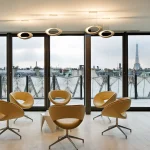
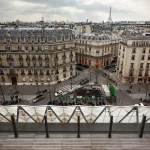
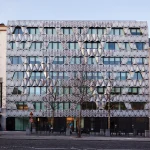
The Origami Office Building by Manuelle Gautrand transforms the Japanese art of paper folding into a bold contemporary workplace. Its origami-inspired folded façade gives the building a distinctive identity while bringing elegance and movement to the surrounding streetscape. Marble-clad folded elements frame the windows, creating a dynamic interplay of light and shadow that changes throughout the day. Inside, transparent public spaces and tranquil garden courtyards blur the boundary between indoors and outdoors.
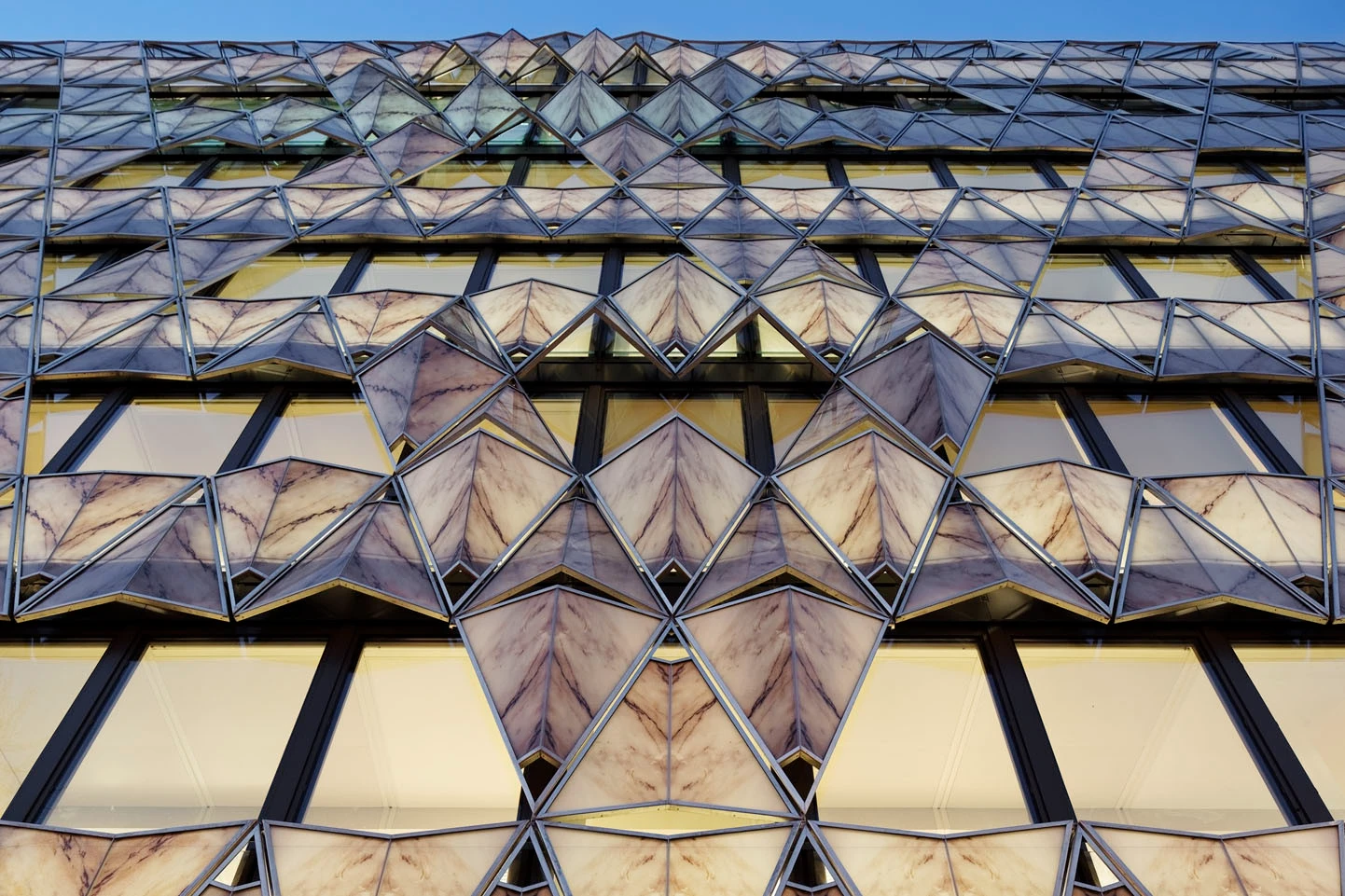
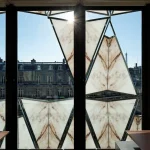
The building’s façade is where art, material, and technology come together in a seamless way. Delicate marble panels, laminated onto glass to form a translucent second skin, gently filter daylight while providing privacy and warmth and a calming indoors. Across the 30-meter frontage, the folded marble surfaces ripple like carefully creased paper, giving the building a sense of movement and depth.
5. Bengt Sjostrom Starlight Theater | United States
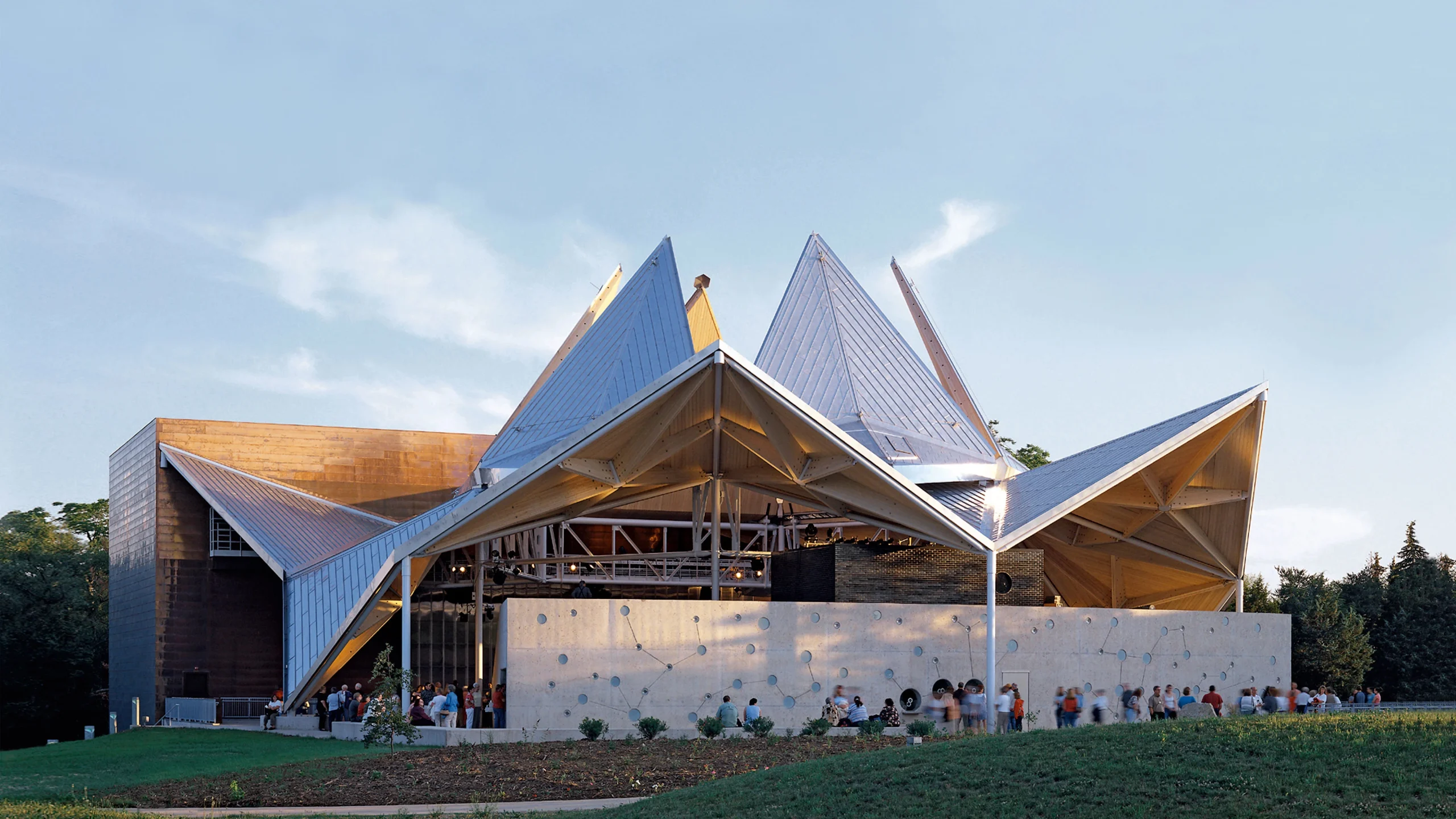
Location: Rockford, United States
Architect: Studio Gang
Completed: 2003
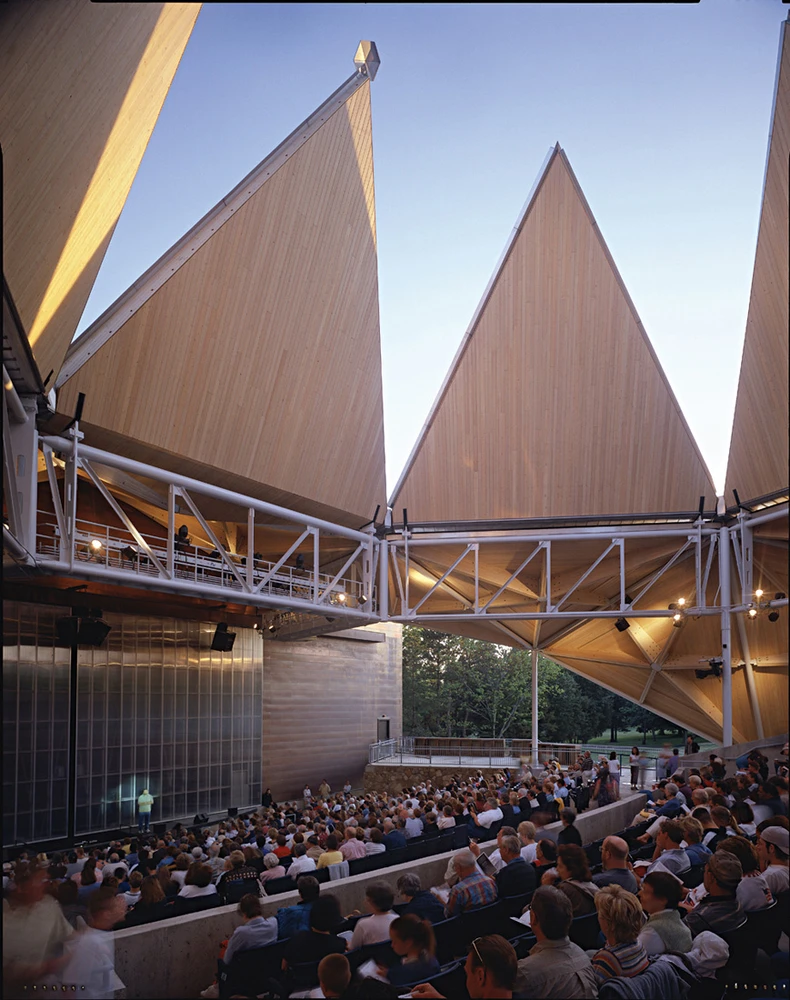
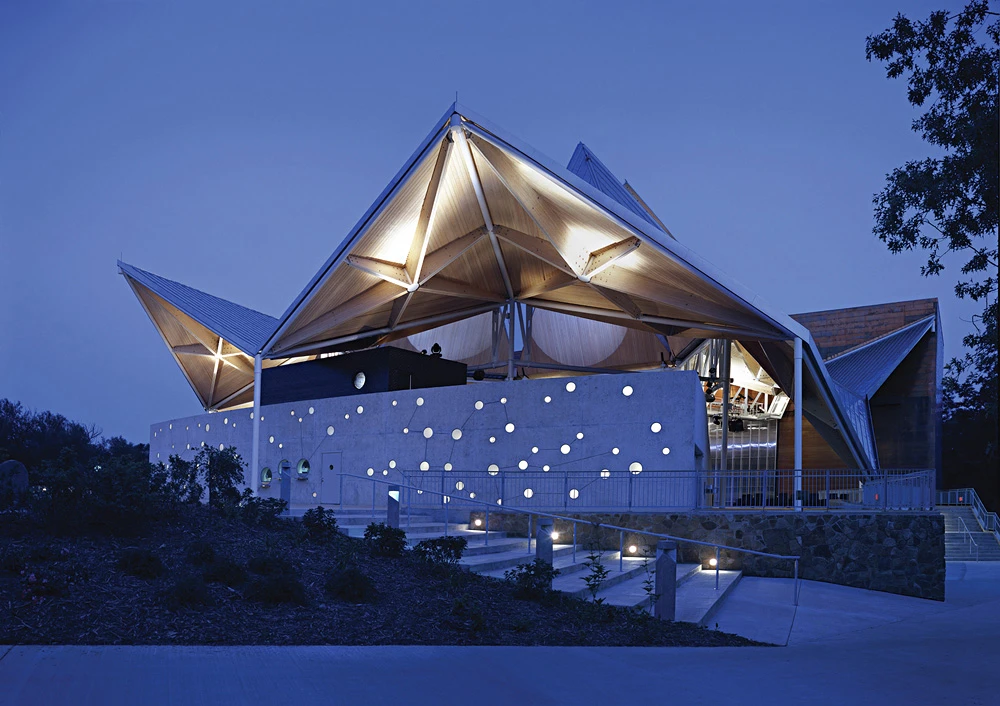
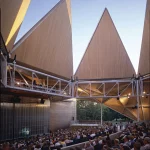
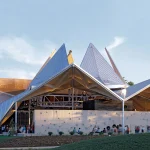
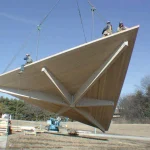
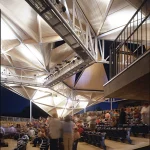
The Bengt Sjostrom Starlight Theatre reimagines the traditional open-air performance venue as a bold architectural twist. Designed for Rock Valley College, the 135,000-square-foot theater features a dramatic origami-inspired retractable roof that unfolds to protect performances from unpredictable weather while preserving the magic of the open sky. Its sculptural form creates a striking landmark, seamlessly blending innovation, engineering, and the performing arts.
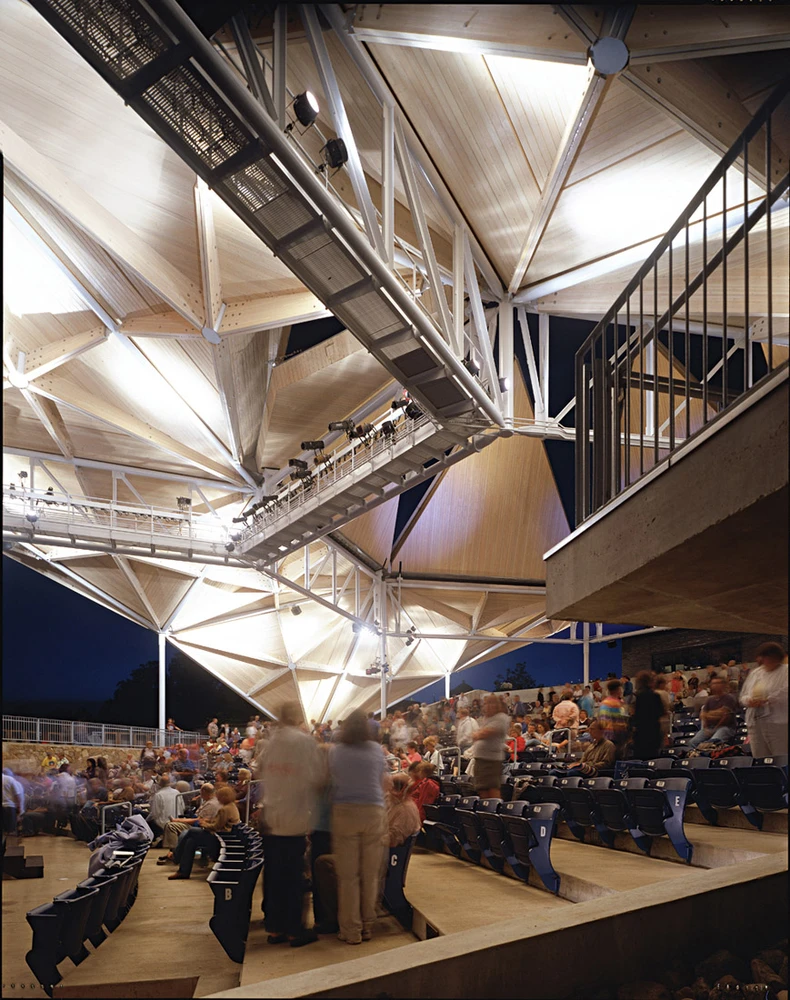
The dramatic design of the folding roof creates a seamless connection between architecture and the open sky. At the heart of the design, six steel panels unfold like the petals of a flower, transforming the theater from an enclosed performance space into an open-air venue at one touch. Integrating an innovative kinetic roof combines precision technology with sculptural beauty on a much more intimate scale.
6. Centre for Cancer and Health | Denmark
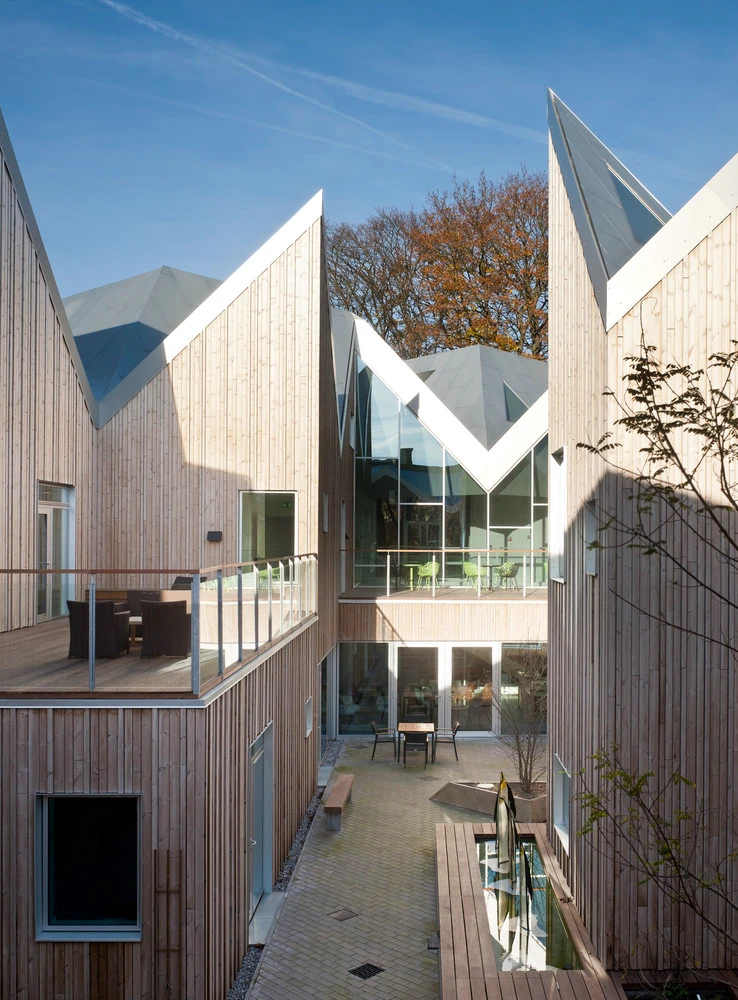
Location: Copenhagen, Denmark
Architect: NORD Architects
Completed: 2011
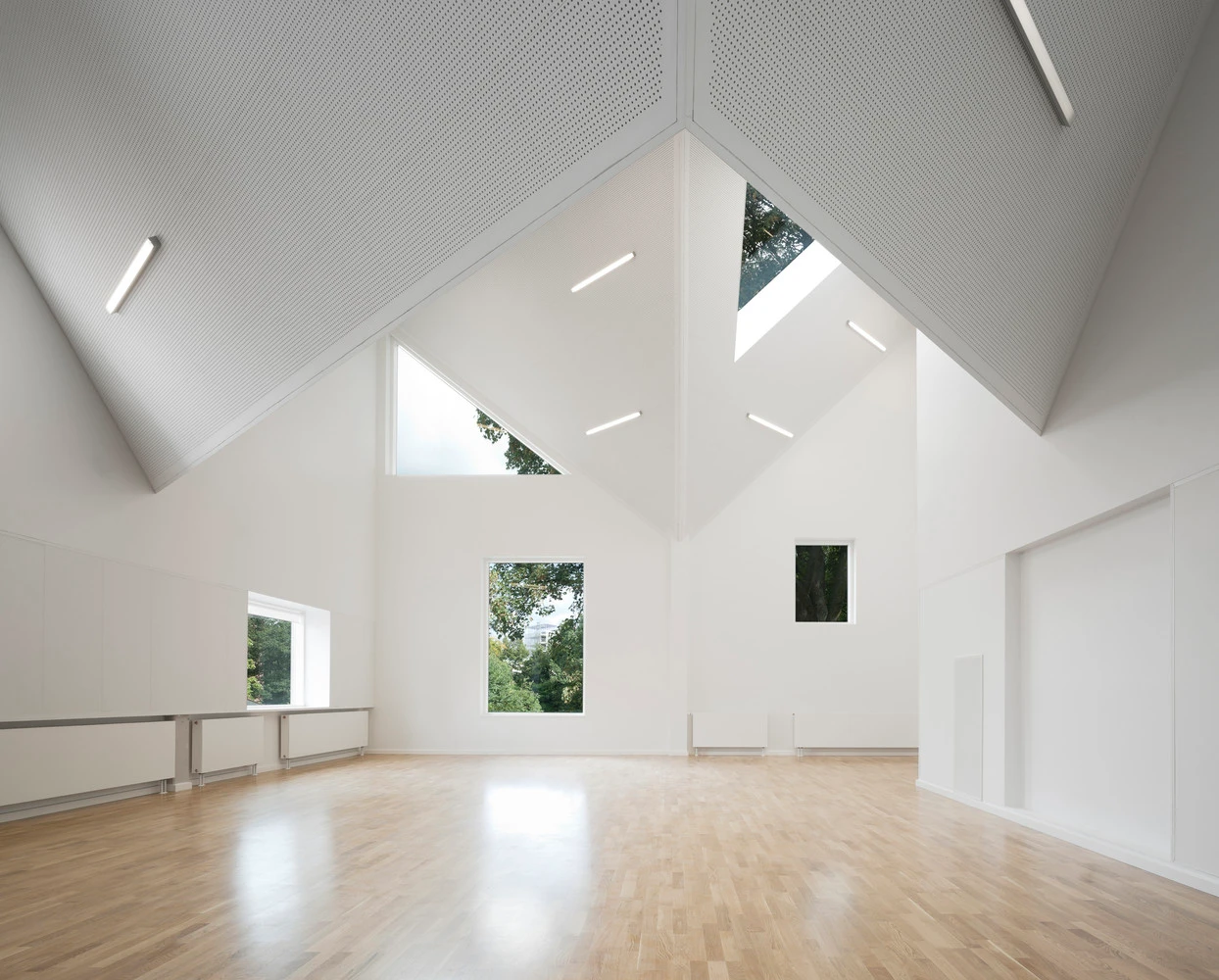
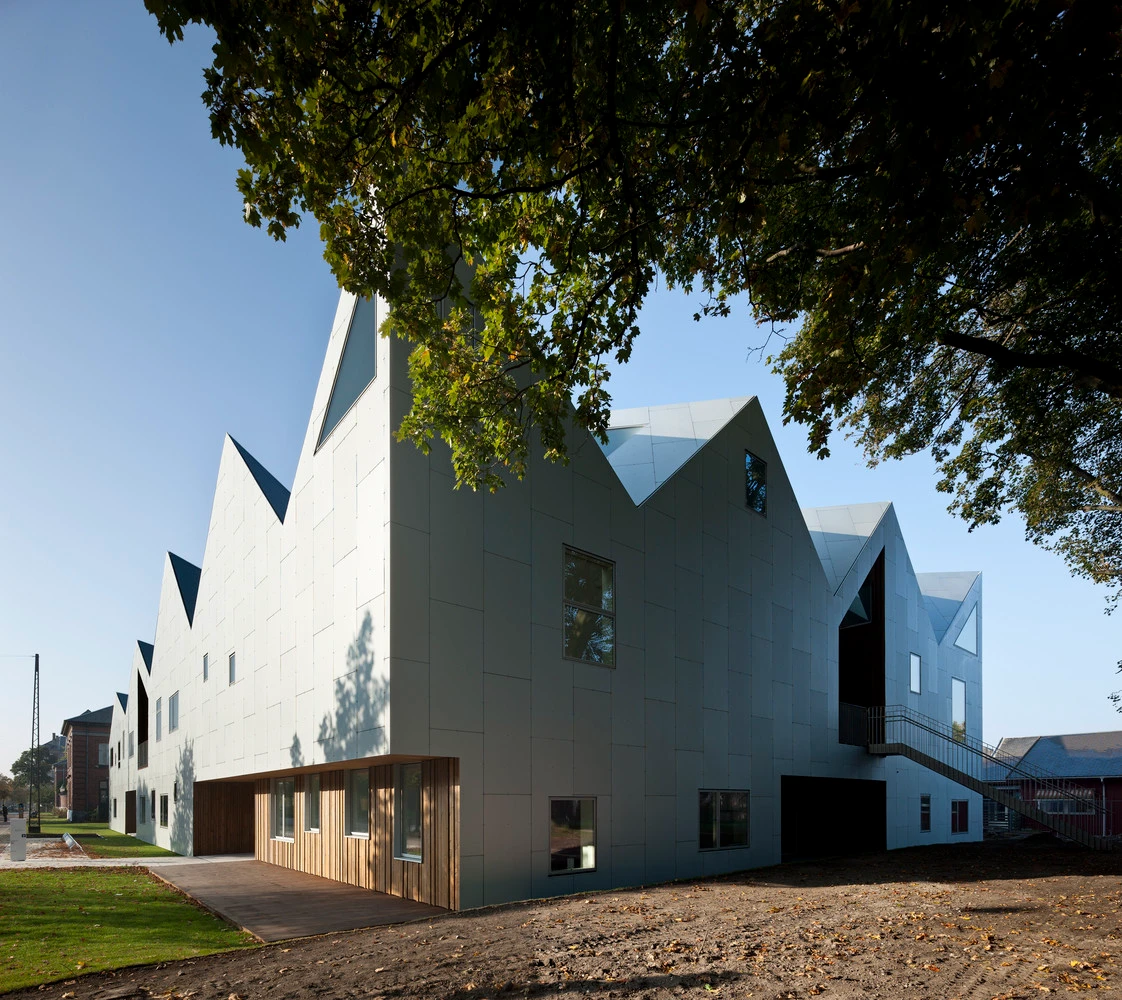
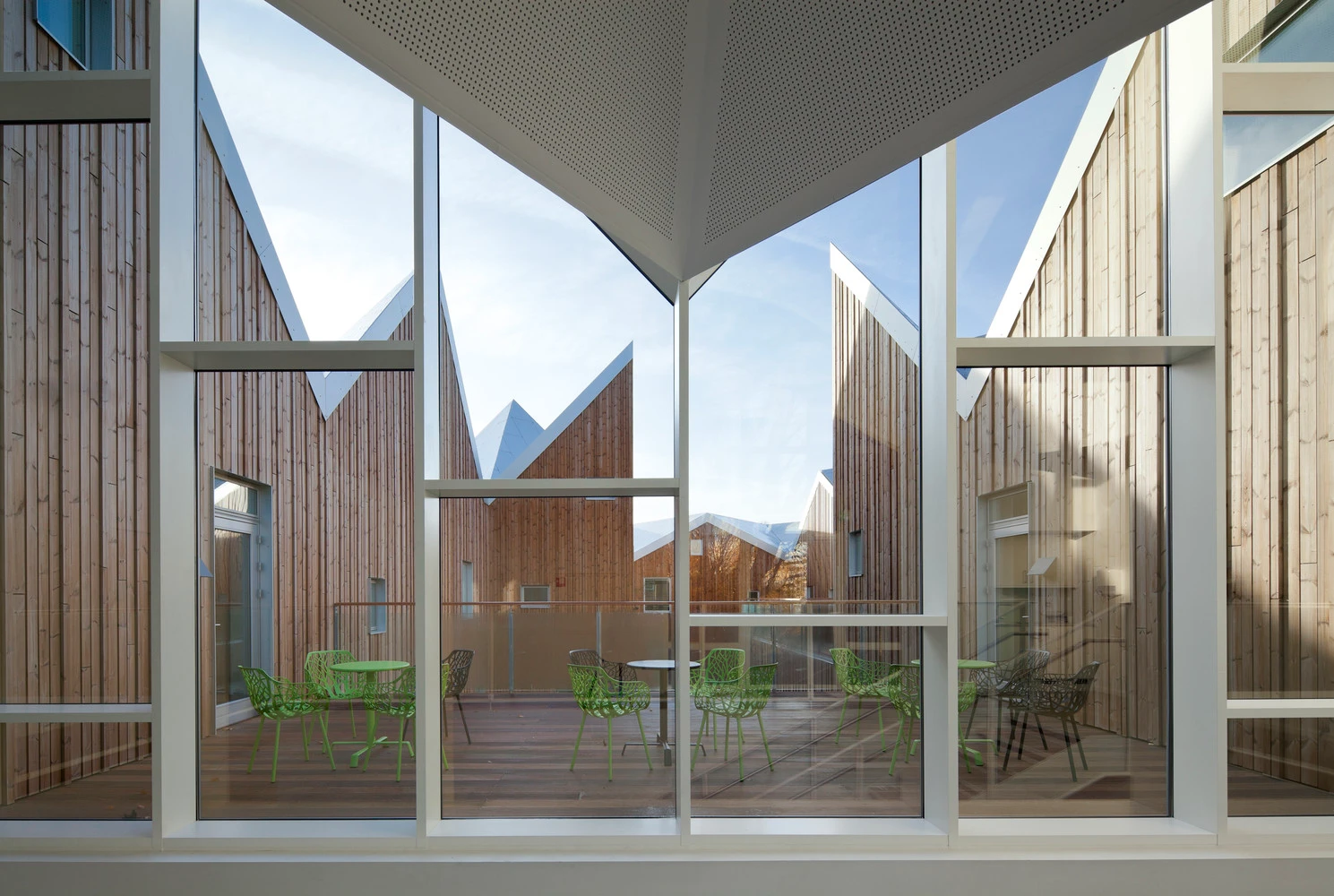
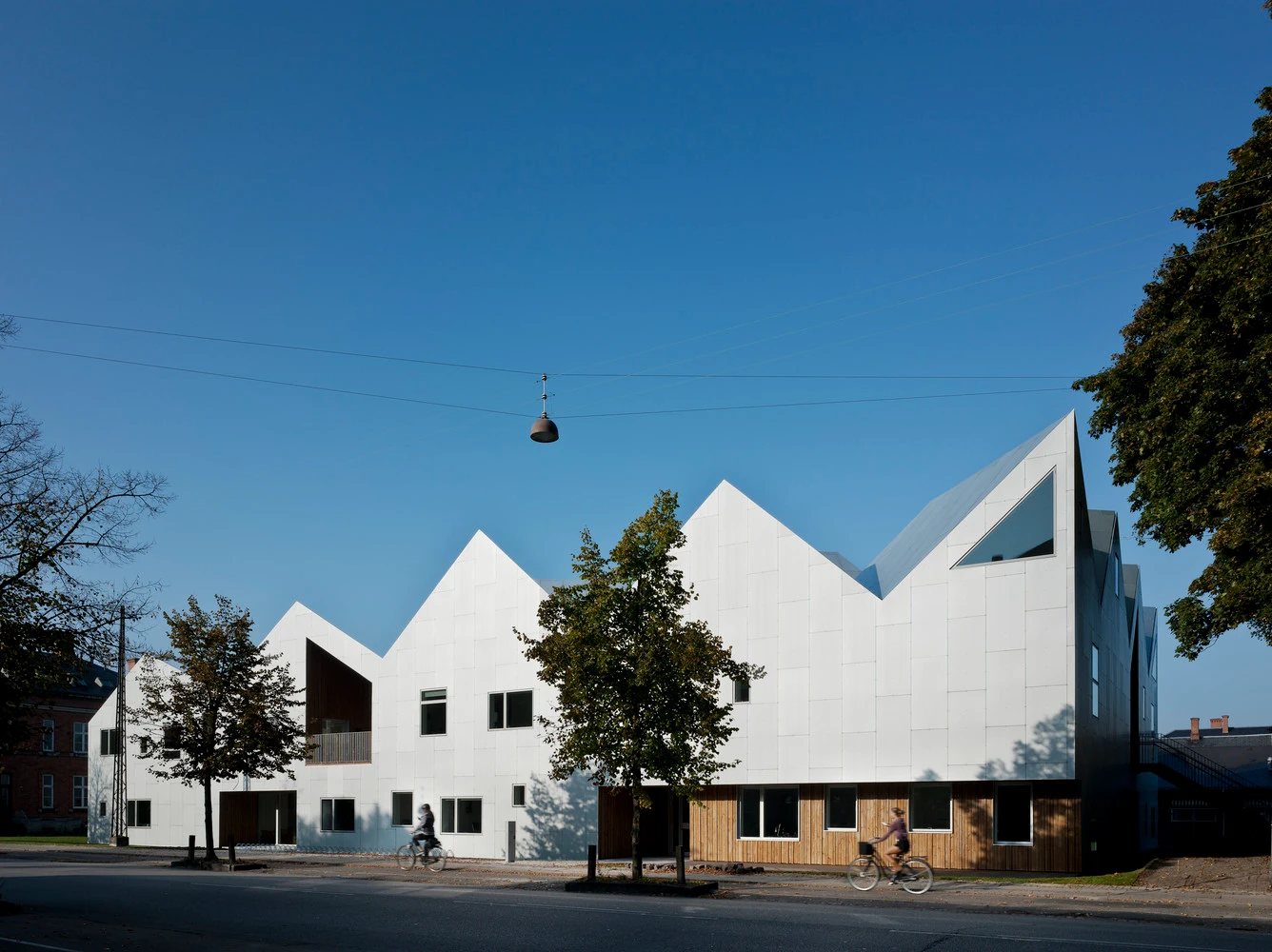
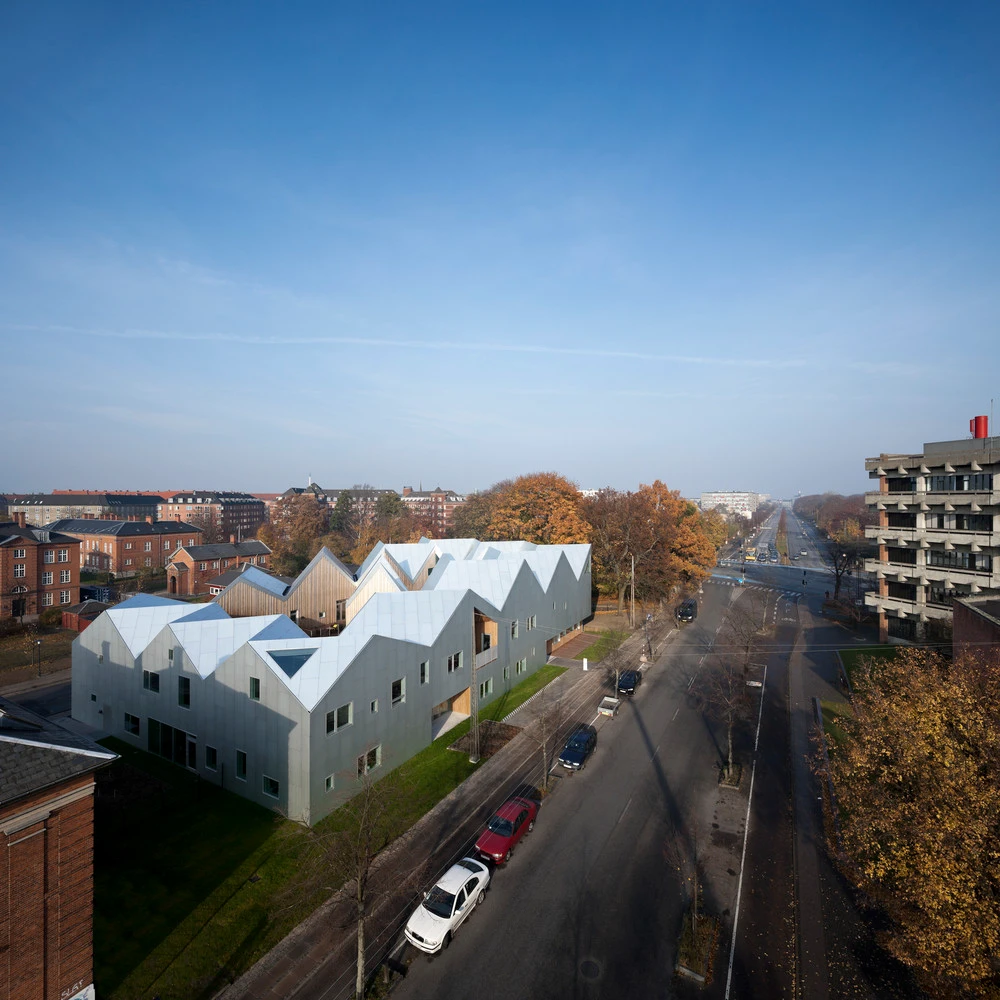
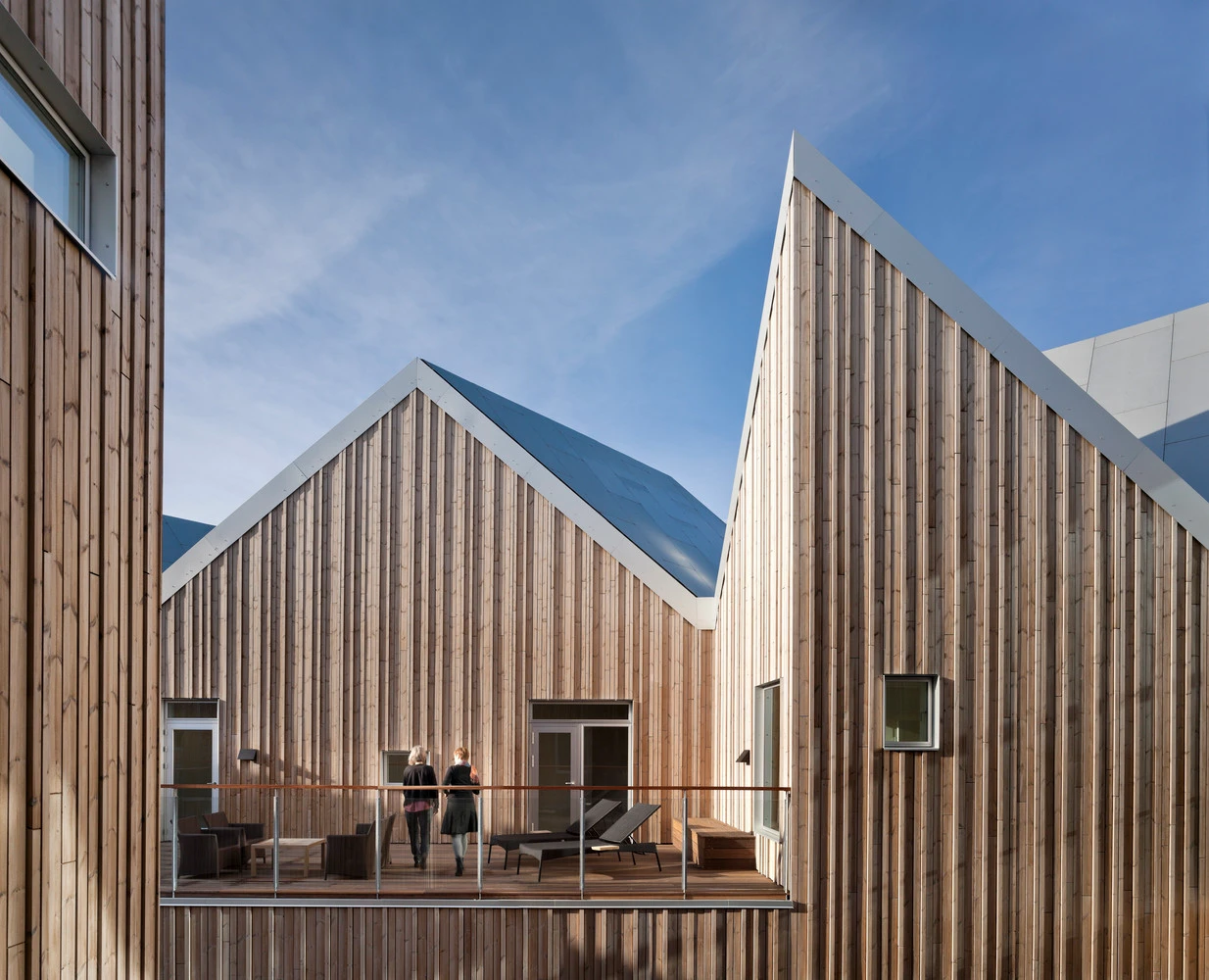
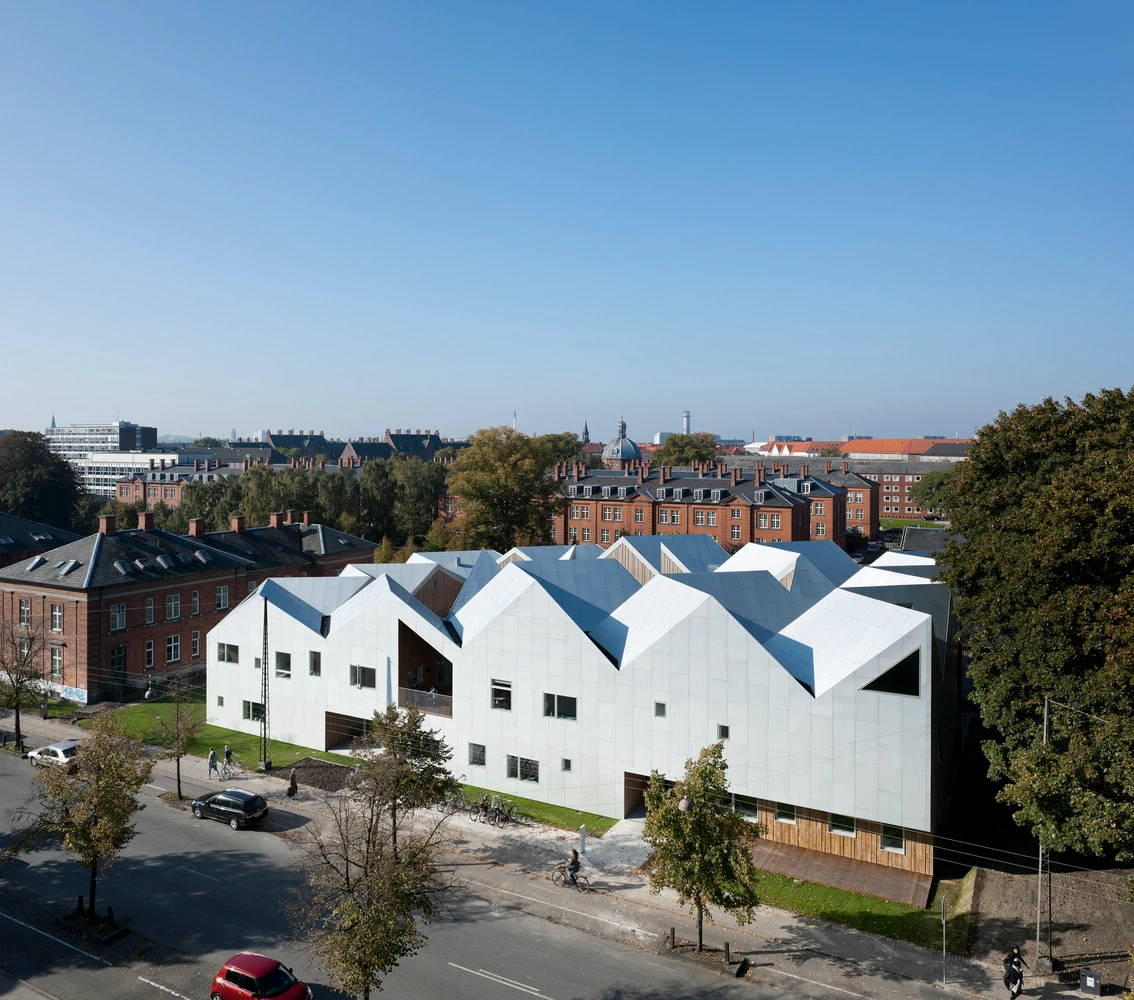
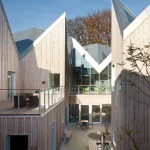
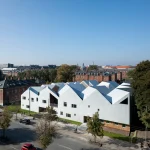
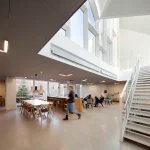
The Centre for Cancer and Health by NORD Architects is designed as a collection of small, house-like volumes instead of a conventional hospital, creating a warm, welcoming environment that removes the stigma associated with cancer treatment. Its distinctive origami-inspired folded roofs connect the individual spaces as a memorable architectural identity while reinforcing a sense of unity and comfort. Located near Copenhagen University Hospital, the project supports healing by making patients feel at ease.
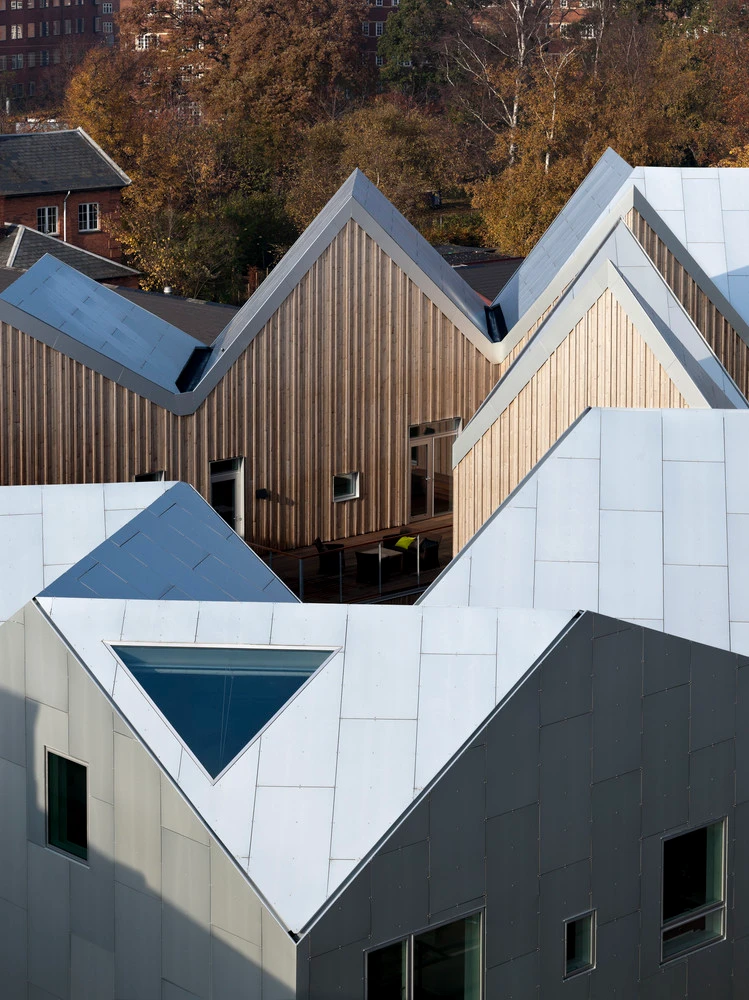
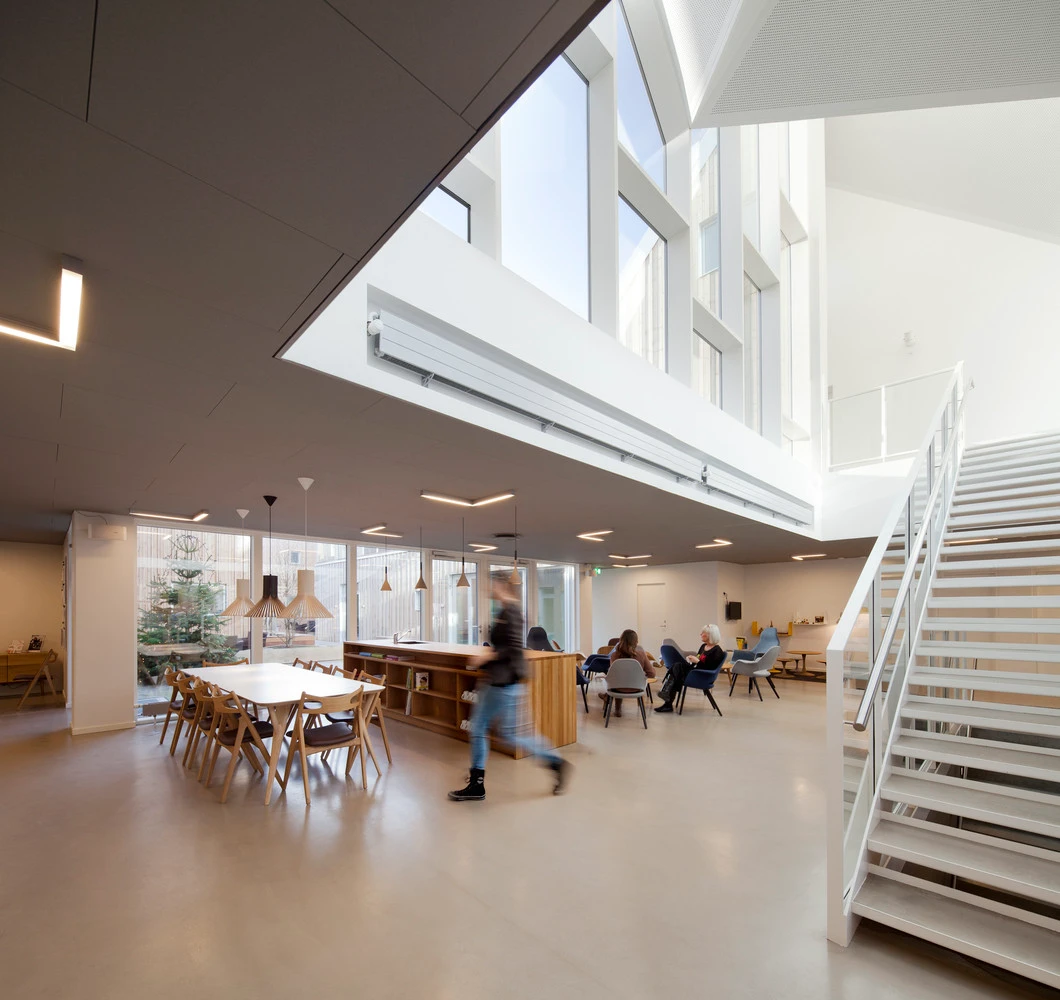
The design challenges the conventional image of healthcare by replacing clinical spaces with an environment that feels warm, uplifting, and deeply human. Designed around spaces providing healing beyond medicine, spaces for therapy, fitness, learning, and community, helping patients recover both physically and emotionally. The peaceful inner courtyard encourages a recovering environment, while the origami-inspired folded roof unites the house’s volumes into a memorable architectural landmark.
7. Origami | Japan
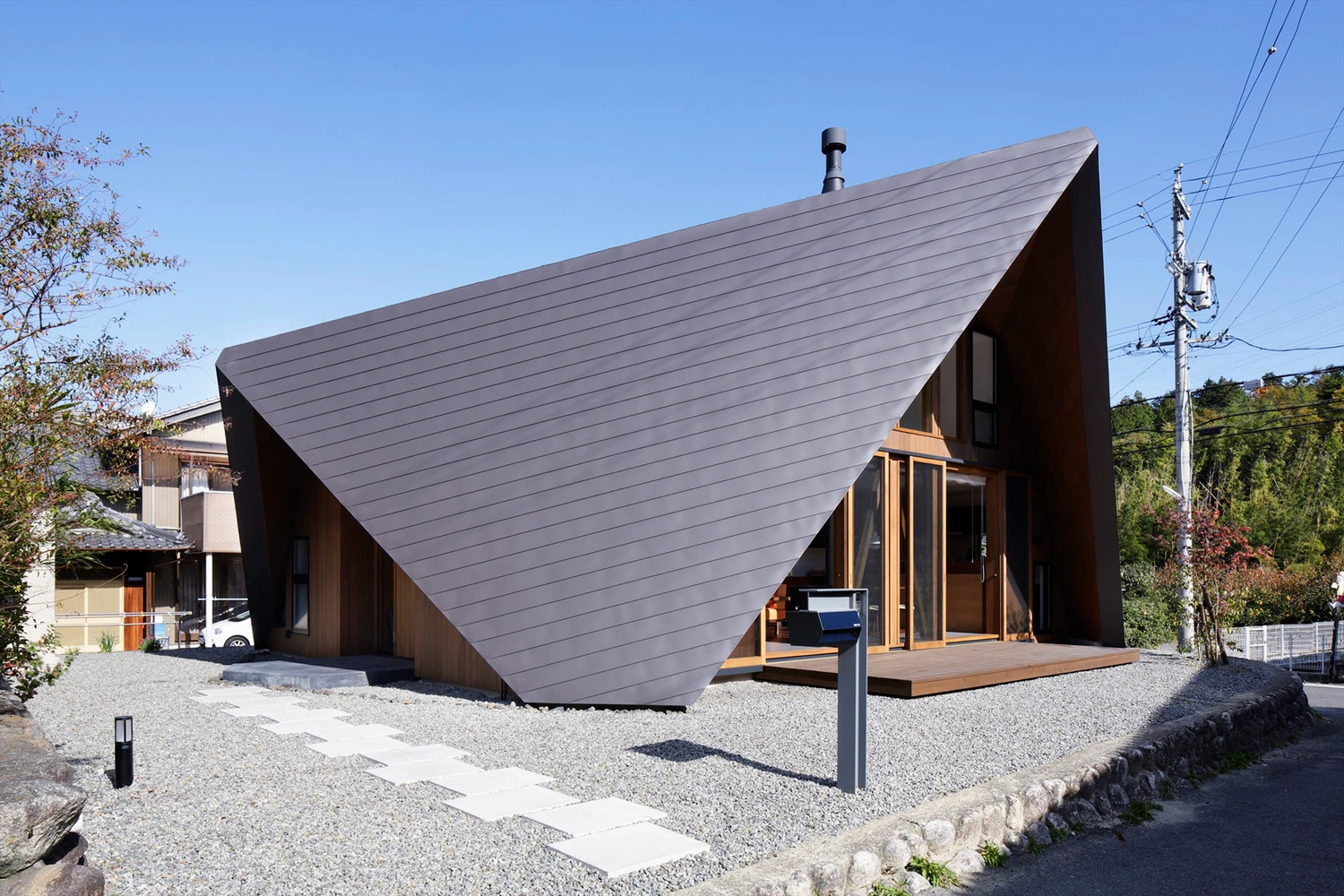
Location: Japan
Architect: TSC Architects
Completed: 2013
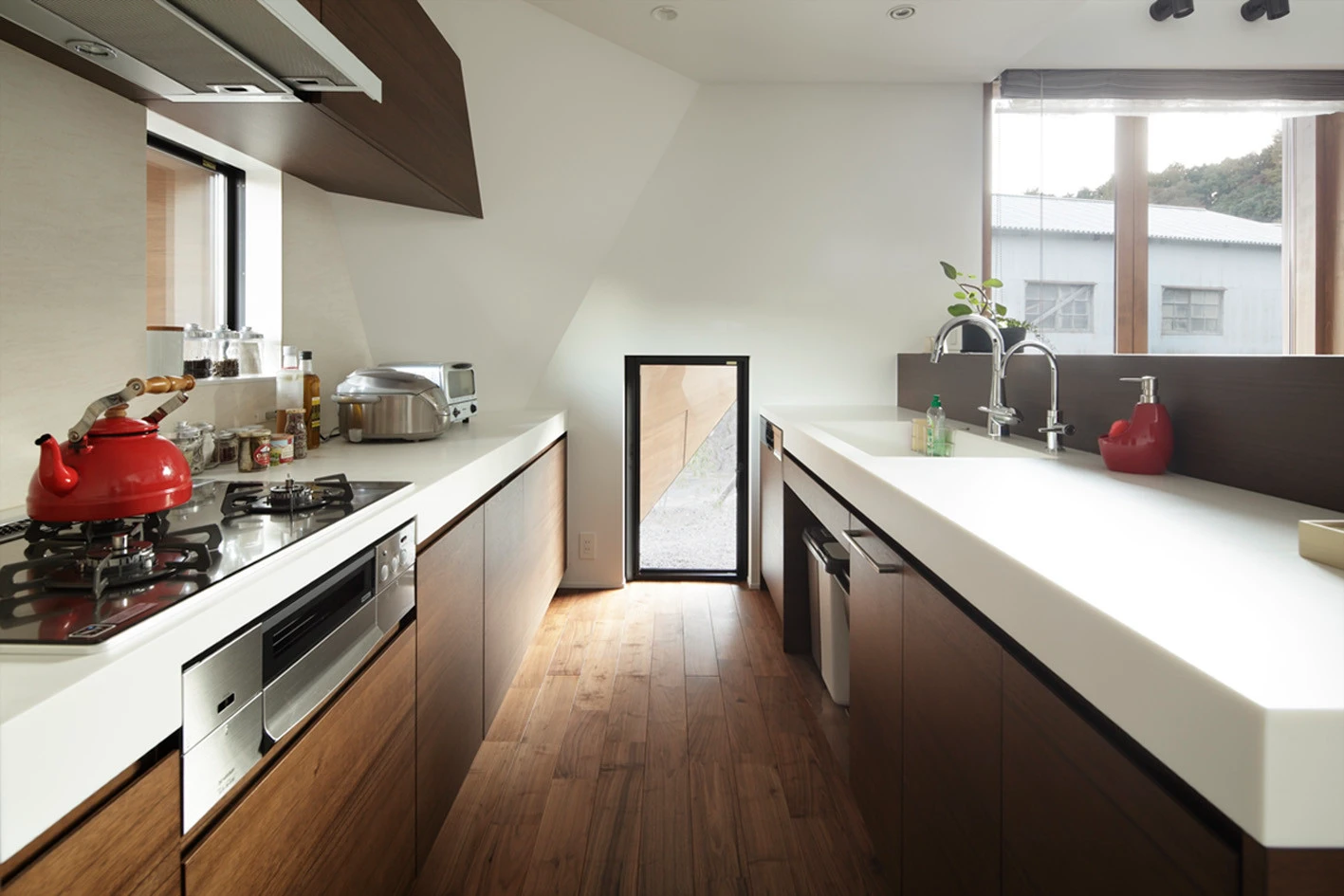
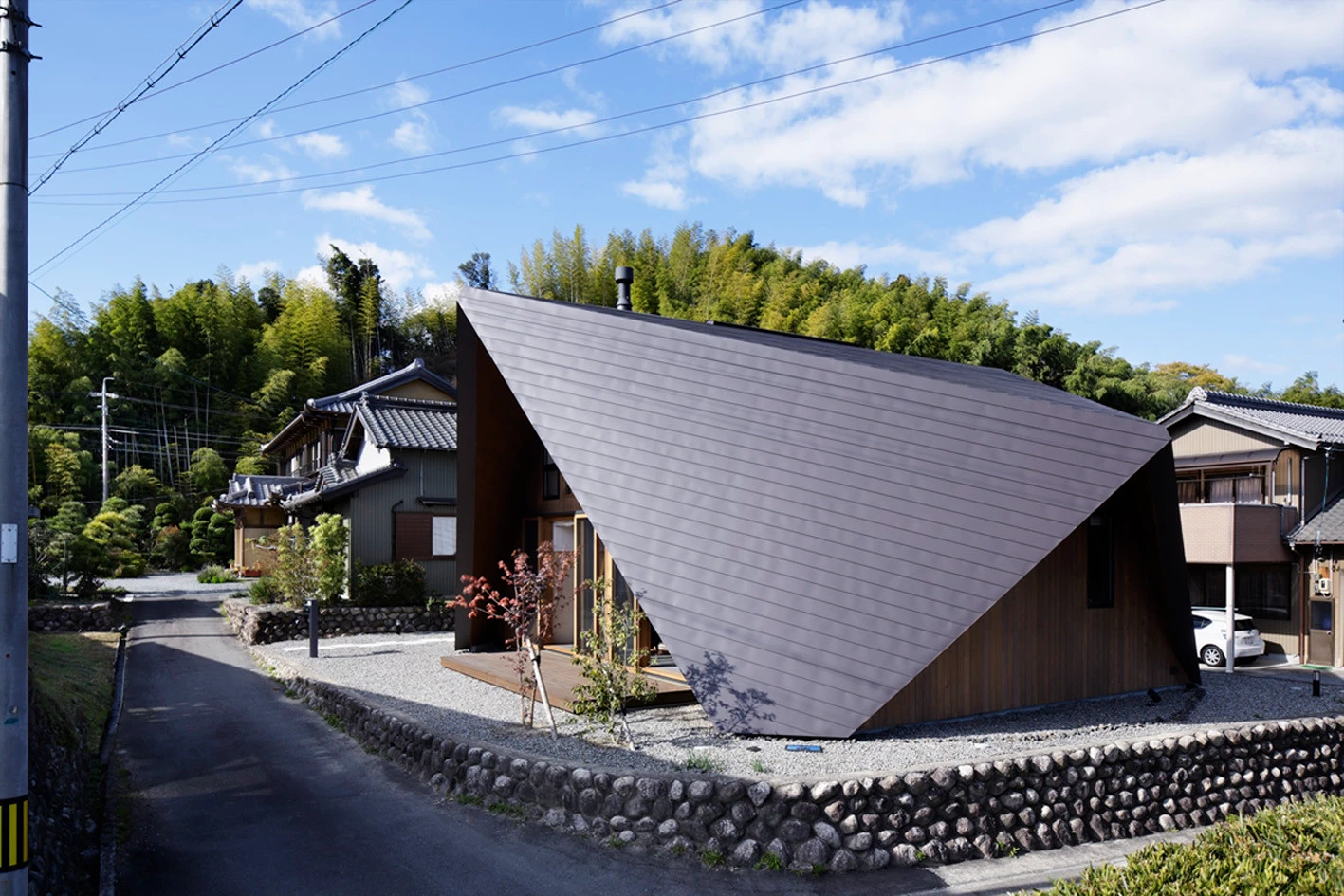
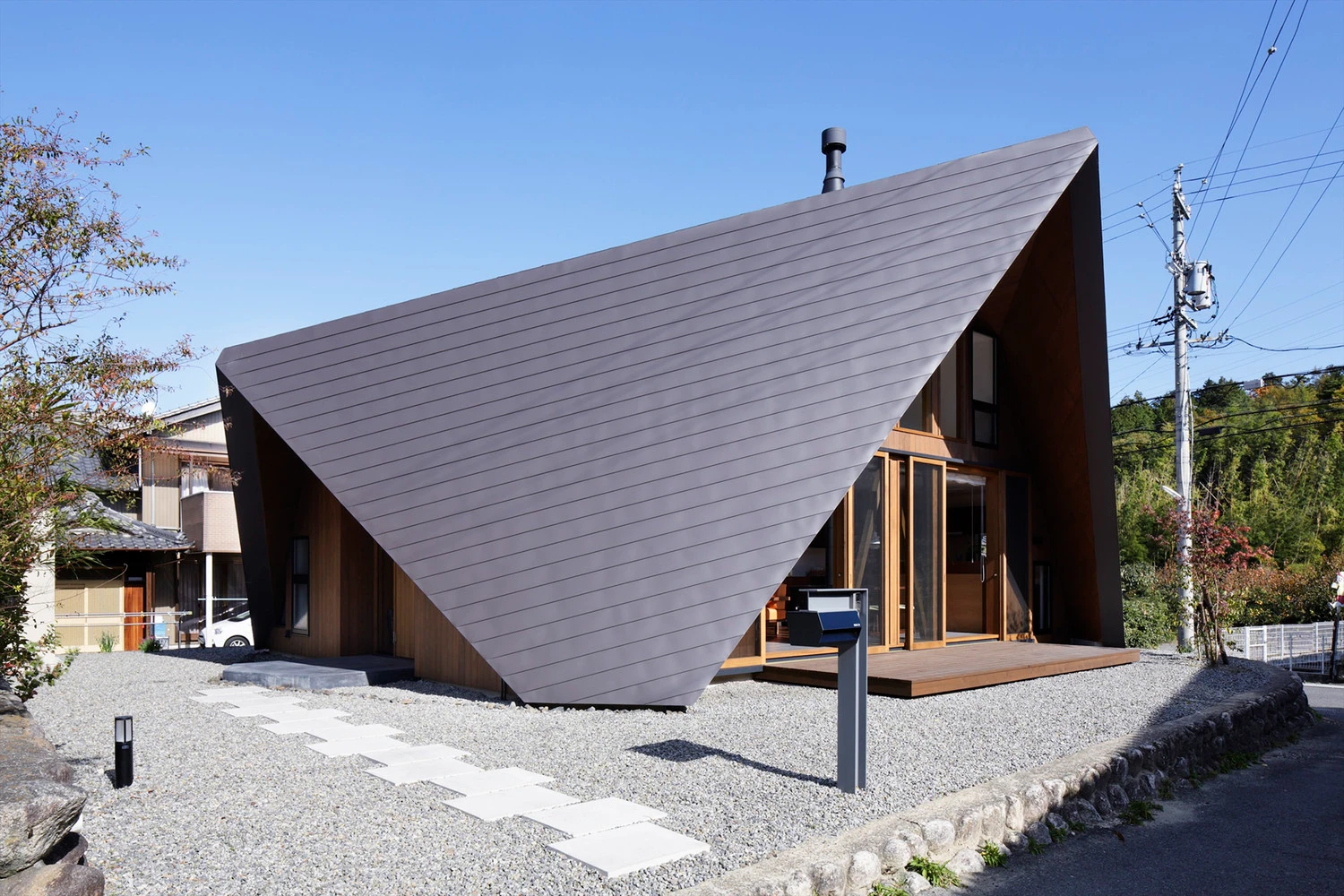
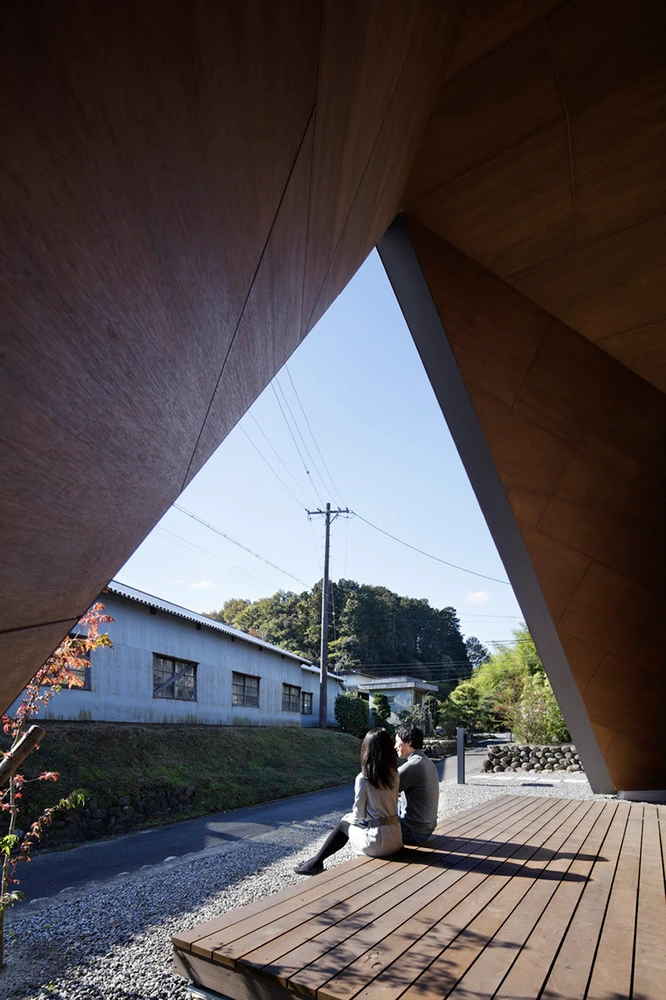
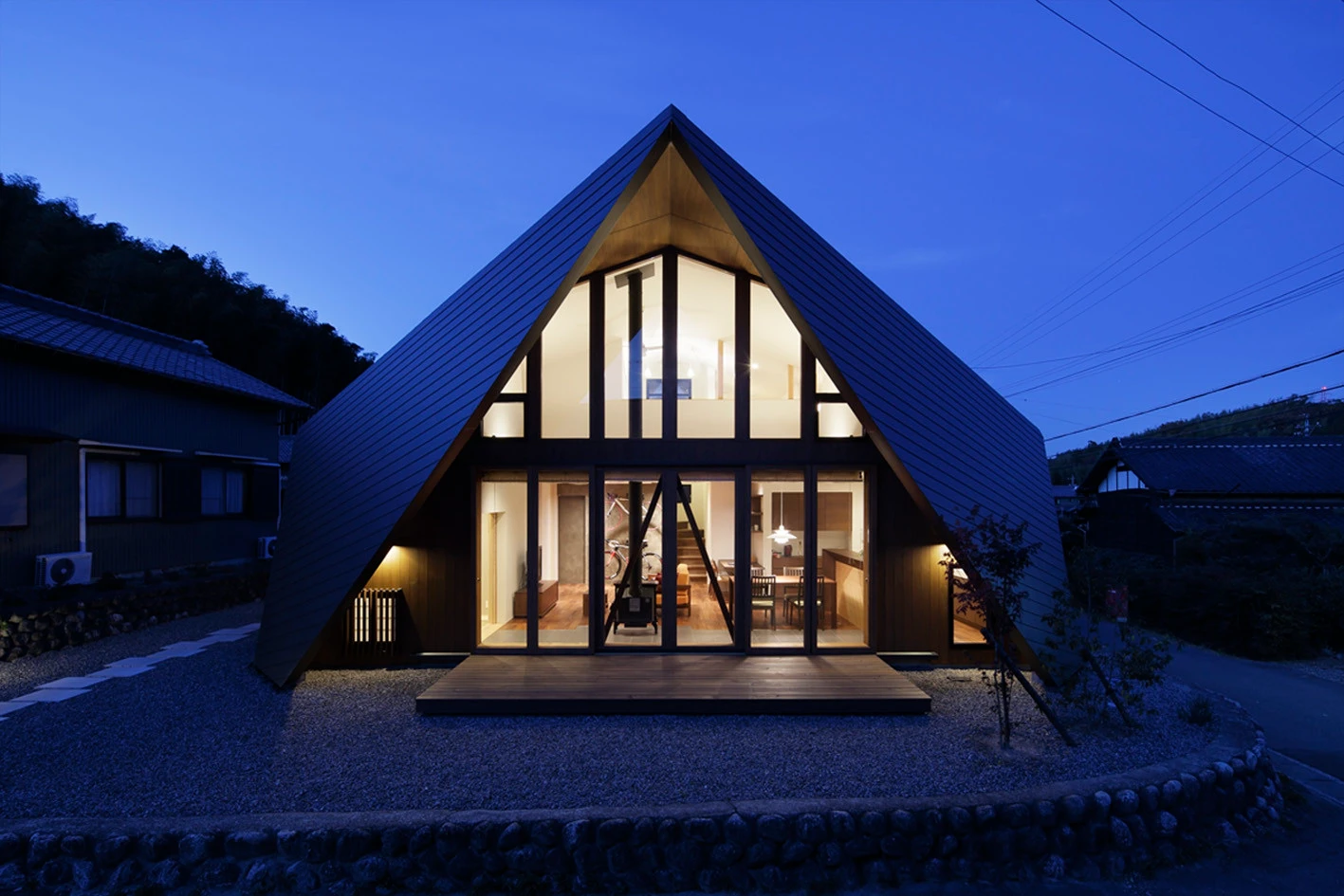
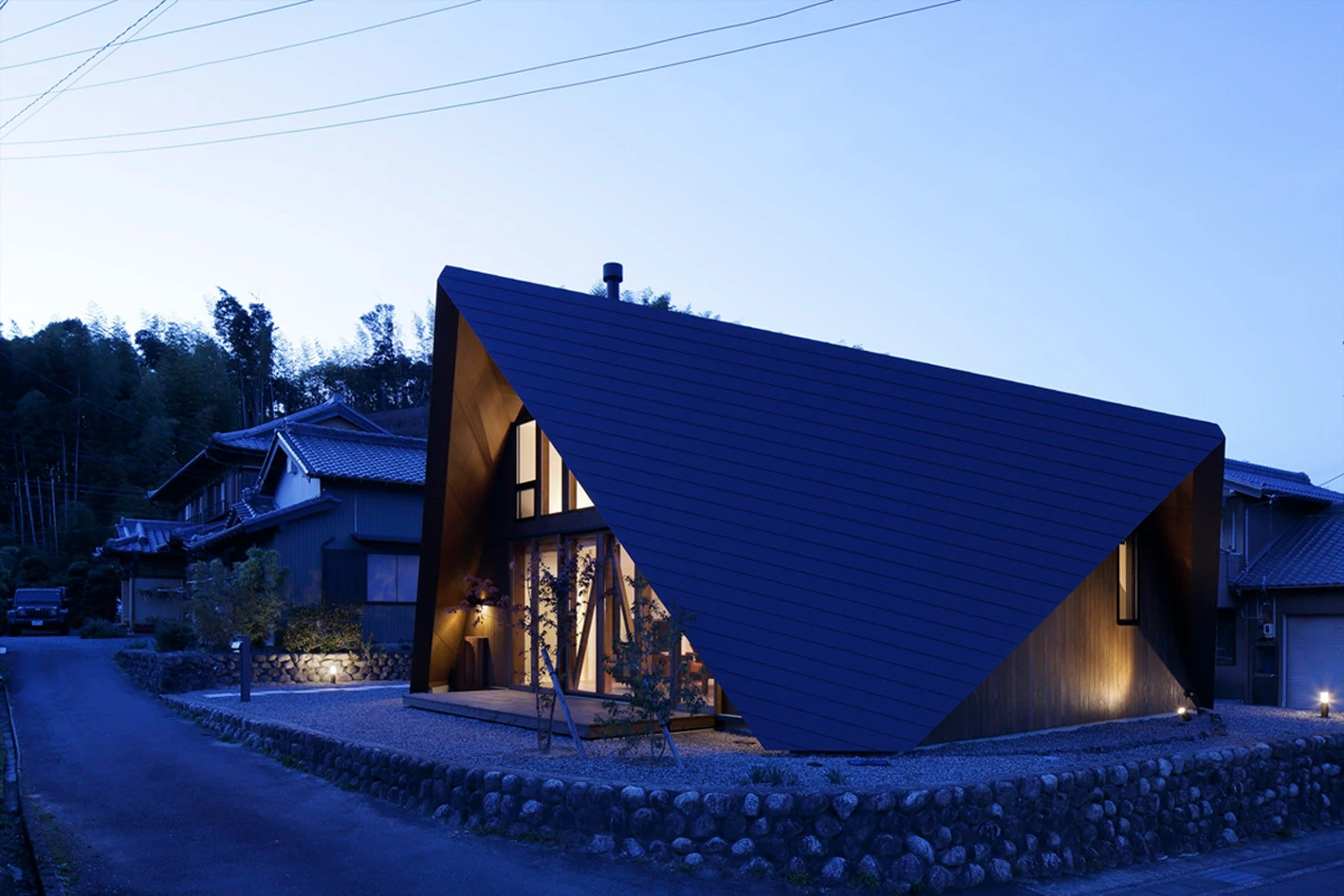
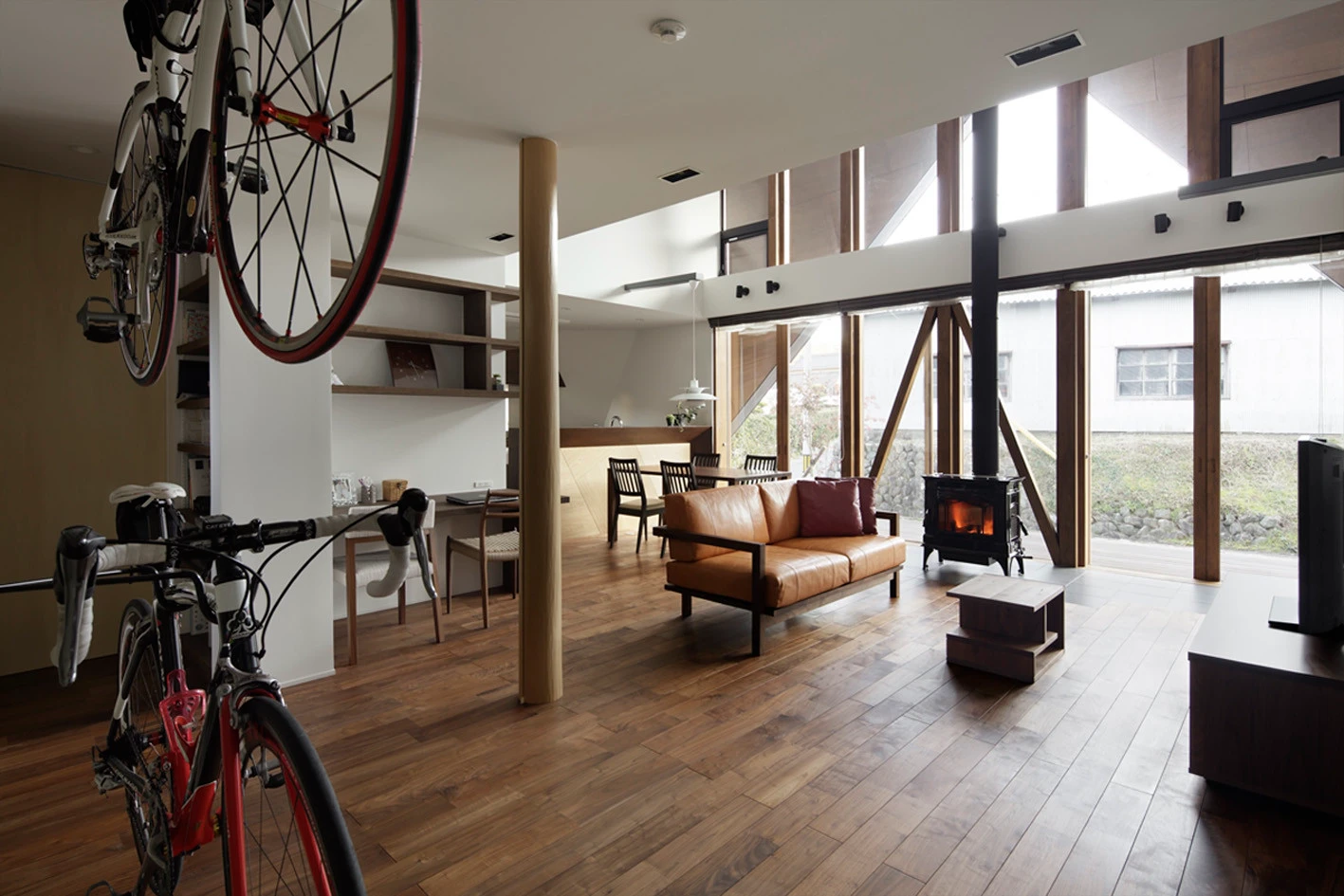
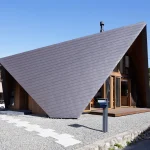
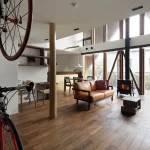
Designed by TSC Architects, ORIGAMI is a striking two-storey residence that transforms the Japanese art of paper folding into a distinctive architectural form. Created for a young couple on an inherited site, the home is defined by its dramatic folded roof form, which wraps seamlessly over the interiors with a series of bold triangular façades. Inspired by origami and the region’s traditional architecture, the design creates a meaningful dialogue between contemporary living, local heritage, and the surrounding mountain landscape.
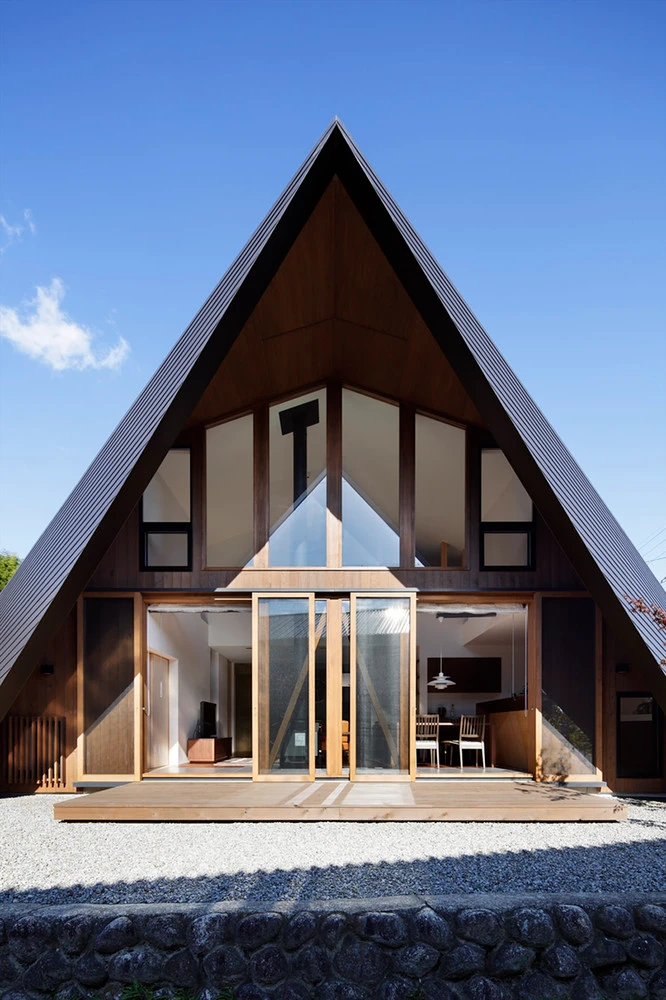
Its sculptural roof is carefully designed to filter sunlight, capture natural breezes, and create sheltered outdoor spaces that enhance everyday living. Traditional Japanese materials and a timeless timber post-and-beam structure reinforce the home’s connection to its cultural roots. The architecture is an elegant residence where thoughtful design transforms a simple roof into the heart of the architectural experience.
8. Tel Aviv Museum of Art | Israel
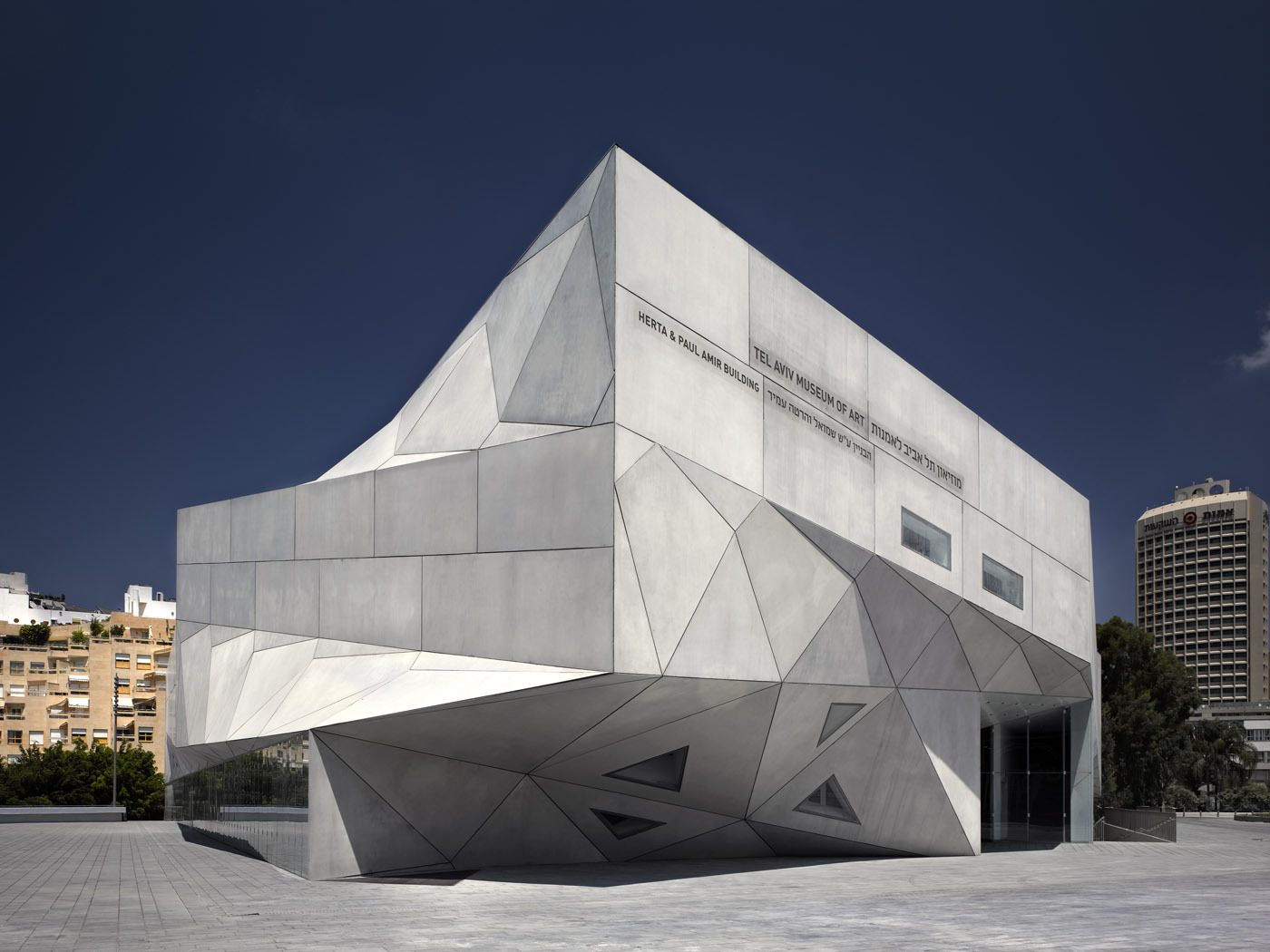
Location: Tel Aviv-Yafo, Israel
Architect: Preston Scott Cohen
Completed: 2007 – 2011
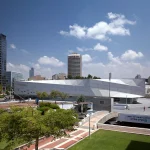
The Tel Aviv Museum of Art’s Amir Building, on a challenging triangular site designed to accommodate expansive gallery spaces within the footprint, the building uses sculptural, origami-like geometric surfaces to seamlessly connect its interior and exterior. These dramatic folded forms do more than create a striking visual identity; they also flood natural light deep into the heart of the museum, enhancing the visitor experience.
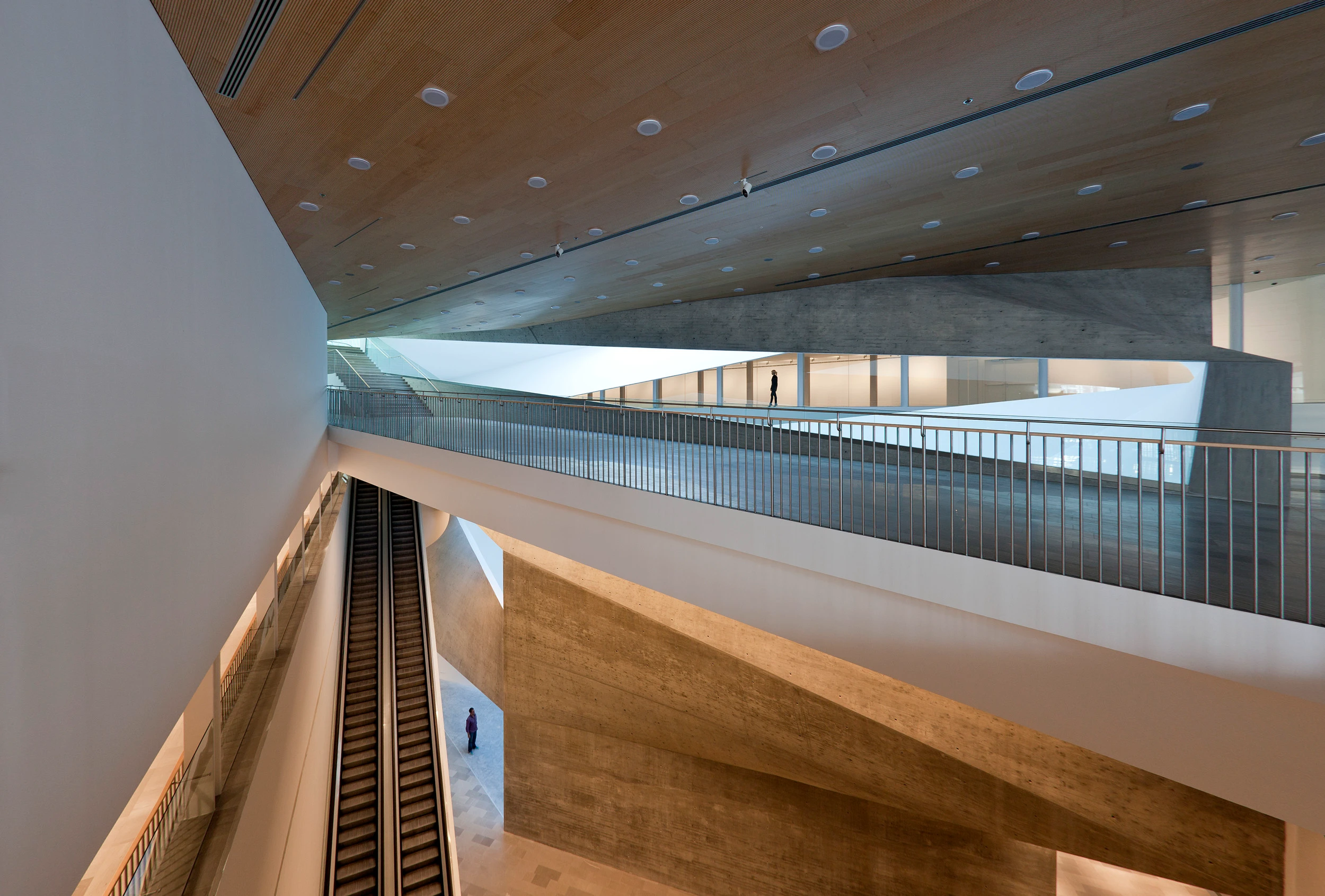
The museum balances the simplicity of traditional gallery spaces through contemporary architecture. At its heart, it consists of a breathtaking 87-foot-high atrium that spirals through the building, filling the interiors with natural light and a captivating journey between galleries. Each level is carefully arranged along the geometric axes, producing a dynamic space that feels both unexpected and intuitive.
9. Karuizawa Museum Complex | Japan
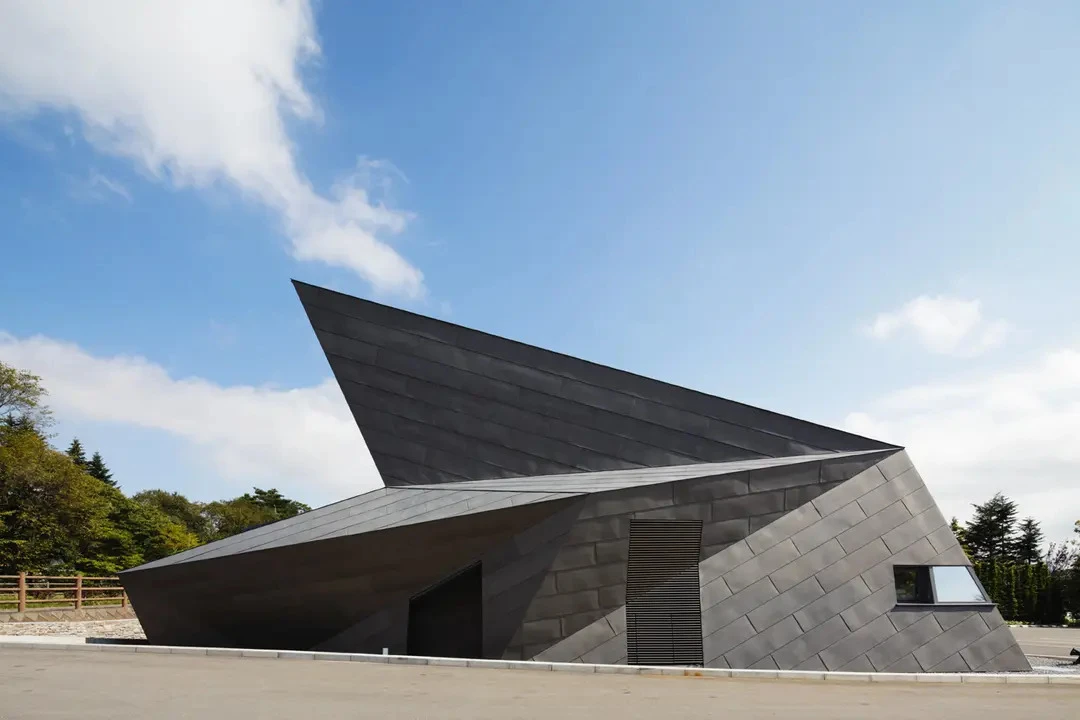
Location: Annaka, Japan
Architect: Yasui Hideo Atelier
Completed: 2011
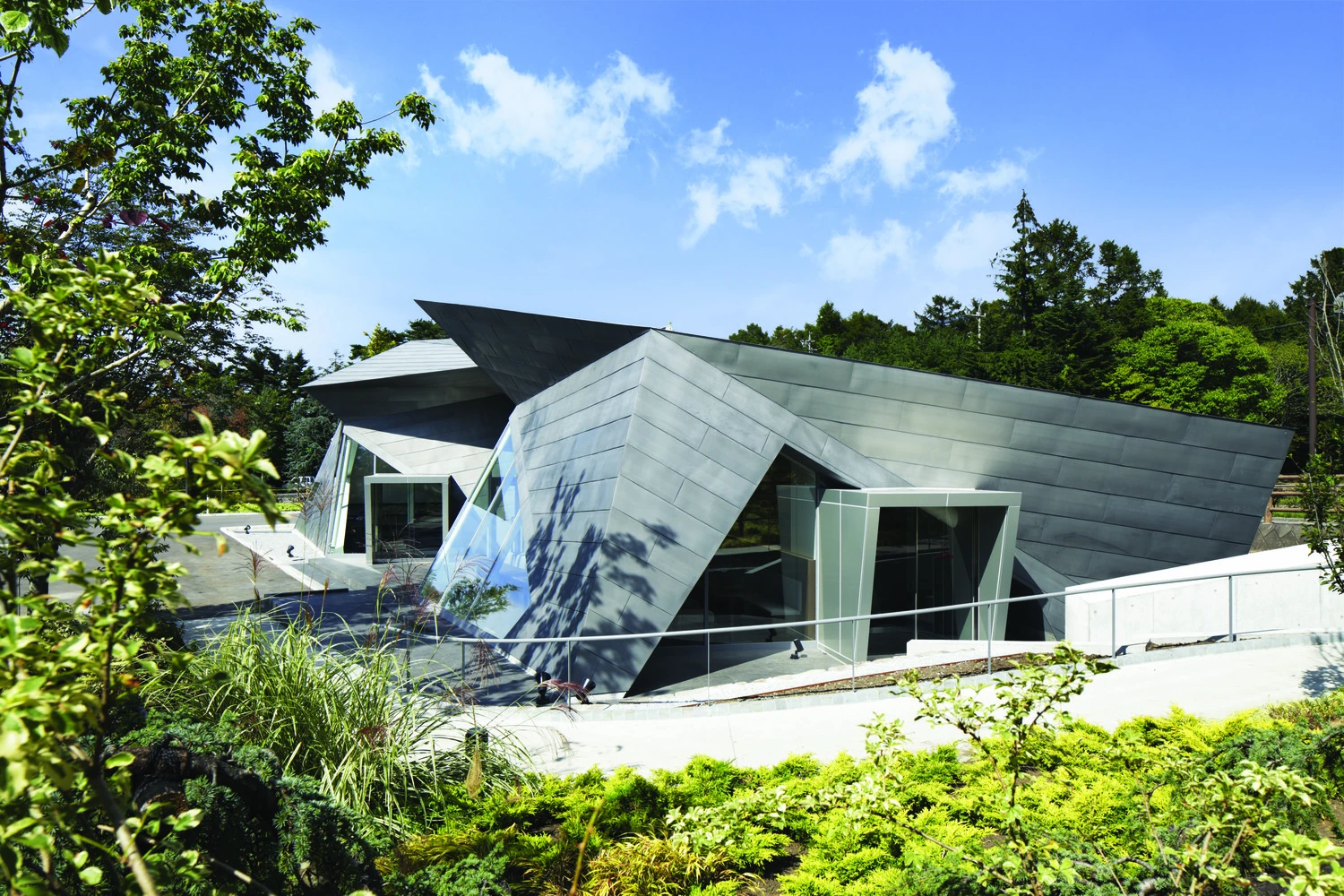
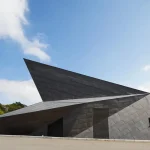
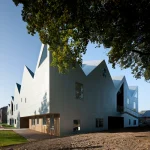
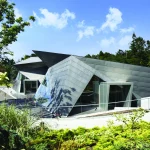
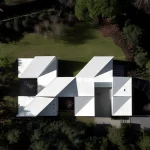
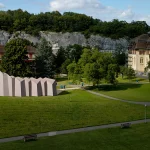
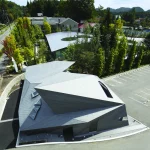
Inspired by origami, the Karuizawa Museum Complex by Yasui Hideo Atelier blends seamlessly into the serene landscape of Japan’s Yatsugatake Mountain region. Designed as a low-lying structure, unfolding as a series of sharp folds and faceted planes, creating a sculptural form emerging naturally from the terrain. Its triangular geometry beautifully bridges traditional Japanese aesthetics with contemporary architectural expression, making the building itself a work of art.
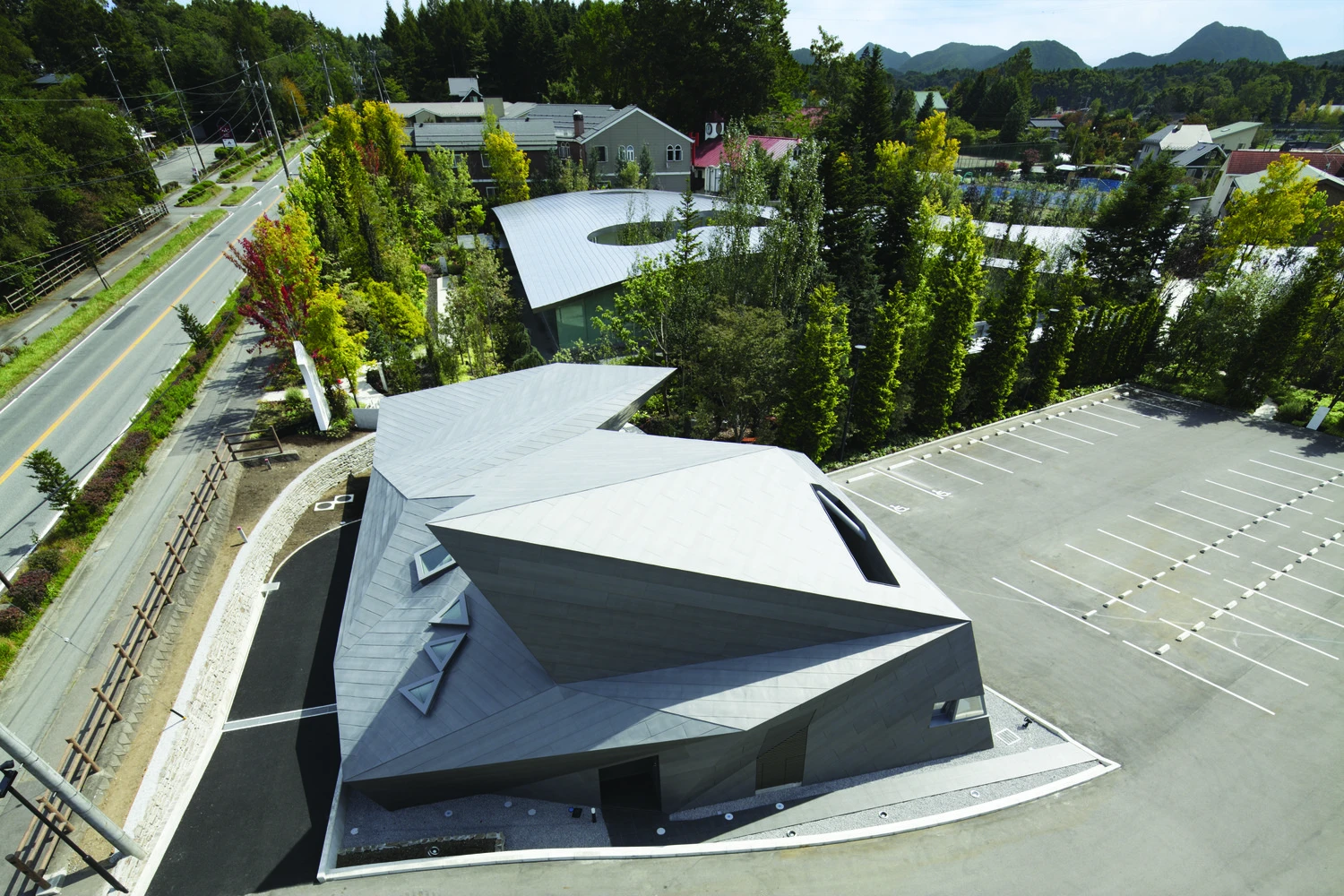
The design beautifully captures the harmony between architecture, nature, and the timeless elegance of Japanese design. Its sharply folded planes and angular geometry create a sculptural form that appears to transform with every change in viewpoint, giving the building a sense of movement. Clusters of triangular windows punctuate the titanium-clad façade, inviting natural light into the interiors while softening the building’s bold exterior.
10. Metropol Parasol | Spain
Location: Seville, Spain
Architect: J Mayer H
Completed: 2011
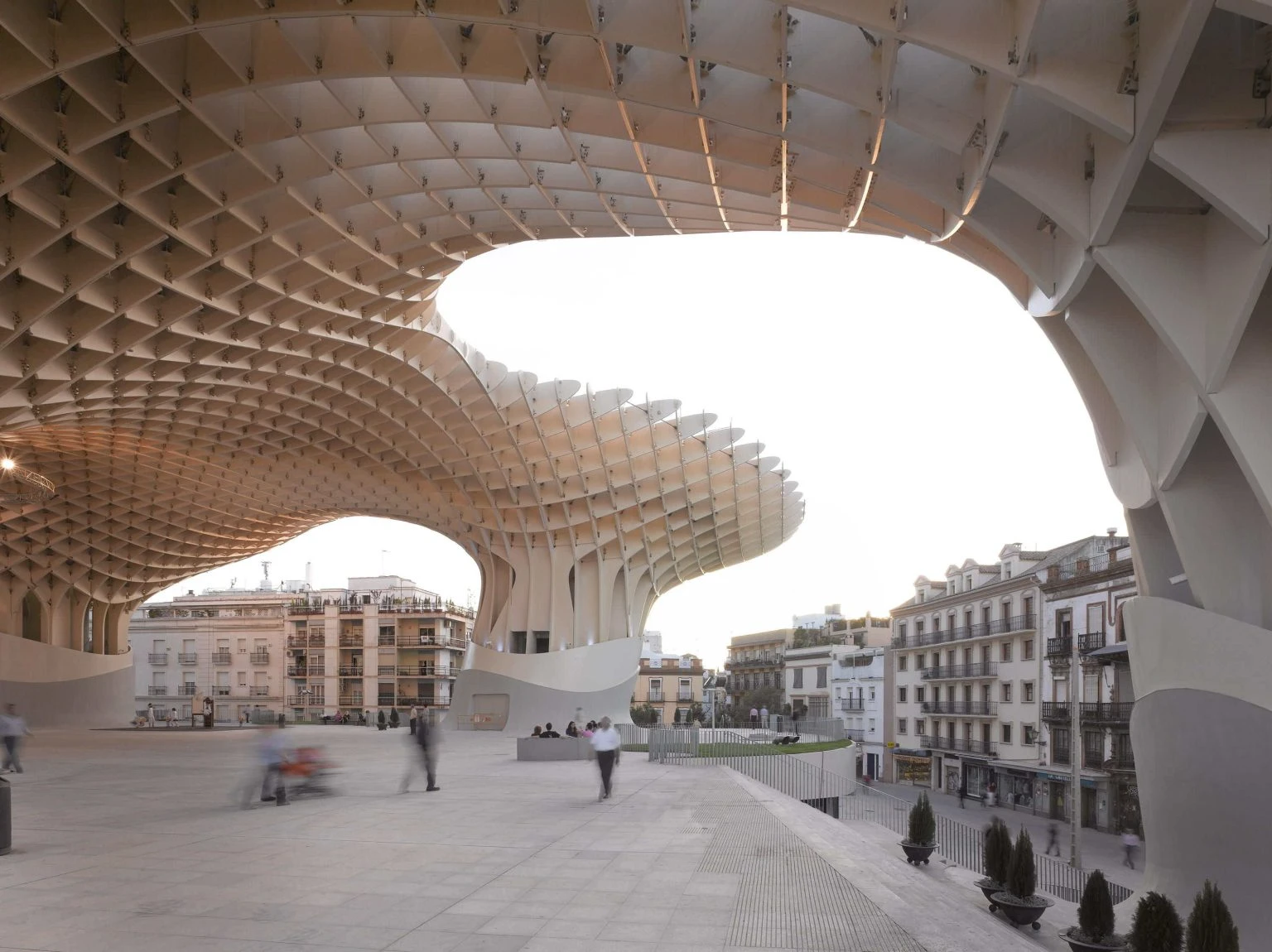
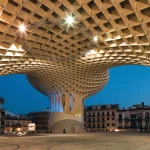
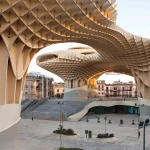
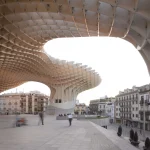
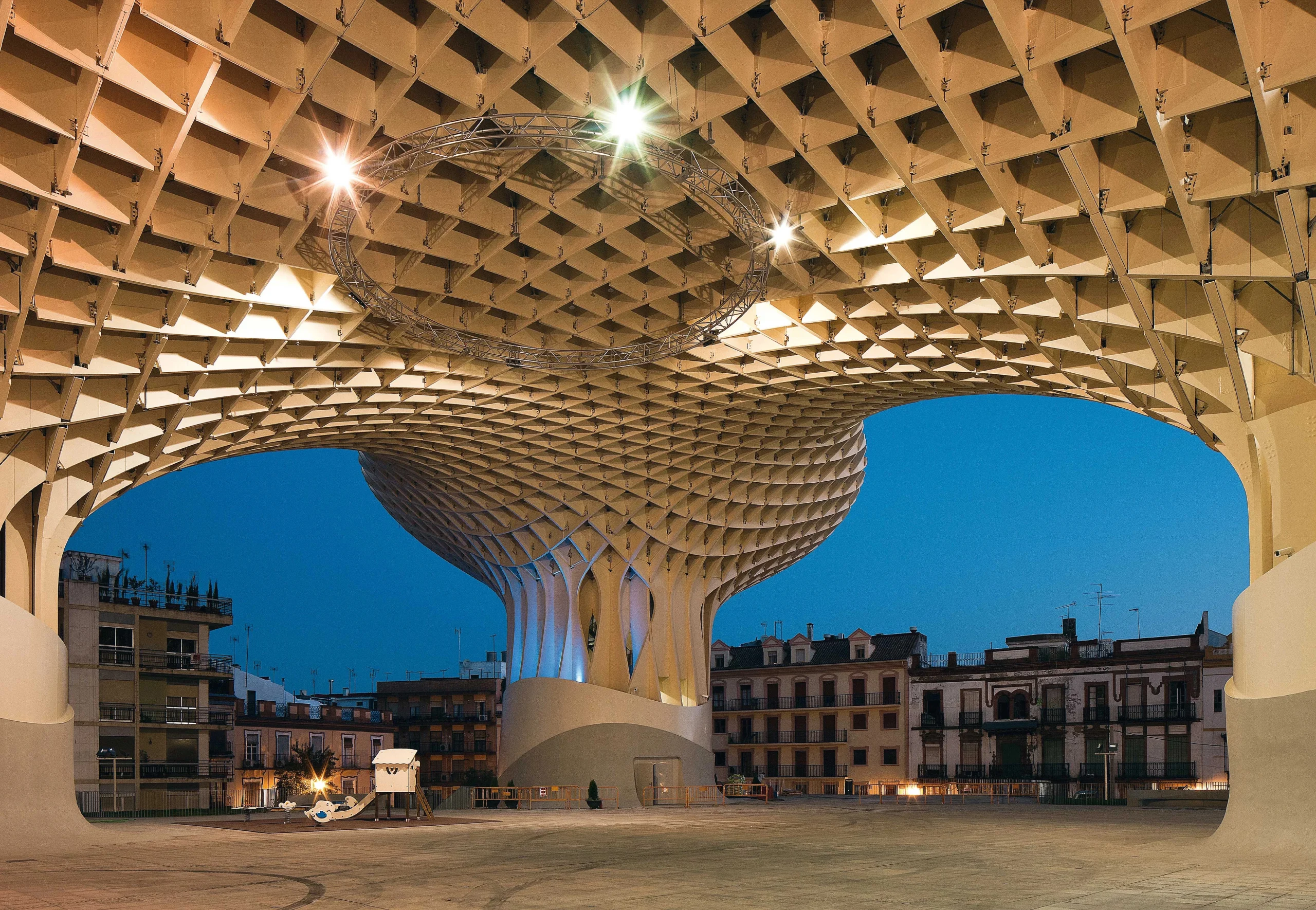
The Metropol Parasol in Seville is the world’s largest wooden architectural landmark that transformed a long-neglected city square into one of Spain’s most vibrant public spaces. Chosen through the design competition in 2004, its dramatic, sculptural form challenged conventional architecture and quickly became an iconic contemporary design. More than a striking visual statement, the project reimagines Plaza de la Encarnación as a lively destination where culture, history, and everyday urban life come together.
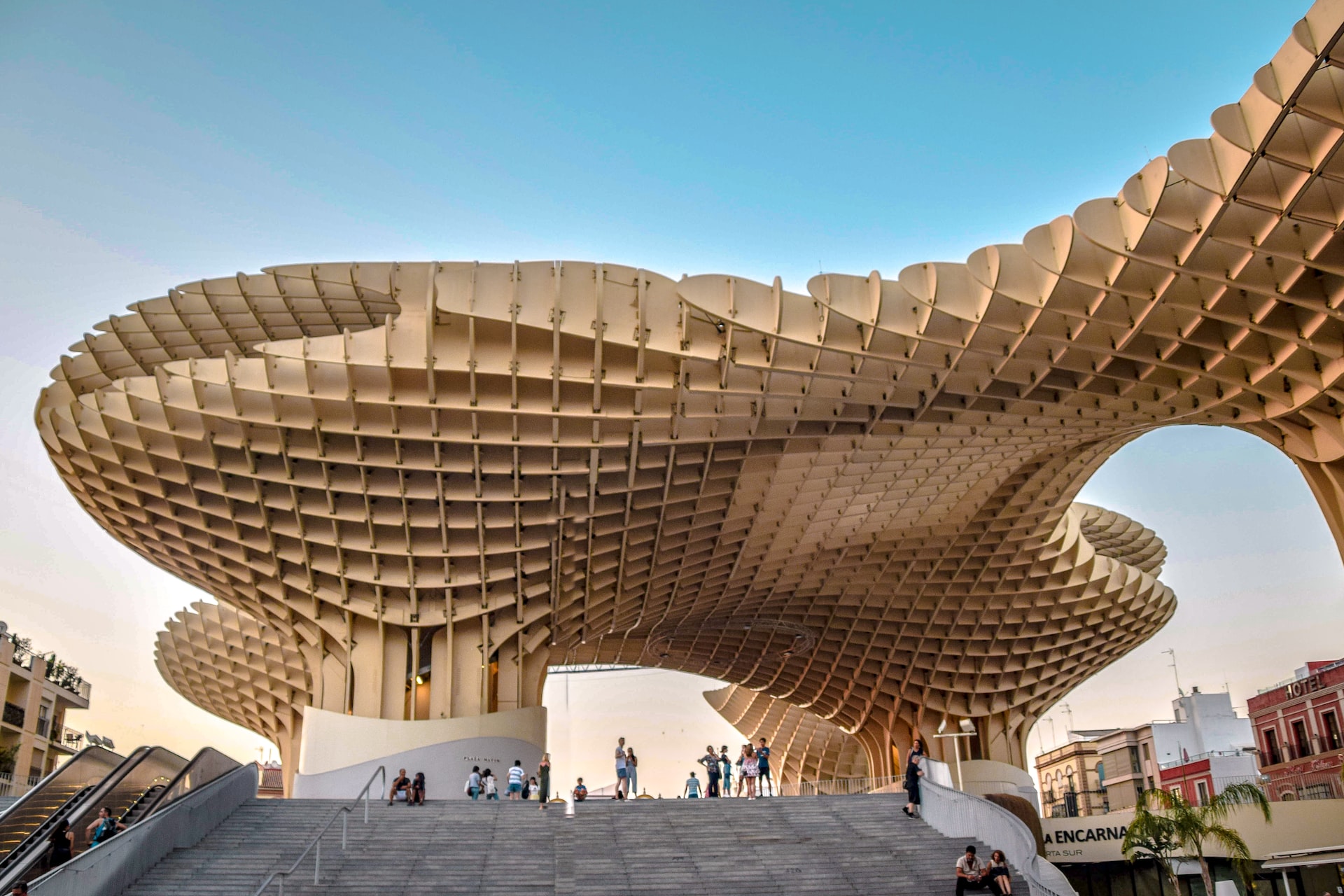
The Metropol Parasol stands as a powerful reminder that bold ideas can transform an entire neighborhood. Despite years of technical challenges and delays, the project emerged as one of Seville’s most recognizable landmarks, affectionately nicknamed the “Setas de la Encarnación” or “Mushrooms of Encarnación Square.” Inspired by the soaring vaults of Seville Cathedral and the canopy of nearby rubber trees, the sweeping timber structure provides shade from the Andalusian sun while creating a vibrant public space.




.webp &description=Top+10+Buildings+Shaped+by+the+Art+of+Origami+Folding+in+Architecture)