


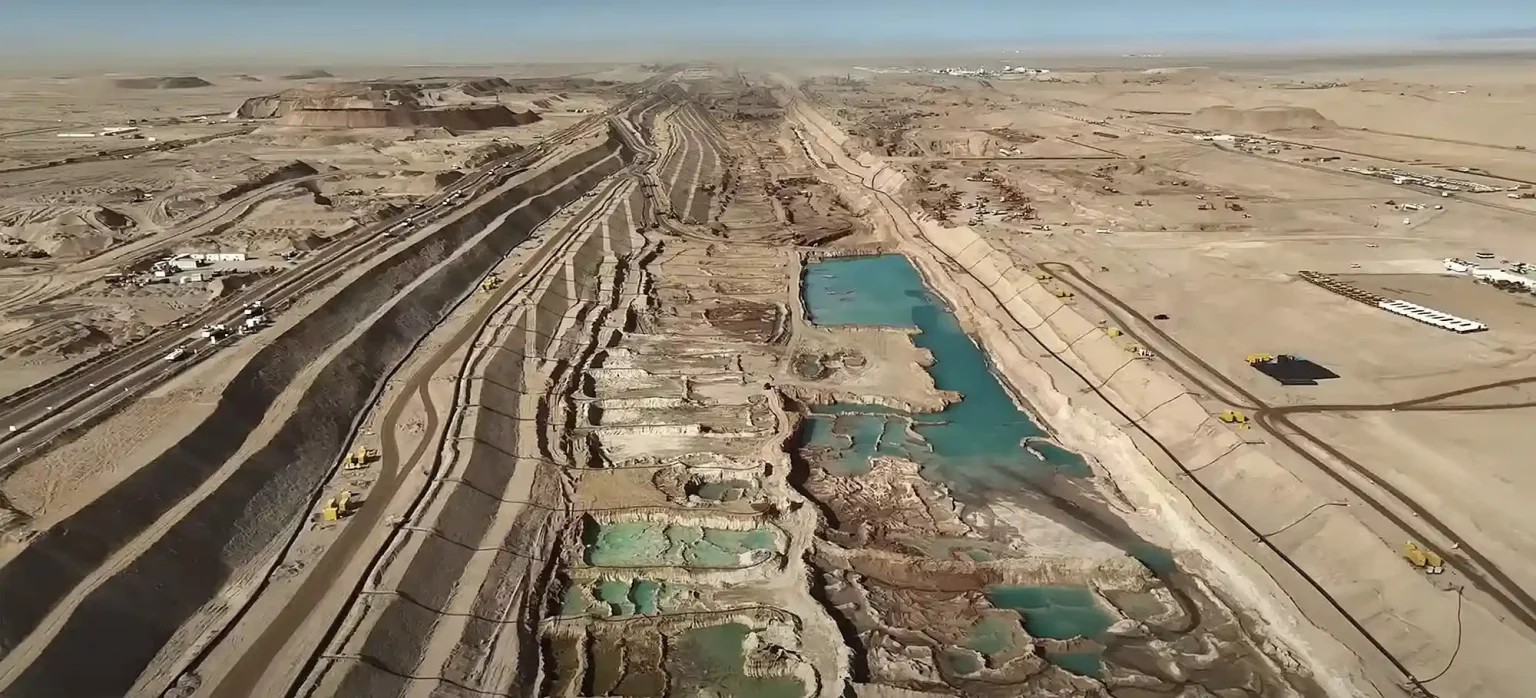


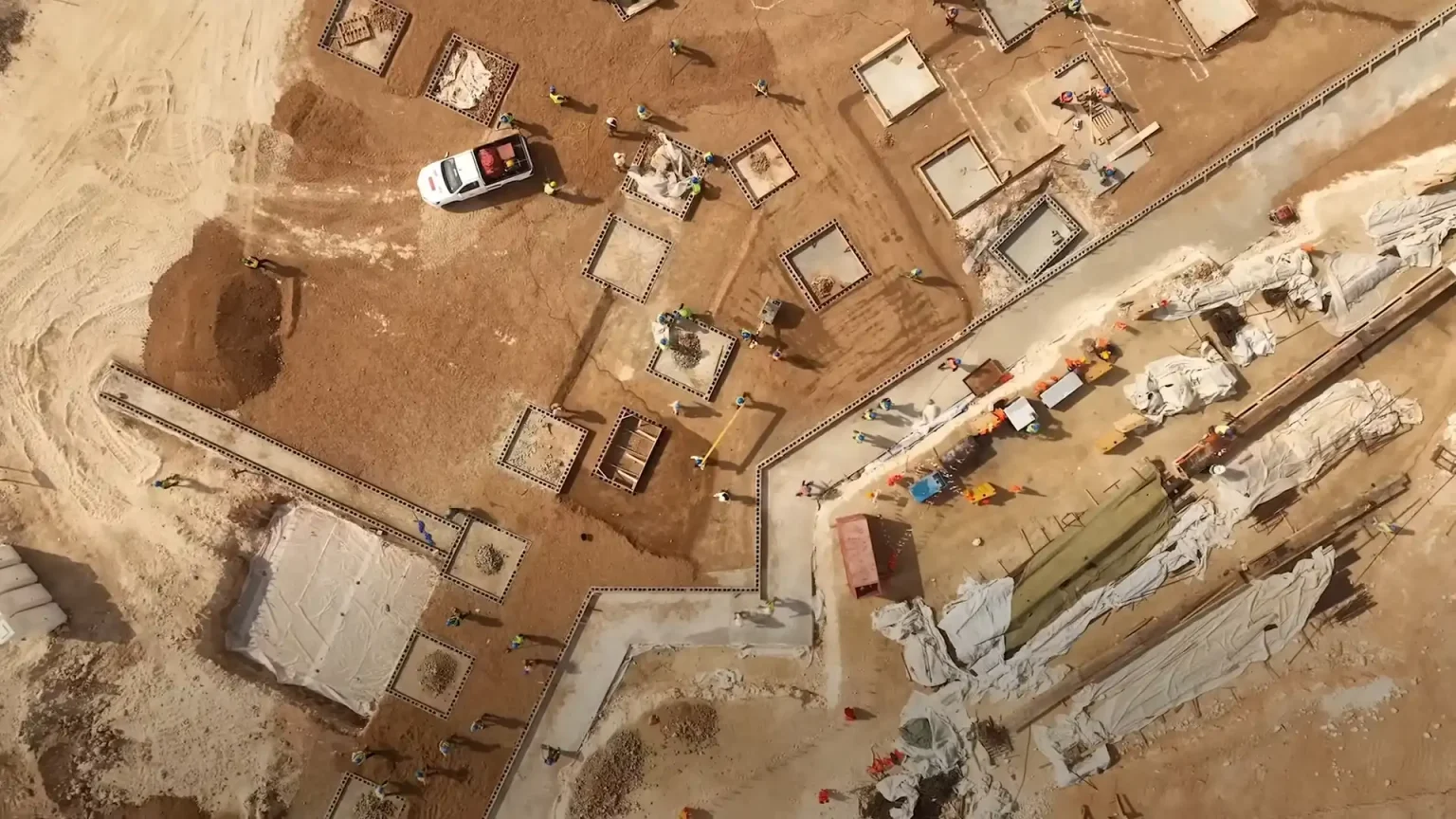

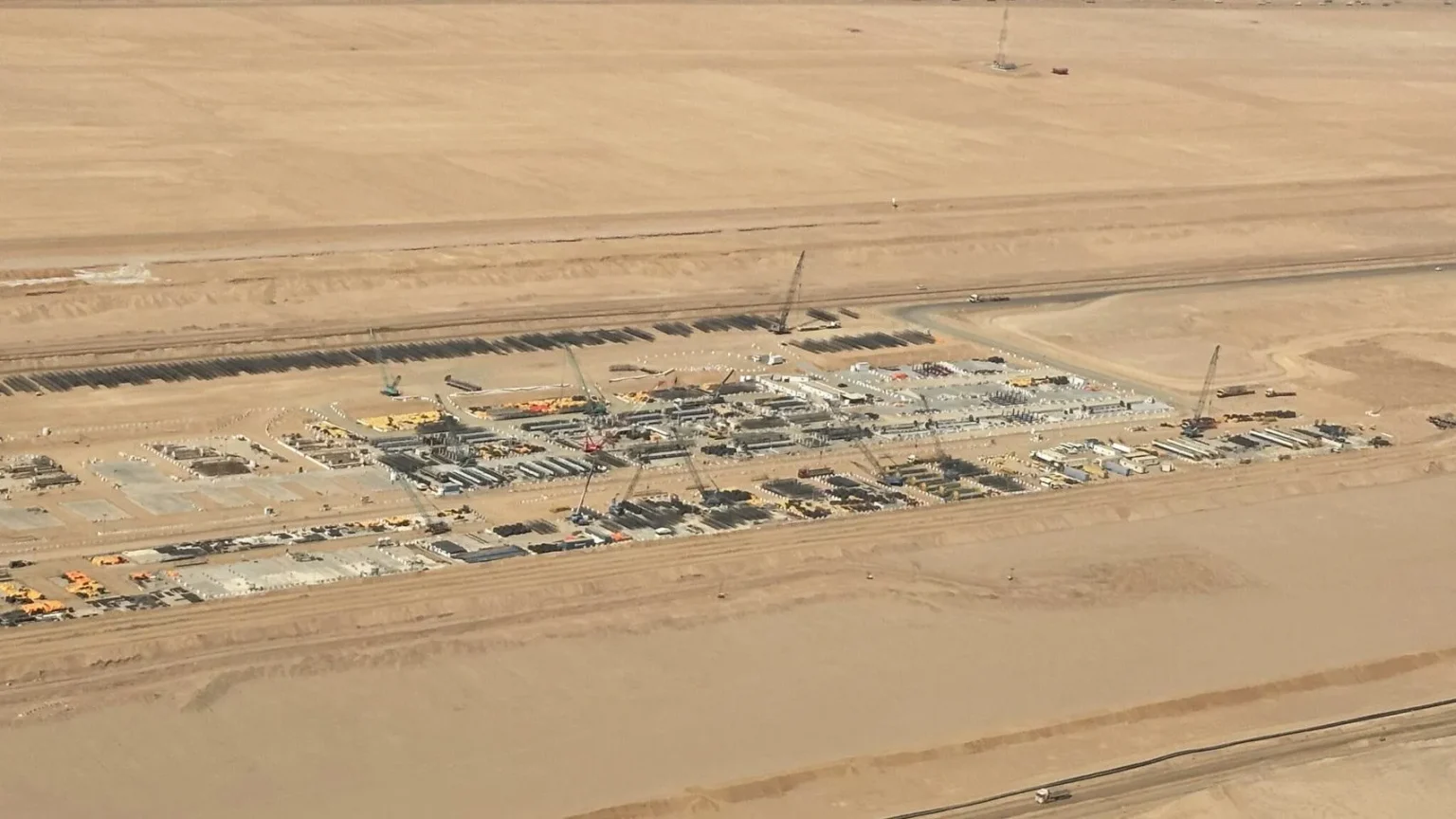

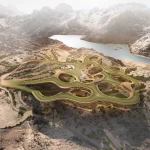



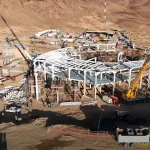
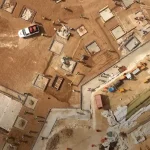
Saudi Arabia’s futuristic city project, The Line, has entered a new phase of uncertainty after reports confirmed that further major construction work has been halted until at least 2030. The decision marks the most significant shift in the history of NEOM, the realm’s mega-development and one of the most closely watched architectural and urban planning projects of the twenty-first century.
The pause signals a strategic reassessment of Saudi Arabia’s development priorities as the country redirects resources toward infrastructure projects expected to generate faster economic returns, including ports, logistics networks, industrial facilities, and AI-focused data centers.
The Line’s Original Vision Meets Economic Reality
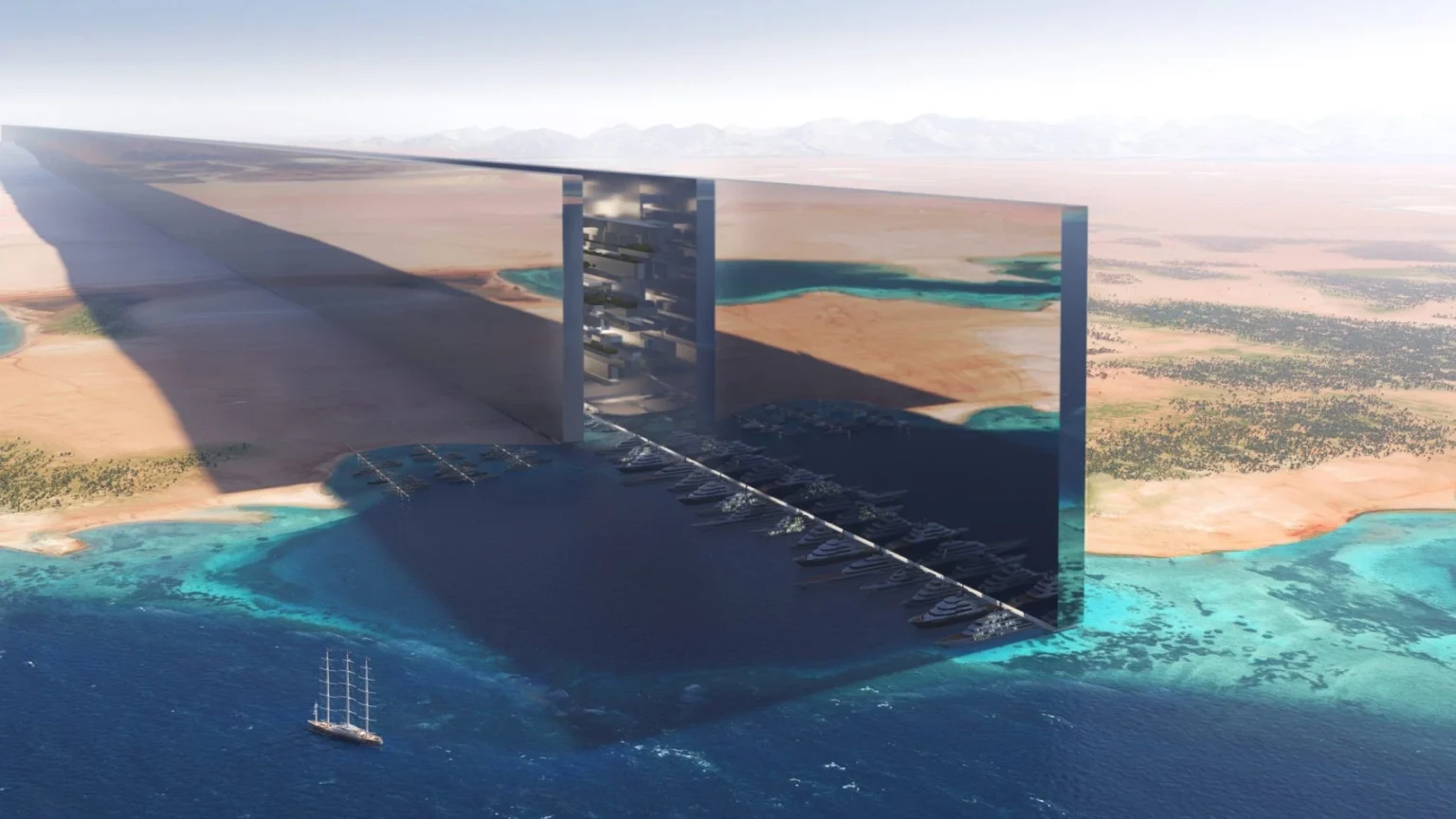
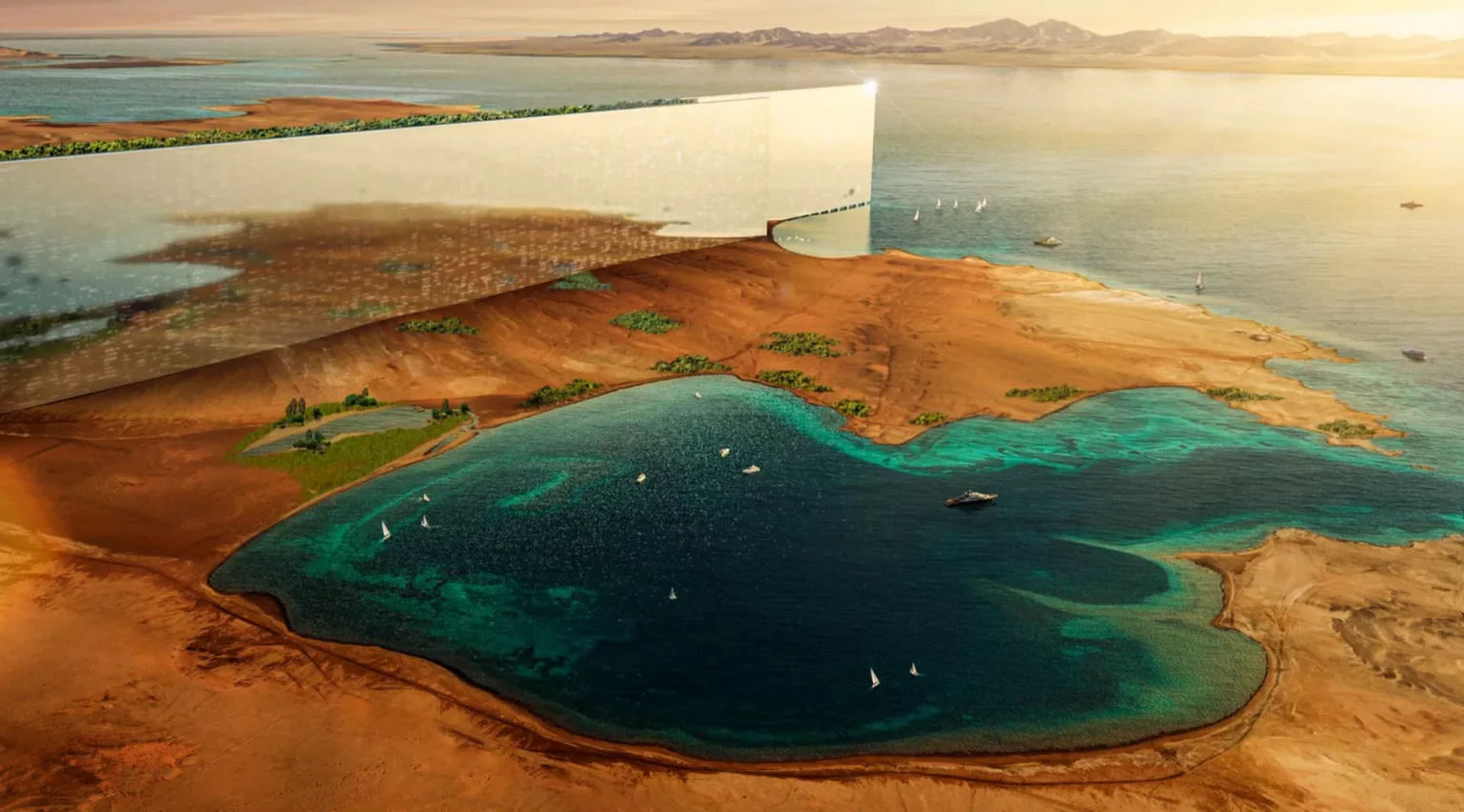
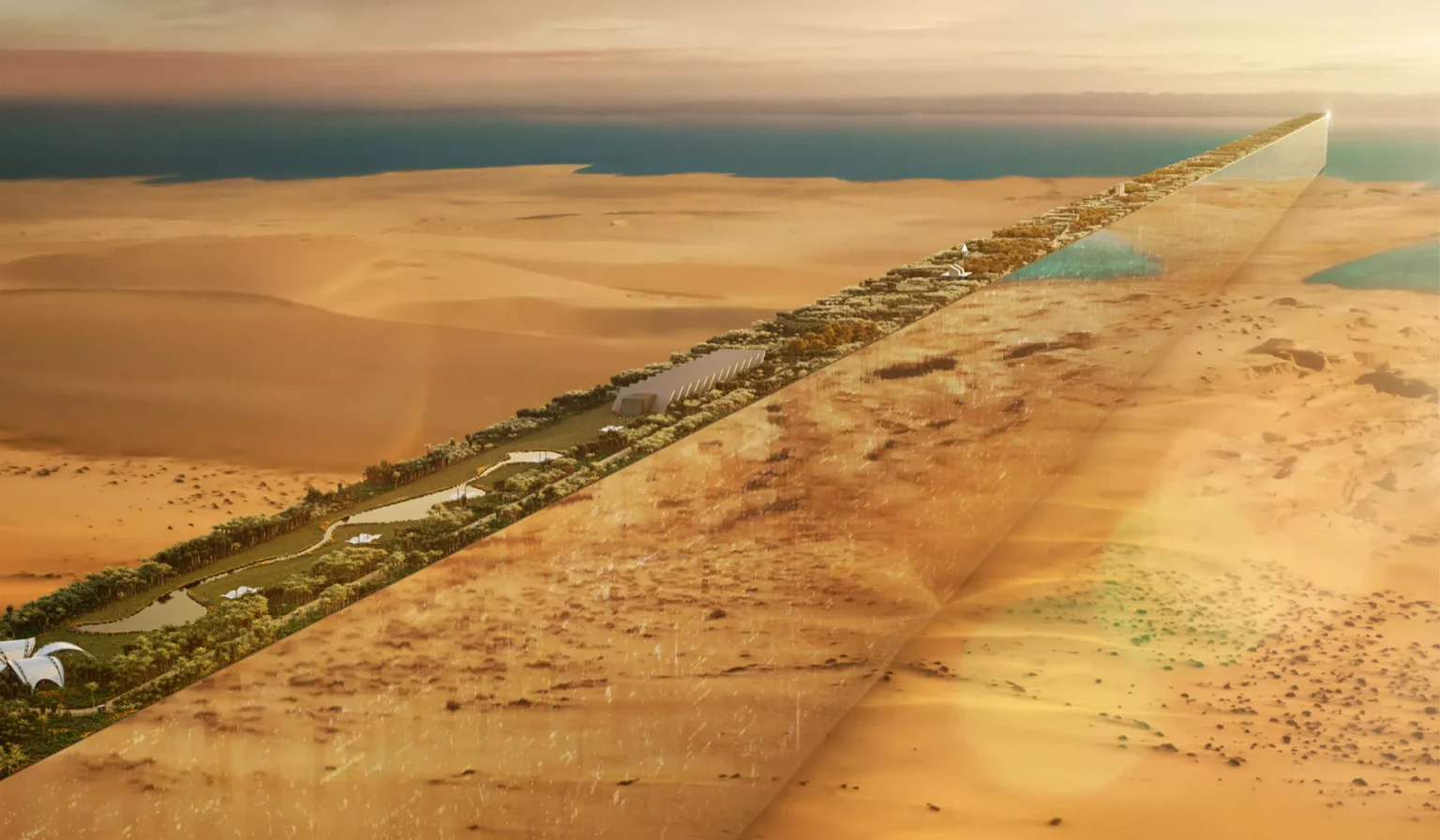
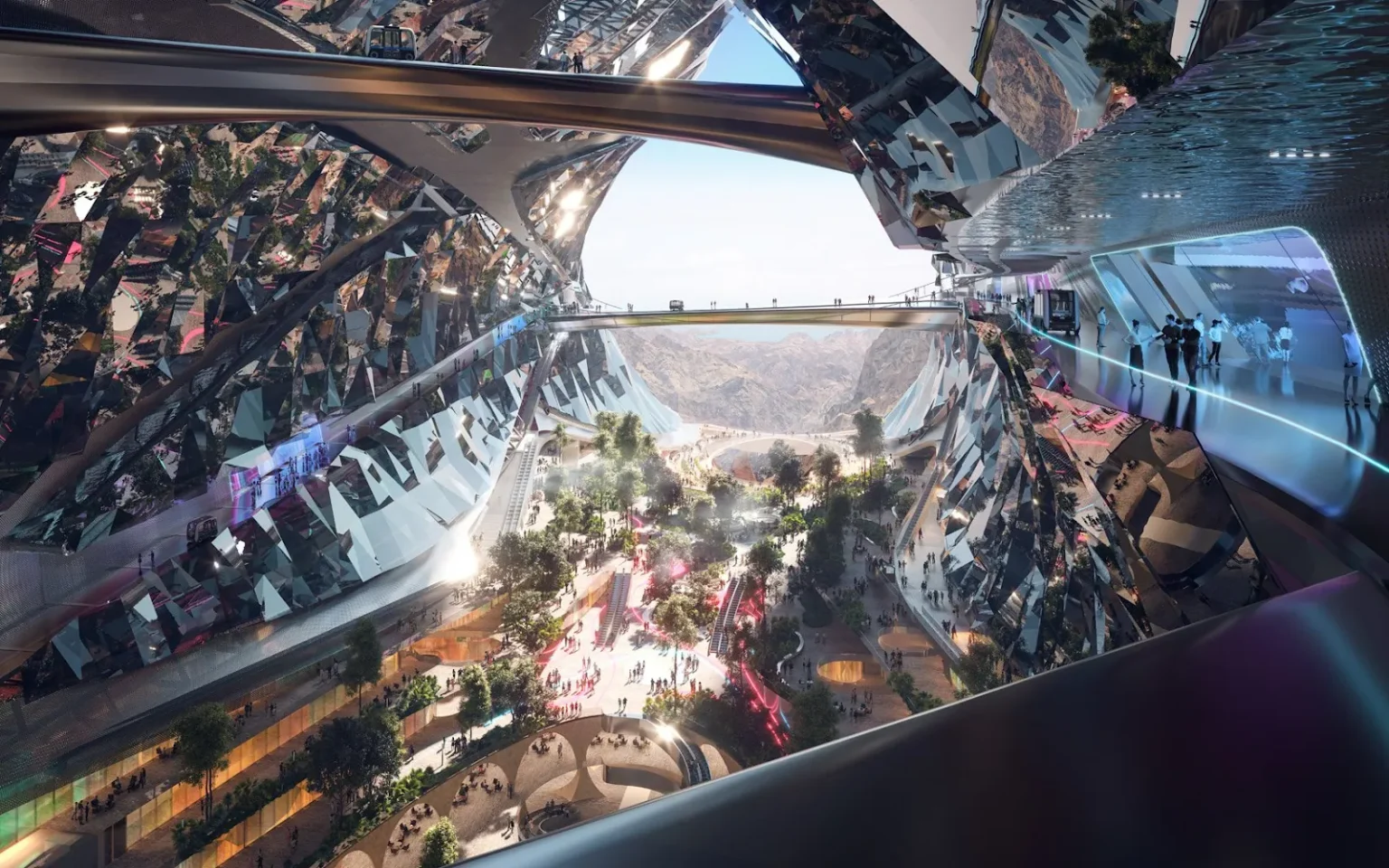
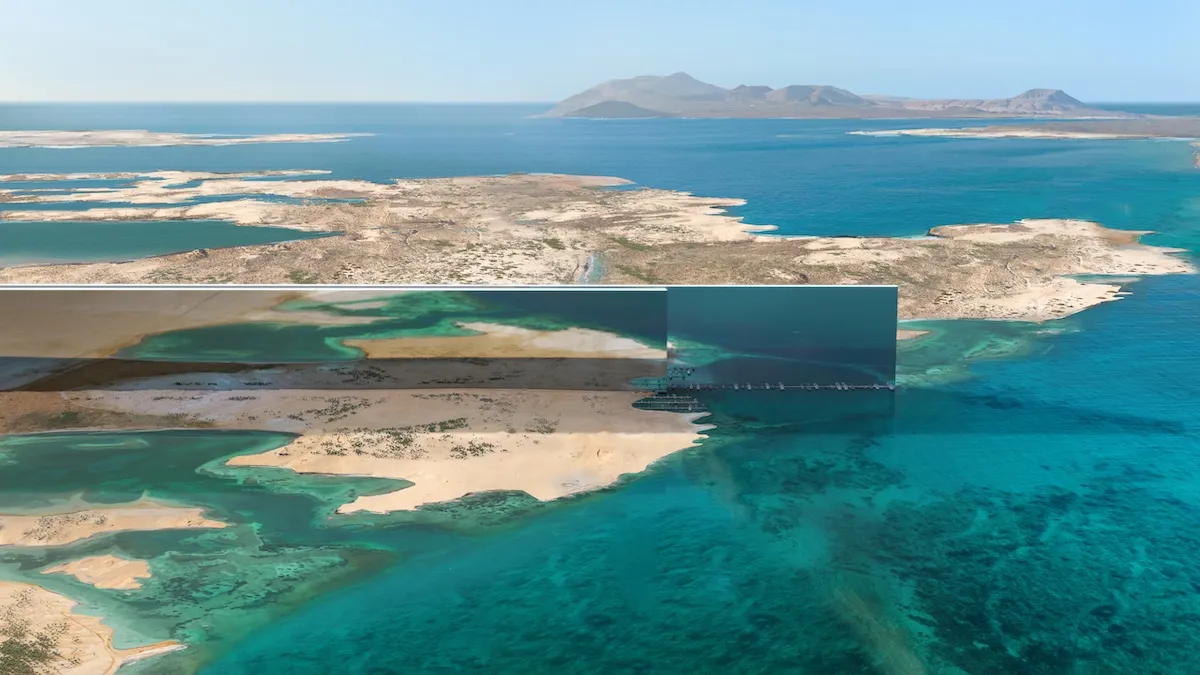
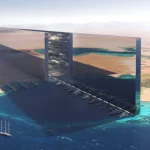
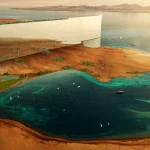
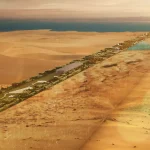
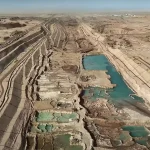
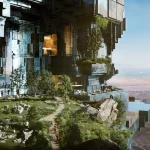
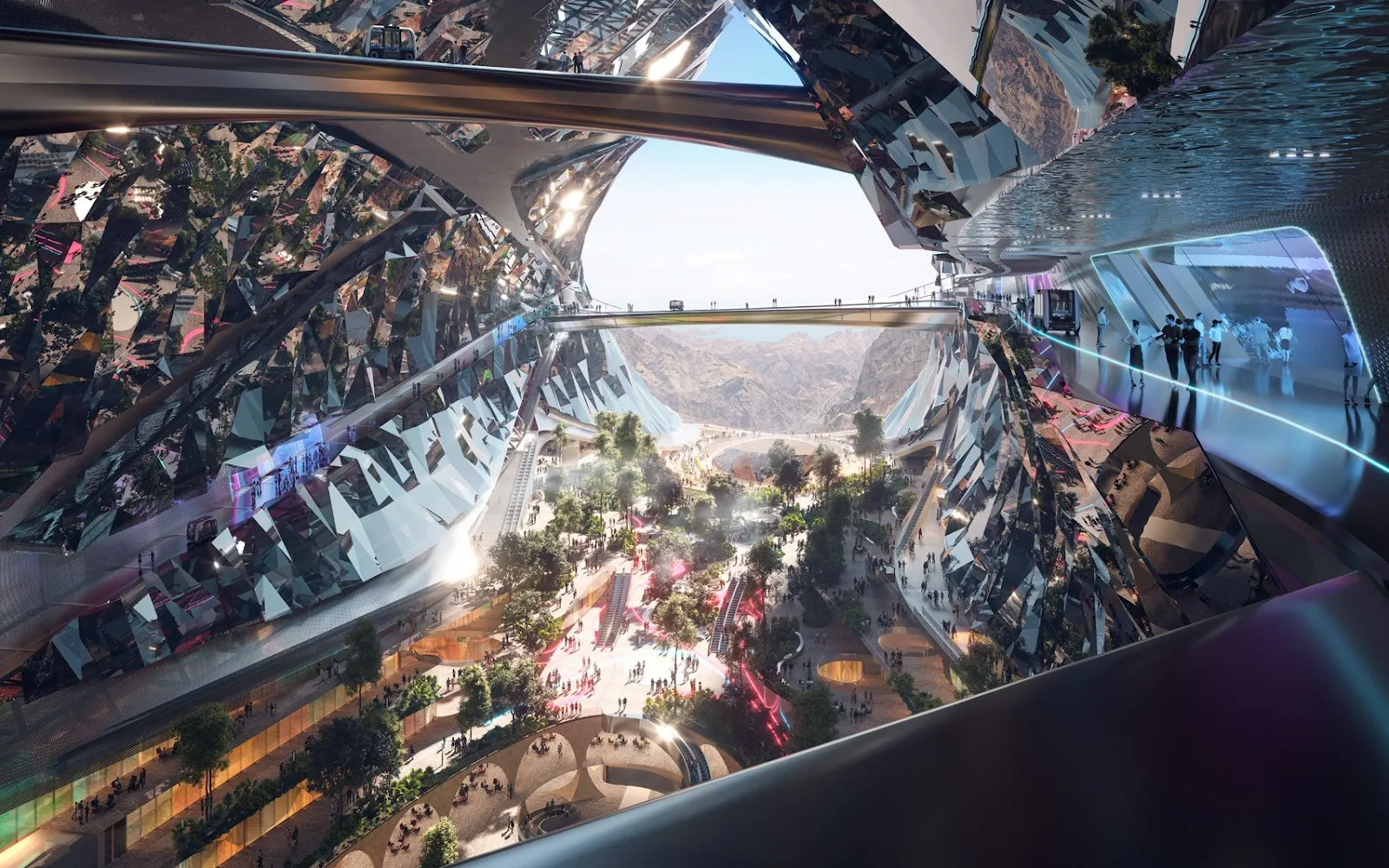
When unveiled in 2021, The Line became the defining symbol of NEOM. The proposal envisioned a pair of mirrored skyscrapers stretching approximately 170 kilometers across the desert, rising 500 meters high and housing up to nine million residents. Designed as a car-free city powered by renewable energy, the project promised a radical alternative to conventional urban development.
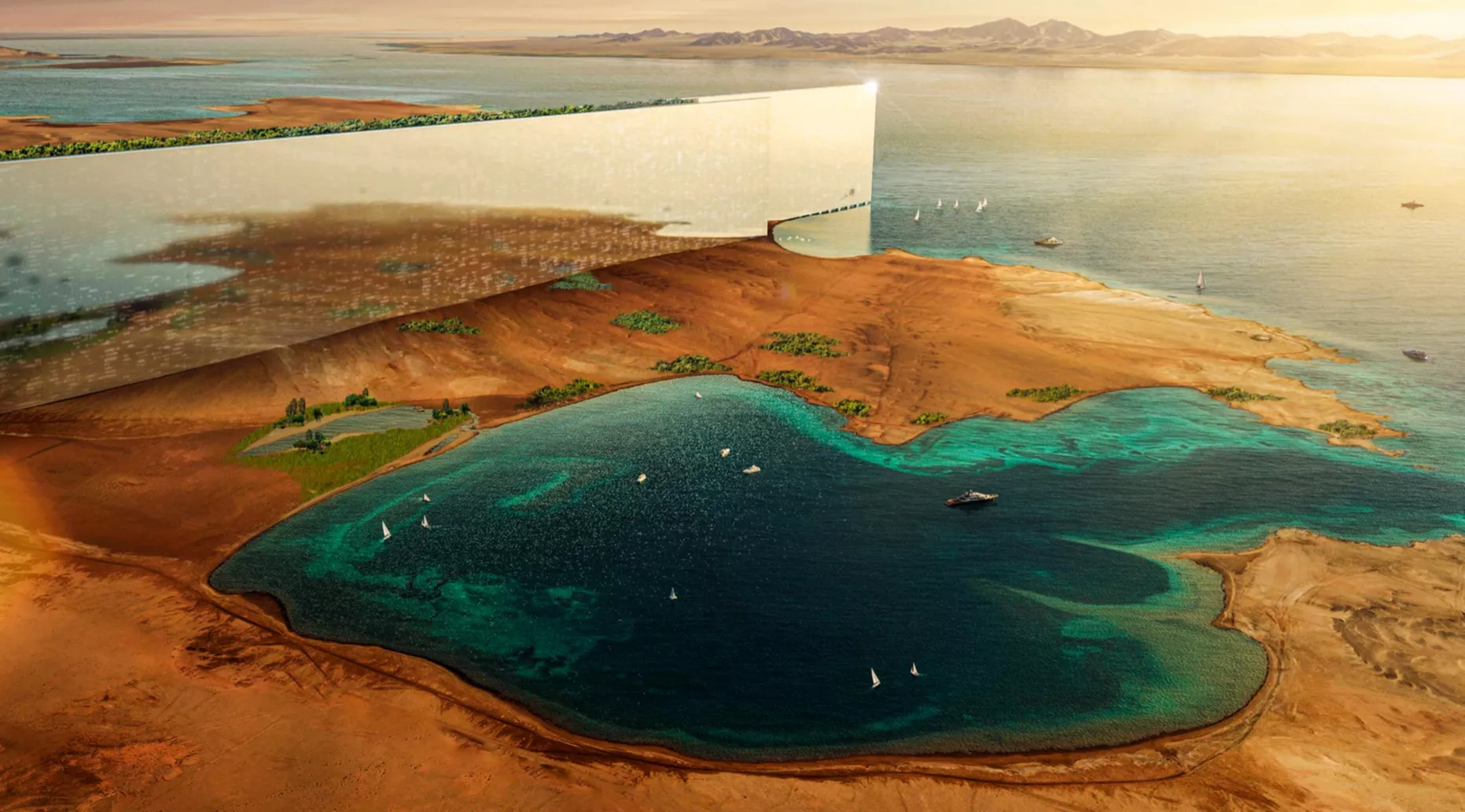
However, the scale of the proposal has increasingly collided with financial and logistical realities. Internal reviews and industry reports over the past two years repeatedly questioned whether the project could be delivered within its original timeline or budget. Earlier estimates suggested that the broader NEOM development could ultimately require trillions of dollars in investment, far exceeding initial projections.
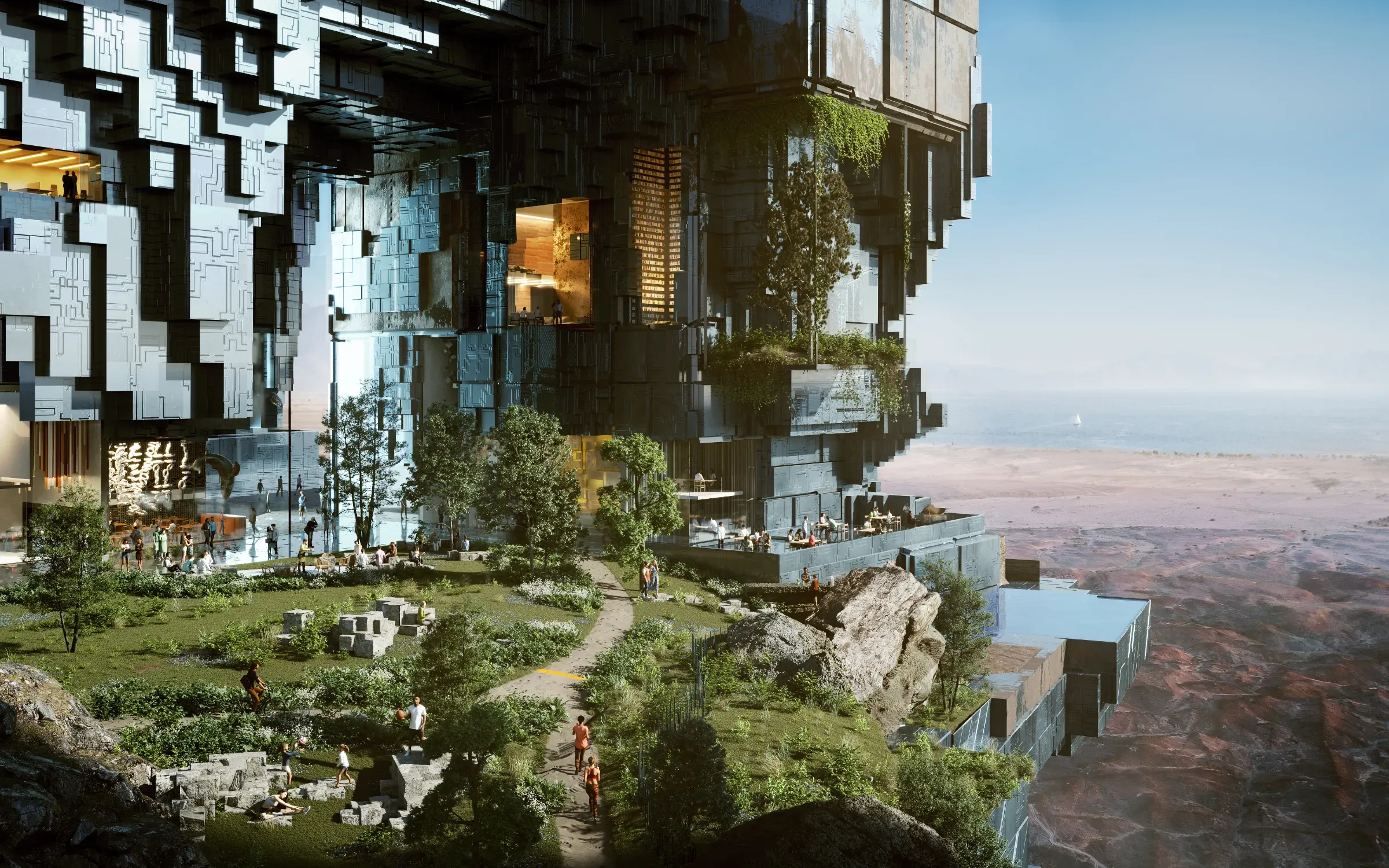
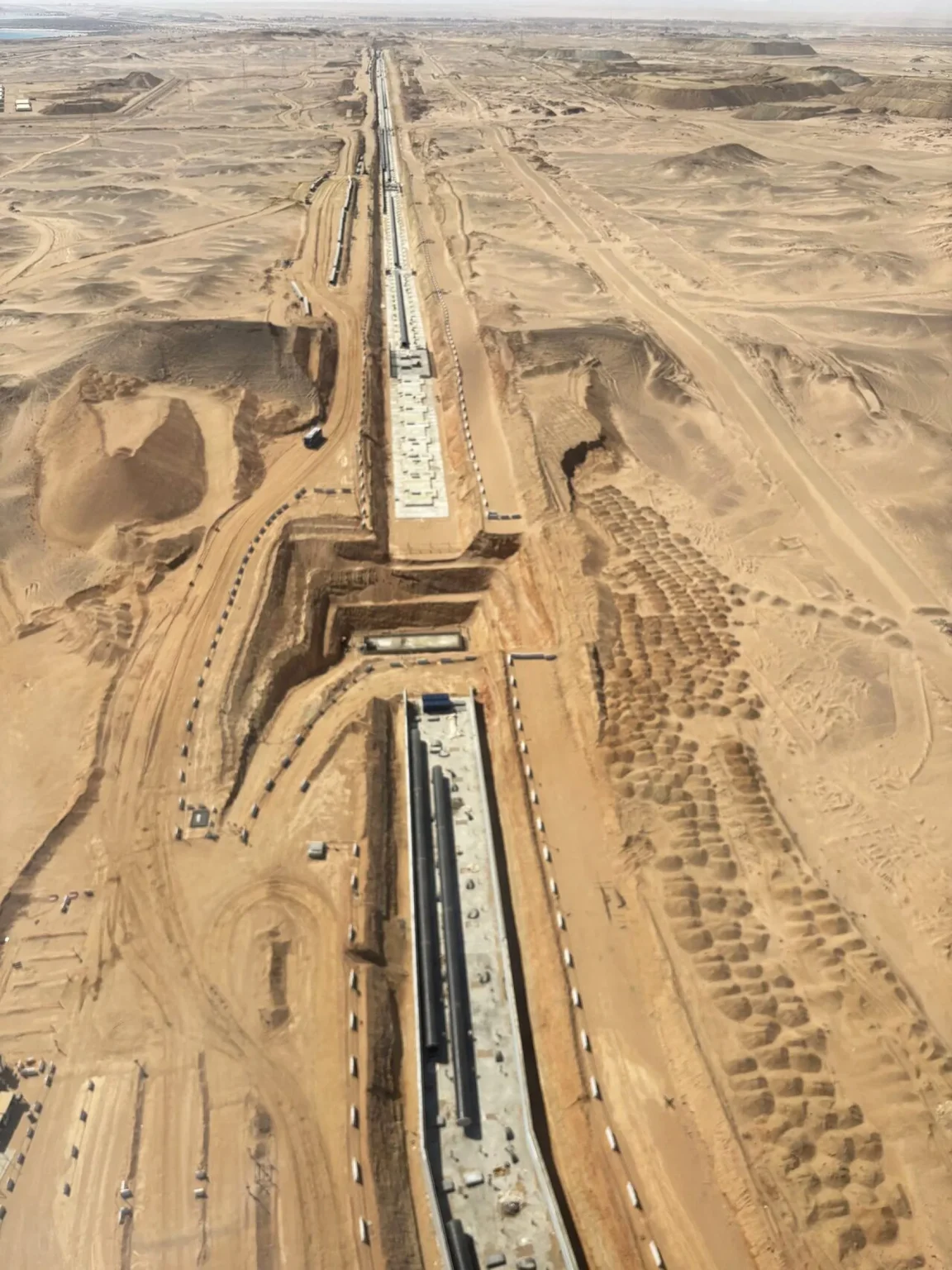
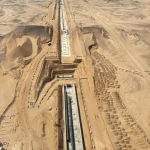
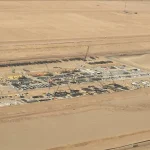
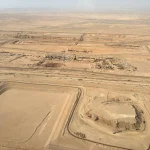
The latest reports indicate that Saudi authorities have decided to suspend substantial new work on The Line while reassessing long-term priorities. The project is not officially canceled, but its role within the kingdom’s Vision 2030 framework appears to be changing significantly.
Why Saudi Arabia Is Shifting Its Focus
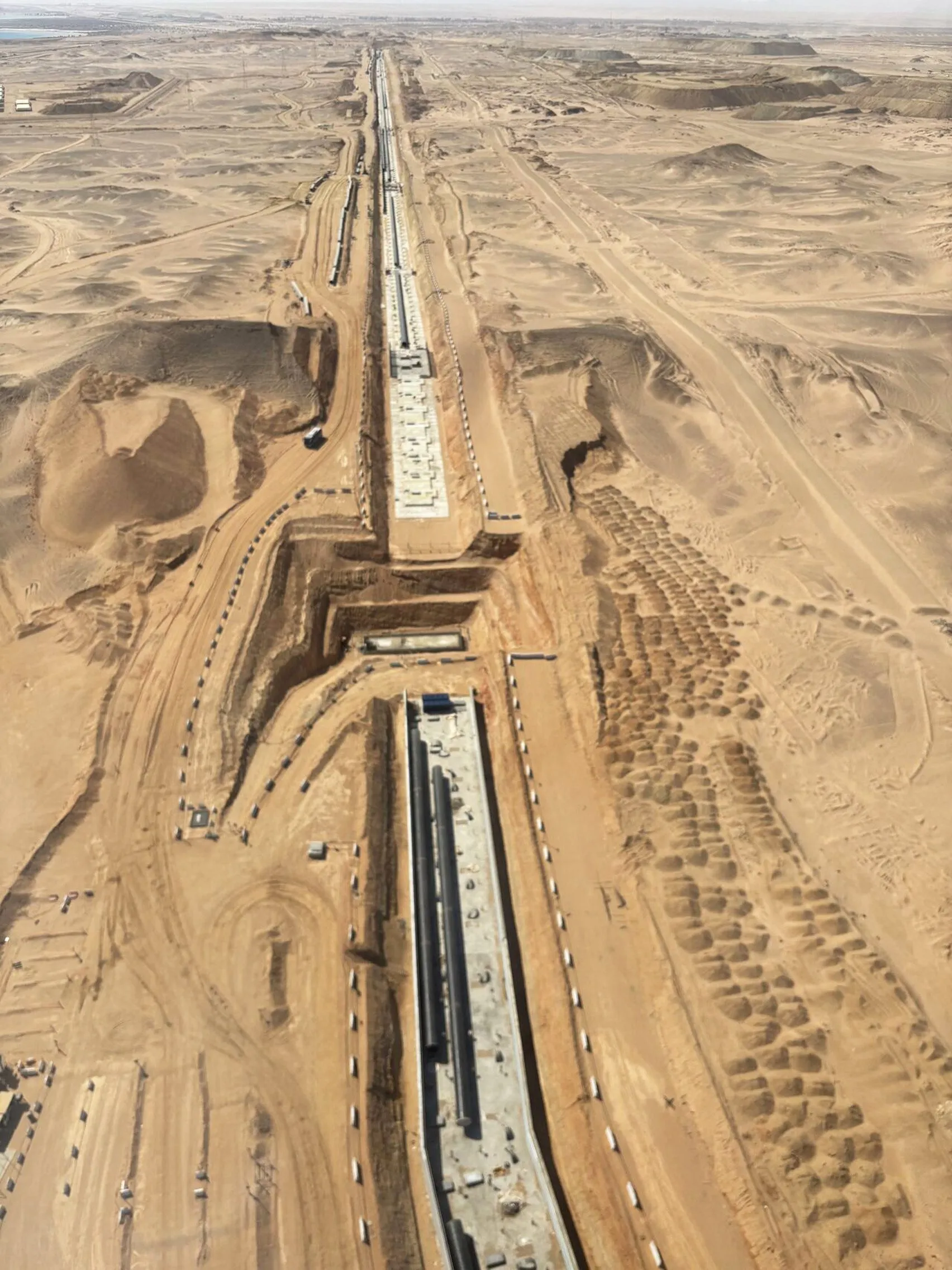
According to reporting from Semafor, the Saudi Public Investment Fund (PIF), which finances NEOM, is reallocating spending toward projects that can generate immediate economic value. Among the priorities are logistics infrastructure, Red Sea ports, digital connectivity systems, and facilities capable of attracting global artificial intelligence companies.
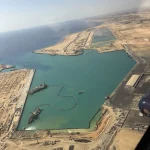
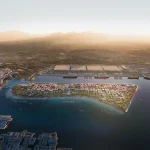
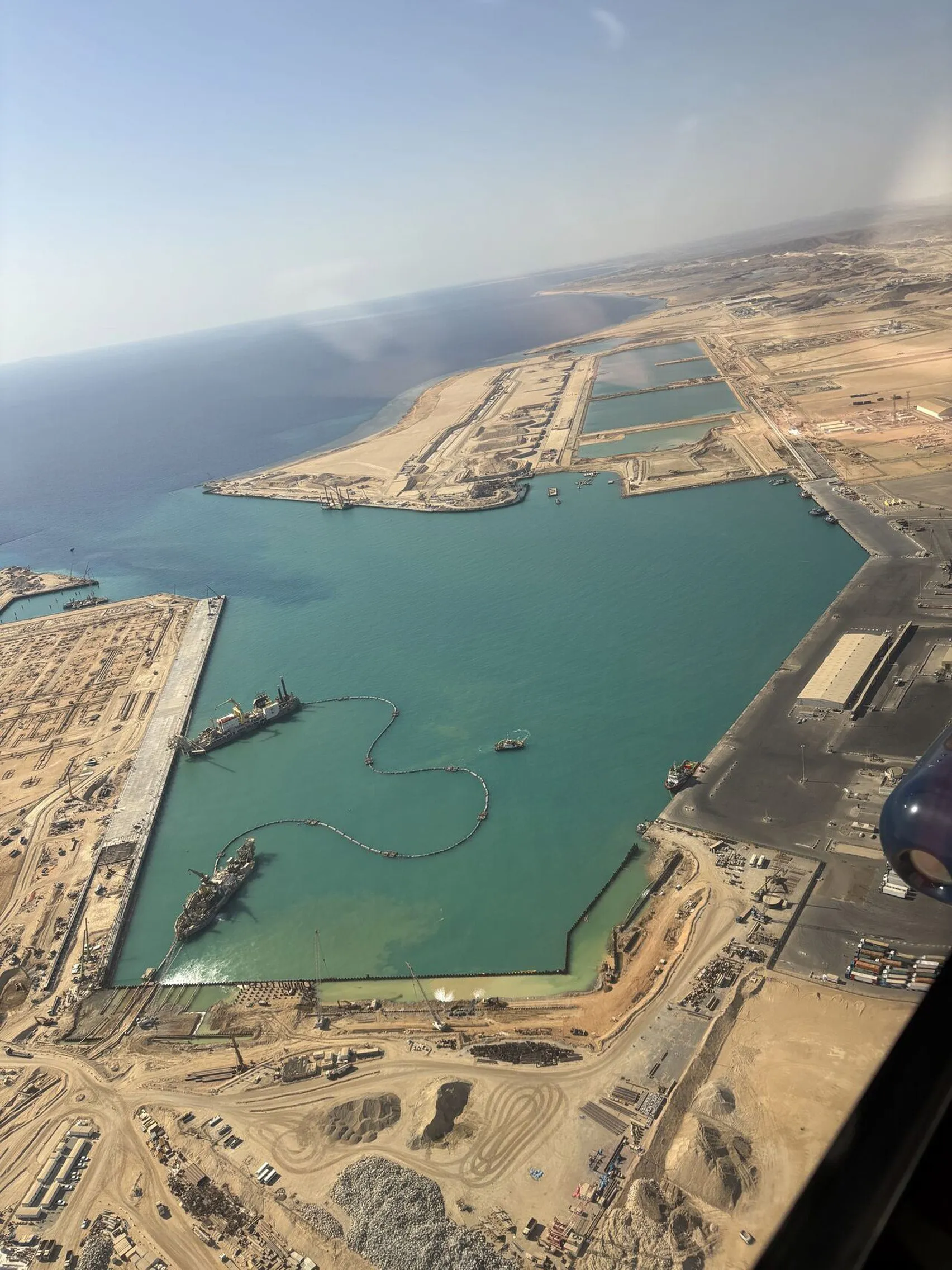
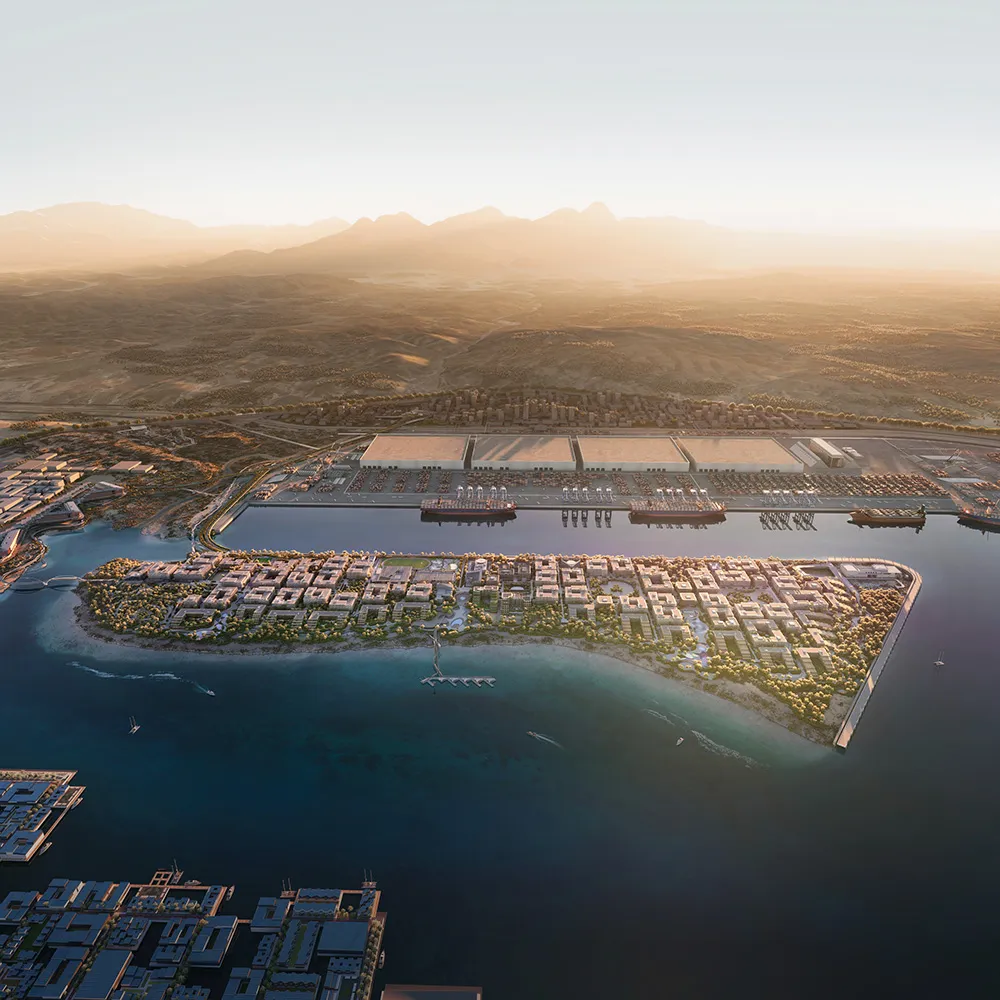
One beneficiary of this shift is Oxagon, NEOM’s industrial and manufacturing district. The project is reportedly set to receive continued investment as Saudi Arabia seeks to establish itself as a regional logistics and technology hub. Approximately $3 billion is expected to be directed toward further development of Oxagon’s port and related infrastructure.
This strategic redirection suggests that NEOM is gradually evolving from a collection of highly ambitious architectural icons into a more conventional economic development platform focused on industry, trade, and technology.
Other NEOM Projects Also Affected
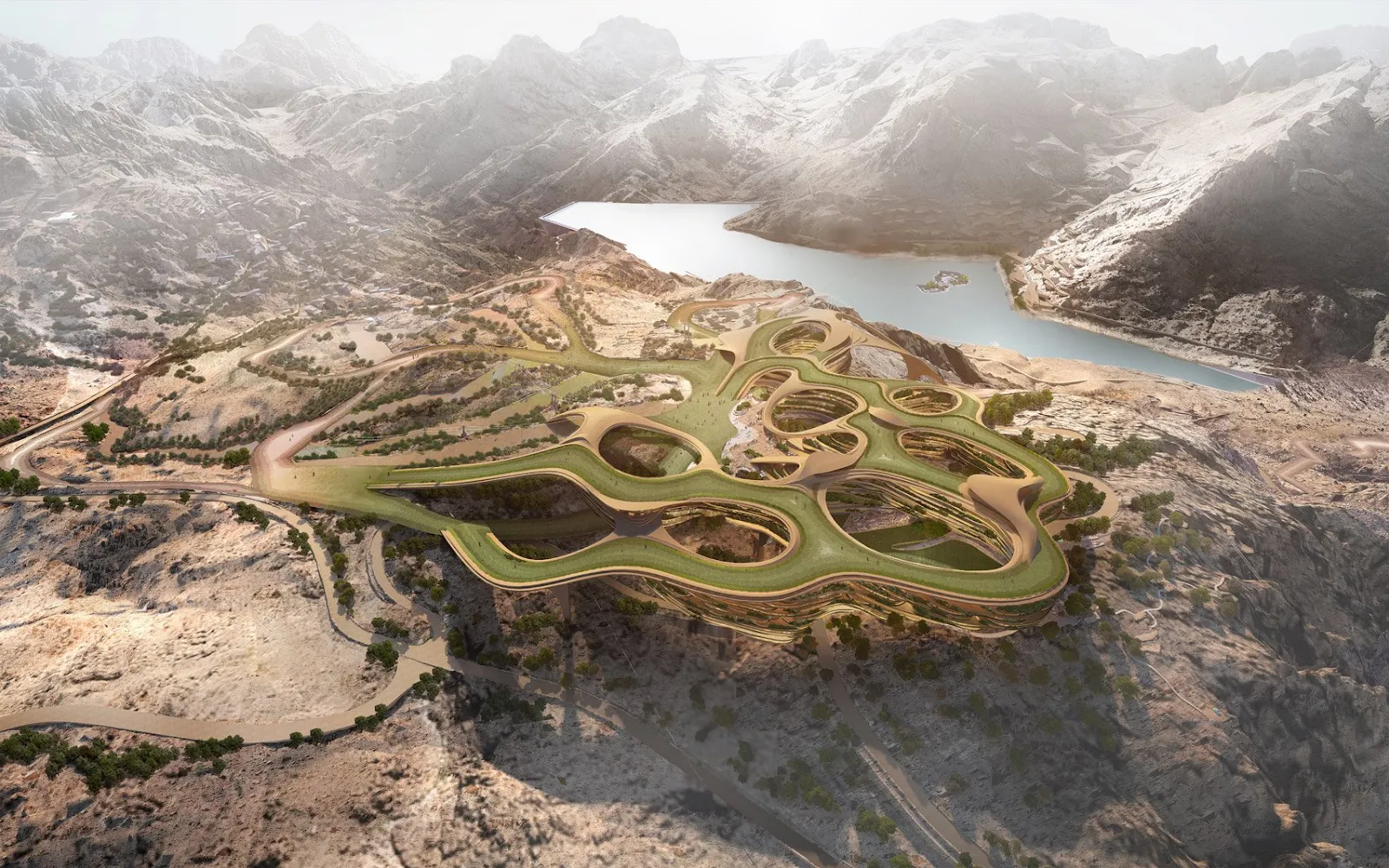
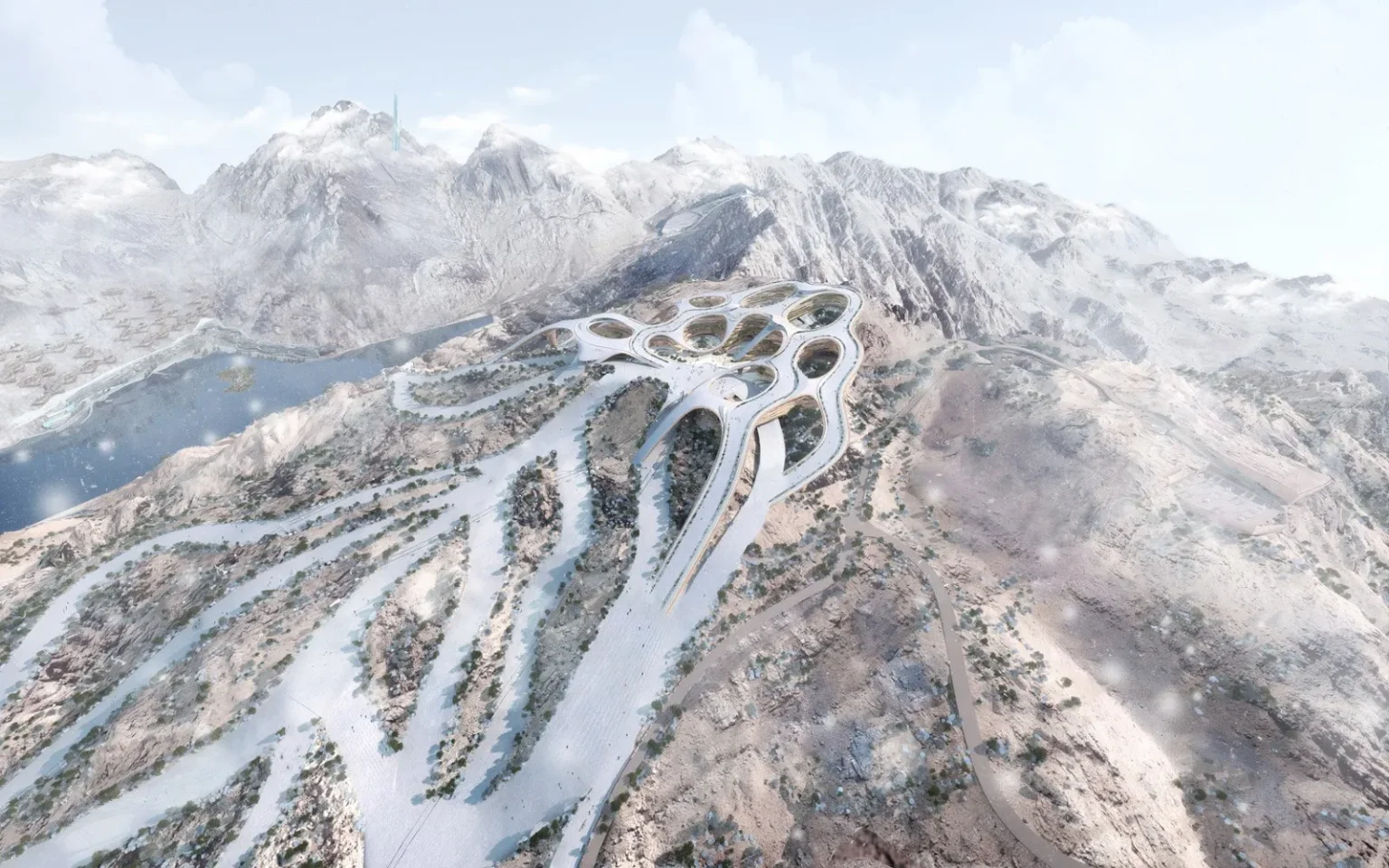
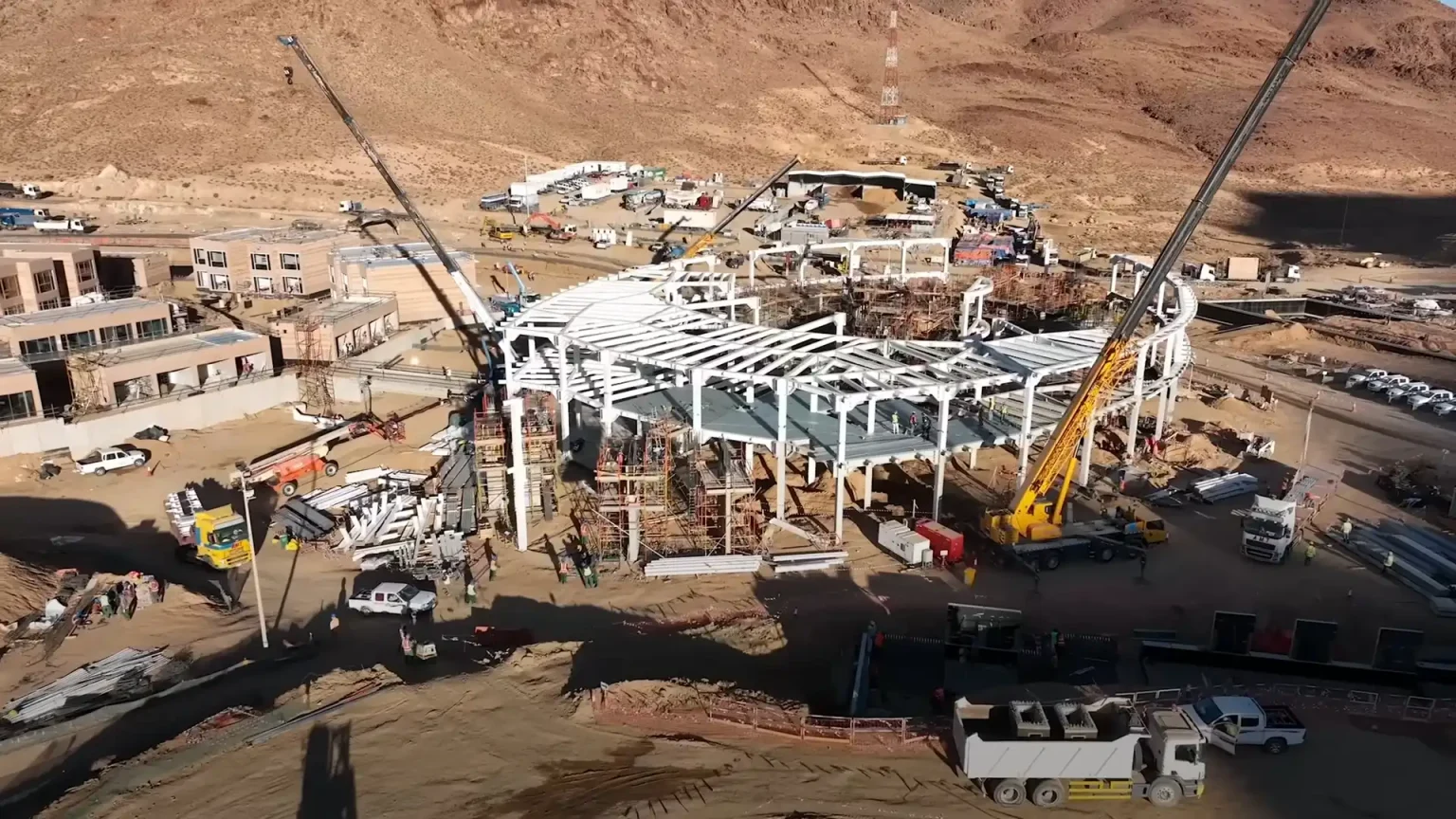
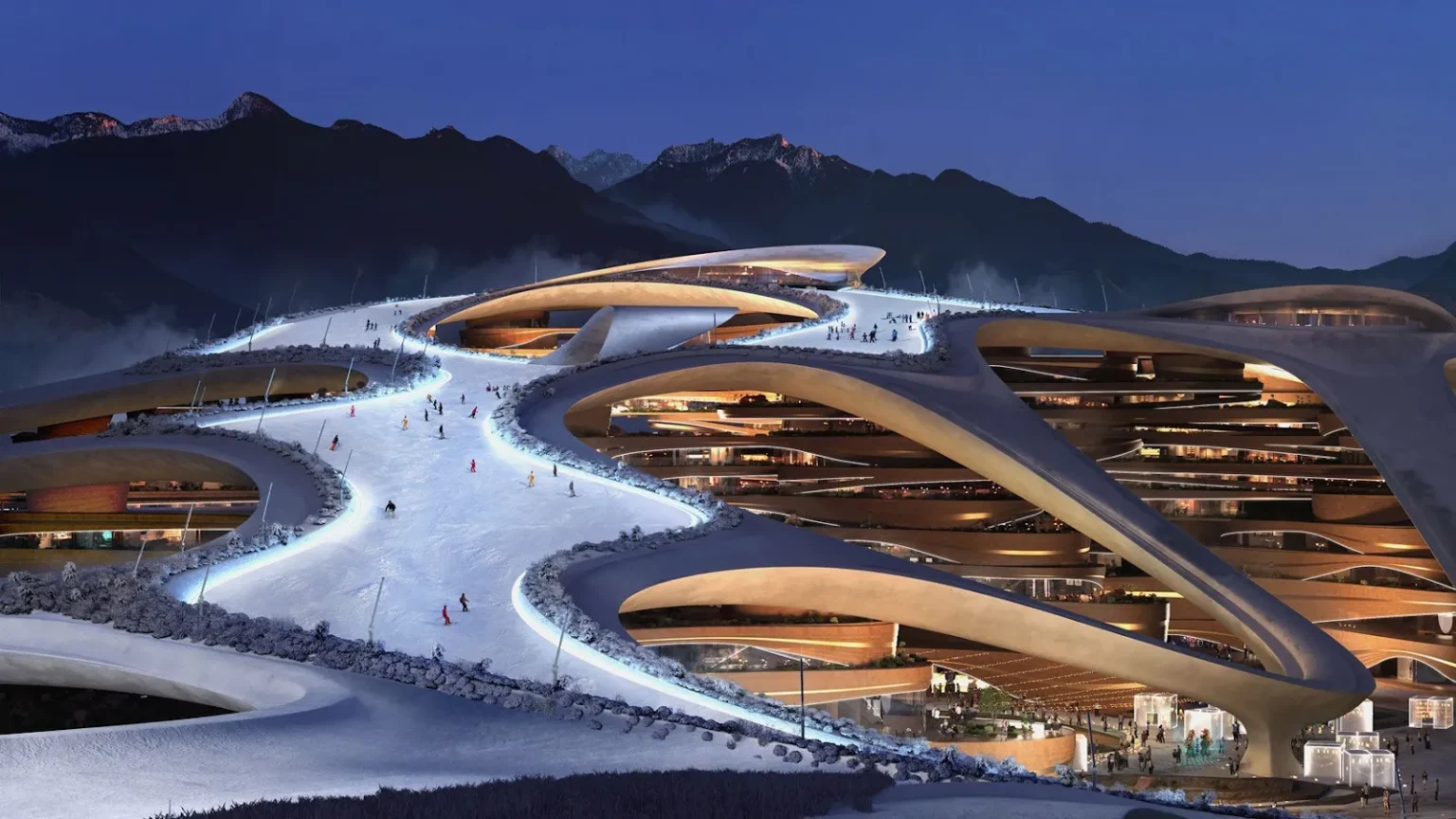
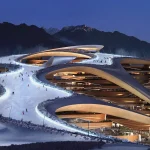
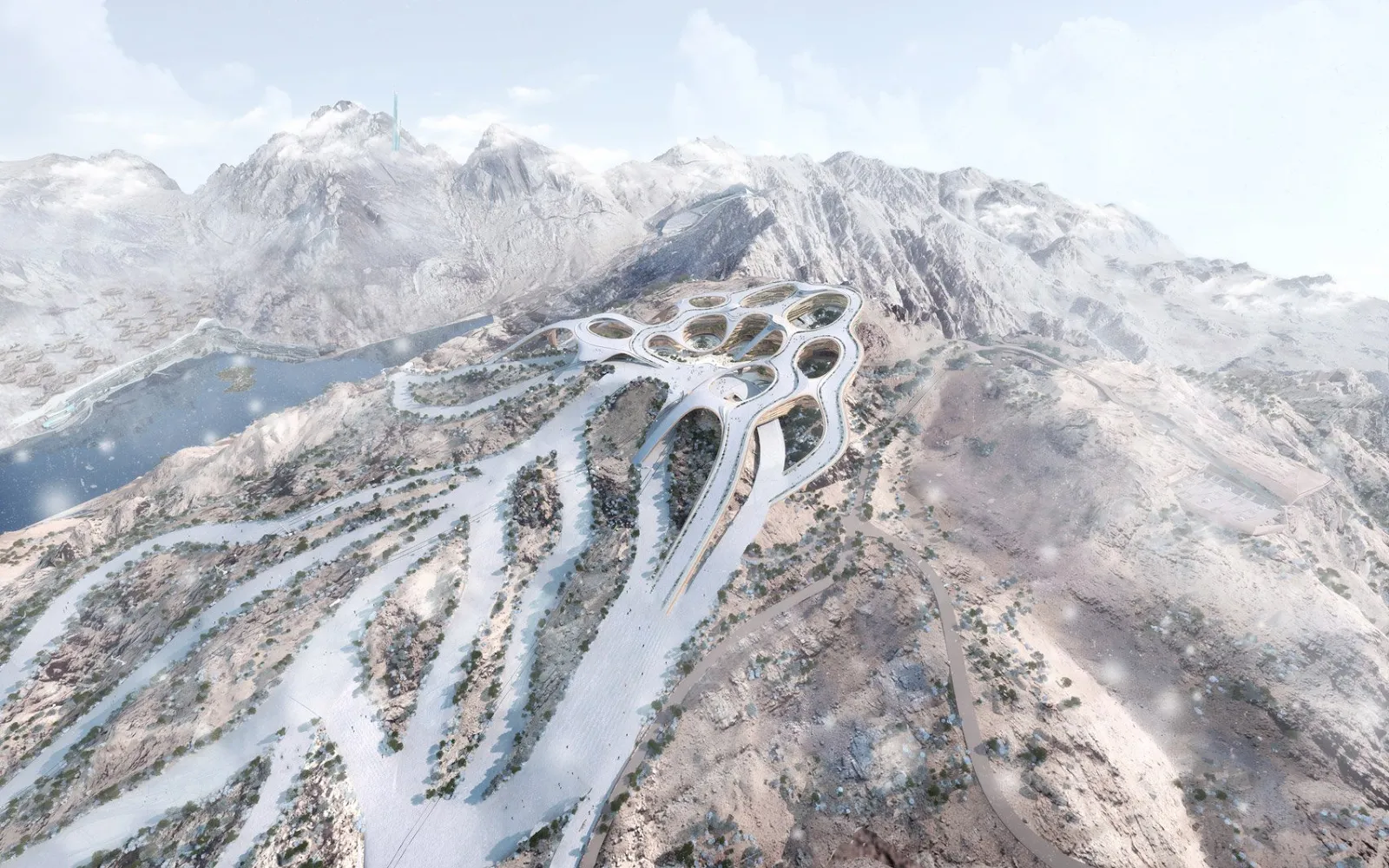
The Line is not the only project impacted by the review. Reports indicate that several tourism-oriented developments across NEOM have also been postponed until after 2030. Among them is Trojena, the mountain resort that had previously been promoted as the future host venue for the 2029 Asian Winter Games. Trojena reportedly will not receive additional investment during the current funding cycle.

The decision follows a broader pattern of contract cancellations and project revisions seen throughout 2025 and 2026. Earlier this year, multiple contracts associated with dams, artificial lakes, tunnels, and hospitality developments within NEOM were reportedly terminated or reconsidered as part of a comprehensive strategic review.
The financial consequences are substantial. Saudi Arabia may face approximately $16 billion in termination and cancellation costs related to suspended NEOM contracts, highlighting the scale of the recalibration currently underway.
A New Leadership Strategy
The reassessment comes after a leadership transition within NEOM. Chief Executive Officer Aiman Al-Mudaifer, who assumed leadership following earlier management changes, initiated a strategic review aimed at aligning the project more closely with economic and investment realities.

Under this review, Saudi authorities appear to be prioritizing developments that can support trade, logistics, advanced manufacturing, and digital infrastructure over highly experimental urban megastructures. Analysts increasingly view this as a shift from visionary branding toward practical execution.
What Happens Next for The Line?
Despite the suspension, Saudi Arabia has not abandoned The Line. Officials continue to present the project as a long-term national initiative instead of a canceled development. Yet the timeline has clearly changed.
Previous expectations that significant portions of The Line would be operational by 2030 have been replaced by a much longer horizon. Reports suggest that future work, if resumed, will likely involve redesigned and scaled-down versions of the original concept, focusing on smaller phases rather than the complete 170-kilometer vision.
Population forecasts have also been revised downward multiple times. Recent reports indicate that NEOM’s 2030 population target has fallen dramatically compared with earlier projections, reflecting a more cautious development approach.
A Turning Point for Global Megaprojects
The pause of The Line represents a defining moment not only for NEOM but also for the broader discussion around megaprojects, smart cities, and futuristic urbanism. For years, The Line was promoted as a revolutionary model for sustainable urban living. Today, it has become a case study in the challenges of translating visionary concepts into financially and operationally viable realities.
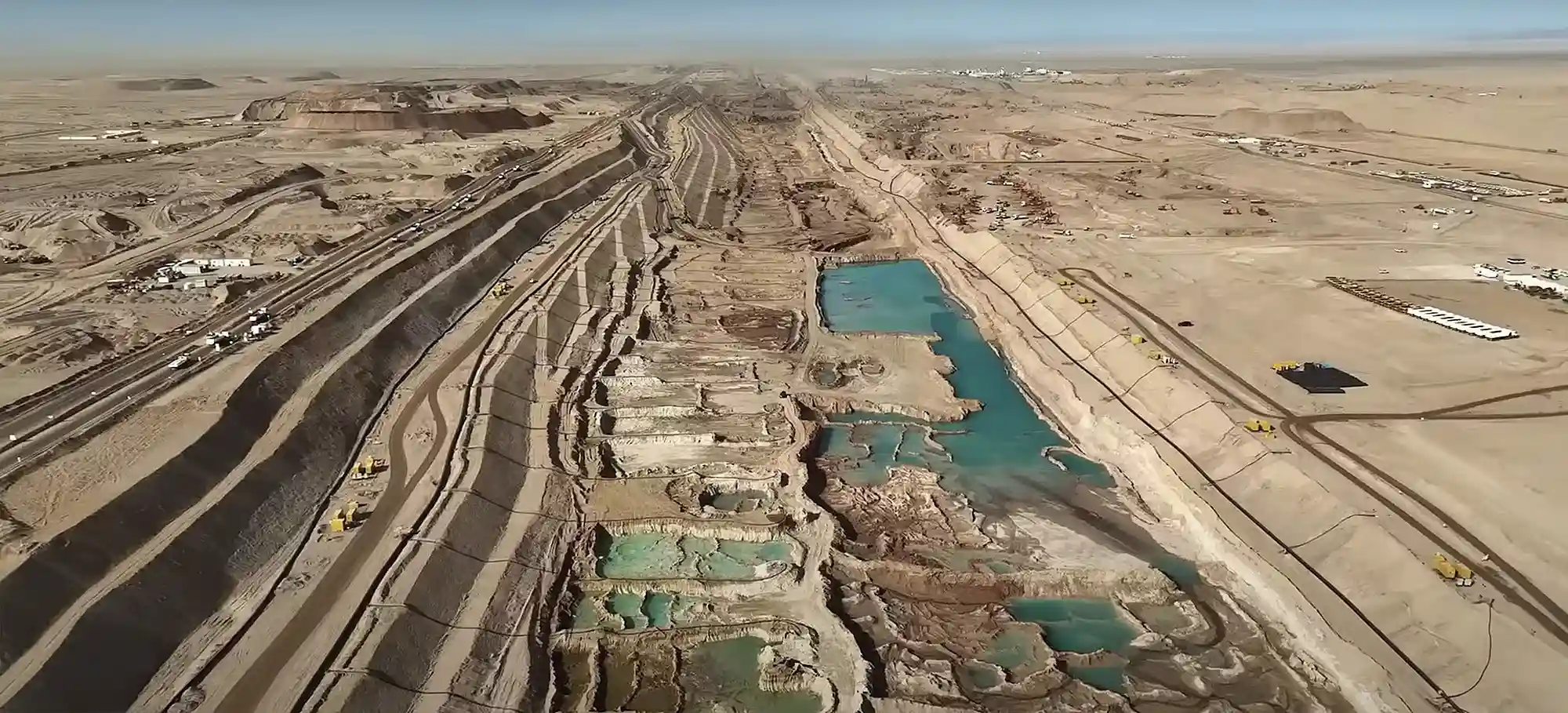
As Saudi Arabia continues pursuing economic diversification under Vision 2030, the kingdom appears increasingly focused on investments capable of delivering measurable returns in the near term. Whether The Line eventually returns as originally imagined or re-emerges in a significantly altered form remains one of the most consequential questions in contemporary architecture, planning, and development. For now, the world’s most ambitious urban experiment has been placed on pause.
Image credit: Neom