





When football fans watch a FIFA World Cup match, their attention is usually fixed on the players, tactics, and moments of brilliance unfolding on the field. Yet beneath every pass, sprint, and goal lies one of the tournament’s most carefully designed elements: the pitch. Far from being a simple stretch of grass, a World Cup playing surface is the result of meticulous planning, advanced technology, and years of expertise.

A great pitch can influence the speed of play, player safety, and the overall quality of the match. For this reason, FIFA and host venues invest significant resources into creating surfaces that meet the highest international standards.
The Engineering Hidden Beneath the Turf
What spectators see is only the top layer of a highly sophisticated system. Beneath the grass lies a carefully engineered structure composed of sand, gravel, drainage channels, and irrigation networks. These layers work together to maintain optimal growing conditions while ensuring the field remains stable and playable under varying weather conditions.

Effective drainage is particularly important. Heavy rainfall can quickly affect a match if water is unable to move efficiently through the pitch. Modern World Cup fields are designed to drain rapidly, allowing games to continue even during challenging weather. This hidden infrastructure is one of the most critical yet least visible aspects of pitch design.
Technology Meets Nature
The modern FIFA World Cup pitch represents a balance between natural materials and technological innovation. Many venues use hybrid turf systems that blend natural grass with synthetic fibers woven into the root zone. This combination strengthens the surface, improves durability, and helps the grass recover more quickly from intense use.
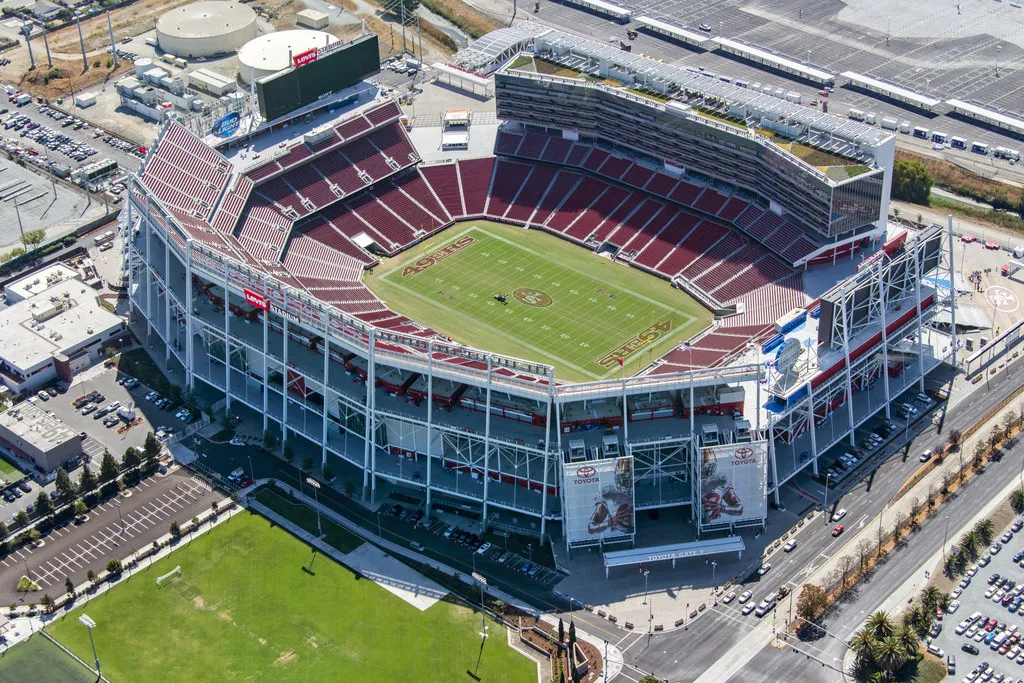
Technology also plays a major role in maintaining ideal conditions. Advanced irrigation systems deliver precise amounts of water, while temperature monitoring helps groundskeepers manage turf health throughout the tournament. In some venues, specialized grow lights are used to supplement natural sunlight, ensuring consistent growth even in shaded sections of the stadium.
The Craft Behind a Perfect Playing Surface
Pitch design is not solely about engineering. It also involves a remarkable level of craftsmanship. Groundskeepers spend countless hours monitoring grass health, mowing patterns, and surface conditions to achieve the perfect balance between performance and appearance.

One of the most recognizable features of elite football fields is the striped pattern visible during broadcasts. Contrary to popular belief, these stripes are not painted. They are created by mowing the grass in alternating directions. Light reflects differently depending on the direction in which the blades are bent, producing the distinctive pattern that has become synonymous with top-level football.
Sustainability and the Future of Pitch Design
As environmental concerns become increasingly important, sustainabile design is shaping the future of sports turf management. Designers and turf specialists are adopting water-efficient irrigation systems, environmentally responsible maintenance practices, and more resilient grass varieties that require fewer resources to thrive.

These innovations help reduce environmental impact while maintaining the exceptional quality expected at a FIFA World Cup. The challenge is to create surfaces that perform at the highest level while responding to changing climate conditions and growing sustainability goals.
A Foundation for the Beautiful Game
The football pitch is often overlooked because it performs its role so seamlessly. Yet it is one of the most important design elements of the FIFA World Cup. Every blade of grass, every drainage layer, and every technological system contributes to the quality of play experienced by athletes and spectators alike.
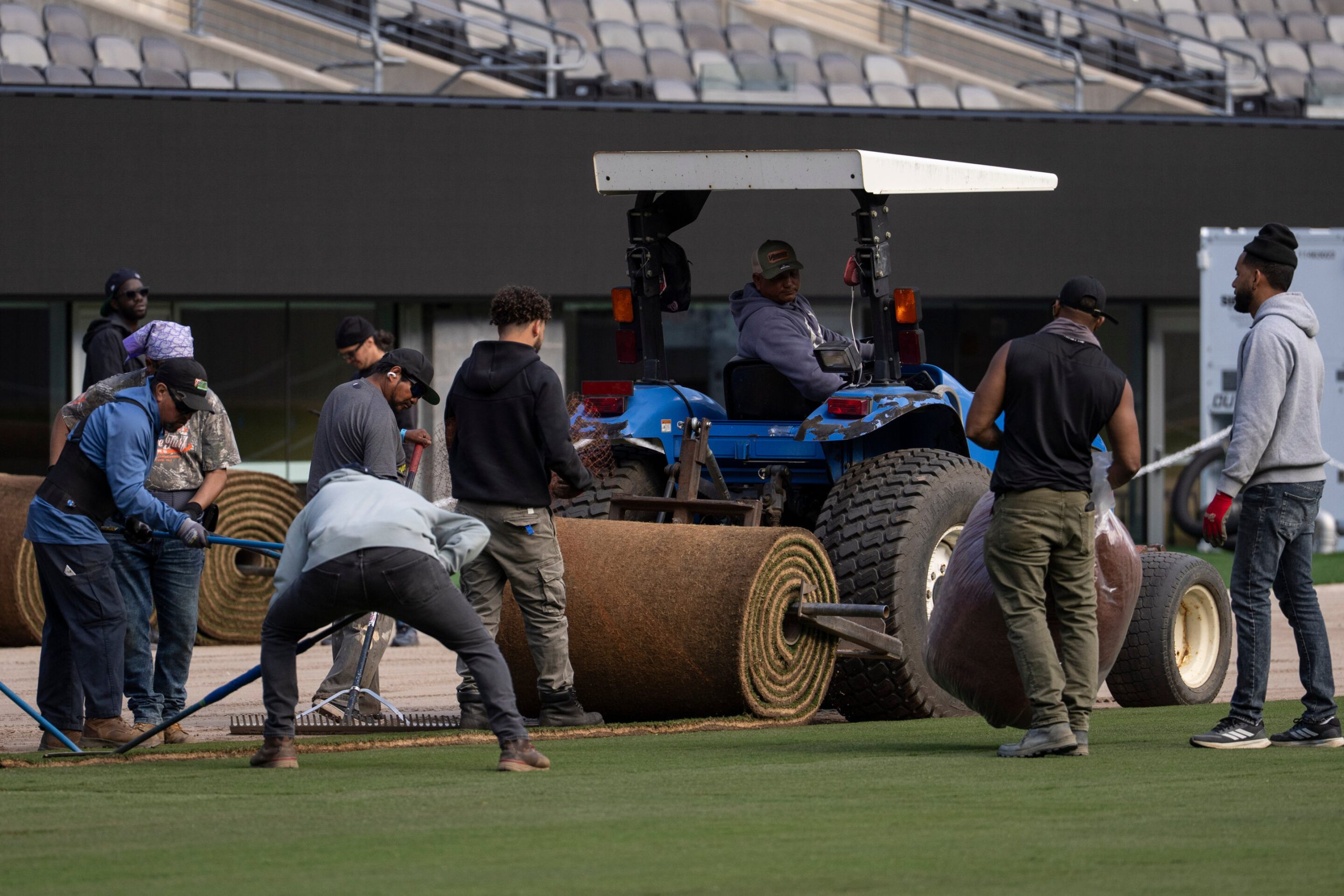
In a FIFA World Cup match, what appears to be a simple green surface is, in reality, a masterpiece of design, engineering, and landscape expertise that helps bring the beautiful game to life.