

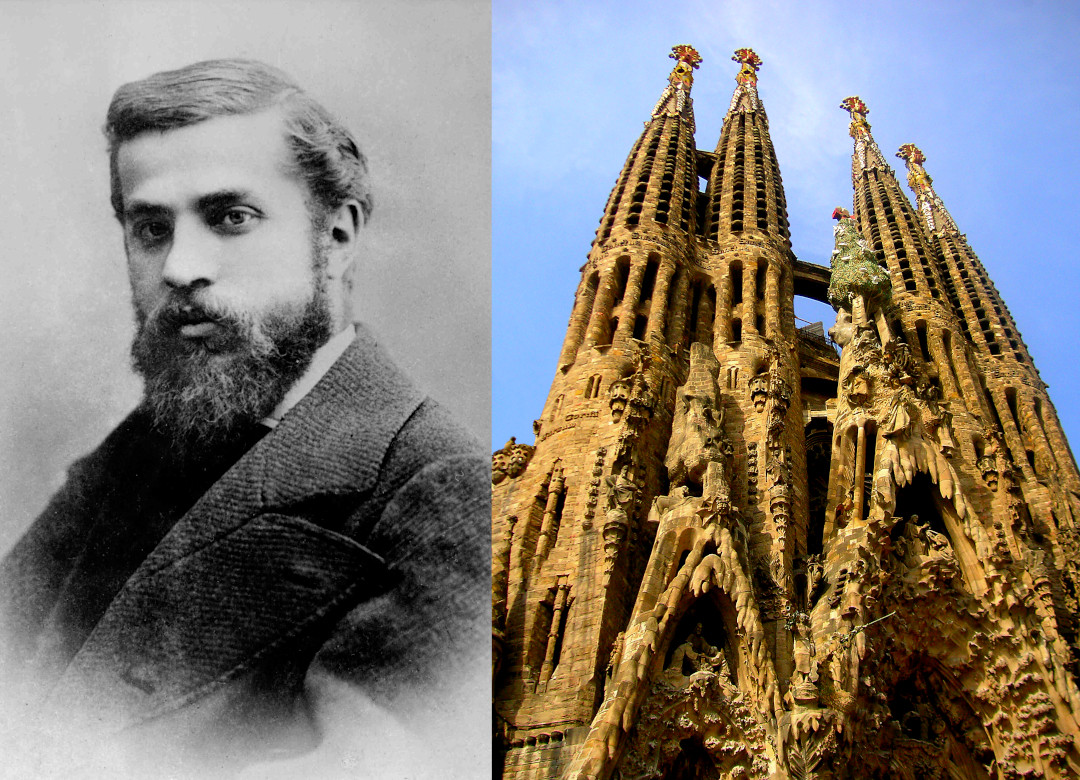




Born on June 25, 1852, Antoni Gaudí remains one of the most influential figures in architectural history. His work doesn’t stop at buildings; it flows into furniture, fixtures, and even the smallest crafted details. Gaudí treated interiors as living ecosystems, where chairs, benches, doors, and handles followed the same organic logic as his facades.
On his birthday, it becomes meaningful to trace how his design thinking scales from large architectural furniture systems down to intimate, tactile micro-elements. Here are 7 furniture and interior pieces that reveal that journey.
1. Park Güell Serpentine Bench
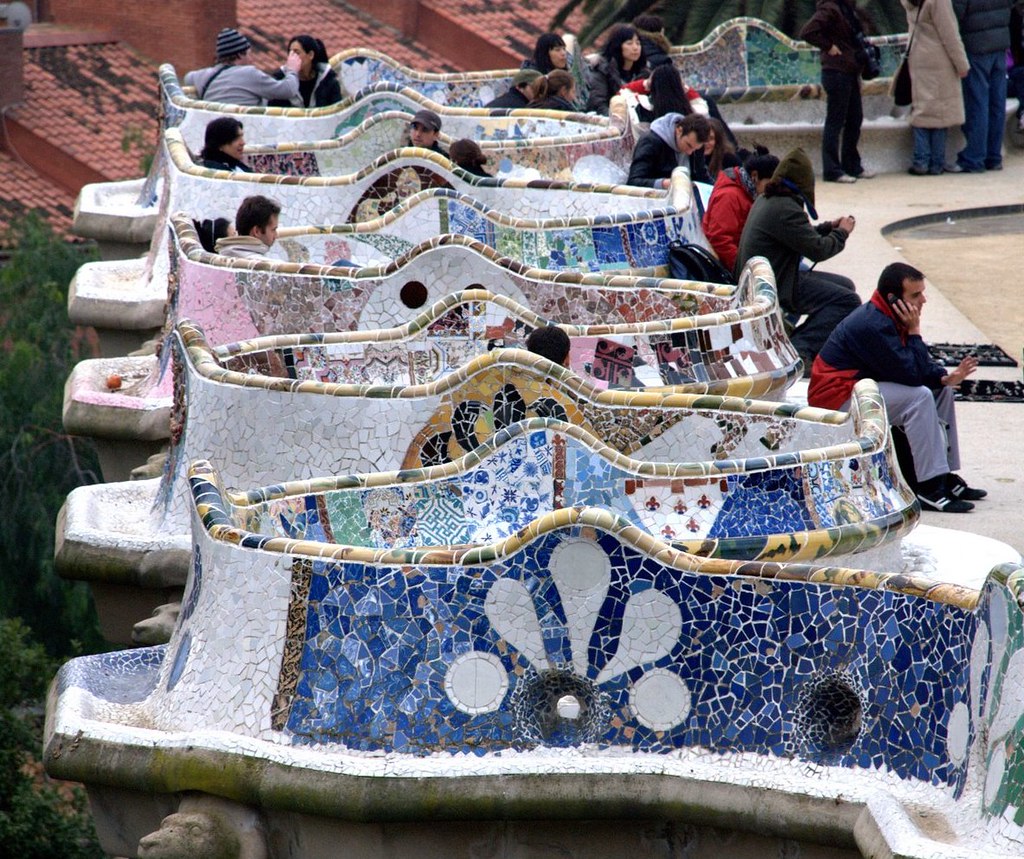
The long serpentine bench in Park Güell is one of Gaudí’s most recognizable furniture-scale interventions. It curves fluidly along the terrace edge, designed to follow human ergonomics while also shaping public space. Built using trencadís mosaic, it turns broken ceramic fragments into a continuous, colorful skin. The bench is not separate from architecture—it behaves like a landscape contour, inviting people to sit, recline, and flow with its organic geometry.
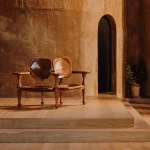
2. Batlló Bench
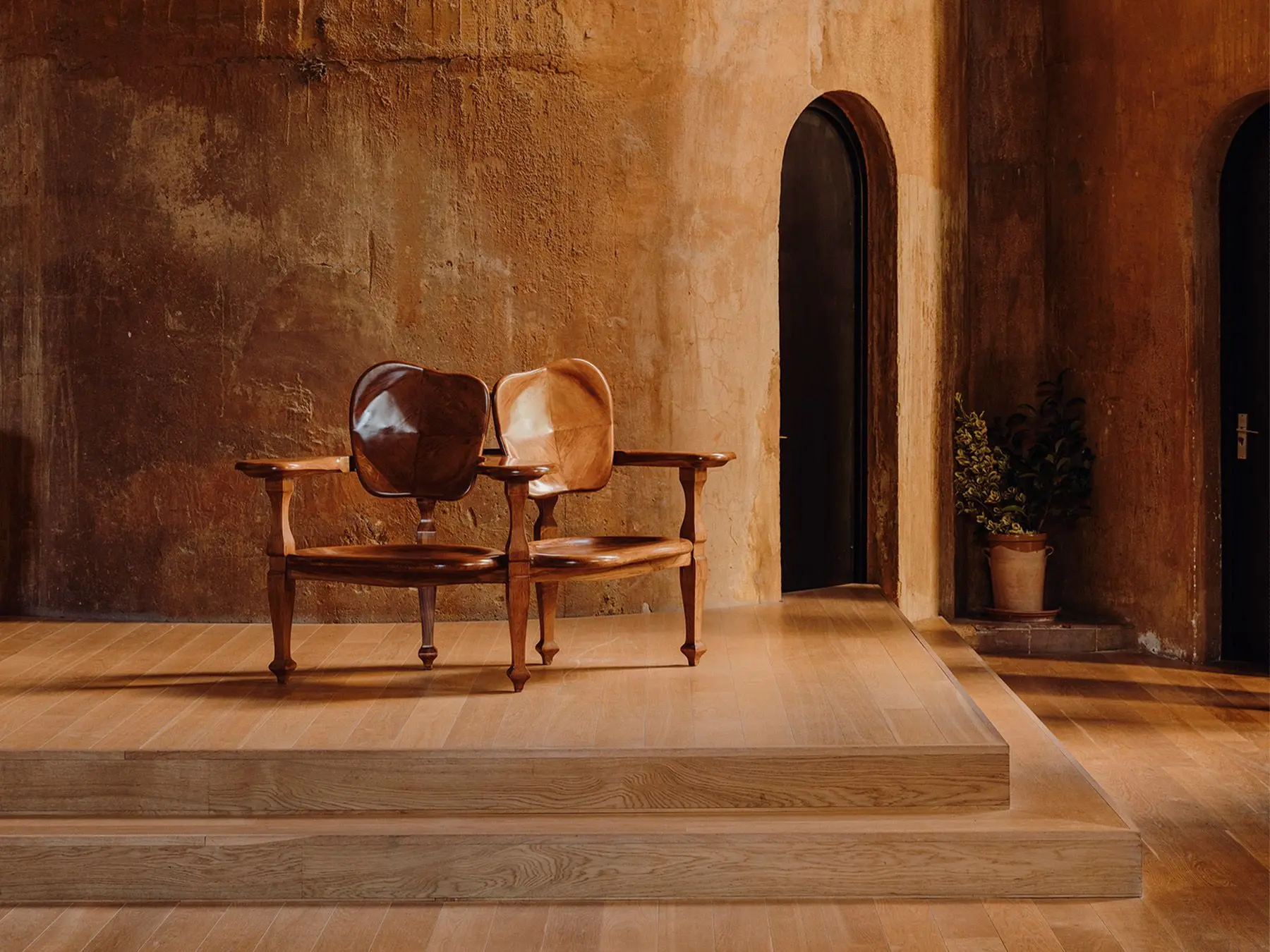
The Batlló Bench, designed by Antoni Gaudí in 1906 for Casa Batlló, is a masterful blend of artistry and craftsmanship. Its distinctive form features a central armrest that gently angles the two seats outward, creating a unique and sculptural silhouette.
Handcrafted from oak, the convex bench showcases Gaudí’s organic design language through its fluid integration of armrests, seatbacks, legs, and seat. This faithful reproduction of the original is accompanied by a certificate signed by the director of the Gaudí Cátedra, ensuring its authenticity.
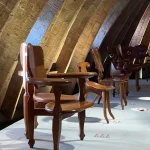
3. Casa Milà Apartment Furniture Elements
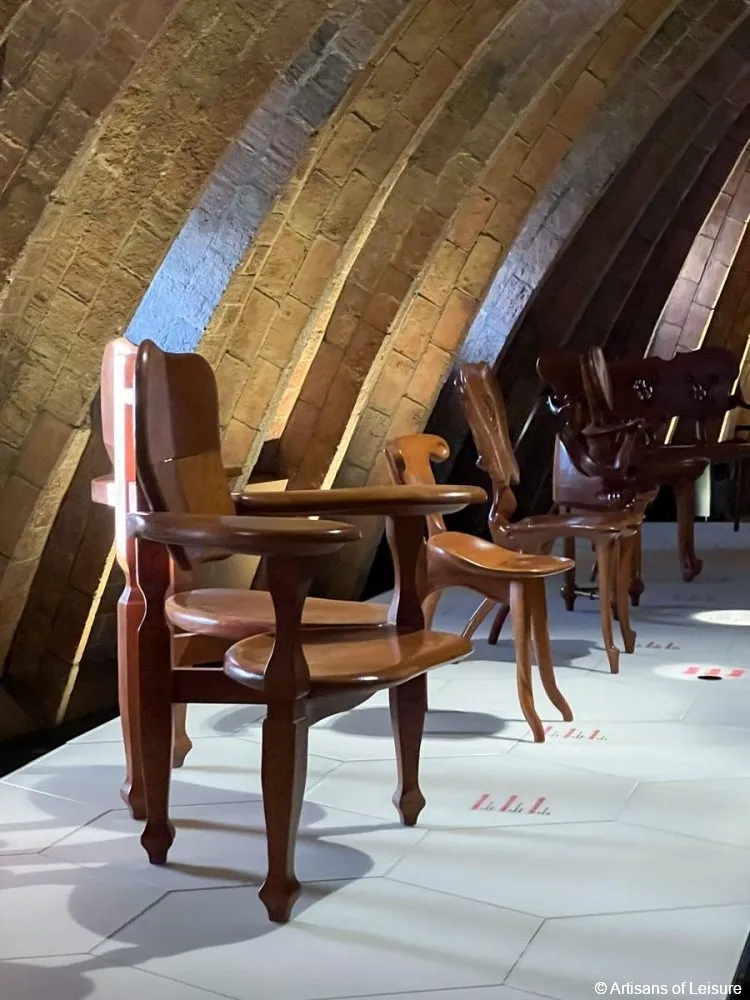
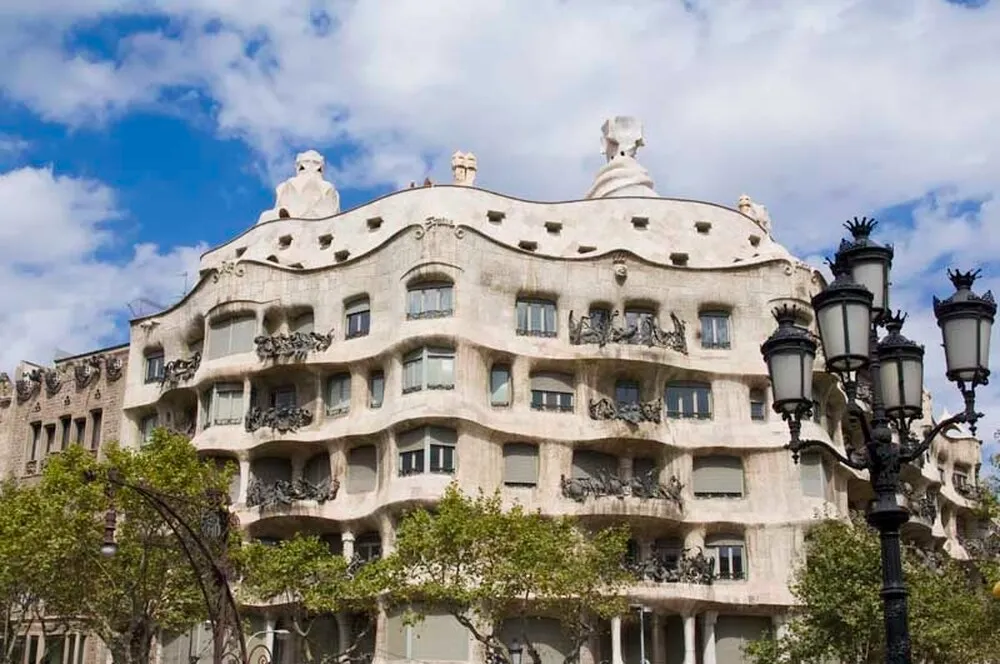
At Casa Milà (La Pedrera), Gaudí extended his architectural philosophy into domestic interiors through flowing furniture forms and custom fittings. Though many originals were lost or reconstructed, the design language emphasizes curved edges, soft transitions, and ergonomic usability. Furniture here avoids straight lines entirely, mirroring the building’s wave-like stone façade. The result is a living environment where chairs, doors, and partitions feel like natural extensions of the building’s structural rhythm.
4. Calvet Bench
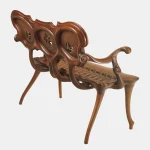
The Calvet Bench blends carved ornament with soft, flowing curves in varnished oak. Designed for Casa Calvet, it originally sat in the Board Room and reflects Gaudí’s focus on comfort, craftsmanship, and material honesty. Sized for two or three users, it balances usability with refined elegance.
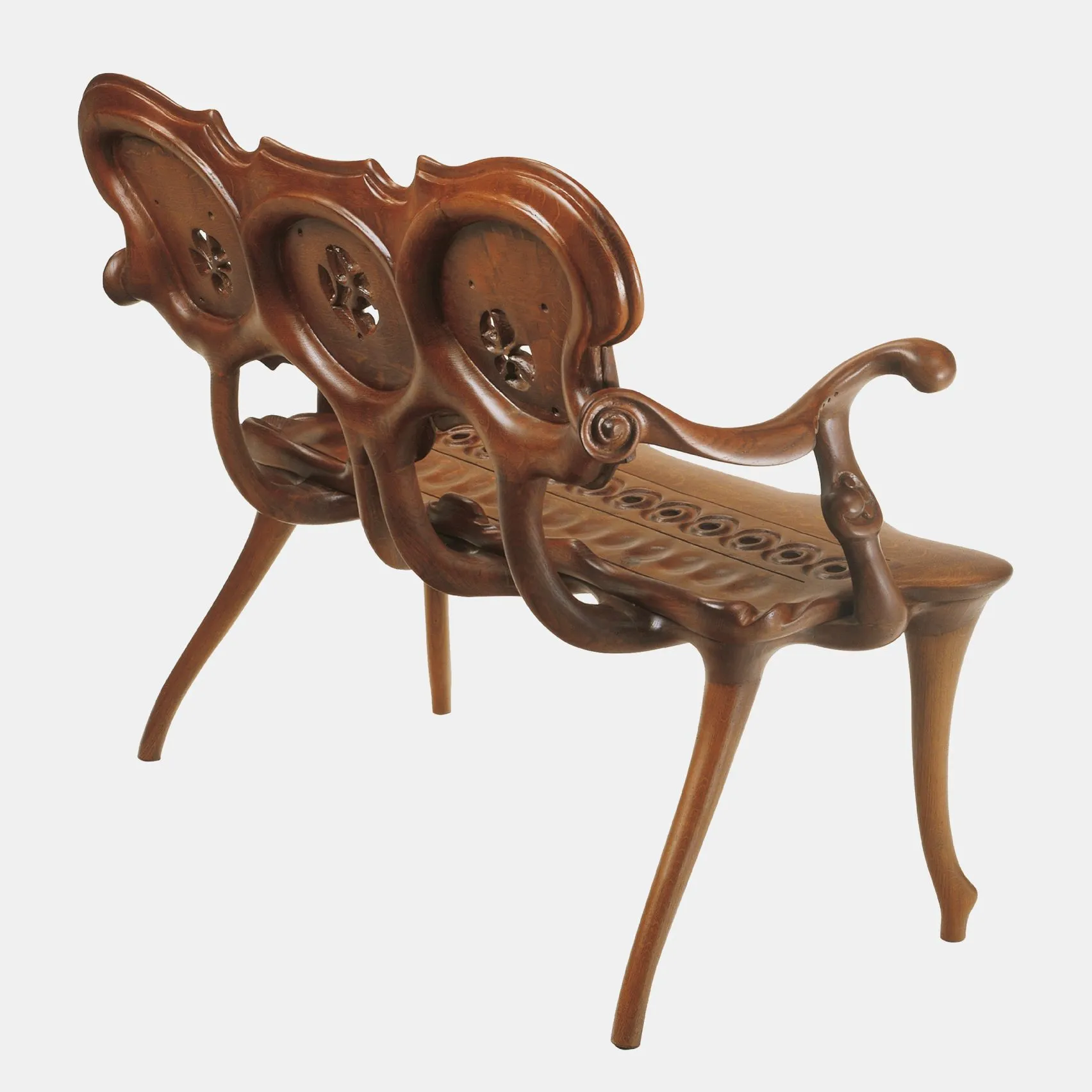
Its oak frame rests on four tapered legs, with a continuous structure where seat, backrest, and armrests flow into one another. Subtle floral carvings create horizontal symmetry, enhancing proportion and lightness while reinforcing Gaudí’s signature balance of structure and ornament.
5. Calvet Mirror
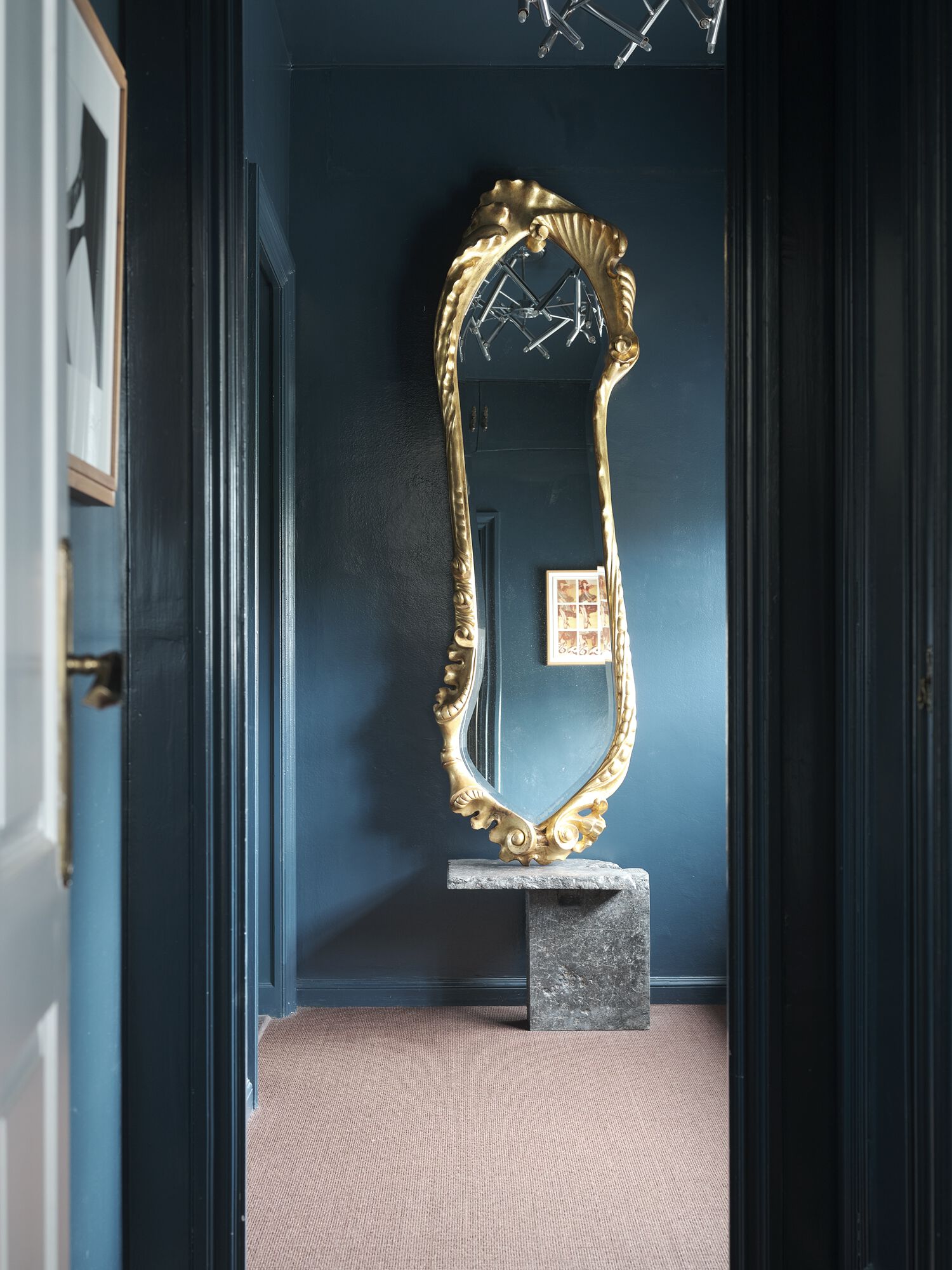
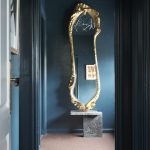
Designed by Antoni Gaudí in 1902 for Casa Calvet, the Calvet Mirror showcases his distinctive approach to form, texture, and craftsmanship. Its fluid, hand-shaped silhouette and gold leaf-gilded frame elevate it beyond a functional mirror, transforming it into a sculptural work of art.
Balancing elegance with organic expression, the mirror reflects Gaudí’s ability to infuse everyday objects with movement, character, and enduring visual appeal.
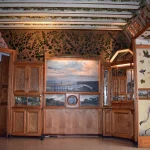
6. Casa Vicens Interiors
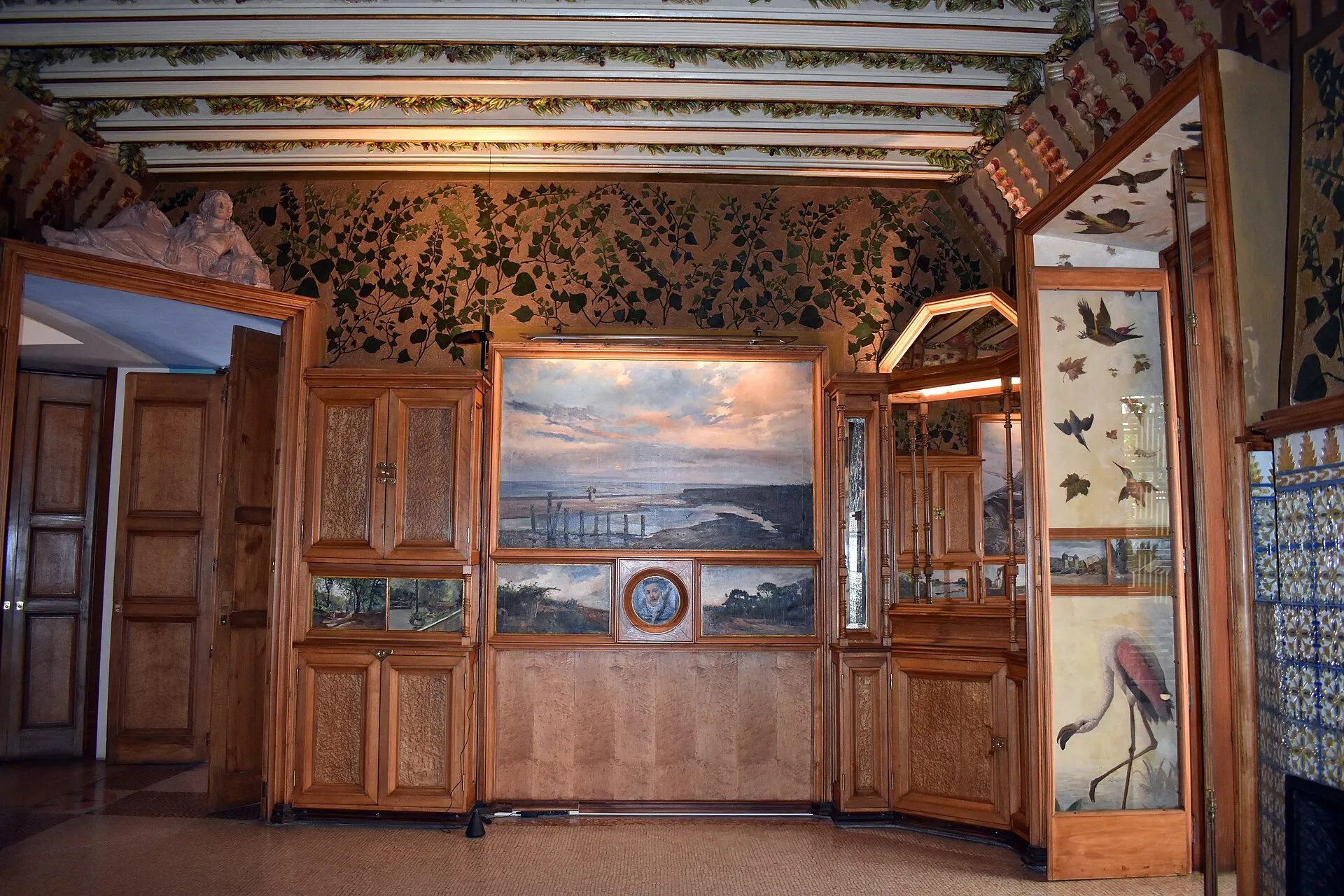
At Casa Vicens, Gaudí’s early furniture reflects strong Oriental and Moorish influences. Chairs, woodwork, and interior elements are richly patterned, ornamental, and color-driven. Unlike his later organic abstraction, these designs are more decorative and structured, showing his experimental phase. The furniture demonstrates his early interest in craftsmanship, surface detail, and cultural fusion, laying the foundation for his later move toward more fluid, nature-inspired forms.
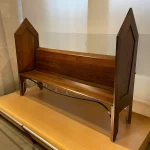
7. Sagrada Família Liturgical Seating & Micro-Furniture
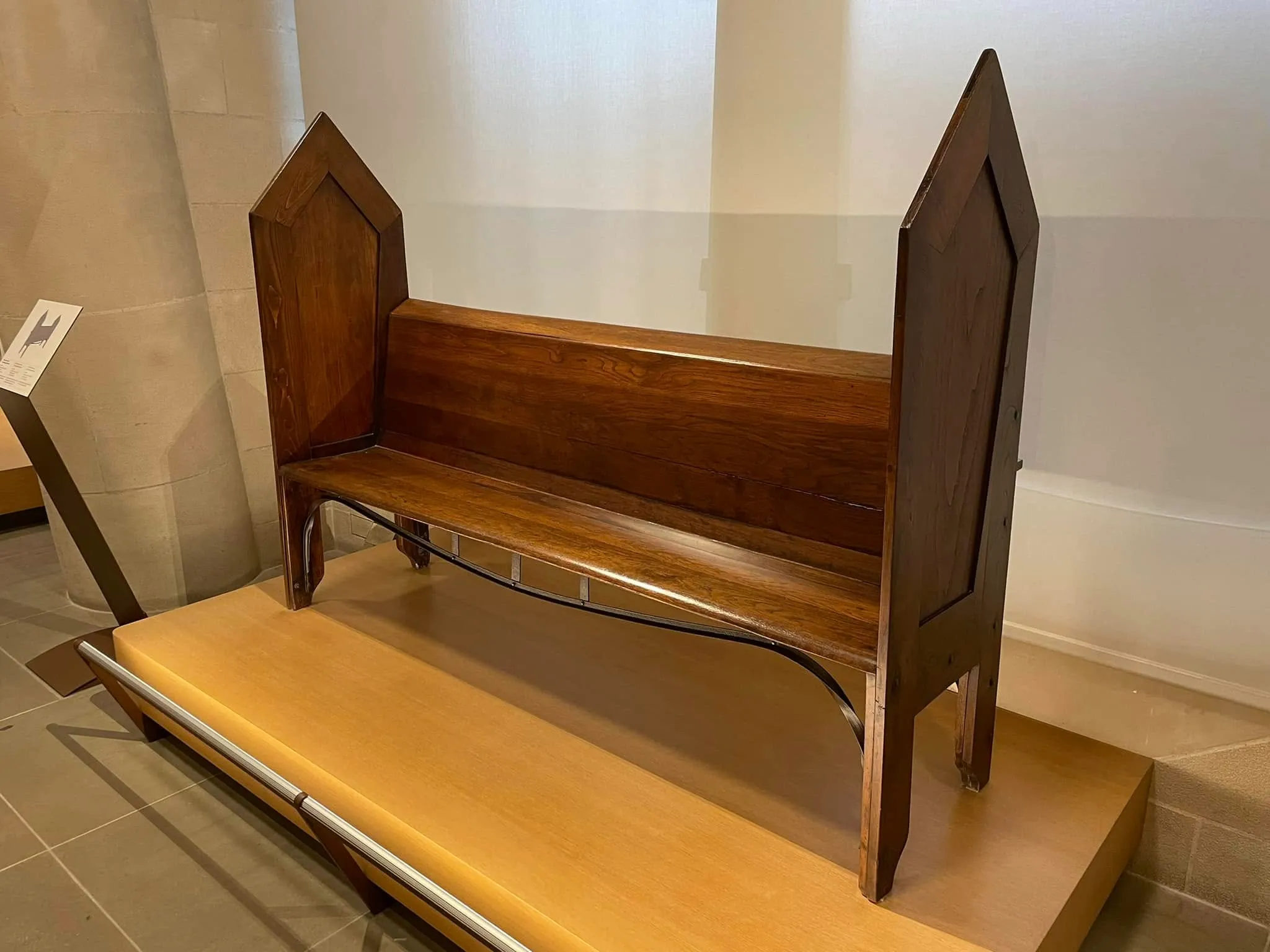
Original furniture designed by Gaudí survives in the crypt of the Sagrada Família ©The World of Art Nouveau.
Inside Sagrada Família, Gaudí designed functional wooden seating and liturgical furniture for worship spaces and crypt areas. These pieces are minimal but carefully tuned to human posture and spiritual use. They follow strict ergonomic and acoustic needs while still reflecting subtle organic geometry. Even at this micro scale, the furniture aligns with Gaudí’s belief that architecture must serve both body and spirit in a unified spatial experience.