


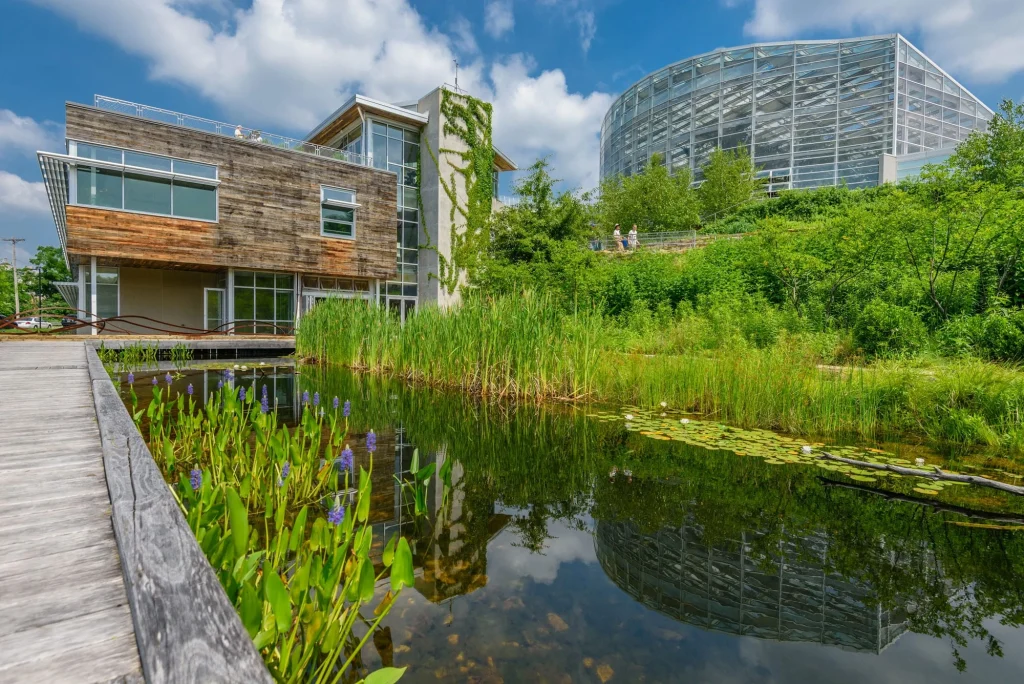








World Environment Day is observed every year on June 5. It is one of the most important global platforms for encouraging awareness and action for the protection of the environment. From climate change to biodiversity loss, pollution to deforestation, this day brings urgent environmental challenges into global focus.
In a time when ecosystems are under increasing pressure, World Environment Day serves as a reminder that environmental responsibility is not optional but is essential for survival.
Origin and Purpose of World Environment Day
World Environment Day was established by the United Nations in 1972 during the Stockholm Conference on the Human Environment. It is led by the United Nations Environment Programme (UNEP), which chooses a new theme and host country each year.
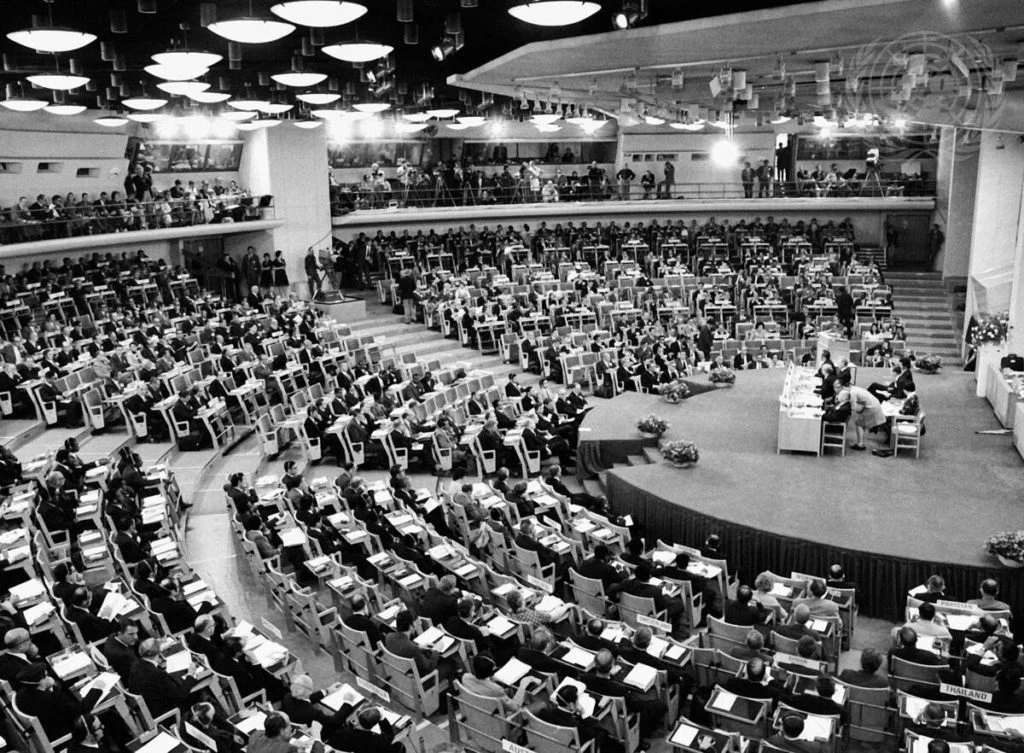
The main goal is simple: encourage individuals, governments, and industries to take meaningful action toward protecting nature. Unlike awareness days that stay symbolic, this day actively promotes real-world campaigns such as tree planting, clean-up drives, policy discussions, and sustainability programs.
Over the decades, it has grown into a global movement involving over 150 countries.
Why World Environment Day Matters Today
Today’s environmental challenges are more urgent than ever. Rising global temperatures, melting glaciers, air pollution in urban cities, plastic waste in oceans, and loss of biodiversity are not isolated issues, as they are interconnected crises.

World Environment Day helps in three major ways:
First, it creates awareness among people who may not directly follow environmental science or policy. Second, it influences governments and corporations to adopt greener policies. Third, it empowers individuals to take small but consistent actions that collectively create a large impact.
Even simple lifestyle changes like reducing plastic use, conserving water, and switching to renewable energy sources can contribute significantly.
Role of Architecture and Built Environment in Sustainability
The built environment plays a critical role in shaping environmental outcomes. Cities consume more than two-thirds of global energy and account for a large share of carbon emissions.
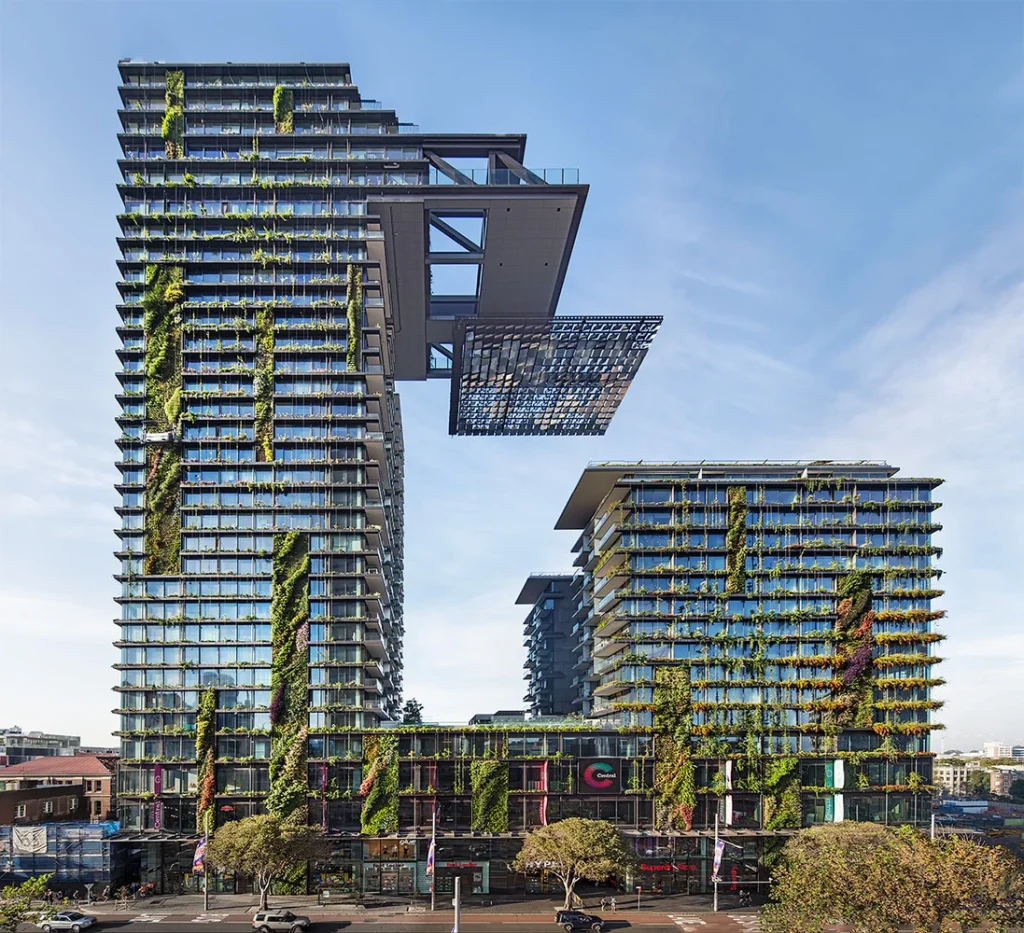
Sustainable architecture, especially emerging approaches like parametric and climate-responsive design, is transforming how buildings interact with nature. Energy-efficient materials, passive cooling systems, green roofs, and smart water management are now becoming essential design elements.
Innovations in architecture show that buildings can move from being environmental burdens to becoming part of the solution.
Global Themes and Collective Action
Each year, World Environment Day focuses on a specific theme such as plastic pollution, ecosystem restoration, or land degradation. These themes help direct global attention toward one critical issue at a time.

For example, recent campaigns have emphasized “Beat Plastic Pollution,” encouraging a reduction in single-use plastics. Other themes have focused on reforestation and restoring damaged ecosystems.
What makes the day powerful is collective participation. Schools organize awareness programs, companies launch sustainability initiatives, and communities engage in local clean-up drives.
Role of Individuals in Environmental Protection
Environmental protection is not limited to policymakers or scientists. Every individual plays a role.

You can start by reducing waste, using public transport, conserving electricity, and supporting eco-friendly products. Even mindful consumption, such as buying only what is necessary, can reduce environmental pressure.
Gen Z and younger generations are especially influential today. Through social media platforms, they are driving awareness, influencing trends, and holding industries accountable for sustainability.
A Shared Responsibility for the Future
World Environment Day is not just a date on the calendar, as it is a reminder of shared responsibility. The environment sustains every aspect of human life, from food and water to health and economy.
Protecting it requires continuous effort, not a one-day action. As environmental challenges grow more complex, global cooperation and individual responsibility must go hand in hand.