

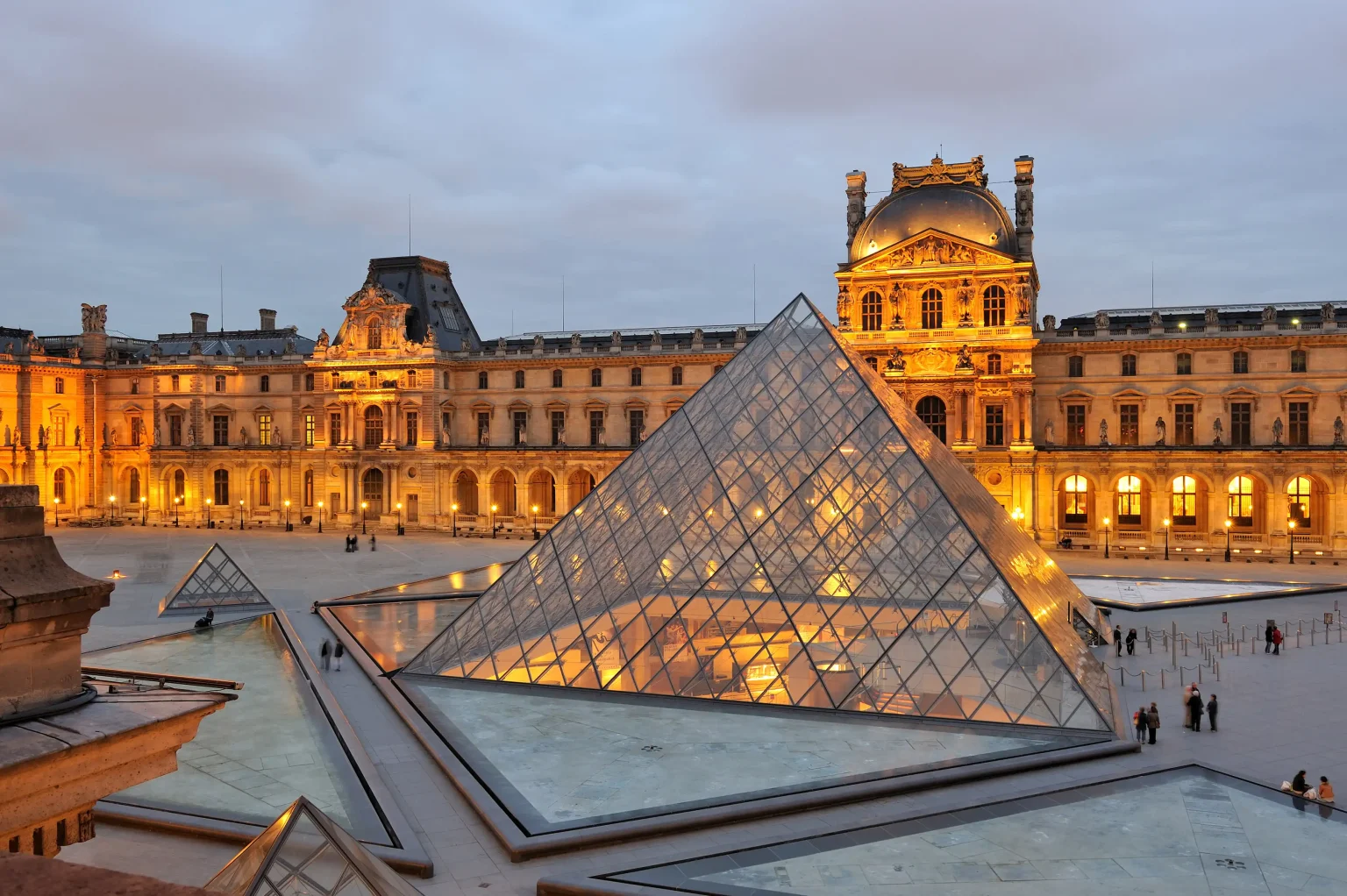


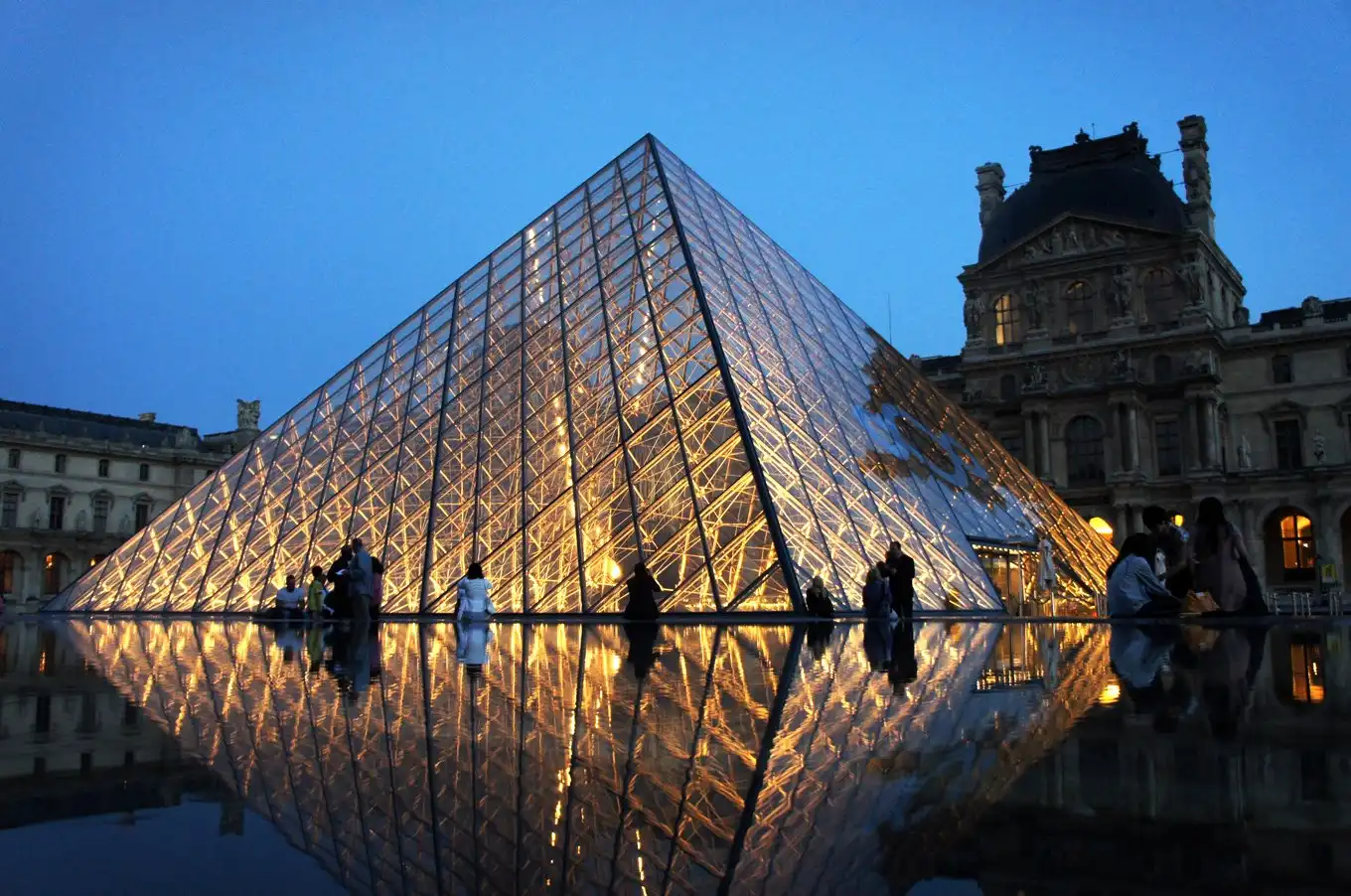
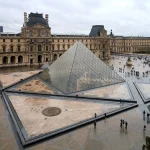
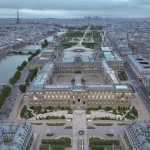
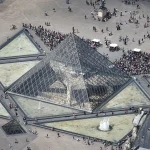
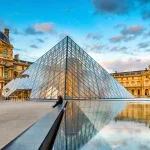
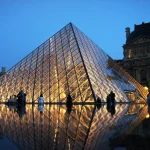
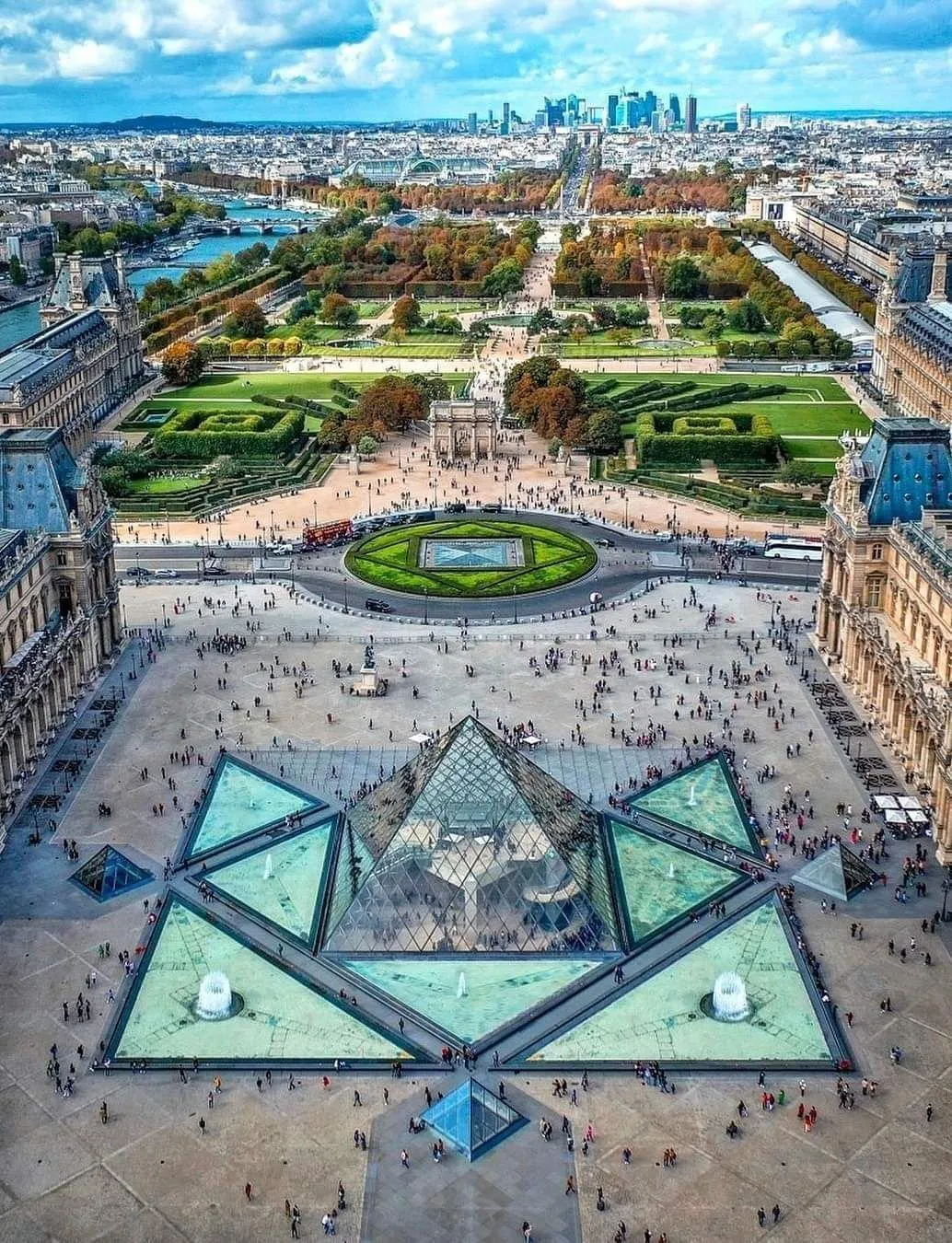
A new chapter is set to unfold for the Louvre Museum as Selldorf Architects and STUDIOS Architecture have been selected to lead the museum’s major transformation under the “Louvre Nouvelle Renaissance” initiative in Paris. Announced by the French Ministry of Culture on May 18, the winning proposal for the “Grande Colonnade” competition marks the most significant intervention at the Louvre since I. M. Pei completed the iconic glass pyramid nearly four decades ago. The project is part of a broad modernization strategy intended to address overcrowding, improve visitor circulation, upgrade public access, and reinforce the museum’s long-term environmental and operational resilience.
New Public Spaces and Visitor Routes Shape Louvre Proposal
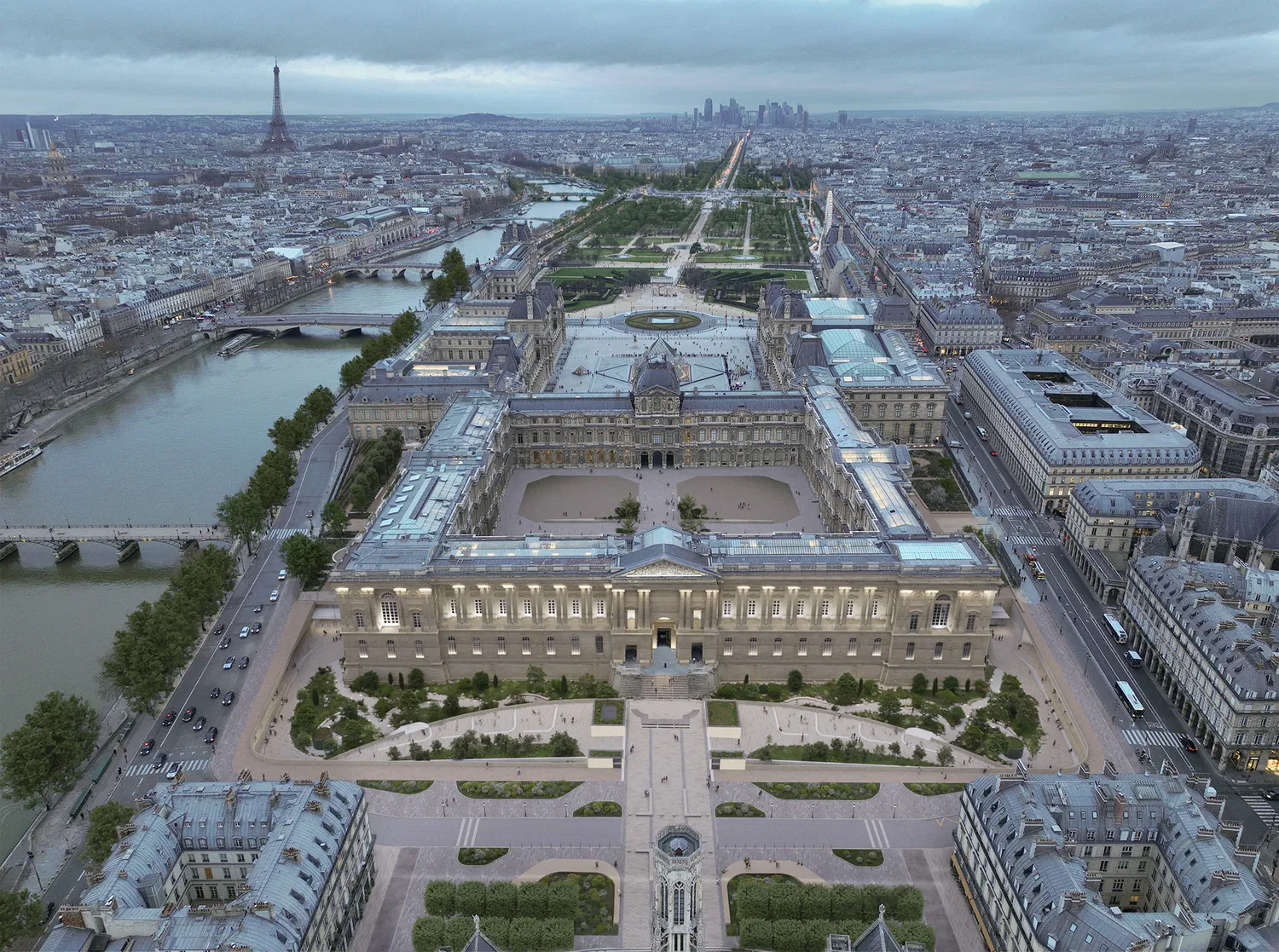
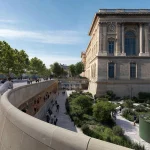
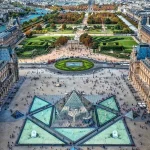
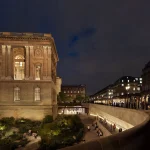
The winning scheme adopts a restrained and landscape-oriented approach that prioritizes urban integration and spatial clarity. The intervention focuses on the Louvre’s eastern edge, where new underground entrances, landscaped moats, and reconfigured public pathways will redistribute visitor movement away from the heavily congested Pyramid entrance. According to the competition details released by French officials, the redesign introduces a sequence of quieter, more accessible arrival experiences on both the Seine-facing side and the Rue de Rivoli, while creating stronger connections between the museum and the surrounding city fabric.
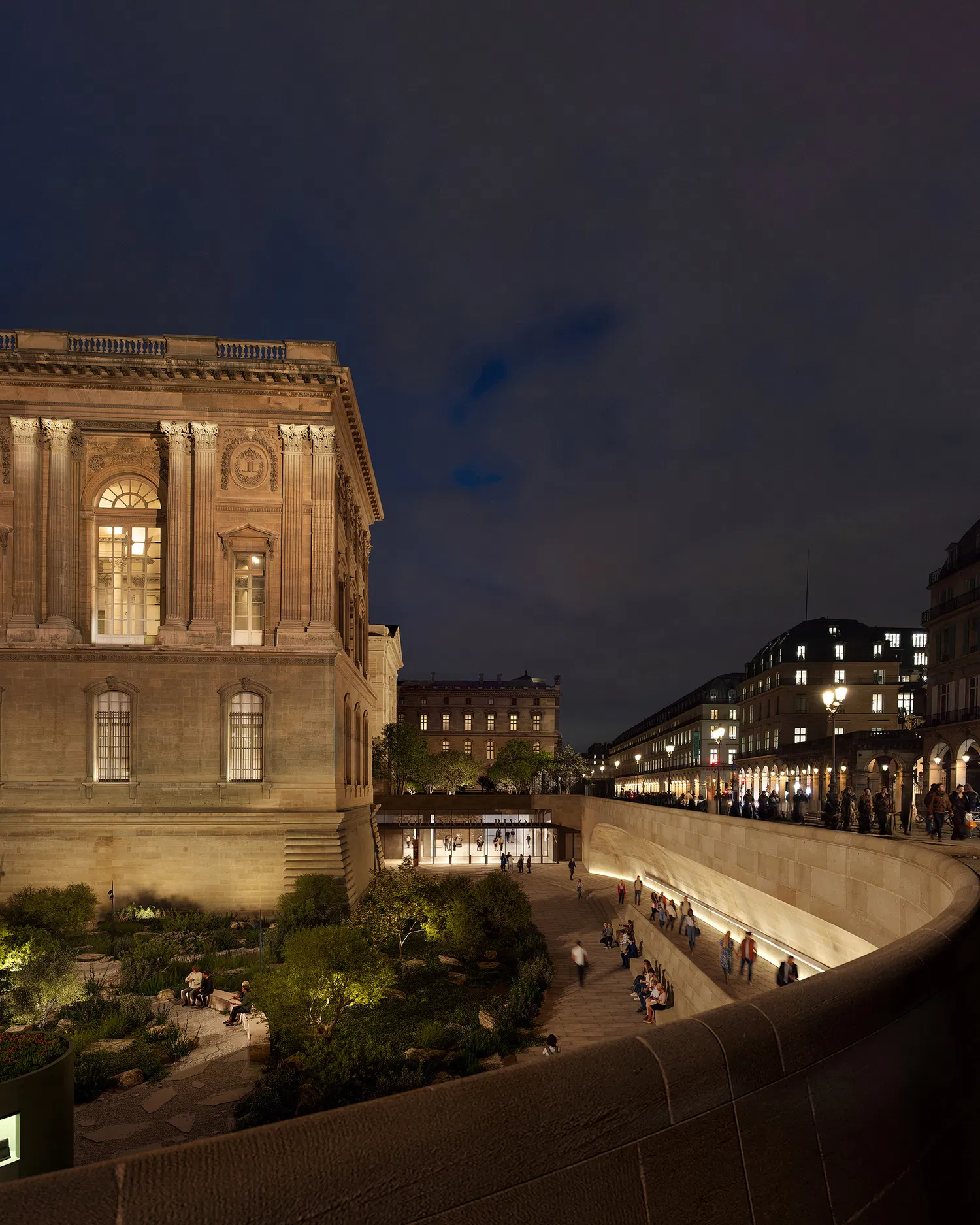
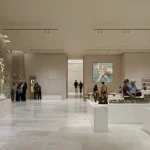
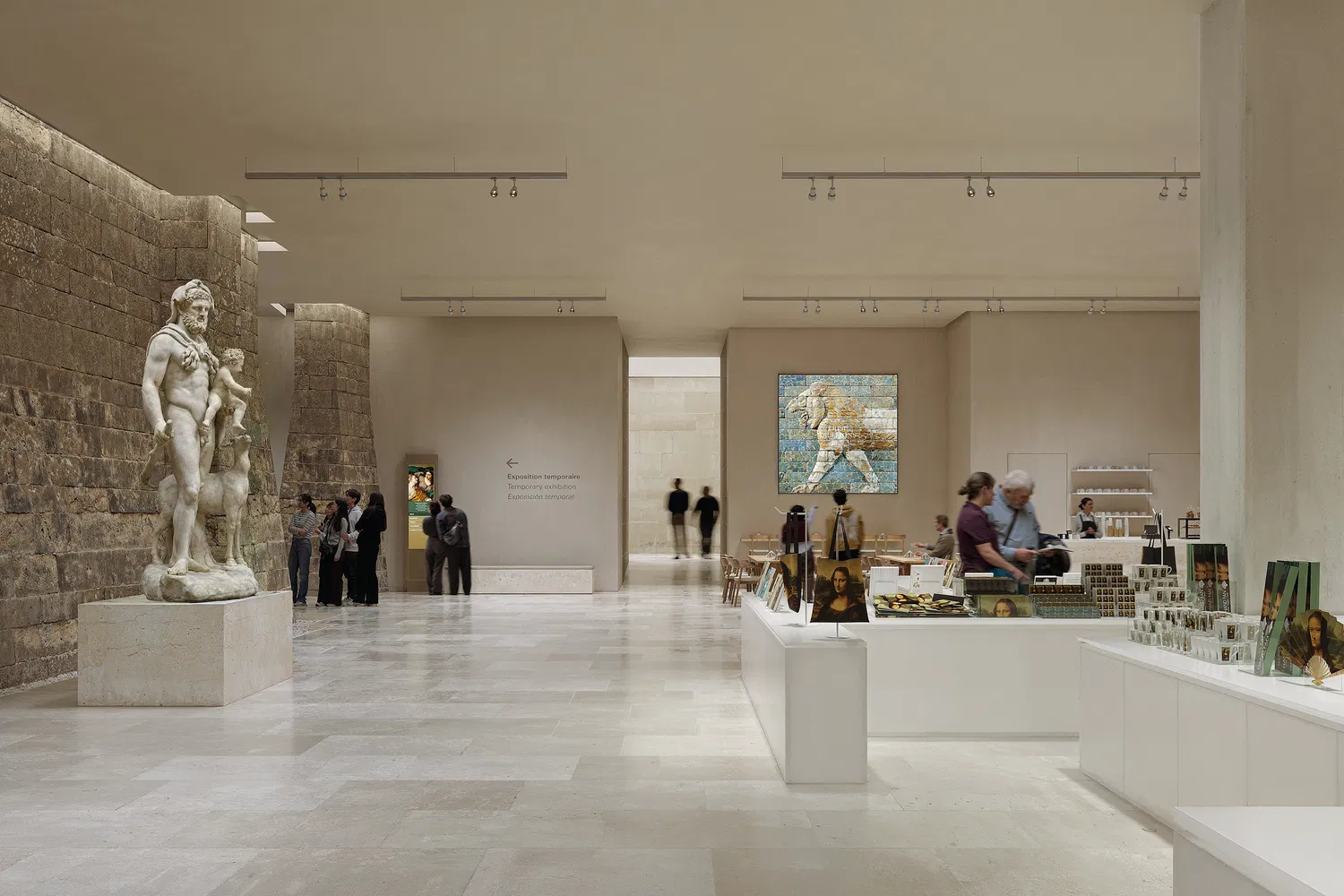
The proposal also includes new exhibition areas beneath the Cour Carrée and a dedicated presentation space for the Mona Lisa, one of the museum’s most visited artworks. Ramps and circulation routes carved into existing stone structures are designed to soften movement through the complex and reduce bottlenecks that have long challenged the institution’s daily operations. Restaurants, bookstores, shaded gathering spaces, and visitor amenities are embedded discreetly within the architectural framework to preserve the historic identity of the palace while improving functionality for millions of annual visitors. Landscape and urban planning components will be led by BASE Paysagiste, whose work emphasizes ecological integration and public realm enhancement.
The Louvre Nouvelle Renaissance program was launched in early 2025 as a response to mounting infrastructural pressures facing the world’s most visited museum. French cultural authorities described the initiative as both a repair and transformation project aimed at protecting the architectural heritage of the Louvre while adapting the institution to contemporary expectations and sustainability goals. Officials noted that the redevelopment seeks to improve how visitors are welcomed, how collections are experienced, and how museum staff operate within increasingly demanding spatial conditions. Environmental performance and long-term climate considerations are also central to the project brief.
International Competition Marks New Direction for Museum Architecture

The international competition attracted more than one hundred applicants before a shortlist of five finalist teams was announced in October 2025. Competing teams included collaborations involving Diller Scofidio + Renfro, SANAA, Sou Fujimoto, and Amanda Levete Architects. The selected team was ultimately praised by the Louvre and the Ministry of Culture for balancing architectural sensitivity with heritage preservation, urban integration, landscape quality, and circulation efficiency.
For Annabelle Selldorf, the commission continues a growing portfolio of high-profile museum transformations, following recent work at the Frick Collection in New York and the Sainsbury Wing at London’s National Gallery. Architectural observers have noted that the Louvre commission reflects a broader institutional shift toward adaptive and context-driven interventions. The project now moves into a consultation and development phase involving museum staff, heritage agencies, city officials, and the public before construction timelines are finalized.
Image credit: © Vincent Atelier / French Minister of Culture