

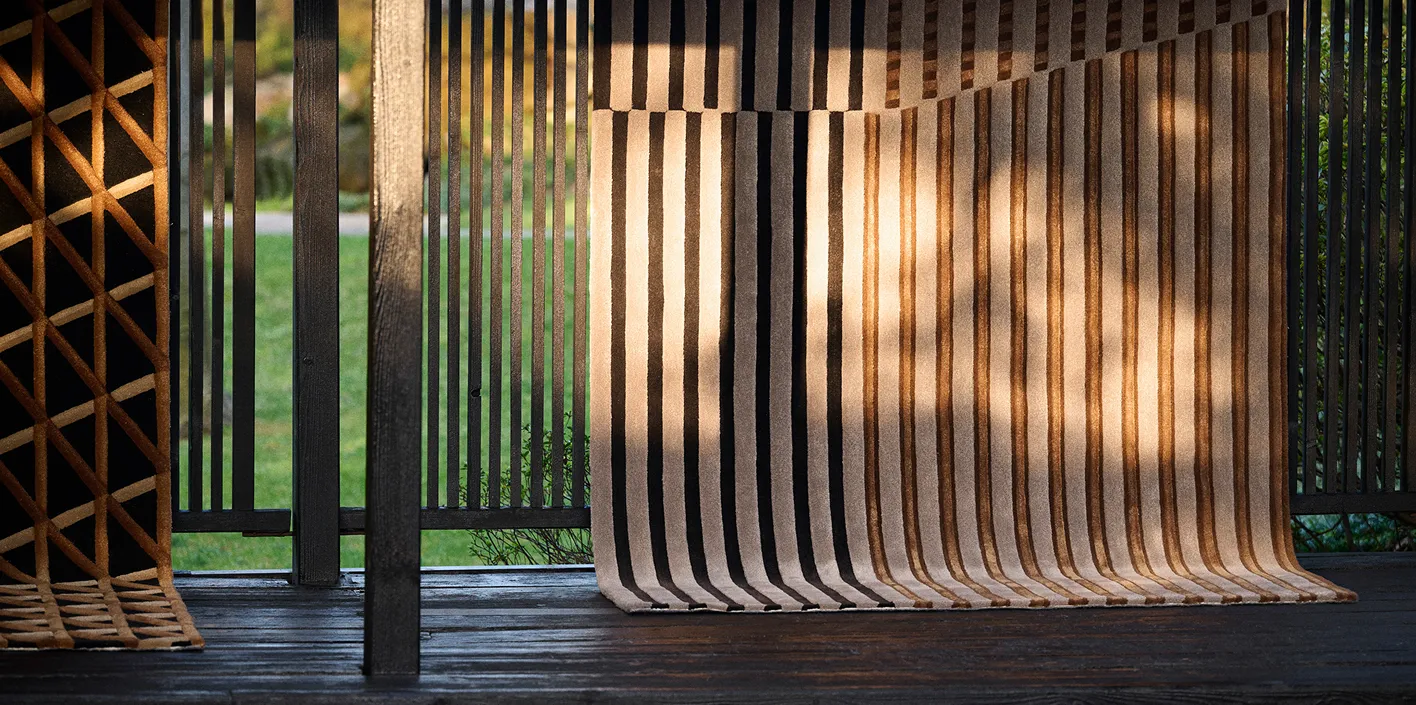


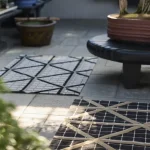

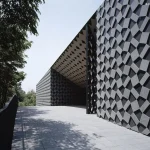
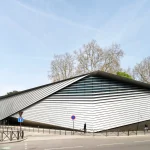
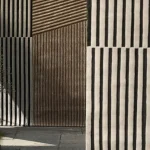
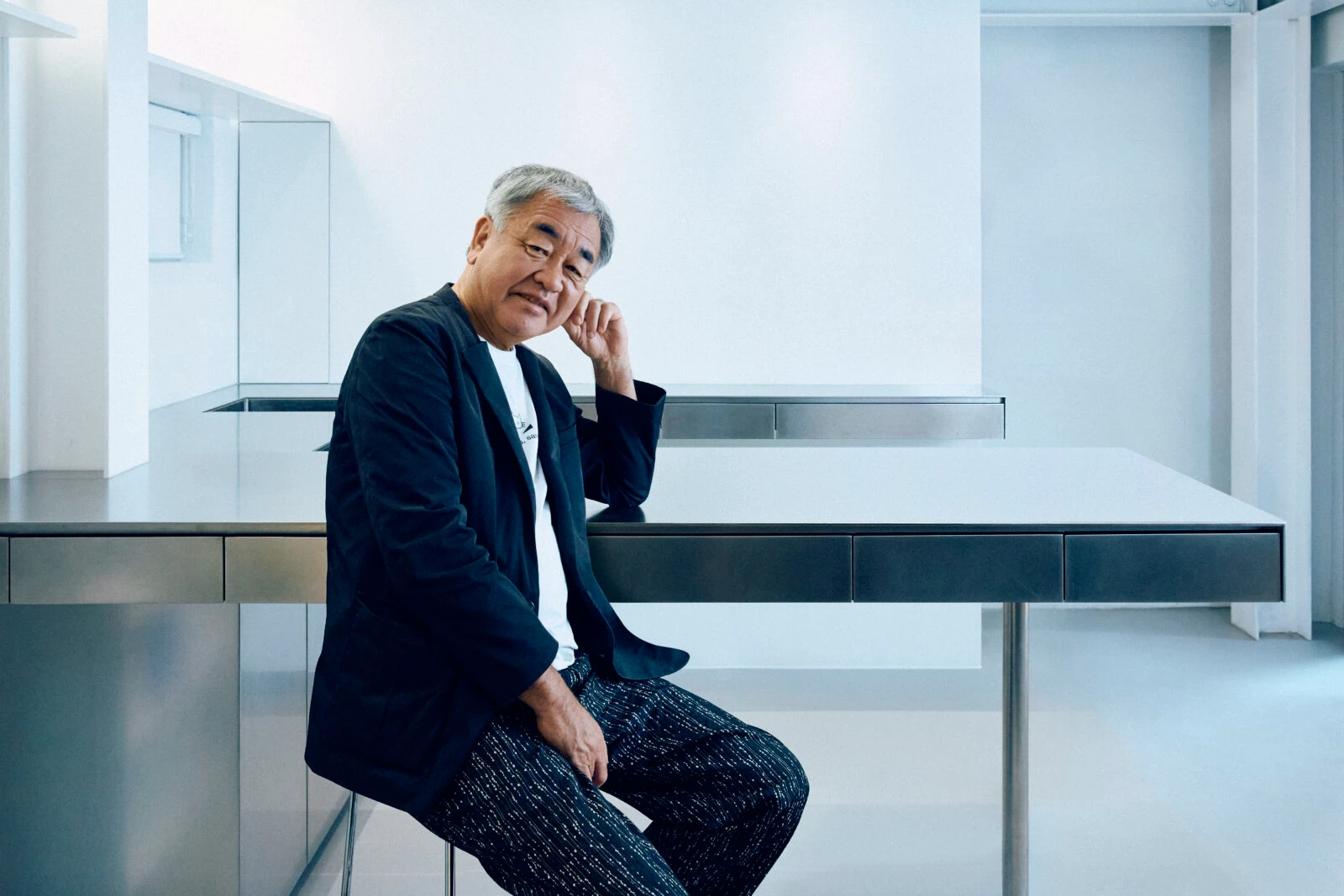
In a refined collaboration, Japanese architect Kengo Kuma and India-based Jaipur Rugs reinterpret built form as a sensory surface. The Faces Collection avoids direct representation and explores fragments, material depth, and nuanced transitions influenced by light and nature. The result is a series of rugs that read as gentle imprints of space that is calm, atmospheric, and seamlessly suited to everyday living.
First presented at Milan Design Week, Faces includes 16 rugs inspired by landmark works from Kengo Kuma & Associates. The best part about these rugs is that they do not replicate façades, but each piece captures the mood, rhythm, and sensory experience of a building.
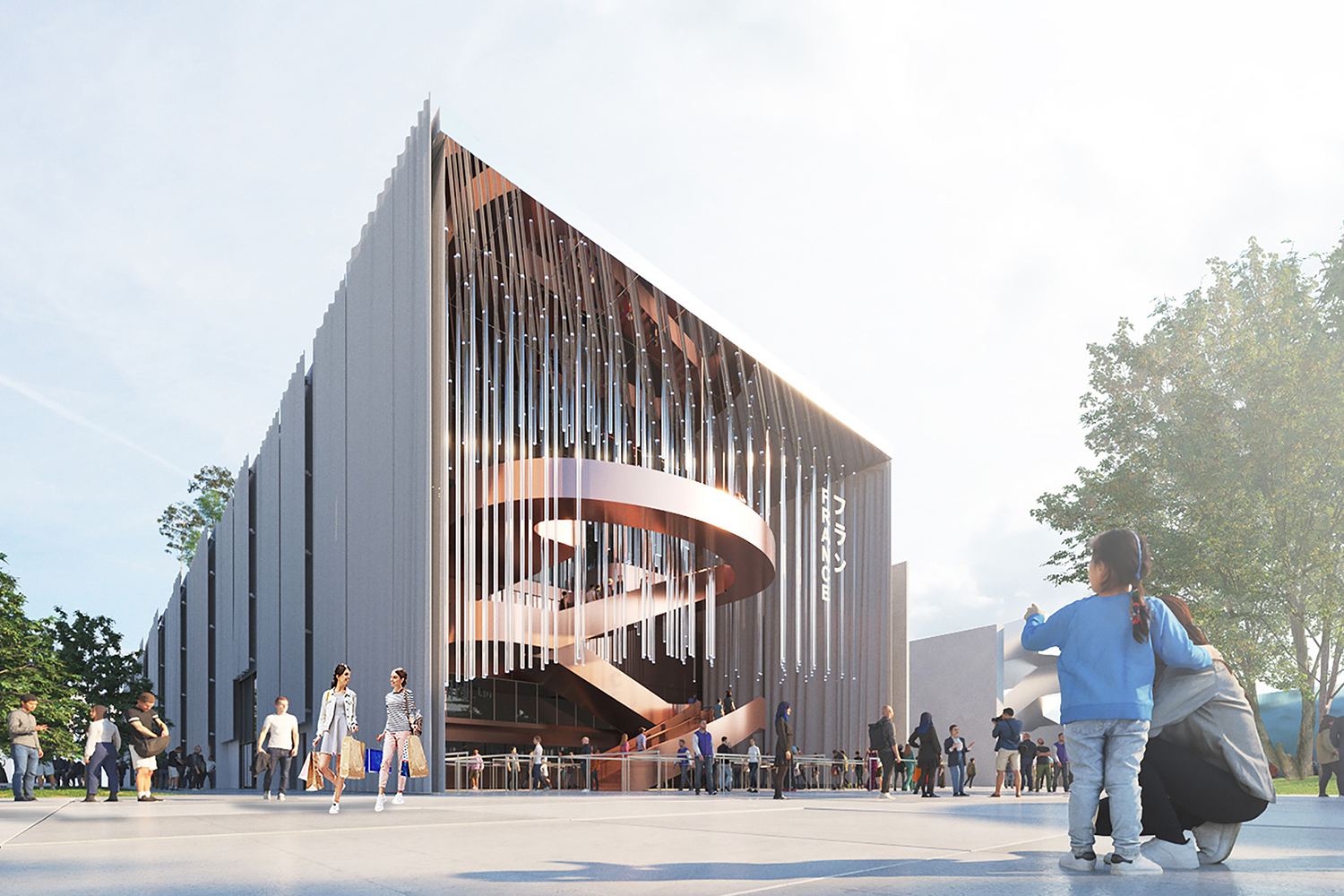
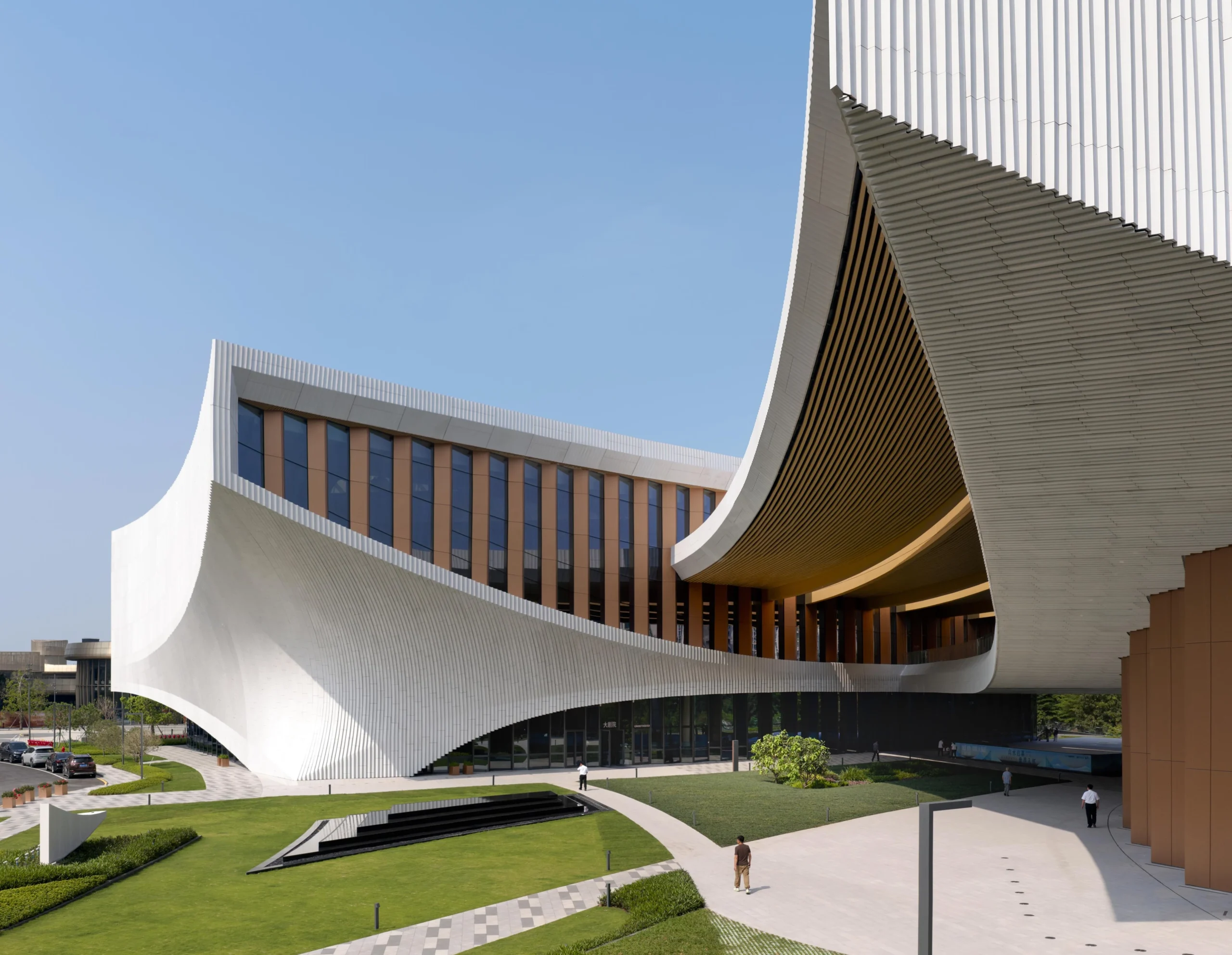
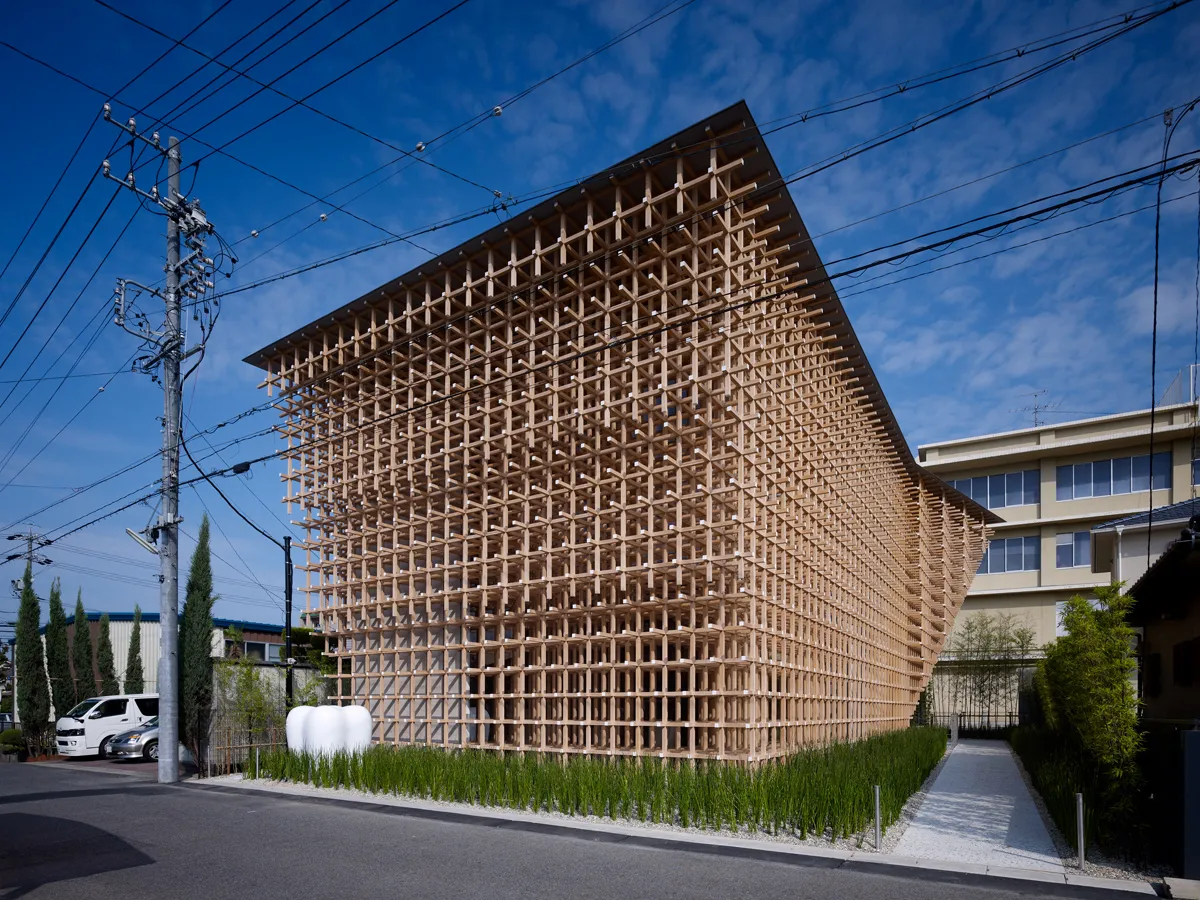
Through expert craftsmanship, architectural ideas move from solid structures into soft surfaces, making them feel more intimate and human, less like objects and more like environments. When you look at the images of the buildings alongside the rugs, a quiet synchronicity between form and textile begins to emerge.
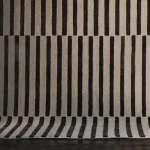
Sukima: The Space Between
Sukima explores the quiet intervals, or in-between moments, where space, light, and air are allowed to exist without interruption.
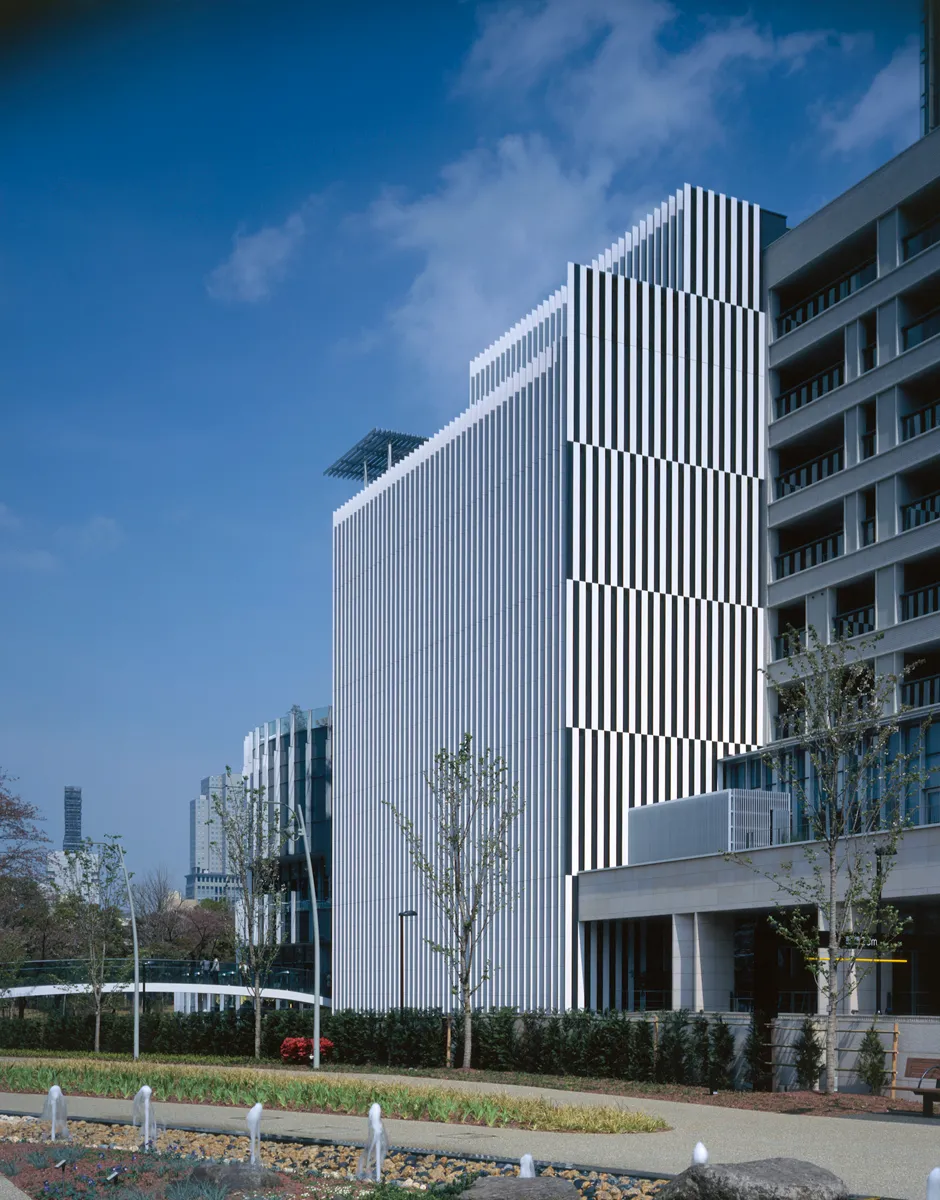
Inspired by the Suntory Museum of Art, the rug draws from Muso-goshi, a traditional wooden lattice that filters light into delicate layers. In the architecture, light is softened and guided, never entering as a single, direct gesture.
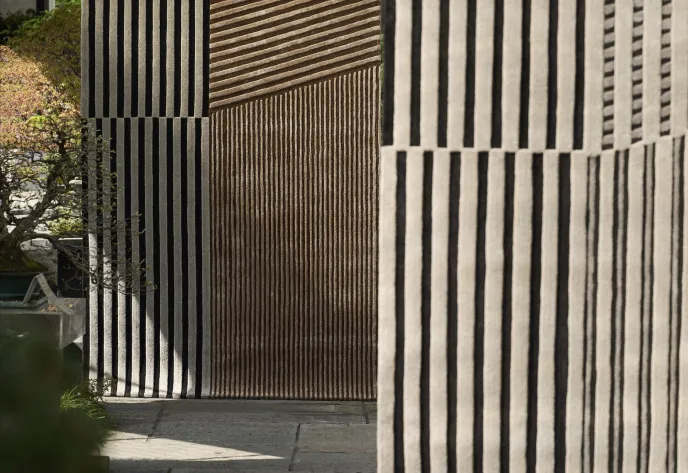
This sensibility is translated into the rug through fine linear compositions and carefully spaced patterns. The surface allows light and shadow to dissolve gently into it, creating a calm, almost meditative presence. The rug does not define space but subtly alters its atmosphere, making the invisible qualities of architecture quietly perceptible.
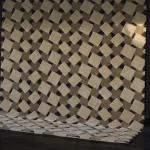
Kigumi: Structure Without Excess
Kigumi reflects a traditional Japanese construction method where individual wooden elements interlock to form a structure without the use of nails. It is a system rooted in precision, balance, and an inherent understanding of material.
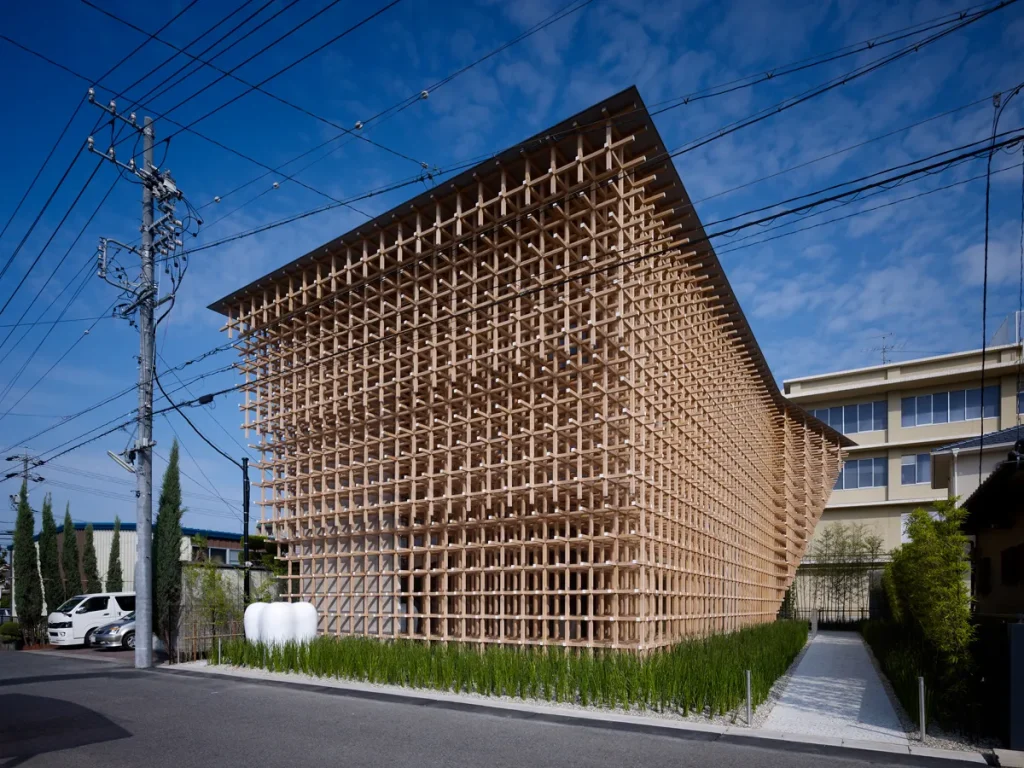
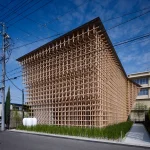
The rug takes inspiration from the GC Prostho Museum Research Center, where a Chidori joinery system forms an intricate grid that shifts in depth and rhythm depending on movement and perspective. The structure never appears fixed as one moves around it.
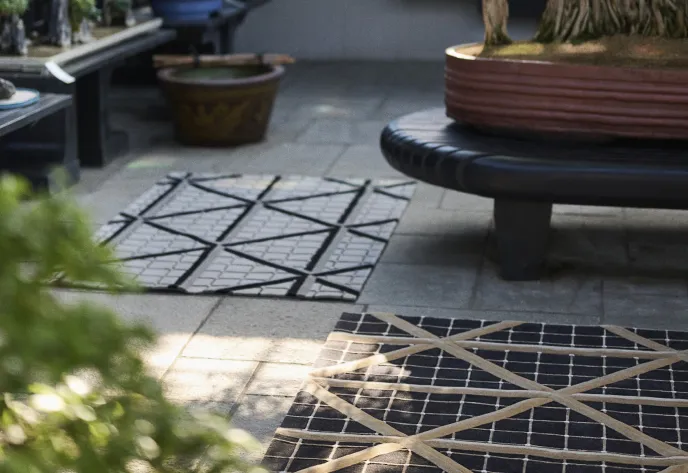
In textile form, this complexity is reinterpreted through layered weaving techniques that create depth and variation across the surface. The warmth and tactility of wood are translated into softness, while the structural logic remains embedded within the pattern. The rug feels ordered and dynamic, balancing clarity with subtle movement.
Kasane: Layers of Depth
Kasane is rooted in the idea of layering, where depth and richness emerge through the overlapping of materials, colors, and spatial elements.
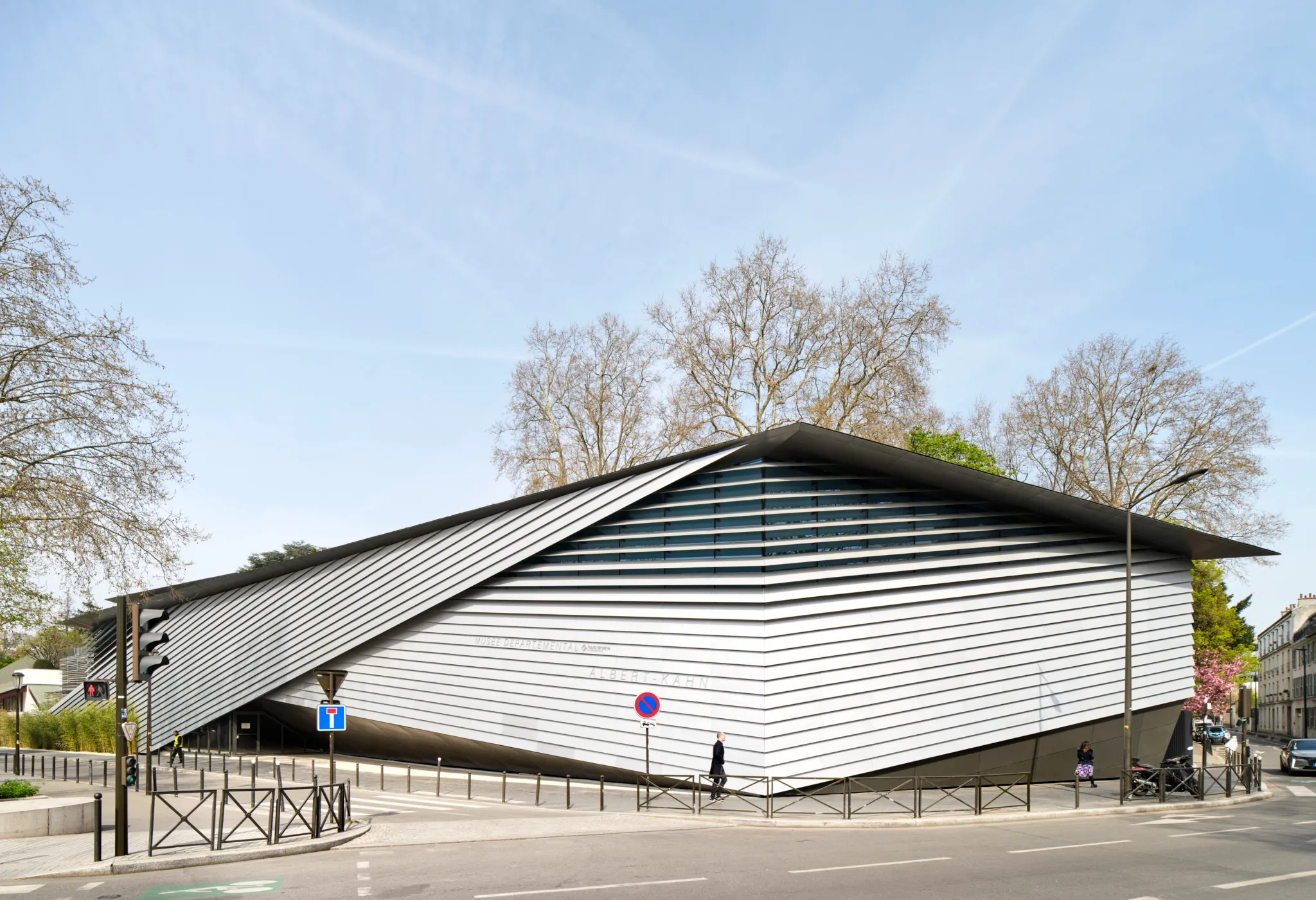
Taking a cue from the Albert Kahn Museum, the architectural reference explores façades that function beyond solid boundaries and function as permeable layers that mediate between interior and exterior. Light passes through, materials overlap, and space feels continuous.
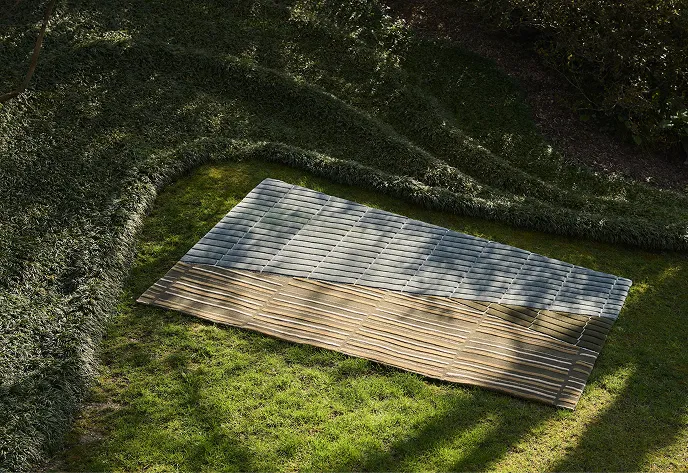
This concept is translated into the rug through nuanced color gradations and finely calibrated textures. Layers appear to shift and merge, creating a sense of depth without heaviness. The palette remains soft and nature-inspired, allowing the rug to sit quietly within a space while still offering visual complexity.
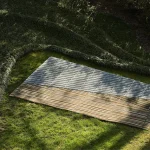
Chirashi: Rhythm in Scattering
Chirashi explores the idea of intentional scattering, where elements are arranged in a way that feels spontaneous, yet remains carefully balanced. It is a composition that embraces irregularity while maintaining harmony.
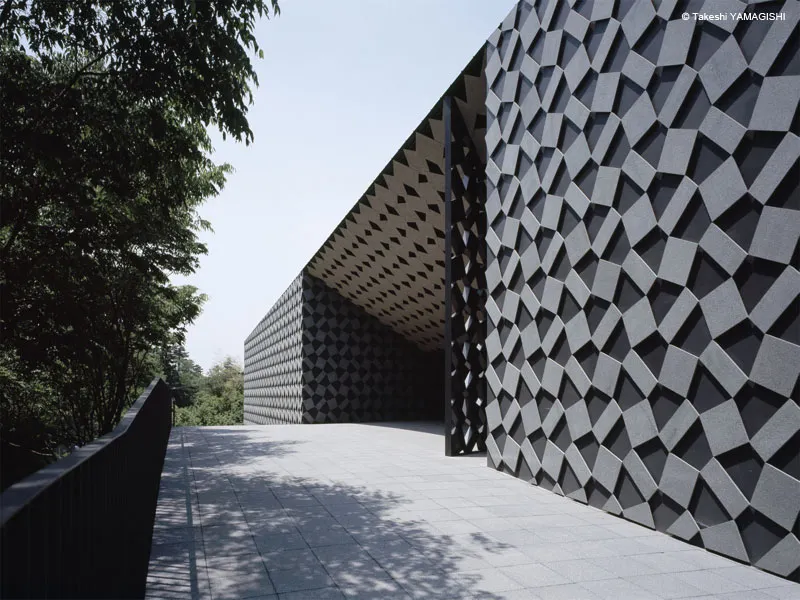
The design draws from the Kanayama Castle Ruin Museum, where stone appears almost fluid, shaped gradually by time and natural forces. The patterns carry a sense of movement, as if constantly evolving.
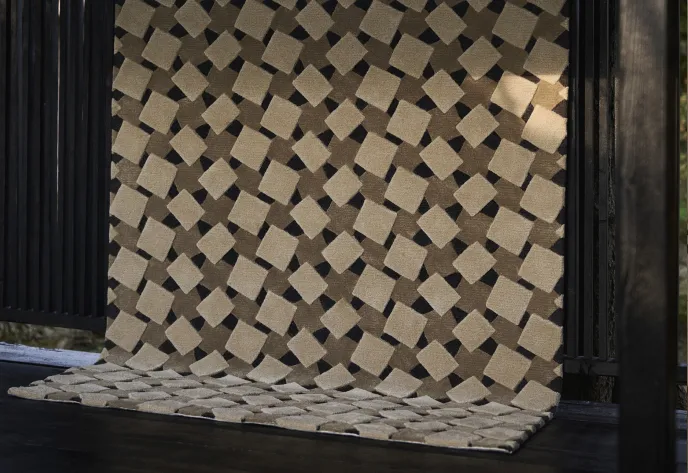
In the rug, these qualities are softened and reinterpreted through delicate handcraft. The scattered composition creates rhythm across the surface, allowing the eye to move freely without settling in one place. What was once heavy and solid becomes warm and tactile, balancing weight with lightness. The rug holds a quiet tension between control and randomness.
Bokashi: Soft Transitions in Light
Bokashi reflects a traditional Japanese technique where colors and edges dissolve into one another through gentle gradation.
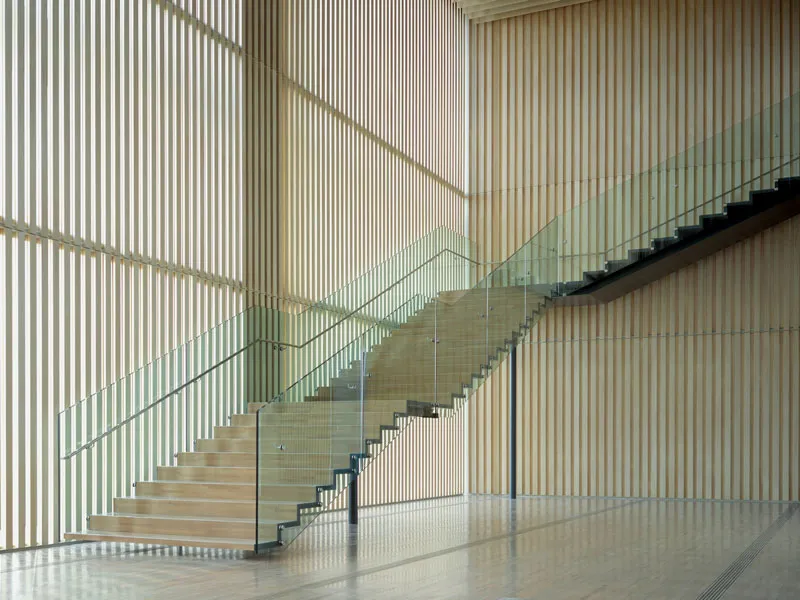
Like the Sukima rug, Bokashi is also inspired by the Suntory Museum of Art, as it references Muso-goshi, a wooden lattice that diffuses light into soft layers. This effect is expressed through fine linear patterns and subtle tonal shifts, allowing light and shadow to blend seamlessly into the surface.
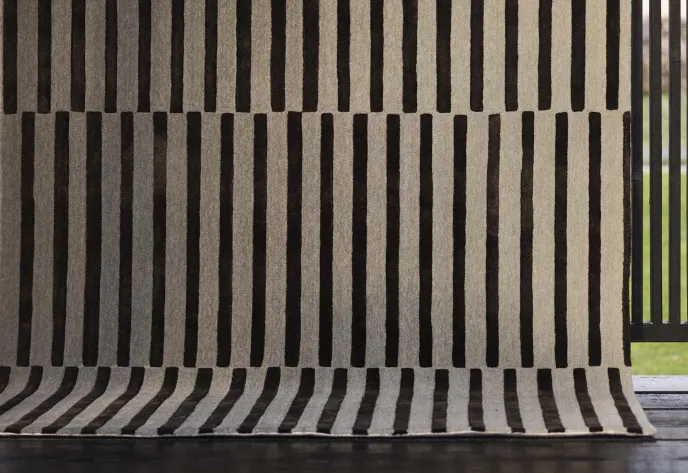
At its core, Faces is an exploration of how architecture can extend beyond built form. Kengo Kuma’s sensitivity to material, light, and atmosphere finds a new expression through the weaving techniques.
The collaboration with Jaipur Rugs transforms structure into texture and space into something that can be felt, bringing architectural thinking into a softer, more immediate realm. The Faces collection reframes how architecture is experienced; by translating buildings into textiles, it allows spatial ideas to exist within everyday life.